Munich

With no direct train from Strasbourg we connected through Stuttgart to reach Munich. With very few words of German between us we were grateful for the willingness of the people we met to speak English, once our few words had expired. That said, the first person we spoke to was the Turkish driver of the taxi that took us from the station to our hotel.

Munich is a modern and propperous city (population of 1.6 million), with a similar feel to some cities in Northern Italy, from which it is only a two hour drive. It is the capital of Bavaria and was founded in 1158 to control the salt trade which was essential for food preservation. As well as salt, considerable wealth was derived from developing and controlling the beer industry.

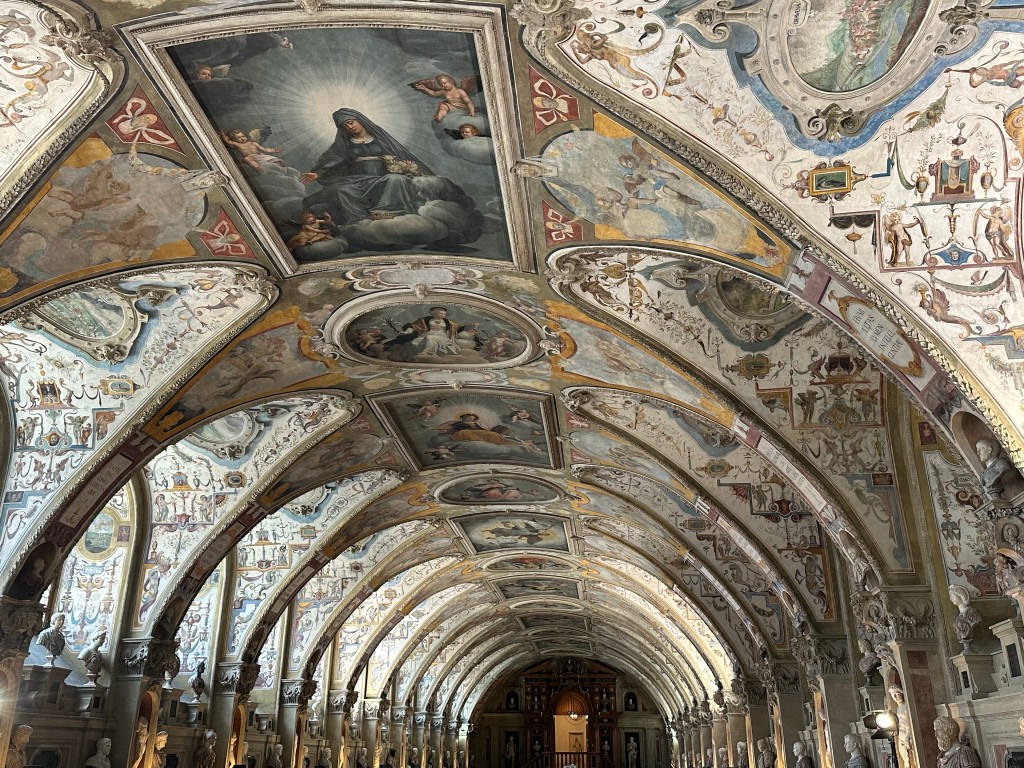
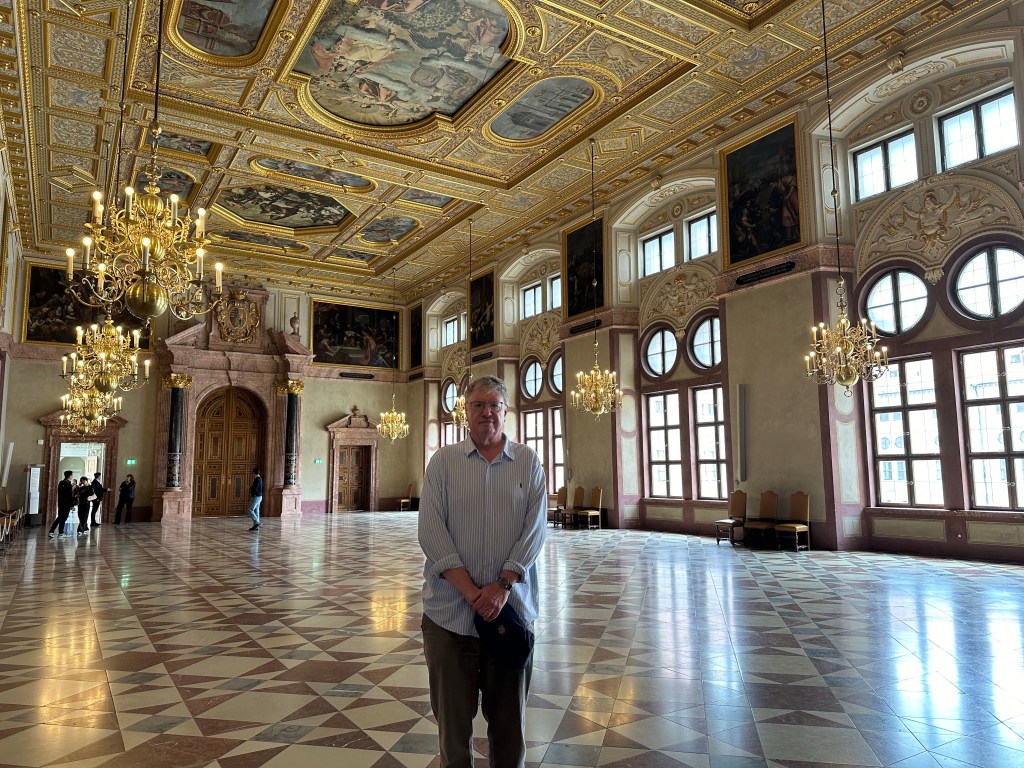
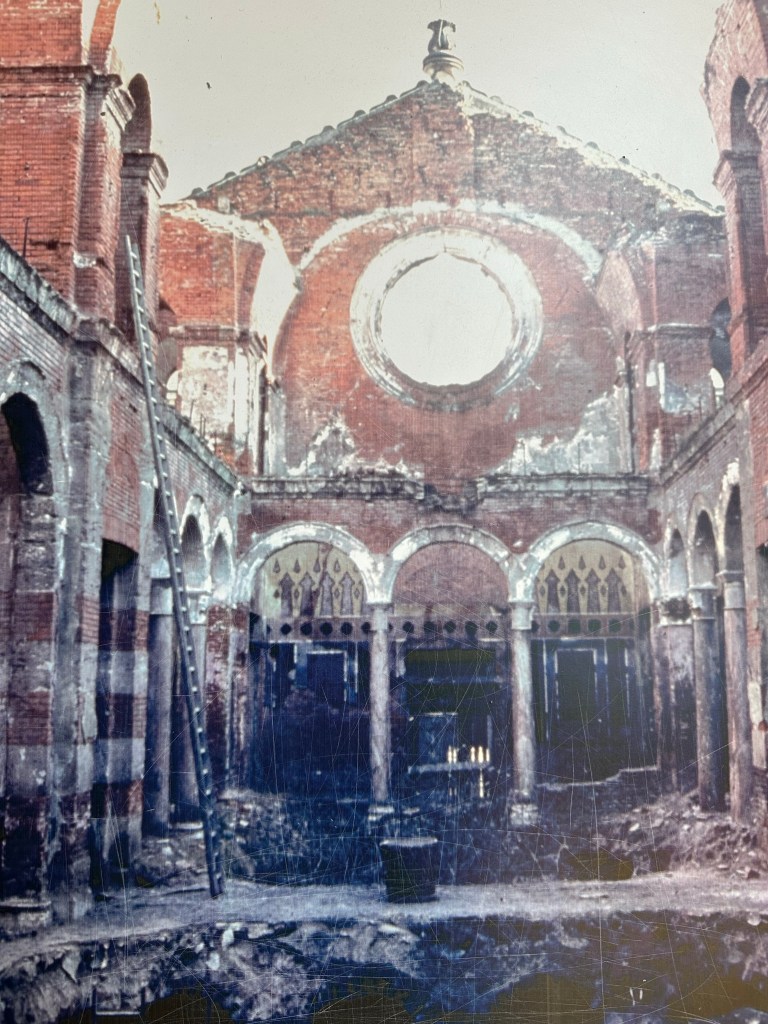
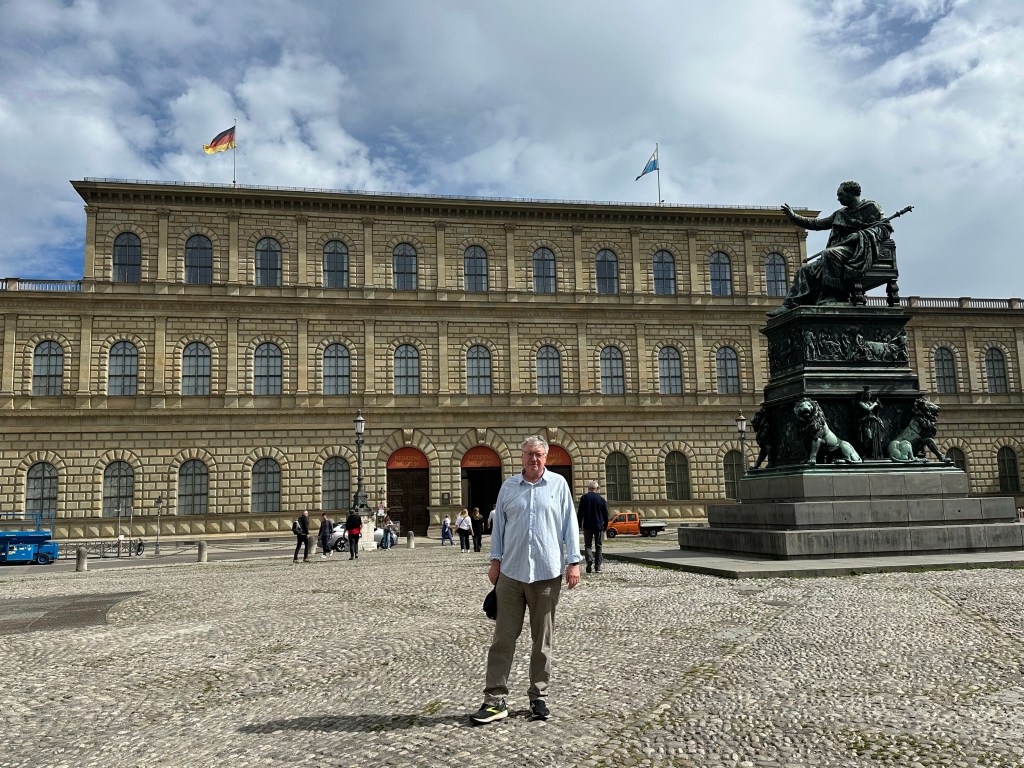
The Wittelsbach dynasty ruled Bavaria from 1180 until 1918. The British royal family are decended from the Wittlesbach princess Sophia of Hanover. The family ruled from the Residenz, the largest city palace in Germany, the building of which started in 1385 with many additions and changes made over the years depending on the fashions of the period. In common with much of Munich, It was badly damaged by Allied bombing in World War II but has been renovated.

The Frauenkirche, Munich Cathedral, was built in the 15th Century in only 20 years. Its importance to Munich and Bavaria is such that no building in the city is allowed to be taller. During World War II much of the building and its contents were destroyed, it was rebuilt and reopened in 1994.
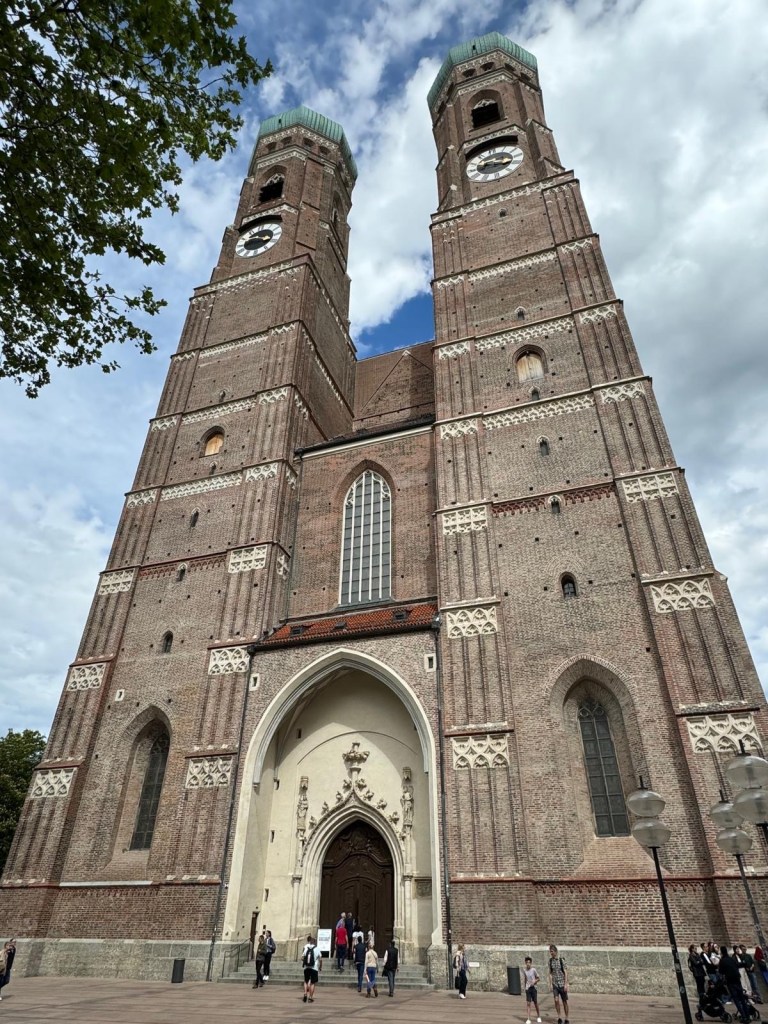
Munich cathedral
Residenz
Residenz
Residenz
Residenz
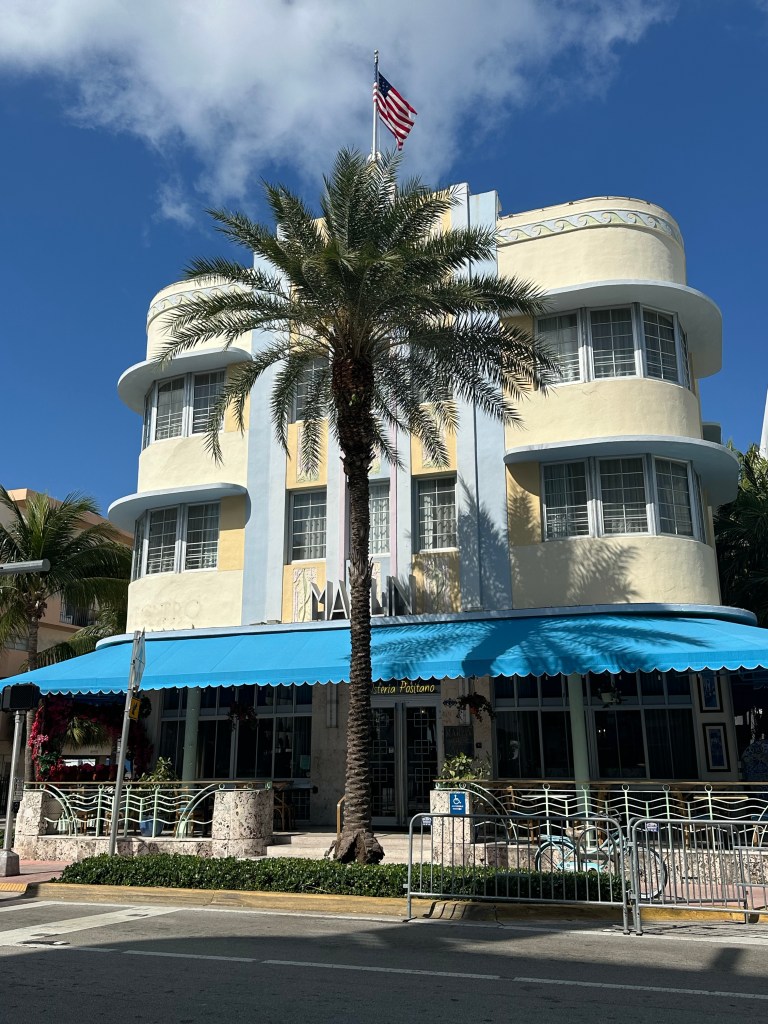
Photo of part of the Residenz before renovations
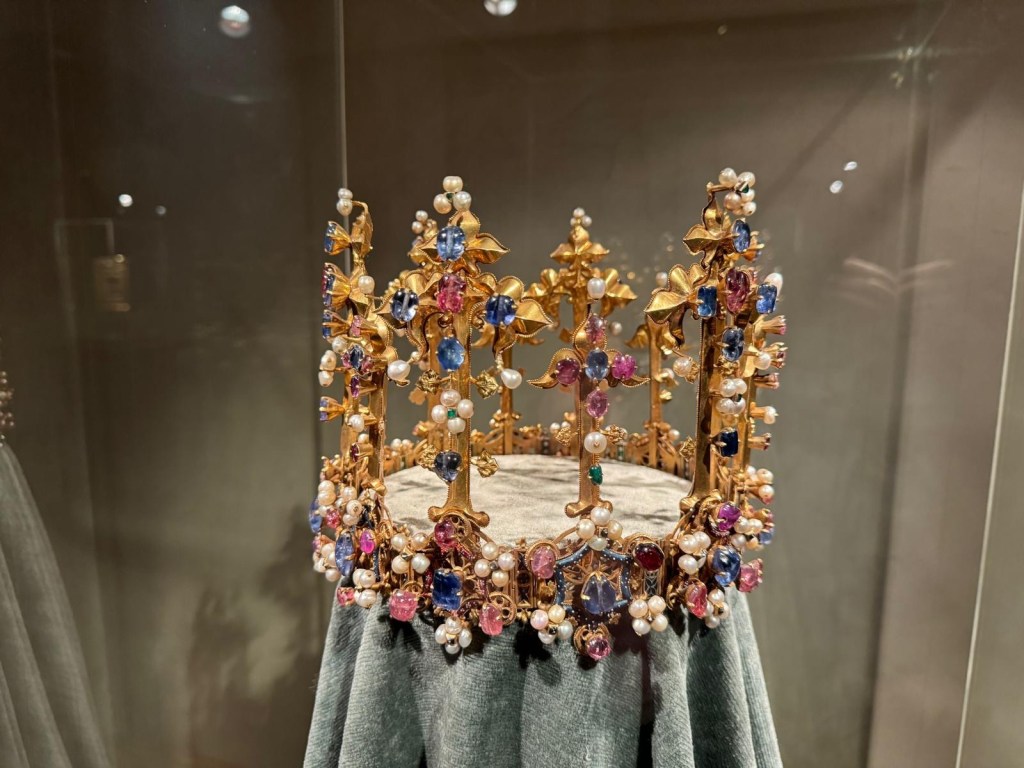
Oldest surviving English royal crown, originally belonging to Anne of Bohemia, the wife of King Richard II, displayed in The Treasury at the Residenz
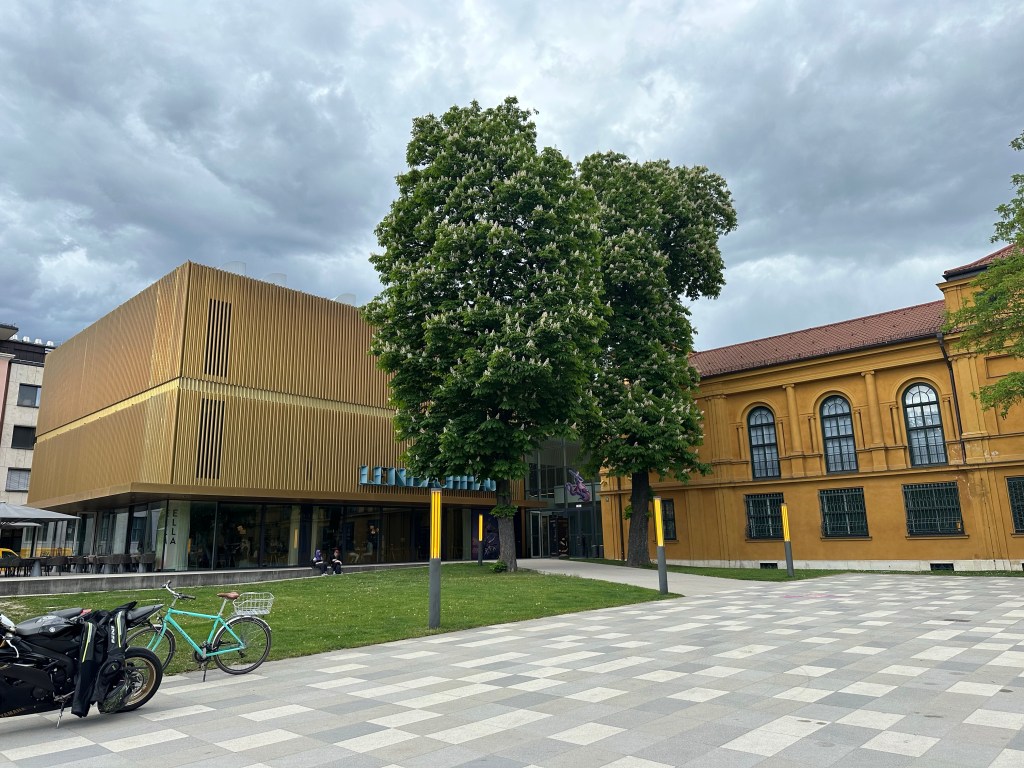
Lenbachhaus modern art museum
Extension of Lenbachhaus museum designed by Norman Foster
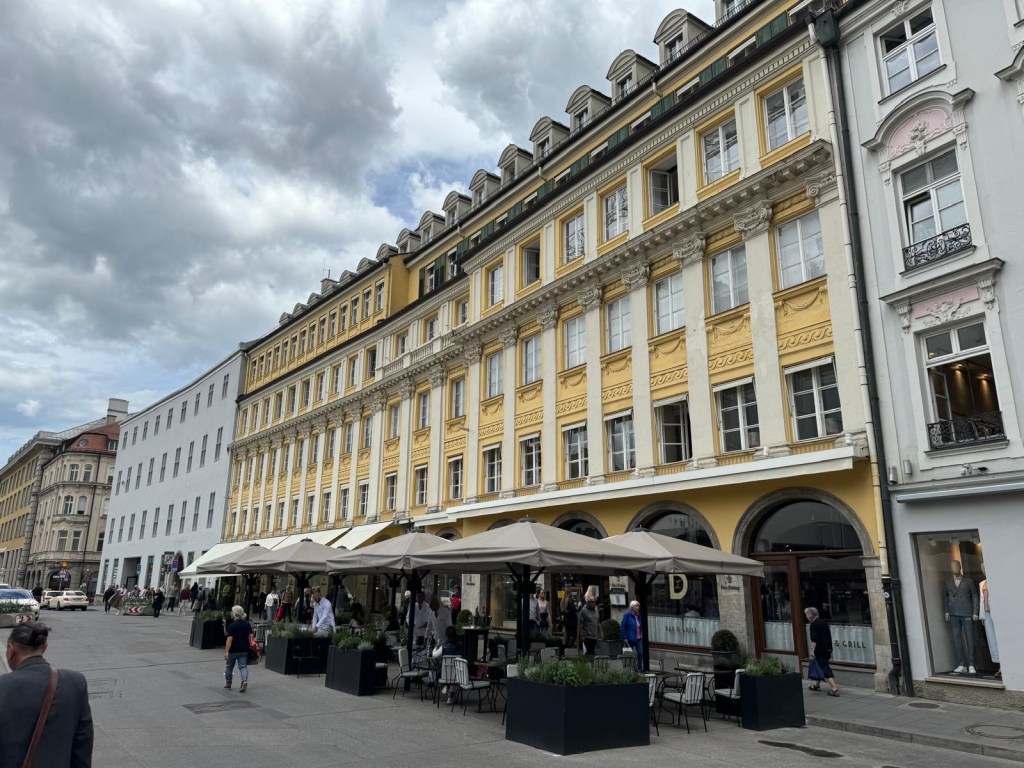
Dallmayr- a Grand Cafe and Food Hall, the Fortnums of Munich – delicious breakfast

Strasbourg and Colmar

Strasbourg is the capital of the Grand Est region of France formerly Alsace and the official seat of the European Parliament. Strategically situated on the River Rhine, which acts as the border with Germany, it has been an important trade hub for 2000 years. It is the second largest port on the Rhine and the second largest river port in France. It featured as an important part of the Protestant Reformation and Johannes Gutenberg lived in the city for 10 year around the time her invented the printing press. Alsace was part of France from 1681 until Germany took control at the end of the Franco-Prussian war in 1871, before returning to French rule in 1918 following World War I.

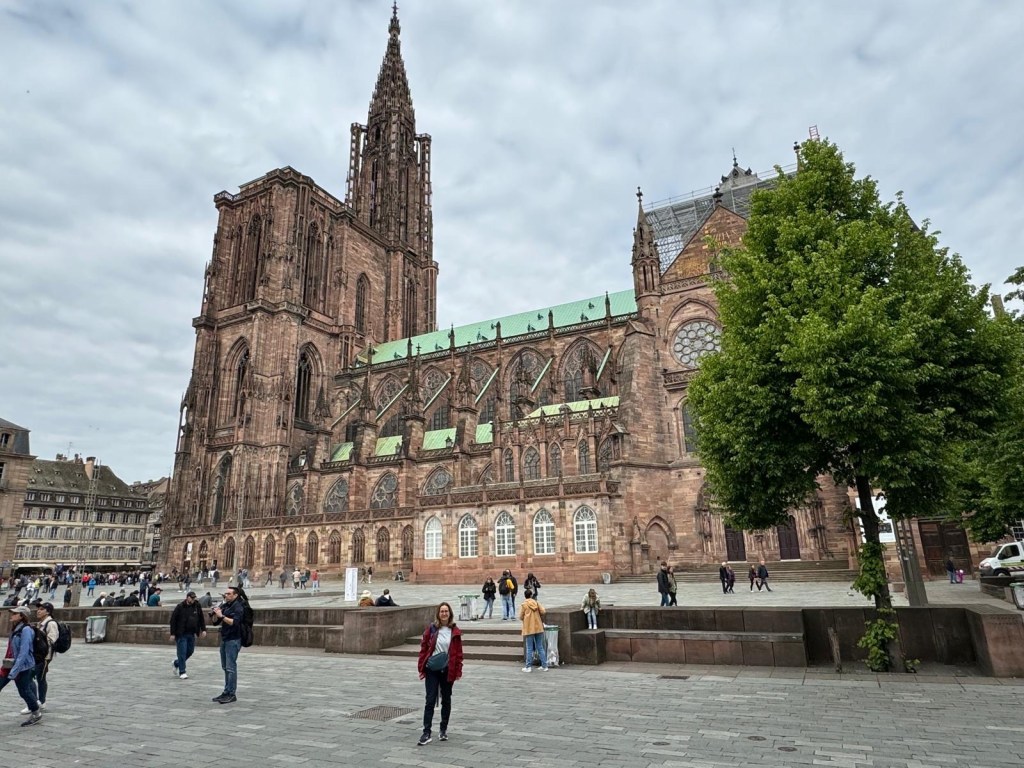
The city is dominated by Strasbourg cathedral built between 1015 and 1439. With a spire height of 142 metres (20m higher than Salisbury cathedral) it was the tallest building in the world between 1647 and 1874, inheriting the distinction as a result of damage to prior holders of the record.

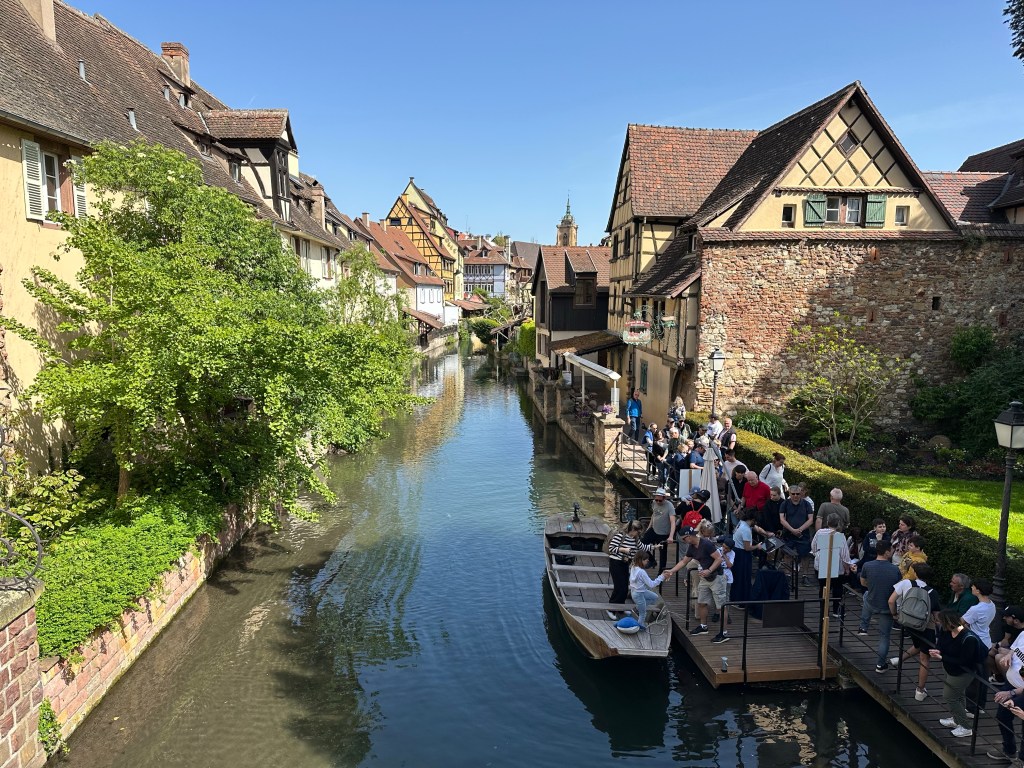
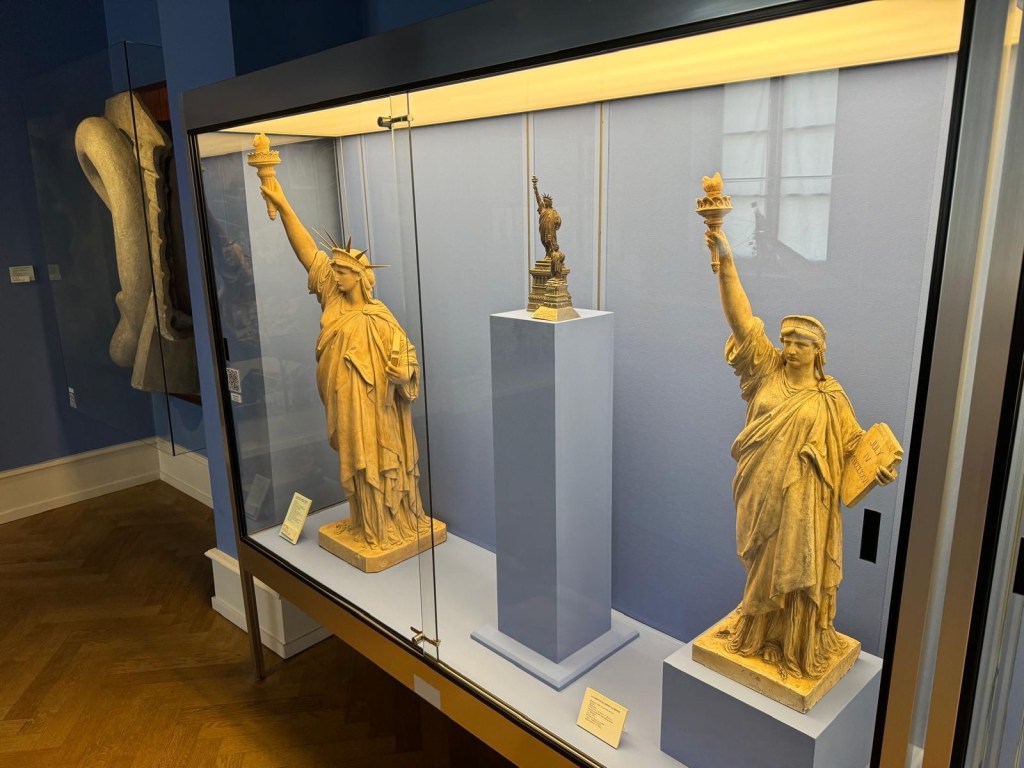
Colmar is 40 miles south of Strasbourg and is the third largest city in Alsace. We visited on a day trip from Strasbourg, by train. It is famous for its half timbered houses and its narrow canals, nicknamed (locally and generously) as “Little Venice”. It is the birthplace of the French sculptor Auguste Bartholdi who is best known for designing the Statue of Liberty, although he was the sculptor responsible for numerous other works, predominantly in the US and France. Many of the sketches and miniture designs of his works are on display in a museum dedicated to him in the house he was born in.

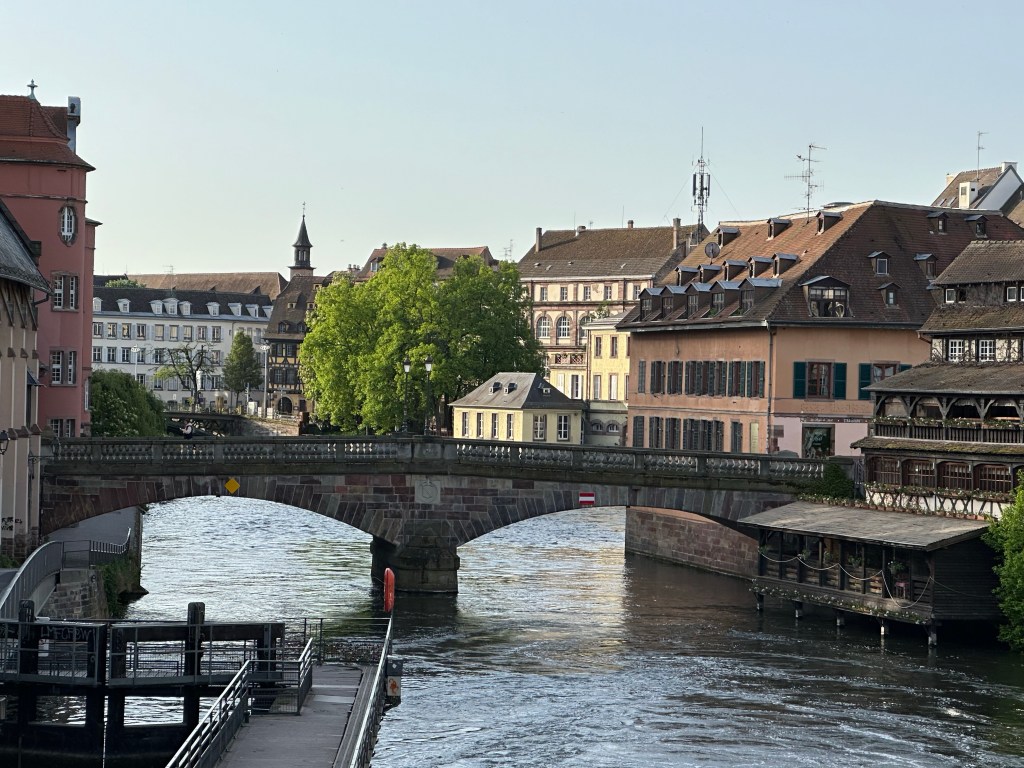
View from our hotel in Strasbourg
Strasbourg cathedral
Astronomical clock in Strasbourg cathedral
Colmar “Little Venice” (?)
Bartholdi museum, Colmar
“Young Winemaker of Alsace” by Bartholdi
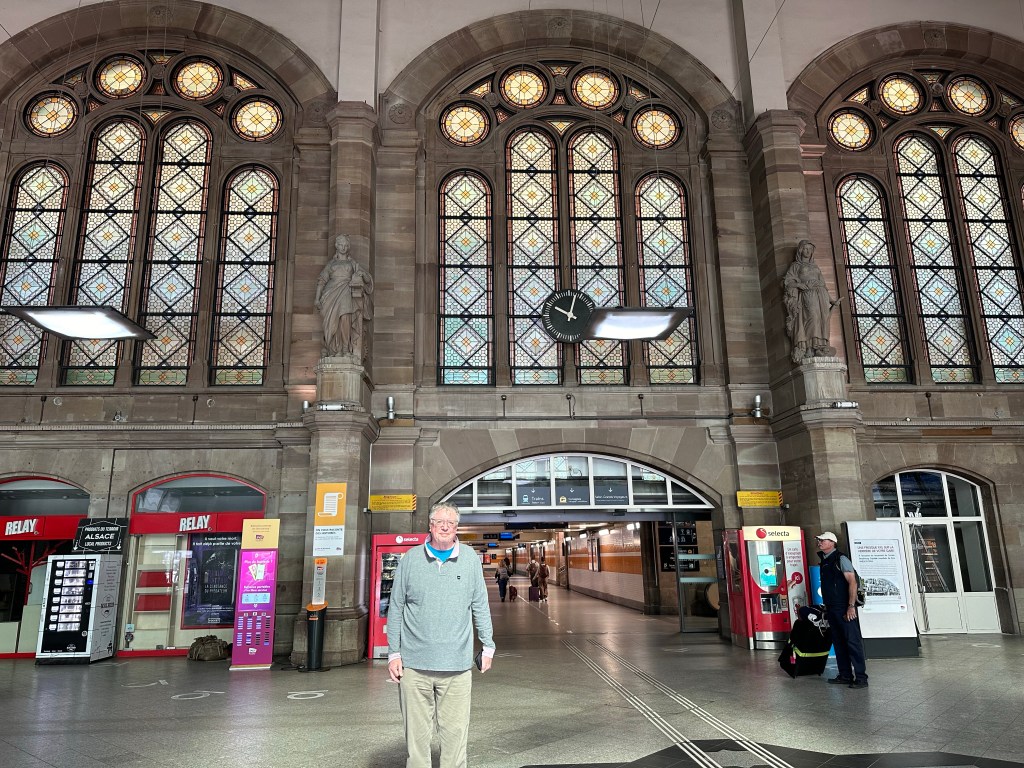
Strasbourg station

Eurorail to Budapest

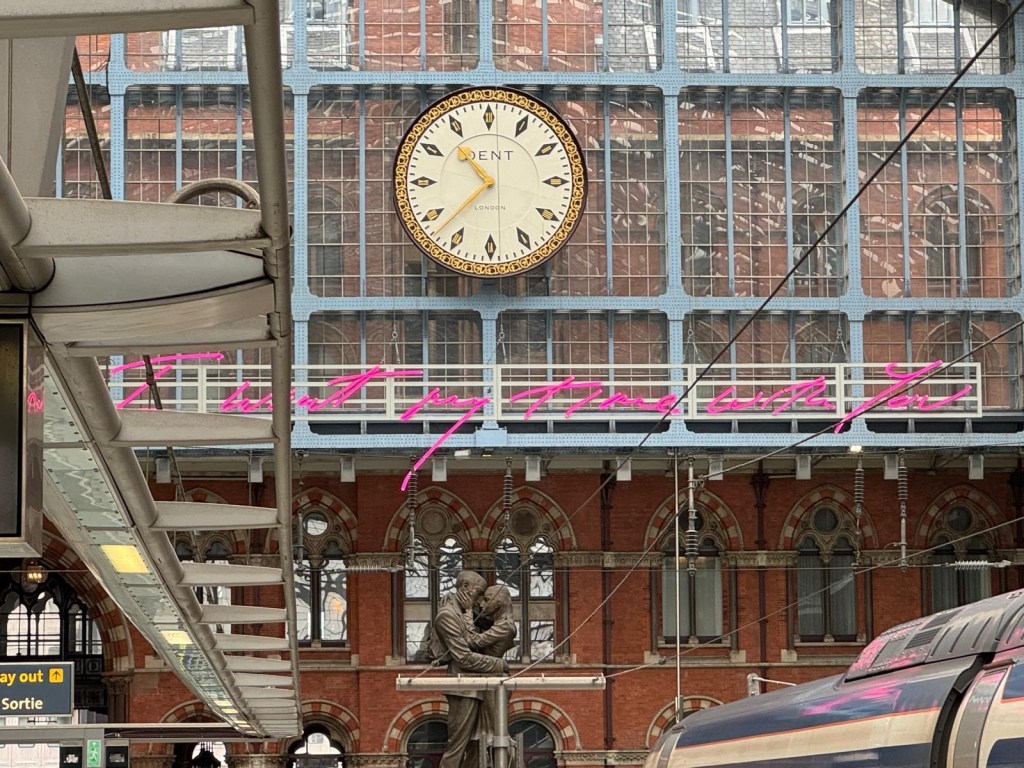
Our journey started from London St Pancras International station. The station was designed by railway engineer William Henry Barlow and opened in 1868. The Midland Grand Hotel (now Renainsance St Pancras) is the gothic frontpiece designed by George William Scott and opened in 1873, closed in 1935 and reopened in 2011.

The first leg of our two week rail journey was to Strasbourg via a change at Lille.

Museums and Galleries

Miami and Miami Beach has a varied selection of museums and galleries, which unlike the UK are almost entirely privately funded by wealthy philanthropists.

The Bass Museum is a museum of contemporary art, established in 1963 by Jewish immigrants who made their fortune from sugar.

The Wolfsonian is a museum which uses its collection to illustrate the persuasive power of art. The museum opened in 1995 is named after Mitchell Wolfson Jr, whose father was a businessman and the first Jewish mayor of Miami Beach.

The Rubell Museum houses their family collection in a building formerly used by the US drug enforcement agency as a warehouse for seized drugs. It opened in 1993 and is a collection of contemporary art. It is also home to an excellent modern Spanish restaurant, Leku.

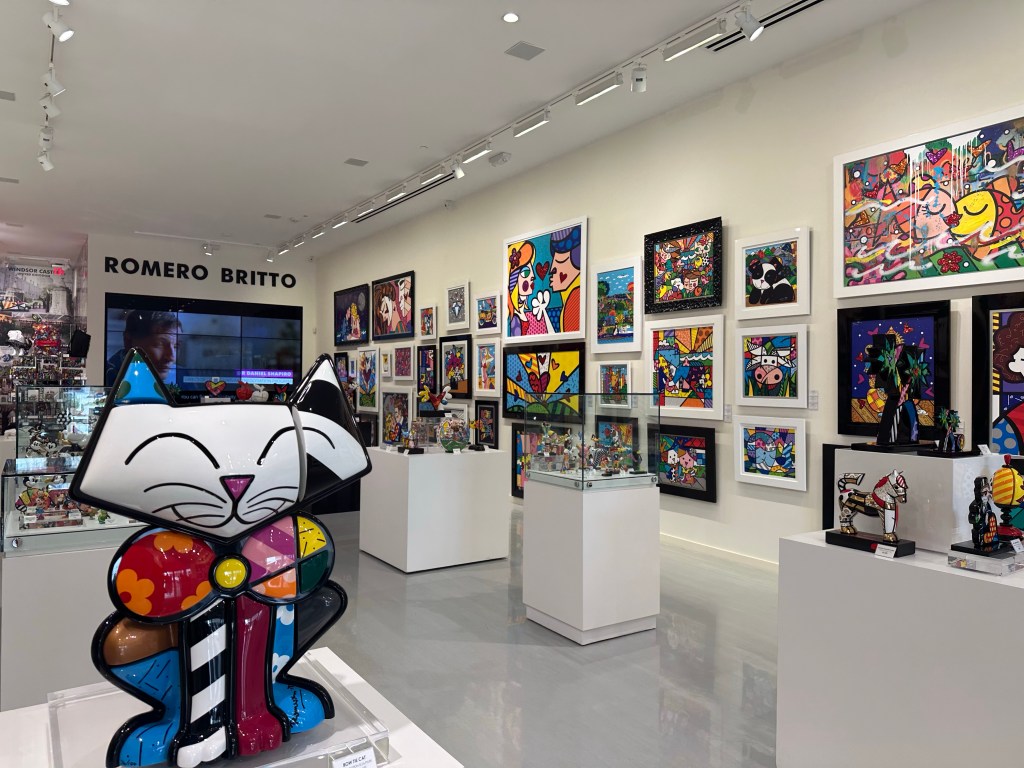
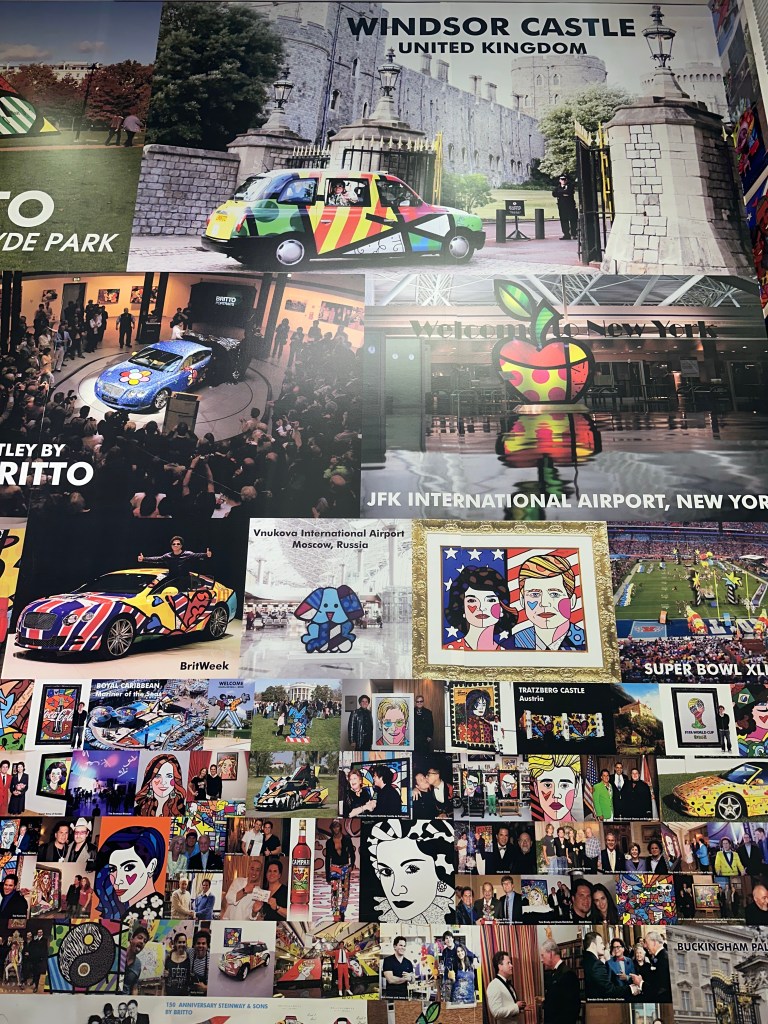
In addition we visited the Britto Gallery, a shop selling art work and products created by Brazilian born pop artist Romero Britto. He is reputed to be the most collected and licenced artist in history with his works extending from Disney figurines to London taxis.

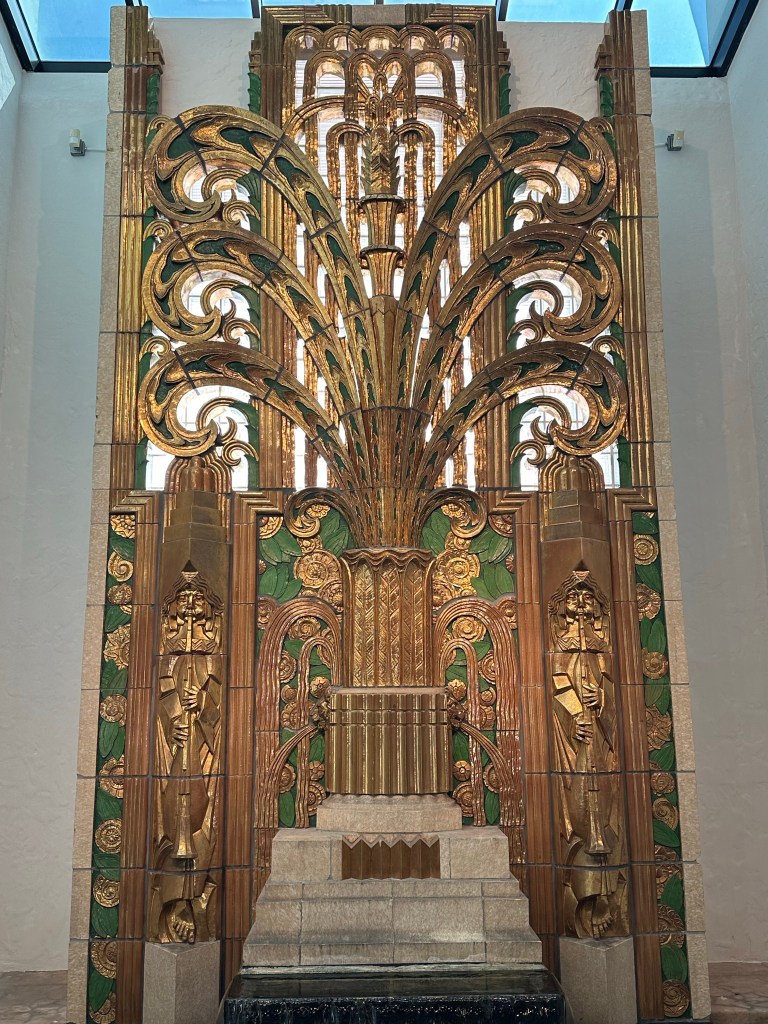
Bass Museum
Wolfsonian Museum
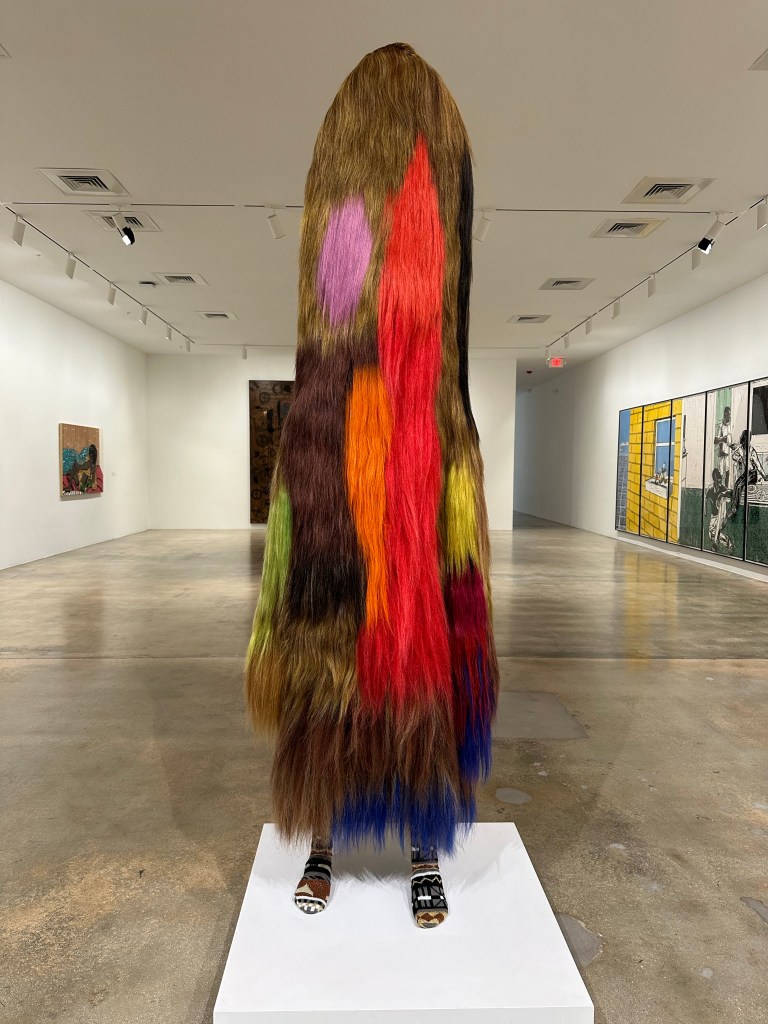
Rubell Museum
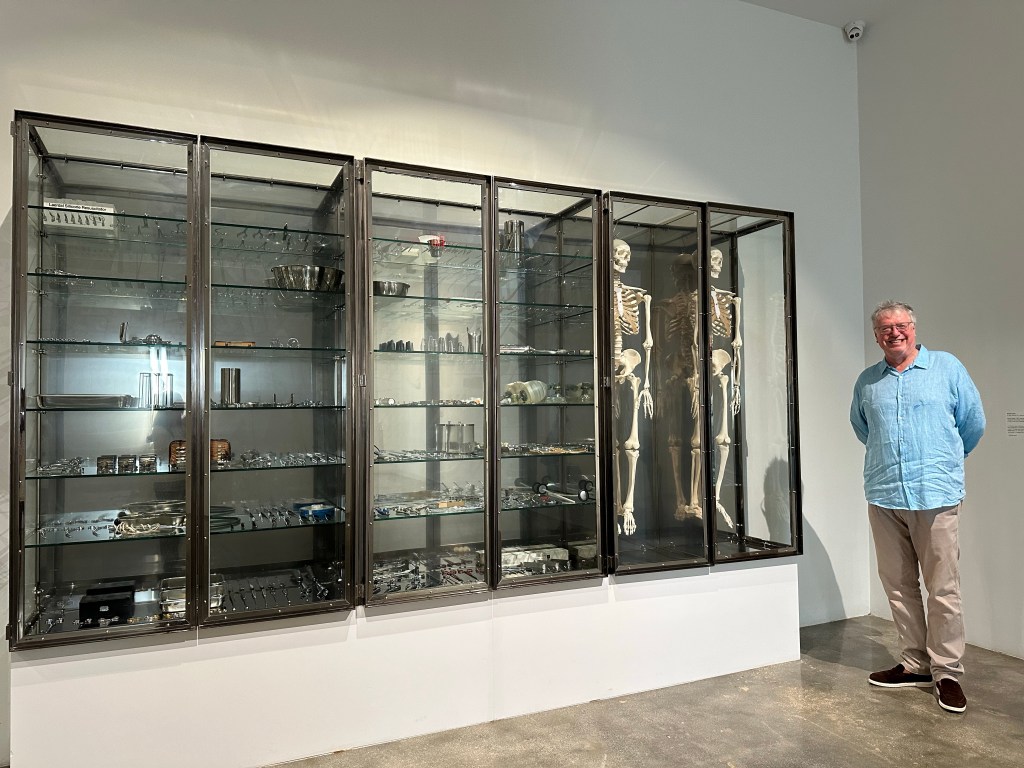
Rubell Museum – work by Damian Hirst
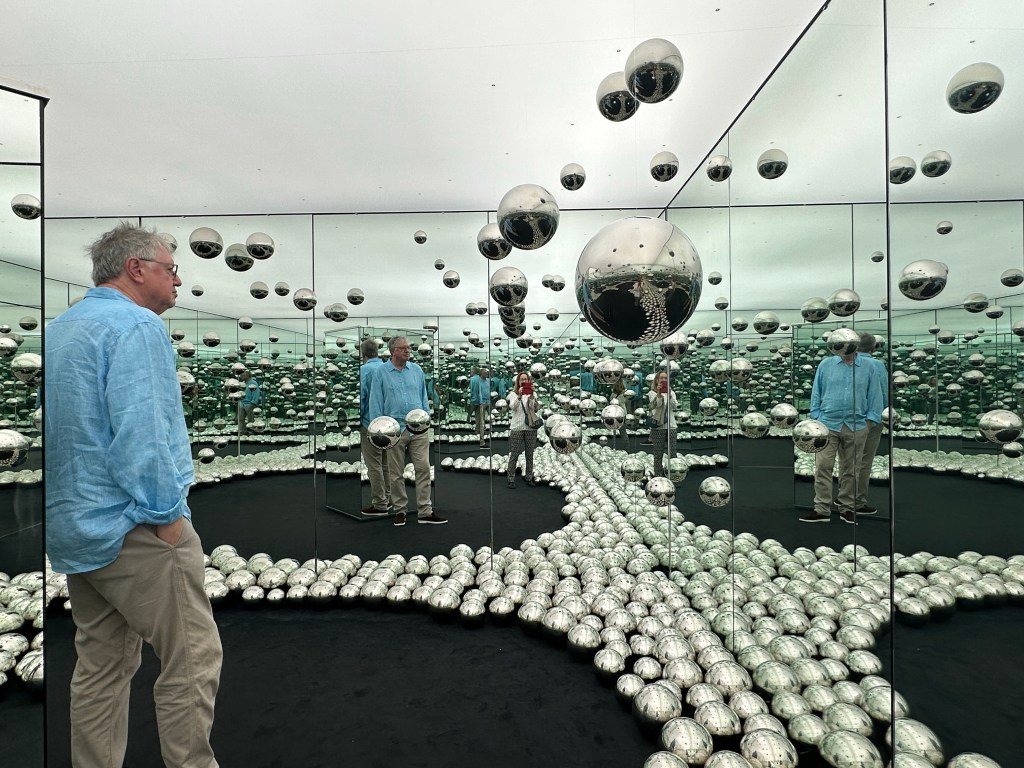
Rubell Museum – “Infinity” installation

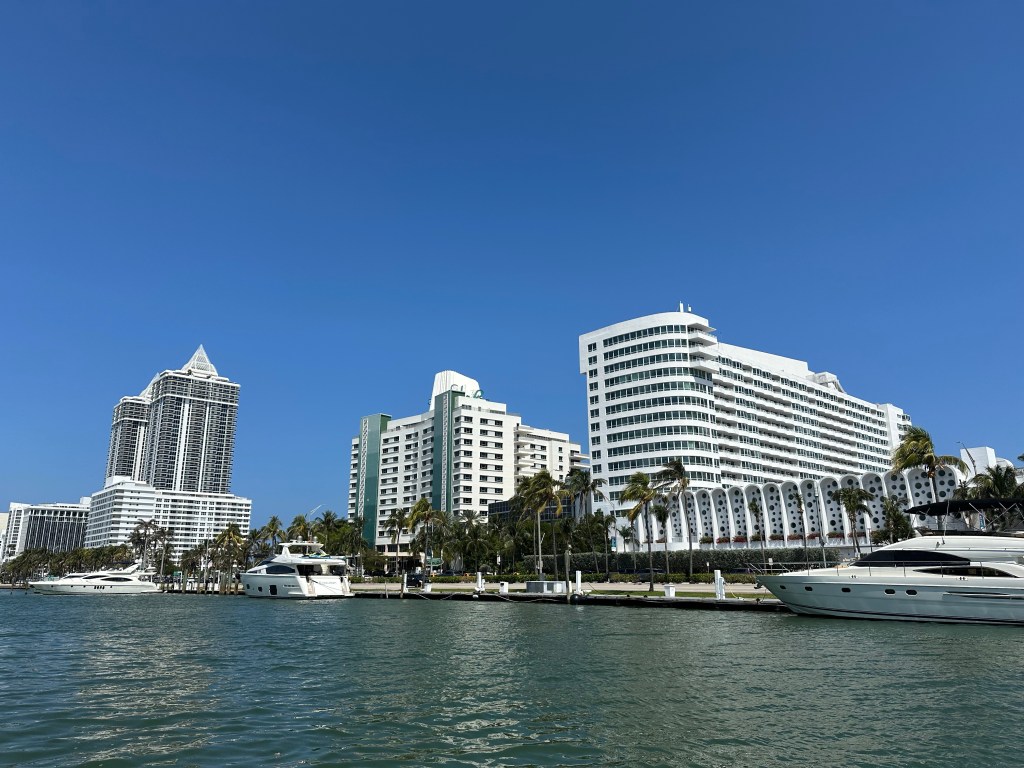
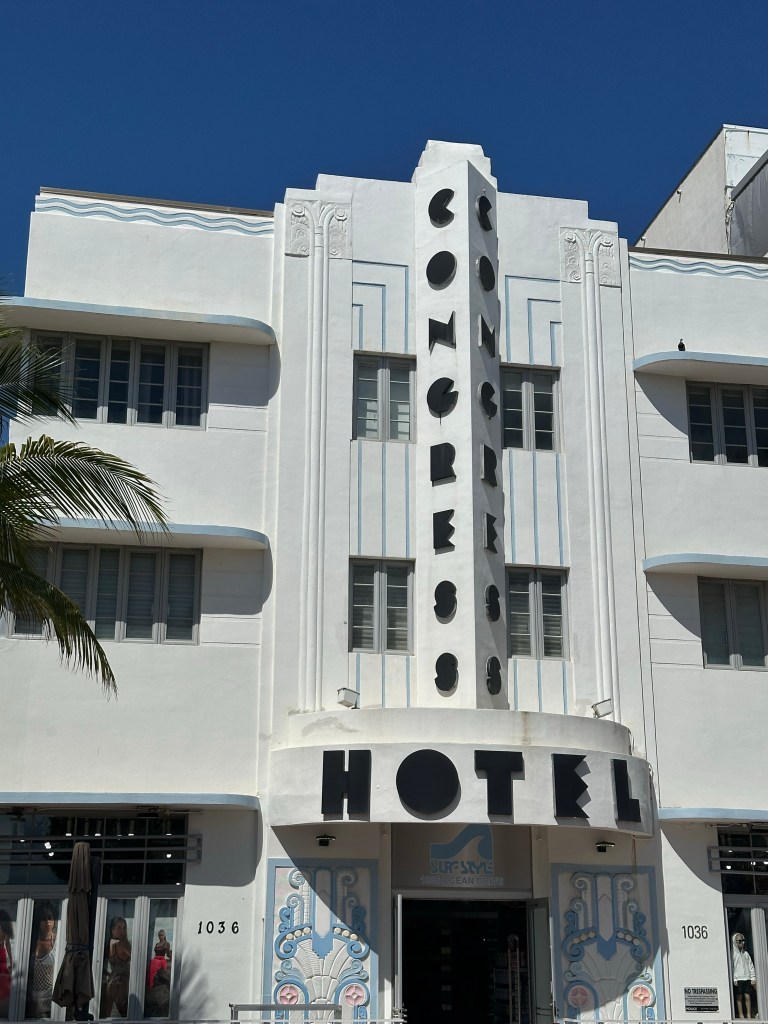
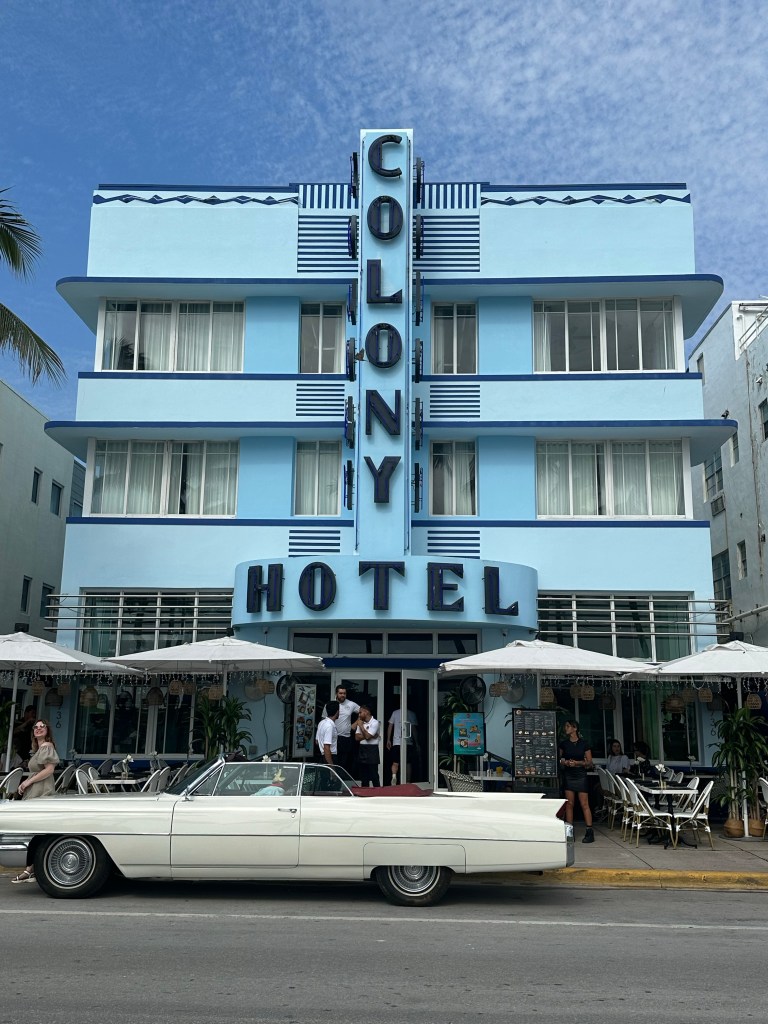
Miami Beach – Art Deco

In 1926 much of the infrastructure of wooden buildings of Miami Beach was destroyed by a major hurricane. The Brown Hotel is one of the few surviving wooden buildings. Miami Beach still attracted visitors and in response investors created small scale hotels and rooming houses in the Art Deco style which now represent the historic district of South Beach.

The most noteable architects were Henry Hohauseur and Murray Dixon with building taking place between from 1935 to 1941. For many of the hotels, their first occupants were service personnel training in the area before being sent to the Second World War.

From the 1950s onwards building of much larger hotels along the beach started north of 21st Street, with the Art Deco area remaining between 6th and 21st Streets. Visitor demand in the Art Deco area fell and the district declined into disrepair. There were strong commercial pressures from developers to dismantle the district with large hotels and casinos planned. However, locals led by Barbara Baer Capitman staged a campaign to secure the heritage of the district and in 1979 it was listed on the National Register of Historic Places, with a local preservation society overseeing the successful renovation of the area.

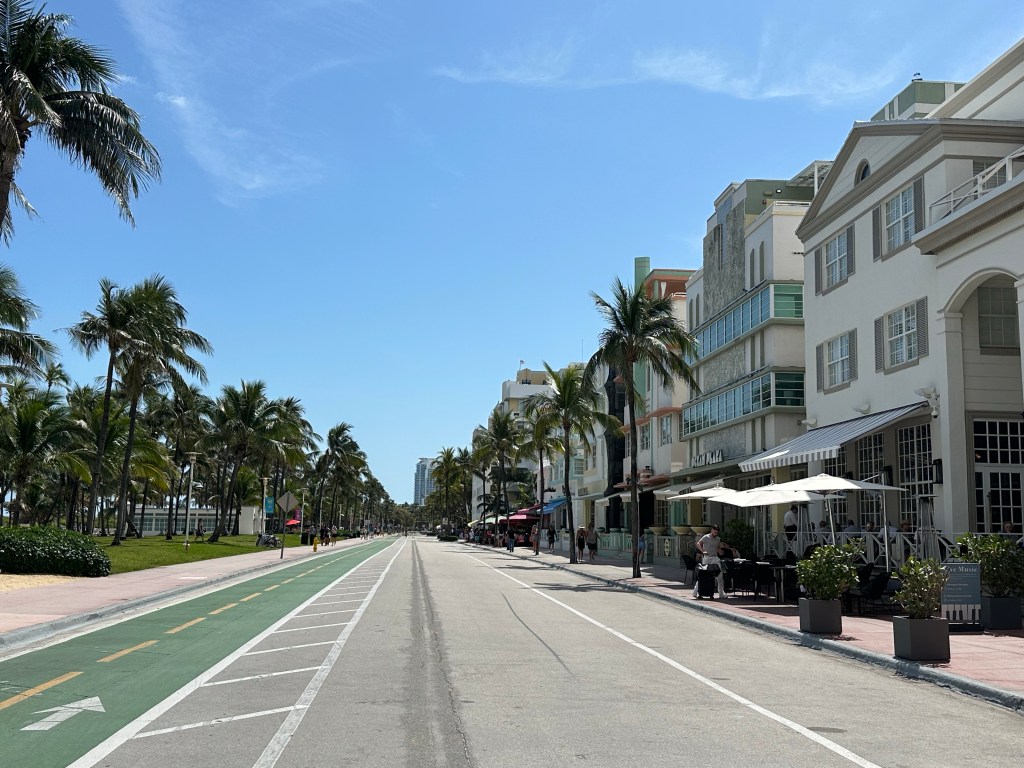
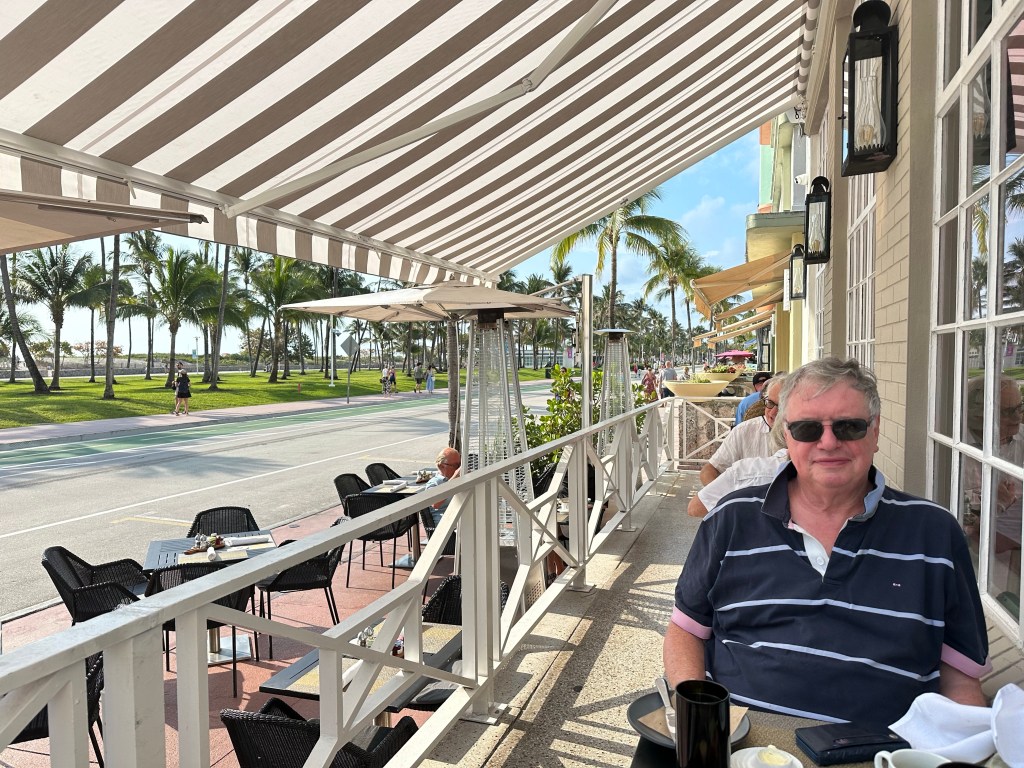
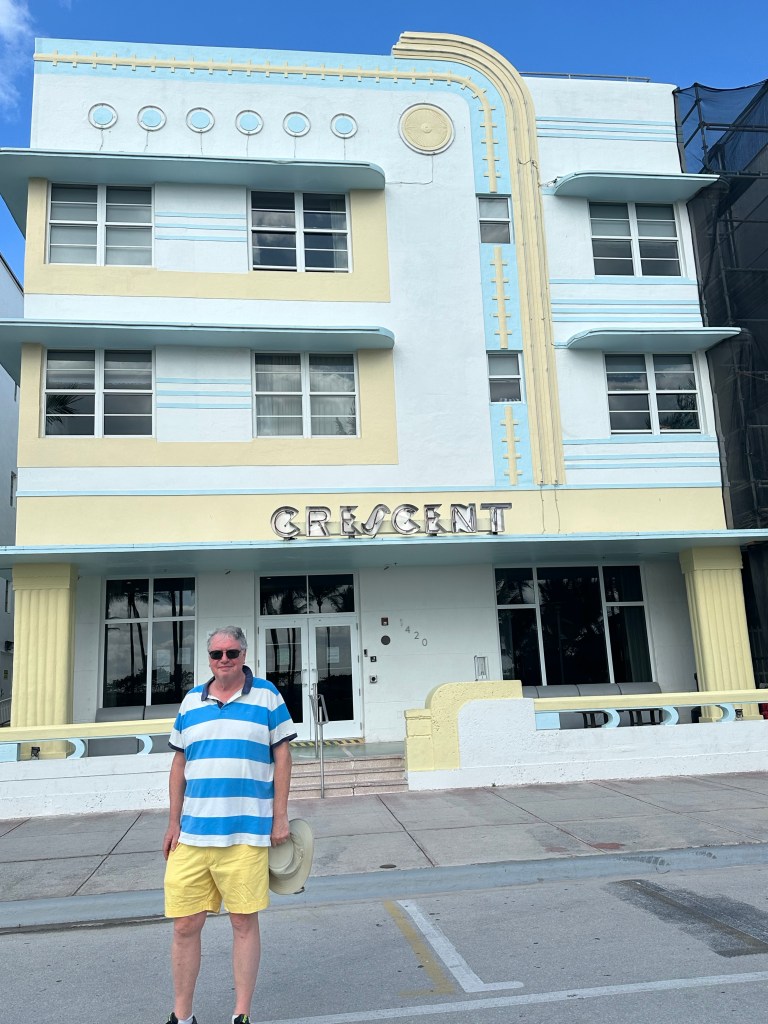
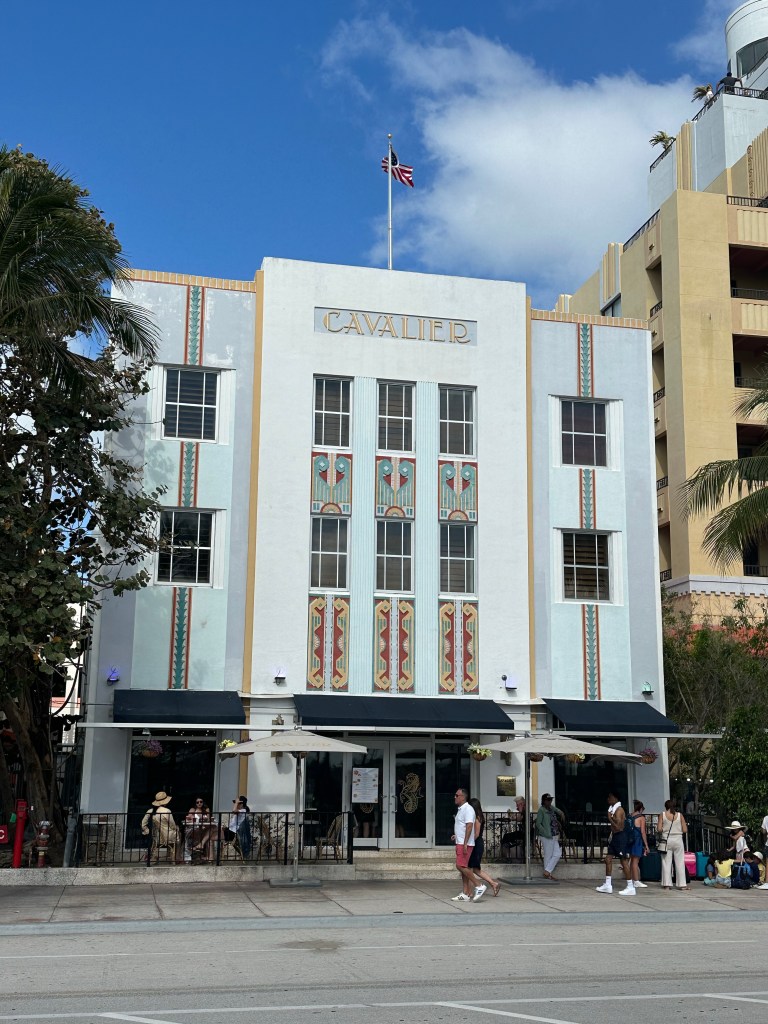
The sea facing promenade, Ocean Drive, closed to traffic during our visit, now comprises an array of restored Art Deco hotels some of which have been expanded by linking them to hotels on Collins Avenue running parallel behind Ocean Drive.

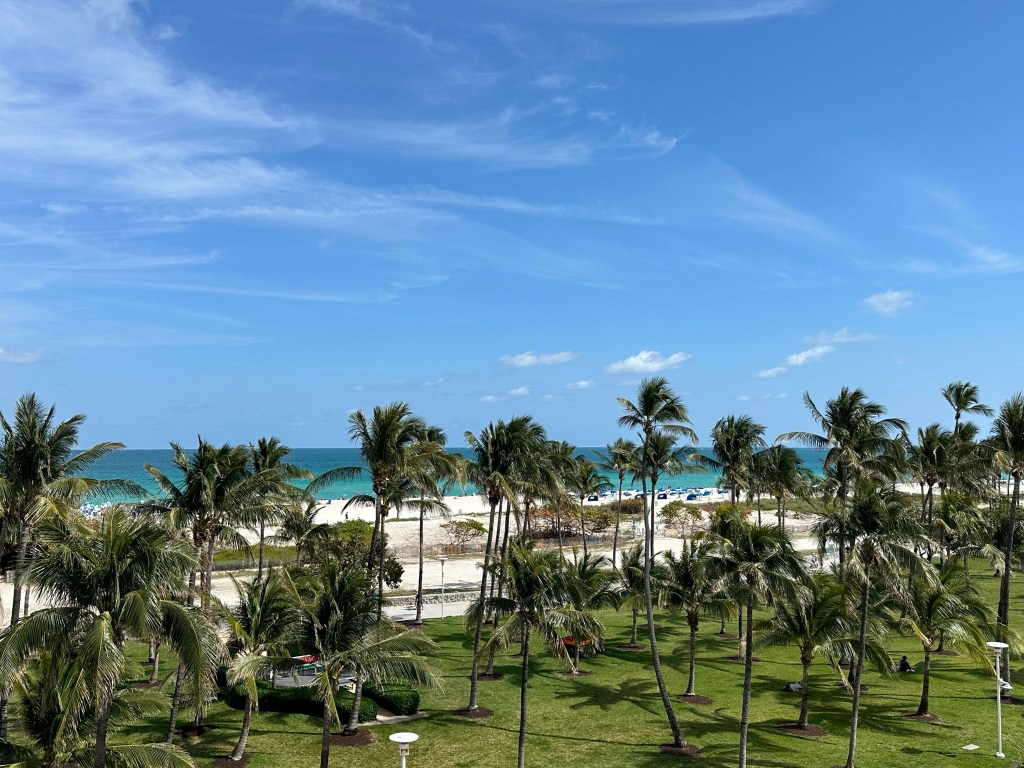
Ocean Drive
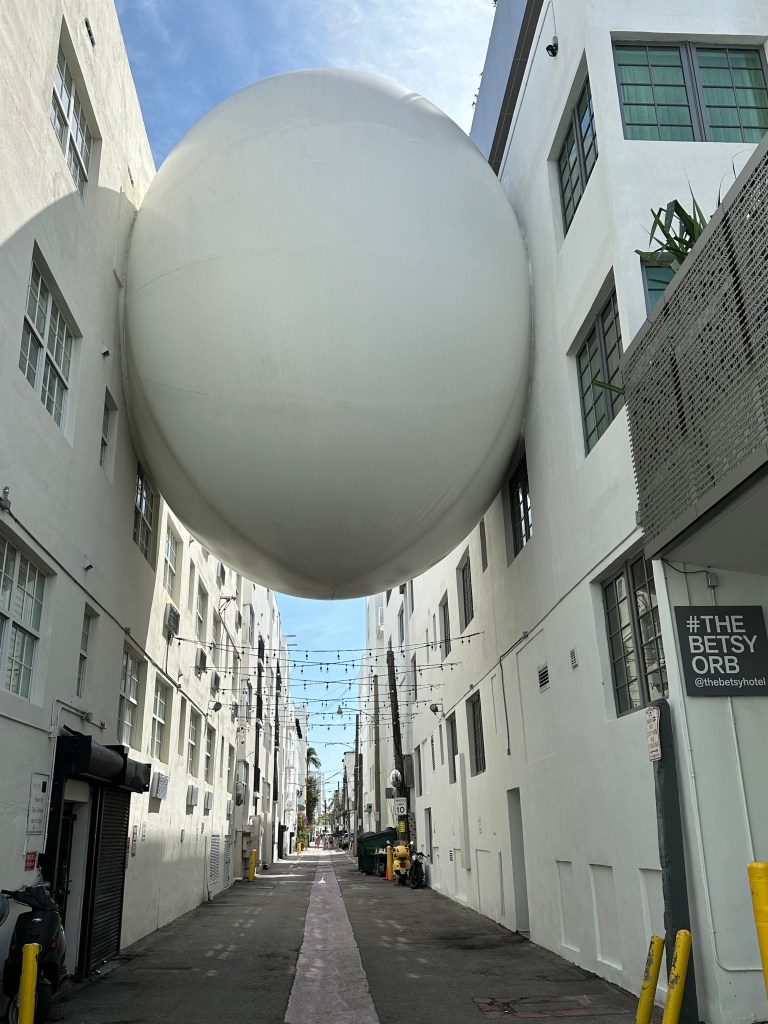
The Betsy Orb – a recent addition linking the Ocean Drive and the Collins Avenue sections of The Betsy Hotel
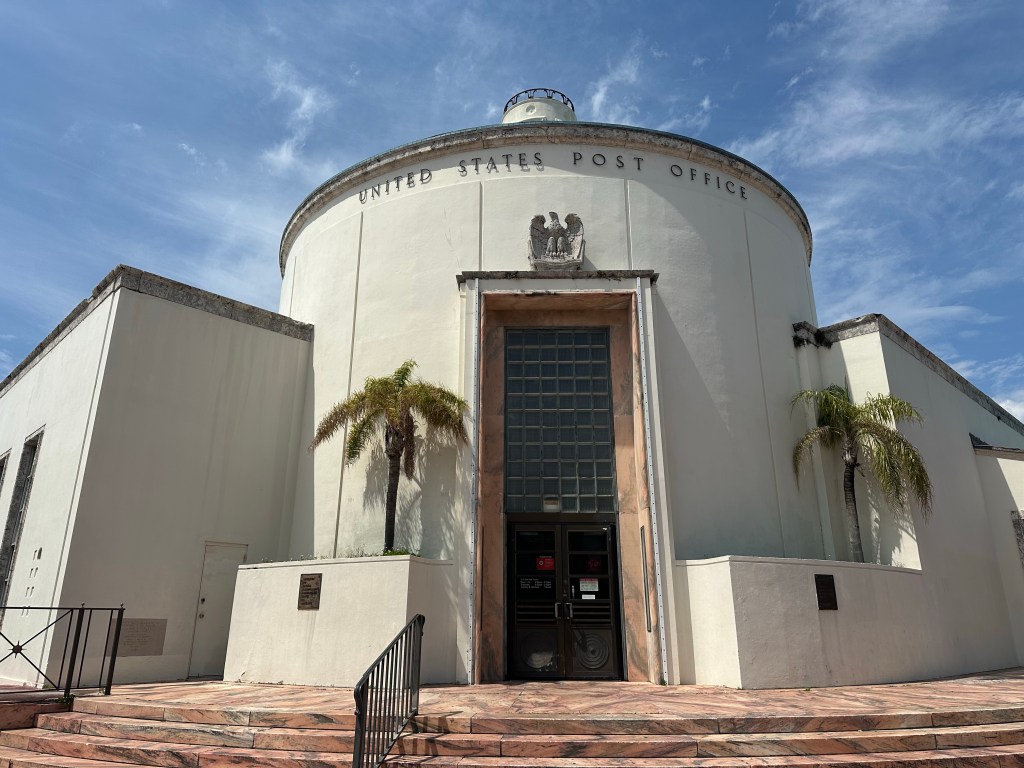
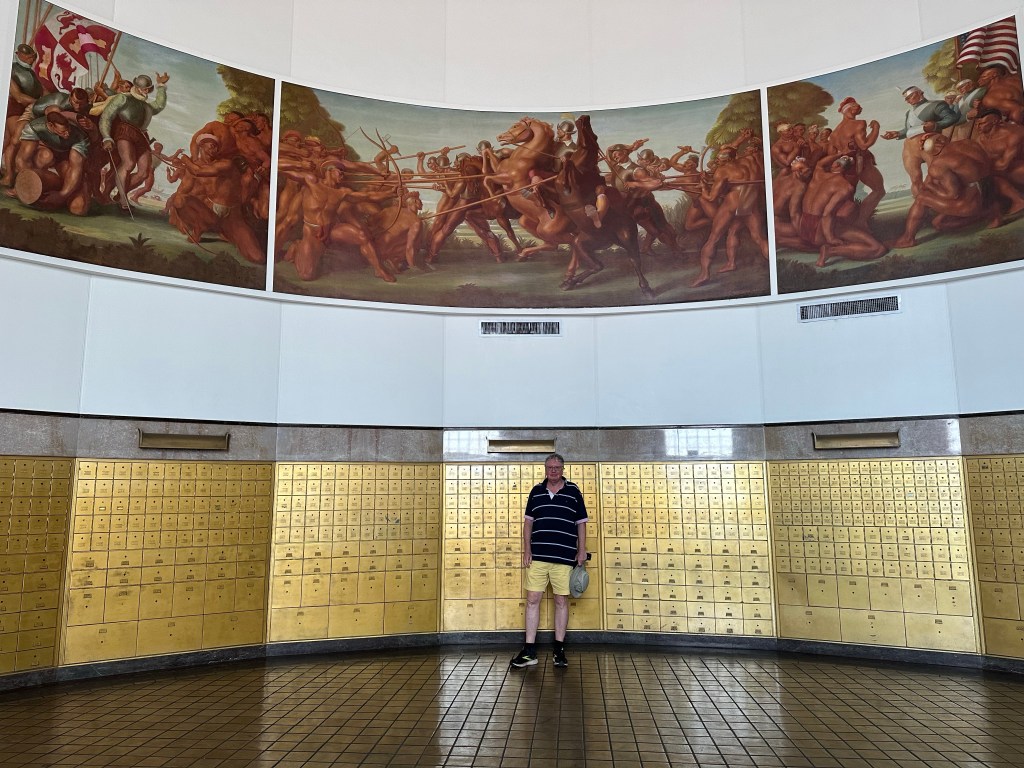
Post Office interior

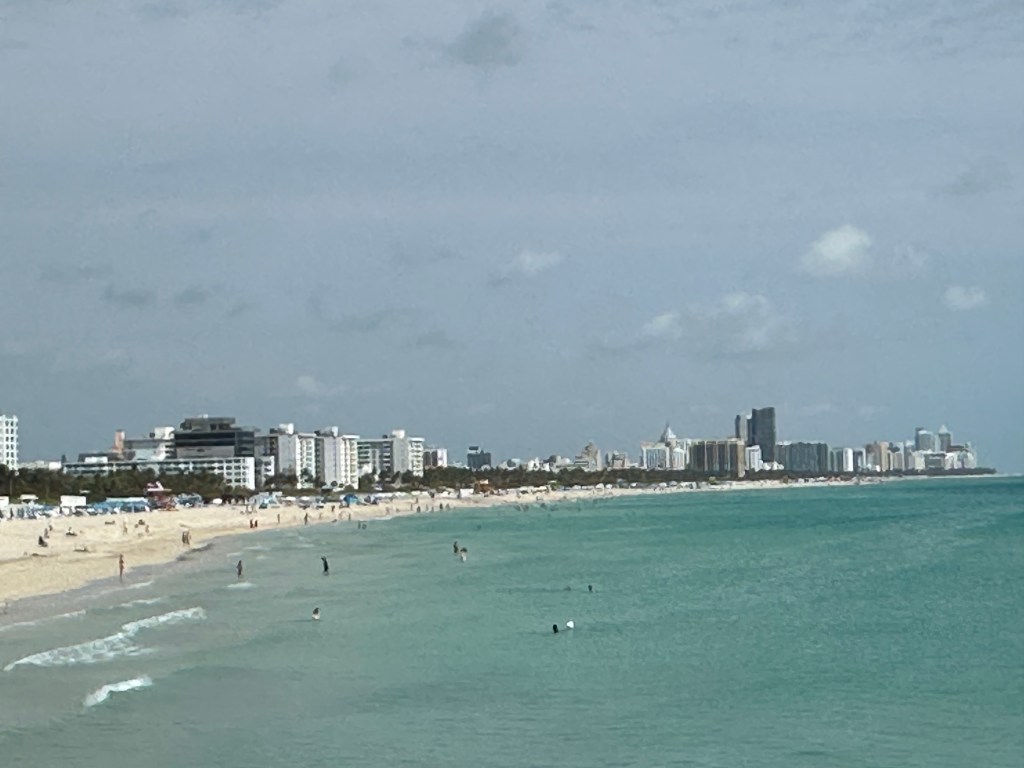
Miami Beach

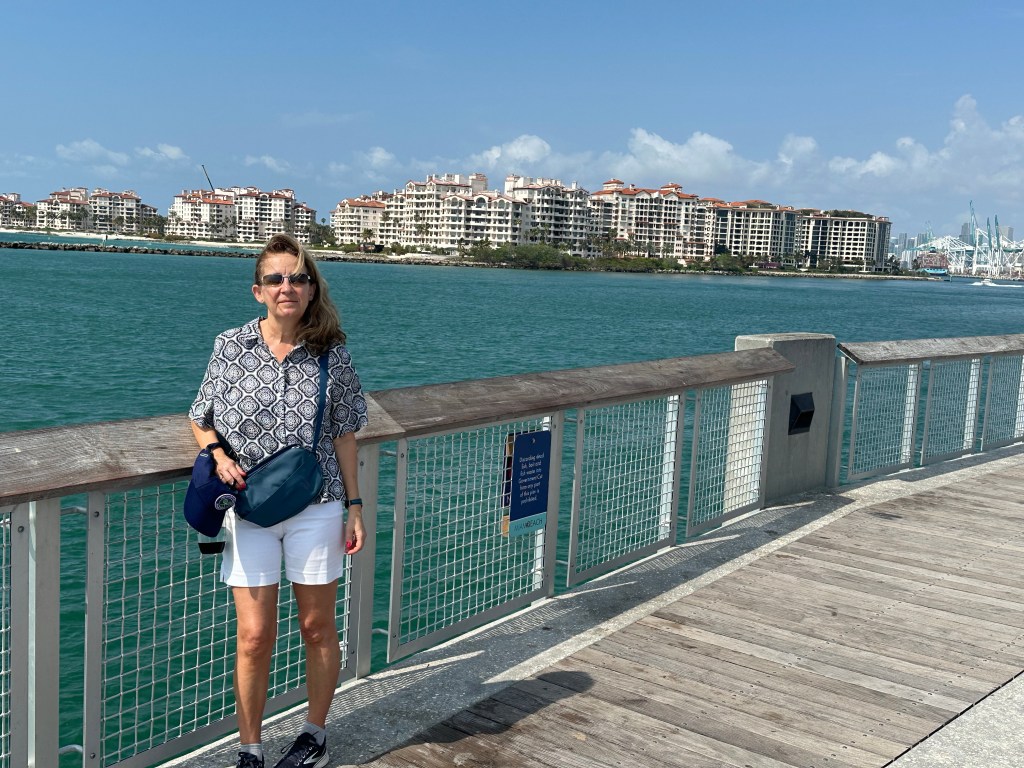
Miami Beach is a city in its own right and is an island situated off the east coast of Florida next to the city of Miami. It was developed initally by John Collins, a farmer, to grow crops such as avocados. This involved clearing the island of mangroves, however the idea of the island as a resort soon developed and the Collins family and financier Carl Fisher began the development of the resort. The water between Miami and Miami Beach, Biscayne Bay, was dredged and the excavated material used to extend Miami Beach and create new islands in the bay. The first hotel, Brown Hotel, was built in 1915 and a two and a half mile bridge made to connect with the mainland.

Visitors were initially locals, but with the advent of the railroad many were soon attracted from the Northern States seeking sun, sea and sand.

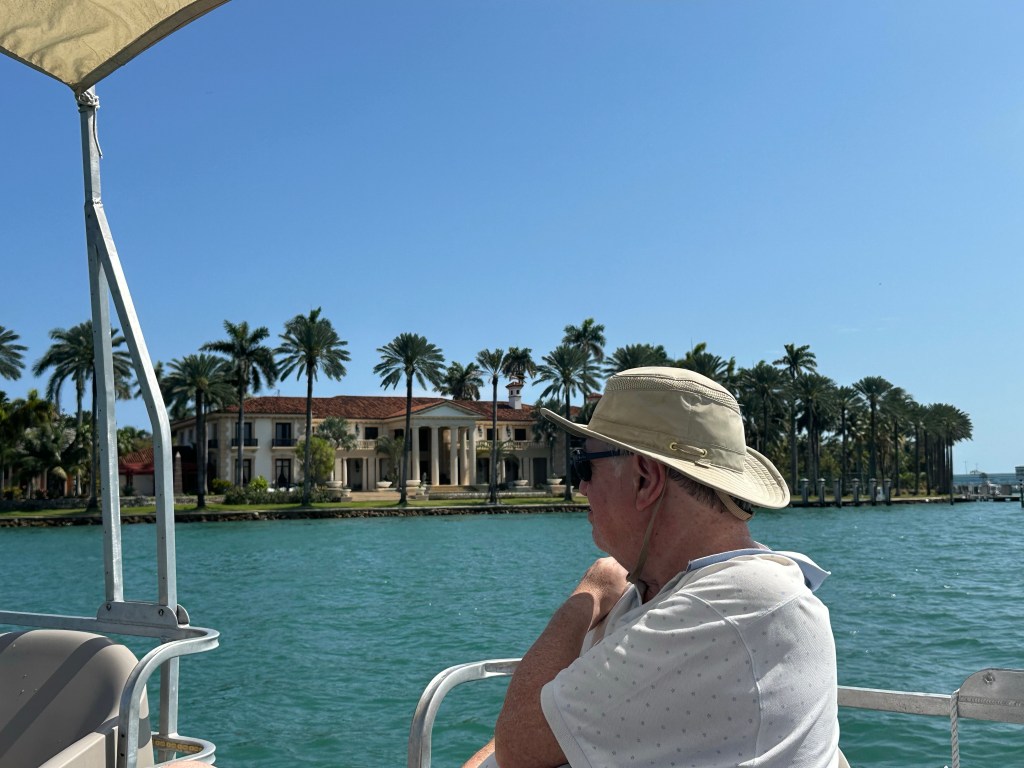
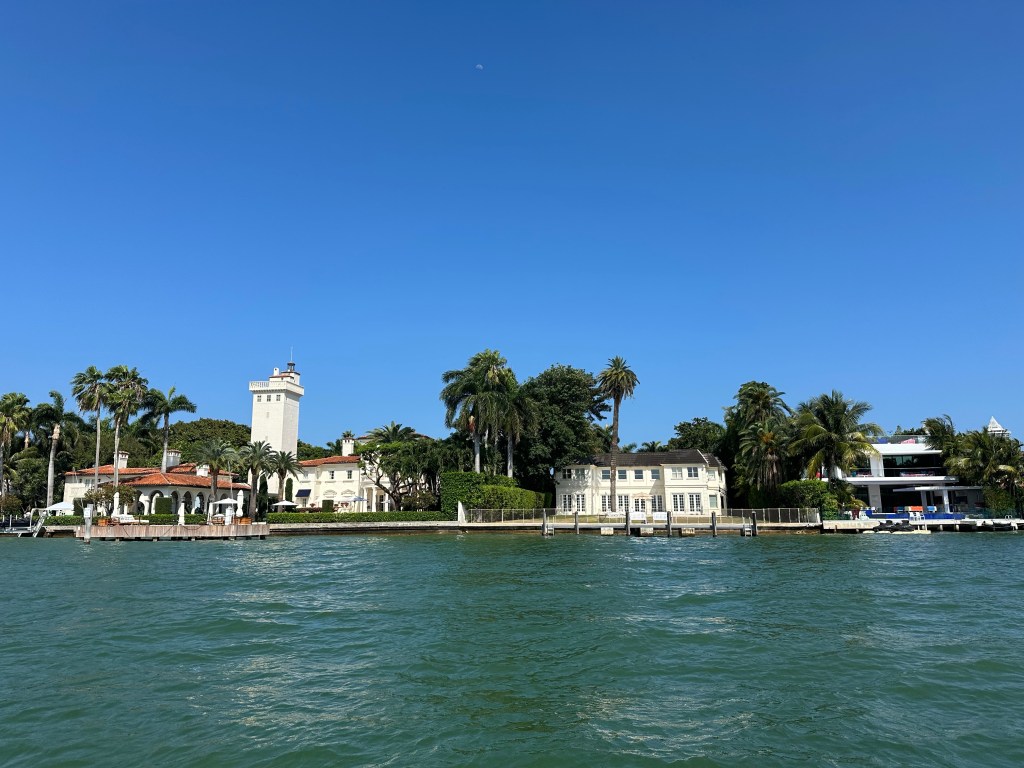
Today the islands include the two most expensive postcodes in the US; many of the homes have super yachts moored outside. We took a boat trip around the islands and our captain was an expert of who owned which house and yacht and how much they paid for them.

Miami Beach, in particular South Beach where we were staying, has become a popular destination for US college students partying during their March Spring Break. The mayor and govenor are now clamping down on “Spring Breakers” due to issues last year; the measures include a heavy poloice presence, curfews, road closures and checkpoints with a strong “go elsewhere” message.

Al Maha desert camp

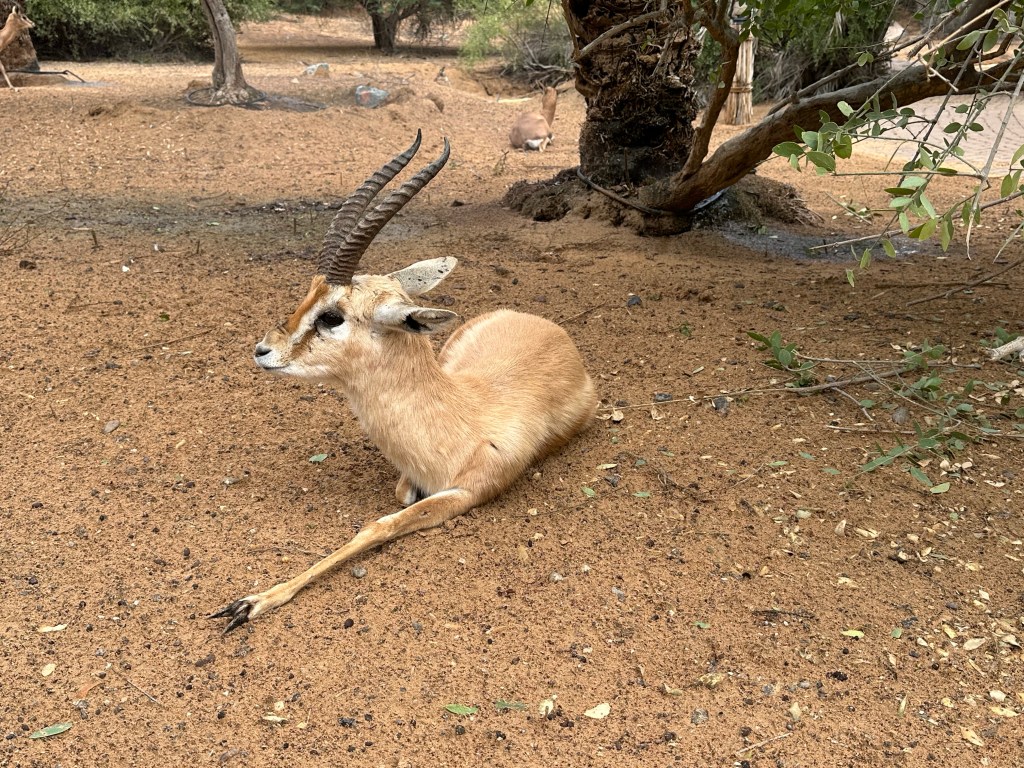
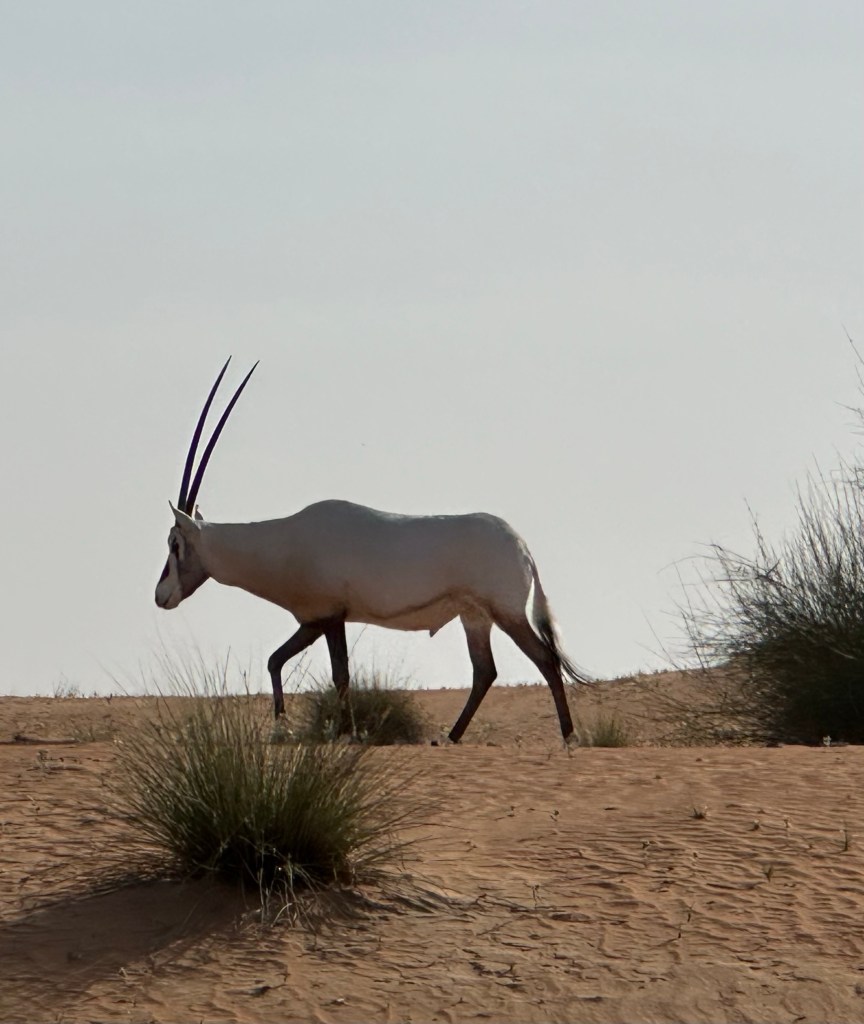
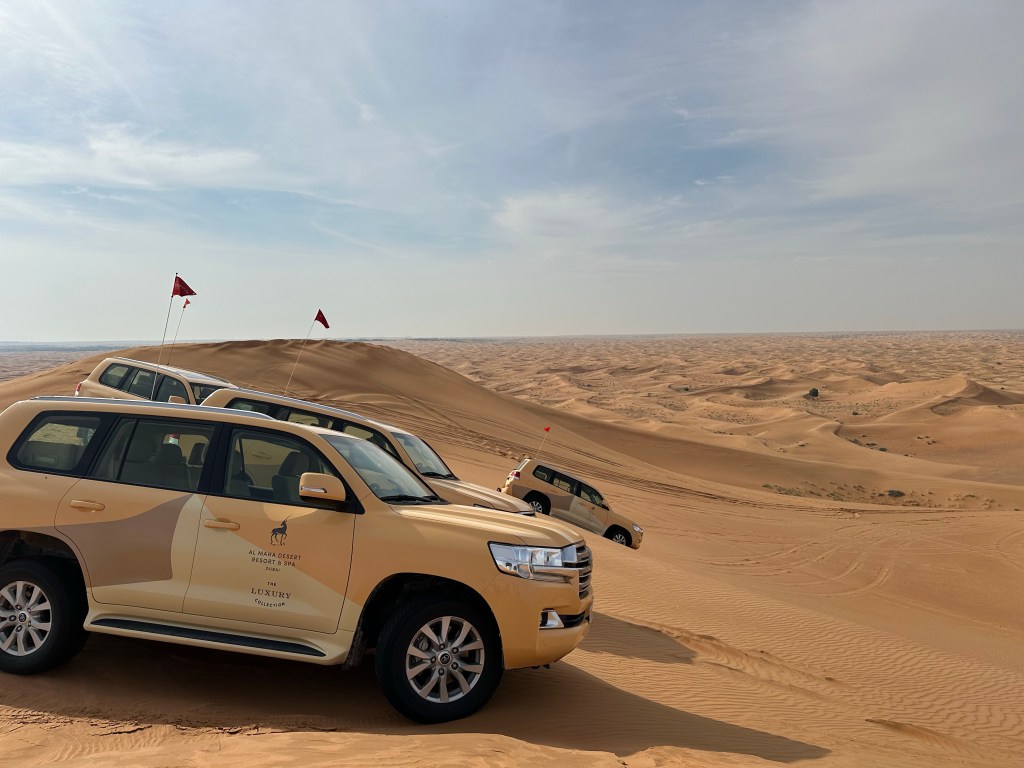
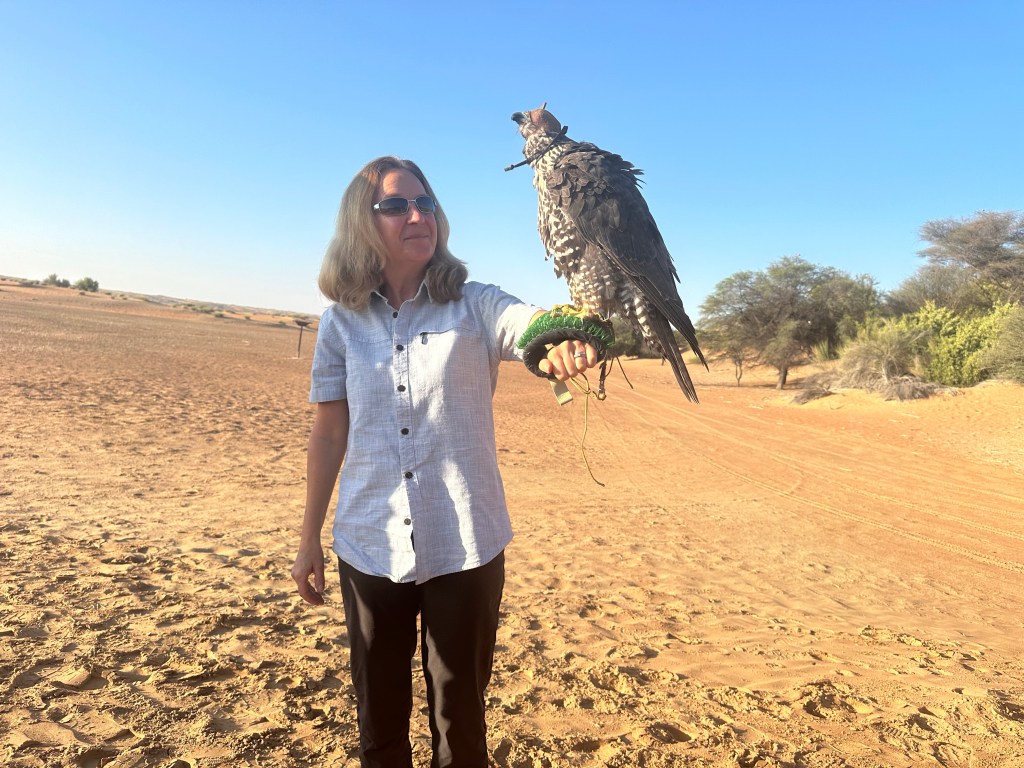
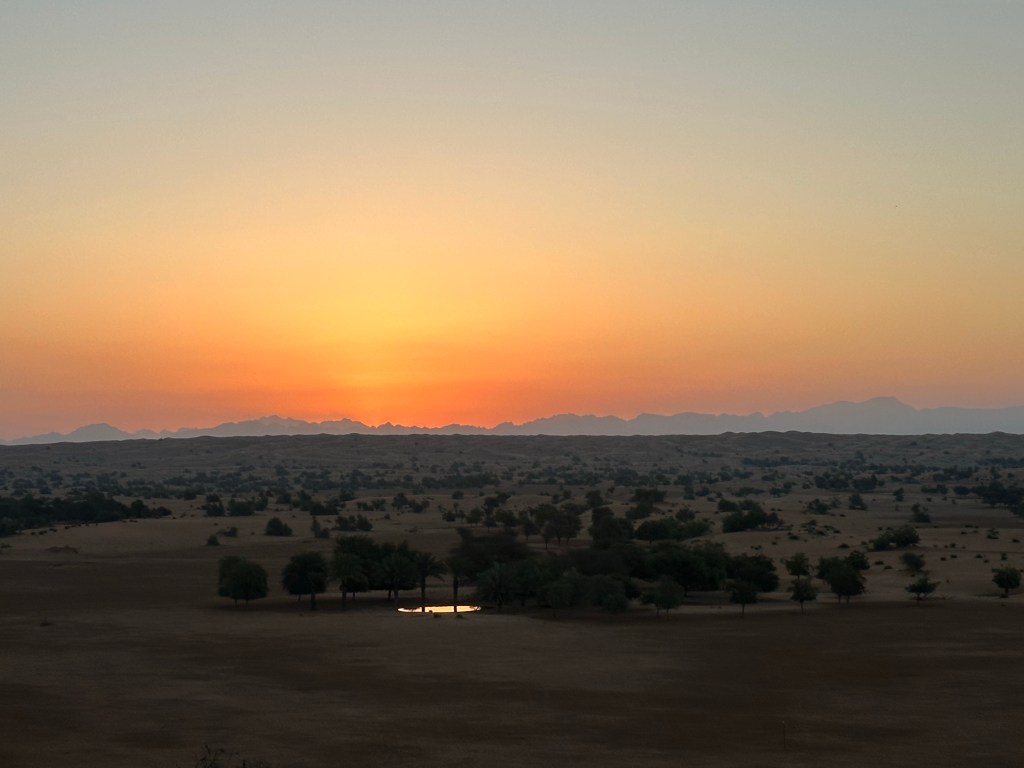
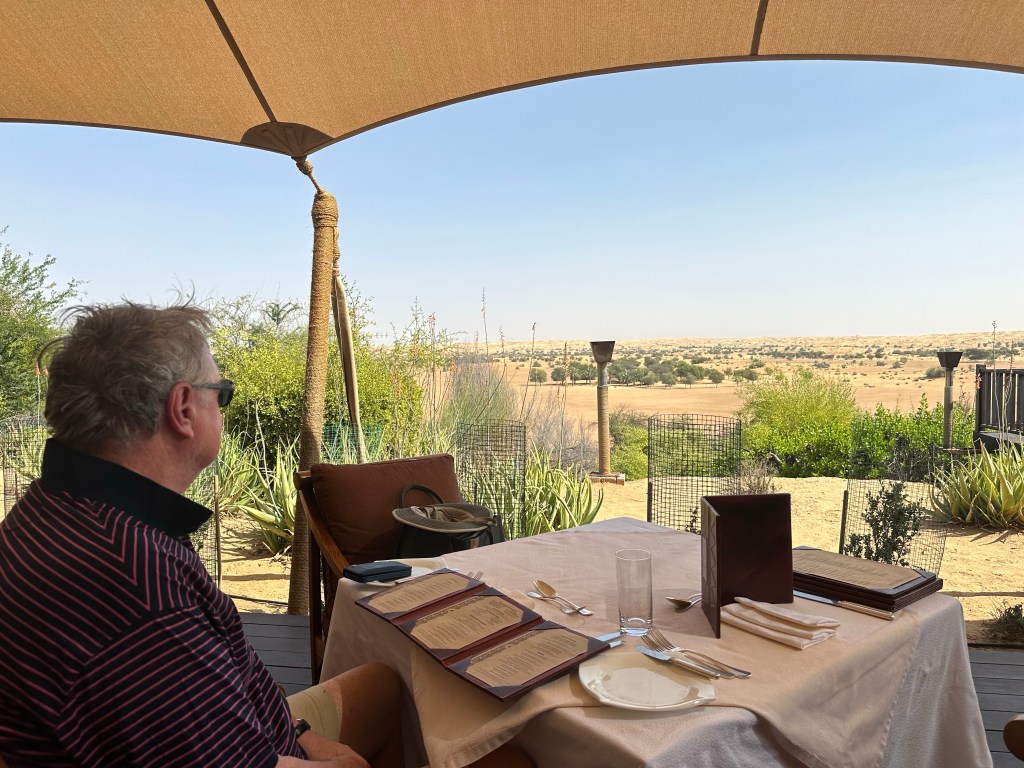
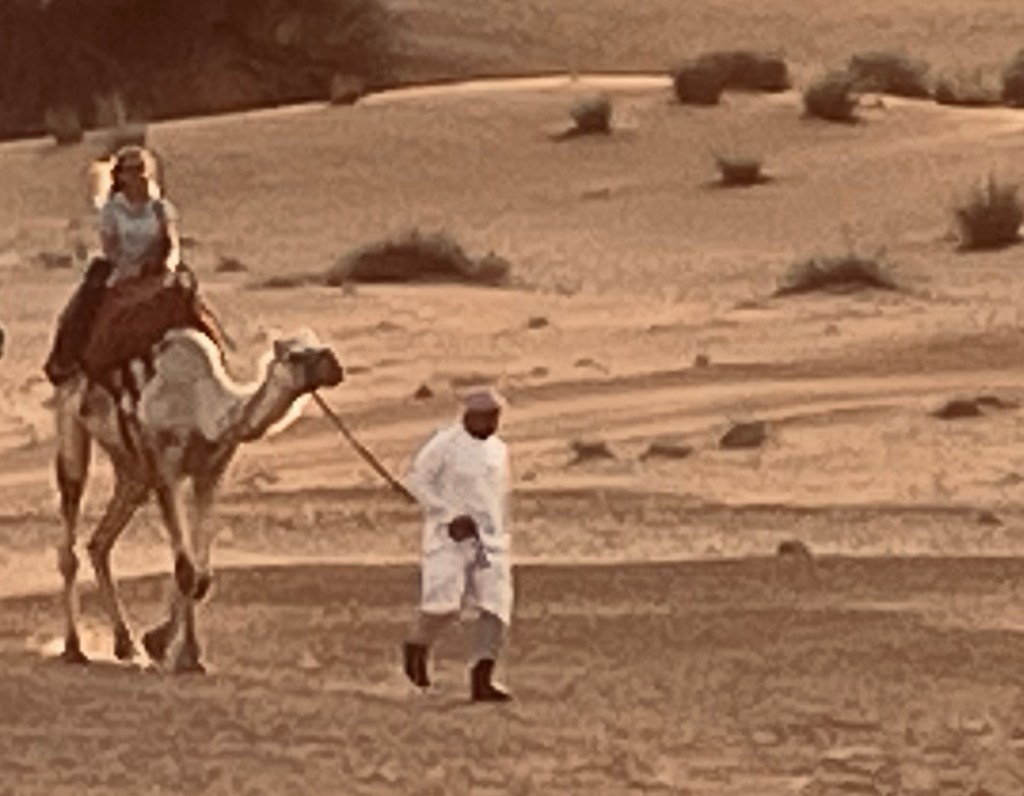
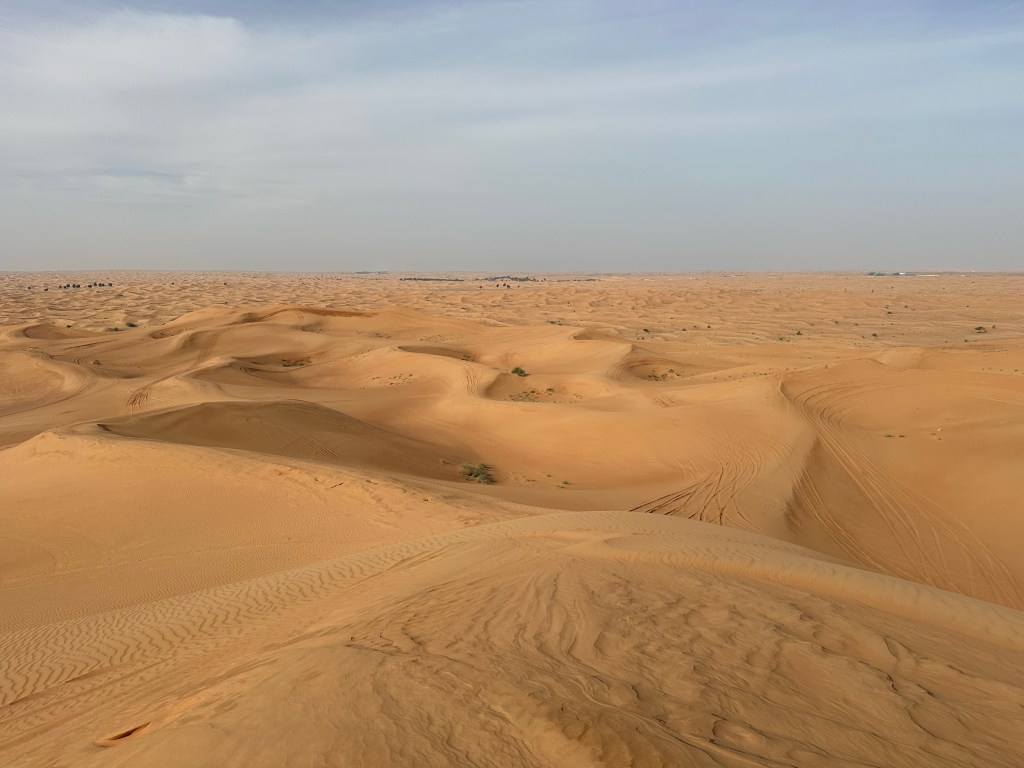
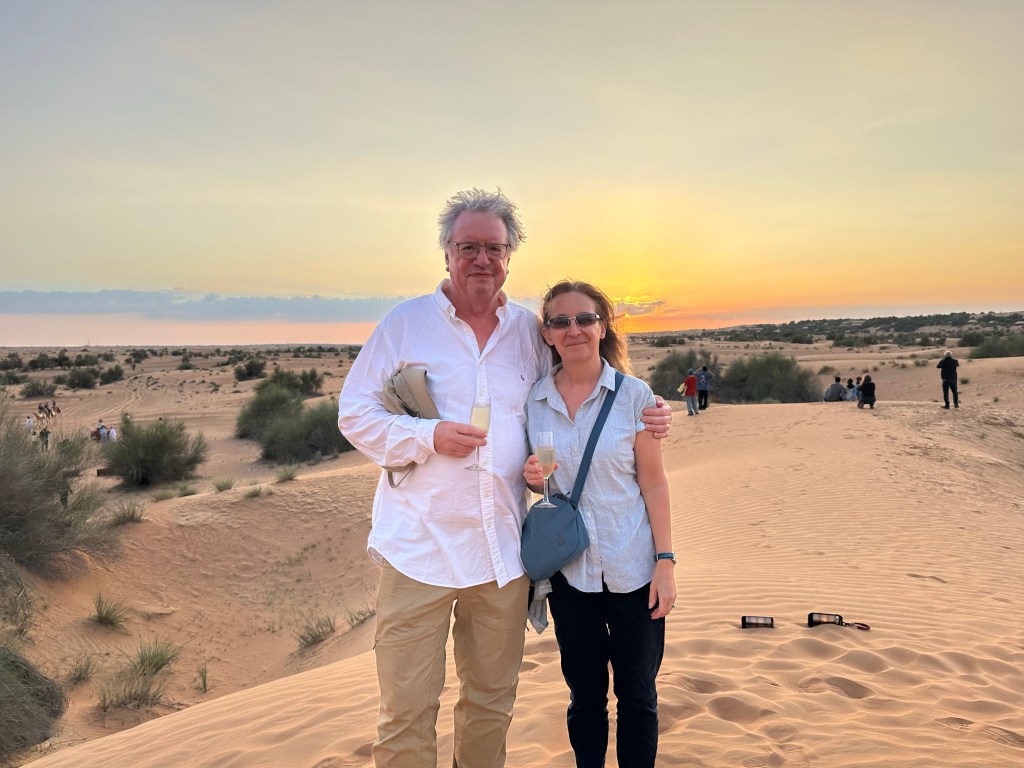
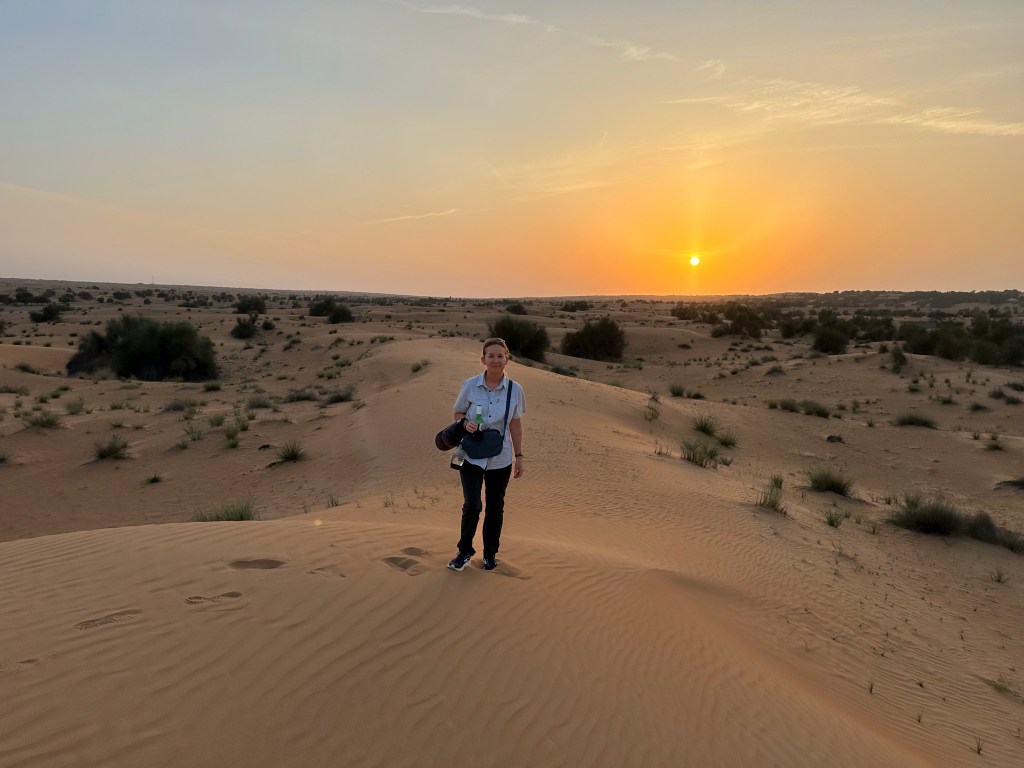
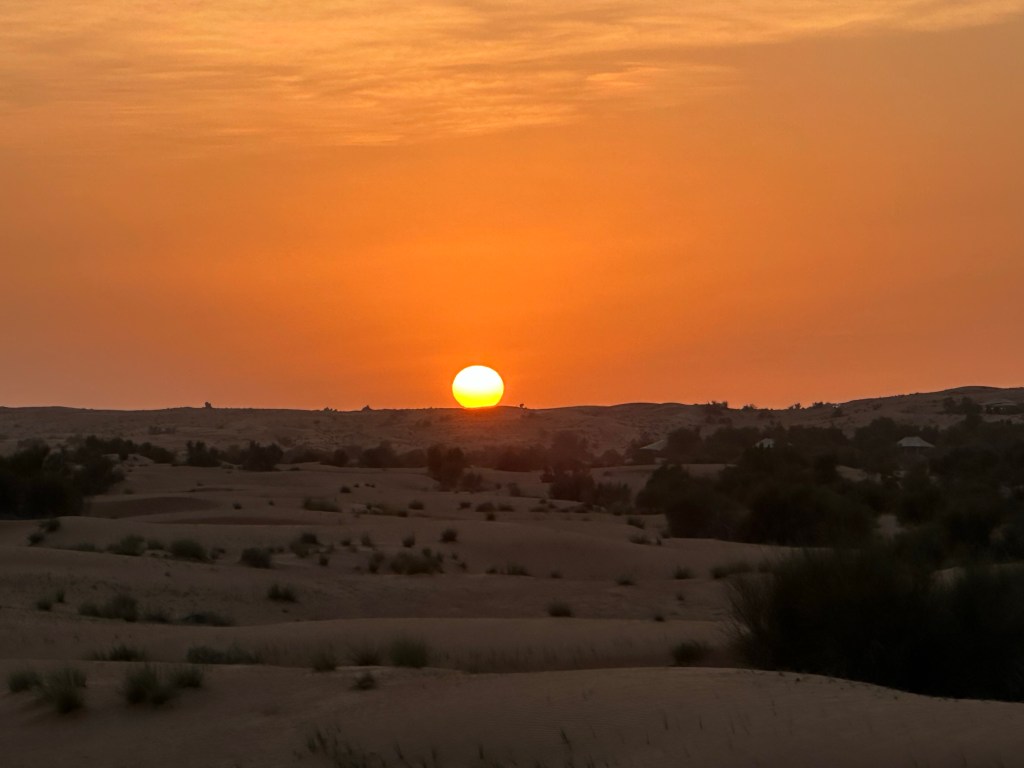
We visited Al Maha two years ago on our way home from Sri Lanka. Since then a new conservation centre has been recently opened to help educate people about the desert, its wildlife and its fauna. The activities remained the same, with the addition of morning yoga. This time one of us decided to ride a camel to the dune sunset drinks….but just once, walking across the desert was preferable.

Dubai cricket

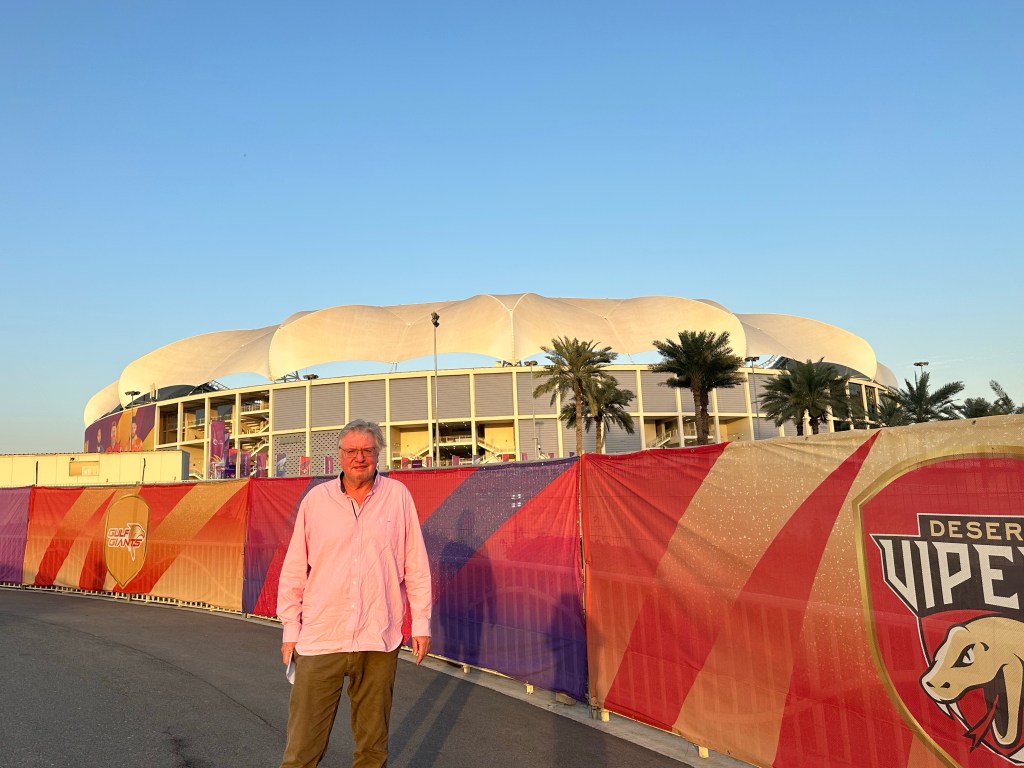
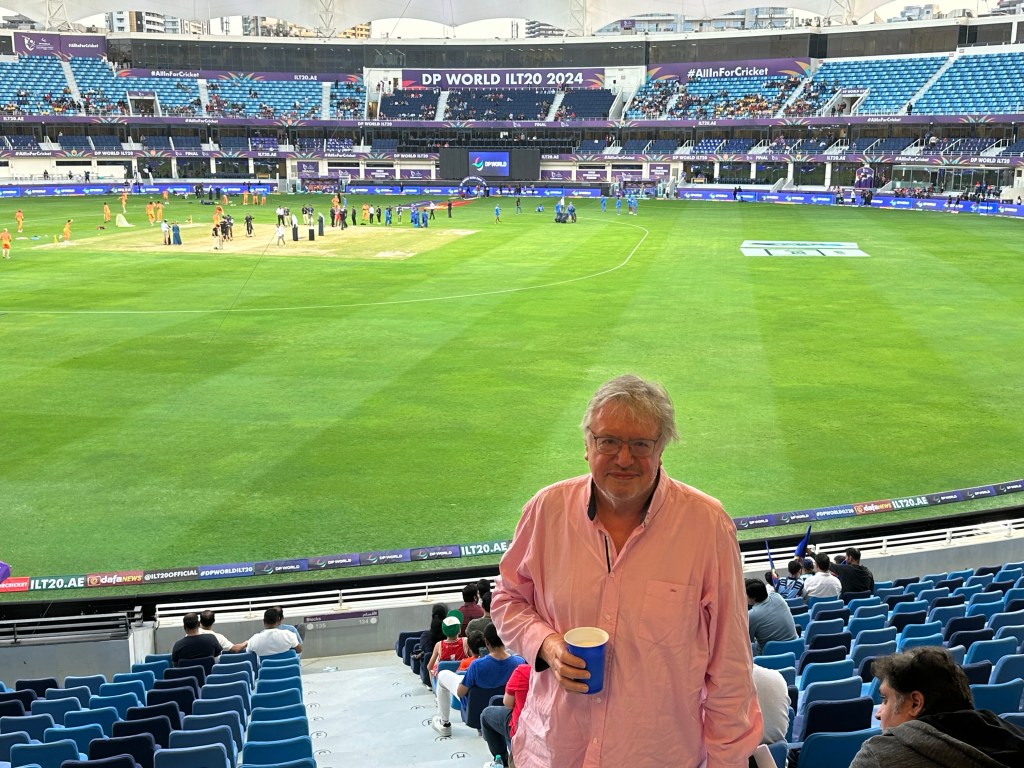
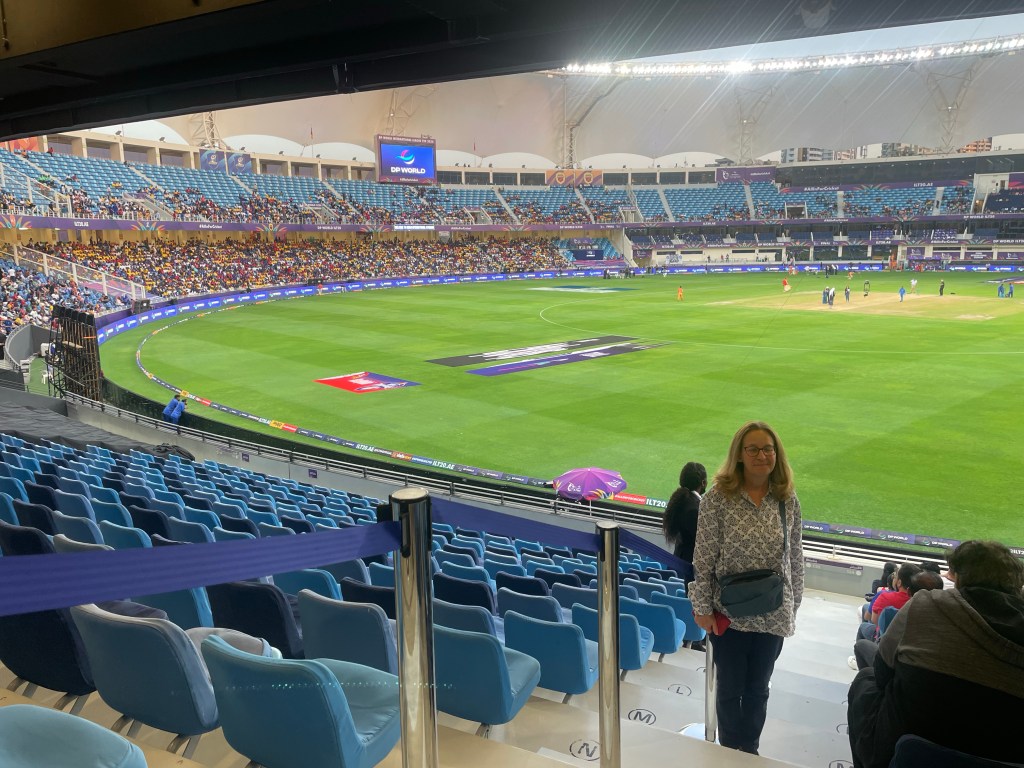
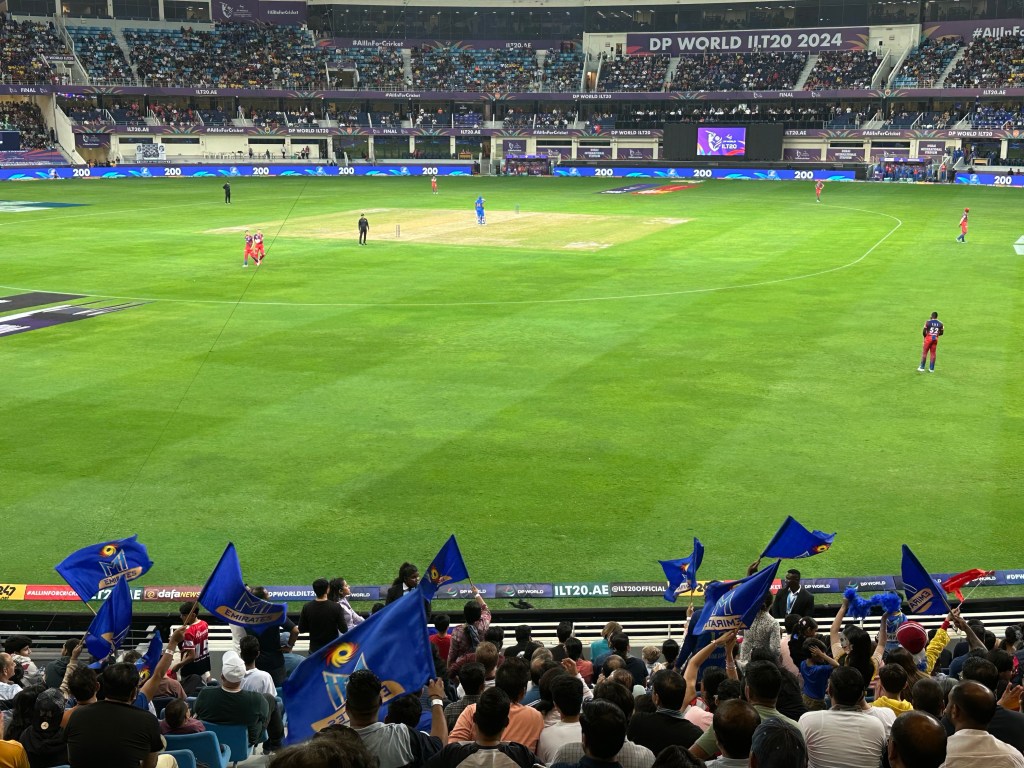
The International League T20 (ILT20) is a professional league set up in the UAE and first played in 2023. The league has six teams and our visit to the UAE coincided with the play-offs and final. We obtained tickets for the final, at the Dubai International Stadium, between the Dubai Capitals (a franchise owned by the IPL team, Delhi Capitals) and the MI Emirates (owned by Mumbai Indians). Each team has to have two UAE players, but the rest of the team is international. DC was captained by Sam Billings and included Tom Abell, Tom Banton, Jason Holder and Olly Stone. MIE was captained by Nicholas Pooran and included Kusal Perera, Kieron Pollard, Dwayne Bravo and Trent Boult.

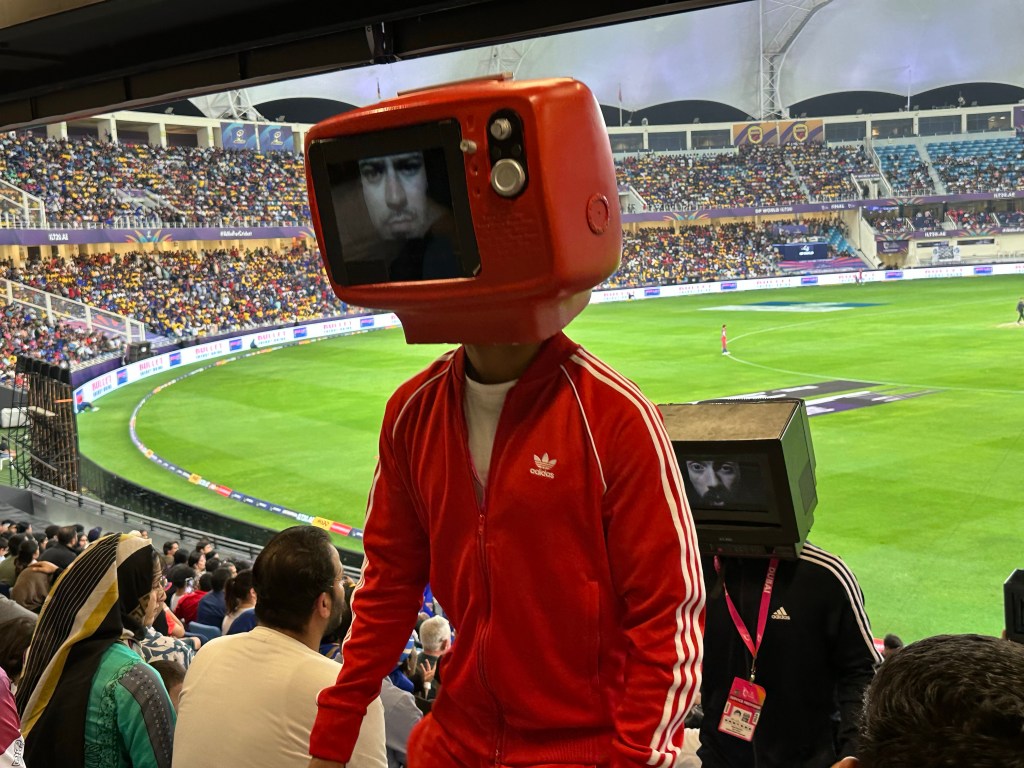
MIE won by 45 runs, having scored over 200, including some big sixes into the crowd, one of which reached the Royal Box to the astonishment of the UAE royalty present. For us, the main entetainment was the crowd of around 20,000, mainly made up of Indian migrant workers who were most excited by the spectacle as a social occasion involving dancing, cheering, moving between seats, calling familiy members in India and trying to make TV appearances. The music was loud and the announcer was louder, successfully revving up the crowd but lacking a bit of accuracy regarding the cricket. There were lots of flags and some unusual costumes. Although available, very little alcohol was consumed, in contrast to our trip to the cricket in Perth where the beer was flowing but the crowd were far calmer.

Enjoyable, but nothing like Lord’s !

WA roads

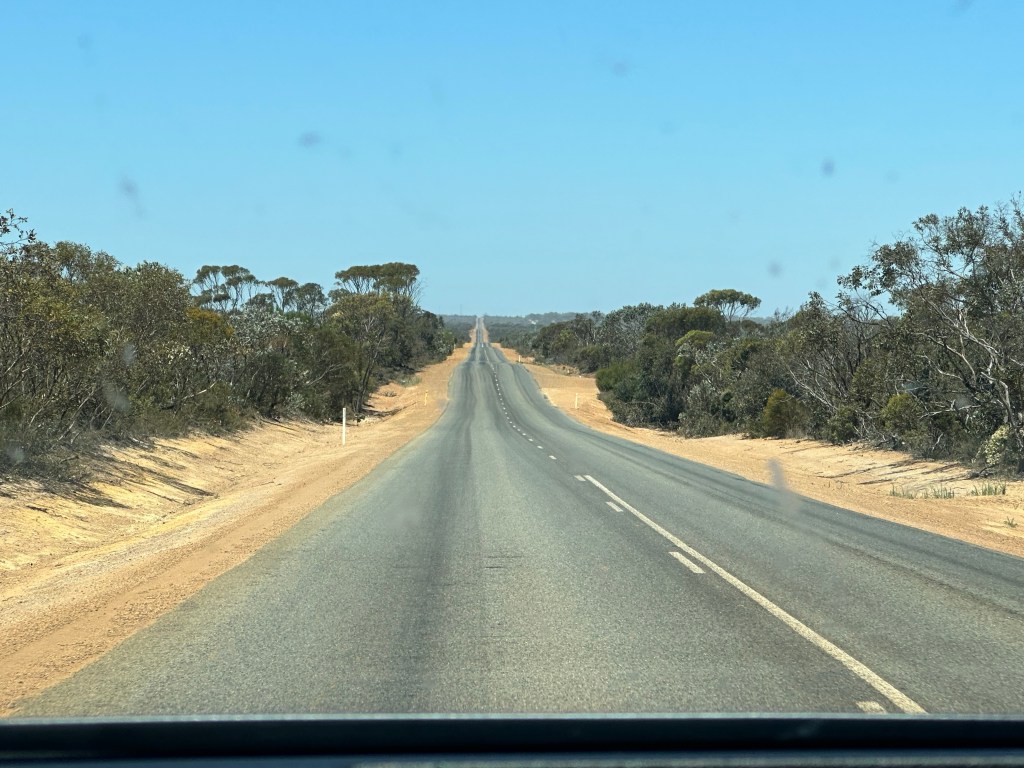
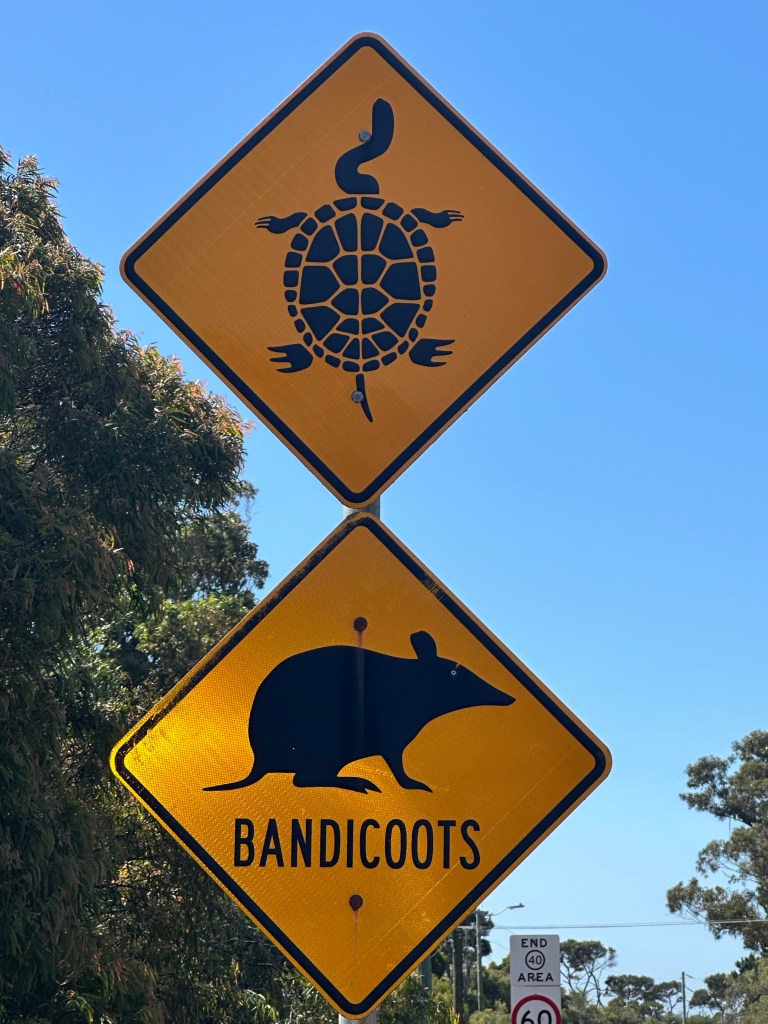
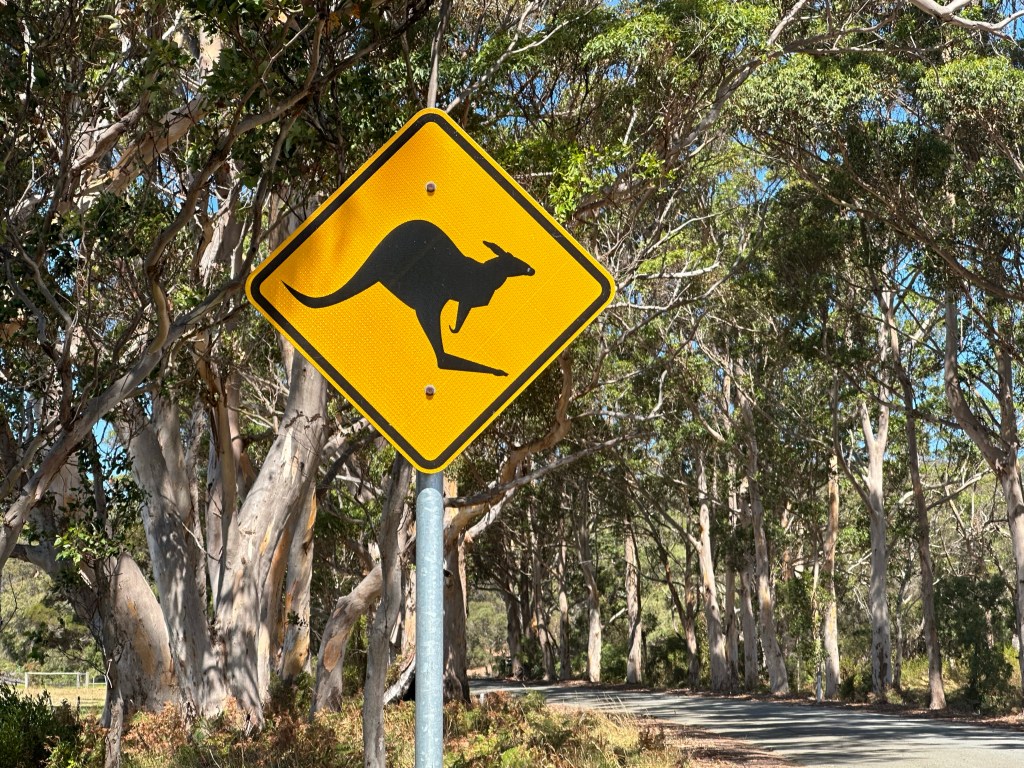
We drove over 3,000km, but still only covered a small corner of WA. It was very different driving to the UK or Europe – a lot of long straight roads, through nowhere, that look like the first Europeans in WA were the Romans, with road signs warning of the dangers of driving when tired. Other challenges include large areas with no phone coverage (but no need for map reading decisions), overtaking 42m road trains, carefully planning petrol stops and dealing with animals on the roads. We saw plenty of evidence of roadkill, mainly kangeroos which are a particular danger at dawn and dusk. At a petrol station in the middle of nowhere, we found ourselves comparing roadkill with a young French couple driving a campervan – ours was a group of malleefowl, theirs was red-breasted cockatoos. Driving any distance in WA, with a speed limit of 110km, near misses are likely – our path was crossed by one kangeroo, thankfully without incident. There are plenty of warning signs, invariably in the wrong places.

One of the benefits of a road trip is the things you see along the way and the encounters that are “day to day” in the context of the environment. We had a number of breaks for refreshments/petrol and took a number of detours, most of which were worthwhile and none felt like wasted time.

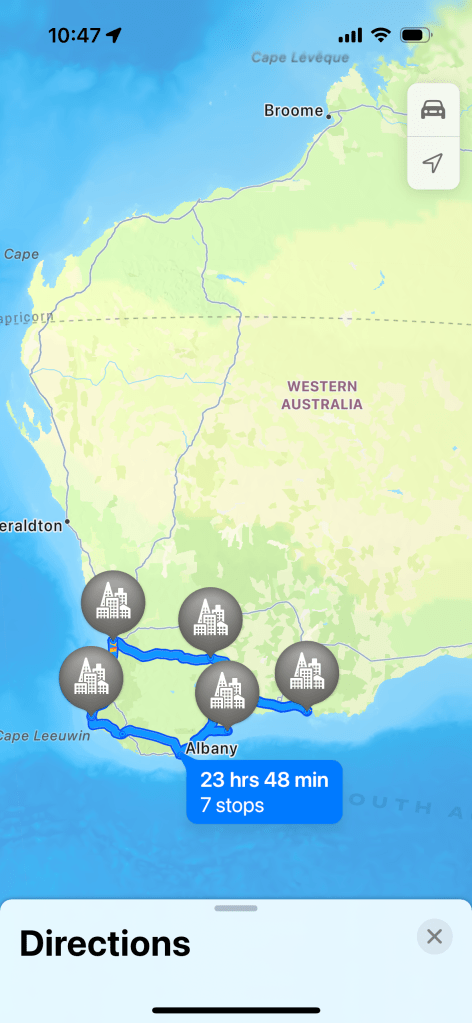
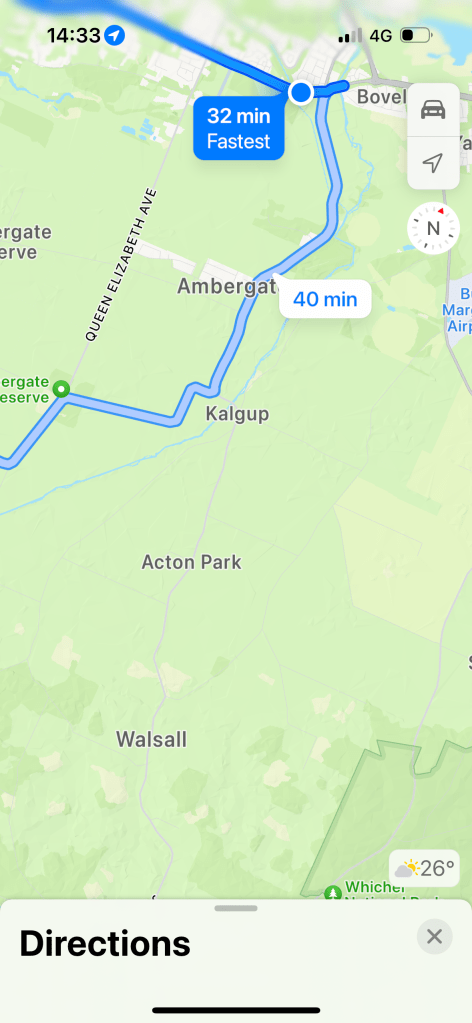
Our route
Road between Albany and Esperance
Coffee stop – Jerramungup
Petrol and takeaway lunch – apparently the best sausage rolls in WA
The Rabbit-proof Fence
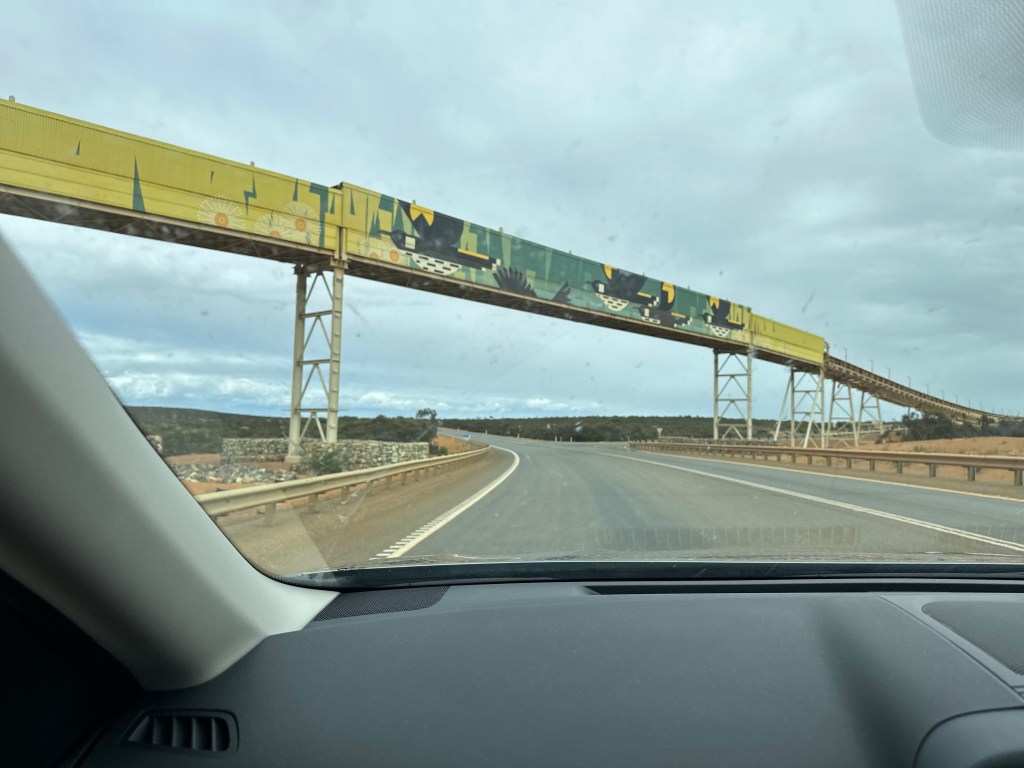
Mining area near Ravensthorpe
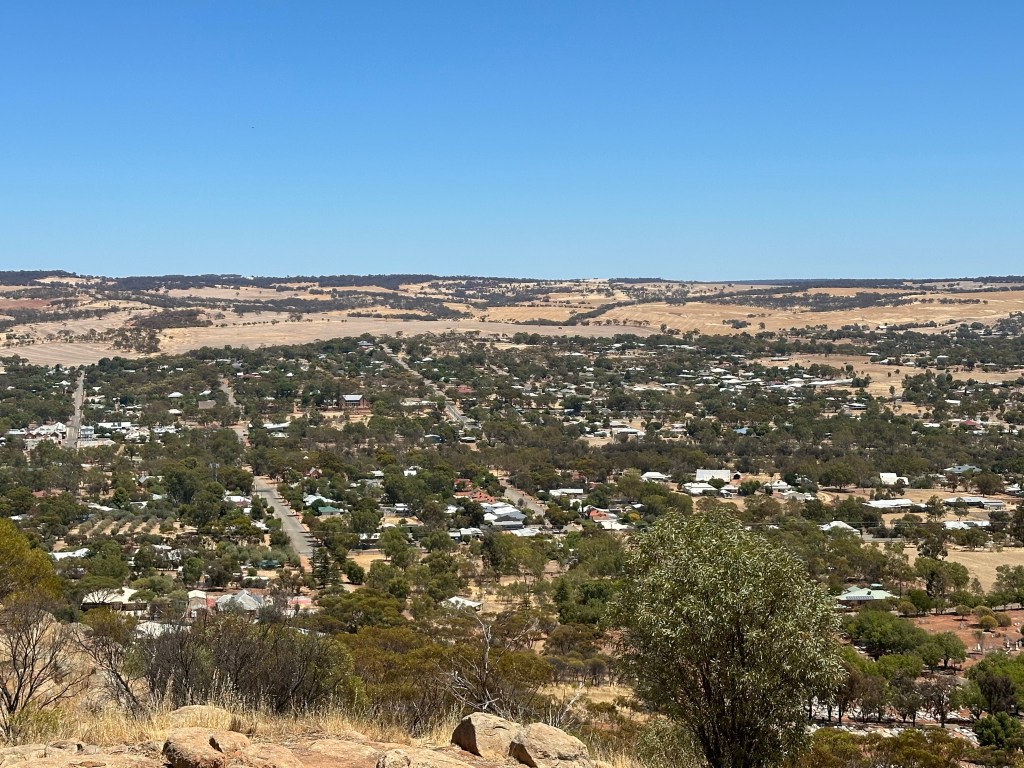
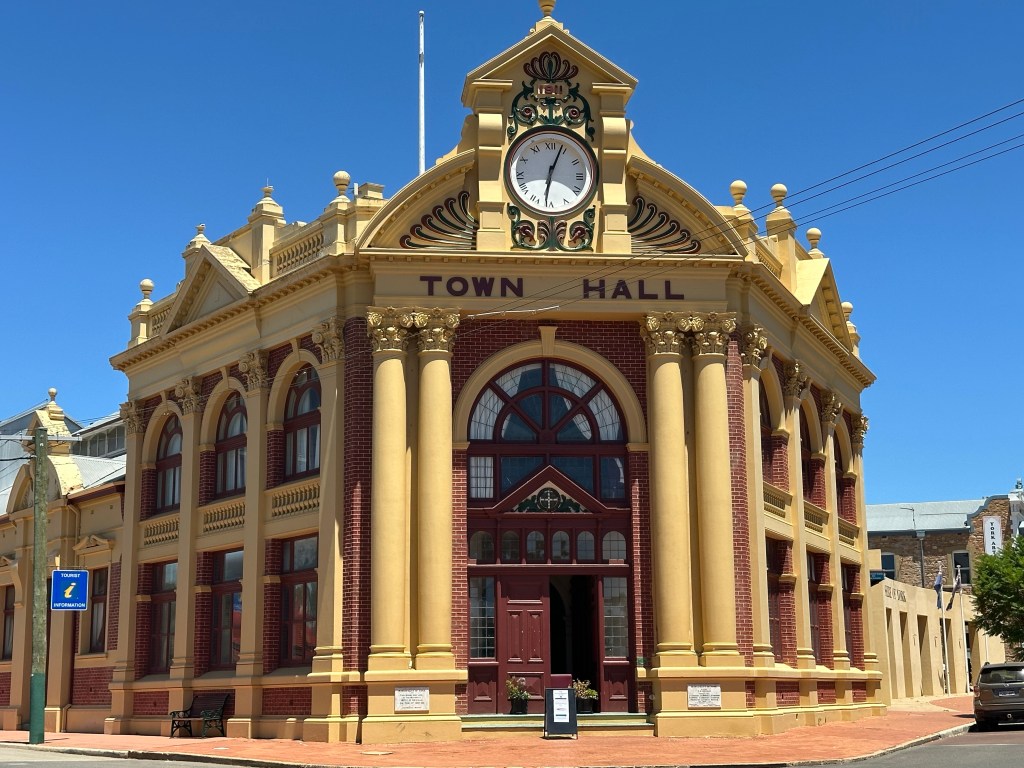
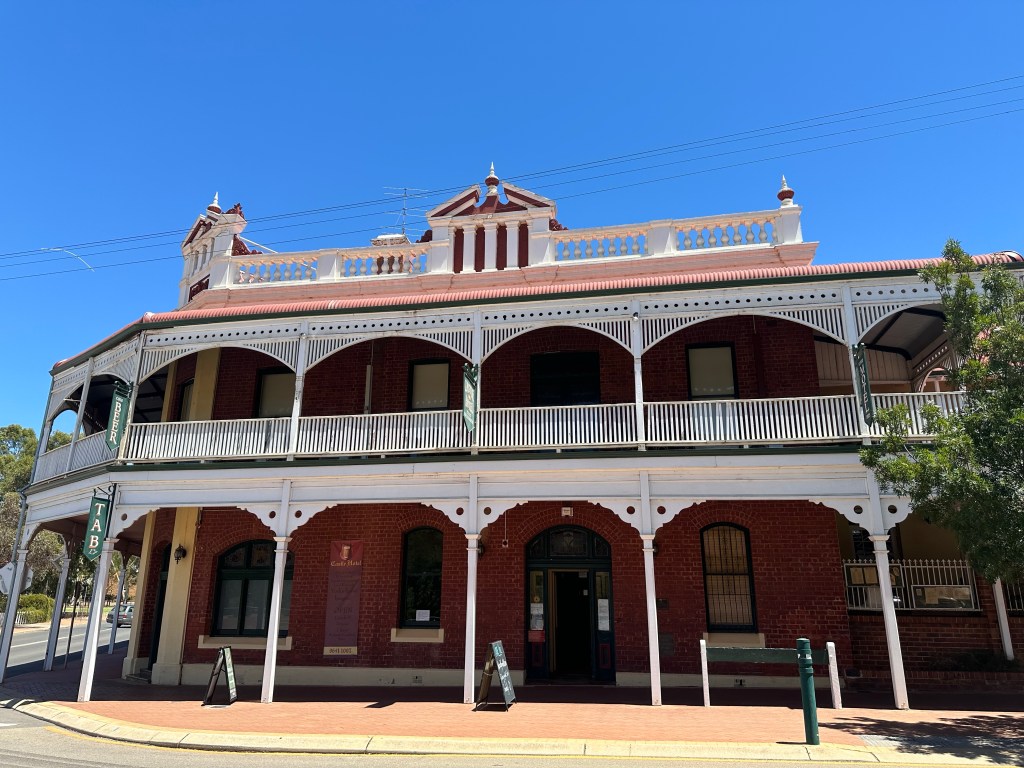
Detour to York, the oldest inland town in WA (it sits on the River Avon)
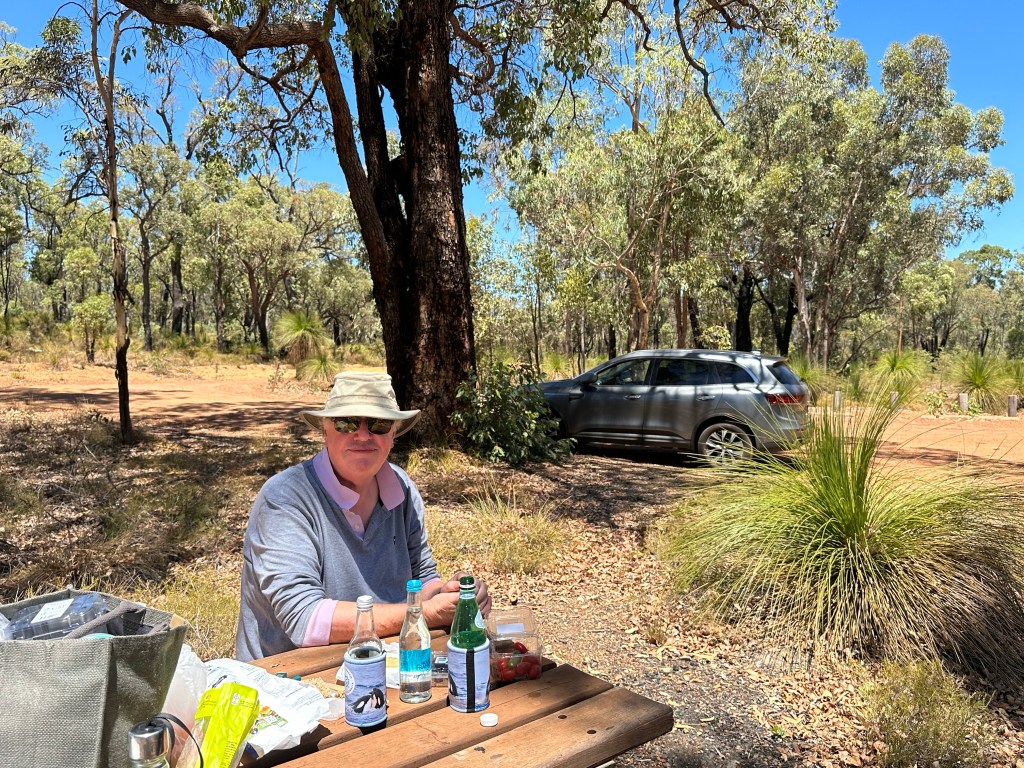
Picnic stop between York and Perth
Never far away from familiar places !

88 days

No, not the length of time we spent in WA (31 days), but a visa term we quickly became familiar with.

In the course of our travels we met a variety of other travellers and people working in hospitality, shops, petrol stations etc. Amongst other travellers and those working in hospitality, we came across a lot of foreigners in their 20’s. For many years, travelling/working in Australia has been popular. Similar to the UK, finding local hospitality staff in Australia is challenging, so hospitality businesses are staffed predominently by foreigners.

As a “young person” it is possible to get a one year work/travel visa, but to stay for a second year you need to have completed “prescribed work” in your first year – for a period of 88 days. Previously this time was a specified type of work, broadly agricultural. However, the roles now need to be in specified “rural” postcodes. Generally these are in agricultural areas, but places such as small islands are included, such as Rotto. Less surprising, Hyden was included; the manager of our motel said she gets 20 CVs a week, compared to almost none before the rule change.

In restaurants and hotels we came across staff, in no particular order, from Argentina, Ireland, UK, France, Spain, Italy, Estonia, Uruguay, Belgium, Sweden and Ecuador. Often they were in enclaves, such as the Irish in Hyden, due to employment by word of mouth. Many had come for shorter periods, but ended up staying longer, falling in love with the beaches, weather and culture, or in some cases obtaining visa extensions which were offered during the pandemic.