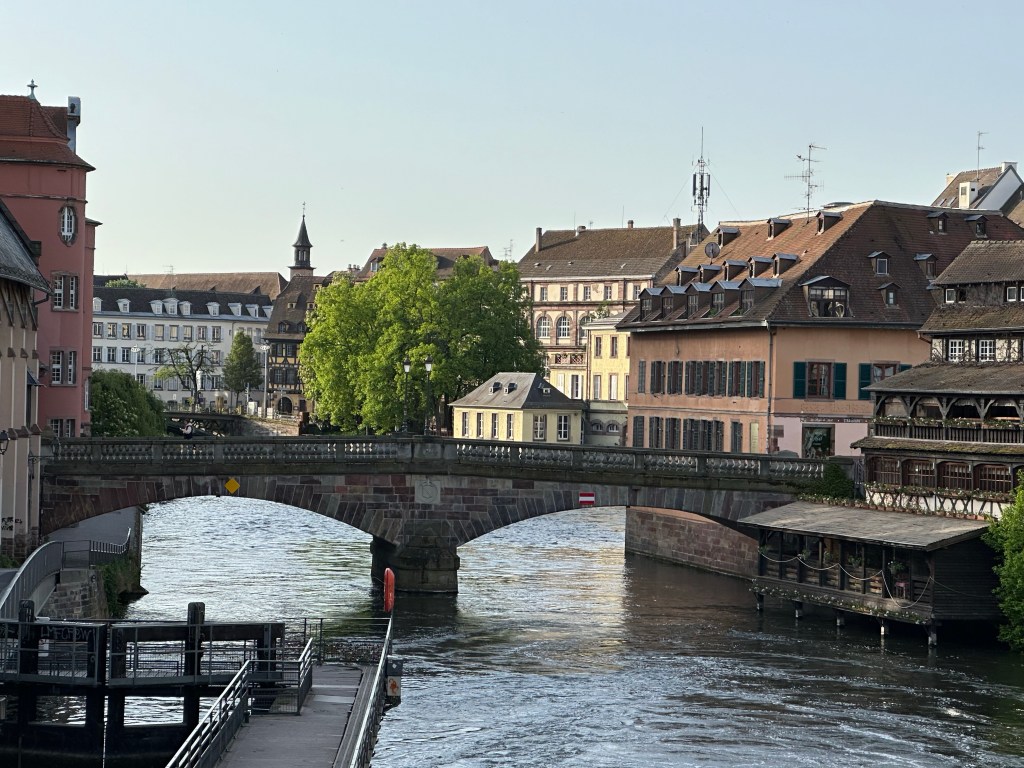
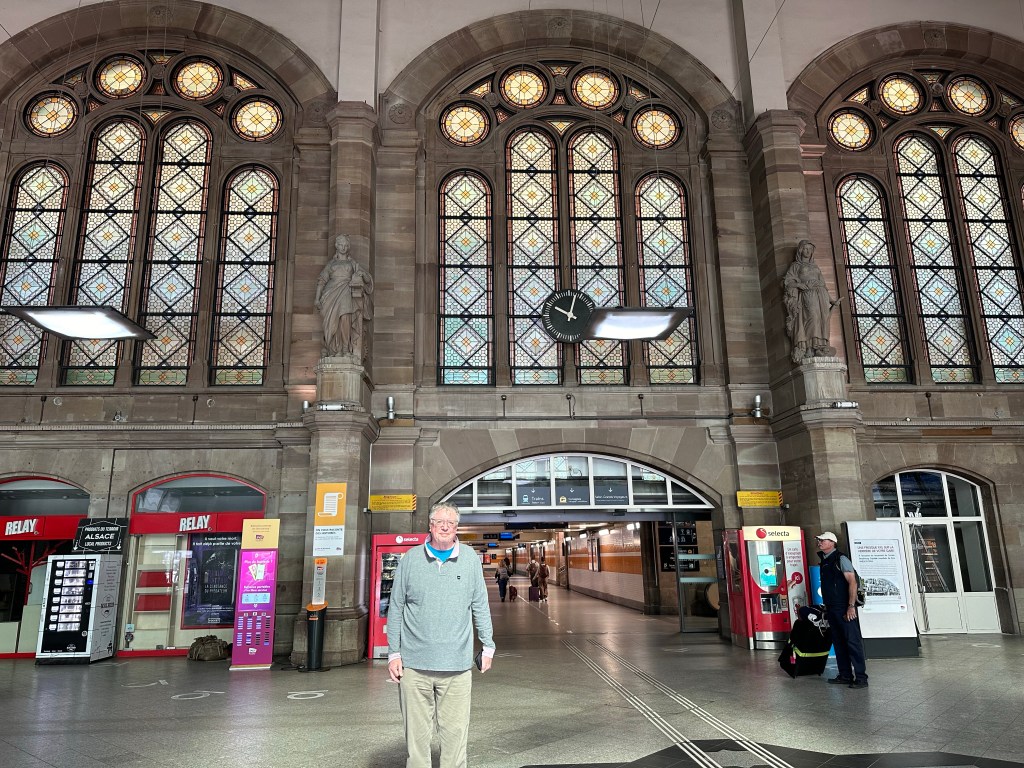
Strasbourg is the capital of the Grand Est region of France formerly Alsace and the official seat of the European Parliament. Strategically situated on the River Rhine, which acts as the border with Germany, it has been an important trade hub for 2000 years. It is the second largest port on the Rhine and the second largest river port in France. It featured as an important part of the Protestant Reformation and Johannes Gutenberg lived in the city for 10 year around the time her invented the printing press. Alsace was part of France from 1681 until Germany took control at the end of the Franco-Prussian war in 1871, before returning to French rule in 1918 following World War I.
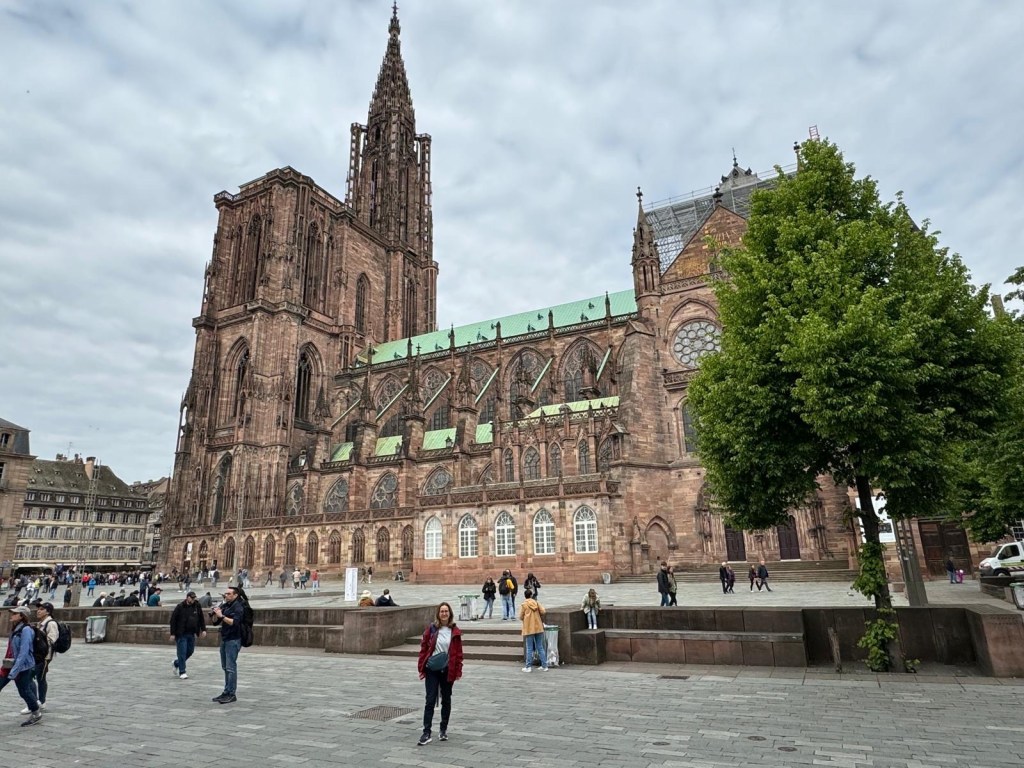
The city is dominated by Strasbourg cathedral built between 1015 and 1439. With a spire height of 142 metres (20m higher than Salisbury cathedral) it was the tallest building in the world between 1647 and 1874, inheriting the distinction as a result of damage to prior holders of the record.
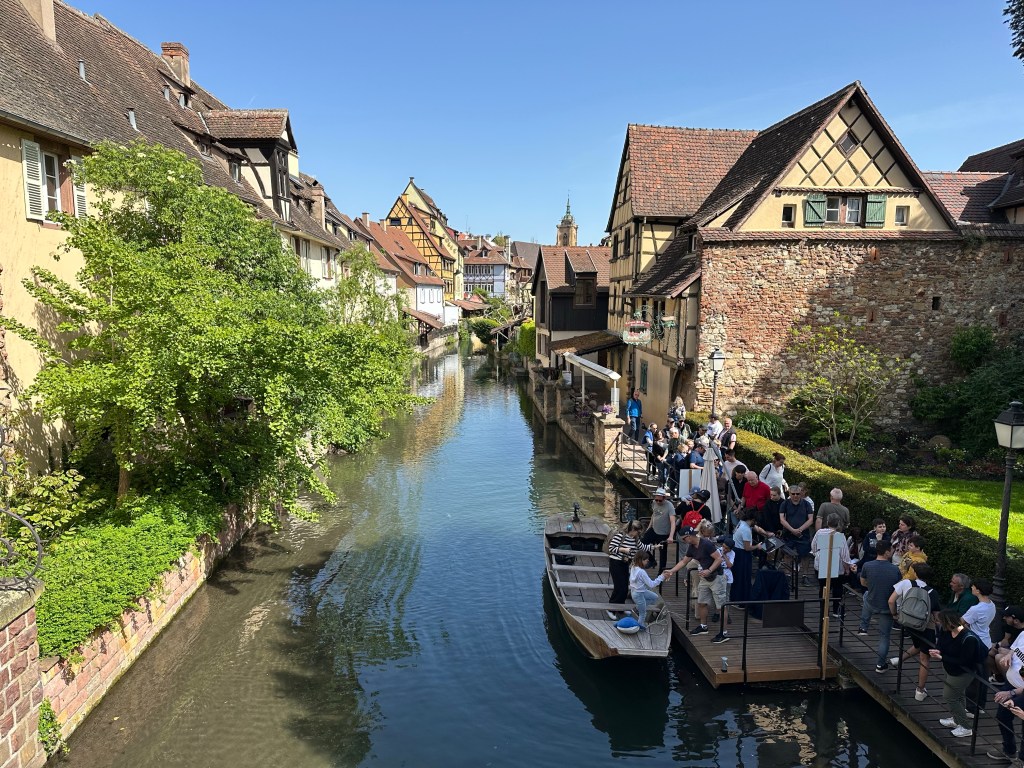
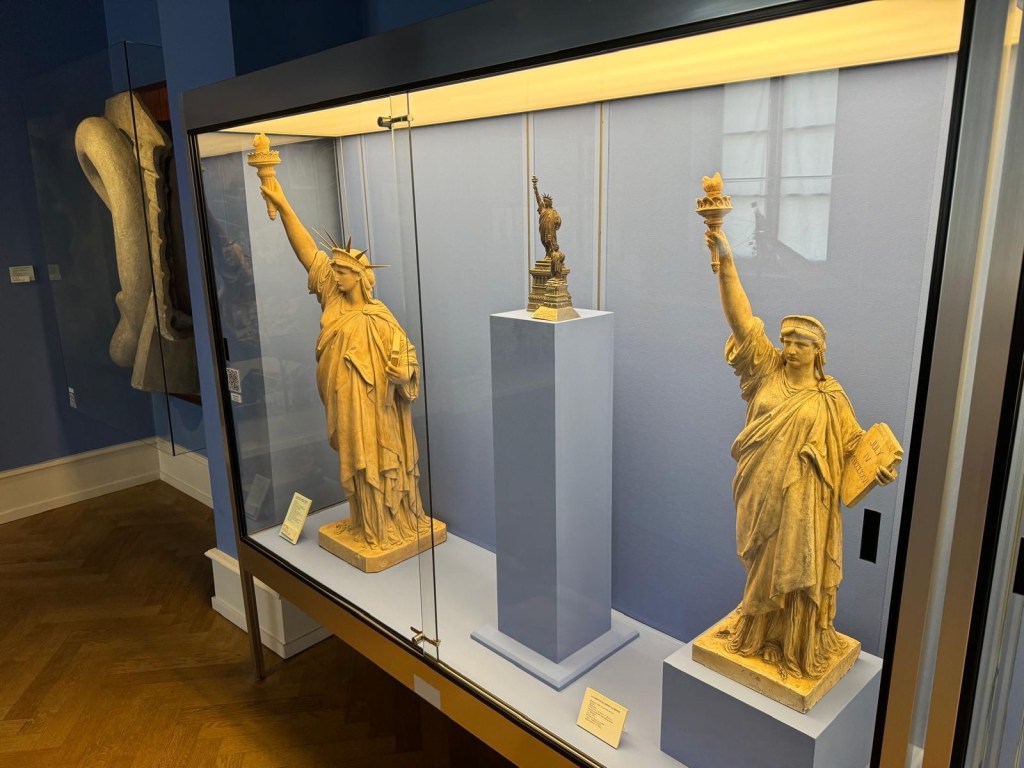
Colmar is 40 miles south of Strasbourg and is the third largest city in Alsace. We visited on a day trip from Strasbourg, by train. It is famous for its half timbered houses and its narrow canals, nicknamed (locally and generously) as “Little Venice”. It is the birthplace of the French sculptor Auguste Bartholdi who is best known for designing the Statue of Liberty, although he was the sculptor responsible for numerous other works, predominantly in the US and France. Many of the sketches and miniture designs of his works are on display in a museum dedicated to him in the house he was born in.