With no direct train from Strasbourg we connected through Stuttgart to reach Munich. With very few words of German between us we were grateful for the willingness of the people we met to speak English, once our few words had expired. That said, the first person we spoke to was the Turkish driver of the taxi that took us from the station to our hotel.
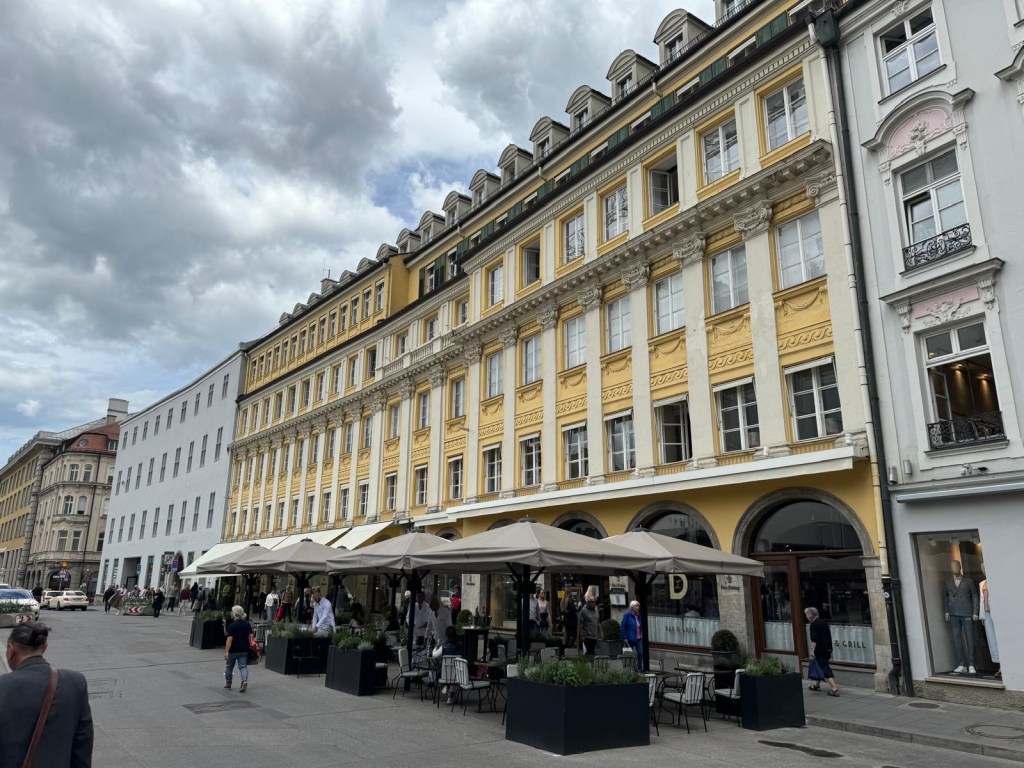
Munich is a modern and propperous city (population of 1.6 million), with a similar feel to some cities in Northern Italy, from which it is only a two hour drive. It is the capital of Bavaria and was founded in 1158 to control the salt trade which was essential for food preservation. As well as salt, considerable wealth was derived from developing and controlling the beer industry.
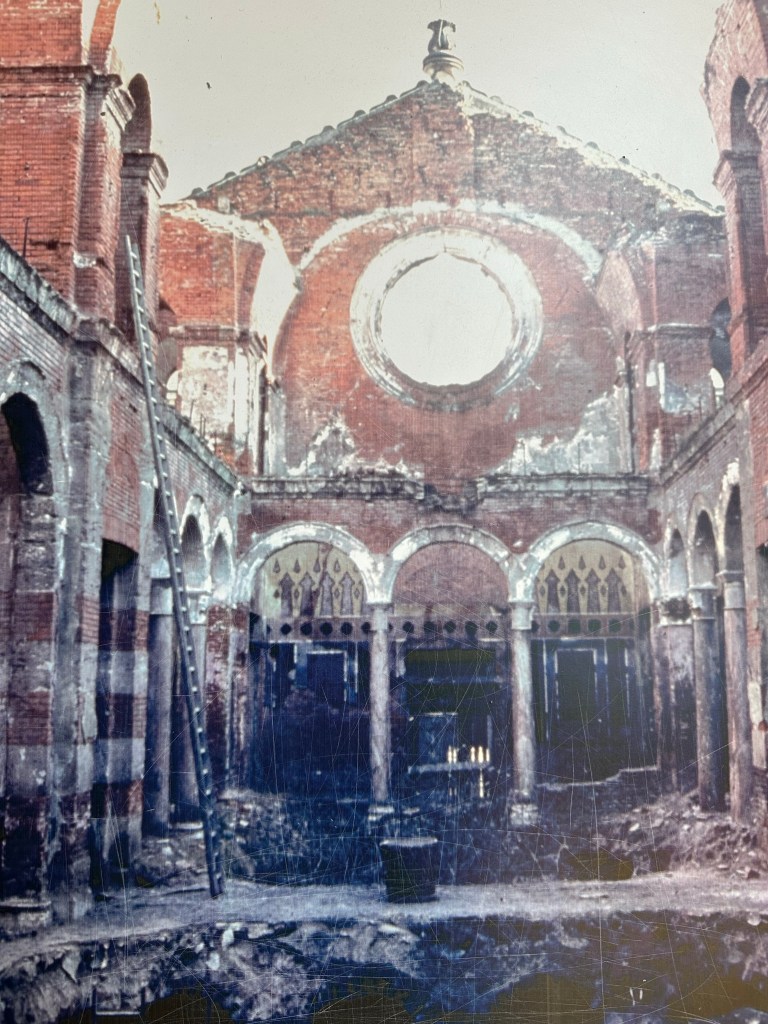
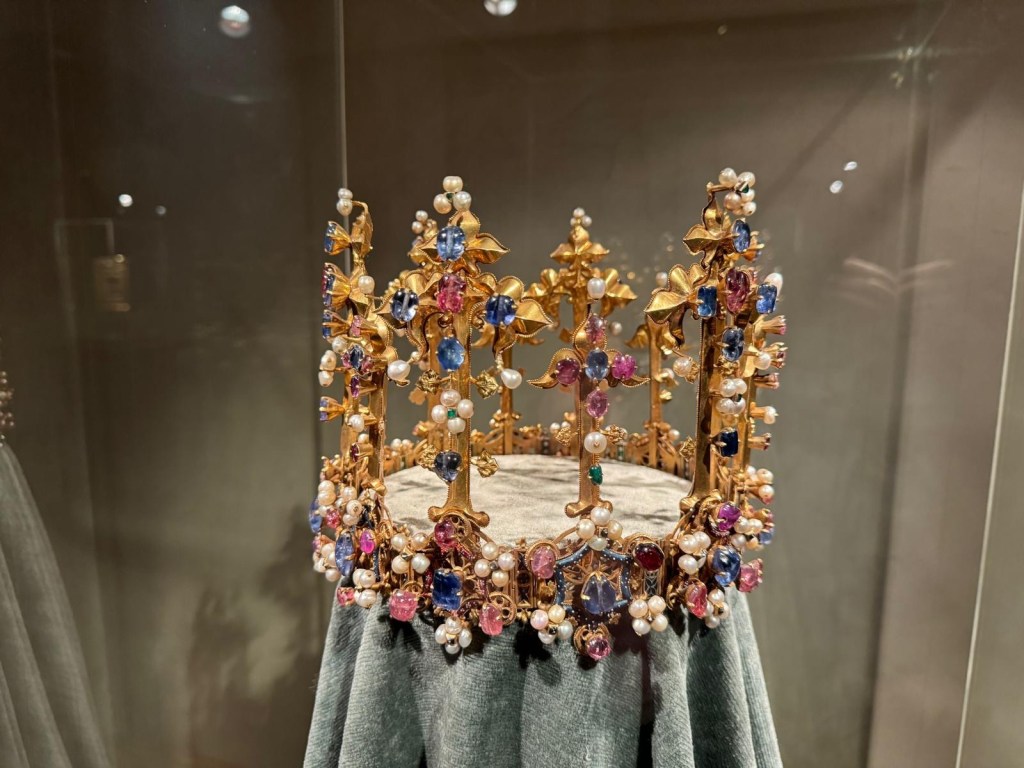
The Wittelsbach dynasty ruled Bavaria from 1180 until 1918. The British royal family are decended from the Wittlesbach princess Sophia of Hanover. The family ruled from the Residenz, the largest city palace in Germany, the building of which started in 1385 with many additions and changes made over the years depending on the fashions of the period. In common with much of Munich, It was badly damaged by Allied bombing in World War II but has been renovated.
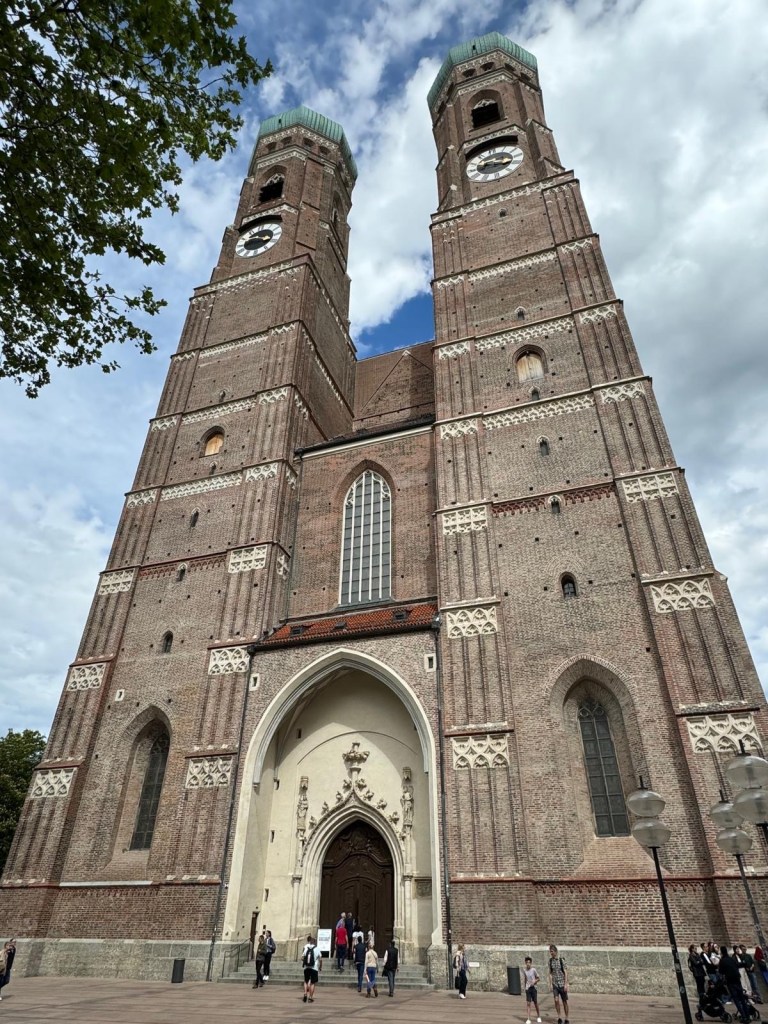
The Frauenkirche, Munich Cathedral, was built in the 15th Century in only 20 years. Its importance to Munich and Bavaria is such that no building in the city is allowed to be taller. During World War II much of the building and its contents were destroyed, it was rebuilt and reopened in 1994.
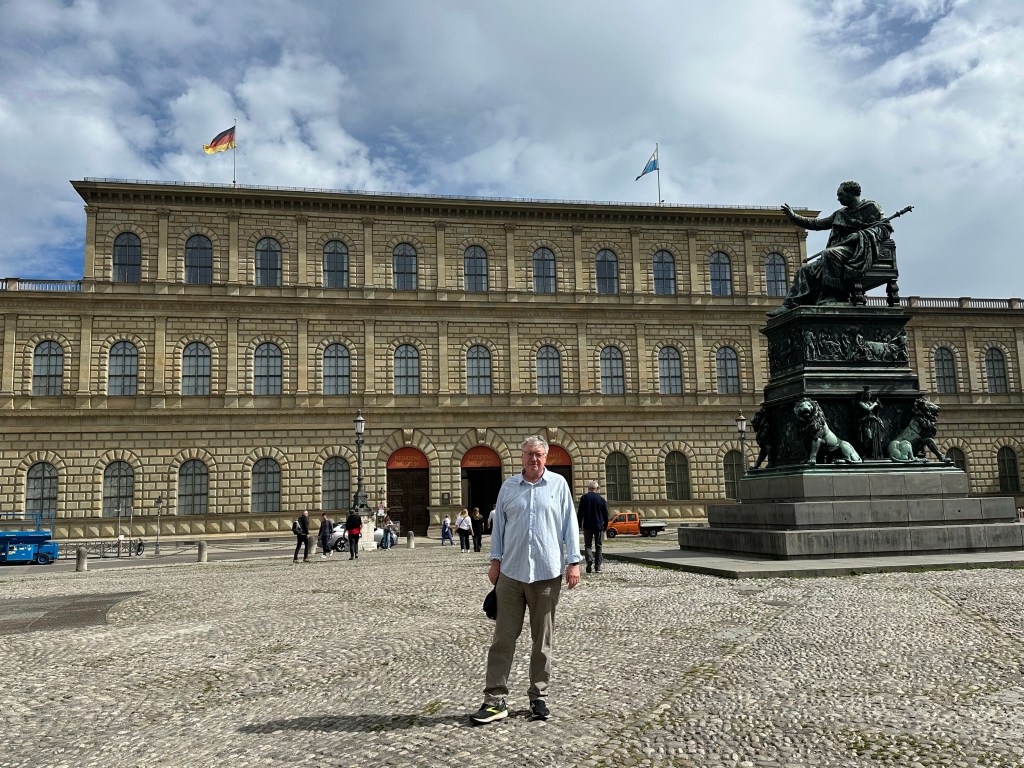
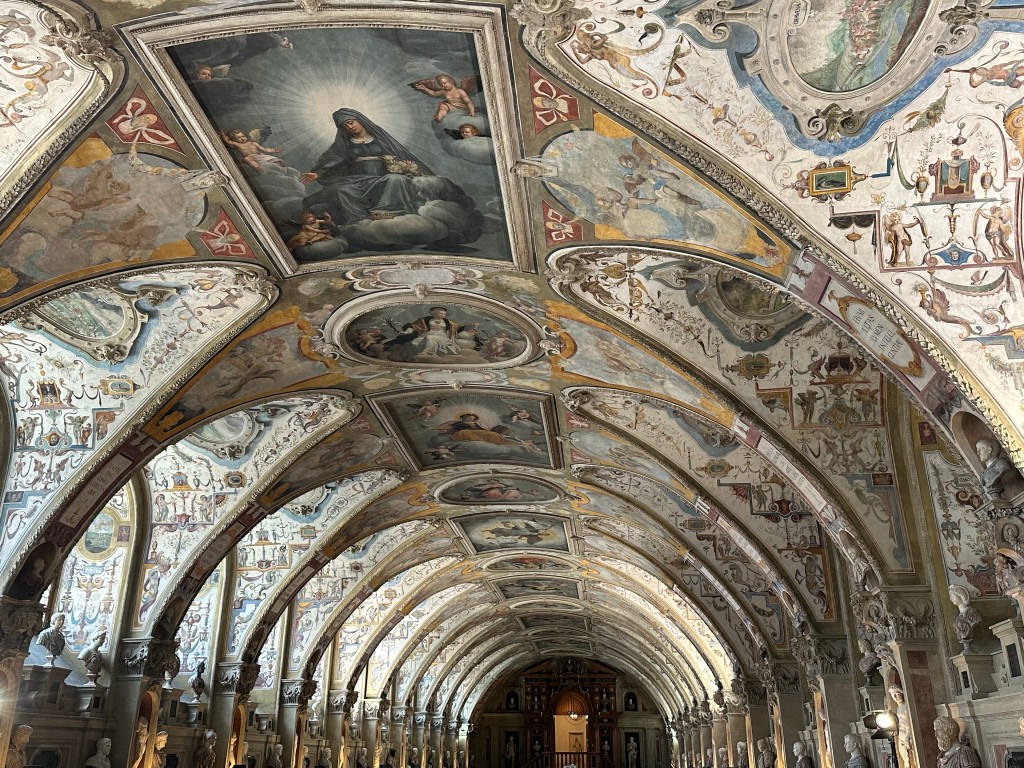

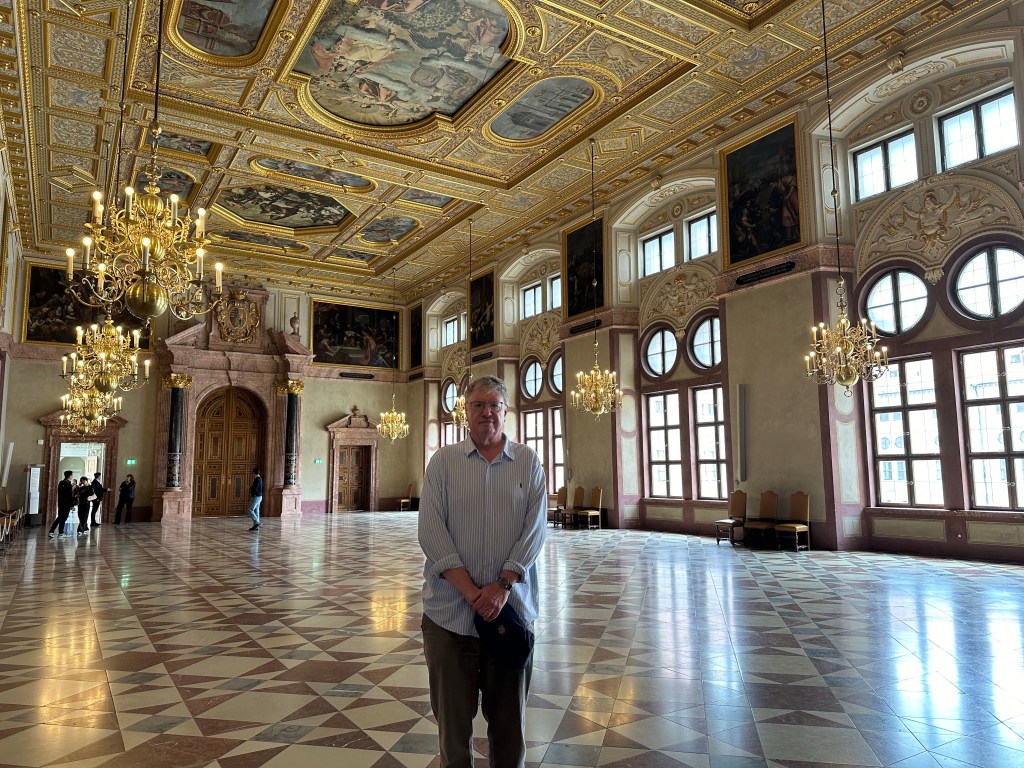
Residenz