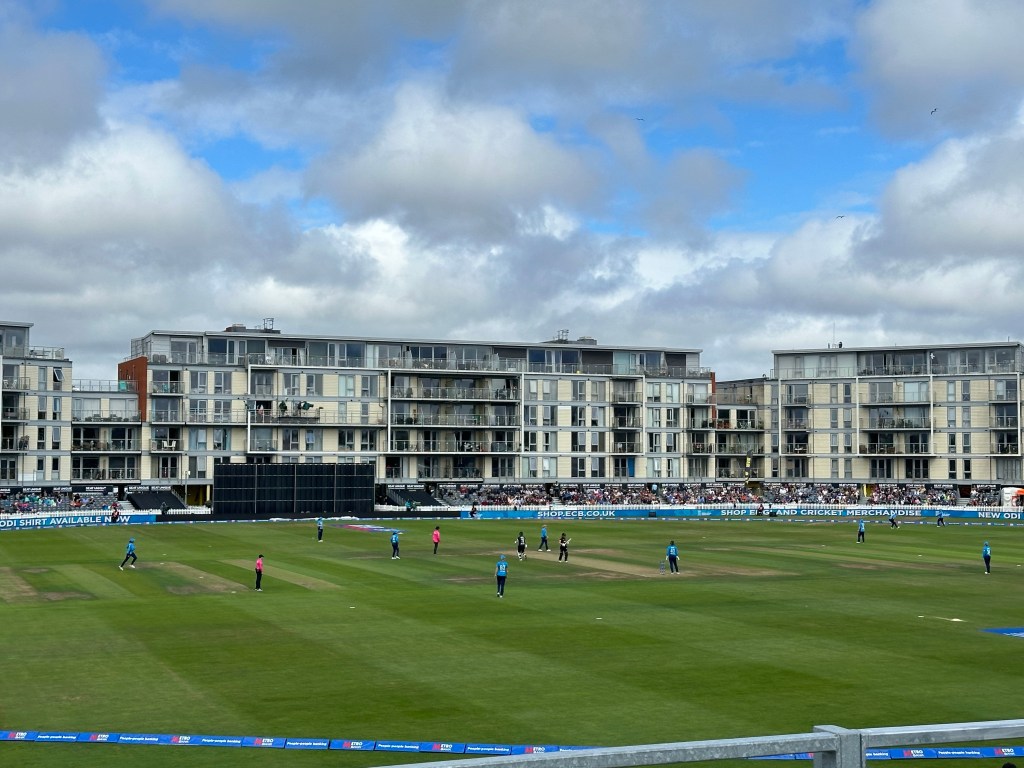
Driving from Ludlow to Bristol meant briefly crossing into Wales, which we managed to escape unscathed. Bristol was the venue for the third women’s One Day International between England and New Zealand. We saw the second ODI in Worcester and England completed a 3-0 win in Bristol inspite of rain interuptions.
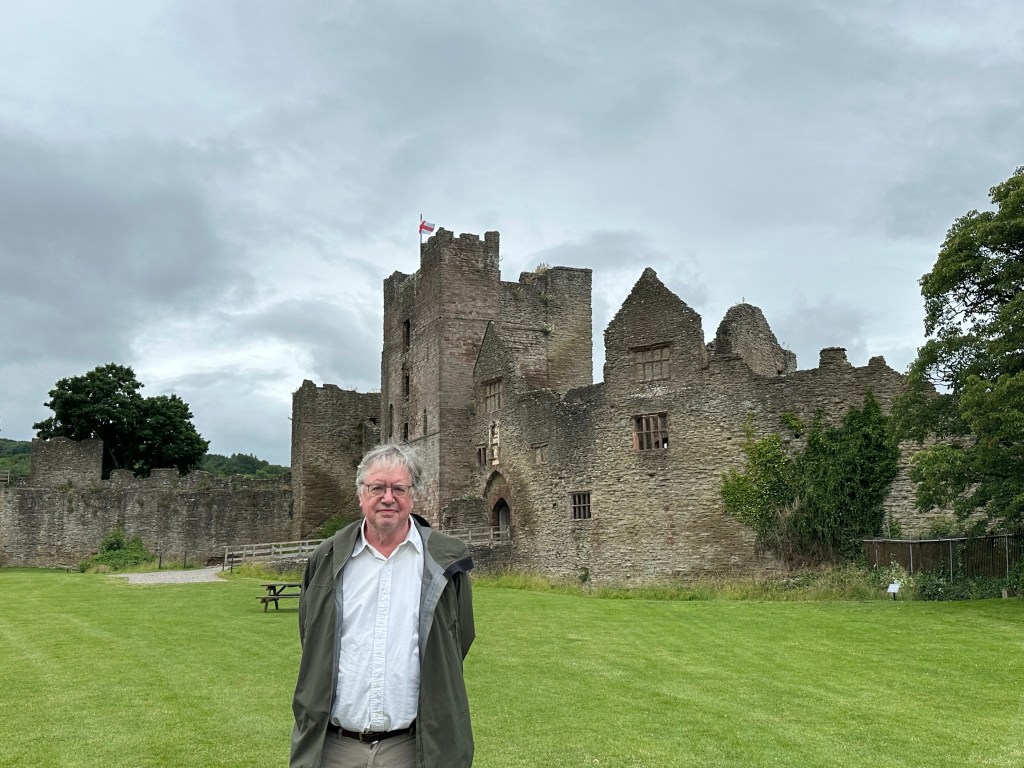
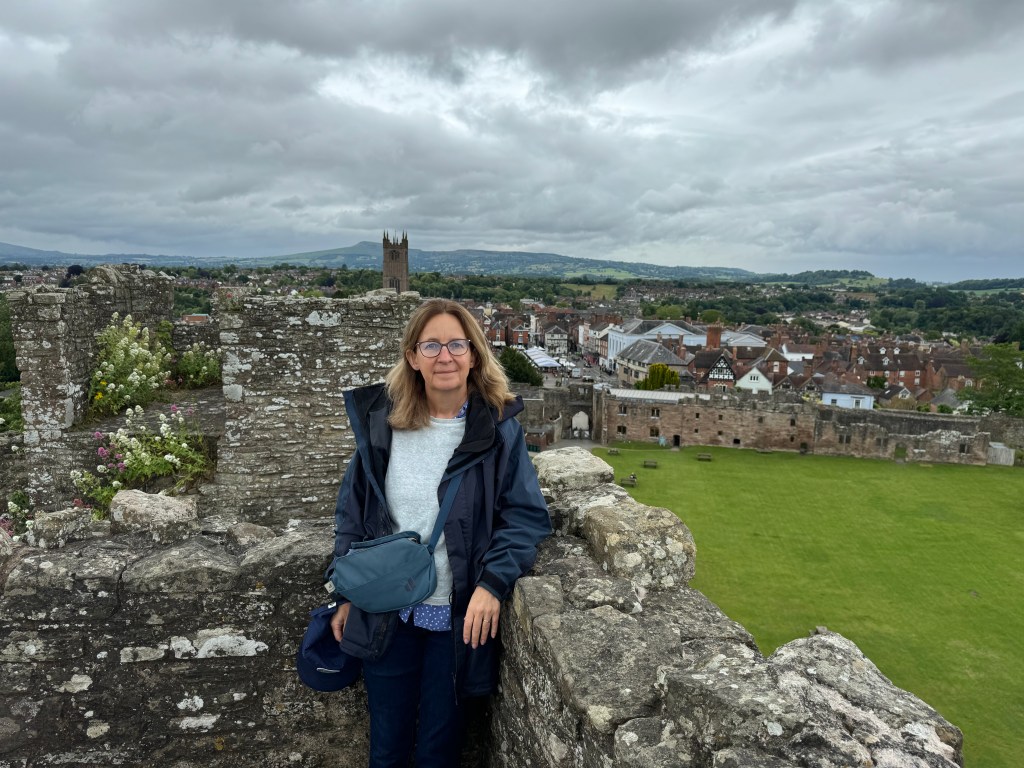
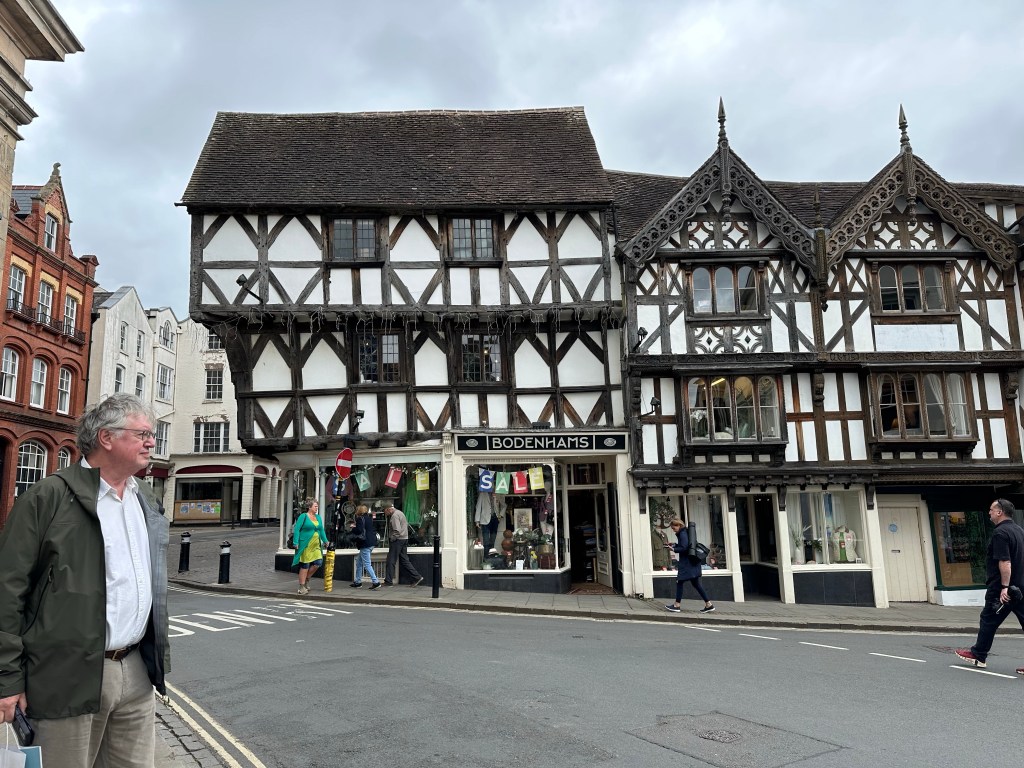
Ludlow is a market town in Shropshire. Up until Covid it was known as a bit of a “foodie” magnet but now attracts visitors because of its listed buildings and castle as many of the top rated local restaurants did not reopen after the pandemic. Sir John Betjeman described it as probably the lovelist town in England. Following the family links, it was also the birthplace of Tim’s grandmother.
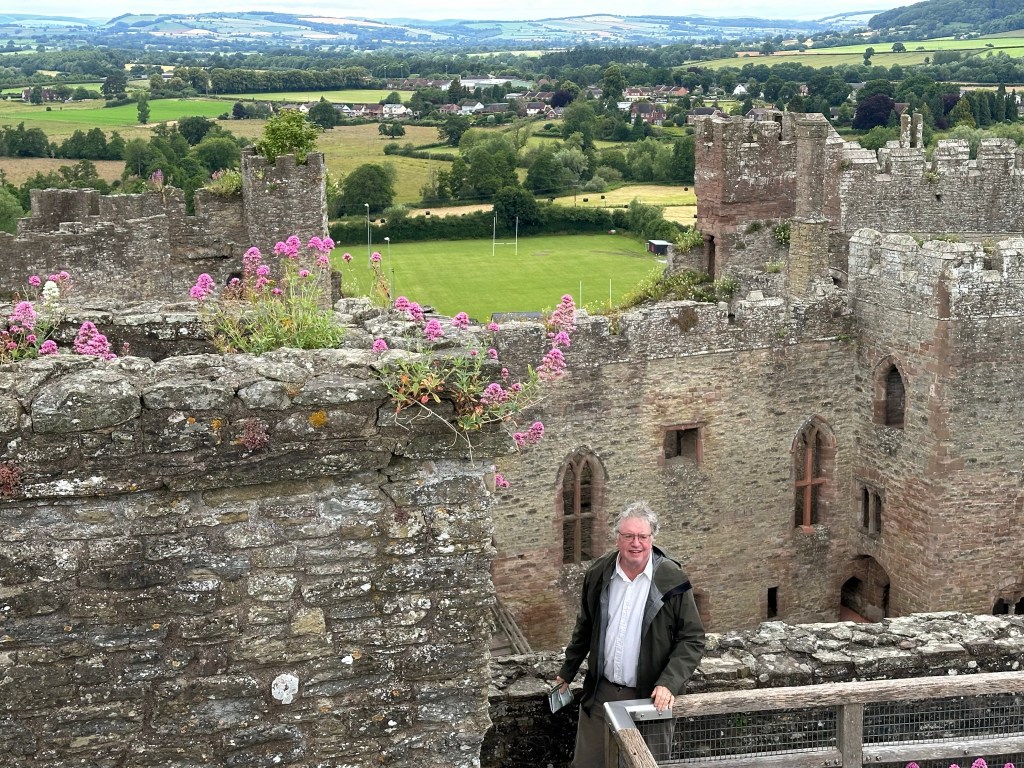
The castle sits close to the confluence of two rivers, the Corve and the Teme and was built as part of the defences of the Welsh Marches, playing significant roles in the Owain Glendower rebellion, the War of the Roses and the Civil War. It was also the site of one of the most controversial honeymoons in English history, that of Prince Arthur and Catherine of Aragon. The “did they/didn’t they” led to the divorce of Catherine from Henry VIII and ultimately the separation of The Church of England from Rome.
Worcester has long been an important city in the Midlands due to its strategic location on the River Severn. It is the home of Royal Worcester Porclain and Lea & Perrins and for many years produced half the gloves made in the UK, including those worn by Queen Elizabeth II at her coronation, made by Dents of Worcester.
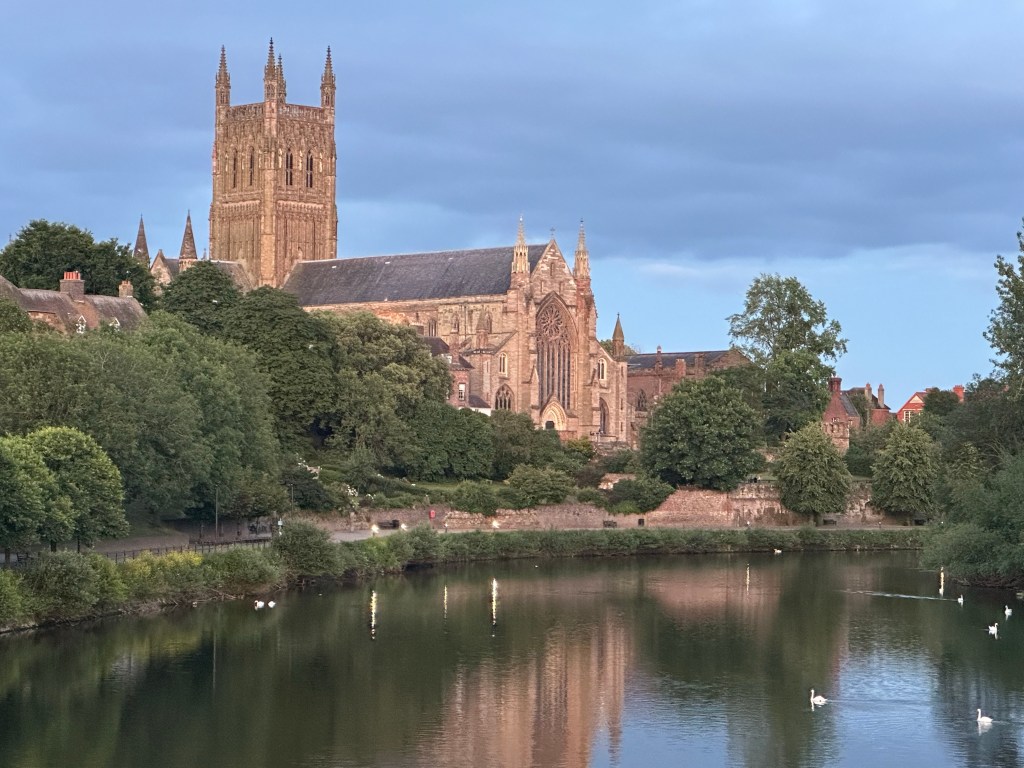
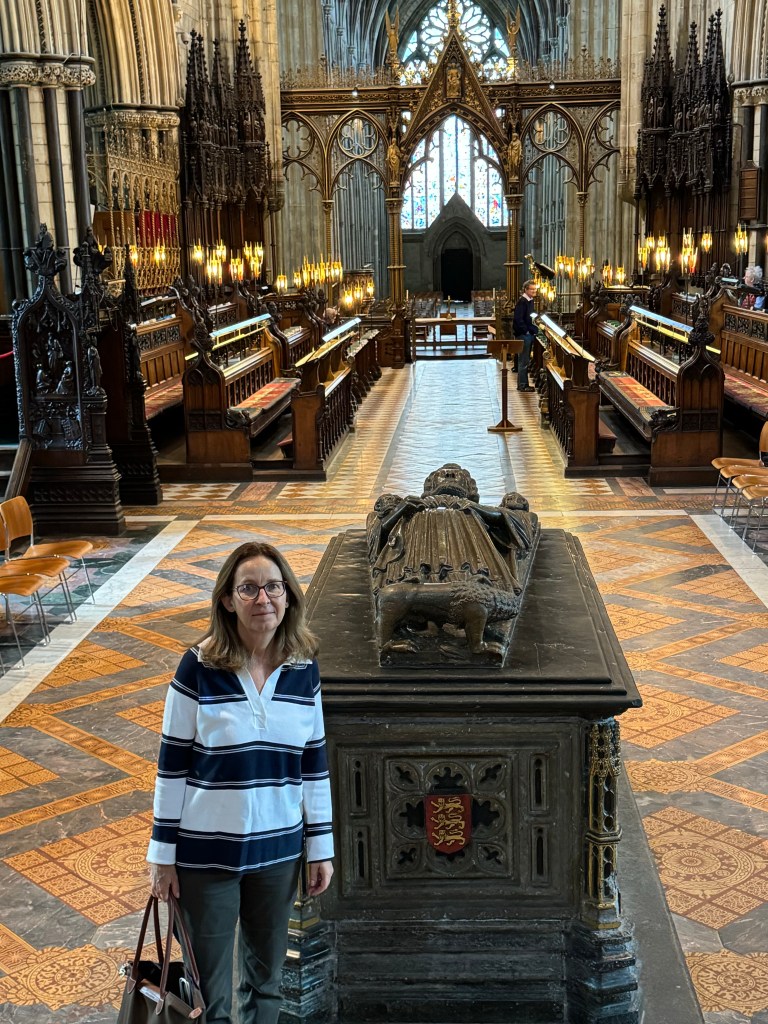
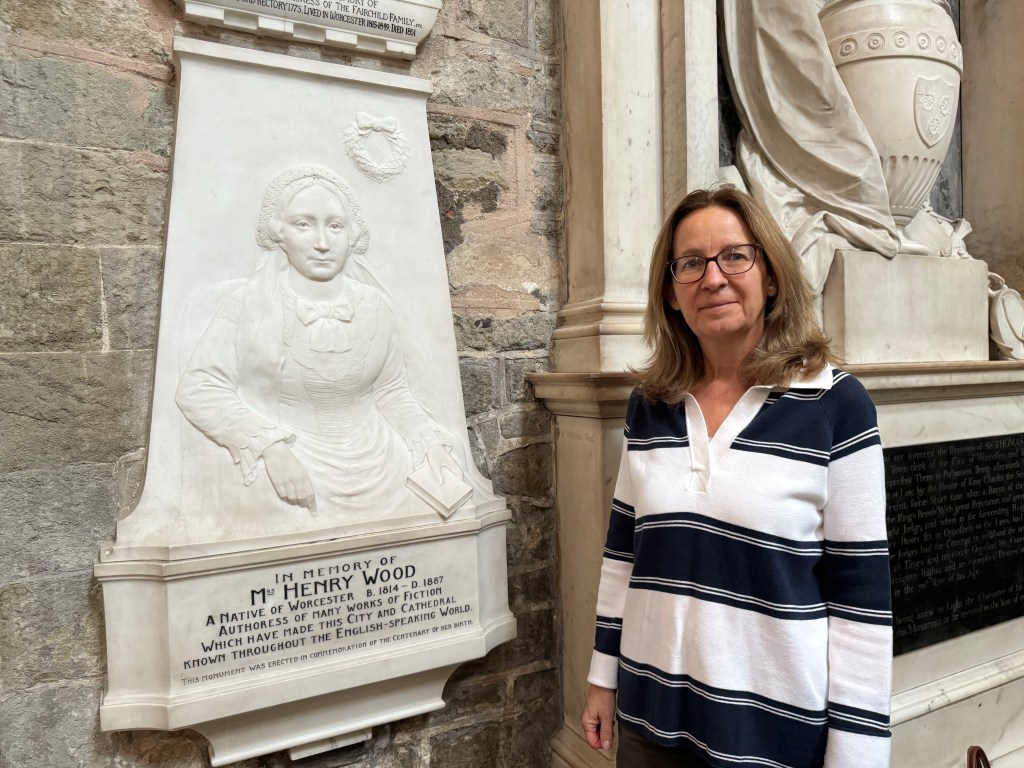
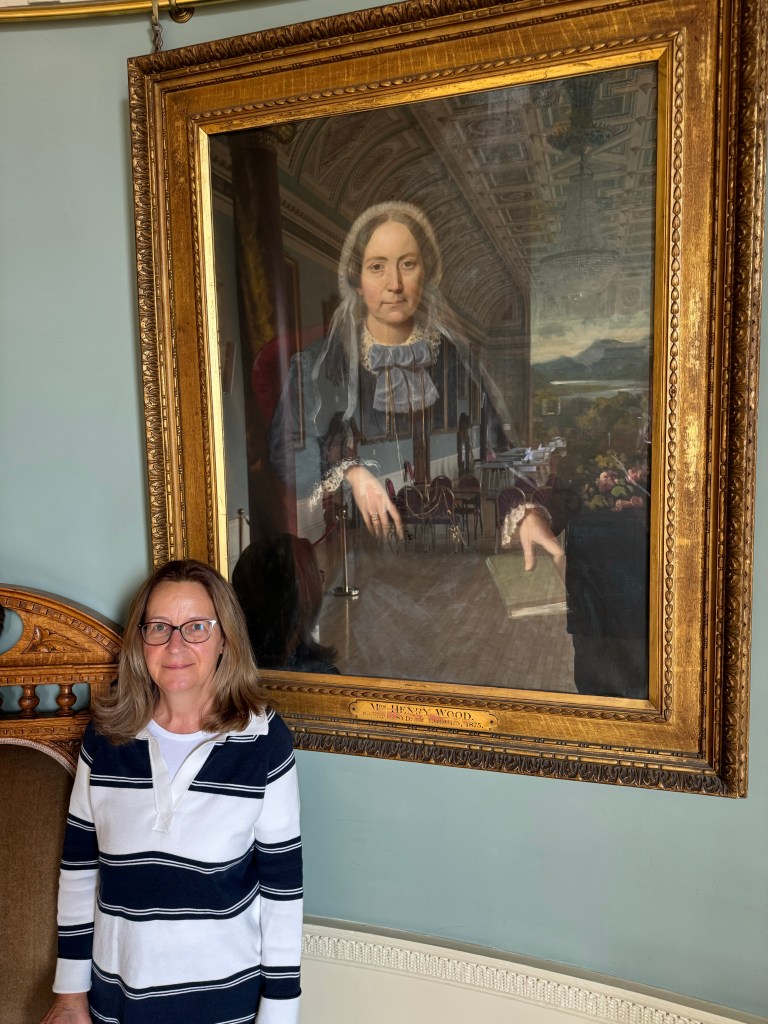
Worcester Cathedral was founded in 680 with building of the current cathedral starting in the 11th Century; it is the burial site of Arthur, Prince of Wales, elder brother of Kind Henry VIII and first husband of Catherine of Aragon. In addition there is a memorial to Mrs Henry Wood who was born nearby into a glovemaker family and went on to become a famous Victorian novelist, selling over 6 million copies. Her most well known being East Lynne. Mrs Henry Wood is Sarah’s three times great grandmother and also has her portrait in pride of place in Worcester Guildhall.
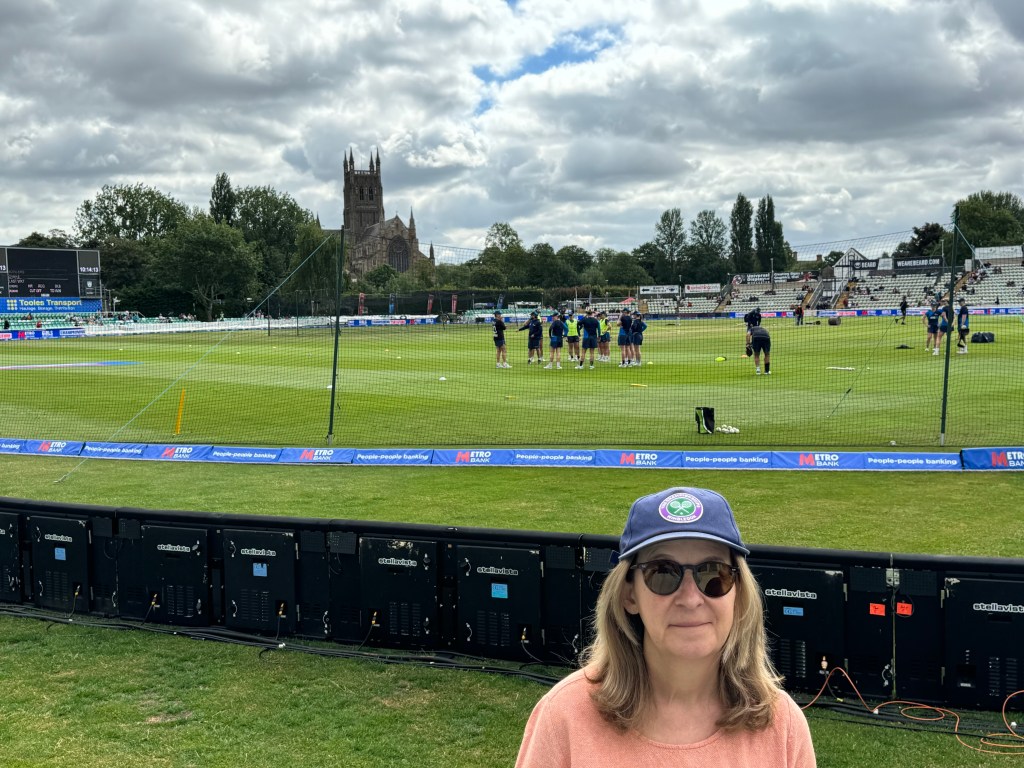
Worcester County Cricket ground, situated on the River Severn, with views of the cathedral, is one of the most beautiful settings in England. However, with the threat of flooding, which happened eight times during the winterof 2023/24 the club may be forced to move to Kidderminster.
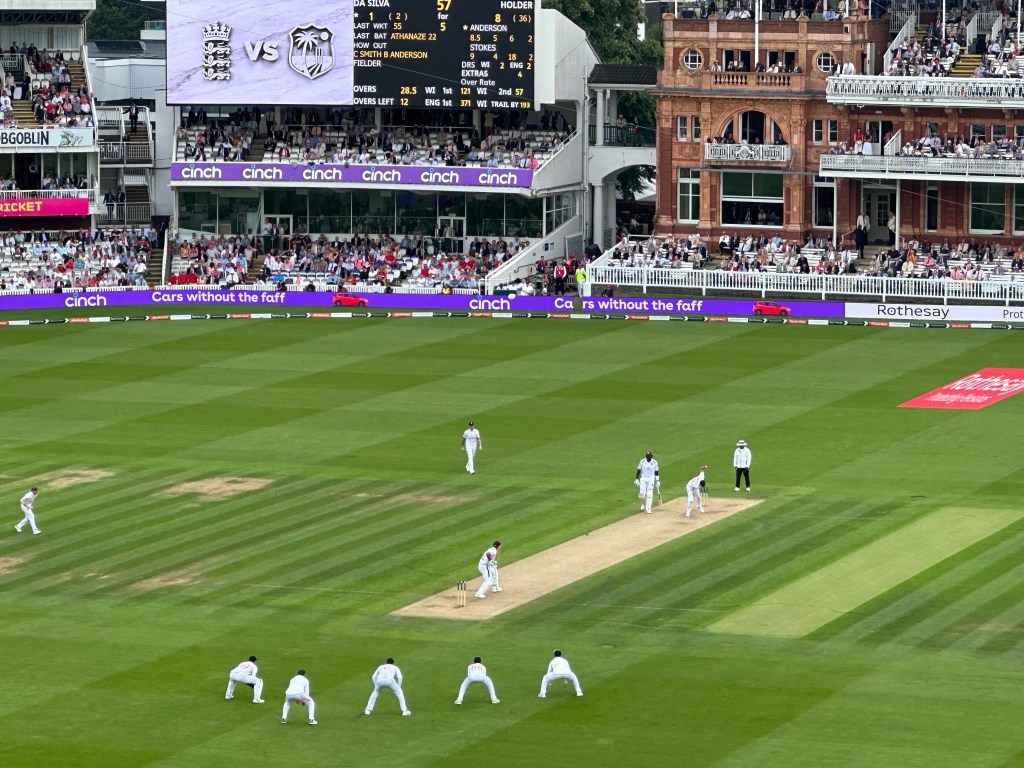
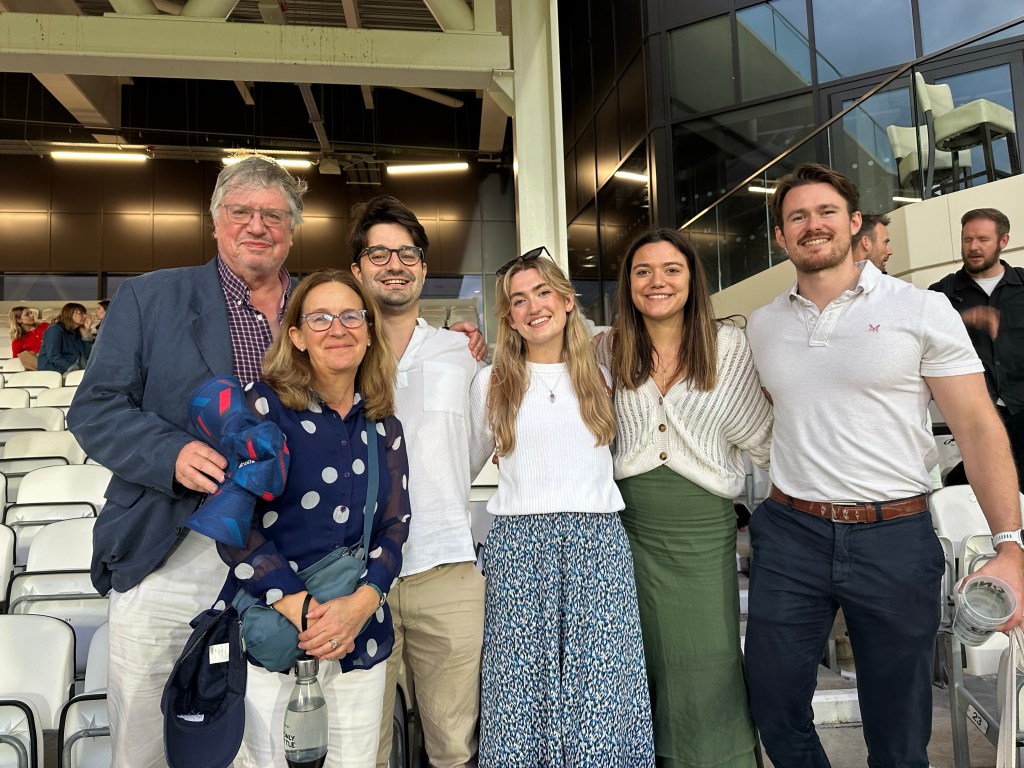
What started out as an idea to watch some cricket over the summer outside of London, ended up as a short tour including; Worcester, Ludlow, Bristol and Nottingham. Around the same time we also attended the second day of the first West Indies Test Lord’s and spent an evening at The Oval for a women’s T20 against New Zealand. The UK had poor weather in July, but luck was on our side and we only lost a couple of hours play at one match. Furthermore England won all the matches we watched.
Lord’s test With Issy, Henry, Lizzie and Sam at The Oval
We did not have high expectations for the food and drink on our trip, thinking that it would be traditional meat heavy with a lot of sausages, cabbage and potatoes ! However, although that was available, there was a lot of high quality modern food some based on traditional dishes. We were also lucky to time our trip with asparagus season across the region we travelled through. Although not previously fans of the white variety, when fresh and local we were happy converts. The product is given pride of place in restaurants, many having specific menus of seasonal asparagus specials.
It was also possible to drink excellent local wines at prices much lower than London (not saying much !), from dry rieslings in Alsace to dry Tokaji in Hungary, together with some interesting reds. It should have been no surprise that in Austria and Hungary there was Northern Italian influence in the cuisine.
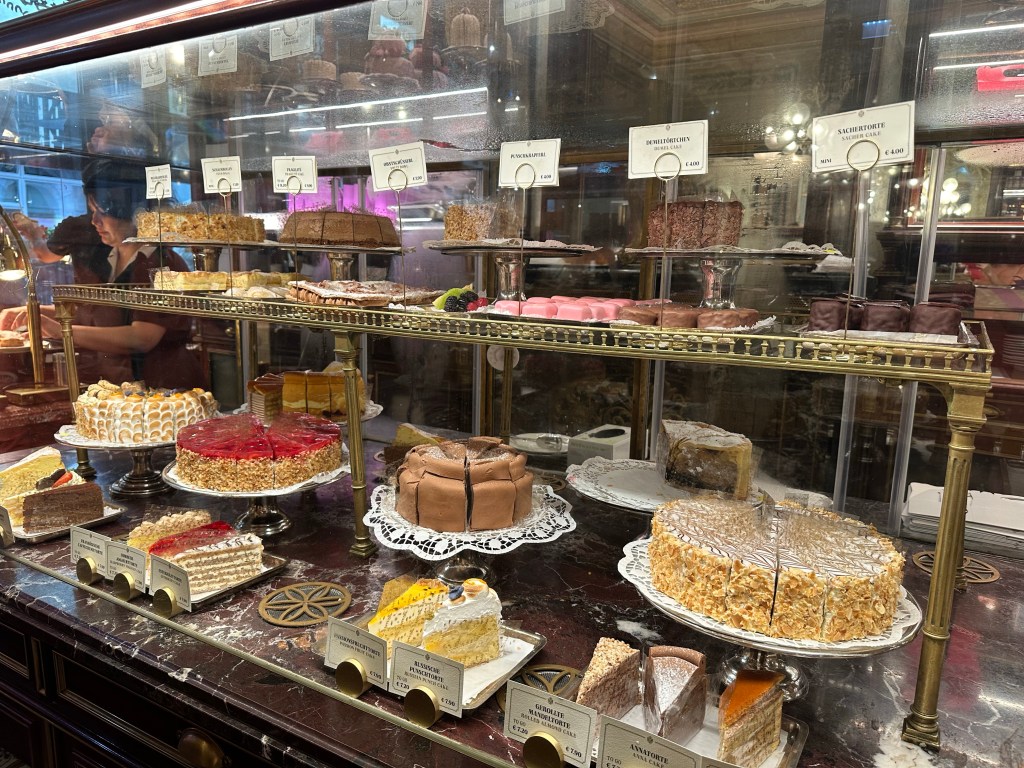
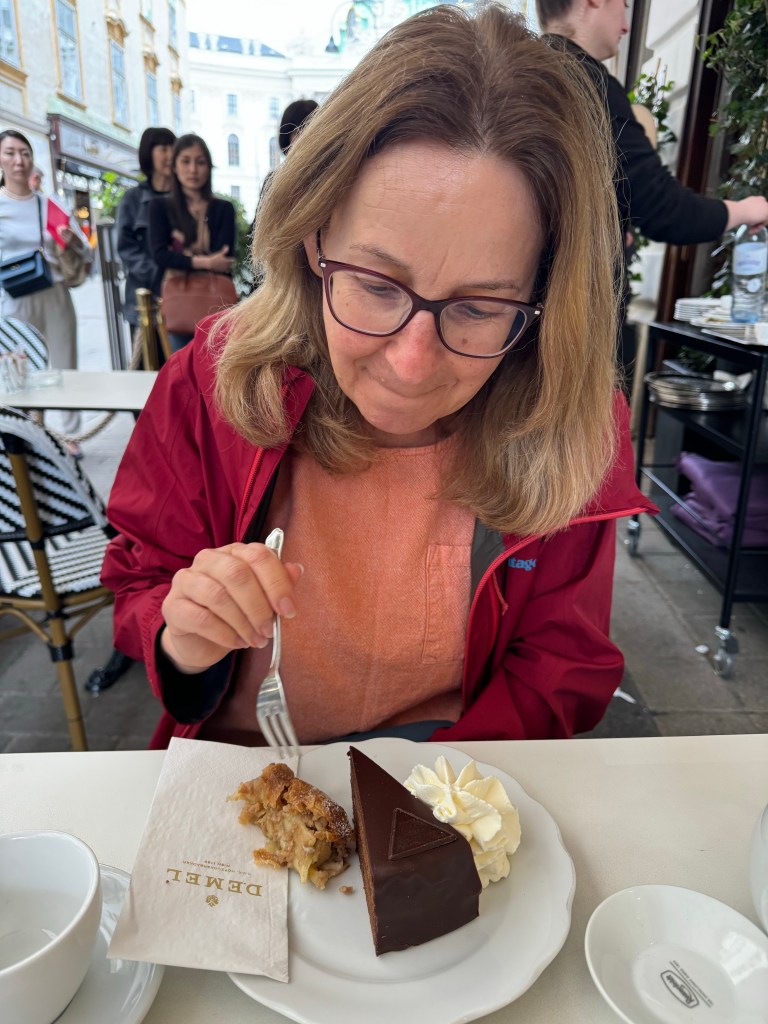
While we ate excellent fish, vegetarian food and middle Eastern dishes, we also enjoyed schnitzel and cakes. In Vienna we learned that the famous Sachertorte had been the subject of a legal dispute between two cafes as to which could call theirs “original”. It was determined that “Cafe Sacher Wien” could have this privilidge, although the guide on our walking tour recommended the rival, Demel.
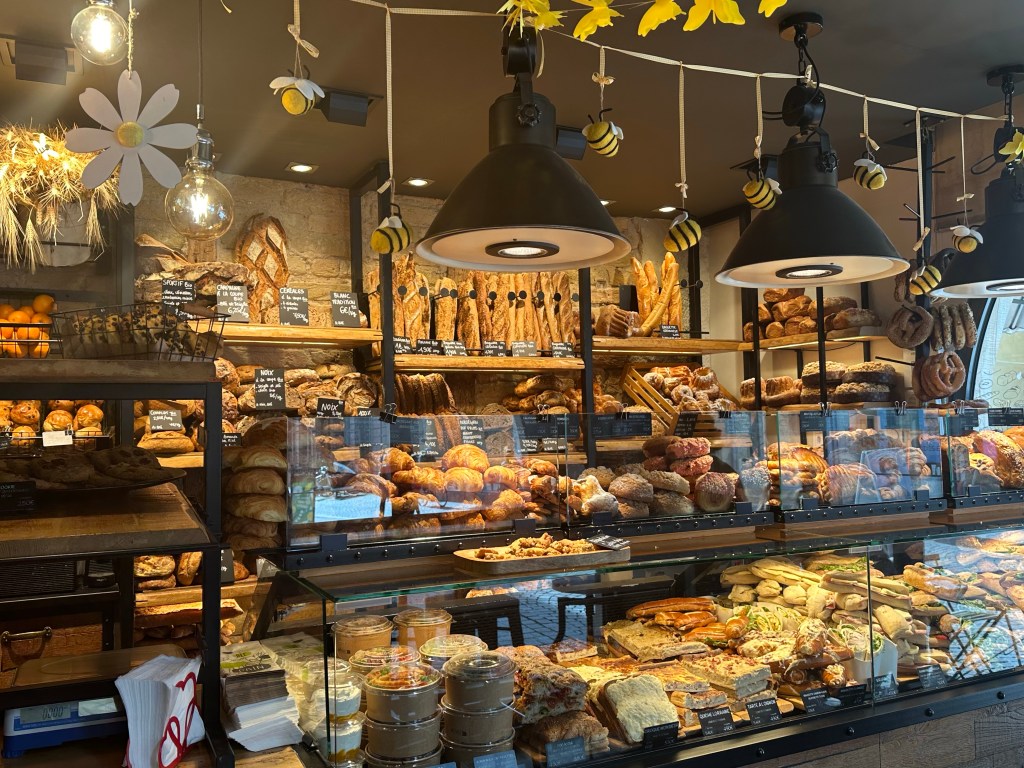
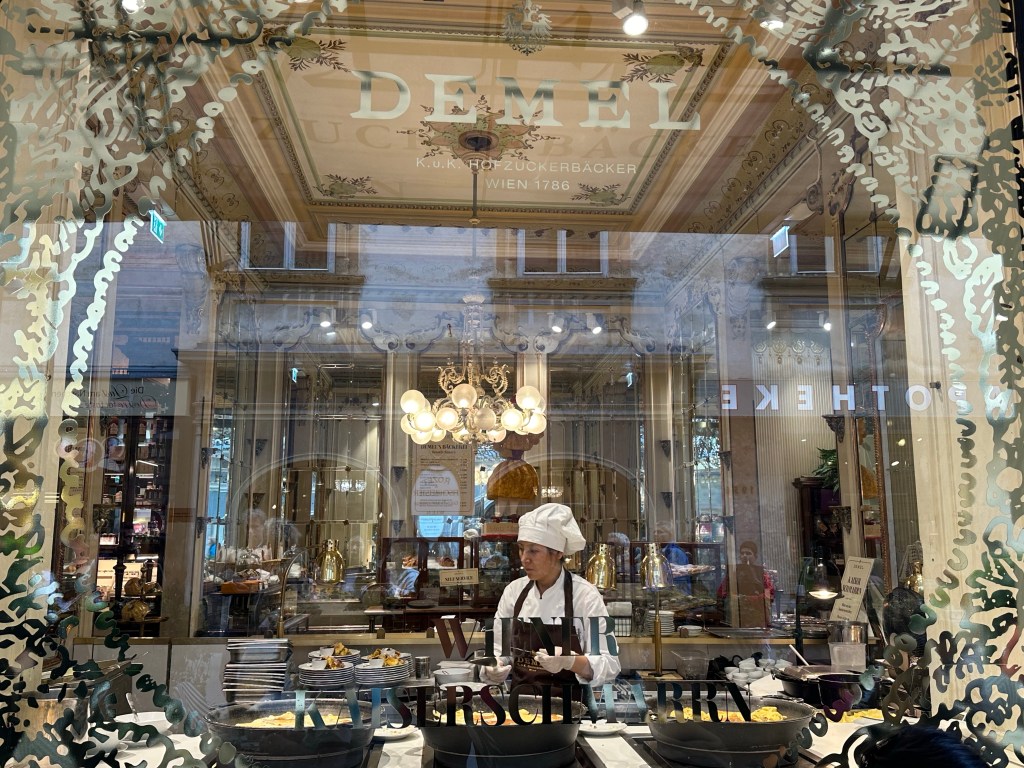
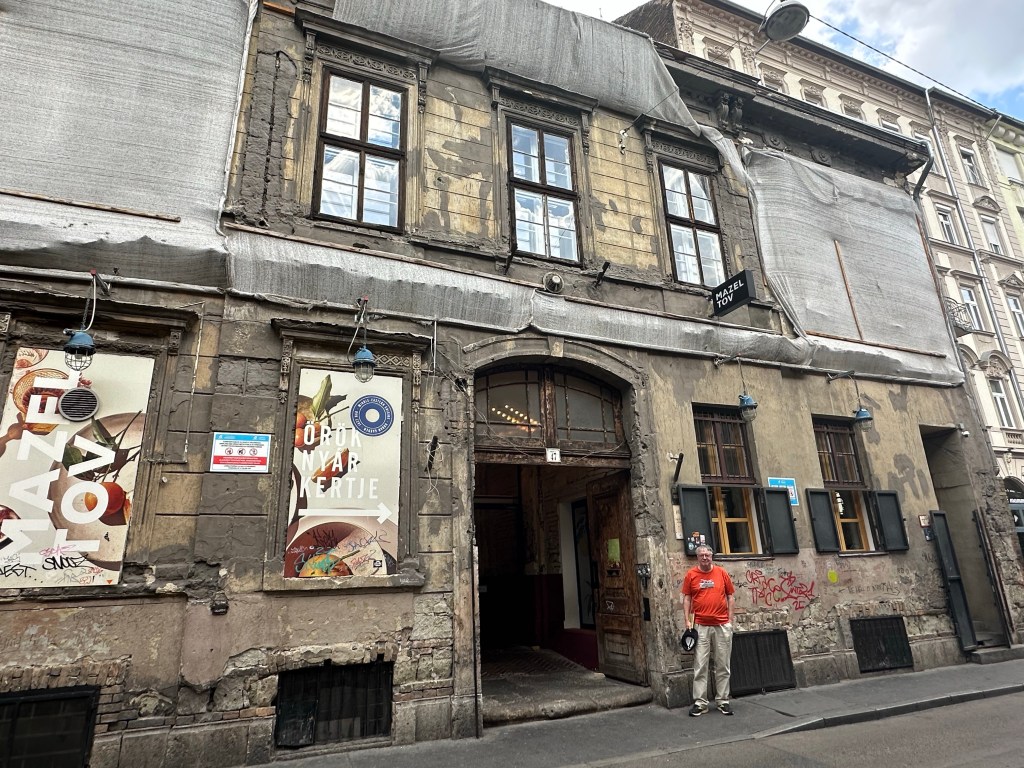
Hungry on entering Hungary – the sandwiches from Vienna station were good…much better than the train foodBreakfast in Strasbourg Dallmayr in Munich – cafe and food hall to rival FortnumsDemel ViennaSachertorte or Strudel ? …..or both (we were sharing !)The bistro we ate in on our first night in Budapest- from another era. Good simple local food, the owner resembling StalinHall of Fame, Budapest- the members of the Hall of Fame all being wine producersMazel Tov, Israeli restaurant in the old Jewish Ghetto in Budapest. It was almost impossible to secure a reservation.Inside Mazel Tov – you cannot judge a book by its cover- delicious food, worthy of the queues at the door
The origin of the city dates back to Roman times, however the city as it is now came into being on 17th November 1873 when the cities of Buda and Pest were unified to become the new capital of Hungary. Unlike Vienna, the cities of Buda and Pest were conquered by Ottomans, being under their rule from 1526 for 150 years. Following the defeat of the Ottomans at Vienna, the cities were liberated and entered a period of new prosperity, eventually being co-capital of the Austro-Hungarian empire. There has been “competition” between Vienna and Budapest, both with a similar population. An example is that after the building of the Vienna Opera House, Budapest sought to have one of its own, but the story goes that they were not allowed to build a bigger one than Vienna, but nobody told them they could not build a more beautiful one.
Buda is on hilly land on the west bank of the Danube, with Pest on the flat east bank. The best vantage point is Buda Castle, which for the first two days of our visit was closed for the more impoartant visit of President Xi.
Hungary lost much of its power and lands following WWI and WWII was an even greater disaster. Budapest suffered major damage and loss of life from the Soviet Army which eventually took control of the city and country. Prior to that Nazi Germans, with the support of the local Arrow Cross Party imprisioned, deported or murdered 564,000 Jews, 434,000 between 15 May and 9 June 1944. The only Jews to survive were those in the Budapest Ghetto, purely because time run out as Soviet troops beseiged the city.
The city was under Soviet control until the fall of the Iron Curtain in 1989, despite a revolution in 1956 which resulted in the execution of President Nagy. Since then the city has been revitalised; river cruise boats visit, film studios use it as a location and there has been considereable rennovation and new buildings, however the city still has the scars of its history including brutalist communist appartments.
We discovered that we knew more Hungarian than we thought as a number of Turkish words came into the Hungarian language due to the Ottoman occupation. As the Ottomans were keen to develop agriculture, many of these words are connected to farming such as fruit and vegetables.
Budapest was our final stop from where we flew to Turkey.
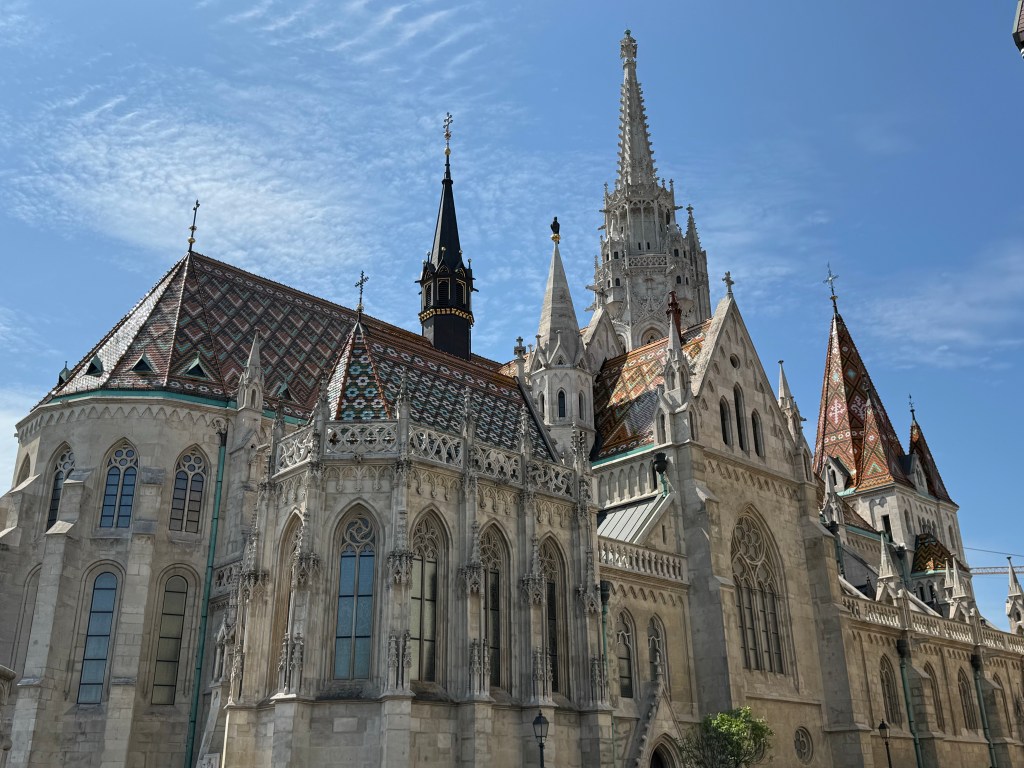
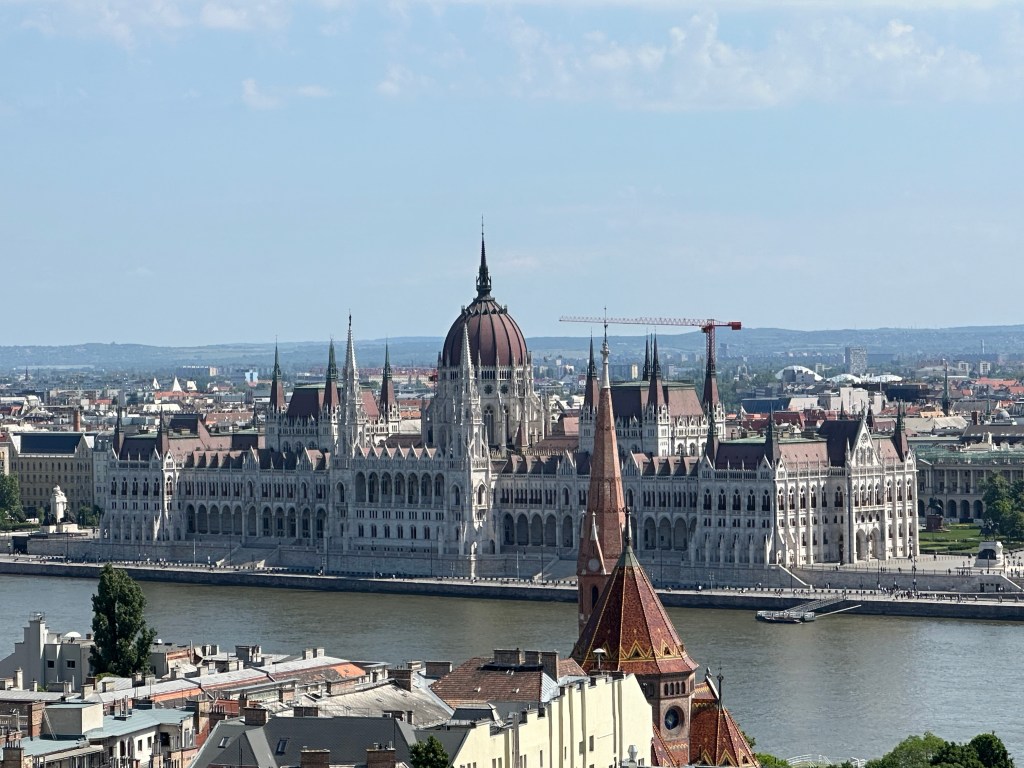
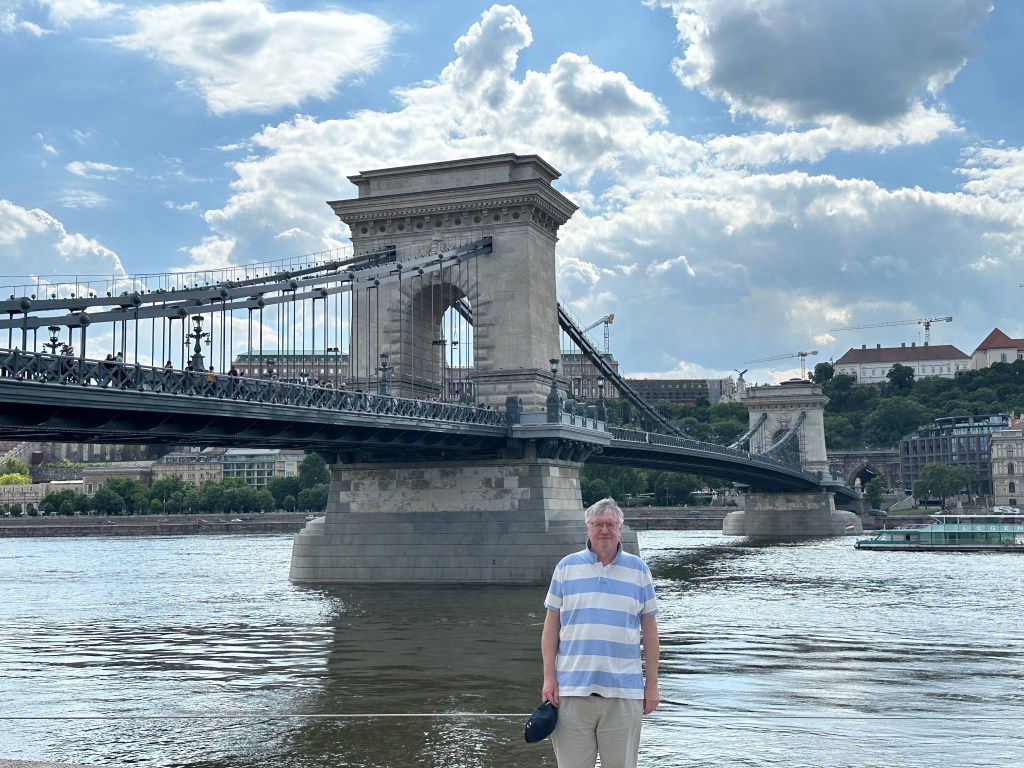
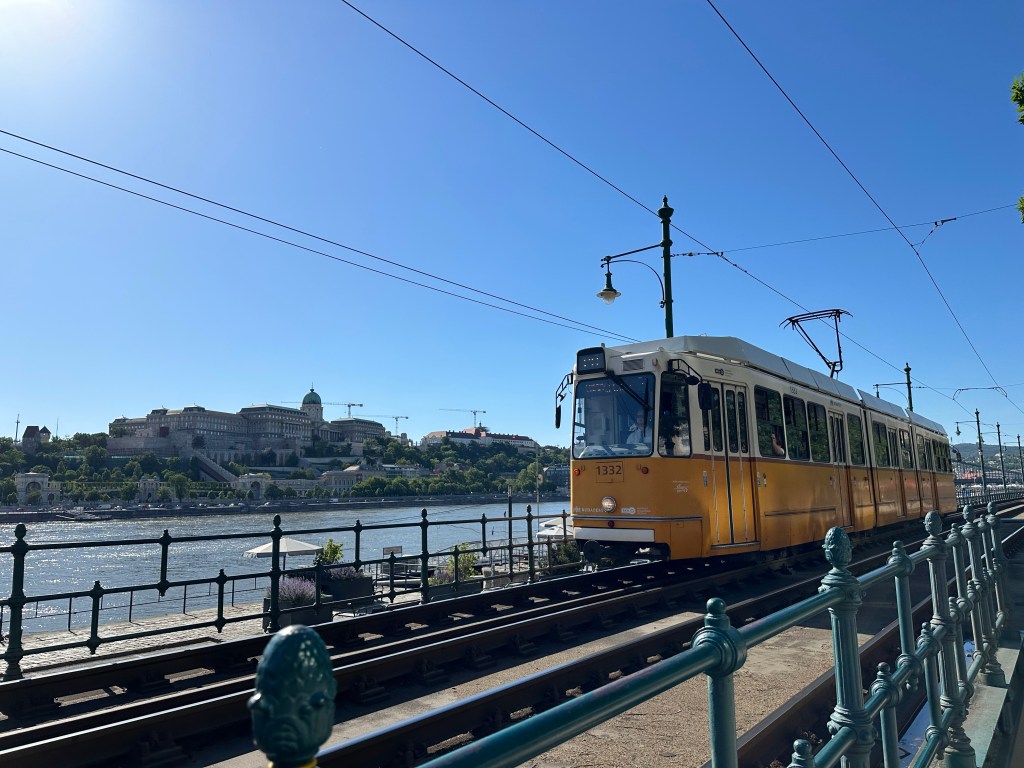
Buda CastleBuda CastleParliament- inspired by the Palace of Westminster but 5m longer and with a dome added to be granderSzechenyi Chain Bridge- designed by the same architect as Hammersmith Bridge
The Great Synagogue
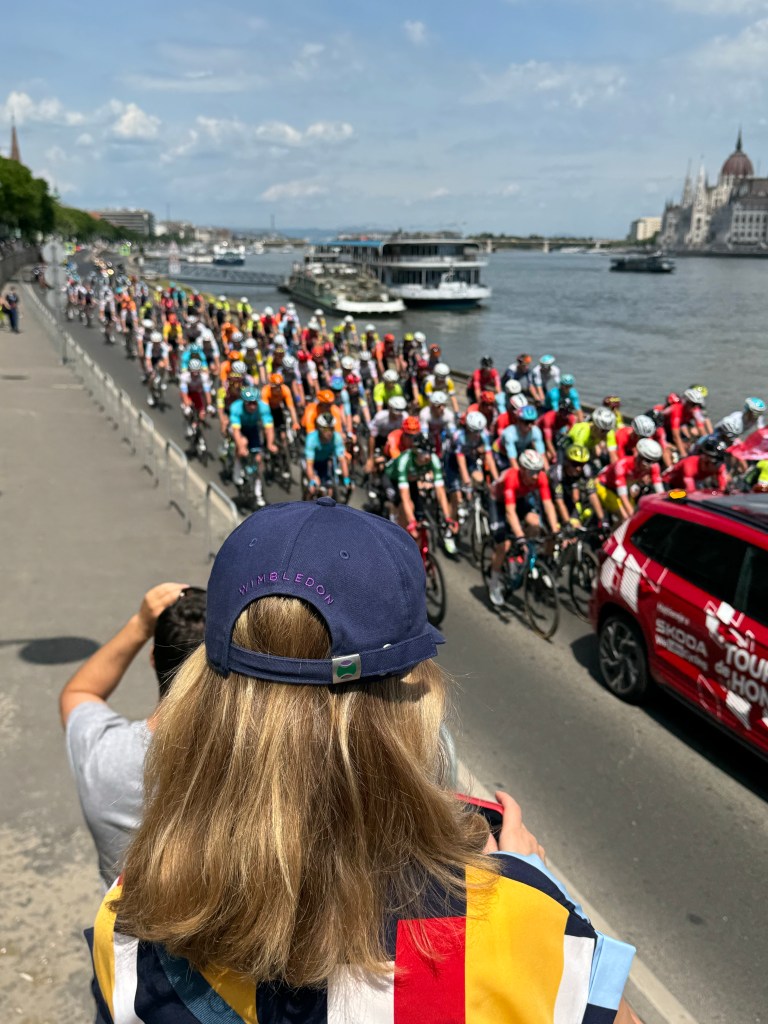
By coincidence we found ourselves on the route of the Tour of Hungary
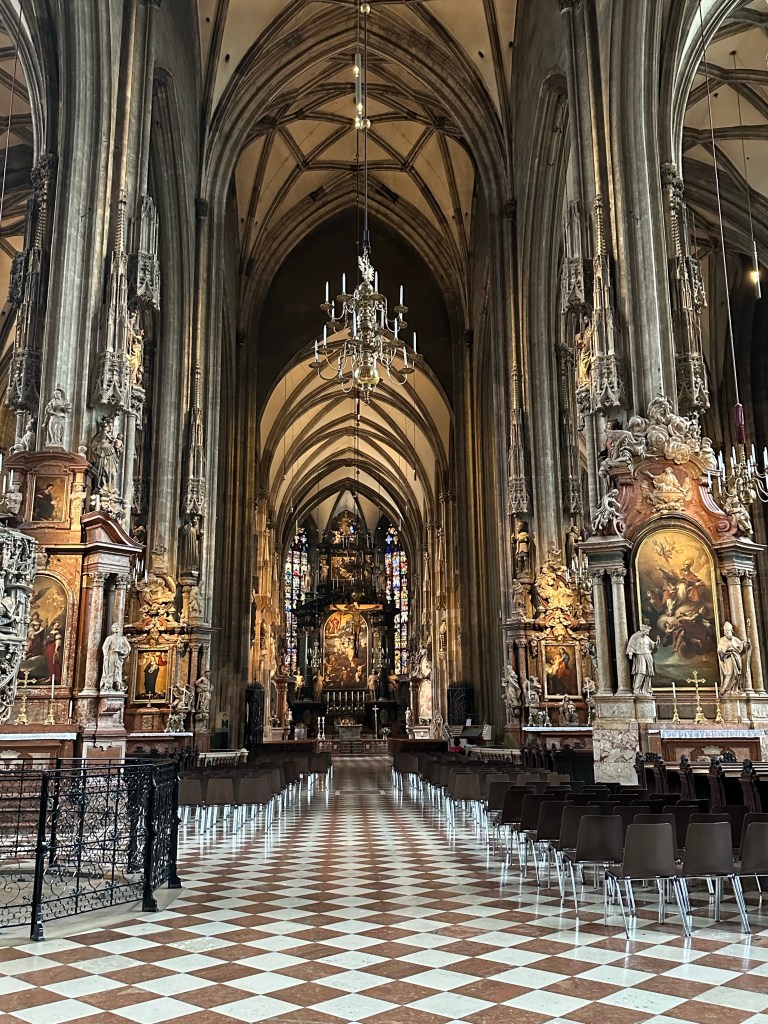
Vienna in the east of Austria has a population of over 2 million of Austria’s total population of around 9 million. It has been the centre of European history for over a thousand years. Most of the more recent history is well known; Austro-Hungary triggering WW1 after the assassination of Franz Ferdinand in Serbia and following the Anschluss of 1938, widely popular in Austria at the time, to rejoin Germany under Austrian Adolf Hitler and WW11.
Much earlier, in 1683 Vienna resisted the Ottoman Empire who were seeking, for the second time, to caputure the city. The city, beseiged for over a month with starving inhabitants, was about to fall before the intervention of the Polish who helped defeat the Ottomans and save the city. This prevented the Ottomans from achieving their objective of expansion across continental Europe. In their haste to retreat the Ottomans left behind bags of coffee beans and from this sprang the coffee houses and cafe culture which remain just as popular today.
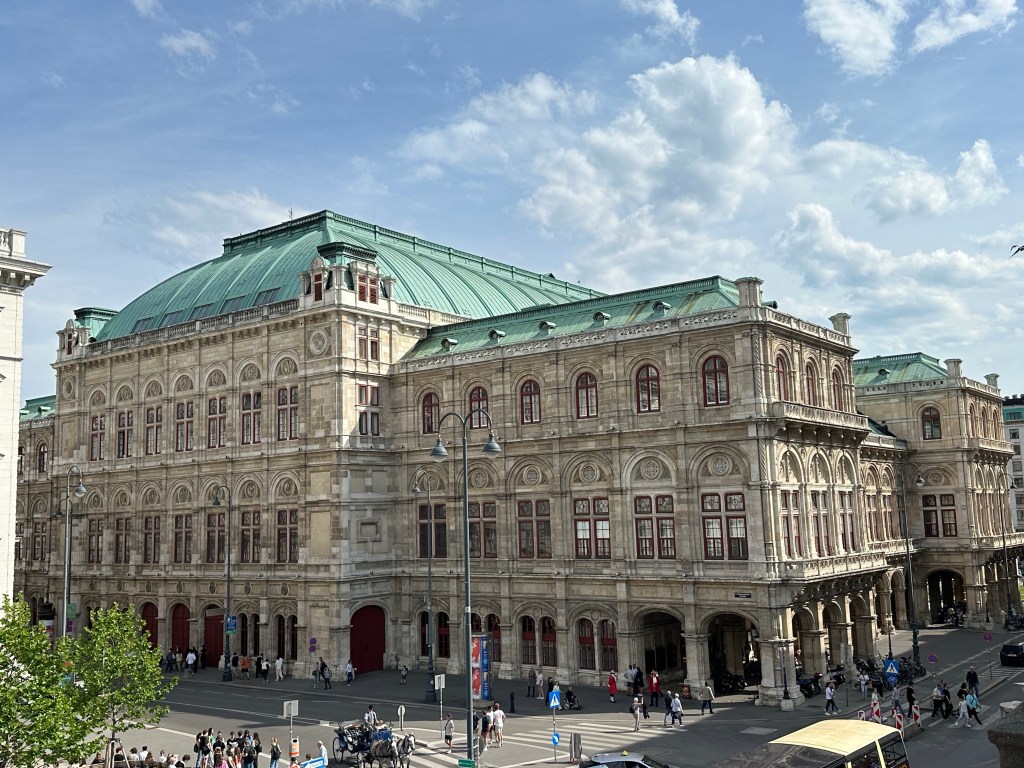
The city had a golden era of building in the late 19th Century, including the world famous opera house which due to looking more like a factory was bombed in WW11. Like many cities in the region Vienna experienced significant damage during WWII; rebuilding and rennovation did not get properly underway until Austria regained its independence in 1955. Vienna is now a magnet for tourism based on its history and cultural attractions, making its historic centre a UNESCO World Herritage Site.
Then off to Budapest, the other major capital of the Austro-Hungarian empire…..it means nothing to them Oh ! Vienna.
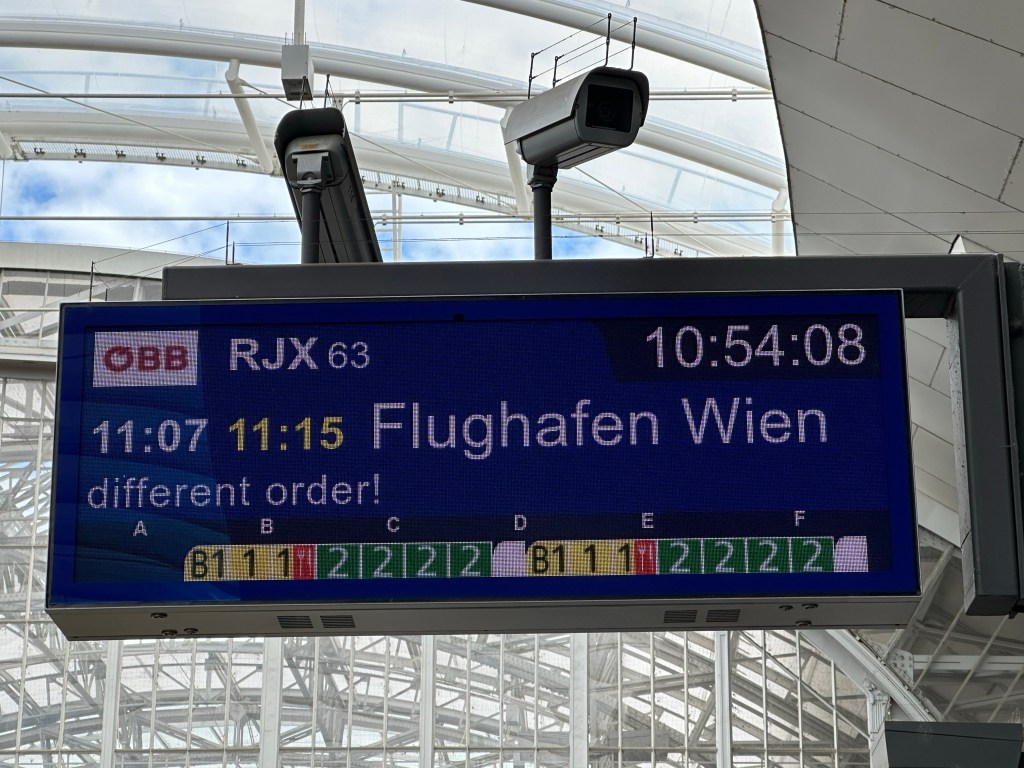
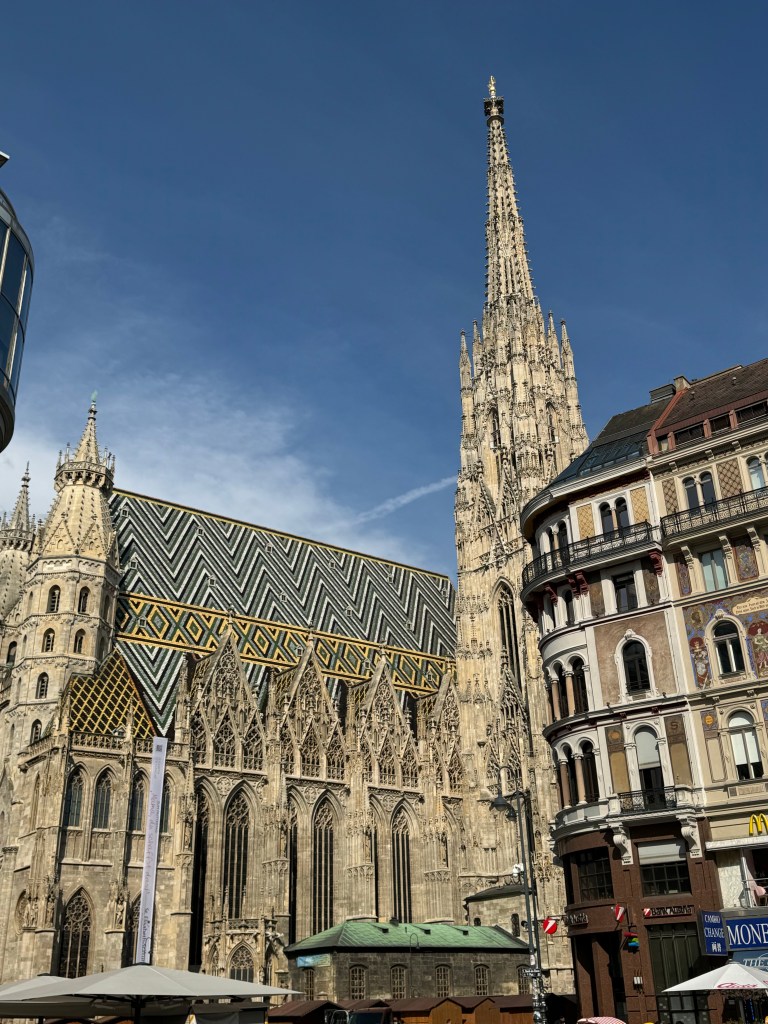
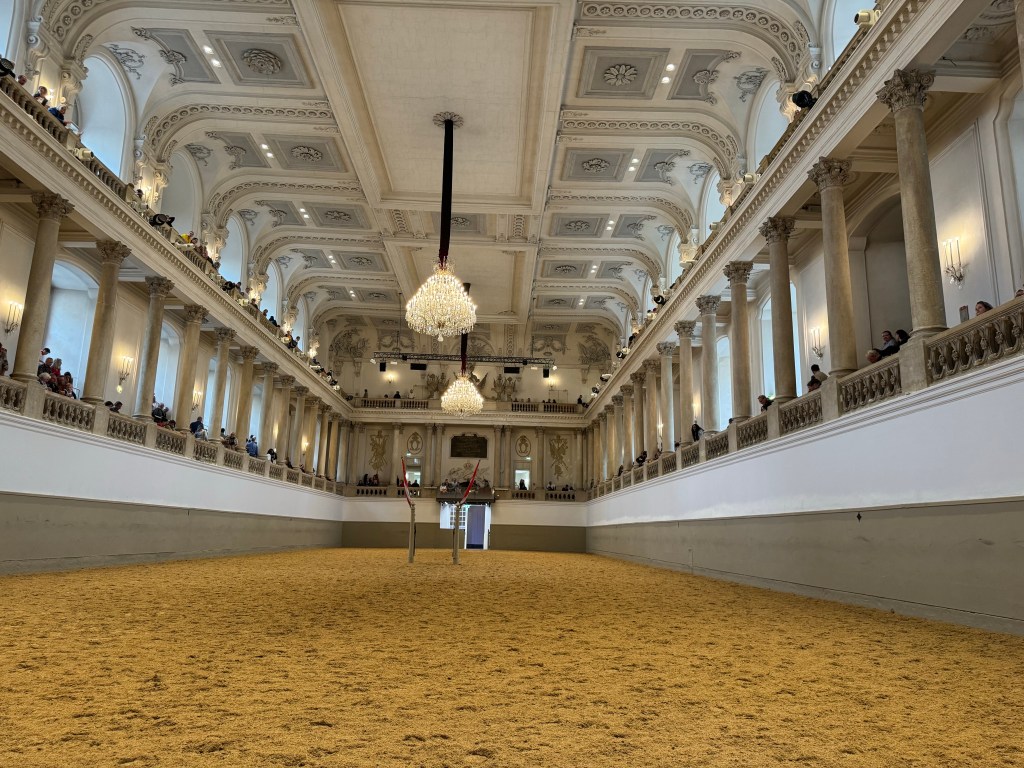
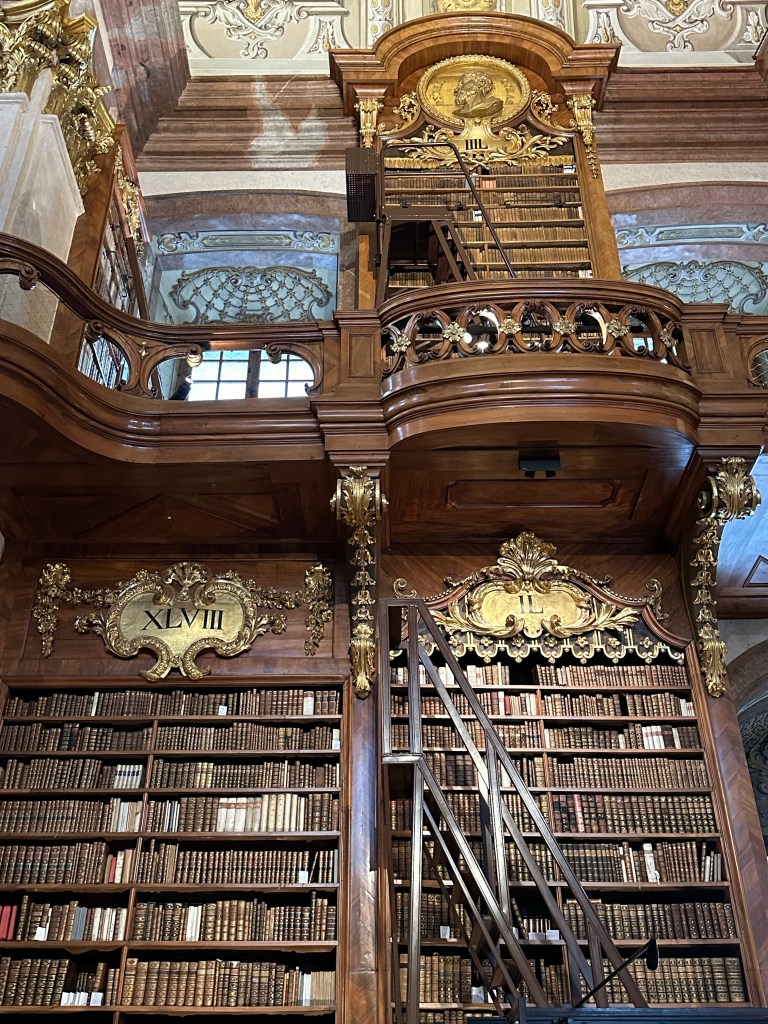
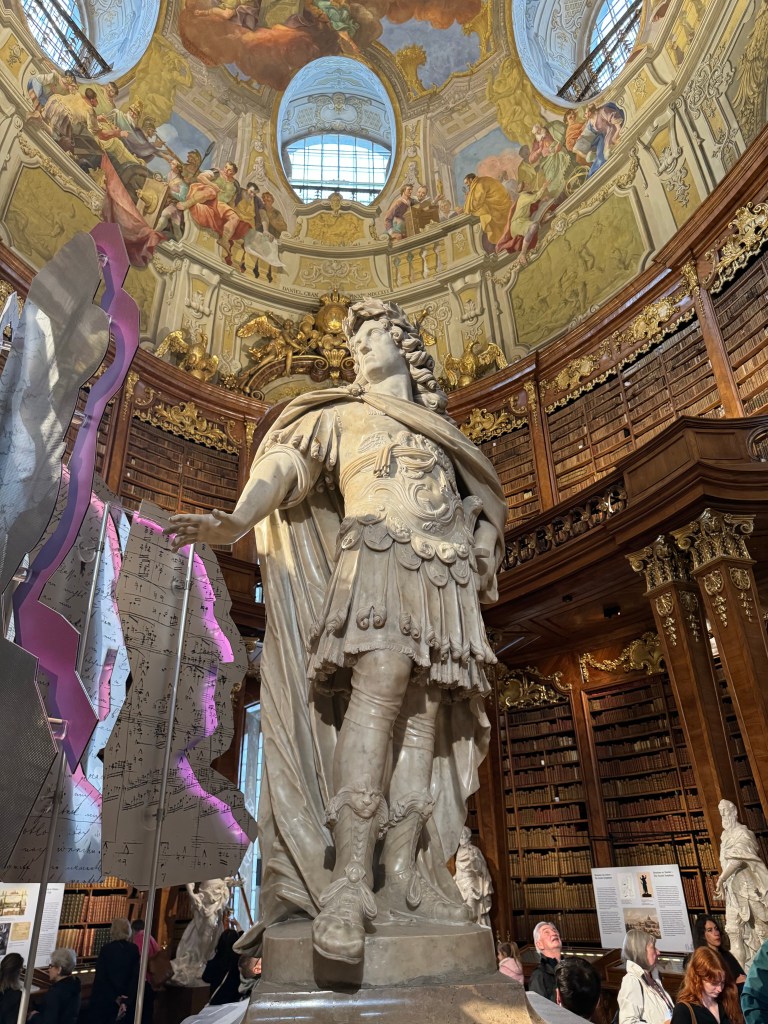
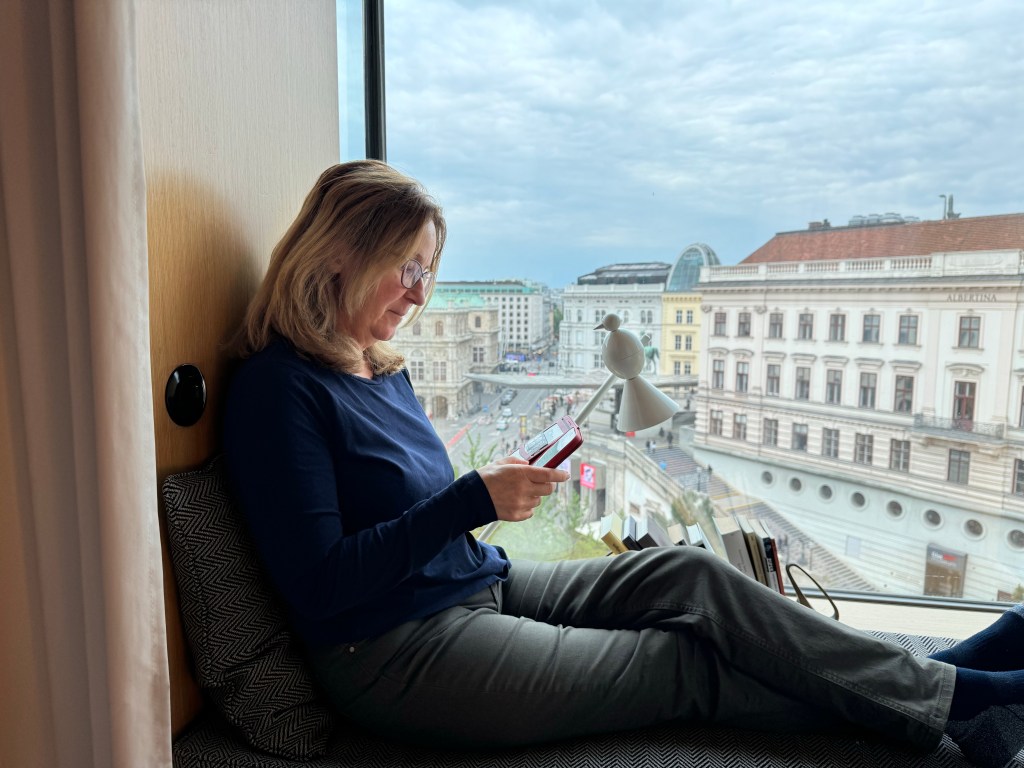
Strasbourg to Vienna – this was one of several trains we caught which split en route !Saint Stephen’s Cathedral- the planned second spire was not built as the funds were used defending the city from the Ottomans Saint Stephen’s Cathedral Spanish Riding School- we saw a morning training sessionBaroque State Hall housing the National Library Emperor Charles VIOpera HouseHotel room with a view – Opera House and Albertina Museum
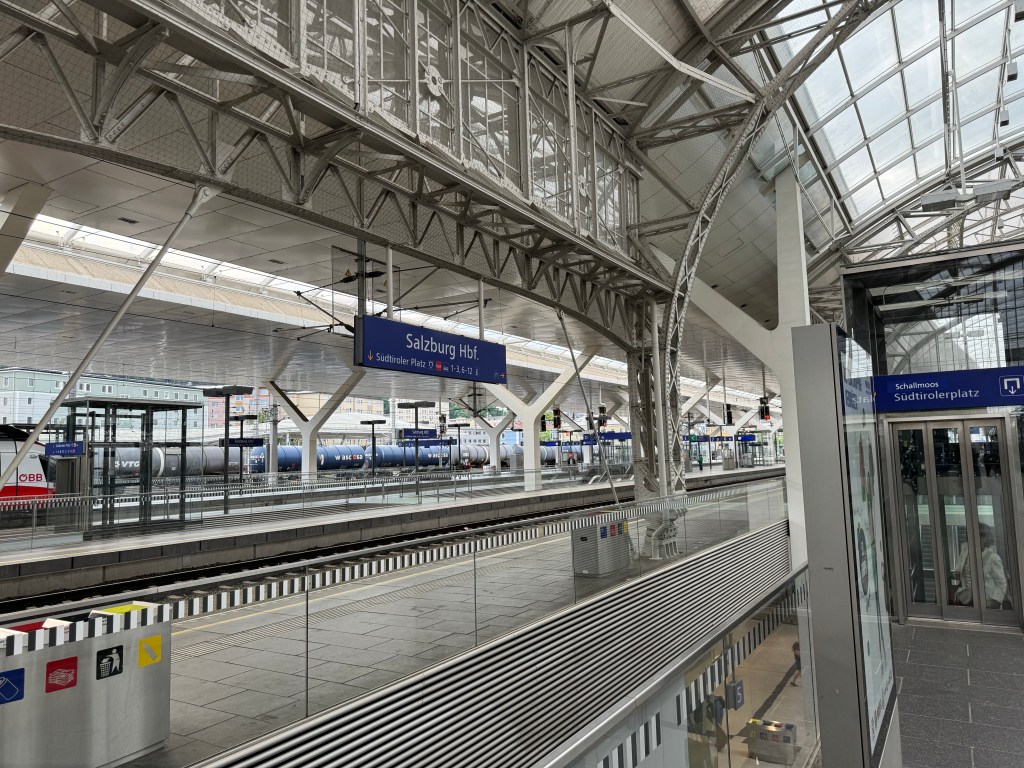
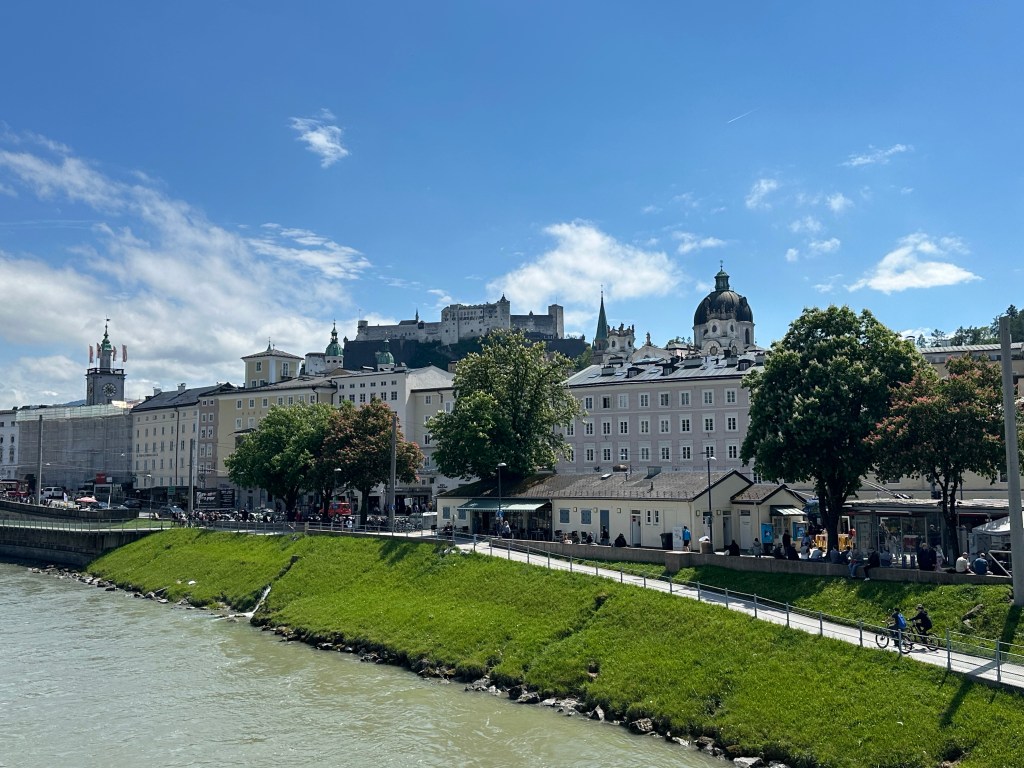
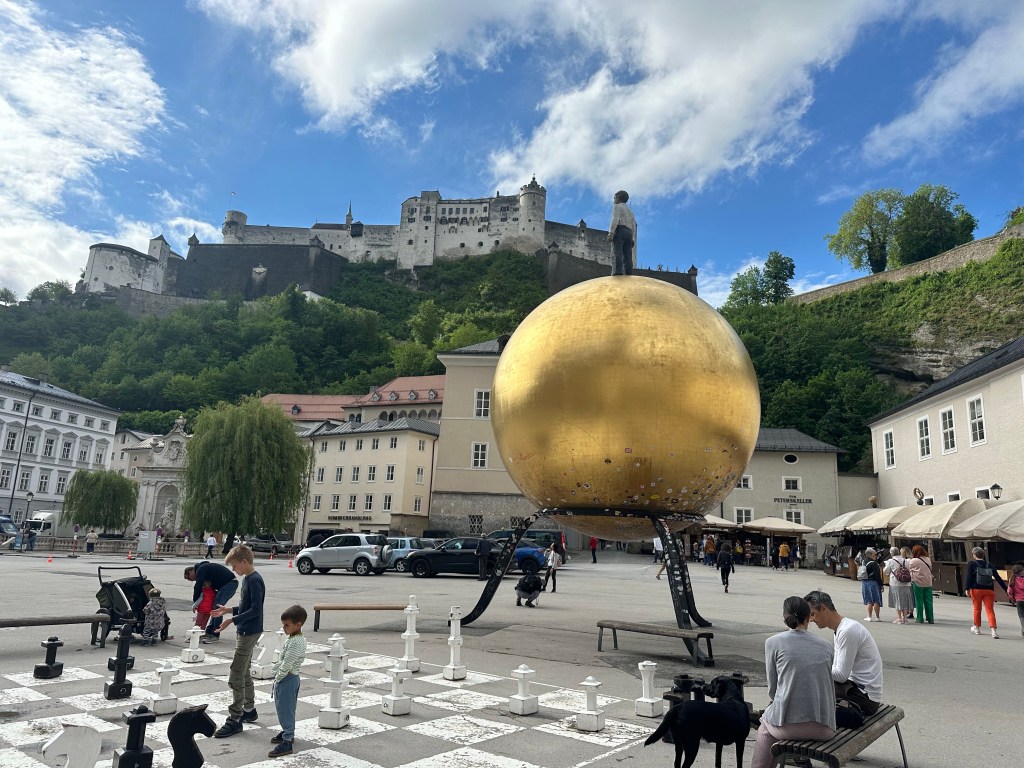
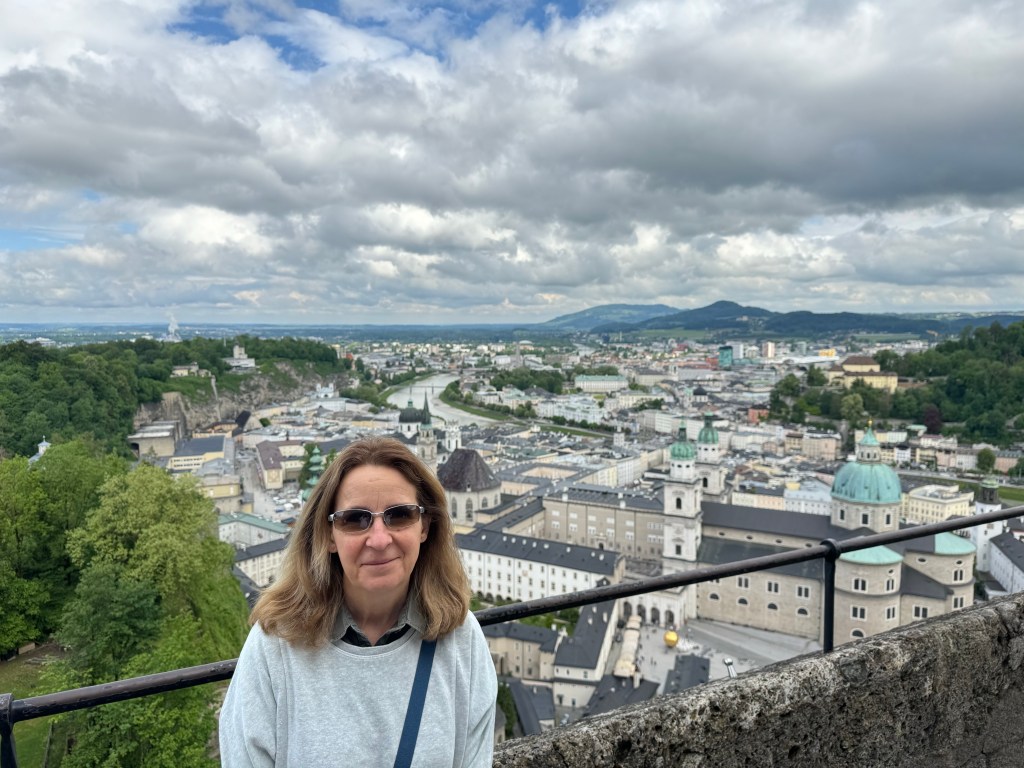
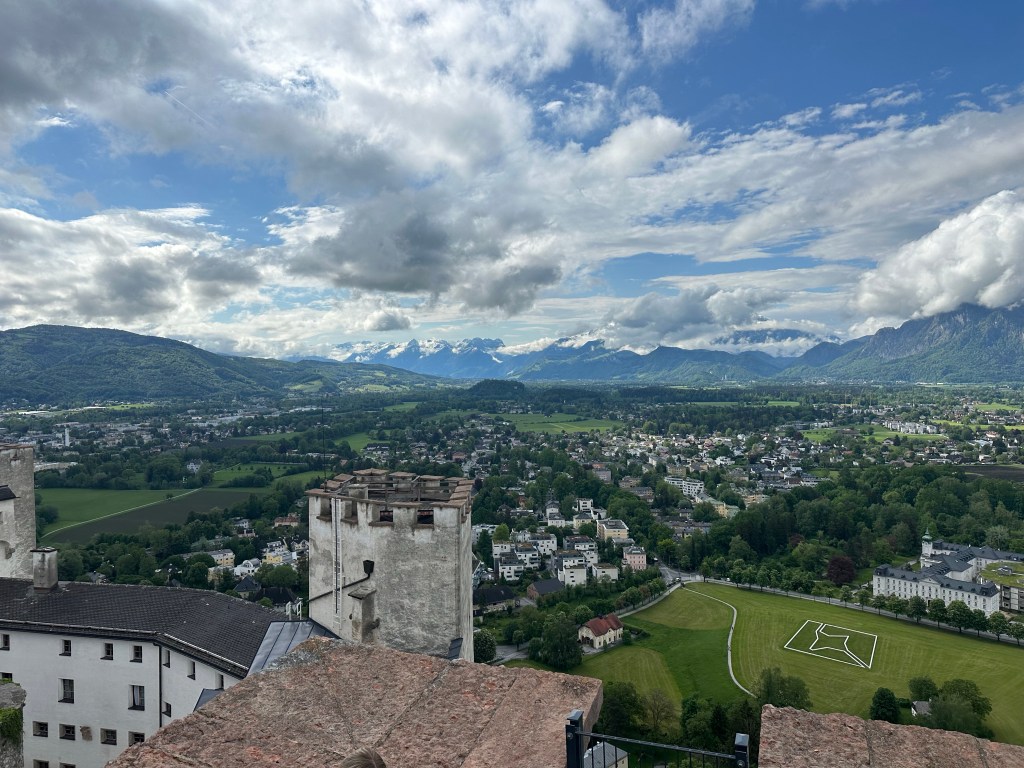
Salzburg is in the west of Austria and just over 90 minutes by train from Munich. The name literally means salt castle, derived from the source of its wealth. The city is protected and overlooked by the Hohensalzburg Fortress, initially built in the 11th century but its current fortifications were constructed in the 16th and 17th centuries to protect the city from potential invasion by the Ottoman Empire.
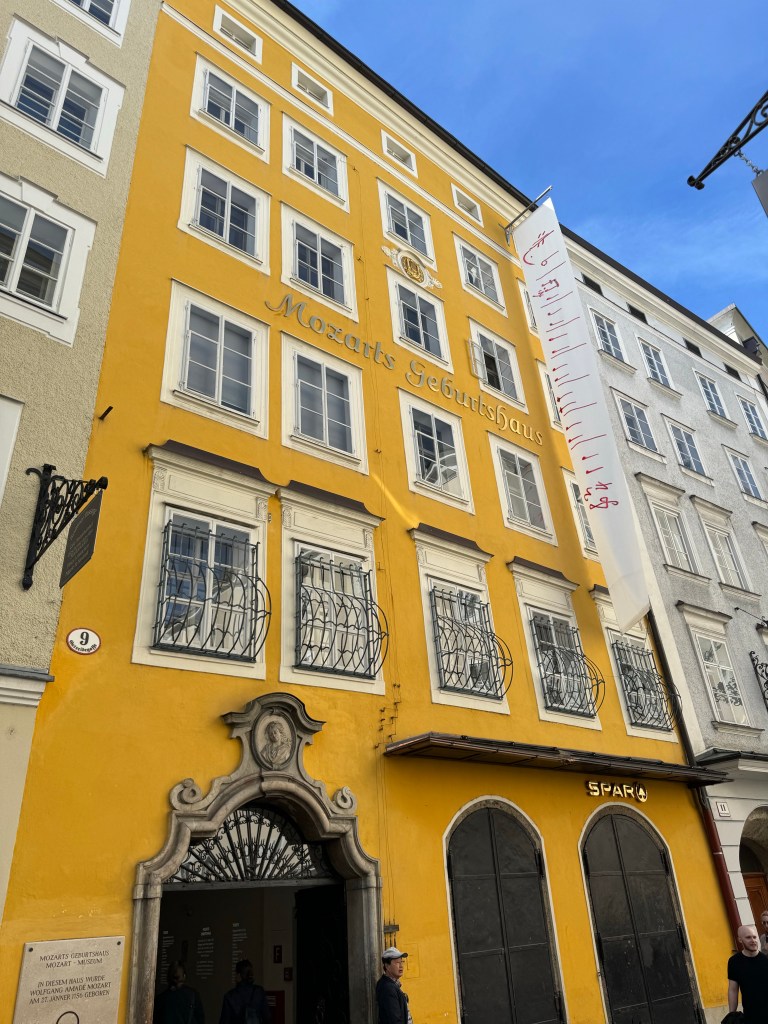
Around every corner in Salzburg is a reminder that on 27th January 1756 Wolfgang Amadeus Mozart was born here. By the age of five he could play keyboard and violin and was beginning to compose and perform before royalty. By the time he moved to Vienna in 1781 he had been travelling for 10 of his 25 years including a visit to London aged 8 in order to meet JC Bach. Wolfgang’s older sister, Maria Anna was also a very talented musician. As a child she toured with her brother, often receiving top billing. However, given the views of her parents, prevelant in society at the time, she was no longer permitted to travel and perform with her brother once she had reached marriageable age. Although she composed, with letters from her brother showing praise for her work, none of her compositions have survived.
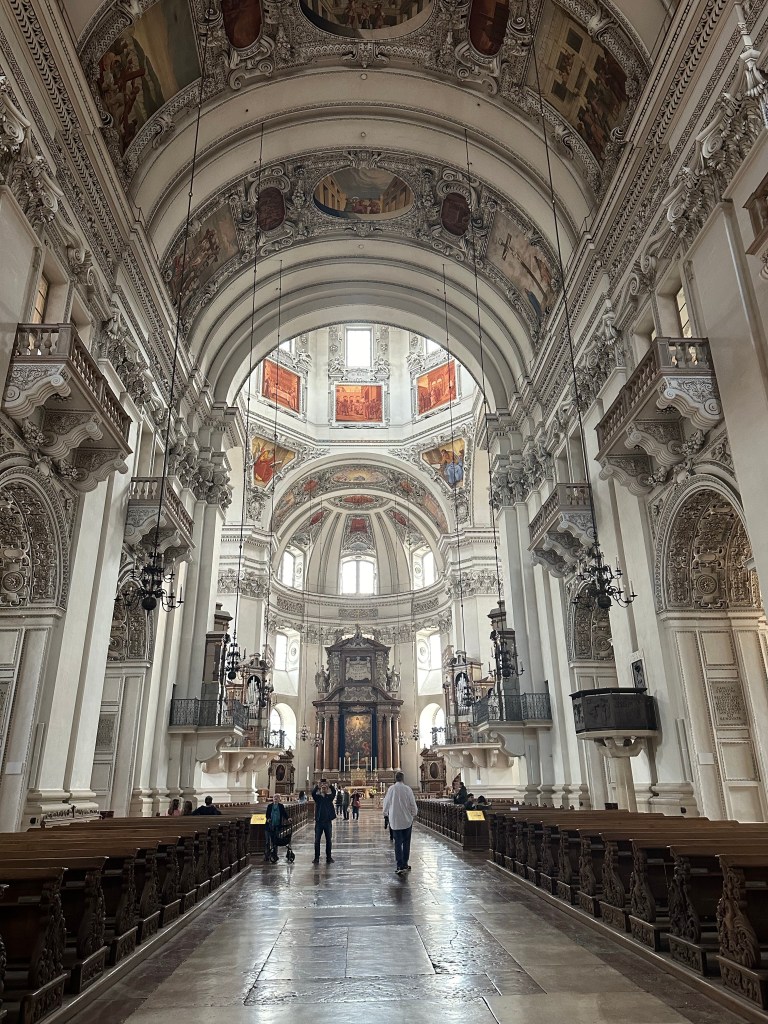
The other musical attraction for tourists in Salzburg is The Sound of Music. The Austrians we spoke to are pleased for the income it generates but not impressed by its historical accuracy. So long, farewell….and on to the next stop, Vienna.
Mozart museum in his home (shame about the Spar shop)Salzburg cathedral where Mozart was the organist. There are five organs, including where most churches would have a pulpitMirabell Palace where (unlike many of the tourists) we avoided any temptation to reenact scenes from The Sound of Music !
With no direct train from Strasbourg we connected through Stuttgart to reach Munich. With very few words of German between us we were grateful for the willingness of the people we met to speak English, once our few words had expired. That said, the first person we spoke to was the Turkish driver of the taxi that took us from the station to our hotel.
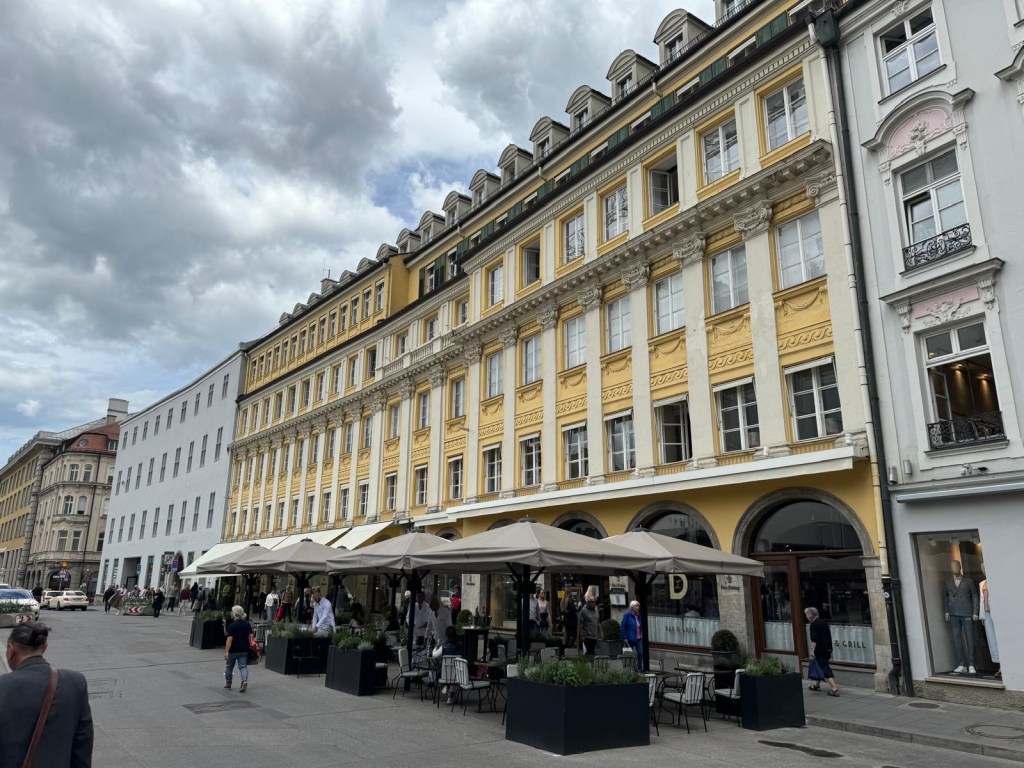
Munich is a modern and propperous city (population of 1.6 million), with a similar feel to some cities in Northern Italy, from which it is only a two hour drive. It is the capital of Bavaria and was founded in 1158 to control the salt trade which was essential for food preservation. As well as salt, considerable wealth was derived from developing and controlling the beer industry.
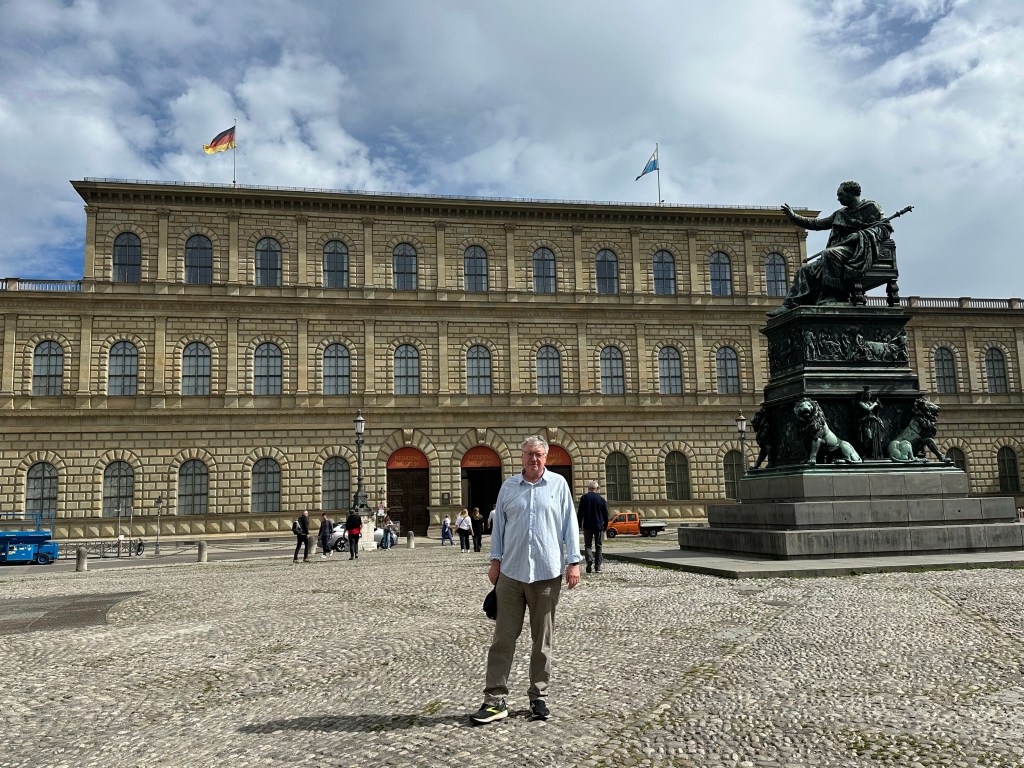
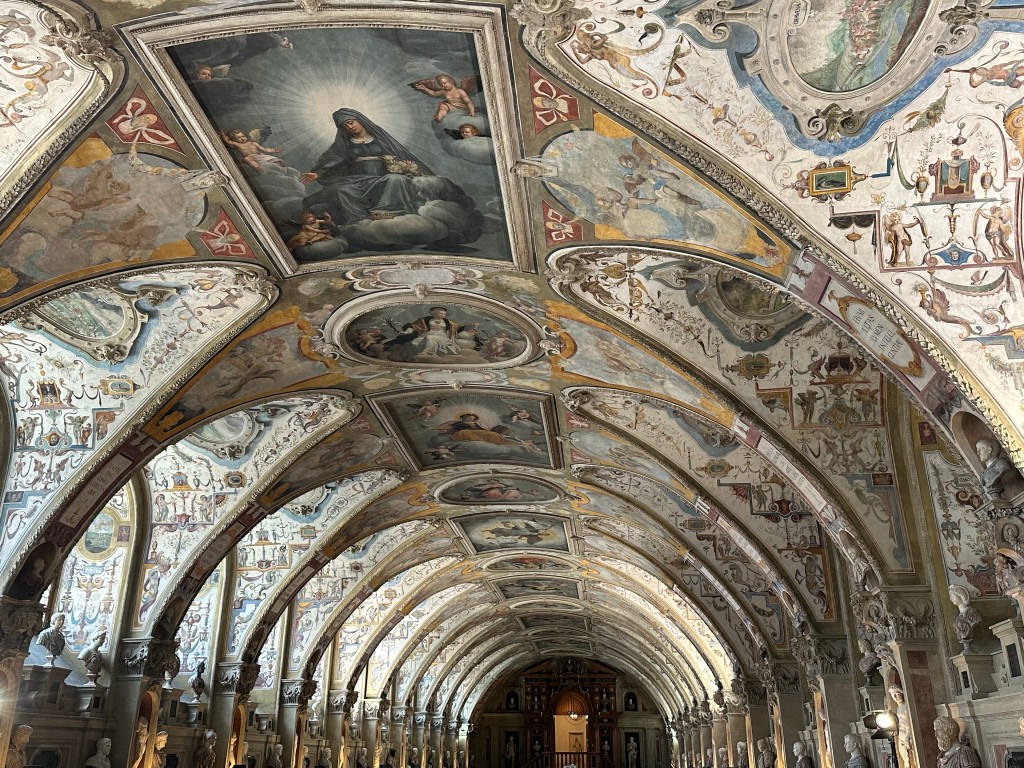
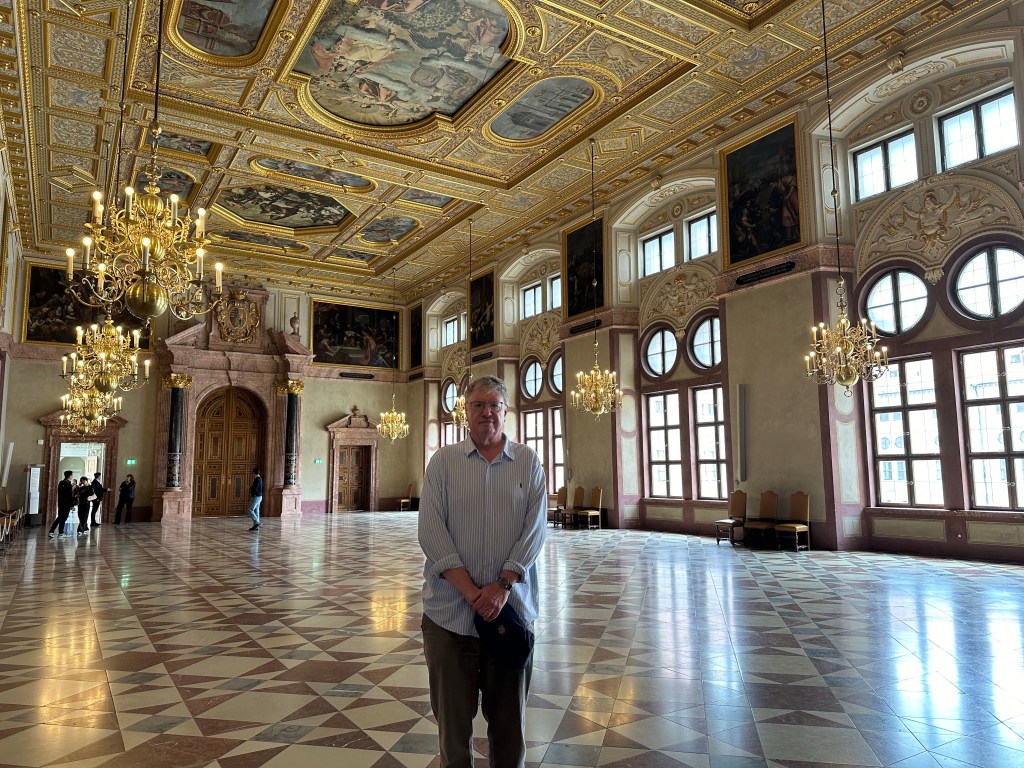
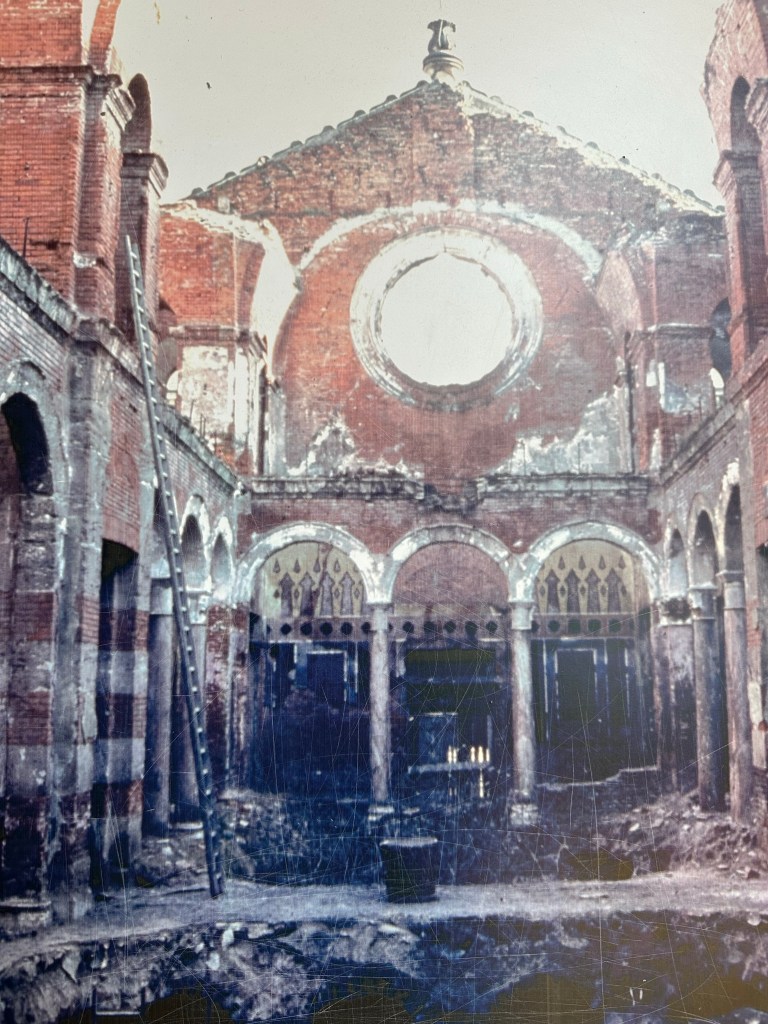
The Wittelsbach dynasty ruled Bavaria from 1180 until 1918. The British royal family are decended from the Wittlesbach princess Sophia of Hanover. The family ruled from the Residenz, the largest city palace in Germany, the building of which started in 1385 with many additions and changes made over the years depending on the fashions of the period. In common with much of Munich, It was badly damaged by Allied bombing in World War II but has been renovated.
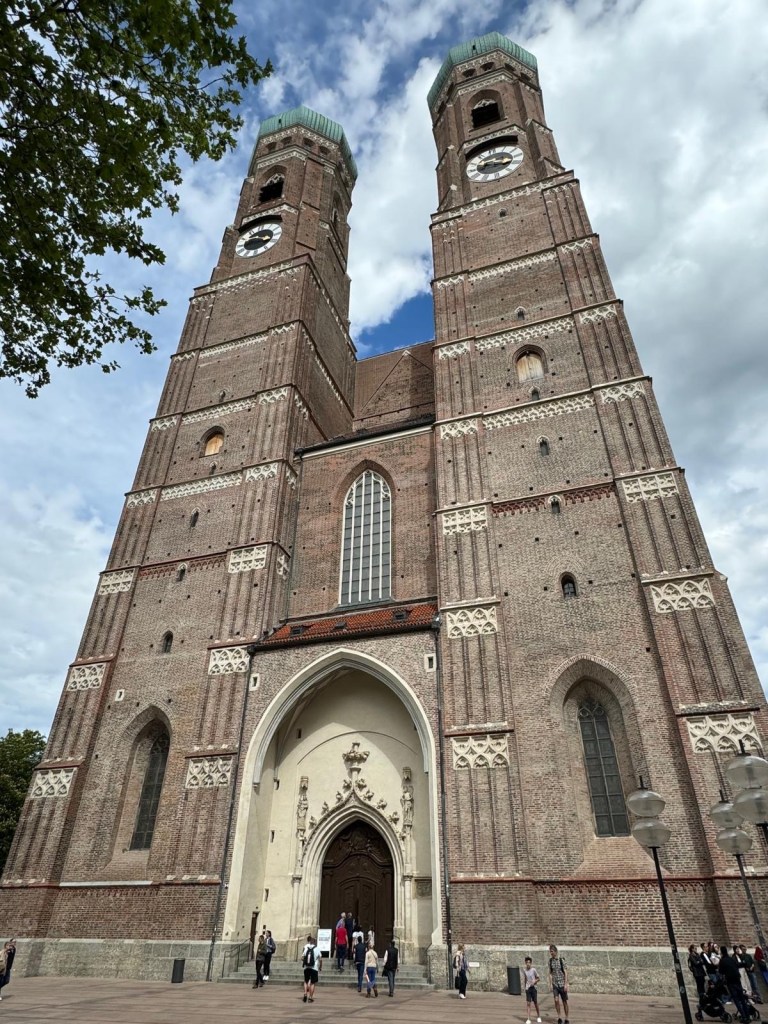
The Frauenkirche, Munich Cathedral, was built in the 15th Century in only 20 years. Its importance to Munich and Bavaria is such that no building in the city is allowed to be taller. During World War II much of the building and its contents were destroyed, it was rebuilt and reopened in 1994.
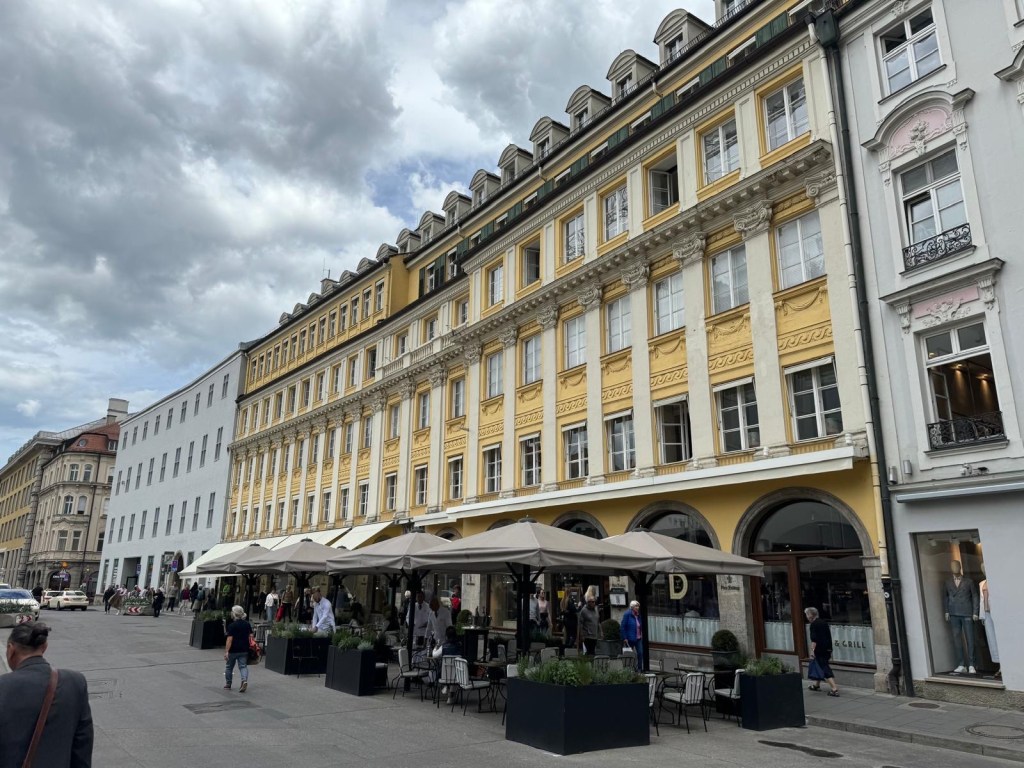
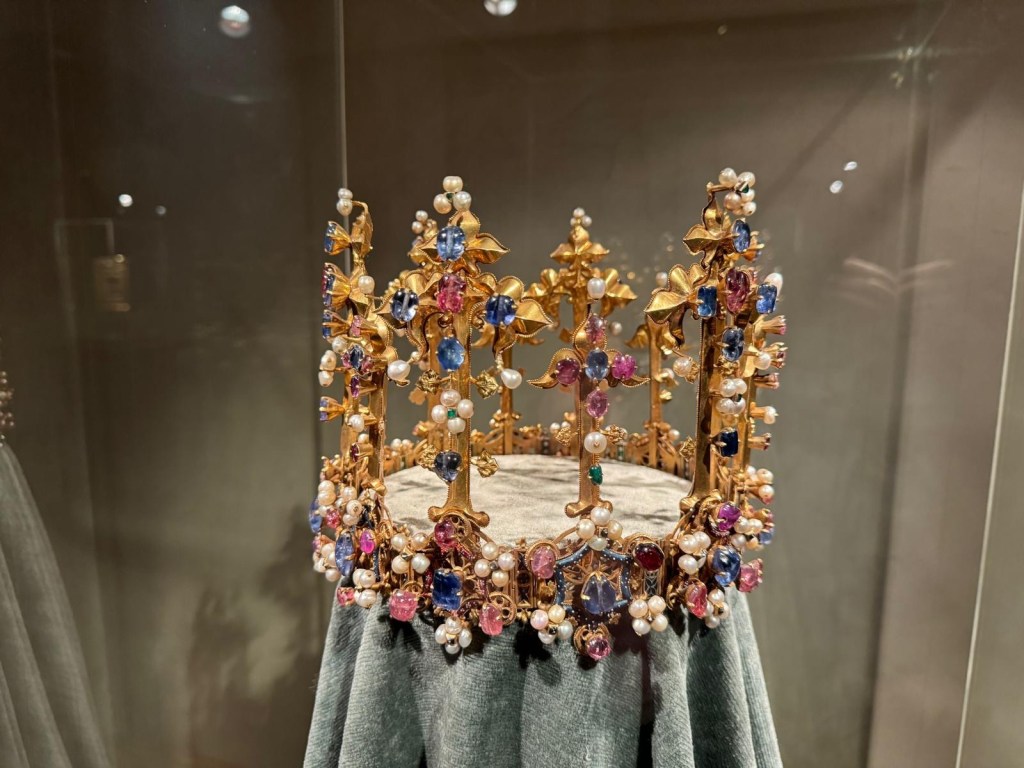
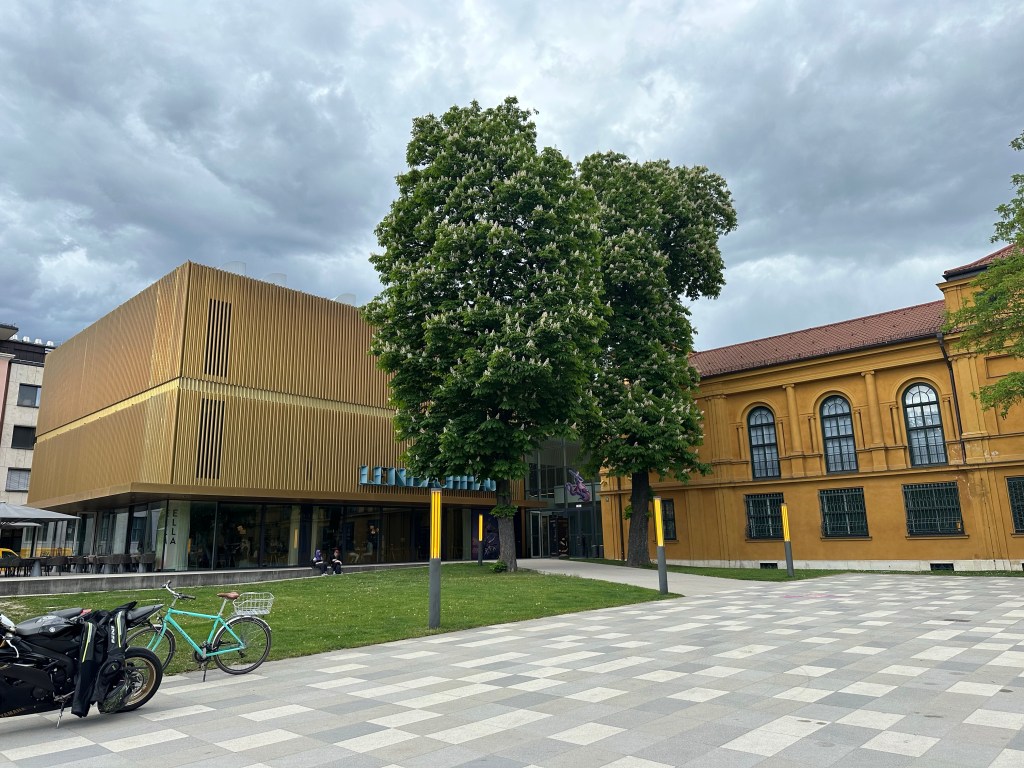
Munich cathedral ResidenzResidenz Residenz ResidenzPhoto of part of the Residenz before renovations Oldest surviving English royal crown, originally belonging to Anne of Bohemia, the wife of King Richard II, displayed in The Treasury at the ResidenzLenbachhaus modern art museumExtension of Lenbachhaus museum designed by Norman FosterDallmayr- a Grand Cafe and Food Hall, the Fortnums of Munich – delicious breakfast
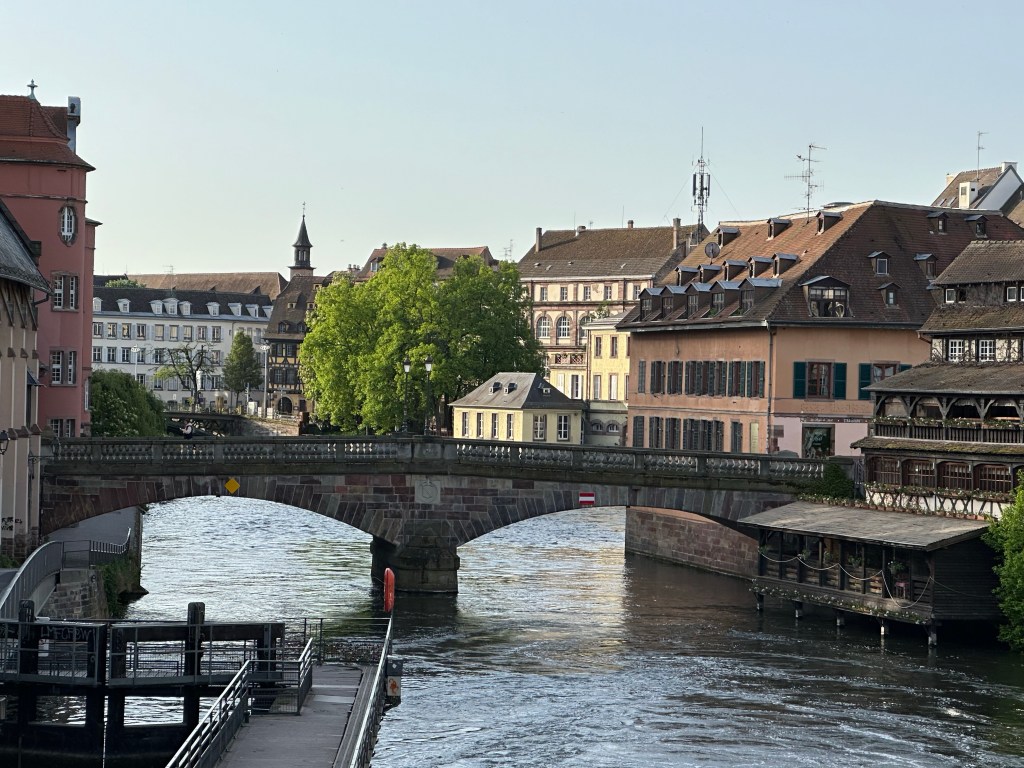
Strasbourg is the capital of the Grand Est region of France formerly Alsace and the official seat of the European Parliament. Strategically situated on the River Rhine, which acts as the border with Germany, it has been an important trade hub for 2000 years. It is the second largest port on the Rhine and the second largest river port in France. It featured as an important part of the Protestant Reformation and Johannes Gutenberg lived in the city for 10 year around the time her invented the printing press. Alsace was part of France from 1681 until Germany took control at the end of the Franco-Prussian war in 1871, before returning to French rule in 1918 following World War I.
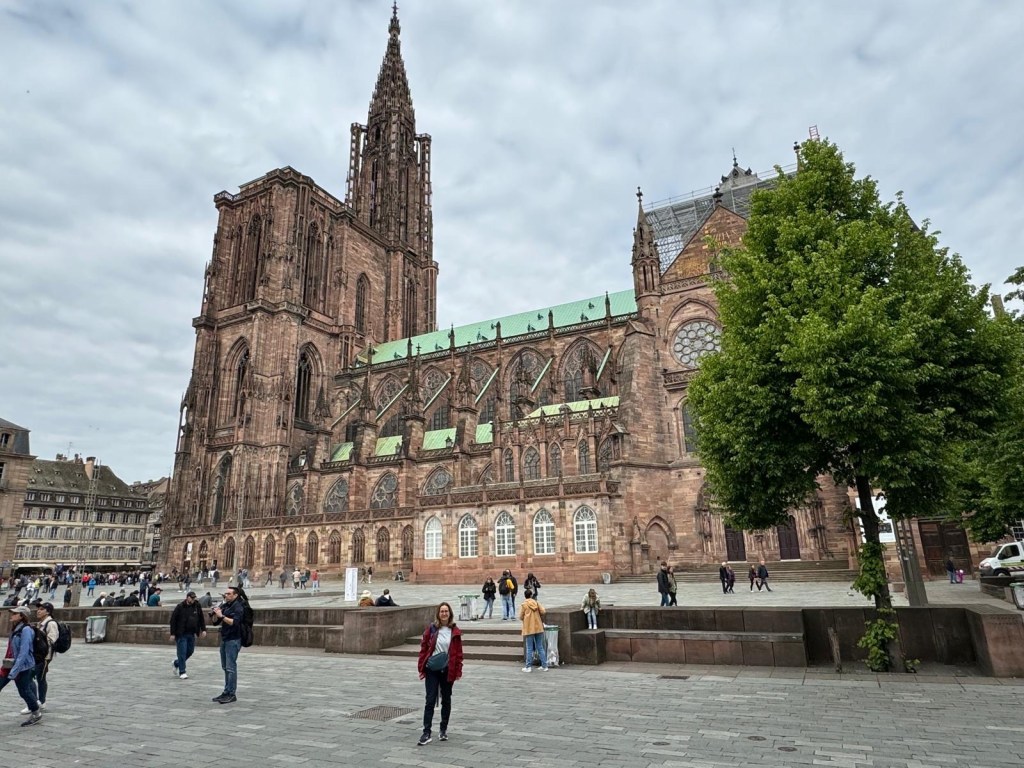
The city is dominated by Strasbourg cathedral built between 1015 and 1439. With a spire height of 142 metres (20m higher than Salisbury cathedral) it was the tallest building in the world between 1647 and 1874, inheriting the distinction as a result of damage to prior holders of the record.
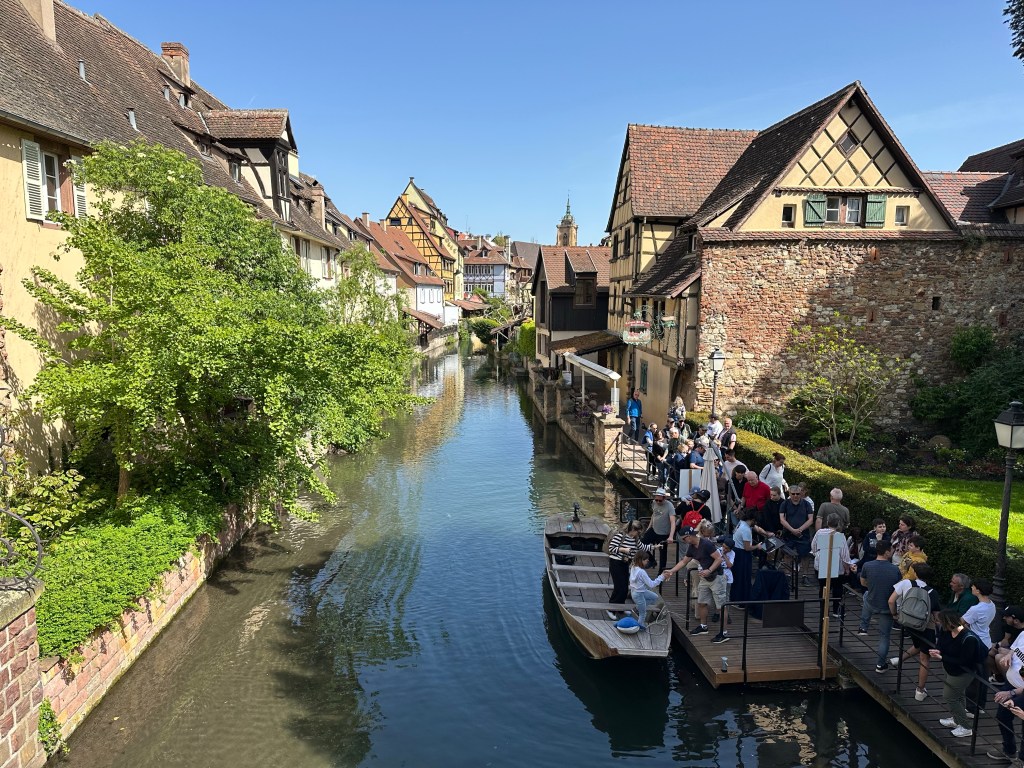
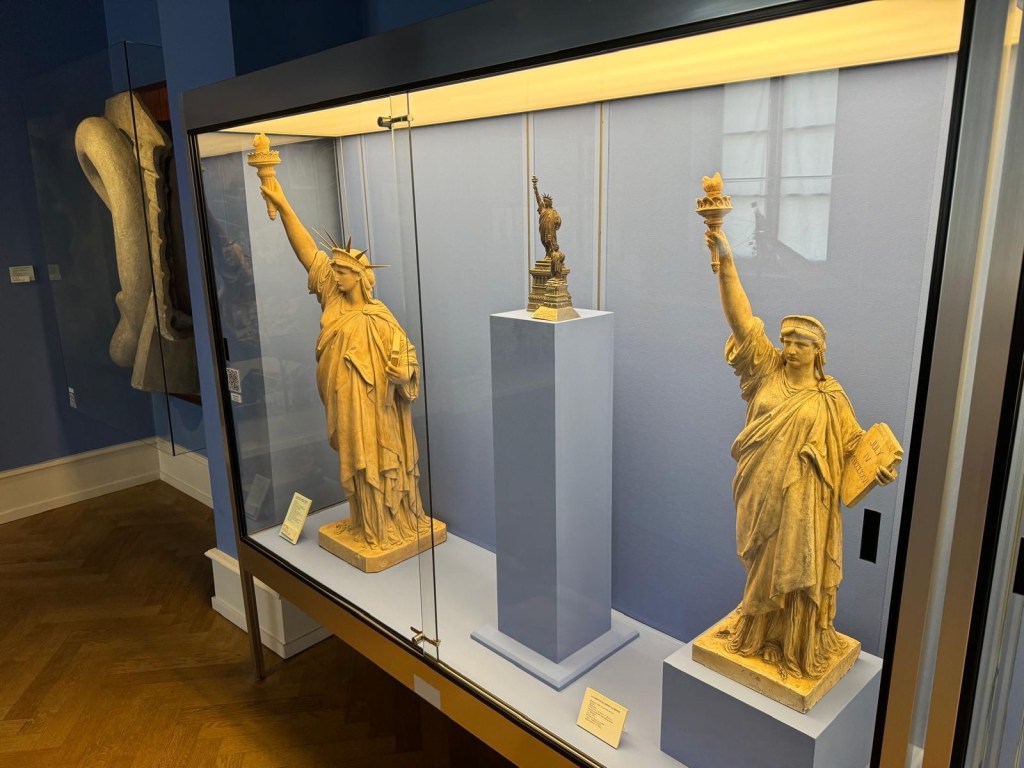
Colmar is 40 miles south of Strasbourg and is the third largest city in Alsace. We visited on a day trip from Strasbourg, by train. It is famous for its half timbered houses and its narrow canals, nicknamed (locally and generously) as “Little Venice”. It is the birthplace of the French sculptor Auguste Bartholdi who is best known for designing the Statue of Liberty, although he was the sculptor responsible for numerous other works, predominantly in the US and France. Many of the sketches and miniture designs of his works are on display in a museum dedicated to him in the house he was born in.
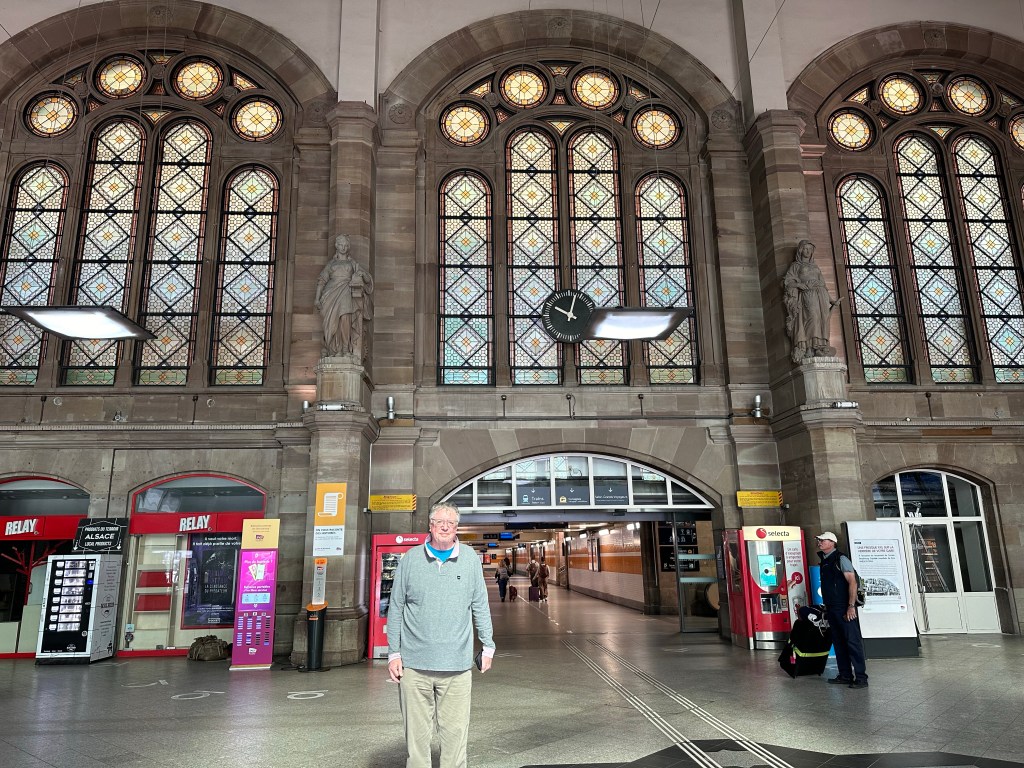
View from our hotel in Strasbourg Strasbourg cathedral Strasbourg cathedral Astronomical clock in Strasbourg cathedral Colmar “Little Venice” (?)Bartholdi museum, Colmar“Young Winemaker of Alsace” by BartholdiStrasbourg station












 Shilli-Fully Travels