According to legend Khiva was founded by Shem, the son of Noah. However, excavations have proven that it has been continuously inhabited for over 2,500 years. The inner city, Itchan Kala, was last destroyed by Gengis Khan in 1220 before being rebuilt. Since then it has flourished as a major Silk Road city with the building of mosques and madrasas.
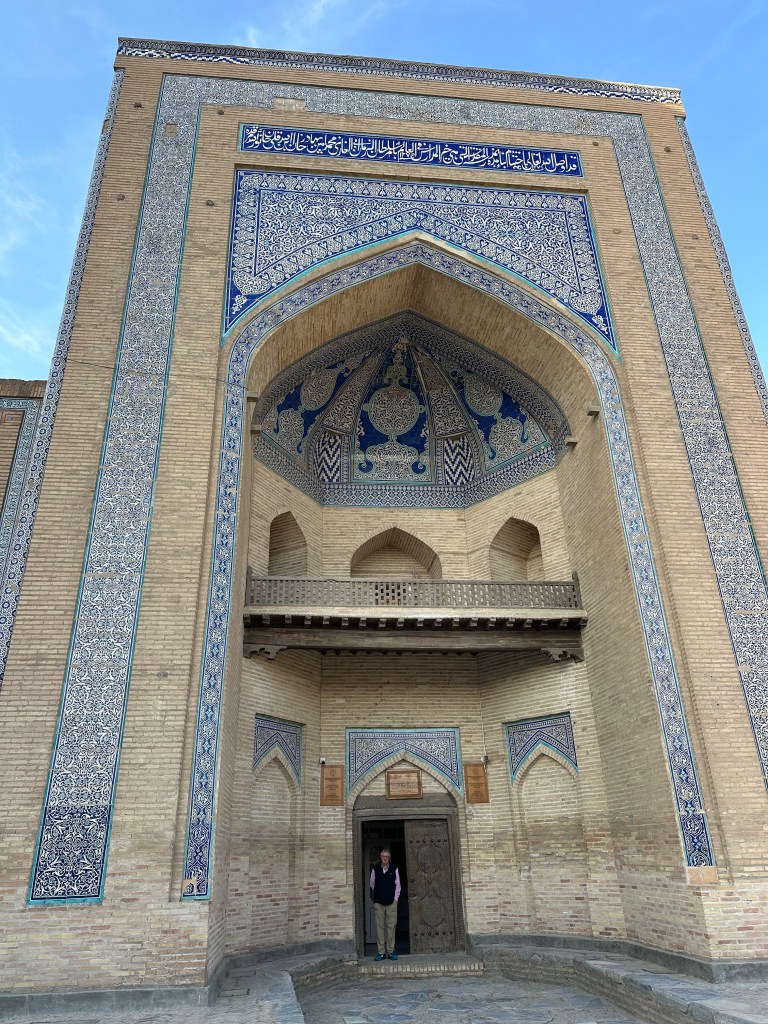
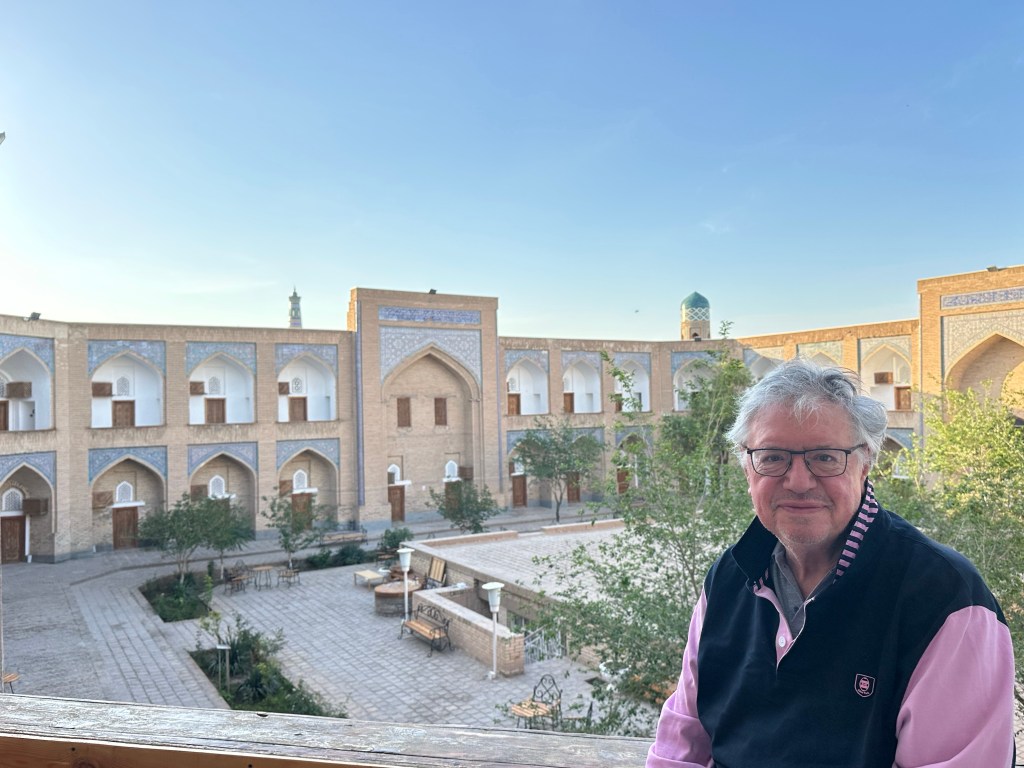
In 1990, Itchan Kala was named a UNESCO World Heritage Site. It is unusual that one of the most famous sites, Mohammad Amir Khan’s Madrasa is now a hotel, the Orient Star, where we stayed. The last Khan of Khiva, Sayid Abdullah was forced out by the Bolsheviks in 1920 and died in poverty in Ukraine.
During the Soviet period many of the buildings crumbled and/or were used for different functions, for example madrasas were used for storage.
The modern functional amenities are found in Urgench about 20km away from Khiva. This is where we flew to from Tashkent, a flight of just over an hour.
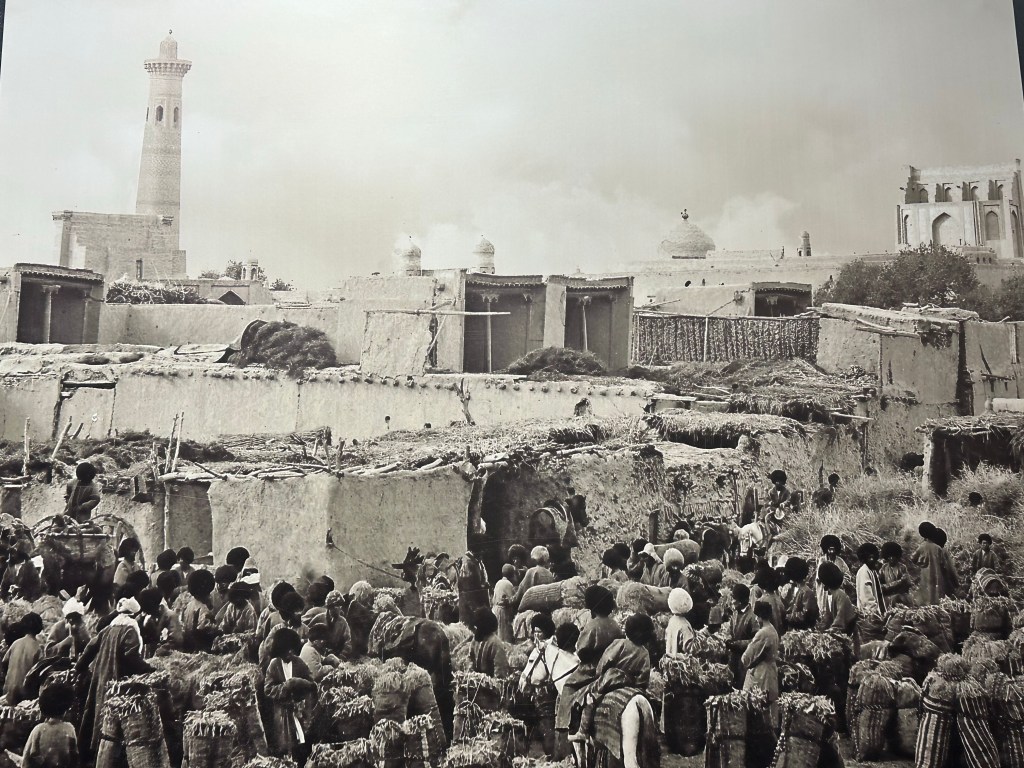
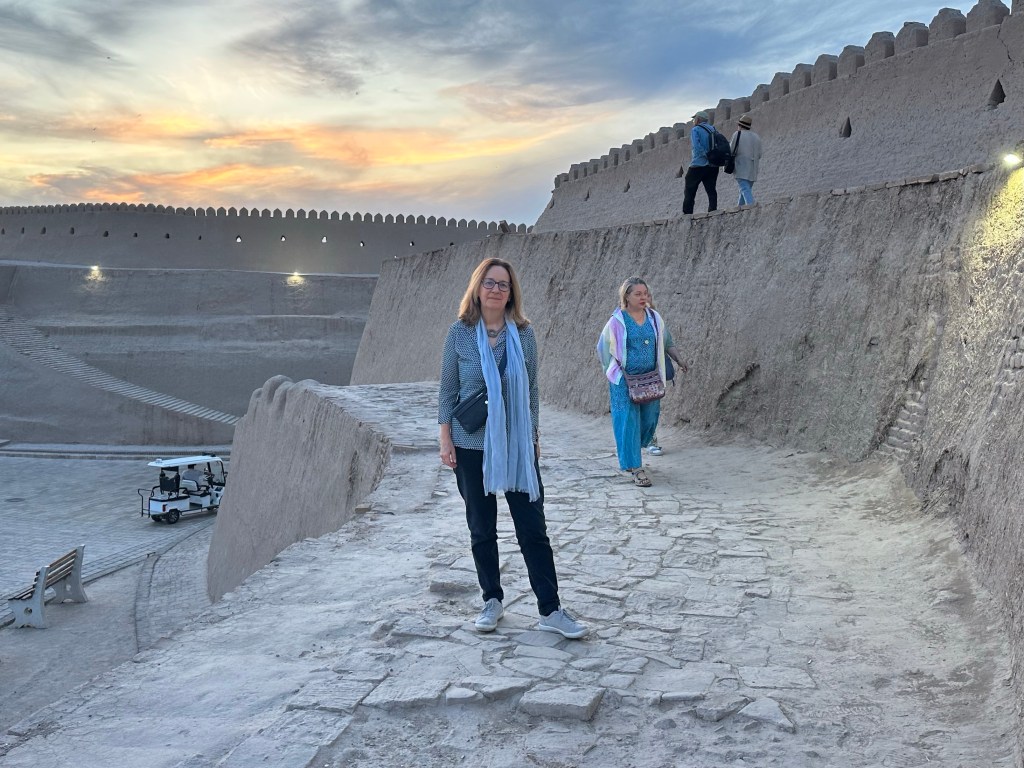
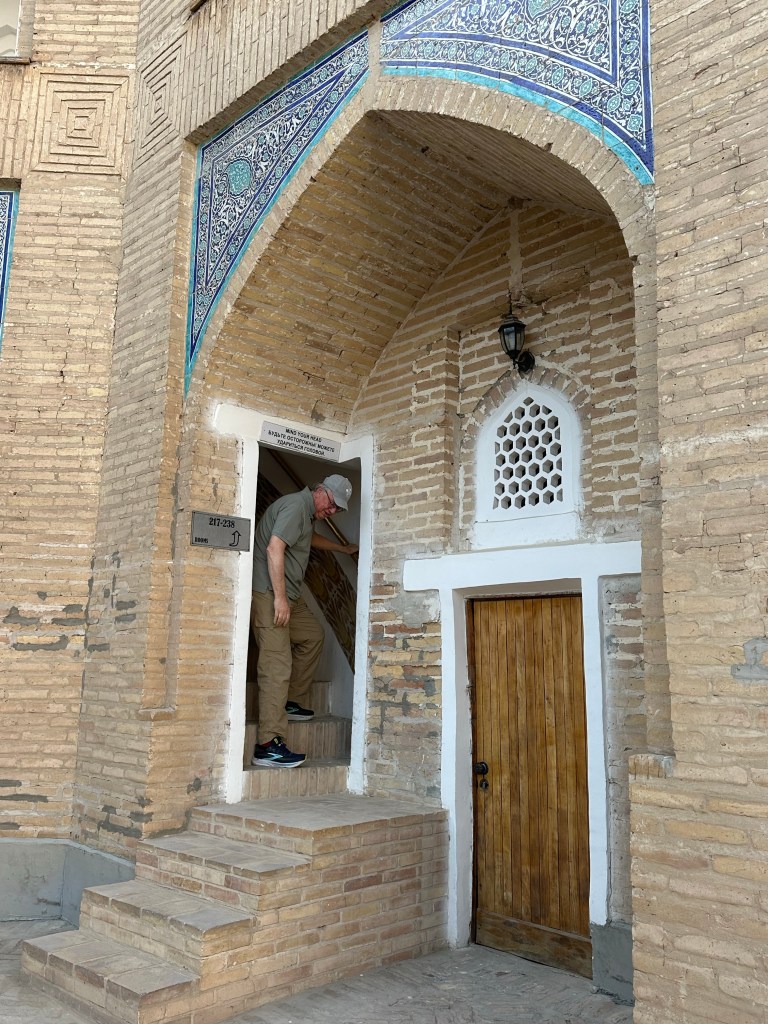
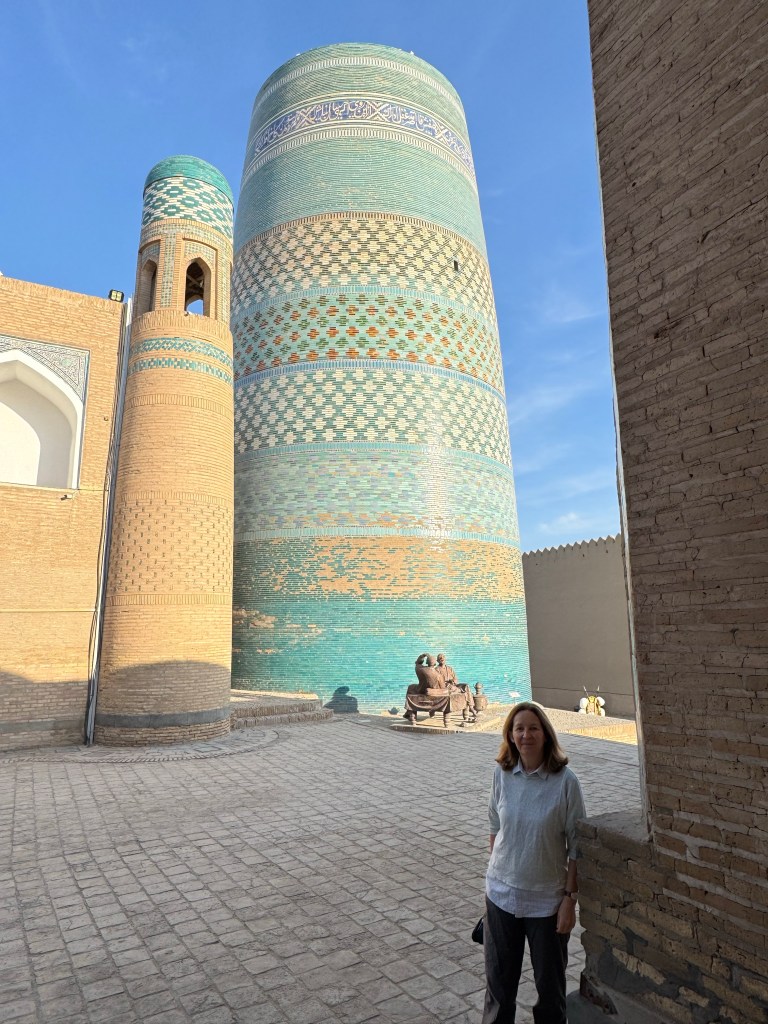
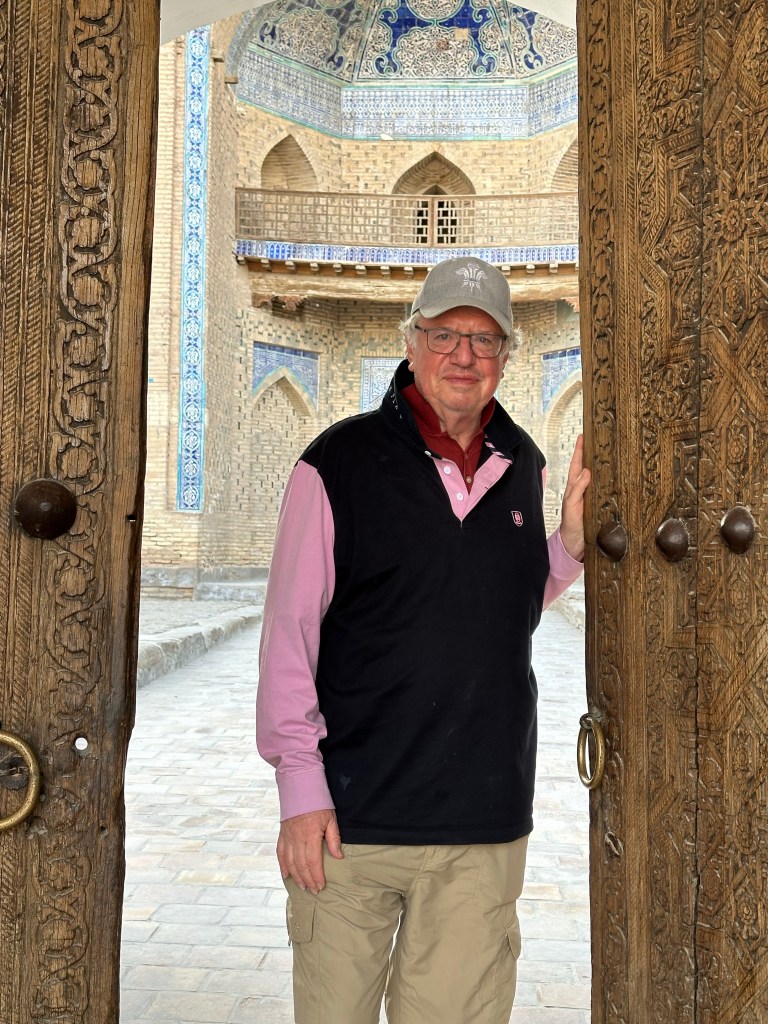
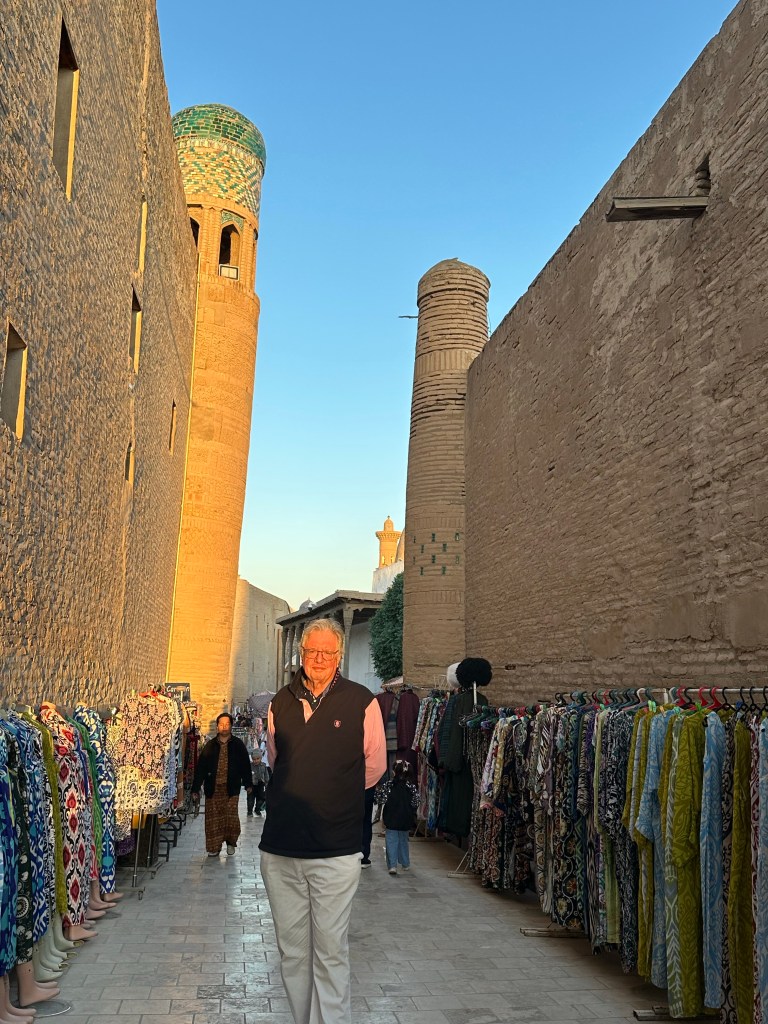
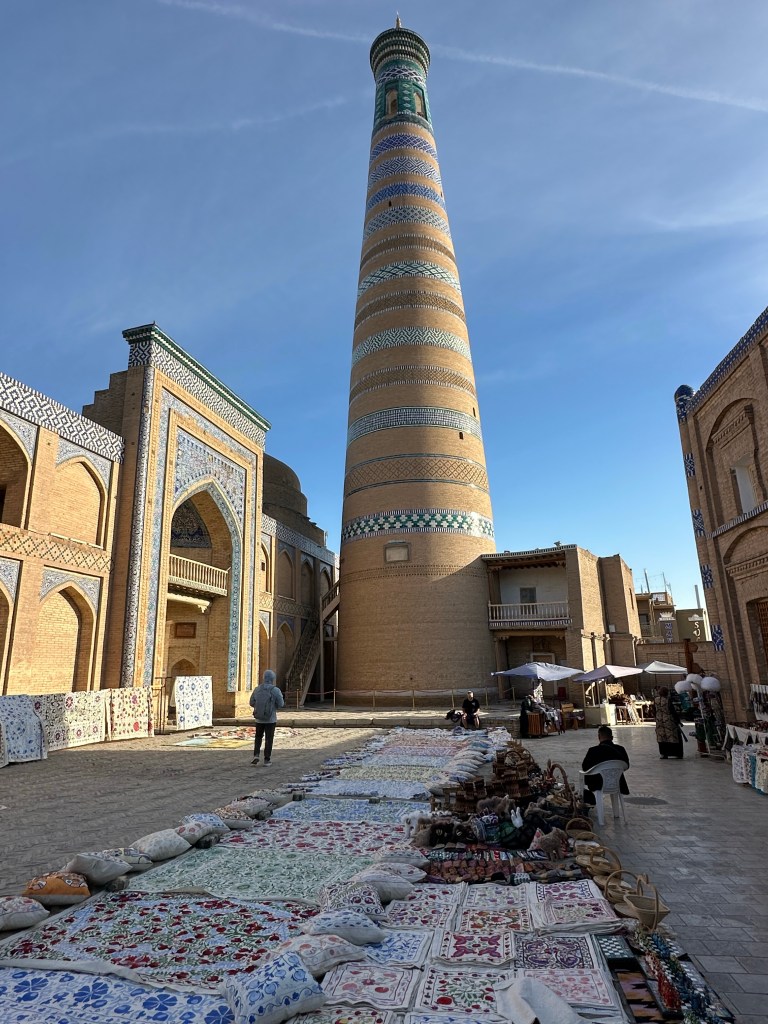
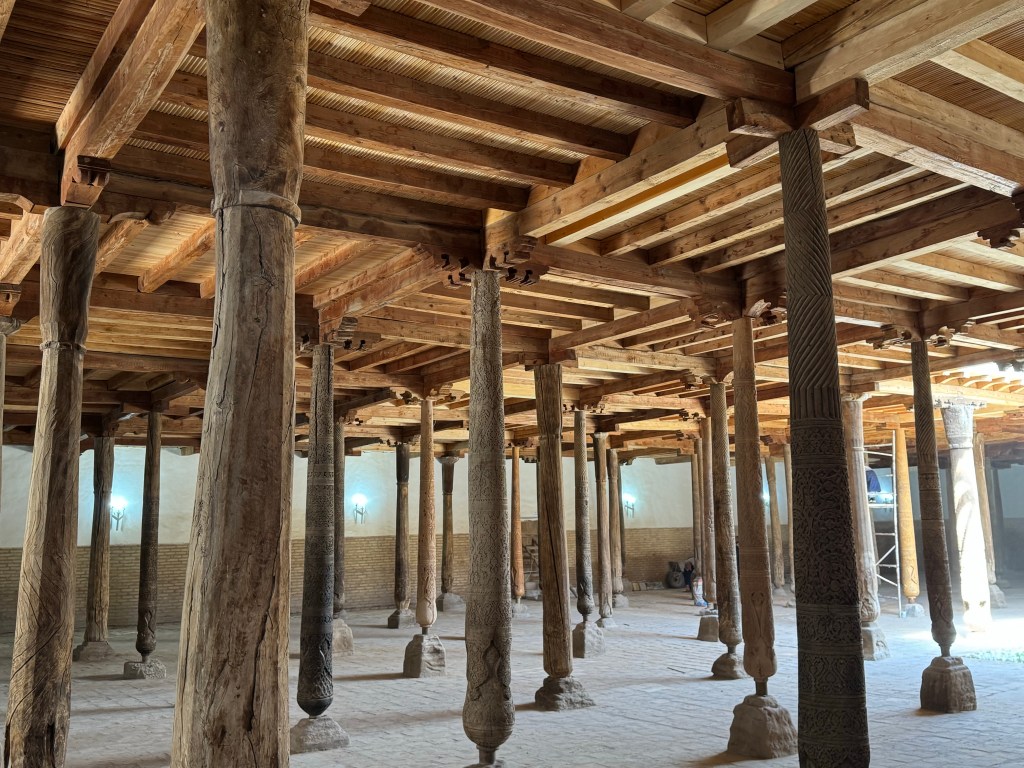
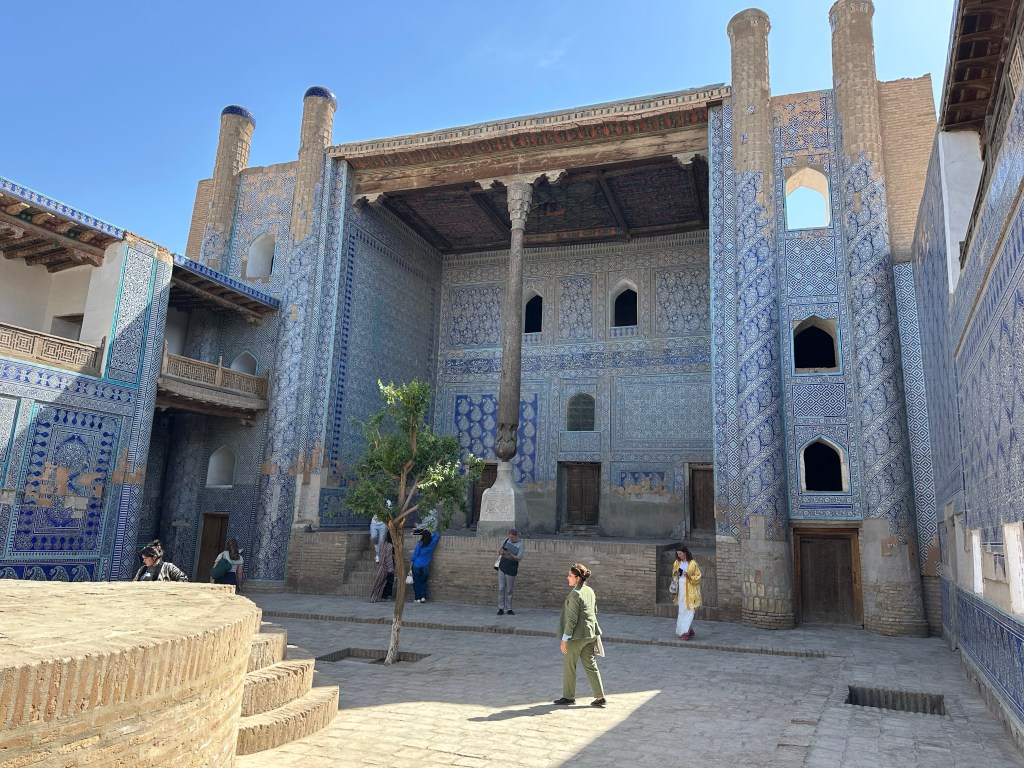
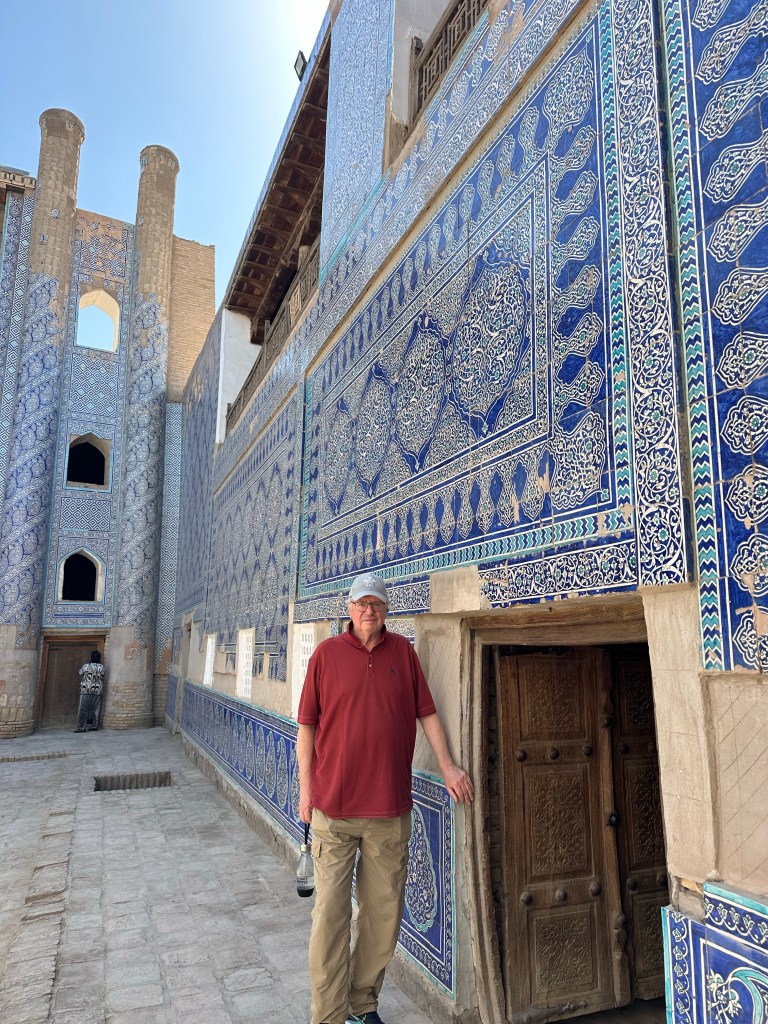
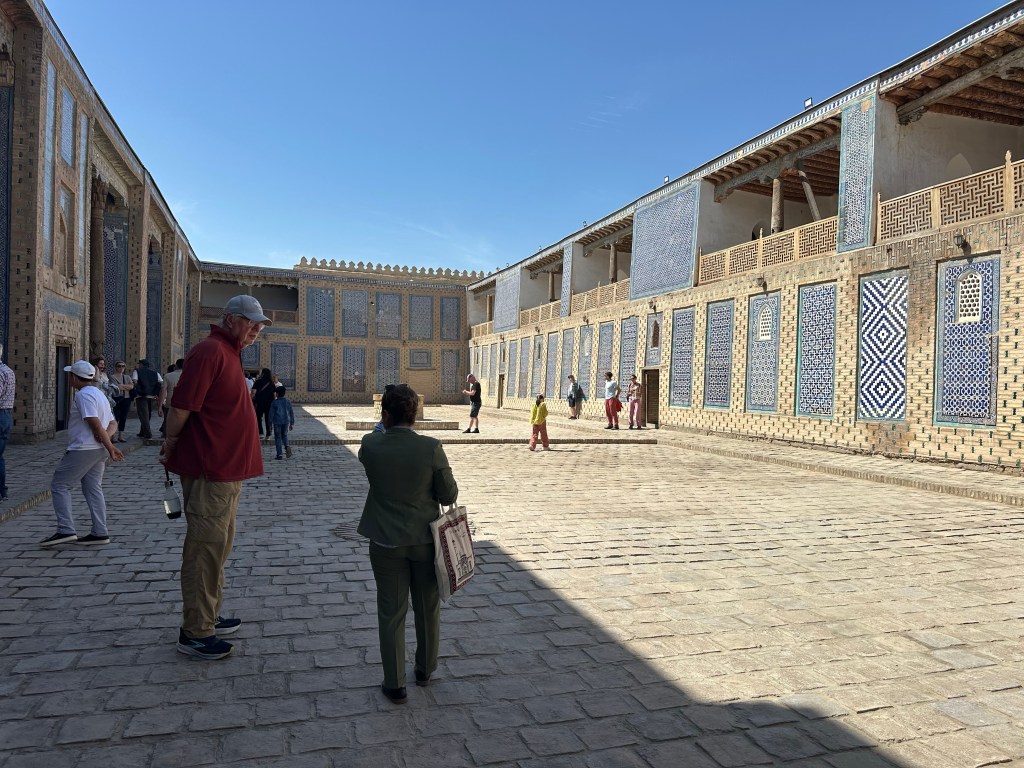
Khiva in the early 20th century City walls (limited health and safety!)Orient Star hotelInterior courtyard of the Orient StarThe interior is sympathetically renovated but this does mean needing to mind your step and head !The hotel’s restaurant is in another madrasa next door; this is the walk to breakfast. The minaret was intended to be 80m high judging from the diameter of the base but was never completed; the tiling is original On a pre breakfast walk, above and below The streets of the old city are traffic free but the Silk Road trading traditions endureThe main minaret of Khiva stands at 46mJuma (Friday) mosque, 21 columns of the current 213 columns date to the 10th/11th centuries, with most of the remaining column from the 18th/19th centuries The royal palaces of Khiva are found hidden behind their walls. This courtyard was an area for the ruler (who sat on the platform) to meet ministers and visitors The palaces have numerous rooms for living, worshiping and rulingThe rooms around this courtyard were the harem’s living quarters As well as selling carpets, clothing and souvenirs during the day, this madrasa houses a restaurant in the evening
Tashkent became the capital of Uzbek SSR in 1930 replacing Samarkand and subsequently the capital of independent Uzbekistan. Prior to the collapse of the USSR it was the fourth largest city after Moscow, St Petersburg and Kiev. It has a population of over 3 million and was heavily industrialised during the Second World War after the German invasion.
It has been a major city in the area through the centuries and was a prominent Silk Road city.
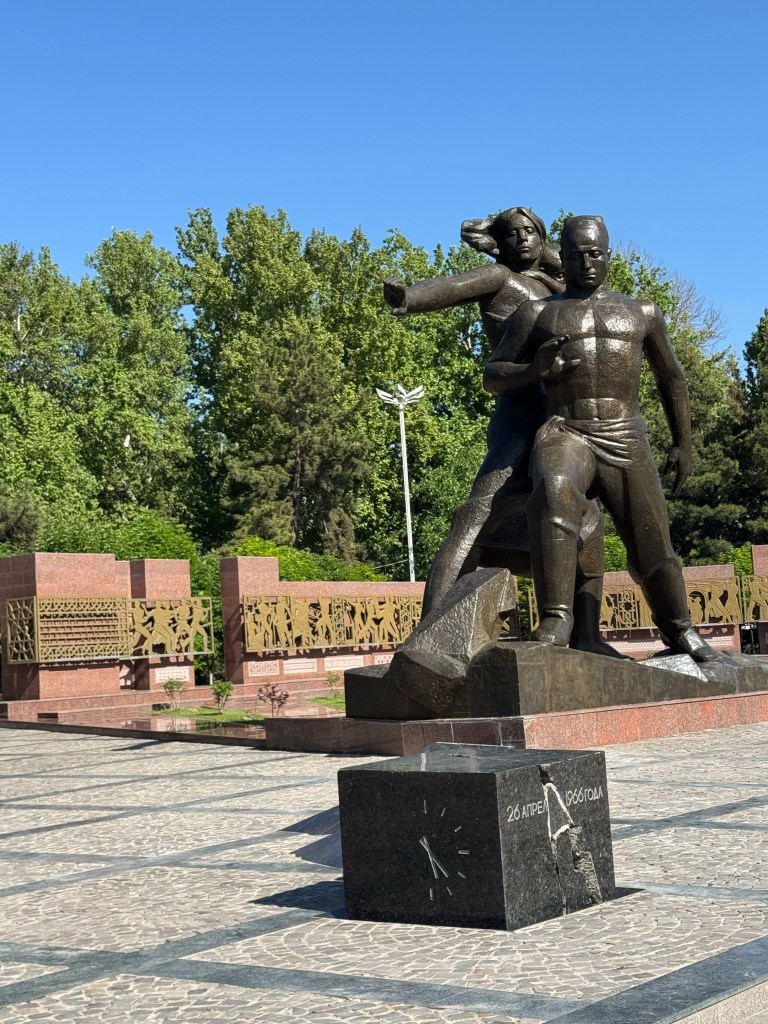
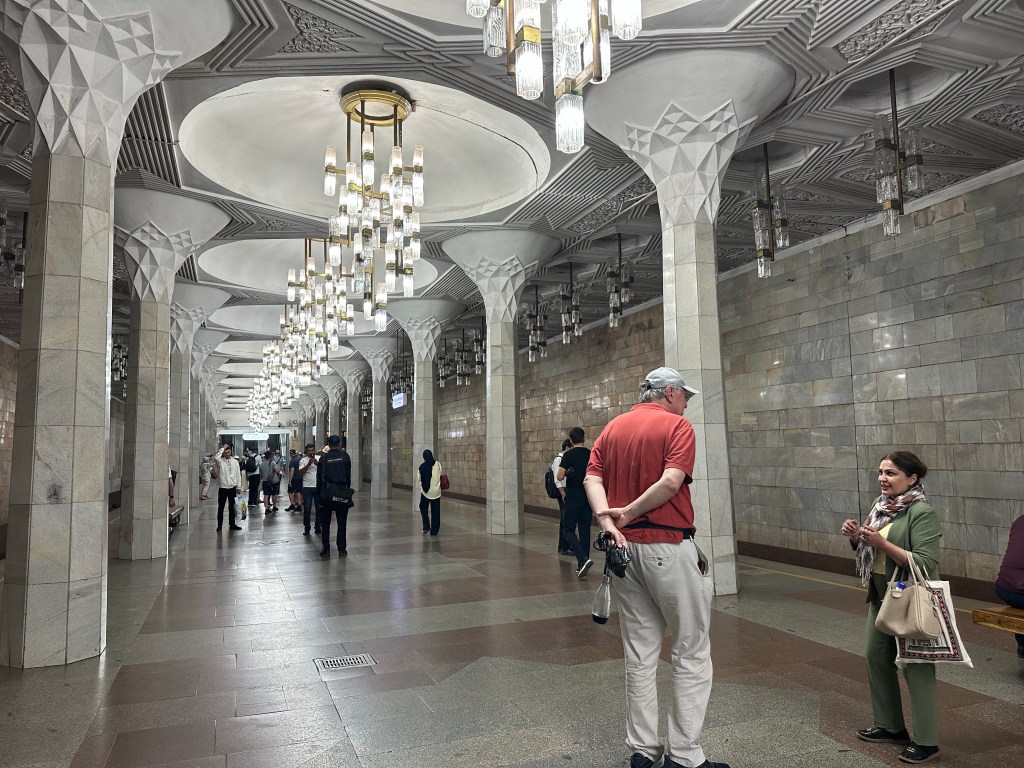
Much of its architectural history was destroyed by a major earthquake in 1966. This created the opportunity for the Soviets to create a modern model city with green areas, wide roads and a modern metro system with lavishly decorated stations, each with its own theme.
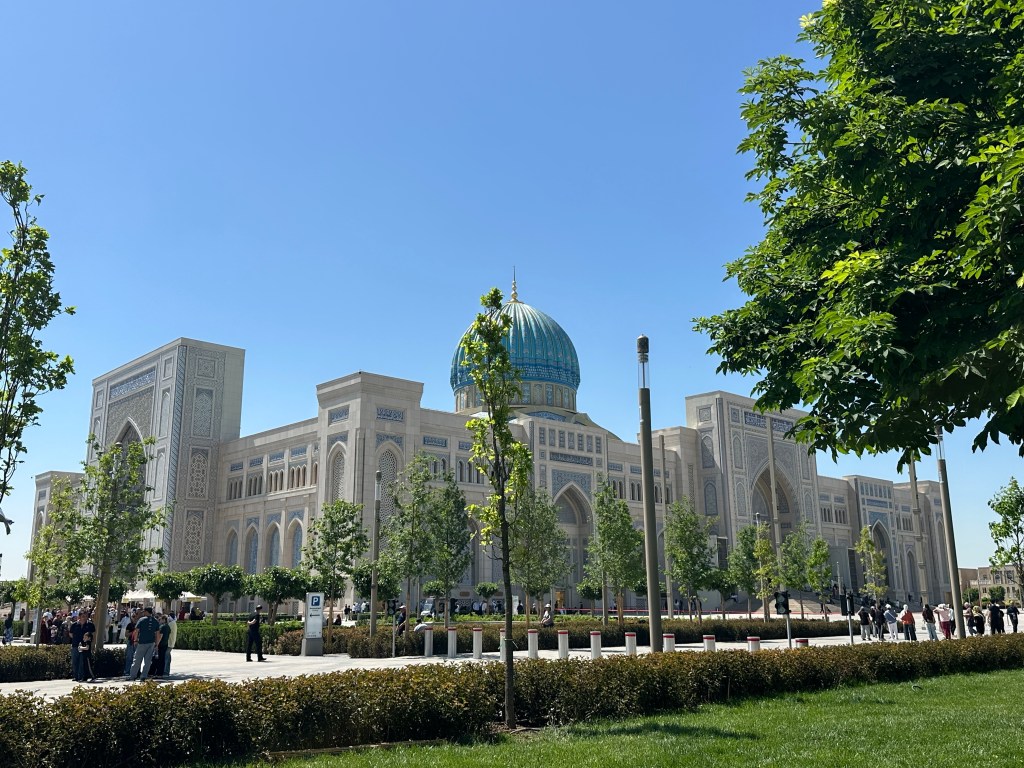
The notable historic buildings have been renovated and a new museum for Islamic Civilisation has been built. The museum opened in 2026 and houses one of the oldest surviving copies of the Quran.
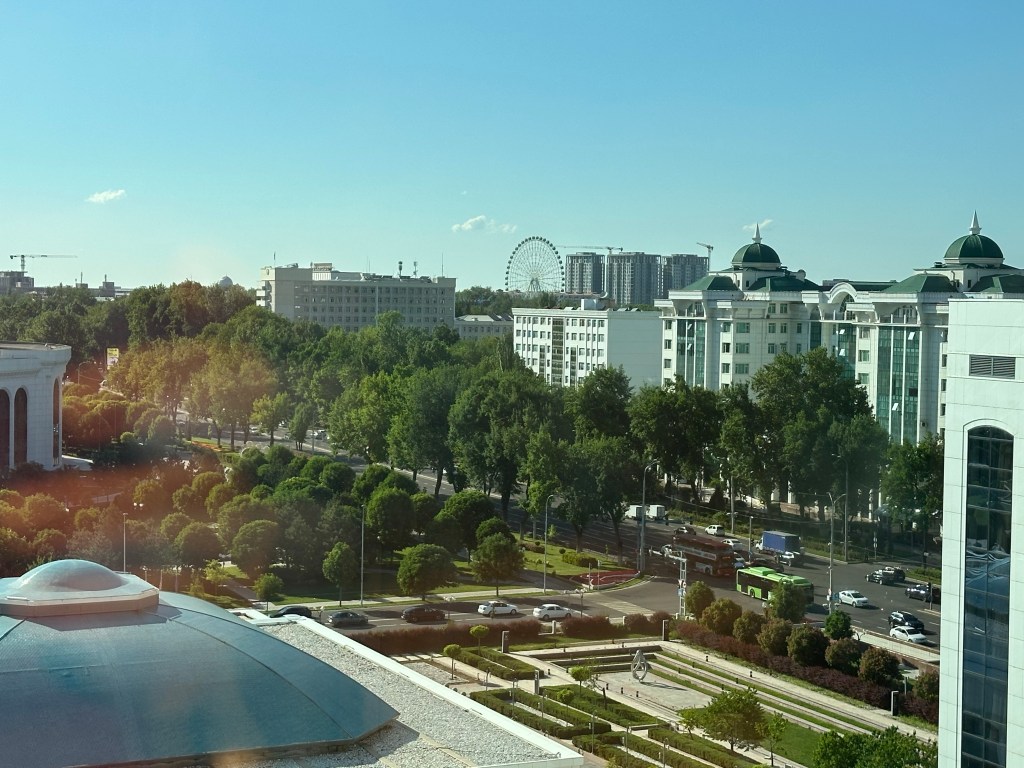
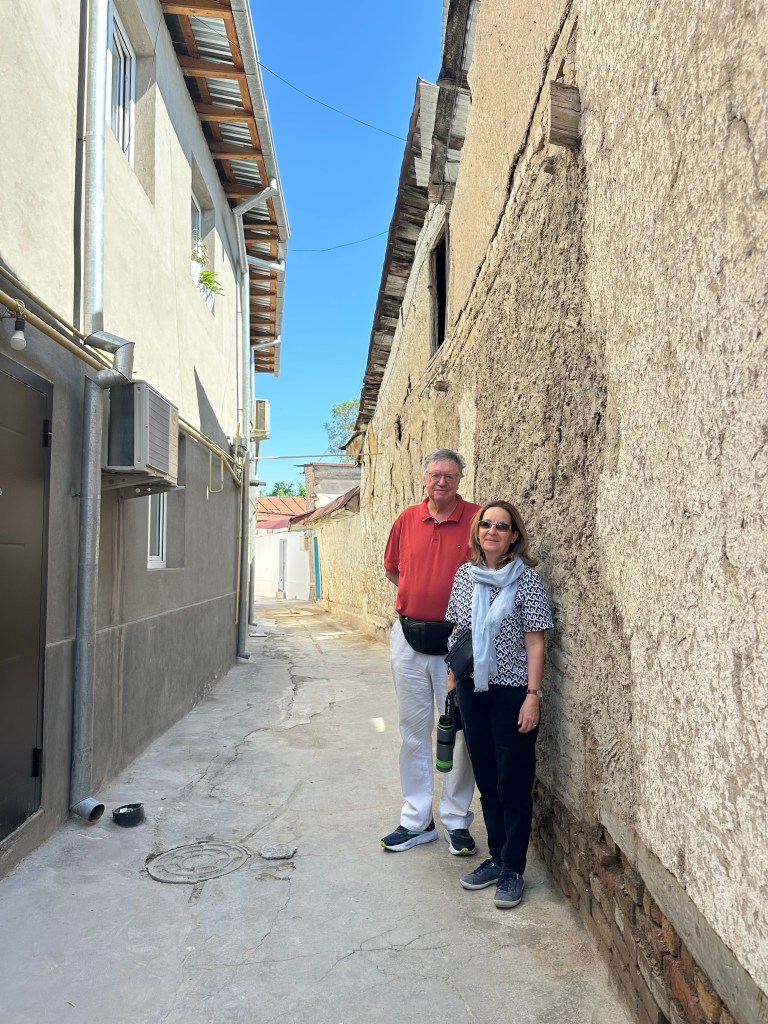
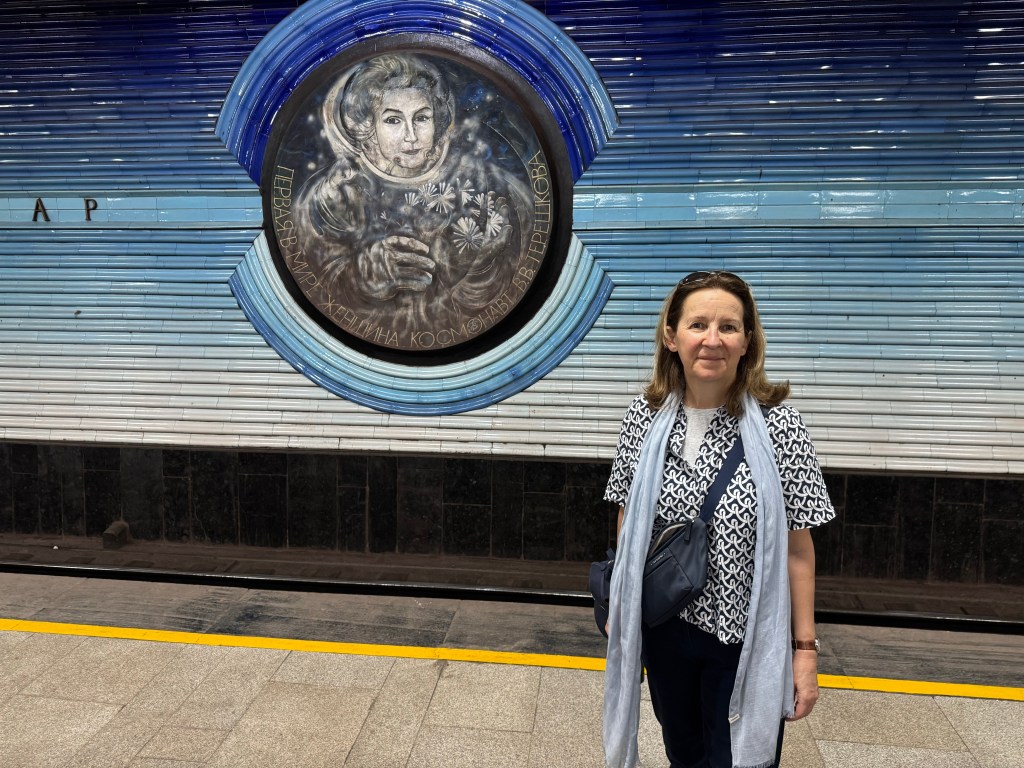
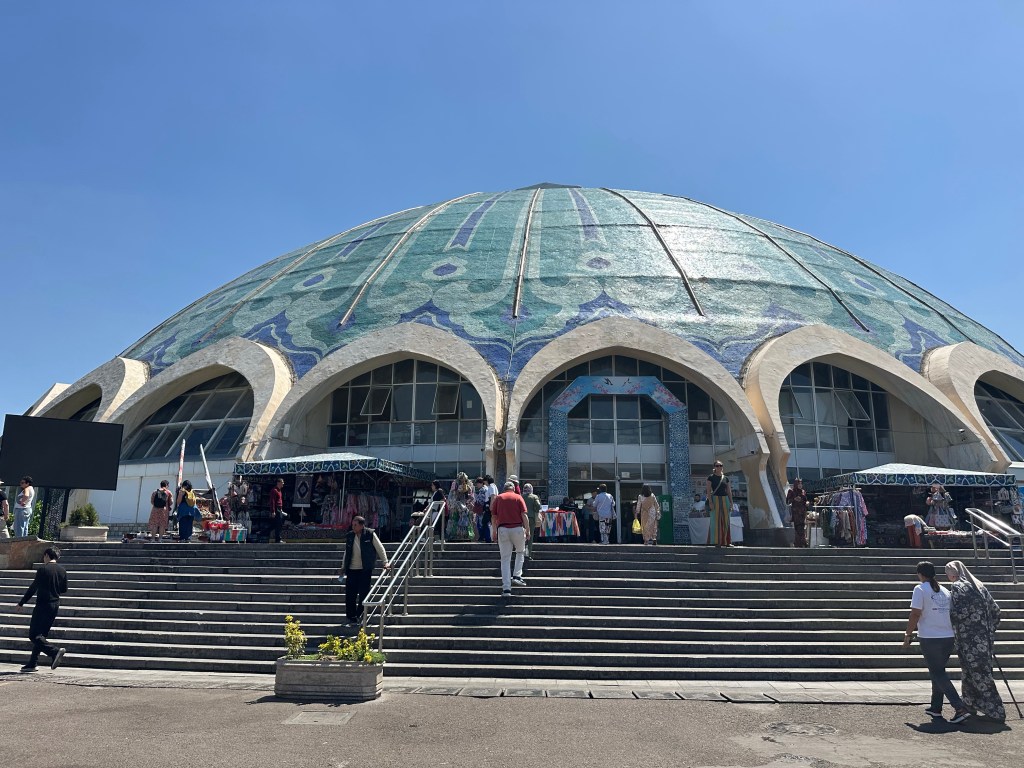
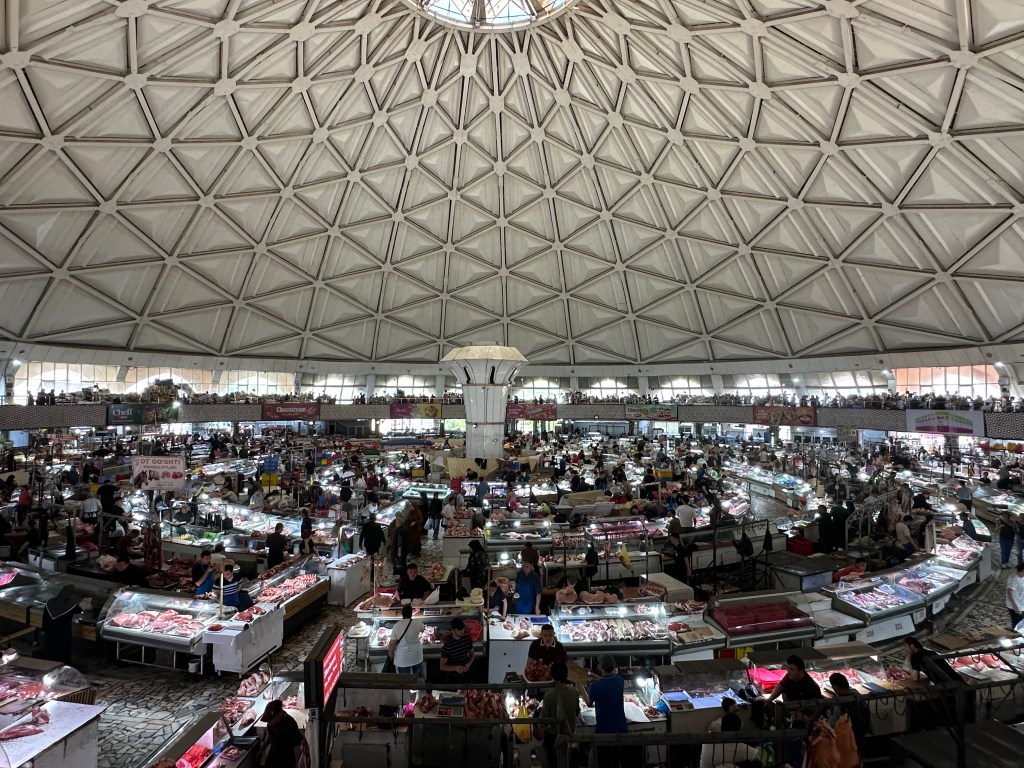
Tashkent, view from our hotelEarthquake memorial The oldest district of Tashkent; the construction of some buildings withstood the earthquake Metro station, with our guide NodiraMetro station celebrating space, including the first woman to go into space, Valentina Tereshkova in 1963Chorsu Bazaar (above and below) the main marketMuseum of Islamic civilisation
Uzbekistan is the largest country in Central Asia by population with 38 million people. The main ethnic group are Uzbeks at 85% and 95% are Muslim.
It is one of only two double landlocked countries in the world, the other being Liechtenstein. It is the only country to border the four other Central Asian former CIS Stan countries.
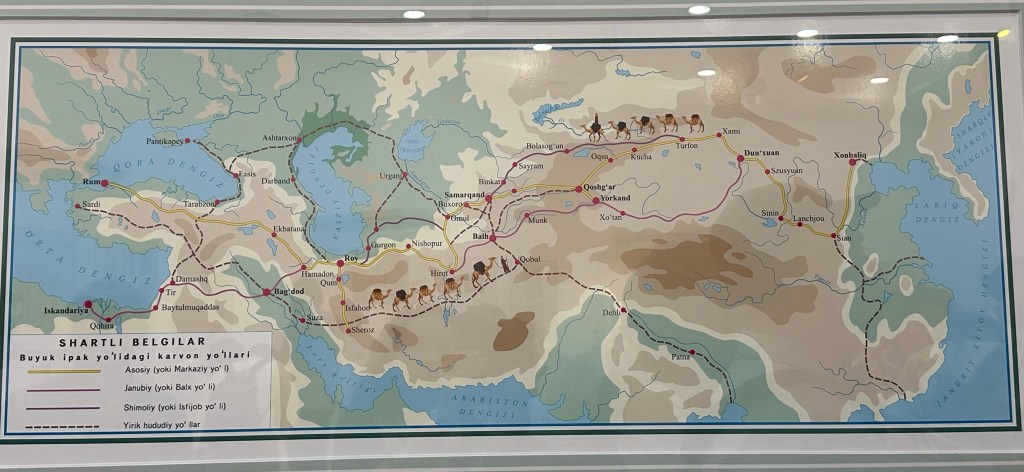
The area has flourished historically because of its two main rivers, the Amu Darya (Oxus) and Syr Darya (Jaxartes), which have created oases and have been used, together with the Aral Sea, for irrigation with increasing environmental problems. However the main source of income over the ages has been trade across the Silk Road, the main trading route (or more accurately “routes” as there were many branches to the “Road”) between China and the West.
Uzbekistan as an independent country has only existed since the fall of the USSR in 1991. However the history of the area is complex.
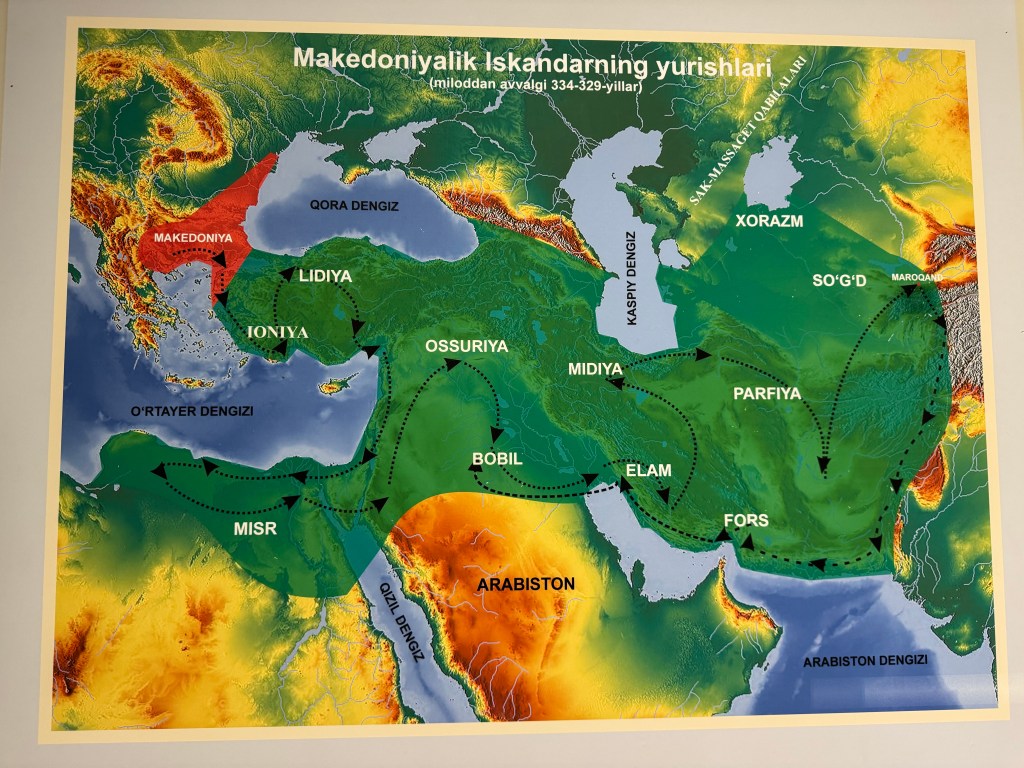
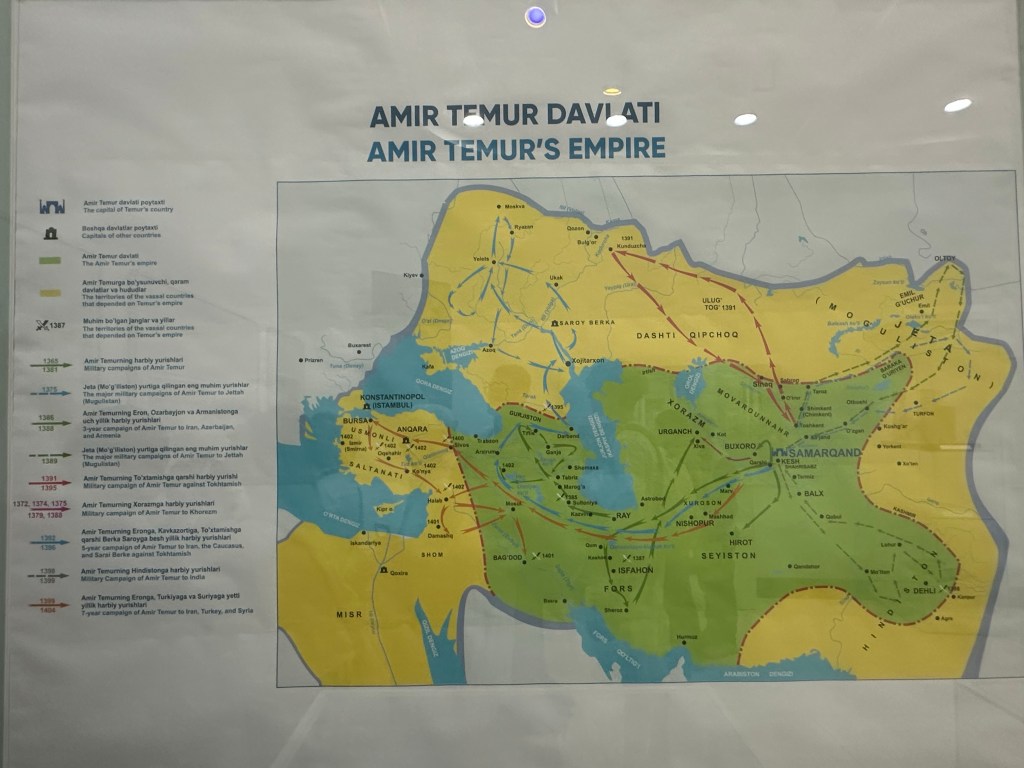
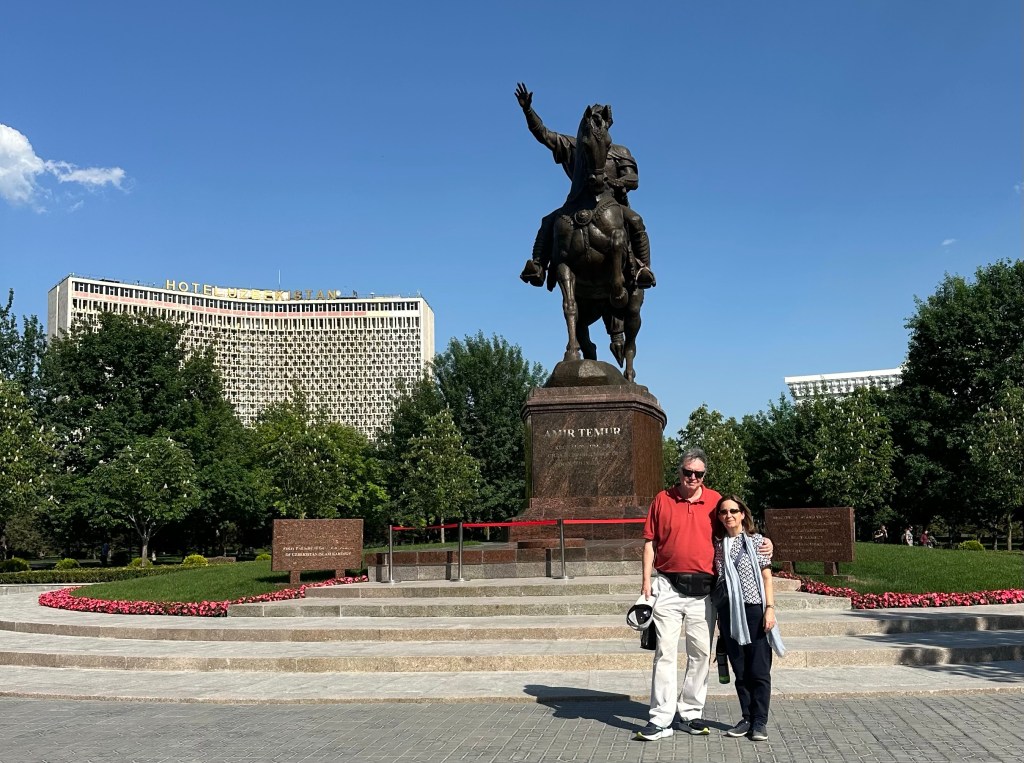
The area was invaded by the Persian King Cyrus in the 6th century BC, before Alexander the Great conquered in 327 BC. This was followed by a period of kingdoms controlling the Silk Road with forts before conquest in the 7th/8th centuries AD by Arabs, bringing Islam in place of Zoroastrianism. The apocalypse arrived in 1219 under Gengis Khan whose army destroyed almost all of the buildings while killing or enslaving much of the population. The saviour arrived in 1370 in the form of Amir Timur (Tamerlane) and the area experienced a renaissance. Today Timur is celebrated in Uzbekistan with statues, public buildings and streets named after him.
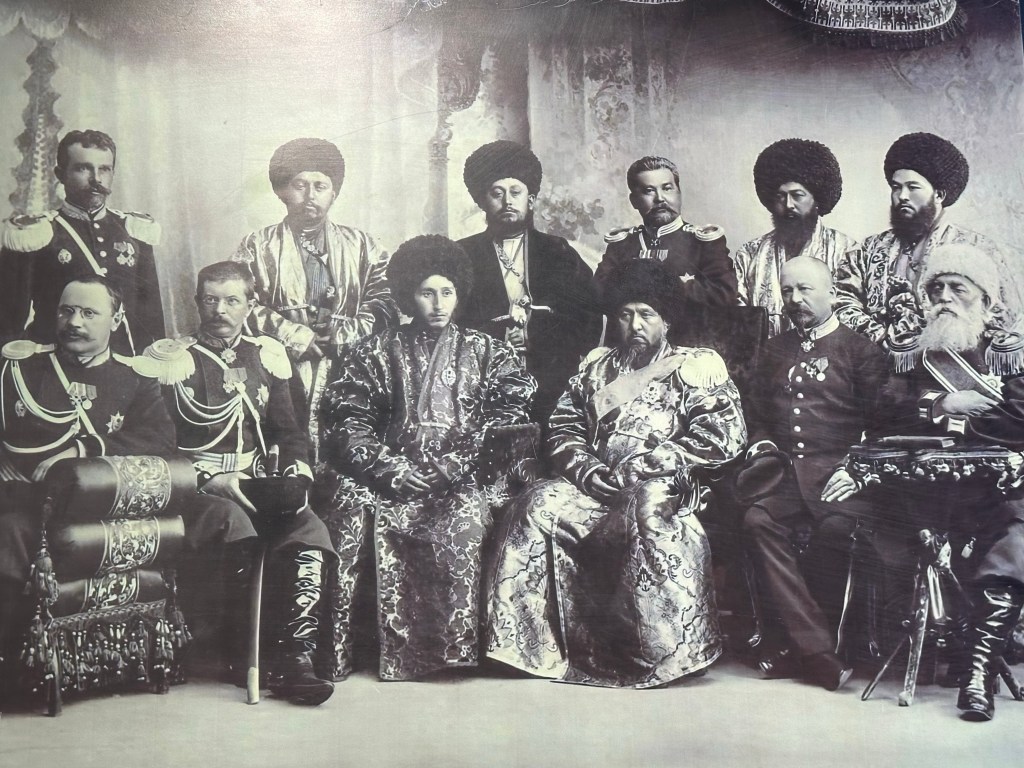
Between the 16th and early 19th centuries the area was governed by three Khanates – Khiva, Bukhara and Samarkand. The Khans became extremely wealthy and despotic. The area was invaded by Russians in 1865, partly in response to the expanding British Empire to the south and partly to abolish slavery. During the 19th century the Russians and British were engaged in the area in the “Great Game”, seen as a forerunner of the Cold War.
In 1920, following the Bolshevik revolution the Khans were removed and the Uzbek SSR came into being in 1924.
Illustration of the Silk RoadsRoute of Alexander The GreatAmir Timur EmpireStatue of Amir Timur in the main square of Tashkent’s modern district. Hotel Uzbekistan in the background was opened in 1974 at a time when Tashkent was a showcase Soviet city
1896, St Petersburg. Meeting of the Khan of Khiva (front row, third from the right) his dignitaries, translator and Russian senior army officers.
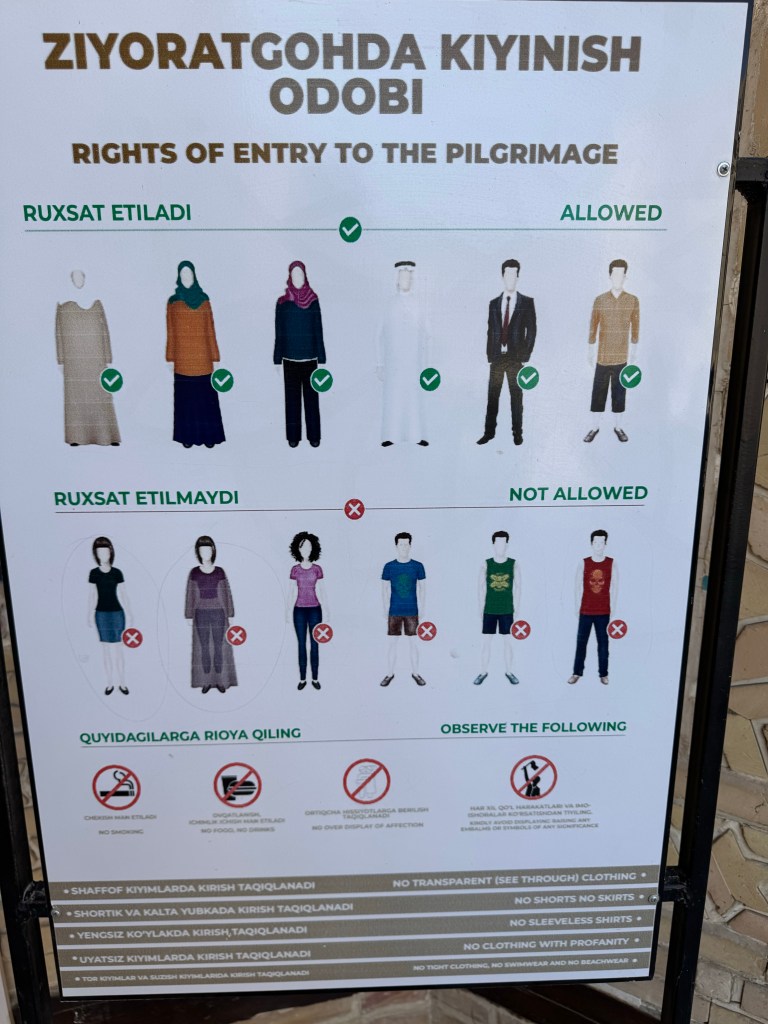
Behaviour expected (but unfortunately not always observed) by tourists visiting mosques in Uzbekistan
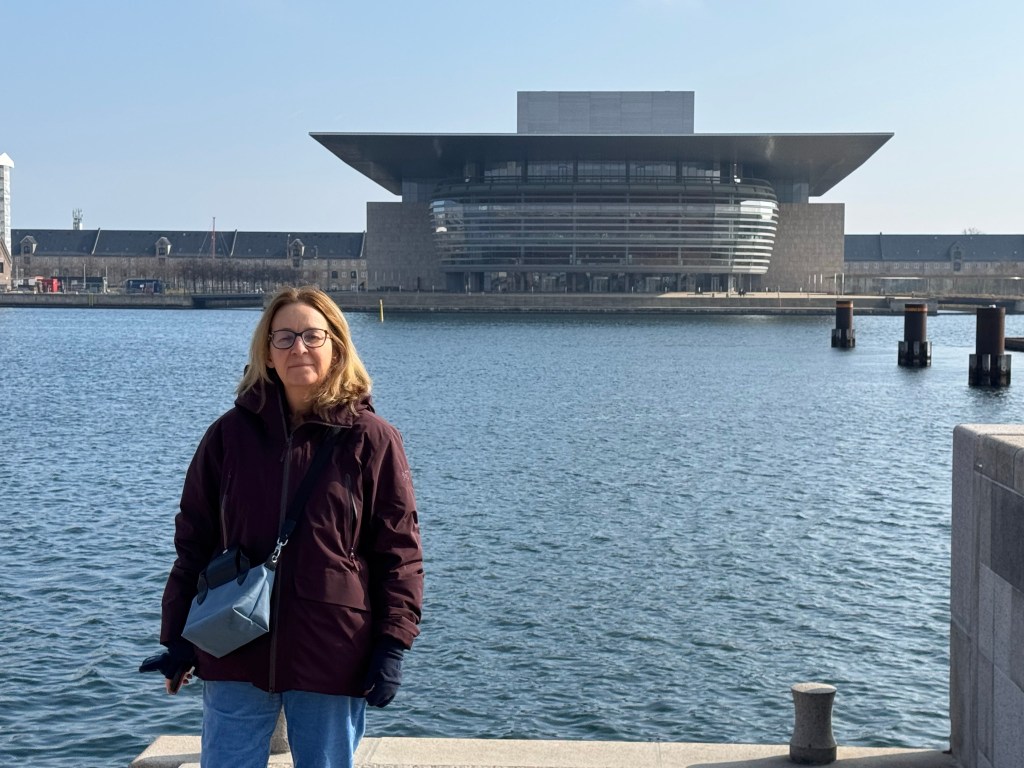
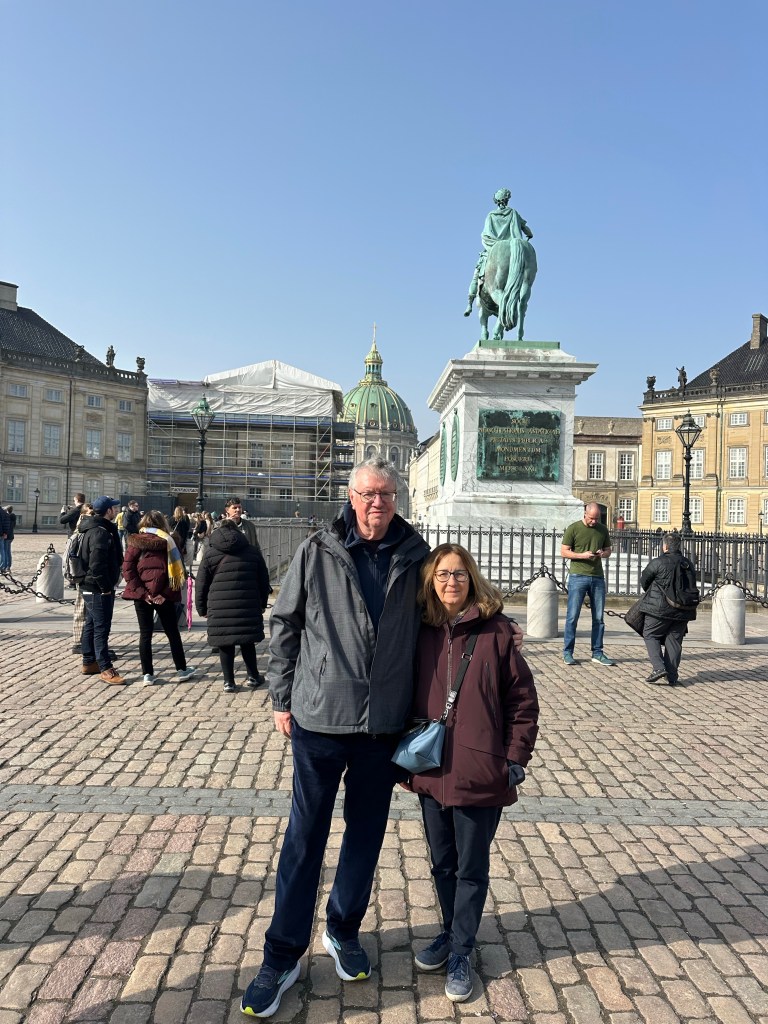
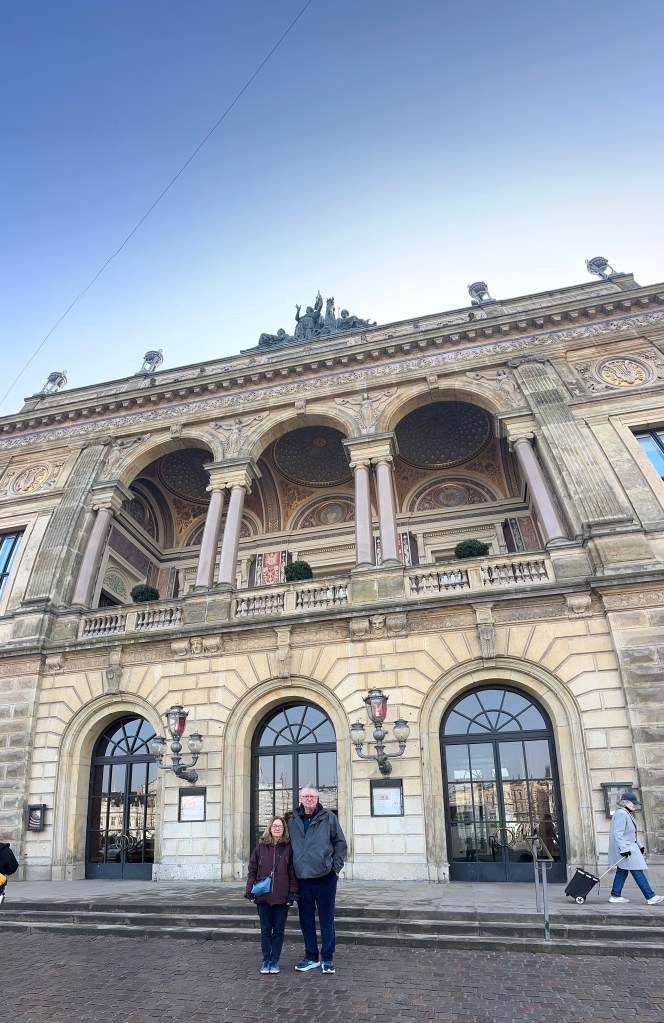
Copenhagen has three main theatres; the historic Royal Danish Theatre built in 1748, a modern theatre and a modern Opera House.
The billionaire owner of Maersk shipping acquired a small island opposite the royal palace and offered to build the city a new opera house. Apparently, the mayor requested for it to be built further out of the centre and was told that he was being “offered a gift, not a gift certificate” – the gift was accepted!
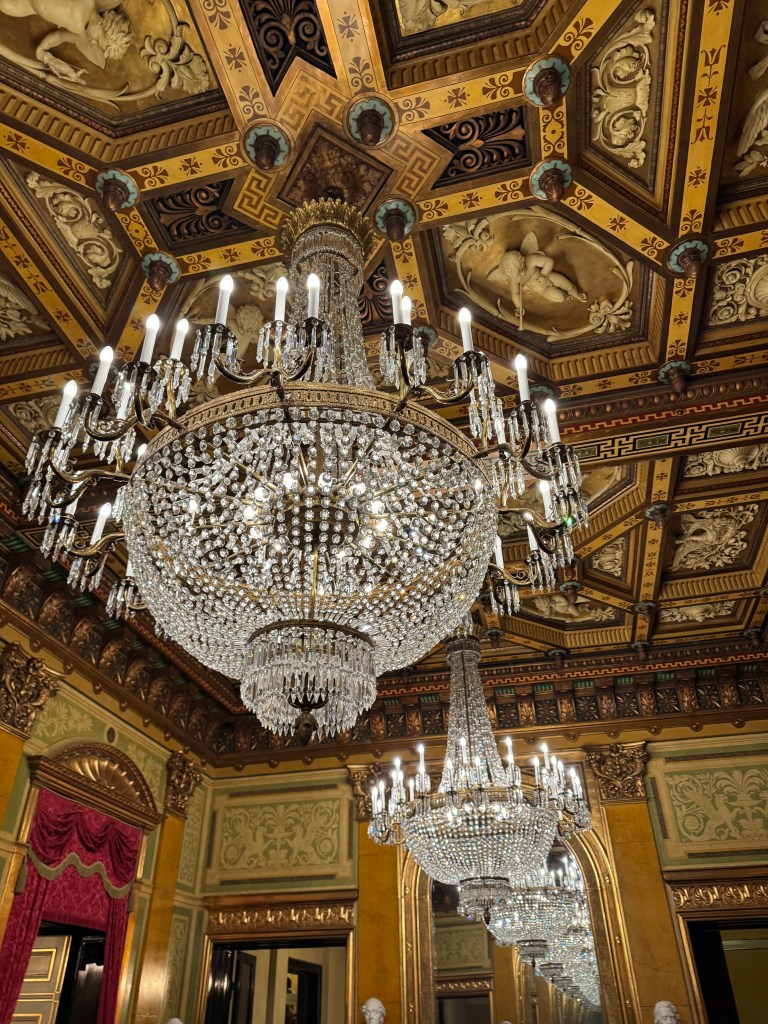
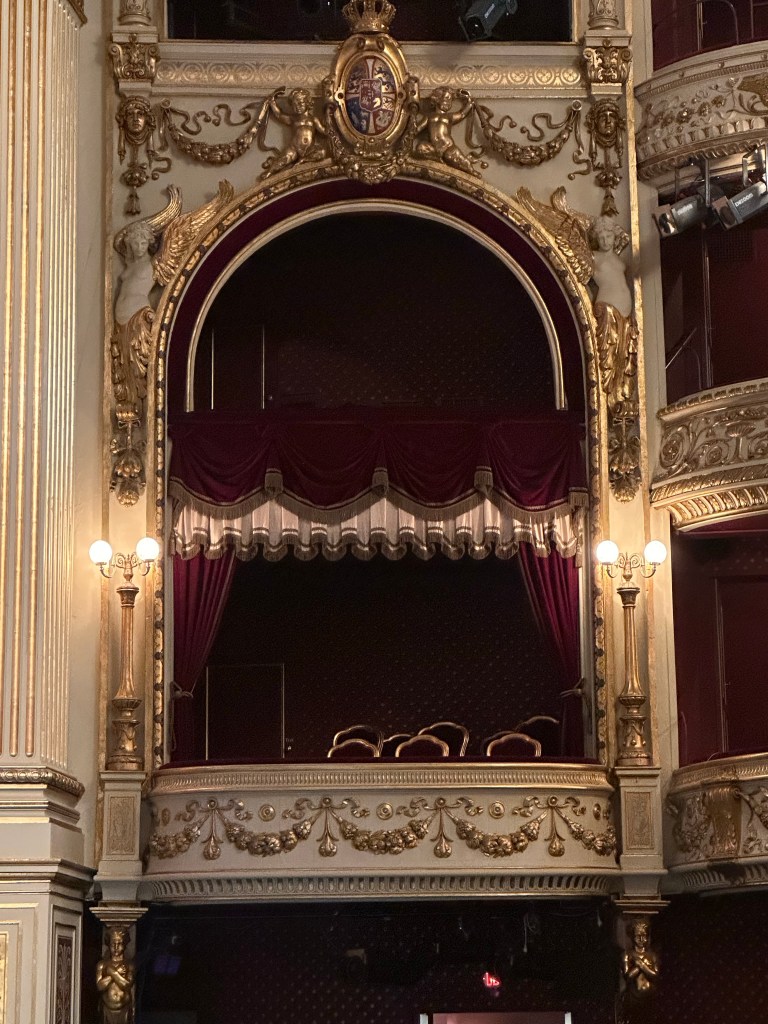
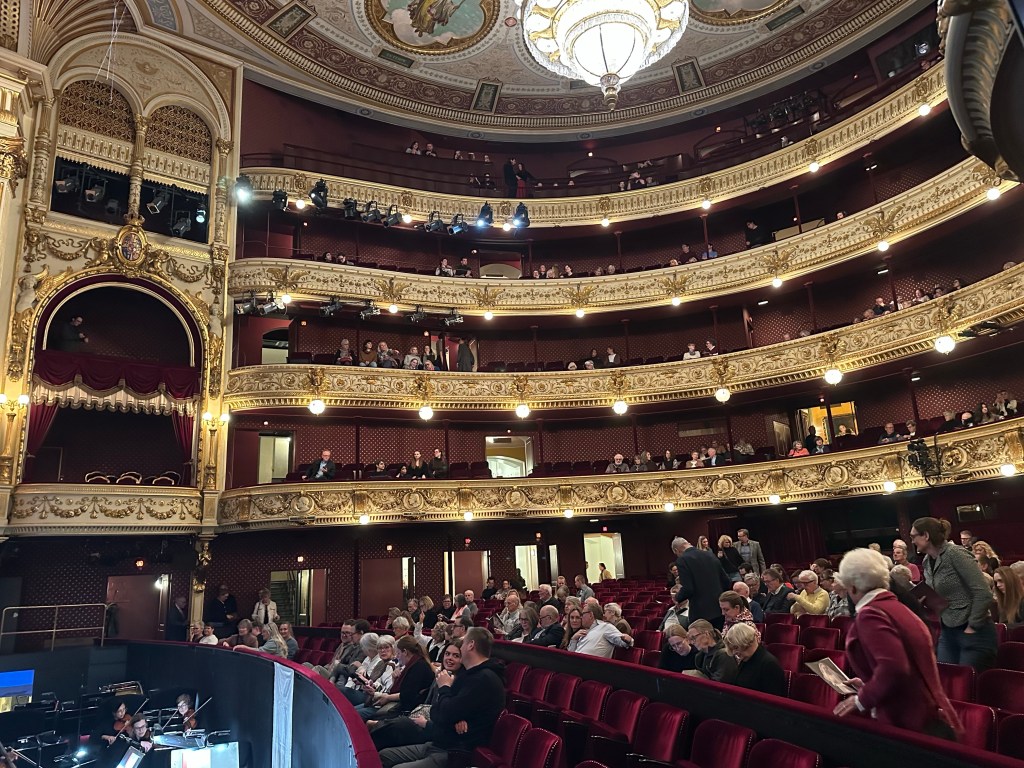
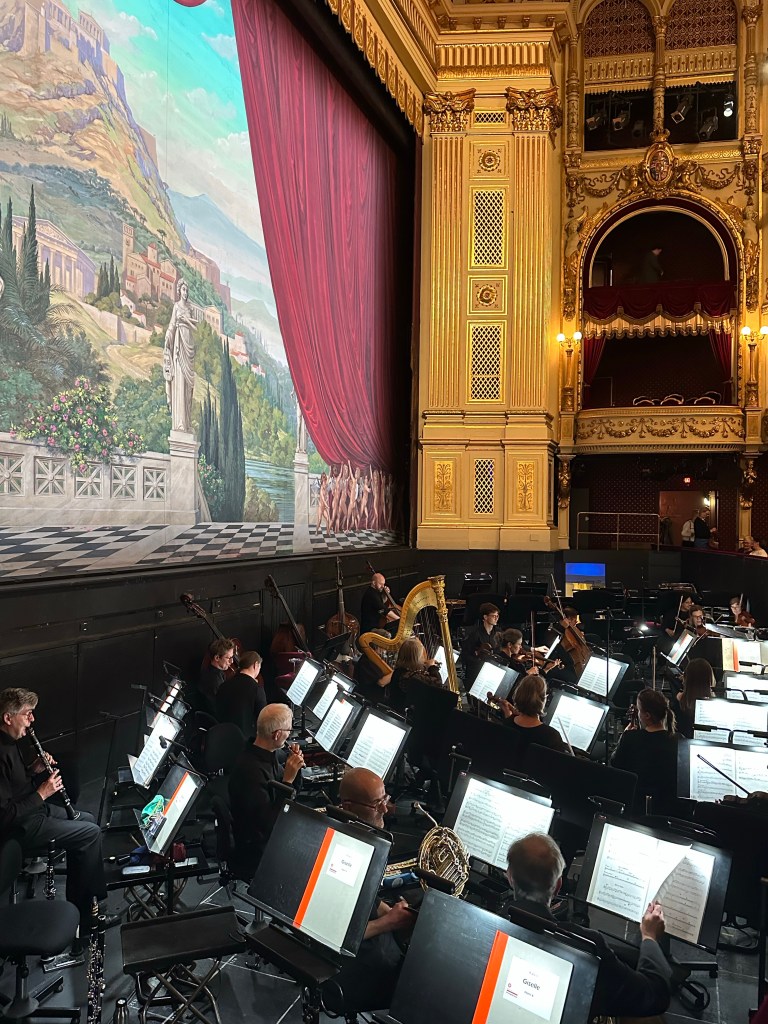
We watched a ballet performance of Giselle at the Royal Danish Theatre, a beautiful location retaining its original features.
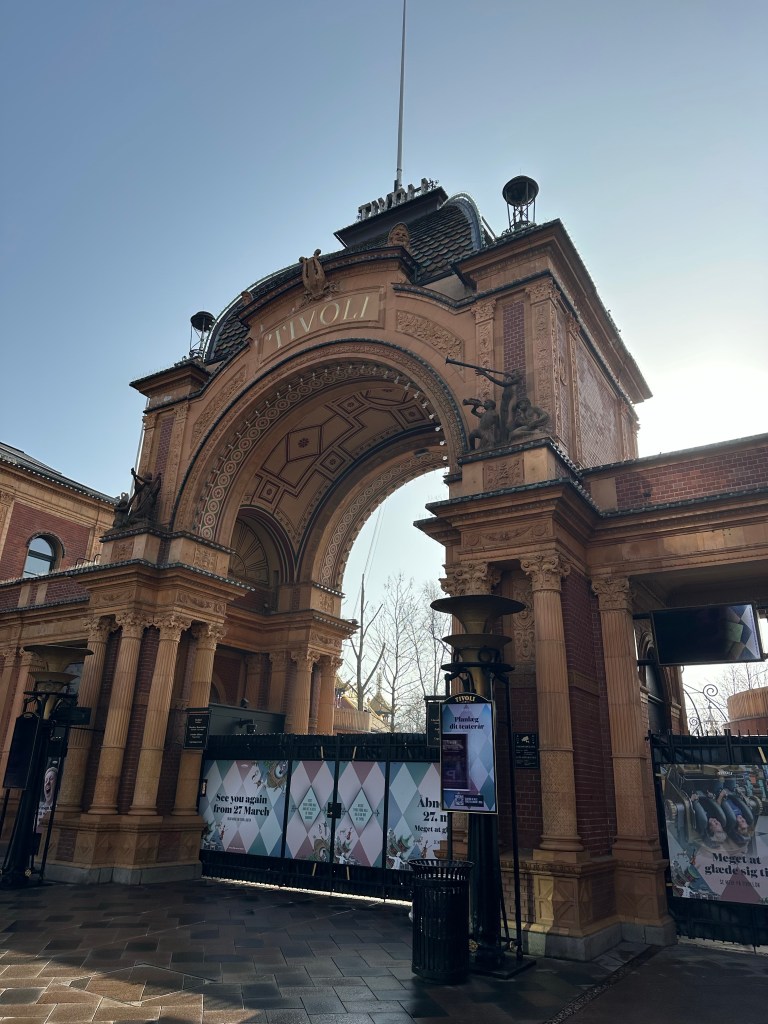
The Tivoli Gardens opened in 1843 and is the second oldest operational amusement park in the world. It is a national institution, in keeping with its origins, with a summer season, halloween and Christmas. As well as rides, games and food/drink outlets, it holds pop and classical concerts and has lakes and gardens.
It is common for grandparents to buy annual passes for their grandchildren and for older generations to relive their memories through the eyes of new generations. Walt Disney visited and is believed to have been inspired to build his theme parks.
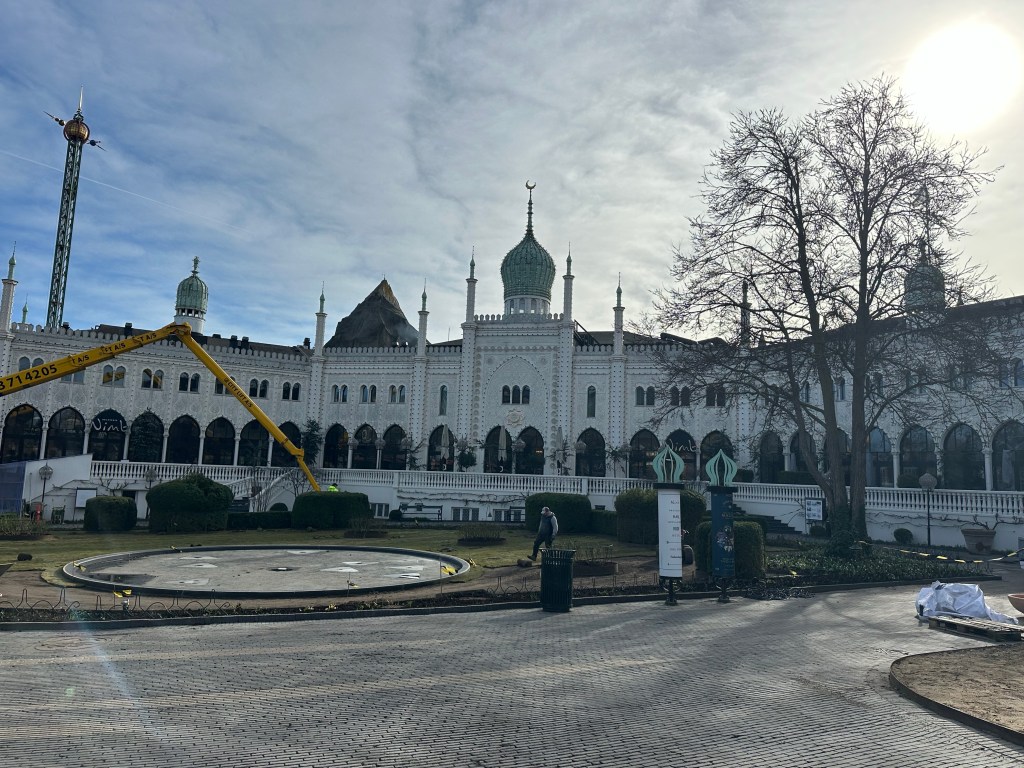
At the time of our visit Tivoli was in the final stages of preparations for its opening in late March. Our hotel overlooked the site. As well as observing the team hard at work from our room, we were able to visit as the hotel had permission for escorted guests to visit.
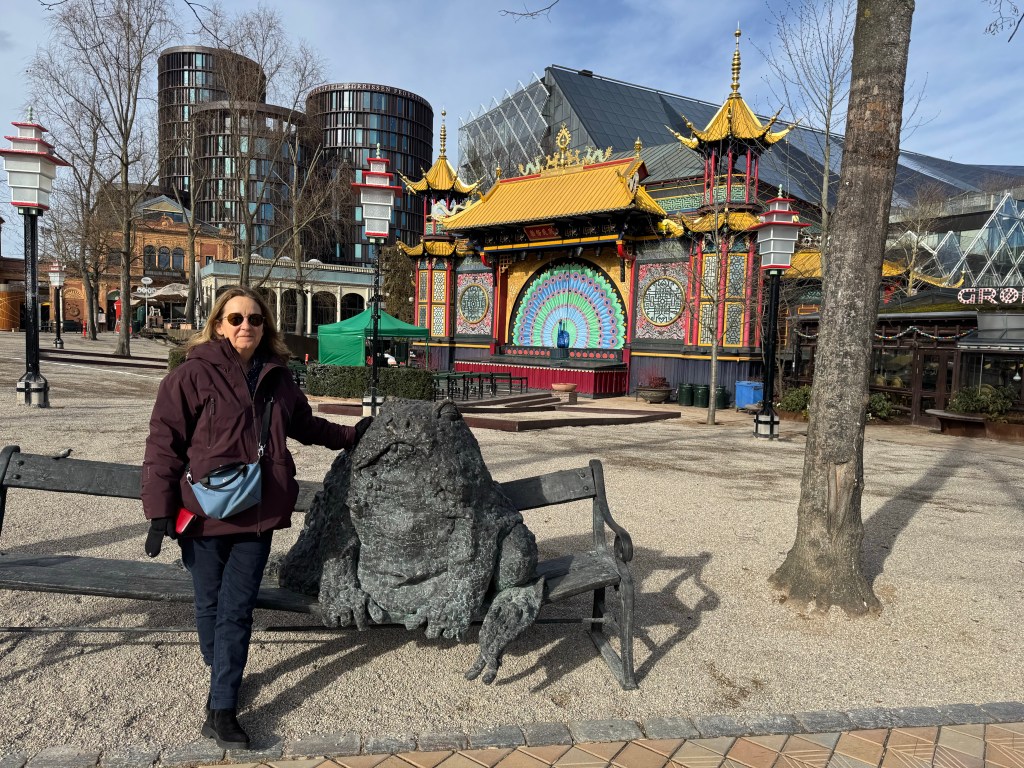
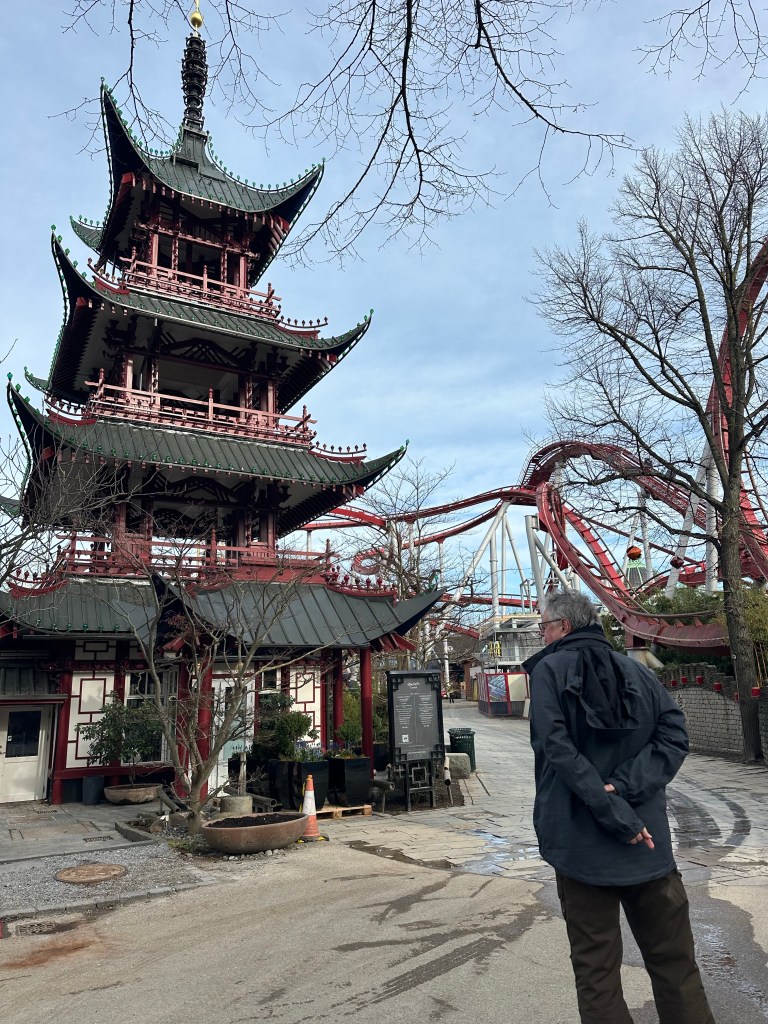
The new opera houseView opposite the new opera houseRoyal Danish TheatreRoyal Danish TheatreTivoli Gardens main entrance Our hotel from the Tivoli GardensTivoli Gardens (yes, it’s a frog on the bench !)
Copenhagen has been the capital of Denmark since 1416. It was traditionally thought to have been founded by Bishop Absalon to defend against pirates, although evidence suggests earlier settlements. The city has a population of 667,000, with Denmark having a total population of six million.
Initially the city was built on islands close to the Swedish coast. In the 17th century, with increased wealth from herring fishing and trade, it was expanded by creating manmade islands with interconnecting canals. Its history has been strongly influenced by being the capital of a Scandinavian group comprising Norway, Sweden, parts of Finland and Denmark or at other times in wars against Sweden.
The architecture derives from numerous influences including Dutch, French and Italian as well as more modern “Scandi”. Fires have been common, including a recent one which destroyed the Stock Exchange, resulting in buildings that date from various eras.
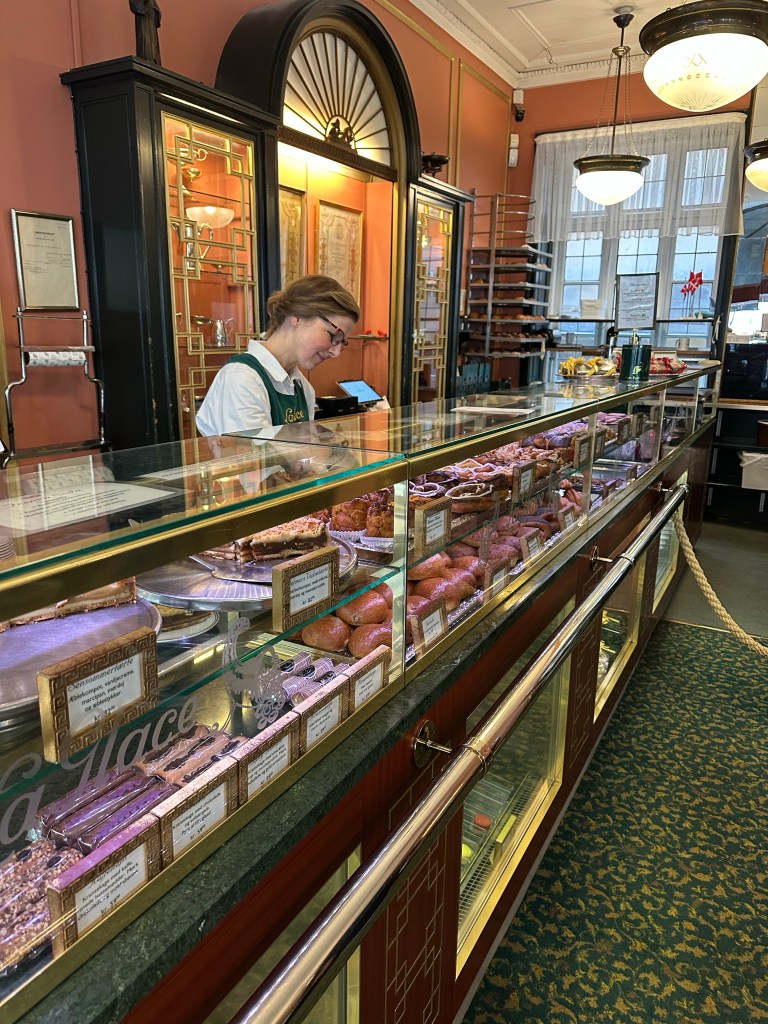
Copenhagen is now a foodie city with a history of pastries, pork products and herrings (not necessarily together!) which has become a home for modern young chefs with many entries in the Michelin Guide.
Although we did not join the throngs of cyclists (apparently the city has two bicycles on average per person), we found it a very good city for walking. We also avoided another local pursuit – a dip in the canals, which had been frozen over until a fortnight before – in favour of a boat trip.
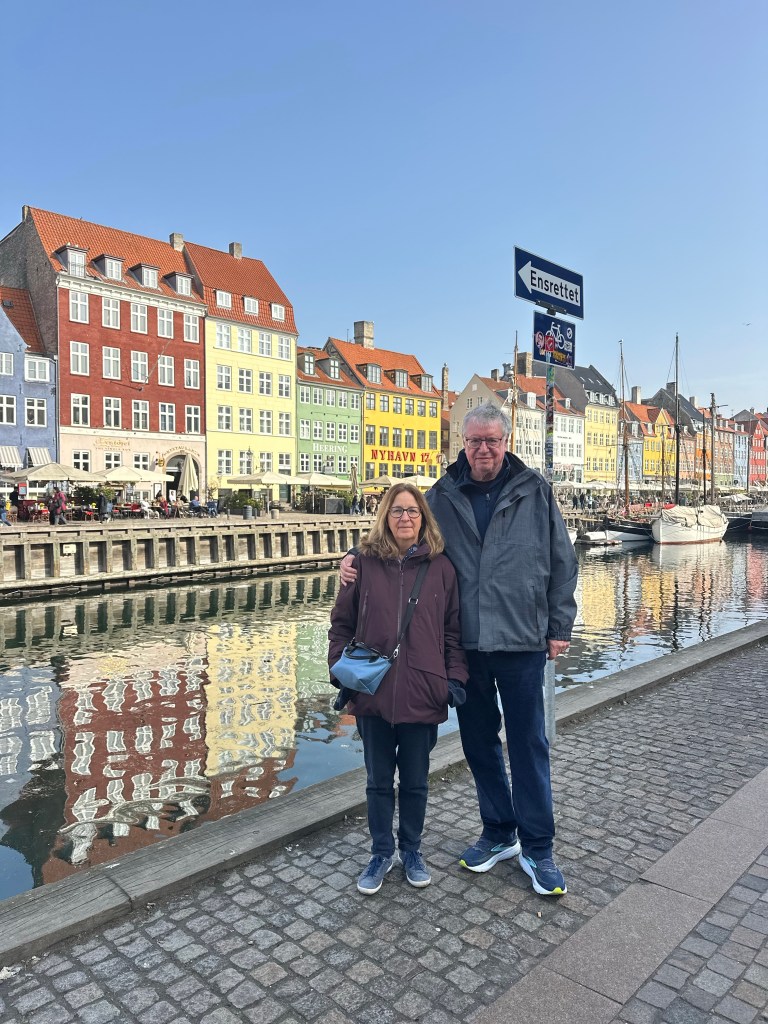
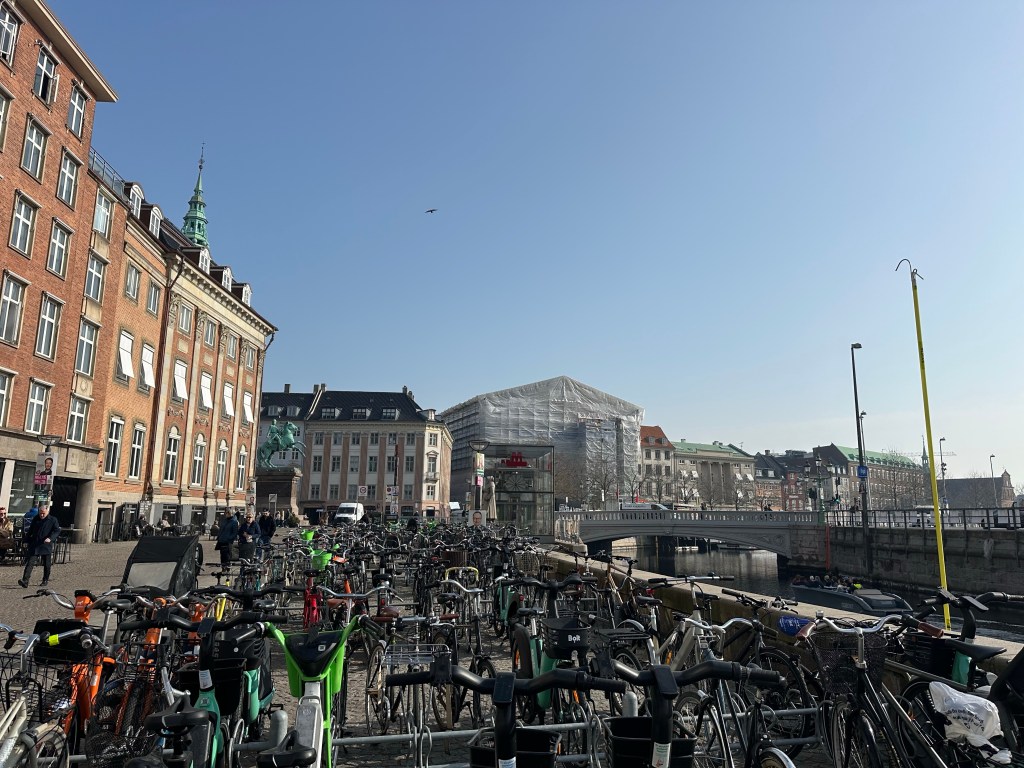
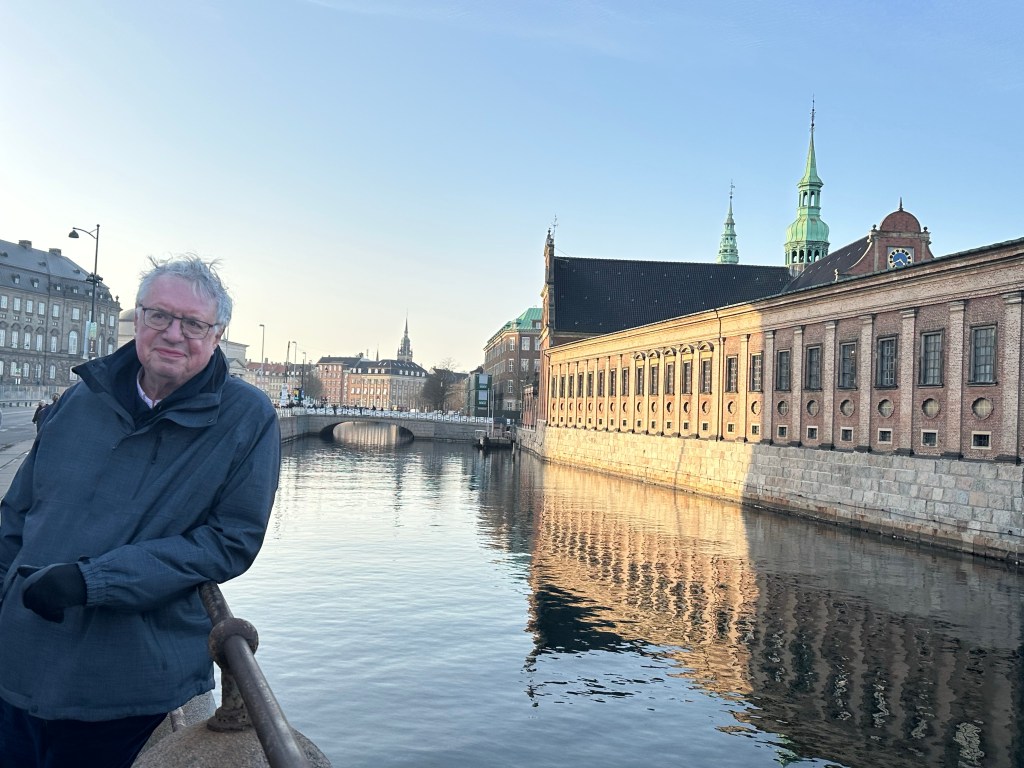
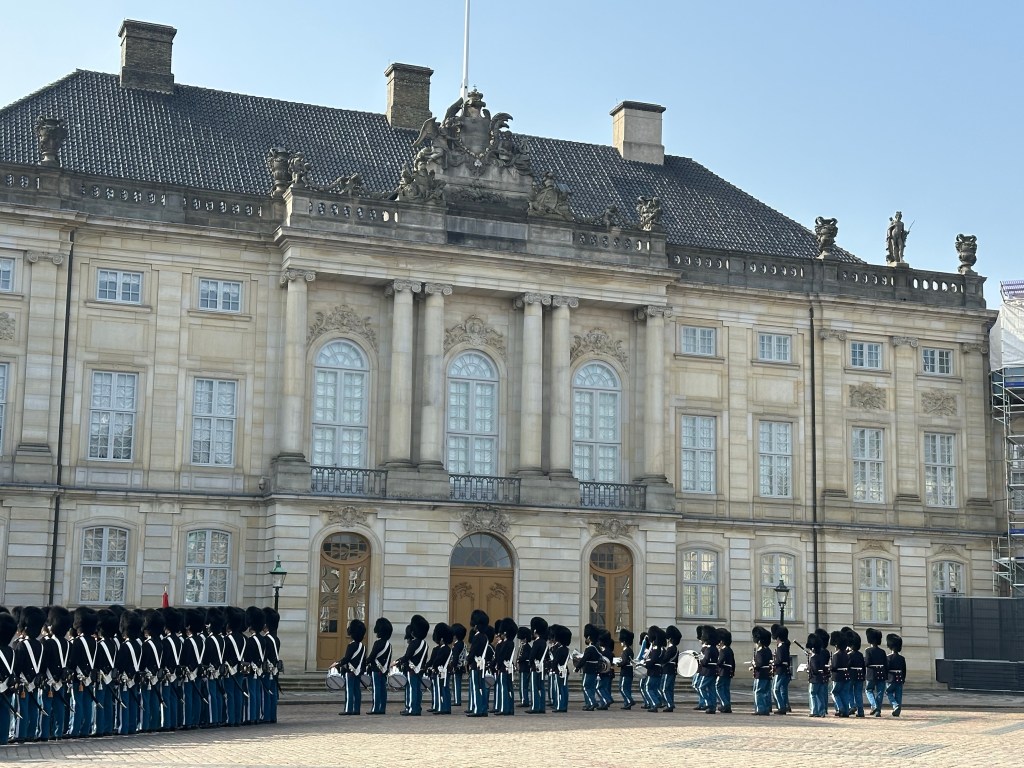
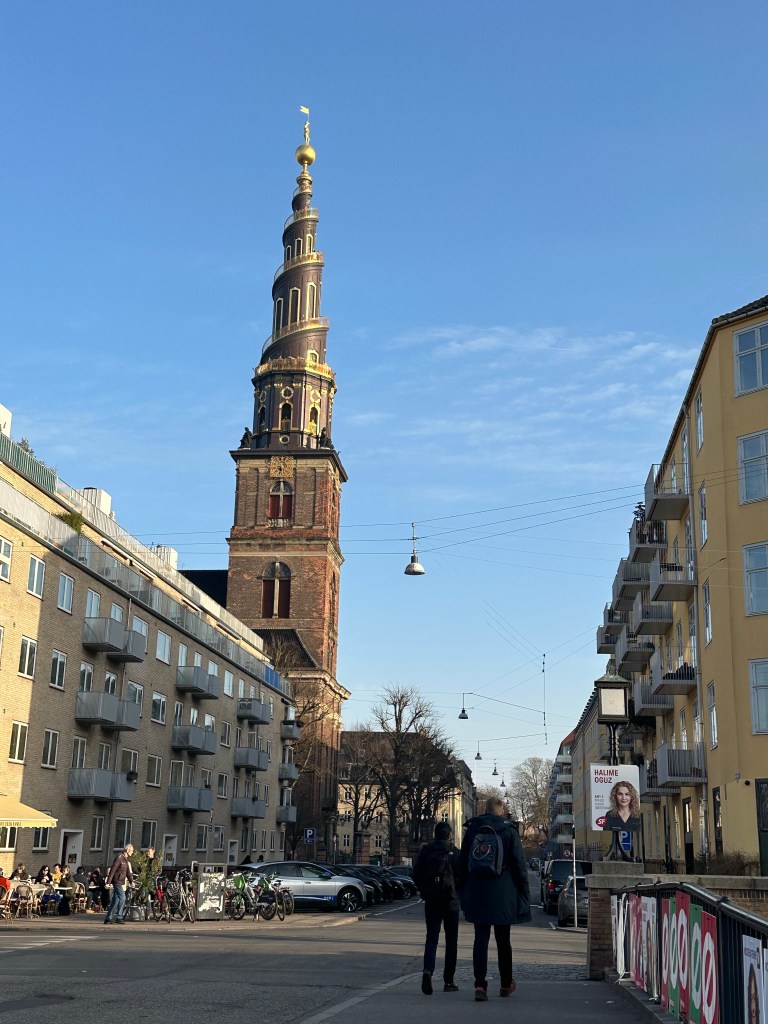
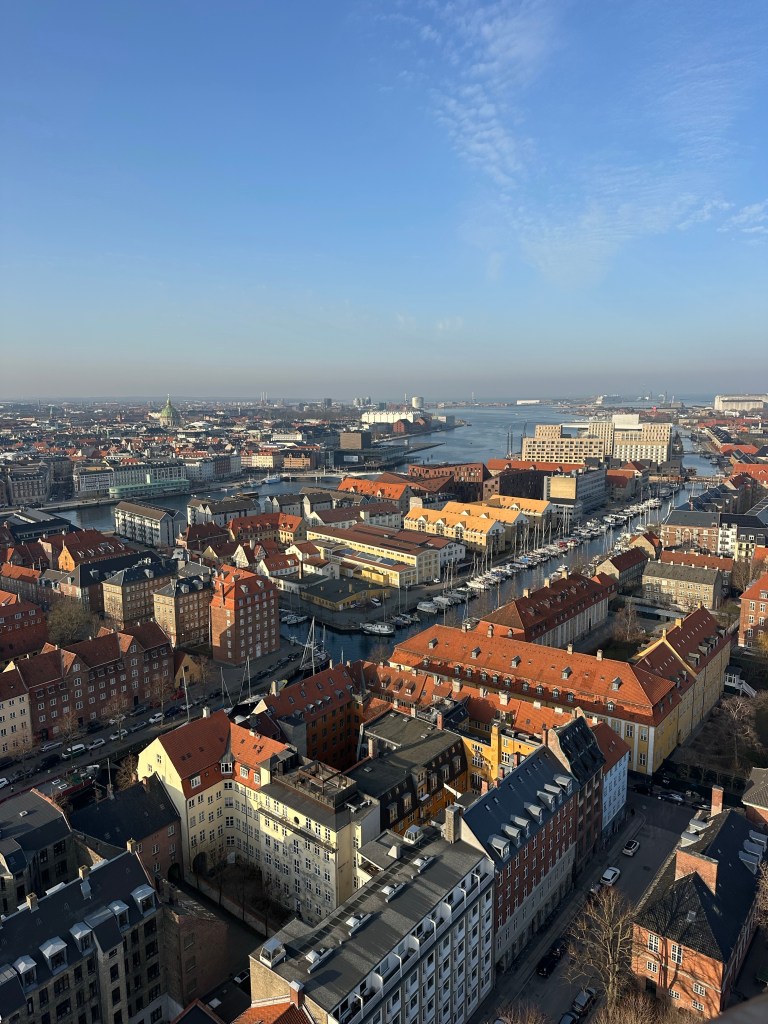
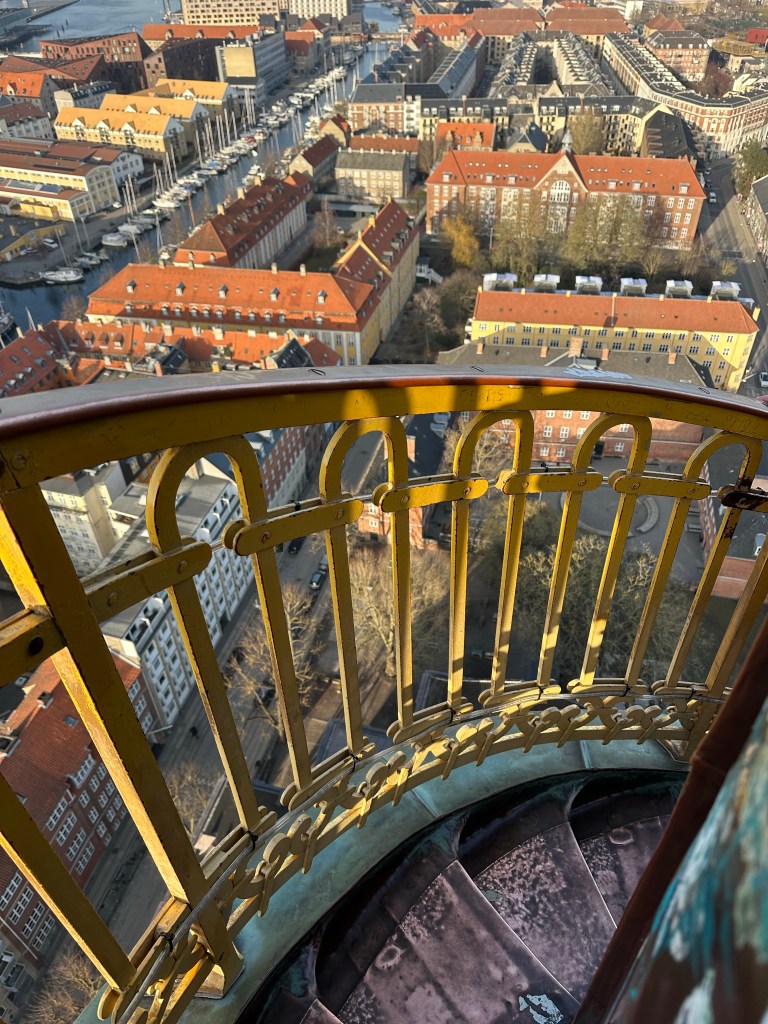
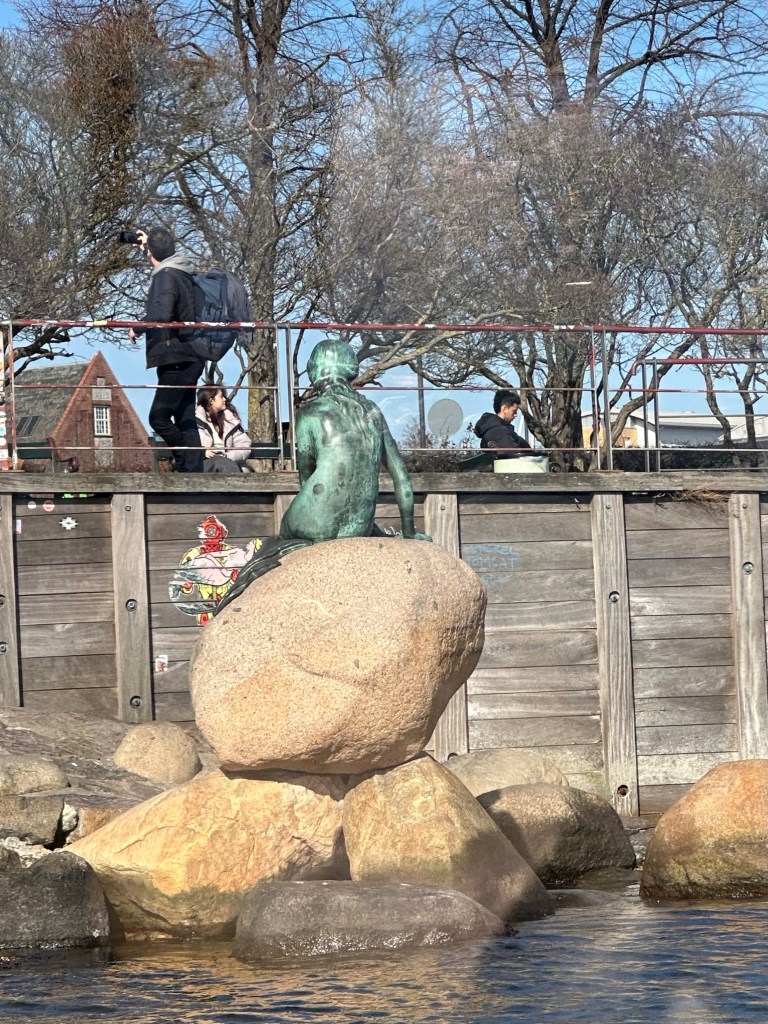
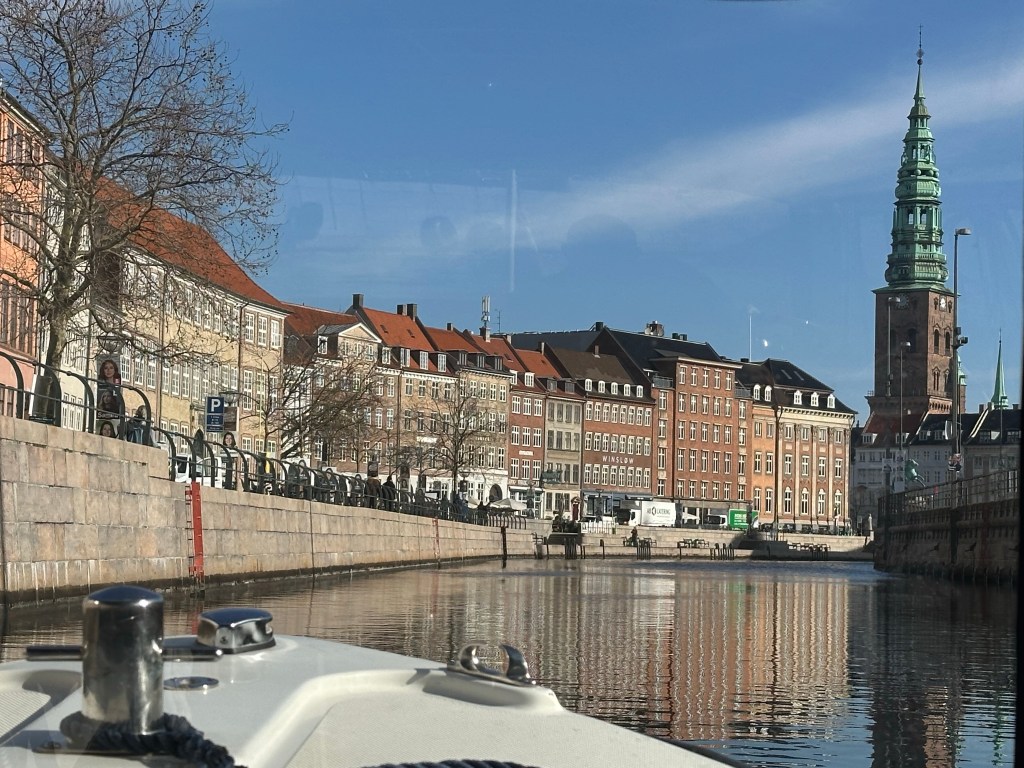
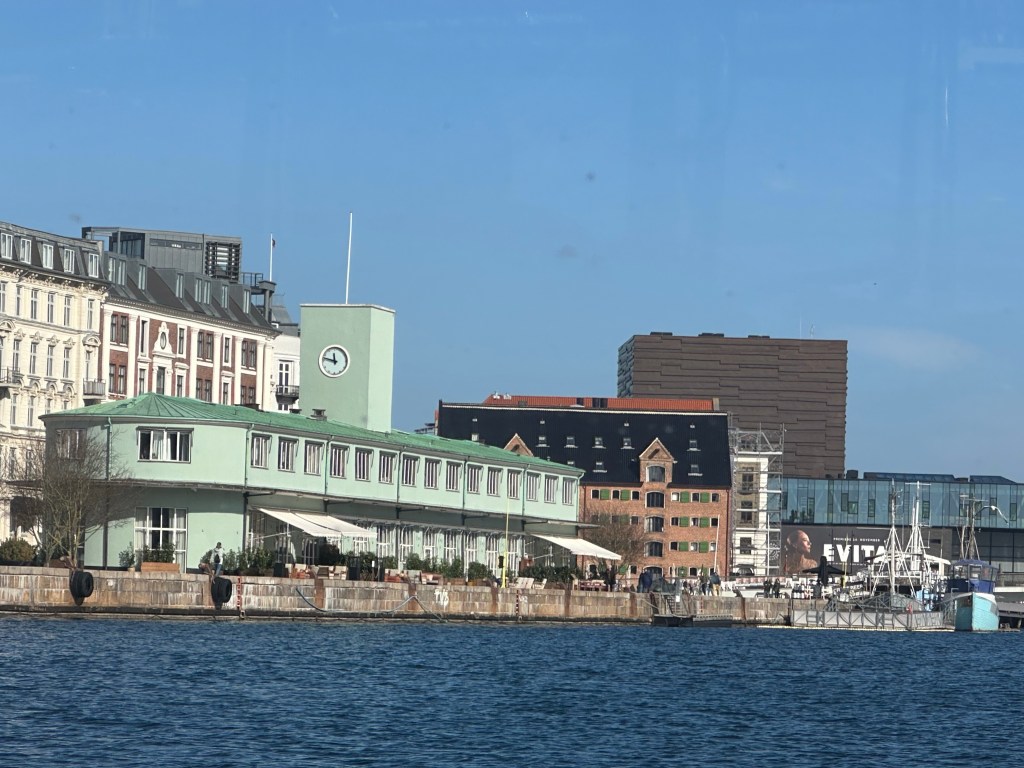
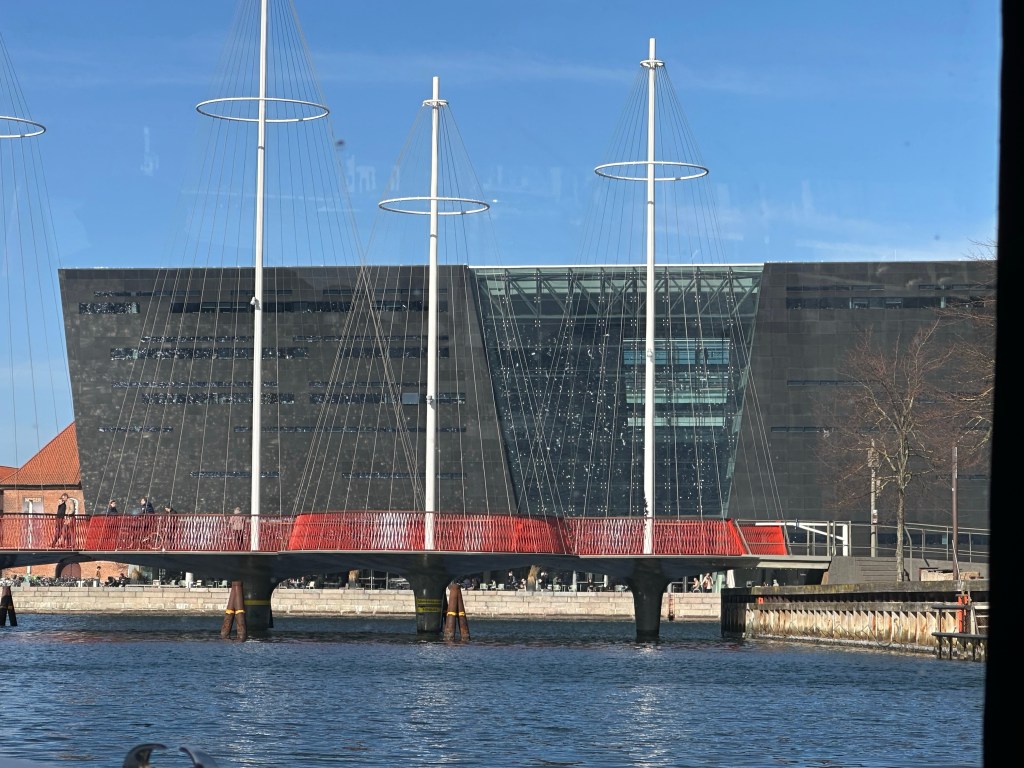
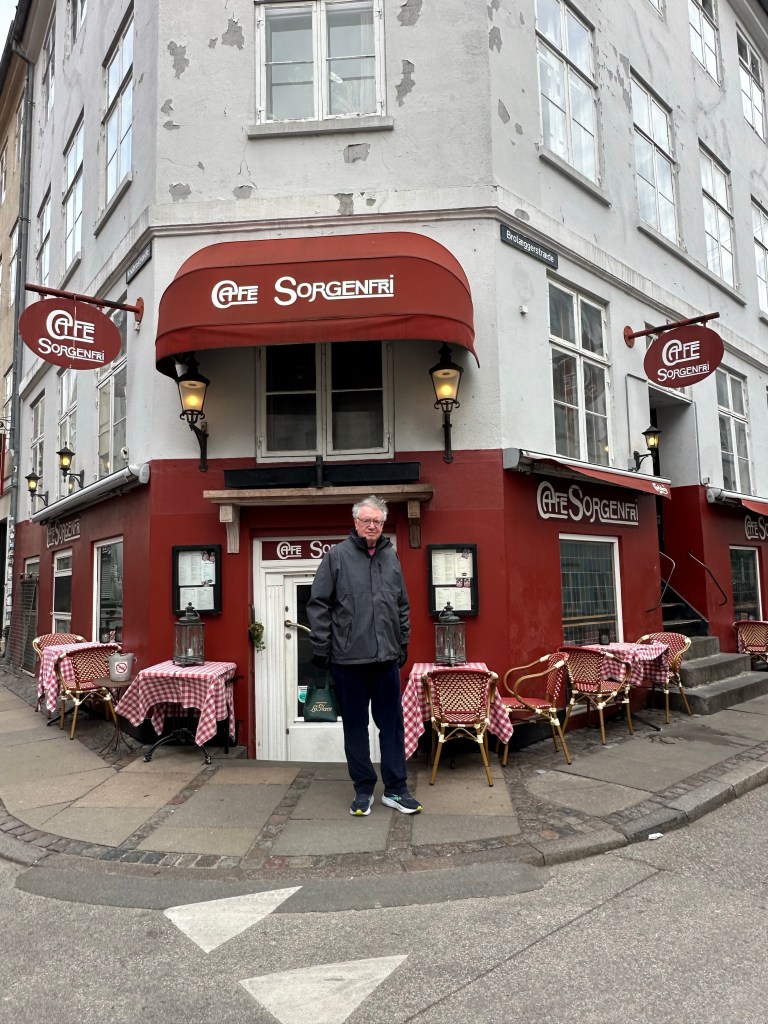
Nyhavn Bikes galore, in the background the stock exchange under cover for repairs Changing the guard at the royal palace The Vor Frelsers Kirke – 400 steps with the last 150 spiralling around the exterior and narrowing until they disappear Views from a boat trip. Top left – the little mermaidA couple of the cafes where we ate, at the more traditional end of our culinary experiences
All of the Costa Ricans that we met, especially the guides, were very friendly, proud of their country and committed to conservation. Everyone greats you or says goodbye with “Pura Vida”, literally “pure life”. This is believed to have come into the language following a Mexican film in 1956 and became ingrained in the culture by the 1980s.
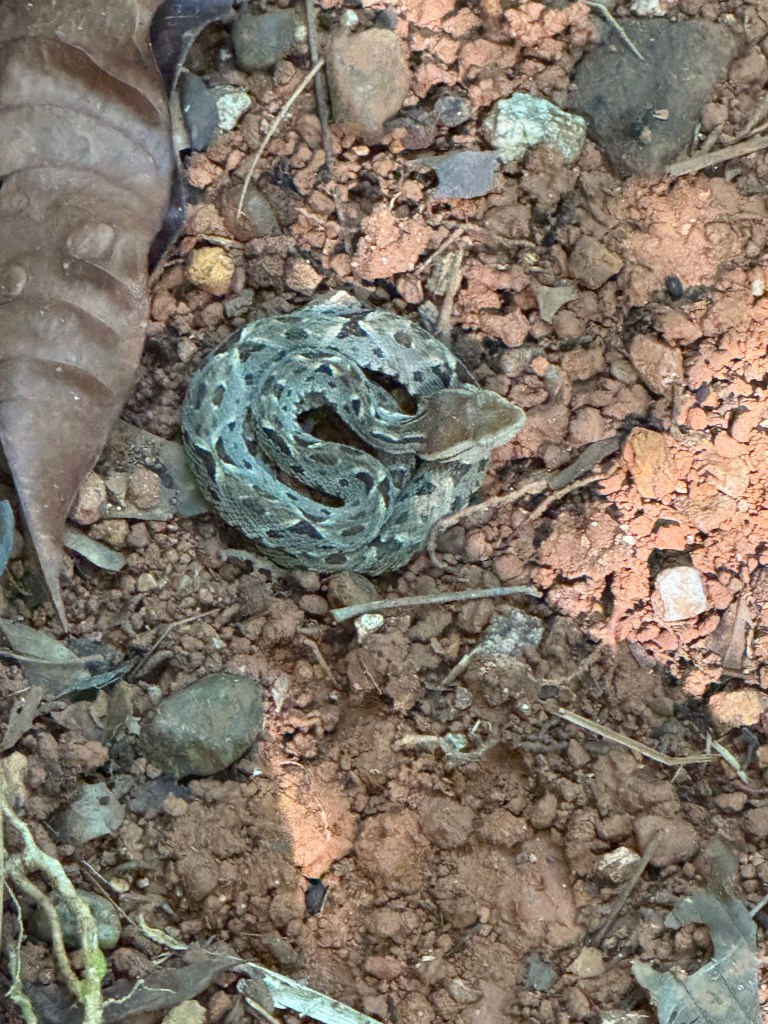
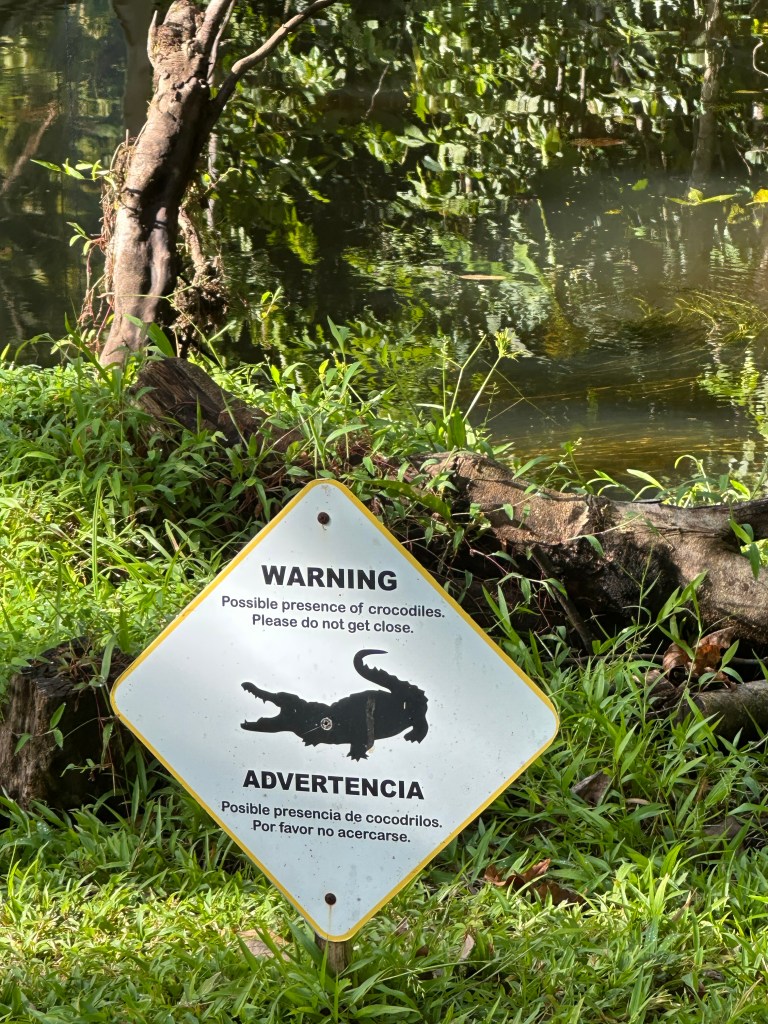
Travel in Costa Rica also involves hazards. There are 22 venomous snakes with about 600 snake bites a year being recorded mainly by fer-de-lance, a type of viper. While, unlikely to kill, it would extend your Costa Rican stay by around a month while receiving anti-venom. We only encountered one (enough) which was on a hiking track and very well camouflaged. We were with a well trained guide who had dealt with snakes since he was a child. As well as knowing how to persuade the snake to move on he also took a photo for us, so we could keep our distance!
There are also venous spiders, headed by the tarantula and poisonous frogs. All of which we saw during our trip.
Like most people we have a dislike for mosquitoes but now have more mixed feelings having discovered that they pollinate cacao beans as bees and larger insects are too big to fit in the complex flowers.
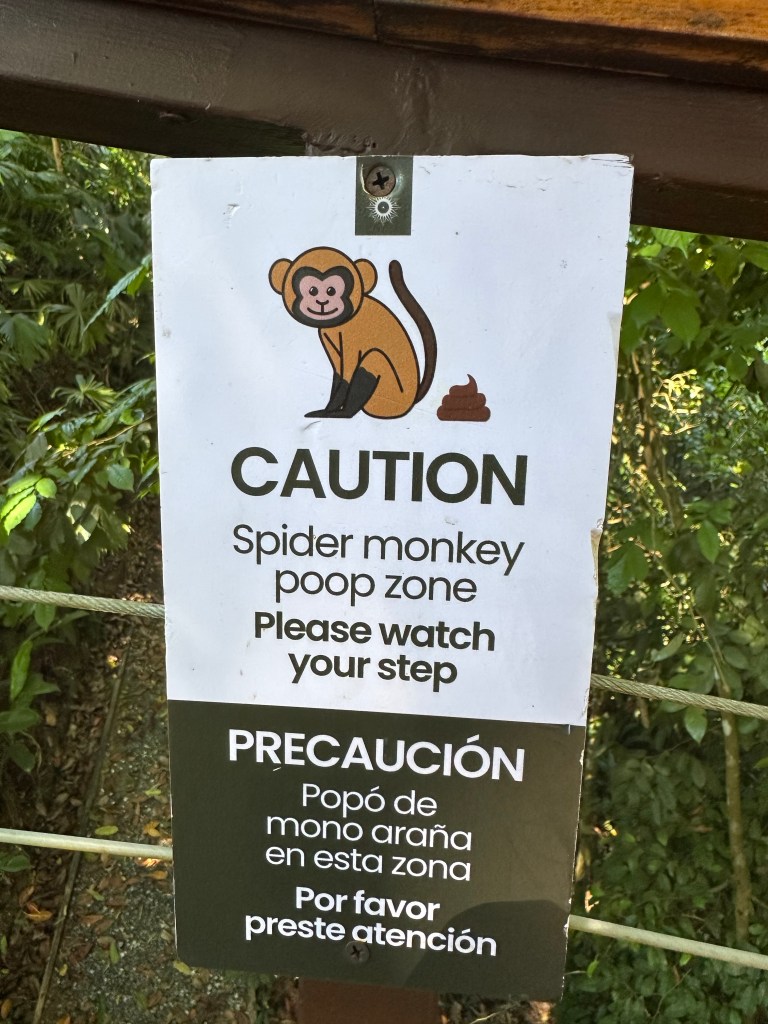
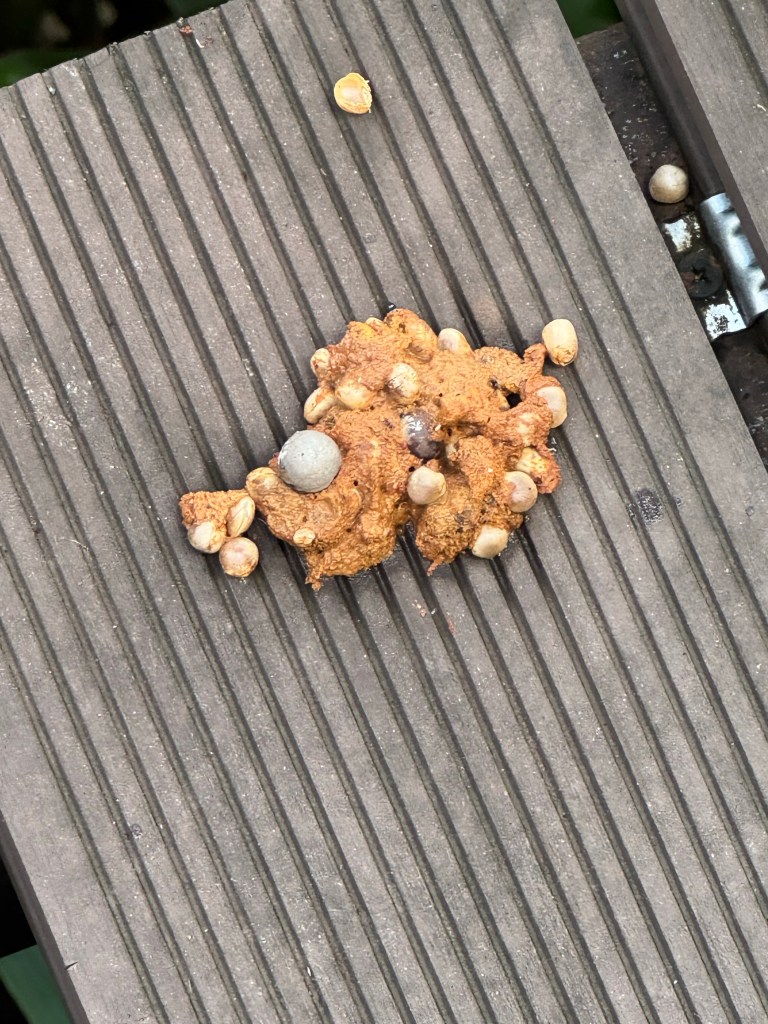
Other hazards, while less dangerous, include monkeys who like to point out that you are in their territory by defecating on you from a tree !
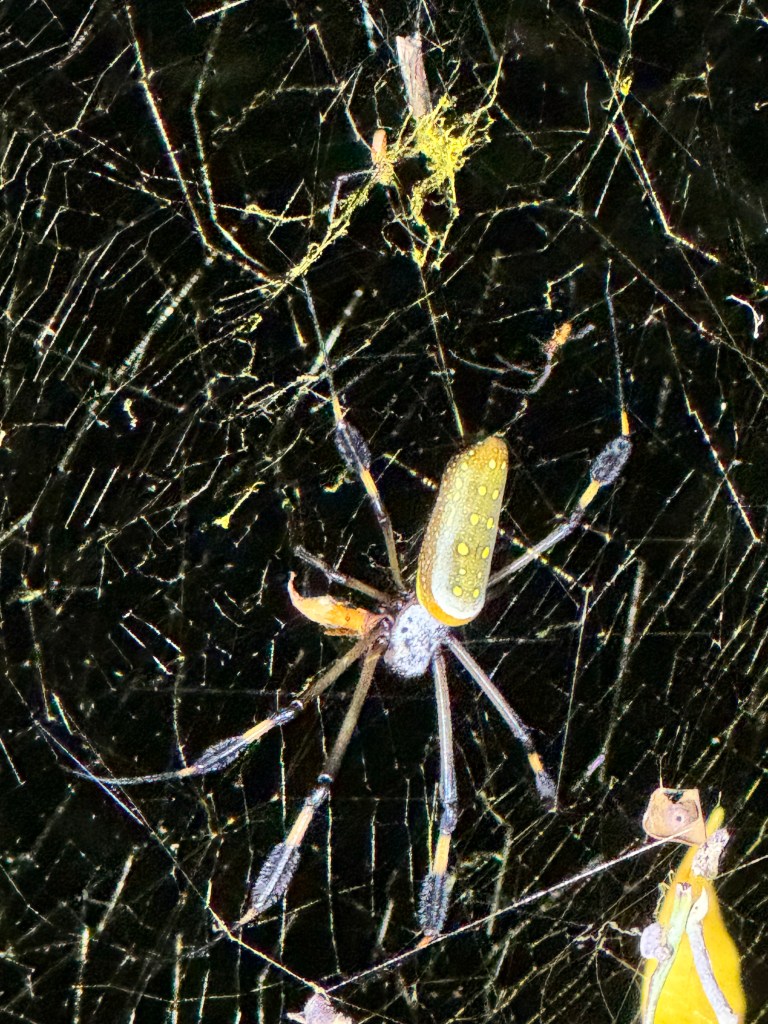
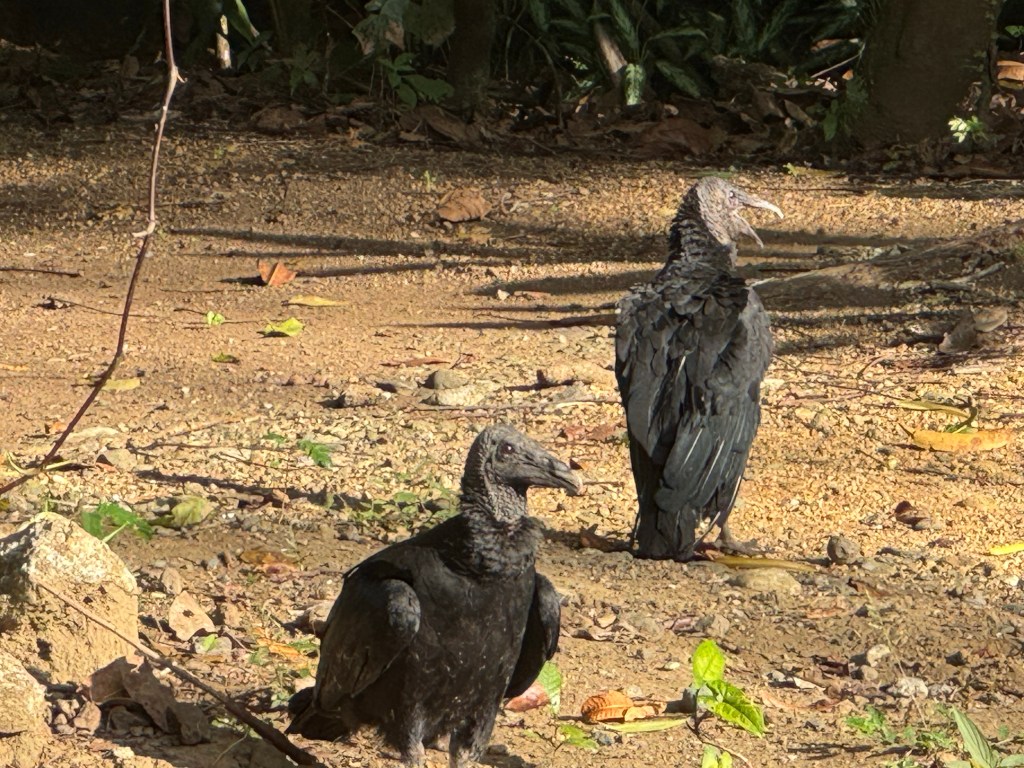
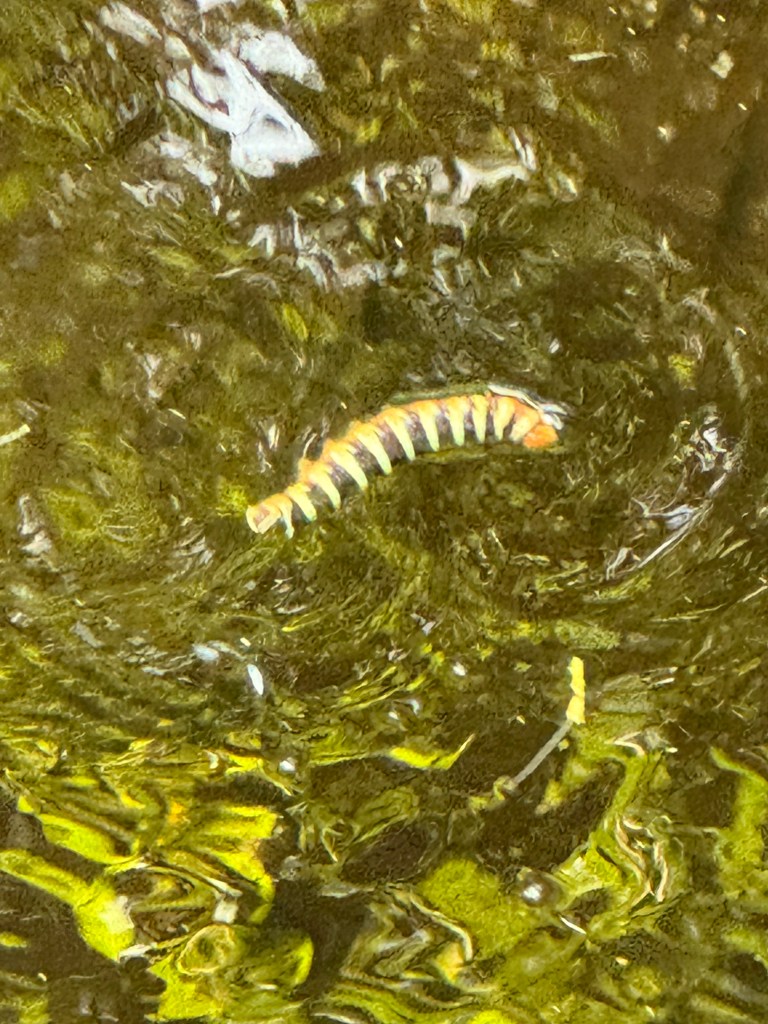
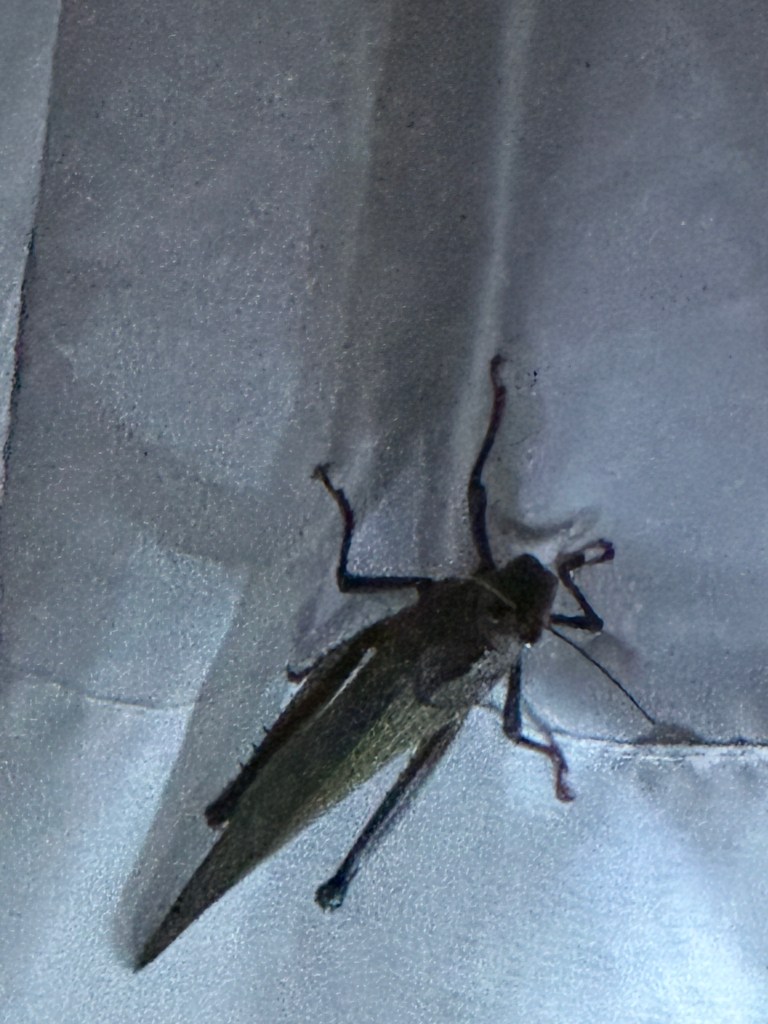
The fer-de-lanceBlack-waved flannel moth caterpillar which is toxicGolden silk orb spider – likely to cause discomfort rather than anything more serious. The web can be up to 2m.VulturesFrangipani hornworm, a toxic moth caterpillar that can float and grows up to 15cm long (this one was about 5cm and in a pond at one of our lodges).Giant red-winged grasshopper – about 12cm long, not toxic but a surprise if it lands on your head during dinner, as happened!This is what you don’t want on your head (or shoes) but shows the monkeys’ role in spreading seedsJust by the massage room at one of our lodges !
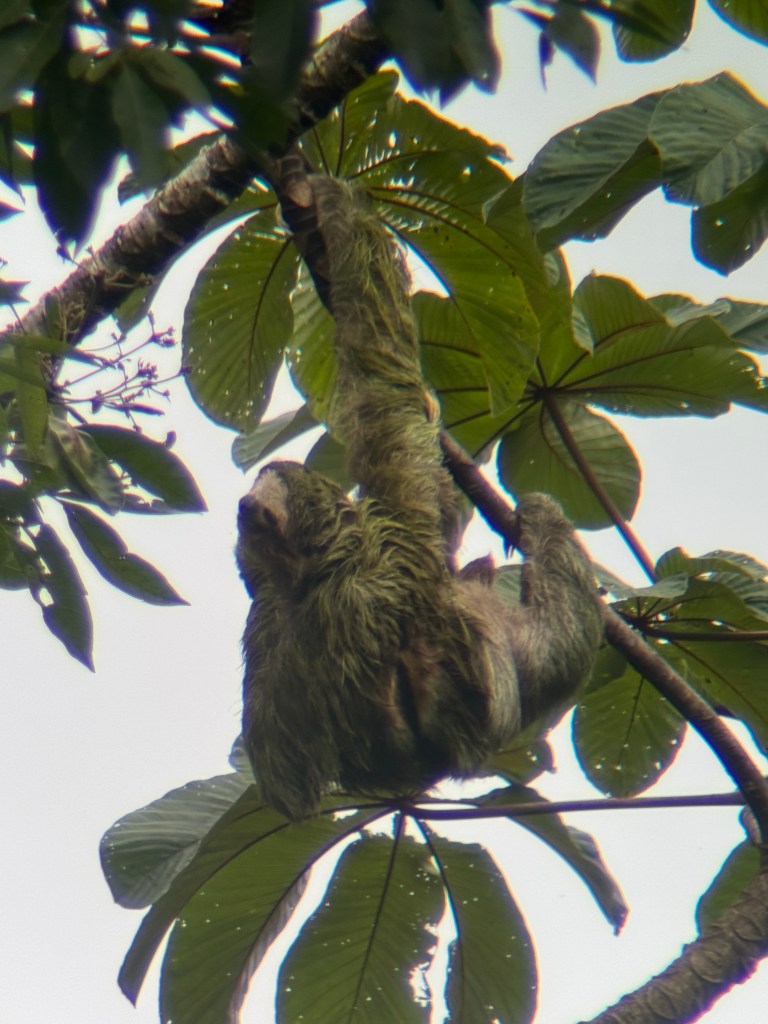
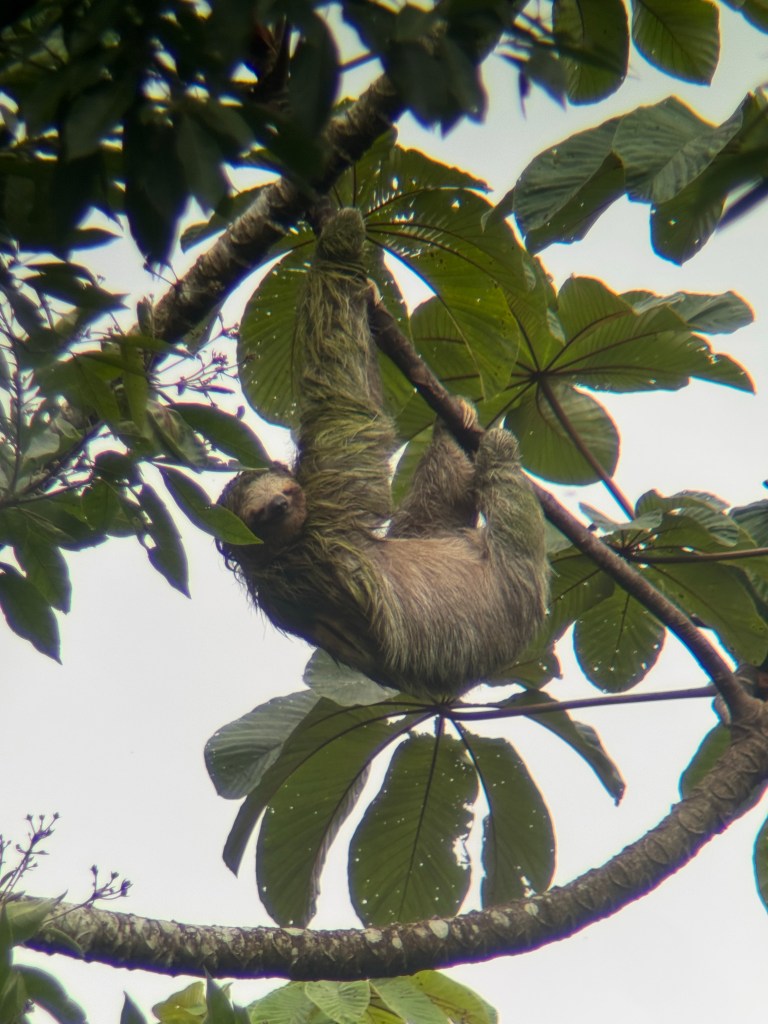
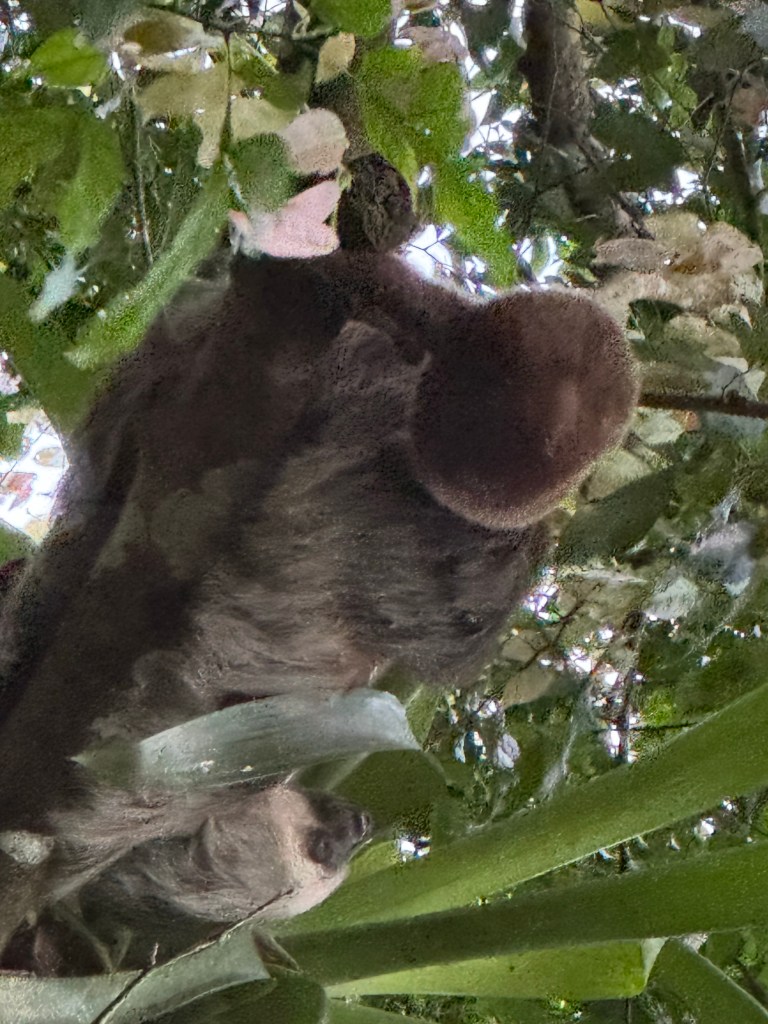
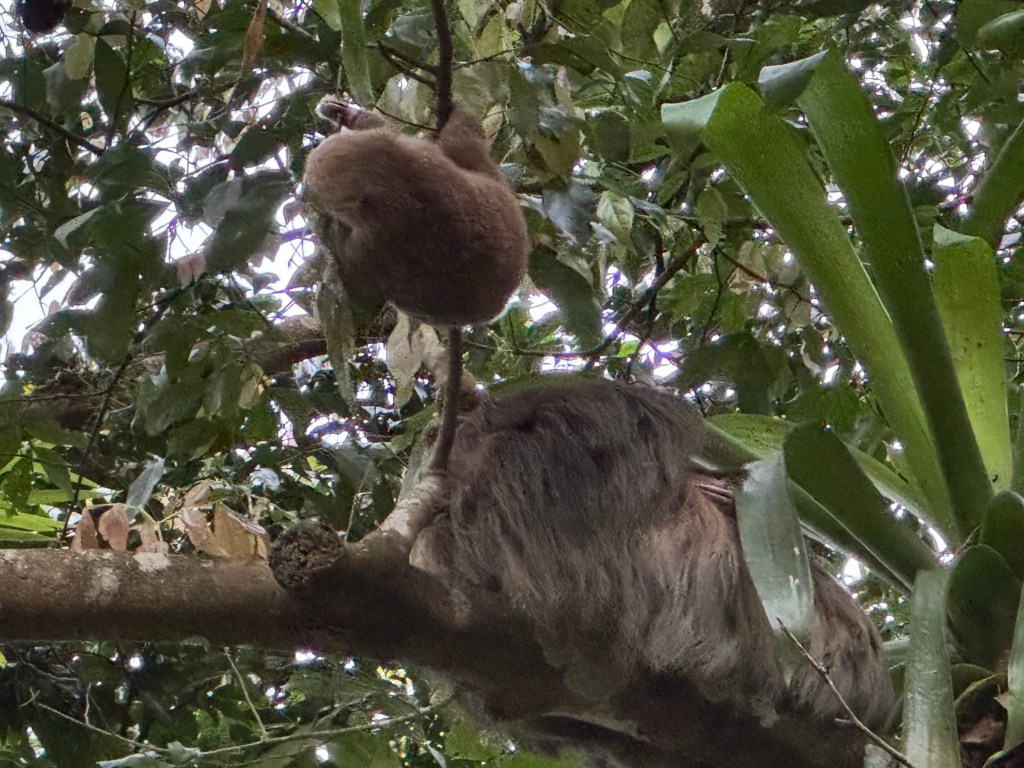
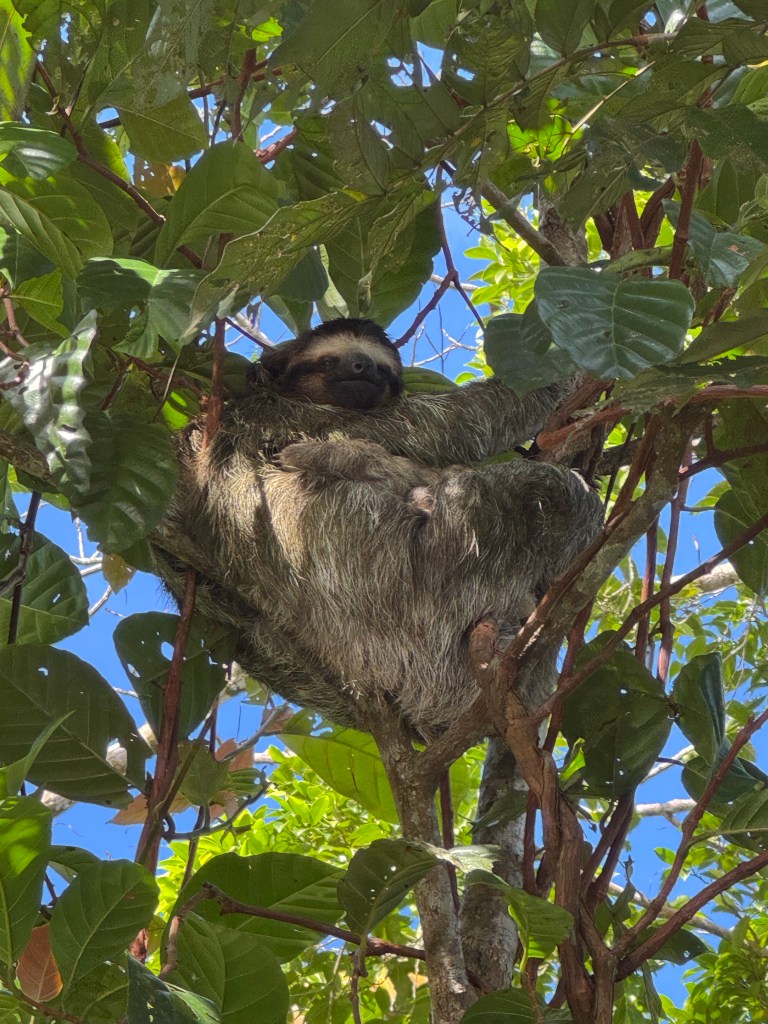
There are six different species of sloth; Costa Rica is home to two of them, the “two-toed” and “three-toed” sloths. Despite the names, it is actually the digits on the fore-limb that differ as the Spanish for fingers and toes is similar. Other than the number of “toes” they are distinguishable by their colour.
Sloths spend approximately 22 hours a day sleeping at the tops of their favourite trees, only coming down to the ground to defecate, which happens approximately once a week, or to move trees. They are solitary animals, only getting together to mate or when females are bringing up their young.
Three toed sloths appear green as they host an algae in their fur which serves as camouflage to protect from predators – large hawks in trees and jaguars on the ground – and to protect them from the sun. The particular algae is only found on the three-toed sloths and is thought to be passed from mother to child shortly after birth. Scientists are investigating the possibility that the algae might have medicinal benefits for humans.
Most of the sloths we saw were on guided hikes, although we also saw them in the grounds of a couple of our lodges.
One of our guides said that the main purpose of sloths in Costa Rica is to sell t-shirts !
Our final stop in Costa Rica was the Central Valley, just an hour from San Jose. The area is more temperate and less humid than the rain forests and is where coffee was first grown in the late 18th Century.
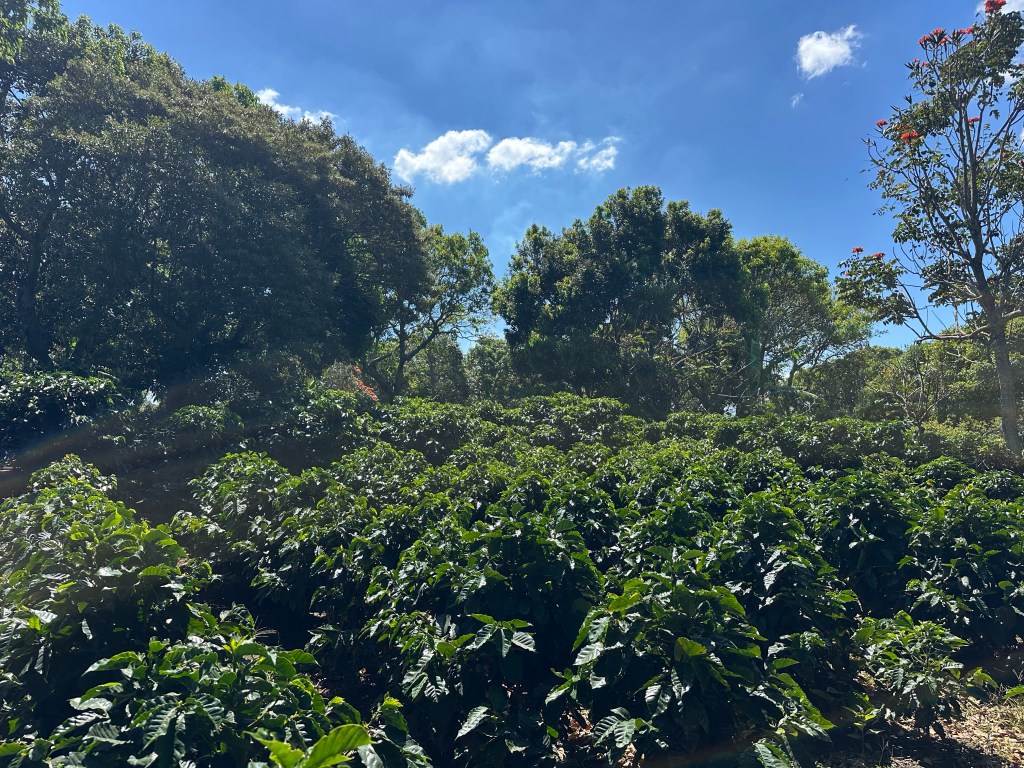
We visited a coffee plantation and learned about the process from seed to the final product. All the plants we saw were Arabica with the final flavour dependent on the roasting process. Coffee trees grow best at over 1,000 metres and enjoy the volcanic fertile soil. The caffeine in the plants provides a natural defence from wildlife. The only danger to the crop is fungus which is becoming more of a problem with climate change.
The fruit is hand picked as machines are not able to cope with the slopes of the plantation. The pickers are migrant workers from Nicaragua paid piece work with minimum wages set by the government. The plantation we visited pays double the minimum and also provides various other worker benefits.
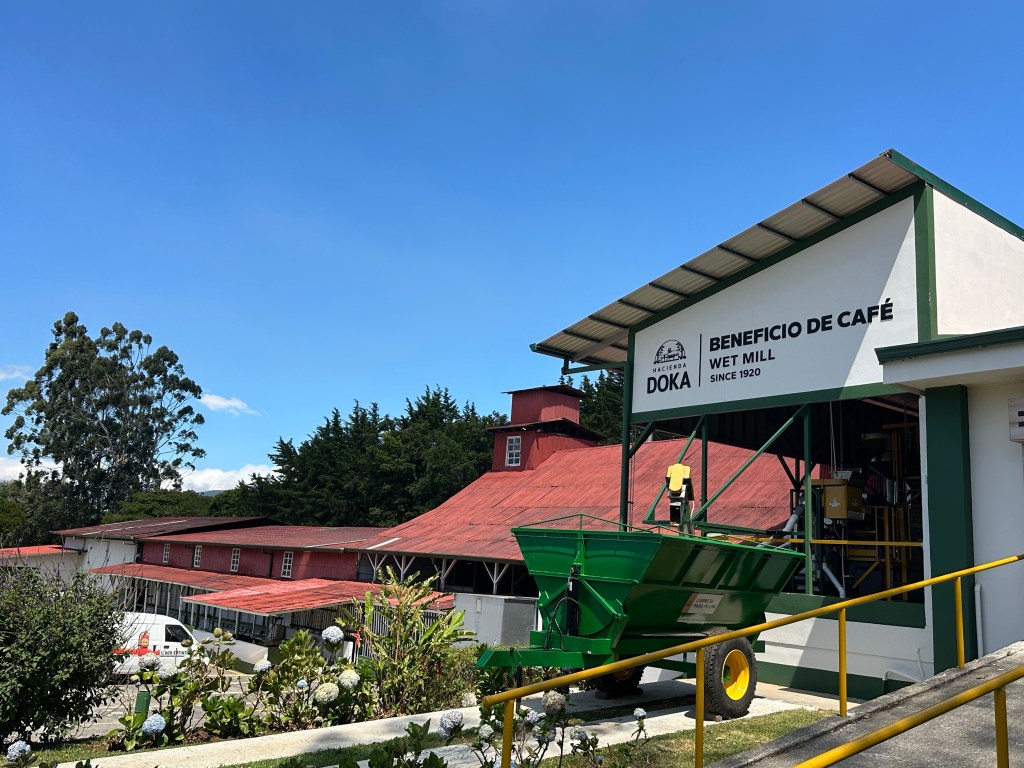
The process for obtaining the seeds (beans) from the fruit was undertaken until 2021 by a machine built in London in the mid 19th century. It is still operational but as it is driven by water which cannot be returned to the river, it has been replaced by a more environmentally friendly Costa Rican machine.
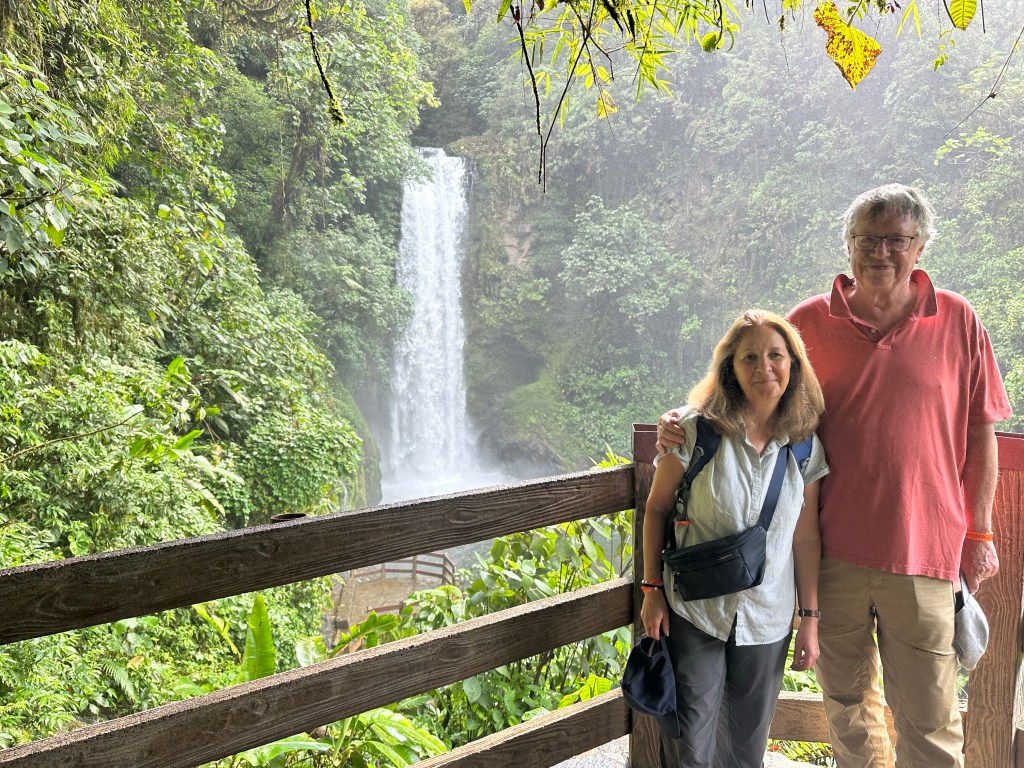
Following our coffee tasting we travelled on to La Paz waterfalls and animal rescue centre. It is illegal in Costa Rica to keep wild animals as pets, so many of the animals are recoveries from law enforcement. The centre returns animals to the wild where possible but some are too domesticated to do so. A jaguar is housed at the centre which was recovered from a travelling Mexican Circus attempting to bring it across the border.
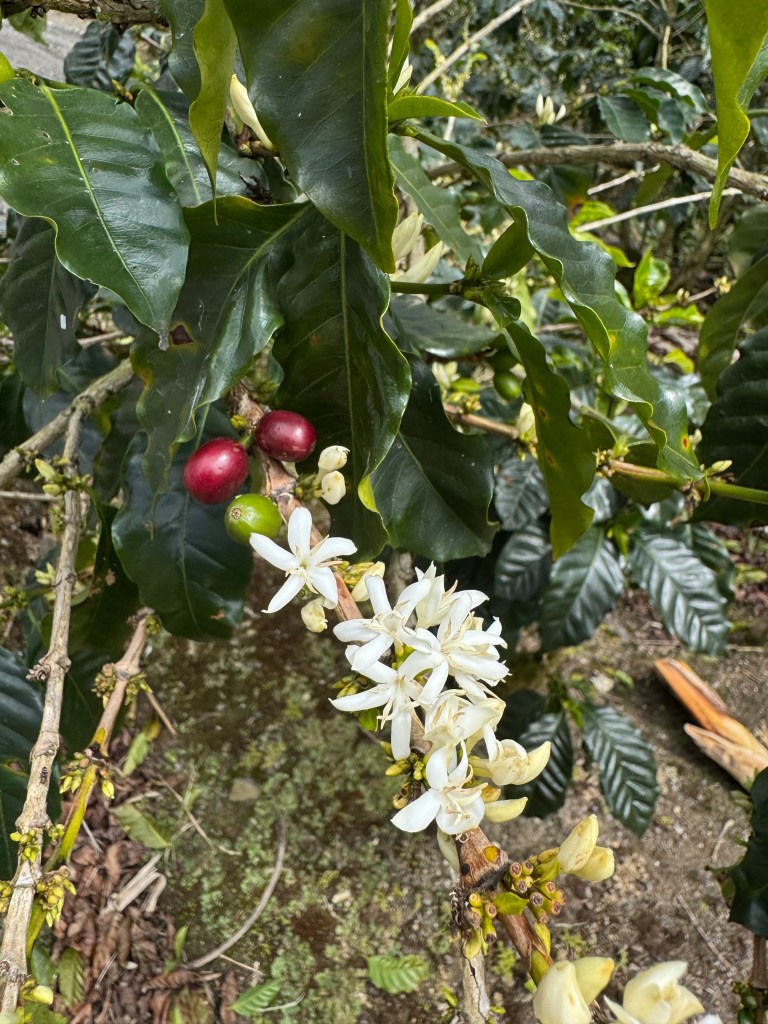
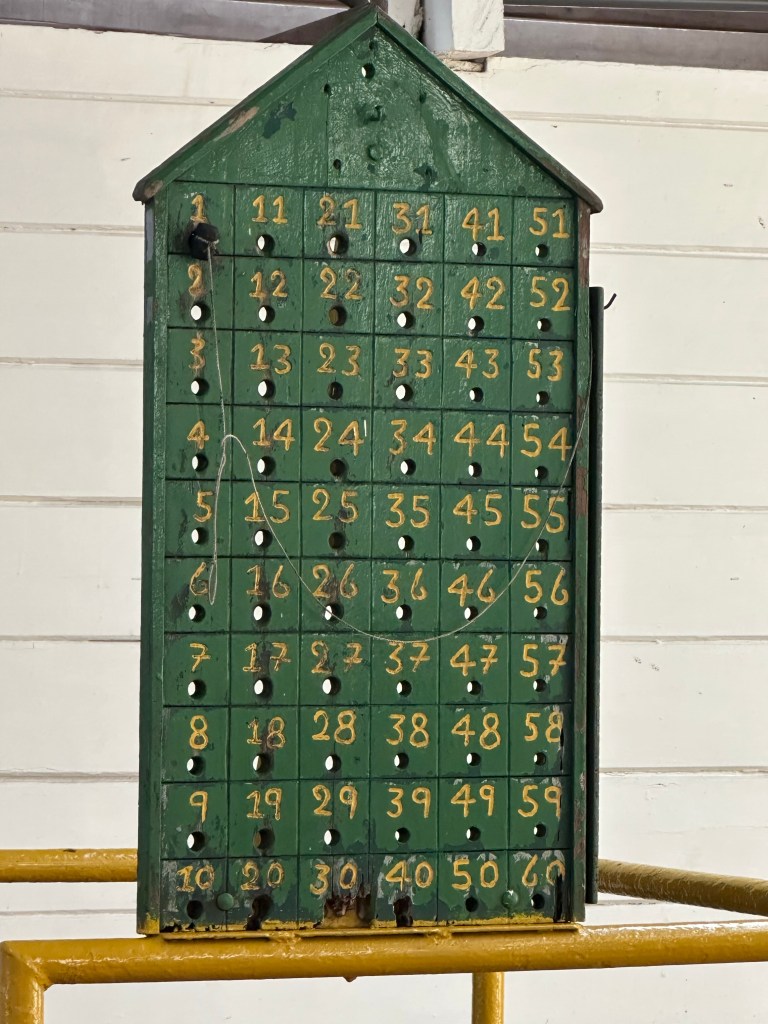
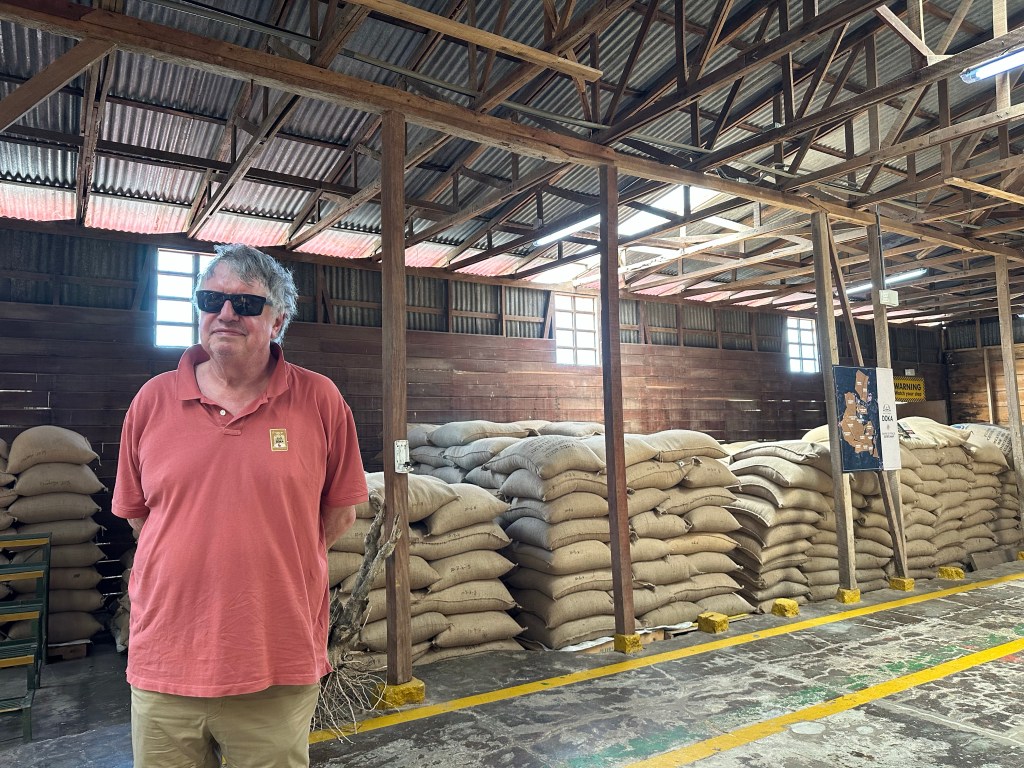
Doka coffee plantation factory Coffee plants – each year every third row is pruned to maintain air circulation Flower and berry – it’s early to see this as normally the plants flower in AprilLeft, the original machine from London. The counting board is still used to count the boxes of berries tipped into the processing machine.
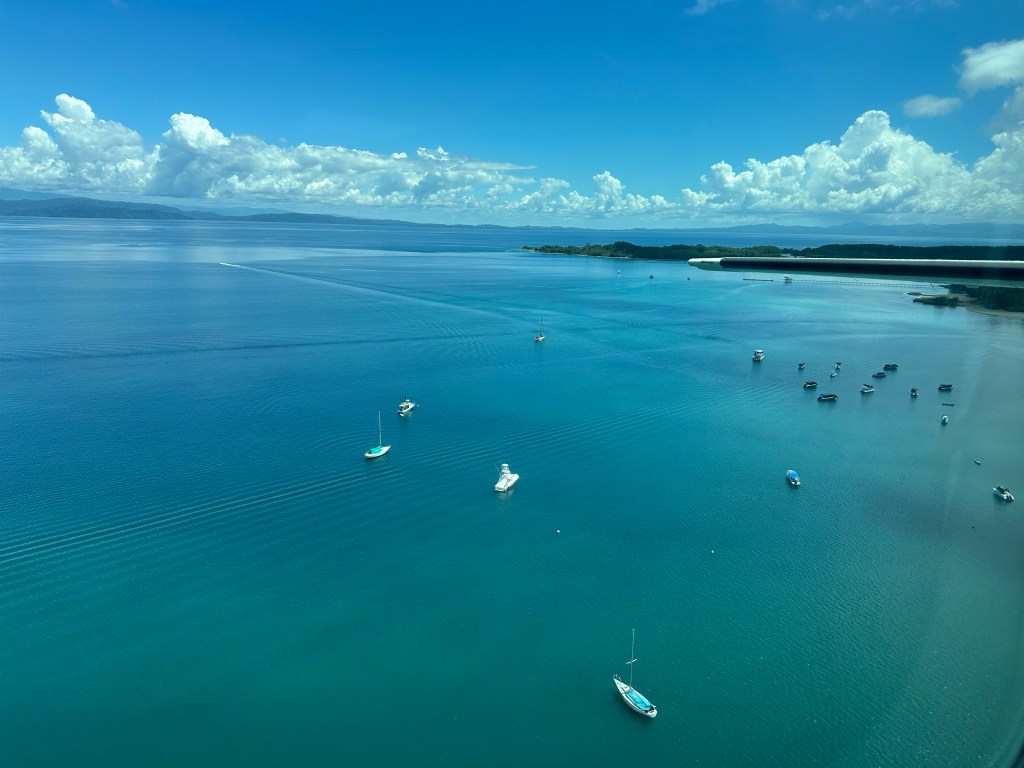
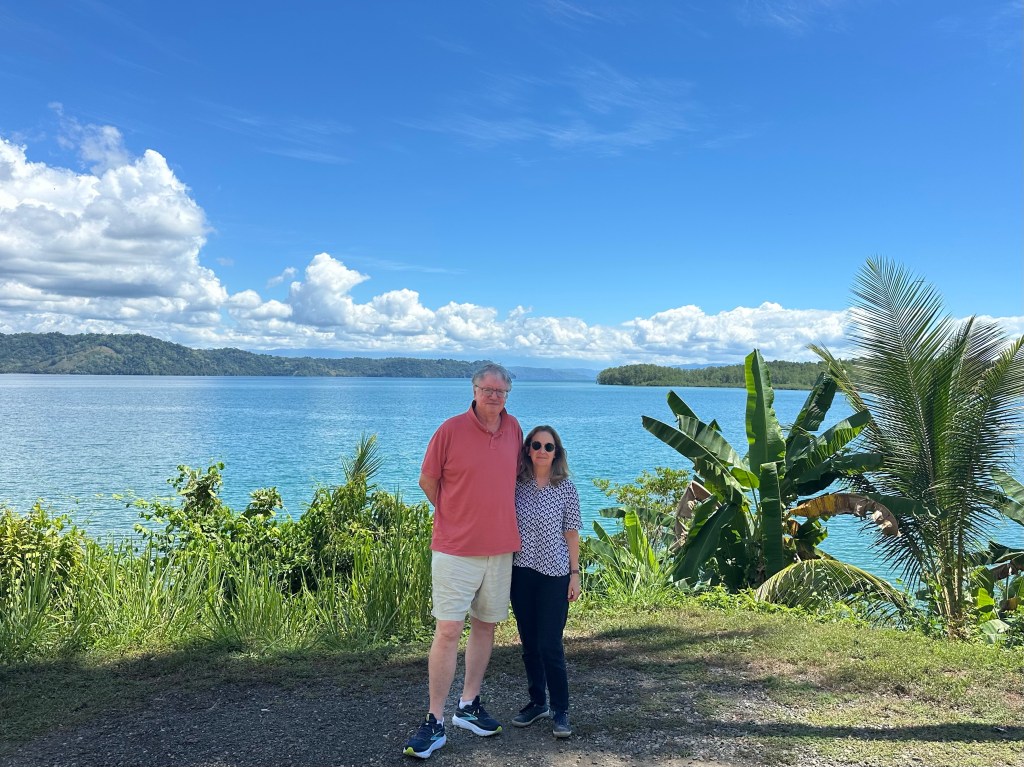
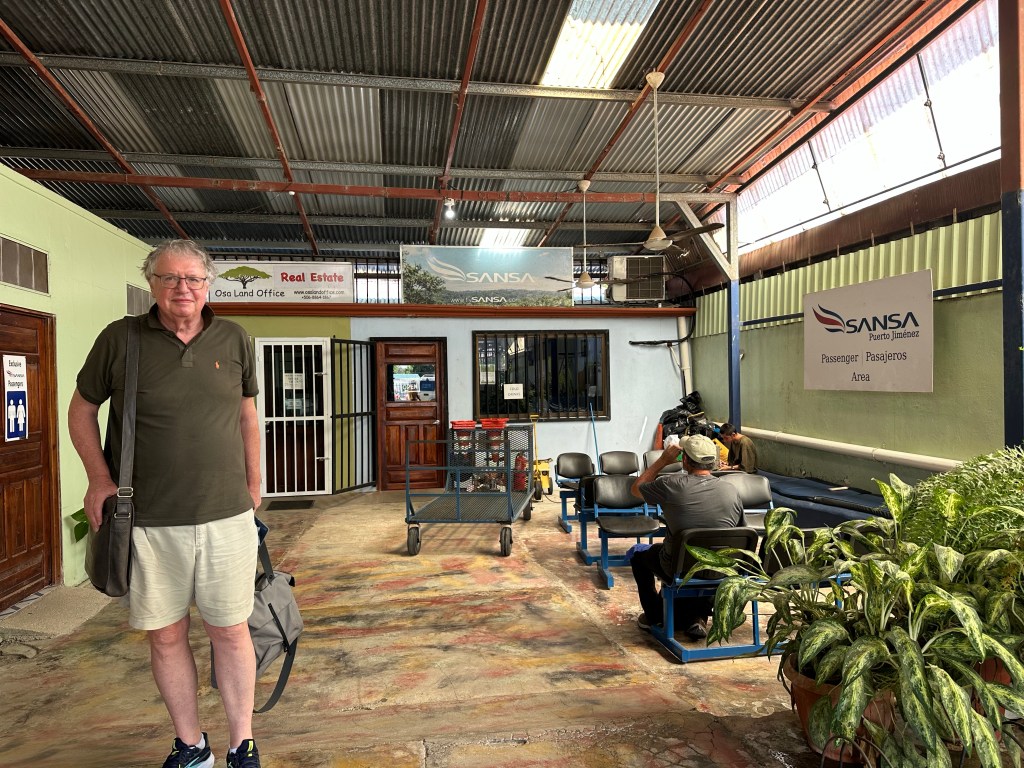
Golfo Dulce is a gulf in the Pacific Ocean which separates the Osa Peninsula from the mainland of Costa Rica. The Golfo Dulce is considered to be a tropical fjord. Most of the gulf and the coast around it is protected with very little development. There are two towns on the gulf – Golfito on the mainland and Puerto Jiménez at the end of the peninsula – both with around 1,000 residents. We arrived by road and departed from the tiny airport at Puerto Jiménez.
The gulf has several species of whales visit to use its warm calm waters as a breeding ground and a nursery.
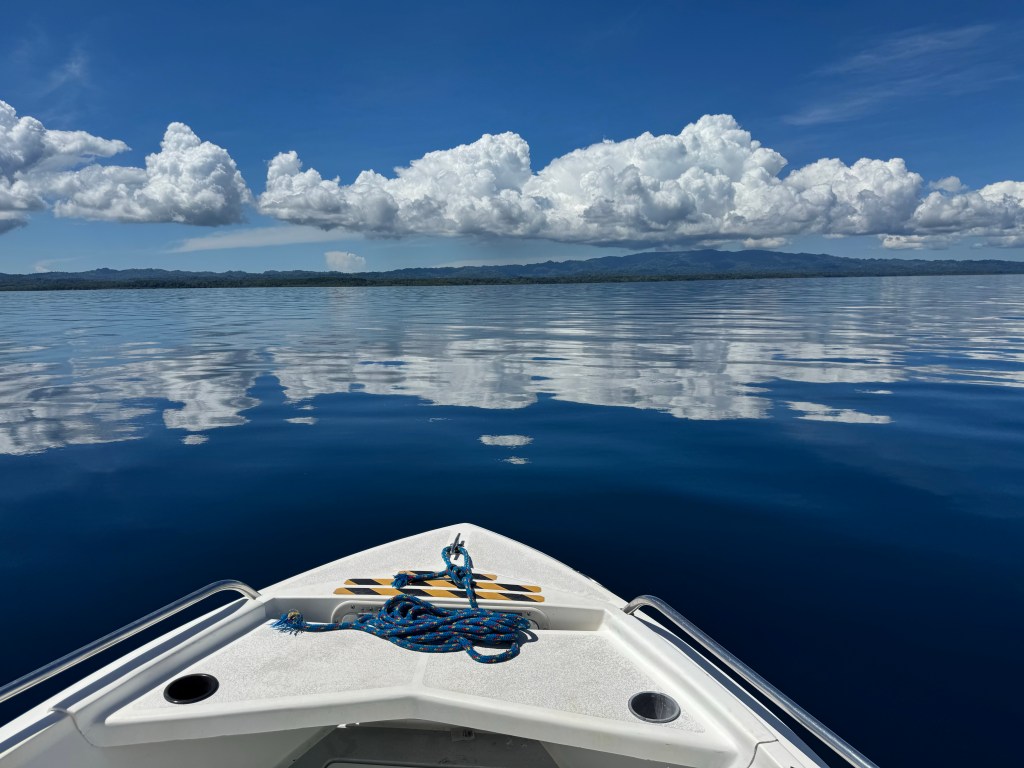
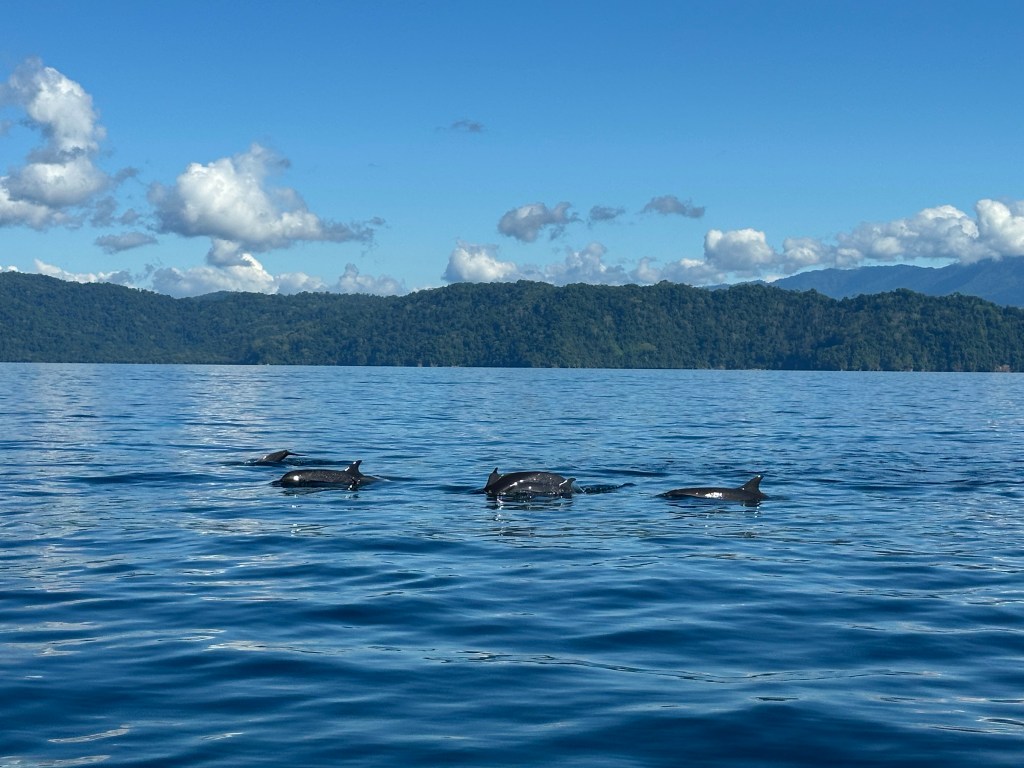
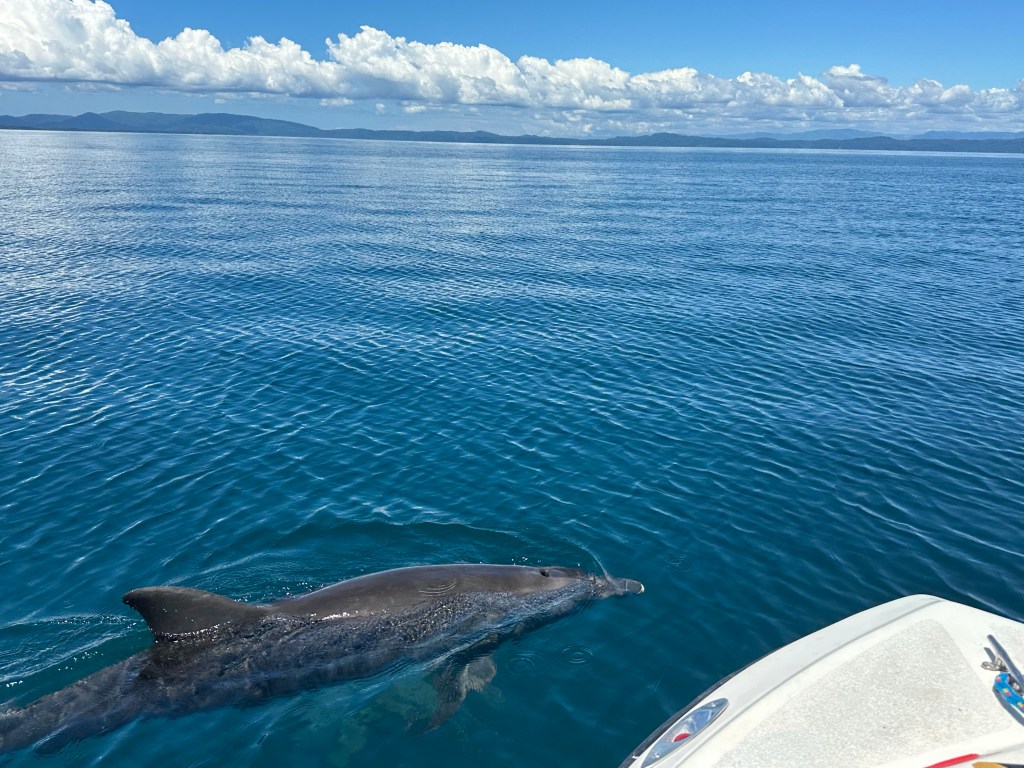
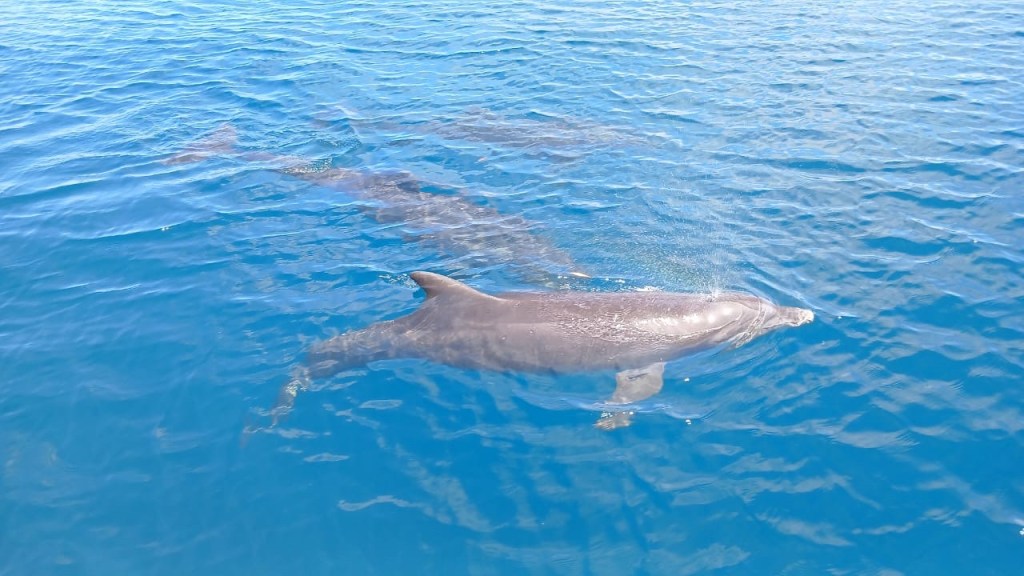
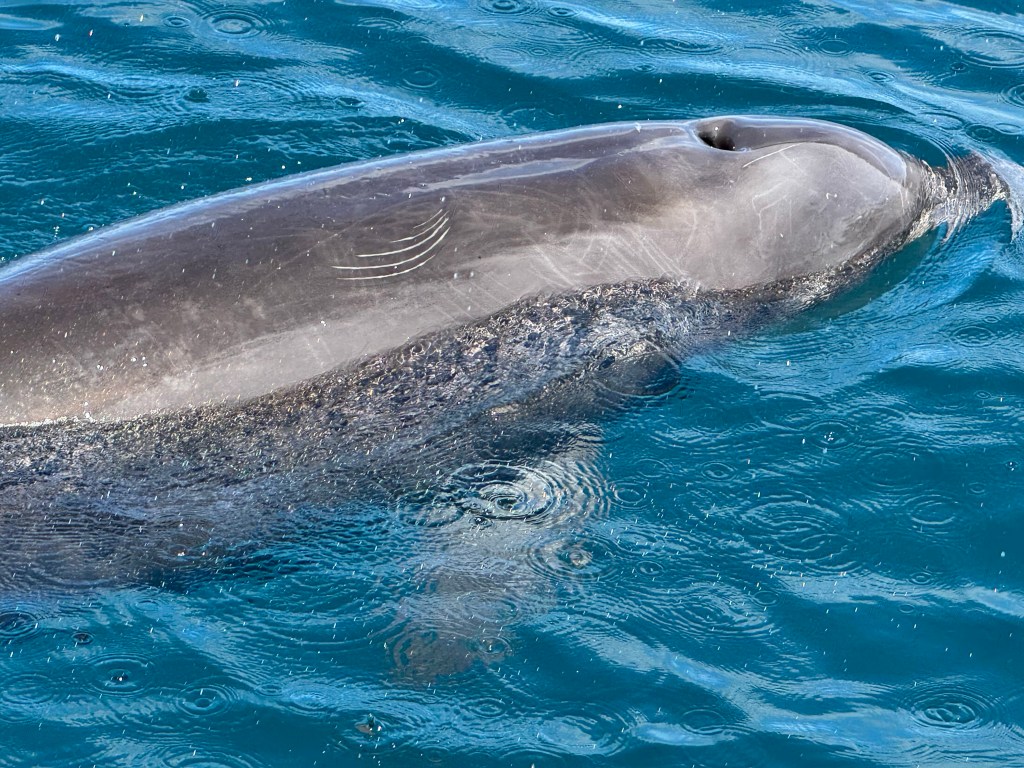
We went on a boat trip to see the two species of dolphin who are year round inhabitants; the bottle nose and spotted dolphins. We saw a group of over 100 spotted dolphins who group together against predators as they are small. The bottle nose are larger and generally found in groups of two to four. We saw several groups very close to our boat, at times swimming under the boat or in its wake. Our guide explained that they approach to boats as they are curious and they enjoy surfing the wake.
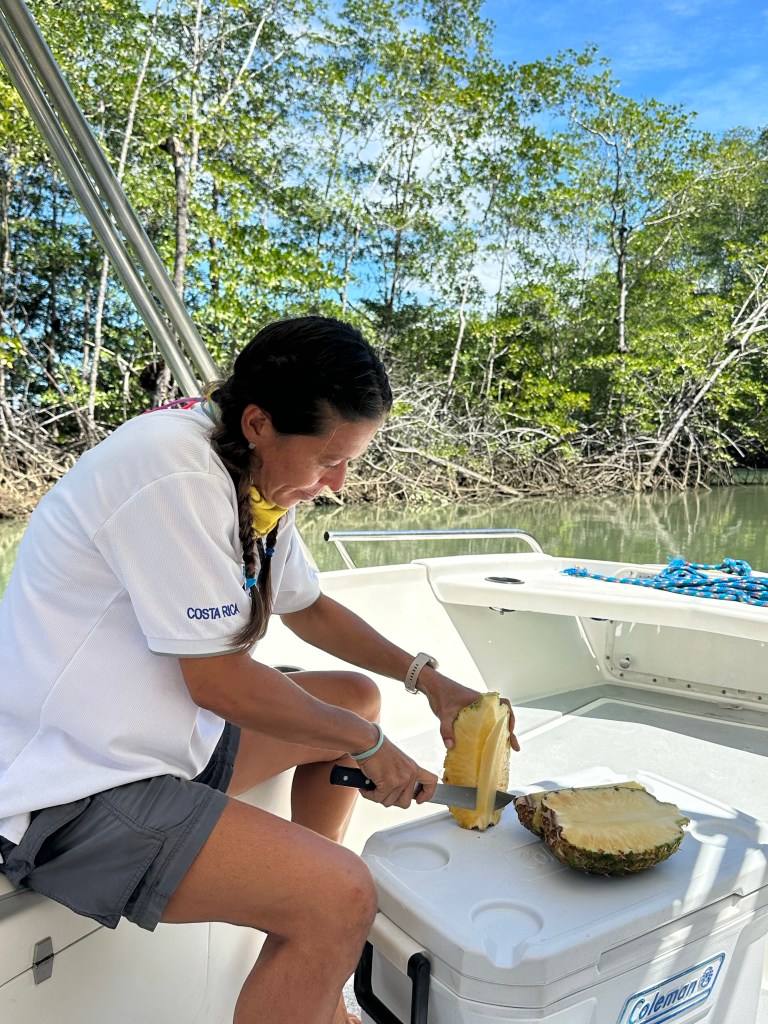
The gulf, taken from our flight out of Puerto Jiménez Spotted dolphinsBottle nose dolphins (and below)Our guide greeted us with “welcome to my office” and later offered “snacks at the desk”
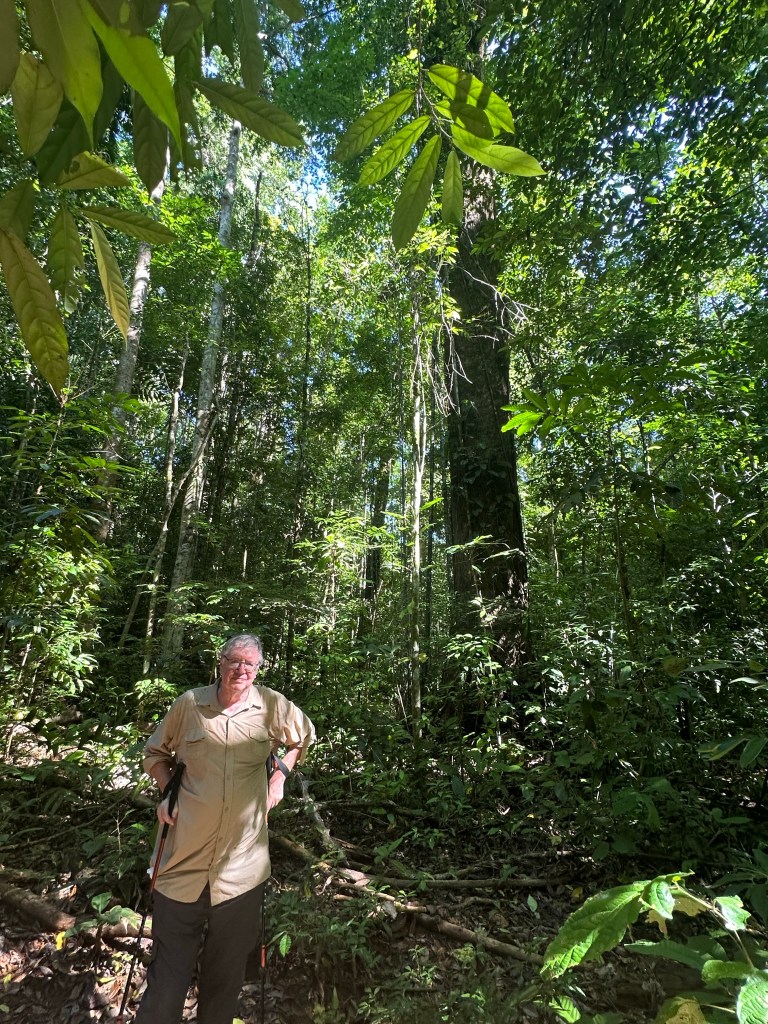
The Osa Peninsula in south-western Costa Rica is one of the most biologically diverse places on earth with 2.5% of the earth’s species in an area less than 0.001% of the planet.
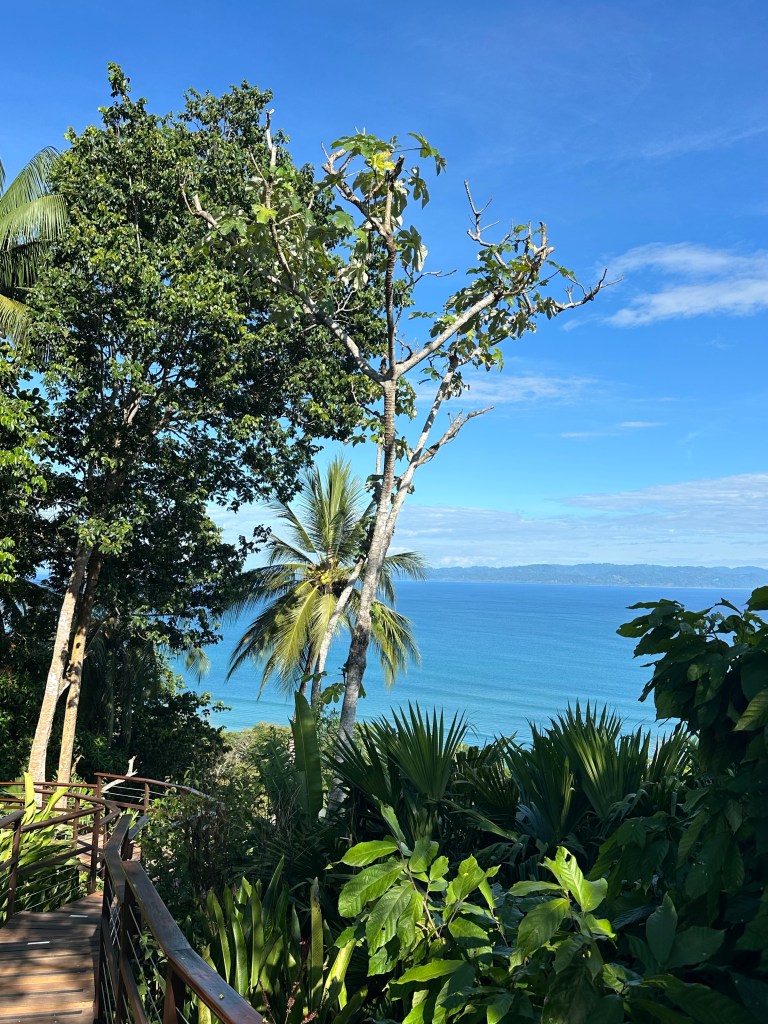
The lodge we stayed in at the end of the peninsula was founded in 1991 and opened in 1993 on 1,000 acres of rain forest. The land was originally over 80% primary forest with the rest being farmland. The farmland was left to recover and is now natural secondary forest. The lodge became the first privately owned property in Central America to be legally protected, by the owners, in perpetuity to maintain its eco status.
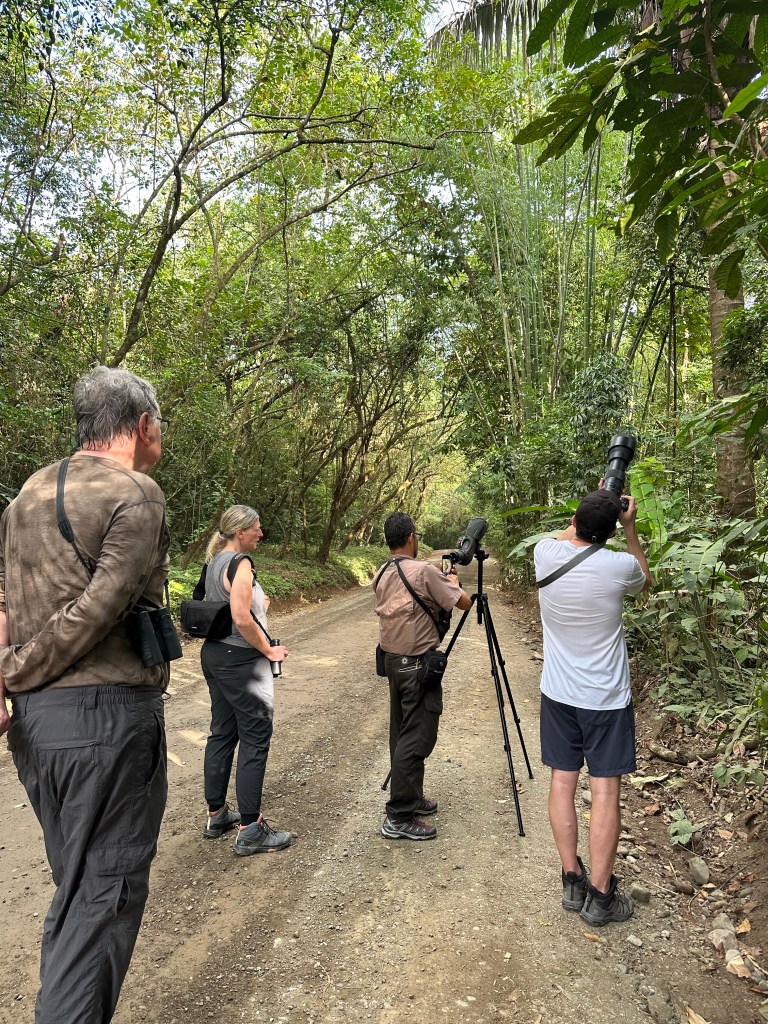
The lodge has resident specialist guides who lead a variety of hikes in the grounds and nearby forests and beaches. We opted for a couple of hikes as well as the “early birds” walk, night walks and “medicine hike”. The guides were very knowledgeable and personable and pointed out numerous animals that we would not have seen ourselves. Mostly this enhanced our knowledge but in the case of a venomous snake on the track, it helped prevent adding a hospital stay to our itinerary!
We were also able to see and hear a huge amount from the lodge itself. This included howler monkeys at 5.30am !
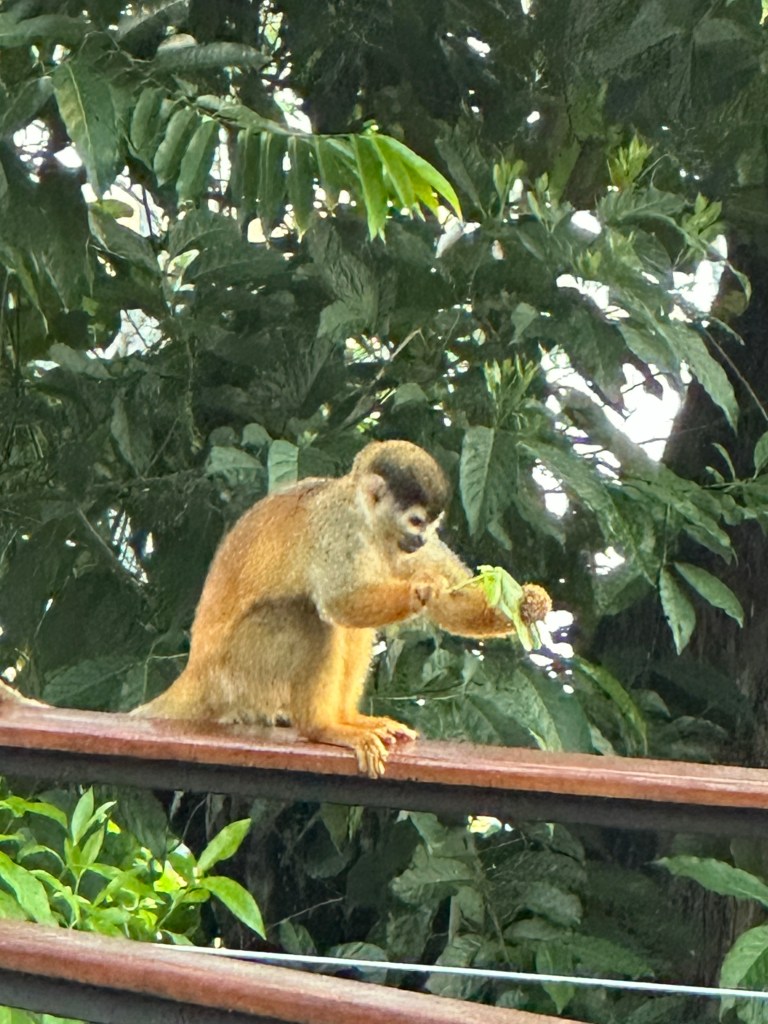
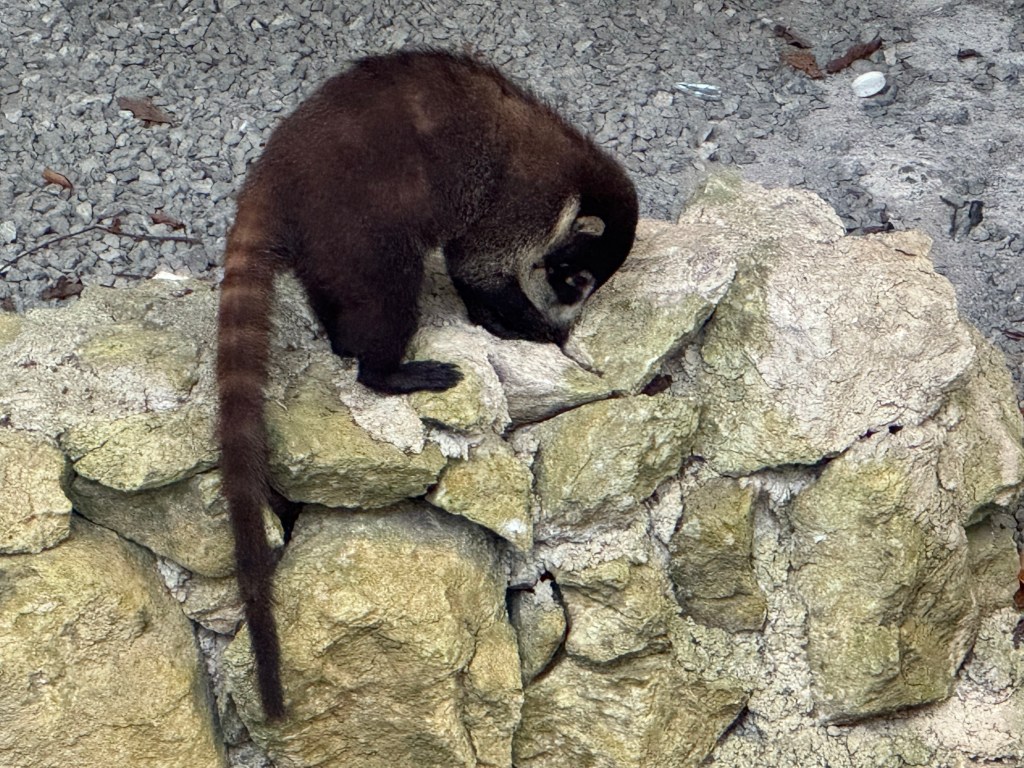
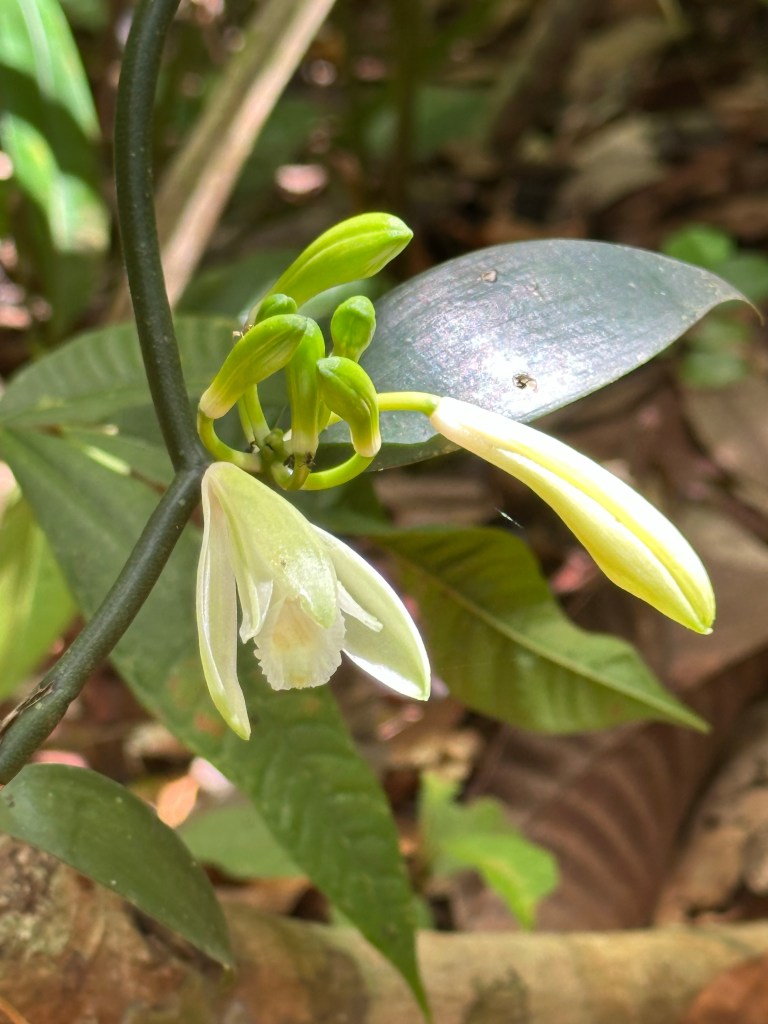
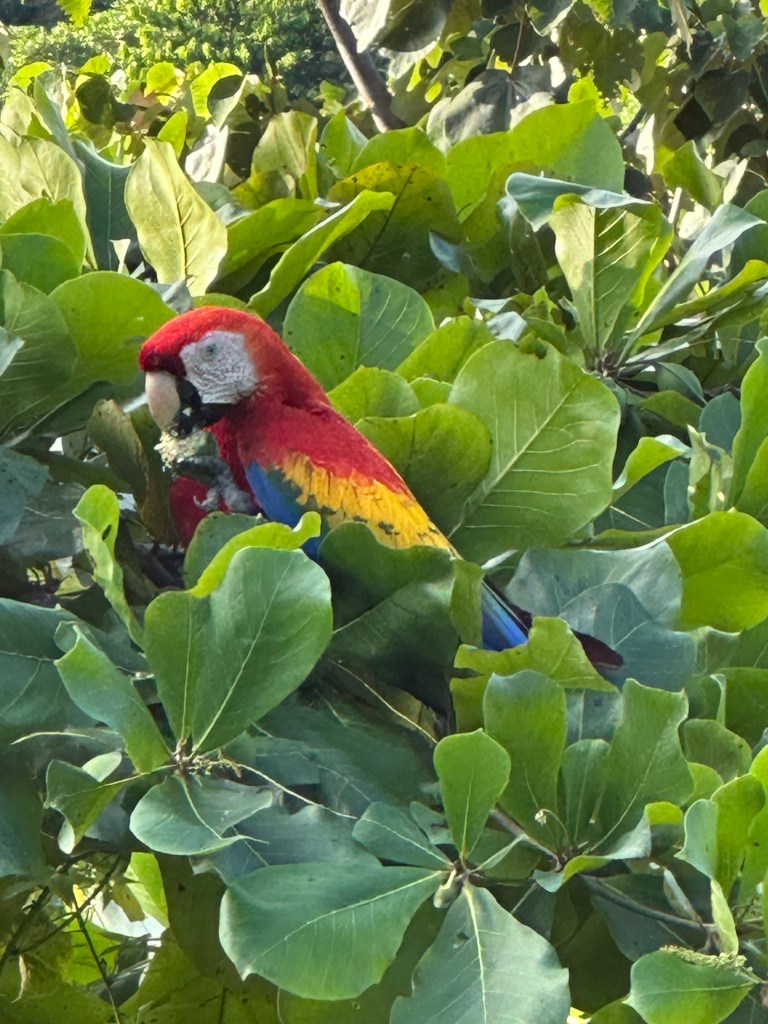
En route from Uvita to OsaFrom the walkway of our lodge“Early birds” walk – our guide had a telescope and some fellow guests had serious lenses…… i-phones for us !The tree centre right is colloquially known as a “Grandpa tree”Squirrel monkey – grasshopper for breakfast Coati by our roomVanilla orchids- we were told that it’s rare to see the flowersPuerto Jiménez airportScarlet macaw