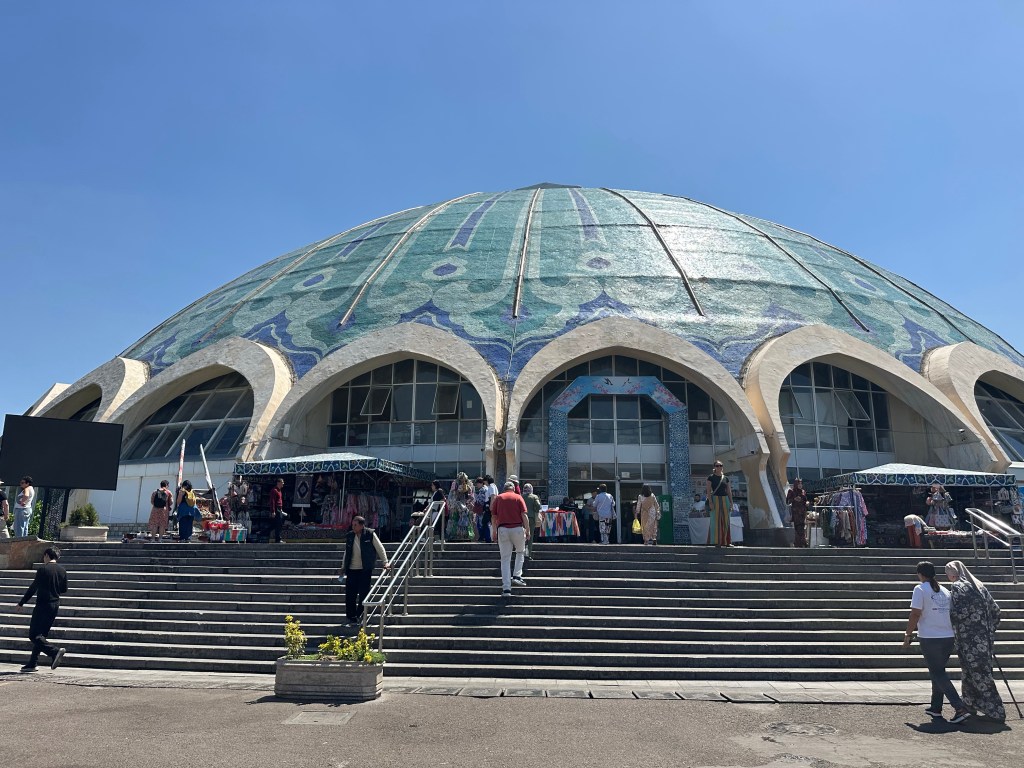
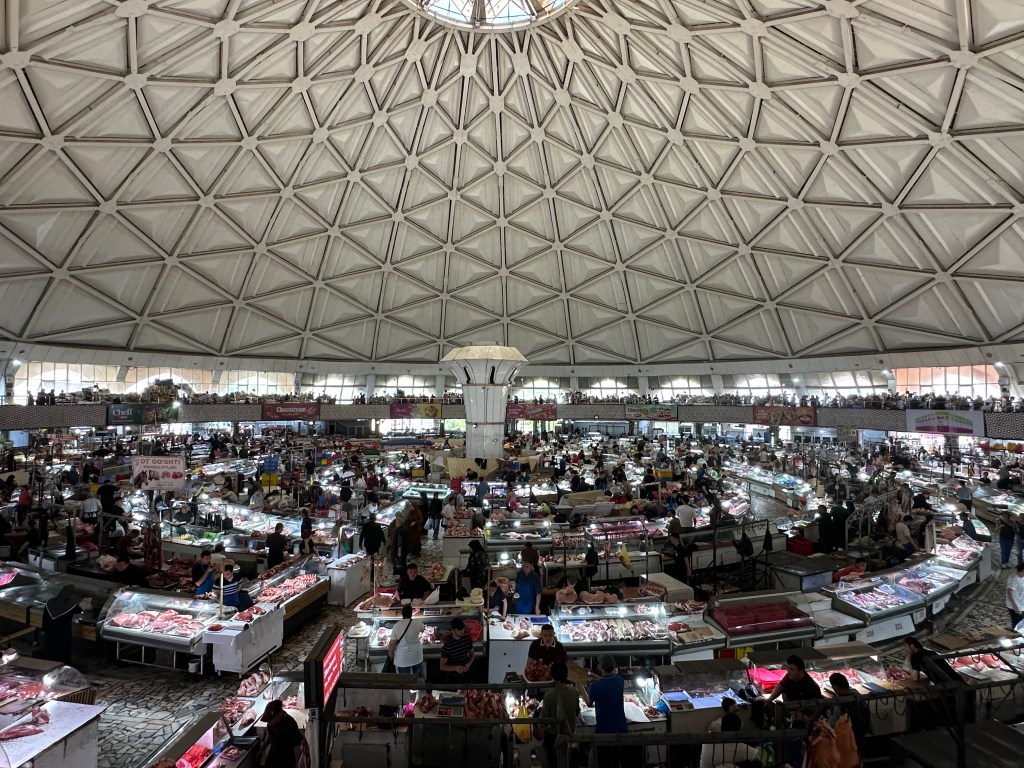
Tashkent became the capital of Uzbek SSR in 1930 replacing Samarkand and subsequently the capital of independent Uzbekistan. Prior to the collapse of the USSR it was the fourth largest city after Moscow, St Petersburg and Kiev. It has a population of over 3 million and was heavily industrialised during the Second World War after the German invasion.
It has been a major city in the area through the centuries and was a prominent Silk Road city.
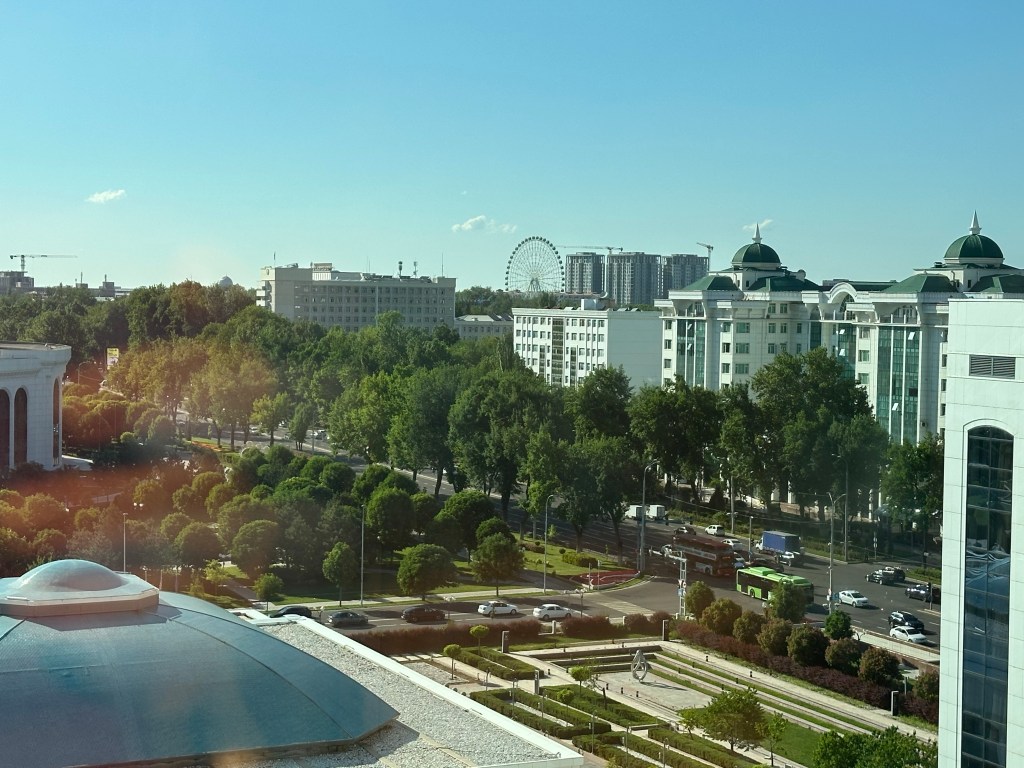
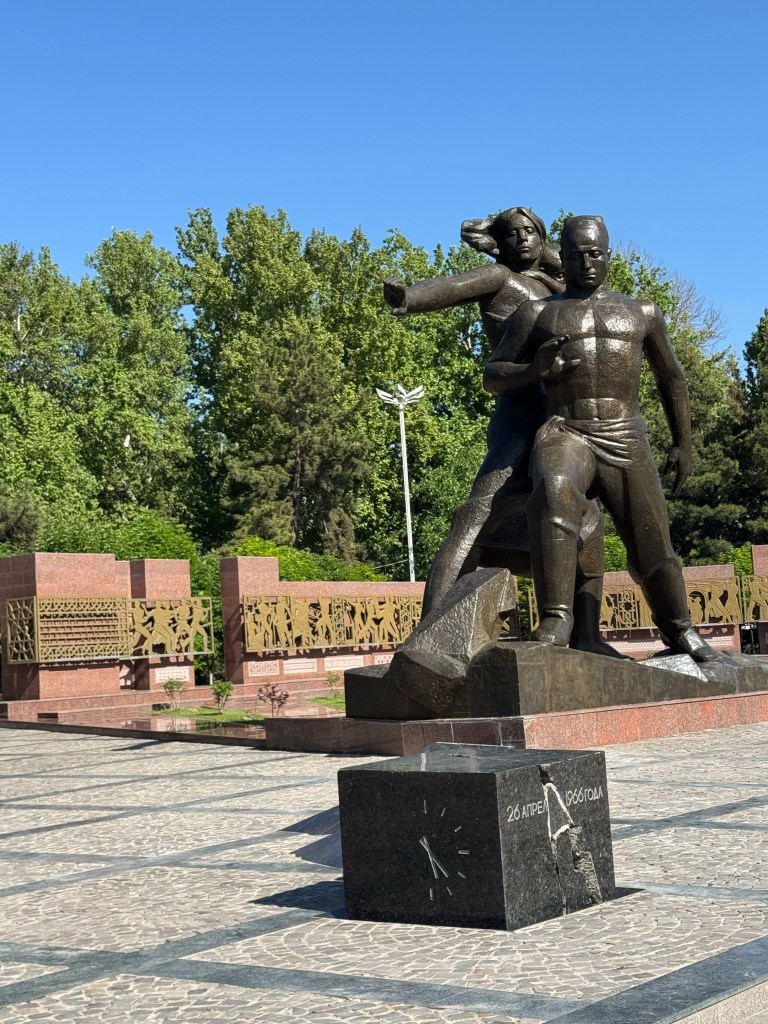
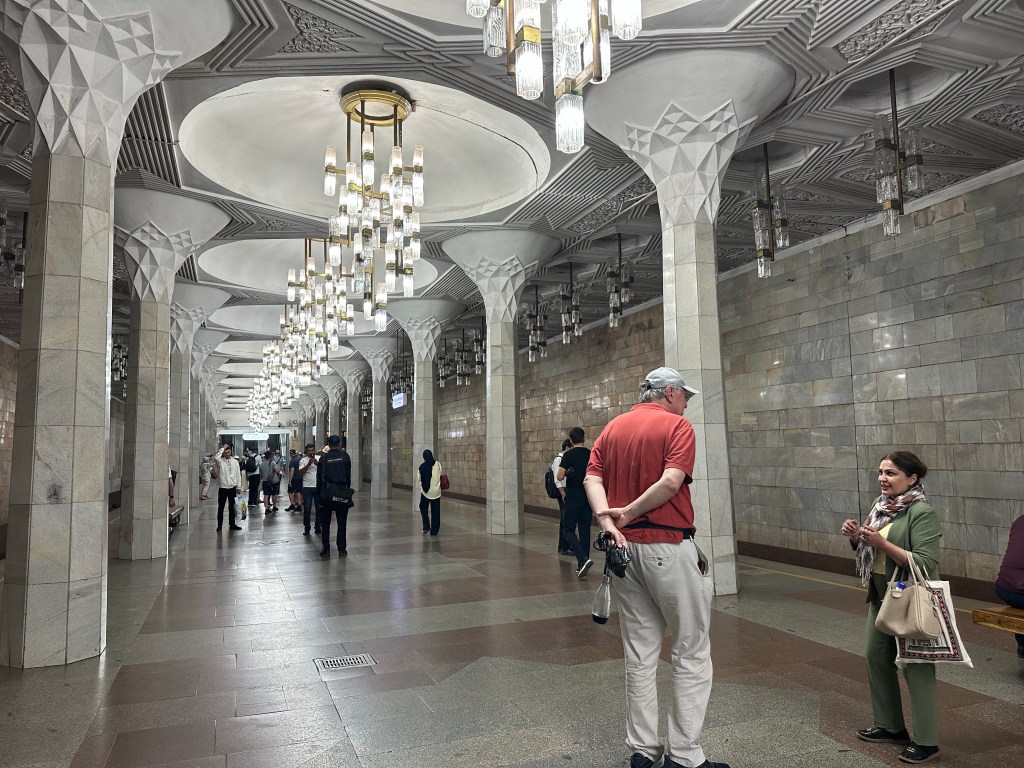
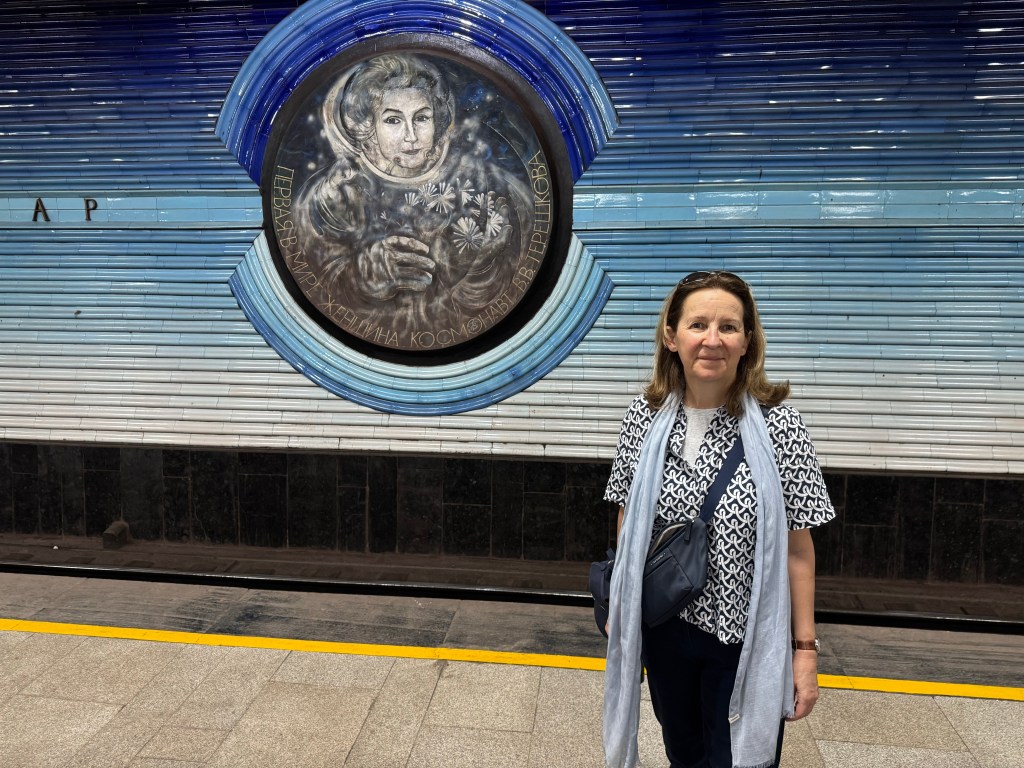
Much of its architectural history was destroyed by a major earthquake in 1966. This created the opportunity for the Soviets to create a modern model city with green areas, wide roads and a modern metro system with lavishly decorated stations, each with its own theme.
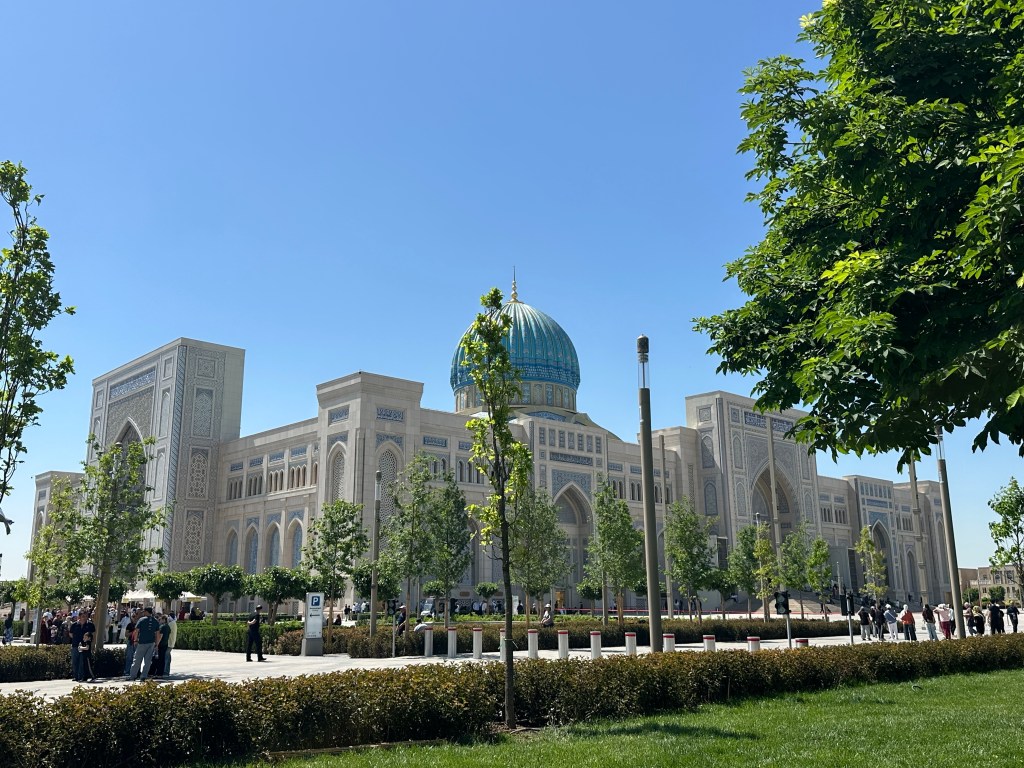
The notable historic buildings have been renovated and a new museum for Islamic Civilisation has been built. The museum opened in 2026 and houses one of the oldest surviving copies of the Quran.