According to legend Khiva was founded by Shem, the son of Noah. However, excavations have proven that it has been continuously inhabited for over 2,500 years. The inner city, Itchan Kala, was last destroyed by Gengis Khan in 1220 before being rebuilt. Since then it has flourished as a major Silk Road city with the building of mosques and madrasas.
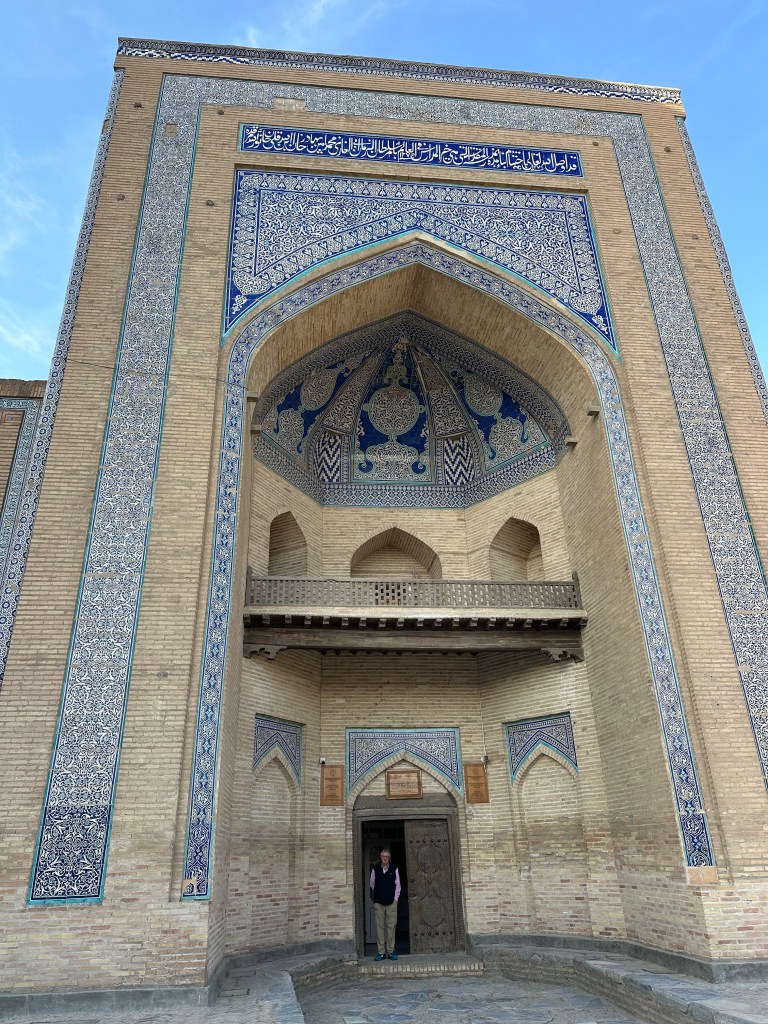
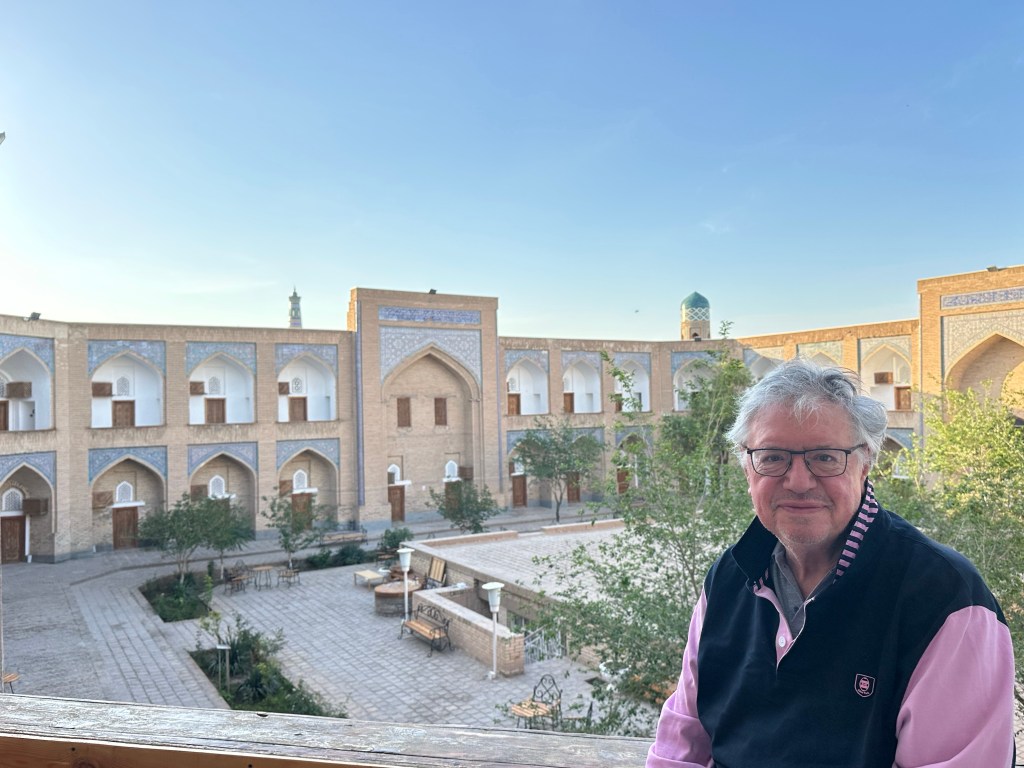
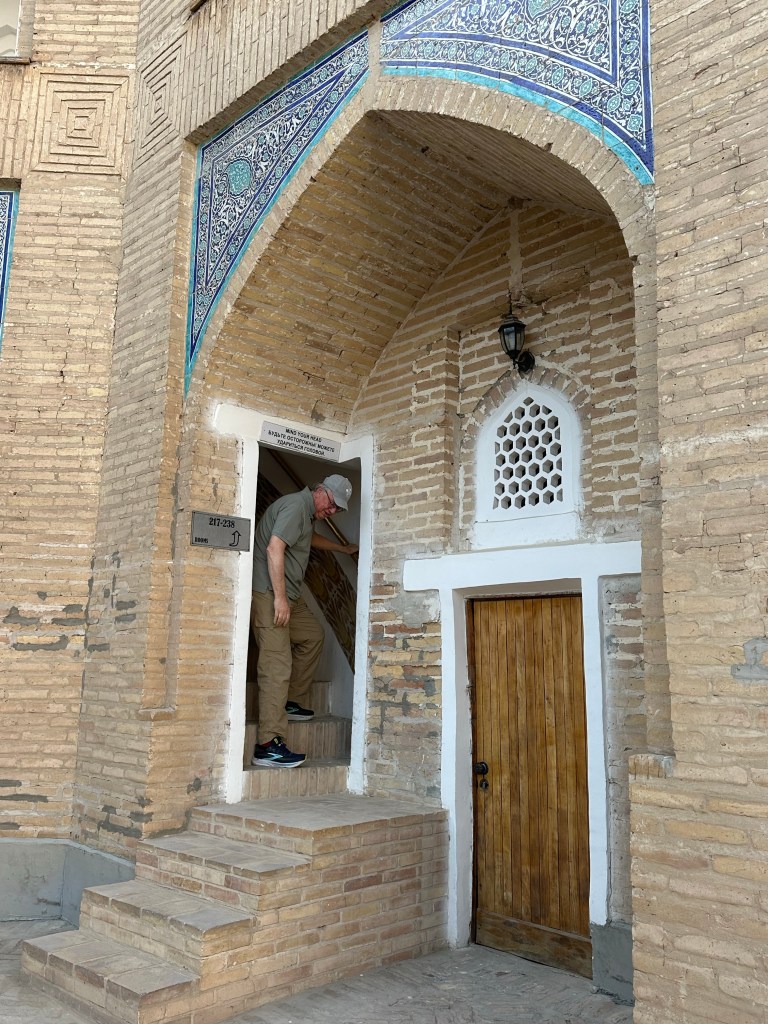
In 1990, Itchan Kala was named a UNESCO World Heritage Site. It is unusual that one of the most famous sites, Mohammad Amir Khan’s Madrasa is now a hotel, the Orient Star, where we stayed. The last Khan of Khiva, Sayid Abdullah was forced out by the Bolsheviks in 1920 and died in poverty in Ukraine.
During the Soviet period many of the buildings crumbled and/or were used for different functions, for example madrasas were used for storage.
The modern functional amenities are found in Urgench about 20km away from Khiva. This is where we flew to from Tashkent, a flight of just over an hour.
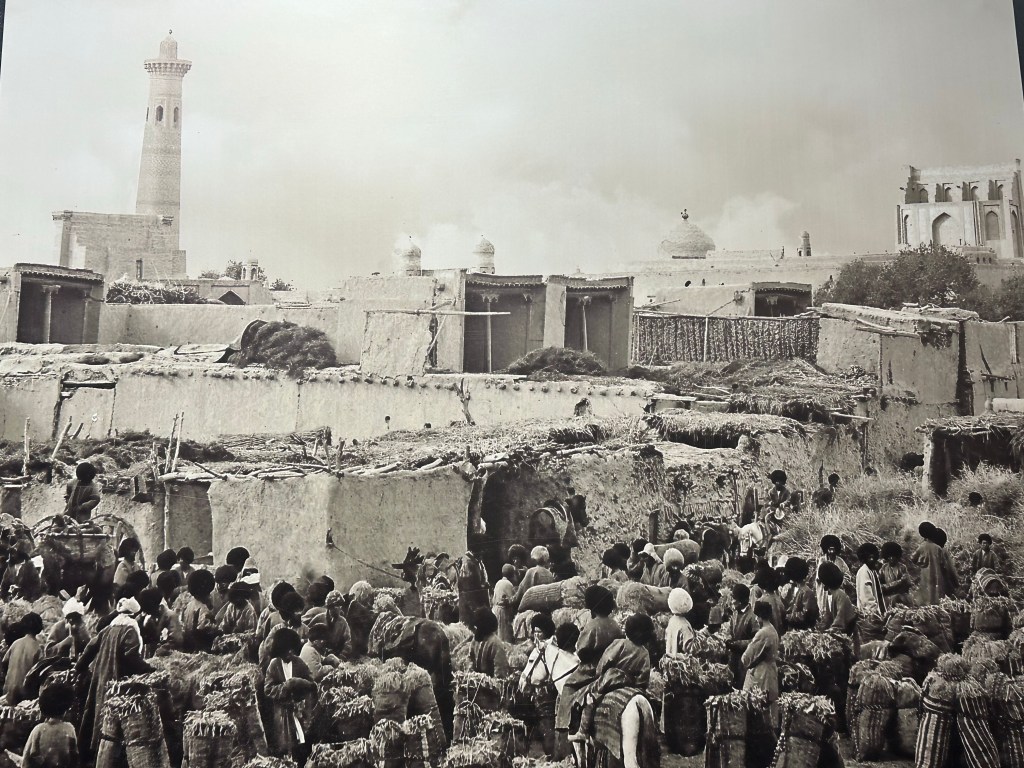
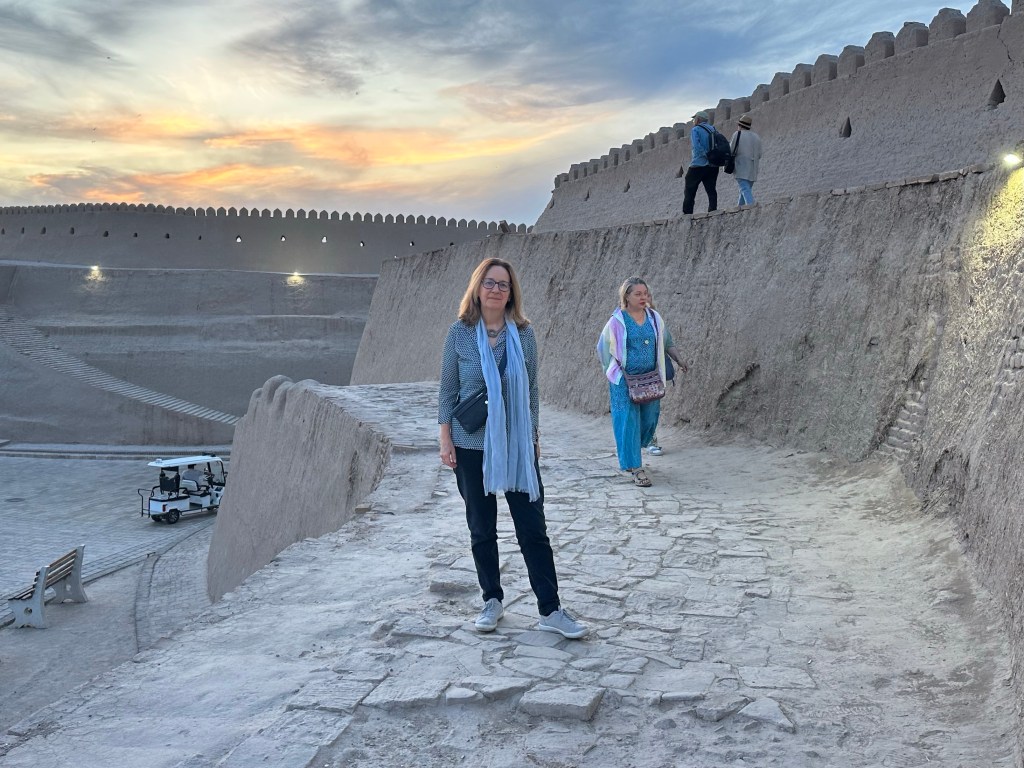
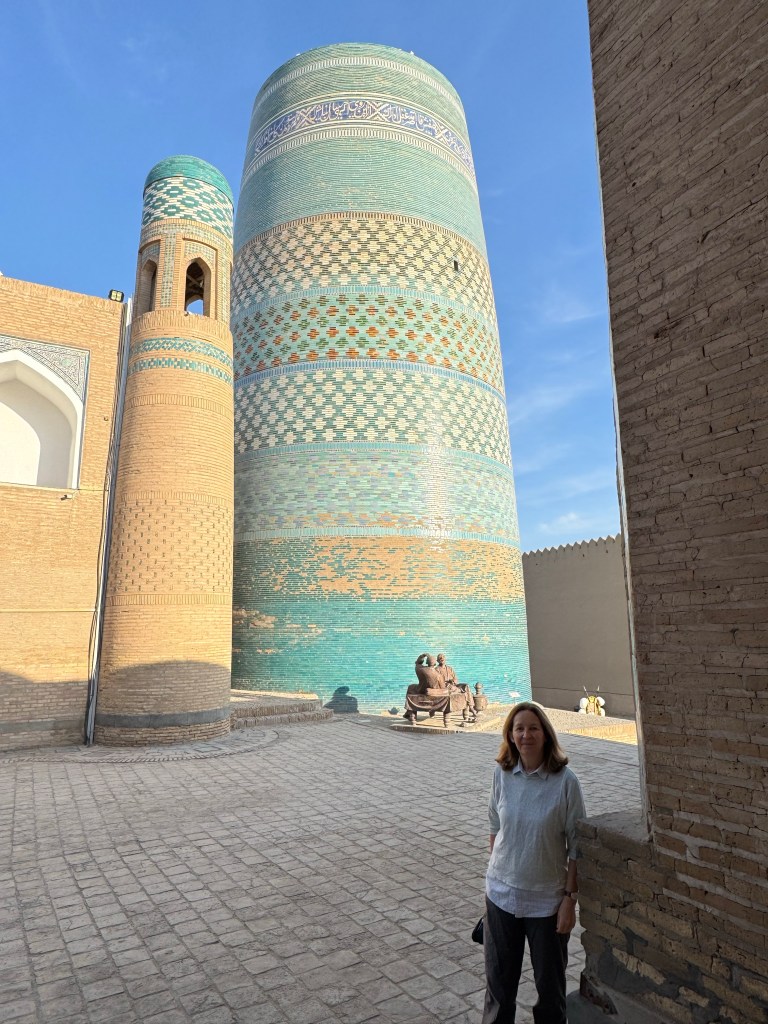
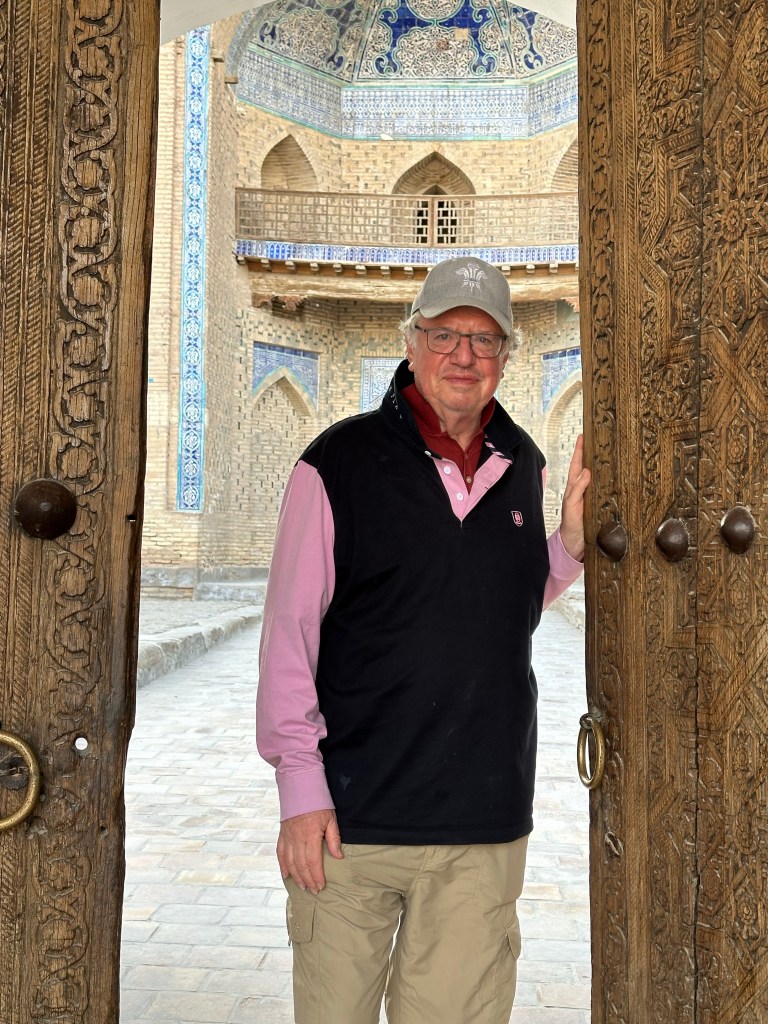
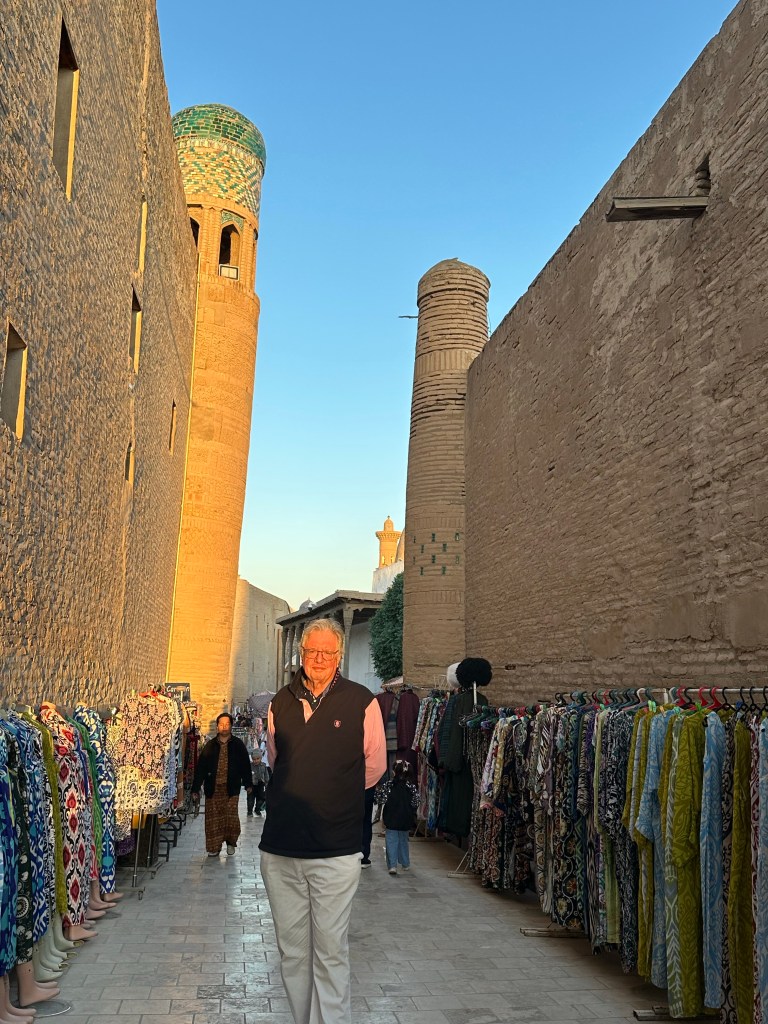
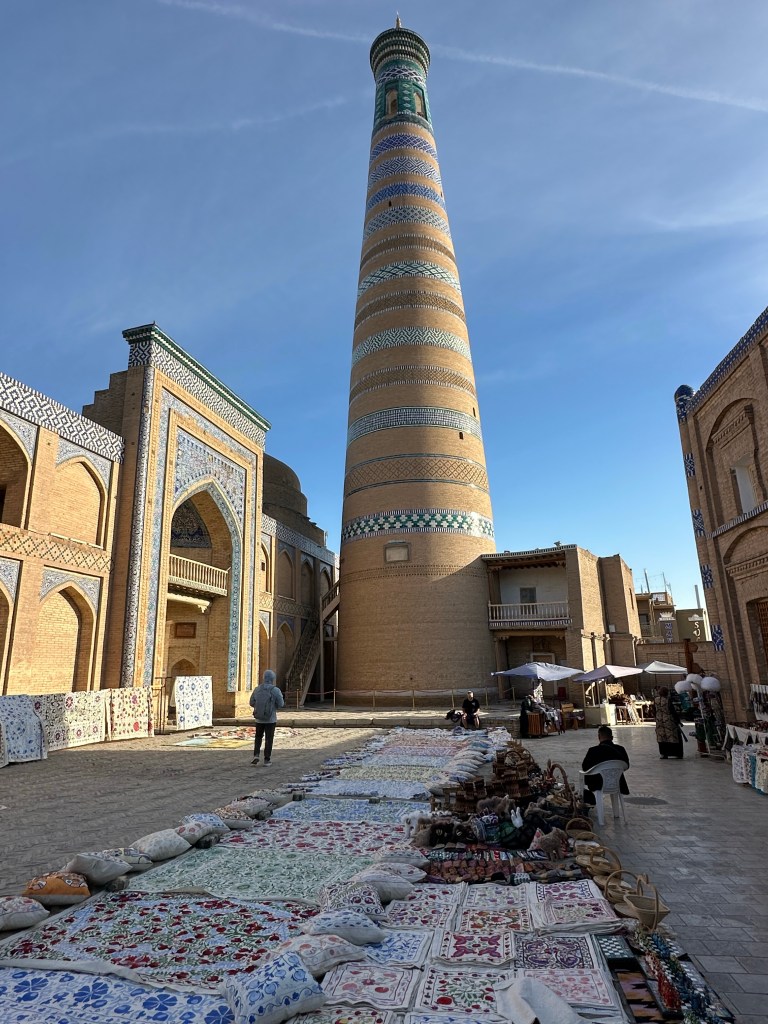
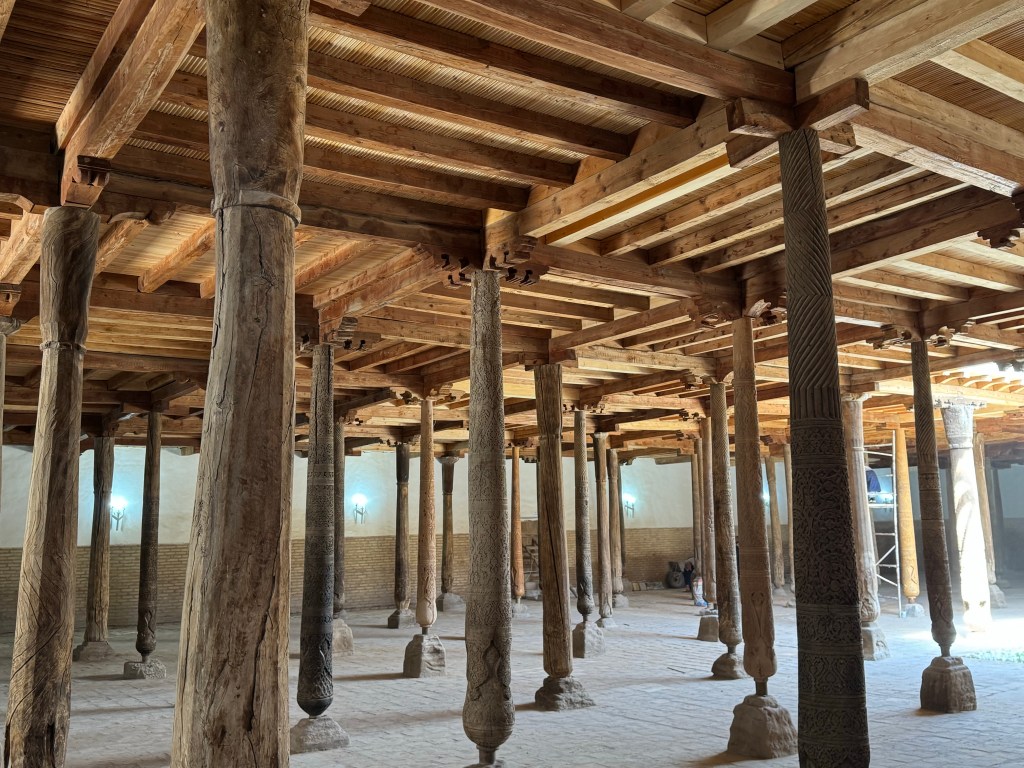
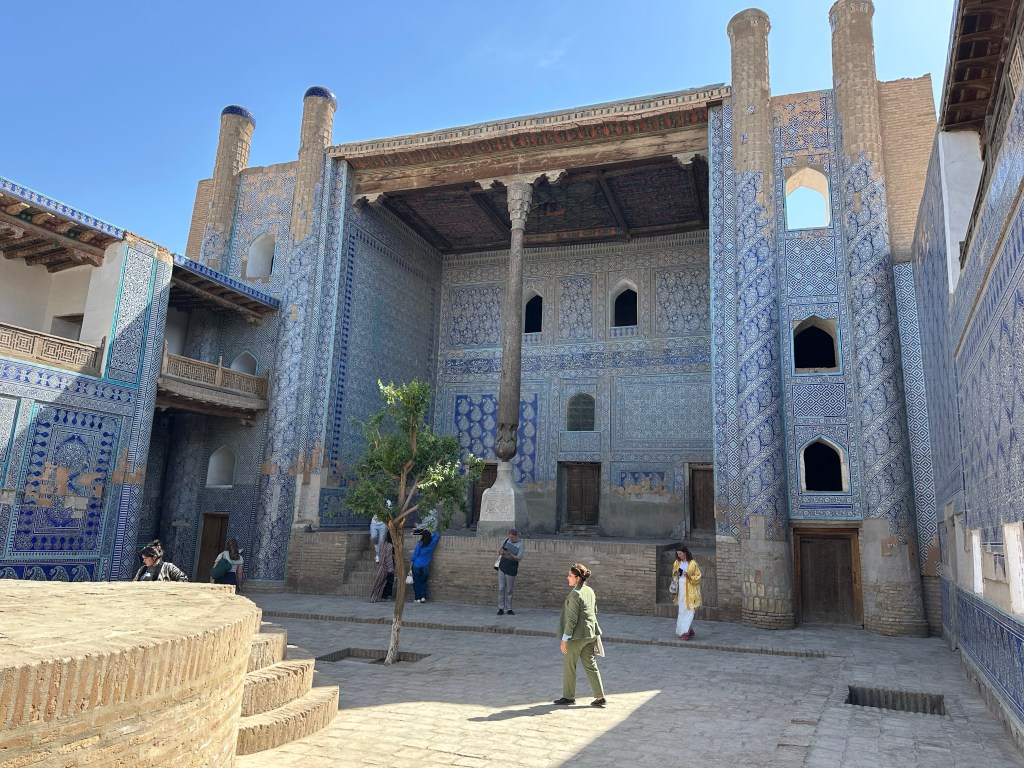
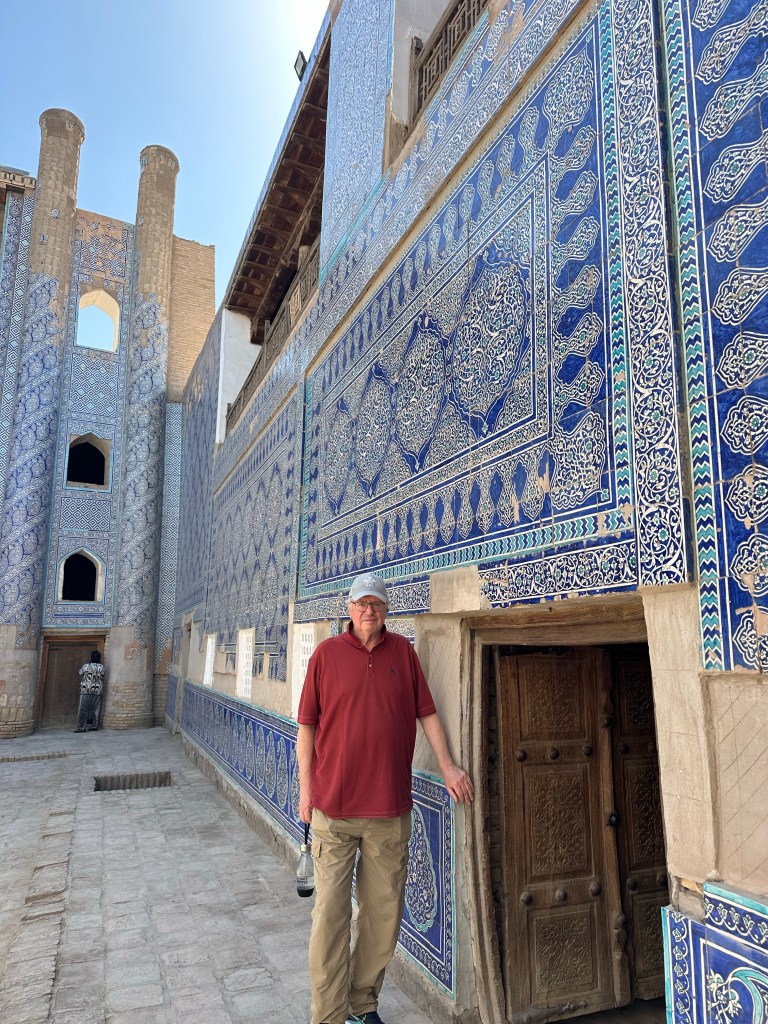
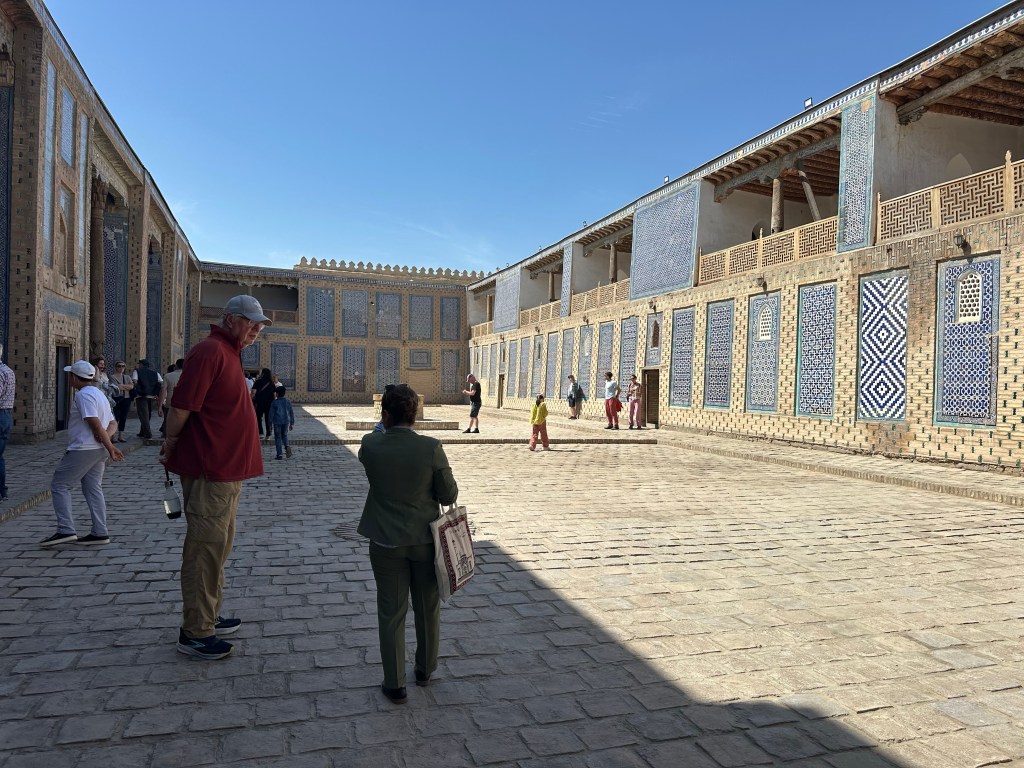
Khiva in the early 20th century City walls (limited health and safety!)Orient Star hotelInterior courtyard of the Orient StarThe interior is sympathetically renovated but this does mean needing to mind your step and head !The hotel’s restaurant is in another madrasa next door; this is the walk to breakfast. The minaret was intended to be 80m high judging from the diameter of the base but was never completed; the tiling is original On a pre breakfast walk, above and below The streets of the old city are traffic free but the Silk Road trading traditions endureThe main minaret of Khiva stands at 46mJuma (Friday) mosque, 21 columns of the current 213 columns date to the 10th/11th centuries, with most of the remaining column from the 18th/19th centuries The royal palaces of Khiva are found hidden behind their walls. This courtyard was an area for the ruler (who sat on the platform) to meet ministers and visitors The palaces have numerous rooms for living, worshiping and rulingThe rooms around this courtyard were the harem’s living quarters As well as selling carpets, clothing and souvenirs during the day, this madrasa houses a restaurant in the evening