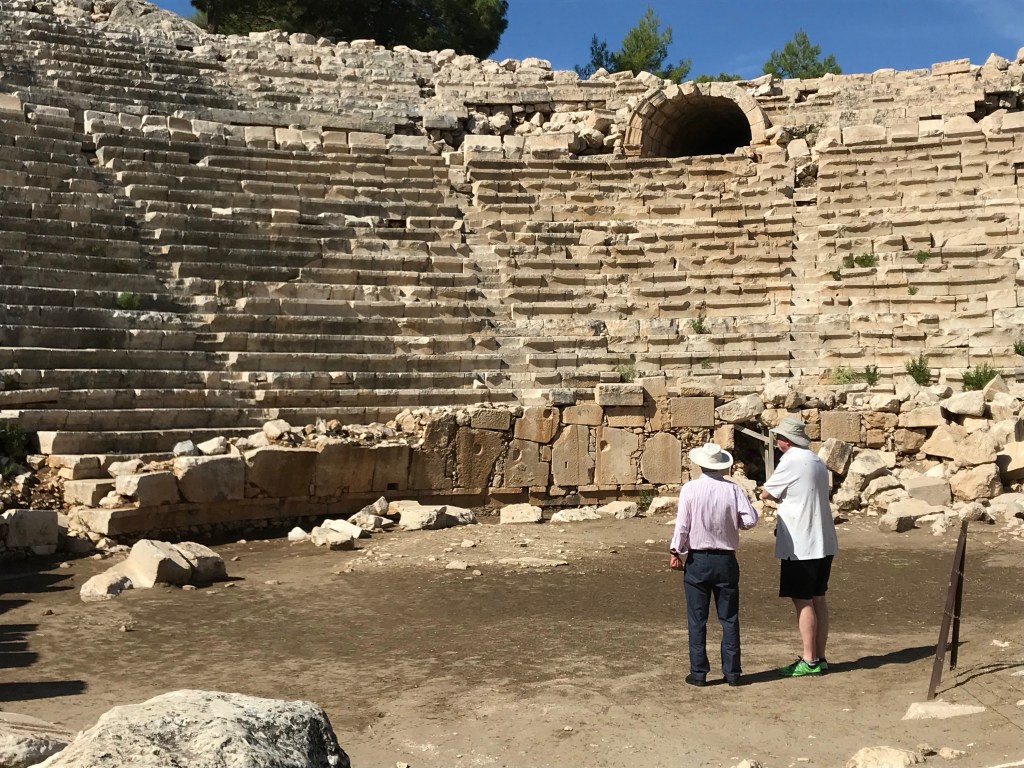
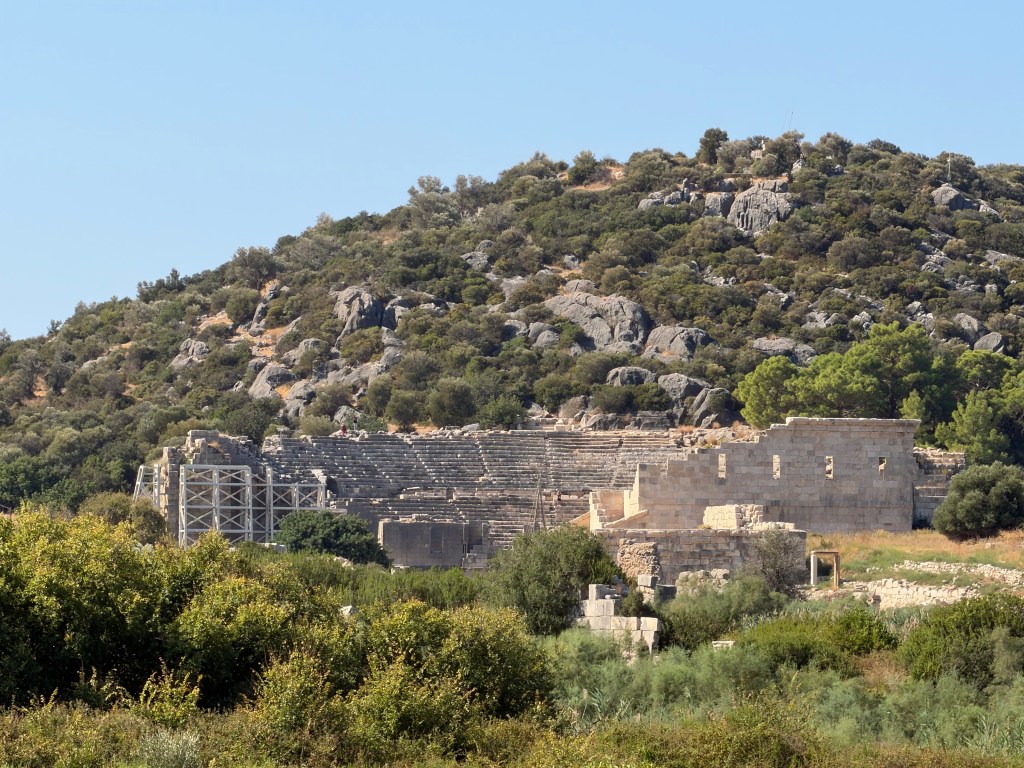
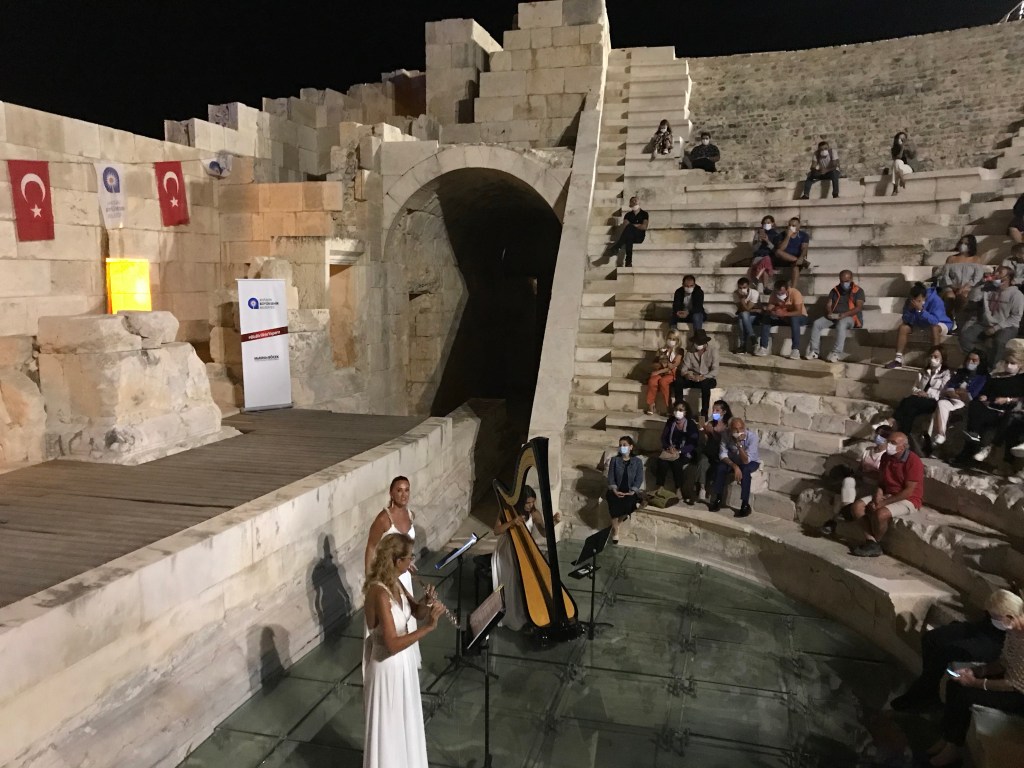
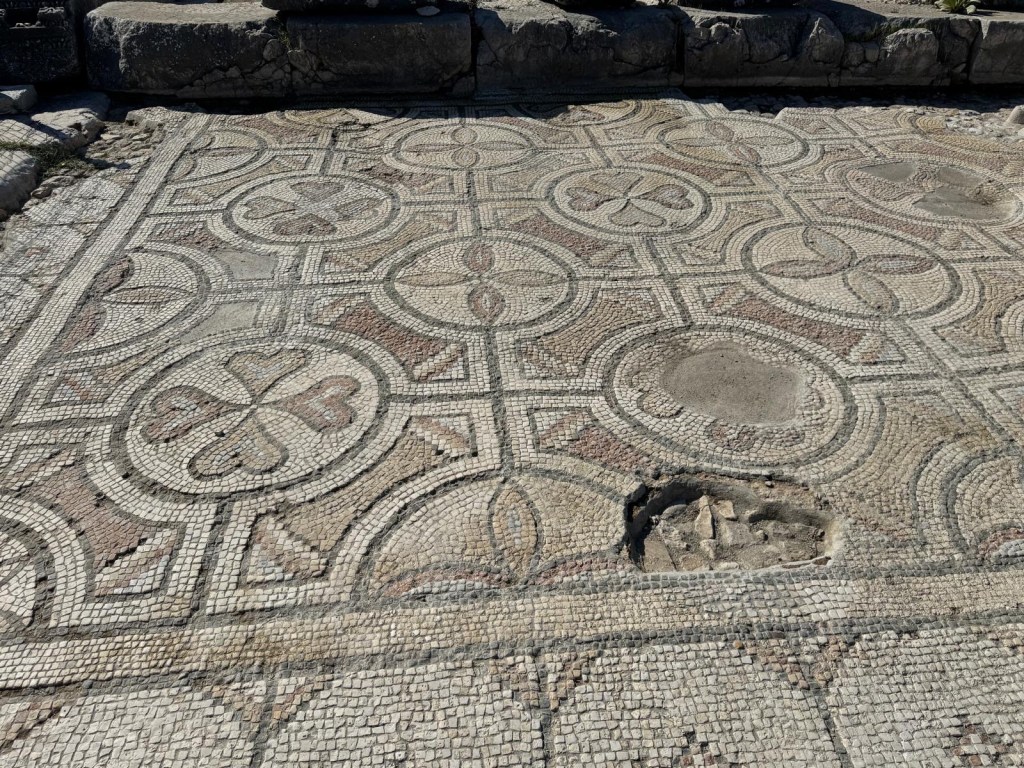
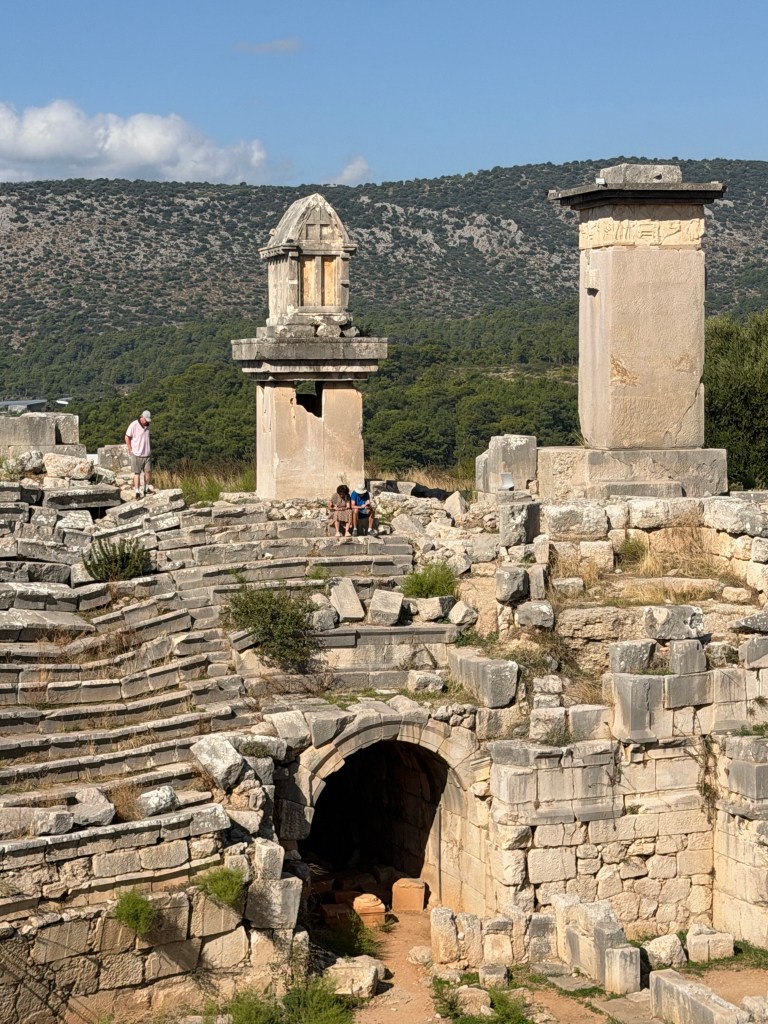
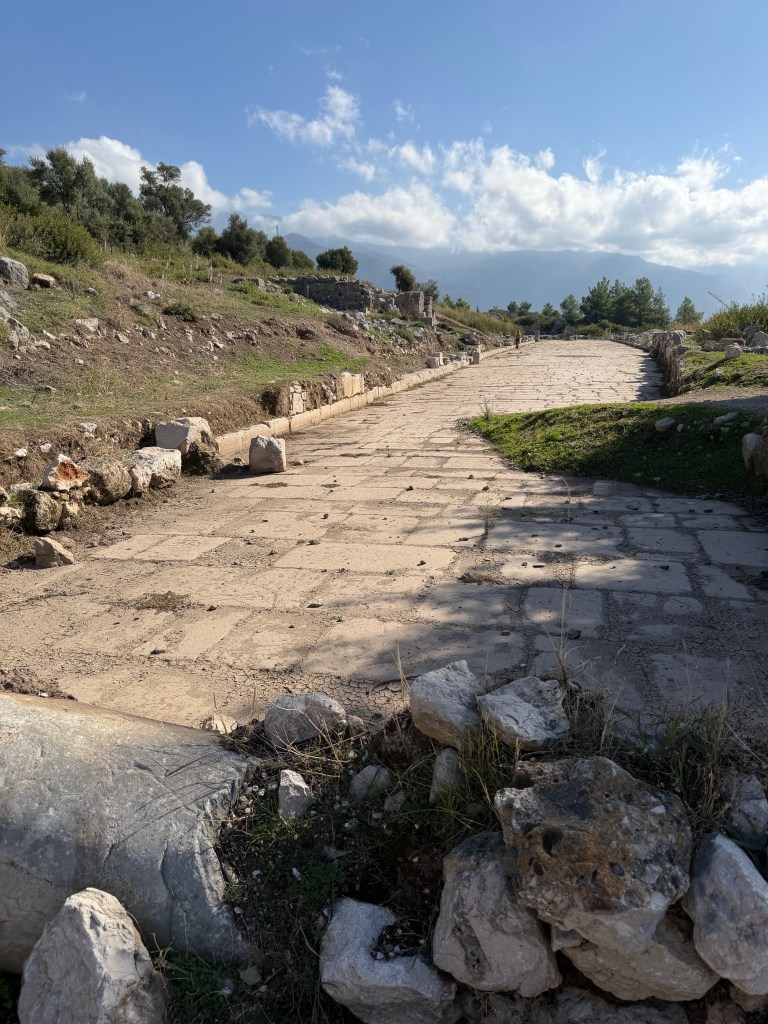
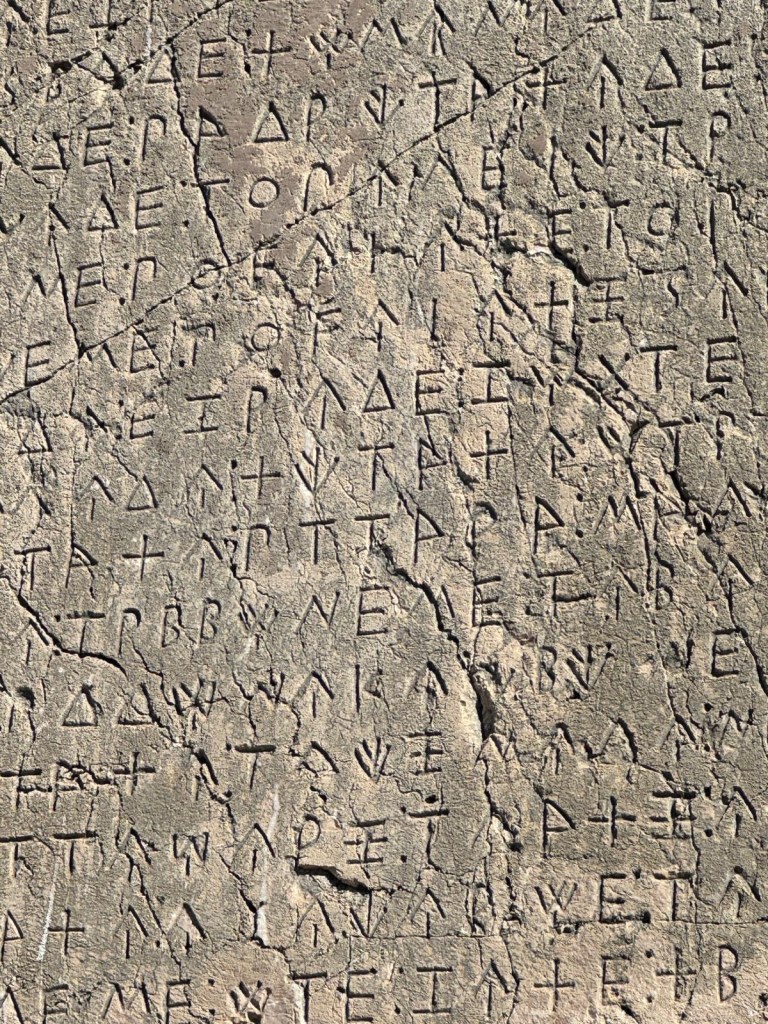
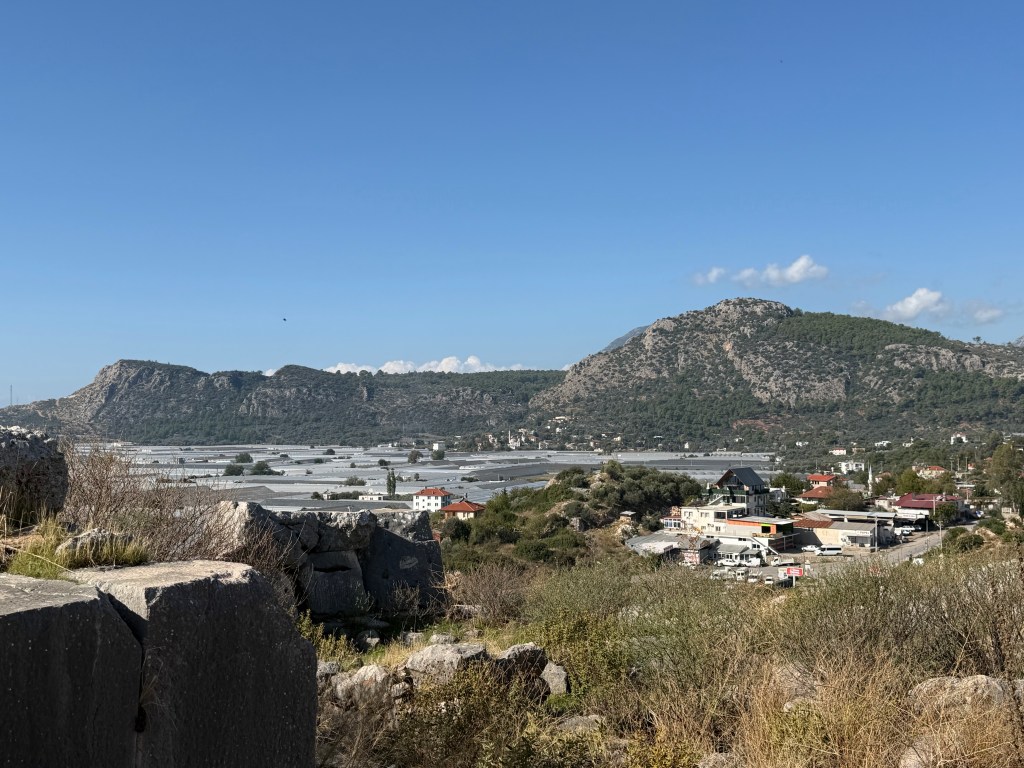
Patara and Xanthos were two of the main cities of Lycia which was a historical region of Western Anatolia, currently the Turkish provinces of Antalya and Muğla. The region was independent from around 1400 BC to 546 BC, when it was overrun by Persians before being taken by Alexander the Great, followed by the Romans.
Lycia was wealthy from agriculture and trade. Patara was the main port and for a time the capital. When Roman in 270 AD it was the birthplace of St Nicholas.
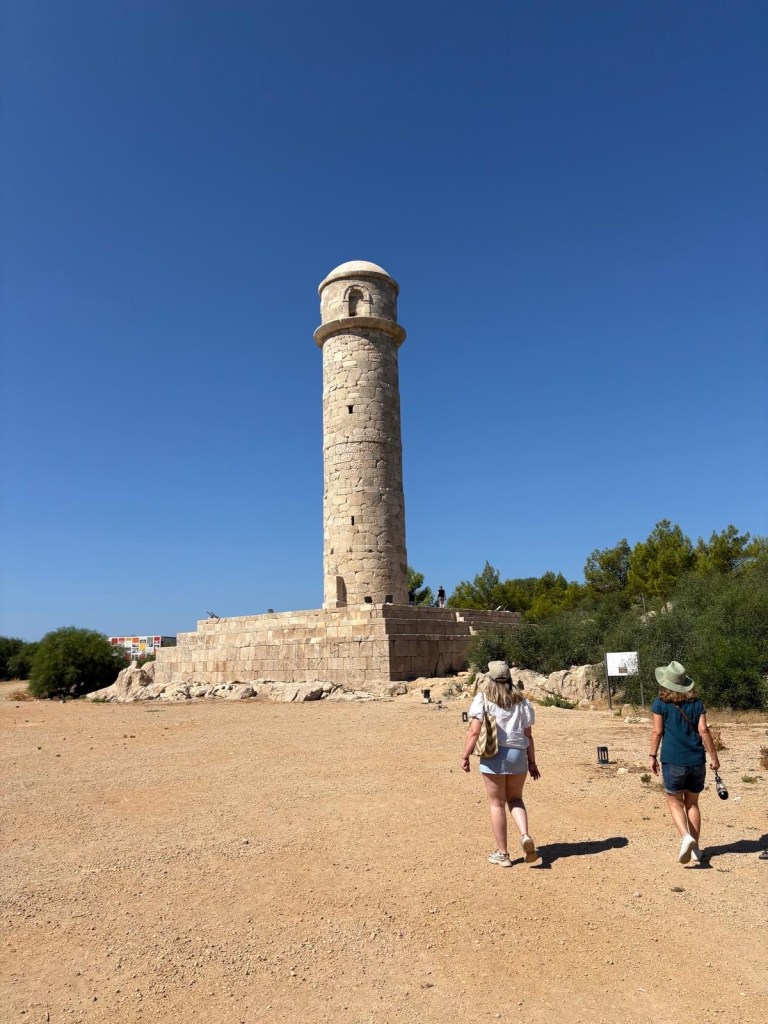
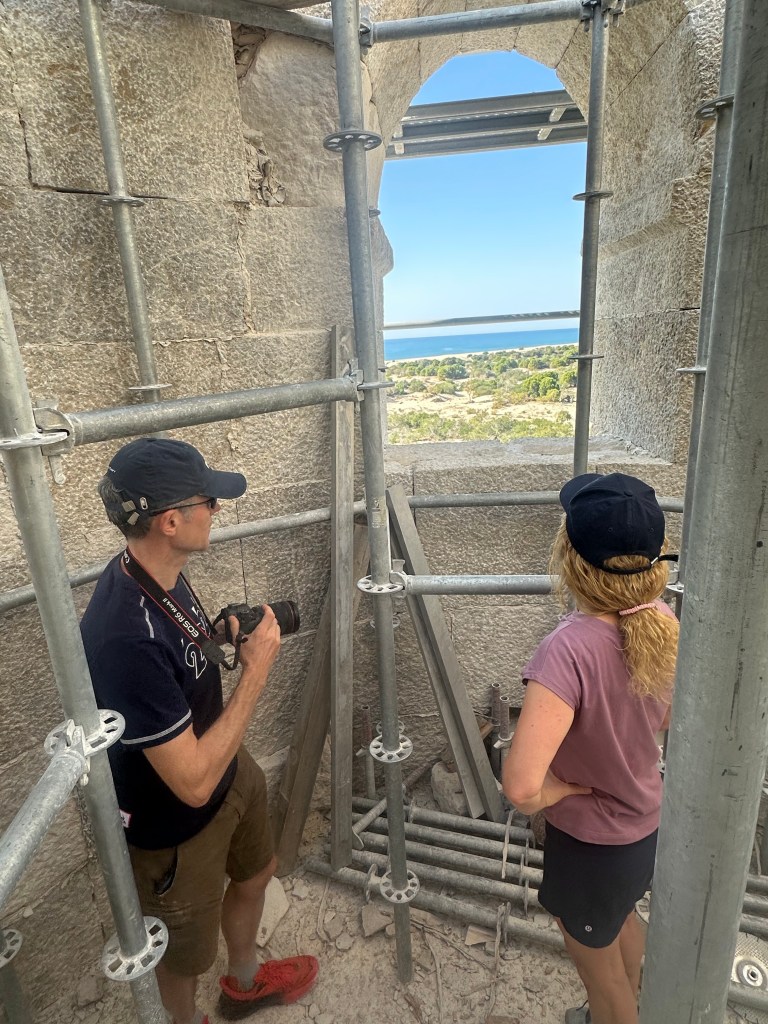
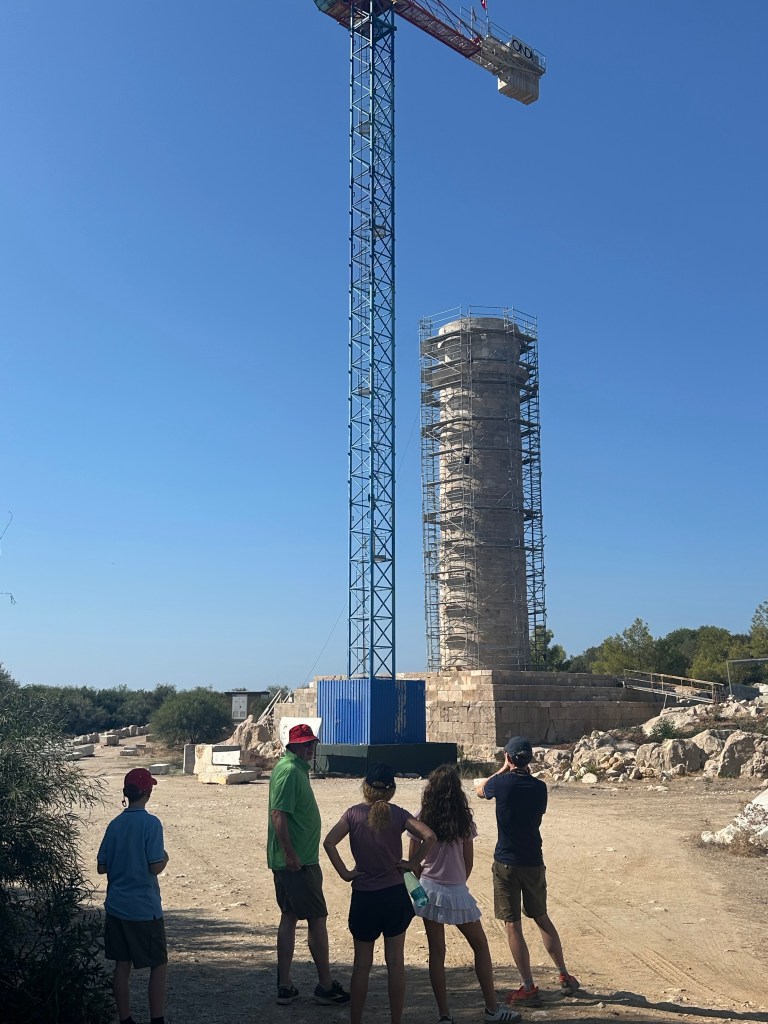
Much of Patara has been restored including one of the oldest lighthouses in the world, built during the reign of Emperor Nero in 64 AD.
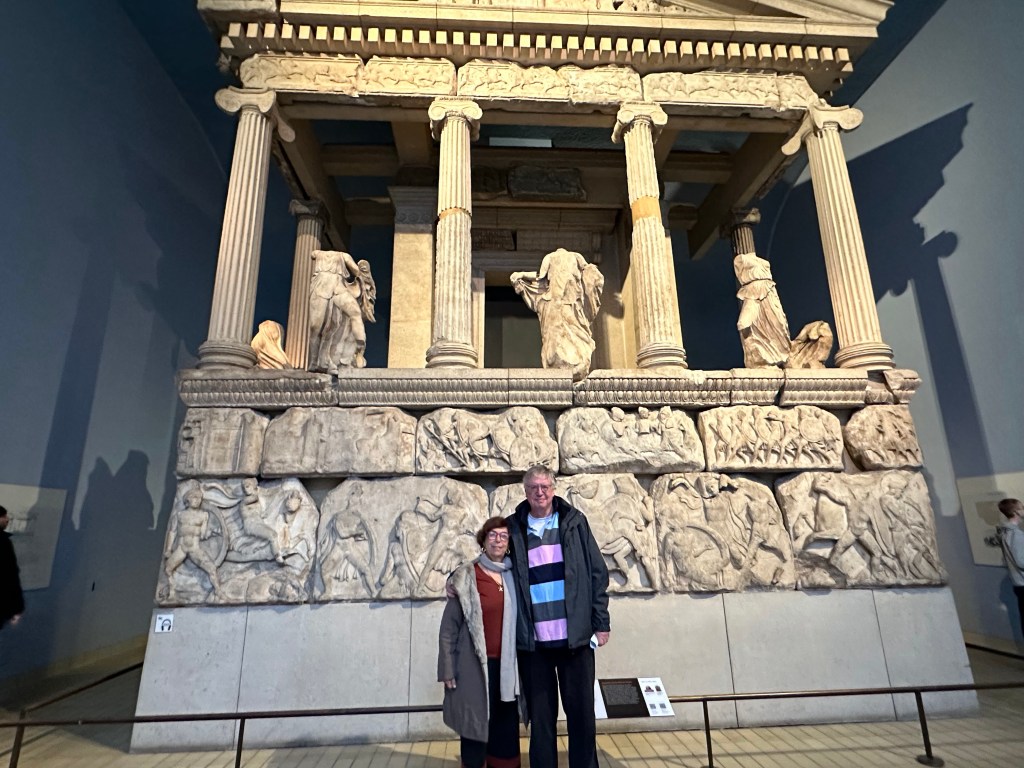
The ruins of Xanthos were rediscovered by British traveller Charles Fellows in 1840. With the assistance from the British Government he arranged the removal of The Nereid monument, built in 390 BC, now housed in the British Museum. It was the inspiration for the Mausoleum of Halicarnassus, one of the Seven Wonders of the Ancient World.
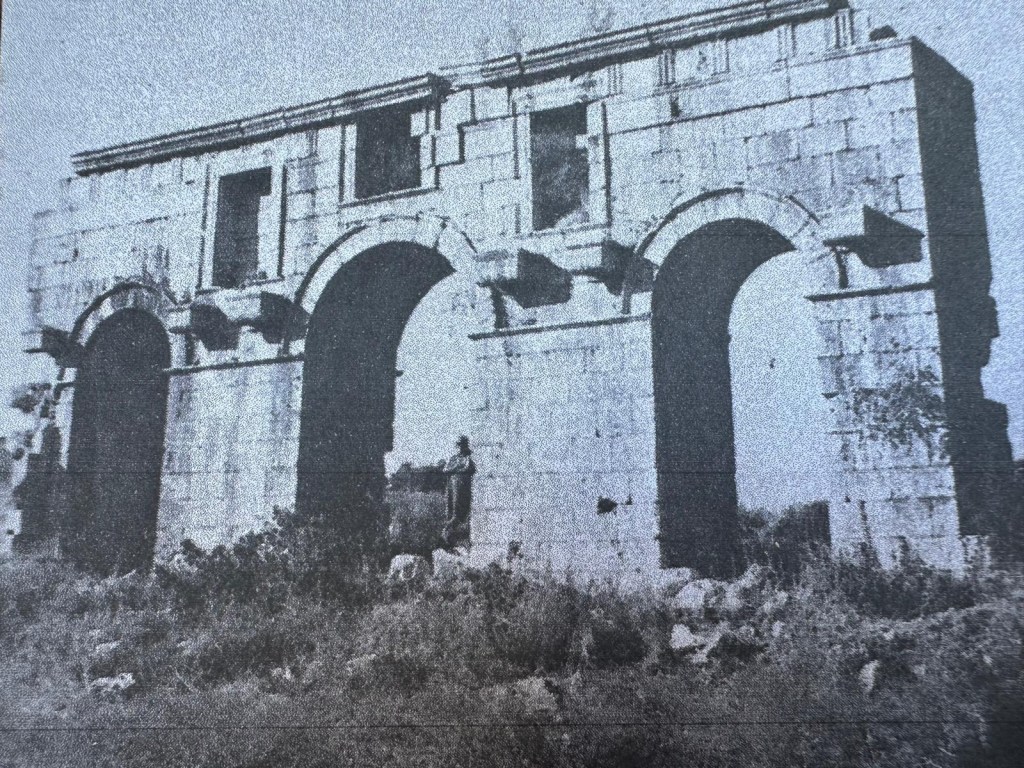
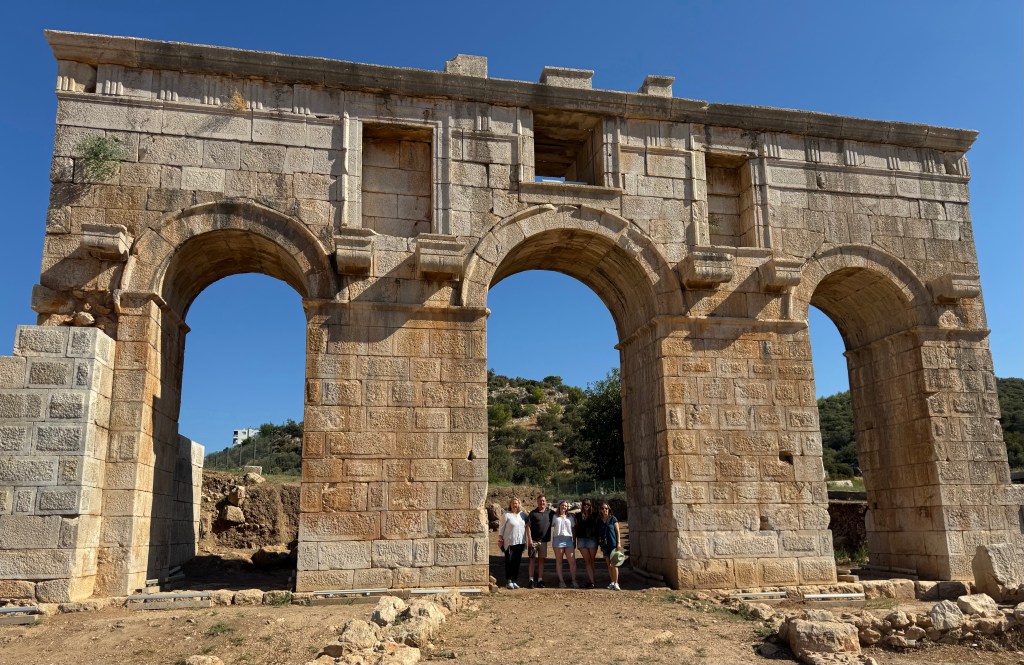
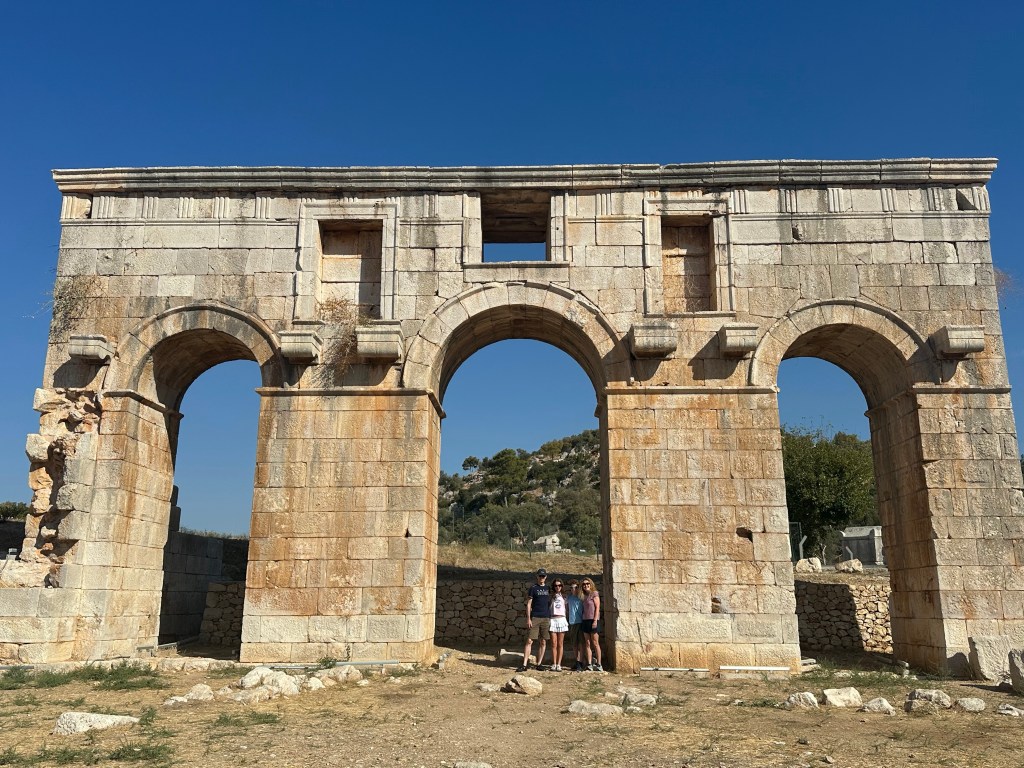
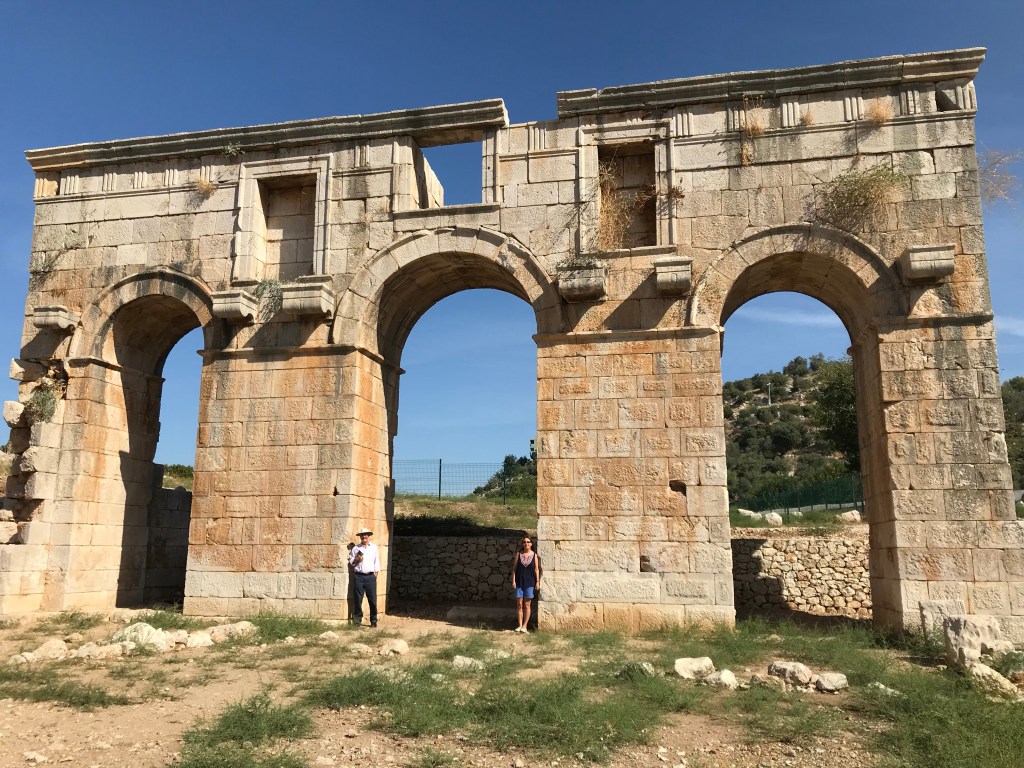
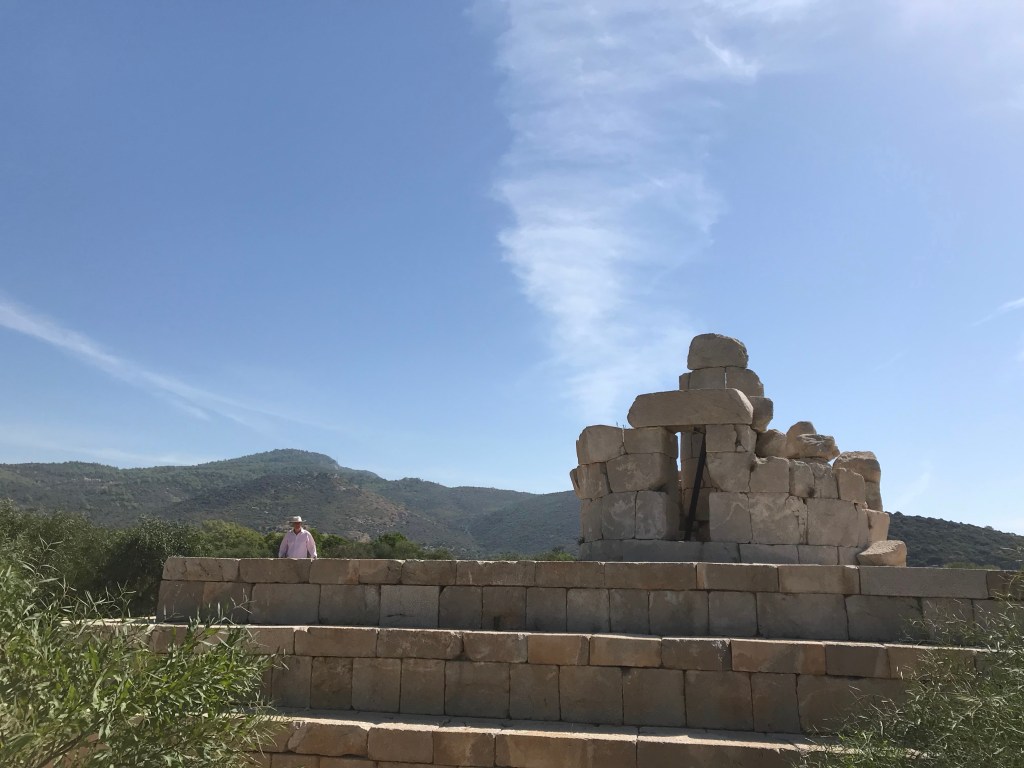
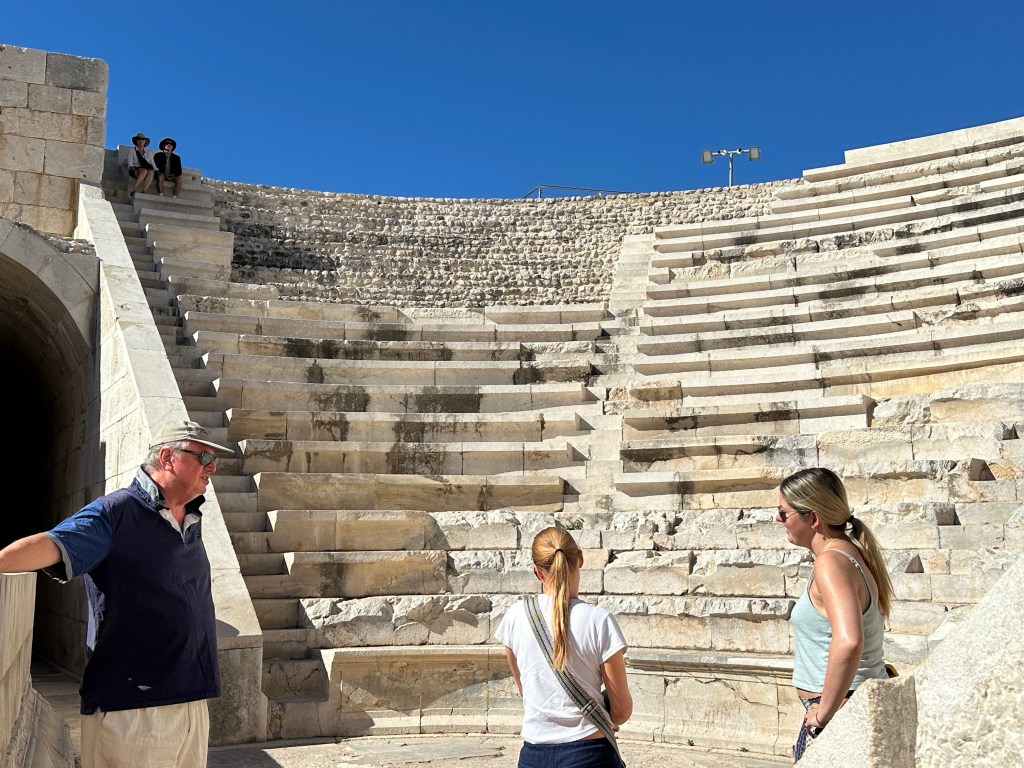
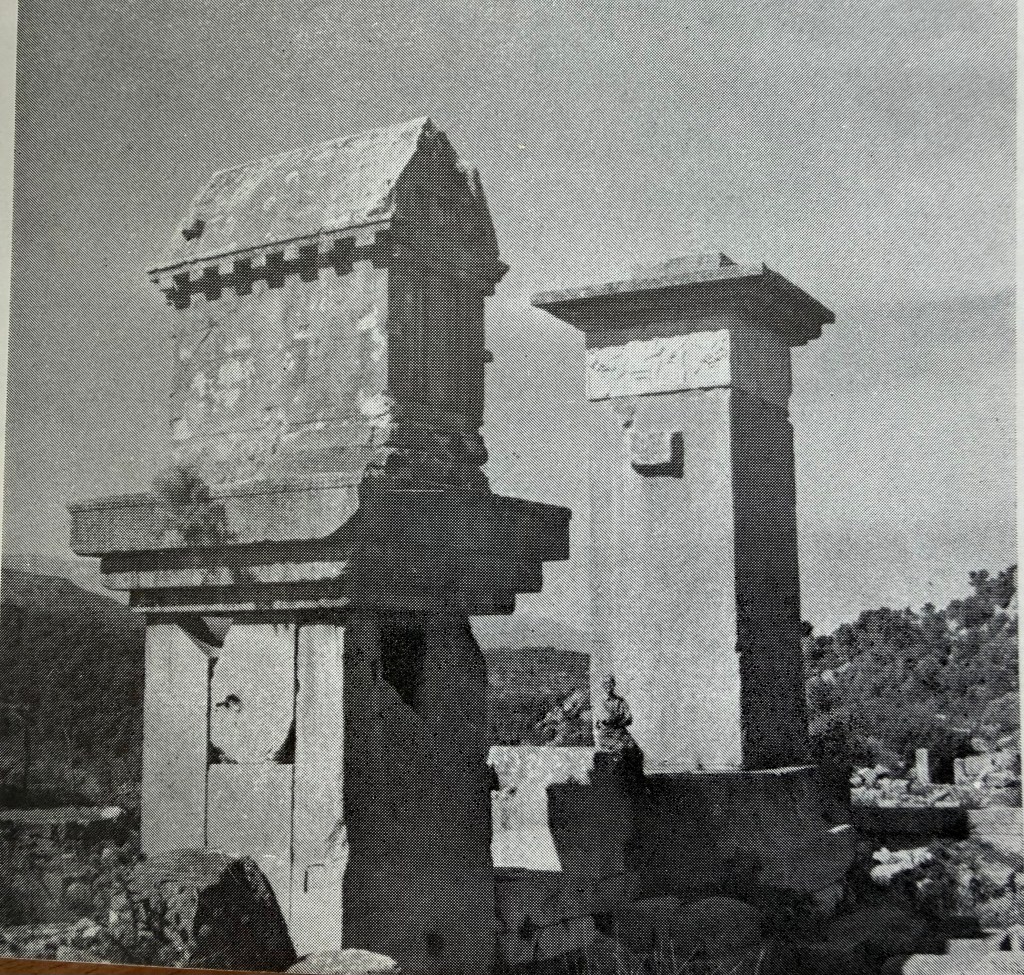
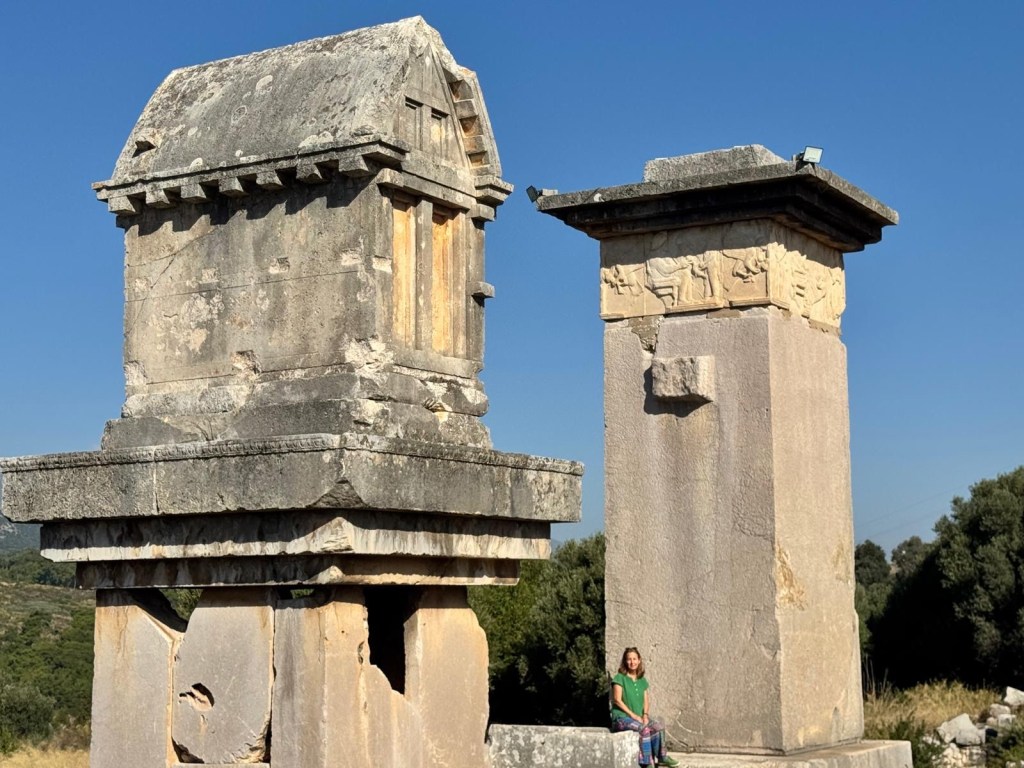
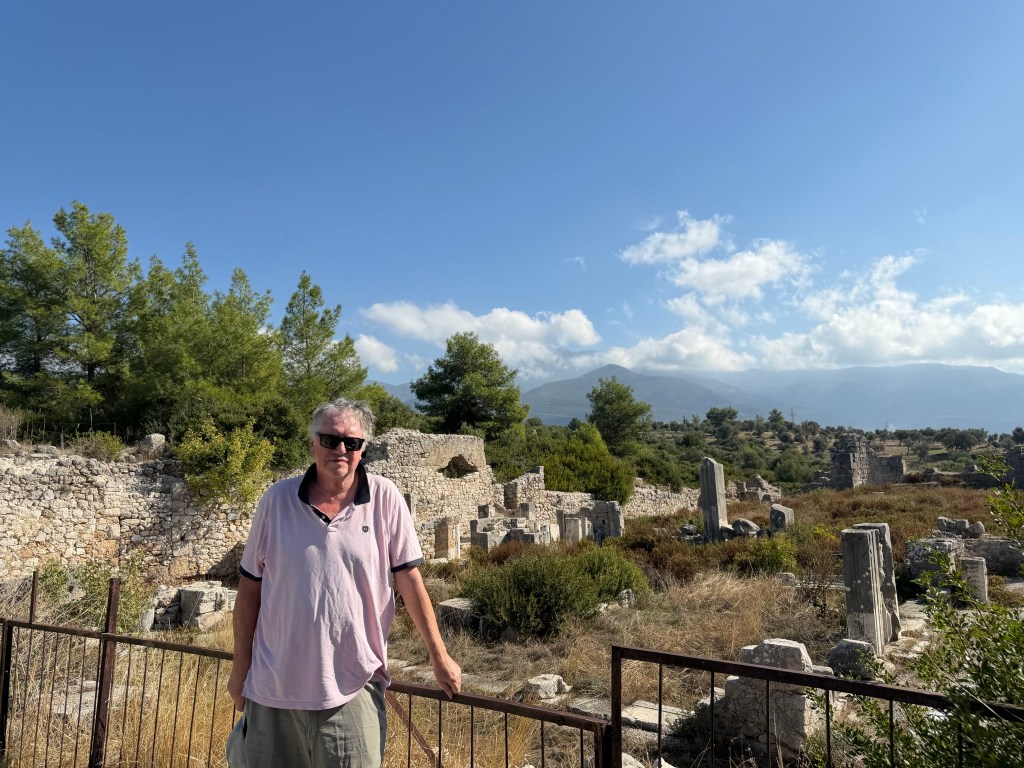
Visiting Patara and Xanthos has become a family tradition, they are both close to our home in Turkey, but with a connection going further back. In the late 1960s, Rupert Martin, Sarah’s grandfather visited both sites with his friend, the renowned archaeologist, George Bean. Professor Bean wrote An Archeological Guide, Lycian Turkey in which there are photos of Rupert Martin. It has now become a ritual to update the photos with current family members.