Japan

Japan was a feudal country with an Emperor at its head but controlled by the Shogun until 1868, when pressure to industrialise and have greater involvement from the outside world led to major change. The last Shogun gave up his position to leave the Emperor with political power and modernisation began.

After defeat in World War II, Japan became a democracy with the Emperor as figurehead. The population is approximately 125 million with only 3 million non Japanese nationals. Japanese citizens are not permitted to hold a passport for another country. Japan is approximately 20% larger than the British Isles.

It is the fourth largest economy in the world but has suffered from shrinking populations with low birth rates and an ageing population. However more women have been entering the workforce and growth in per capita GDP has been better than most developed countries.

The country is volcanic with Mount Fuji, an active volcano its highest mountain. It has regularly suffered from natural disasters- earthquakes, tsunami and volcanic eruptions.
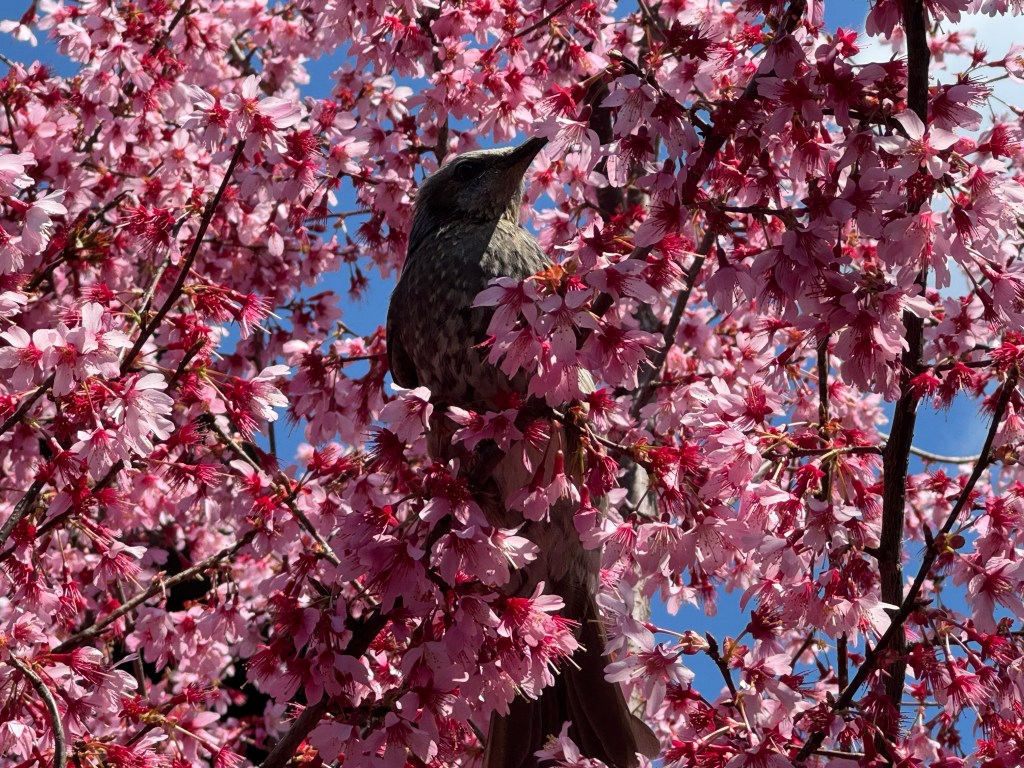
We timed our trip in the hope of seeing the famous cherry blossom- we were not disappointed, it came into bloom just as we arrived
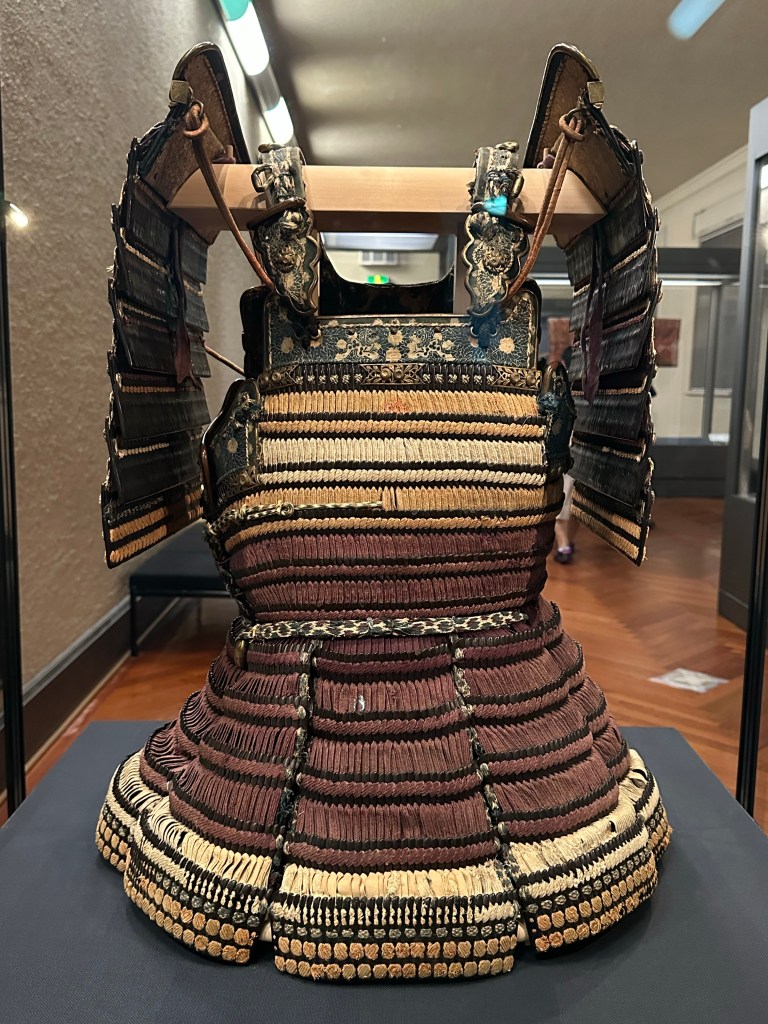
Samurai armour
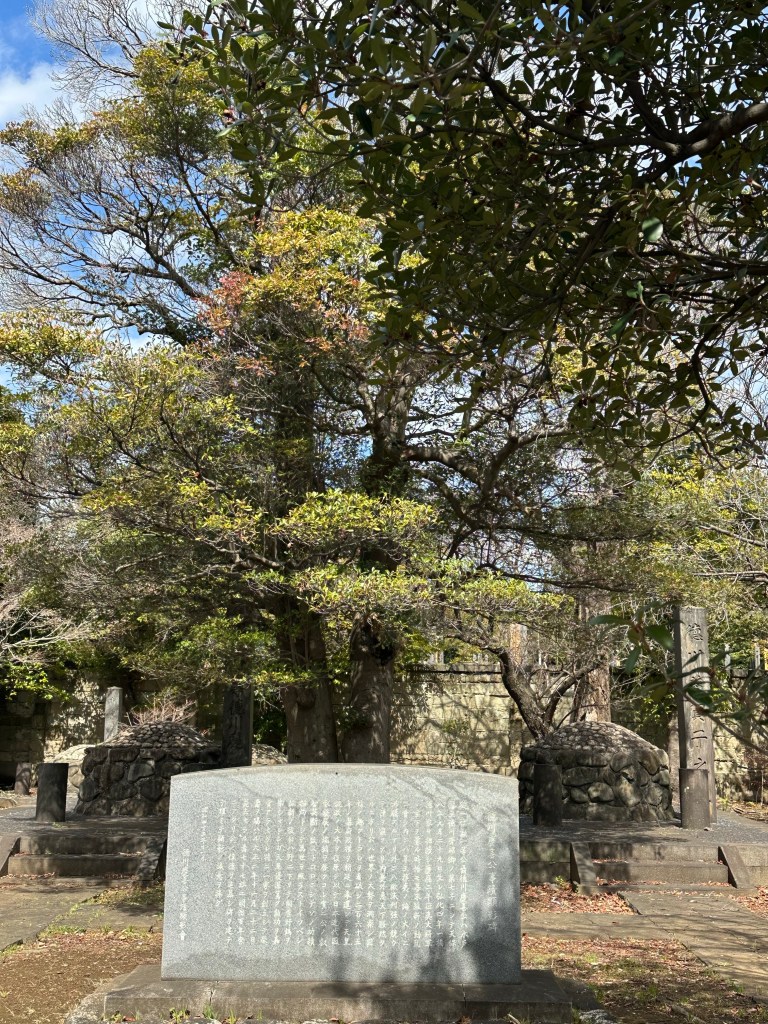
Grave of the last Shogun

South Africa Winelands

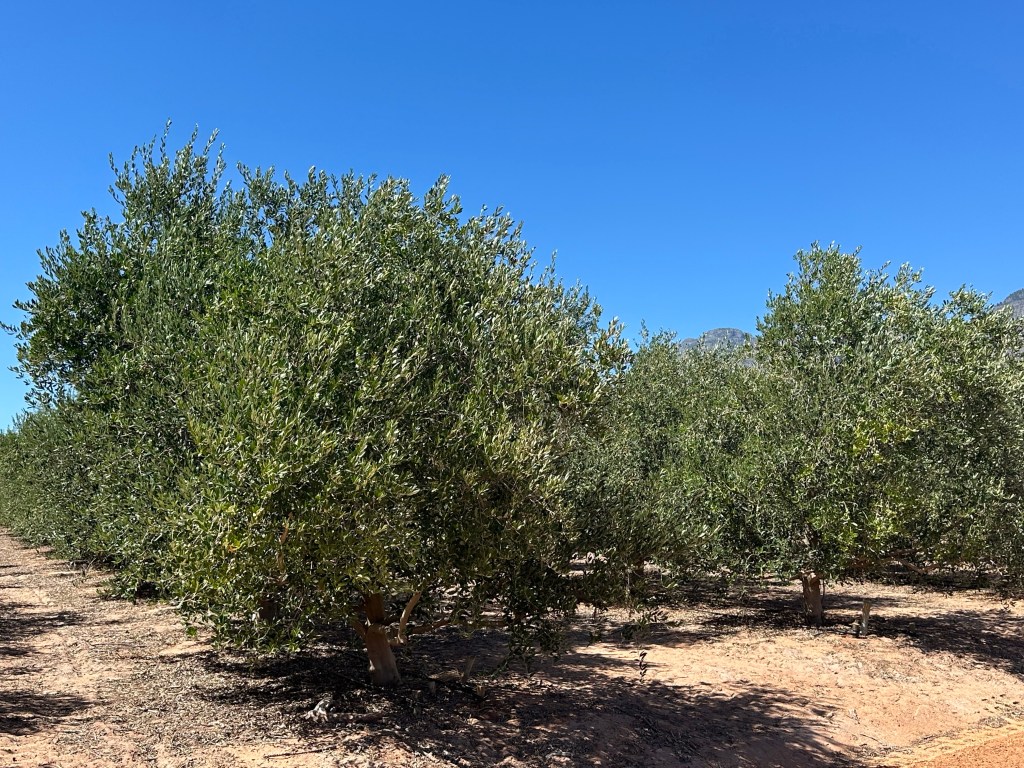
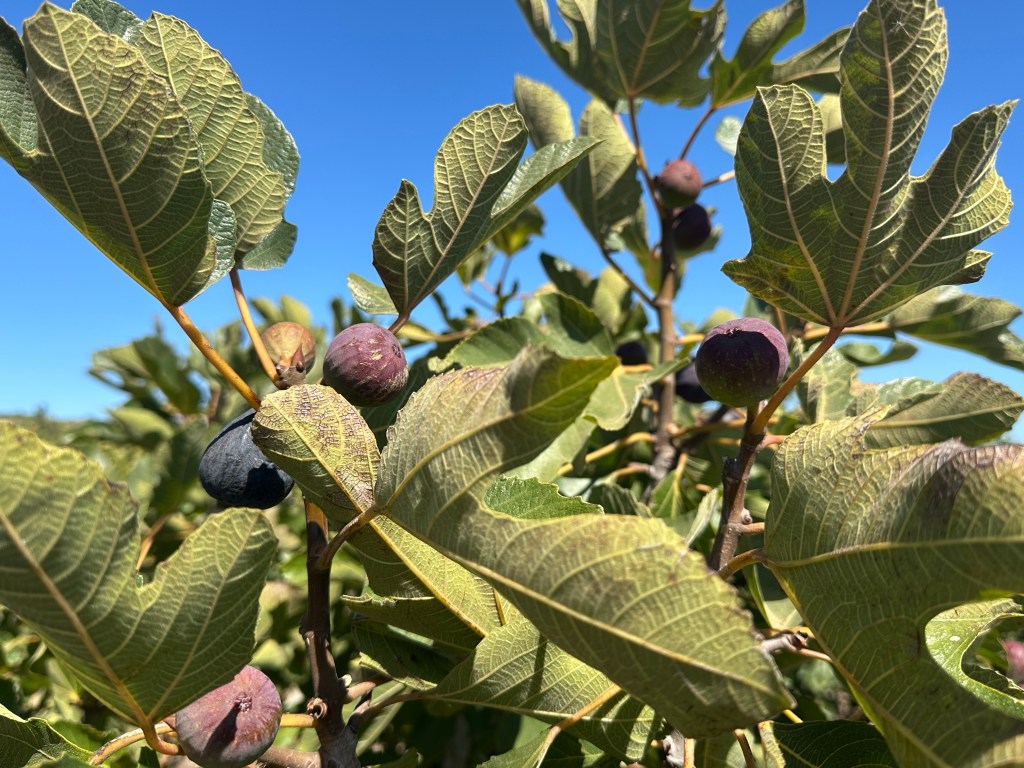
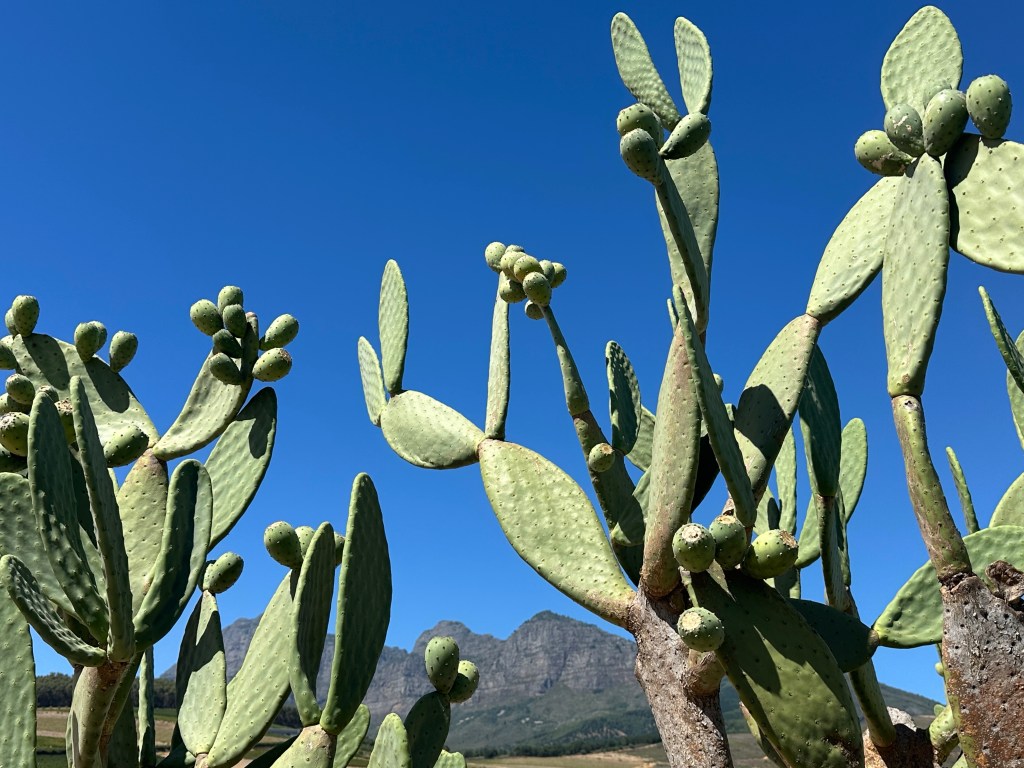
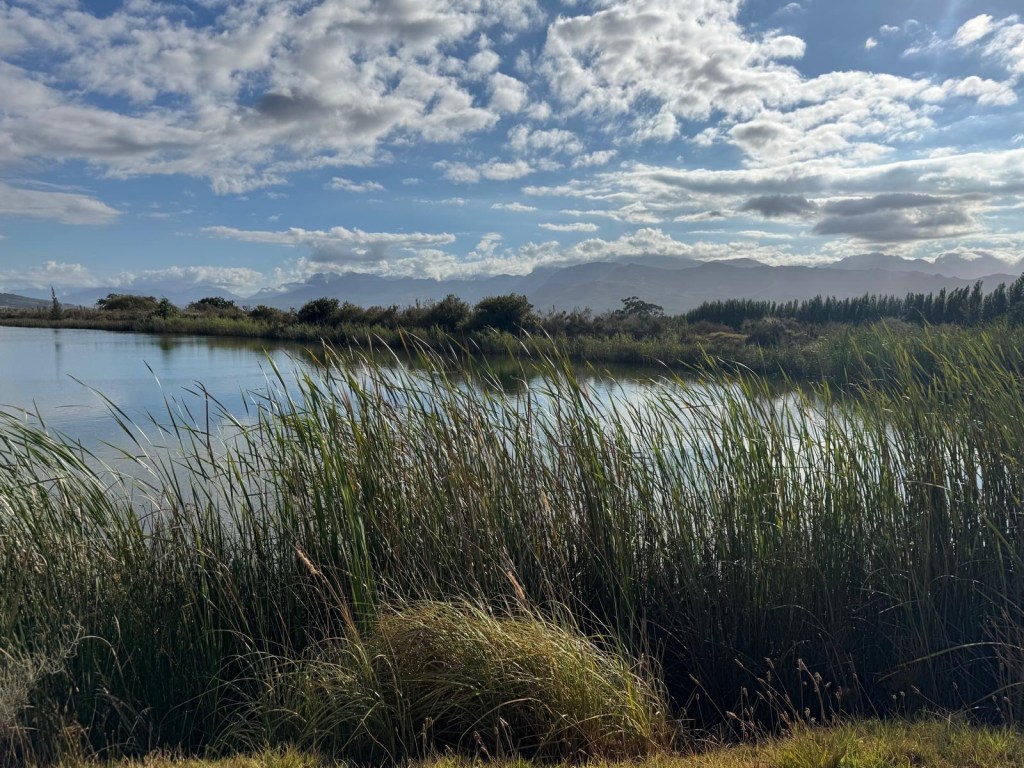
Our final stop was staying on a vineyard, garden and farm in the South African Winelands. It was 30 minutes by car from each of Franschhoek, Paarl and Stellenbosch. As well as wine, the whole area is a foodie heaven based on local seasonal produce. The quality of the fruit was particularly good as it was the height of the summer harvest.

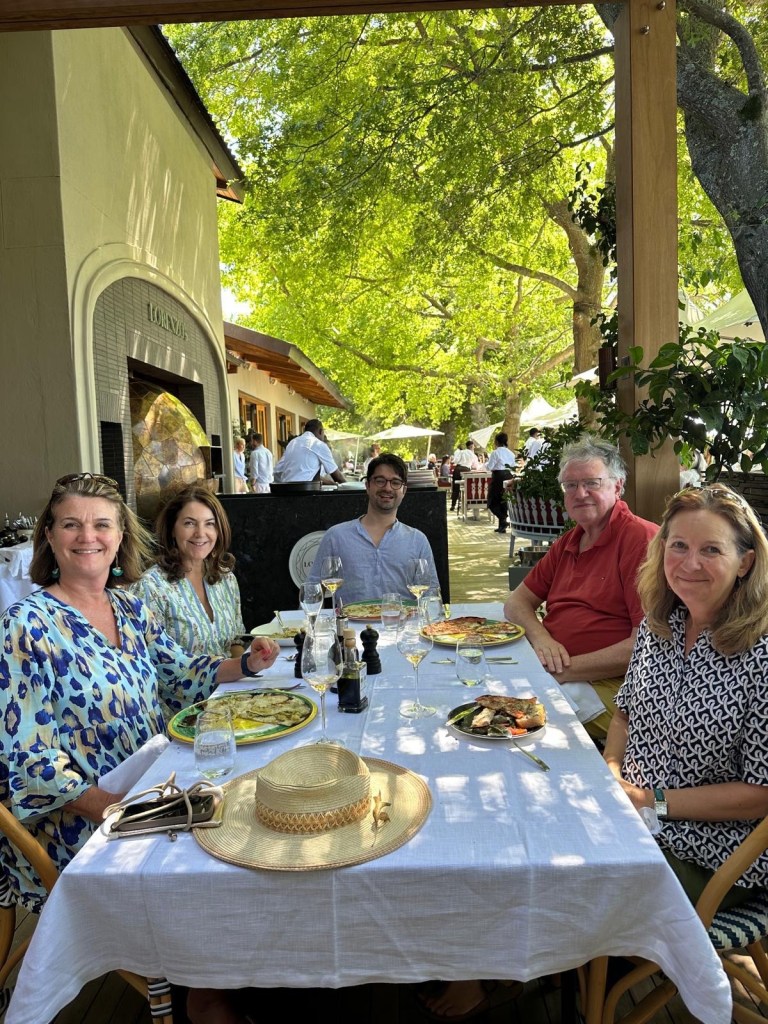
It was great to catch up with some “old” friends who live locally, Mary and Hywel and to coincide our visit with London friends, Helen and Sam.

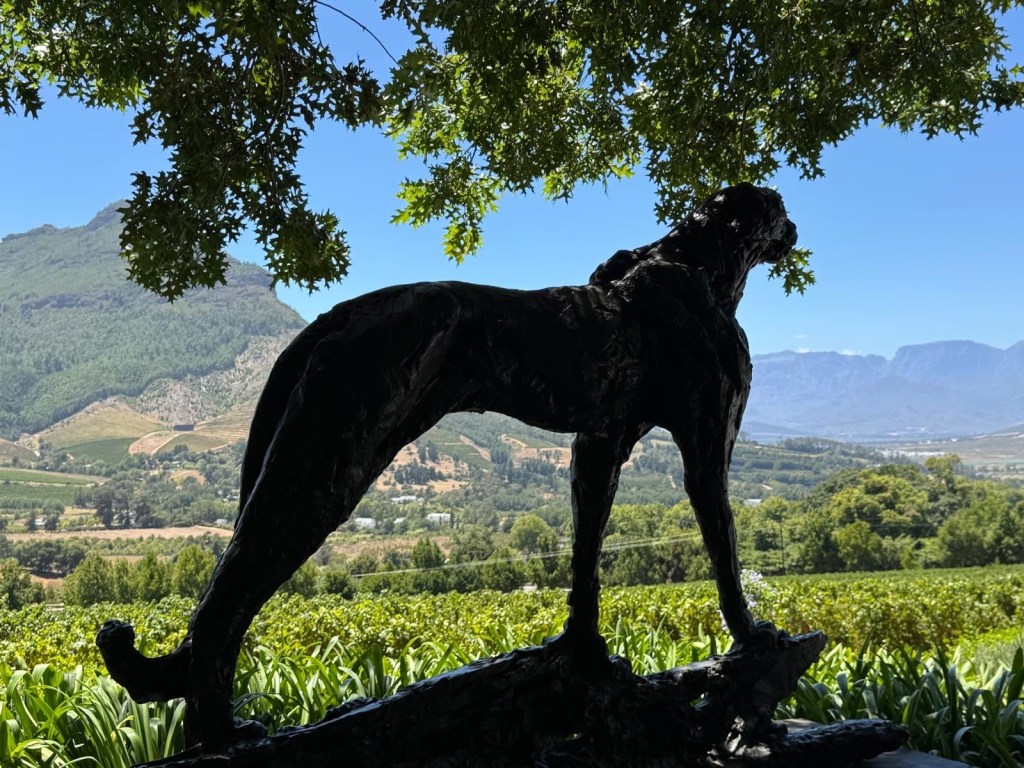
Many of the vineyards have art, sculpture or gardens as well as great restaurants and wine

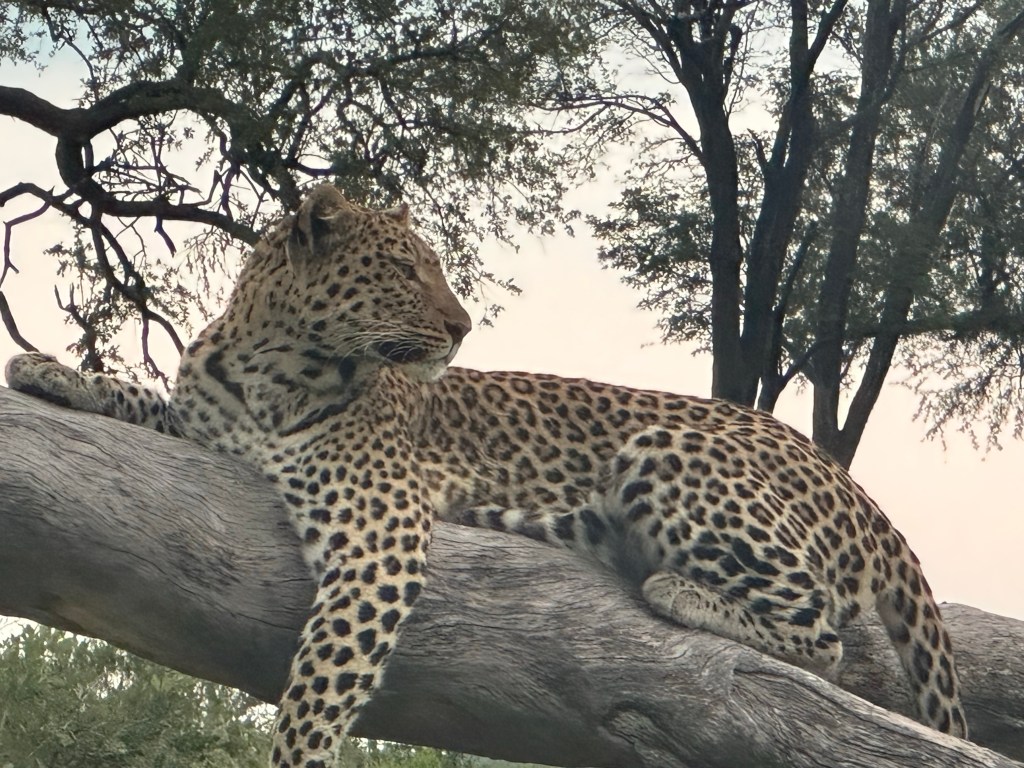
Wildlife of the Okavango Delta

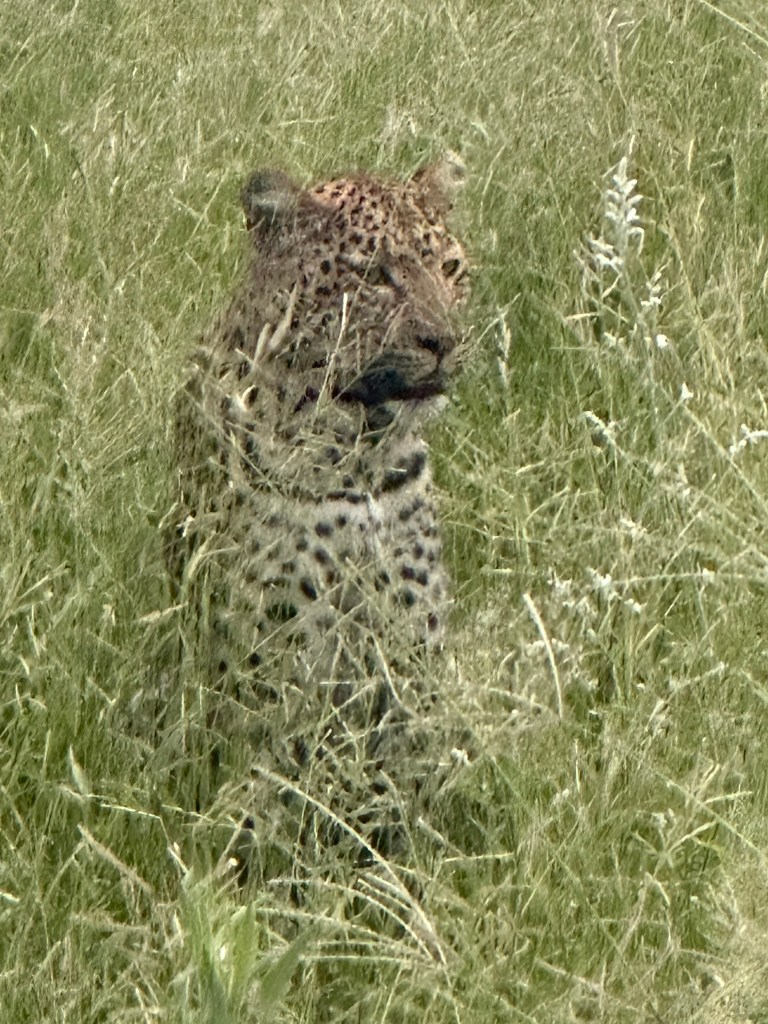
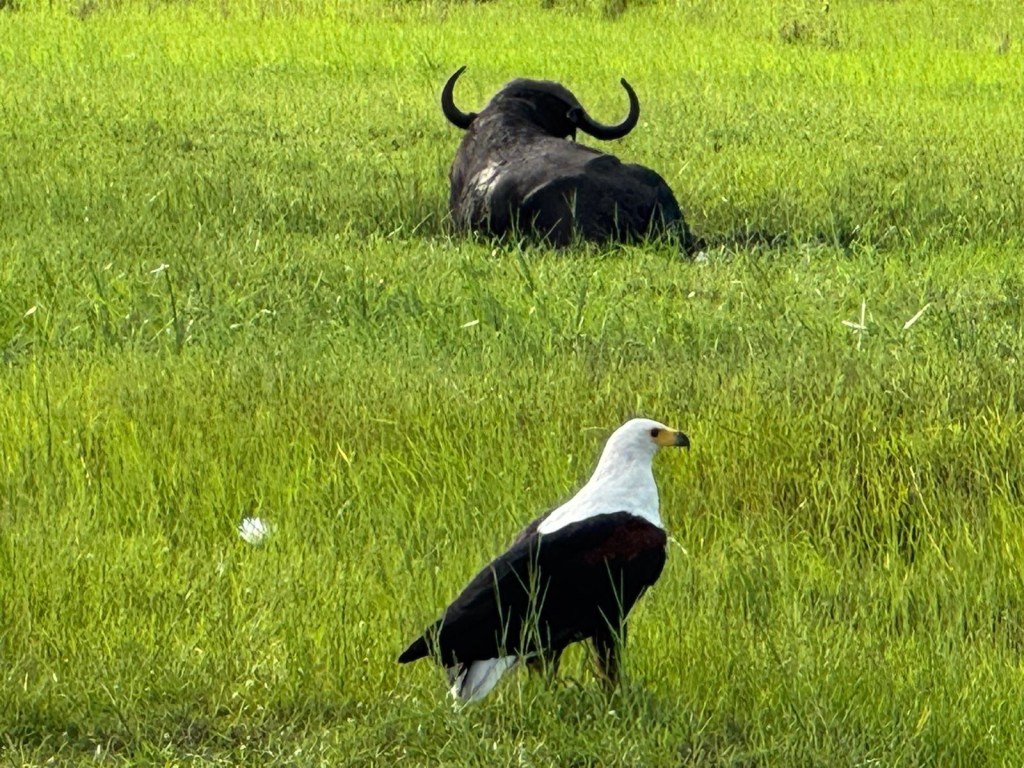
The Okavango Delta has its peak floods during the winter (June to August) which is the dry season, hence attracting animals from great distances. The summer is hot and wet giving rise to tall grasses, making some animals more difficult to see and is therefore the low season for tourism. In addition to land and water dwelling animals, the delta hosts approximately 400 species of birds during the year.

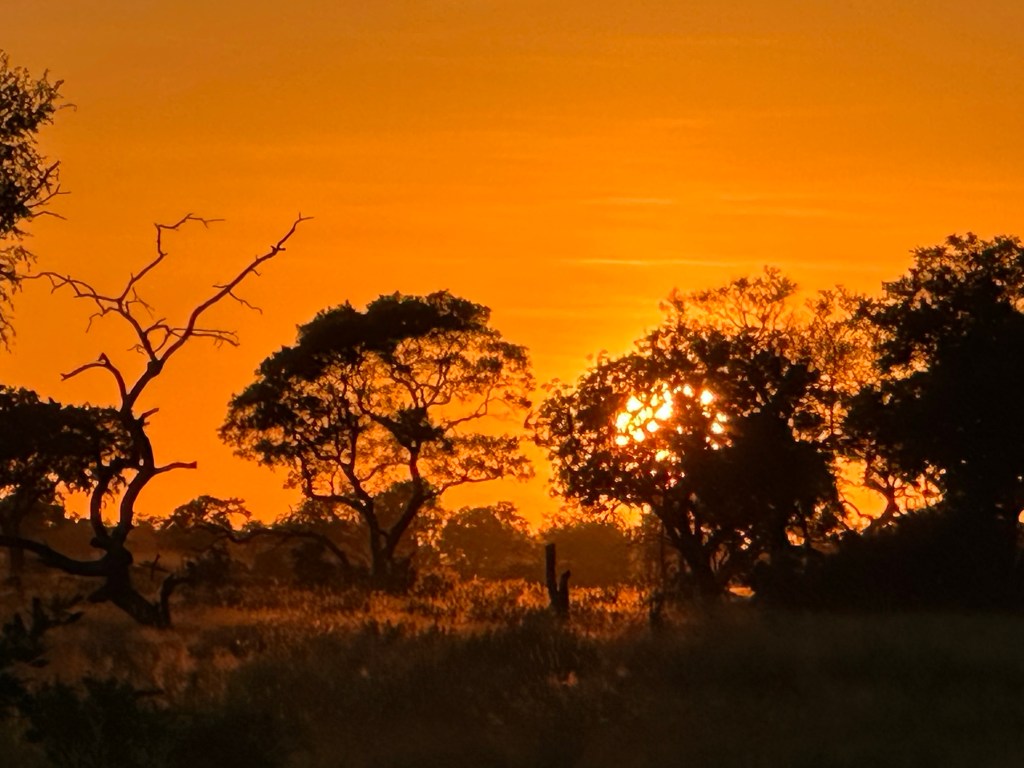
Sunrise from our game drive – reward for the 5am alarm

Okavango Delta

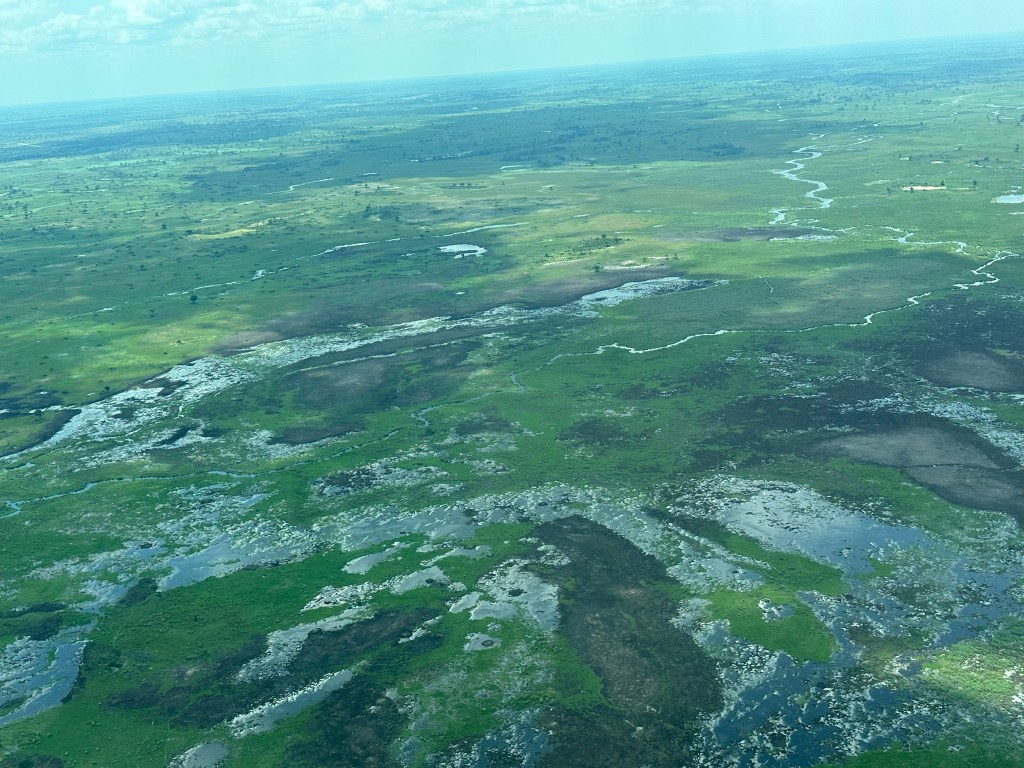
The Okavango is the largest of only a very few inland delta systems. It is created by highland waters from Angola reaching shifting tectonic plates. Each year approximately 11 cubic km of water spreads over an area around the size of Wales. The high temperature of the delta causes rapid transpiration and evaporation resulting in three cycles of rising and falling water levels.

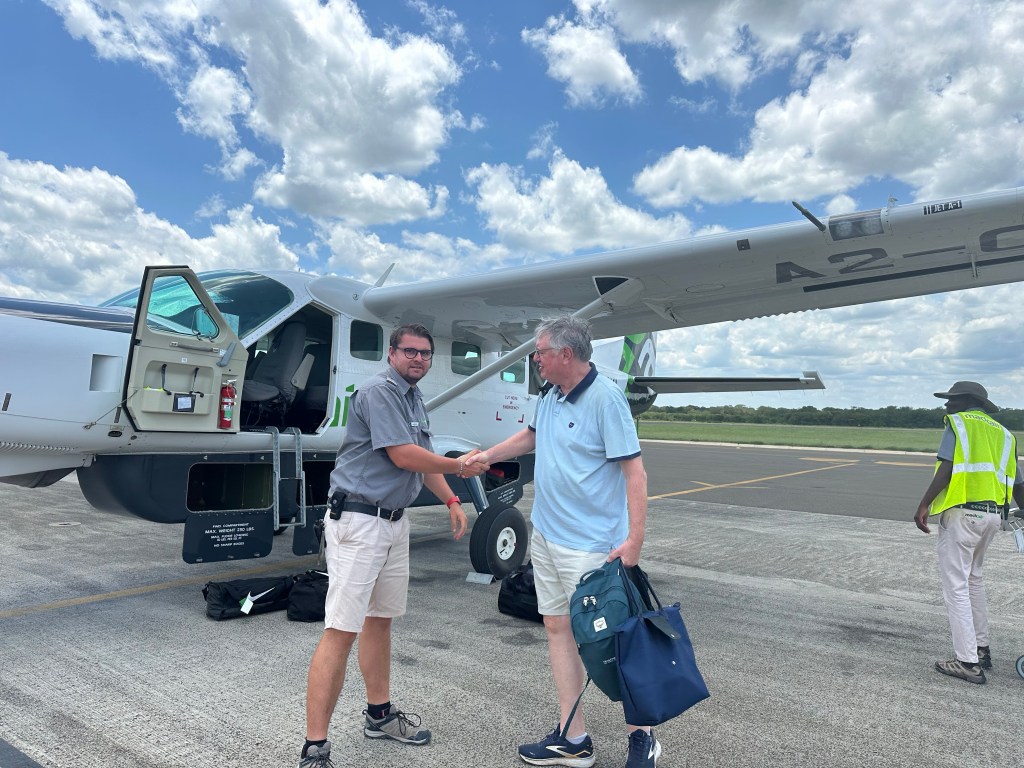
The nature of the geography is such that many lodges are best reached by air as they are on “islands” surrounded by water and marshes. Flights between islands might only be 10 minutes long with the schedule being determined the day before, depending on arrivals/departures from the logdes. Our first flight had five stops, of which ours was the third. There are dirt roads in the region, but the land distances are not indicative of the time it would take nor the feasibility at a particualr time of year.

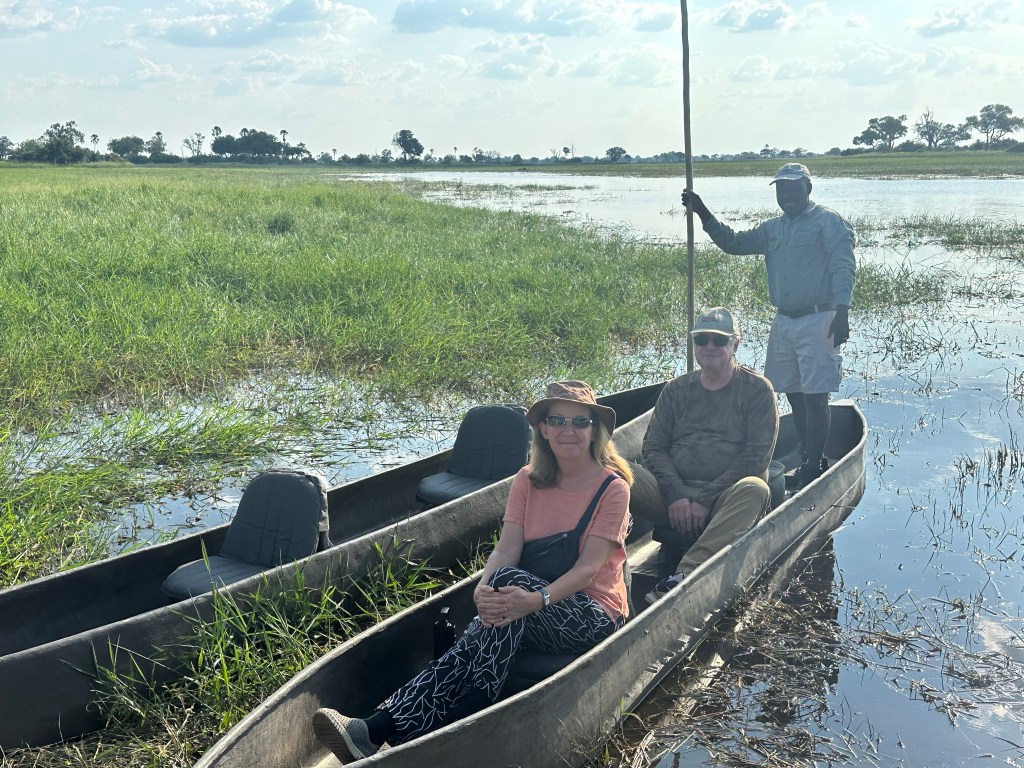
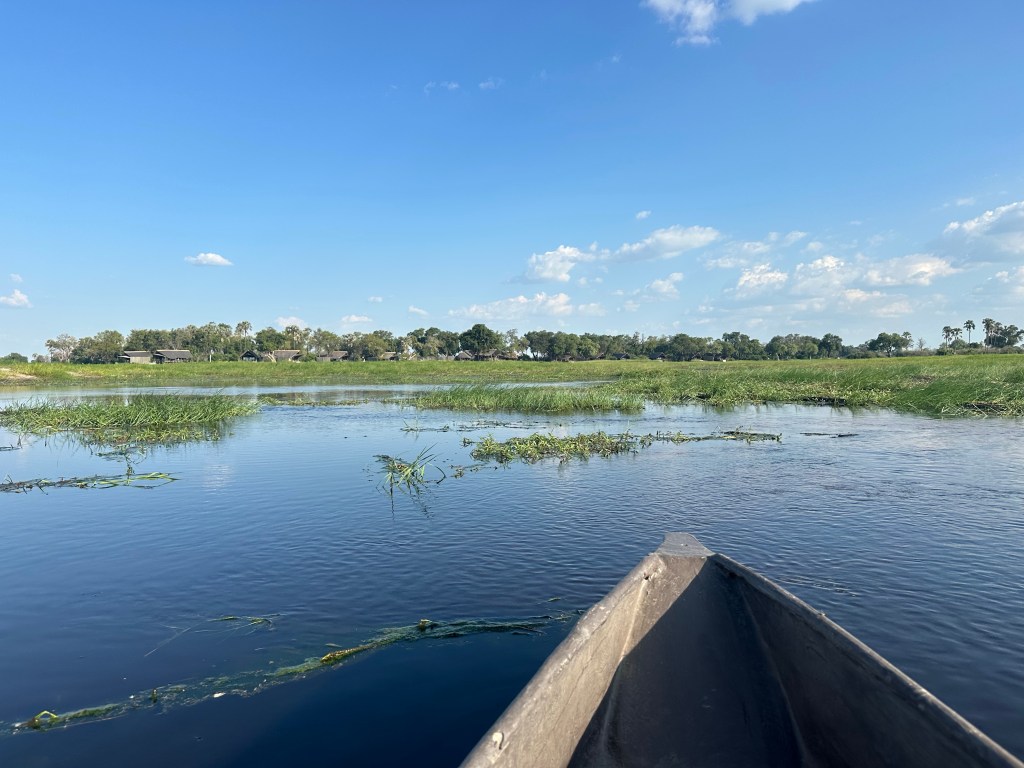
The traditional mode of transport is the mokoro, a canoe dug out from a tree trunk and propelled through the shallow water and vegitation using a pole. The ones used by the lodges are made of fibreglass to prevent unnecessary tree felling in the area.

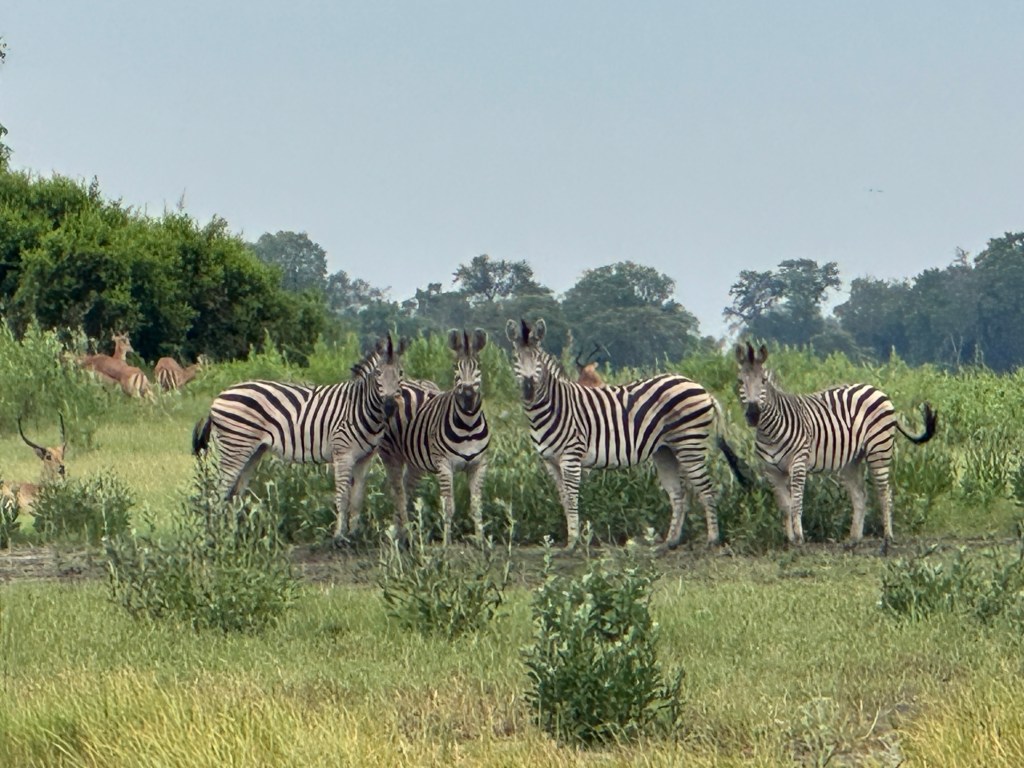
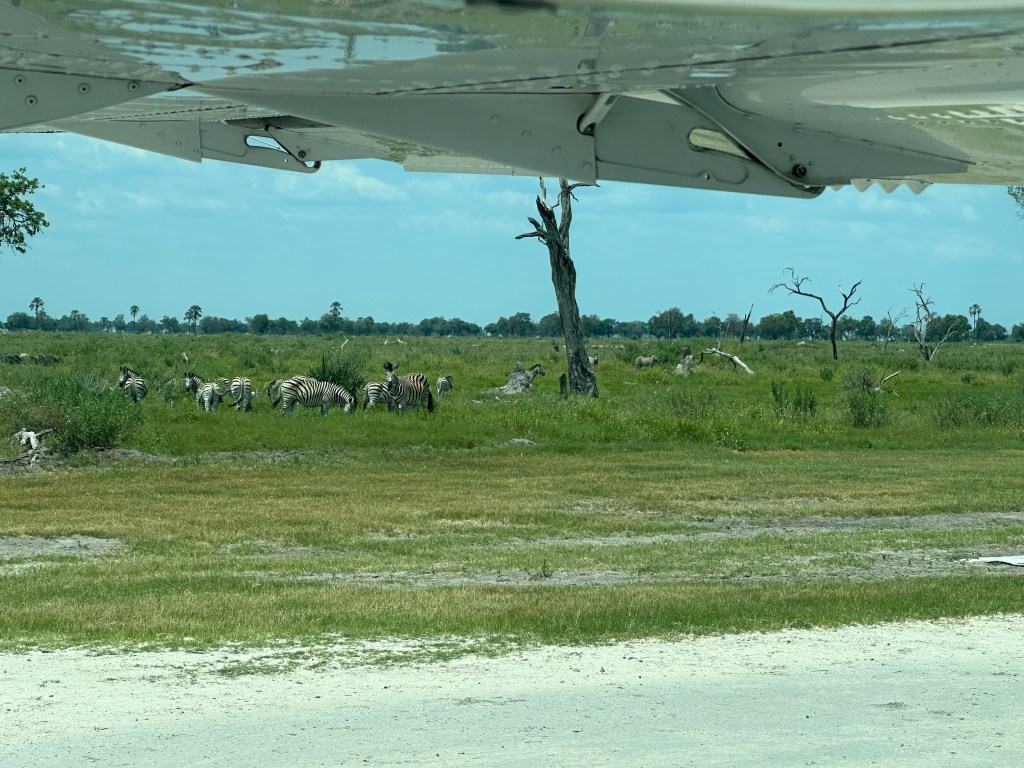
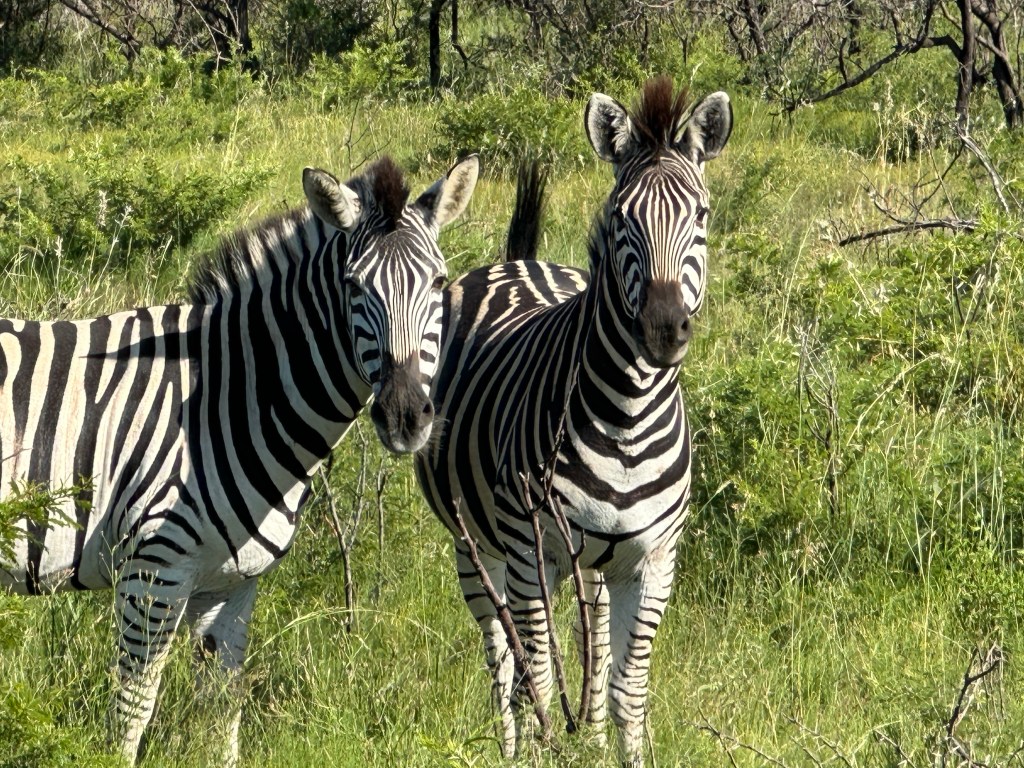
Zebras by the runway at one of the pick-up stops
The bar
View from the bar

Chobe National Park

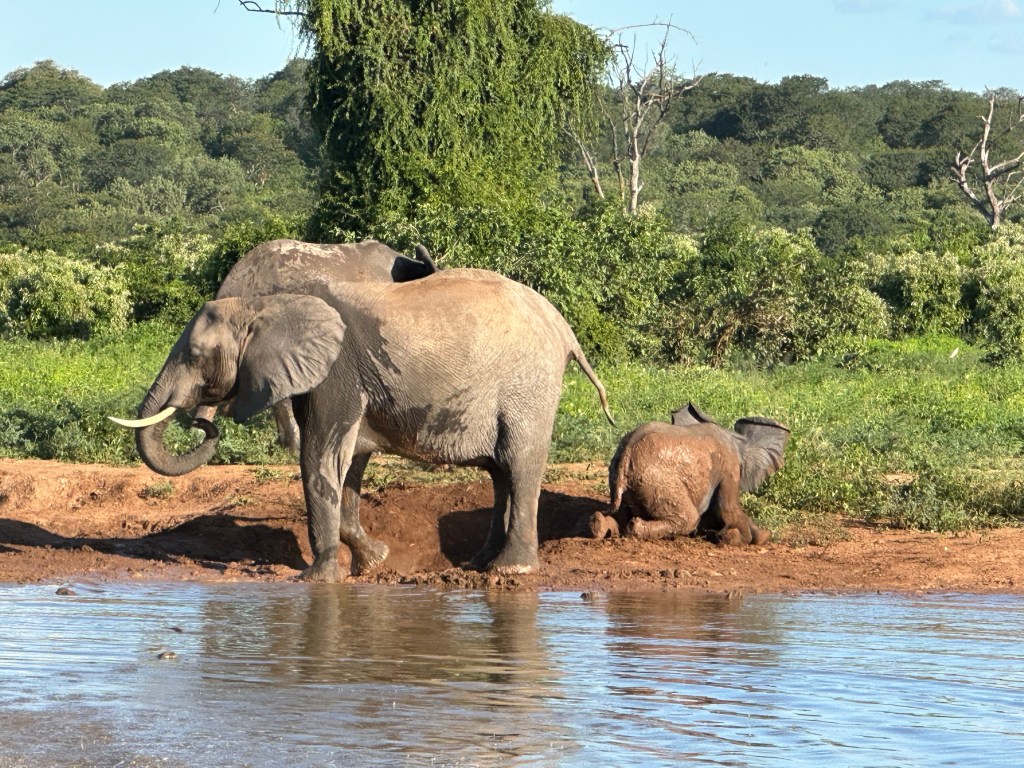
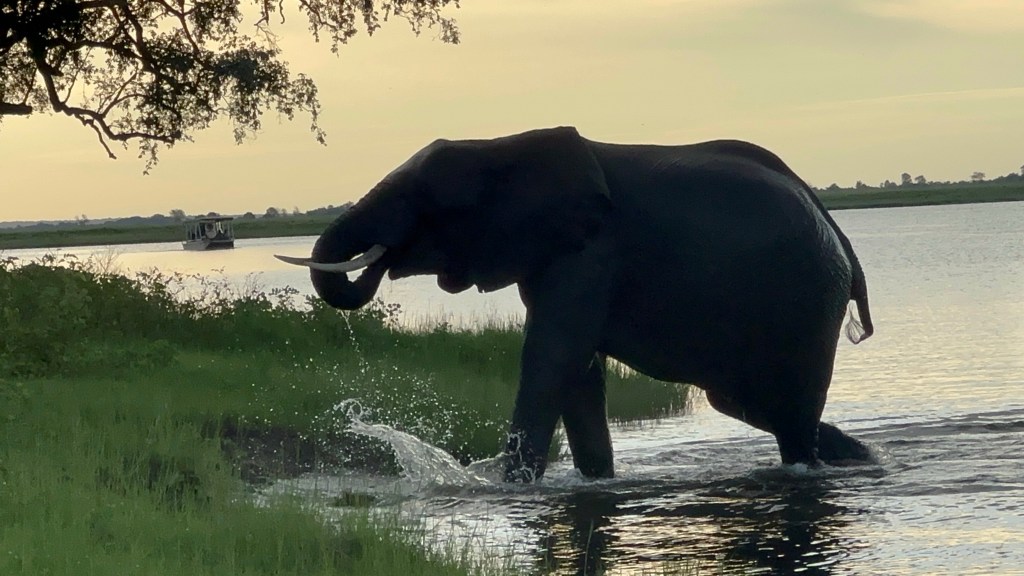
Chobe National Park lies in the north of Botswana and covers 11,700 square km, larger than Devon and Somerset combined. It was created a national park in 1967 and is known for its large population of elephants estimated to be over 45,000. The destruction caused by elephants is such that culls may be considered. We stayed at a lodge just outside the park with views across the Chobe River to Namibia. Our activities were consequently both land and water based.

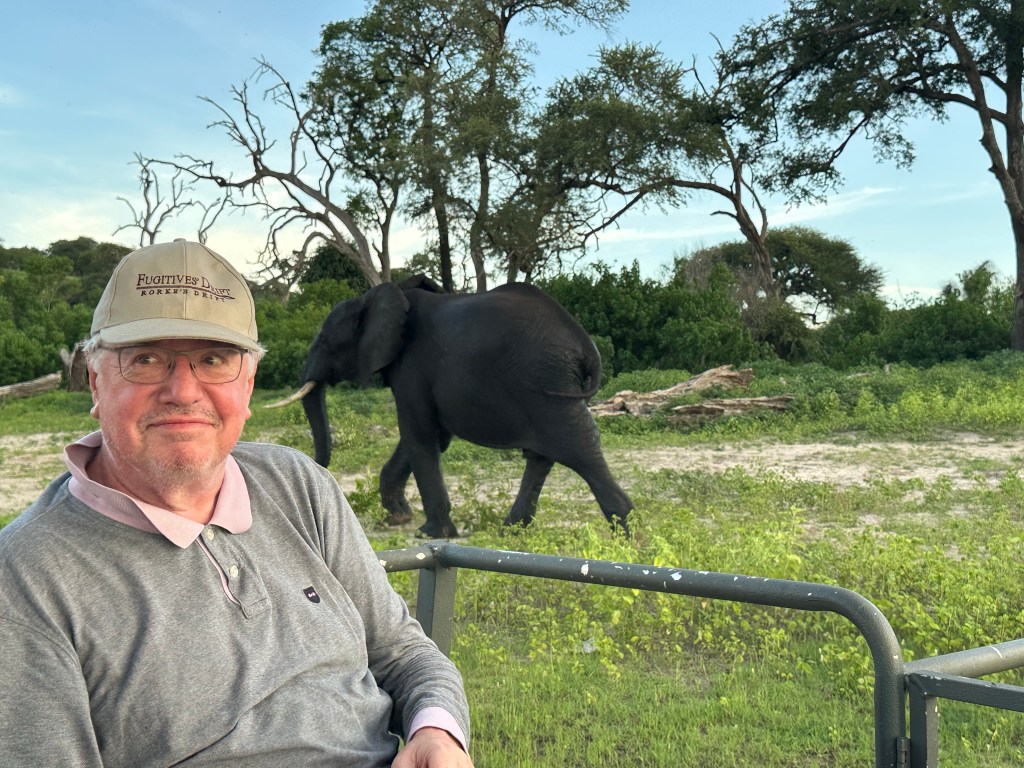
Shortly after a curious elephant approached our boat !
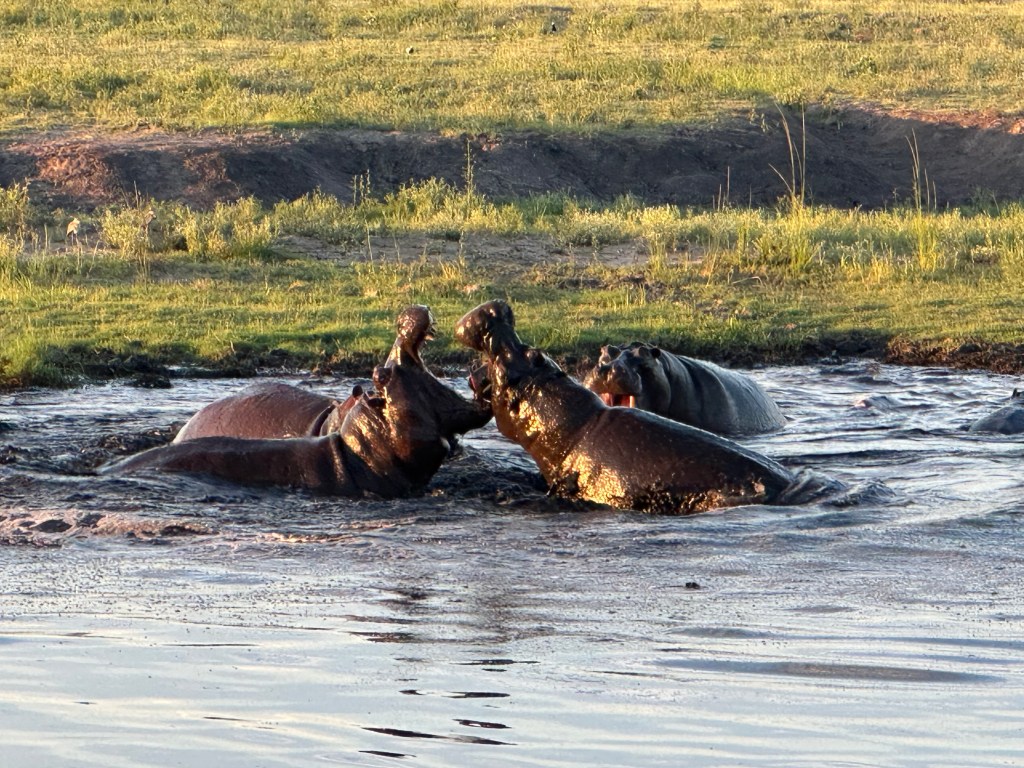
Hippos – what seemed to be a vicious fight was, our guide told us, a mother telling her sons it was time to leave home and make their own way in the world

Victoria Falls

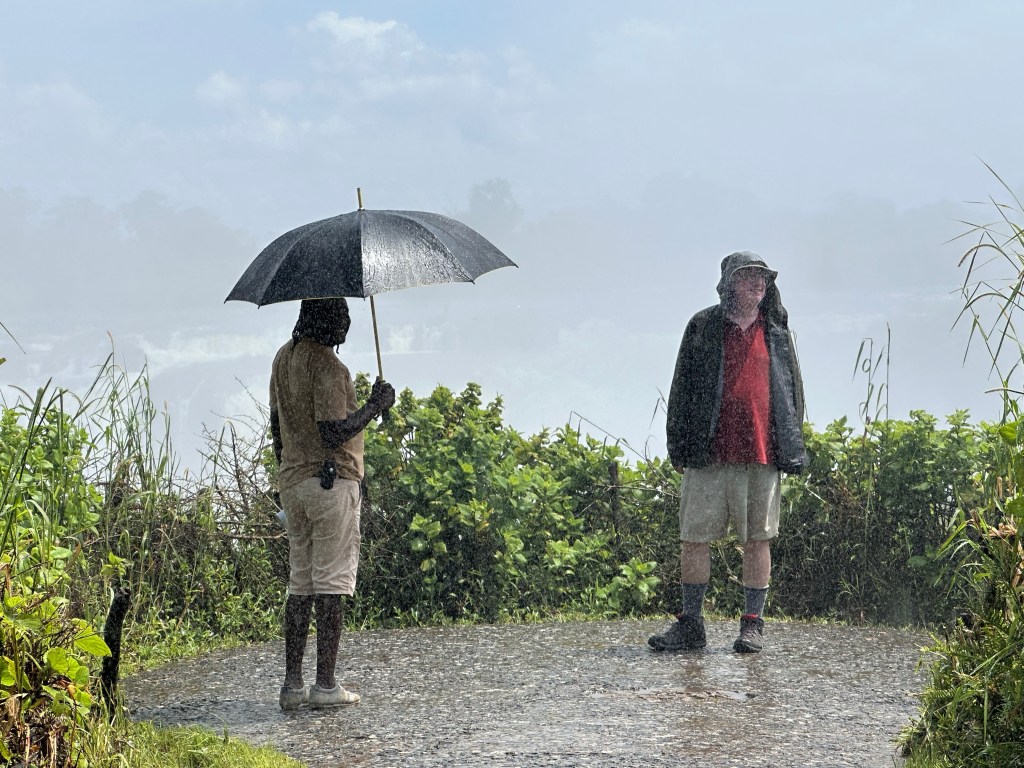
Our first lodge in Botswana was only a 20 minute drive from the border with Zimbabwe, one hour from Victoria Falls. The border crossing is very close to the world’s only quadripoint where Botswana, Namibia, Zimbabwe and Zambia all meet – some locals refer to it as BoNaZaZi. We could see Namibia from our lodge and during our trip to Victoria Falls we walked across the bridge to Zambia. This could be done on a “day pass” used by locals for shopping/trade and tourists to avoid the need to pay for a second Zimbabwe visa.

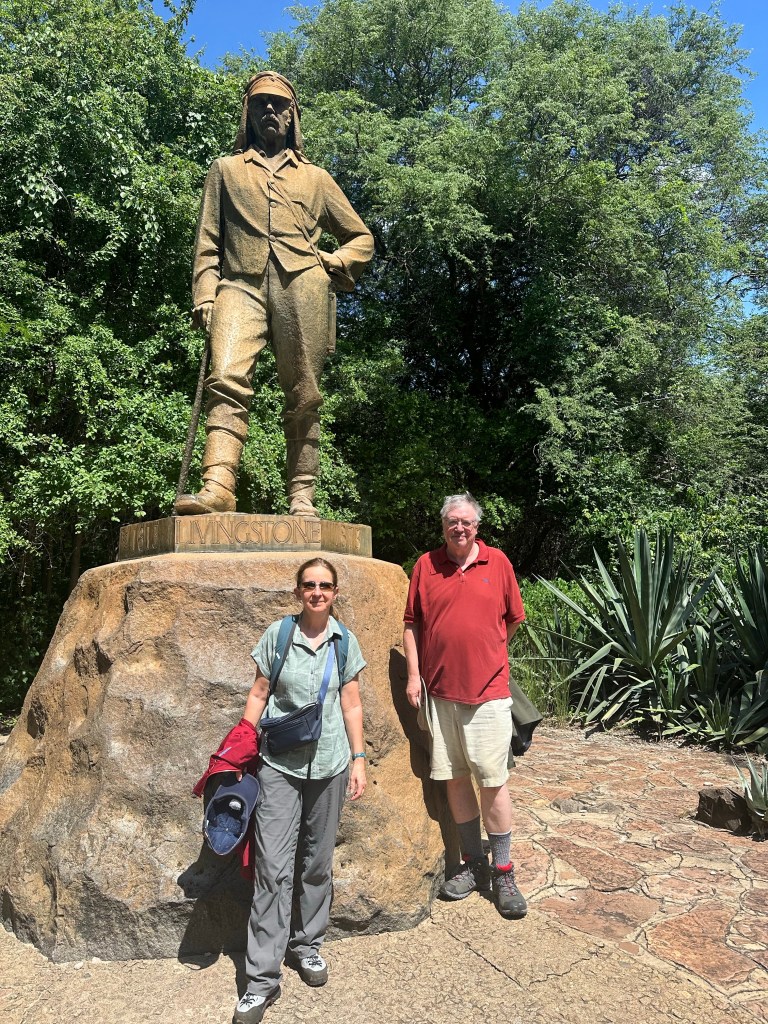
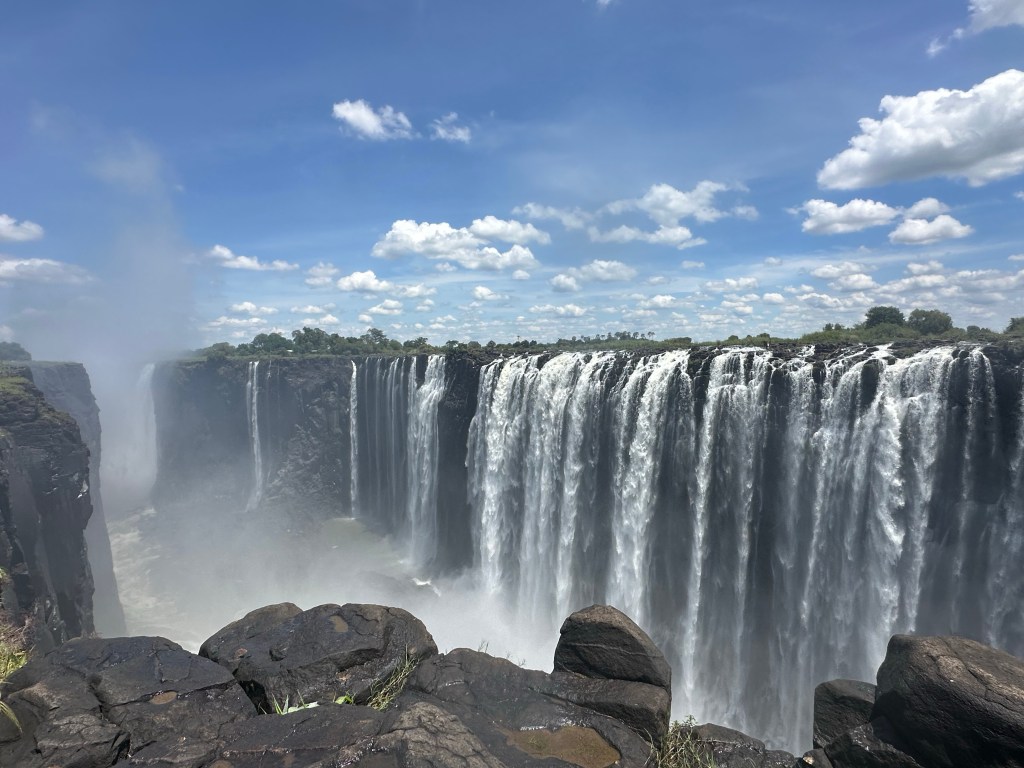
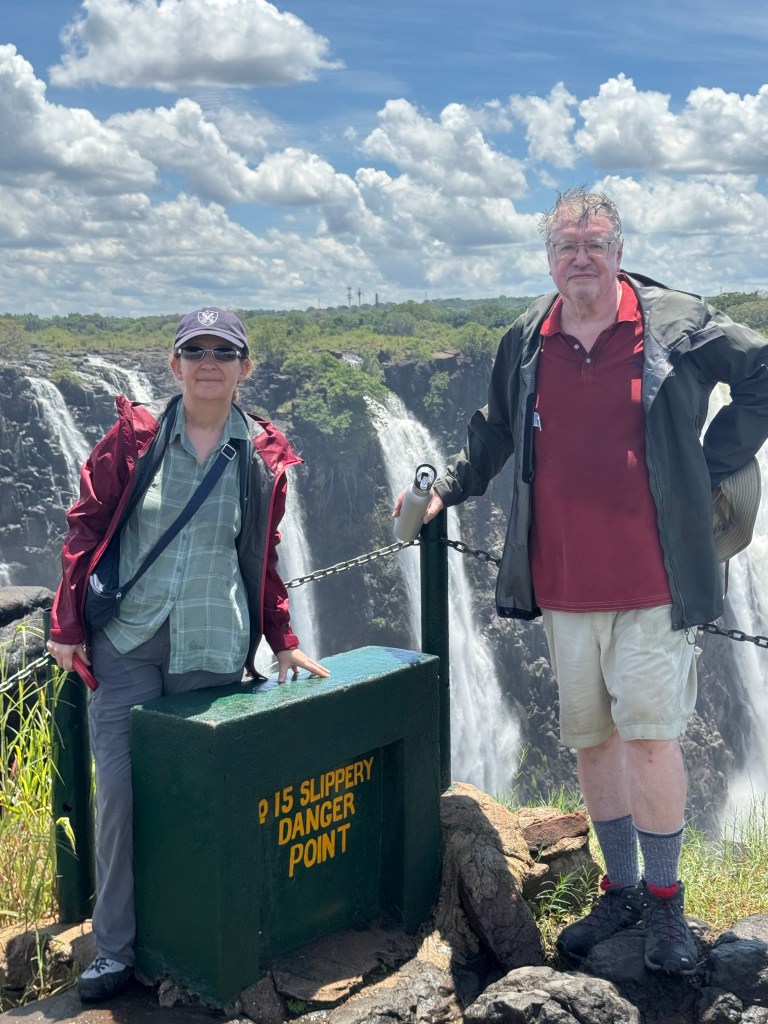
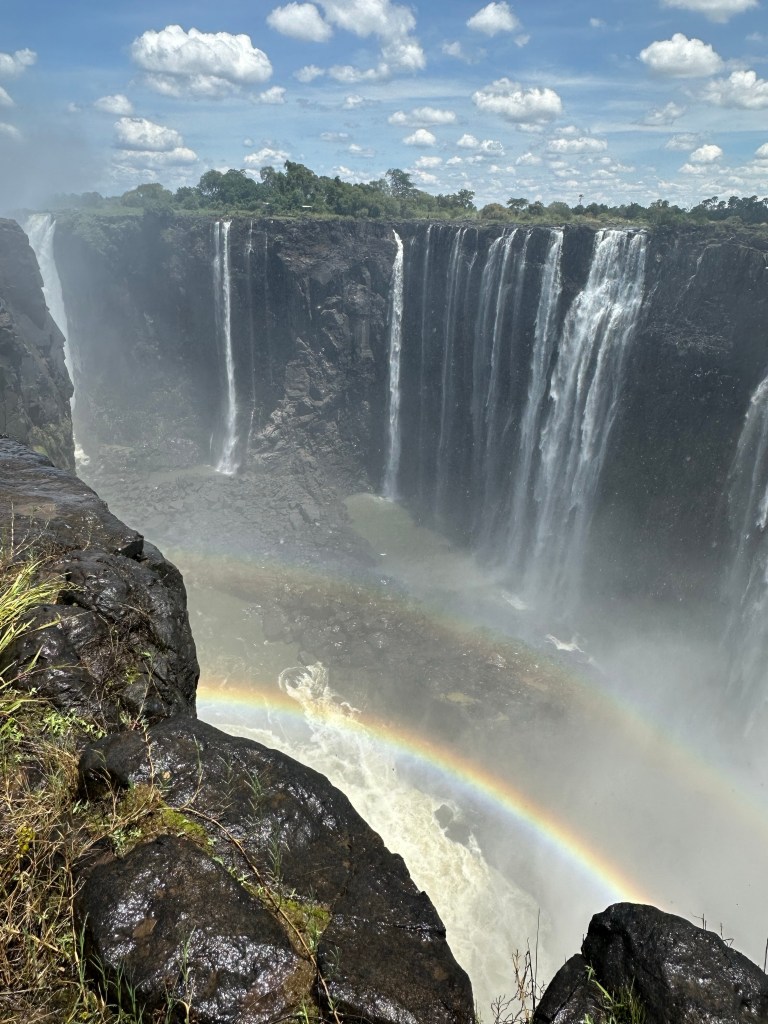
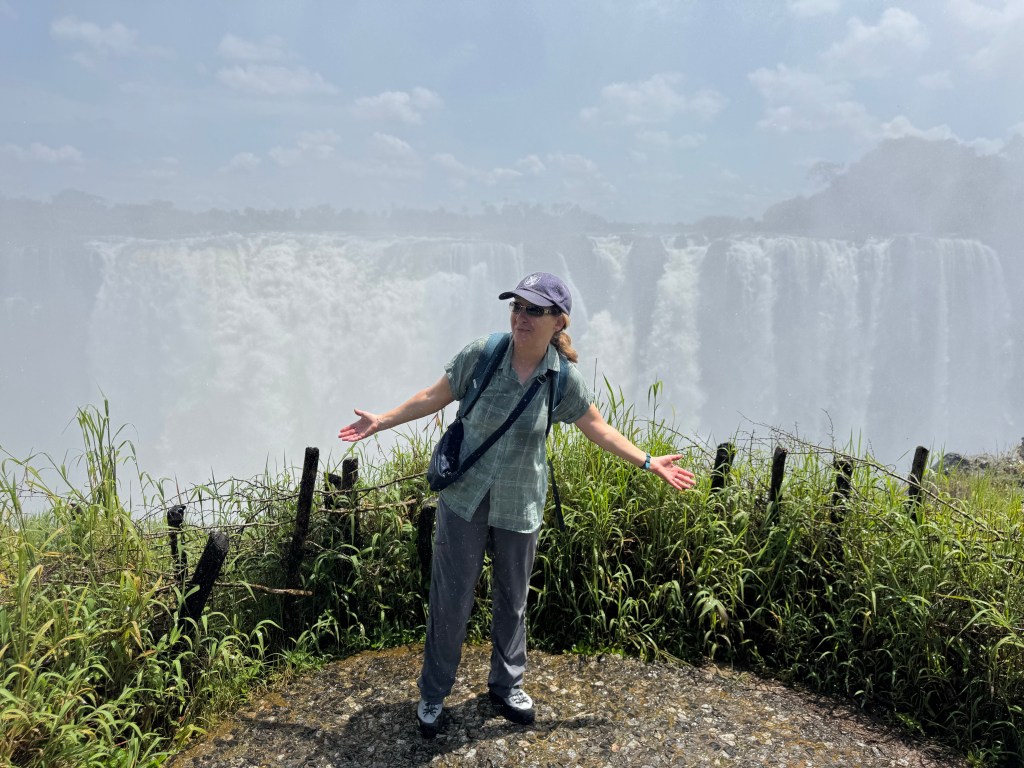
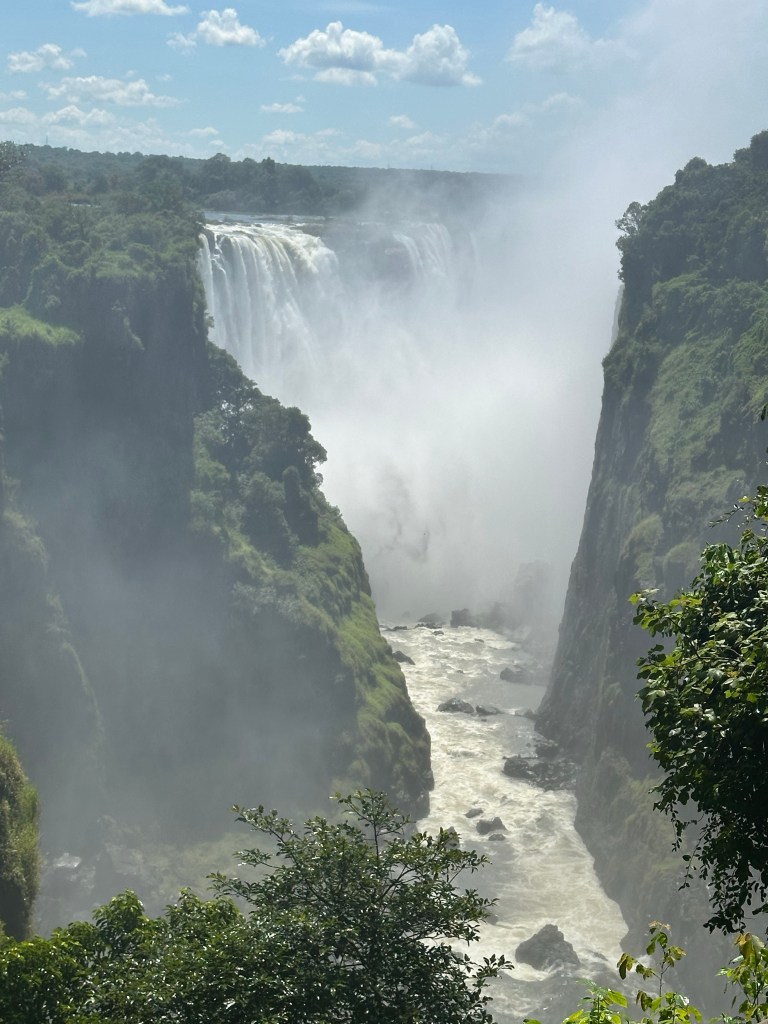
The first European to discover the falls was Doctor David Livingstone who first saw the falls on 16 November 1855. He named it in honour of Queen Victoria, its local name being Mosi-oa-Tunya – the smoke that thunders. It sits between Zimbabwe and Zambia on the Zambezi River and is classified as the worlds largest falls, based on combined width (1,708 m) and height (108 m), with other falls claiming the spot based on different combinations of measures ! The volume of water varies considerably by time of year; when we visited it was considered around a mid point.

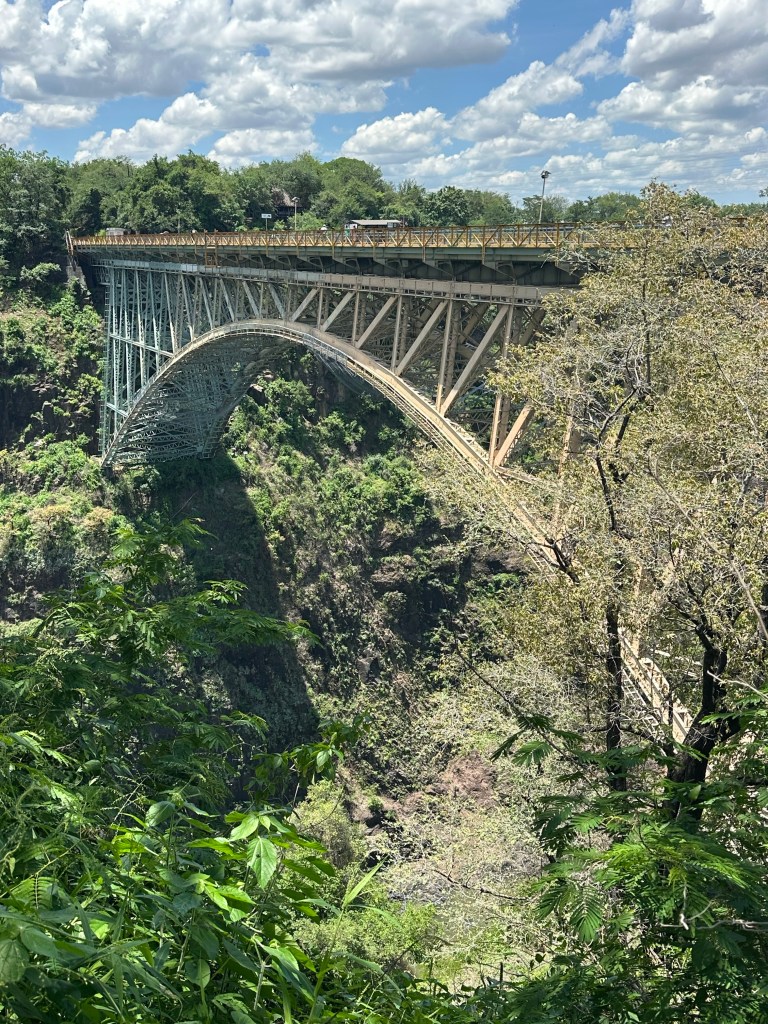
As part of the grand, but unfulffilled, vision of Cecil Rhodes to build a railway from Cape Town to Cairo a bridge was built over the outlet gorge of the falls. The bridge was prefabricated in Darlington and completed on site in 1905. It consists of a single lane road, railway and two footpaths and has only ever needed minor repairs and painting since its construction.

Botswana

Botswana is a country, approximately the size of France but with less than 2.5 million people making it one of the world’s least densely populated countries; 70 % of its land falls within the Kalahari.

Botswana became independent in 1966 and is the longest uninterrupted democracy in Africa, although until the 2024 elections it was governed by the same party. In 2024 a major change in politics resulted in the election of a left of centre coalition, promising to better distribute the country’s wealth.

Botswana has one of the fastest growing and highest GDP per capita in Africa derived from its natural resources and tourism. The country’s largest diamond mine is 50 % owned by the government.

Johannesburg

After a 400 km drive lasting just over four hours we arrived at Sandton, a suberb of Johannesburg, the largest city in South Africa. The city was founded on the back of the gold rush in 1886 and within 10 years it had a population of 100,000 people.

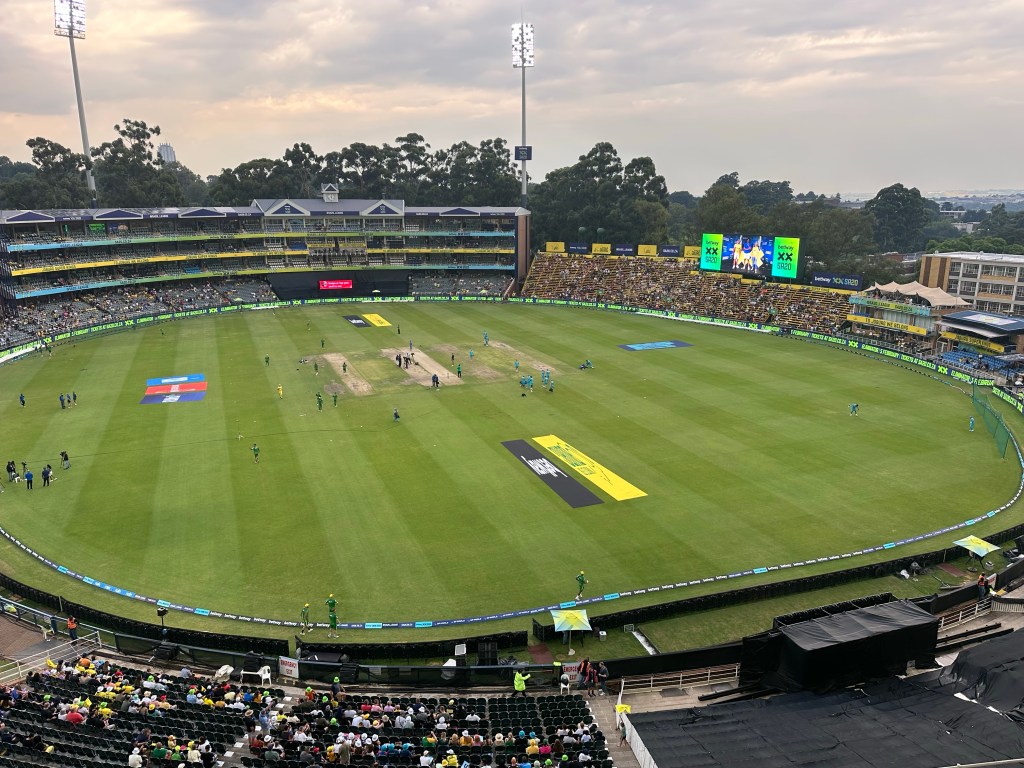
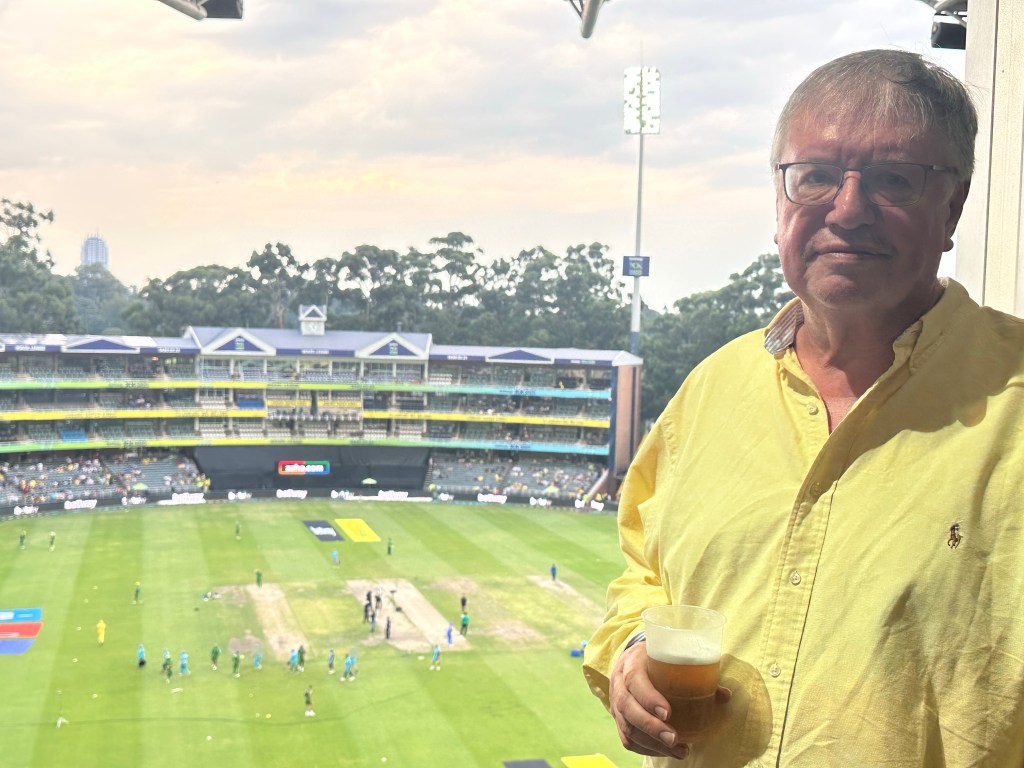
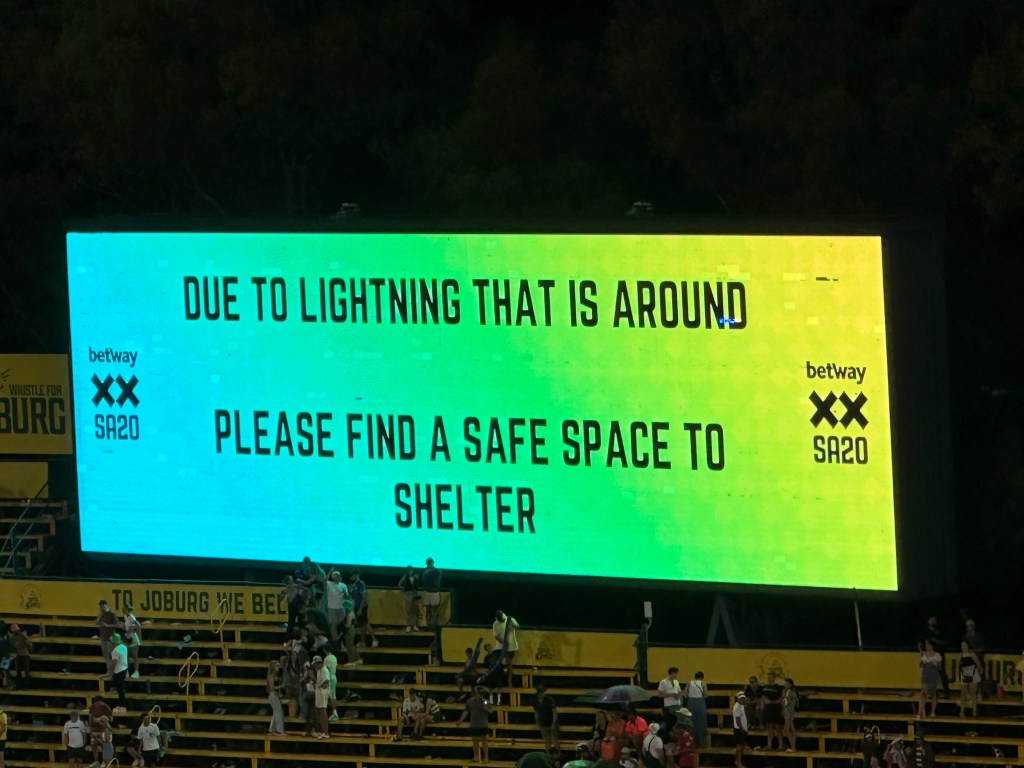
We stayed for a couple of nights prior to flying to Botswana, but took the opportunity to visit The Wanderers to watch Johannesburg Super Kings versus the Durban Super Chargers in the SA T20. The Wanderers, built in 1956 to replace the old stadium, has a capacity of 34,000 and is known as the bullring because of its intimidating atmosphere for visiting teams. We could see why – although the stadium was not full, it was extremely noisy with most people having whistles. It is one of the highest international grounds at 1,640 m; Kingsmead in Durban which we visited earlier in our trip is one of the lowest at 3 m. The game we went to in Durban was rained off, however this match was a first for us – play delayed by lightning , but no rain. After the lightning delay of almost an hour, Durban managed to win (against their recent lack of form) in a 16 over second innings run chase.

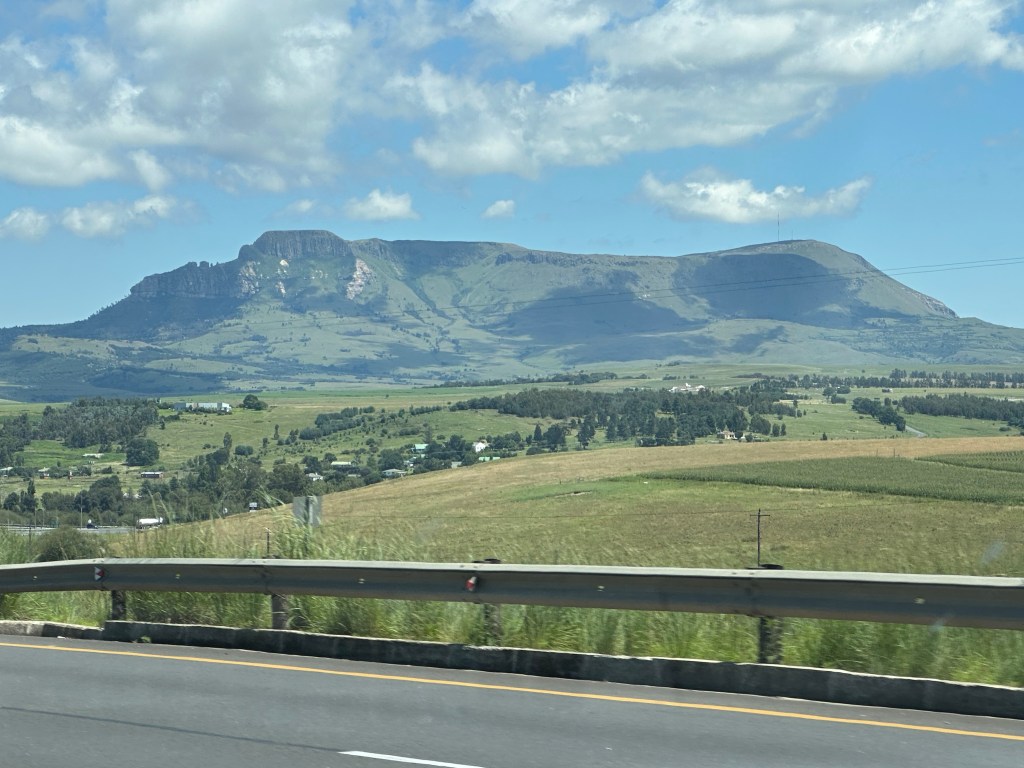
Road from Ladysmith to Johannesburg- mountains giving way to mile upon mile of flat farmlands. We saw Bethlehem and Newcastle sign-posted not far from each other
Moeen Ali plays for the local team – we saw spectators wearing Moeen beards !
When visiting the bar is a matter of personal safety!

Nambiti Game Reserve

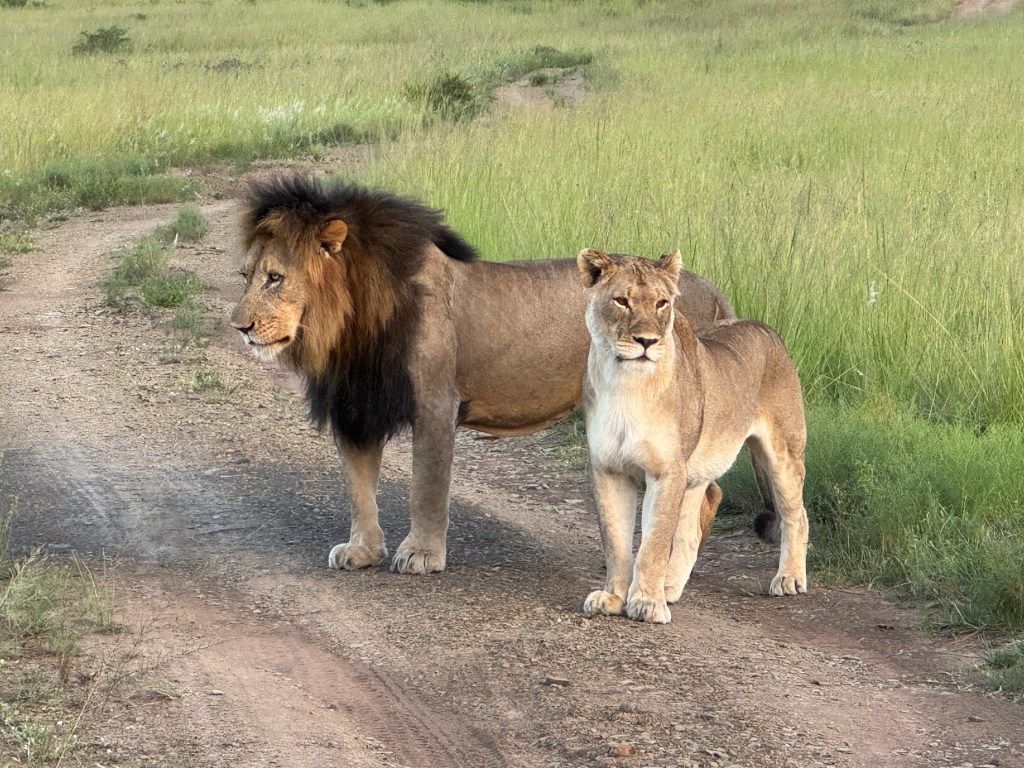
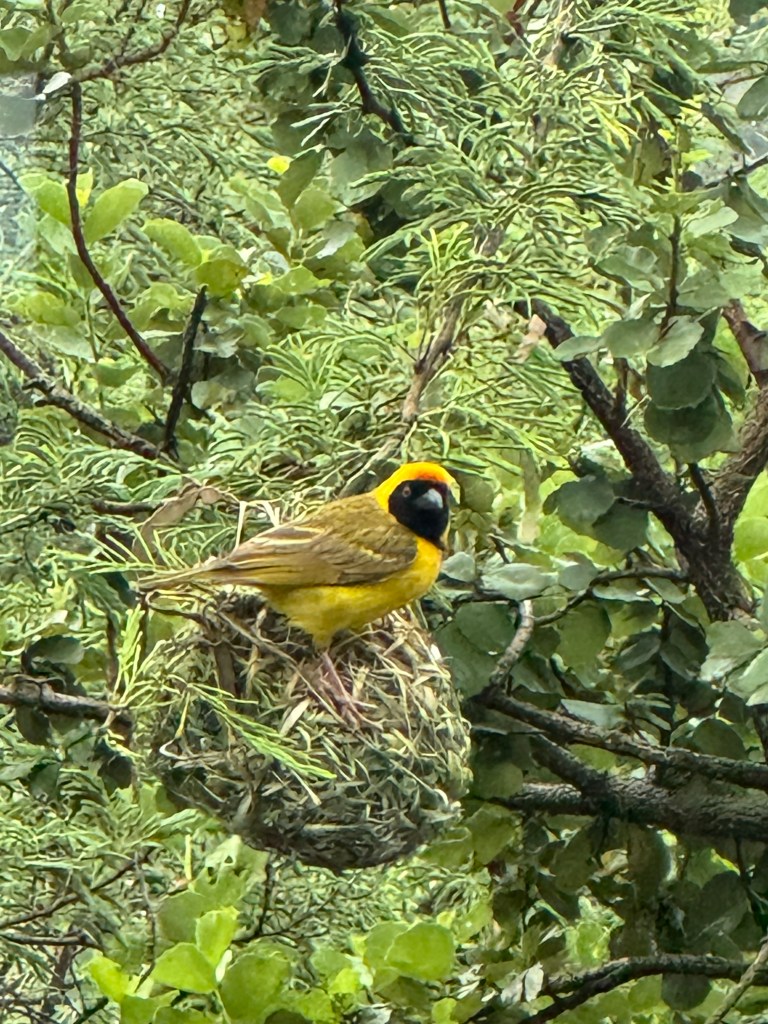
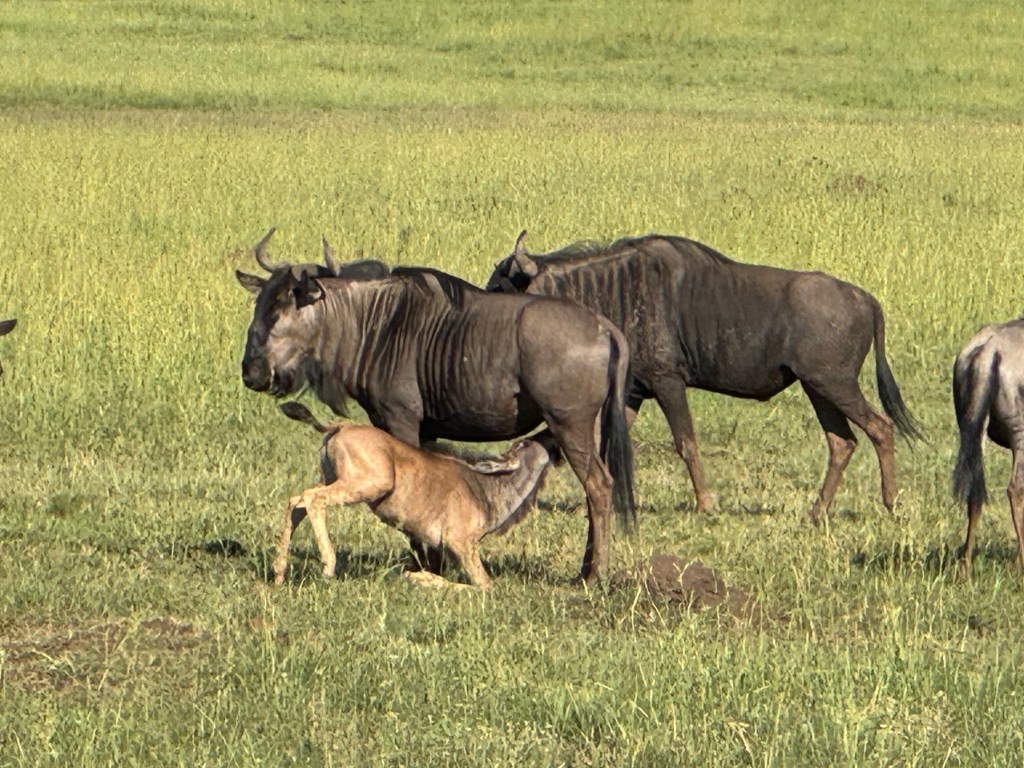
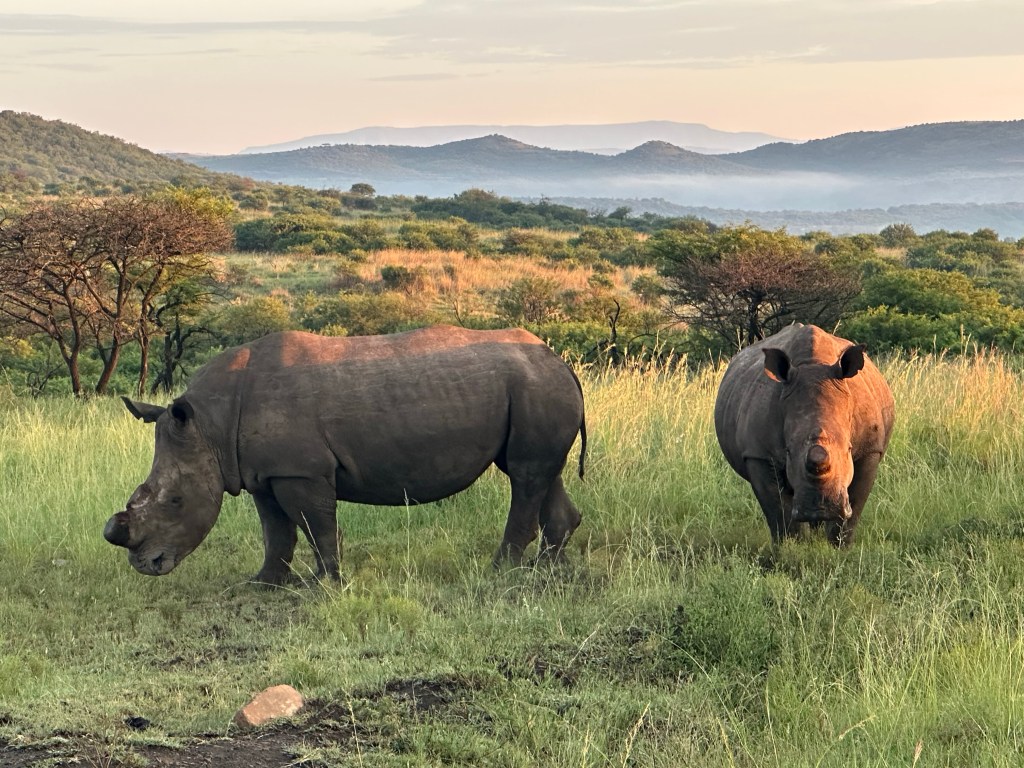
Nambiti Game Reserve is a private reserve of 10,000 hectares created in 2000 by the purchase of six farms by two businessmen. It has all the Big 5, with only leopards not having been introduced. Leopards are the most difficult to see (and we did not) as they had been hunted by the farmers for 200 years to protect their livestock and so still have a fear of the sound of the game drive vehicles.

A number of the animals are tagged for research and safety purposes (in case of escape from the reserve). The tracker locations are not shared with the guides, so seeing the animals with smaller populations depends on the guide’s knowldege and skill.

There are a number of lodges in the reserve, but each is relatively small and during our visit, not fully occupied. This together with the guides’ respect for the animals, mutual cooperation and size of the reserve means that the guests enjoy the animal sightings in a calm natural environment.

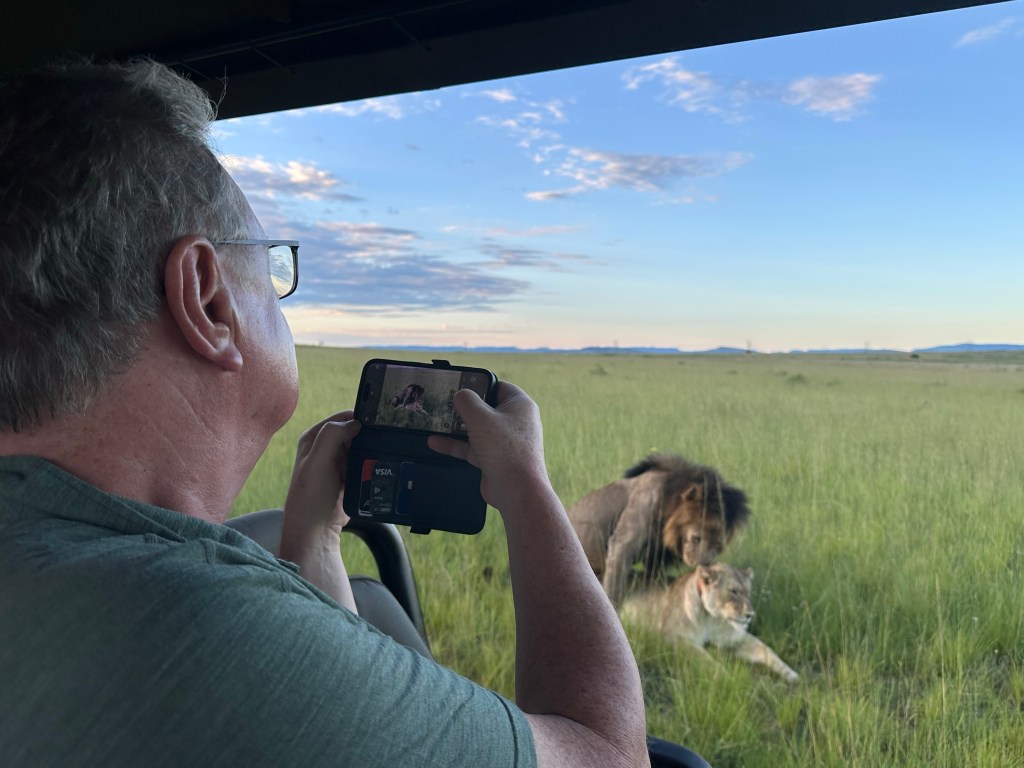
Fellow guests at our lodge