Robertson

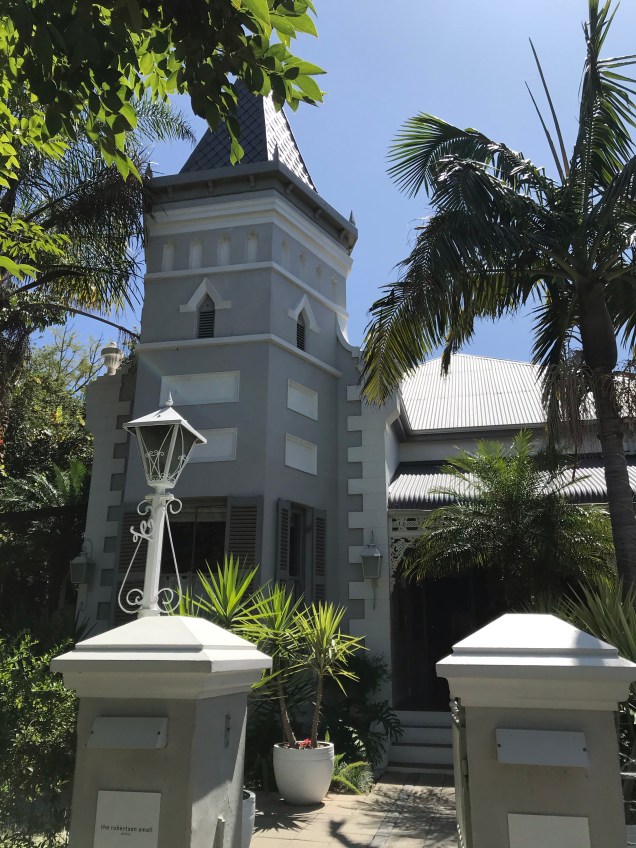
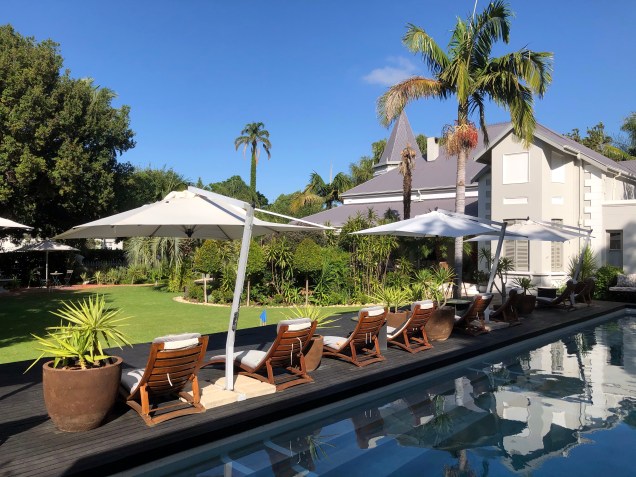
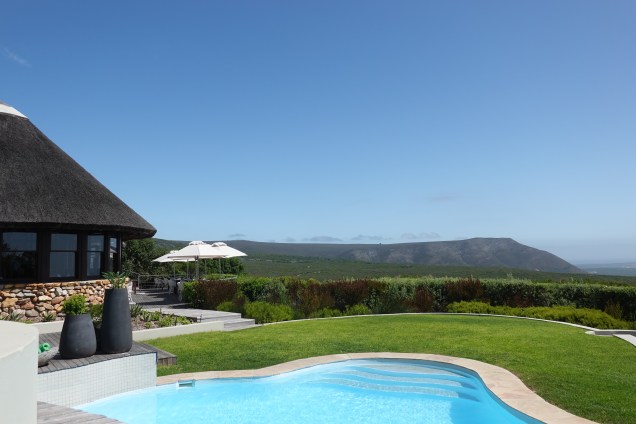
We made a one night stop in Robertson on the way from Gansbaai to Franschhoek. It is a wine town at the western end of the R62 and we stayed in a Victorian Manor House, which has been converted into a boutique hotel with very popular restaurant. We stayed in a room in the former stables with views over the pool and croquets lawn.

Penguins, seals and sharks

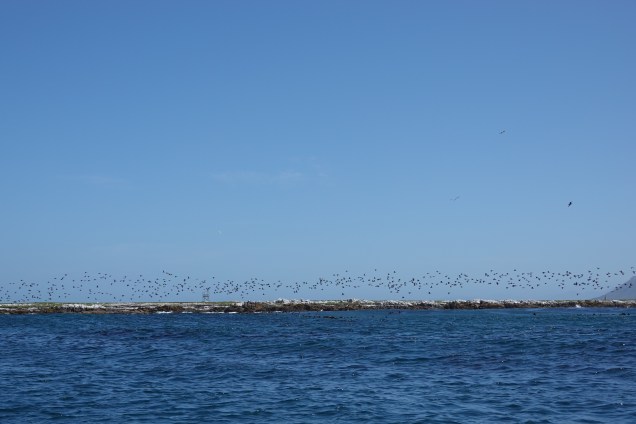
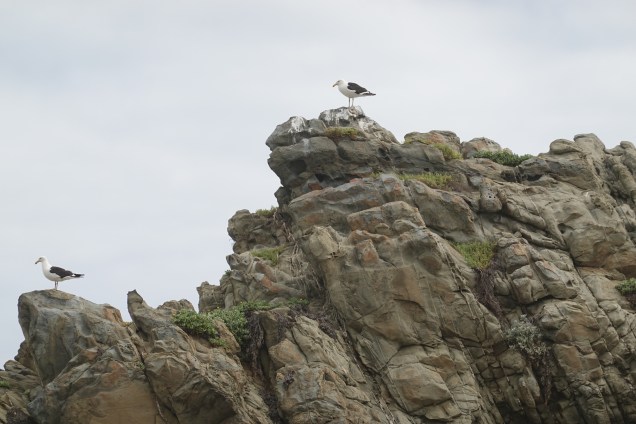
Whilst staying at Grootbos, we took the opportunity to take a marine tour from Gansbaai in search of the marine big 5. We saw the three above, but it was the wrong time of year for whales and the dolphins had gone missing.

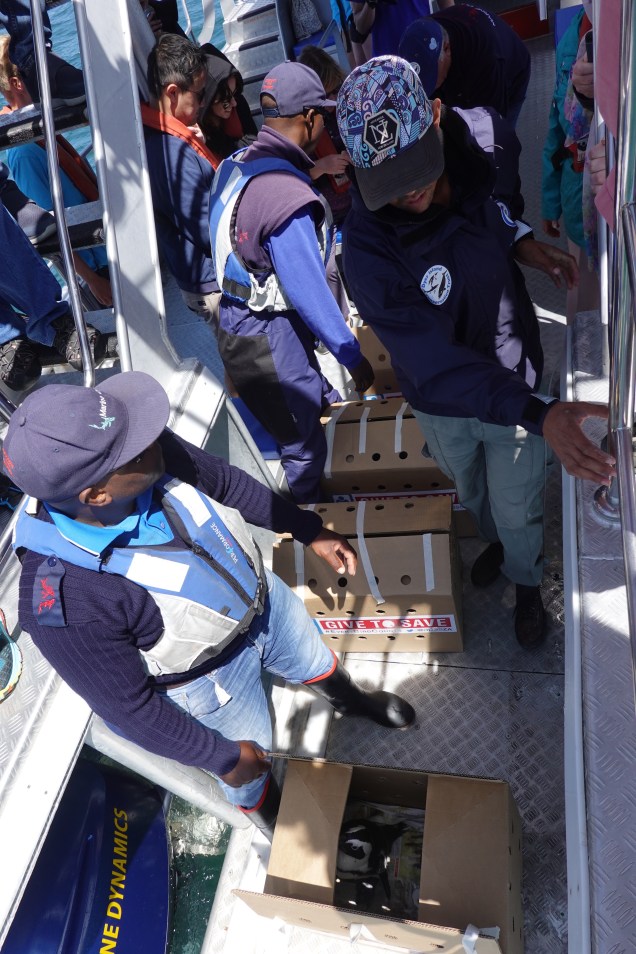
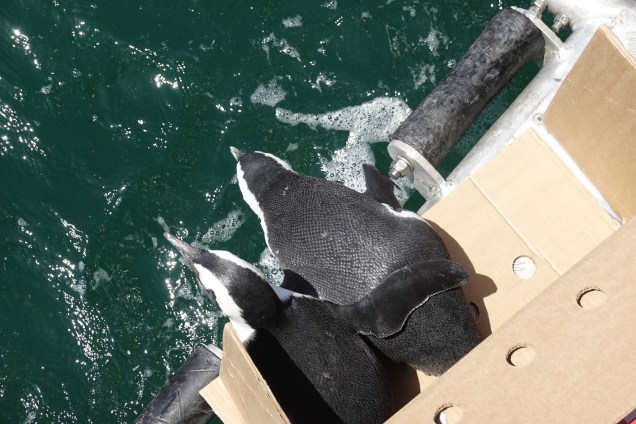
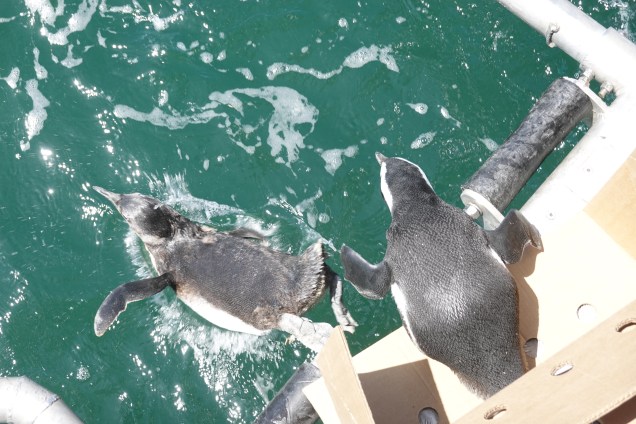
The highlight of our trip was that our boat was used by a conservation team to release nine injured penguins back into the wild to rejoin their colony. The penguins had been hurt in attacks by seals and sharks before being rescued and rehabilitated. The penguin population has been much depleted by human intervention, for example their nesting material has been harvested for use as fertiliser. Local charities are now providing nesting boxes.

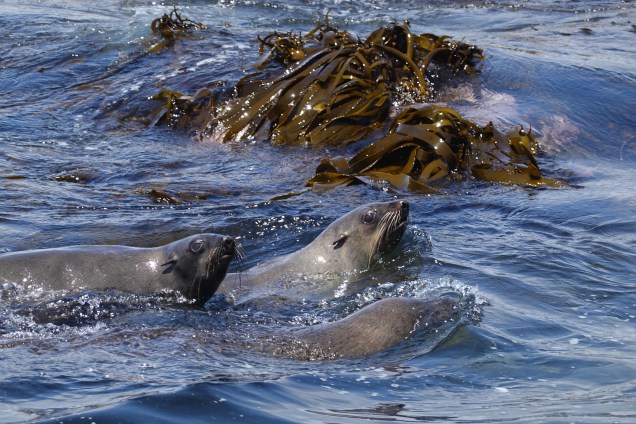
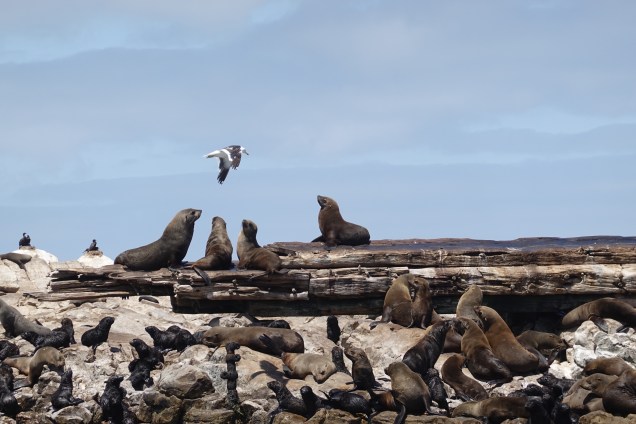
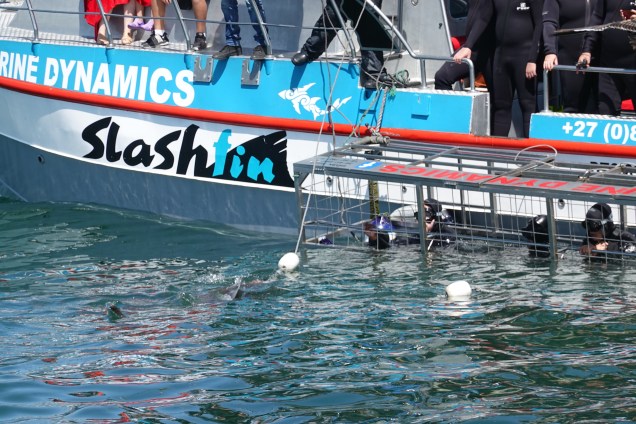
The seal colony thrives with 60,000 members, which can be smelt from some distance away, so we held our noses as we watched their swimming skills. The sharks we saw were being attracted by a cage diving boat. The divers were more visible than the sharks !

Grootbos Private Nature Reserve

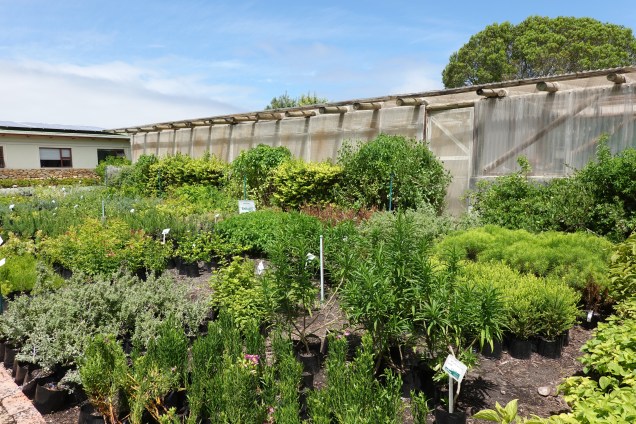
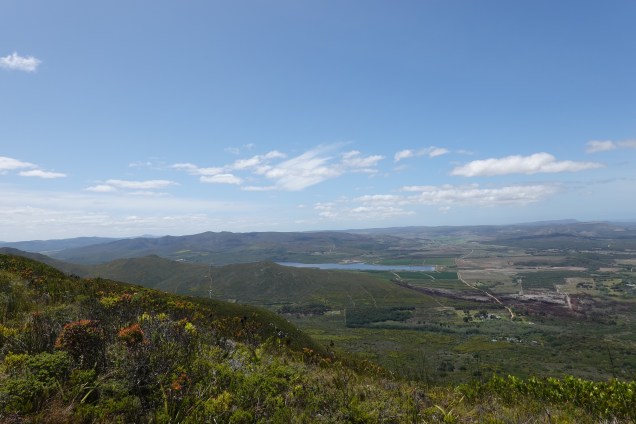
Grootbos is a botanical nature reserve set up to manage and protect the fynbos, which include proteas, ericas and restios. Many species of plants are under threat or vulnerable to extinction. The fynbos needs fire to germinate its seeds and Grootbos manages this on a rotational basis burning every 10 to 15 years.

The reserve has two small hotels and also runs a foundation for the benefit of the local community. Each year the foundation runs a 12 month course for 12 students (aged 18-25) from difficult backgrounds, who are taught horticulture, IT and general workplace skills. The students undertake work placements with the two best students spending time at The Eden Project in Cornwall. There is a small farm growing vegetables which are sold to the hotel to help support the foundation.

Route 62

From Wilderness to Gansbaai the direct route is the N2, the southern highway. The alternative is the inland R62. The road goes through a number of small towns, including Oudsthoorn (the ostrich capital), Calitzdorp (port wine producer) and then Barrydale where we turned off. Our route also took us through two passes, the more scenic being Huisriver pass.

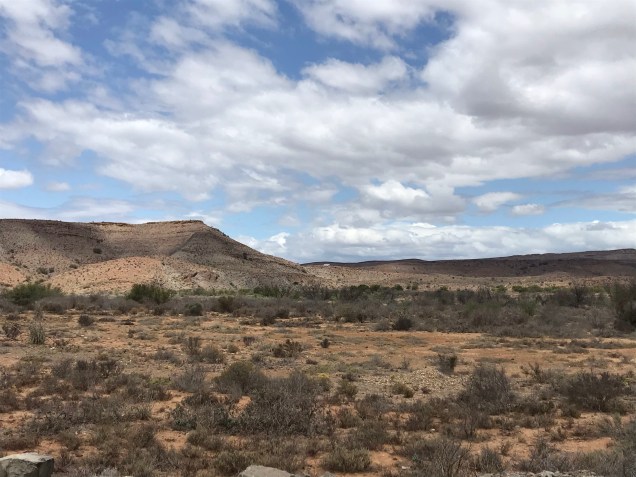
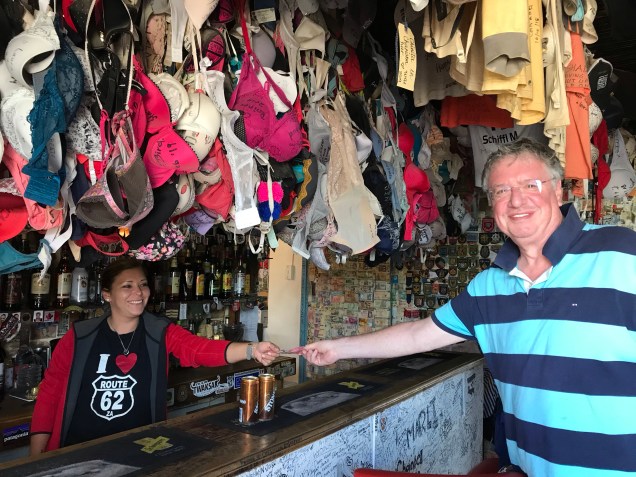
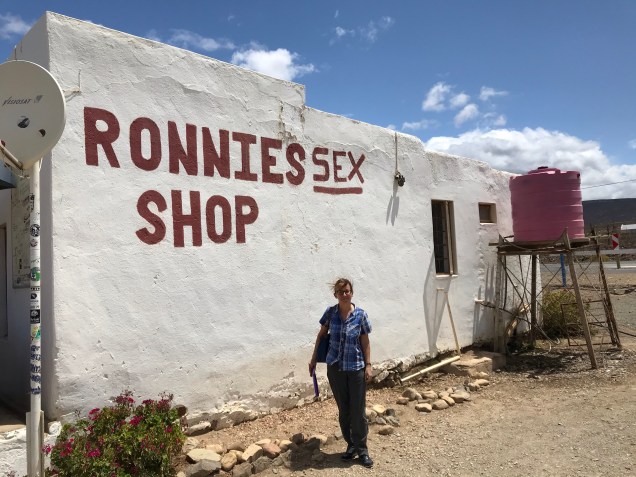
Most of the landscape is scrubland but amongst this, a joke has turned into a tourist destination. Ronnie decided to paint a sign on his shop in the middle of nowhere on the R62 to attract more customers and his inebriated mates added the word “sex” to the sign, and so Ronnie Sex Shop came into being. It is now a bar and cafe (both small), the bar decorated with knickers and bras, donated by visitors. Shortly after lunch at Ronnies (no apostrophe) we rejoined the N2 and headed to our next destination.

Wilderness

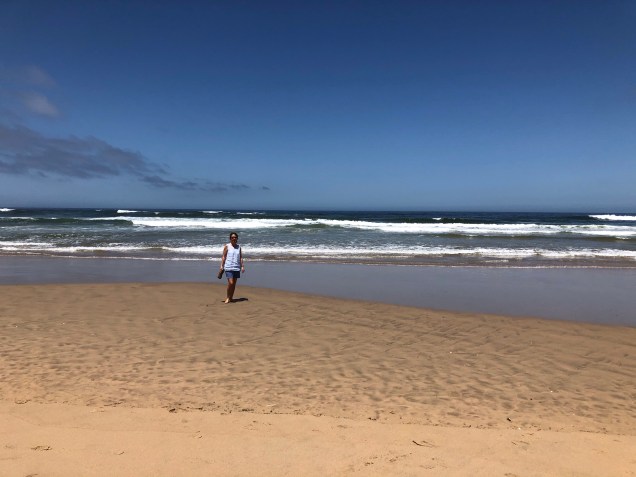
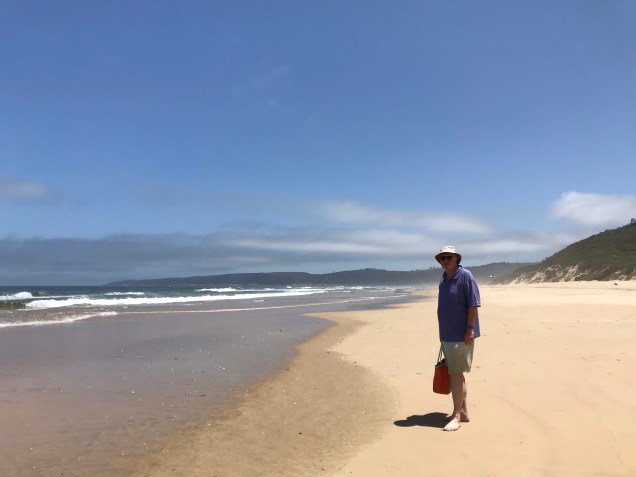
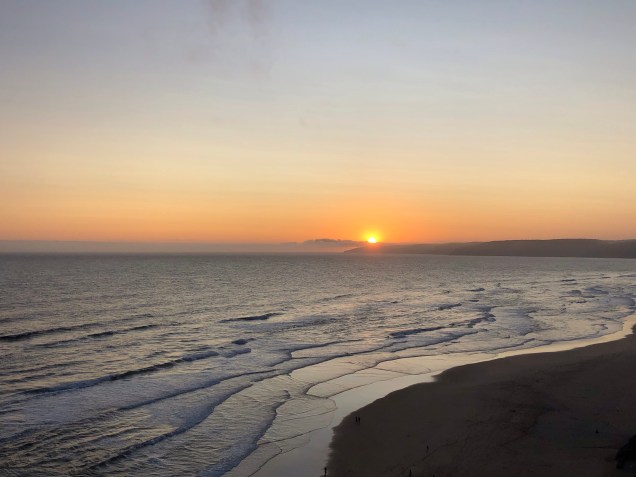
Our next stop on The Garden Route was Wilderness, a quieter town on the beach. Our hotel was on the cliffs overlooking the ocean. The staff in the hotel told us that the dolphins are referred to as 9 to 5’ers as they travel within sight of the hotel “to work” in the mornings, returning early evenings. It was broadly correct except they must have been doing overtime as they returned at 6 !

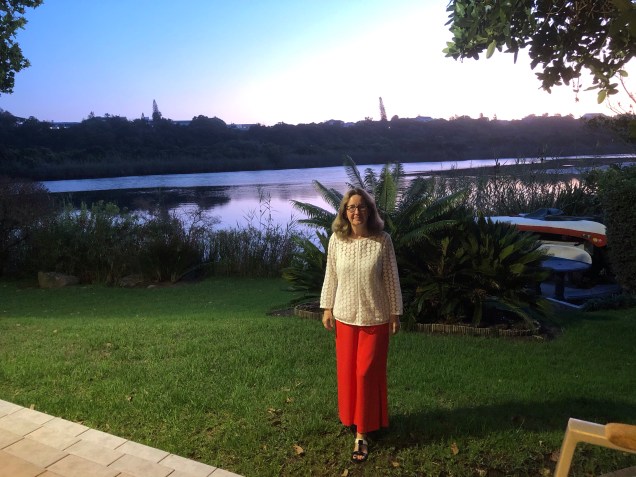
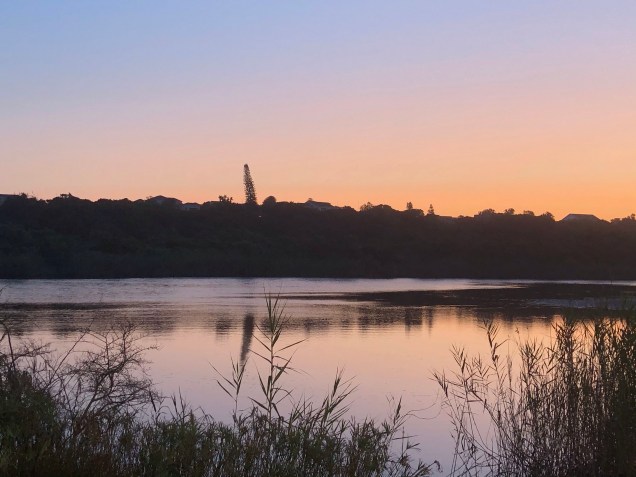
We celebrated Sarah’s birthday at an exceptional restaurant on a lake.

Plettenberg and Knysna

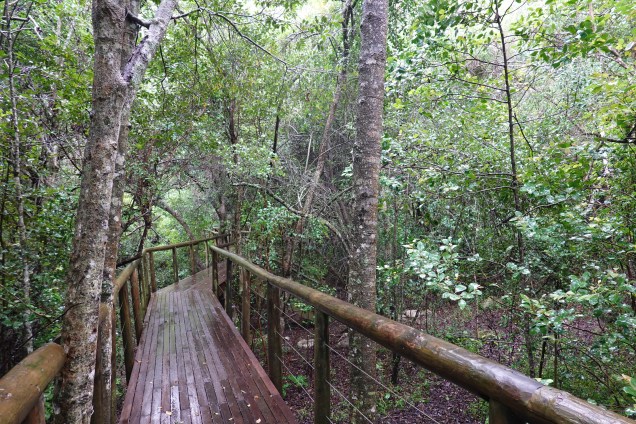
We picked up a hire car in Port Elizabeth to drive The Garden Route to Cape Town. Our first stop was a tree top lodge between Plettenberg and Knysna, two of the most popular tourist resorts in the Cape. We arrived in the rain which persisted for our first day but then the sun shone and we visited quieter parts of each town at Keurboomstrand and Thesen Island. The latter was founded in 1870 by a family from Stavanger in Norway who had intended to emigrate to New Zealand, but fell in love with South Africa en route, setting up a transport, logging and oyster business.

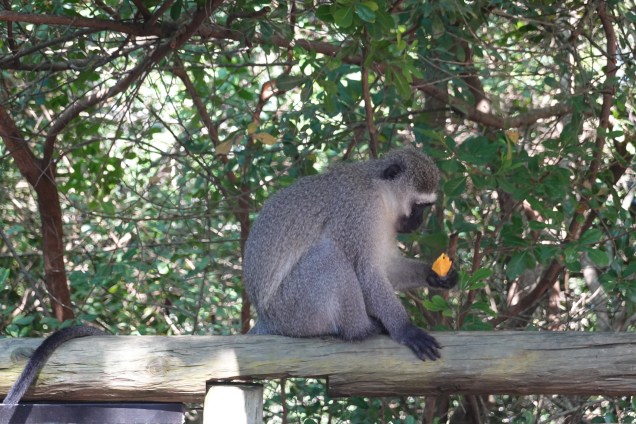
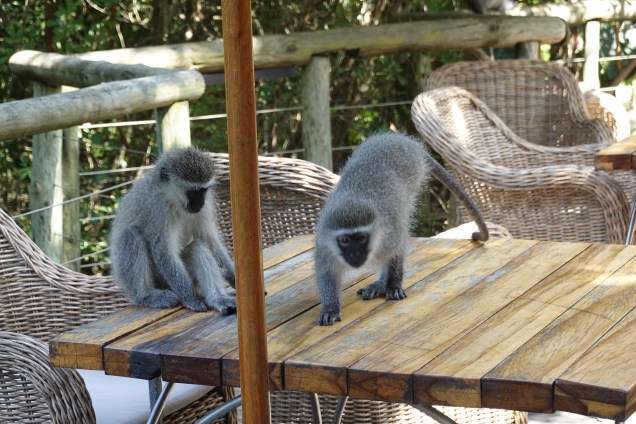
Our lodge had troops of baboons and monkeys. The monkeys were very cheeky and succeeded in swiping the dried mango from Tim’s breakfast bowl !

Gorah Game Drives

The rangers cannot drive off road but there are numerous dirt tracks and they still manage to get very close to many of the animals. As the park is a well established conservation area with strict regulations and security, the animals are unperturbed by the proximity of the vehicles. So far there has been no poaching. The ethos is that the rangers do not intervene with nature unless a situation was created by accidental human action.

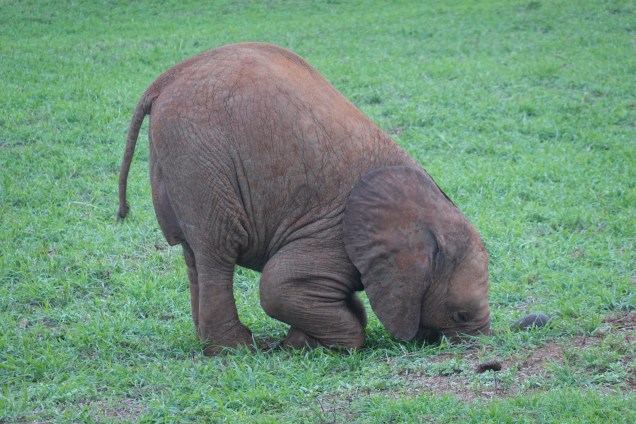
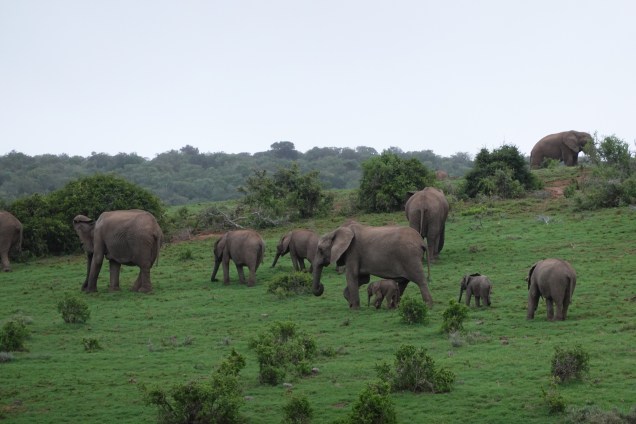
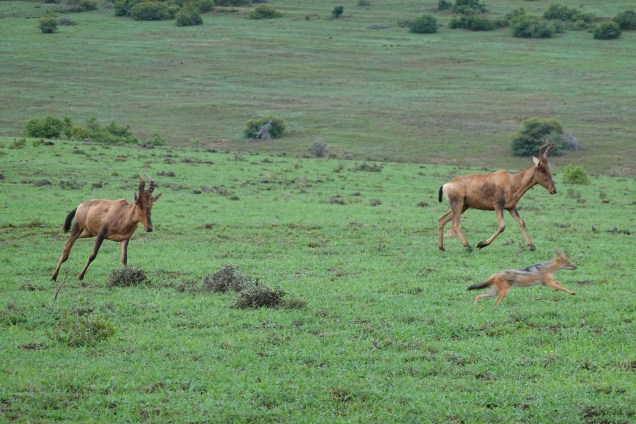
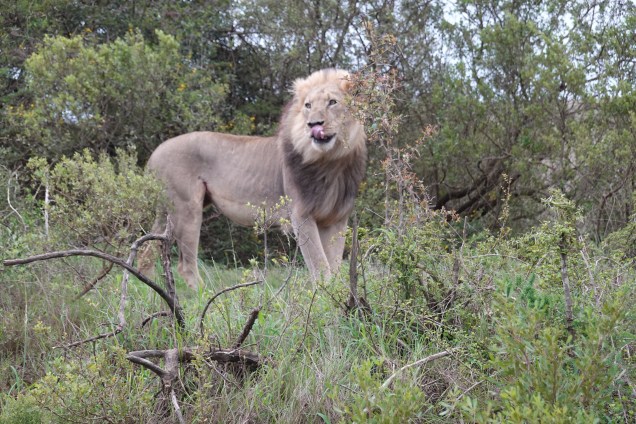
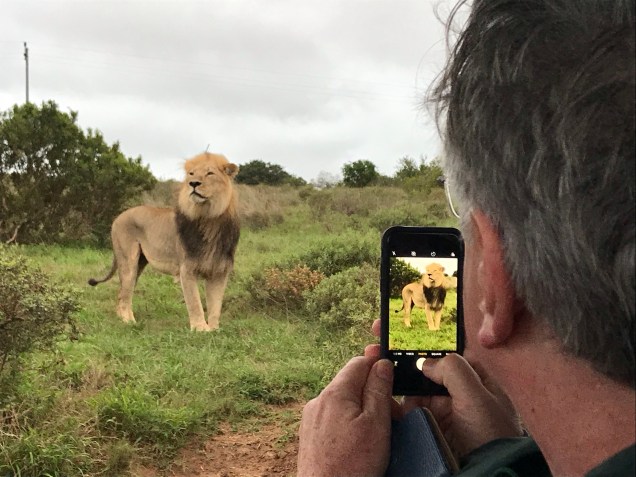
During two of our game drives we had very close encounters with lions who came within inches of the vehicle and us, with J.J. advising “stay still and quiet”. From a distance we saw the remains of a lion kill of a zebra. On our last drive J.J. found combined herds of elephants, numbering around 60 with several babies, which was one of many highlights.

Gorah Elephant Camp

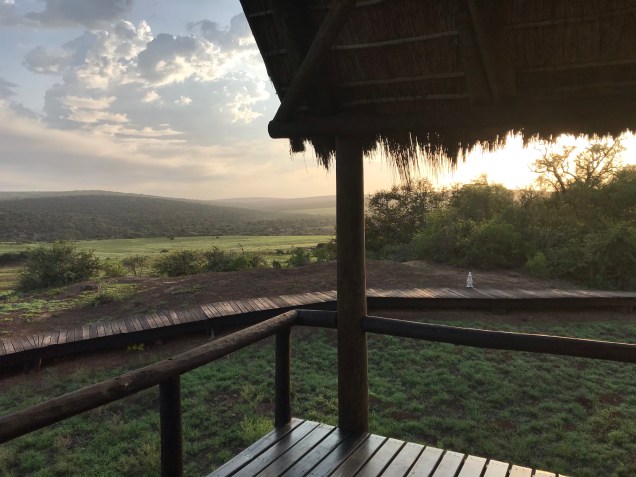
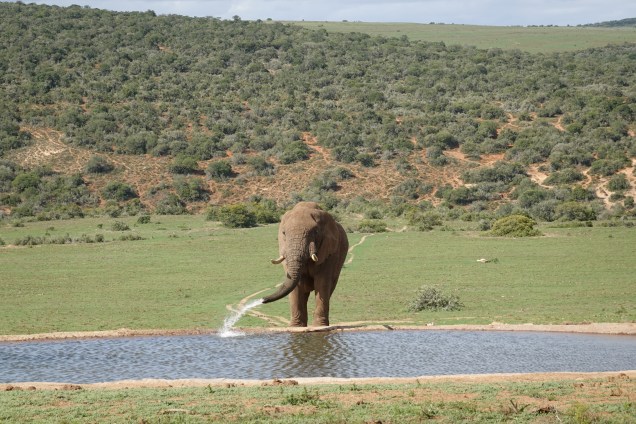
Gorah elephant camp is a private concession in the Addo National Park. It is based upon a historic lodge built by a farming family in 1856, together with 11 guest “tents” (of the luxury variety !). Neither the lodge nor the tents are fenced and animals are free to wander around the property, including the watering hole in front of the lodge. After dark you need to be escorted from the lodge to your tent to ensure your safety; just before we arrived five lions had been seen just outside our tent !

Game drives take place twice daily with a maximum of six people per vehicle with a very knowledgeable ranger. We were fortunate to have four of our seven drives on our own with ranger J.J..

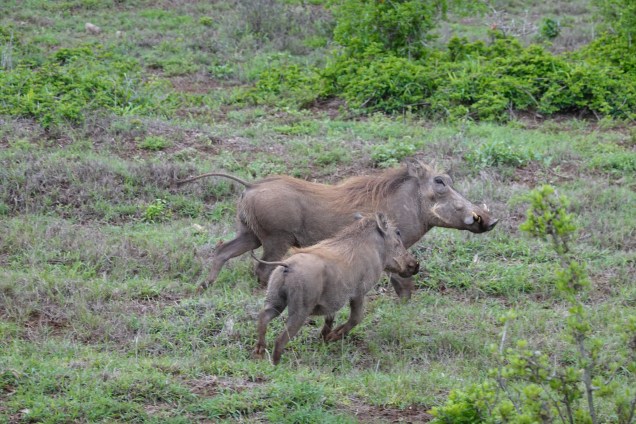
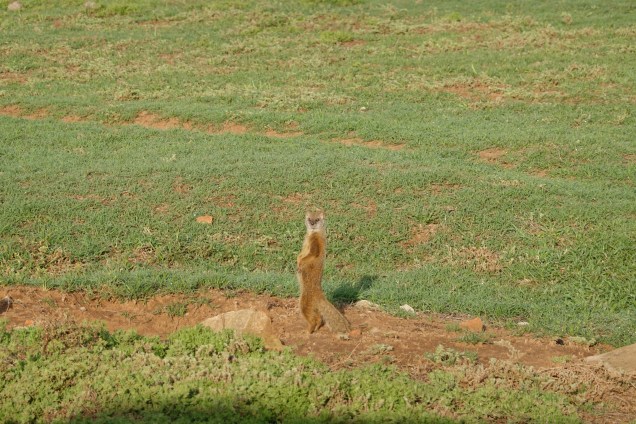
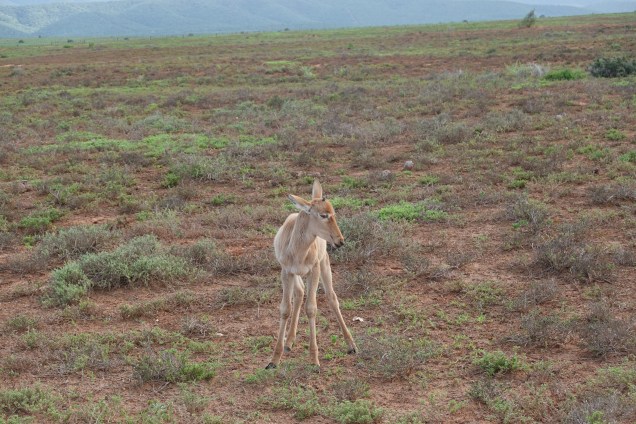
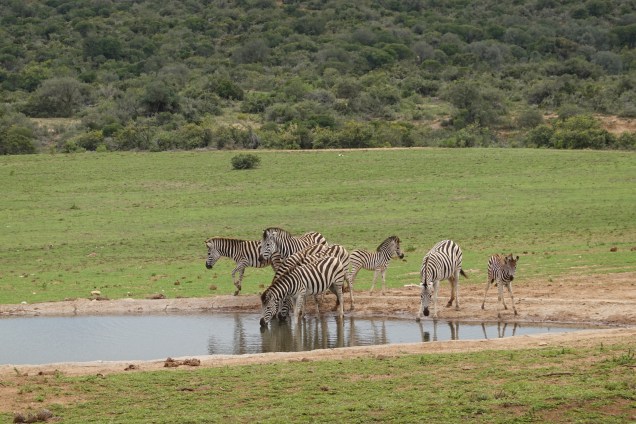
Between drives the main activities are eating and dinking and watching the watering hole; no TV/radio and only limited WiFi. The camp has limited electricity provided by solar. During our stay we saw elephants, lions, mongooses, warthogs, buffaloes, zebras (crossing the road !), antelope and black rhino, together with numerous bird species.

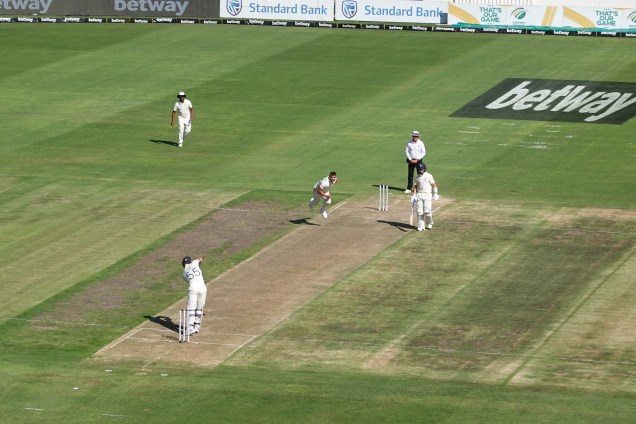
3rd test – South Africa v England

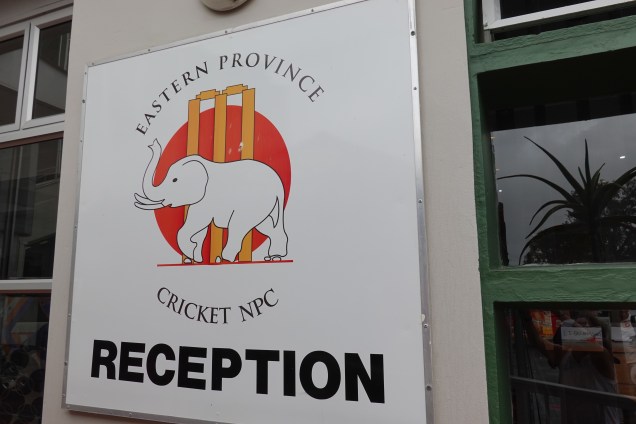
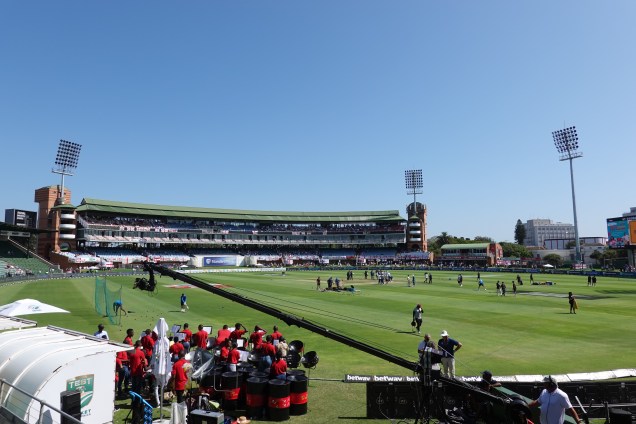
The third test was held at St George’s Park, Port Elizabeth, the site of the first test held in South Africa in 1889, making it one of the oldest grounds in the world. The series was one all and evenly poised.

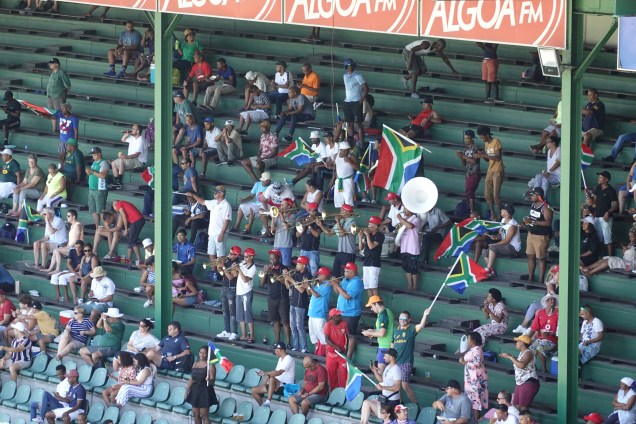
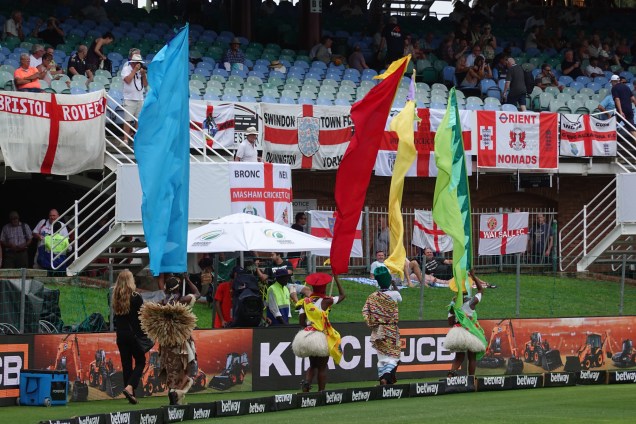
We sat in the Duck Pond stand which has framed newspaper articles from the late ’60s and early ’70s describing the lead up to, and fall out from, the D’Oliveira debacle; a reminder of how things have changed. Our fellow fans were predominantly English – sporting their home caps, shirts and banners including “Somerset cricket – Dave’s 60th birthday tour” – and discussing beer prices, where to have dinner, the merits of sit on lawn mowers…..and occasionally the cricket. The St Georges band outshone the “choir” of the Barmy Army.

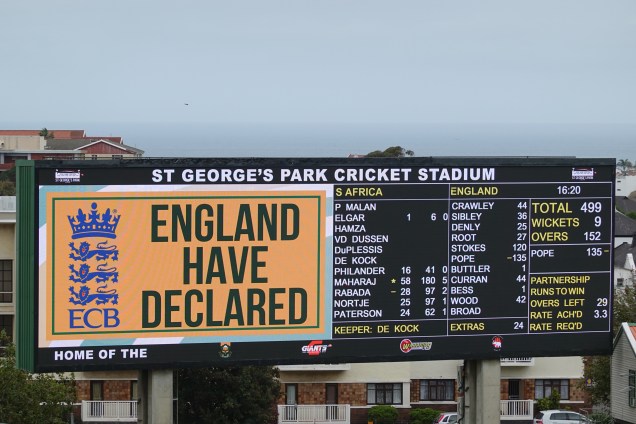
The first day was tense , ending honours even. This soon changed on day two, with Ben Stokes carrying on where he left off in 2019 and Ollie Pope showing great potential for the future. Late hitting from the lower order, a rare England declaration and two Dom Bess wickets left England well in control in a match they would ultimately win comfortably.
St Francis and Port Elizabeth

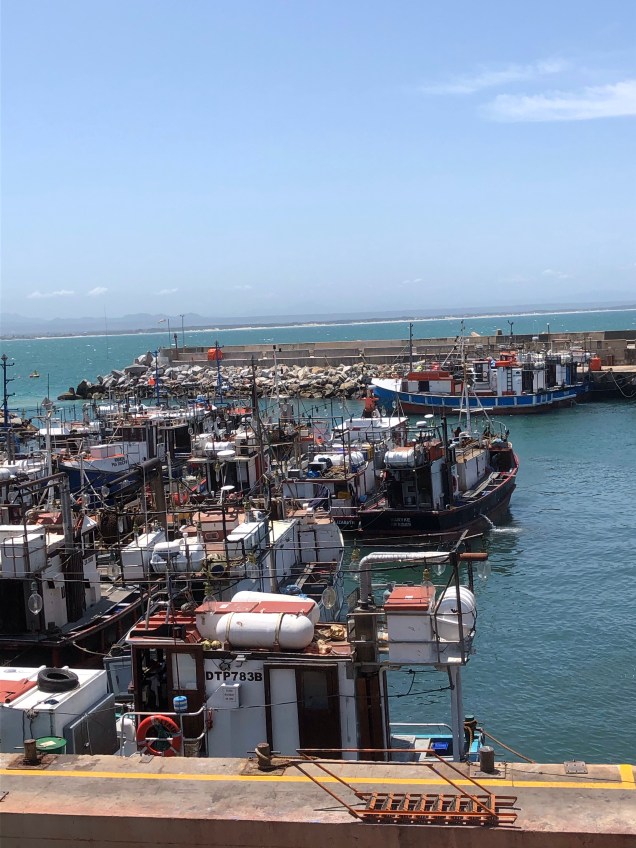
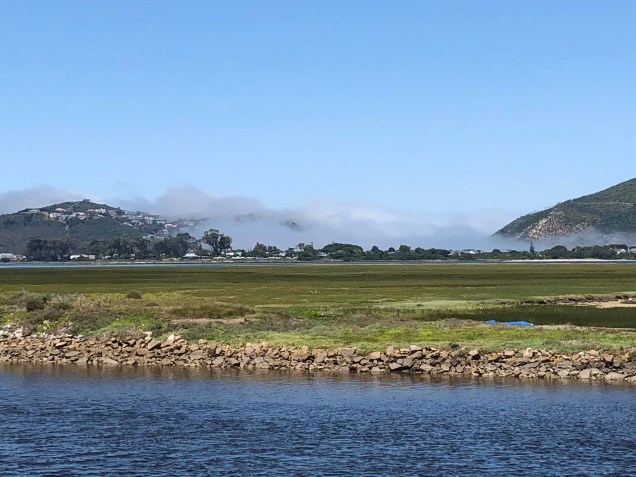
Our 2020 trip to South Africa, Namibia and Zanzibar was timed to coincide with parts of England’s winter cricket tour of South Africa. We arrived a couple of days before the Port Elizabeth test, spending our first two nights on the coast about an hour from Port Elizabeth at St Francis, a picturesque fishing town. A hike along the coastal path was the ideal antidote to the flight to Port Elizabeth via Johannesburg.
We arrived in Port Elizabeth the day before the test match started, along with several thousand other fans and pundits, all taking advantage of the South African sun and Rand exchange rate.