Valleys

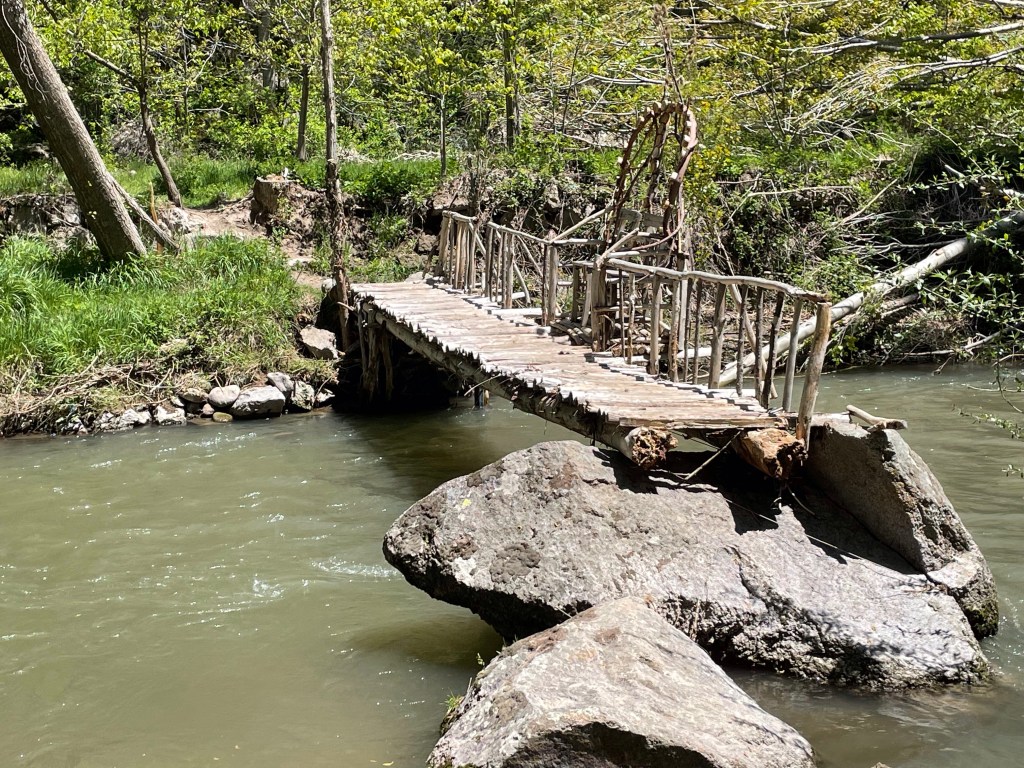
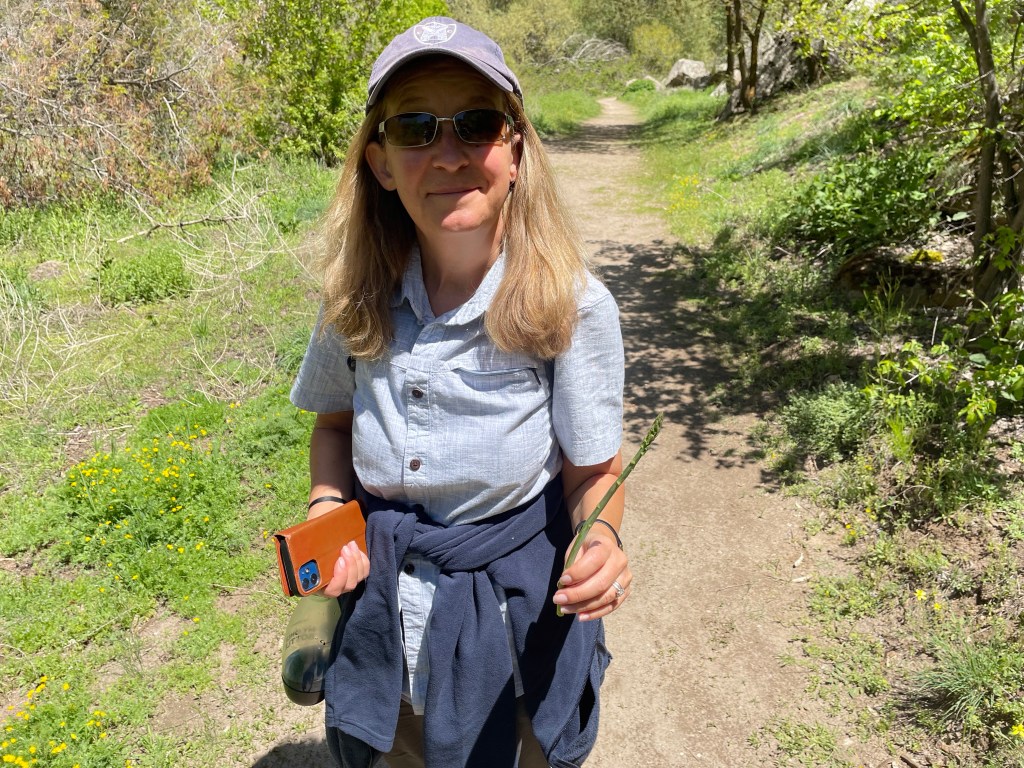
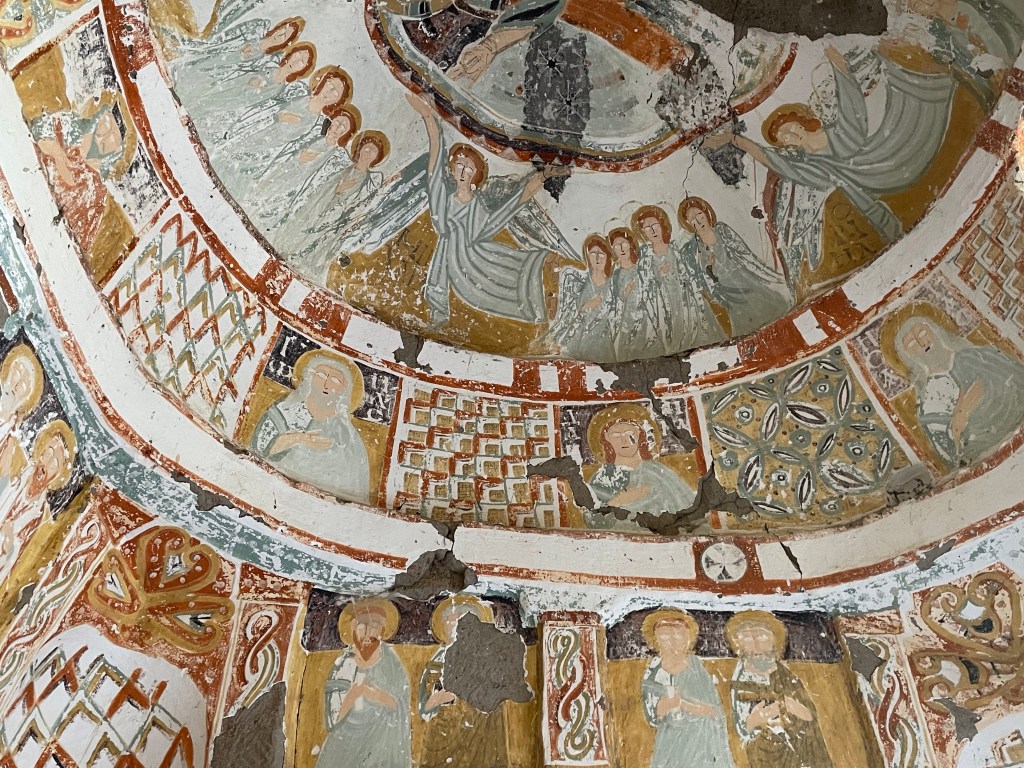
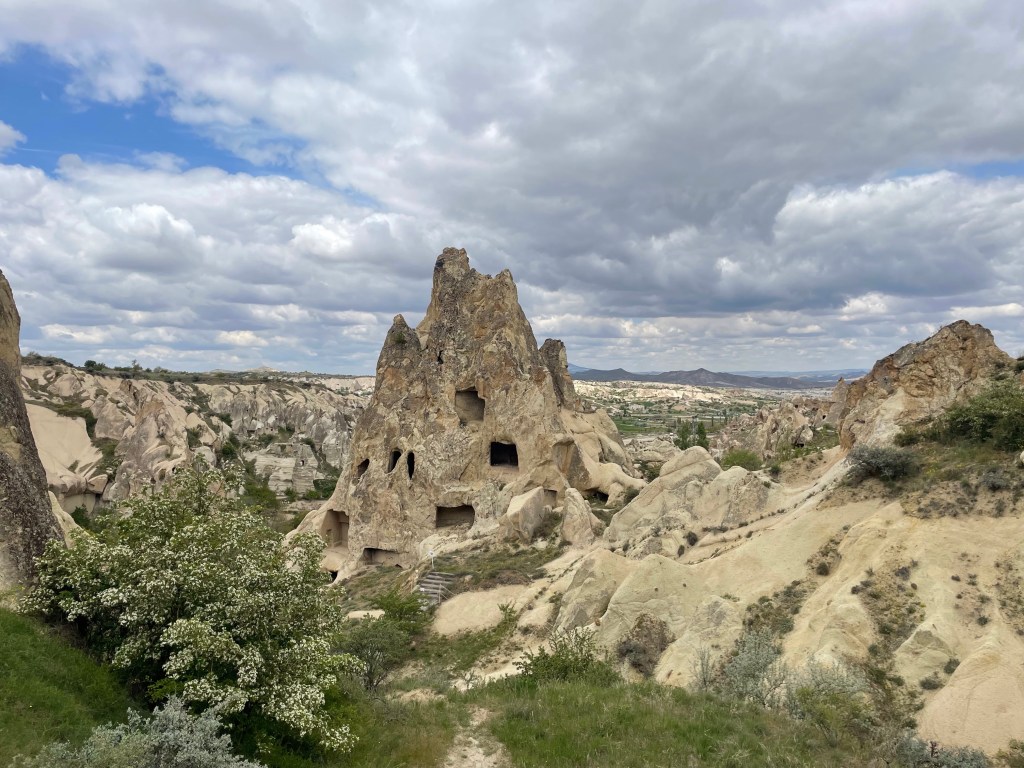
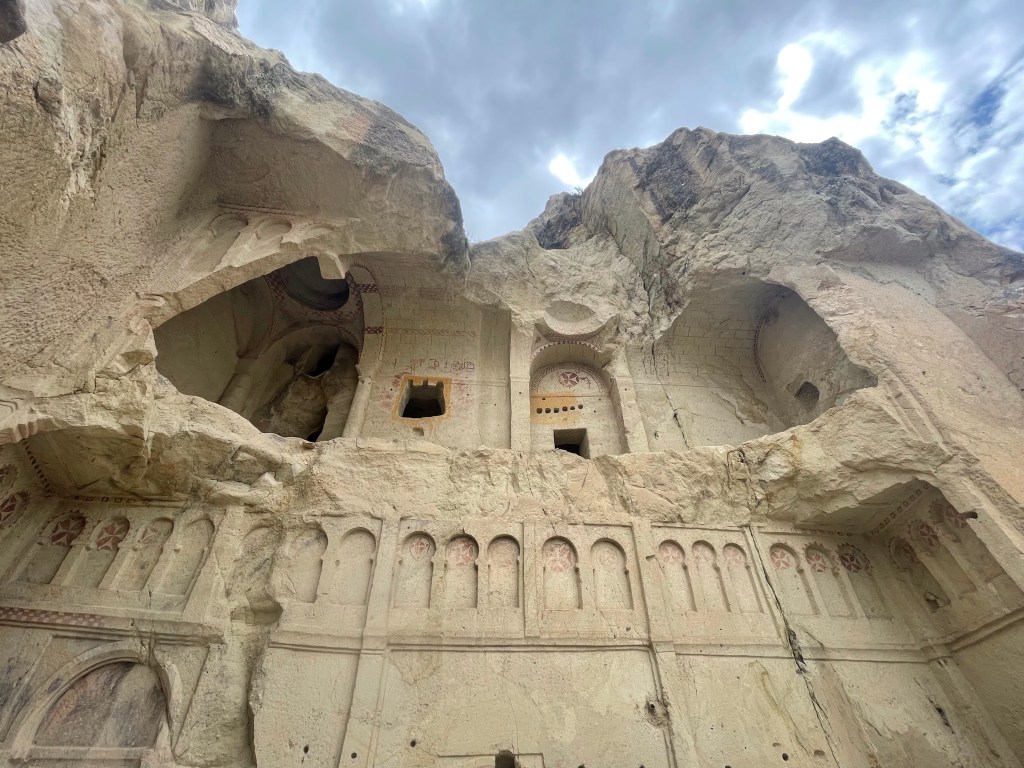
Whilst in Cappadocia we walked two challenging valleys. Ihlara is a gorge 15km long and up to 150m deep. The Melendiz river runs through it, although it is famous for its rock churches and buildings. While inhabited from the 3rd Century, the churches were built from the 7th Century onwards. We walked the top half of the canyon, with stunning scenery, birdlife and the bonus of wild asparagus to keep up our strength.

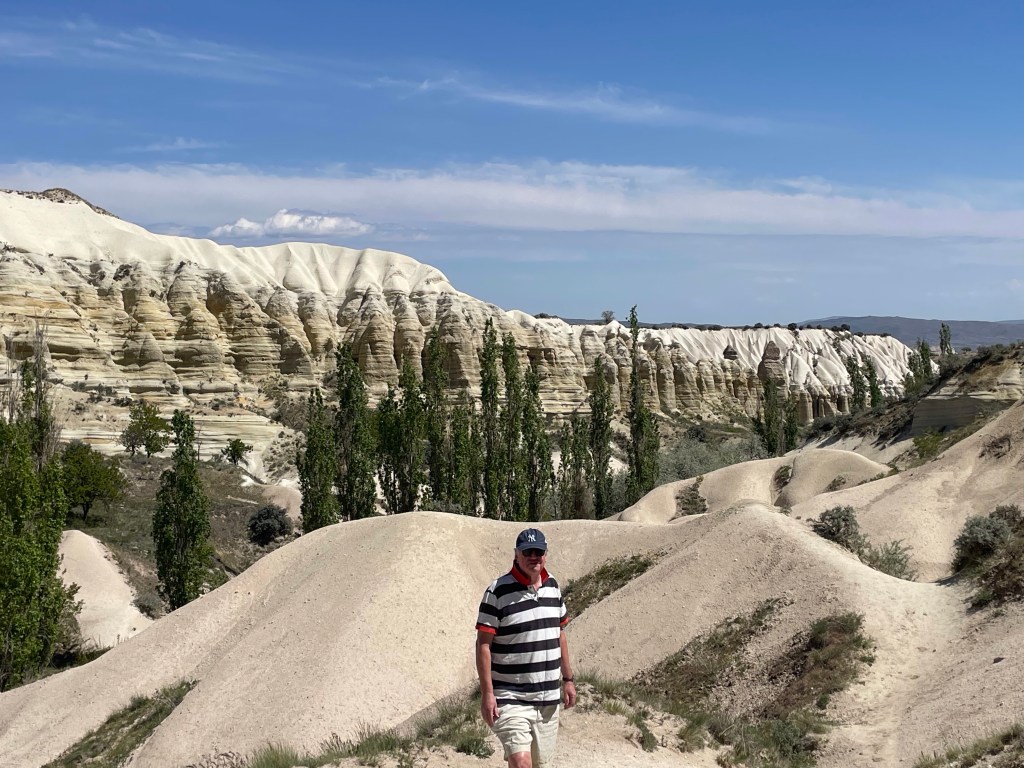
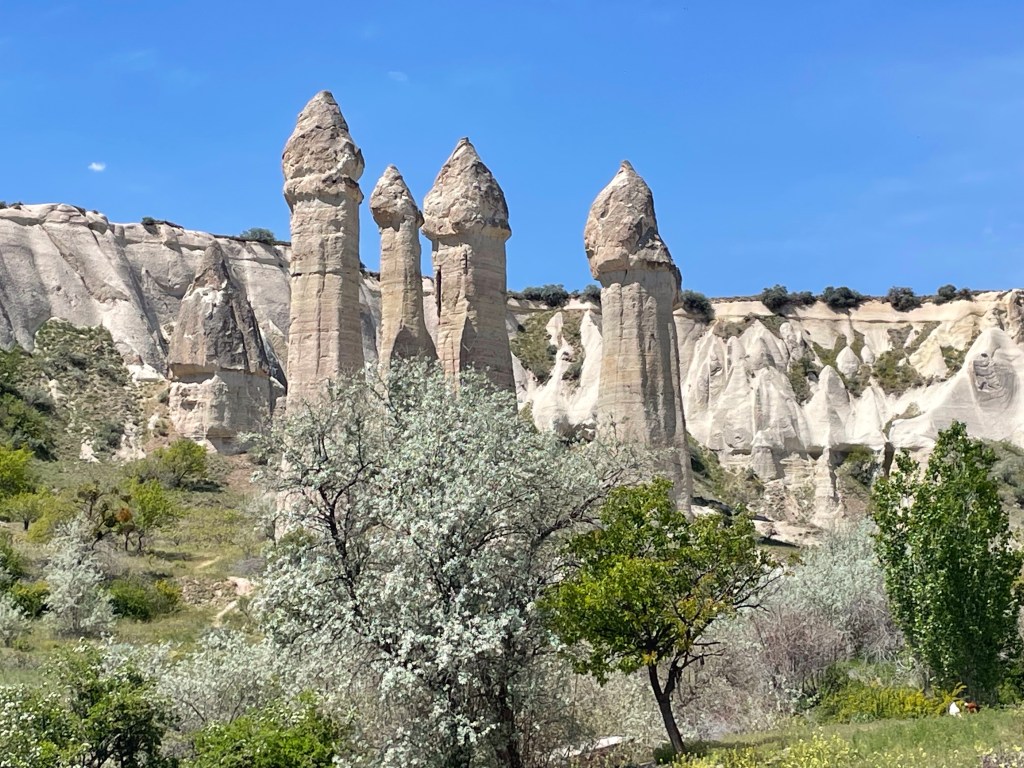
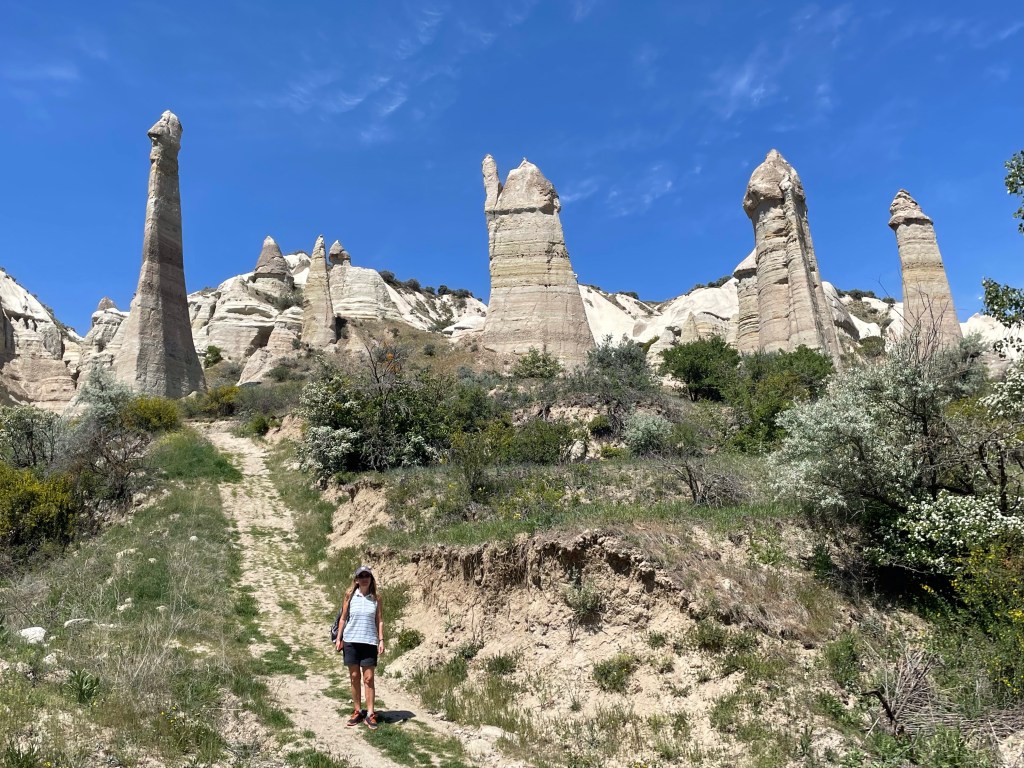
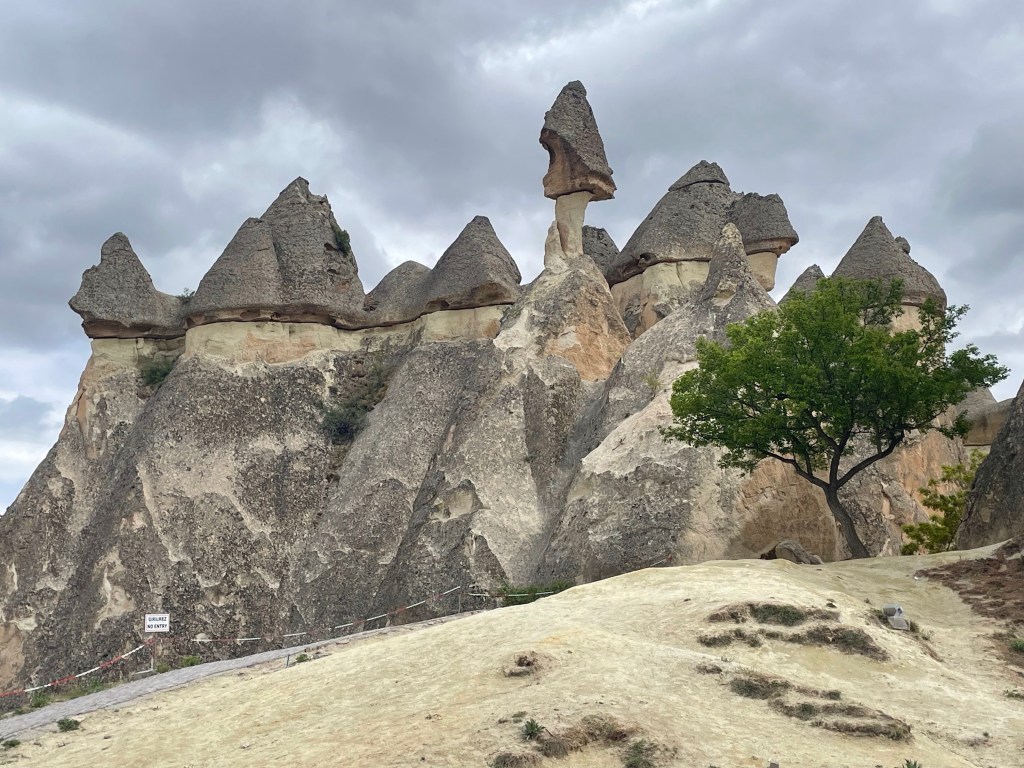
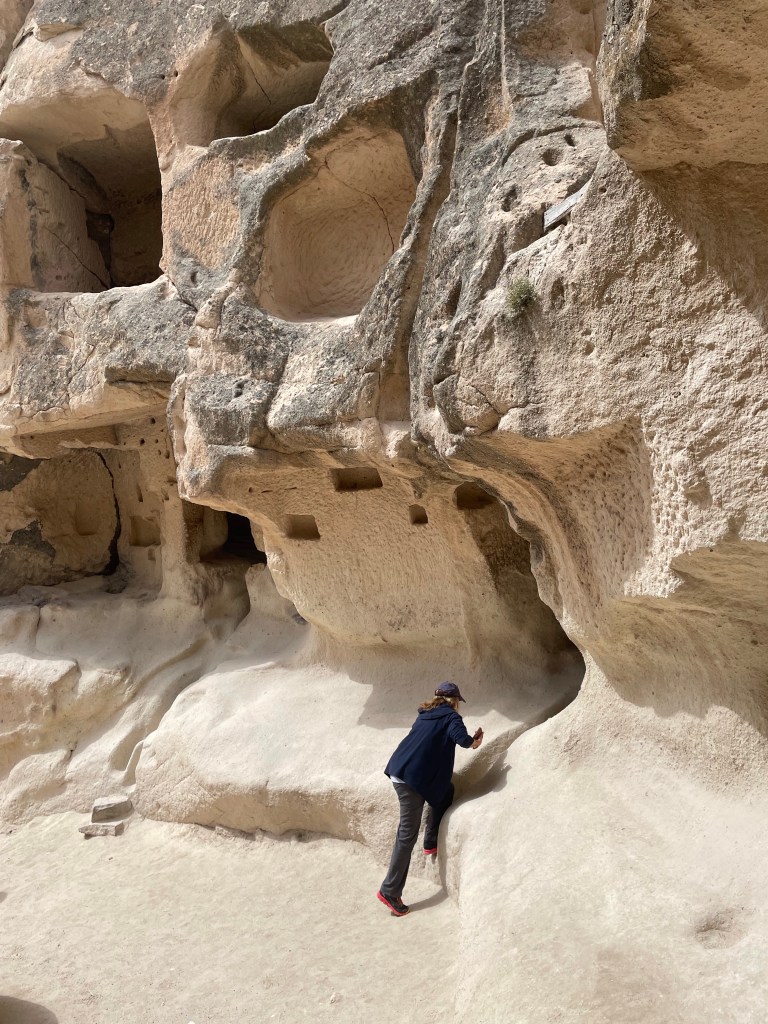
Love Valley is a dry river valley within walking distance of our hotel. The challenge for walkers is the route into the valley and picking the right paths once in the valley. Unlike Ihlara, which has steps down and a clear path, Love Valley was a scramble down ill-defined paths and several junctions where the correct route was unclear. About 7km long, the main features are phallic rock formations (hence the name) created by erosion of the volcanic material, with the rocks look almost white in the strong sun.
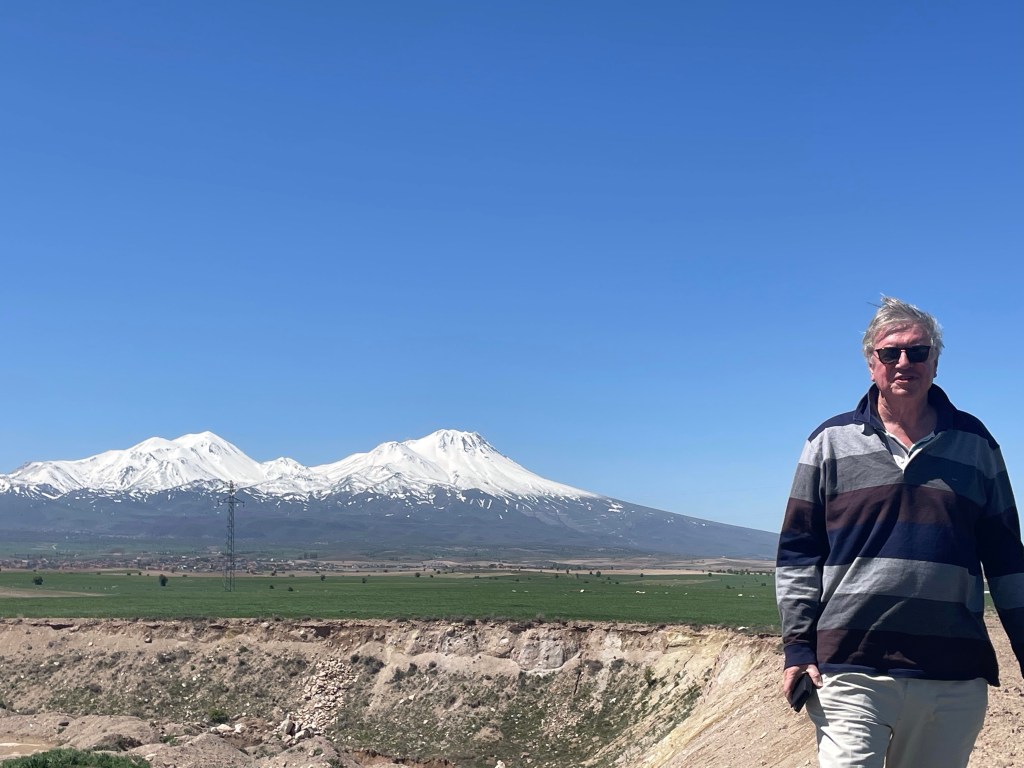
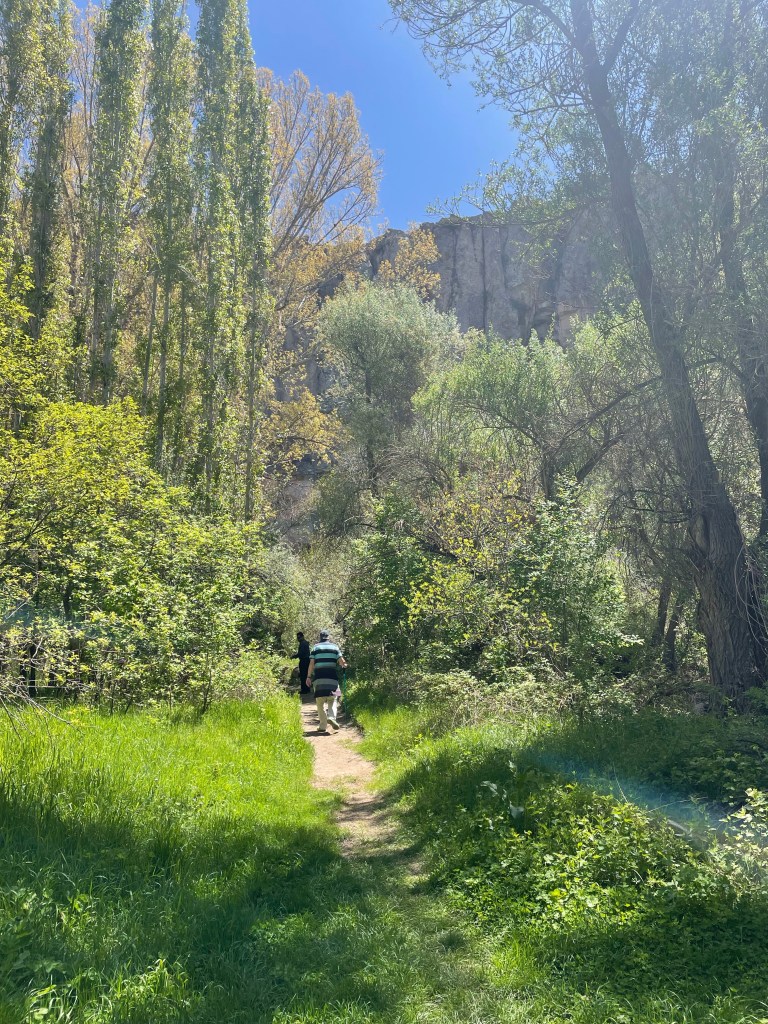
On the drive to Ihlara, the surprising sight of snow topped mountains following precipitation in the last few days
Ihlara
Ihlara
Ihlara, wild asparagus
Ağaçaltı (Danıel Pontanassa) church
Love Valley
Love Valley
Love Valley

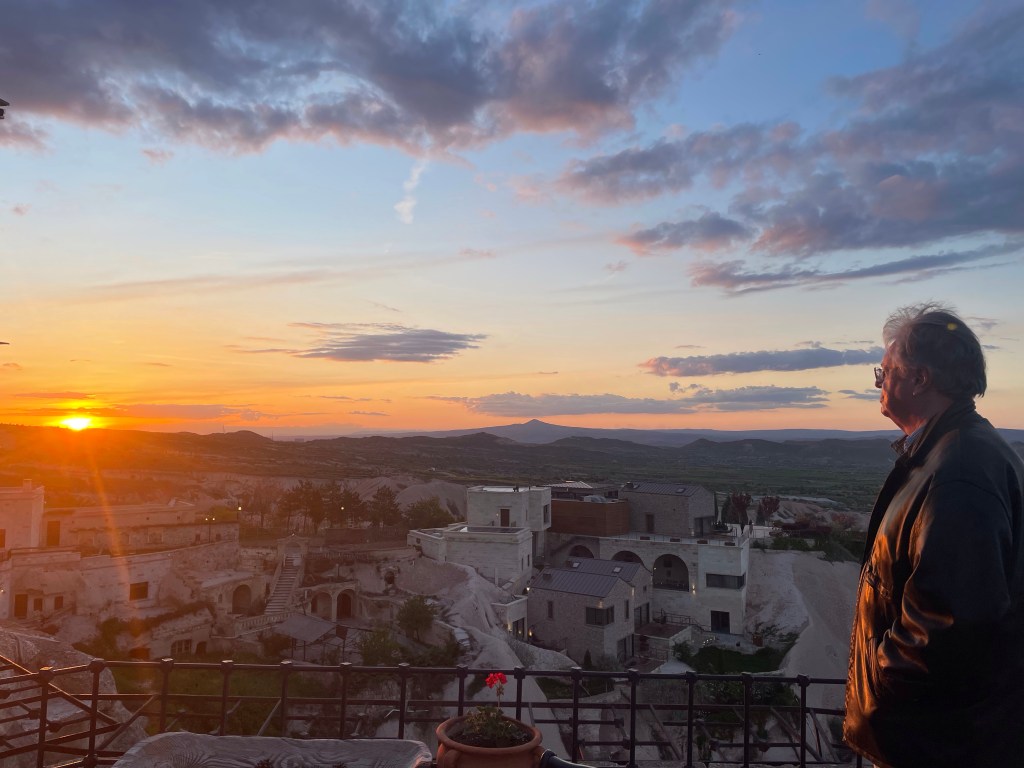
Cappadocia

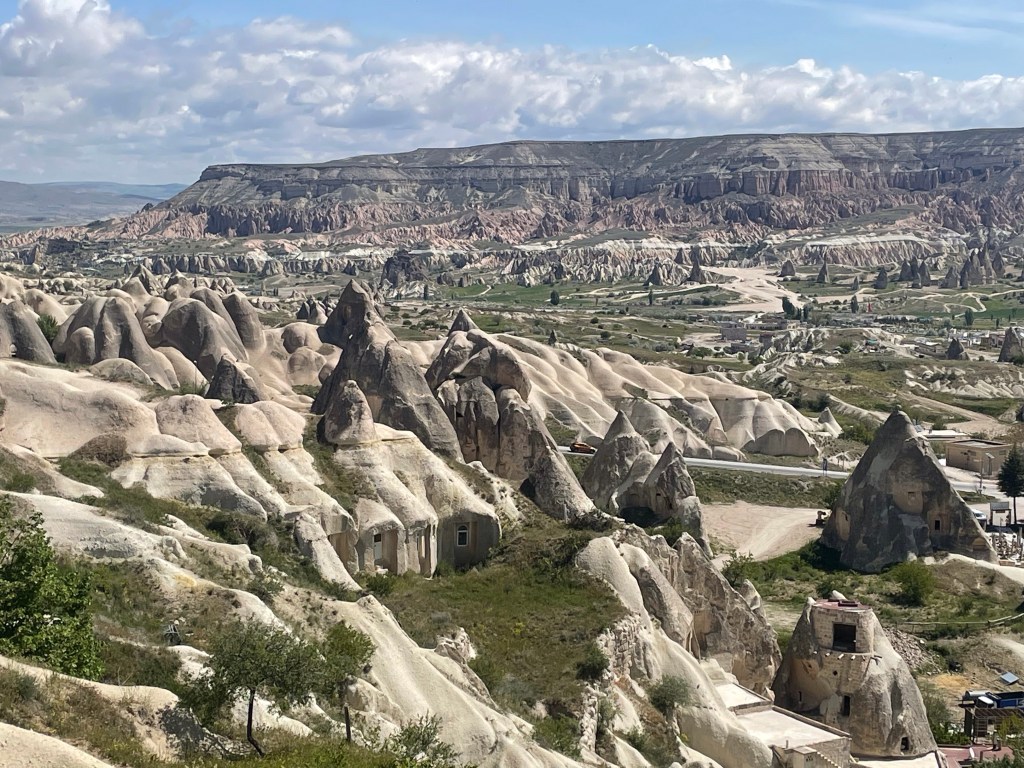
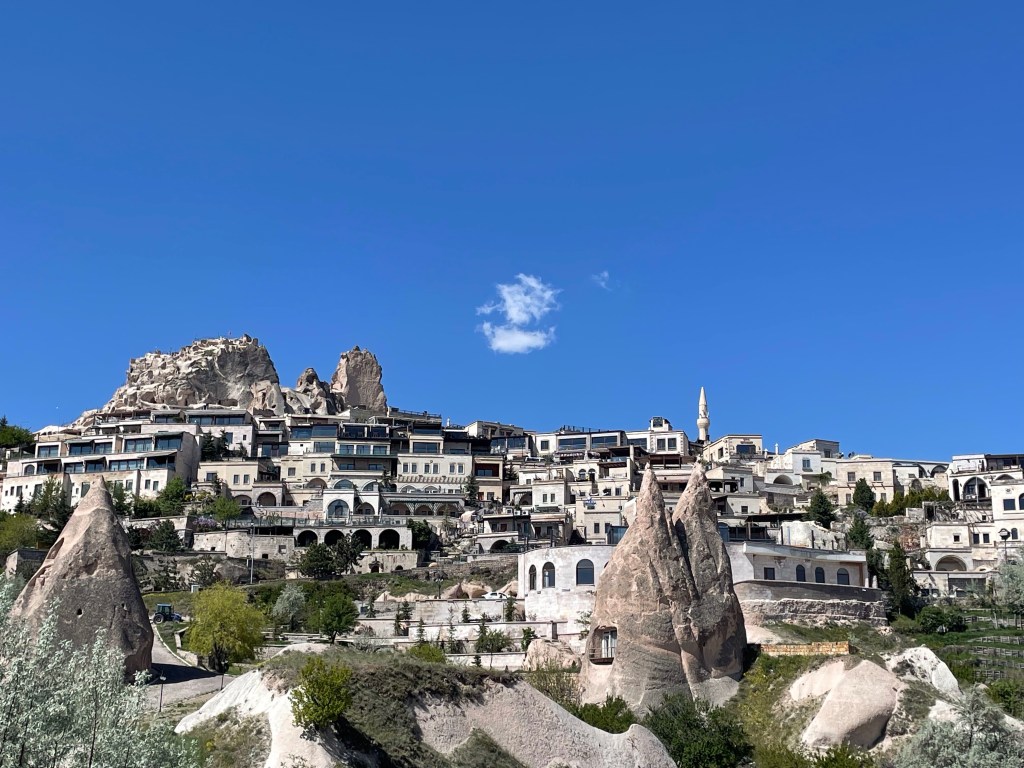
An ancient region of Central Asia, Cappadocia means land of beautiful horses. It is a plateau situated at approximately 1,000m consisting of volcanic ash created by eruptions many years ago. The largest mountain in the region (at 3,917m, Turkey’s fifth highest) Mount Erciyes is a dormant volcano. Cappadocia’s famous landscape has been created by water and wind erosion of the soft volcanic material.

Within the landscape there are several underground cities, caves and orthodox rock churches. It was the birthplace of St George and together with Georgia has a claim to be the oldest wine producer.

The broader region has extensive industry and agriculture linked to its climate and geology, including as a producer of pumice (with related construction materials), wheat and sugar beet.

Caravanserai

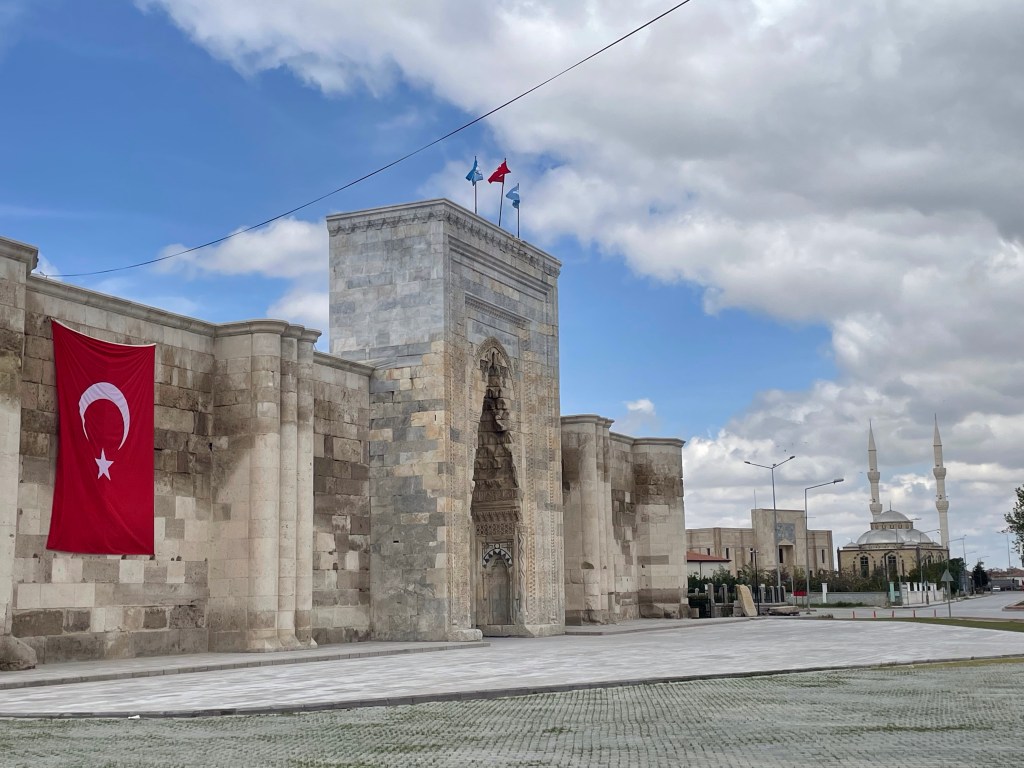
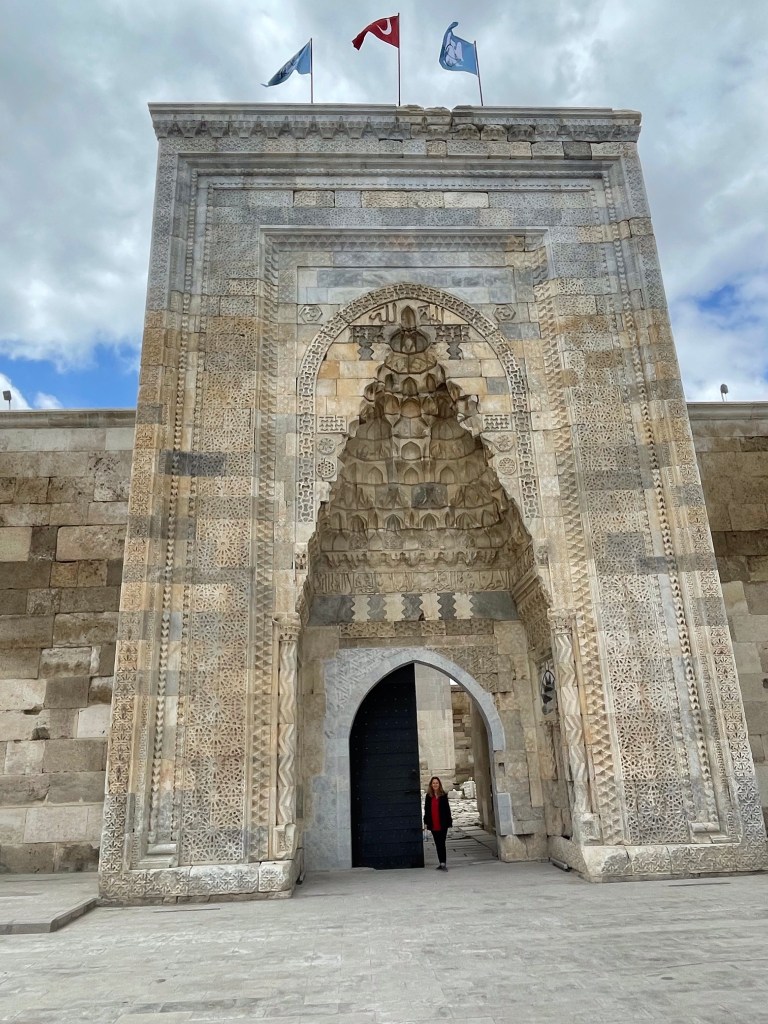
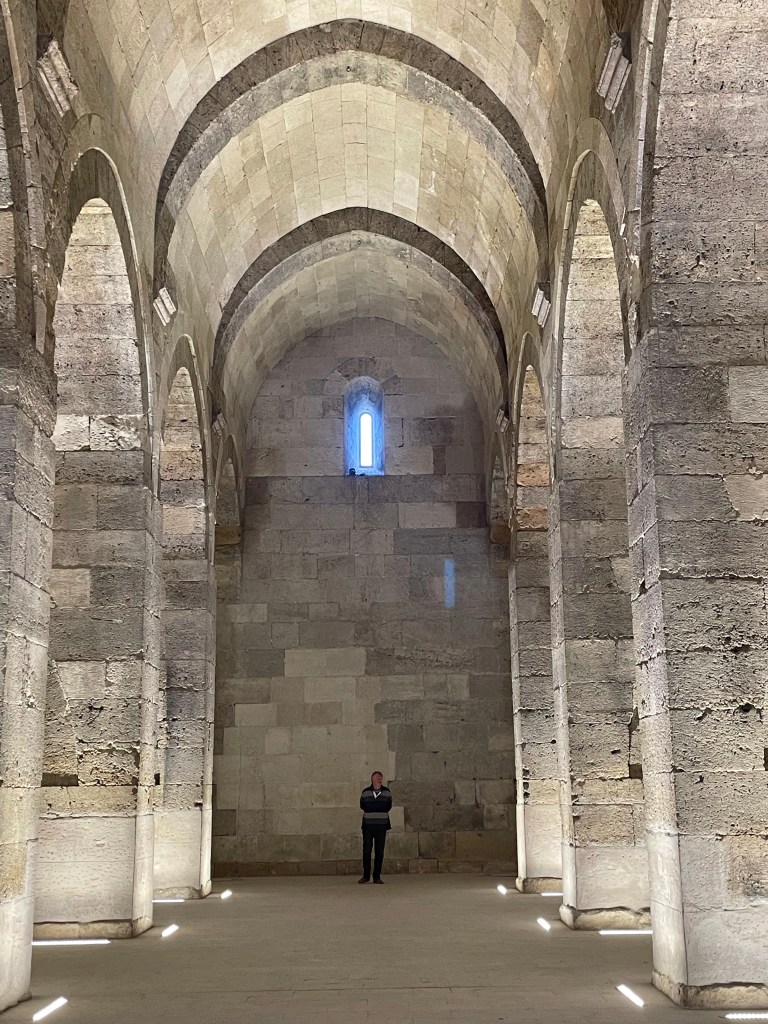
The Seljuks built a series of Caravanserai in Anatolia to provide protective stopovers for travellers along the Silk Road where they were built every 30-40 km, the distance a camel can travel in a day. They helped ensure the safe flow of goods in an era of increasing trade, including an early form of insurance cover. Today some can be seen in fields close to the highway, with the more noteworthy ones attracting current day travellers.

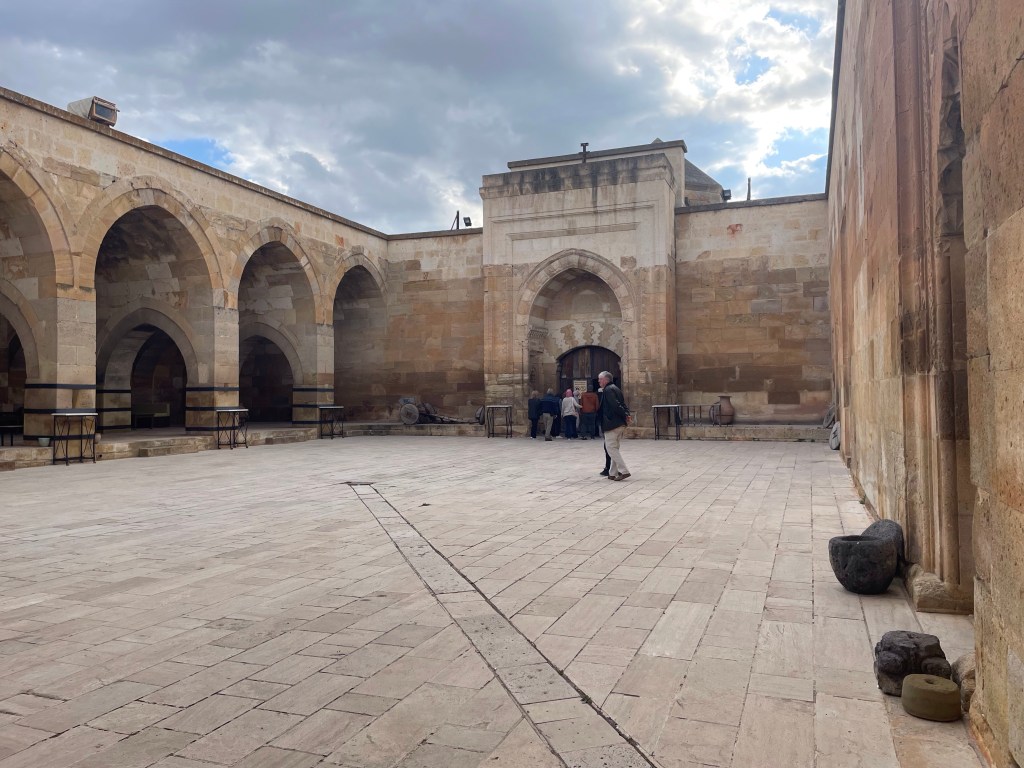
Sultanhan, literally Sultan’s Inn, was built in the early 13th Century and is situated 110km from Konya and 45km from Aksary, a convenient stopping point on our next leg – Konya to Cappadocia. It is one of the best examples of Seljuk architecture.

We visited a second one, Saruhan, near Avanos to see their daily Whirling Dervish ceremony. The whirling puts the Sufi into a meditative state to help them achieve enlightenment. All sense of ego is said to go into their hats.

Sultanhan
Sultanhan
Sultanhan
Sultanhan
Saruhan

Çatalhöyük archaeological site

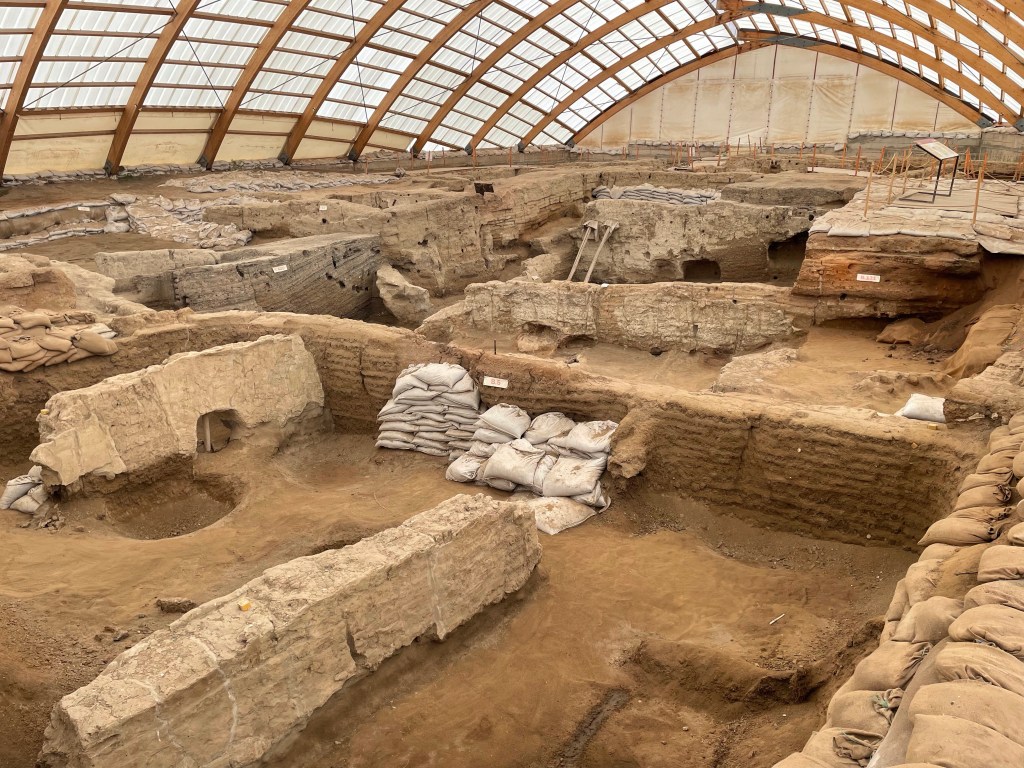
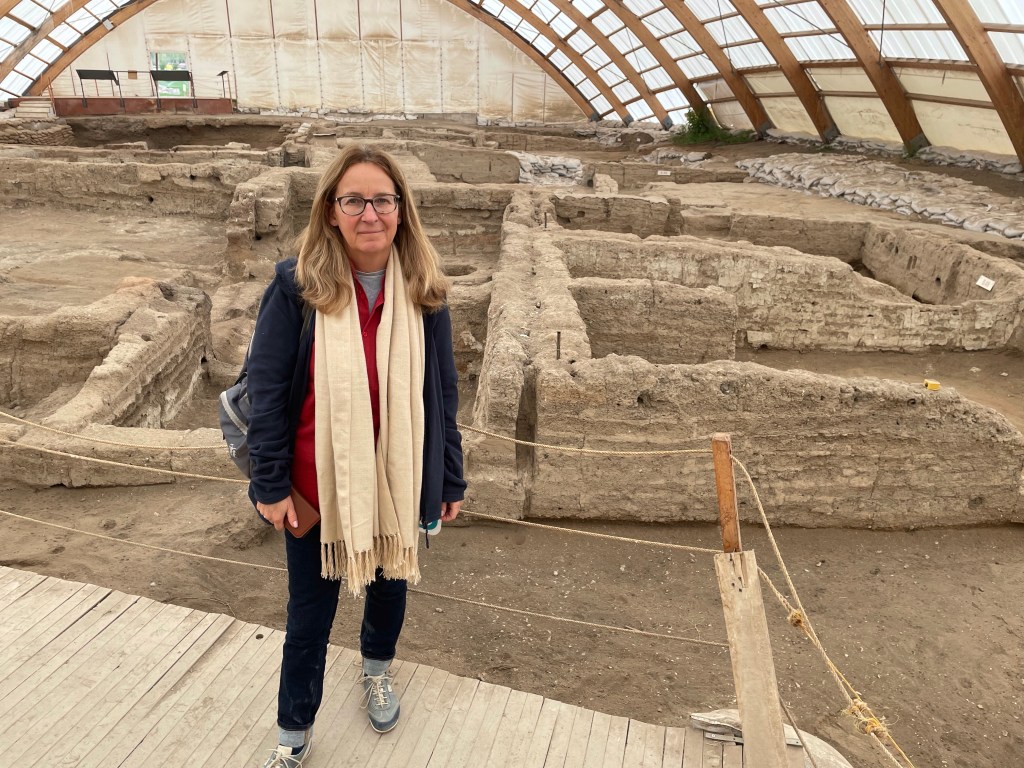
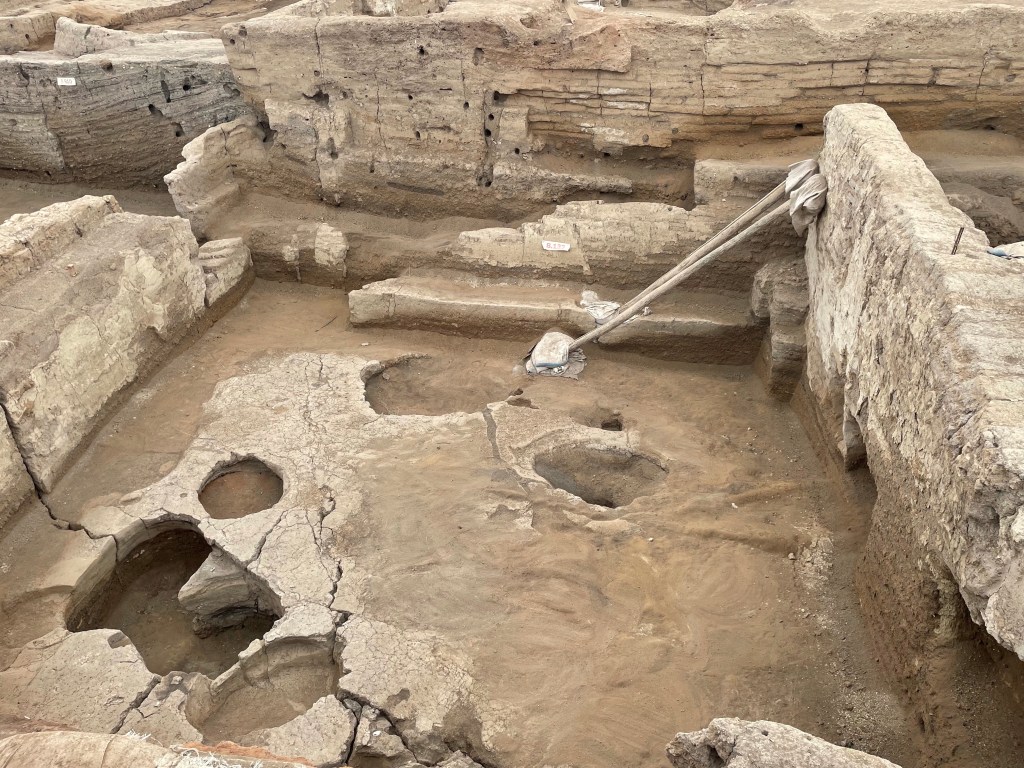
Çhatalhöyük, 25 miles from Konya, translates as fork tumulus and was first excavated in 1958 by James Mellaart (later banned from Turkey following an archeological controversy). Eighteen layers of inhabitation have been discovered over a large area, showing that the settlement existed from around 7500 BC to 6400 BC. At its peak 10,000 people lived in the town, comprising interconnected homes made of mud and straw. Most houses were accessed through the roof, with the “streets” being on top of the houses.

Excavation is ongoing and a new visitor centre is being built to help boost visitor numbers to this UNESCO world heritage site – when we visited there were less than ten other people at the site.

Skeletons were found in holes under the floor where relatives were buried
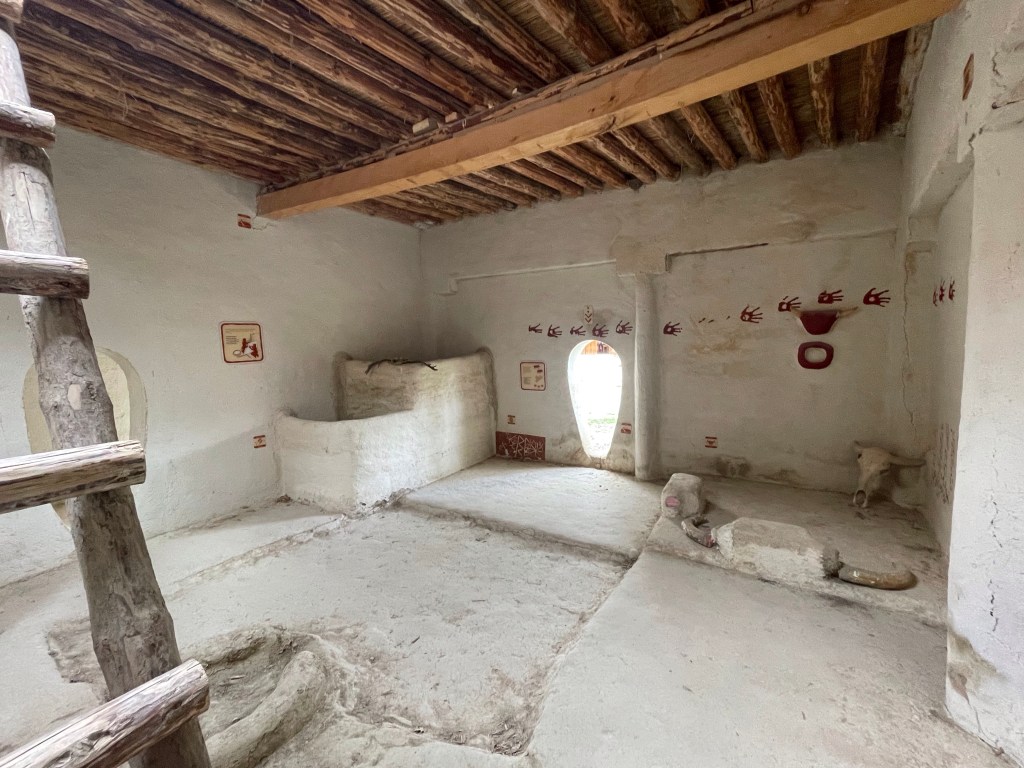
Life-size recreation of a house

Konya

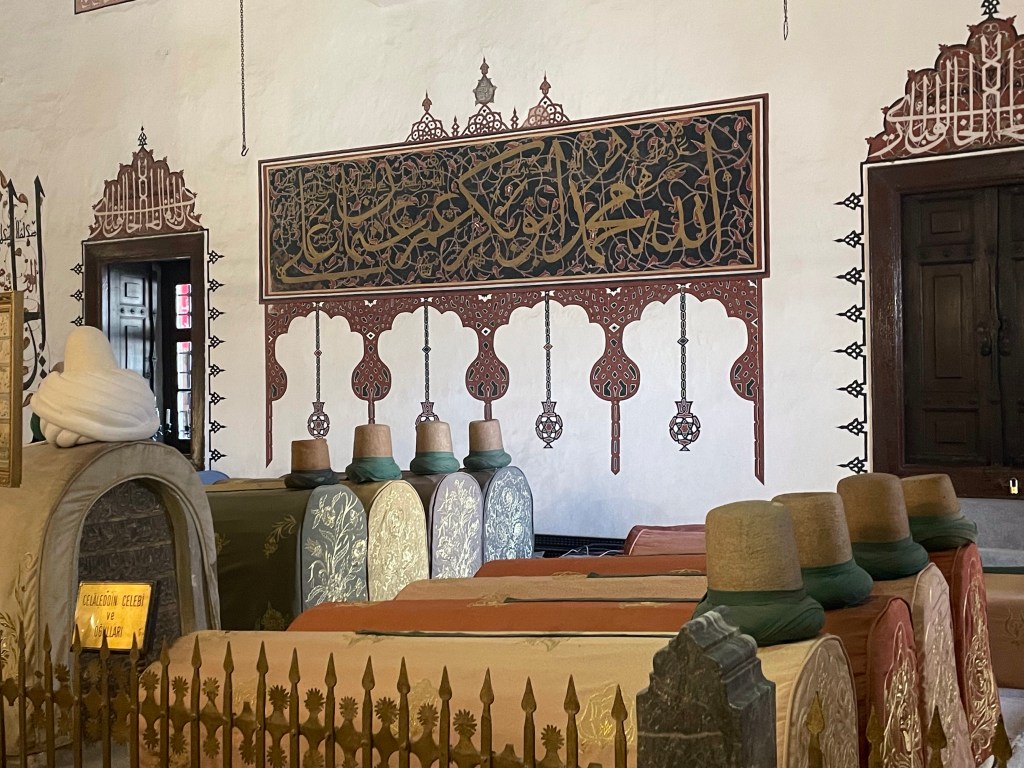
Konya is a large city in central Turkey with a population of approximately two million. It is known for being the most conservative city in Turkey and alcohol is virtually banned; however it is becoming more accepting as it has a large university. It attracts many Turkish visitors who come to visit the Mevlana Museum, but almost no overseas tourists. The museum is the most important Sufi site in the world and is the burial place of the 13th century poet and Sufi mystic, Rumi. Sufi is a sect of Islam, most known for the Whirling Dervishes. Rumi is reputed to be the most read poet in the USA. It is not hard to see why as many of his quotes have been translated from the original Persian and reproduced on posters – “Yesterday I was clever so I wanted to change the world. Today I am wise so I am changing myself.”
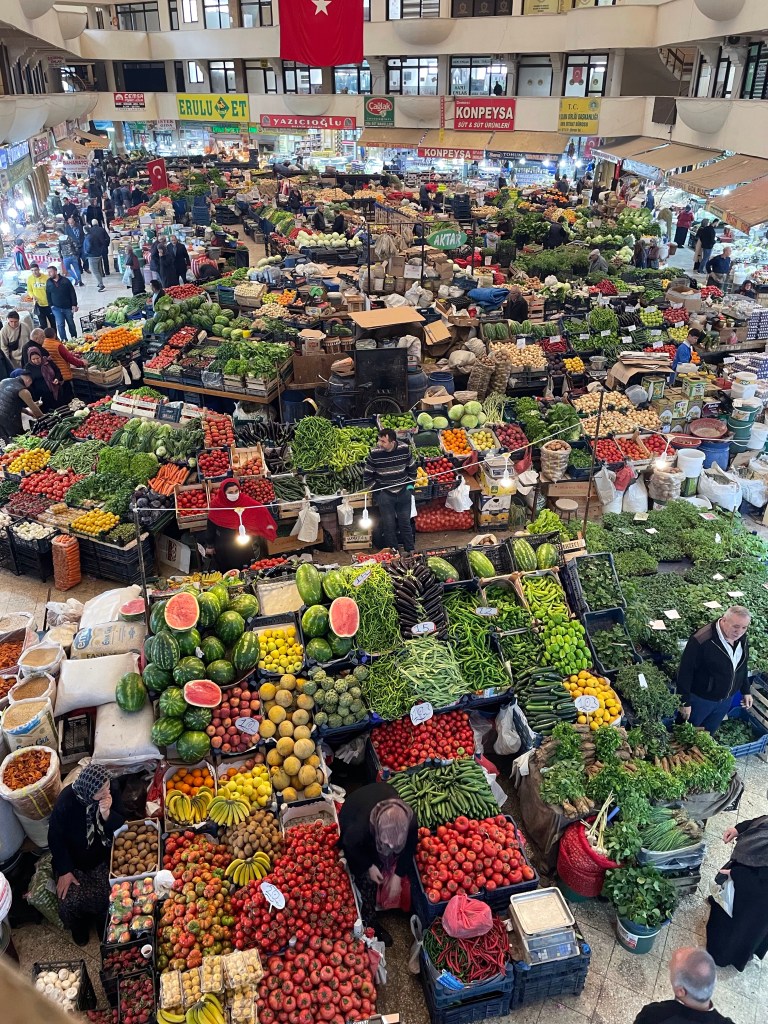
We also took time to sample the local food which comprises meat, meat and more meat…with bread. We were therefore surprised to find a large fruit and vegetable market, known as the Kadinlar Pazar (womens’ market). Our Turkish friends had warned us about the lack of alcohol, but no one had mentioned that every restaurant was Etli Ekmek (meat with bread) !

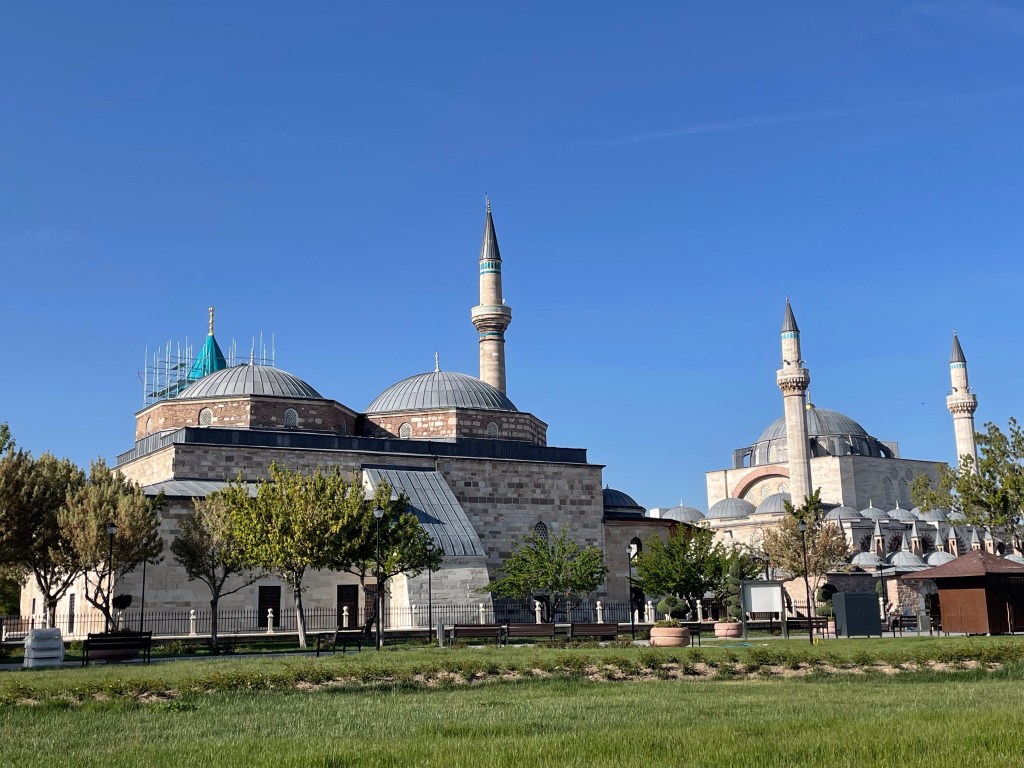
Mevlana Museum (left), Selimiye Mosque 16th century (right) – from our hotel
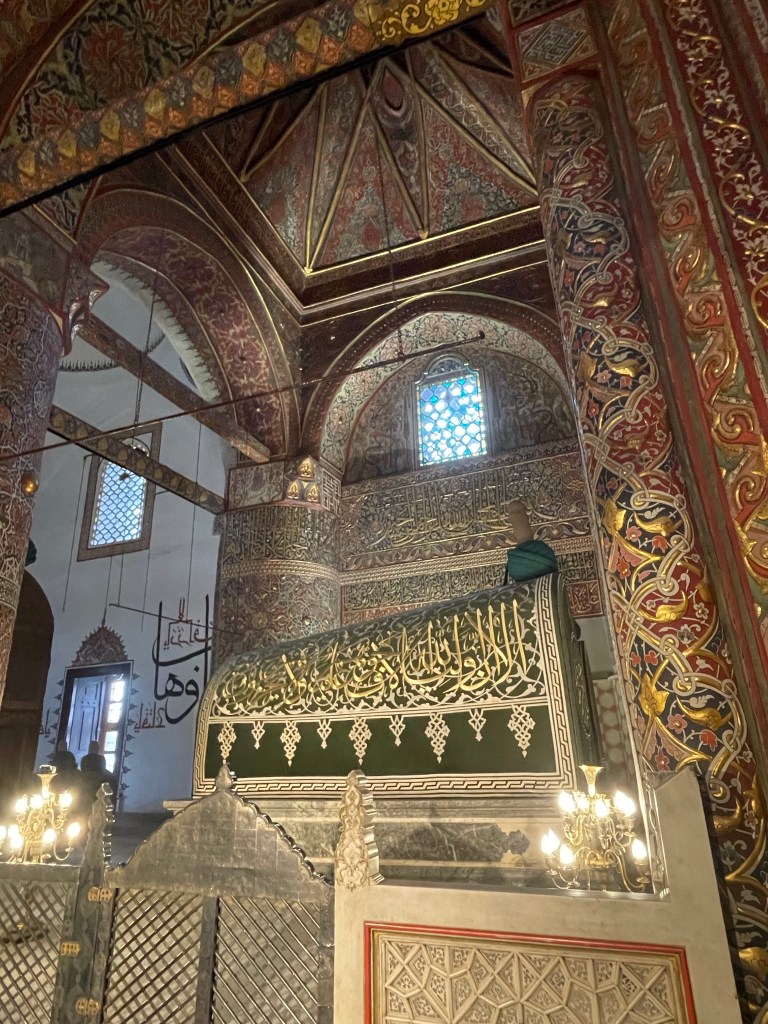
Rumi’s tomb
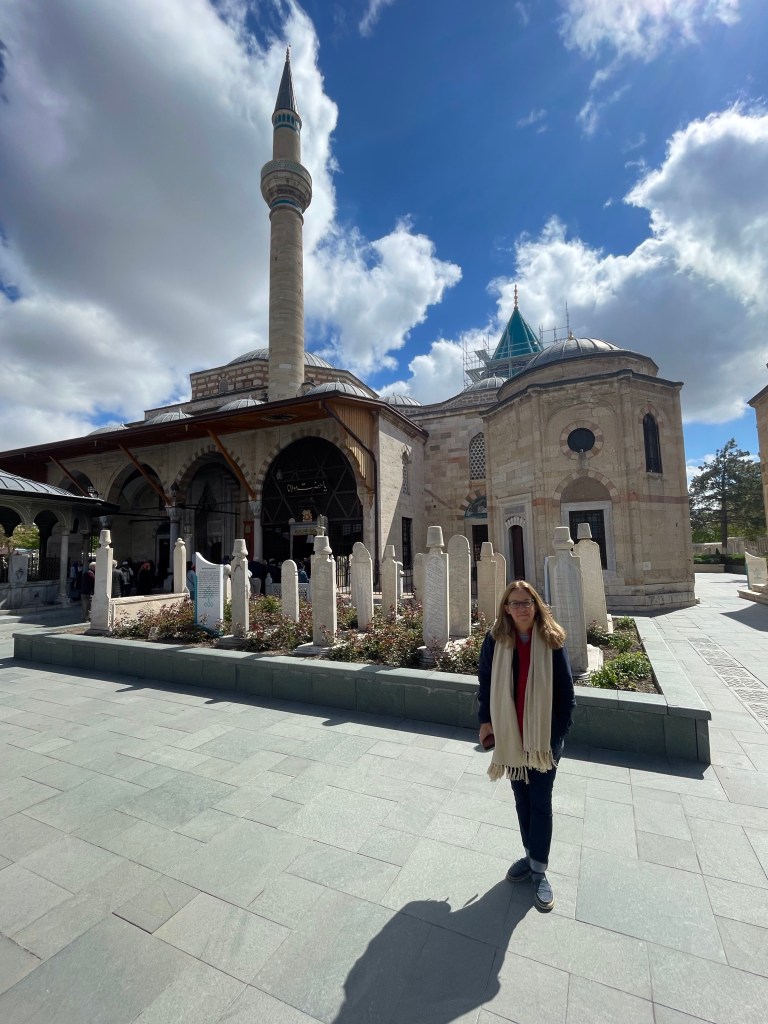
Sufi tombs

Road to Konya

The first leg of our trip to Cappadocia was the seven hour drive from Kalkan to Konya. We had made, what proved to be, a good decision to have a driver, given the long distances.

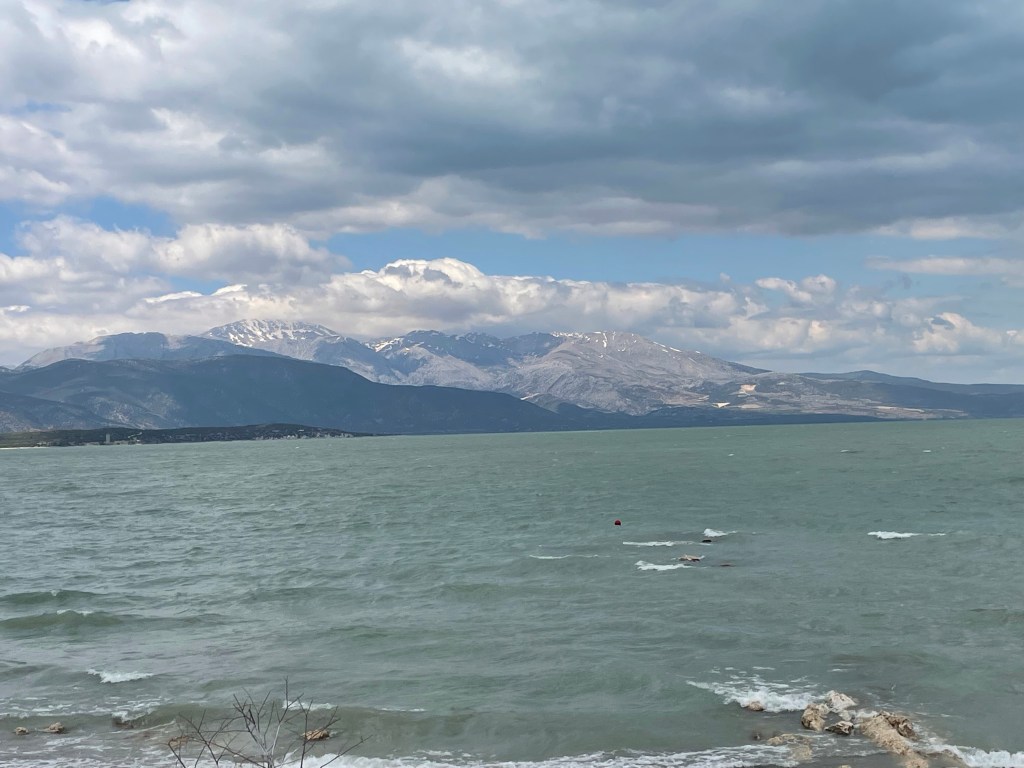
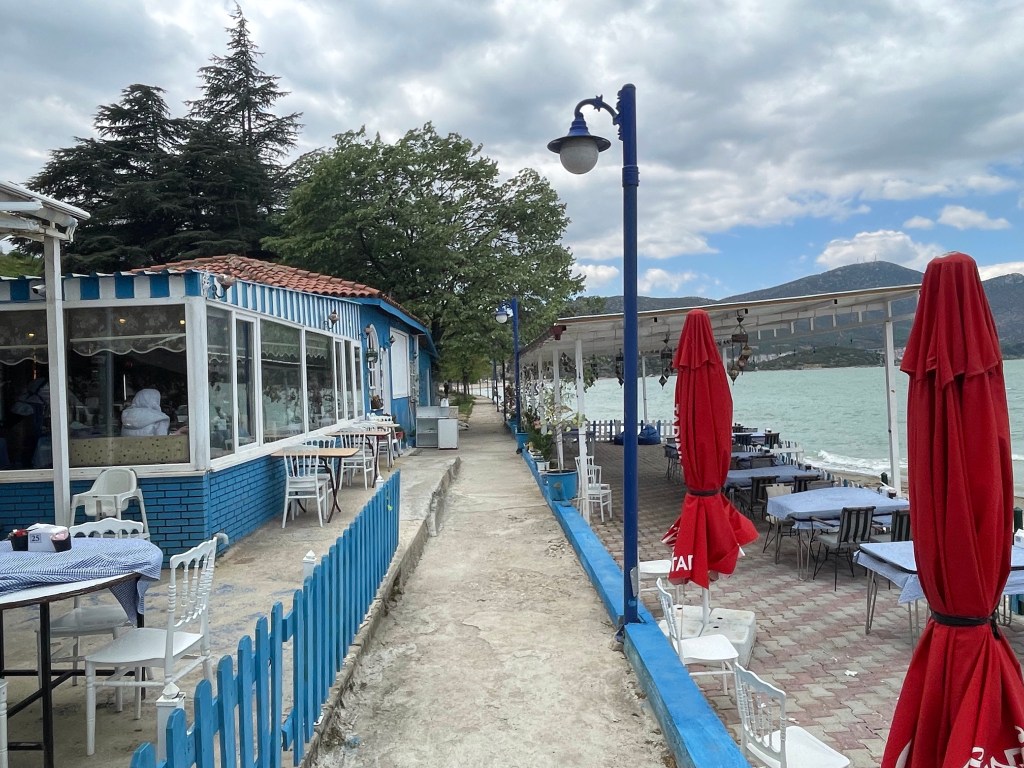
The route took us through the Turkish Lake District where we stopped at Lake Egirdir for lunch. The local fish was very good and very cheap. It is the fourth largest lake in Turkey, over 30 times the size of Lake Windermere and the surroundings reminded us of Switzerland.

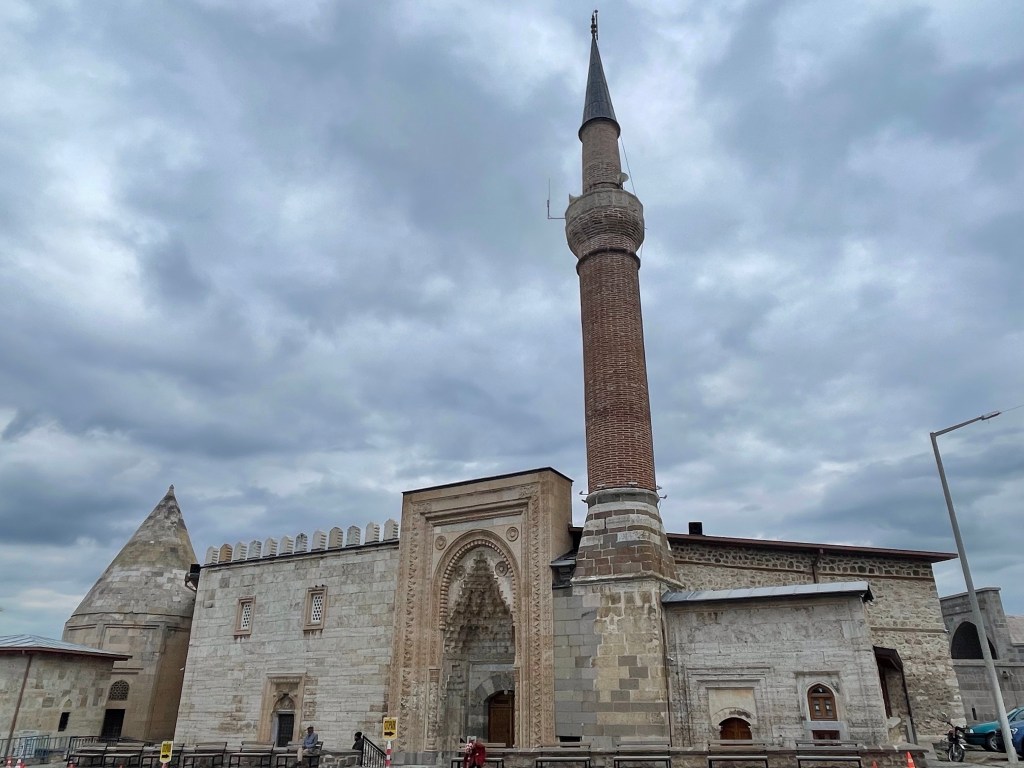
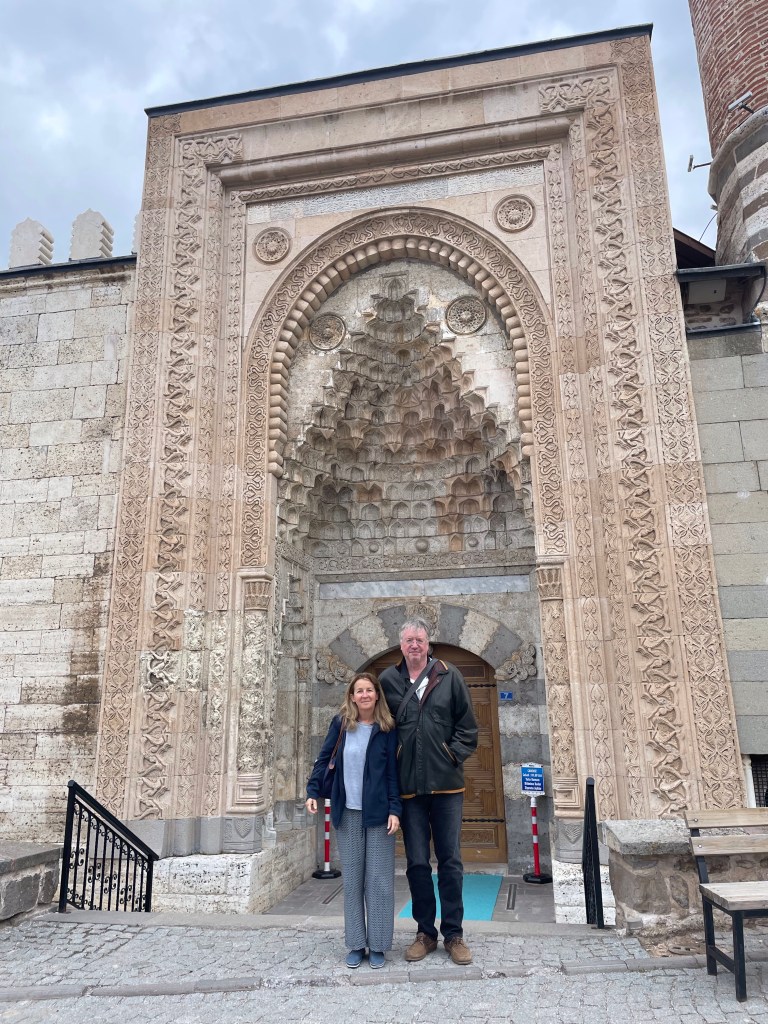
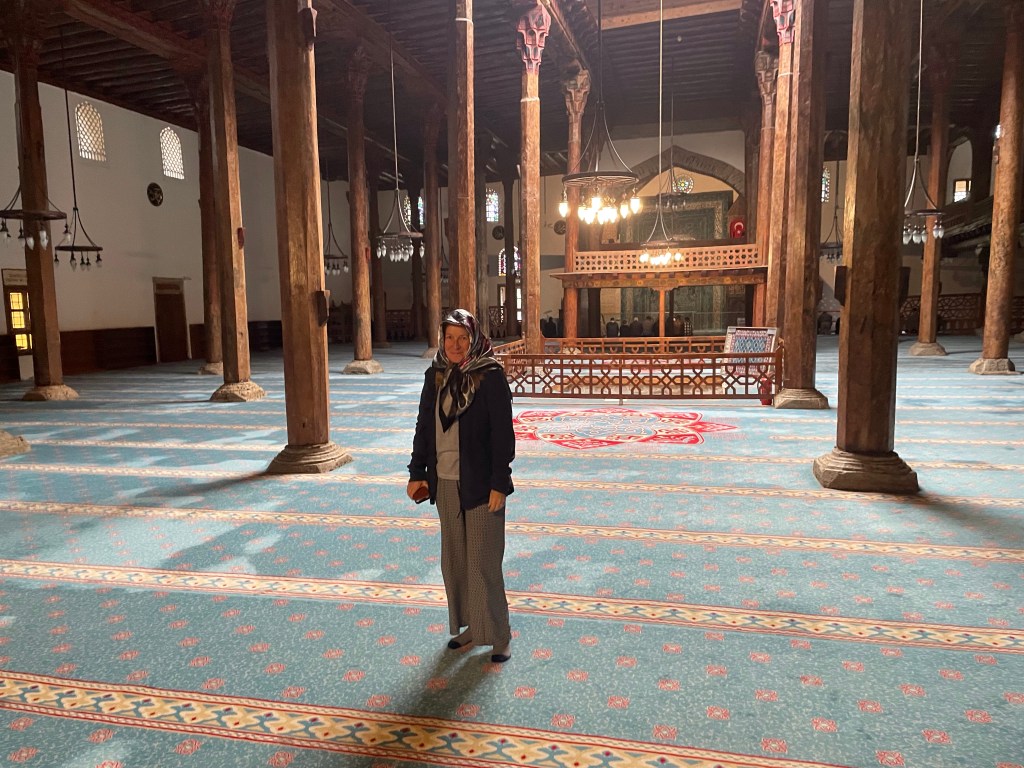
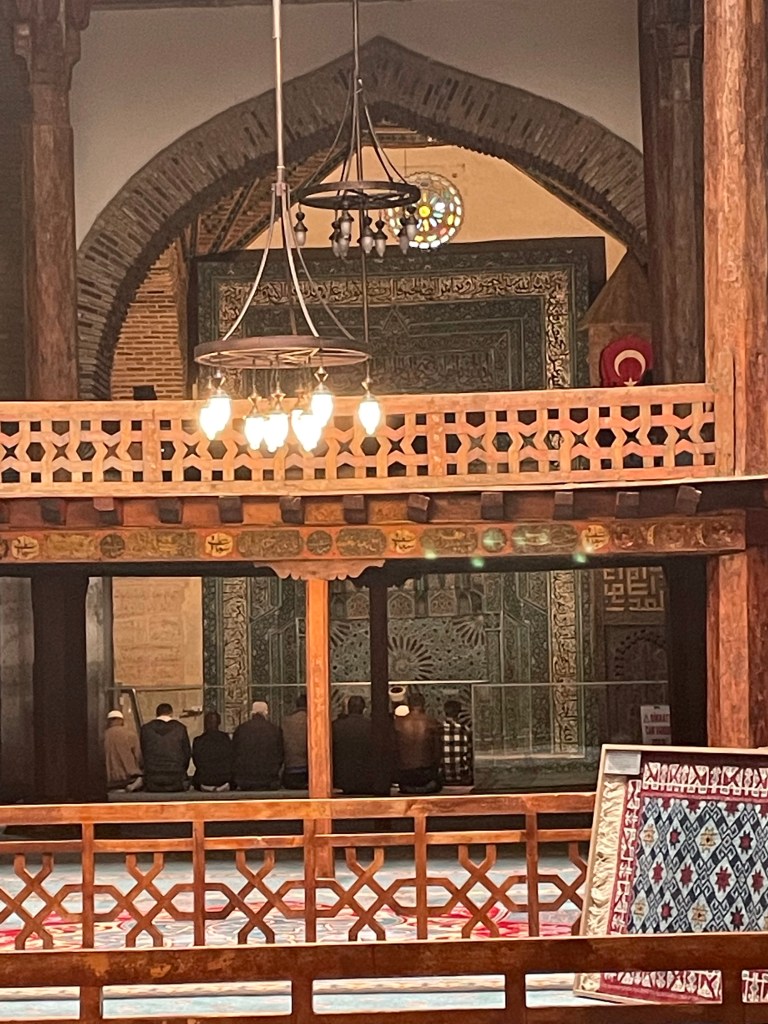
The final stop before Konya was to visit a 13th century mosque in Beyşehır. Eşrefoğlu was built between 1296 and 1299 and features on the UNESCO world heritage site tentative list. Its roof is supported by 42 wooden columns. We were surprised to be allowed in during prayers with Sarah allowed in through the the mens’ entrance.

Ras al-Khaimah (RAK)

RAK is the capital of the emirate with the same name. The name means “the headland of the tent”, because a tent was erected to assist navigation. It is the most northerly of the emirates and RAK is very close to the border with Oman. While in the UAE you cannot go anywhere without seeing RAK, as RAK ceramics is one of the largest ceramic companies in the world and most of the bathrooms in the UAE have its products. RAK is also home to a number of other manufacturing companies, including “TurboTim”, strangely juxtaposed to the recently developed beach resorts.

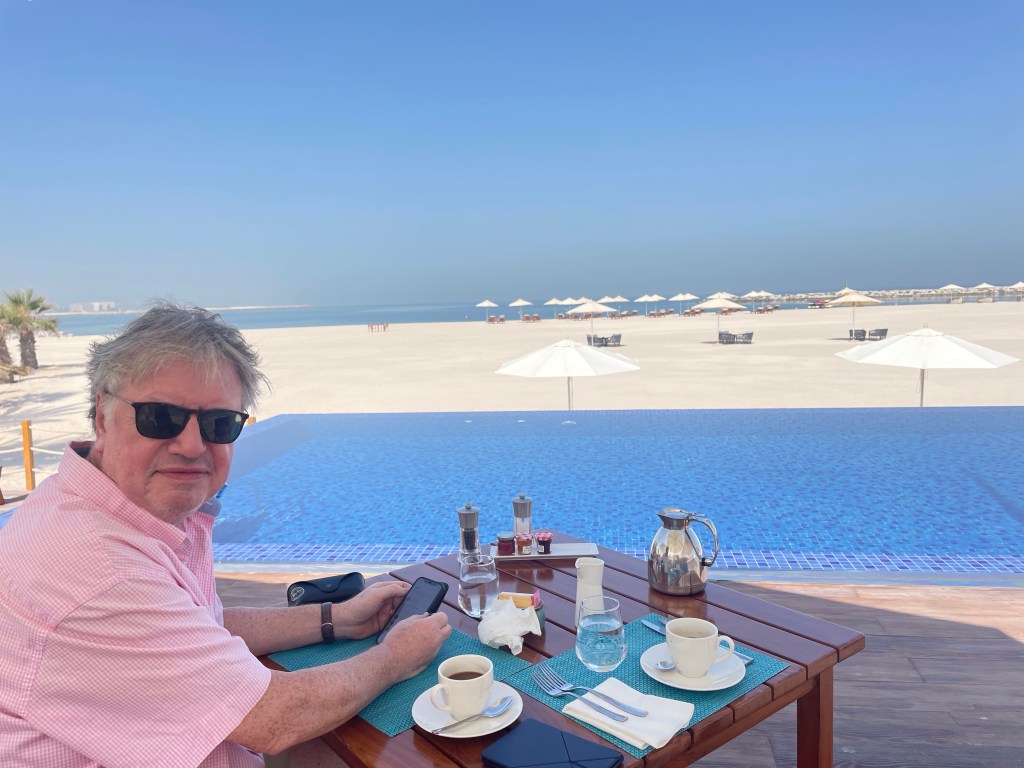
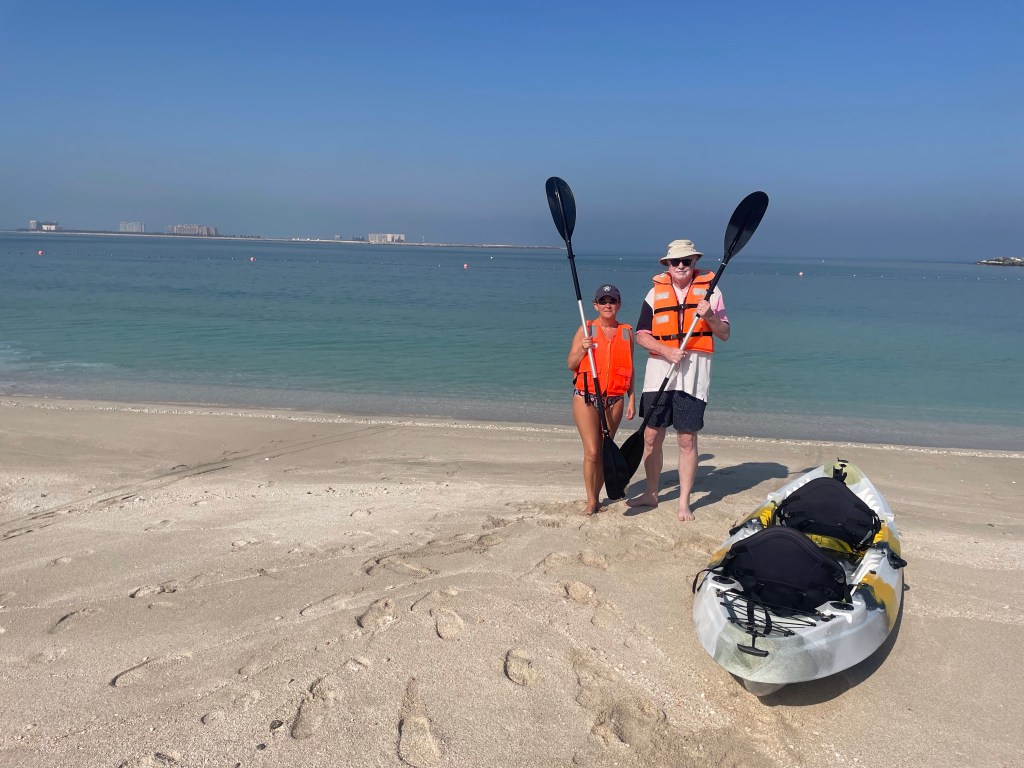
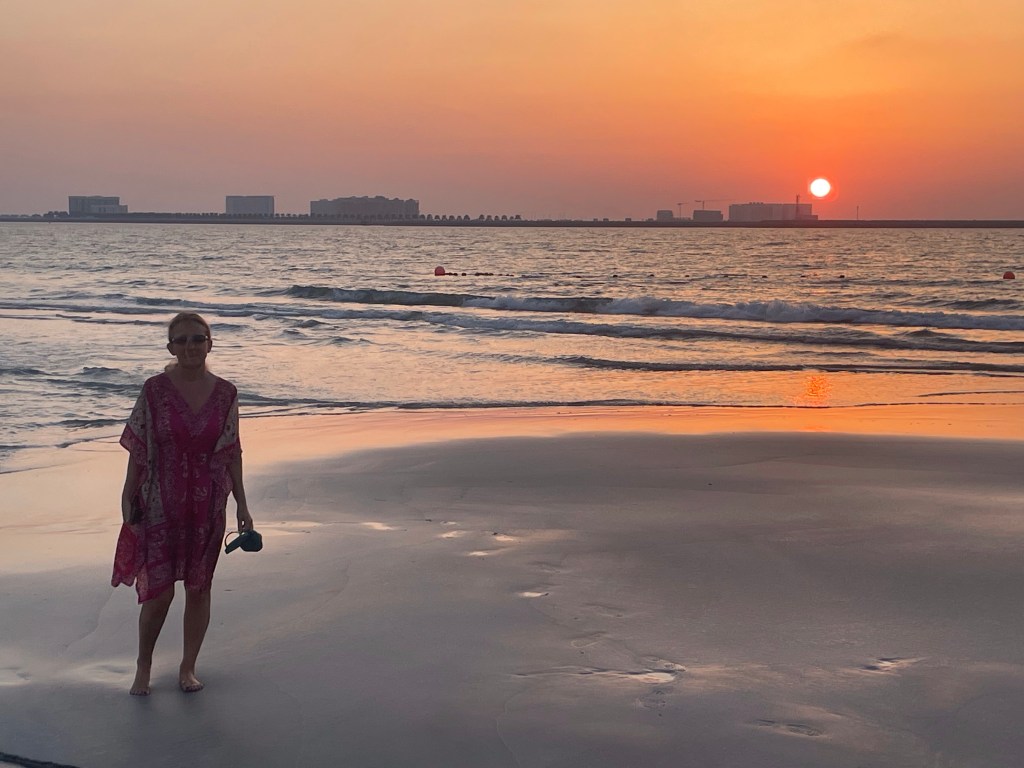
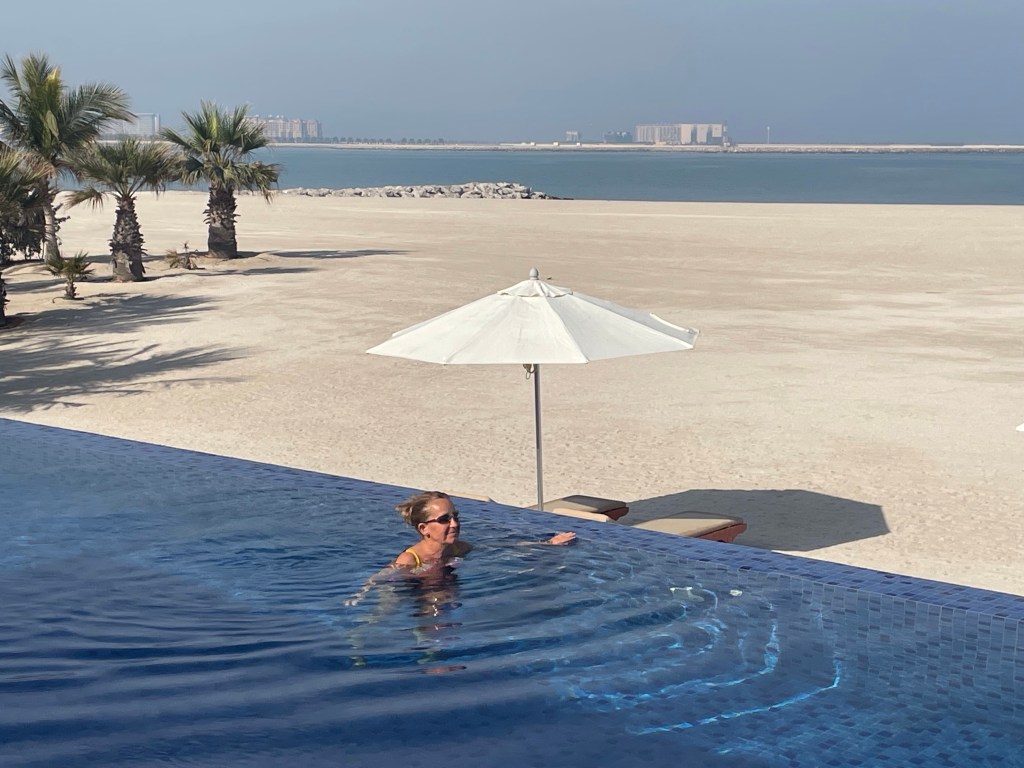
We were not in RAH for the history, culture of tax breaks for industrials….it was our last stop and we were here to relax by the beach and pool.

United Arab Emirates

After three PCR tests in 48 hours we arrived in Dubai, one of the seven Emirates which form the UAE. The UAE came into being in 1971/72 as an elective monarchy. Prior to that it had been a British protectorate formed in 1820 following the signing of the General Maritime Treaty. This had resulted from two battles (1809 and 1819), against the Ras Al Khaimah emirate which had been led by a sultan who supported pirates in the region, mainly against the ships of the East India Company.

Oil exploration began in the 1950s, with commercial quantities discovered in 1960. This has brought great wealth, although the country has now diversified into finance, real estate, tourism and aviation. The current President since 2004 (and leader of Abu Dhabi) is Khalifa bin Zayed Al Nahyan, but better known is the Deputy President, Prime Minister and leader of Dubai, Mohammed bin Rashid Al Maktoum.

Al-Maha

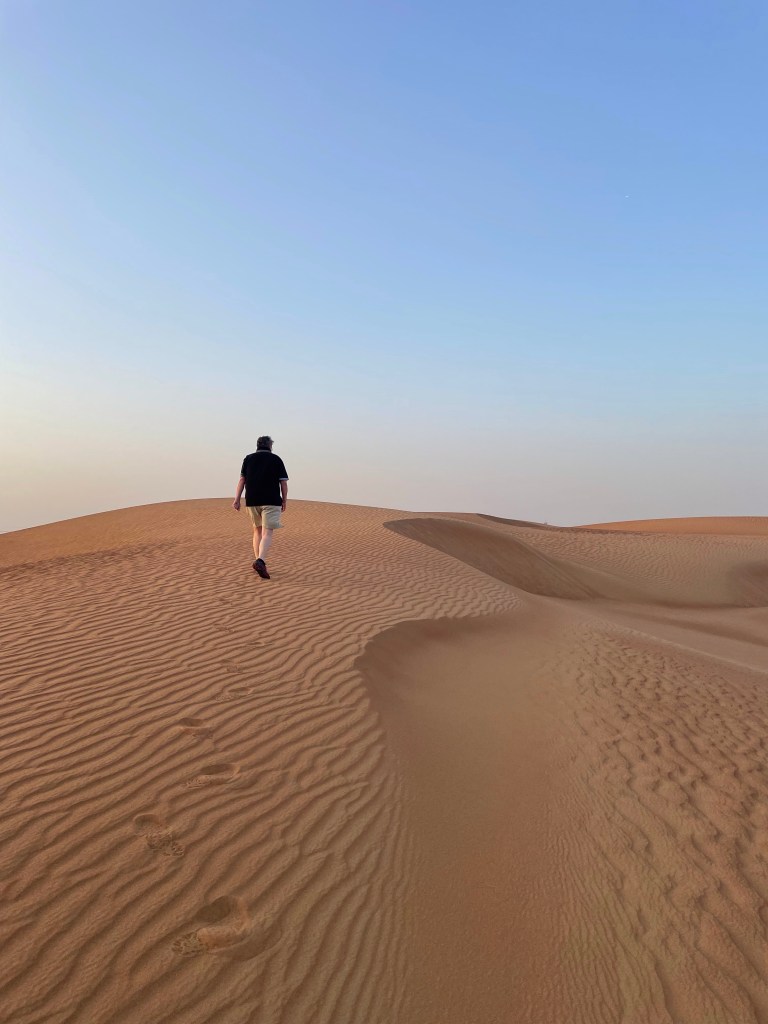
Al-Maha is the only hotel in a 225 square km desert conservation park, representing approx. 25% of the land of the Dubai Emirate, close to the Oman boarder. The conservation area was created by the Maktoum family in the late 1990s, which is also when the hotel was built. The park relies on underground water to create lakes for birds and animals and to enable trees to survive in the harsh environment. The water pumps are powered by solar energy.

The hotel comprises 40 “tents”, all overlooking spectacular desert scenery. We took full advantage of the activities on offer to guests – nature walk/drive, falconry, “dune bashing” in a 4×4 and a private desert dinner (for which we were provided with a local mobile phone in the event of snake/scorpion emergencies; thankfully not needed.)

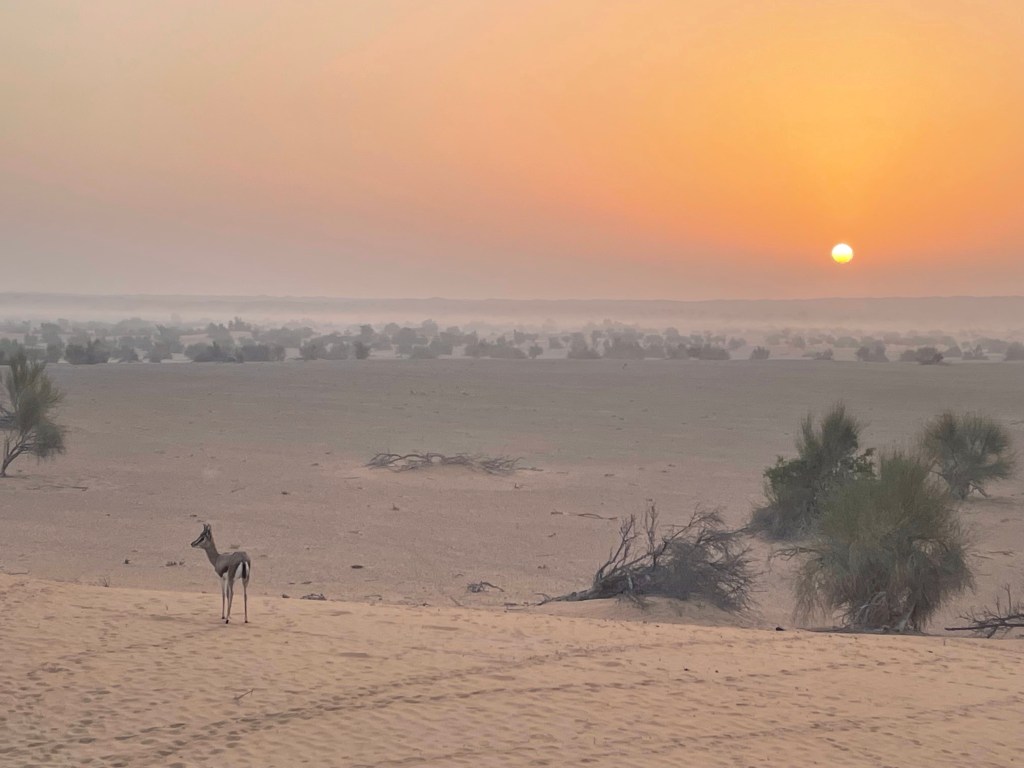
Sunrise in the mist – gazelle in foreground
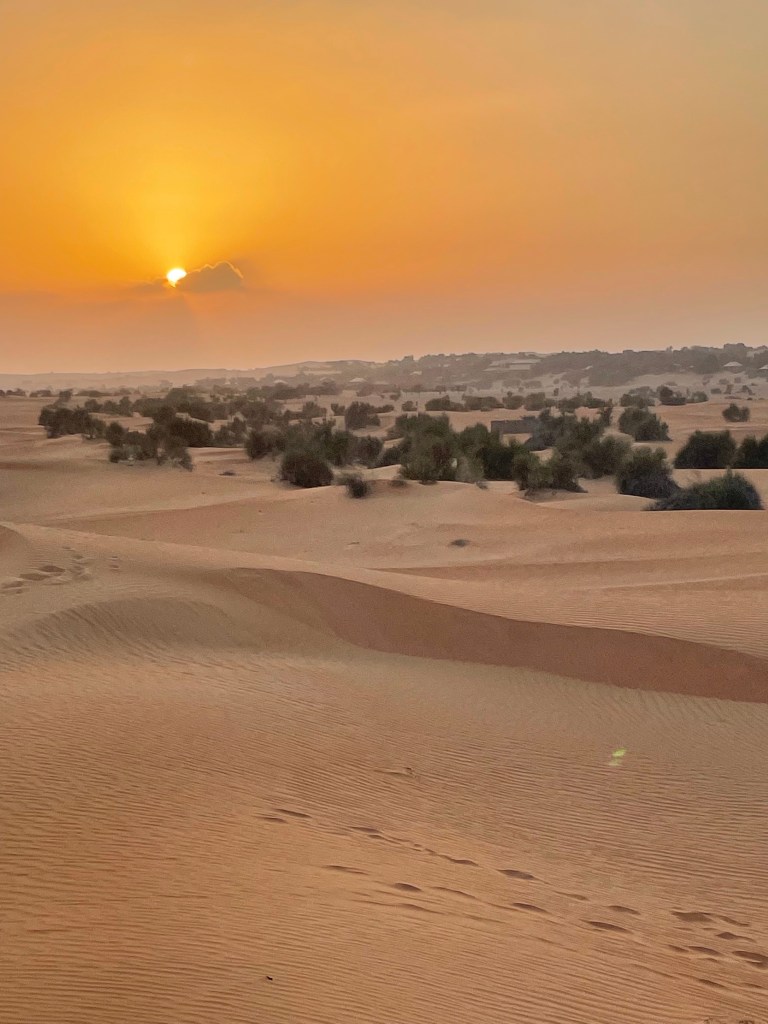
Sunset over the dunes
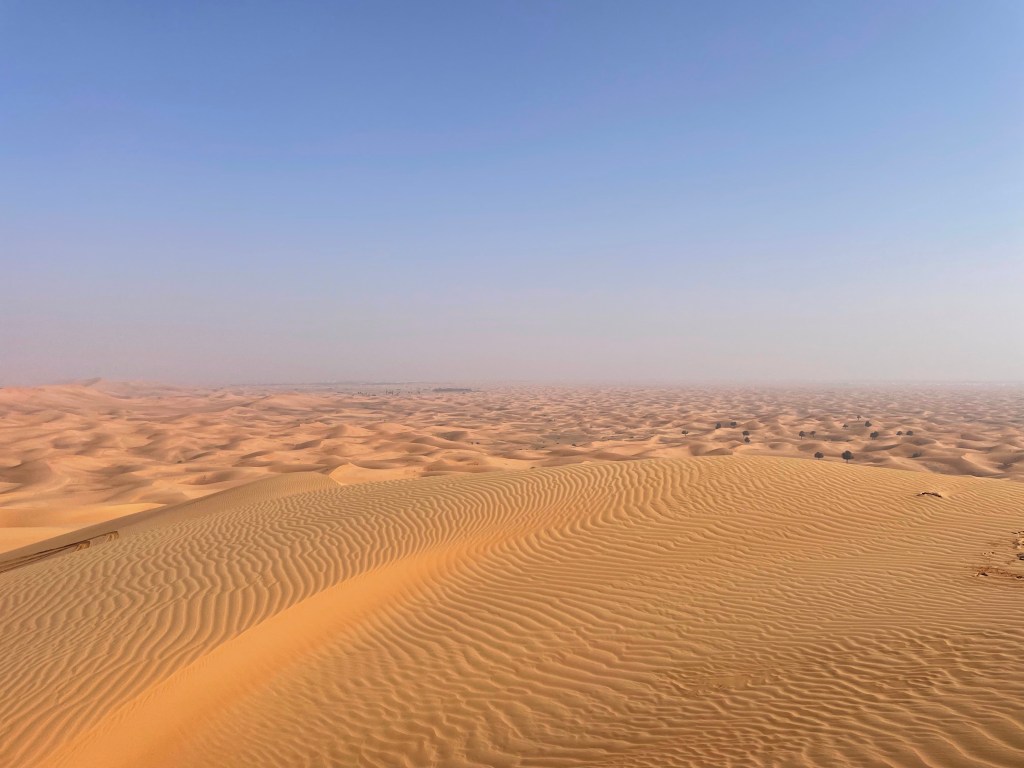
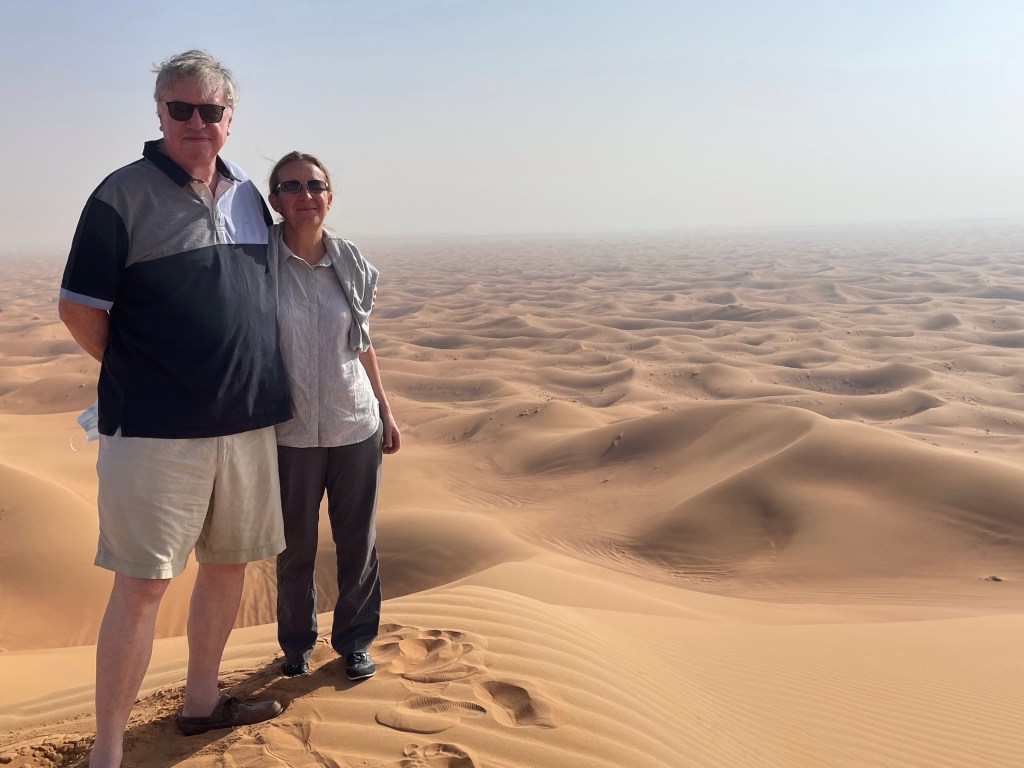
Dunes, looking towards Oman
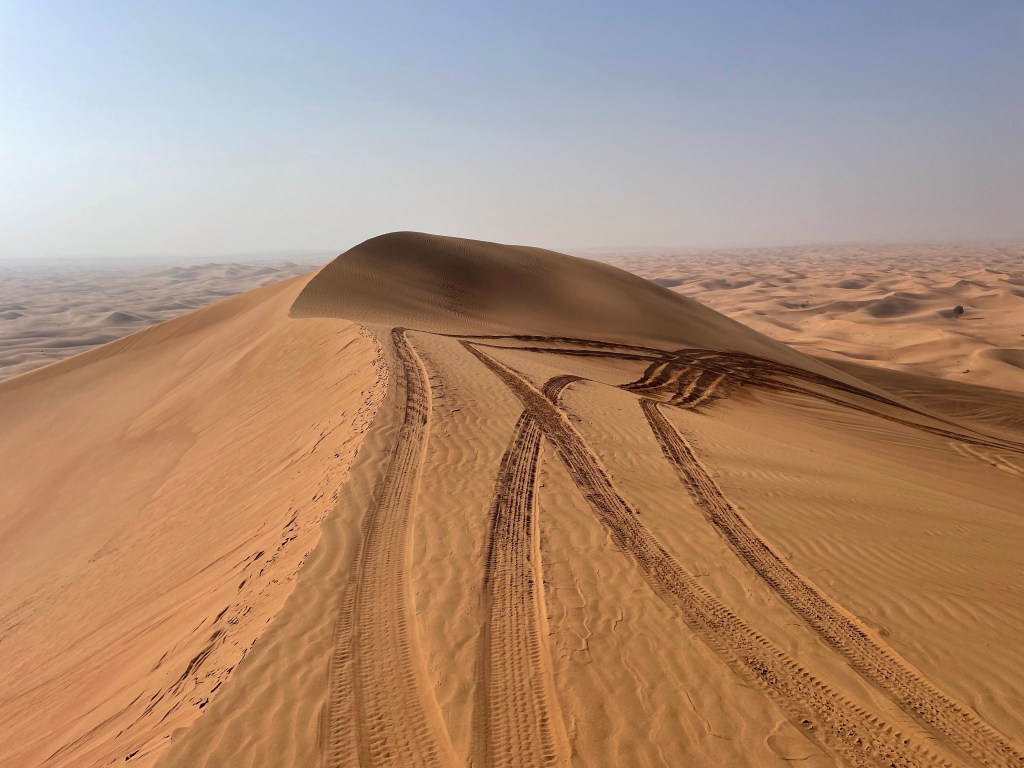
Bashed dune
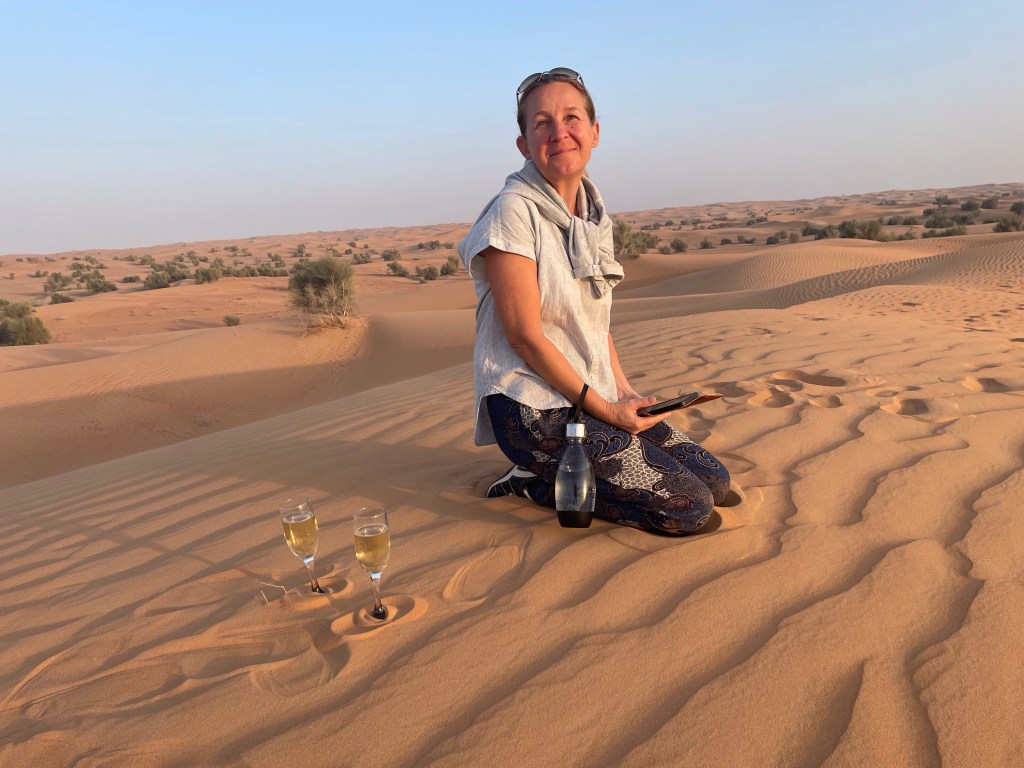
Sundowners in the desert
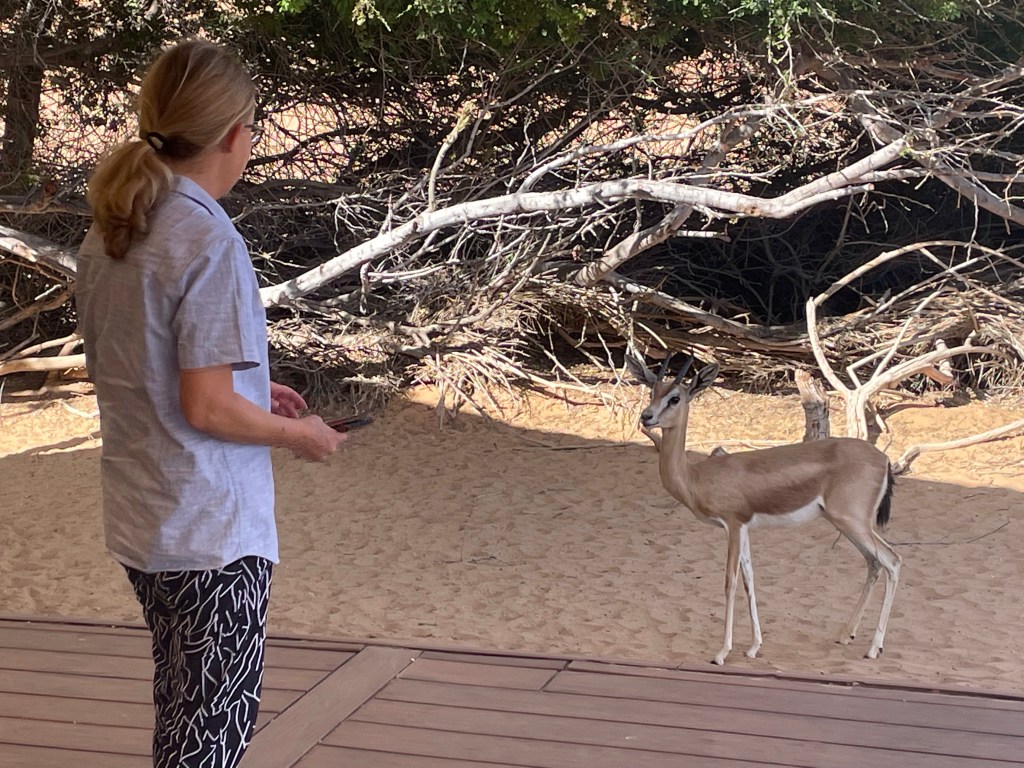
Gazelle visits our room
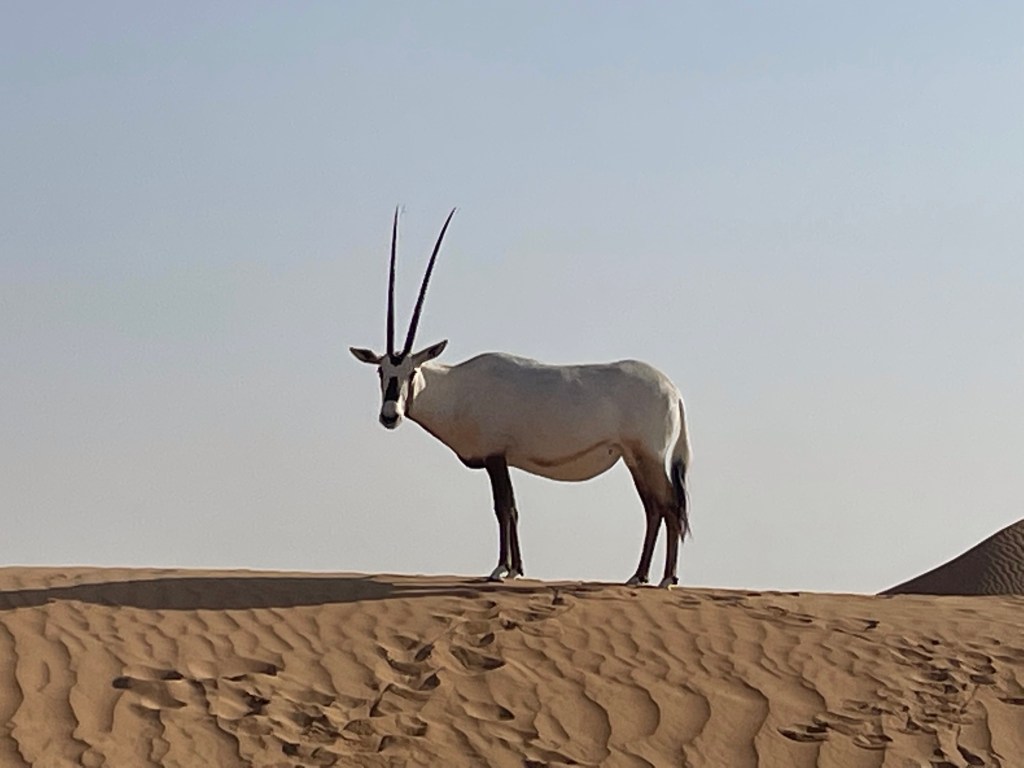
Oryx – UAE’s national animal – following conservation, less endangered

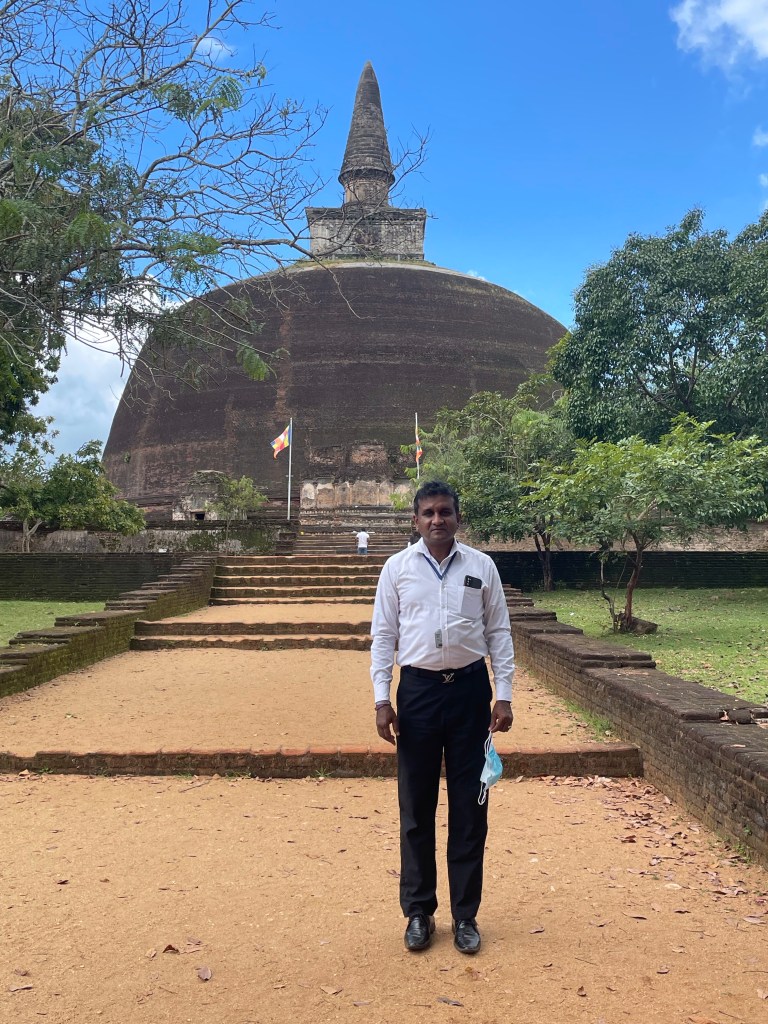
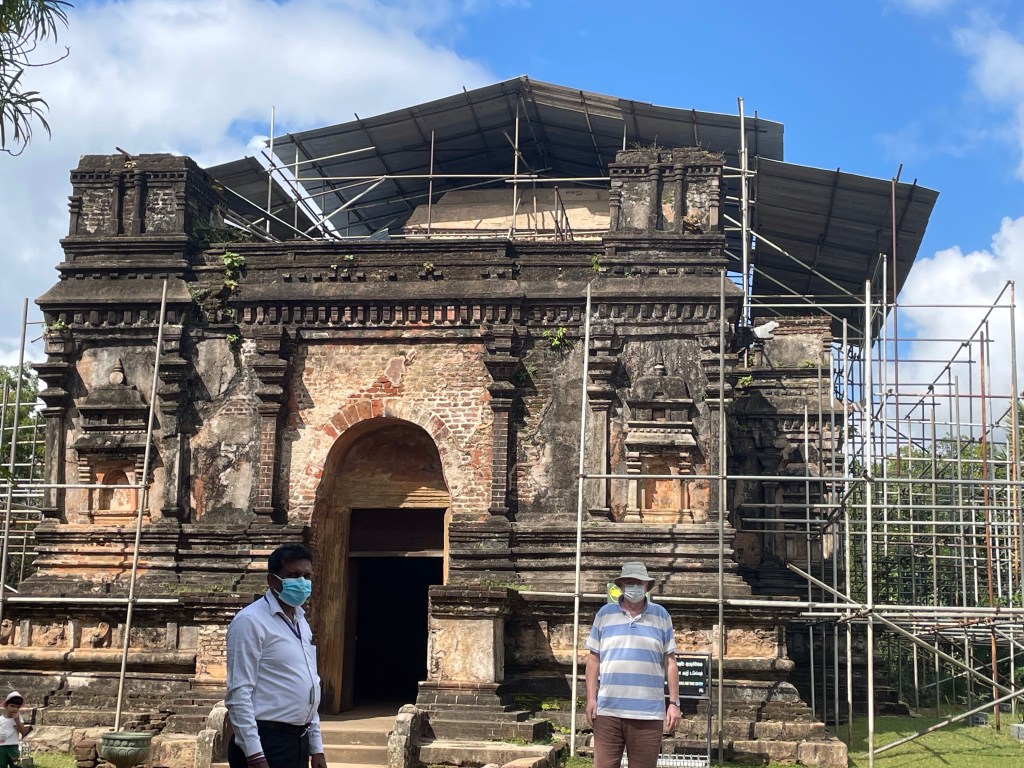
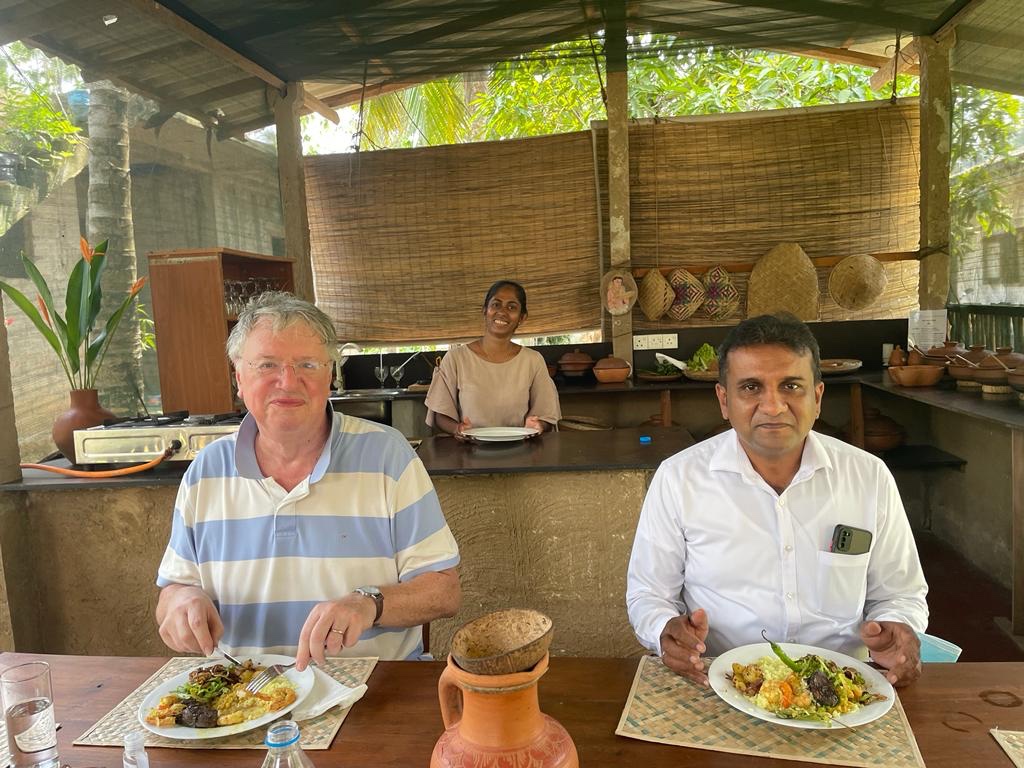
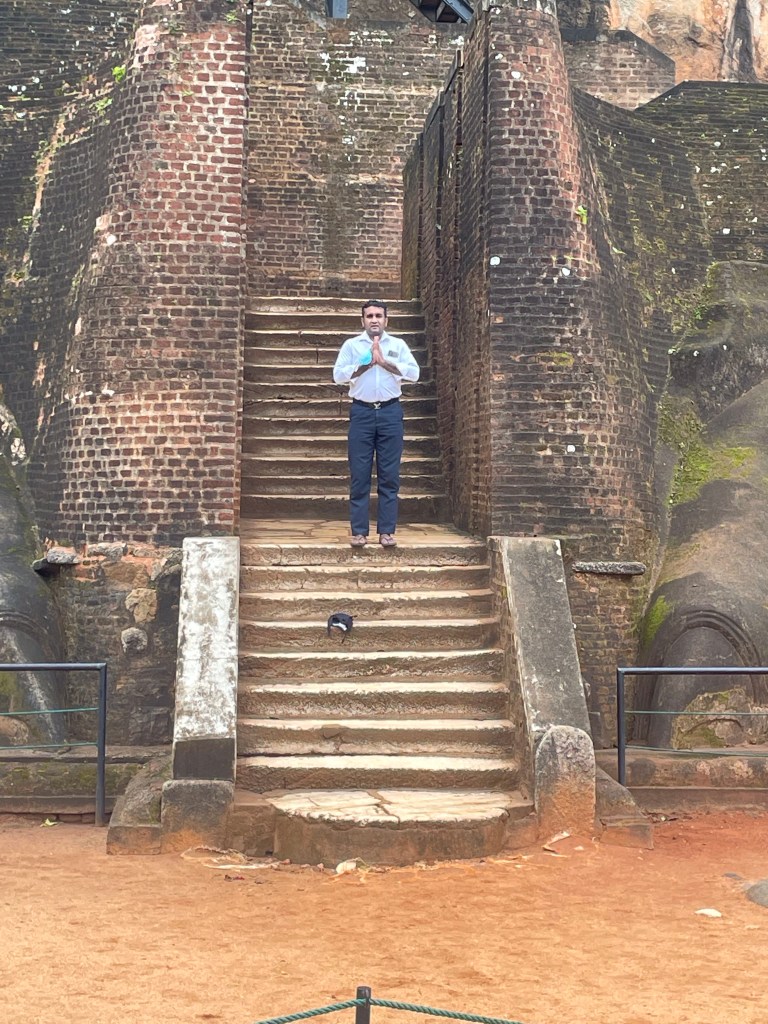
Travels with Sumedha

On 26th January we first met Sumedha in Jaffna. He would be our guide and driver for the rest of our time in Sri Lanka (25 days). Sumedha lives in Kandy and works for our local agent. He had picked up the car in Colombo and driven nine hours to meet us.

We quickly learned that Sumedha, as well as being a devout Buddhist, is knowledgeable, conscientious and a control freak ! We also discovered the harsh realities of living in Sri Lanka during the pandemic. Our tour was his first since March 2020, since then he had received no money from his employer or the state. His sole source of income, to support his family of four, was part-time labouring on building sites.

Sumedha was the most cautious Sri Lankan driver that we came across, averse to risk amongst the chaos of crazy tuk-tuk drivers, bus drivers and other road users. On longer journeys Tim volunteered to drive, but this was not allowed. We were not even allowed to cross the road without supervision. We started to expect a few Sumedhaisms – have you got your passports and phones ?; please do not step on the ants; I learned about that on YouTube (including, how to fly a plane, apparently); I am fully vaccinated, but just incase I have a special Ayurvedic syrup, let me know if you would like some; and finally may the blessings of the triple gem be upon you (included in all WhatsApp messages).