Coptic Cairo

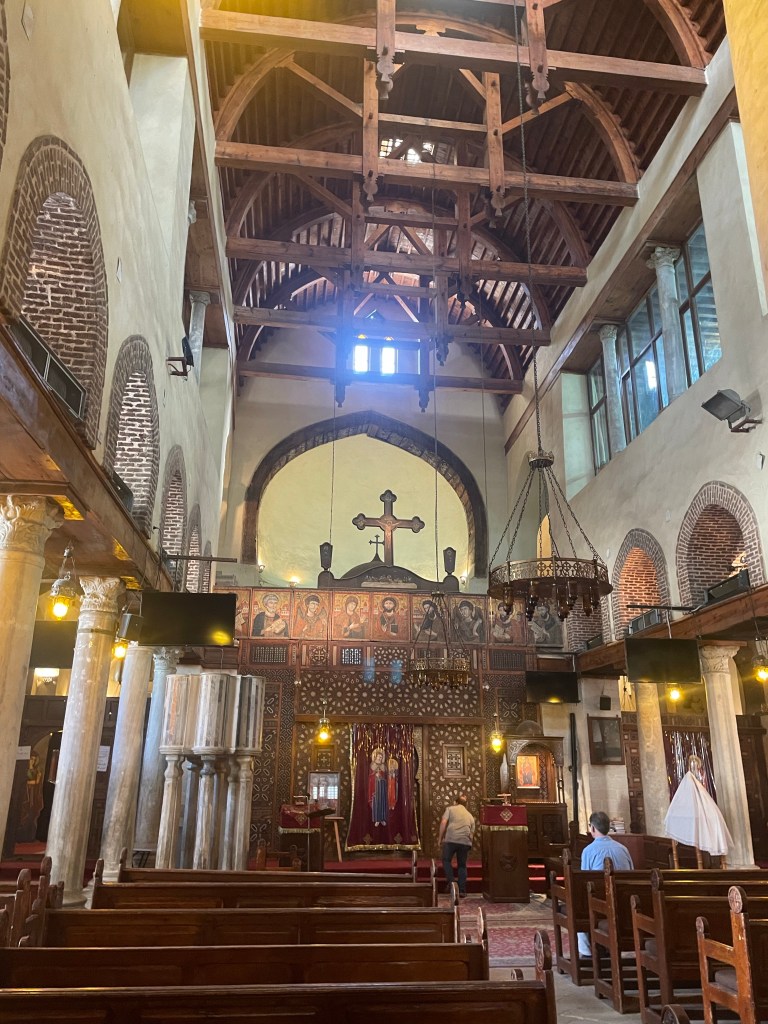
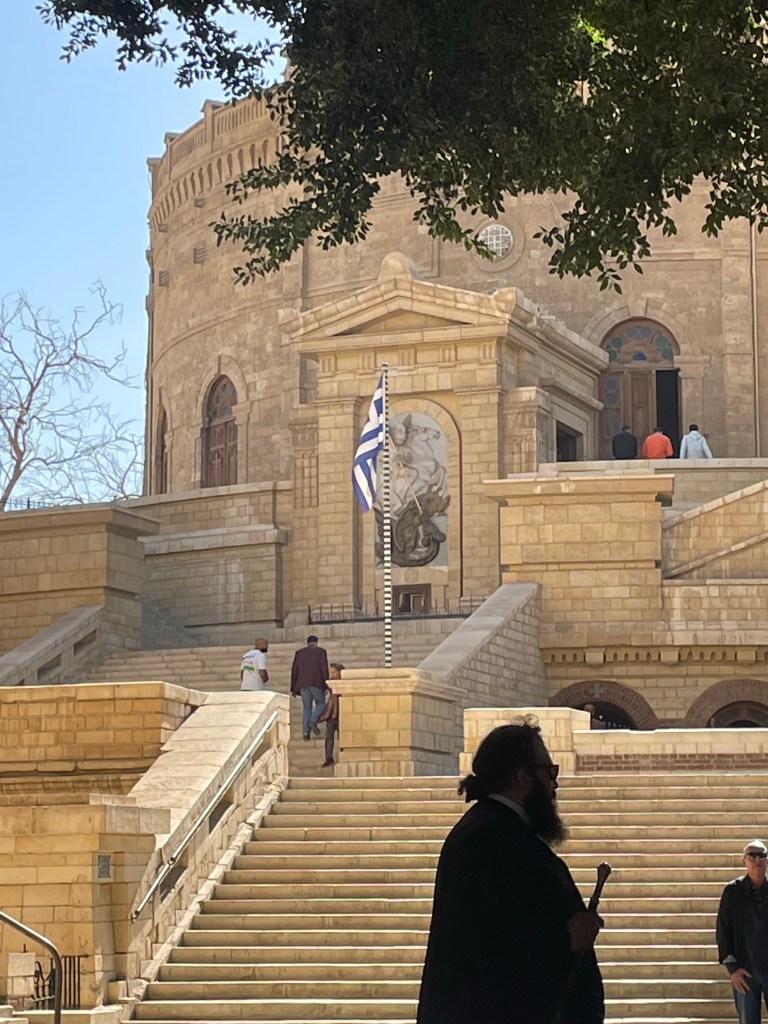
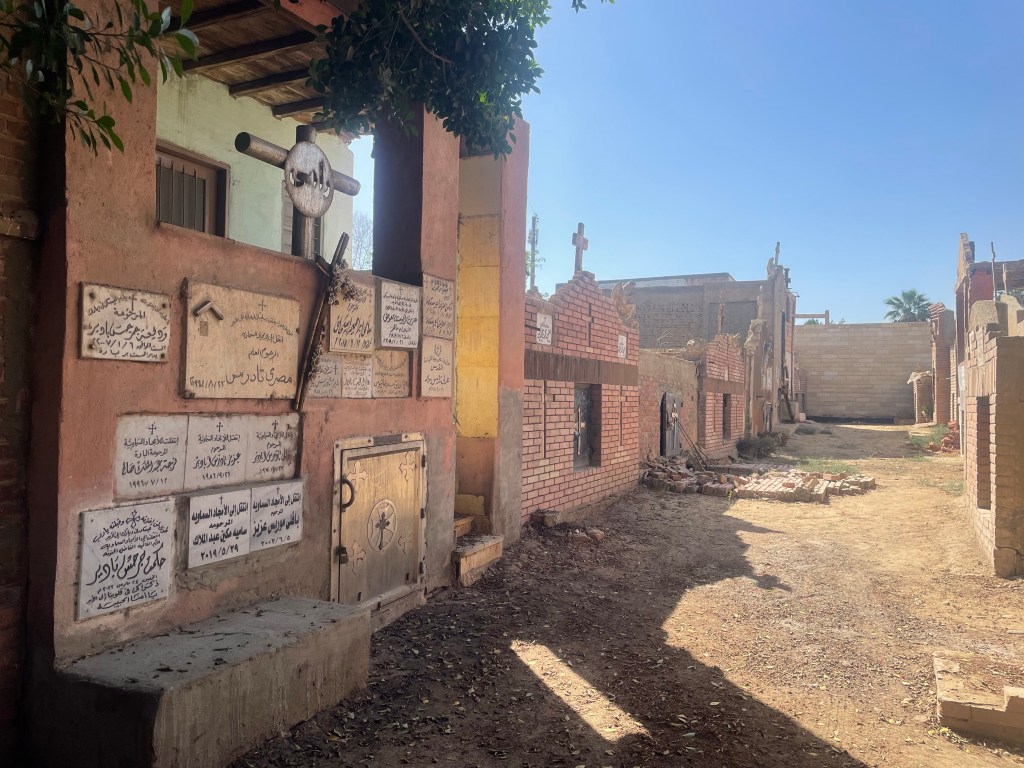
Coptic Cairo contains the oldest church, oldest mosque and oldest synagogue in Cairo; although some of the buildings are newer, some date back to the 9th and 10th Centuries. We visited the Hanging Church (named for its location above the gatehouse of the Babylon Fortress), Church of St George and Monastery of St George. In addition we walked through the Coptic cemetery where families have, what appear to be, small houses for their dead. The Ben Ezra synagogue was closed for renovation.

While estimates vary, today around 20% of the population of Egypt are Coptic christians. It is common to see churches and mosques close to each other in the towns and villages along the Nile.
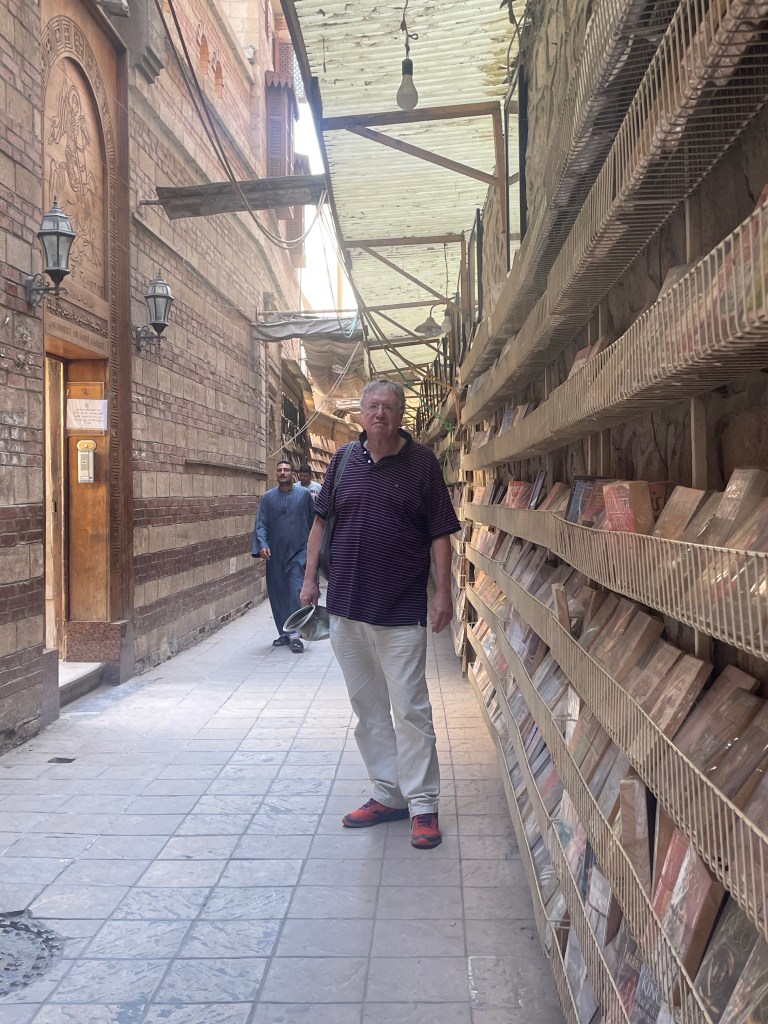
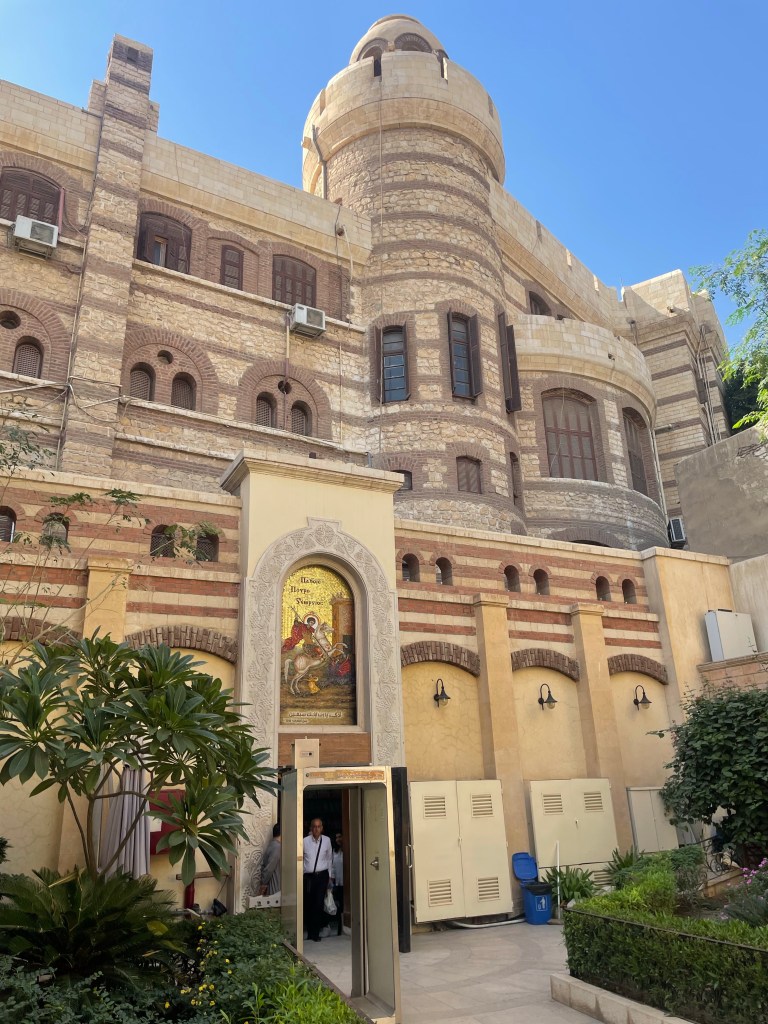
A street in the Coptic area
Monastery of St George
Hanging Church – the roof was designed to resemble Noah’s Ark
Church of St George
Cemetery

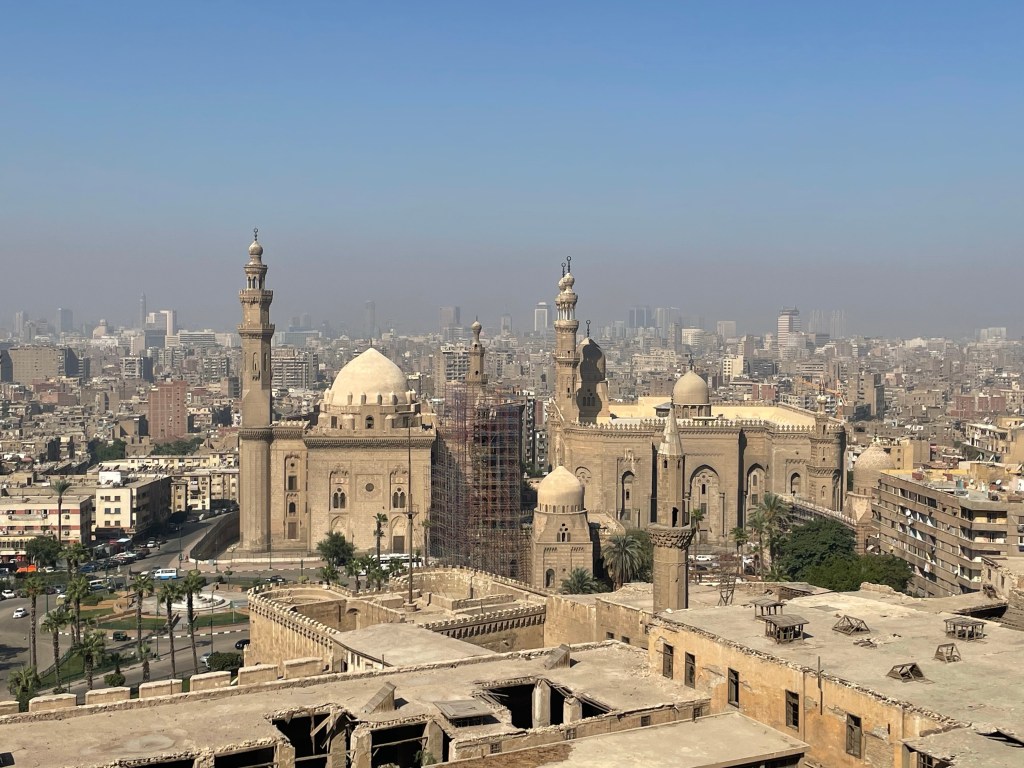
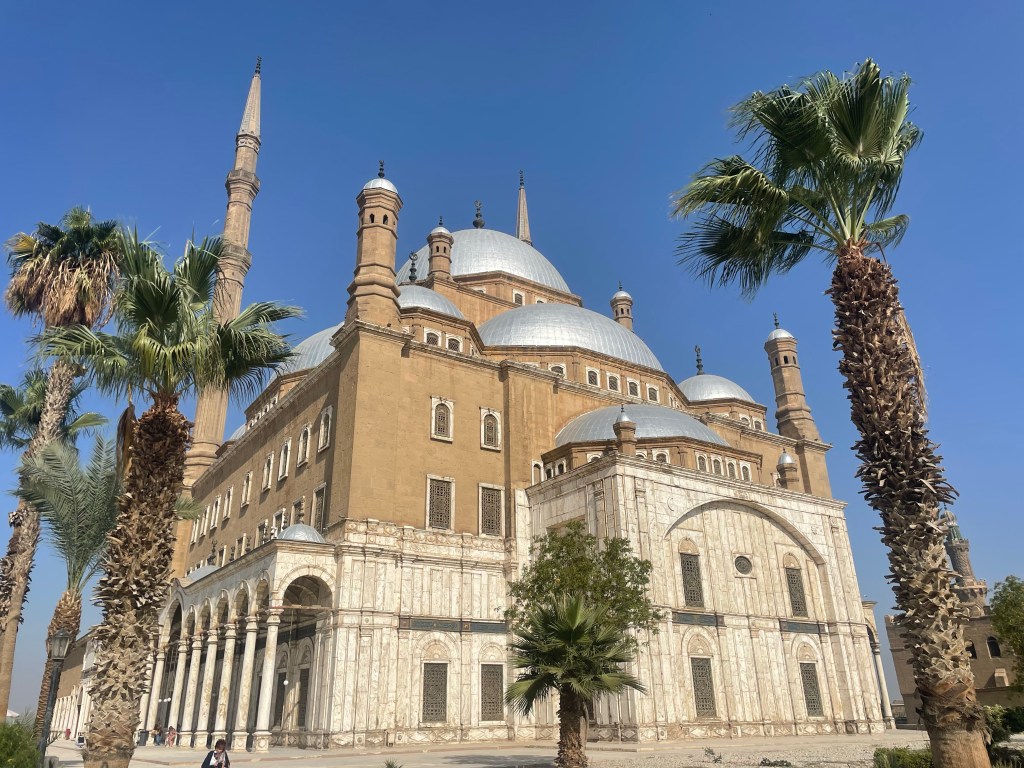
Saladin’s Citadel

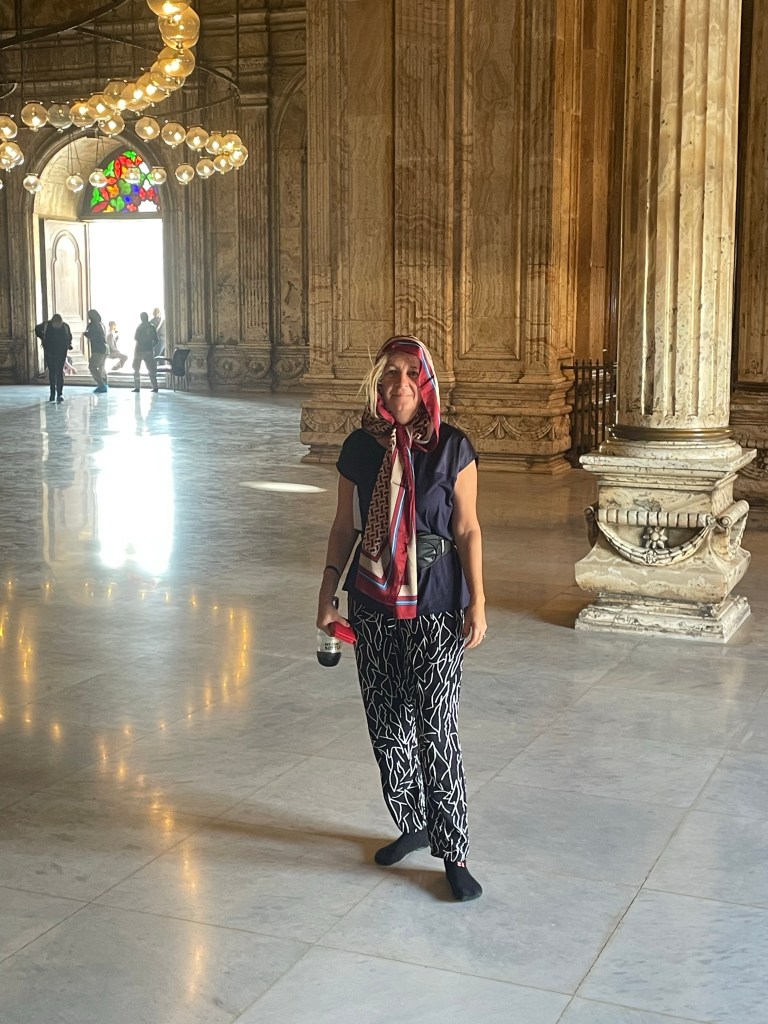
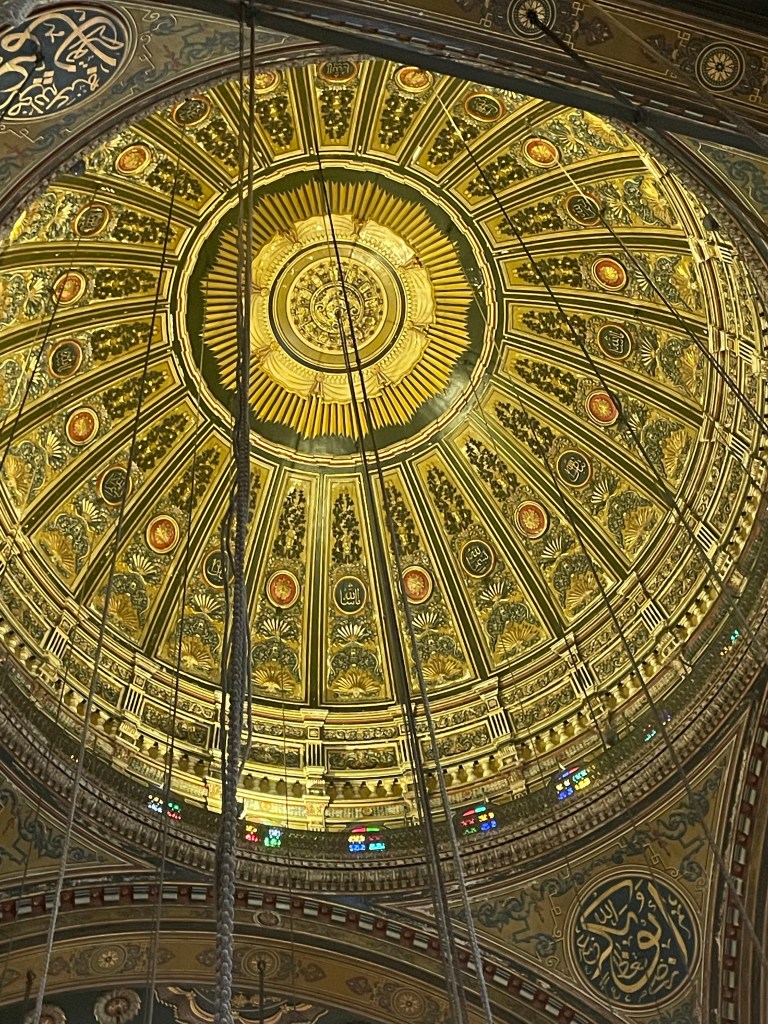
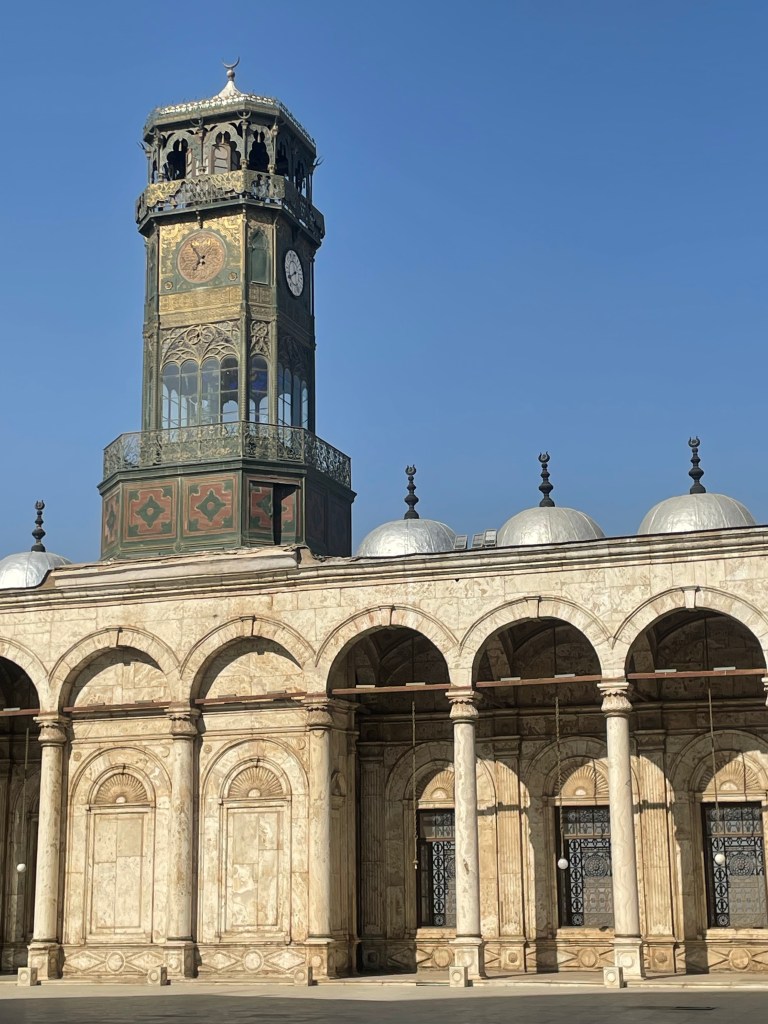
The Citadel is built at the top of Cairo. You are supposed the be able to see the pyramids, but this is impossible due to the air quality. Some of the initial building materials were removed from the pyramids. The main attraction now is the 19th Century Mosque of Mohammed Ali (nothing to do with “the greatest”). In its courtyard is a clock given to the Egyptians by the French in exchange for the obelisk in the Place de la Concorde, but it arrived damaged and has never worked. We were surprised by how few tourists there were at the Citadel – for many Cairo is a staging post including only the pyramids.

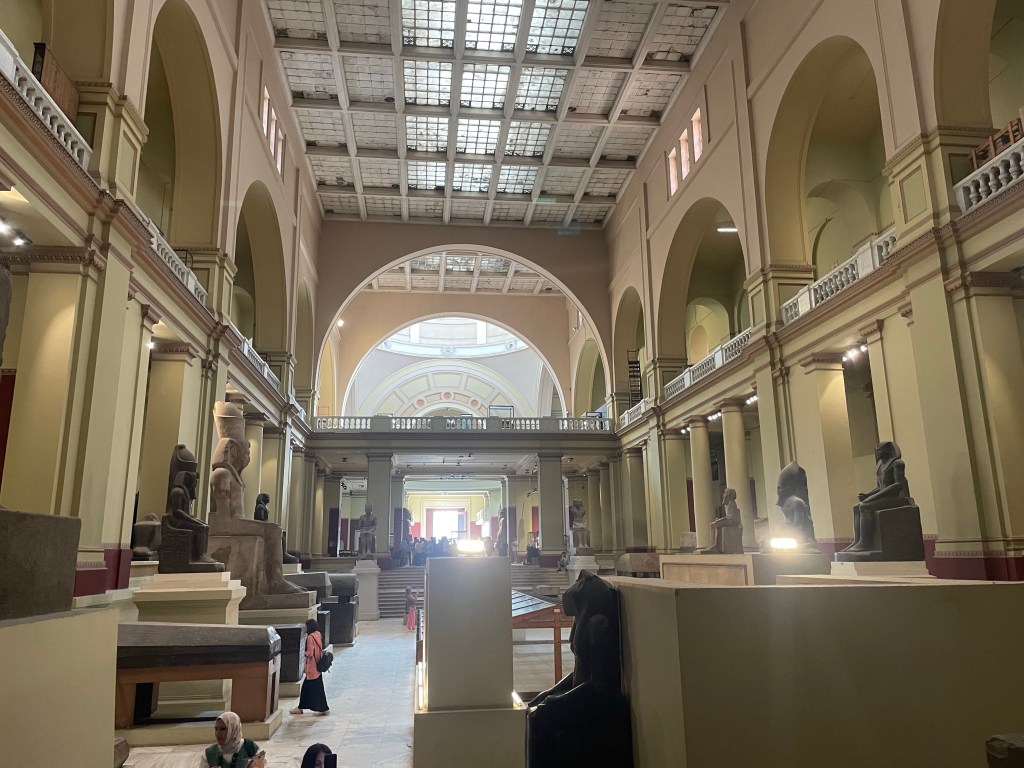
Egyptian Museum

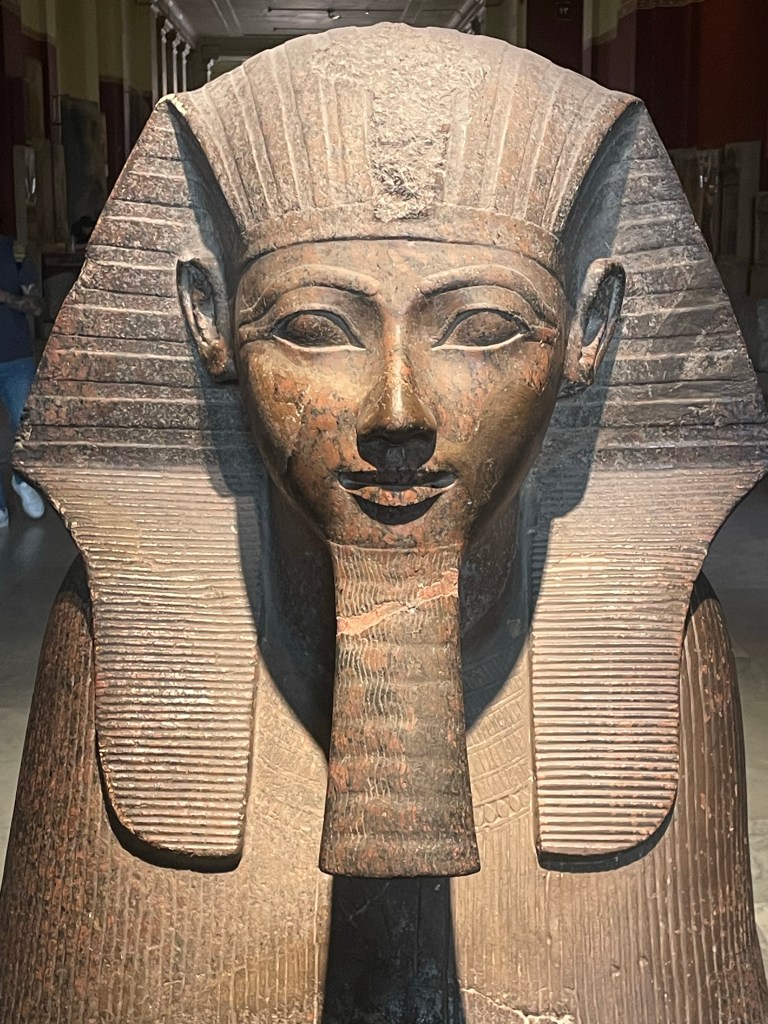
A new museum is being built to house many of the artifacts including the finds from Tutankhamun’s tomb, but this is not expected to open until 2023. The current museum in Cairo was built in 1901 to the design of a French architect. Navigation of the museum is almost impossible without the assistance of a qualified guide, which we had. You would spend days there unless directed to the highlights and many displays do not have labels.

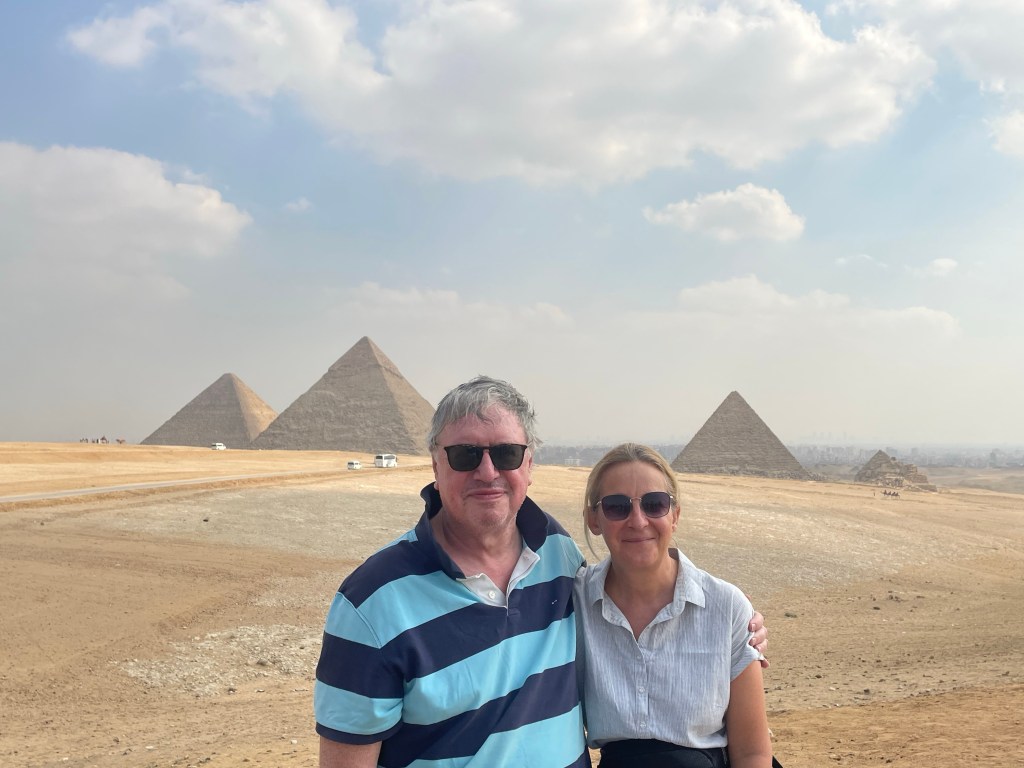
Giza Pyramids and Sphinx

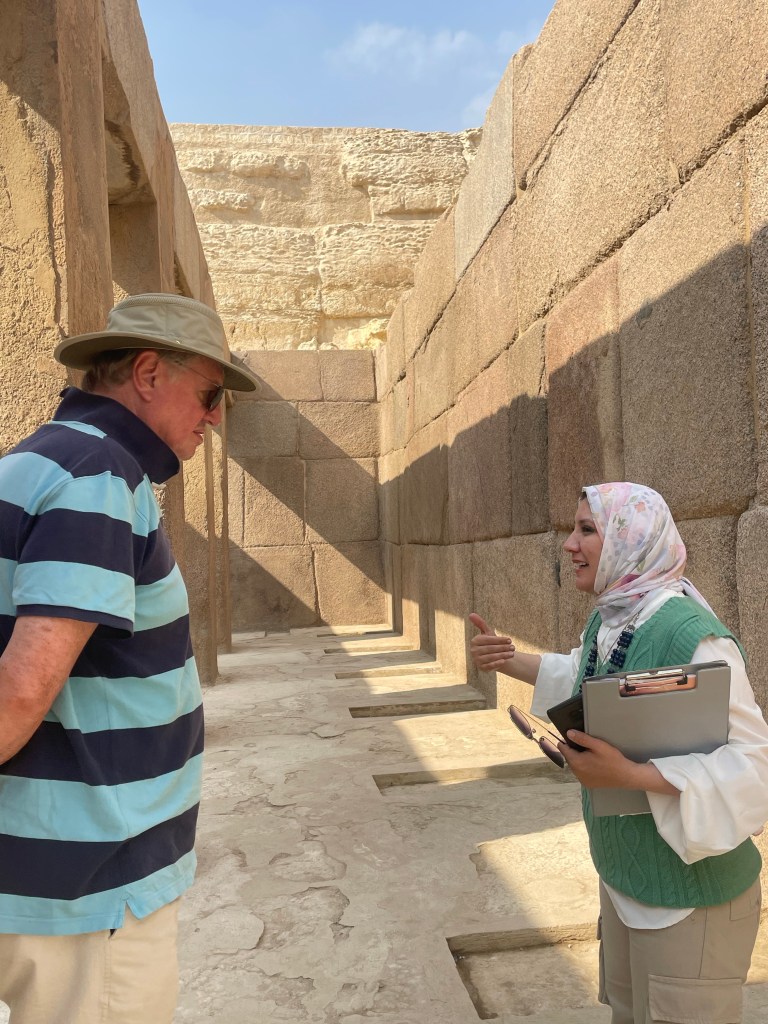
There are three main pyramids- Khufu, Khafre and Menkaure. Khufre, the great pyramid, is the largest at 146 metres high. In addition there are three Queens’ pyramids. Howard Vyse, a British soldier and Egyptologist, has left his mark on at least one of the pyramids as he tried explosives in the 19th century as a means of excavation. One upmanship on French soldiers who had used the Sphinx for target practise in Napoleon’s time.

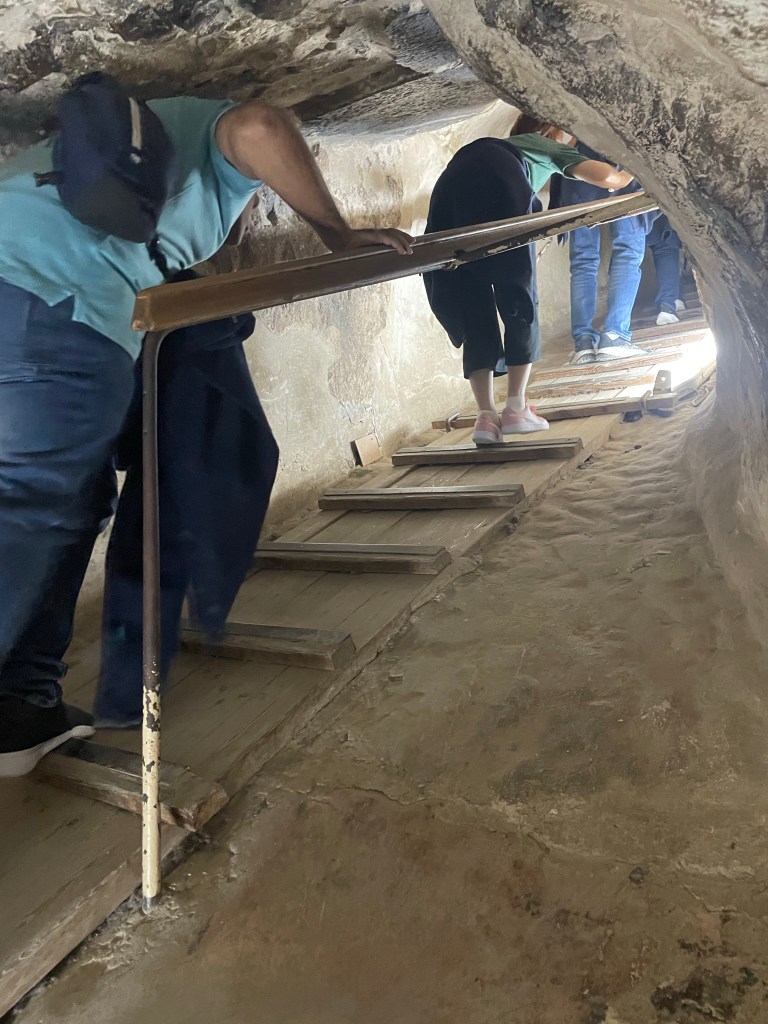
Inside the Great Pyramid – hot, cramped and single file with the speed of the slowest

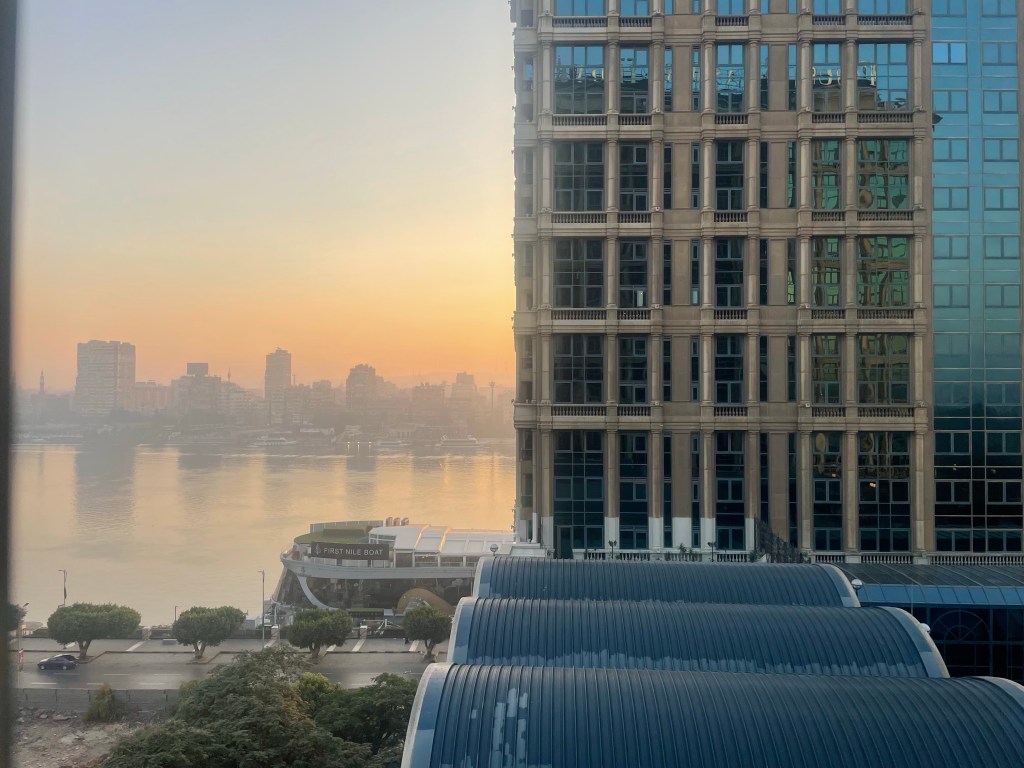
Cairo

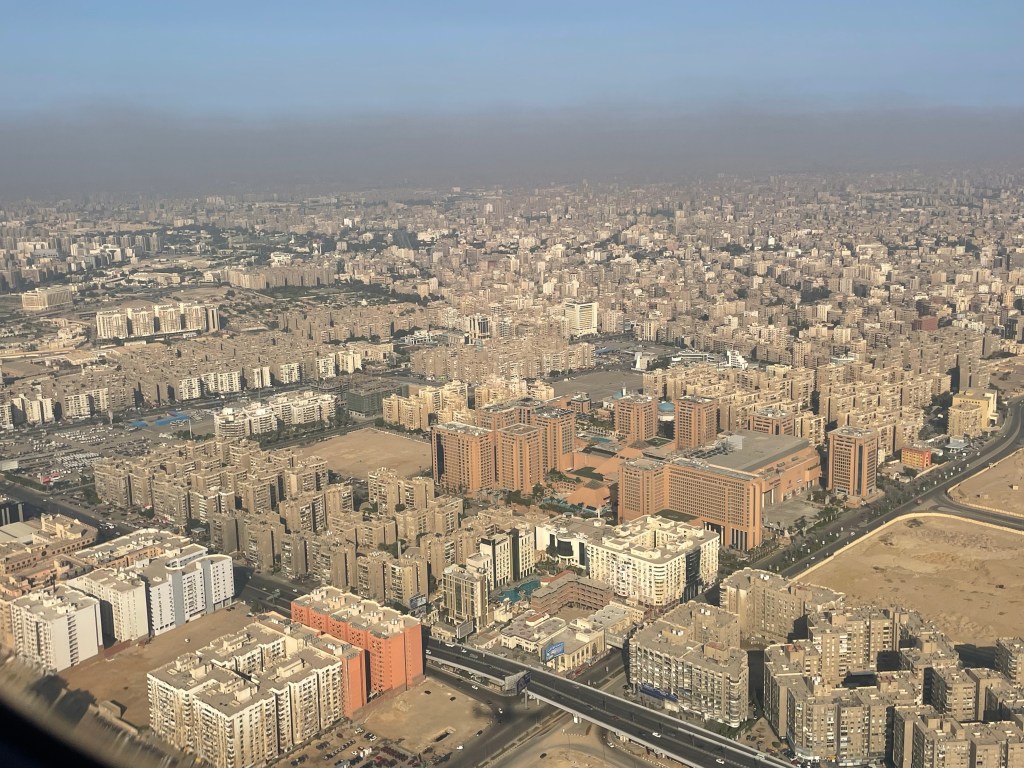
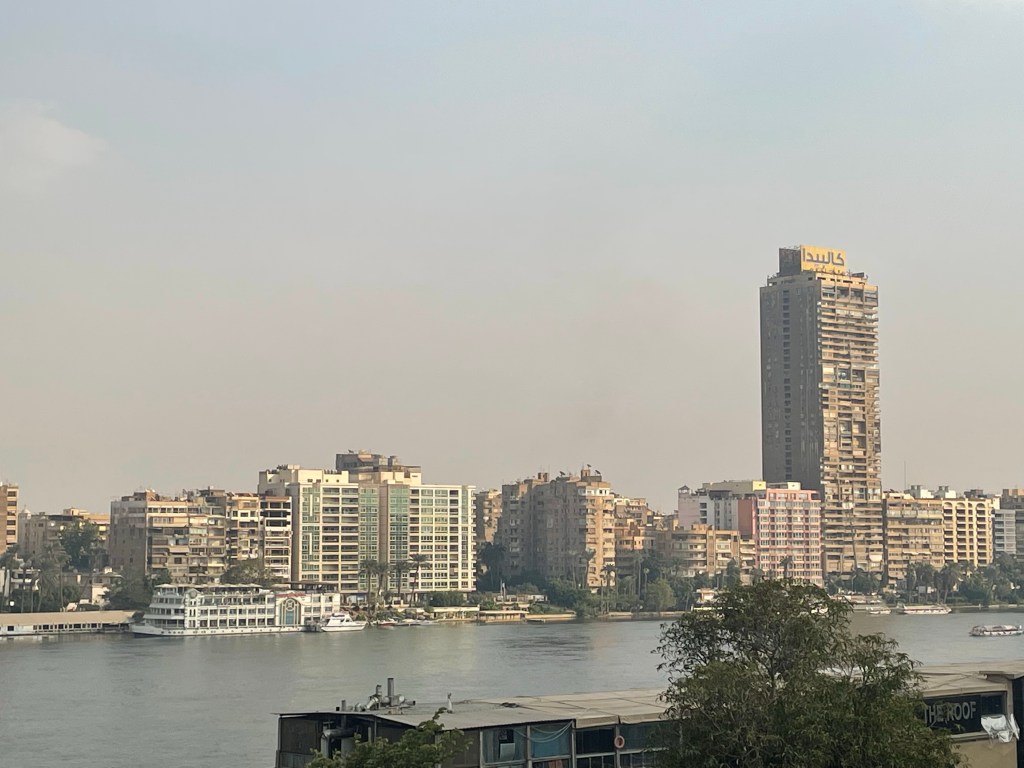
Cairo is the largest city in the Arab world with a polulation of over 20 million, around one fifth of all inhabitants of Egypt. It has grown rapidly with a creaking infrastructure (it makes London traffic look reasonable) and terrible polution. The economy has suffered badly from the pandemic and more recently the war in Ukraine. Tourism is a major source of income which was only just recovering from the political unrest when the pandemic hit.

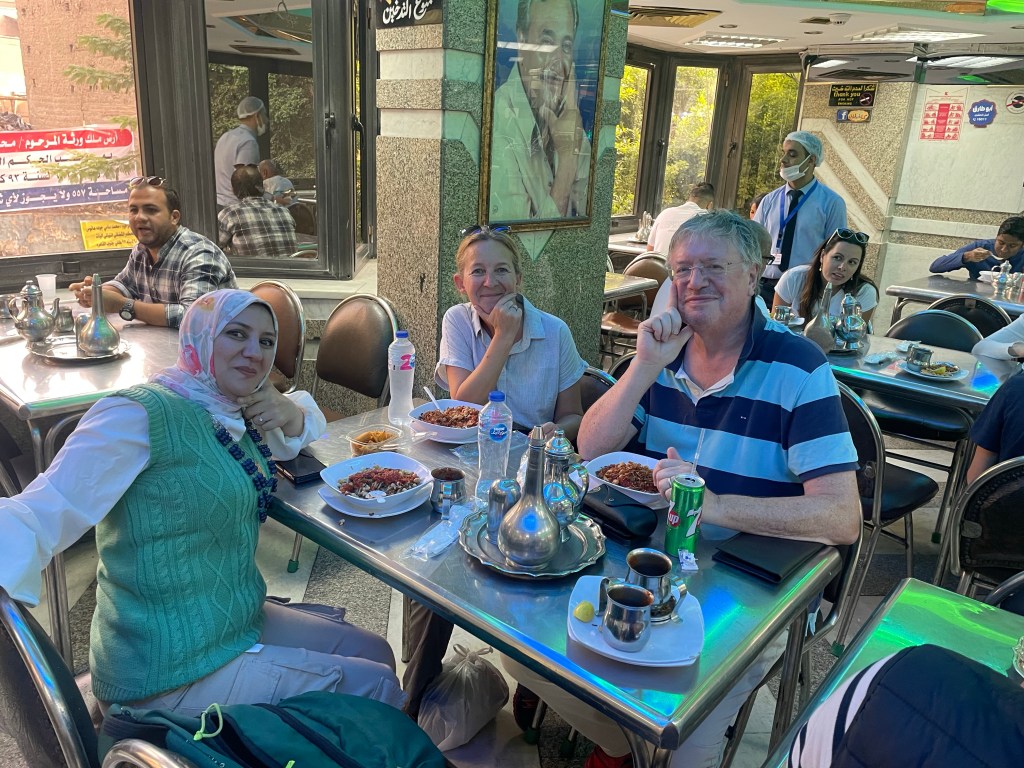
We spent three nights in Cairo, taking in the top sites and enjoying the local cuisine. Local restaurants don’t serve alcohol. International hotels have alcohol licences – Egyptian wine is an “acquired taste” while imported alcohol is very heavily taxed. We used Uber to travel within the city – a fraction of the prices in London, the same driver cancellation frustrations but the added challenge of reading a number plate in arabic script.

Egypt

A brief timetable with dates

3100 BC Upper and lower Egypt united by Narmer

2650-2300 BC Pyramid building at Giza

2125-1650 BC Thebes (now Luxor) becomes the capital

1550-1150 BC New Kingdom under 18-19th dynasty including the female pharaoh Hatshepsut and the boy pharaoh Tutankhamun

525 BC Persians rule Egypt

331 BC Invasion by Alexander the Great

30 BC Anthony and Cleopatra defeated

45 AD St Mark arrives in Alexandria and Christianity begins

640-868 AD Arabs take control of Egypt

1171 AD Saladin siezes power and builds a Citadel in Cairo

1517 AD Ottamans make Egypt a province

1798 AD Napoleon invades but is quickly replaced by British

1859 AD Work begins on Suez canal

1922 AD Howard Carter discovers tomb of Tutankhamun

1952 AD Egypt becomes a republic

Travels with Gökhan

We debated driving ourselves to Cappadocia. However it is 10 hours from Kalkan, either via Konya or via Antalya and we could not hire a suitable car in Kalkan (which serves a local “run-around” demand). While it is possible to fly, it is no quicker as a transfer in Istanbul is needed and we felt we would miss out on some of the experiences of travelling across Turkey. We therefore organised a driver, through our agent, Murat (introduced by our great friend and neighbour İpek). Murat told us that our driver was Gökhan and he speaks a bit of English, although we soon discovered that he speaks very good English; better than our Turkish.

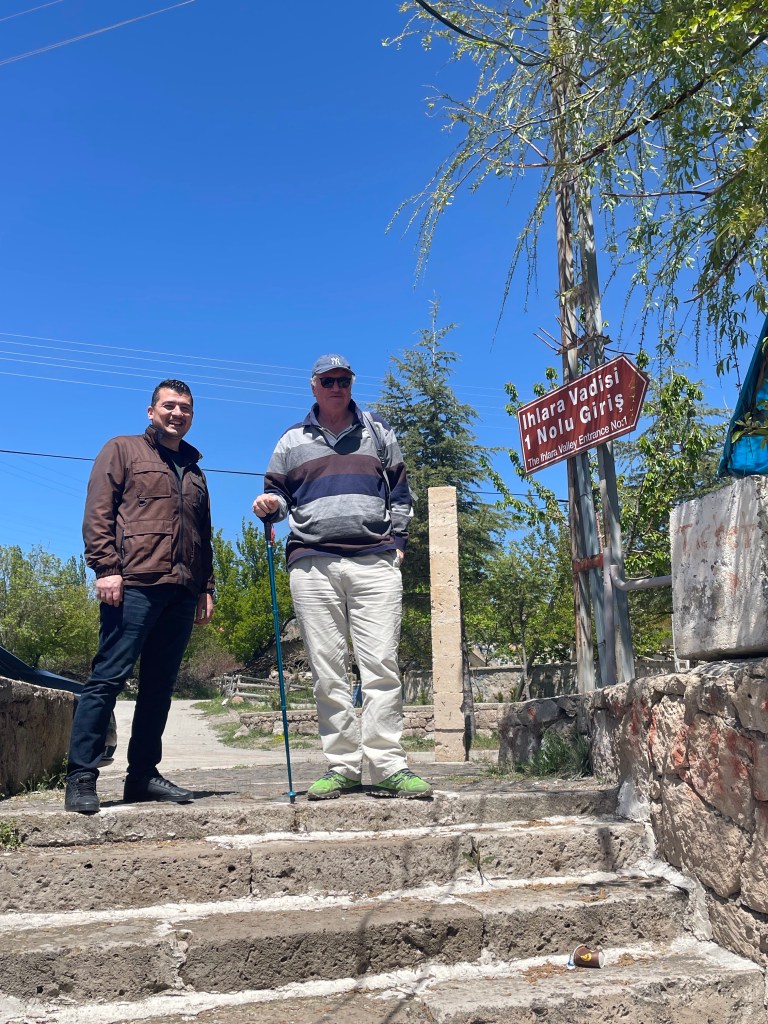
Gökhan was a star of the trip, acting as much more than a (very professional) driver – a guide, porter, Turkish teacher, comedian and expert in local cuisine. He taught us a few new phrases; with our favourite being “Hadi gidelim”, a polite way of saying “let’s go”).

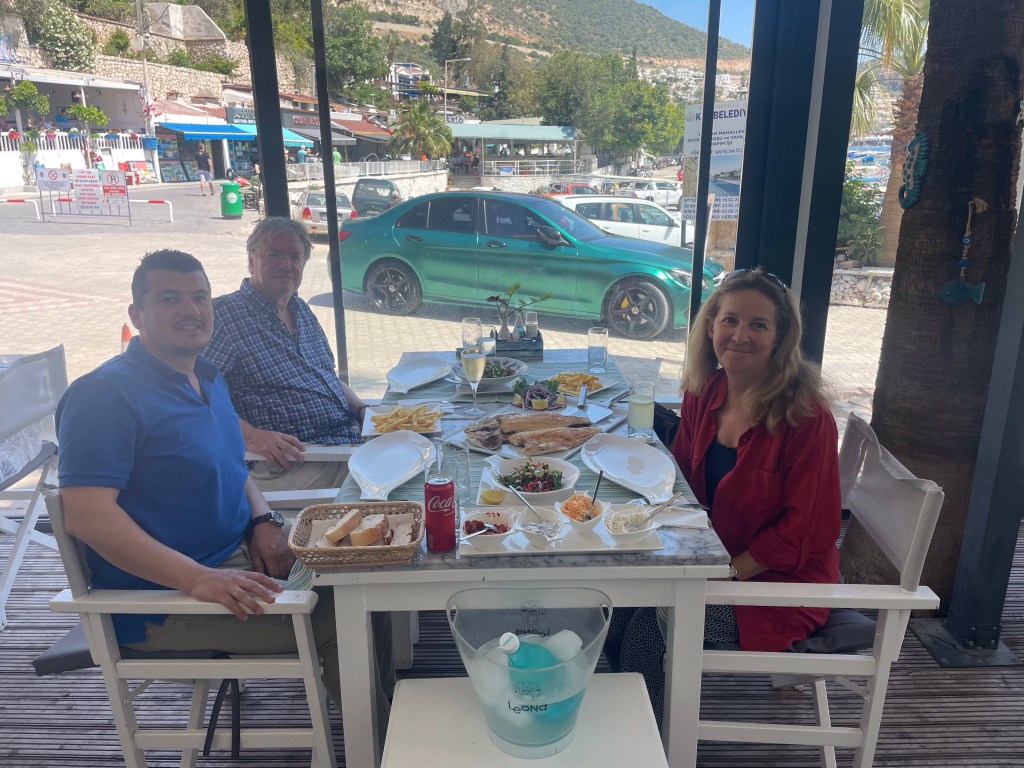
Gökhan, a Central Anatolian from Cappadocia, is a confirmed tea-total, meat eater with a preference for lamb kebabs and etli ekmek (meat and bread). We discovered though, on two occasions, that he does really enjoy fish; it is just that it is not available in Cappadocia (unless you are staying at a swanky hotel). Like some other people we know, he also has a second stomach, specifically for dessert ! When we do our next trip to Eastern Turkey, which we are already contemplating, it would be enhanced by Gökhan’s company.

Antalya

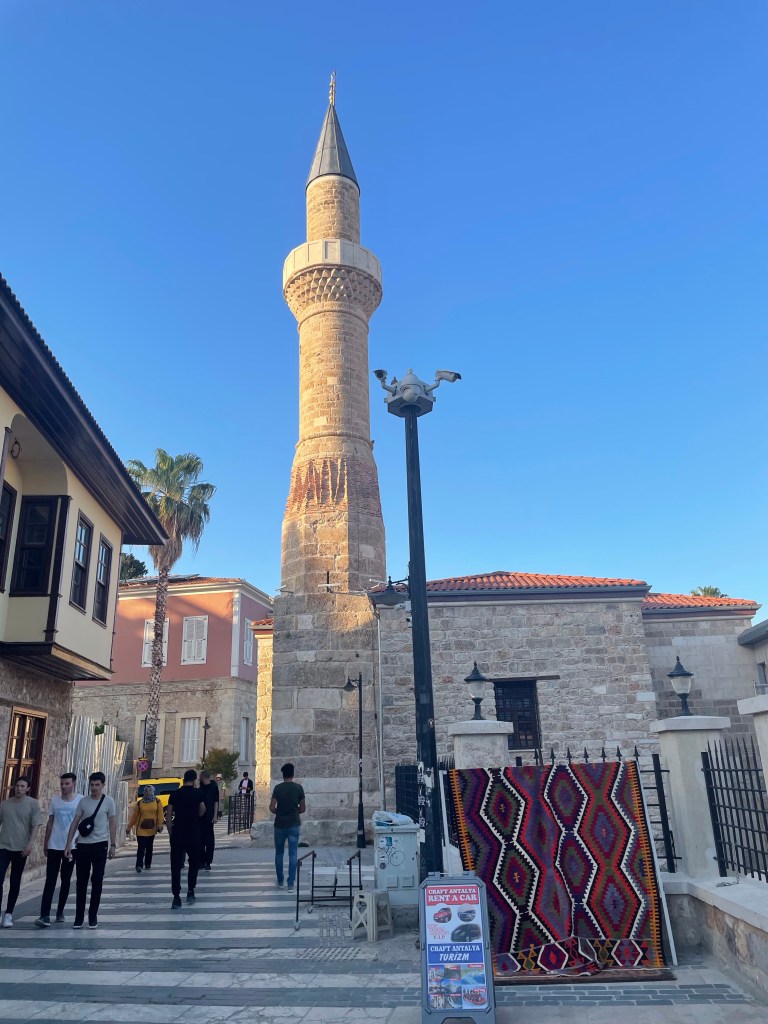
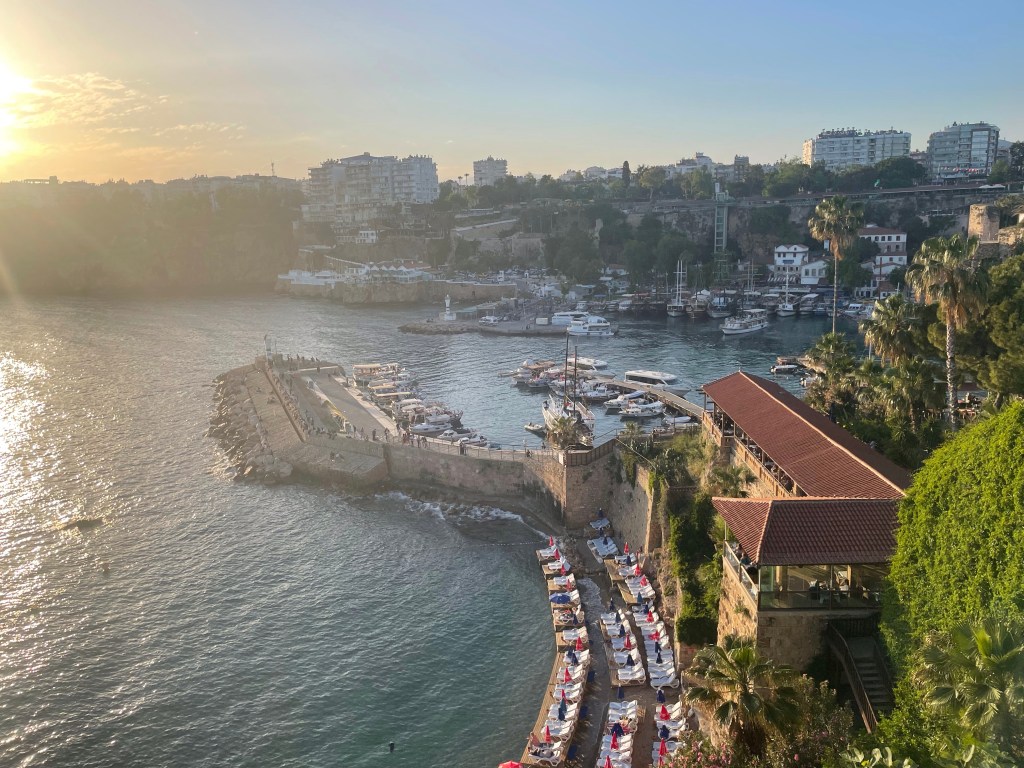
Antalya is a large modern city with a population over 2million but with an ancient heart going back to 200BC. It is now a major centre for Turkish tourism with beaches, harbours, hotels, restaurants and a golf course which hosts the Turkish Open.

It is a world away from Konya, our first stop – two opposite ends of current day Turkey in terms of politics, religion, geography and economy. A tour guide told us of a tour she had led during the pandemic when she was unable to work with international guests. The guests were from Konya and Antalya, with the two groups not wishing to eat together and the former requesting stops for prayer time at a mosque and the latter asking to visit bars.

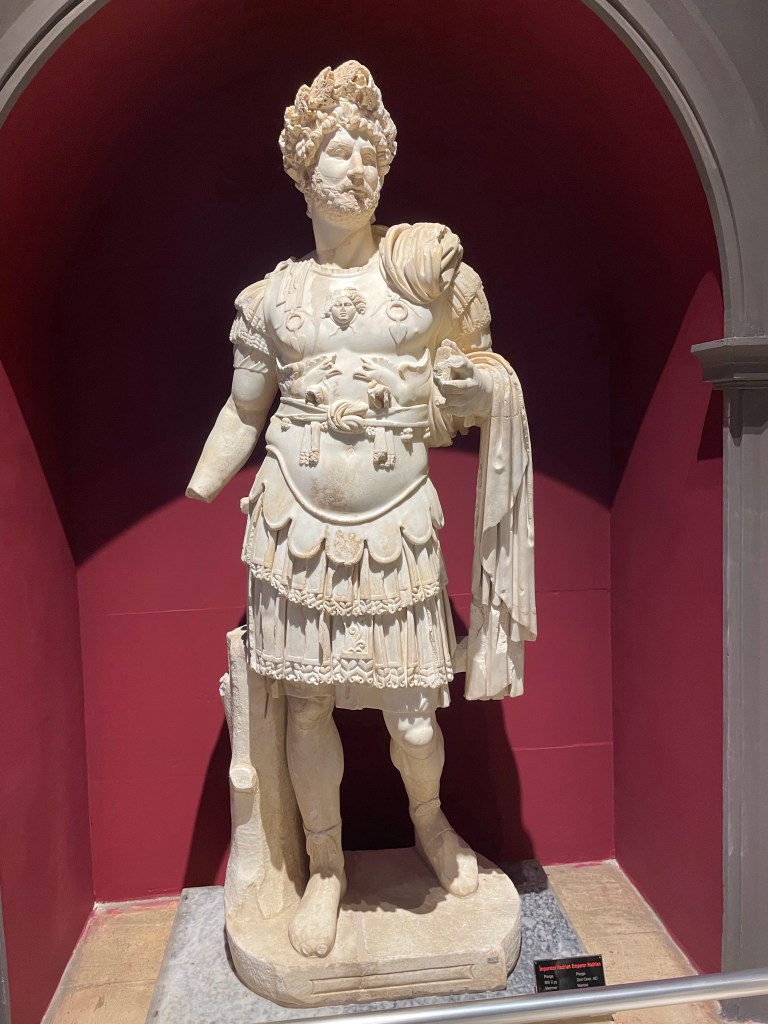
We stayed in a small boutique hotel inside the old town and very close to Hadrian’s Gate, which was built to honour the emperor’s visit in 130 AD. The Antalya archeology museum is one of the largest museums in the country. The museum has begun retrieving archeological pieces which have found their way to other countries. One of the items being sought is the Nereid Monument from Xanthos, now housed in the British Museum.

Aspendos and Termessus

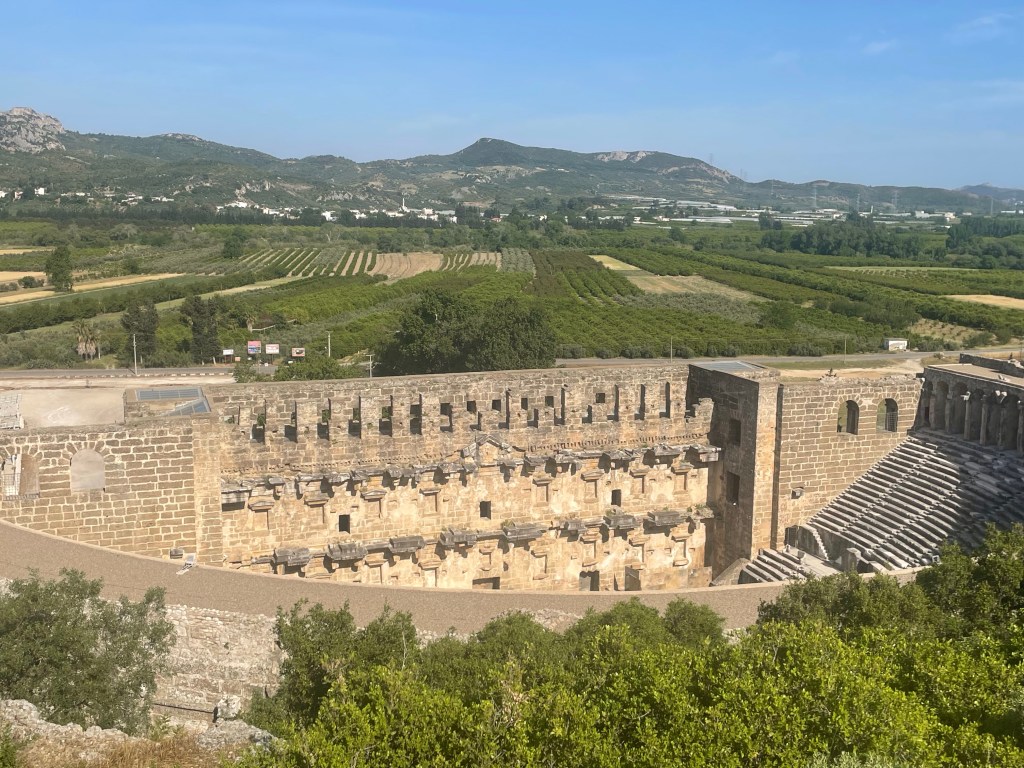
Aspendos is an ancient city situated 46km east of Antalya that we visited on our drive from Cappadocia to Antalya. It is famous because its two storey amphitheatre is virtually intact with minimal modern restoration. This is due to the extensive repairs made in the early 13th century by a Seljuk Sultan. The amphitheatre hosts an annual ballet and opera festival, recently resumed post pandemic.

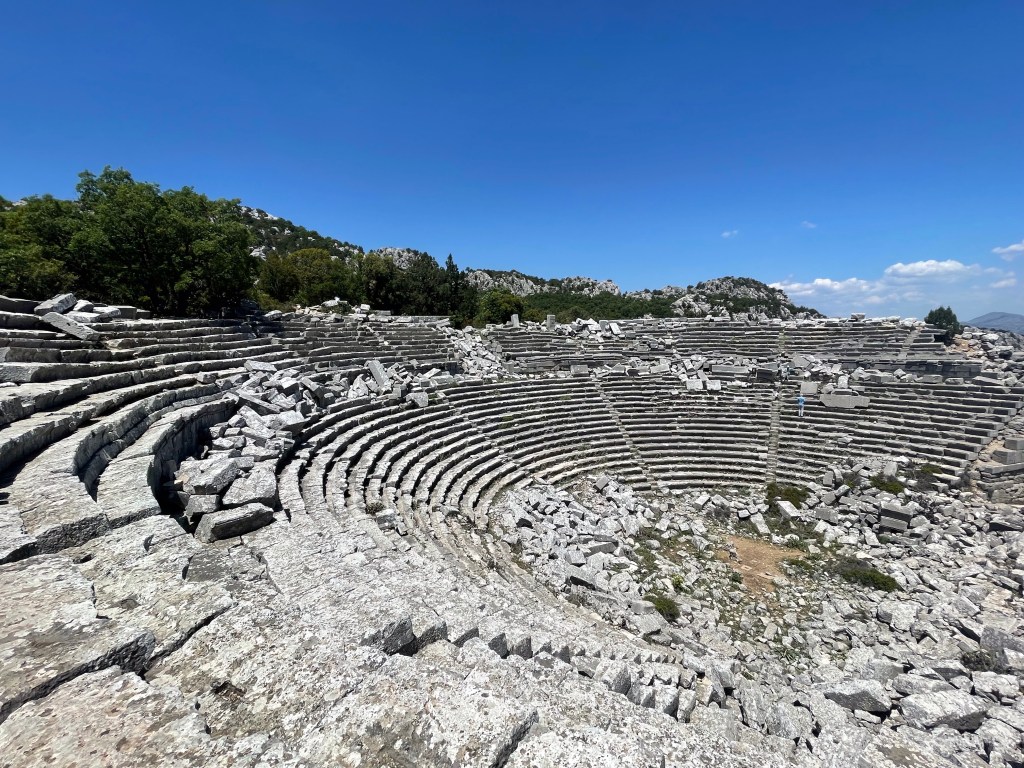
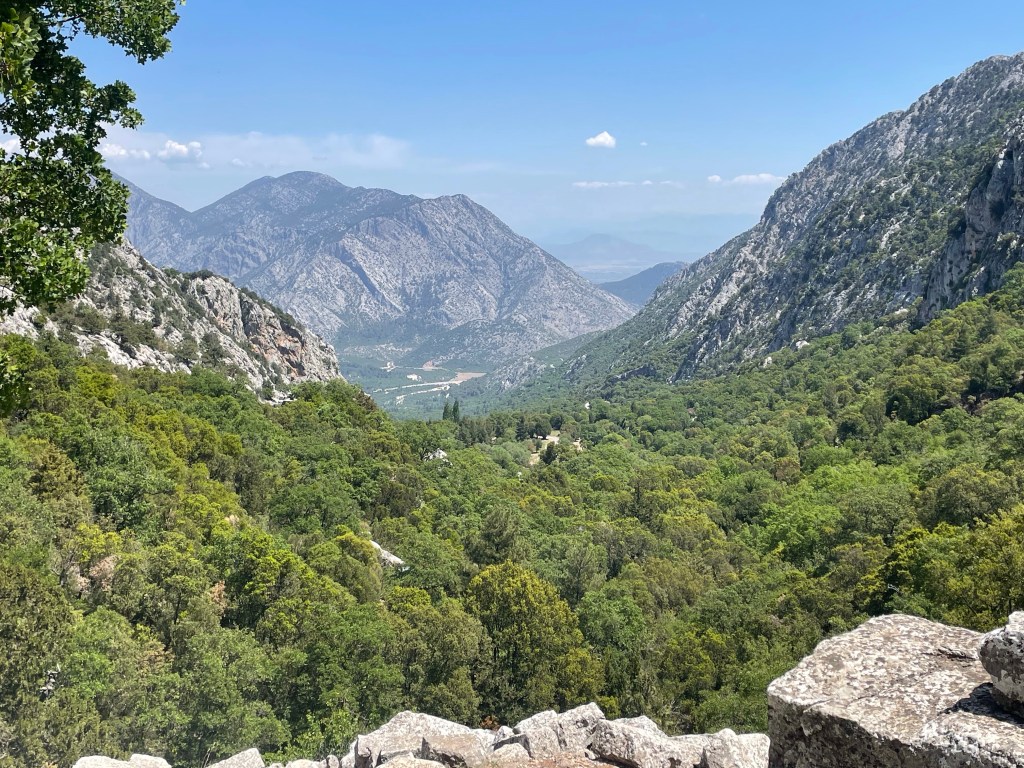
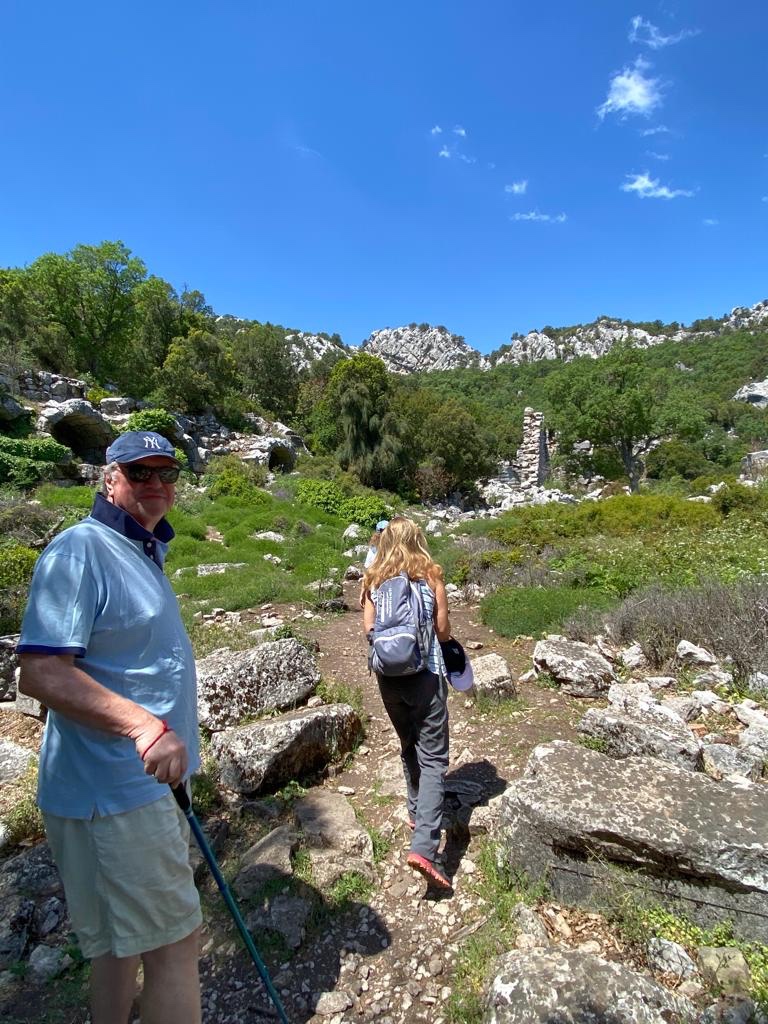
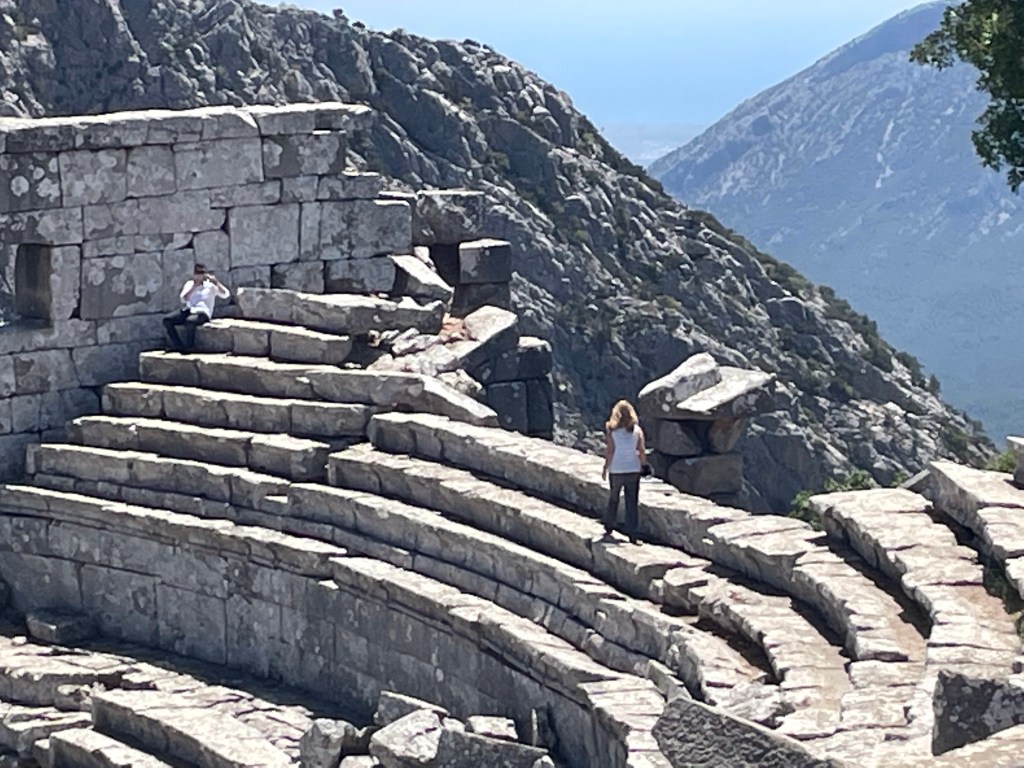
Termessus is a Psidian city 17km north-west of Antalya in an area that is now a National Park. It was founded on a natural mountain platform. From the car park at 880m we climbed to 1,050m to find the amphitheatre, a spectacular view and only a few other visitors. It is no surprise that Alexander the Great was unable to take the city, despite besieging it. He likened the city to an eagles nest.

Aspendos amphitheatre
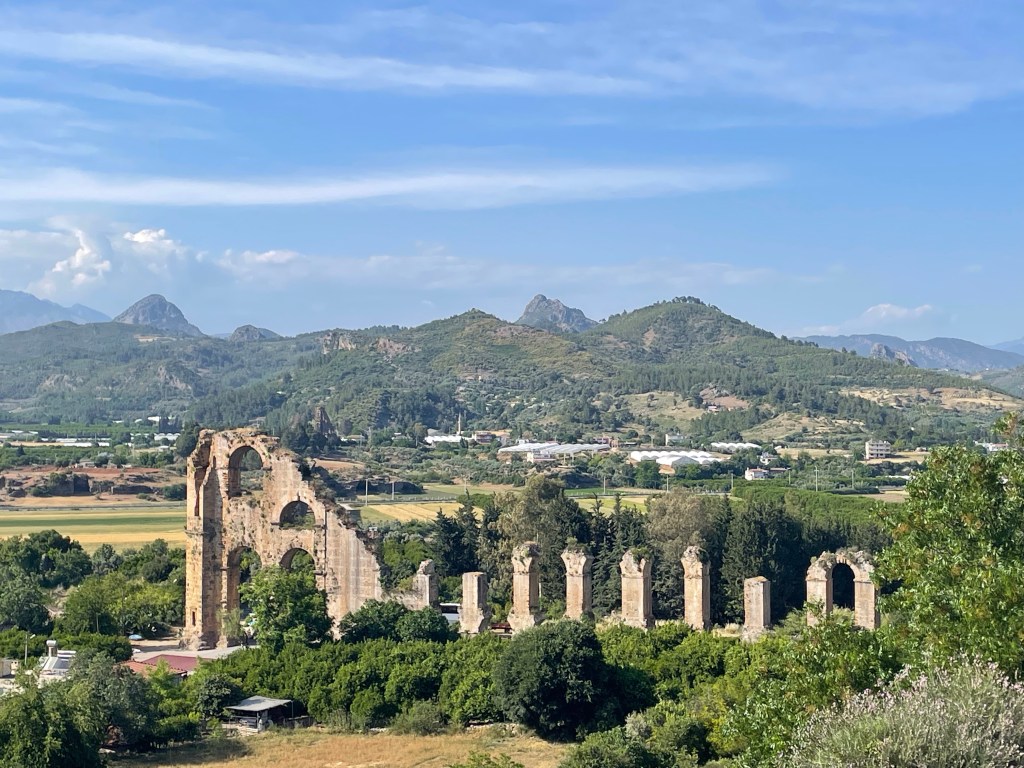
Aspendos aqueduct (originally 3km) – the city had to be abandoned when the aqueduct was destroyed by an earthquake
Termessus amphitheatre
Termassus amphitheatre
Looking towards the ocean from Termassus

Hot air balloons

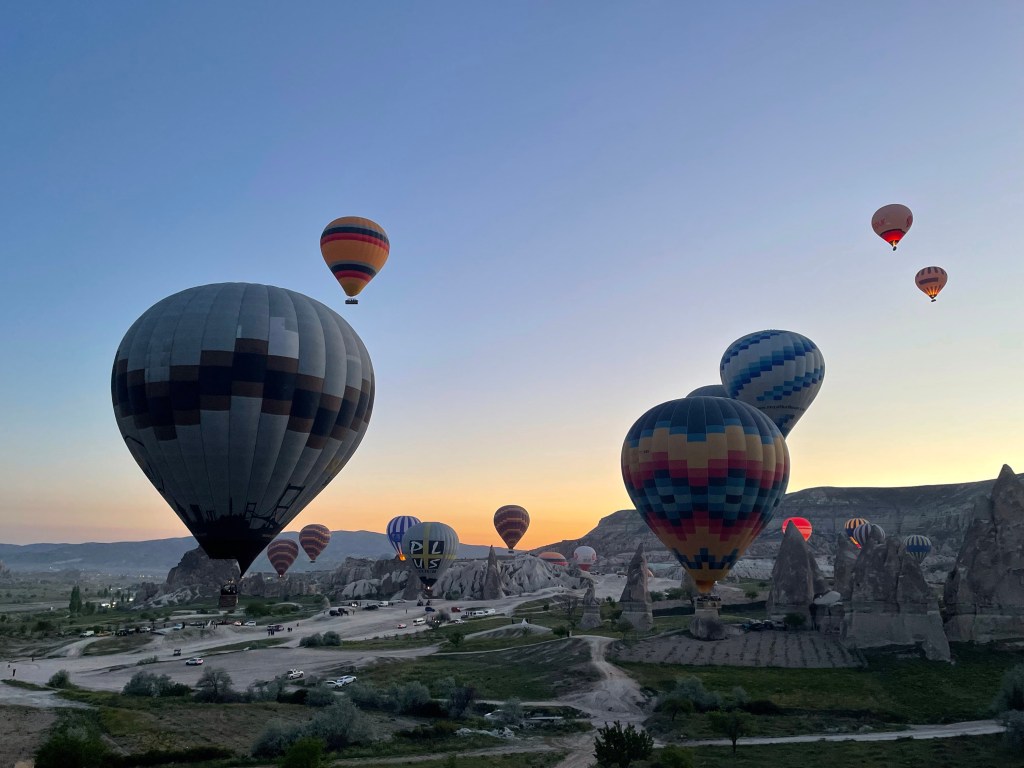
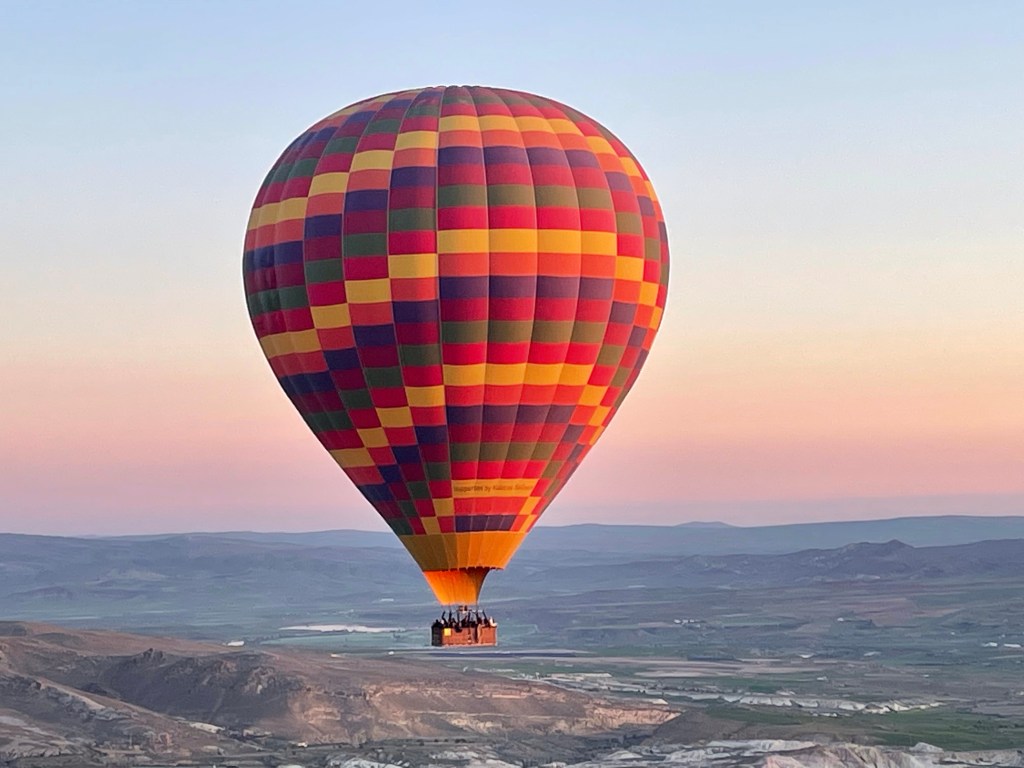
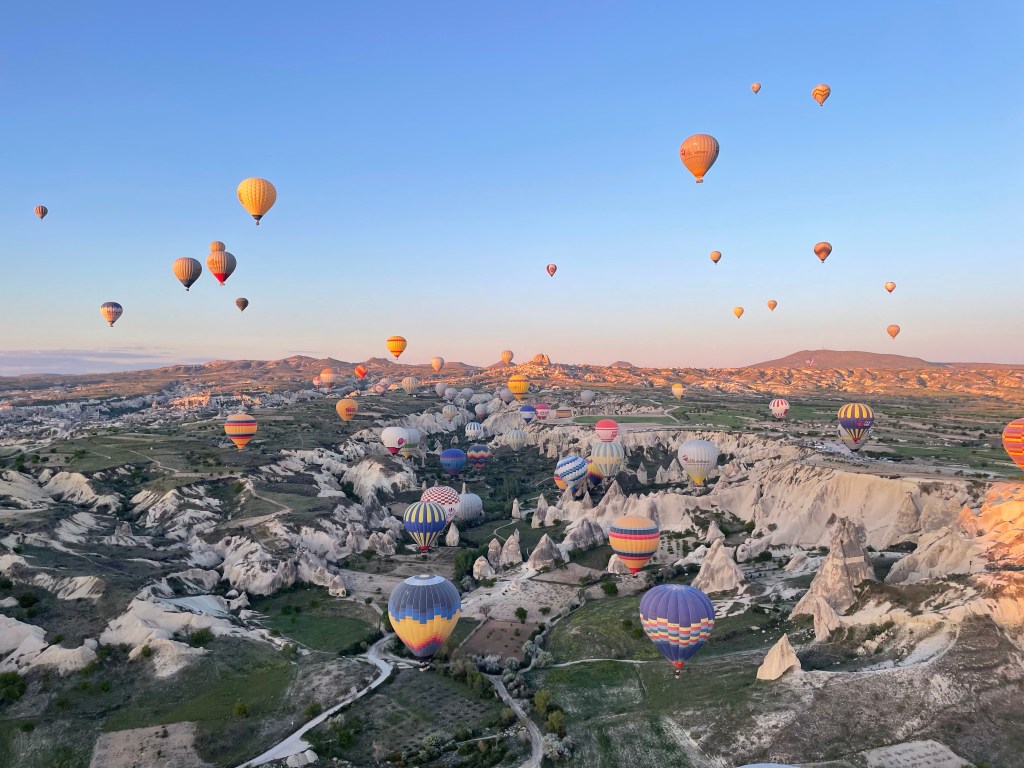
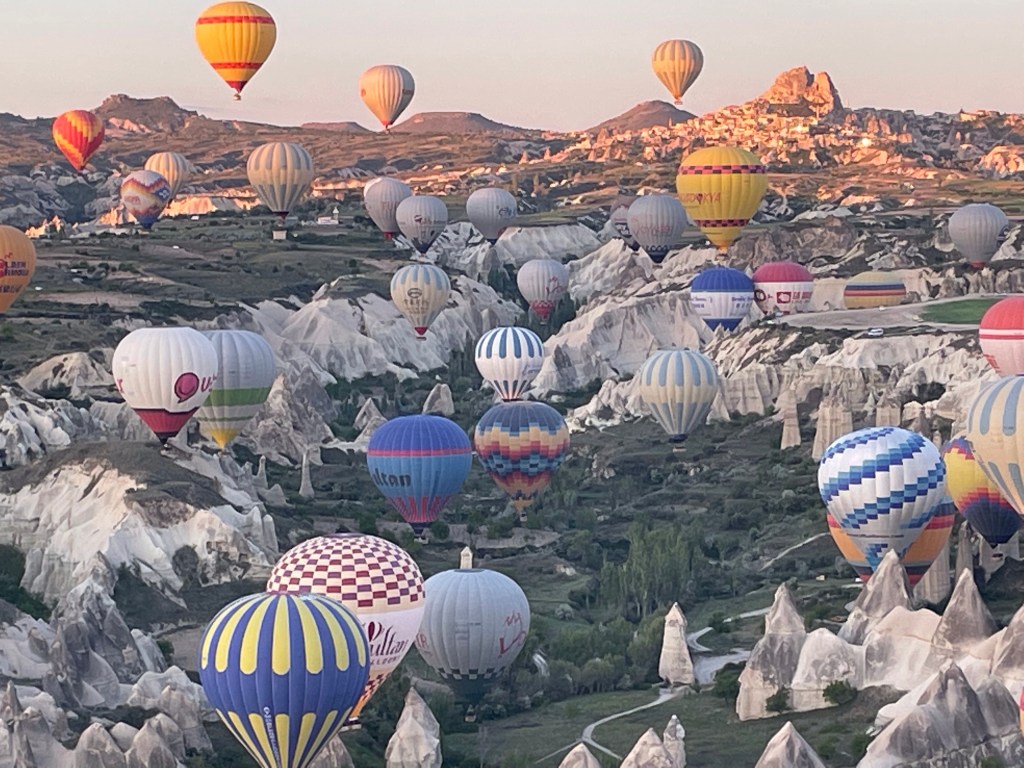
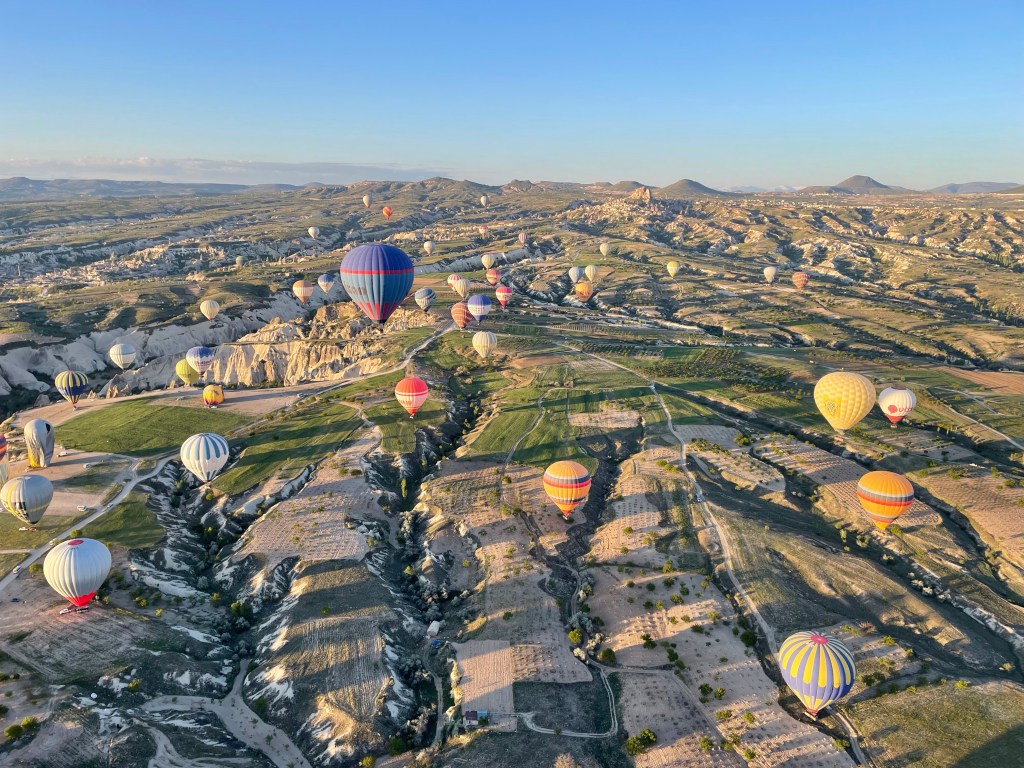
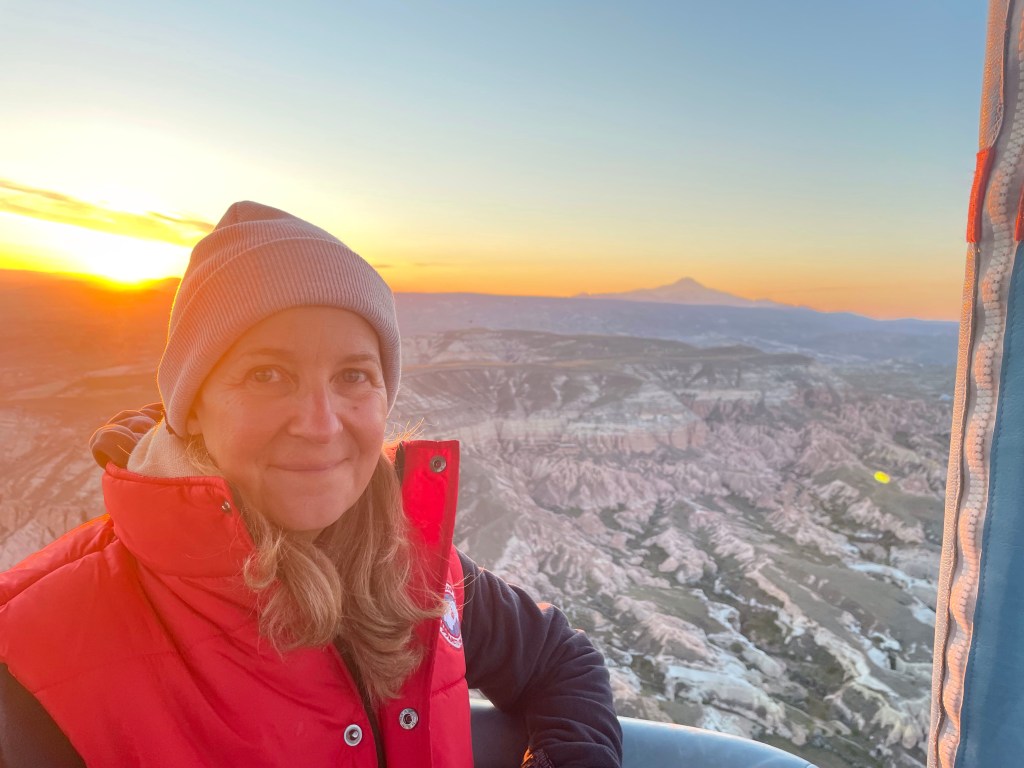
Hot air balloons were first flown in Cappadocia in the 1980s for advertising purposes. However the commercial opportunities were quickly identified and tourist flights started in 1991. There are strict controls over balloon numbers, pilot training and in-flight protocols. About 100 balloons fly each day carrying up to 24 passengers with departure just before sunrise due to the thermals. Flying is weather dependent, with around 200 days a year being suitable. Prior to the pandemic increasing demand, with fixed supply, created a black market, however the reduced tourist demand (particularly from China) has eliminated the market.
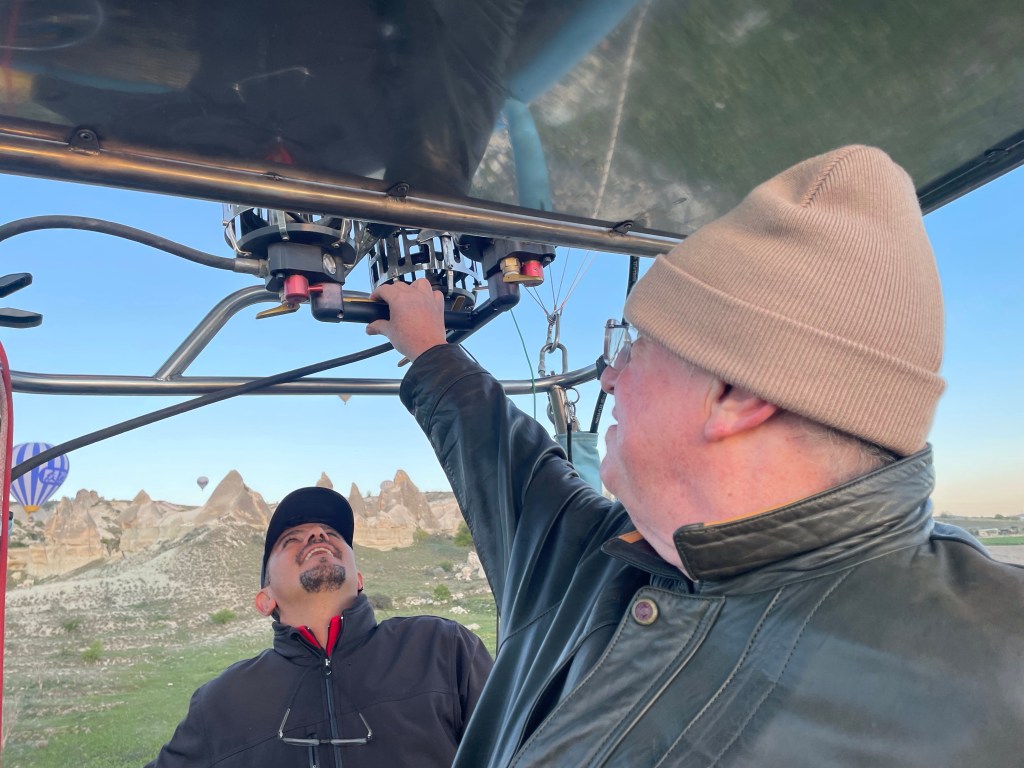
Our pilot had over 20 years experience and is a registered instructor, passing on some of his knowledge to us and allowing Tim a brief time in control of the gas cylinder.

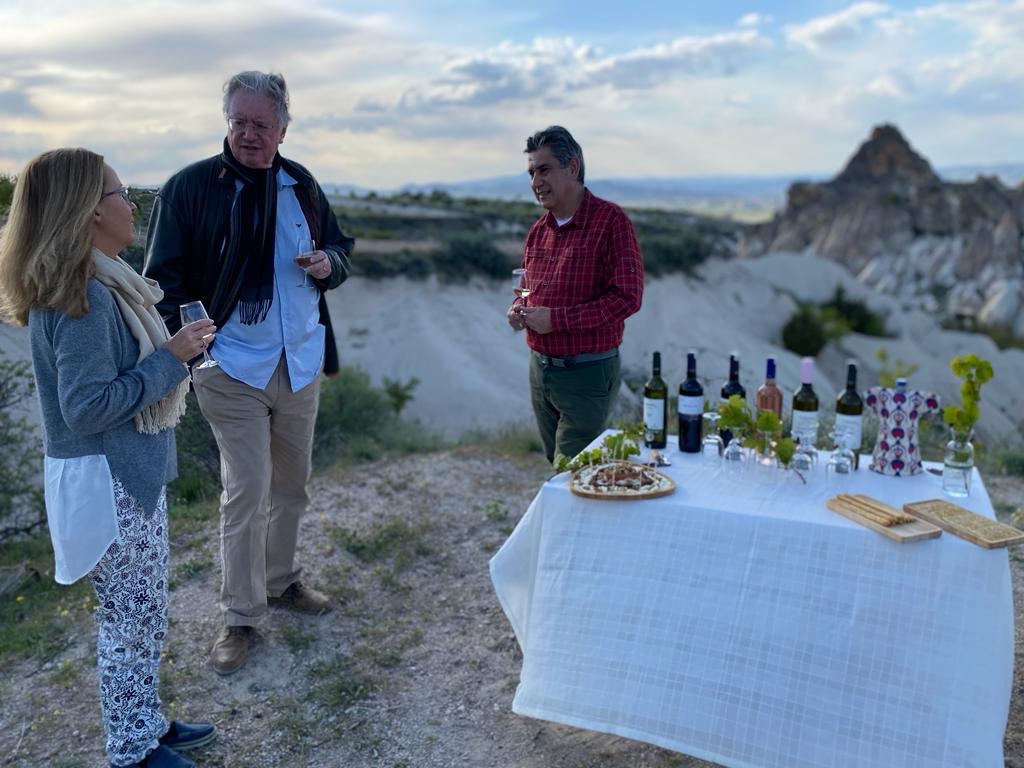
Despite the 4am start for the balloon flight and the Love Valley walk we found enough energy for a wine tasting with a spectacular sunset view over Red Valley