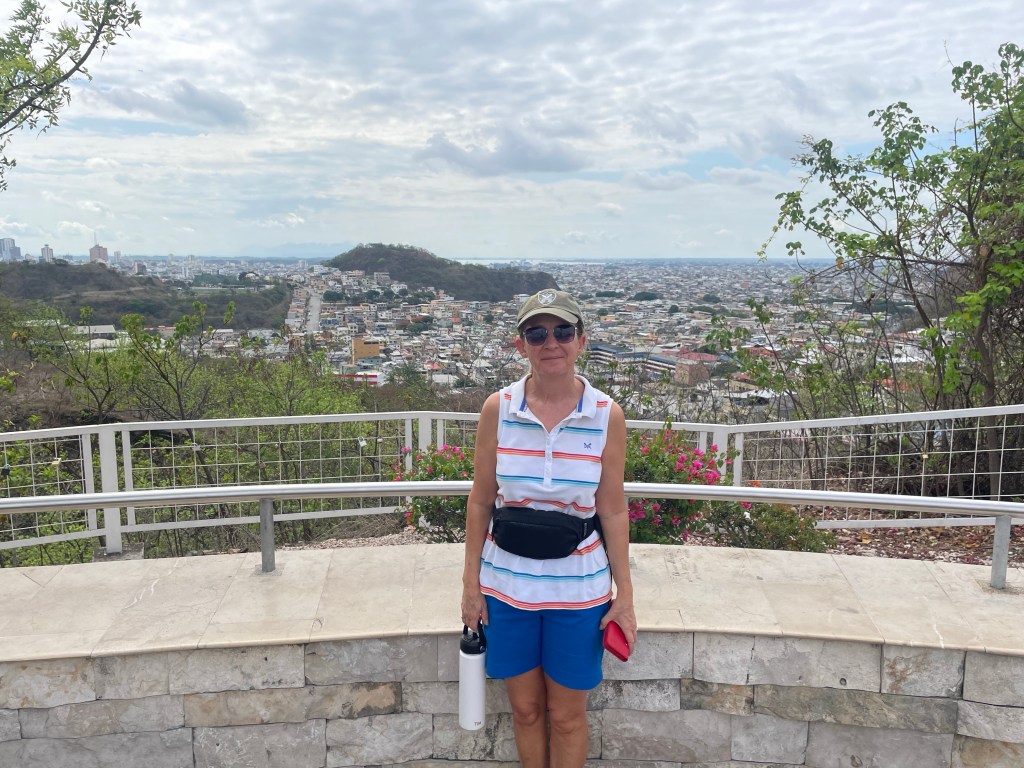
Guayaquil is a major port and although not the capital (which is Quito) it is the largest city in Ecuador with a population of over 3 million.
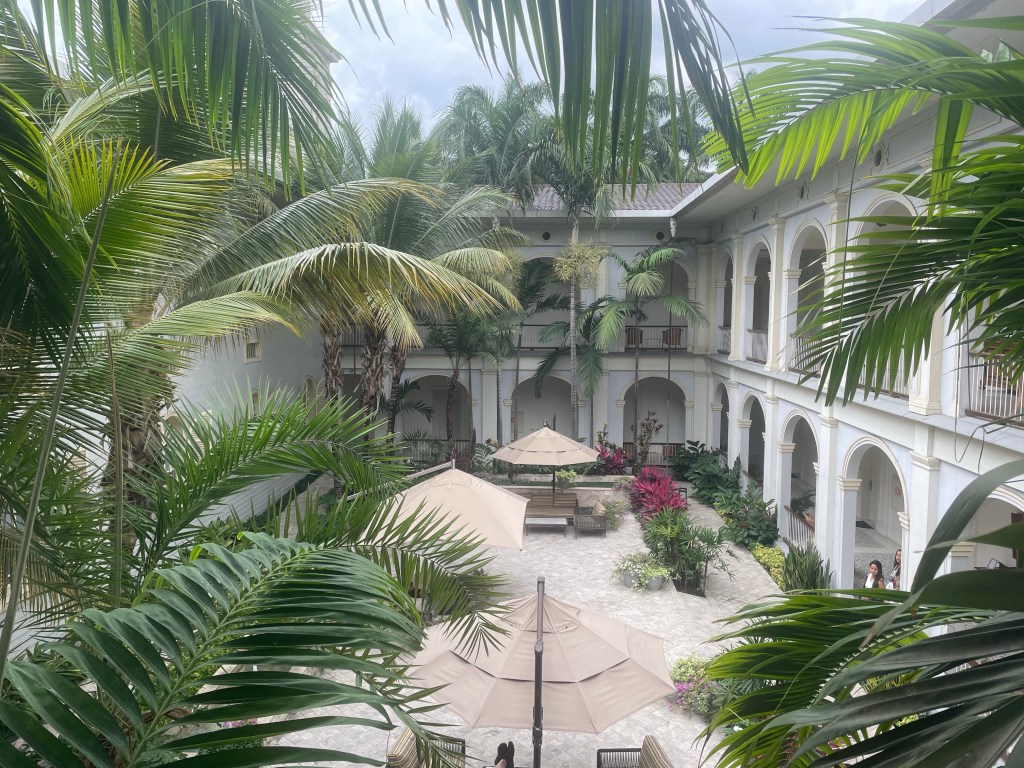
We stayed in a historic building converted into a hotel. It was built as a hospice and when threatened with demolition was acquired by The Bank of Ecuador who facilitated its move, brick by brick, to the current location in the city’s historic park. The central part of the hotel still operates as a chapel.
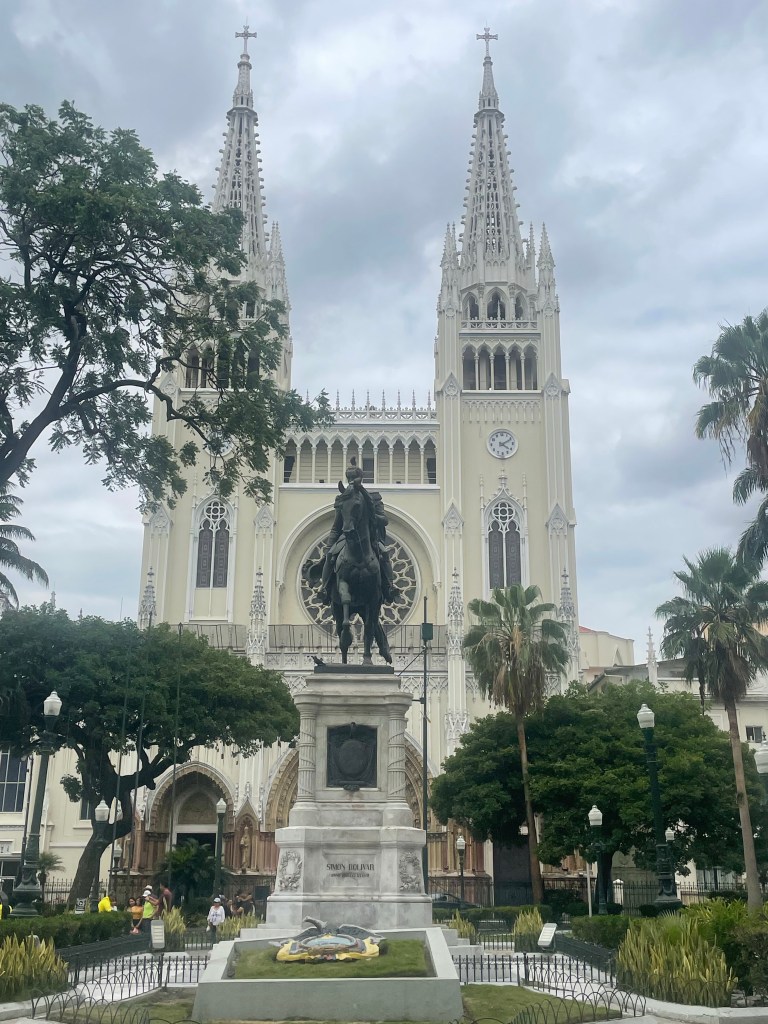
Guayaquil was founded in 1538 and became the chief Spanish shipyard in the pacific. In 1820 the city’s population overwhelmed the Spanish authorities and declared independence. Two years later it was the site of a meeting between Simon Bolivar and Jose de San Martin to plan how to complete the independence of Peru and the rest of South America.
The city which has a large area of deprivation suffered very badly from the pandemic; over 6,000 people died with bodies being left in the streets for collection.
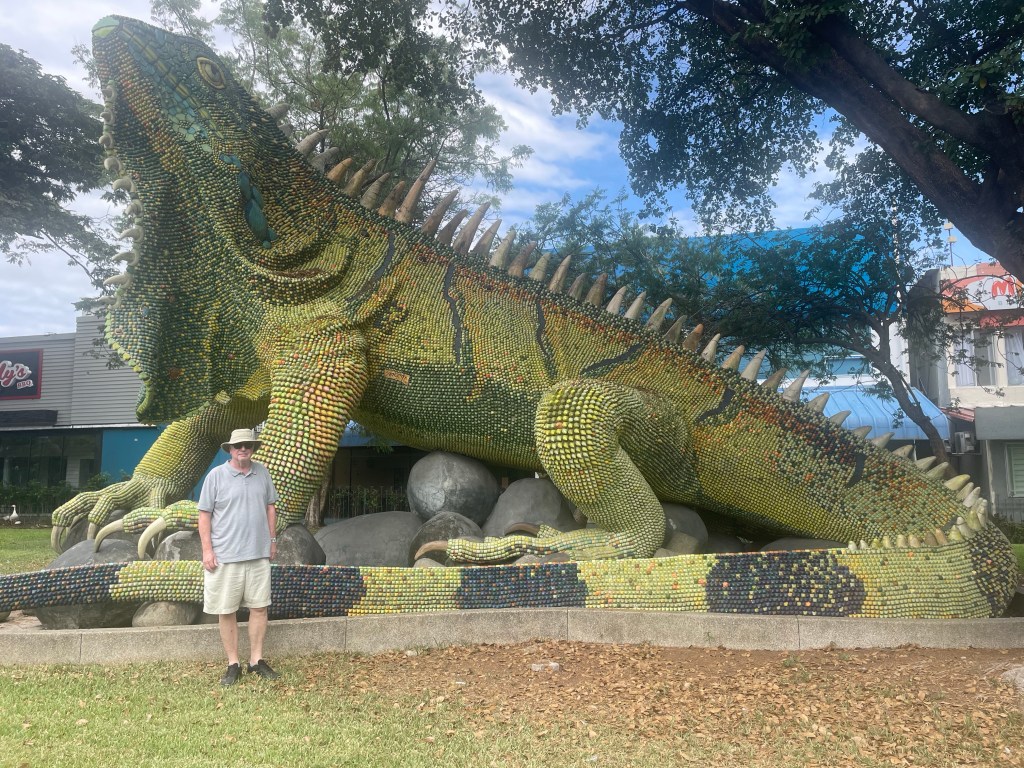
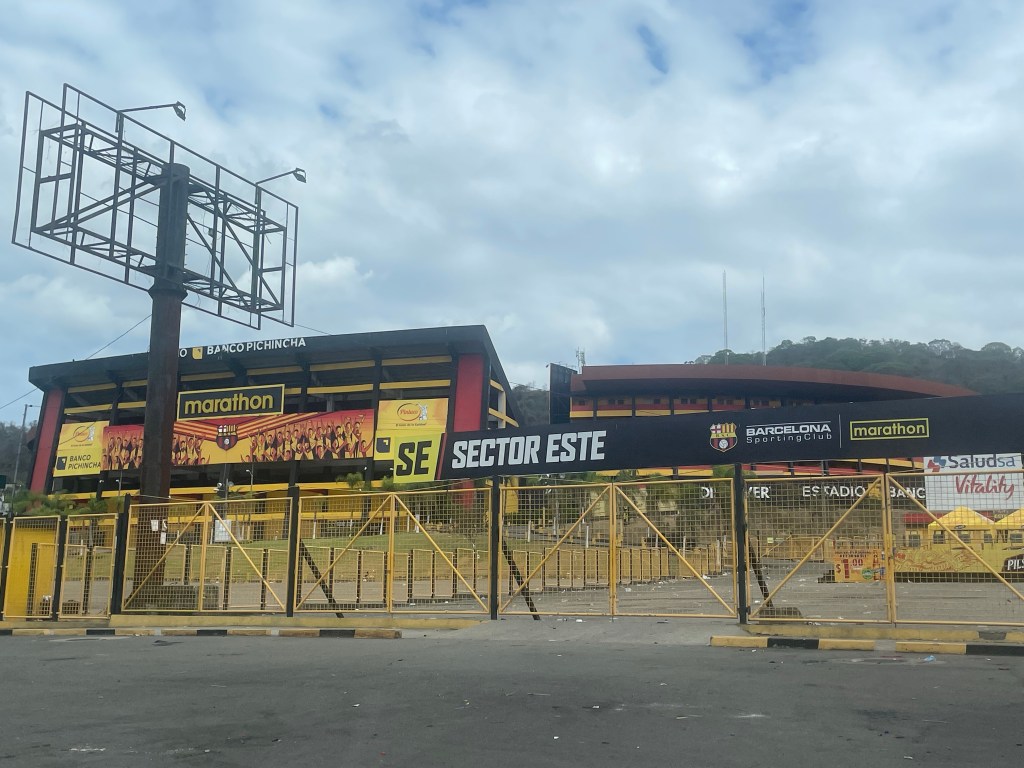
Courtyard of our hotel Guayaquil Metropolitan Cathedral (dedicated to Saint Peter) completed in 1937The city has a vibrant art scene – this iguana is made from small ceramic tilesSimon Bolivar and Jose de San Martin, with flags of all the South American countries Stadium of Barcelona football club, founded by a fan of the Spanish team, with a capacity of 60,000
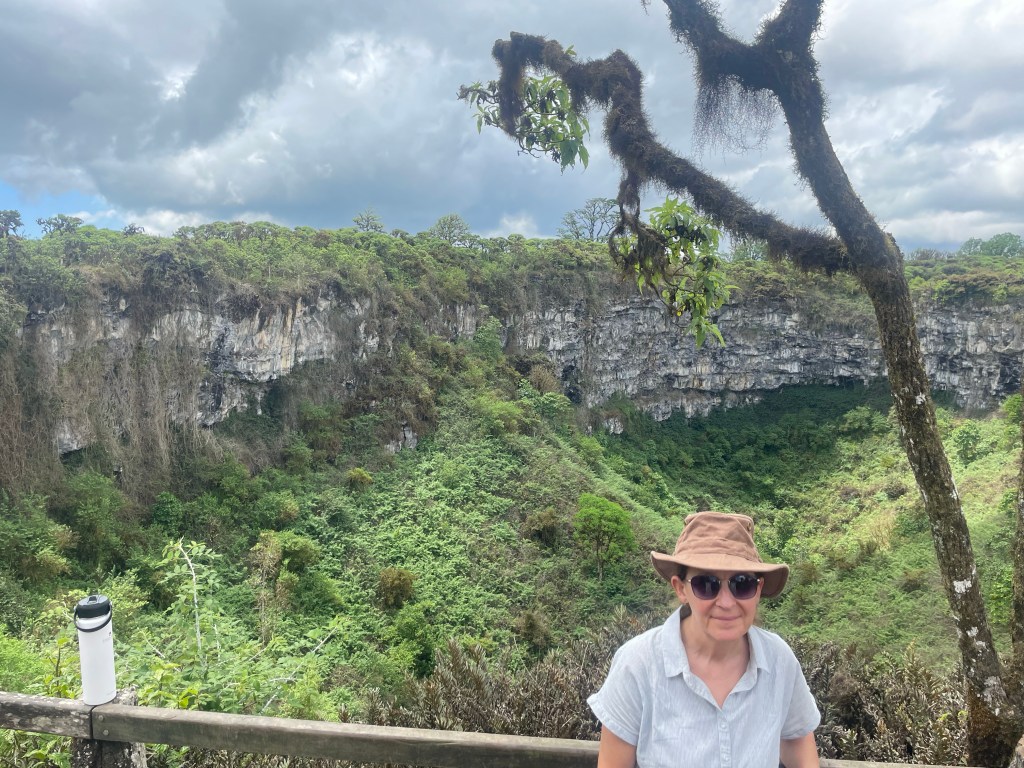
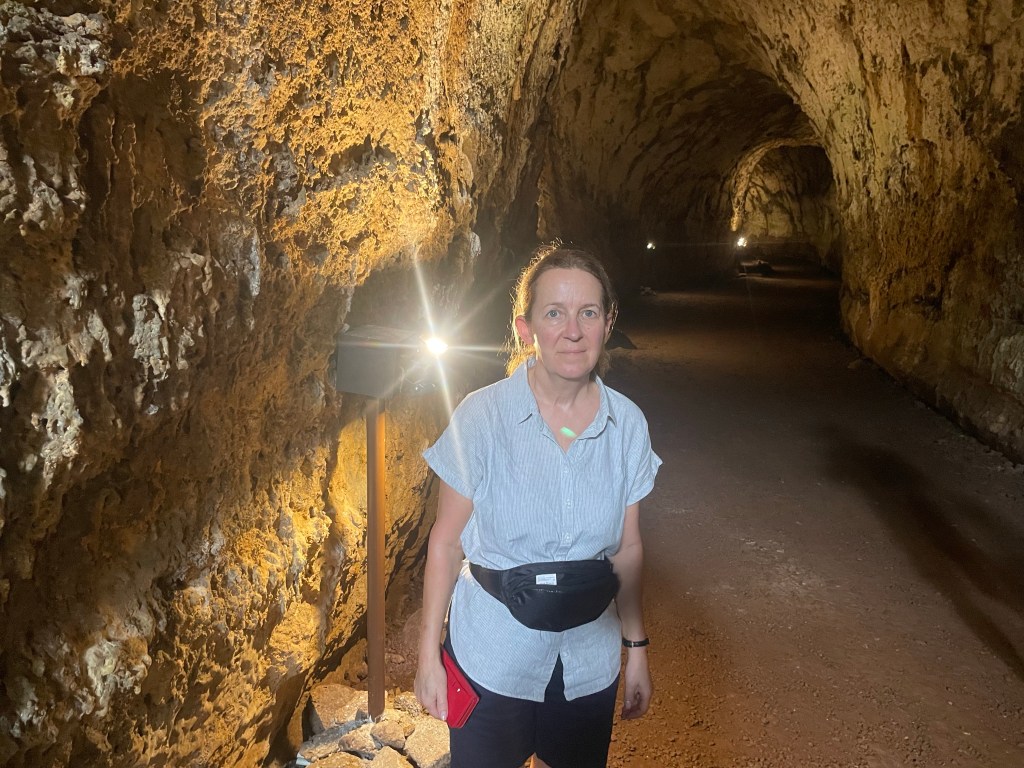
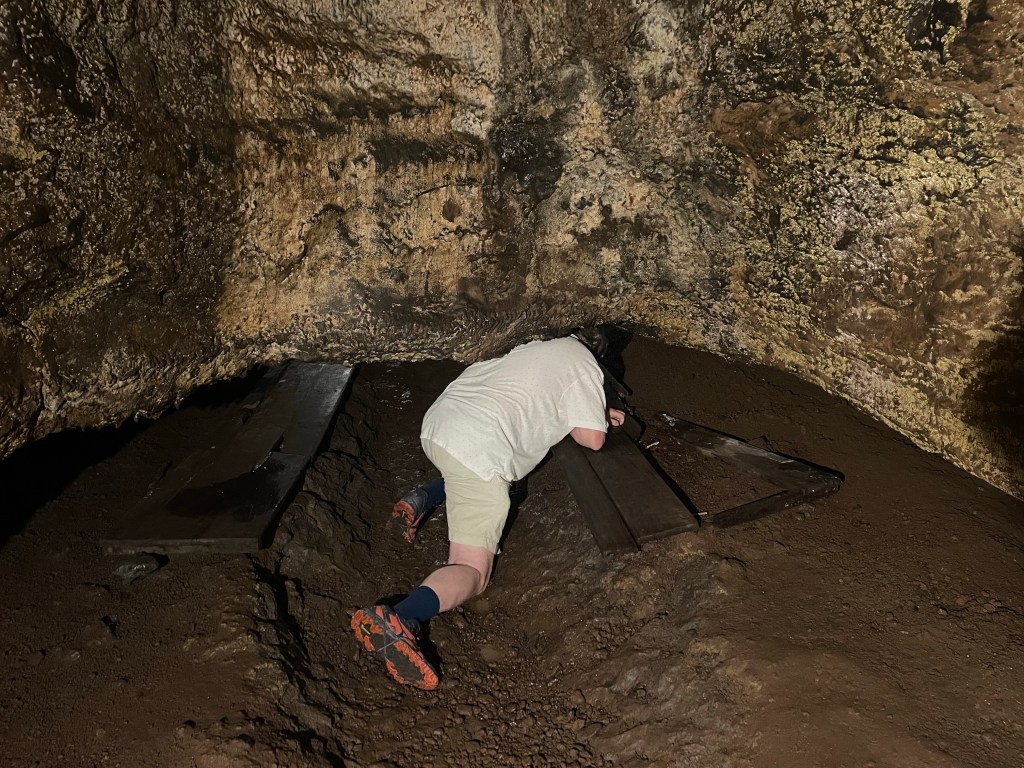
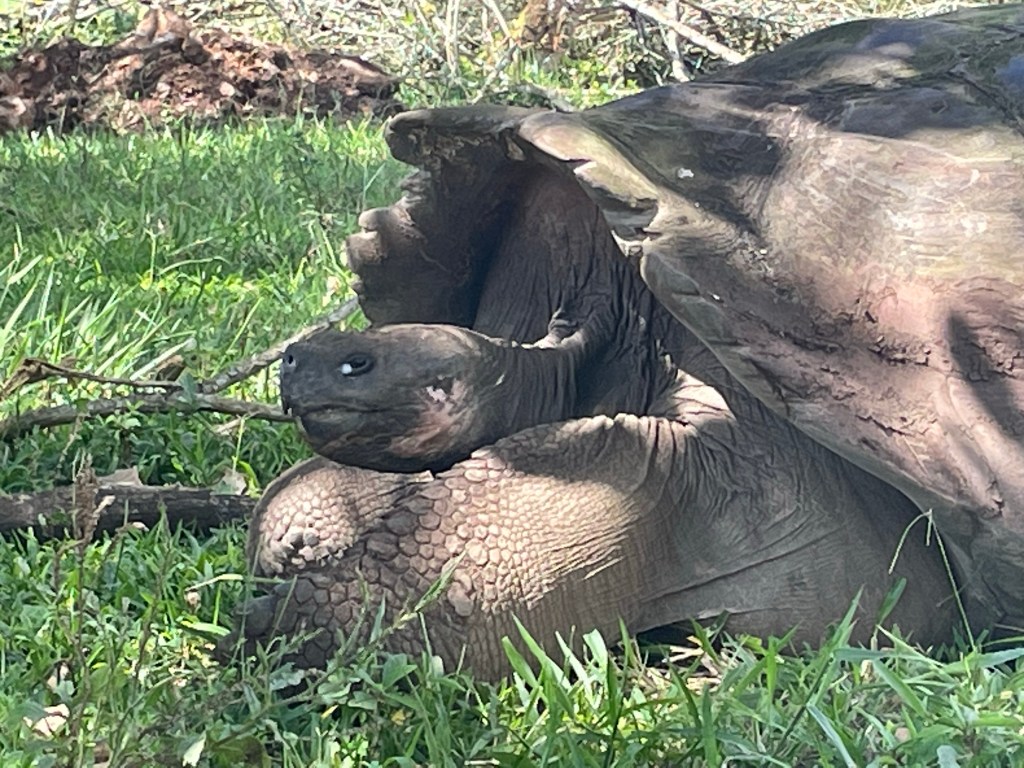
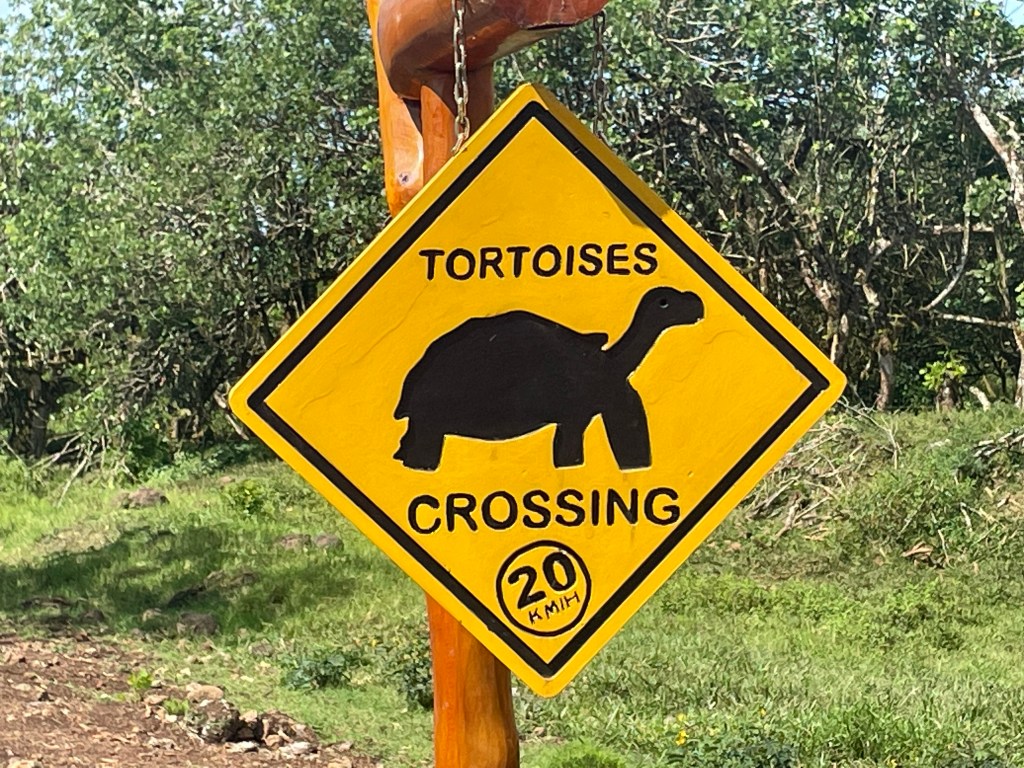
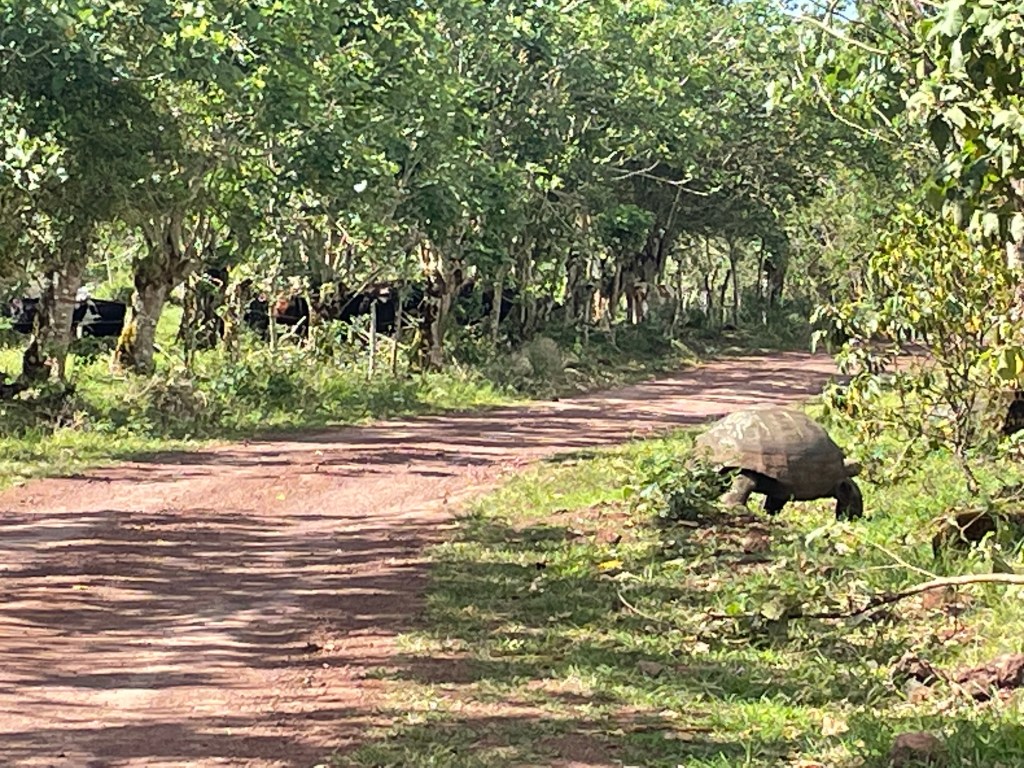
On Santa Cruz Island we visited the naturally formed sinkholes known as Los Gemelos (the twins) and a large lava tunnel. This can be walked through, but includes a narrow section to scramble through. We also visited giant tortoises at a private estate where they roam freely, including across roads and the 7km journey to nesting sites in the lowlands.
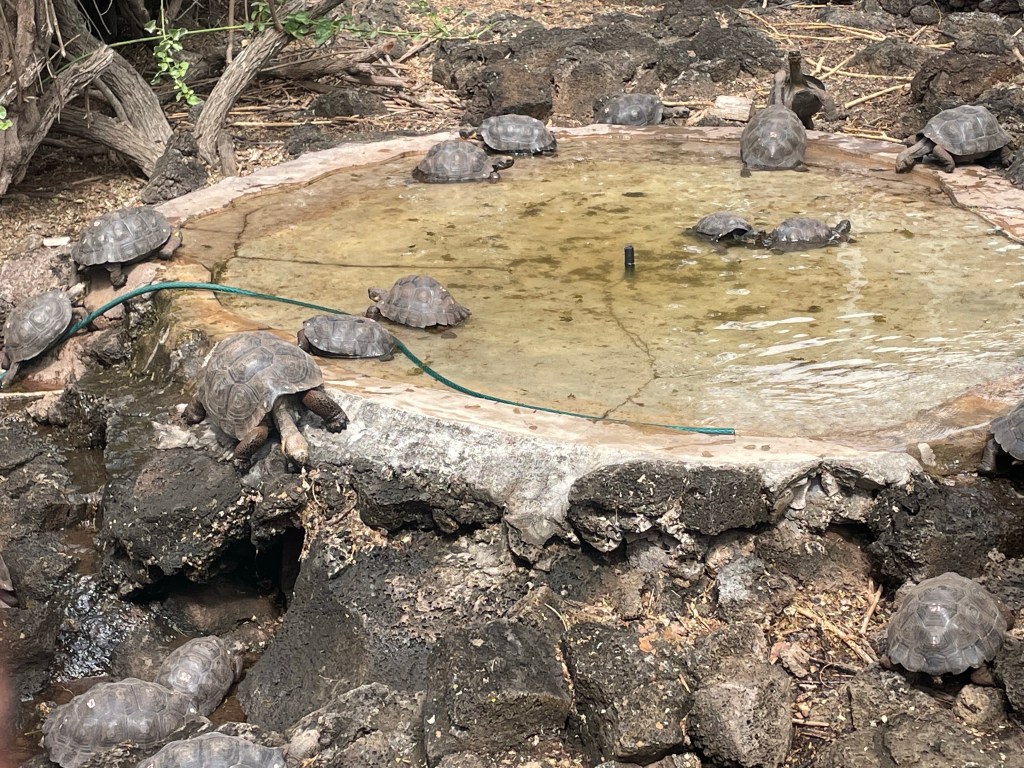
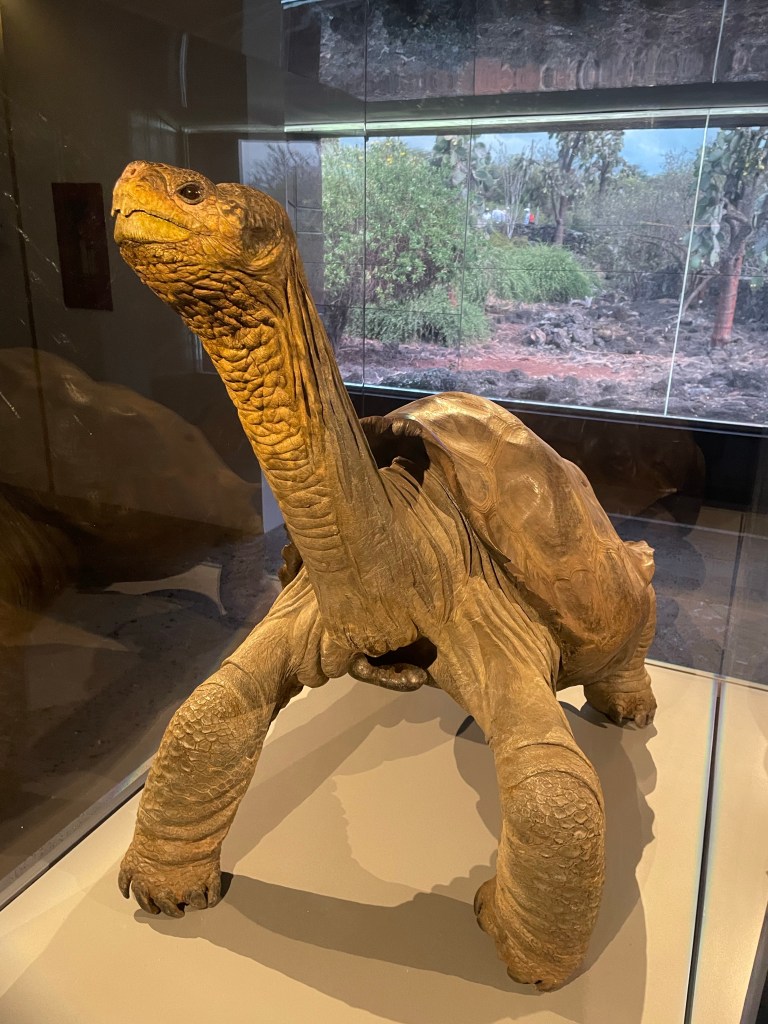
At the Charles Darwin Scientific Research Centre giant tortoises are hatched to help maintain the specific populations for each island. Older tortoises, which have been rescued worldwide from zoos and private homes, are also housed at the centre. In 1974 a giant tortoise from a species previously thought to be extinct was discovered on Pinta Island and moved to the centre. The last of his kind, he was known as Lonesome George. In 2012 he died (aged around 100) and his species was (again) declared extinct. His body has been preserved for posterity.
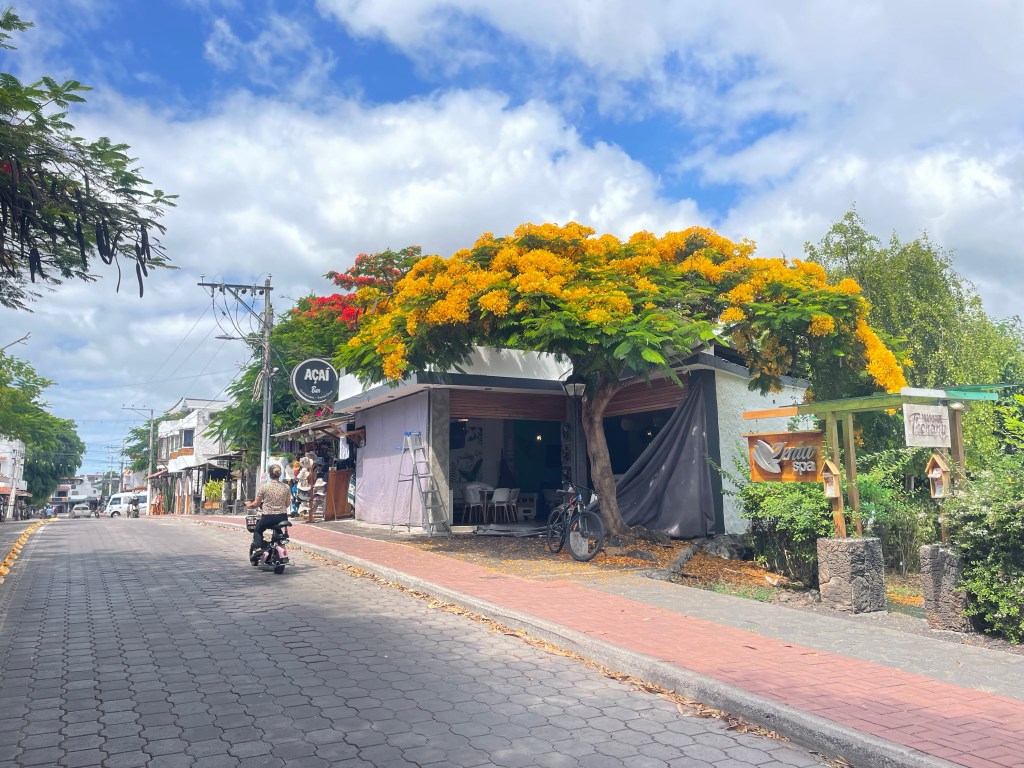
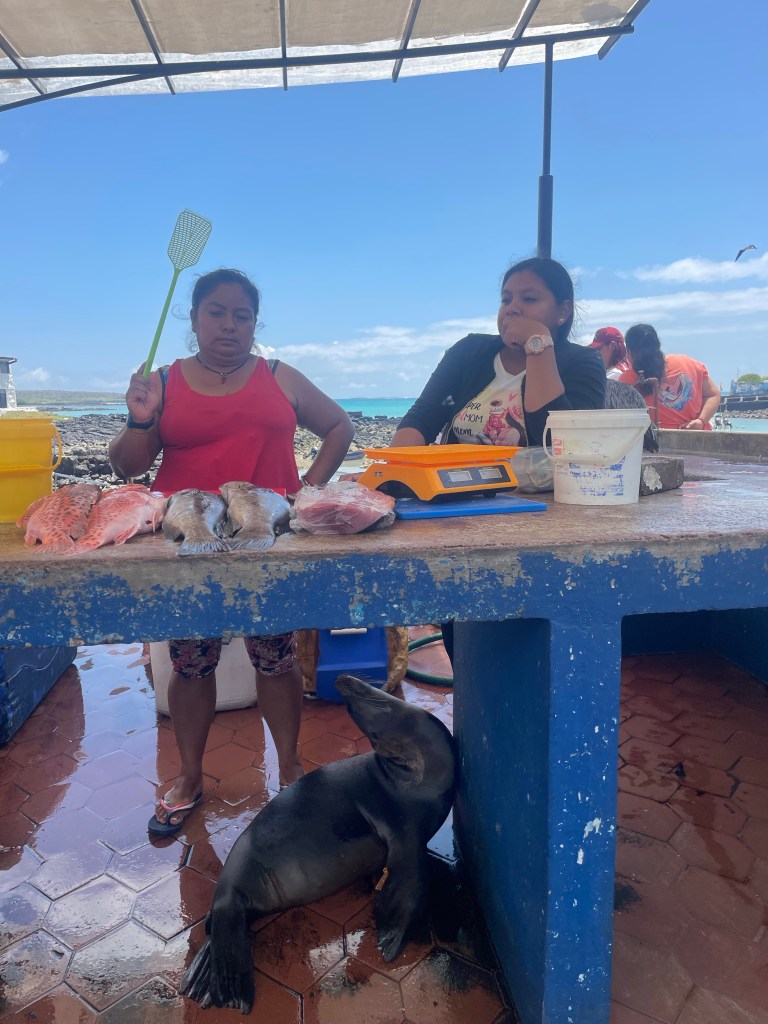
In Puerto Ayora, we visited the local shops, fish market and relaxed over a coffee with our guide, who was thankfully on hand to show us the quirks of the Galapagos ATM machine including the card being inserted sideways. Ecuador is the only South American country to use the US dollar as its currency, although with locally designed notes and coins.
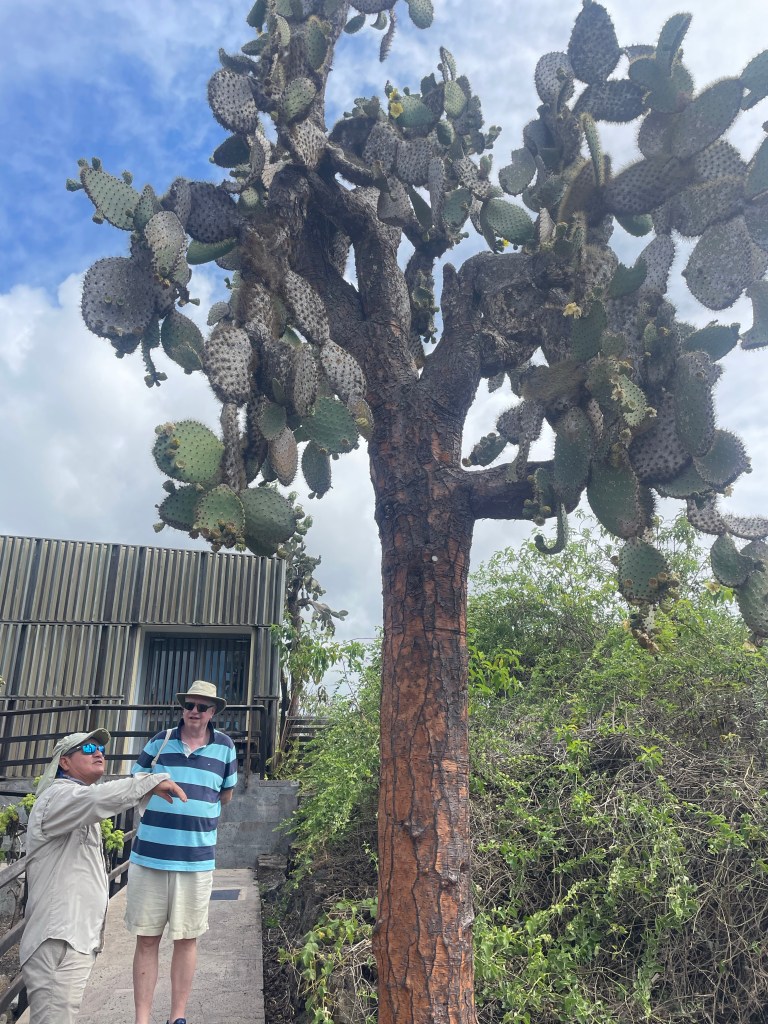
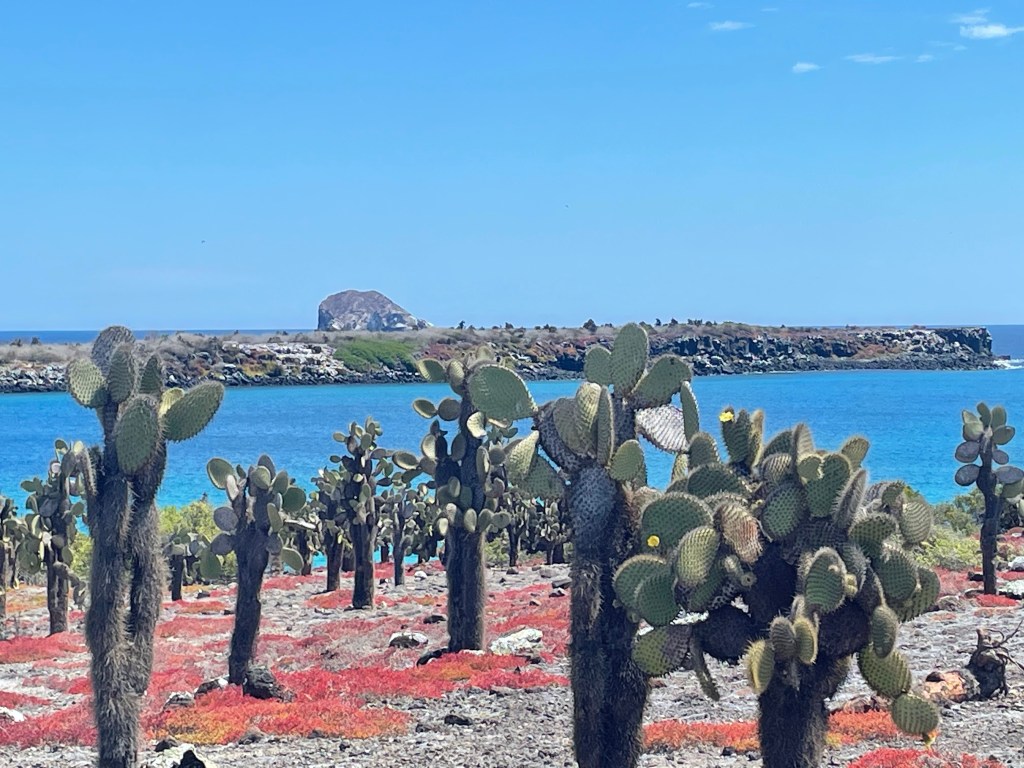
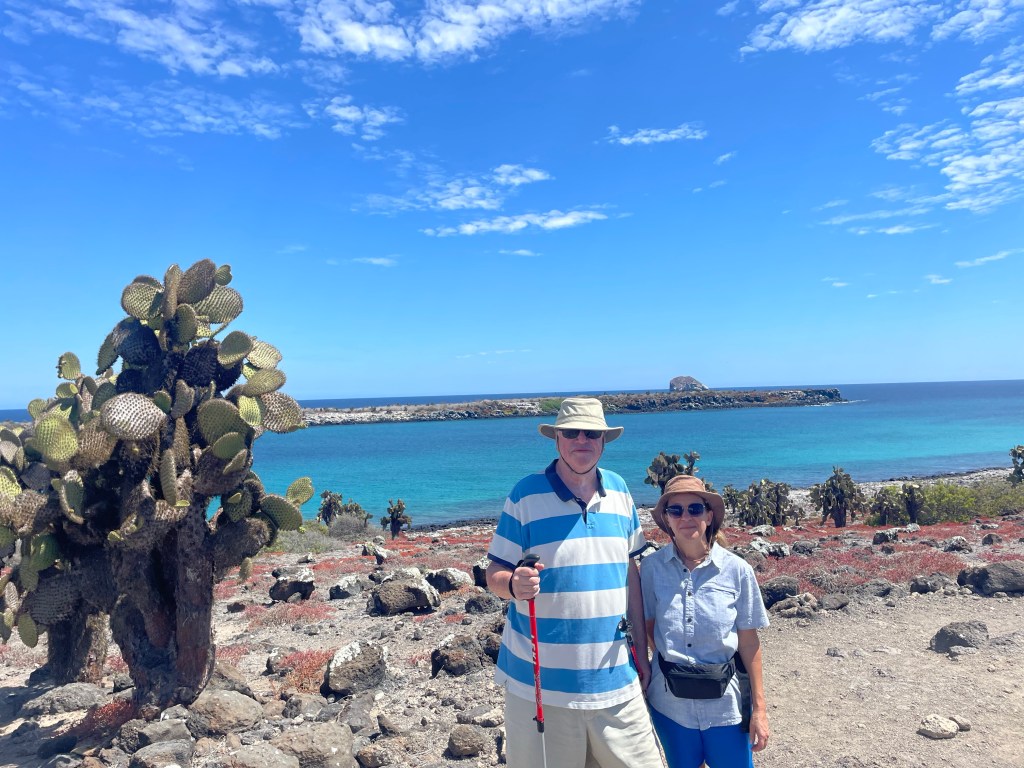
The Galapagos prickly pear – the height has evolved as the tortoises themselves evolved to become ‘saddlebacks’ to improve their reachLonesome GeorgeMain Street of Puerto Ayora
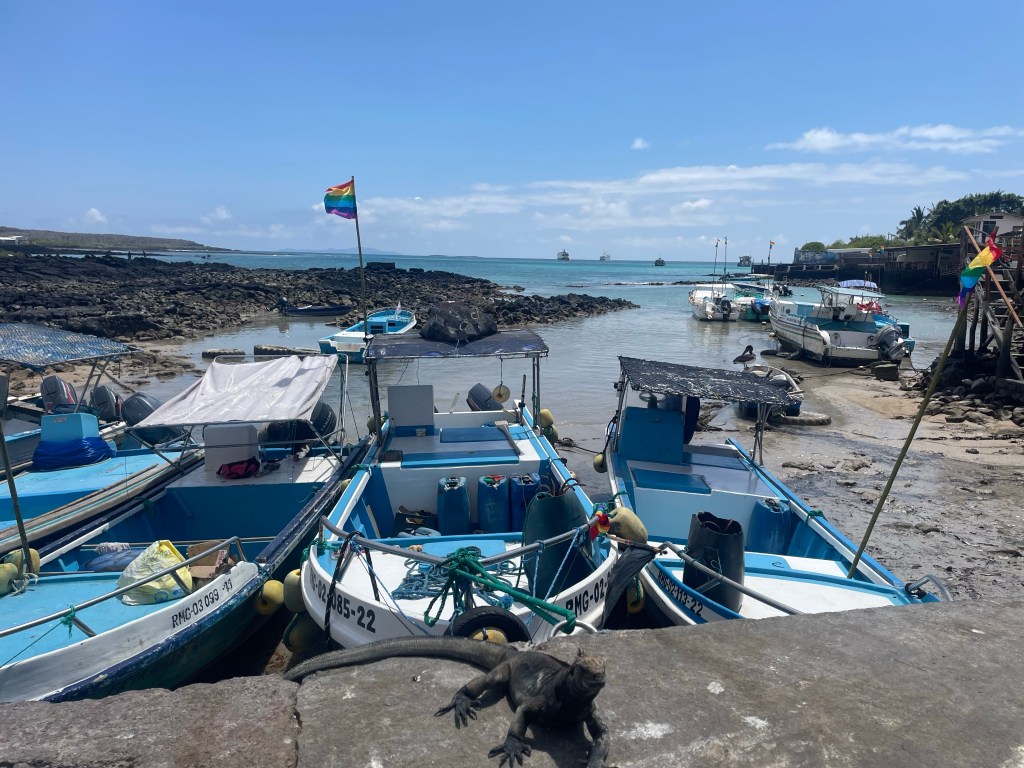
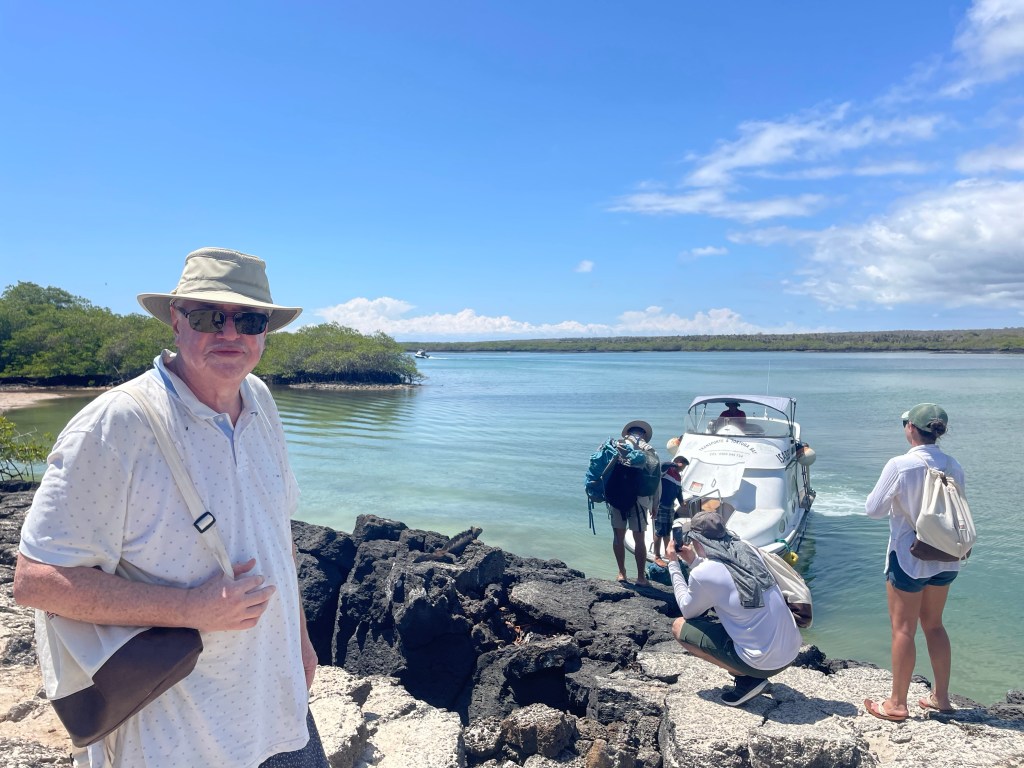
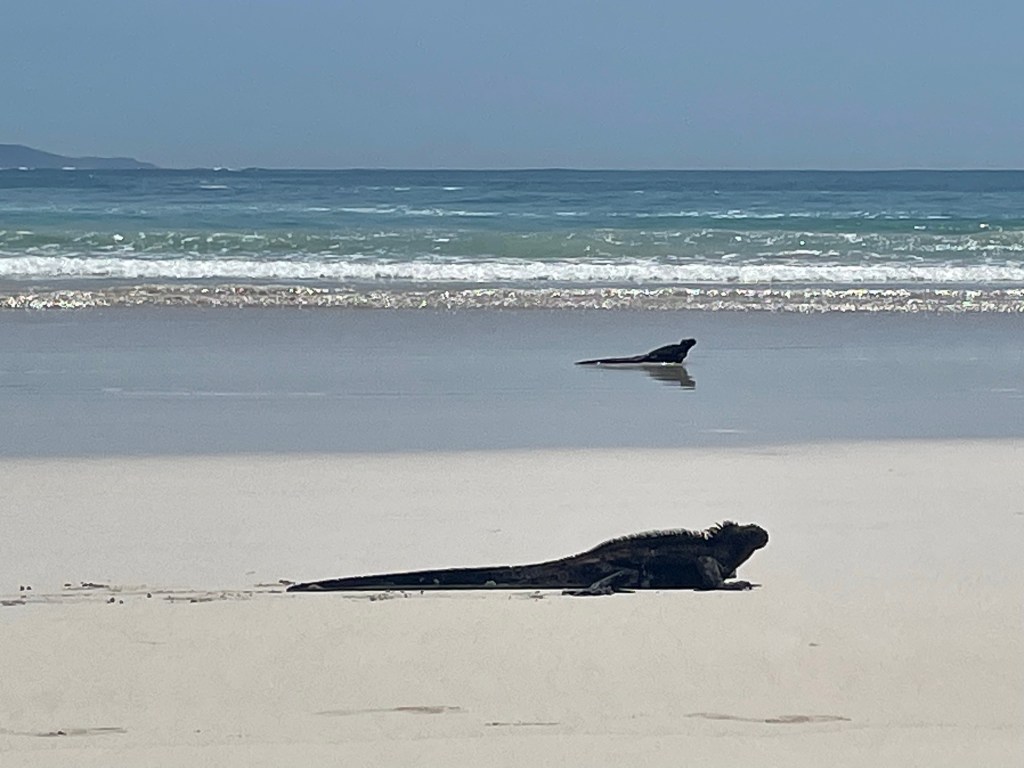
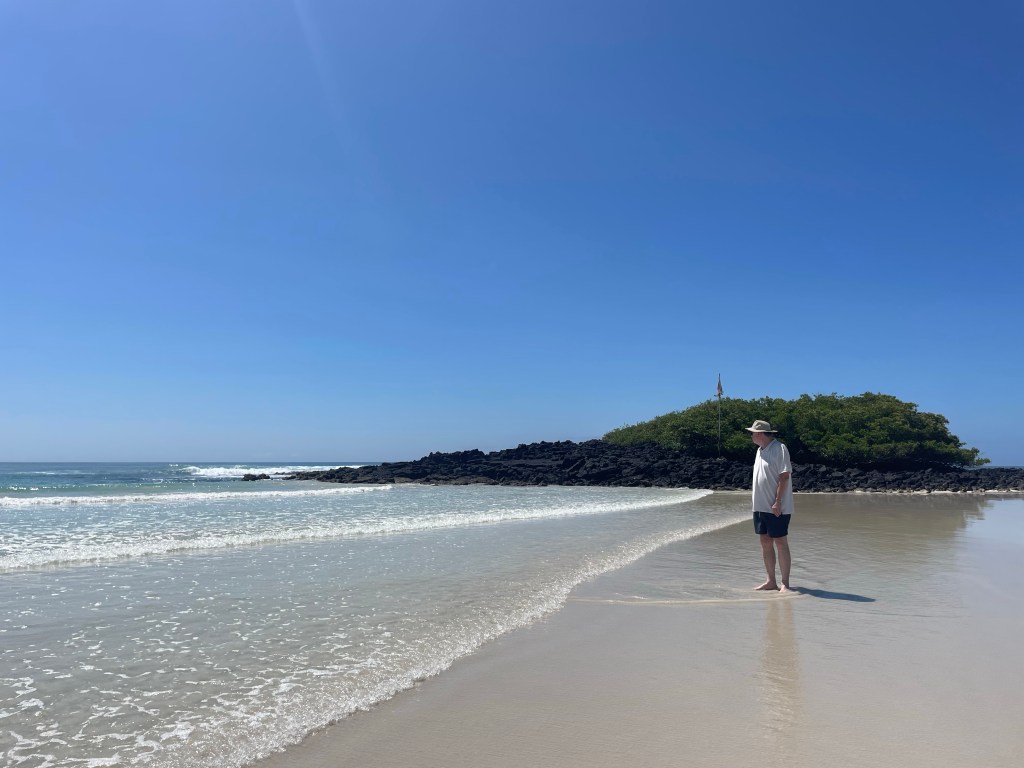
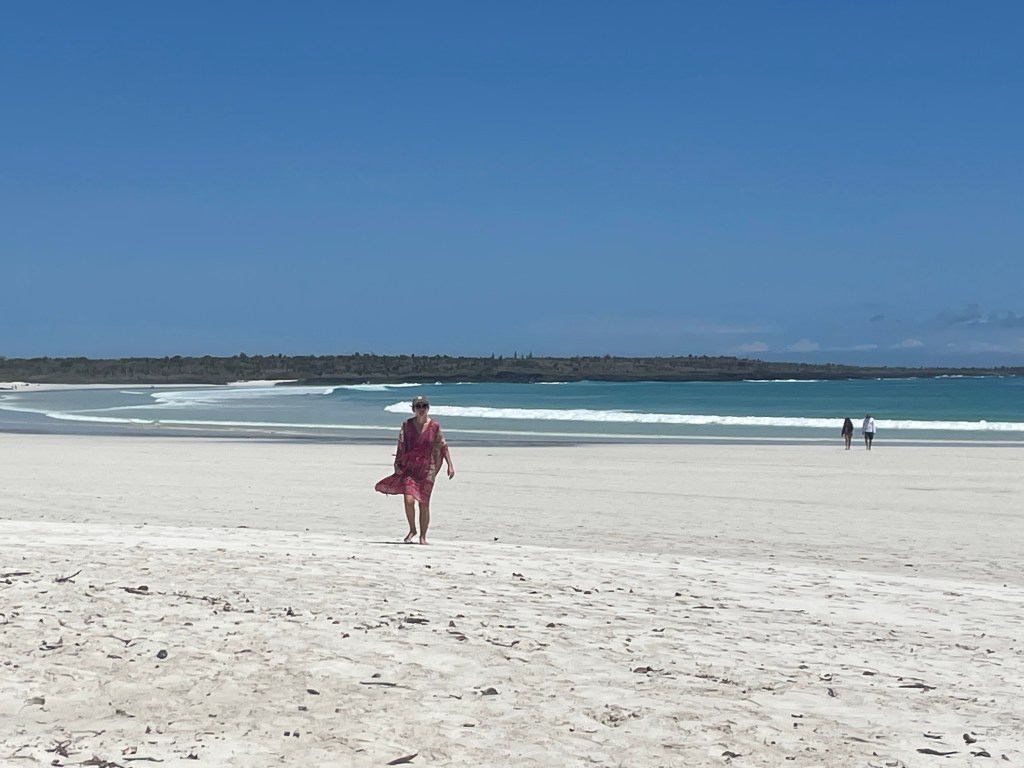
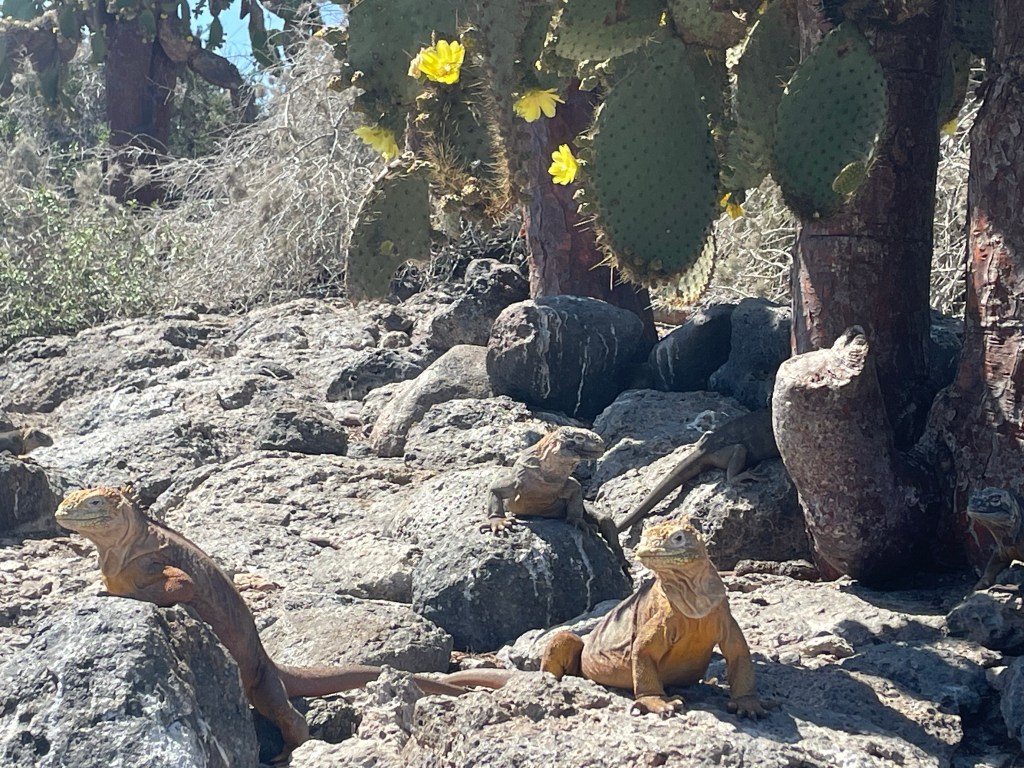
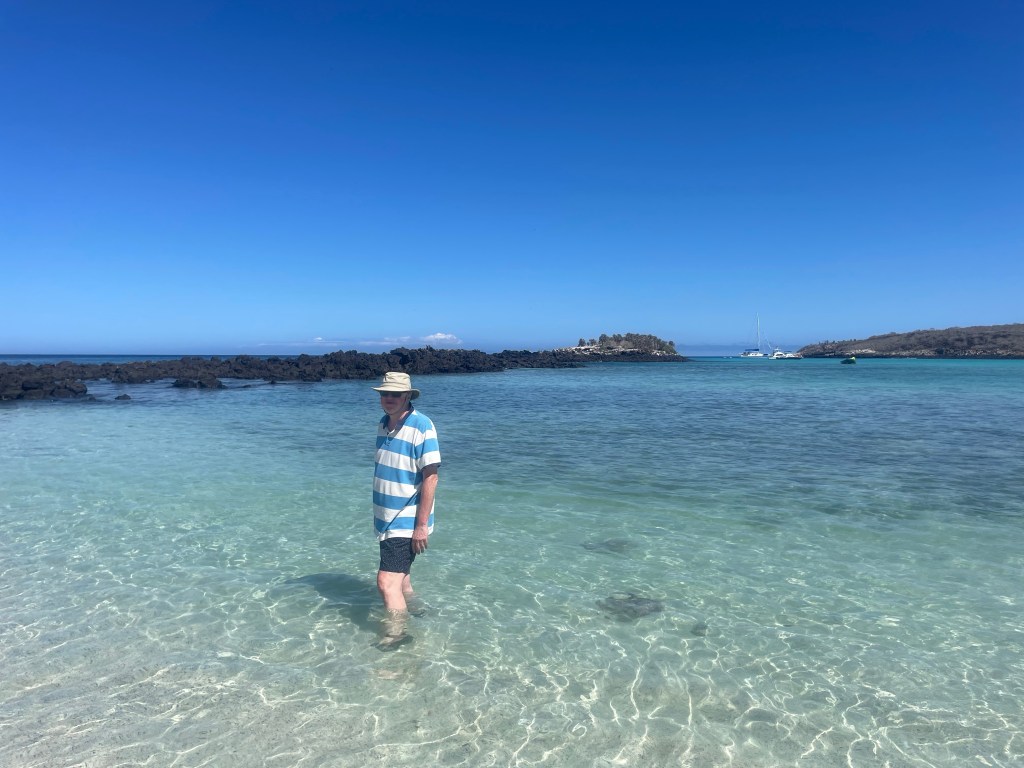
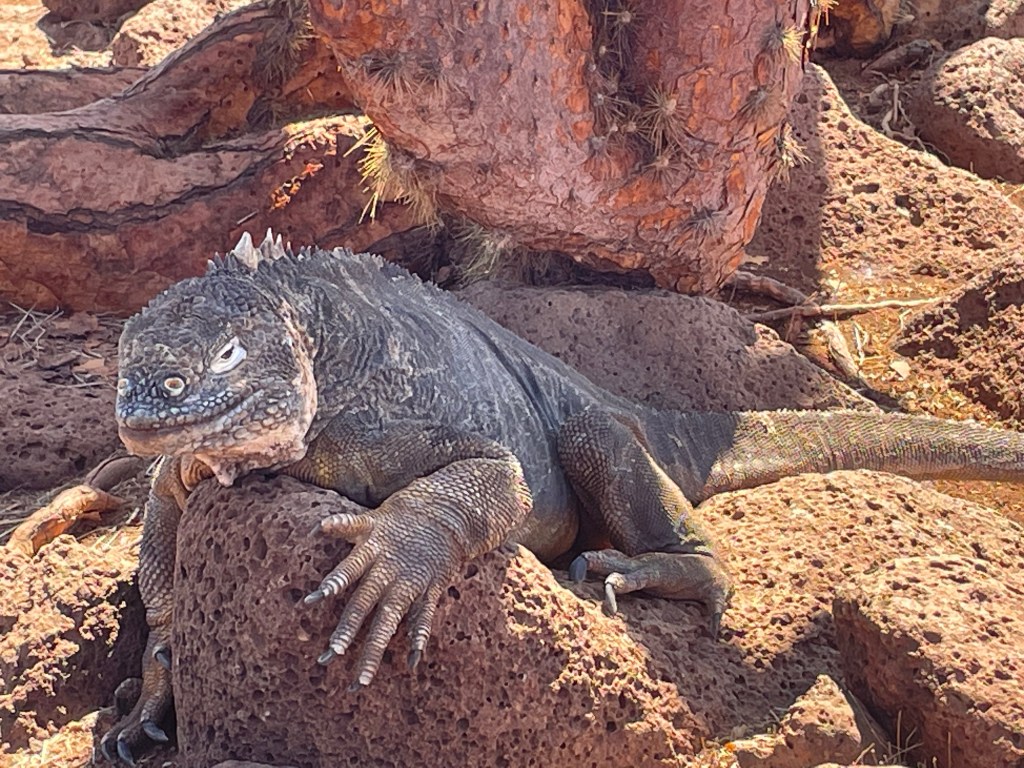
This bay is a 20 minute speed boat from the main town of Santa Cruz, Puerto Ayora. On one side is a white sandy beach with surf where marine iguanas feed. The Galapagos marine iguanas evolved from land iguanas because of the plentiful seaweed to feed on. The islands can be dry and food limited for the vegetarian land iguanas.
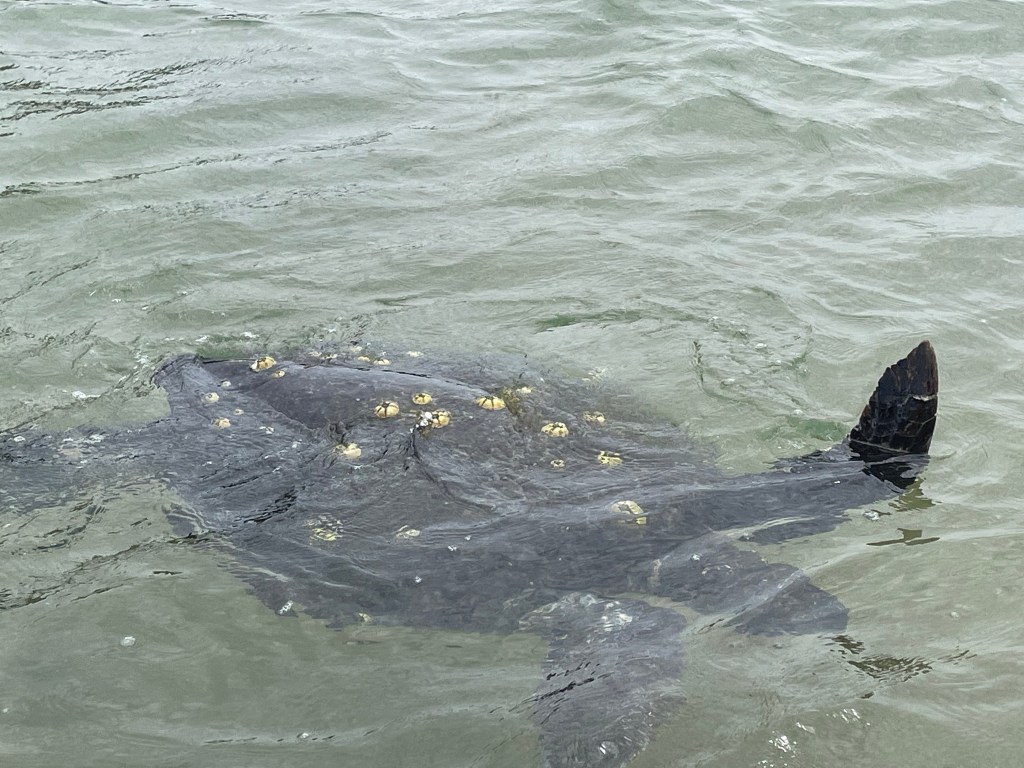
On the other side is a lagoon on which kayaking is allowed but with a limit of 10 kayaks. The lagoon is home to large number of turtles, rays and marine iguanas. From the kayaks large numbers of resting sharks are seen and some not resting but swimming under and beside the kayaks ! It is breeding season in January and other underwater activities are visible.
Our guide, Mario, pointing out the sharks – Tim just out of shot in the kayak
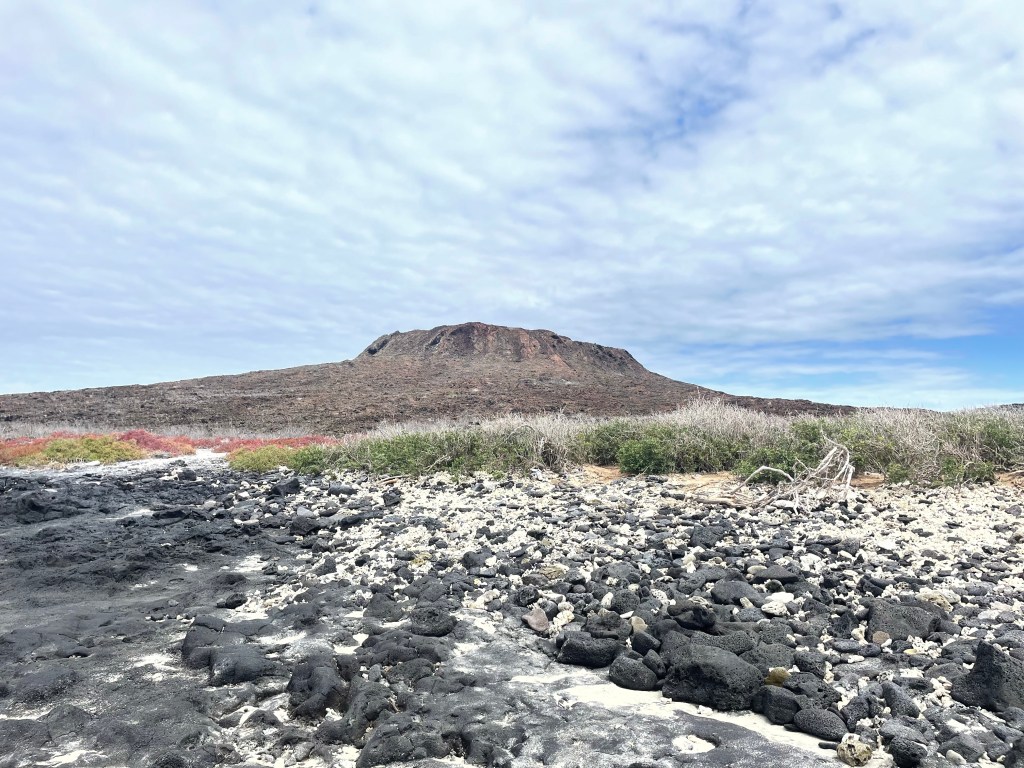
Bartholomé is a newer island and its formation is more obvious as plant and animal life is in the early stages of forming. The peak is reached by 346 wooden steps. The spectacular view from the top was featured in the film ‘Master and Commander’, however none of the actors came to the island and locals were used, to be replaced by CGI versions of Russell Crowe and friends.
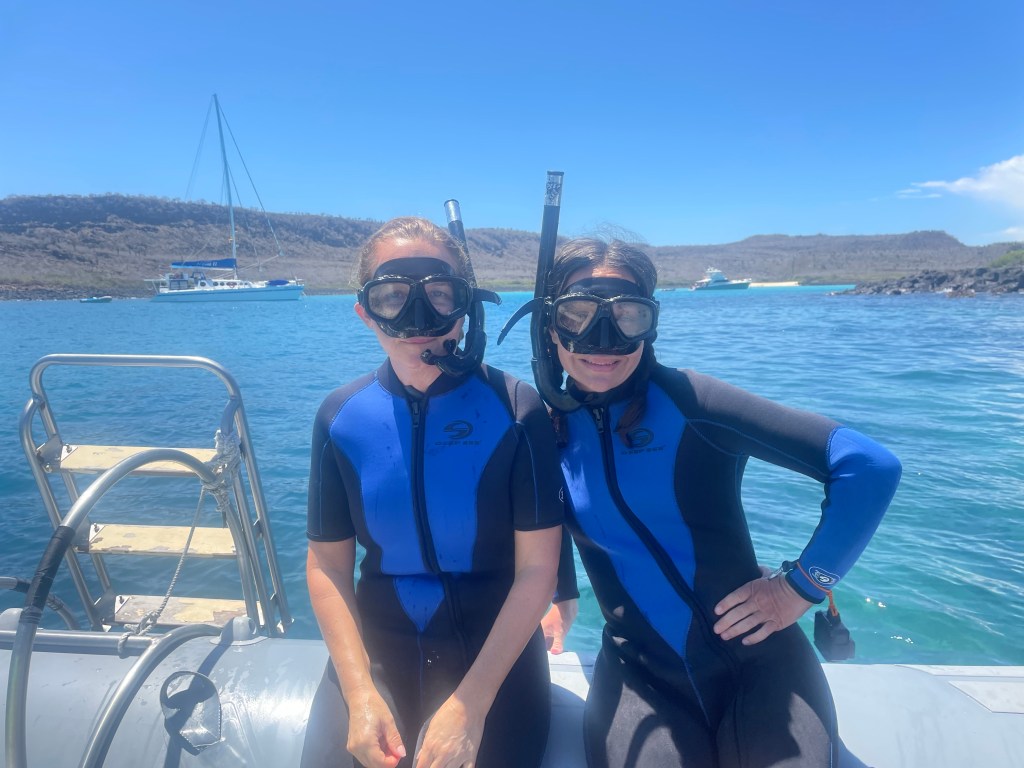
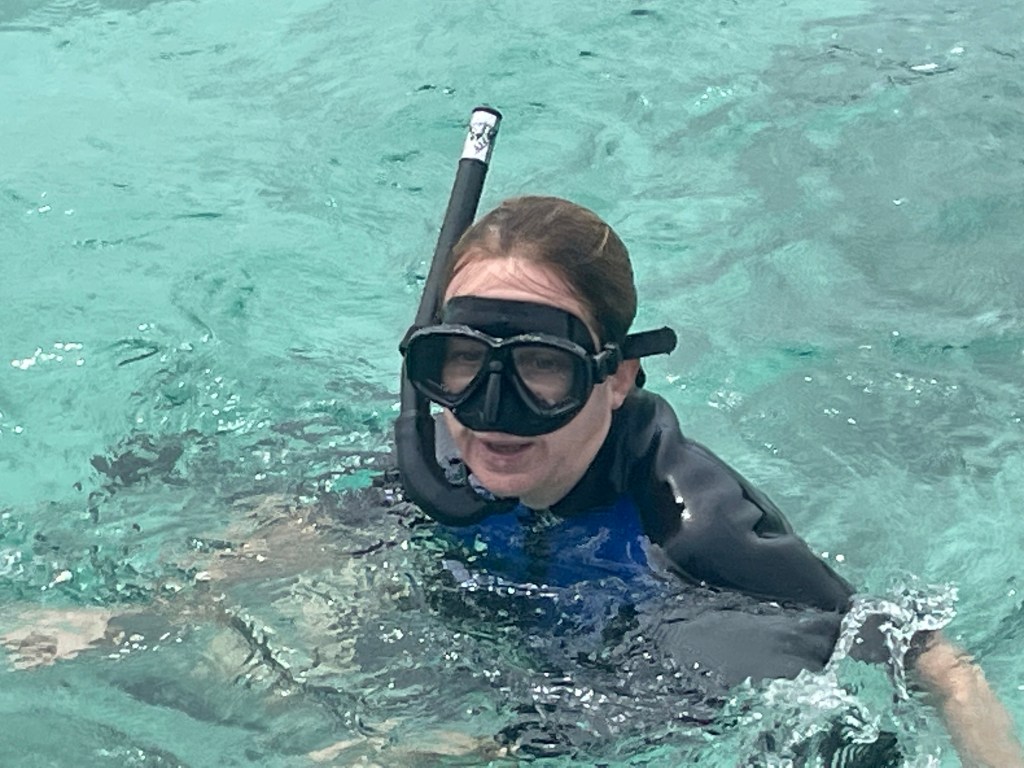
Chinese Hat is named after its shape and was another opportunity to snorkel, the highlight of which was swimming with reef sharks.
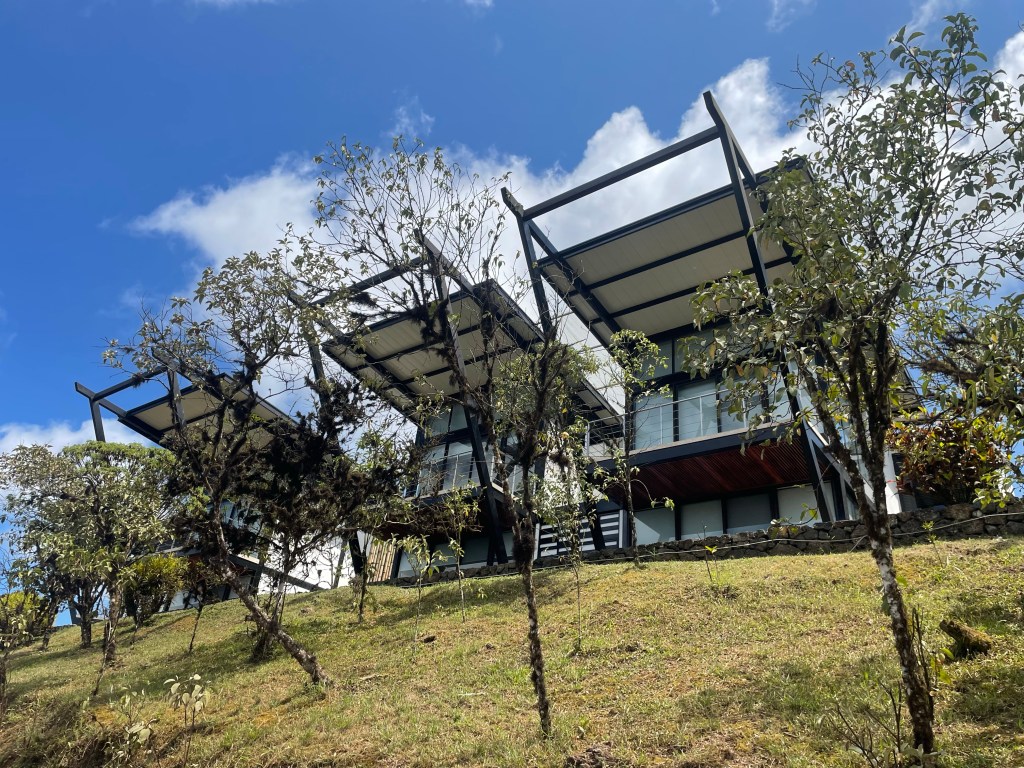
The Pikaia Lodge is on Santa Cruz Island, which has a population of 23,000 out of the total in the Galapagos of 25,000. The lodge has 14 rooms and is the only hotel with its own yacht. In a six day stay guests have three full day navigations. On each trip we were in a group with 2-4 other guests and our guide, Mario. Due to the strict regulations there was never more than one other group on each island but generally we were the only group.
Our first trip was to North Seymour and Mosquera. The islands usually have two names; one Spanish and one English, either may be the official name. The English names have naval connections eg the English name for Santa Cruz is Indefatigable. South Seymour is officially named Baltra.
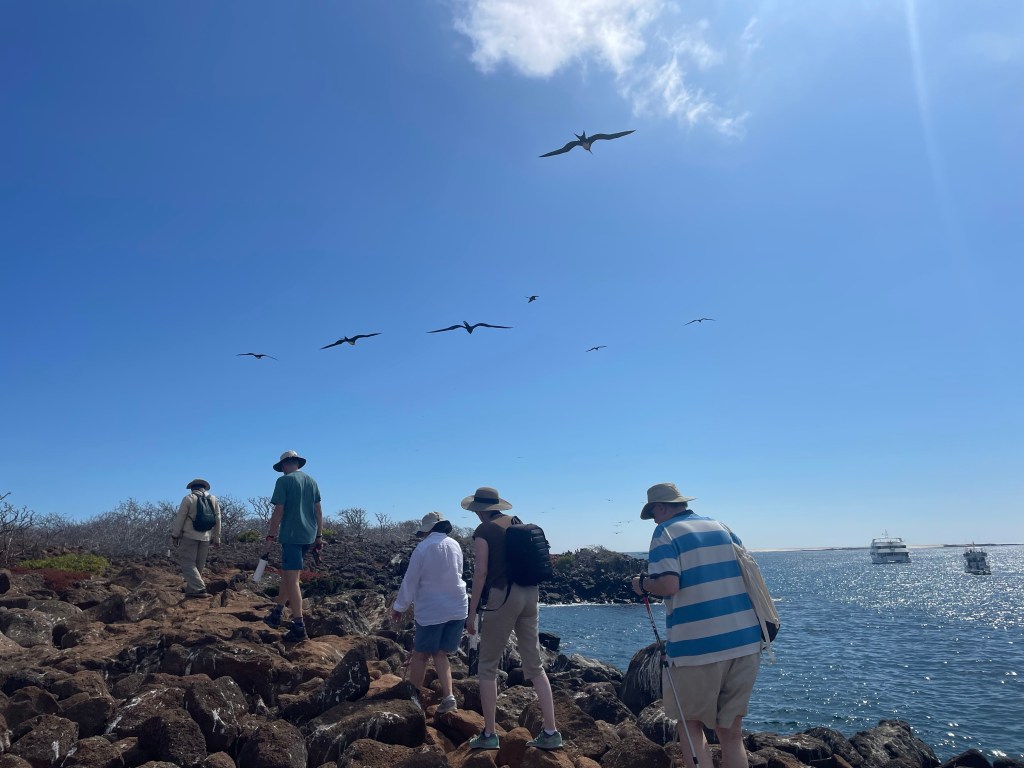
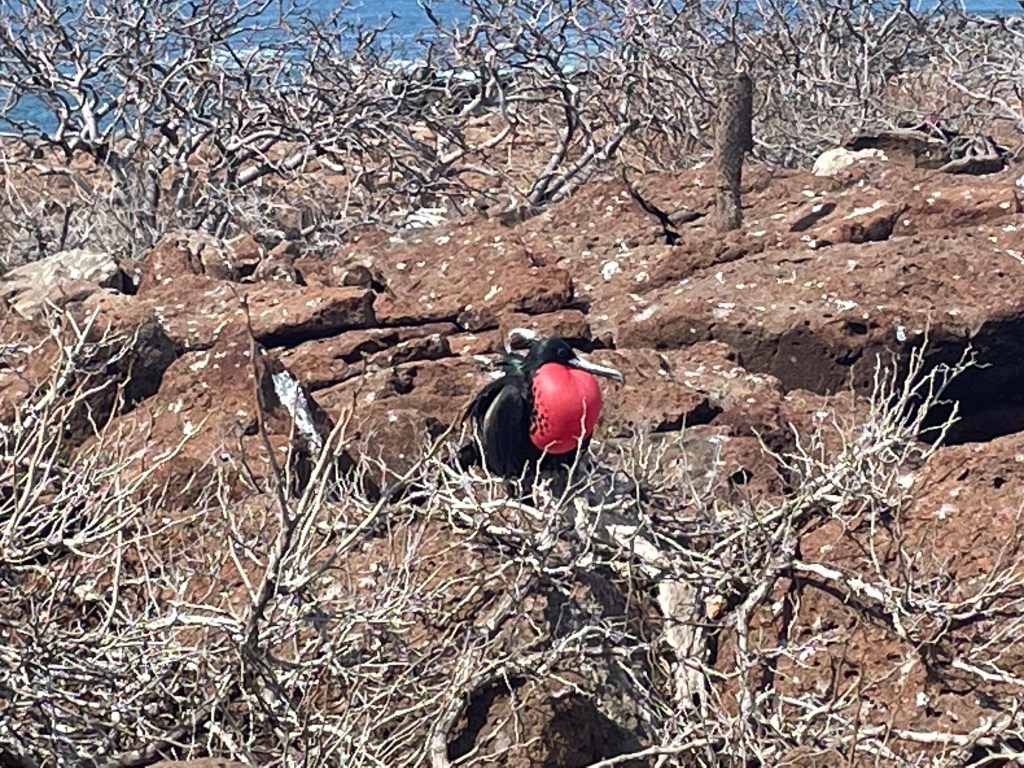
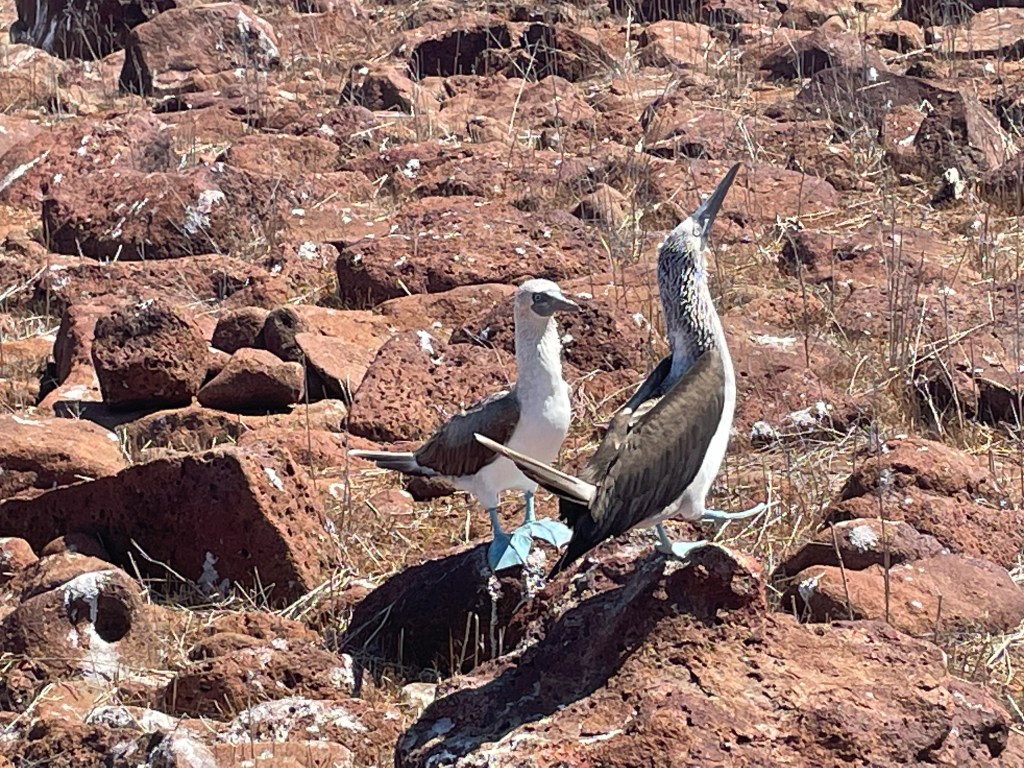
North Seymour has blue footed booby birds and great and magnificent frigate birds. Mario, our guide, told us that we were lucky to see the mating ceremony of the boobies, known as the booby dance.
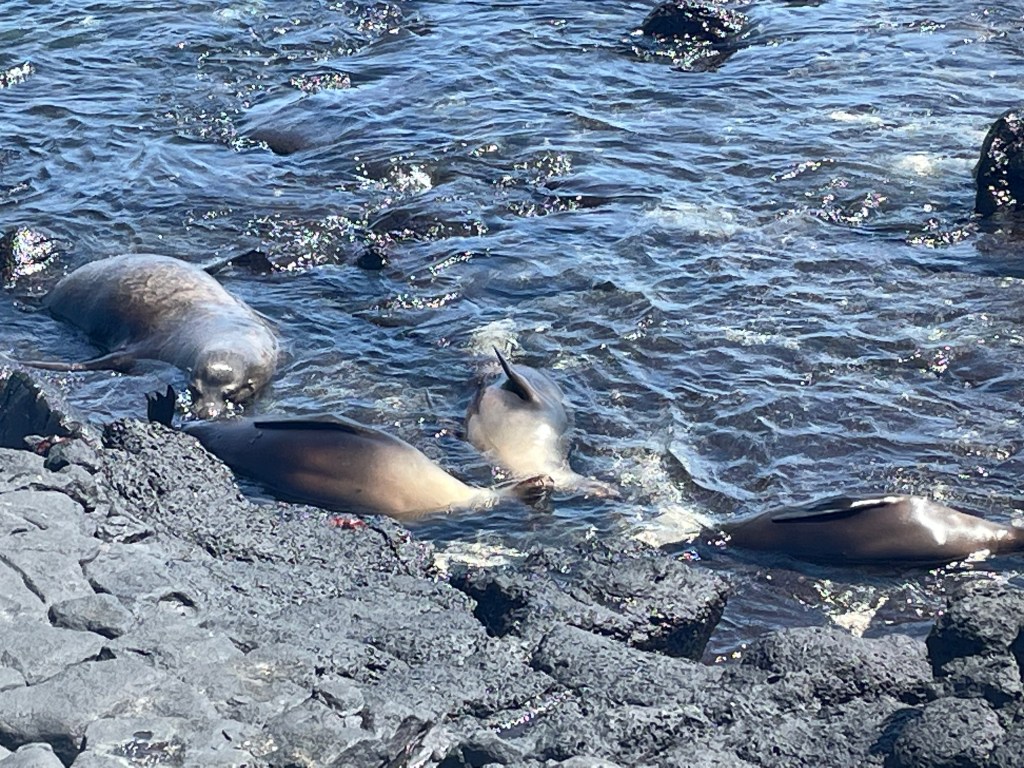
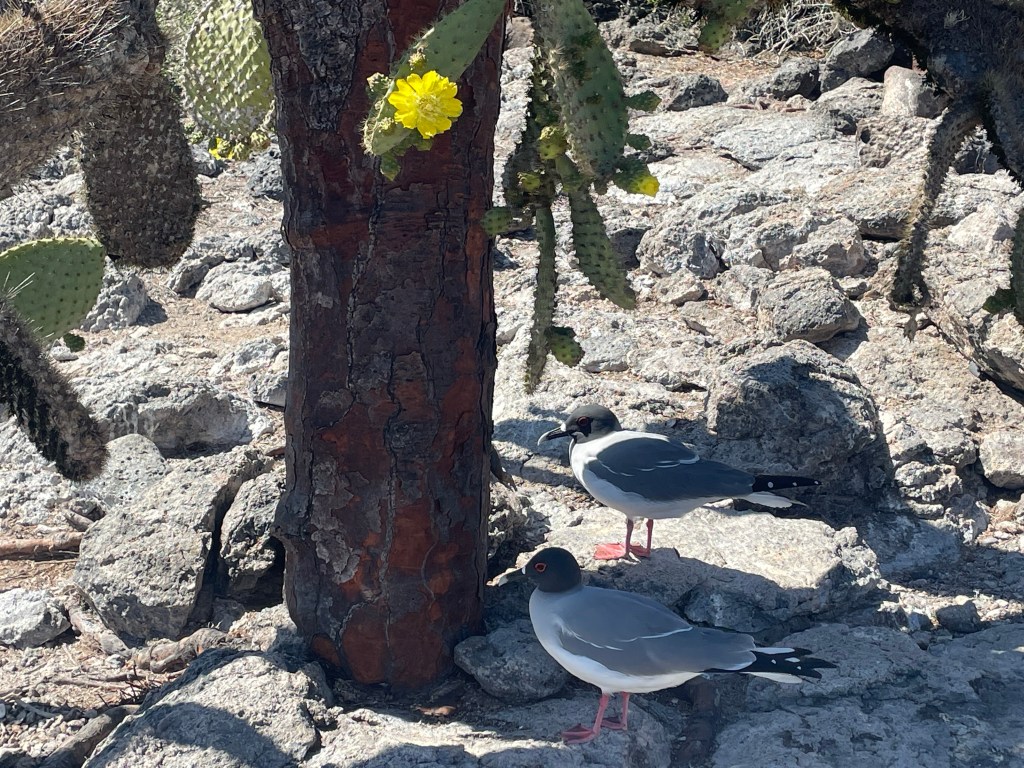
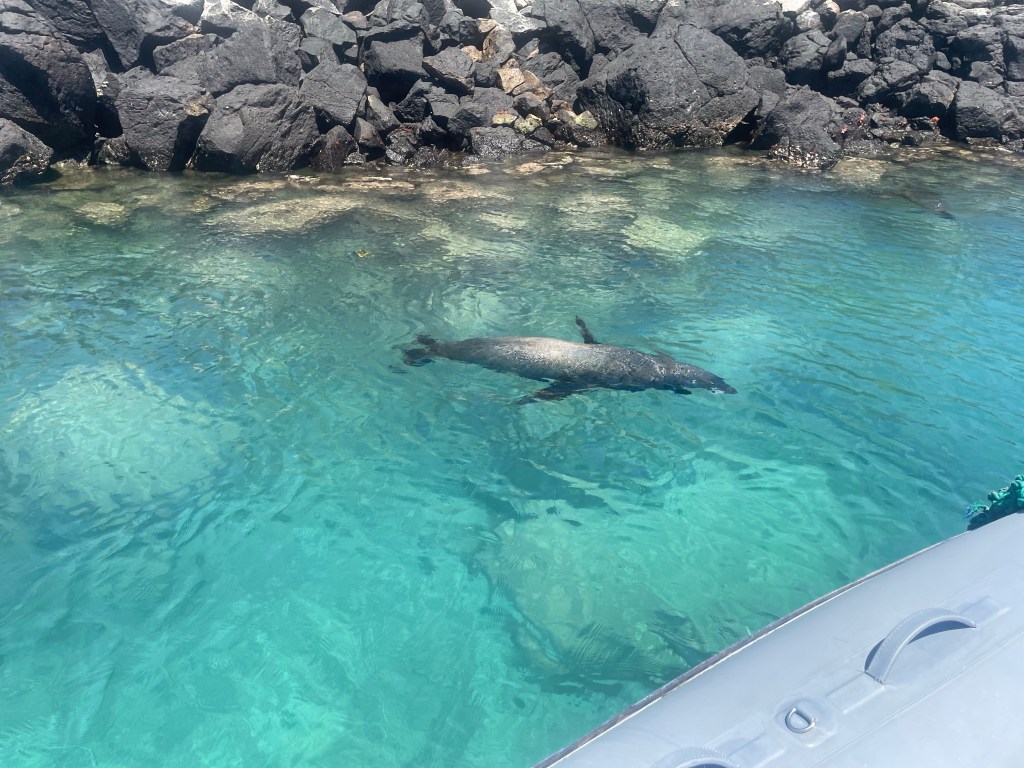
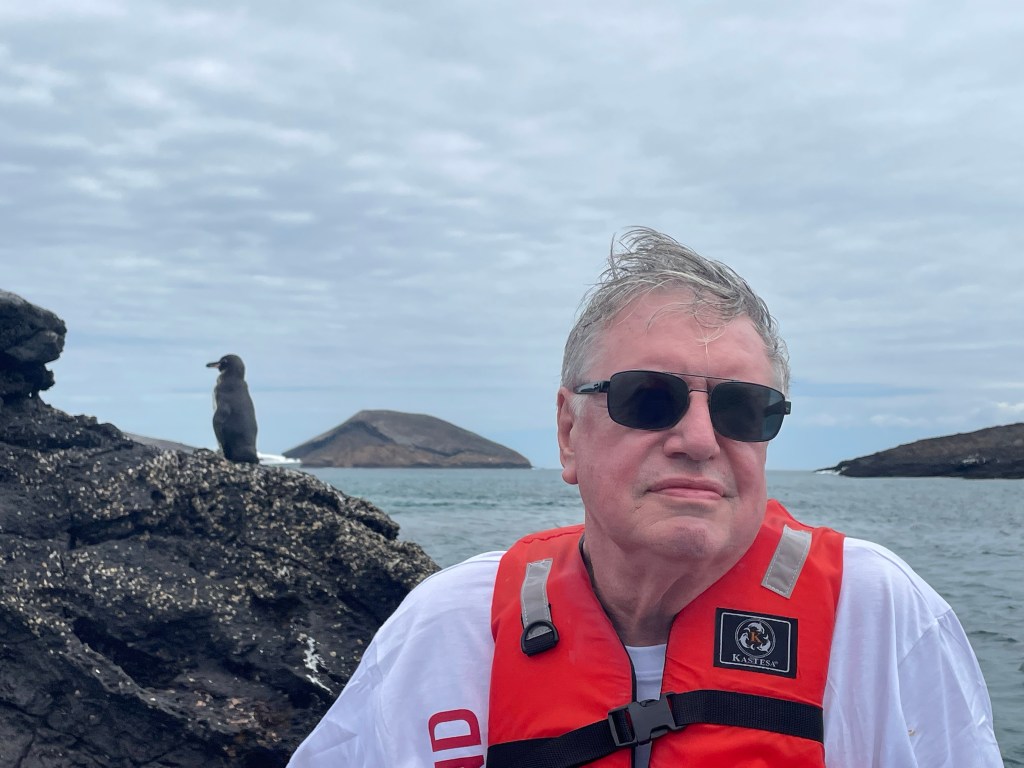
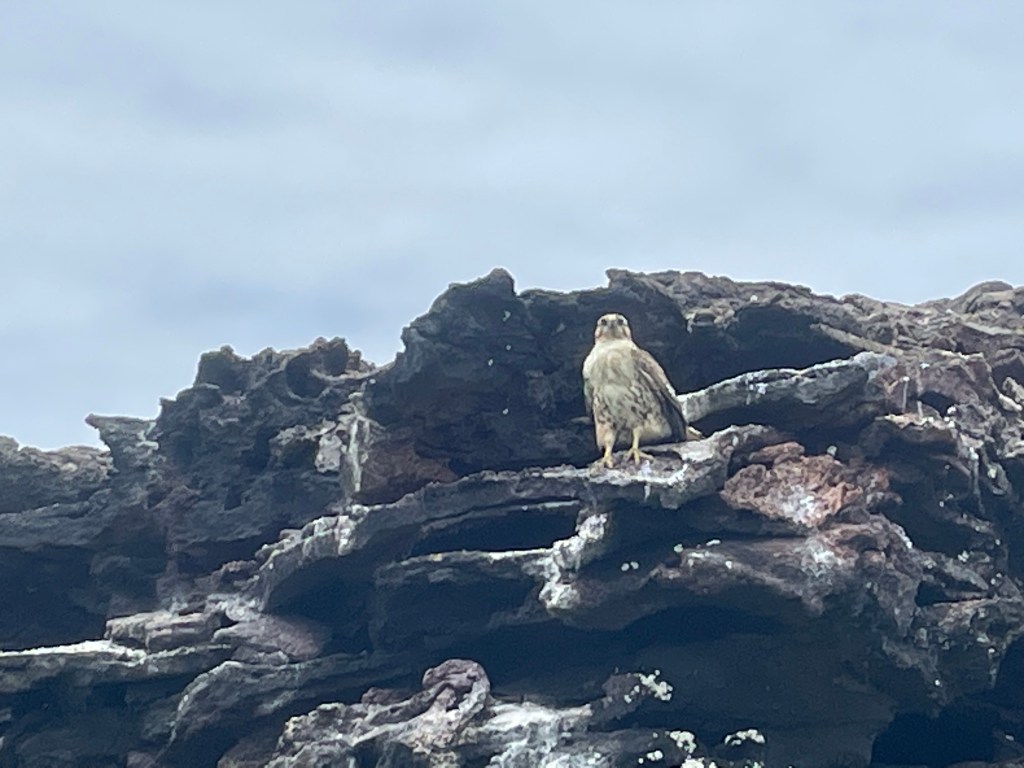
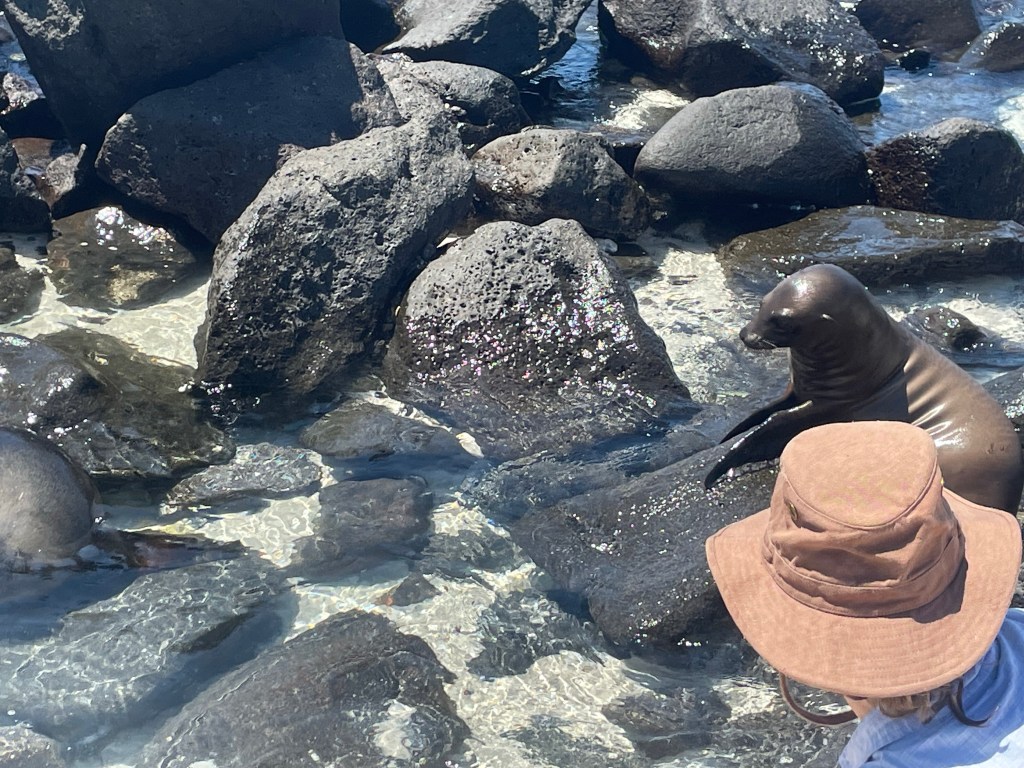
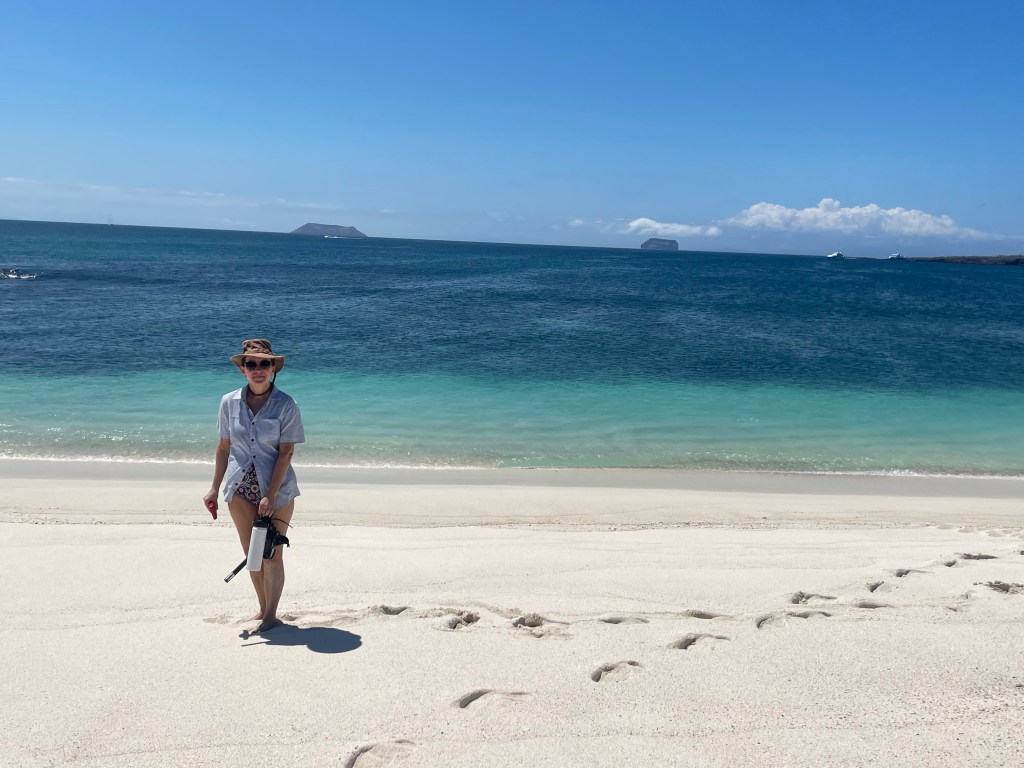
The island hike was followed by snorkelling and a beach walk on Mosquera Islet to see sea lions. A feature of all the islands is the approachability of all the animals, birds and sea life as they have not needed to adapt to human behaviour.
Male great frigate birdBooby danceThe islands on the horizon are Daphne Major and Daphne MinorMarine iguana Land iguana
The Galapagos Islands are an archipelago of 21 islands formed by volcanic eruptions as the Nazca tectonic plate moves at a rate of 7cm per year (the same rate as human nails grow) from north east to south west over a lava hotspot in the earth’s crust. This means that the western islands are “younger” – Fernandina, less than 500,000 years old, versus those in the east, upto 3.5 millions years old. The islands have never been attached to a continent and are separate from each other, giving rise to their unique eco-systems.
The islands were first discovered in 1535 and were used by whalers and pirates in the 16th and 17th centuries for safe harbour and a source of fresh meat in the form of giant tortoises, which would be kept alive on board ships for upto a year in forced hibernation. The whalers and pirates also bought unwanted visitors in the form of rats, cats, dogs, goats and pigs which continue to have a negative impact on the endemic species.
In 1832 Ecuador, the nearest country, claimed the islands. Ecuador began populating the islands in the 1920s and 1930s by giving free land to people seeking a new life based on fishing and agriculture. In 1959 the islands became a National Park, which covers 97% of the land with the other 3% owned privately by the population of 25,000 who now rely on tourism for a living.
In 1835 the Galapagos’ most famous visitor arrived and stayed for five weeks, Charles Darwin, on board The Beagle. He noticed the differences between the four species of mockingbirds found on different islands. This formed the basis of his theory of evolution in his book The Origin of Species published in 1859. He did not focus on the 17 types of what are now known as Darwin Finches as he did not recongise them as a group.
The Galapagos are now subject to strict regulations to protect the unique environment. Tourist numbers and travel to each island (numbers and times slots) is strictly regulated and visitors must be accompanied by a qualified guide. Citizenship is only allowed by birth or after 10 years of marriage. The rangers control invasive animals and plants (eg blackberries) and conservation is in place to protect species under threat of extinction. Since humans arrived the population of giant tortoises has reduced by 90% and four of the known species of 17 have become extinct.
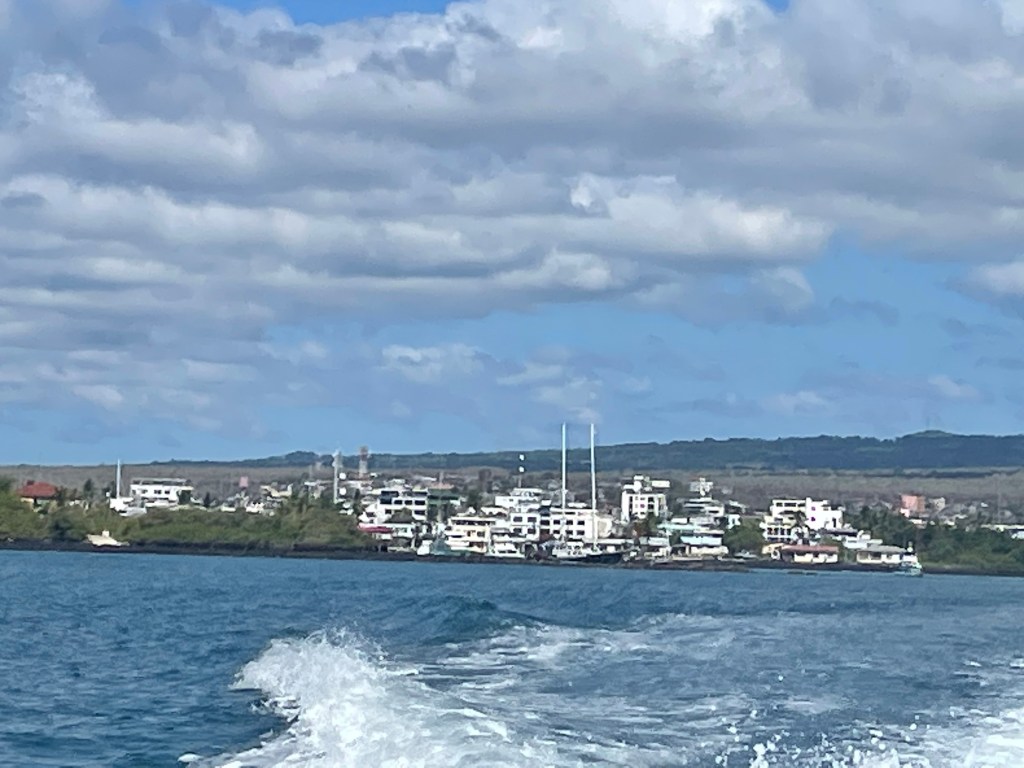
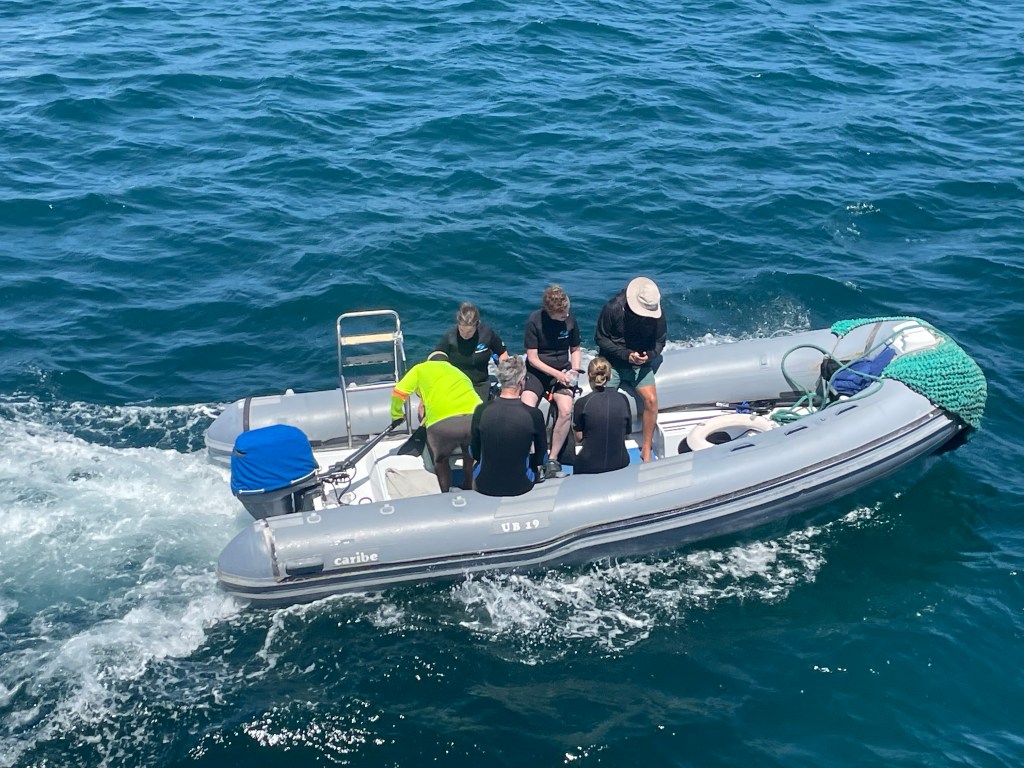
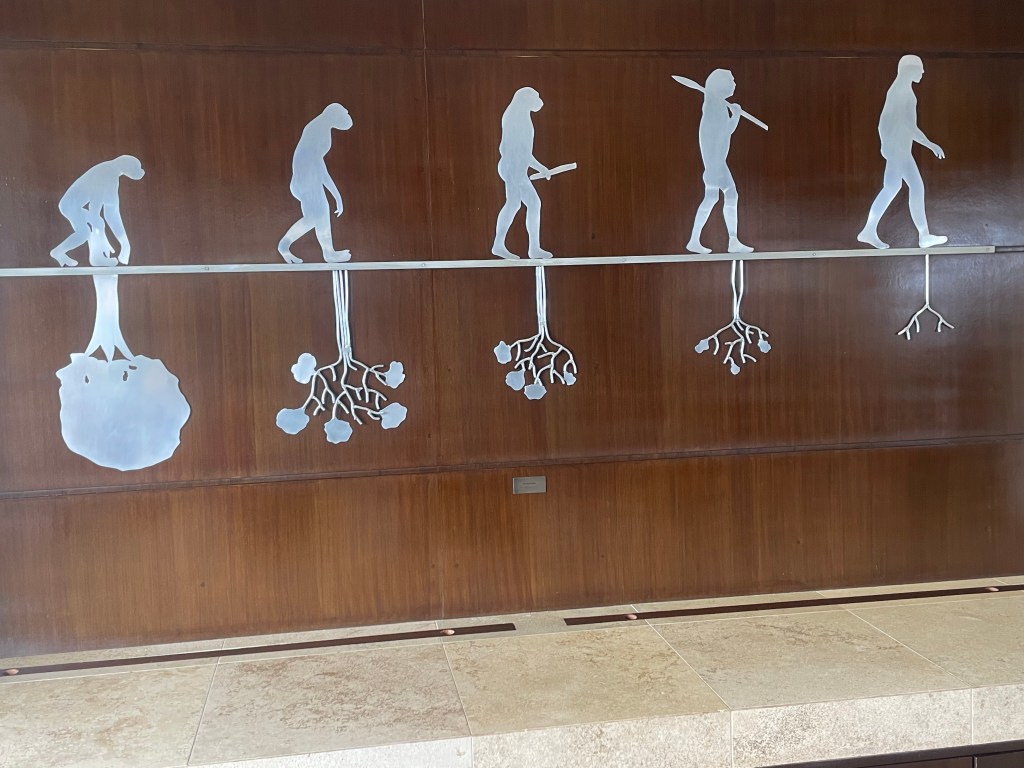
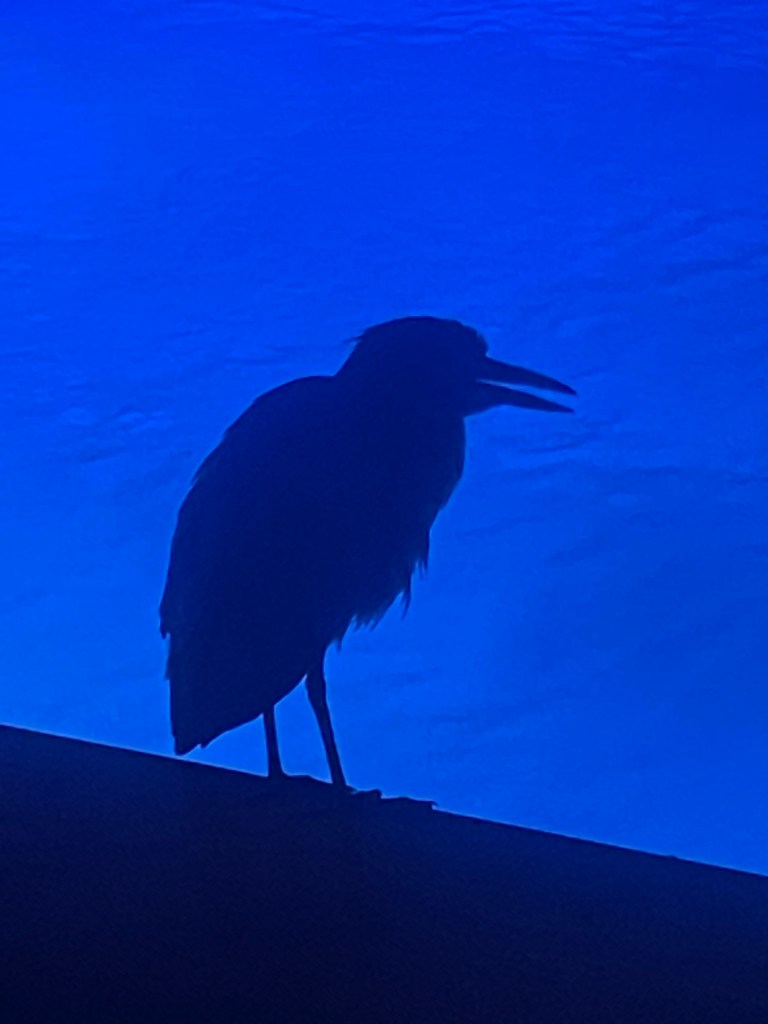
Our arrival transfer boat from the airport on Baltra island to Santa Cruz island where we stayedWe opted to stay in a 14 room lodge with day excursions, rather than on a ‘live aboard’ boatArt meets education in the restaurant at our lodgeGiant tortoises can reach 200kgFish market in Puerto AyroaThe lodge’s resident huaque (a yellow crowned night heron)
A century before our trip to Egypt, Howard Carter discovered the tomb of Tutanhkhamun. Although discovered on 4th November 1922, it was not opened until the arrival of Carter’s financial backer Lord Carnarvon on 23rd November after receiving Carter’s telegram “At last we have made a wonderful discovery in the Valley; a magnificent tomb with seals intact; re-covered same for your arrival; congratulations.”
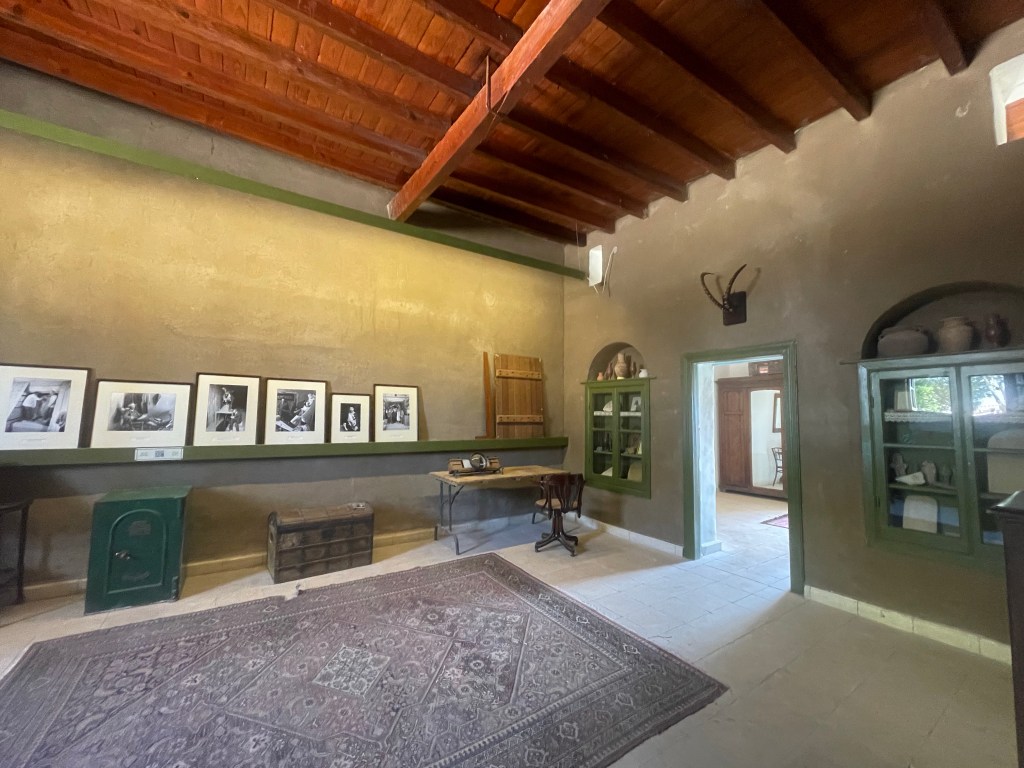
Carter lived in a nearby domed mudbrick house during his work in the Valley. It has been restored, open to visitors and showcases pictures, tools and letters.
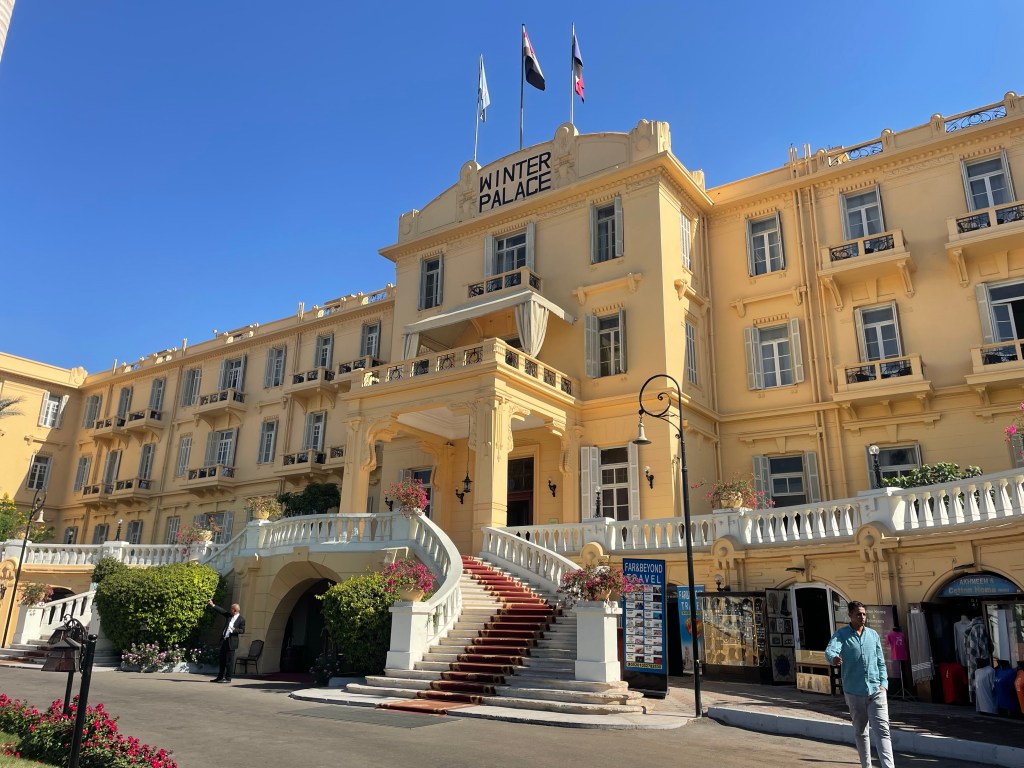
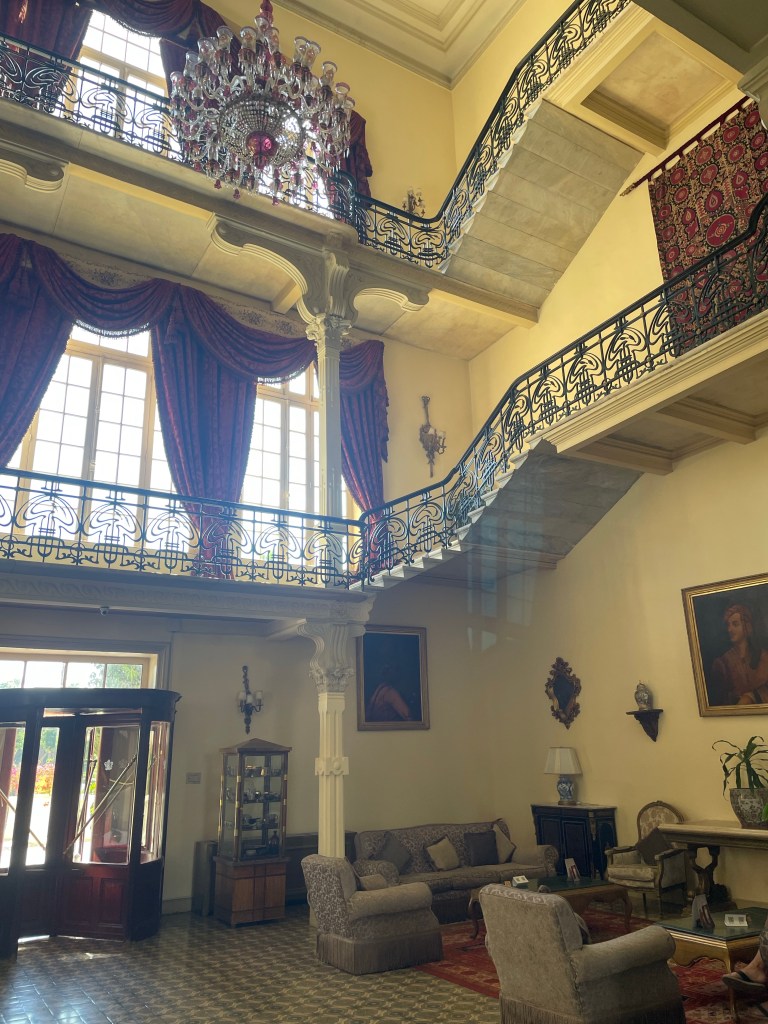
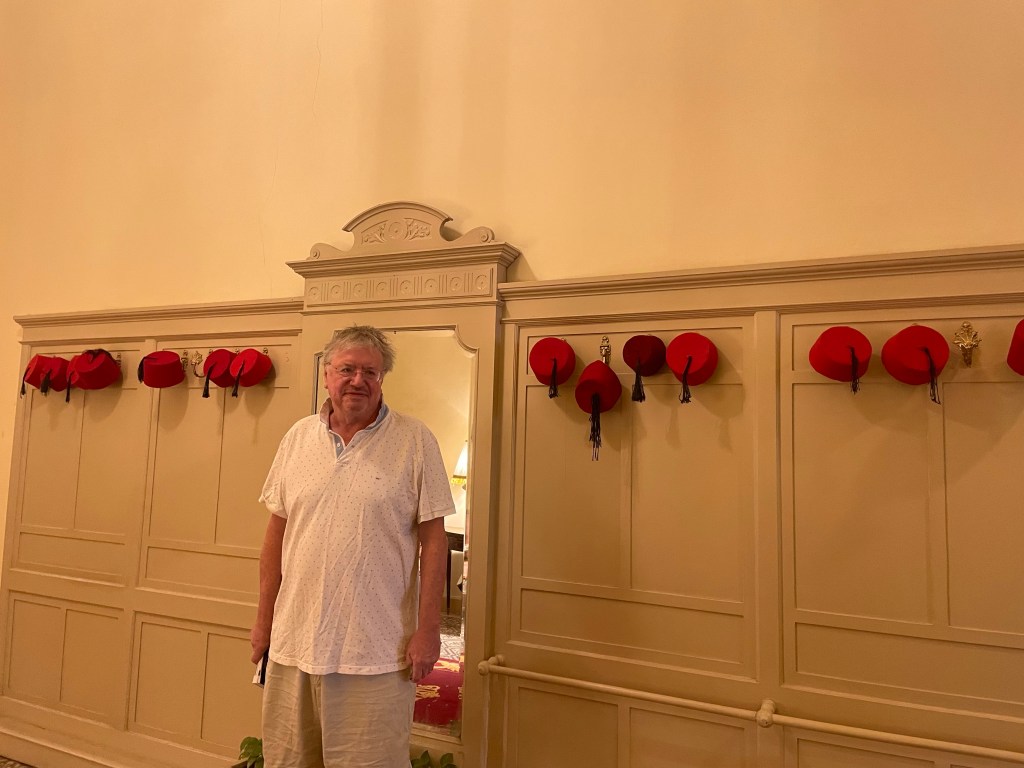
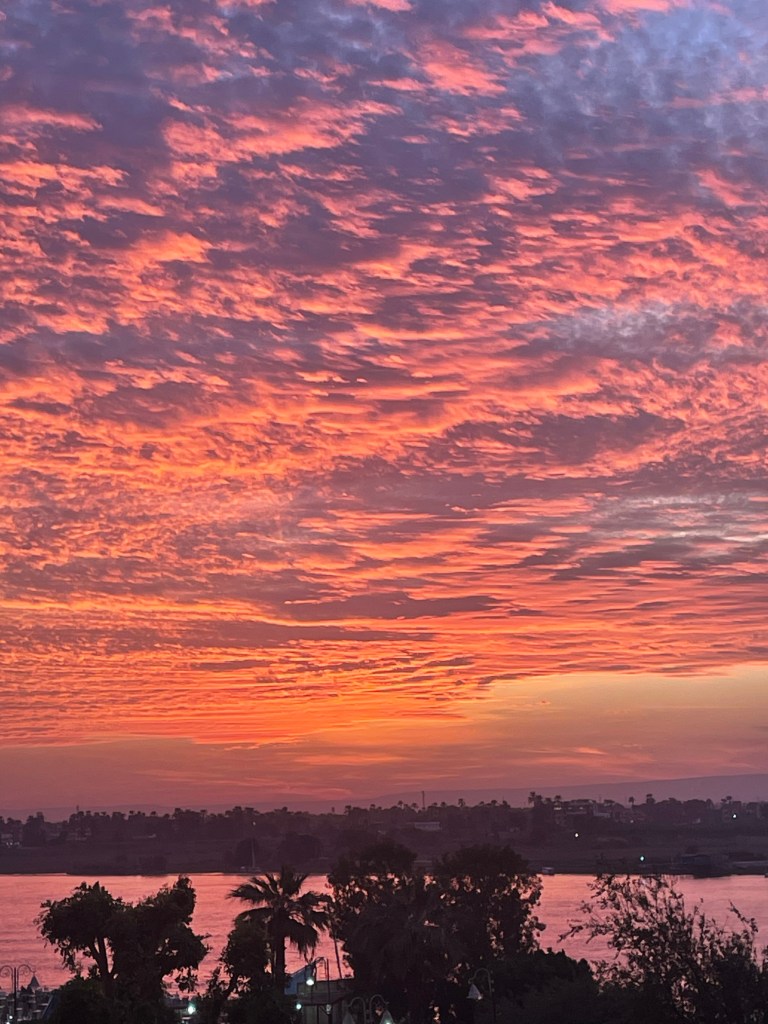
Lord Carnarvon stayed at the far grander Winter Palace on the East Bank in Luxor overlooking the Nile, from where he announced the discovery. Originally opened in 1907 to attract Europe’s aristocracy, it is now a hotel run by Sofitel on licence from the Egyptian government who own many of the larger hotels in Egypt. Although it has seen better days and includes corporate Sofitel furnishings and signs, it is easy to imagine its hayday with the main building and garden structurally unchanged. Other notable residents included Agatha Christie – the hotel was used as a location when filming Death on the Nile.
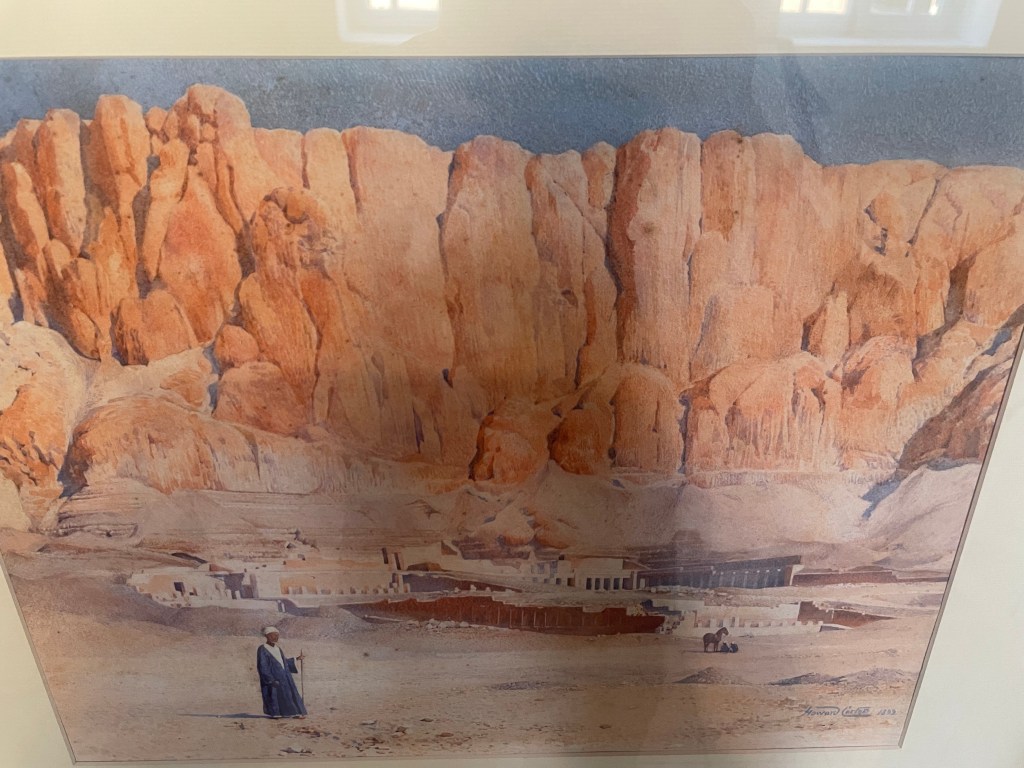
Howard Carter’s houseHoward Carter’s studyPainting by Howard Carter
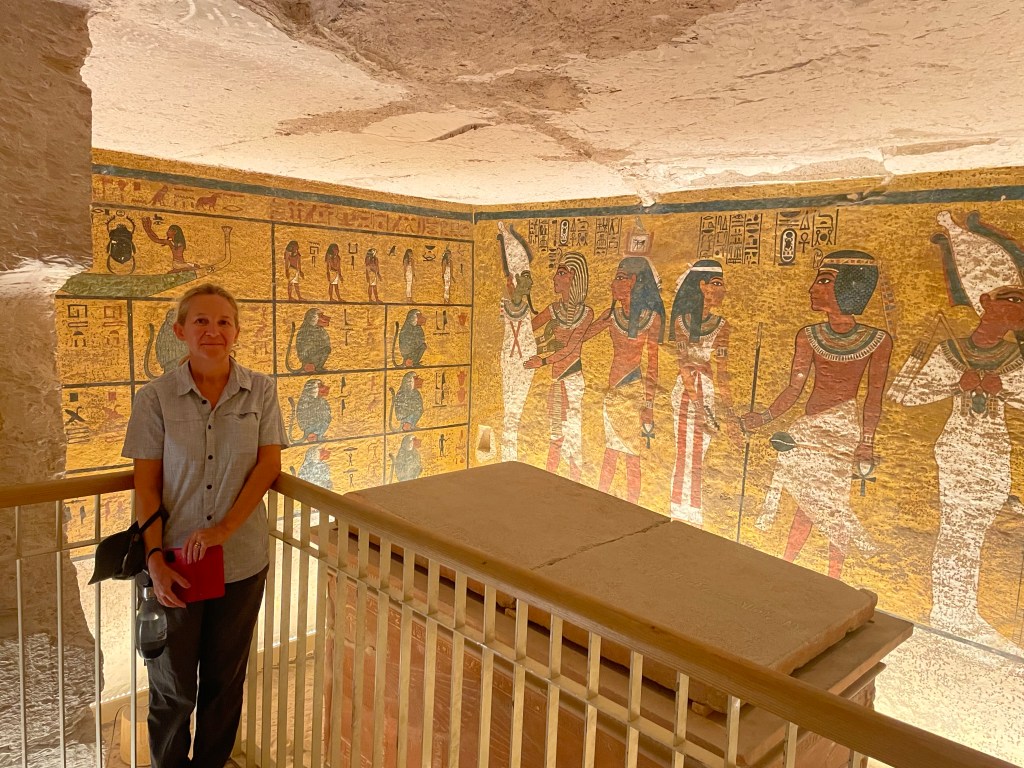
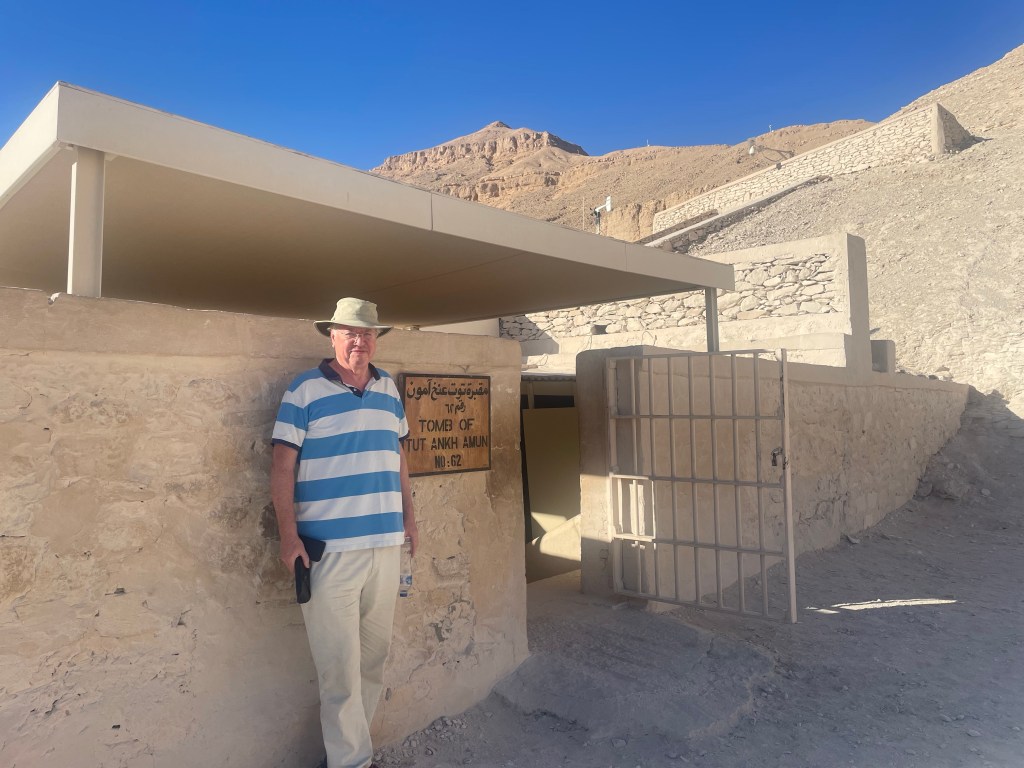
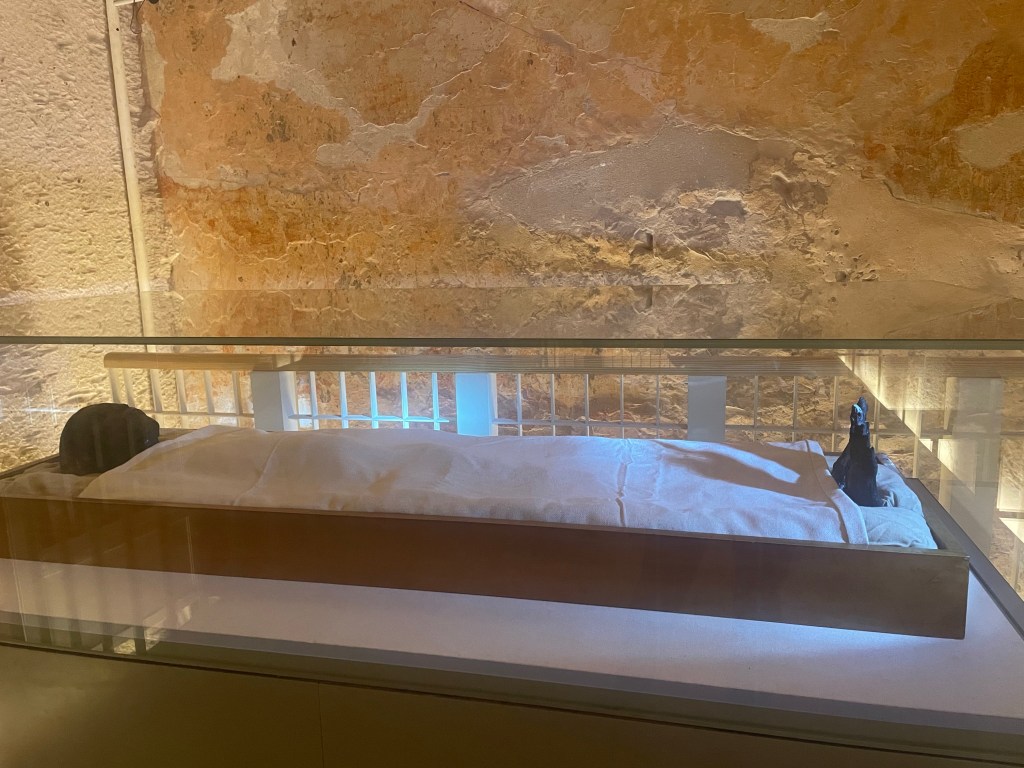
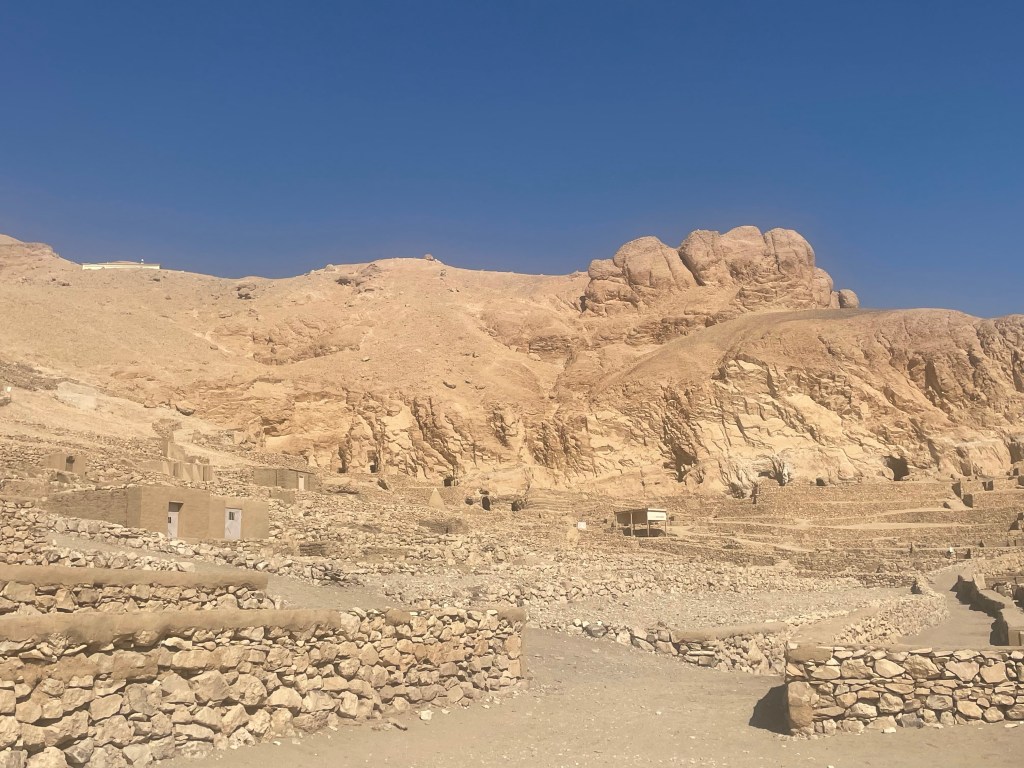
The Theban hillside on the West Bank of the Nile at Luxor contains thousands of tombs cut into the limestone. The tombs were built for pharoahs, queens, family members, nobles and artisans. The main areas to visit are The Valley of the Kings, The Valley of the Queens and The Tombs of the Nobles. The Valley of the Kings has so far been found to contain 63 tombs; the most famous of which is Kings Valley 62 (KV 62) – the Tomb of Tutankhamun. It is not famous because he was a great pharoah but because it was found intact in 1922. The other tombs have long since been robbed and many were used for sheltering people and animinals.
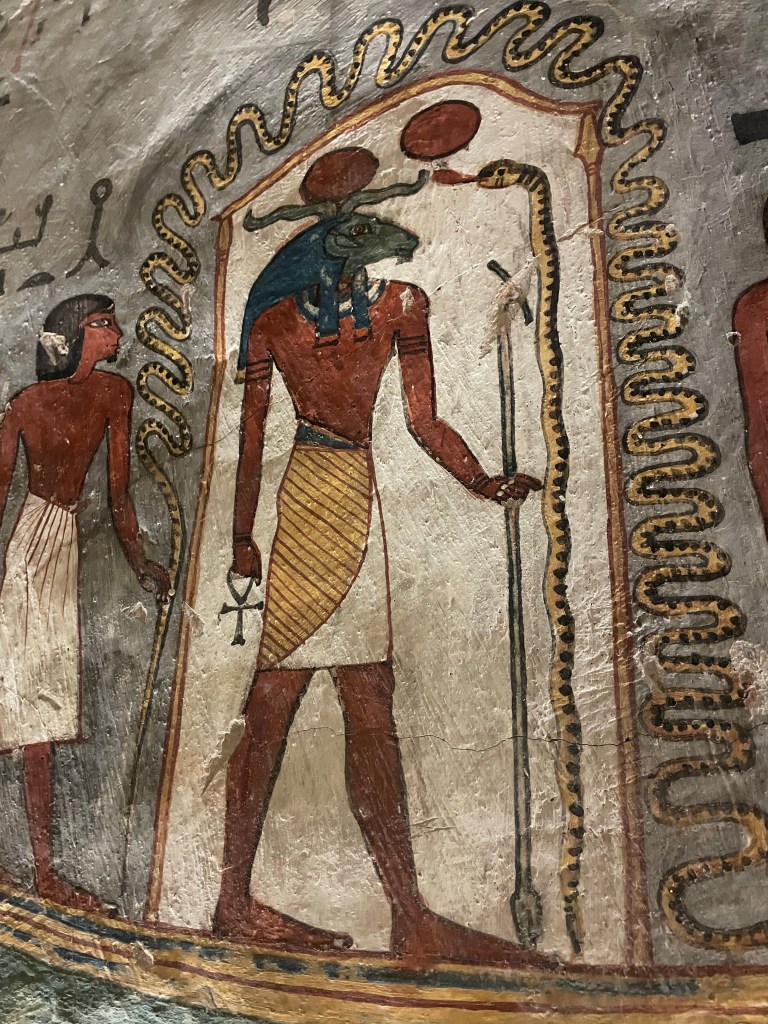
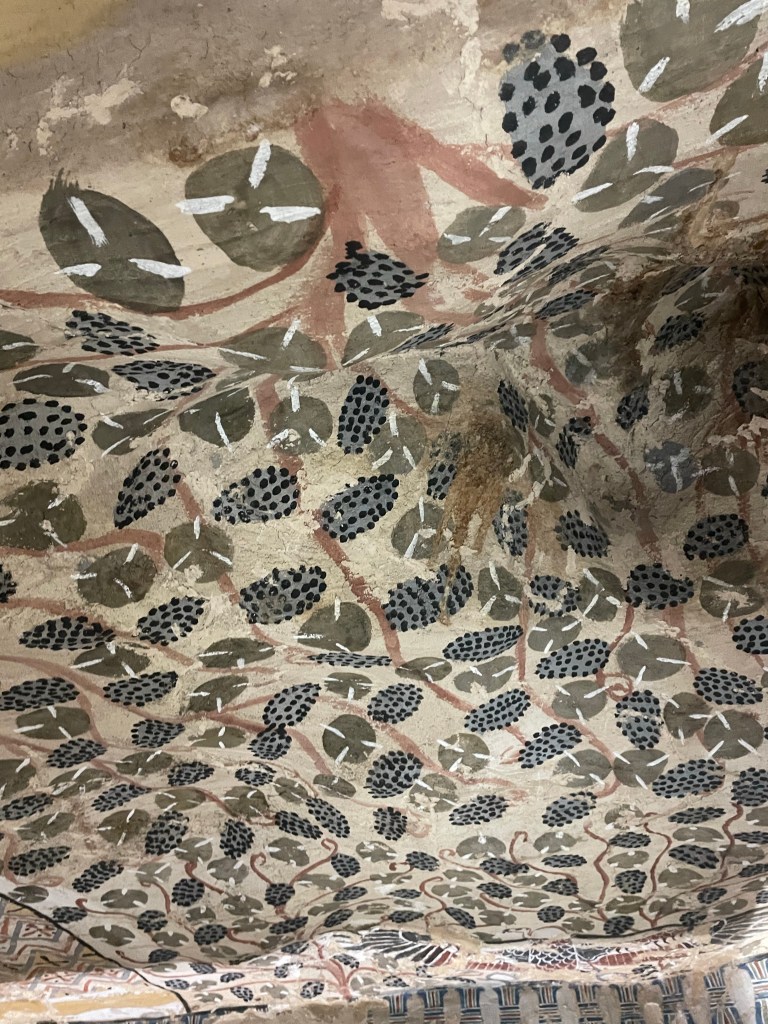
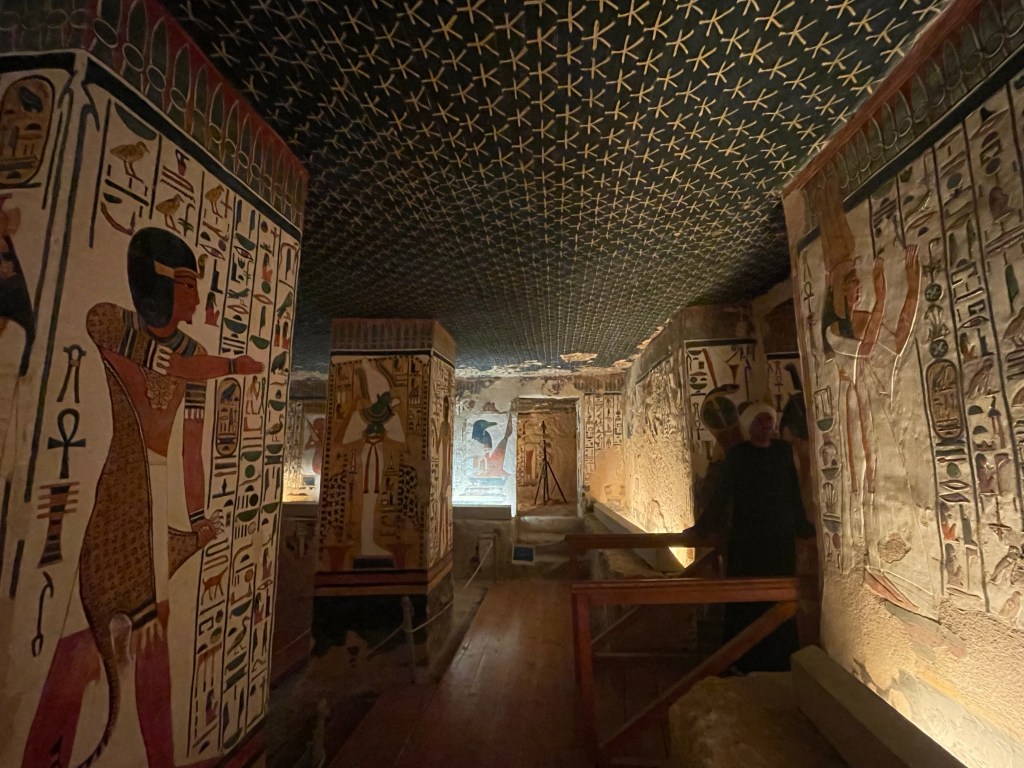
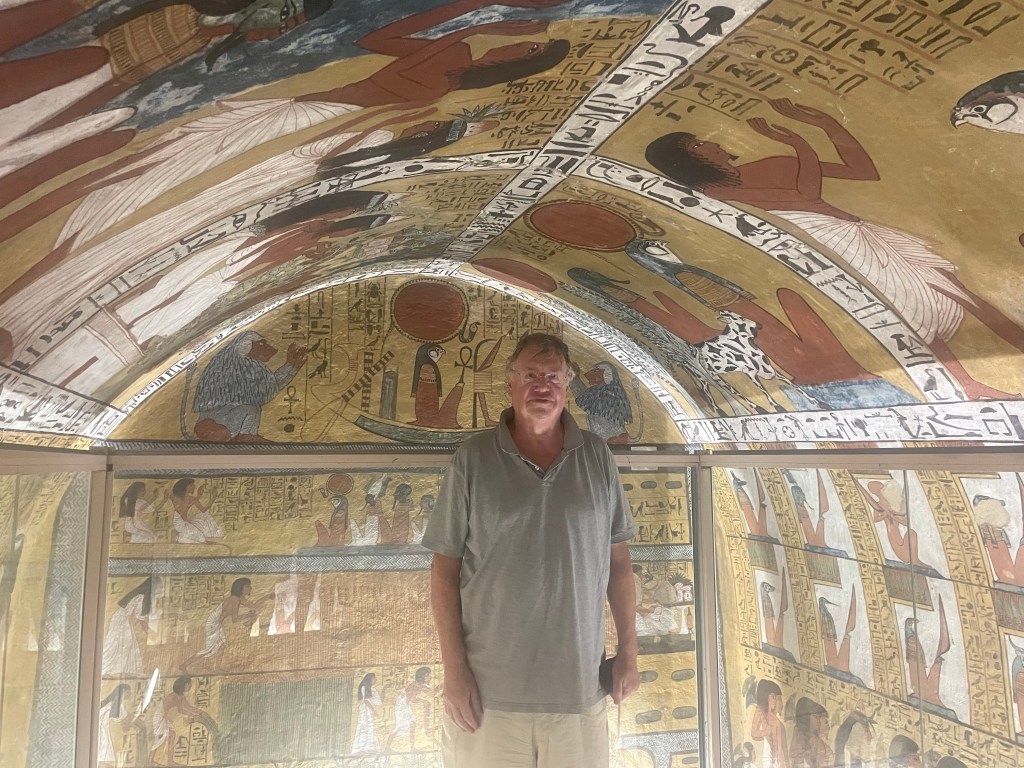
The tombs were heavily decorated with images showing the life of the person and references to the gods who would deliver them to the afterlife. The hieraglyphics include cartouches which have enabled egyptolygists to identify the inhabitant. Probabaly the finest tomb is that of Queen Nefertari, one of the five wives of Ramses II.
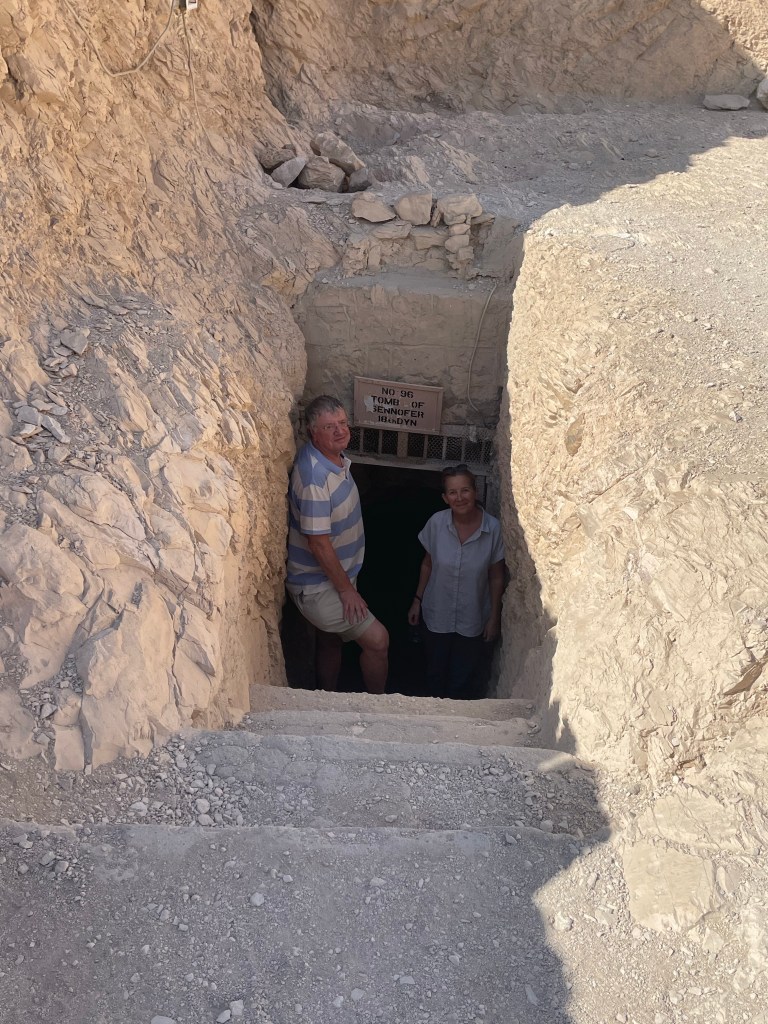
Tomb of Tutankhamun Tutankhamun Tomb of Tutankhamun Tomb of Queen Nefertari Tomb of Nefertari- Anubis, God of the deadRoof of tomb of Senn-Nefer (Mayor of Thebes)Tomb of Queen Nefertari Tomb of an artisanHillside containing tombs of artisans
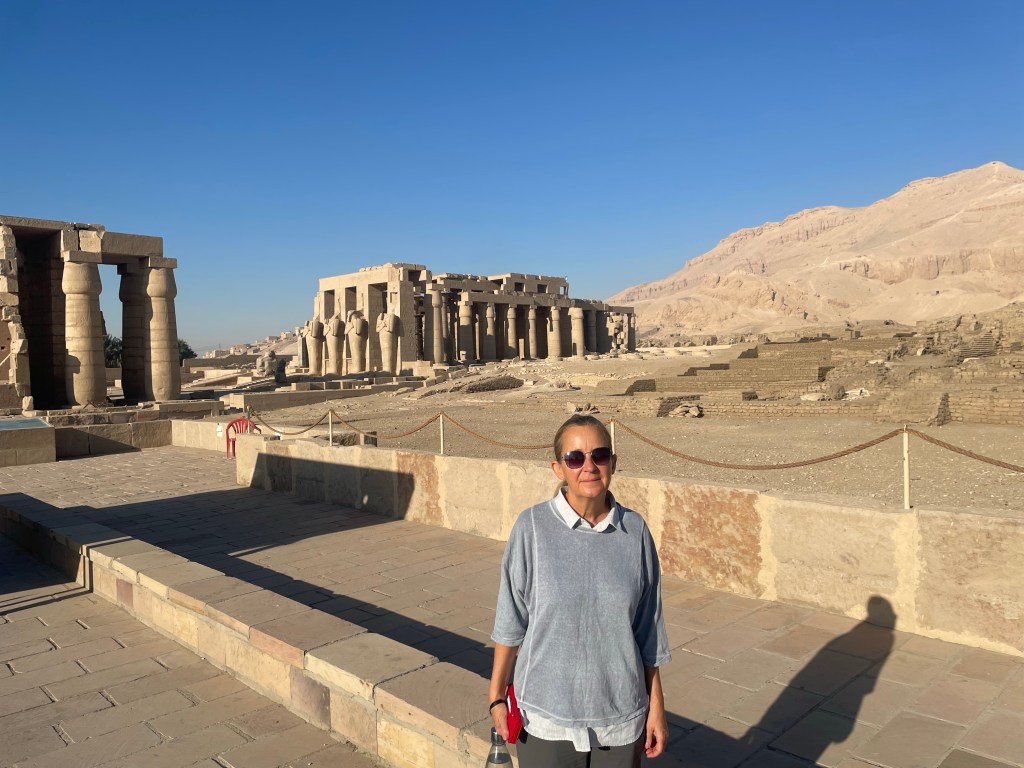
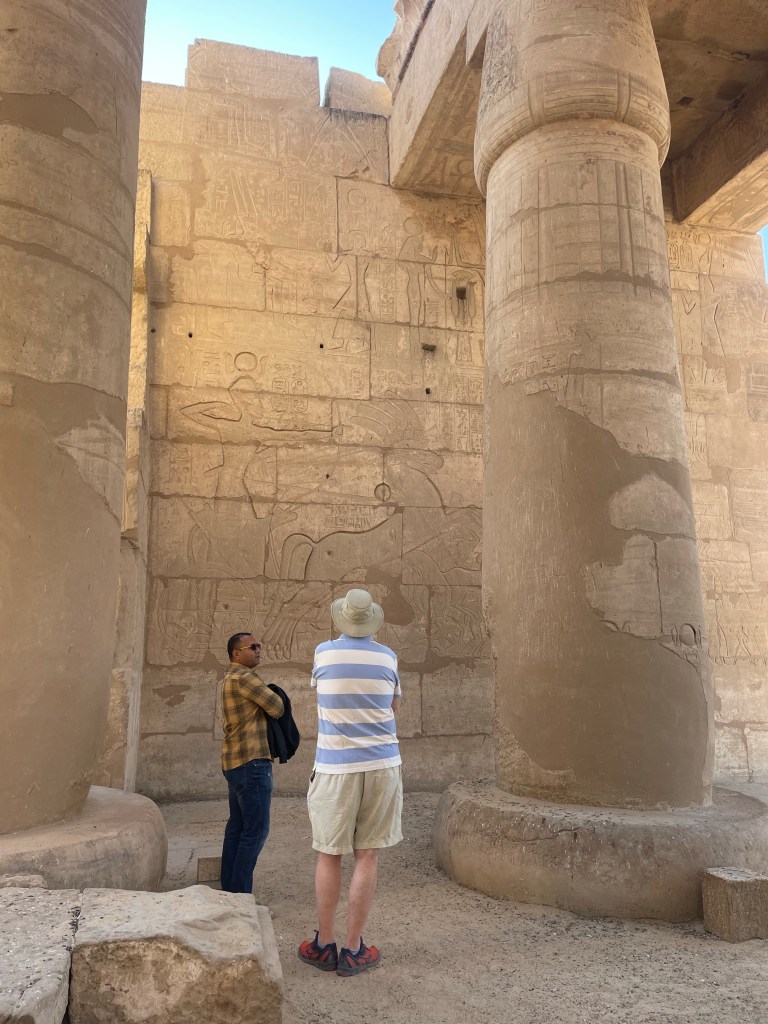
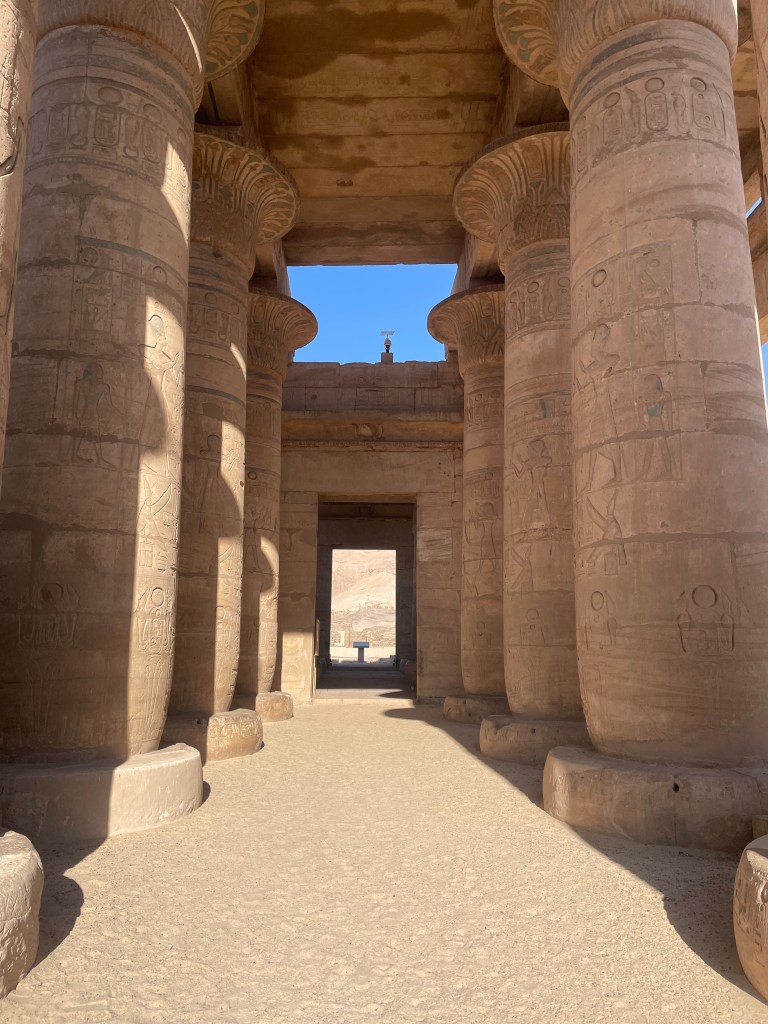
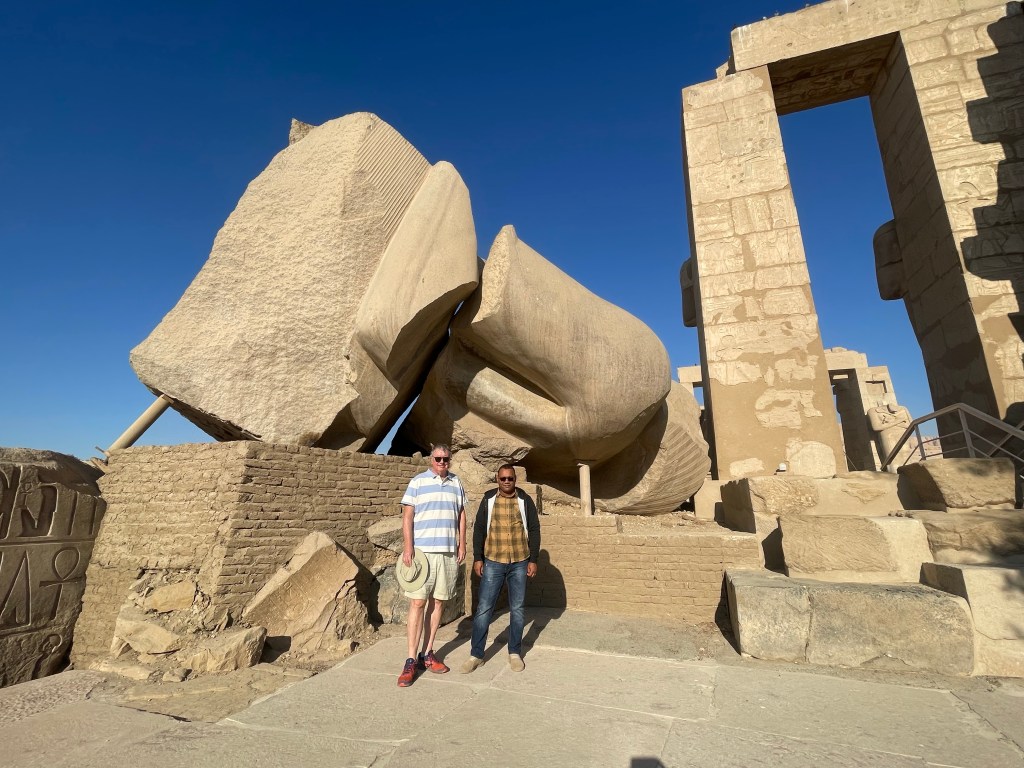
The Ramesseum, on the West Bank at Luxor, is a memorial temple to Ramses II; classical visitors called it the Tomb of Ozymandias. It was named The Ramesseum by Jean-Francois Champollion the French Egyptologist who deciphered hieroglyphics. The huge fallen statues of Ramses II carved out of single pieces of red granite inspired Shelley to write the poem Ozymandias, ridiculing Ramses aspiration of immortality.












 Shilli-Fully Travels