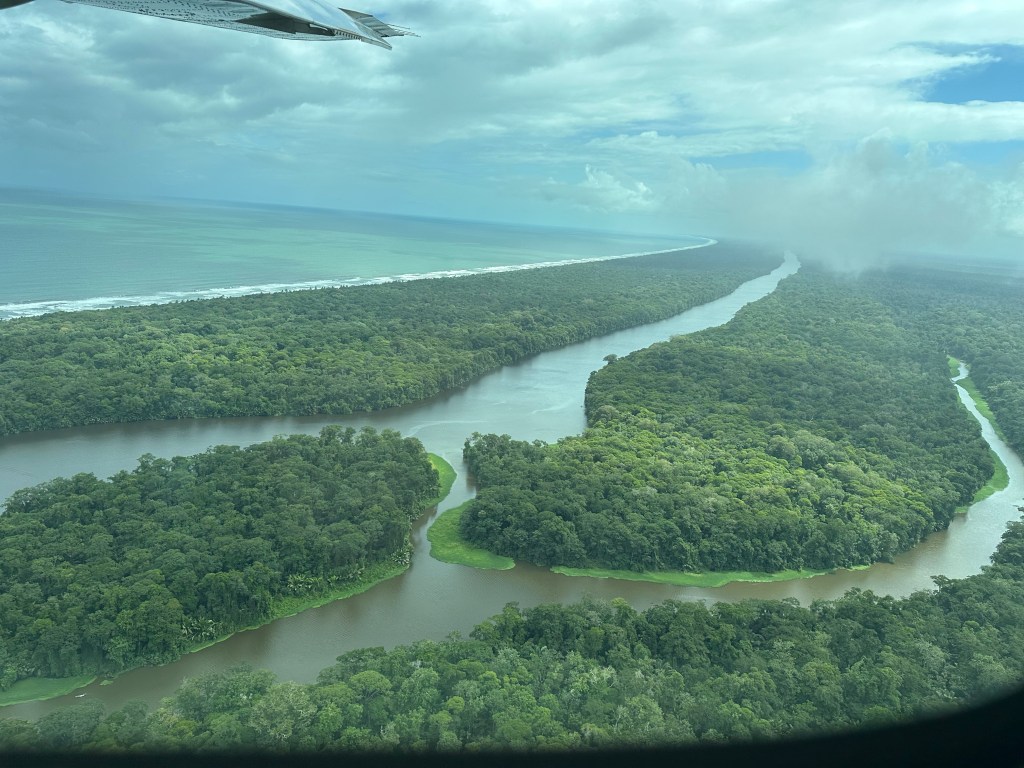
TNP is situated in north-east Costa Rica next to the Caribbean Sea. It is made up of secondary tropical rainforest together with rivers and canals. Prior to becoming a national park in 1975, the area was used for logging valuable hard woods and harvesting green turtle eggs found along 20 miles of beach.
The area is now a haven for flora, fauna and wildlife. We did not see them, but jaguars are relatively common around the small town of Tortuguero.
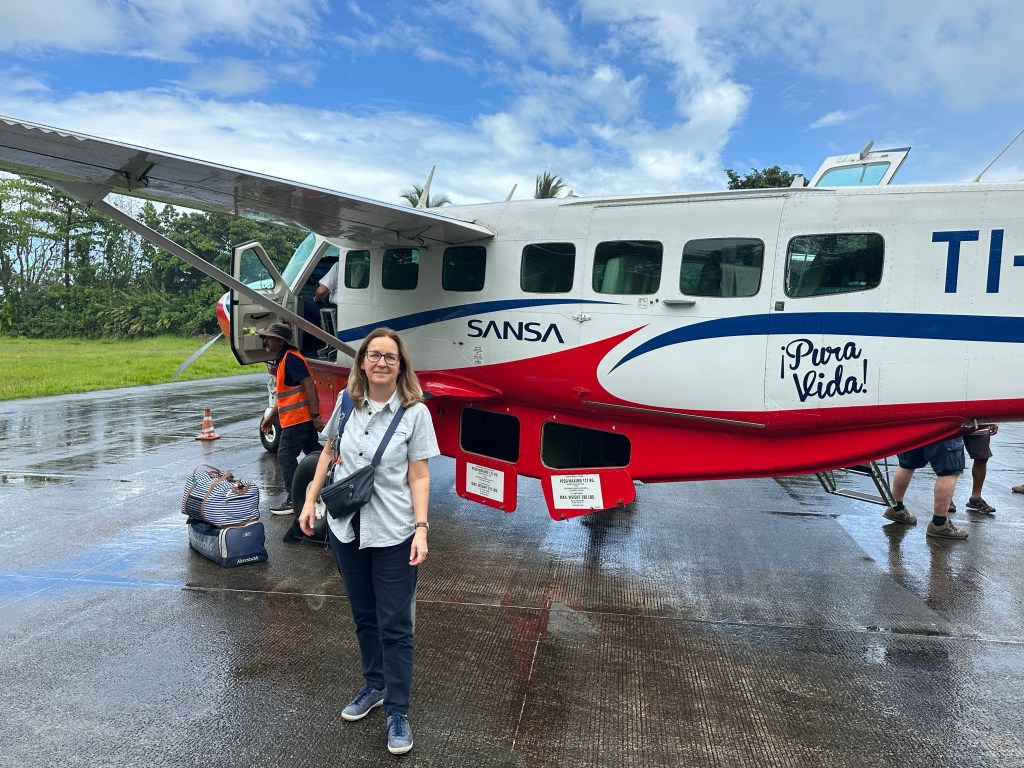
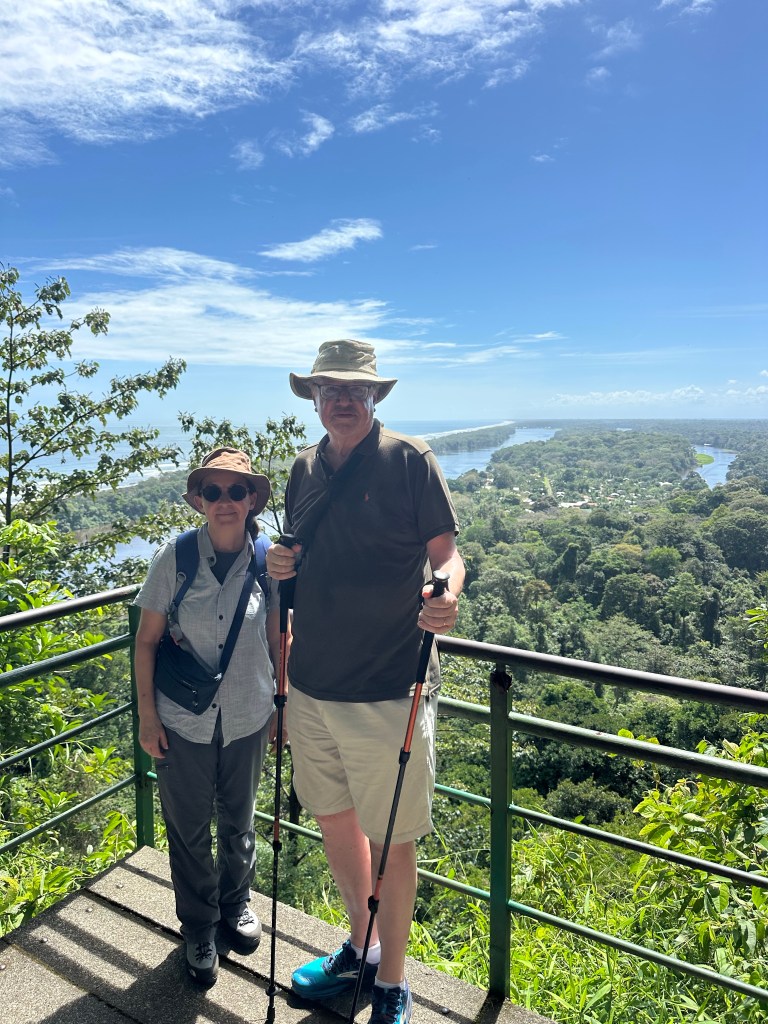
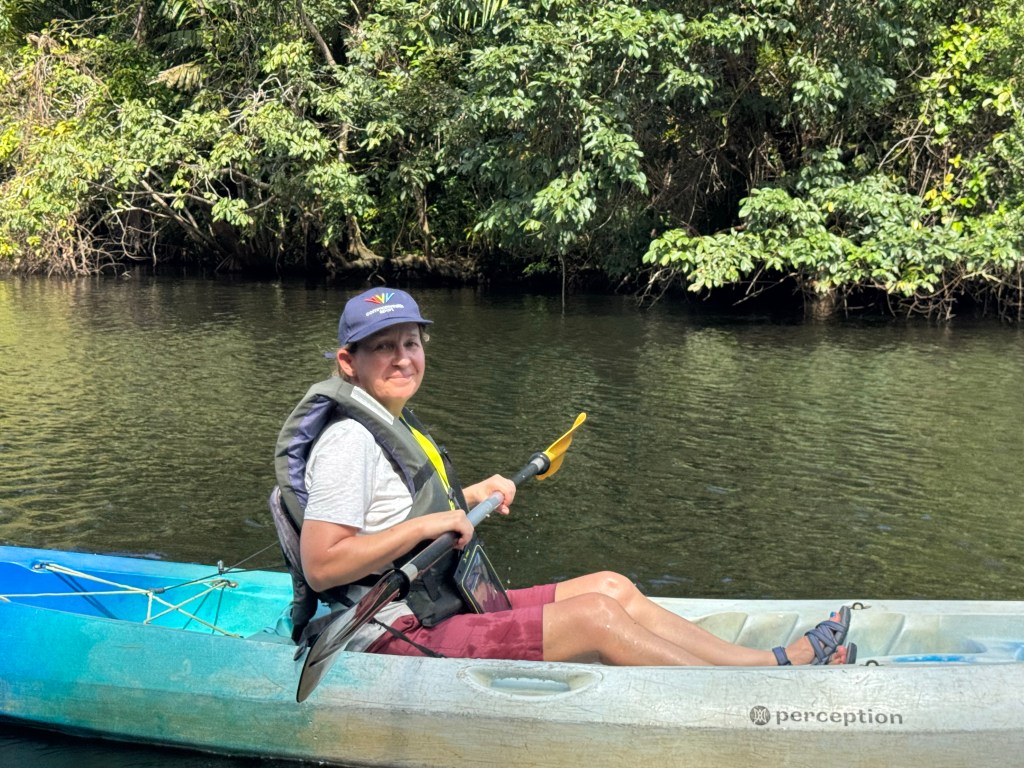
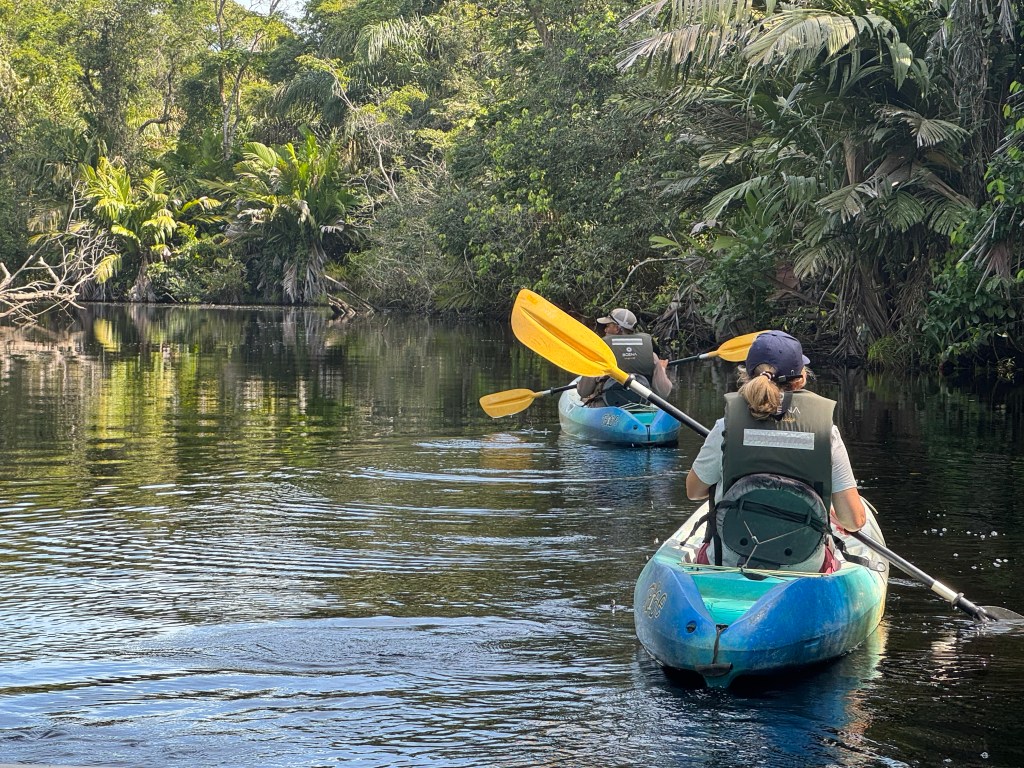
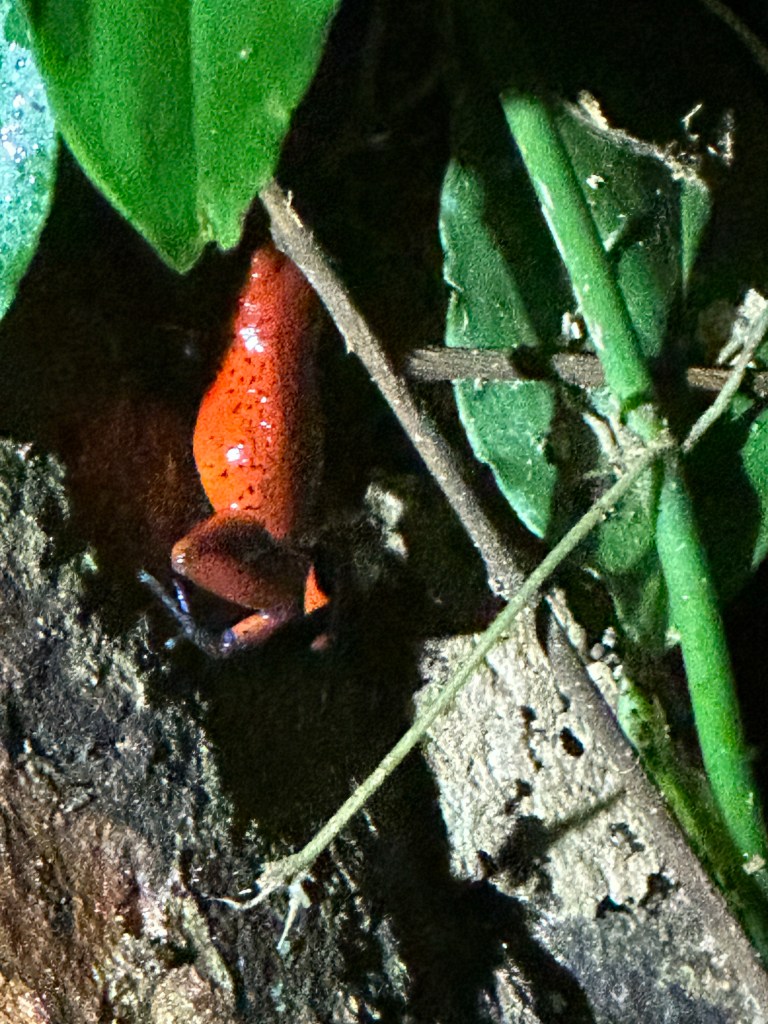
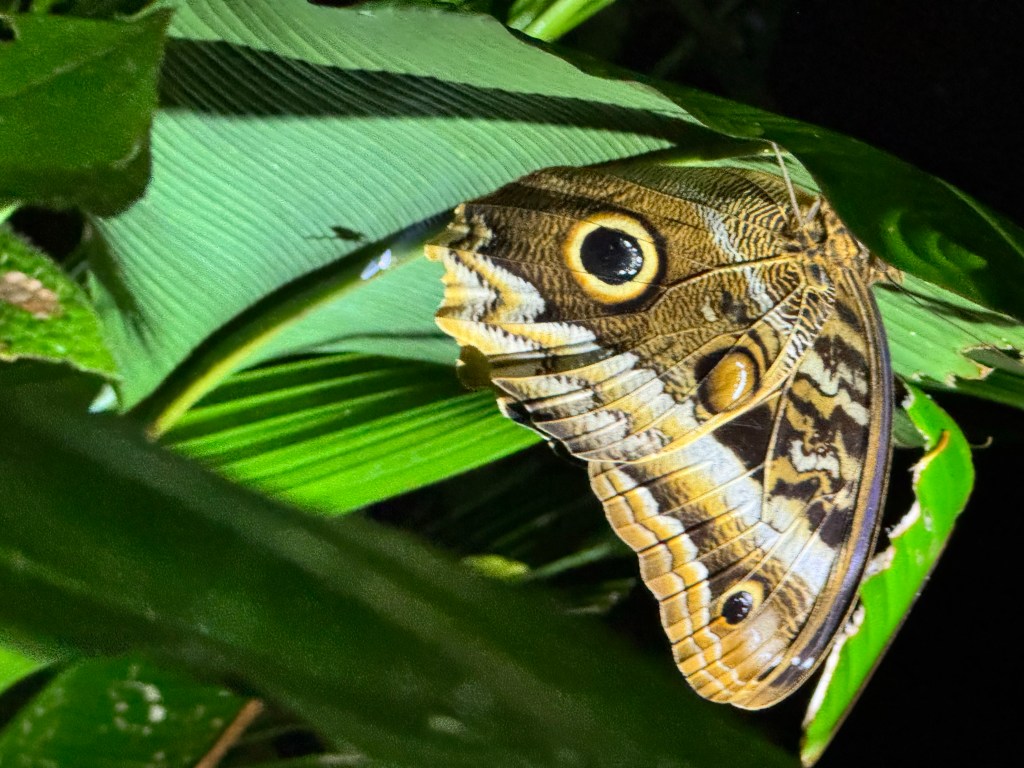
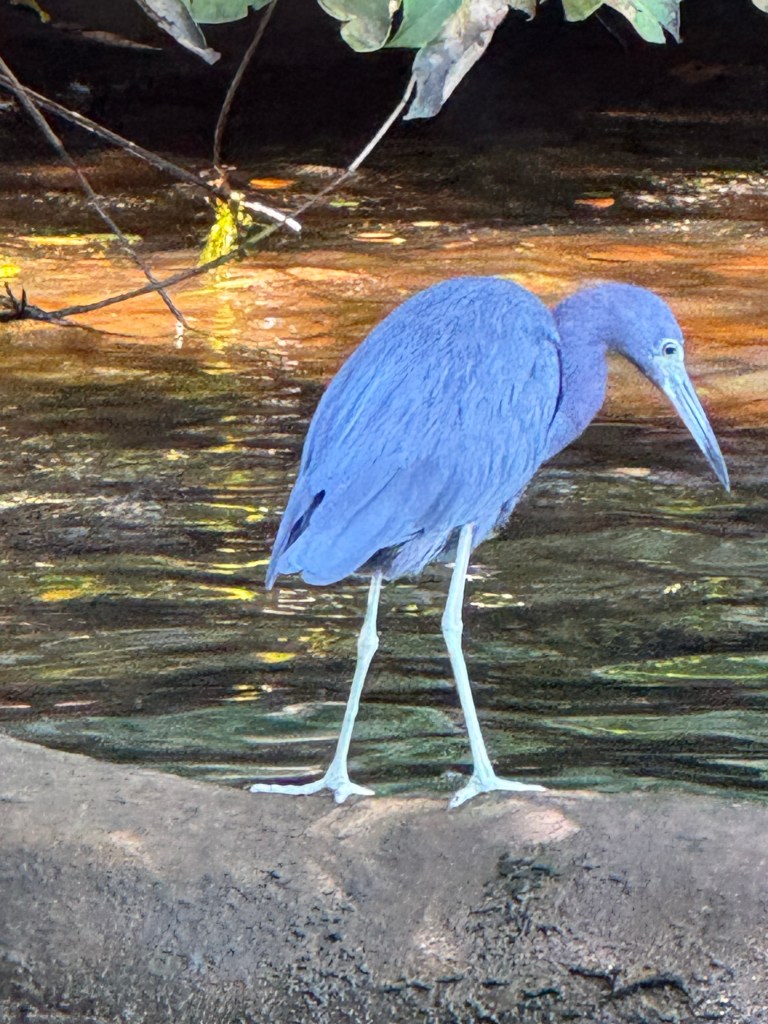
The area can only be reached by small aeroplane or boat. The first is 30 minutes from San Jose and the latter about 90 minutes from the nearest road. We arrived by the former and departed, after a three night stay, by the latter. During our visit we did a night walk, the best time to see frogs, a hike and a couple of boat trips. One of the boat trips had an option to do part of the trip by kayak. Our guides were well informed and extremely good at spotting well camouflaged animals. There was also plenty of wildlife around our lodge.
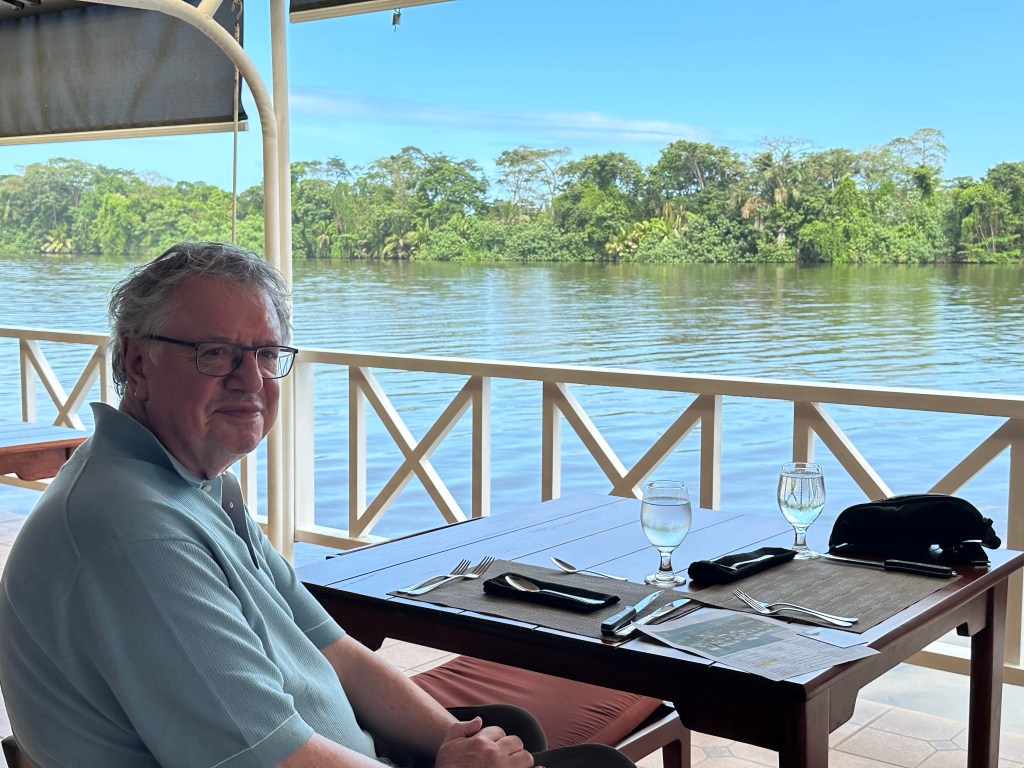
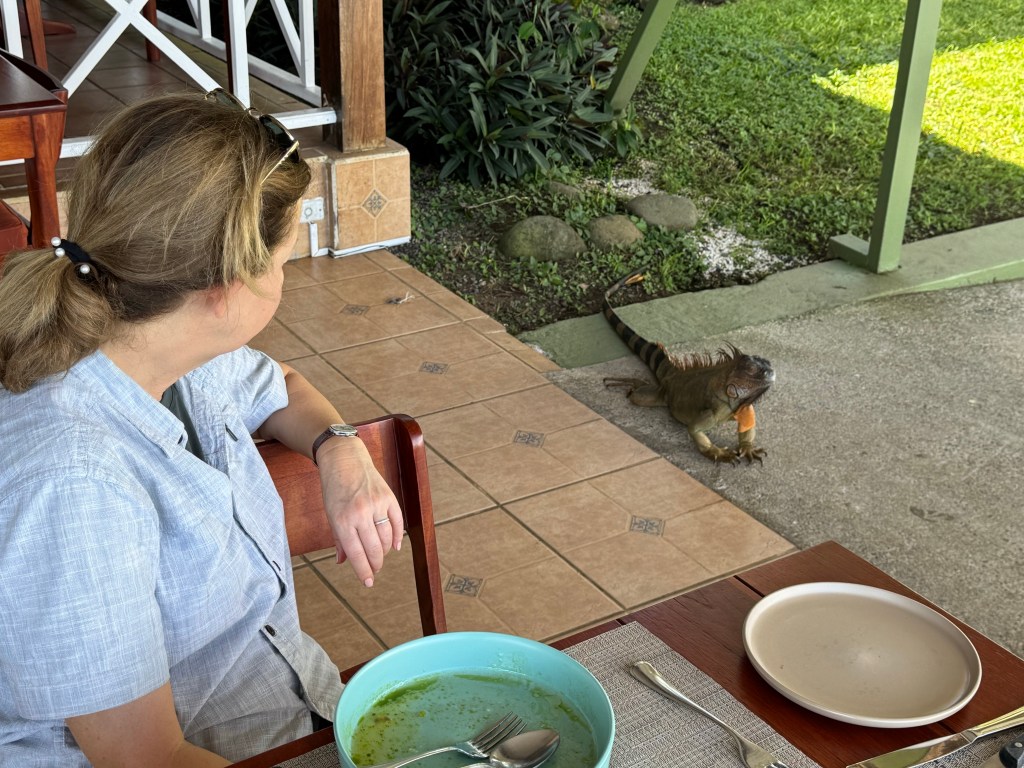
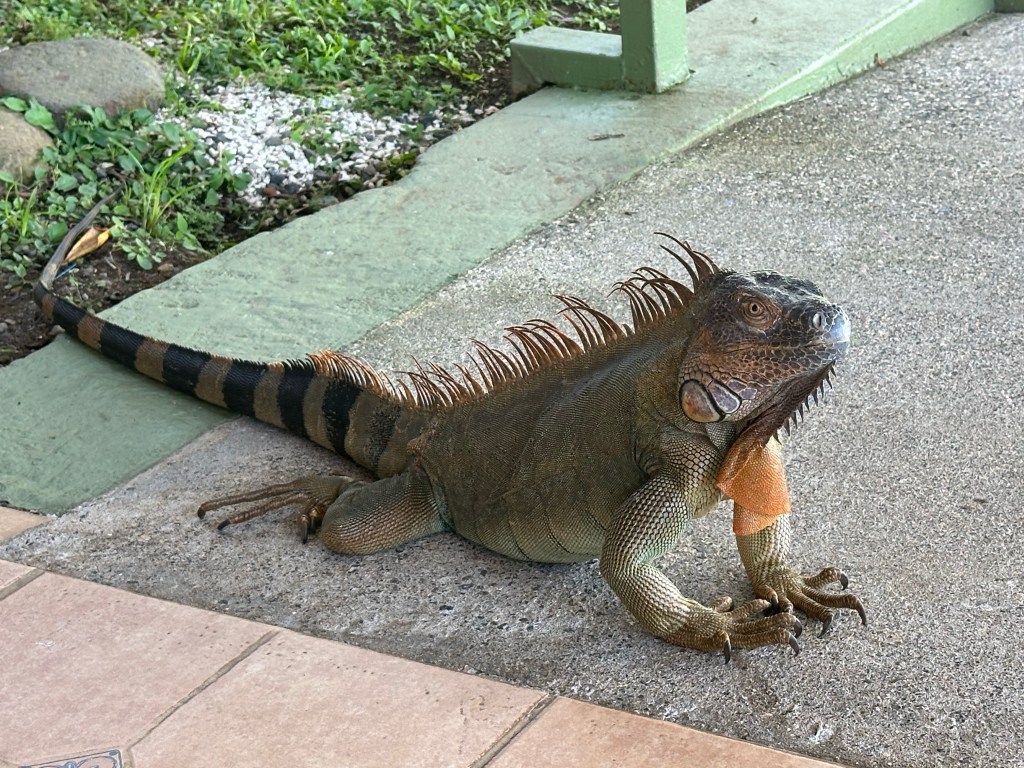
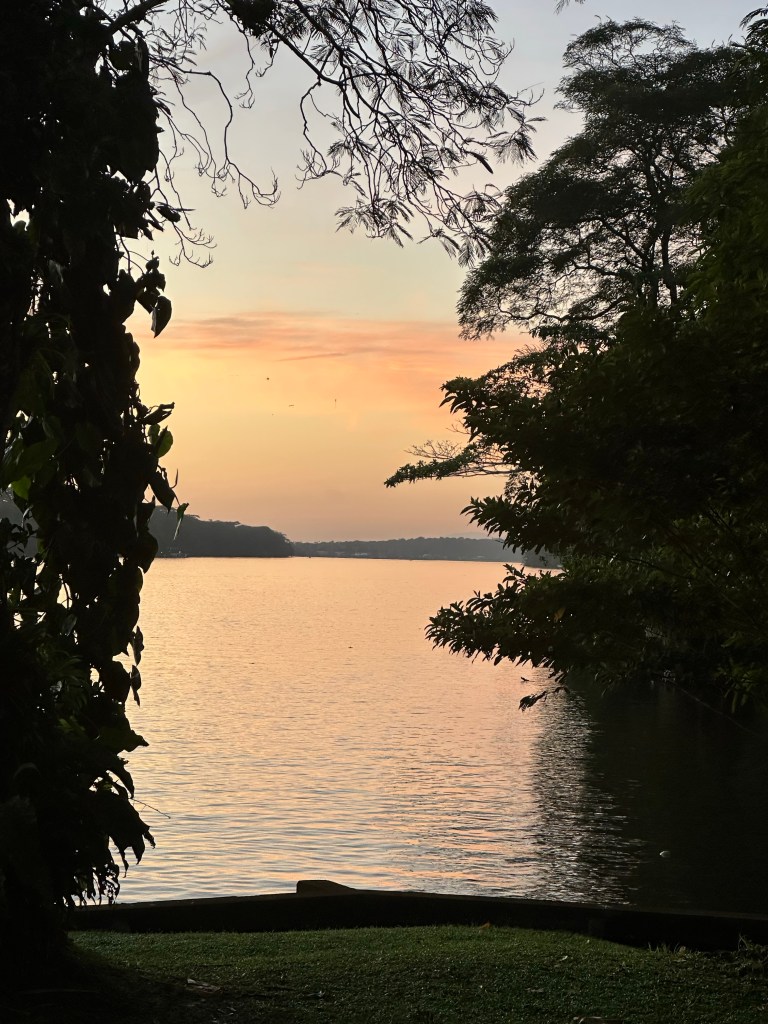
Lunch with a view and a visitor Sunrise from our room. Early wake up call from howler monkeys!
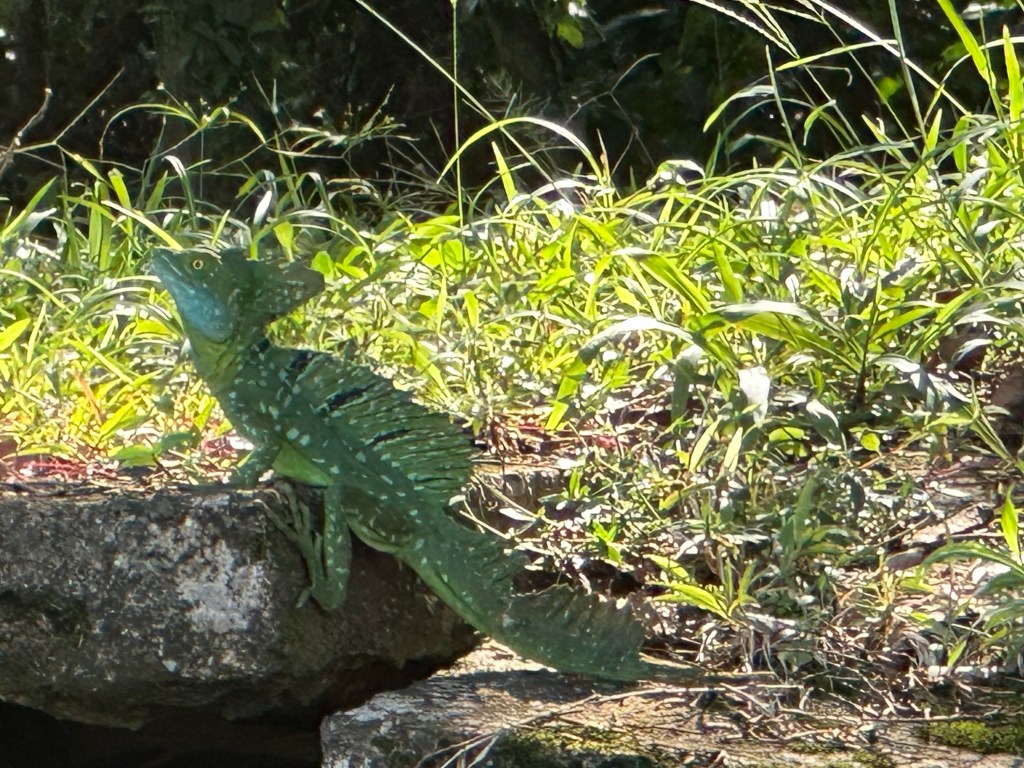
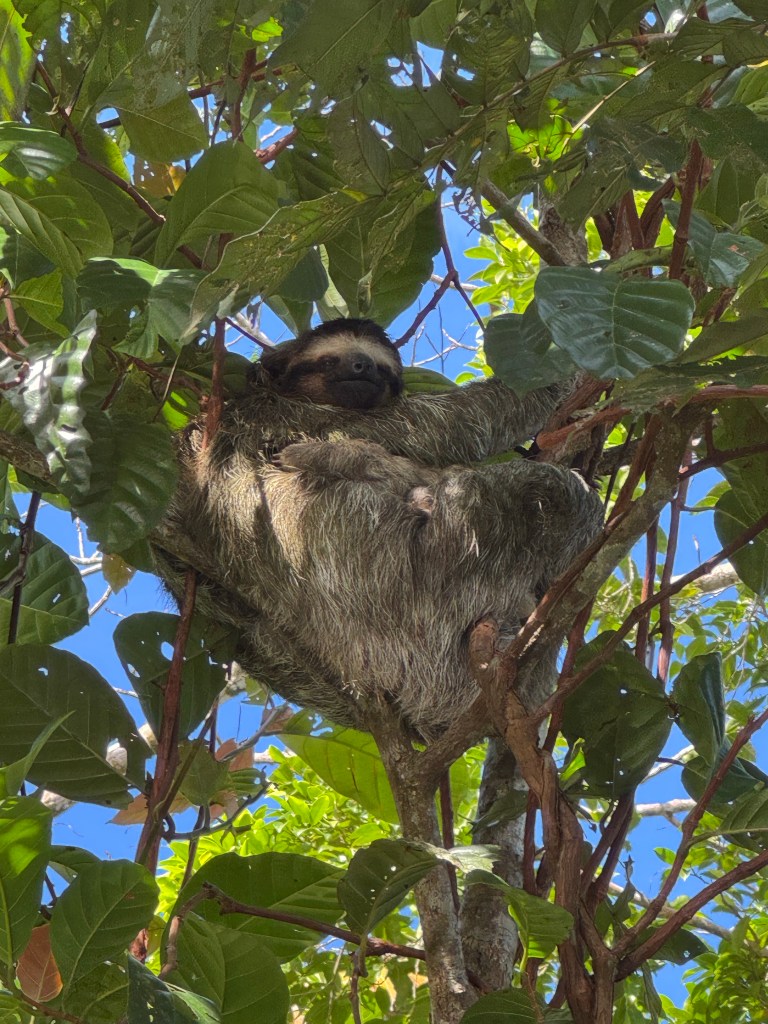
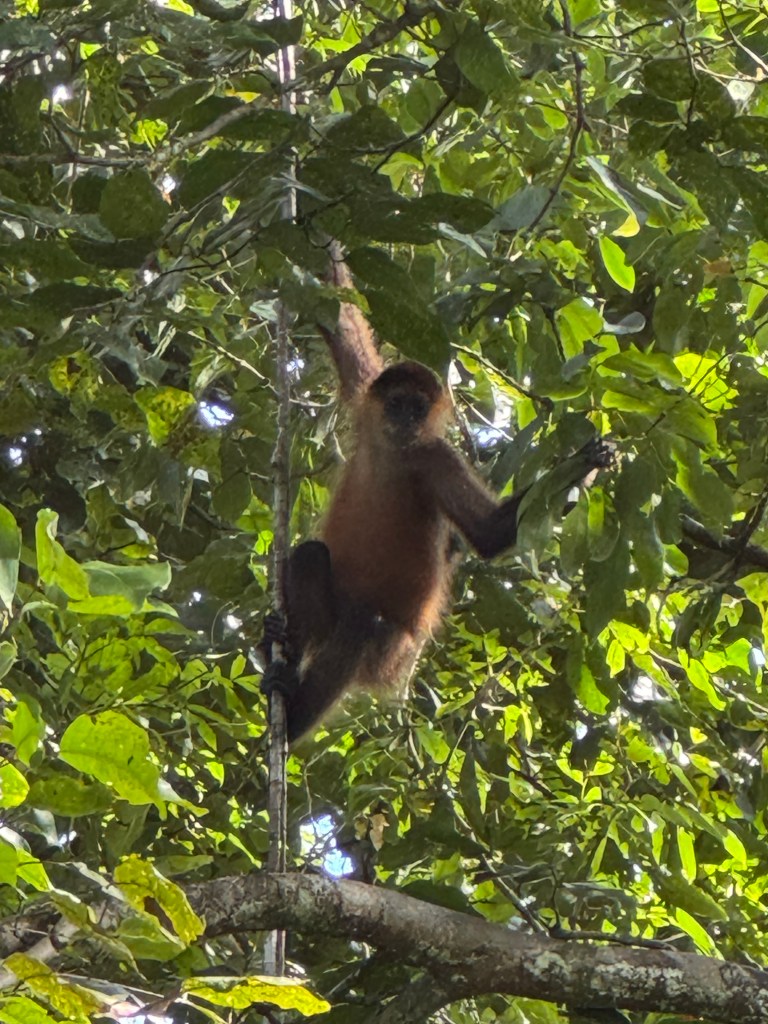
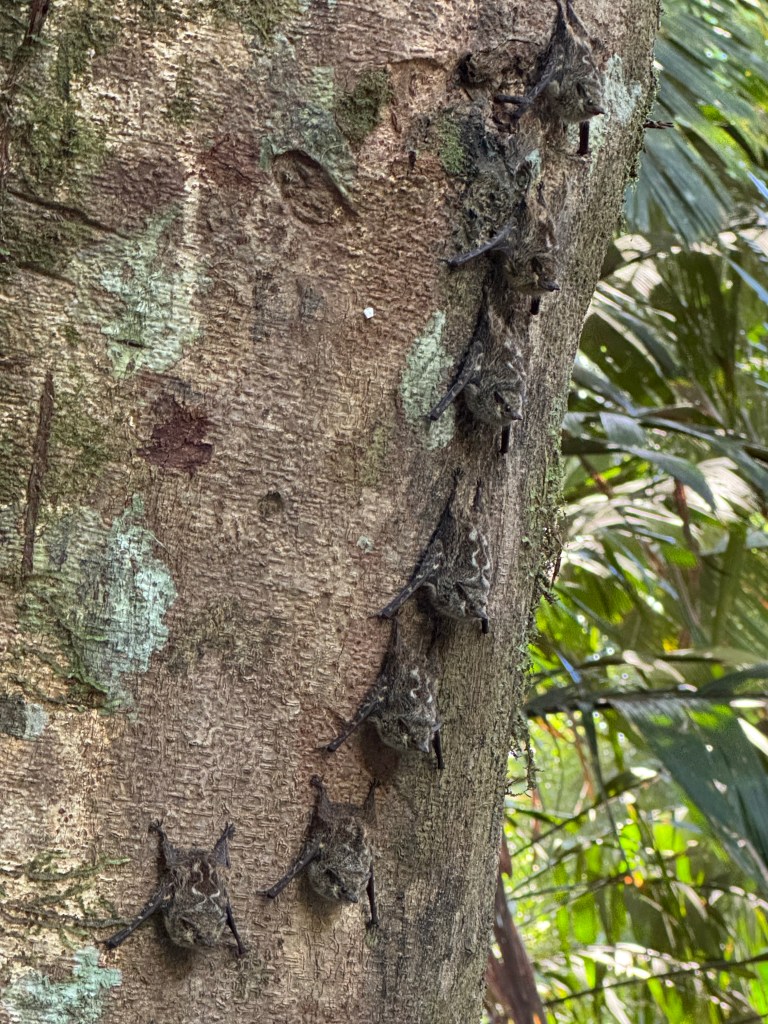
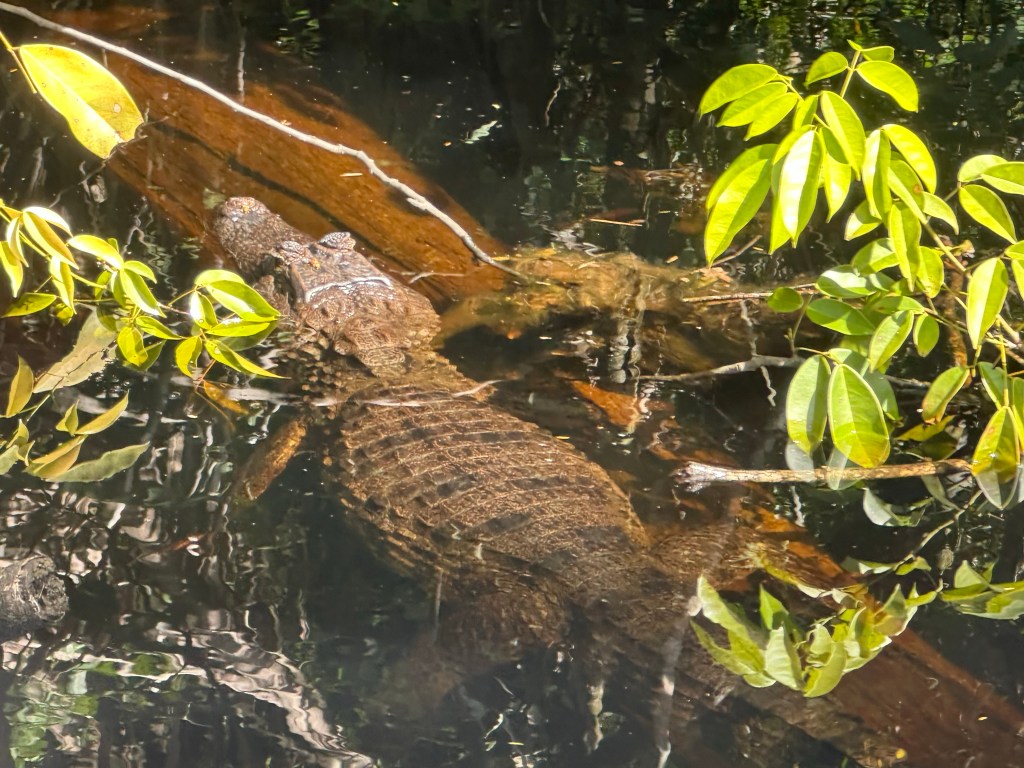
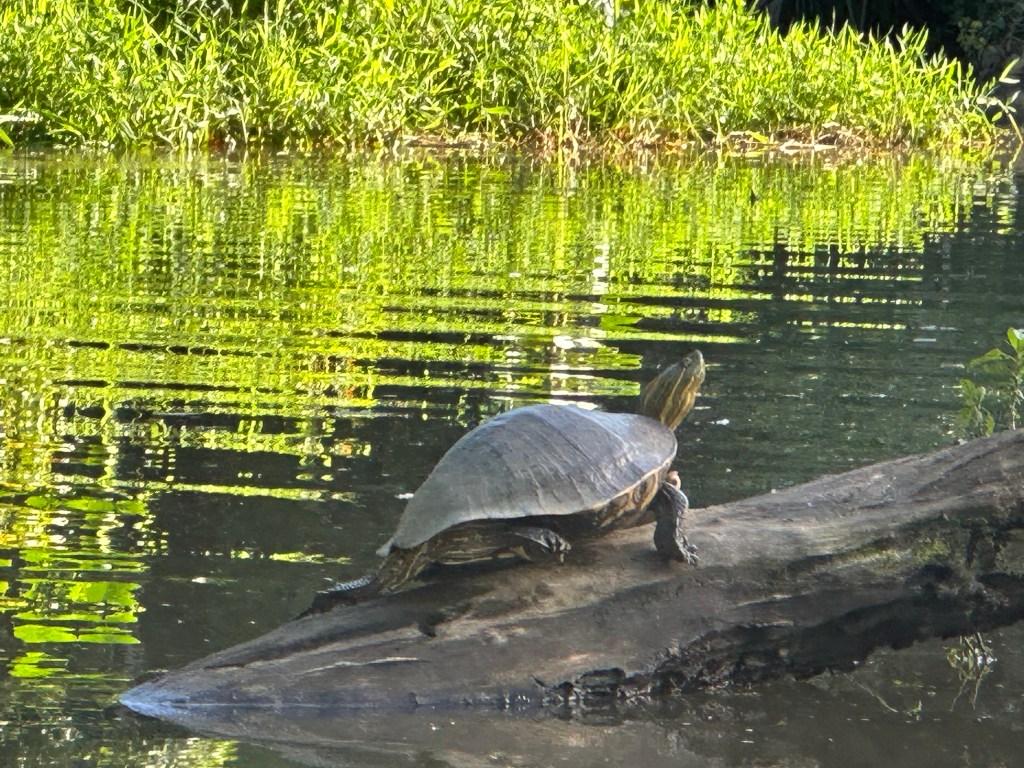
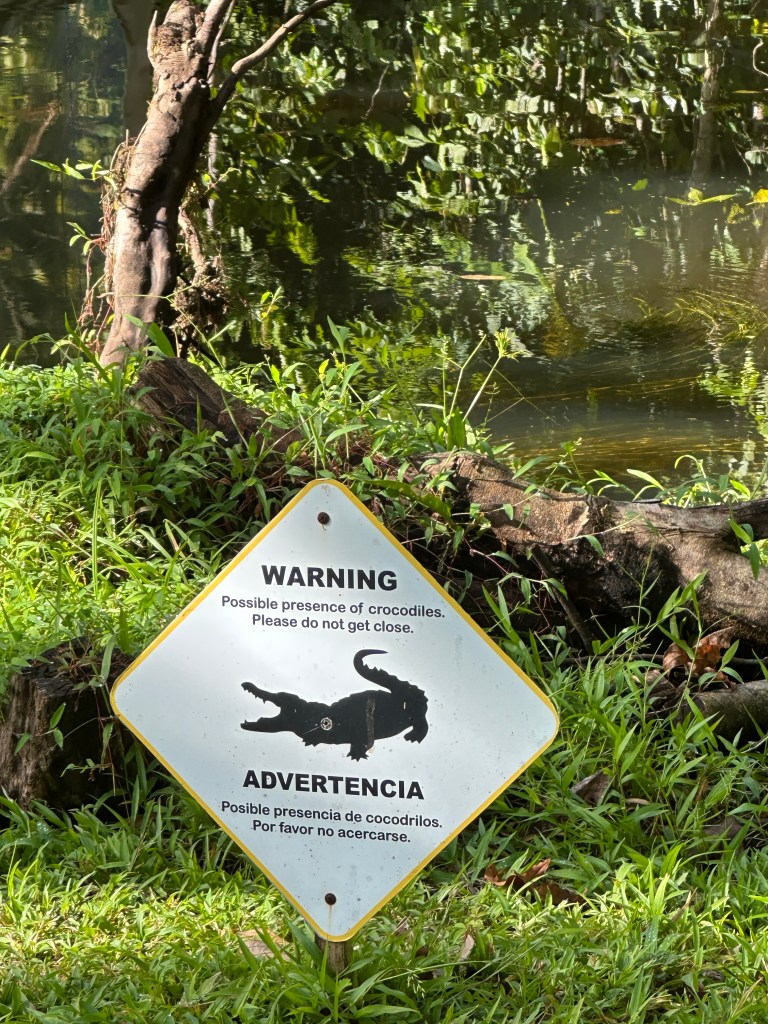
Lizard colloquially known as Jesus Christ Lizard as it can run on water, up to 5mStrawberry (poisonous) frog and owl butterfly seen on our night walkSloth and spider monkey seen from the waterSleeping batsWell camouflaged caiman and river turtle. We were outside the sea turtle season.
San Jose was founded in the 18th Century and became the capital of Costa Rica in 1823. It was not considered valuable to the Spanish and hence has limited colonial architecture. The population of the city is approximately 350,000 and most of the older buildings are from the end of the 19th Century.
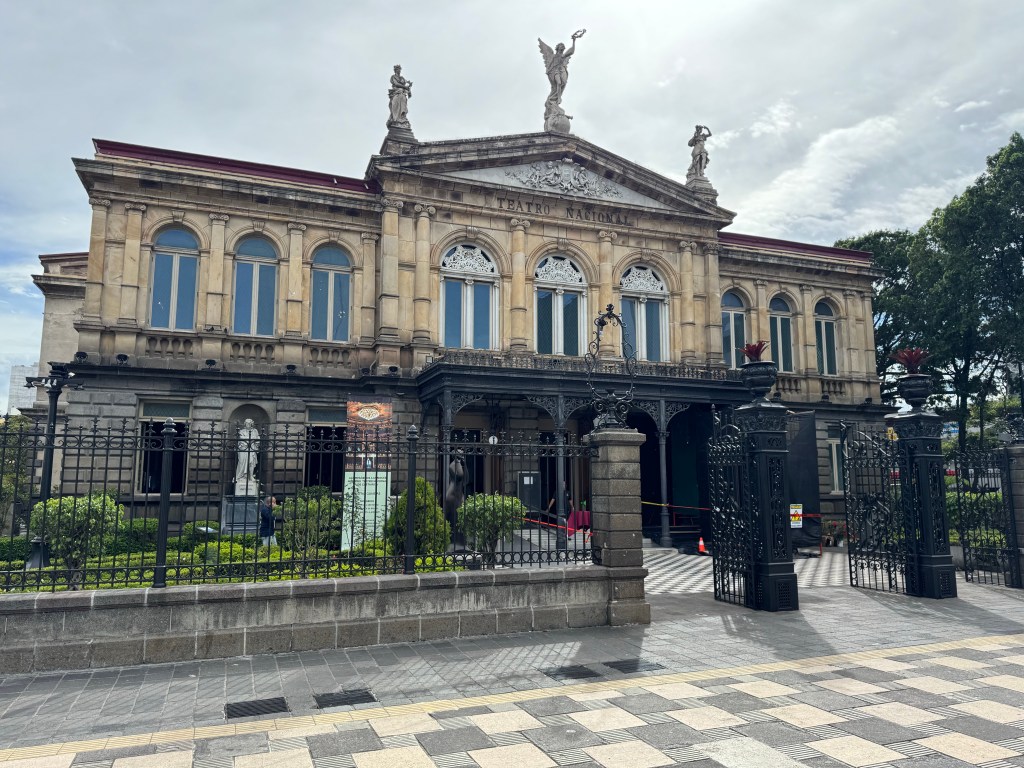
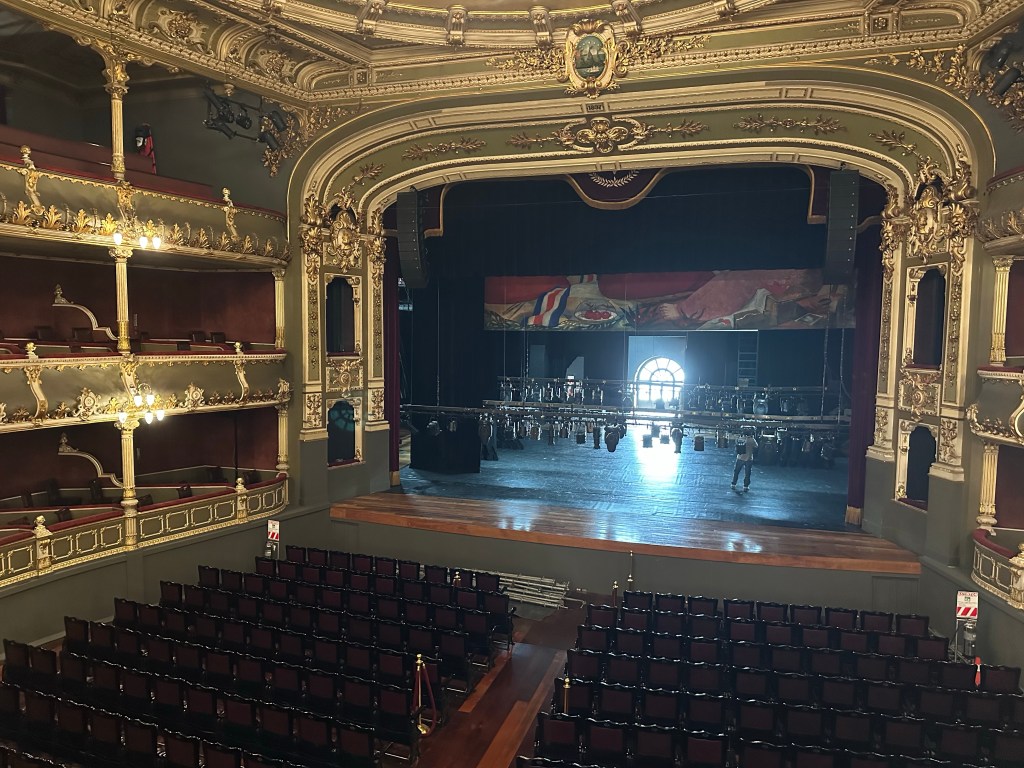
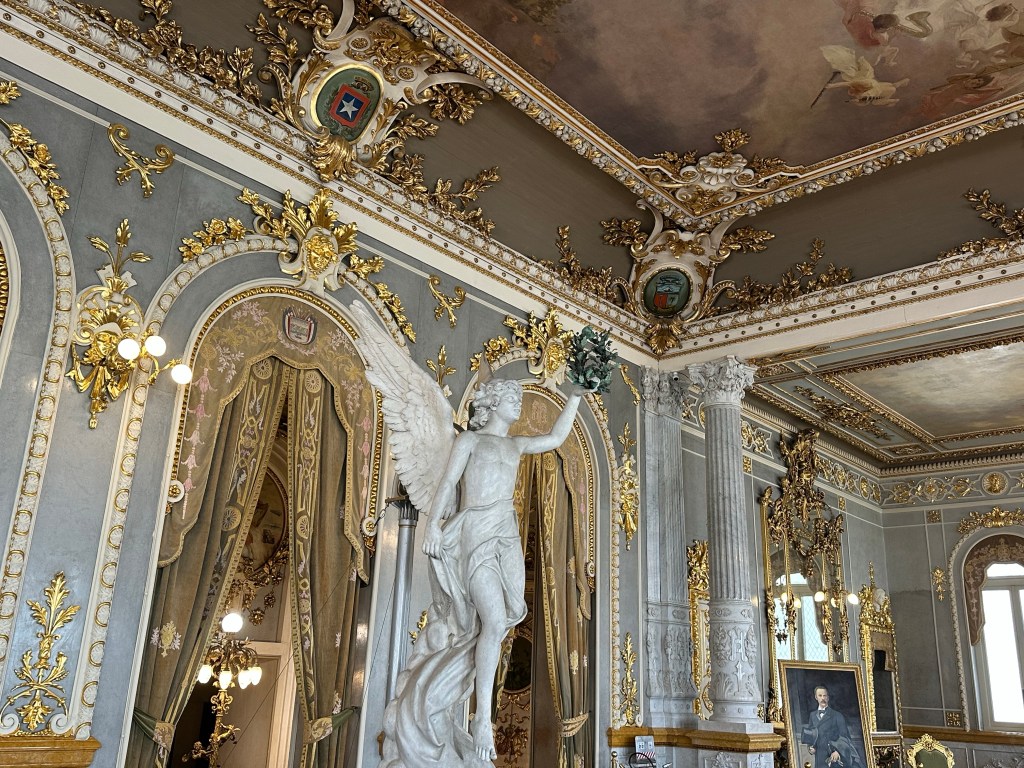
When the Costa Rican entrepreneurs became wealthy, principally from coffee related businesses, they sent their children to be educated in Europe. On their return they advocated for some of the customs and culture they had experienced in Europe. This included wanting a European style theatre where they could stage concerts and operas to display their wealth. The country raised taxes and designed a National Theatre which was built in pieces in Italy, including marble statues. The theatre opened with Faust performed by a French company in 1897. It remains the most significant building in the country. Following the Presidential election this February the new president (the current one is not permitted to stand for a second consecutive term) will host an inauguration party at the theatre in May.
We spent three nights in San Jose which is unusual as most visitors stay there for the minimum amount of time, heading straight to the coast and National Parks. Our guidebook describes San Jose as “gritty” which we could understand. While there are certainly areas to be avoided we enjoyed our two days there, helped by the lack of other visitors as well as a walking tour on the first day with an excellent guide. In addition to explaining the sites she gave us a good insight into Costa Rica’s success, challenges and politics as well as an excellent recommendation for a restaurant.
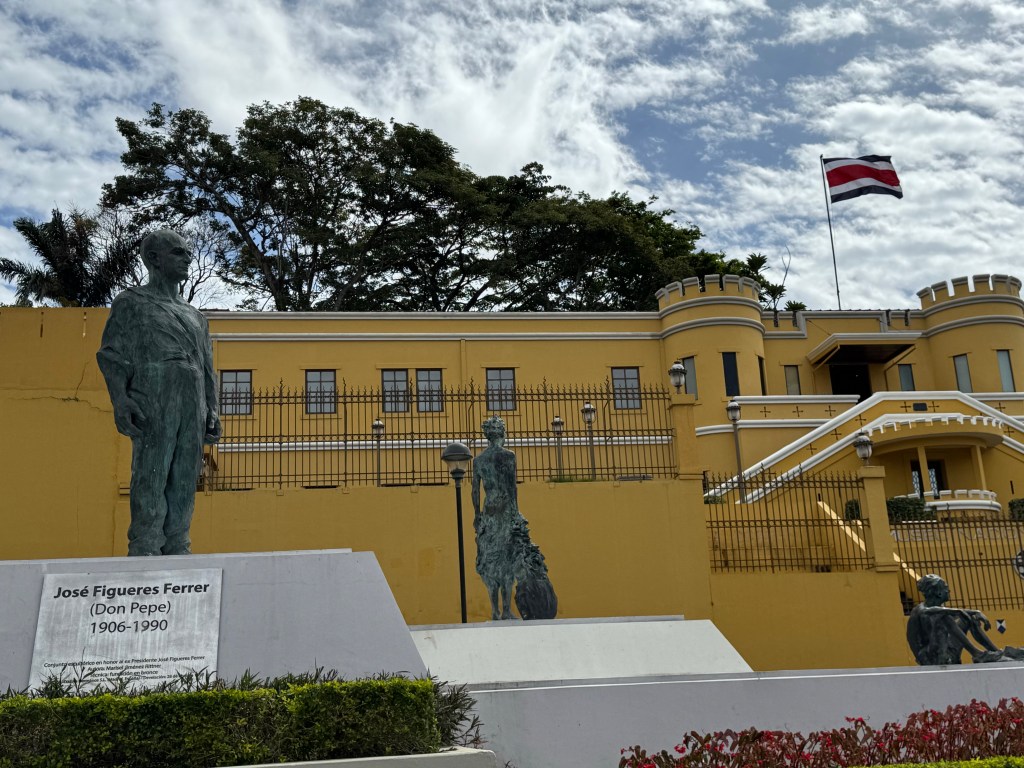
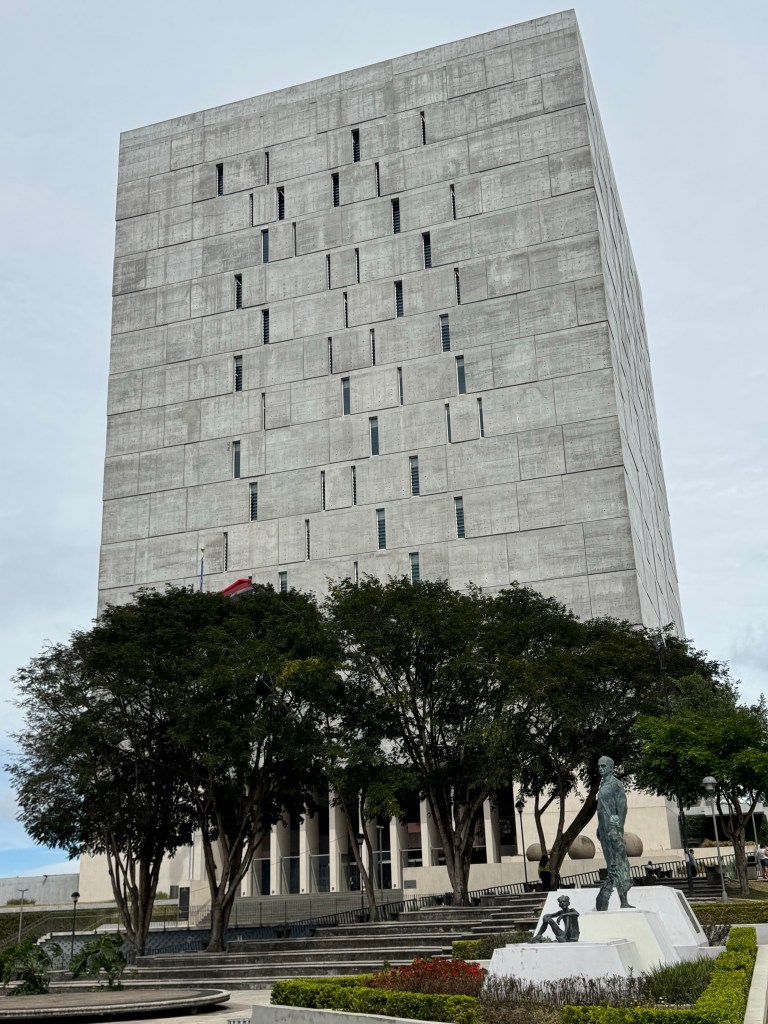
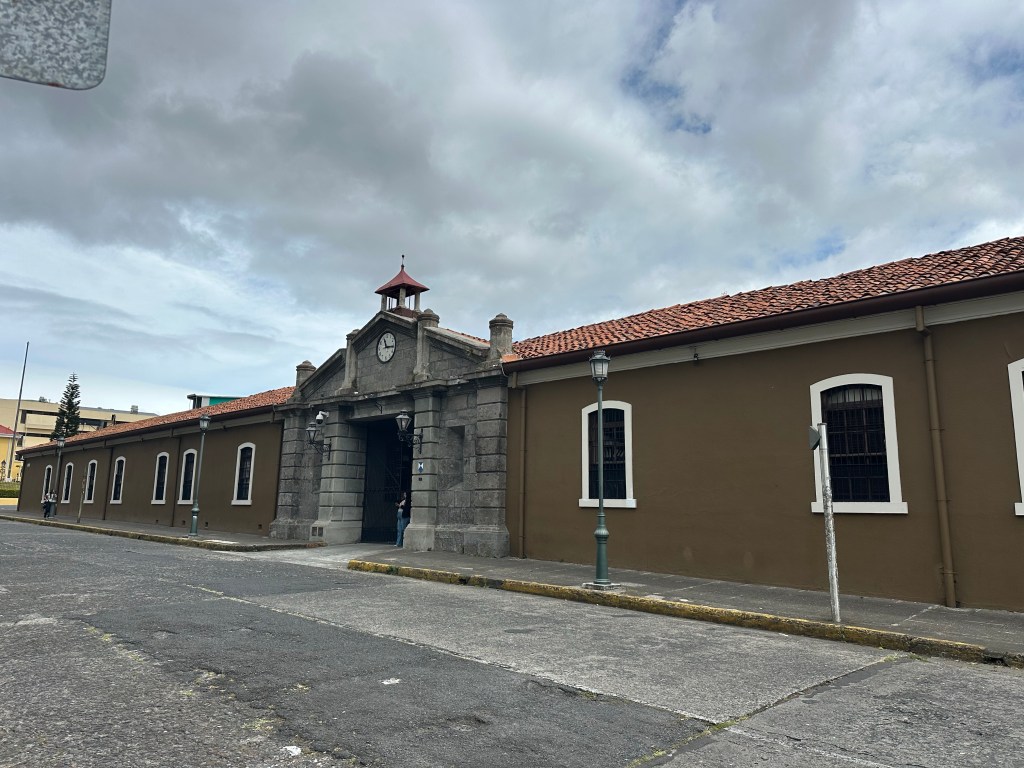
The National TheatreThe former headquarters of the army, a museum since the abolition of the army. The statues are of President Ferrer and two children depicting culture and education, the areas where the funds were redirectedThe parliament building- apparently it’s light and bright on the inside adding to the controversy of the designSan Jose’s first factory from the 1853 – it manufactured moonshine !
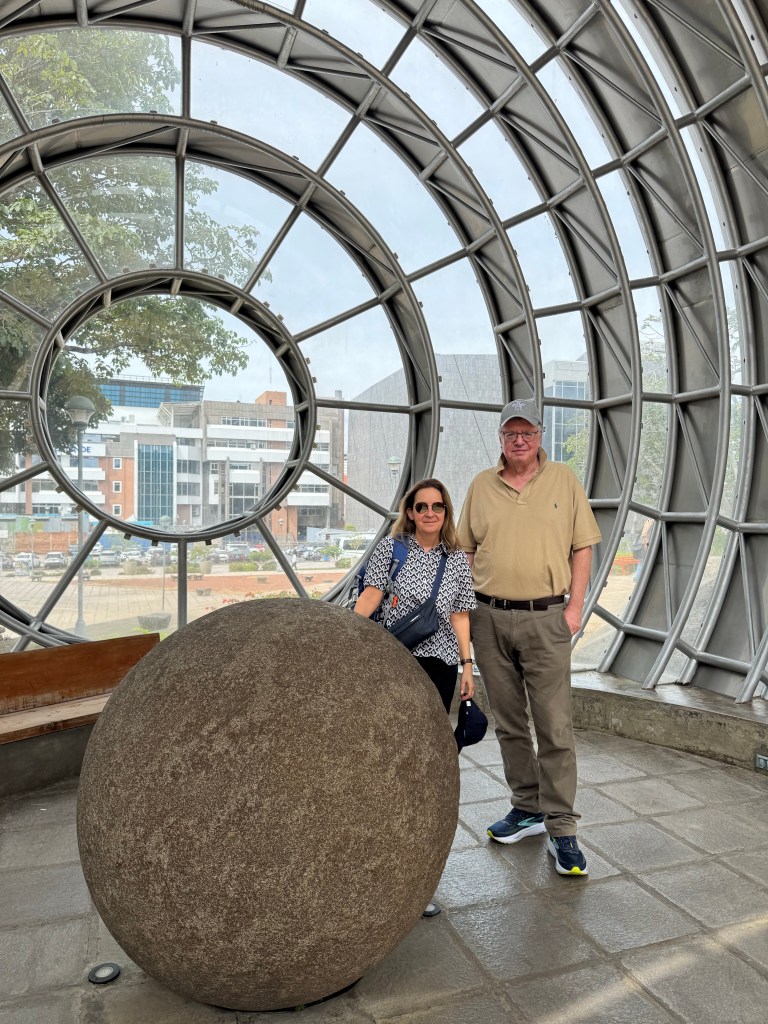
Costa Rica has over 300 of these stone spheres, of varying sizes, called Diquis Spheres after the now extinct culture to whom they are attributed. They have been dated to 500-1,500 CE. A number of theories exist as to their original purpose including representing solar systems.
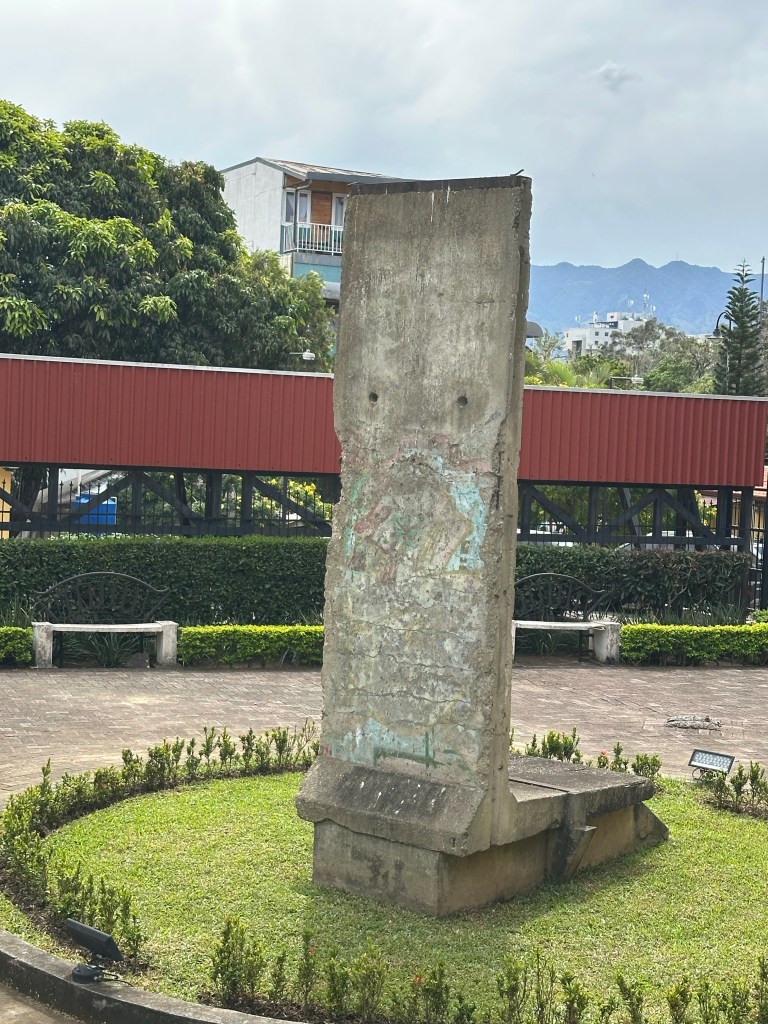
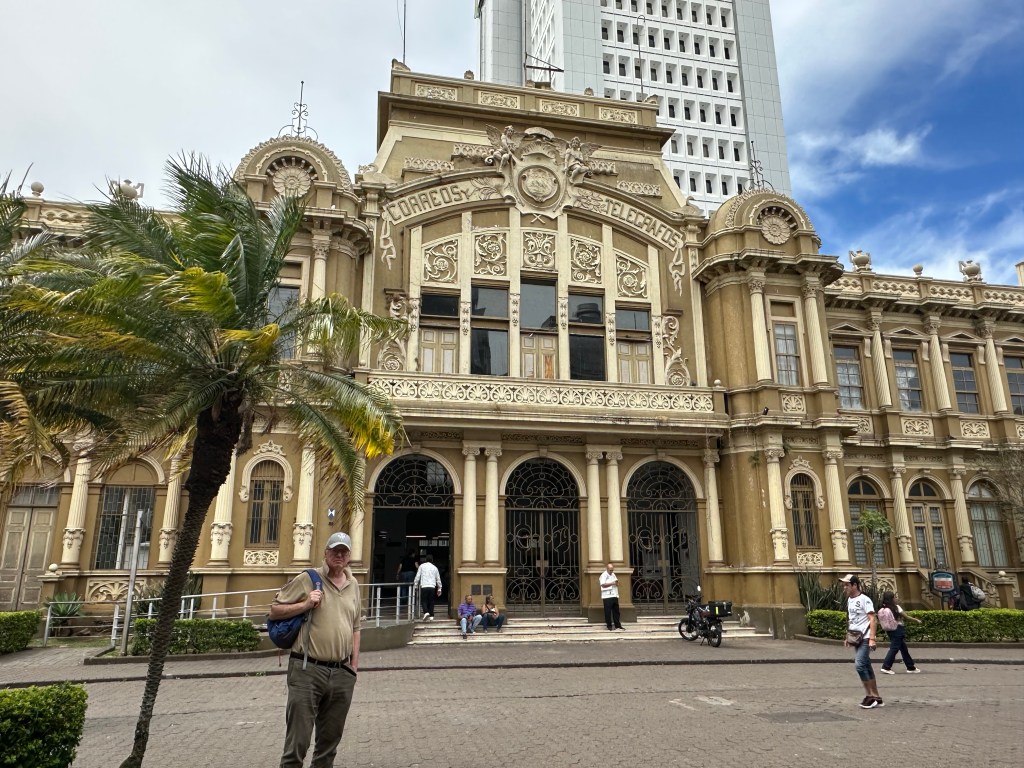
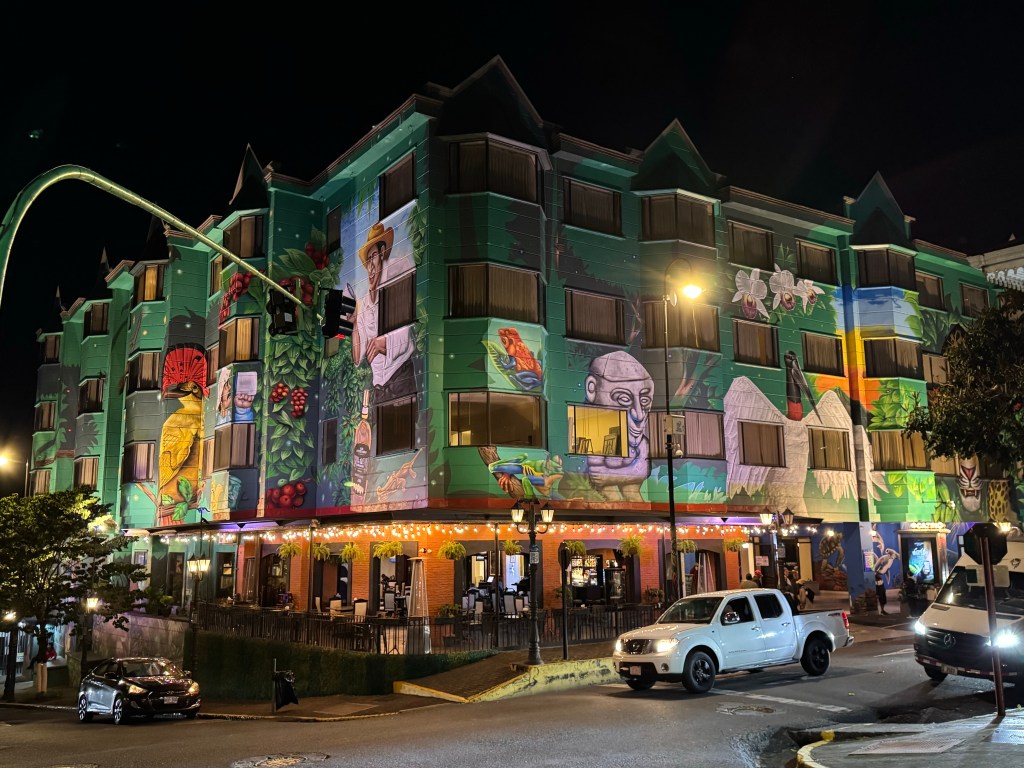
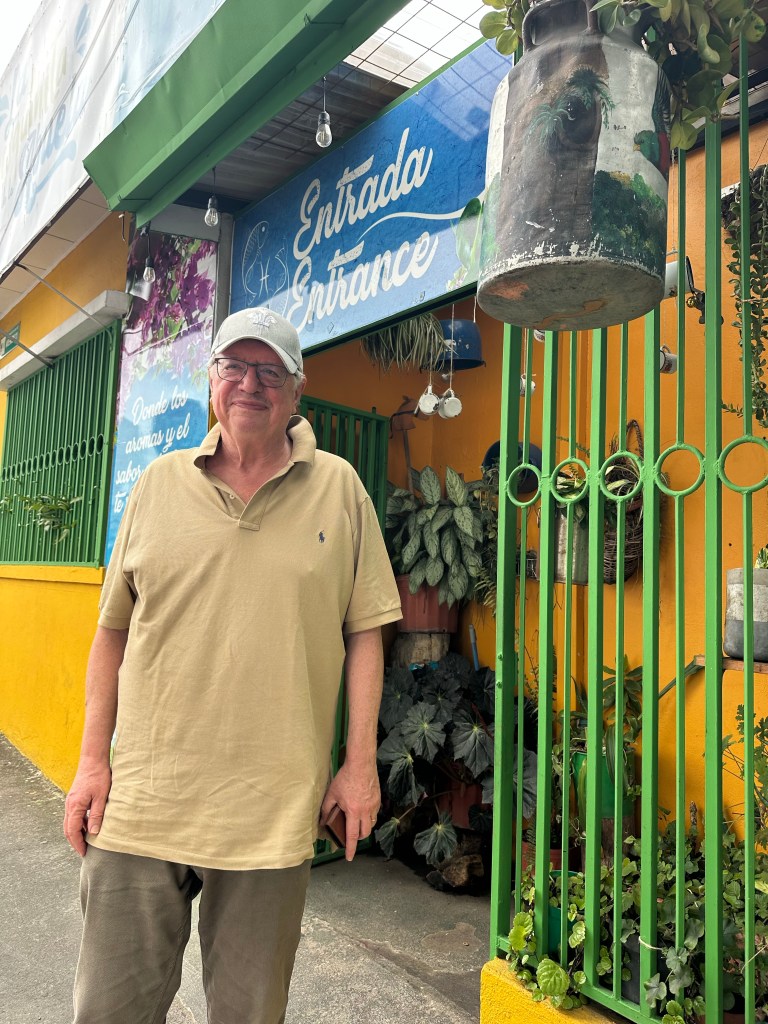
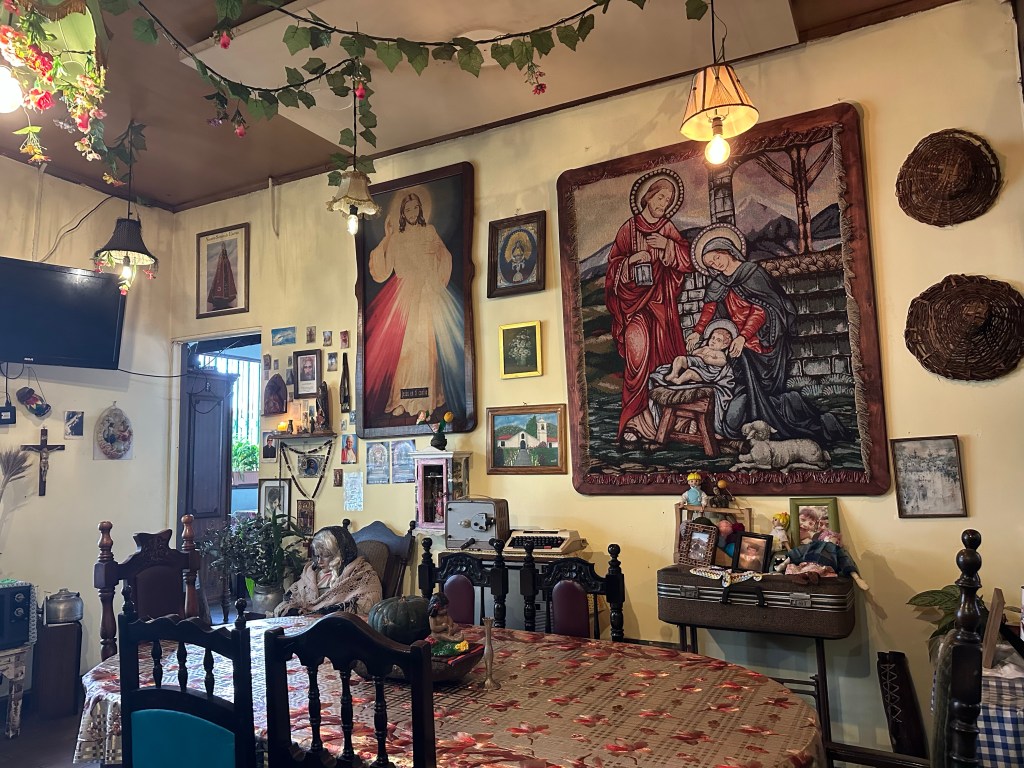
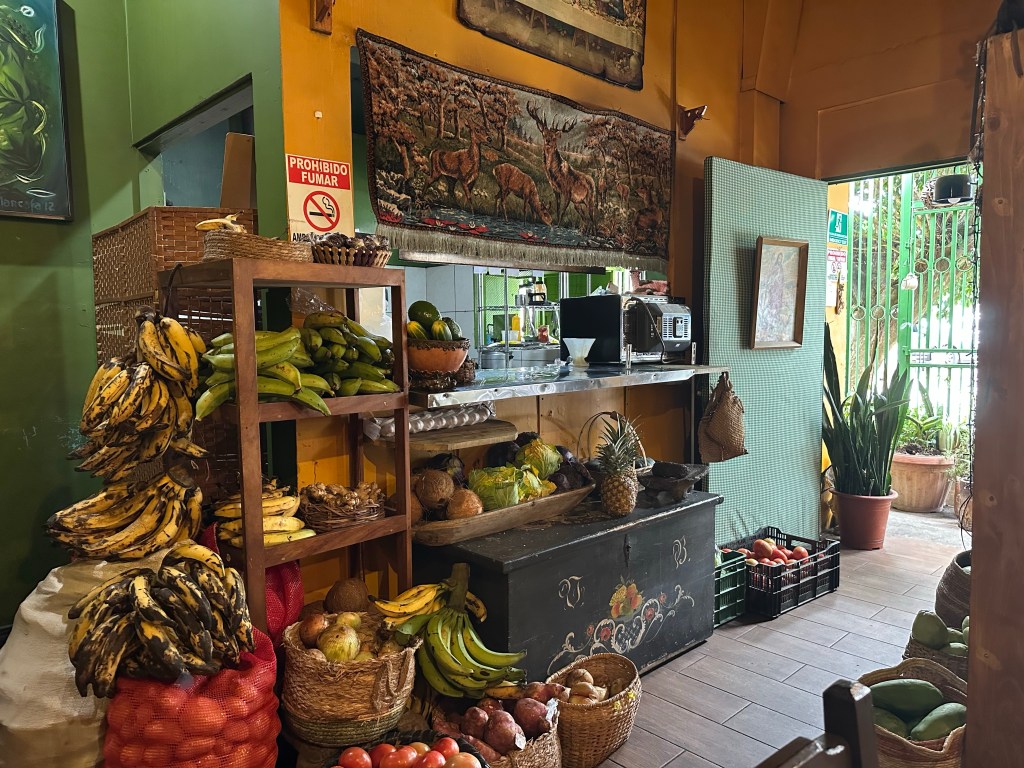
A piece of the Berlin Wall was given to Costa Rica in recognition of the peace the country has experiencedThe main post office. Sending postcards is a mission, as yet, unaccomplished. We could only buy stamps at the post office which required ID. There are no postboxes, instead you have to visit a post office. If only we had known this when we were at the post office as the rest of our trip is predominantly in rural areas !Murals are a common sight on buildings and wallsThe restaurant our guide recommended, “Grandma’s Kitchen”. The food was delicious with most dishes involving rice and beans, a Costa Rican staple. While delicious, hopefully this is not the only dish we will eat during our time in Costa Rica !
Costa Rica, “Rich Coast”, was visited by Christopher Columbus on his final voyage in 1502. It was colonised by the Spanish as part of Guatemala but was poor with little value due to its lack of gold and silver. It became independent from Spain, without a war, in 1821 as part of The Federal Republic of Central America. In 1838 Costa Rica proclaimed itself sovereign. Its economy at the time was based on coffee which was first planted in 1808.
Costa Rica has enjoyed greater peace than the rest of Latin America with the exception of the 44 day Civil War in 1948. The rebels won after believing that the election had been stolen from them by the incumbent government.
Following the Civil War, the military was abolished making Costa Rica one of a small number of countries with land borders not to have military forces.
The current population, of around 5 million, is well educated with the largest source of revenue being ecotourism from nearly 3 million visitors a year. The infrastructure is supported by over 90% sustainable energy and safe drinking water in most of the country.


 Shilli-Fully Travels