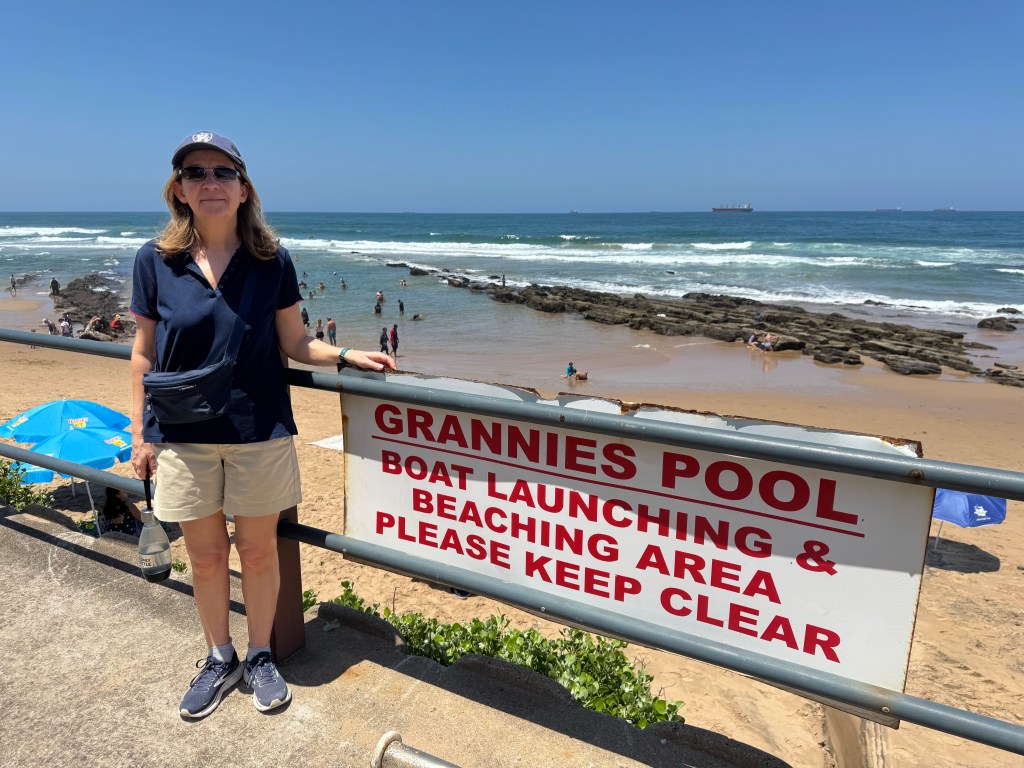
On our Southern Africa trip we saw a numbers of warning signs – many that we wouldn’t expect to see at home ….

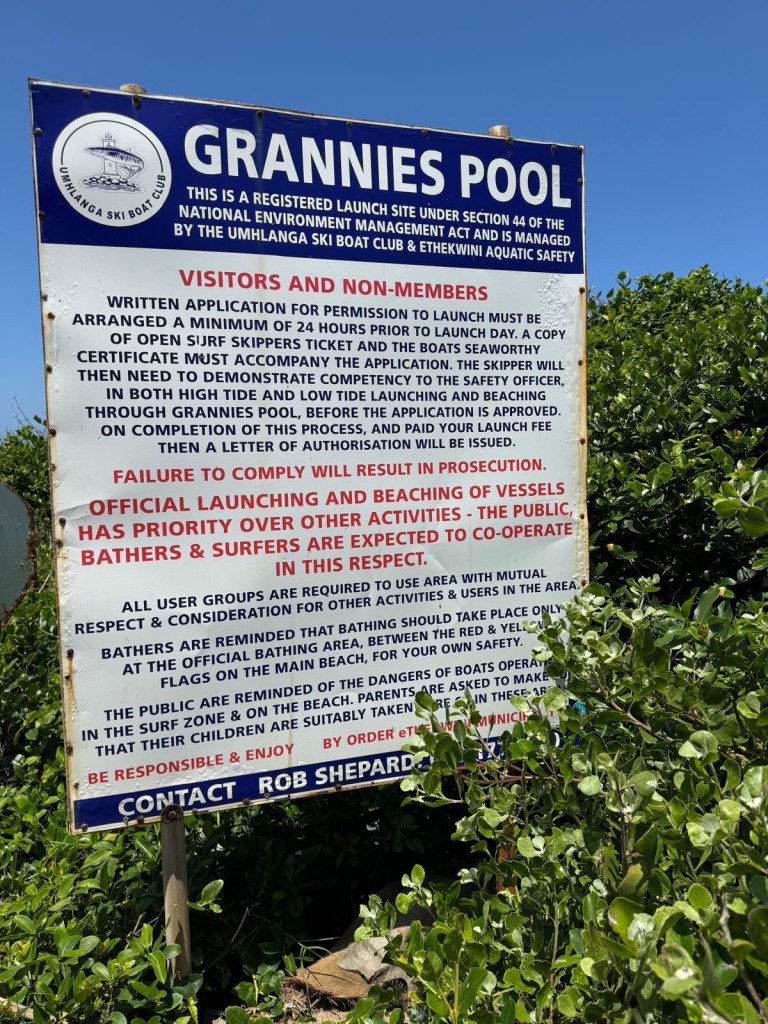
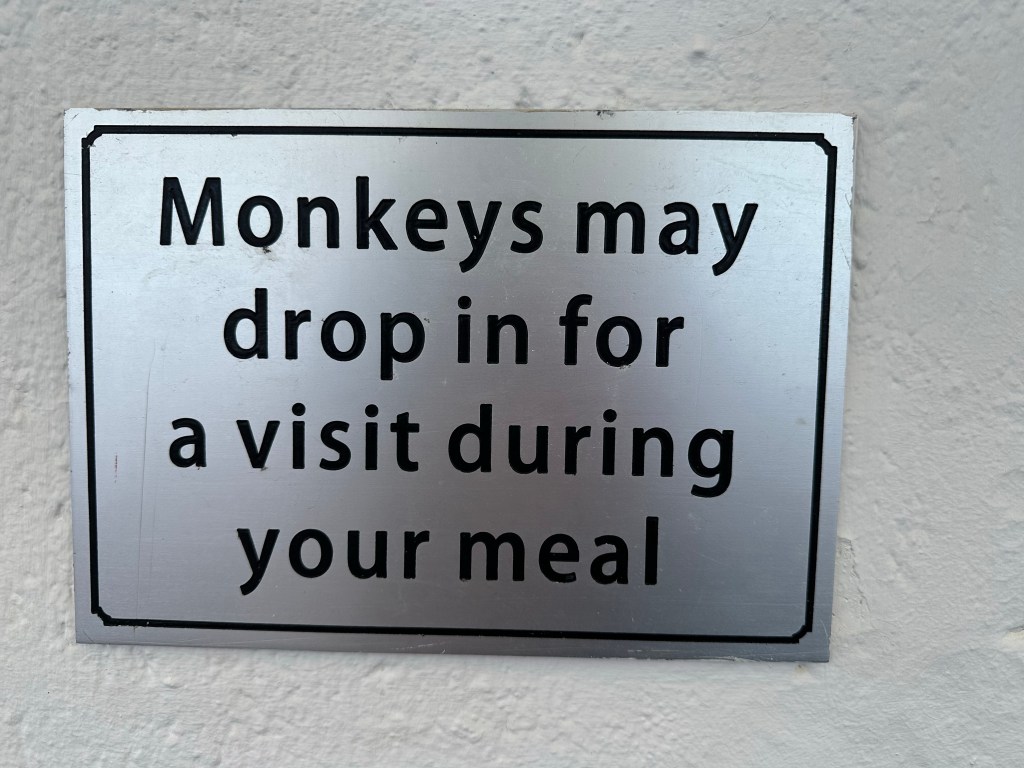
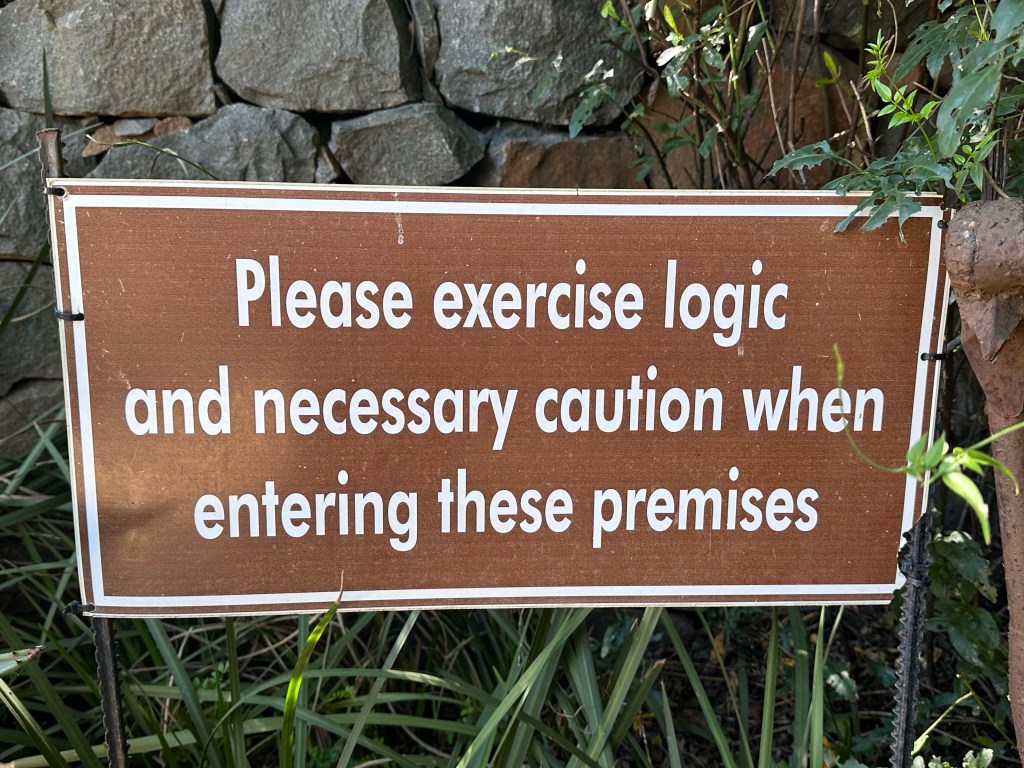
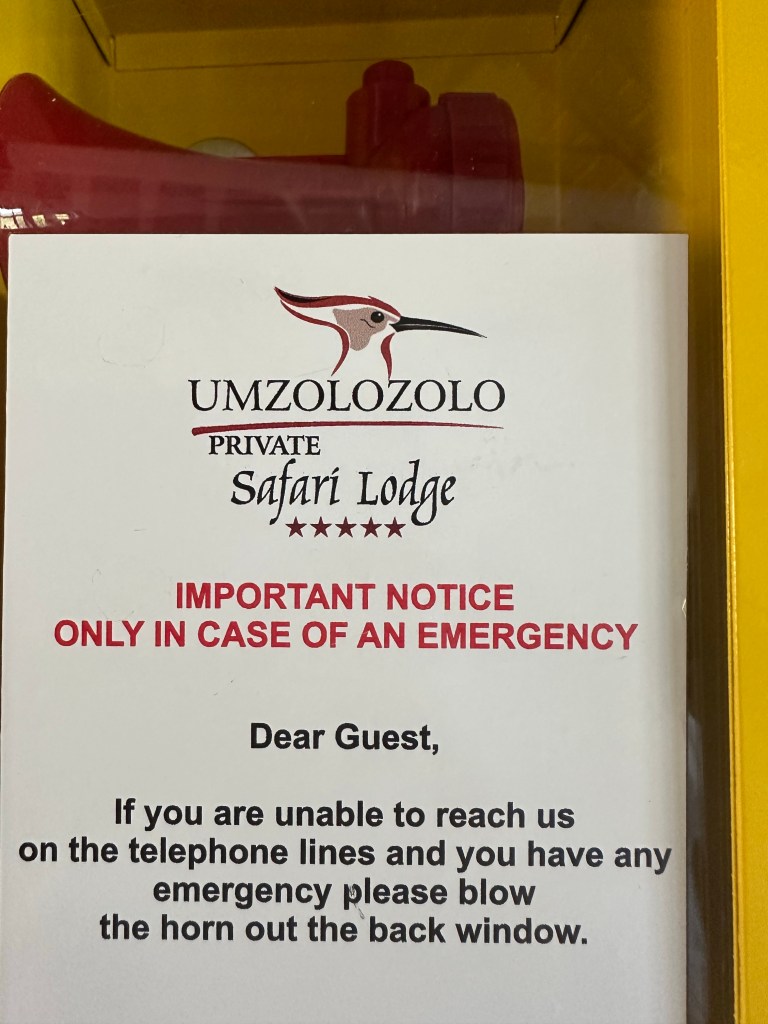
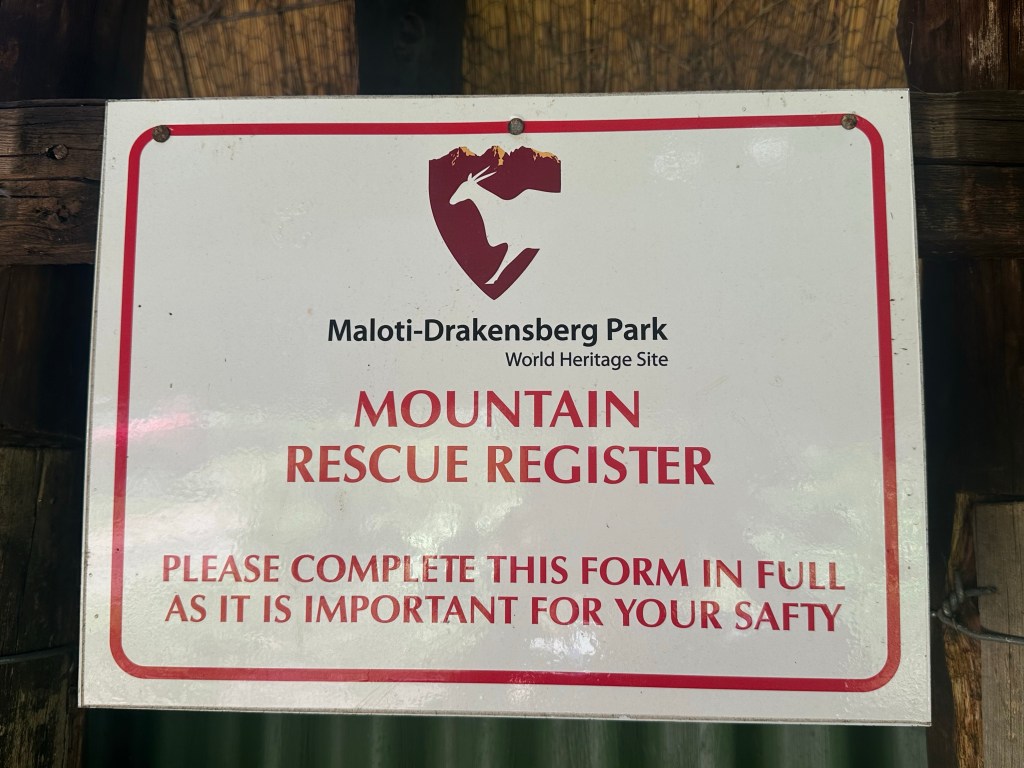

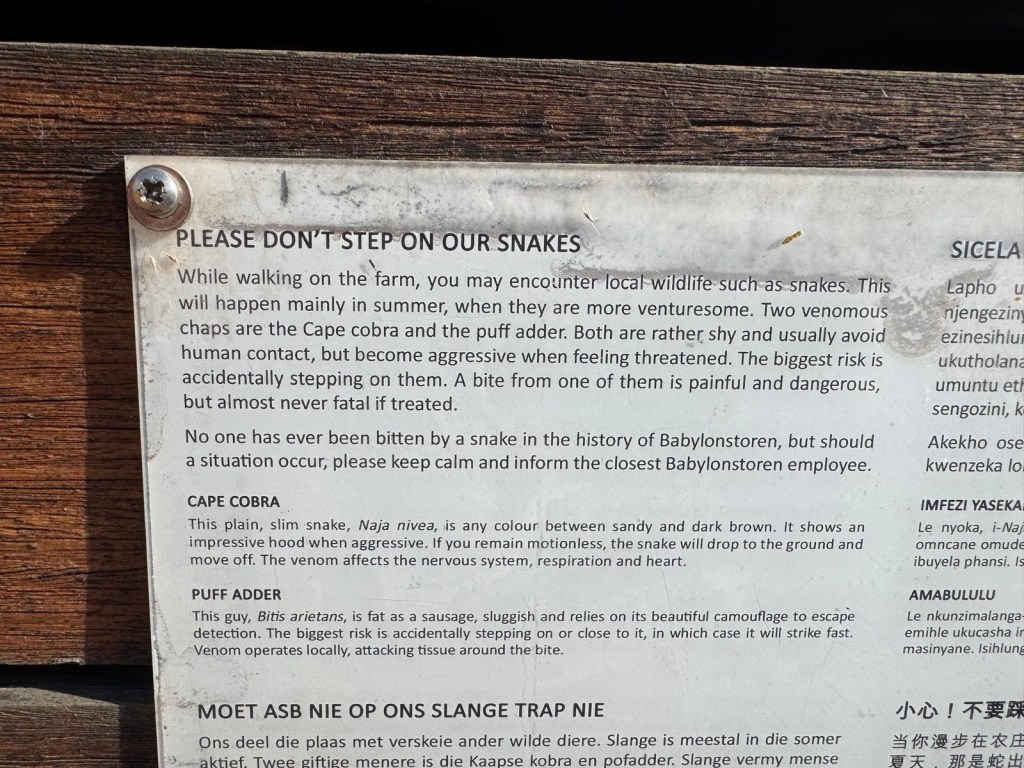
On our Southern Africa trip we saw a numbers of warning signs – many that we wouldn’t expect to see at home ….
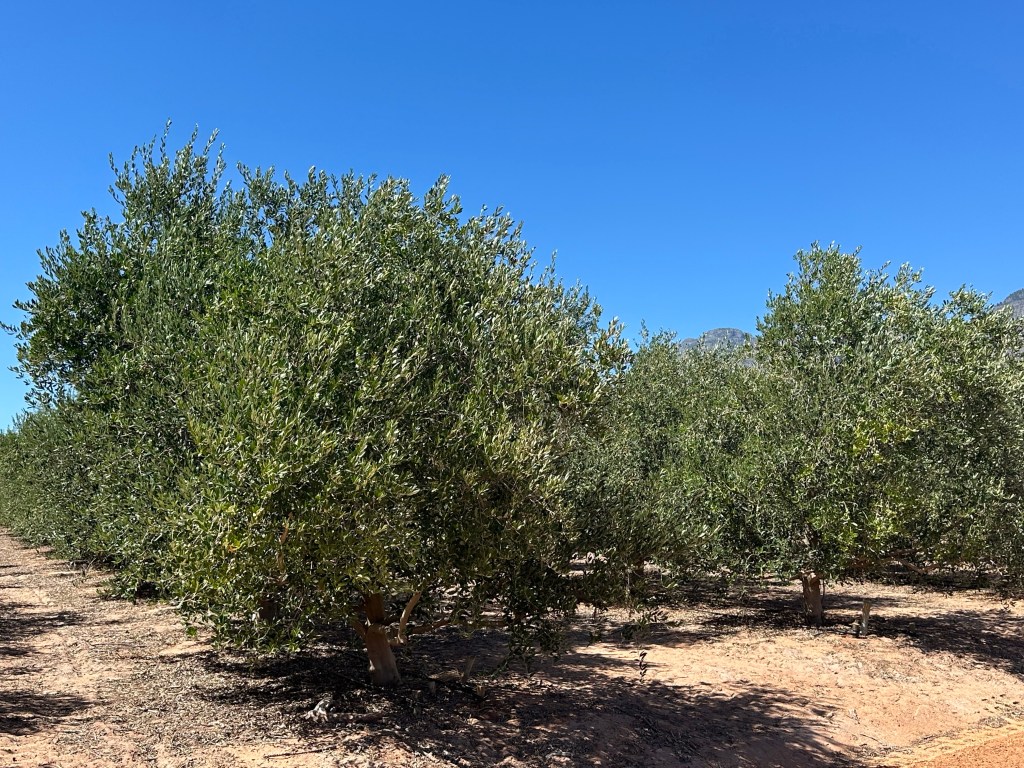
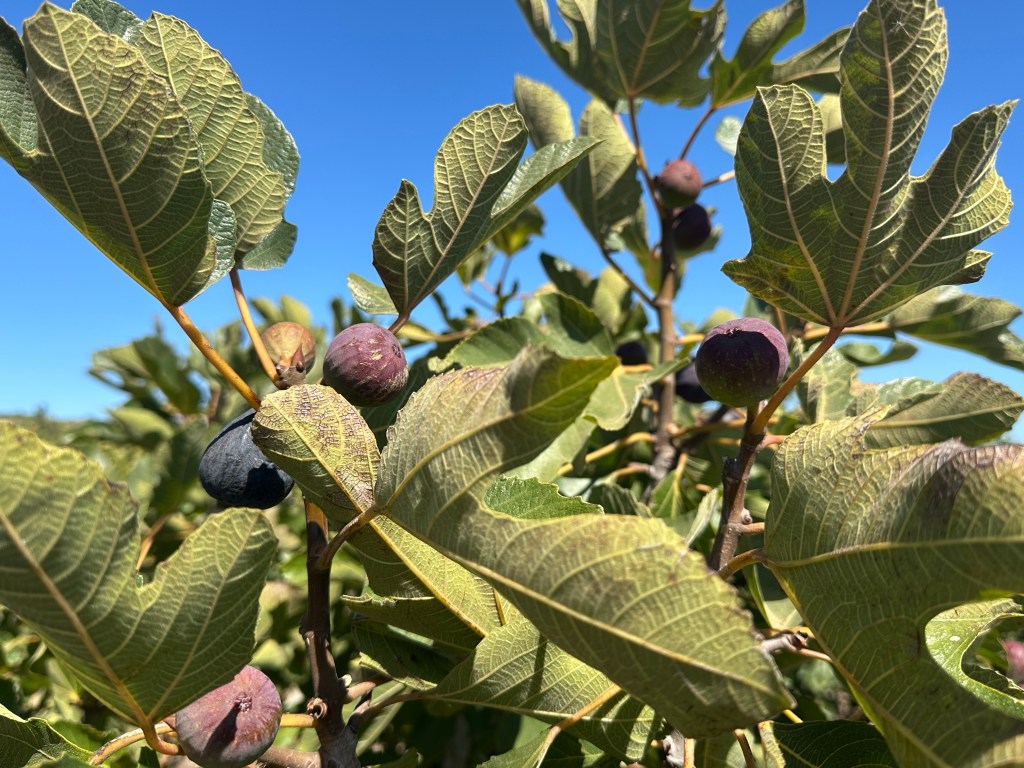
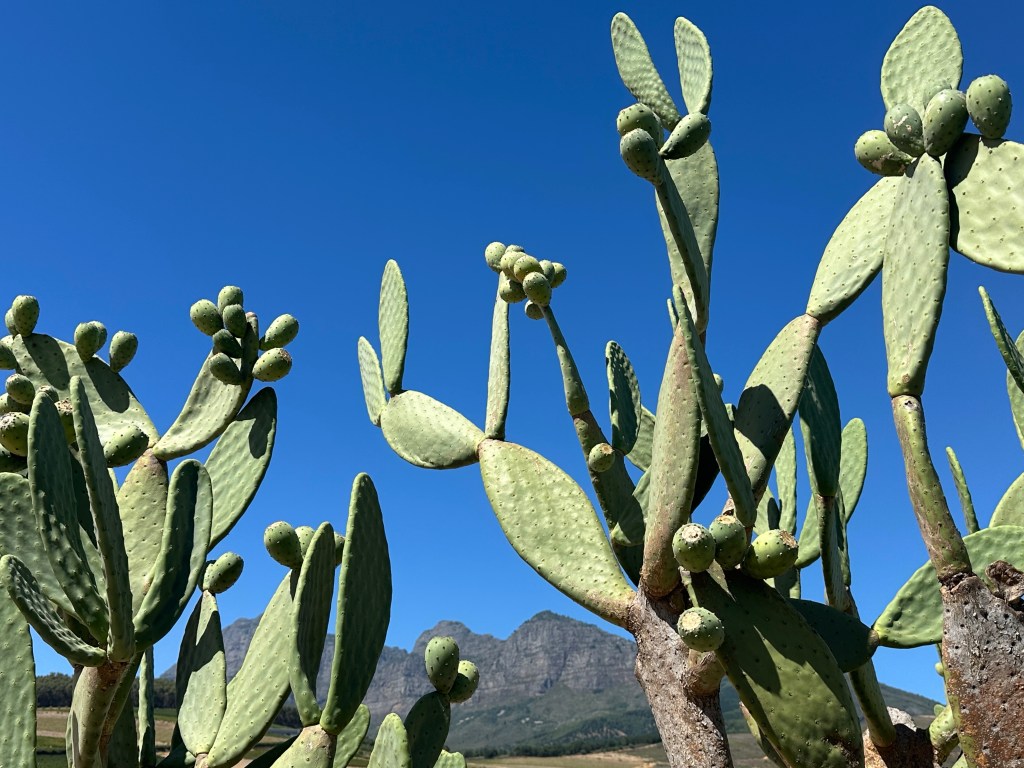
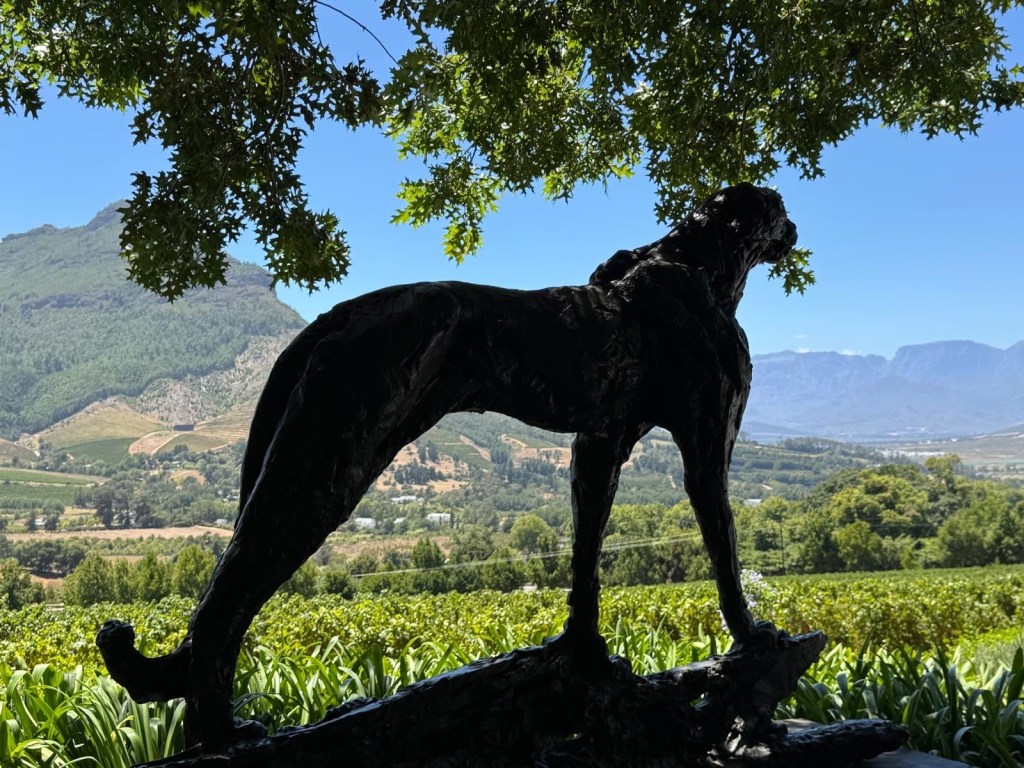
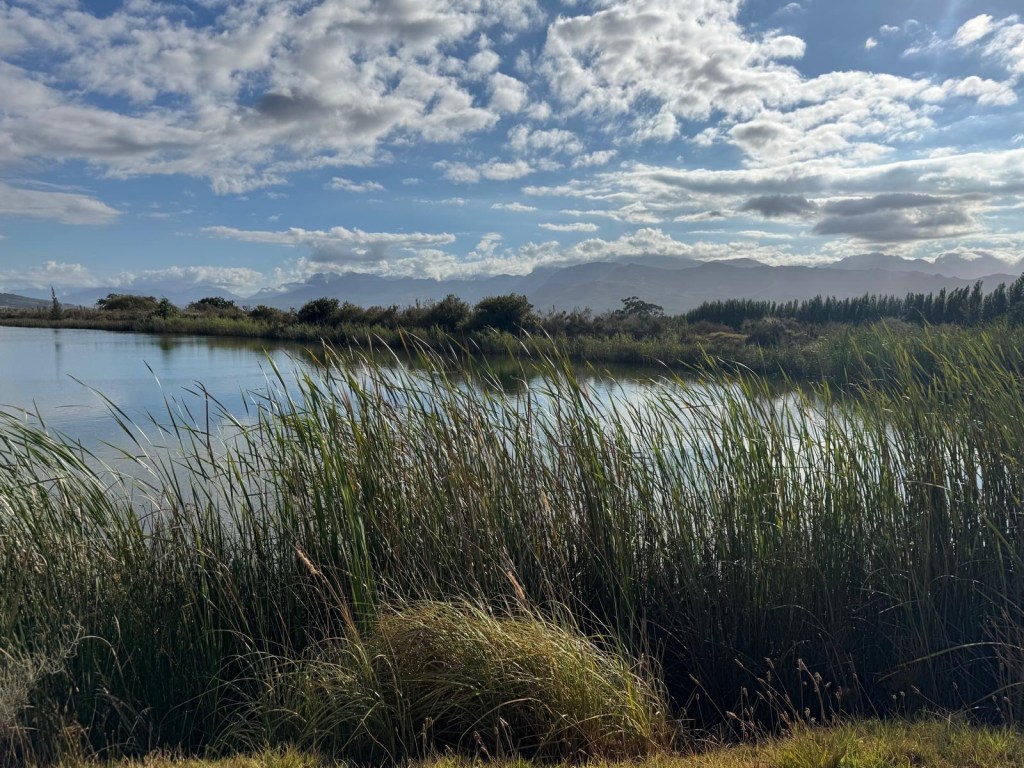
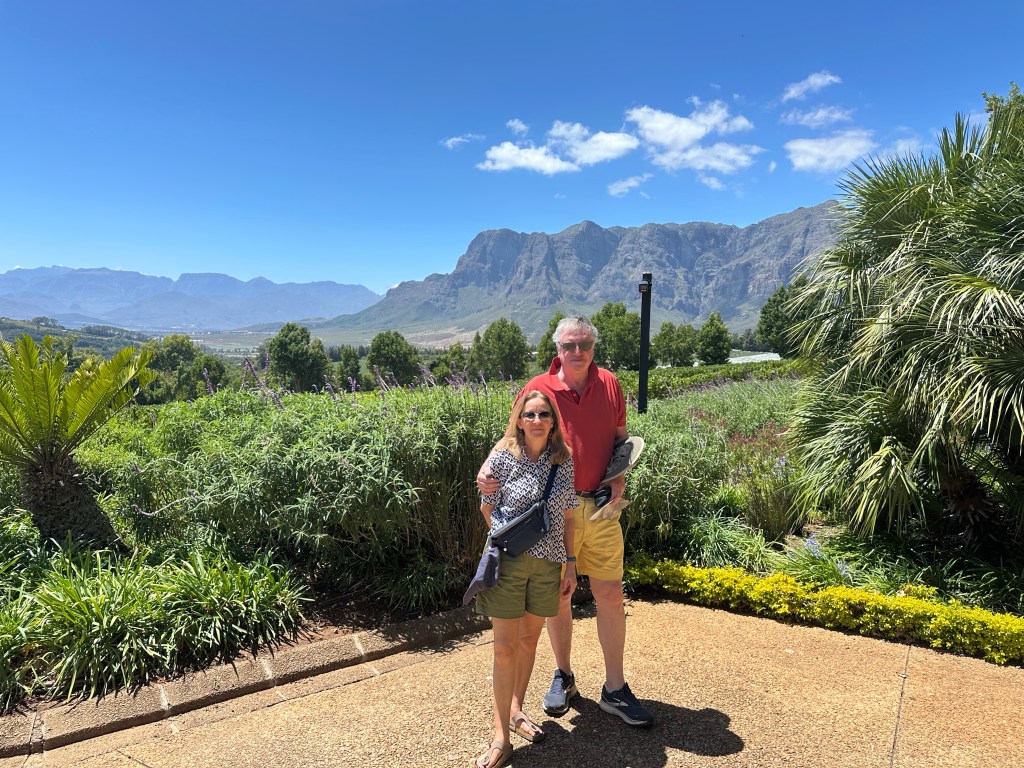
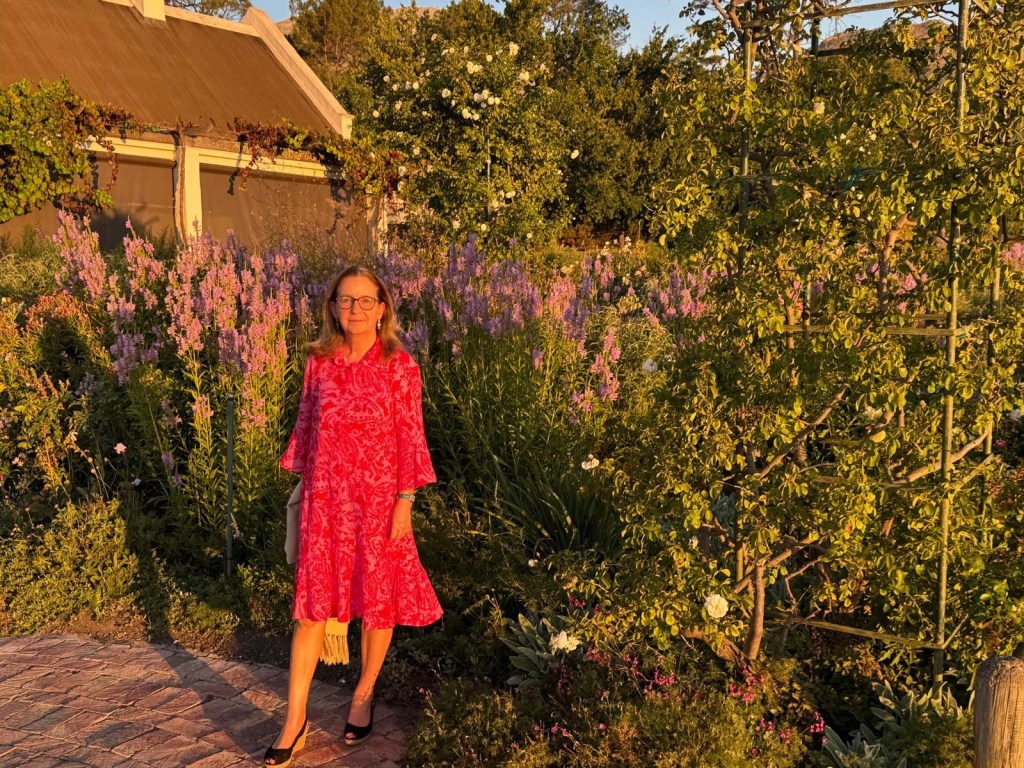
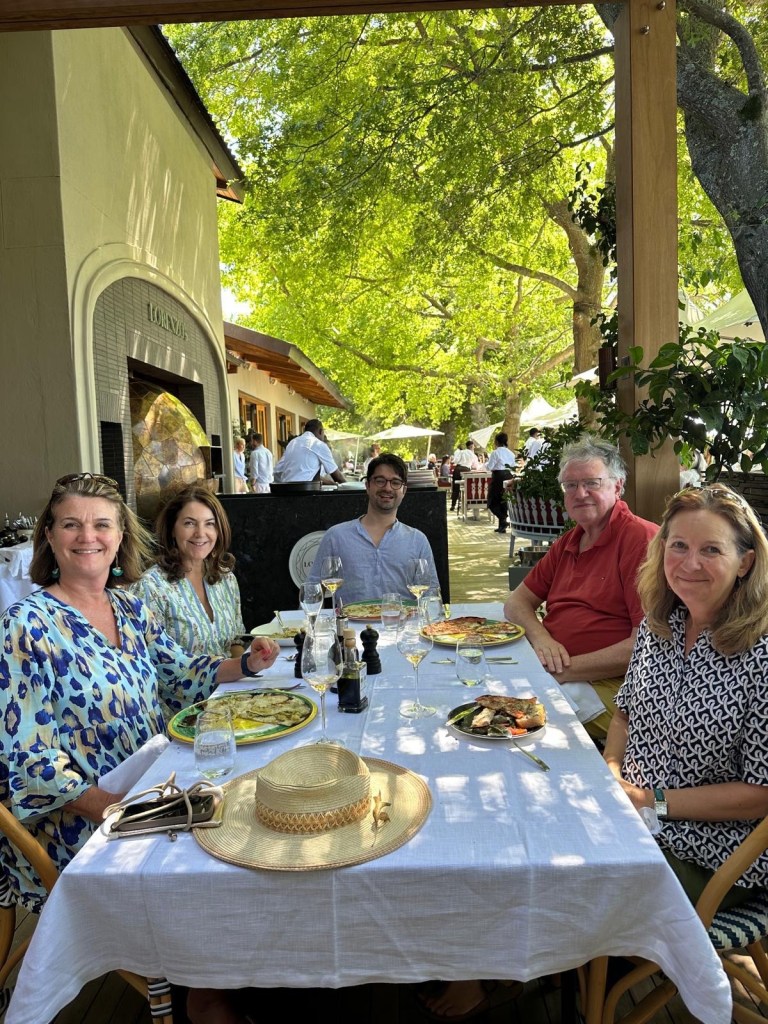
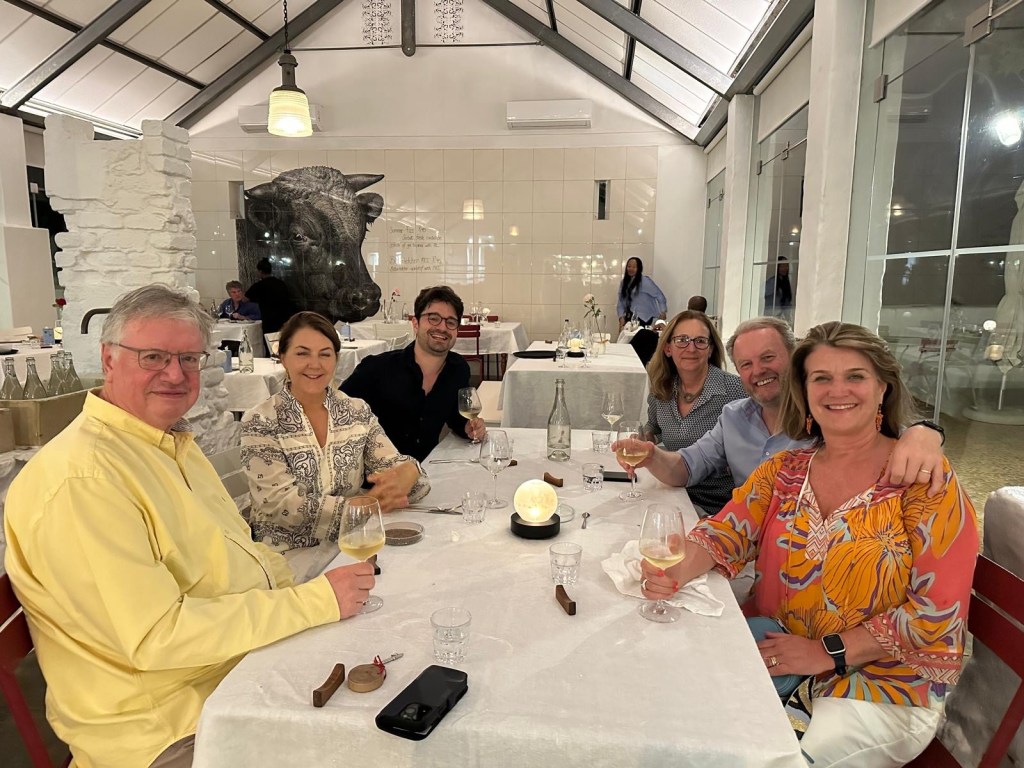
Our final stop was staying on a vineyard, garden and farm in the South African Winelands. It was 30 minutes by car from each of Franschhoek, Paarl and Stellenbosch. As well as wine, the whole area is a foodie heaven based on local seasonal produce. The quality of the fruit was particularly good as it was the height of the summer harvest.
It was great to catch up with some “old” friends who live locally, Mary and Hywel and to coincide our visit with London friends, Helen and Sam.


After a 400 km drive lasting just over four hours we arrived at Sandton, a suberb of Johannesburg, the largest city in South Africa. The city was founded on the back of the gold rush in 1886 and within 10 years it had a population of 100,000 people.
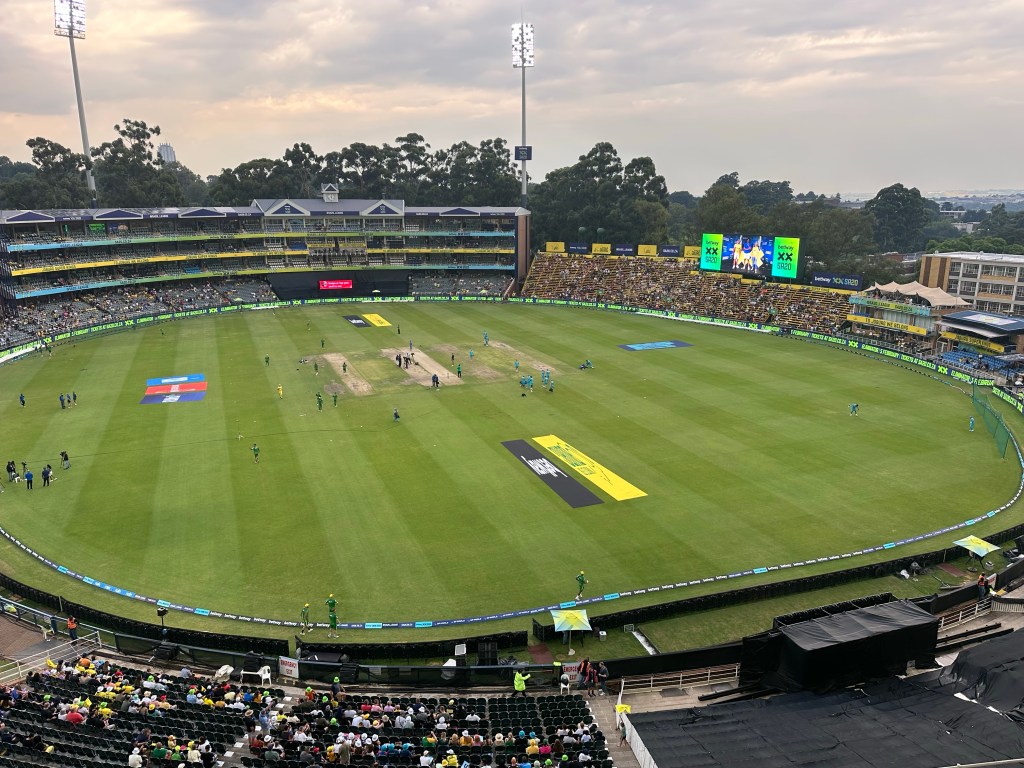
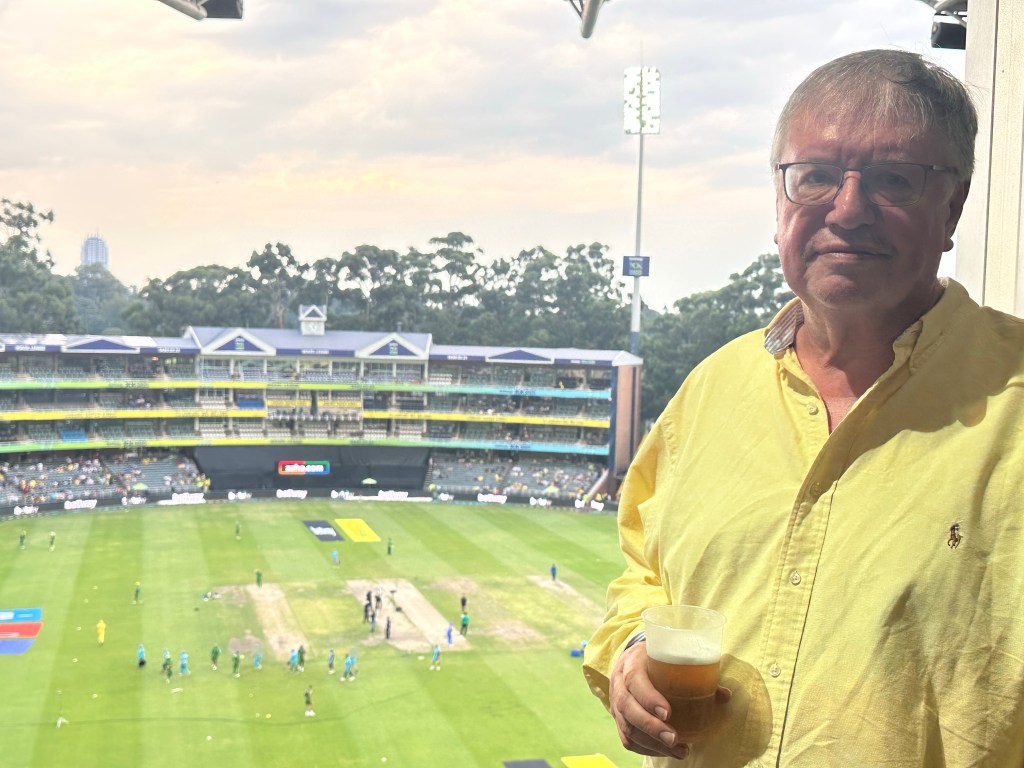
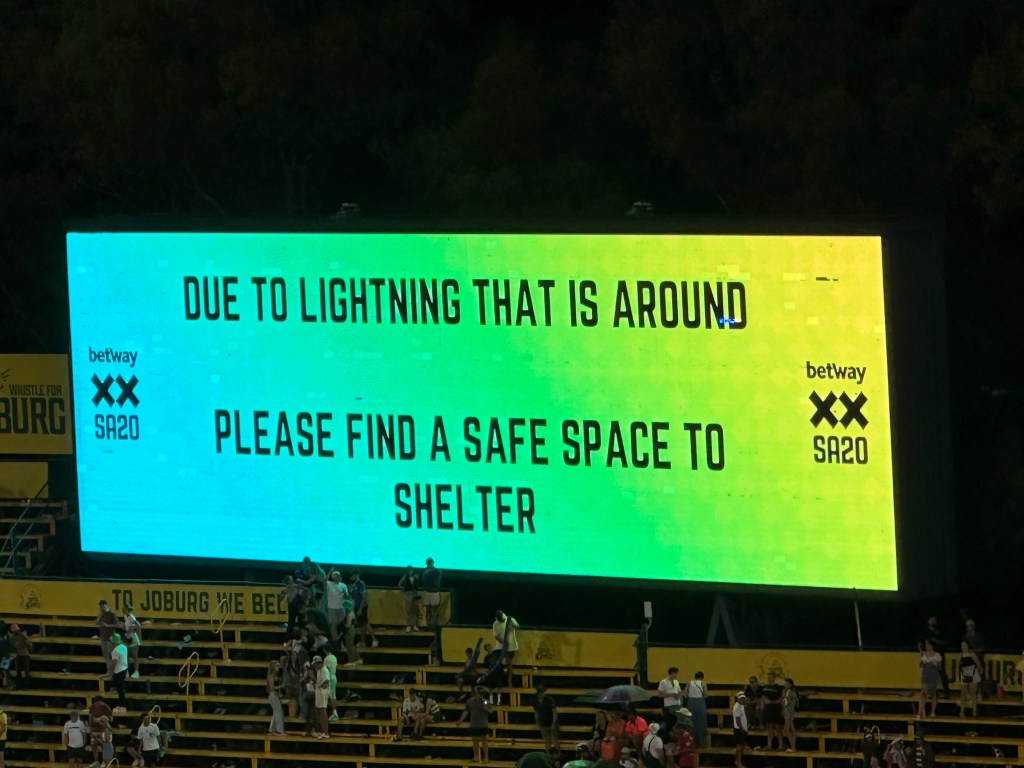
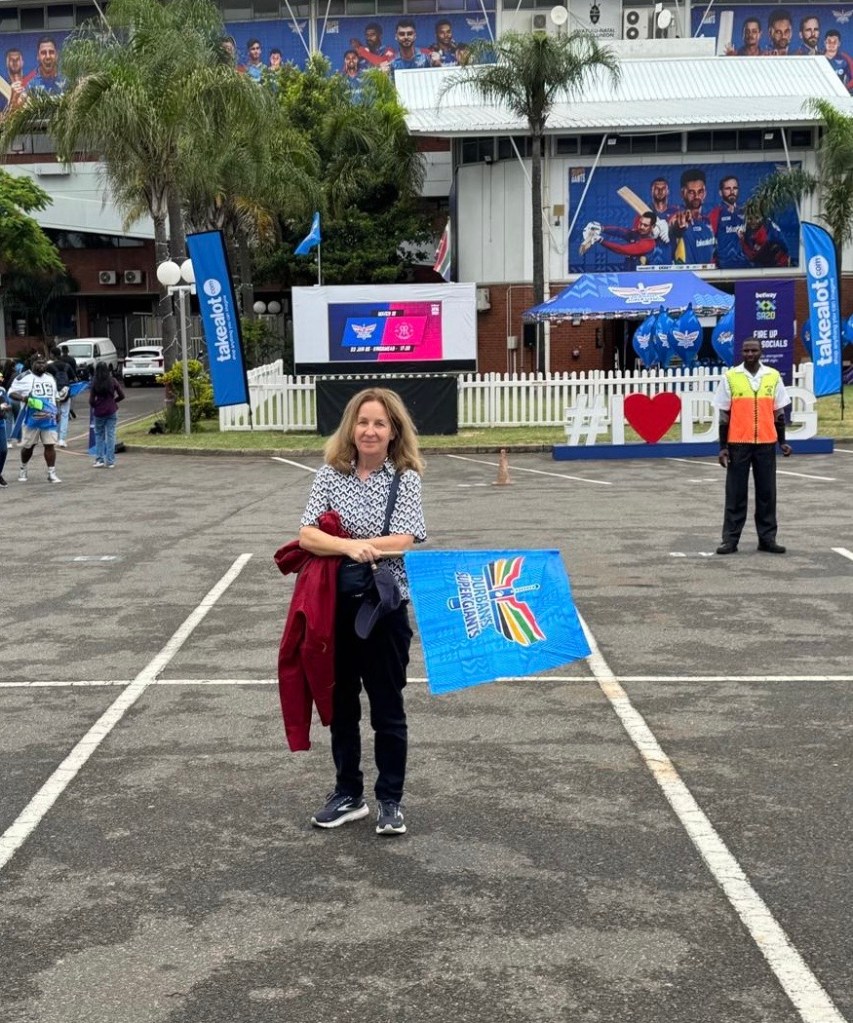
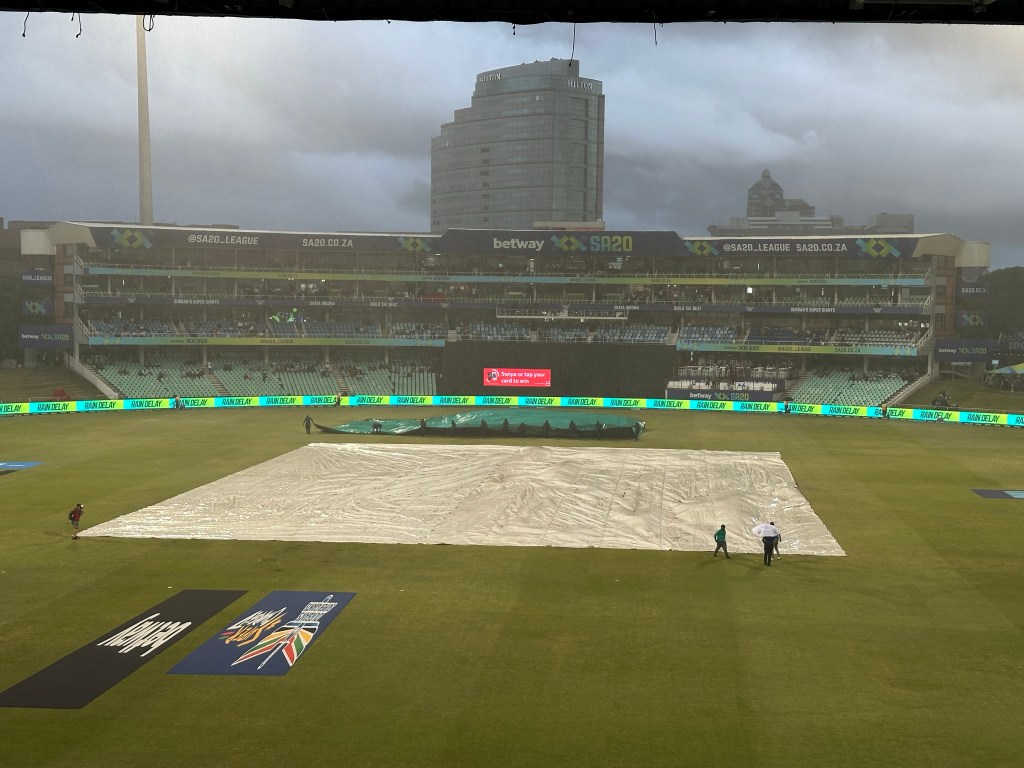
We stayed for a couple of nights prior to flying to Botswana, but took the opportunity to visit The Wanderers to watch Johannesburg Super Kings versus the Durban Super Chargers in the SA T20. The Wanderers, built in 1956 to replace the old stadium, has a capacity of 34,000 and is known as the bullring because of its intimidating atmosphere for visiting teams. We could see why – although the stadium was not full, it was extremely noisy with most people having whistles. It is one of the highest international grounds at 1,640 m; Kingsmead in Durban which we visited earlier in our trip is one of the lowest at 3 m. The game we went to in Durban was rained off, however this match was a first for us – play delayed by lightning , but no rain. After the lightning delay of almost an hour, Durban managed to win (against their recent lack of form) in a 16 over second innings run chase.


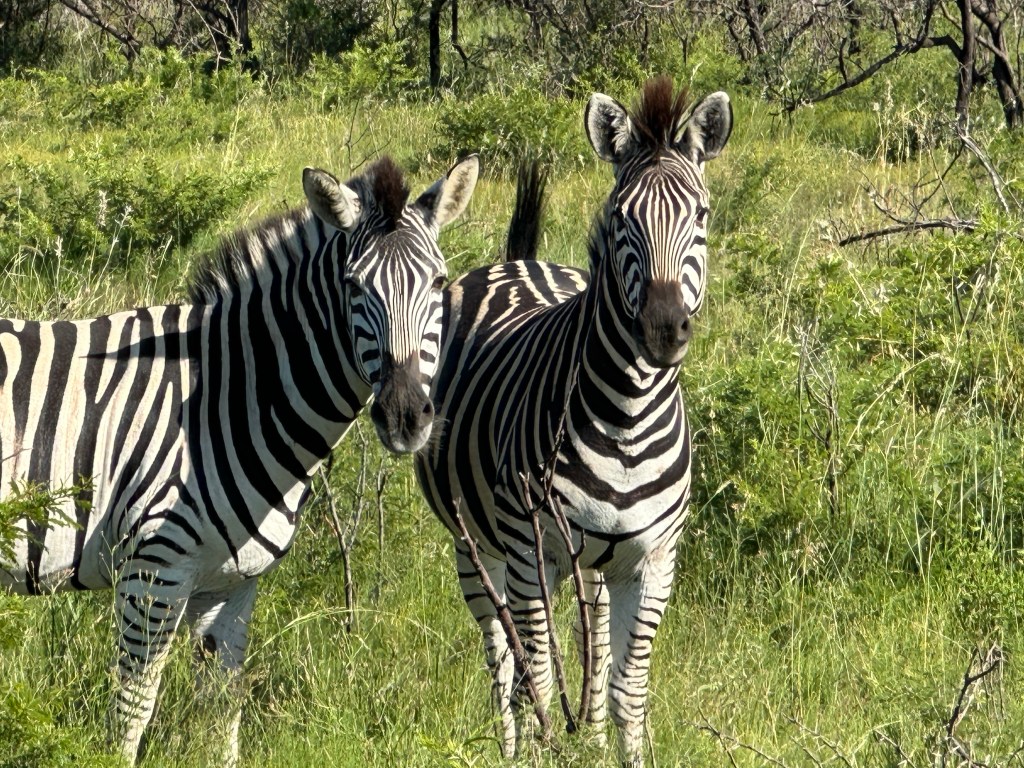
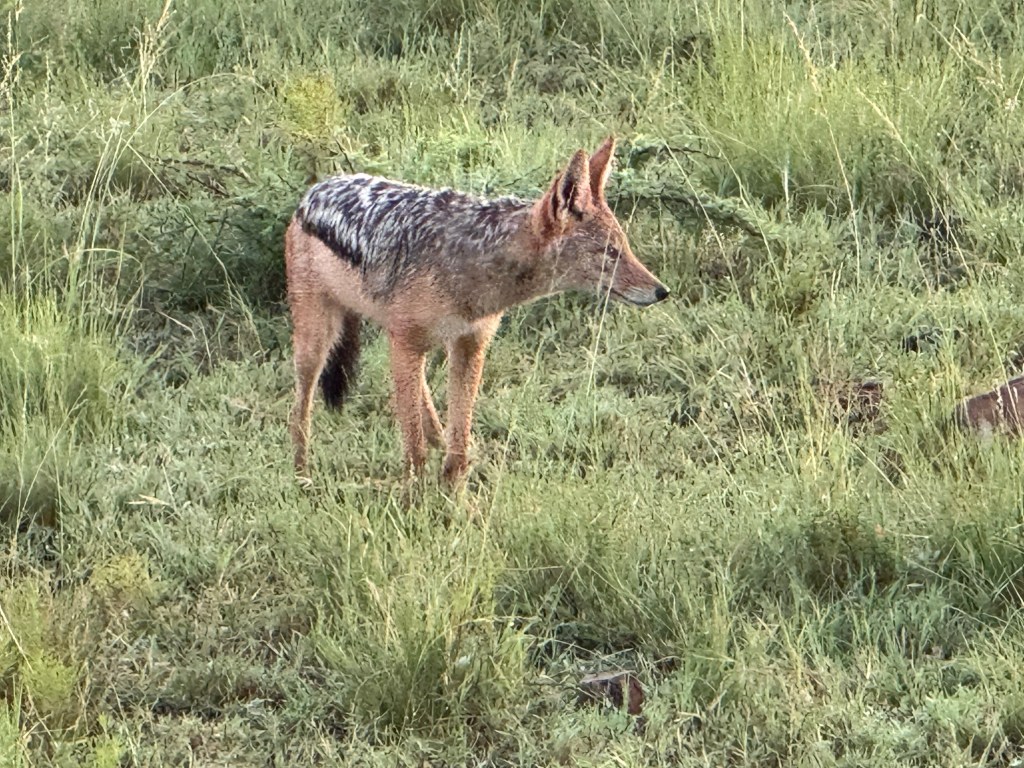
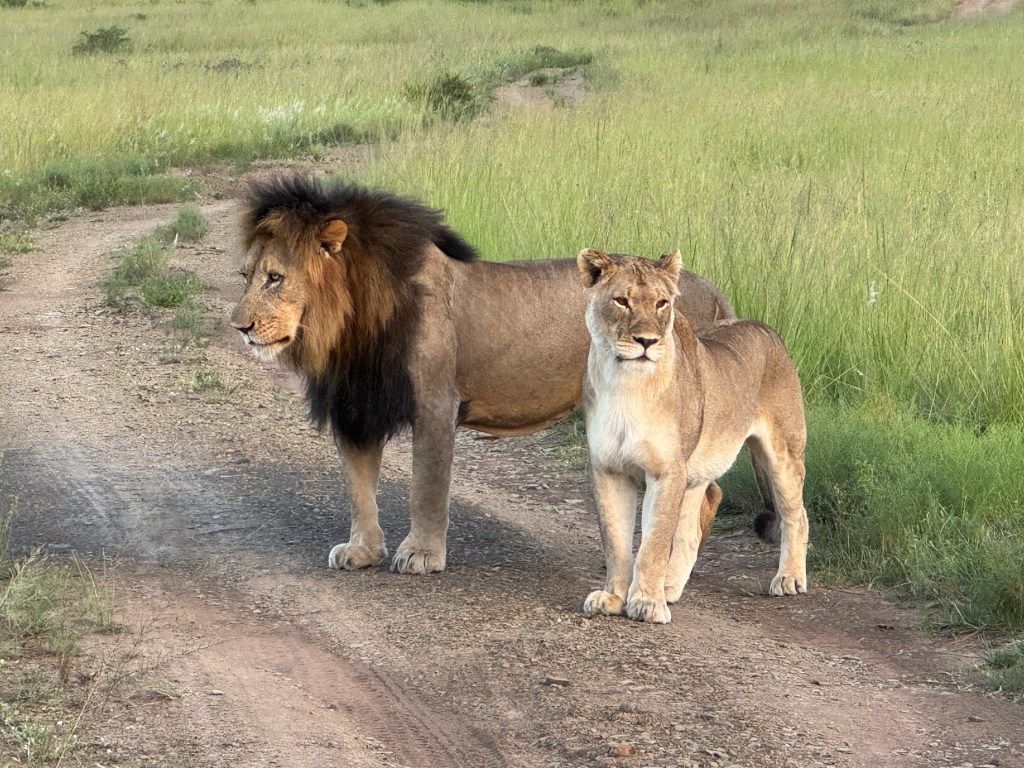
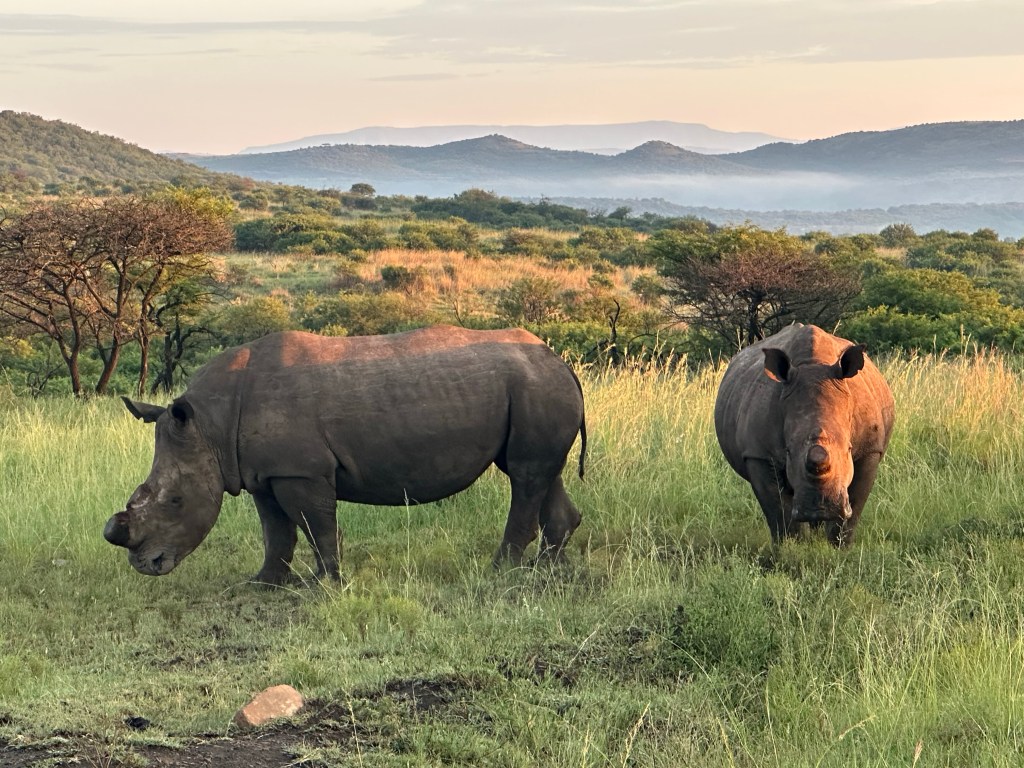
Nambiti Game Reserve is a private reserve of 10,000 hectares created in 2000 by the purchase of six farms by two businessmen. It has all the Big 5, with only leopards not having been introduced. Leopards are the most difficult to see (and we did not) as they had been hunted by the farmers for 200 years to protect their livestock and so still have a fear of the sound of the game drive vehicles.
A number of the animals are tagged for research and safety purposes (in case of escape from the reserve). The tracker locations are not shared with the guides, so seeing the animals with smaller populations depends on the guide’s knowldege and skill.
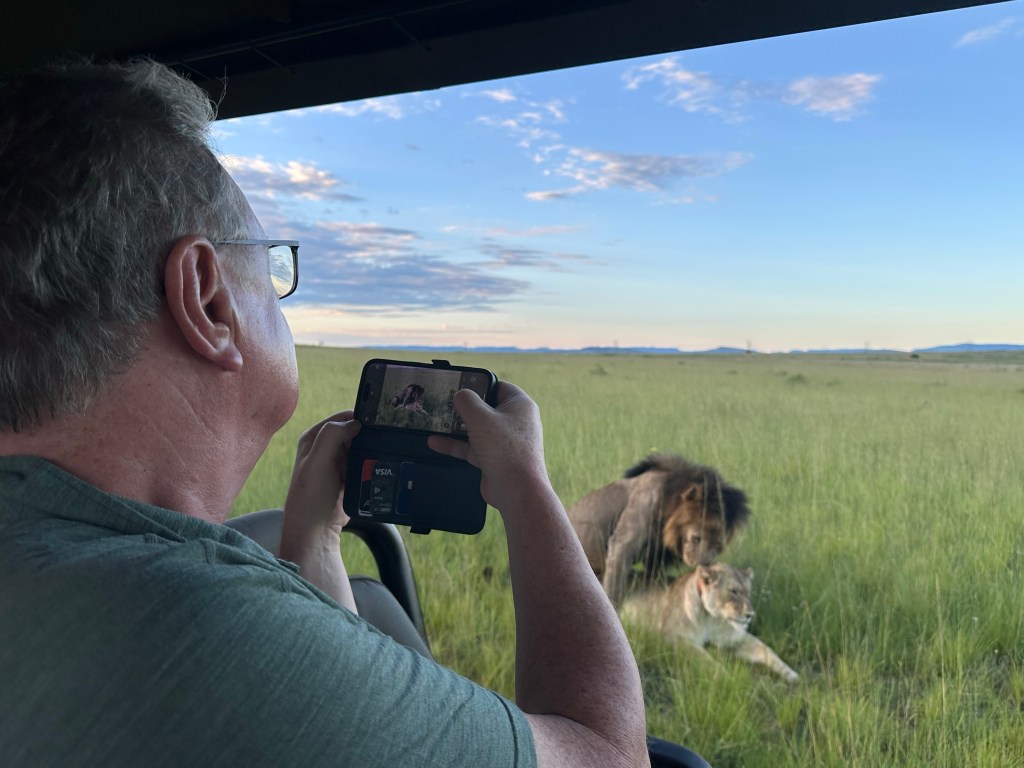
There are a number of lodges in the reserve, but each is relatively small and during our visit, not fully occupied. This together with the guides’ respect for the animals, mutual cooperation and size of the reserve means that the guests enjoy the animal sightings in a calm natural environment.





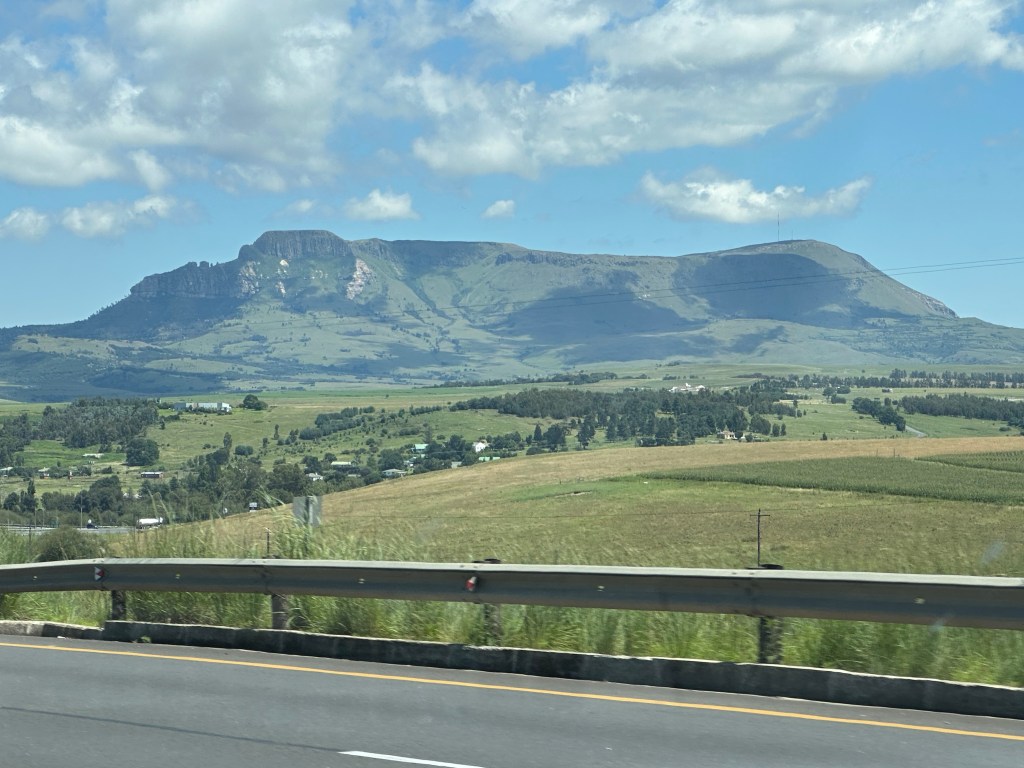
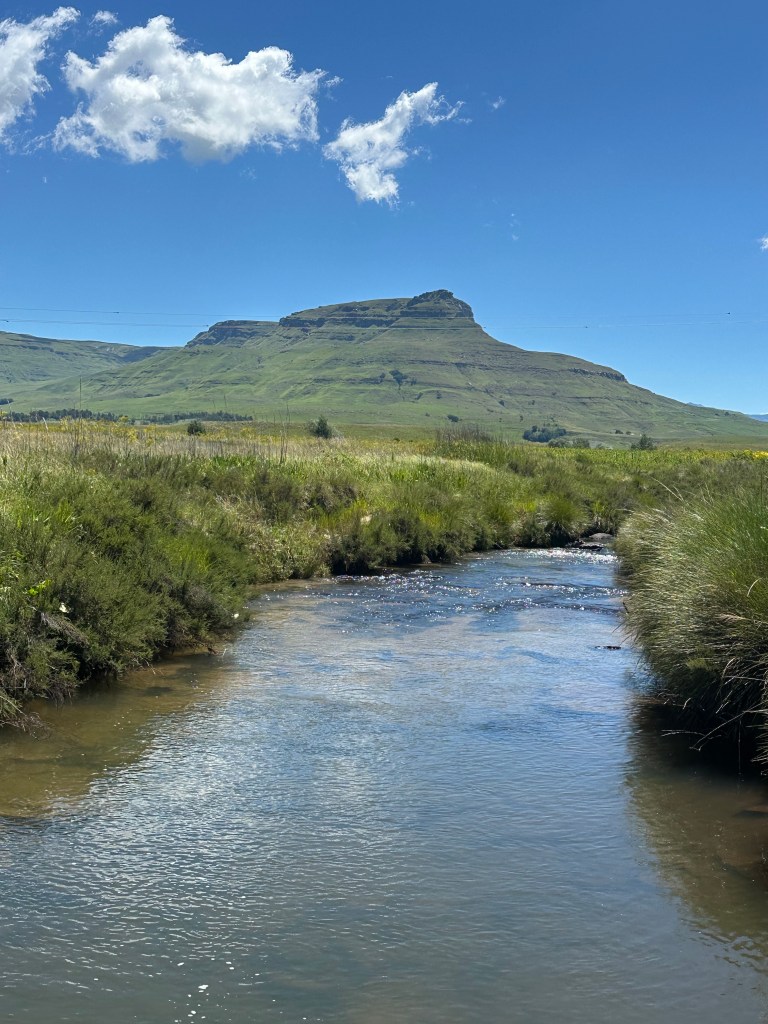
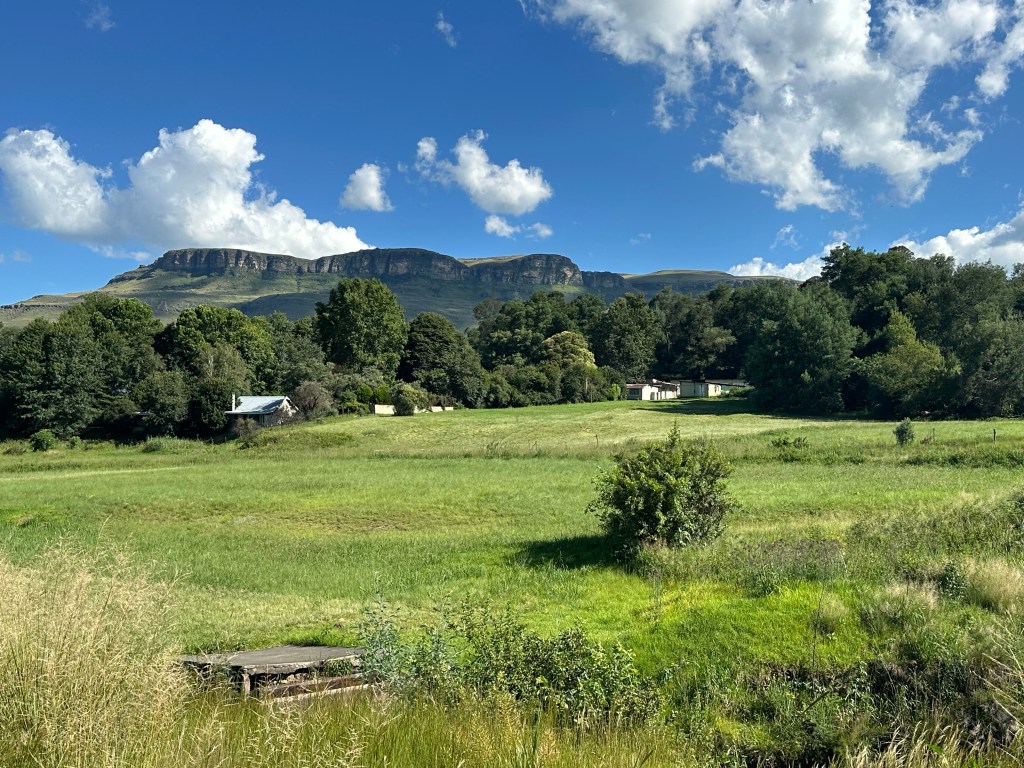
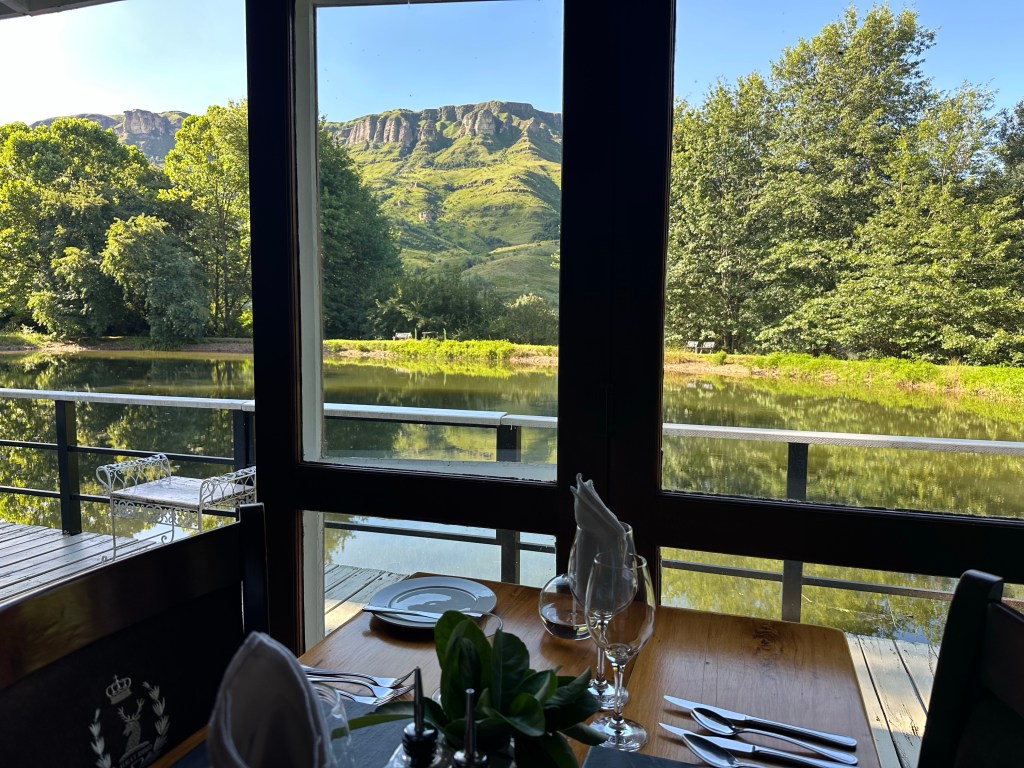
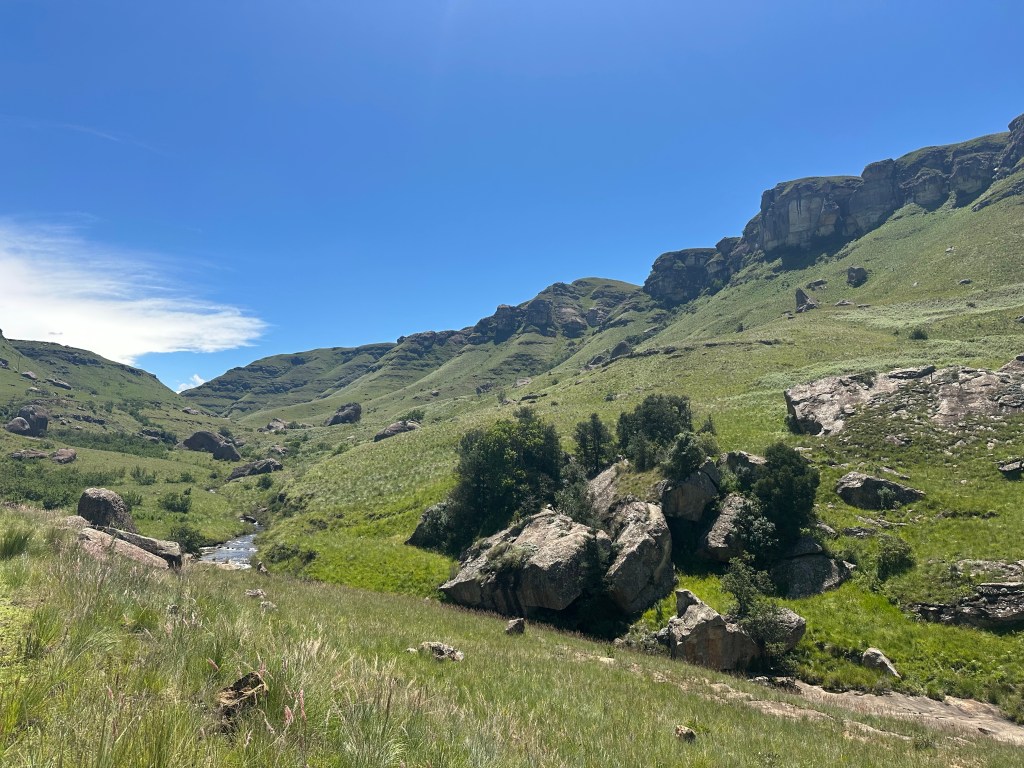
Cleopatra’s Mountain Farmhouse sits on the Mooi River in the foothills of the Drakensburg at approximately 1,500 m. Accessible only via dirt roads, with the route options being rough with lots of potholes or very rough with worse potholes. We took the former on recommendation, although the latter is shorter (and shown on google maps). Although only 40km from the closest town, Nottingham Road, the journey is over an hour, but worth it for the stunning scenery and isolation (hardly surprising). Cleopatra’s mountain has to be viewed from the right angle, with a little imaginination, to see the resemblance.
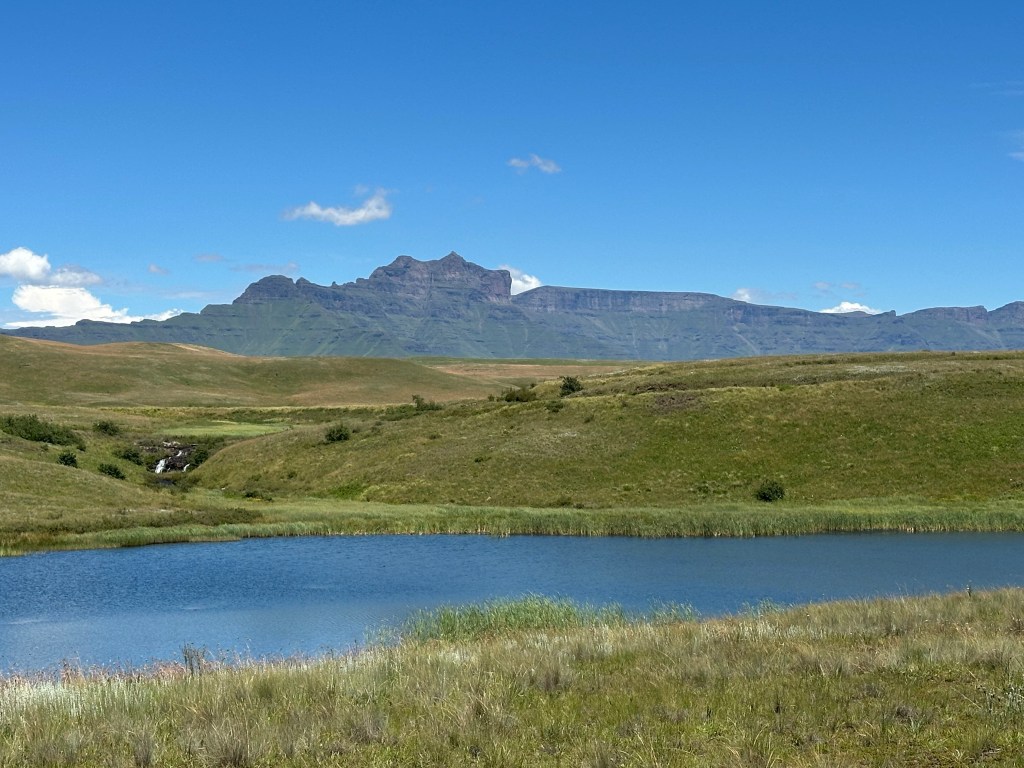
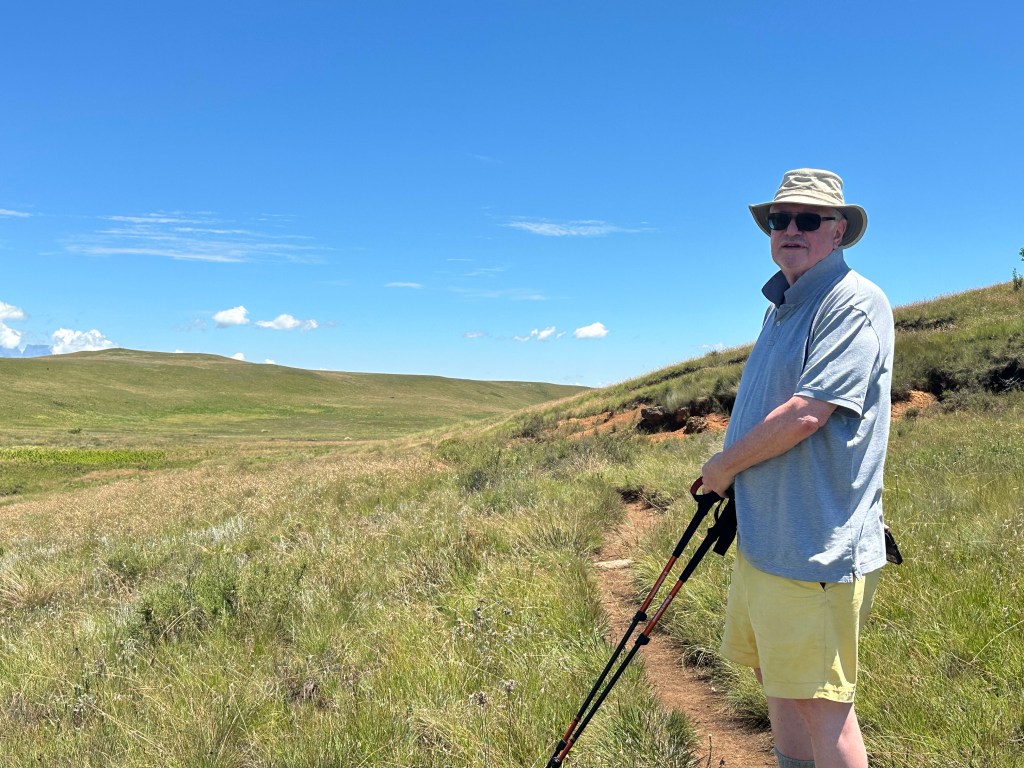
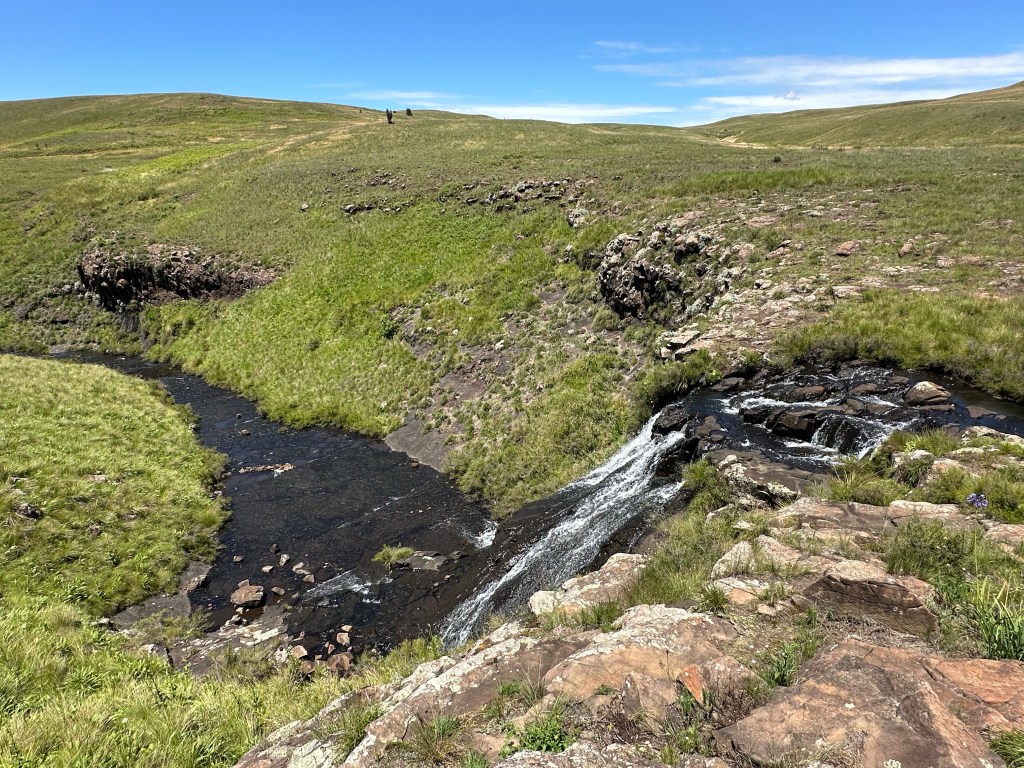
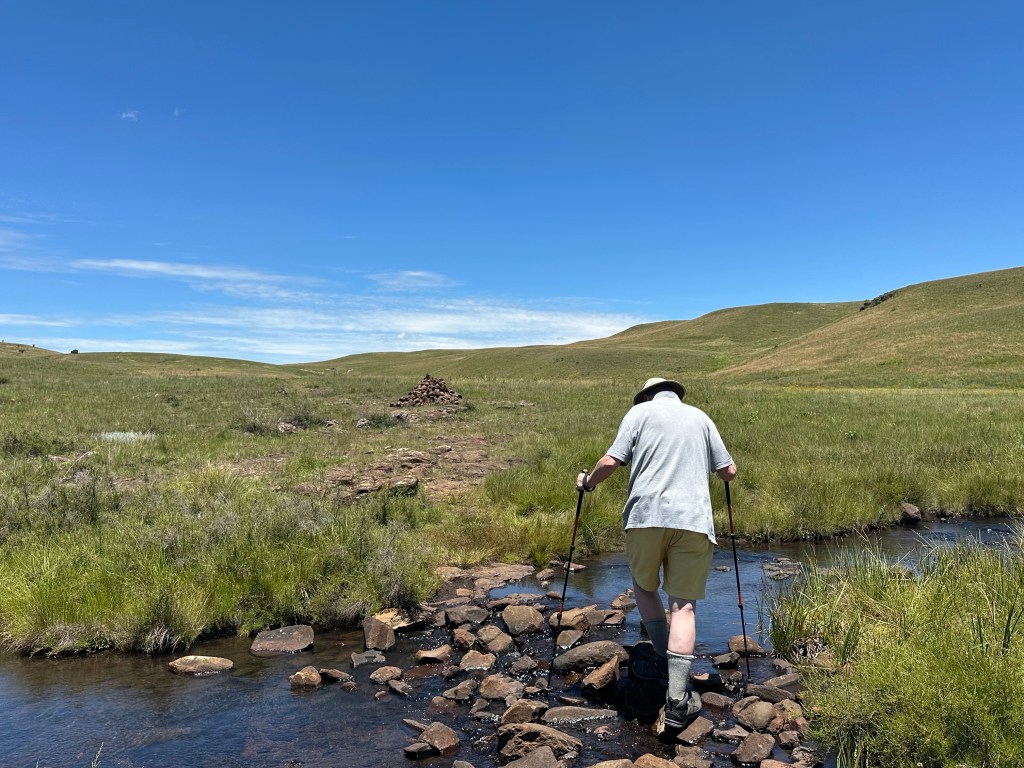
Close-by, at just below 2,000 m, is the Highmoor Nature Reserve with hiking trails and fantastic views of Giant’s Castle mountain in the Drackensburg. On the day we visited there were only two other walkers in the reserve.

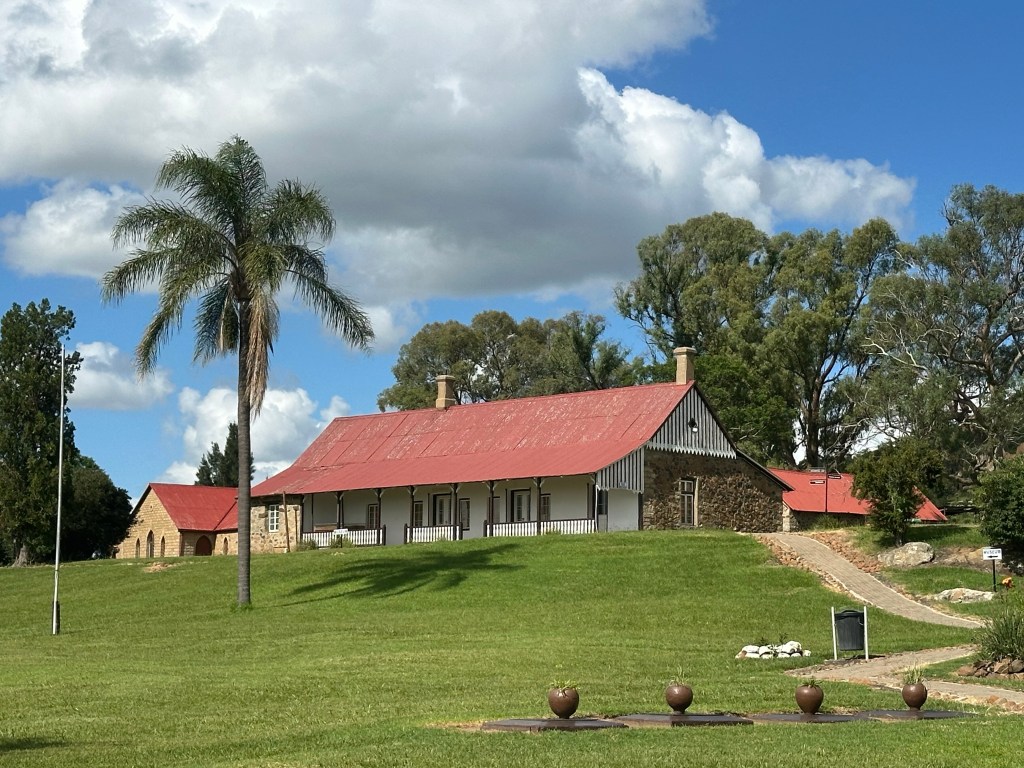
The right horn of the Zulu army (4,500 men), held in reserve, sought its own unauthorised share of the glory, travelling 10km back to Rorke’s Drift to attack the British left at the outpost. Rorke’s Drift was a former trading post, operated by an Irishman with a drink probelm who had killed himself, subsequently serving as a mission. Chelmsford had left 105 British officers and men (mainly of the 24th Warwickshire, now Royal Welsh), 36 men sick with fever and dysentry and 14 ancilleries including a doctor and a pardre.
On hearing of the approaching Zulus the officers in charge Ltds Chard and Bromhead, built makeshift defences between the hospital and storeroom using wagons, bags of meal and tins of biscuit rations. The Zulu attack began at 4.30pm and continued through the night. By the times Chelmsford’s advance force arrived at 8am on 23rd January, the Britsh casualties were 17 dead and 15 wounded with the Zulu dead around 500. Against the odds, Rorke’s Drift had been held and subsequently 11 VCs were issued to the defenders.
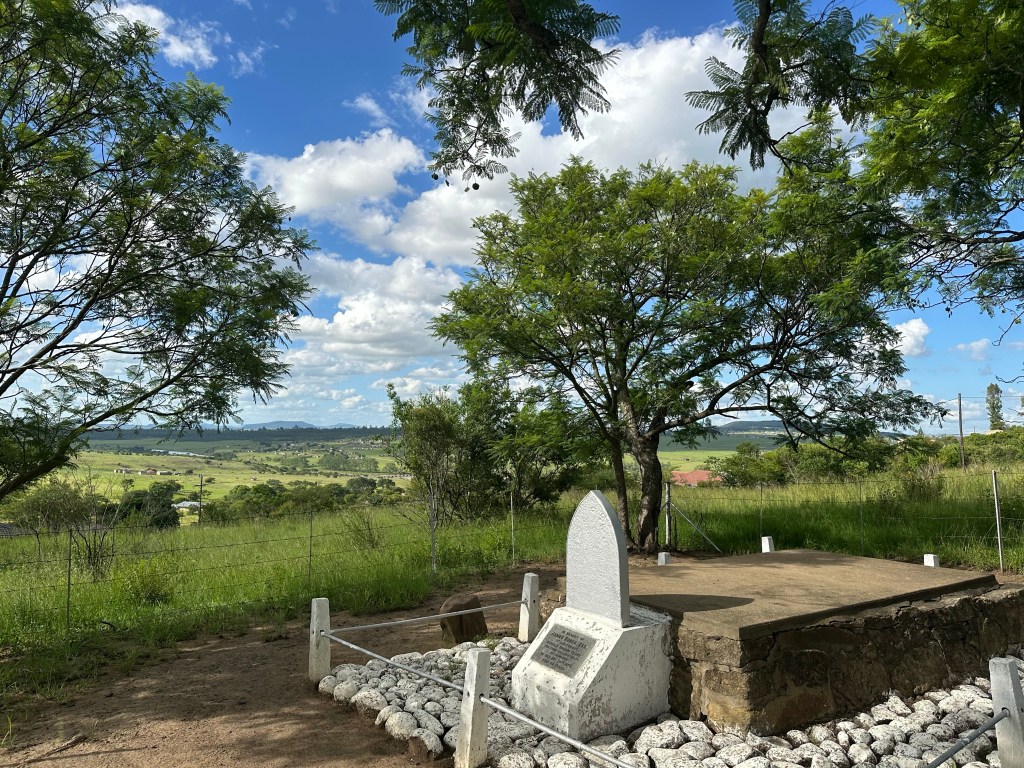


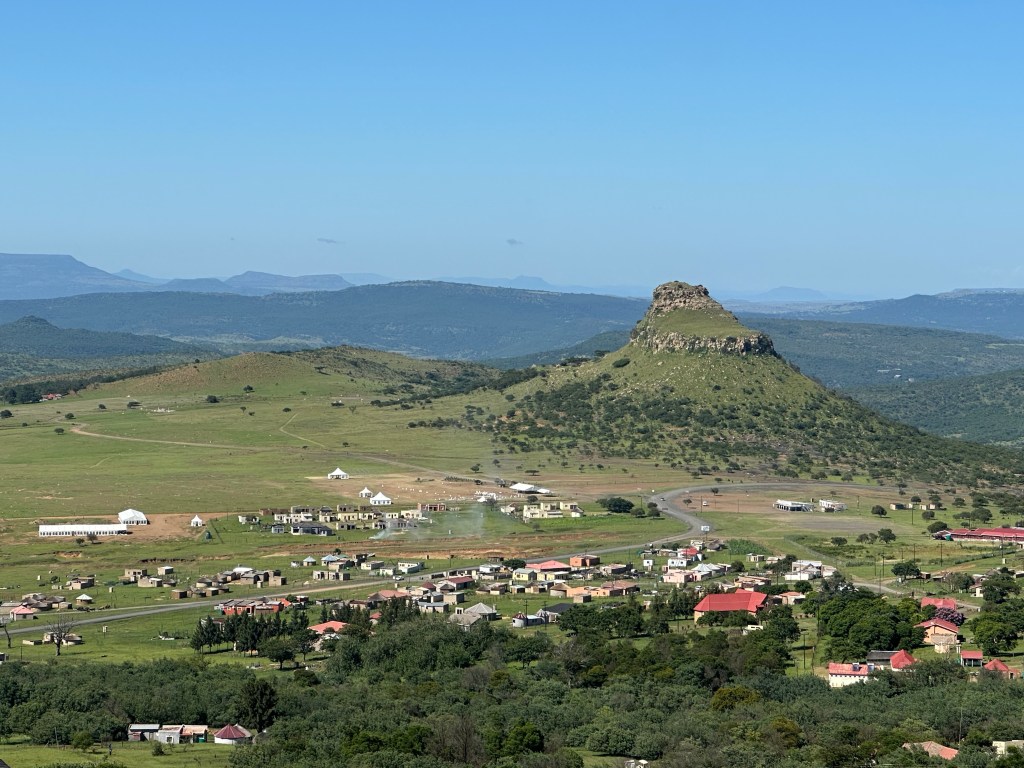
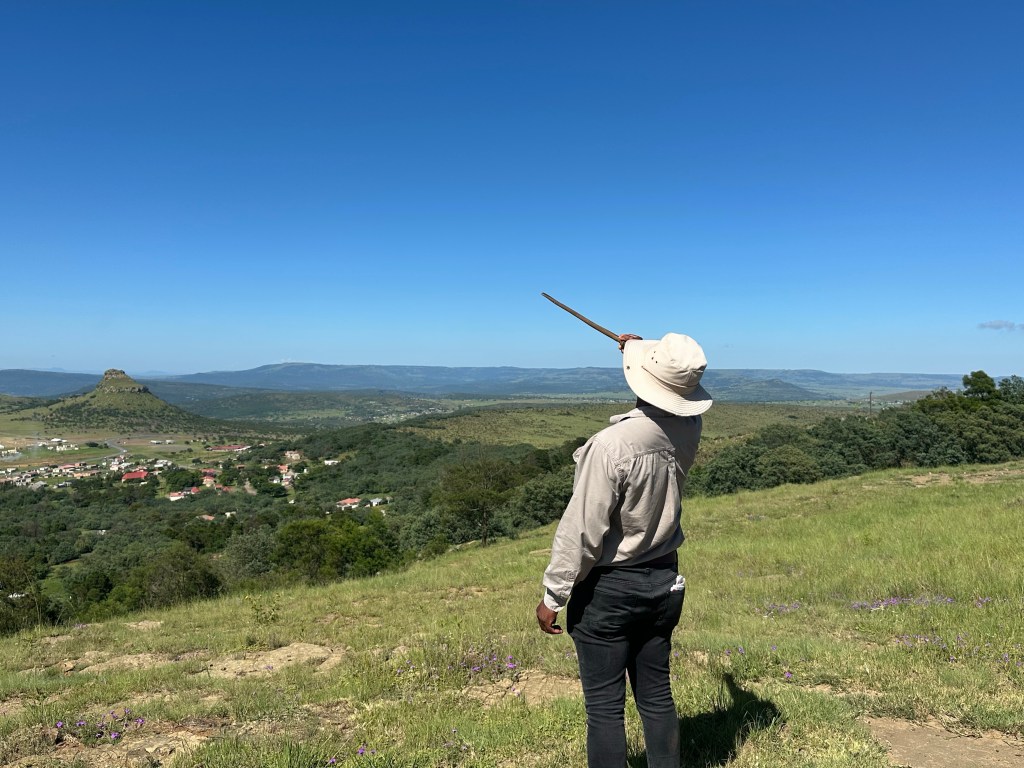
The middle column of Lord Chelmsford’s invading force travelled the 10km from Rorke’s Drift to Islandlwana. At 3.30am, following reports of Zulu movement, Chelmsford set off in persuit with 3,000 men leaving behind a camp of 1,300 men. The camp had no agreed leader nor proper defences, so was unprepared for battle with the main Zulu army, which had by passed Chelmsford’s force. The Zulu army, in a buffalo formation (two horns with a chest) were armed with assegai (spears) and shields and some old muskets. The centre and left wing, around 20,000 men, attacked around noon and by 3pm it was all over, with the added confusion of an almost total eclipse towards the end.
Aside from 55 men, all the British troops were killed. The dead were disembowelled, as a result of Zulu ritual to free the soul, and left on the battlefield. Chelmsford returned after dark, so was unable to see the full carnage until dawn.
Lt Melville, given the task of trying to save the regimental colours, set off on horseback looking to cross the Buffalo River. At the crossing he was assisted by Ltd
Lt Coghill who had suffered an injury chasing a chicken for Chelmsford’s dinner. They lost the colours crossing the river under Zulu pursuit, although they were subsequently recovered from the river. They lost their lives on the Natal side, overcome by Zulus and became the earliest recipients of posthumous VCs when they were first awarded in 1907. Their bodies are buried where they died, which now lies within the property of the lodge where we stayed, Fugatives Drift.
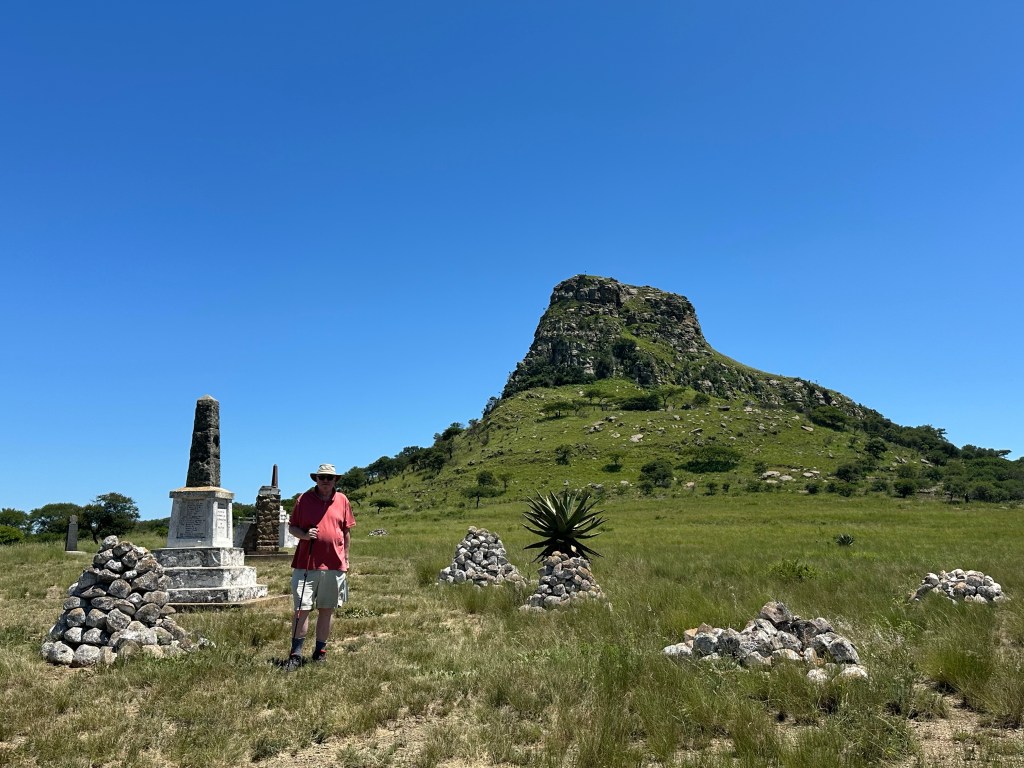

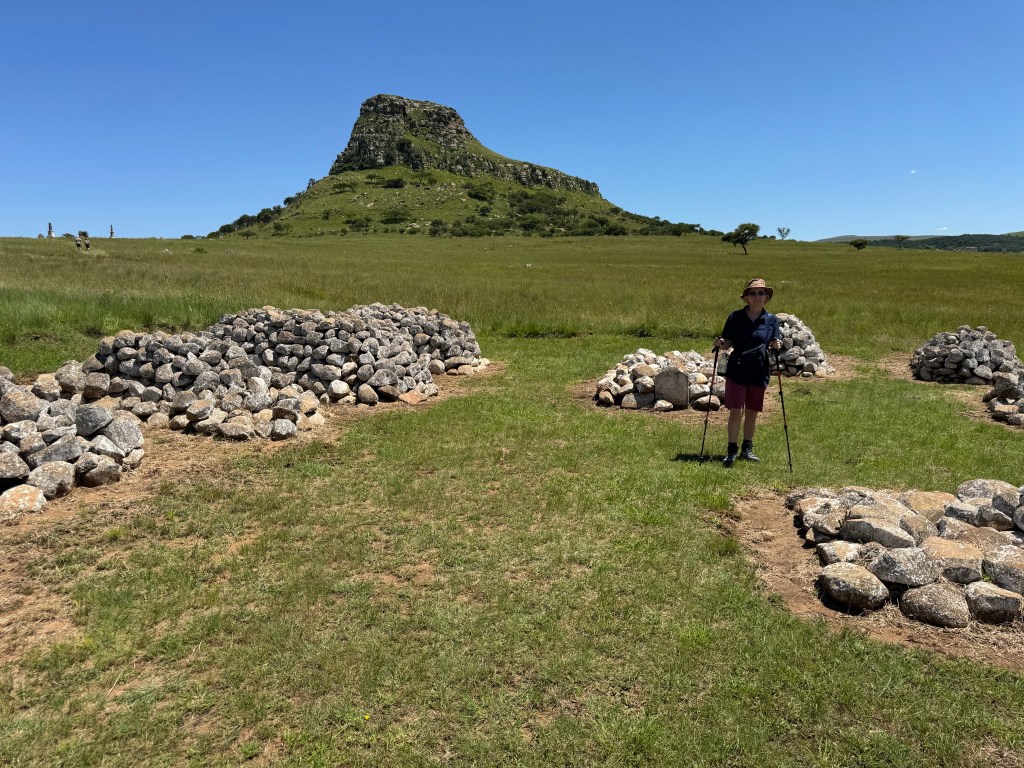
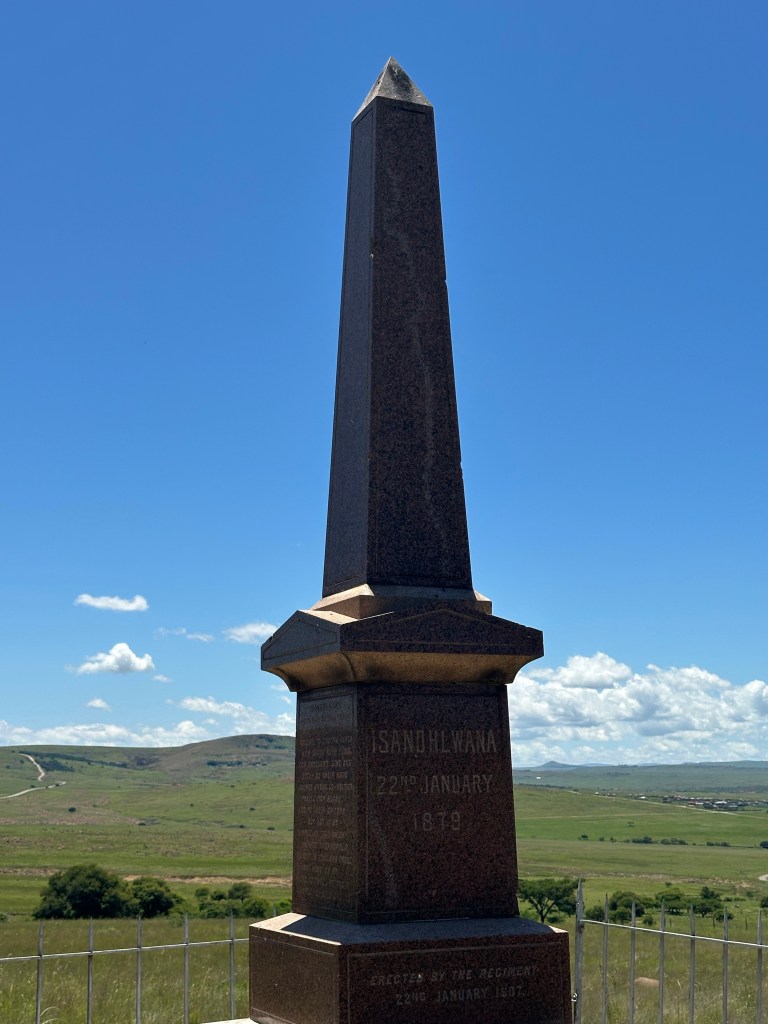
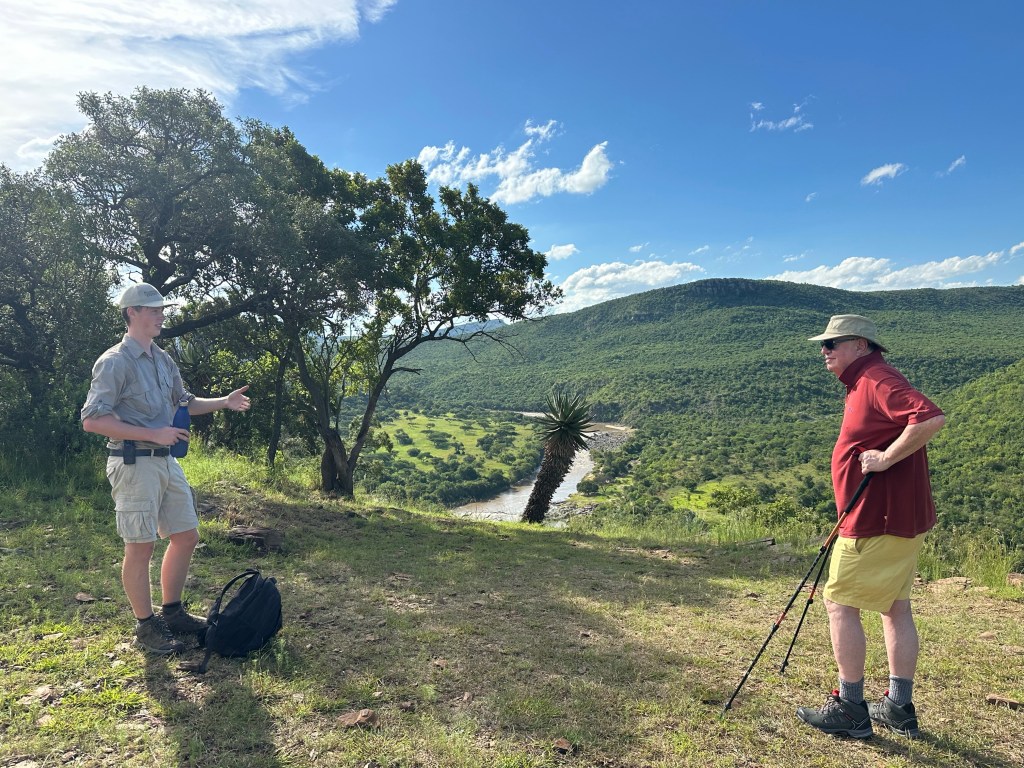
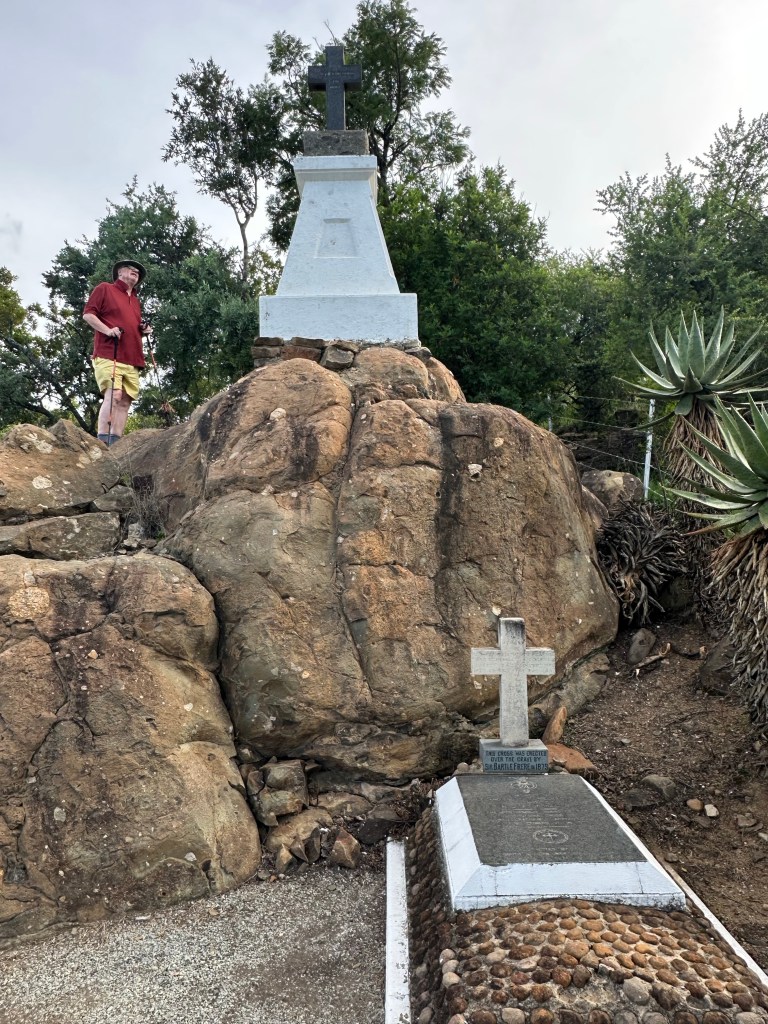
The first Zulu king, Shaka, built from a small tribe the Zulu nation through war and conquest so that by 1825 it covered 30,000 sq km, roughly the same size as Scotland. Following assassinations by his half brothers, in 1830 the Zulus fell into conflict with Boers looking for more land. The British were also looking to expand from their base in Durban and laid claim to land called Natal, named by Vaso de Gama as it was discovered on Christmas Day. Natal bordered Zulu land, separated by the Buffalo River. The discovery of diamonds north east of Cape Town in 1867 and the successful confederation of Canada in 1874, led Lord Carnarvon to seek a plan of confederation in South Africa.
As a result of spurious border infringements by the Zulus, across the Buffalo River, the British issued an ultimatum to the Zulu king, Cetshwayo, which included the disbandment of the Zulu army and other totally unacceptable demands. The British in Natal had been instructed not to start a war because its forces were stretched at the time. However communication to and from London took over a month, giving the comander, Lord Chelmsford some leeway. The ultimatum ran out on 11 January 1879 and Lord Chelmsford led the middle of three columns across the Buffalo River at Rorke’s Drift. The column comprised 4,700 men and Chelmsford was looking for a quick victory over the 25,000 Zulu army.
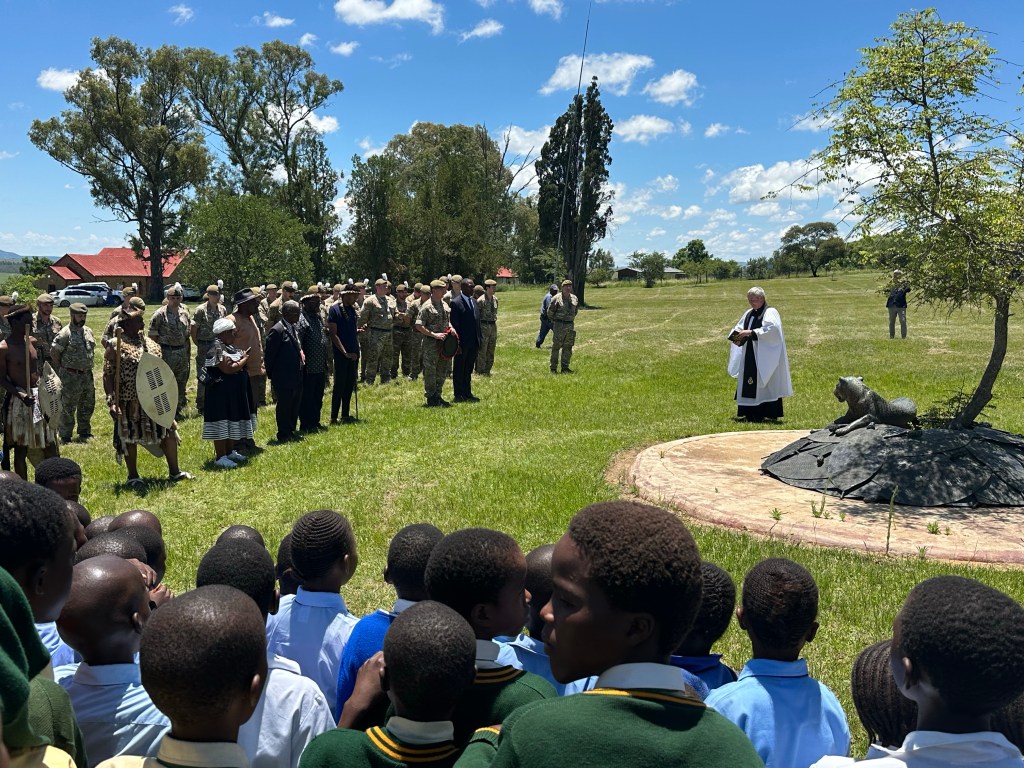
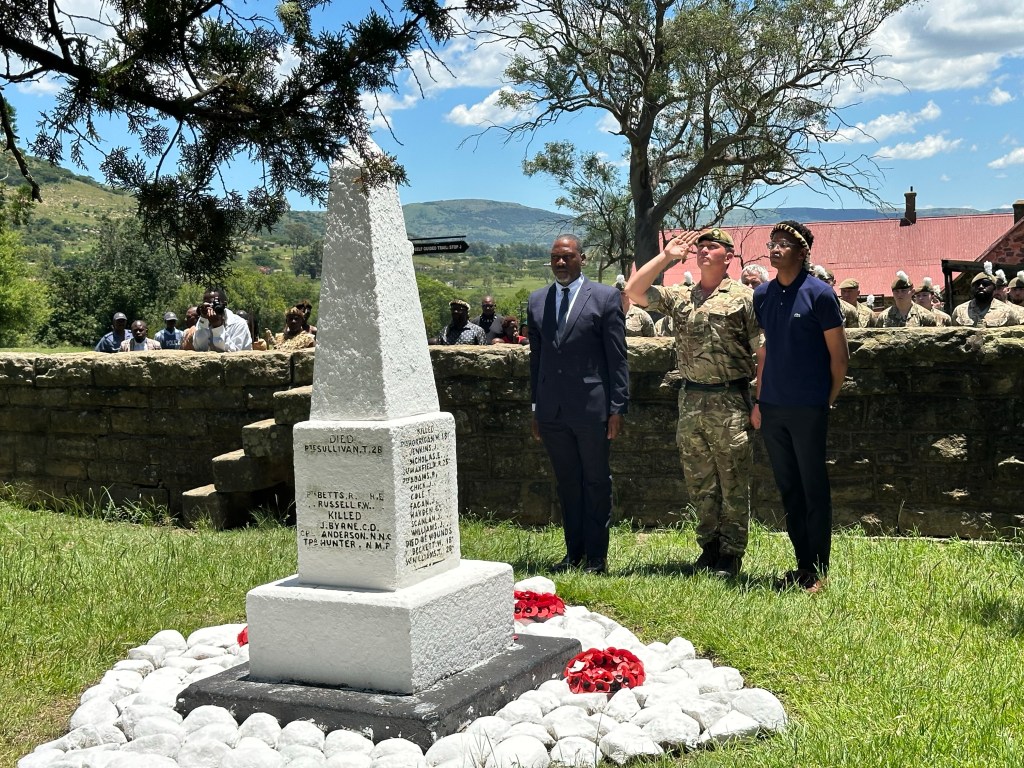
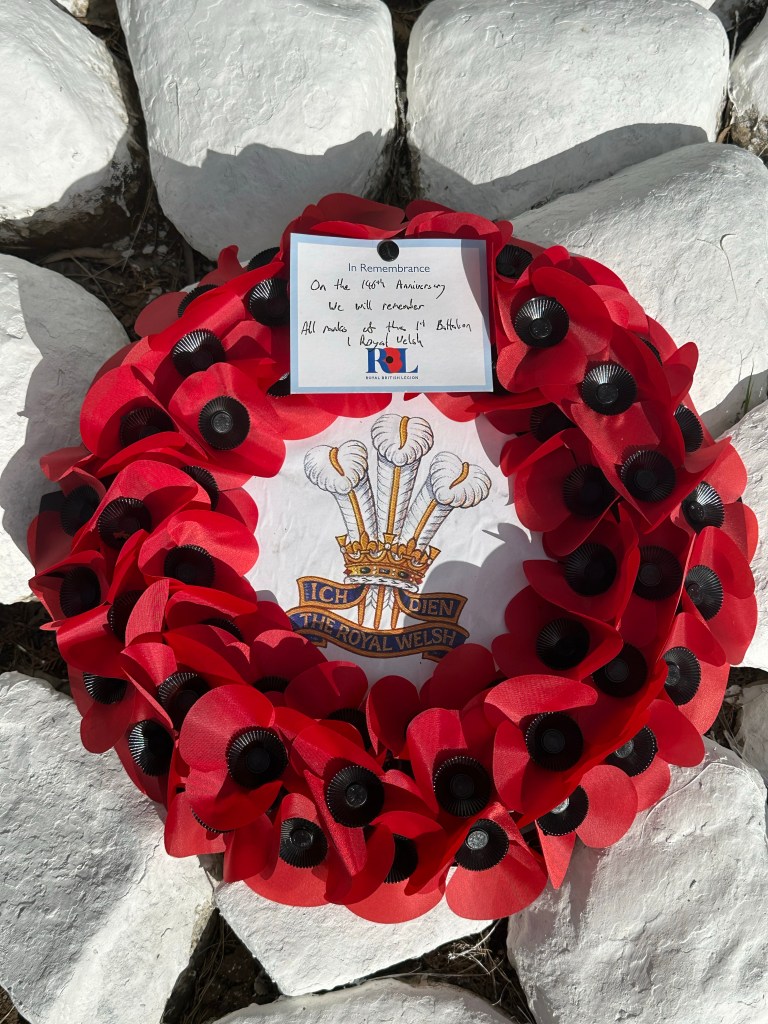
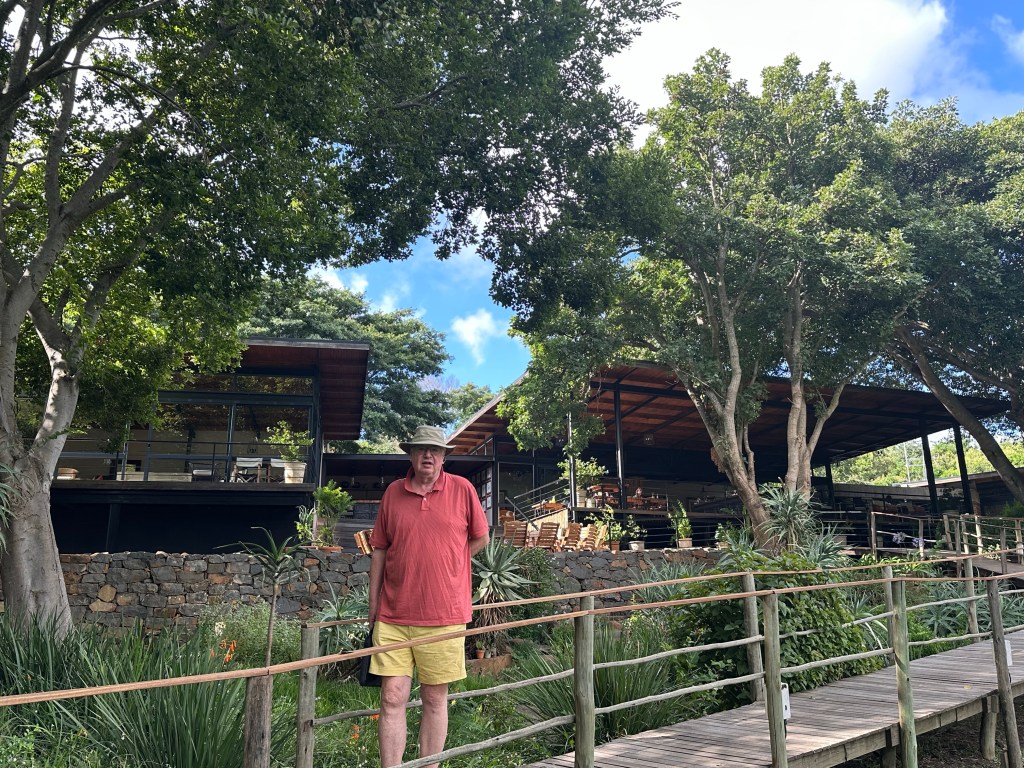
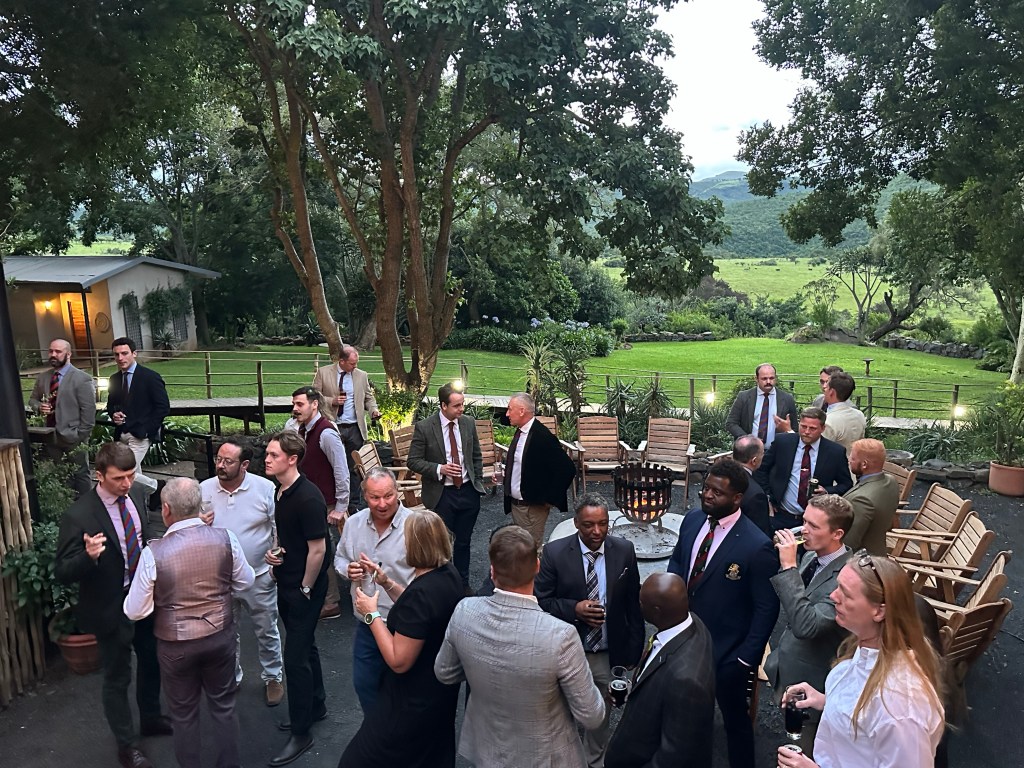
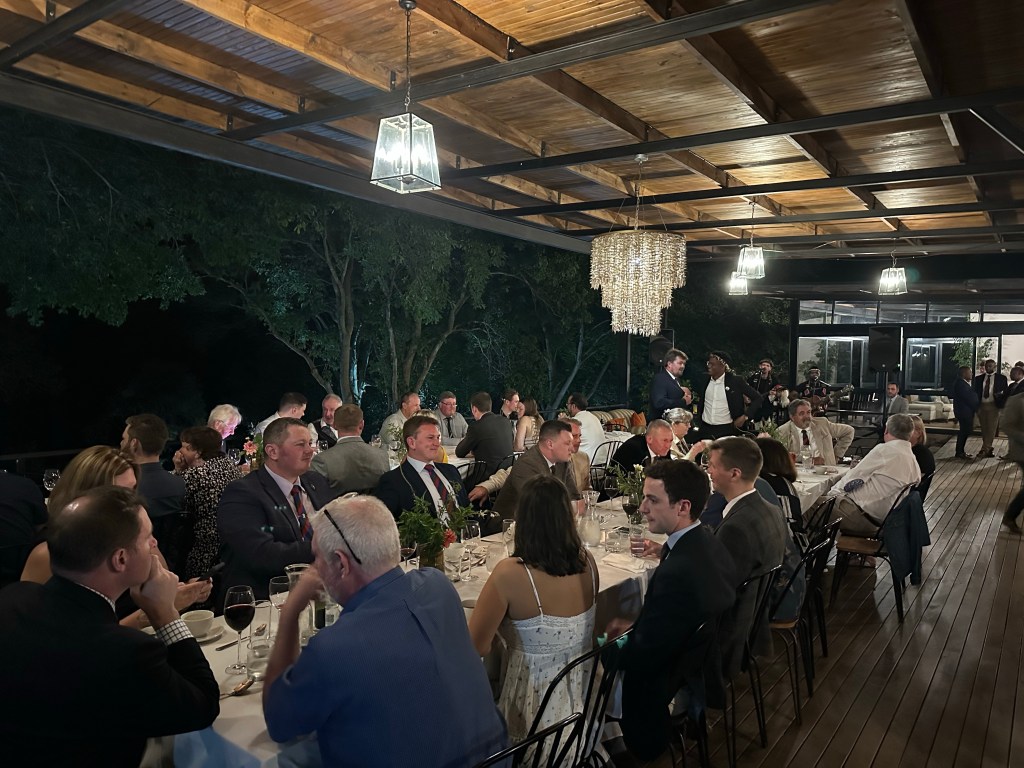
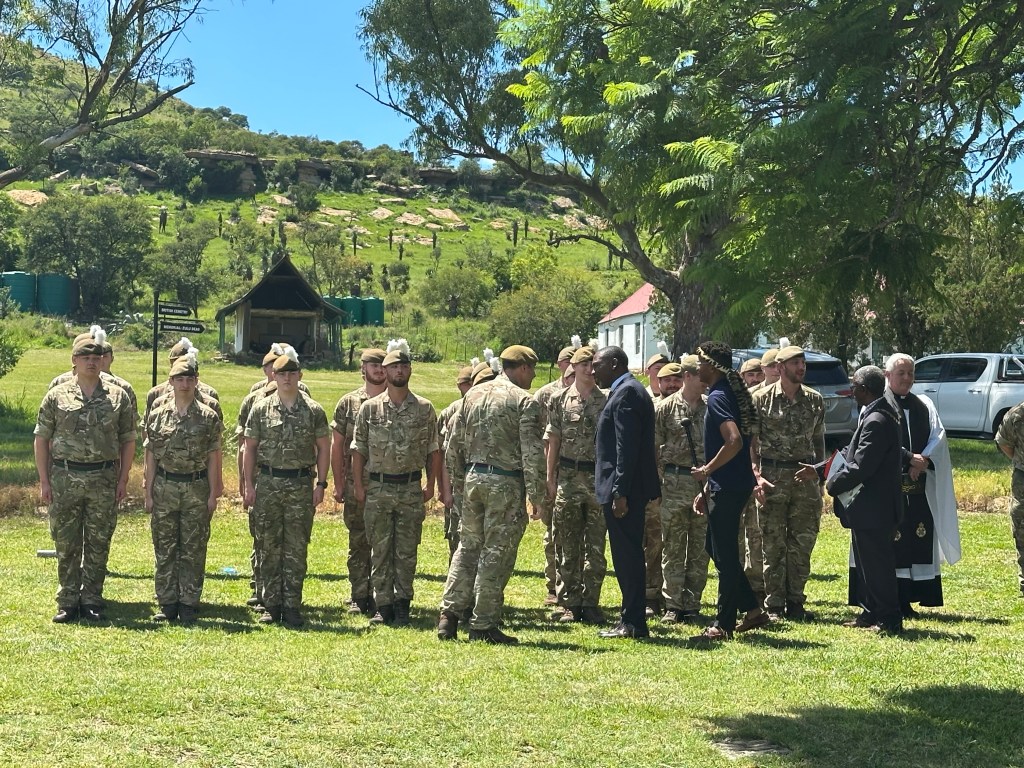
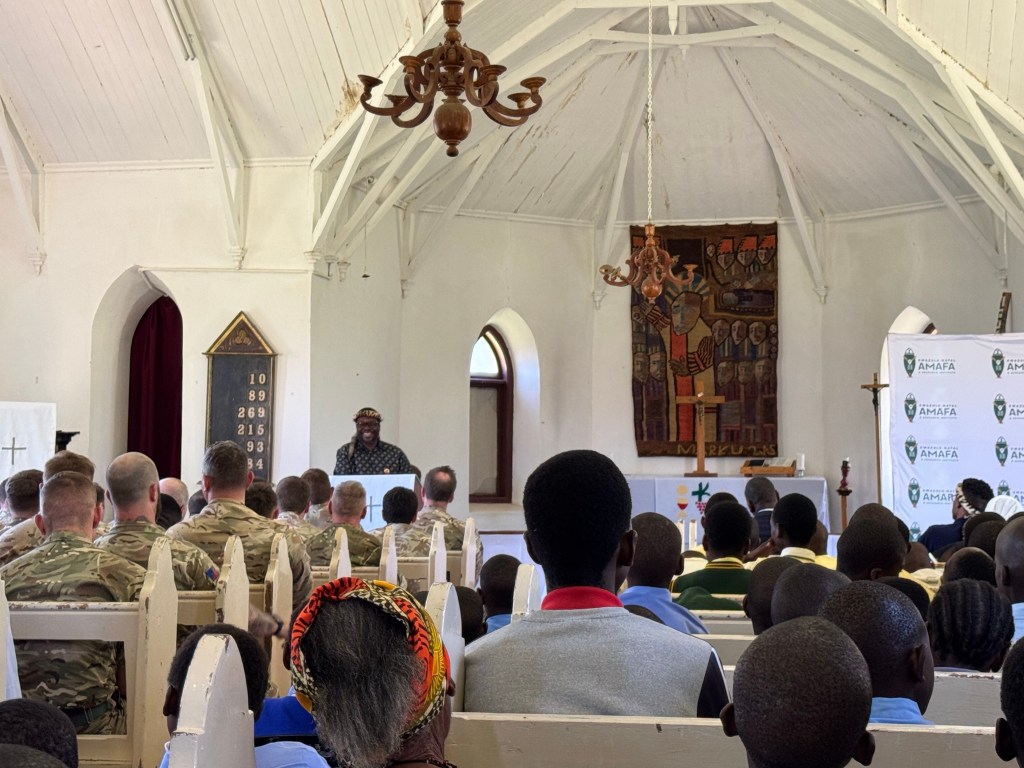
The lodge where we stayed has become a centre for visiting the sites of two of the battles, Isandlwana and Rorke’s Drift, both famous in British military history – respectively as a spectacular defeat and equally spectacular victory. The battles took place on 22 and 23 January – we arrived (coincidentally) on the anniversary. We missed the reenactment at Islandlwana at which the current Zulu King and 45 British troops were present. However we were invited to attend a regimental dinner hosted by our lodge for the troops and local dignitories, around 90 in all. We also attended the rememberance service, wreath laying and inspection of the troops the following day at Rorke’s Drift.
This fortunate coincidence, together with the vivid story telling by the lodge’s expert guides made for an extremely interesting and memorable experience; far better than any classroom history lesson !
Durban is the third largest city in South Africa with a population of 600,000. It sits on the east coast on the Indian Ocean. It was sighted by Vasco de Gama in 1497 but colonisation began after Henry Fynn befriended the local Zulu King Shaka and the British were granted land in 1824. Durban was named in 1835 after the Cape Govenor Sir Benjamin D’Urban. Because of the sub-tropical climate it became a centre for planting sugar cane and the production of sugar. To enable this many indentured Indians were brought in to run the plantations. The conditions of the indenture were such that the Indians were little more than slaves. The population still has 25% with Indian heritage and is consequently known as the curry capital of South Africa.
When we attended the T20 cricket between Durban and Cape Town the majority of the spectators were of Asian origin. Unfortunately the gamed was rained off after 11 overs.
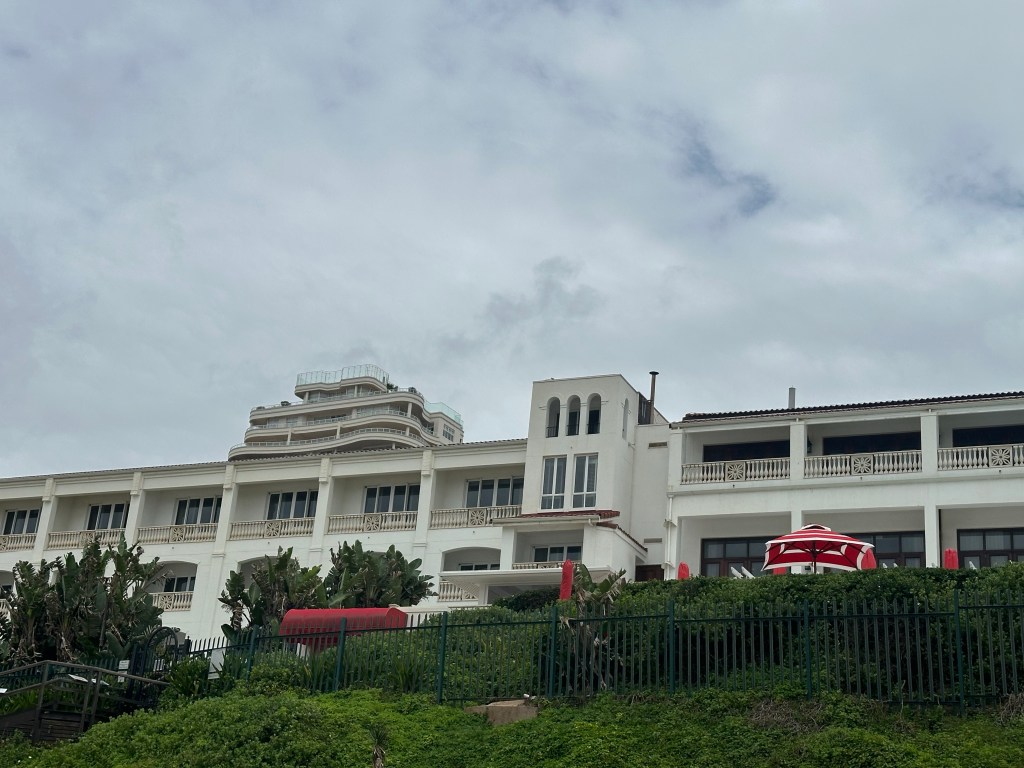
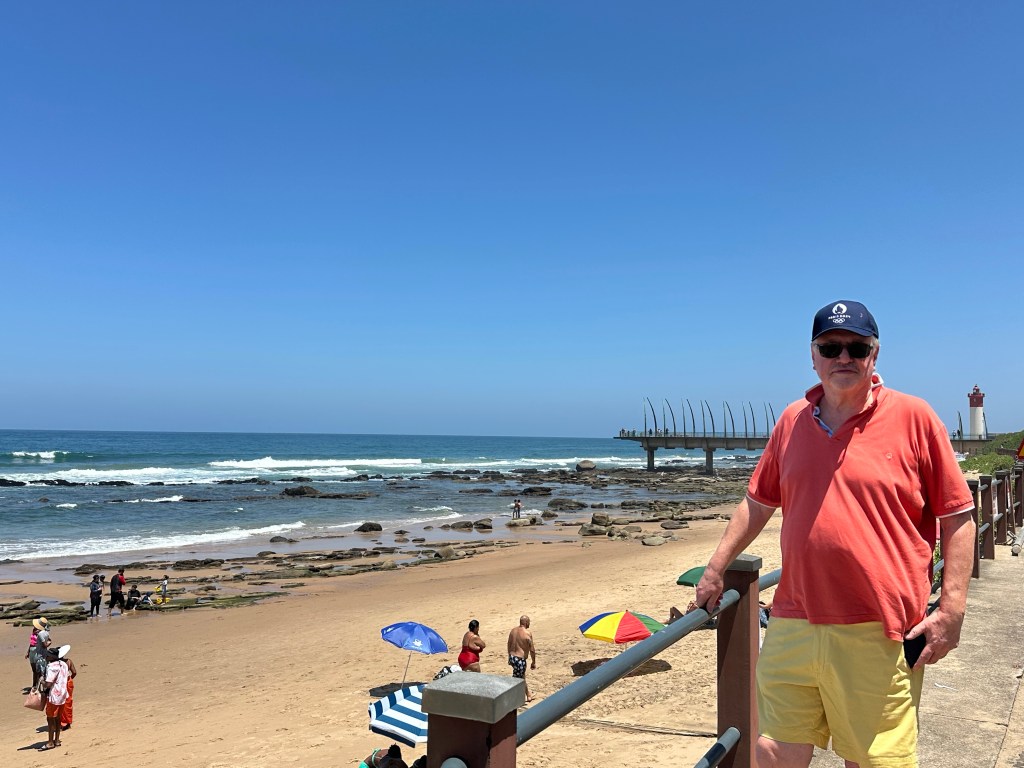
The main purpose of our stay was to recover from the flights to get here (London-Johannesburg-Durban); we stayed in a residential and tourist town north of the city, uMhlanga, which means place of reeds. Our art deco style hotel, built in the 1940s, has a sea front location next to an unmanned lighthouse built in 1954.

 Shilli-Fully Travels