Japanese culture and society

Japanese culture is rooted in tradition and harmony, emphasising values such as respect and community with a strong emphasis on politeness and etiquette.

We saw many examples during our travels. Everywhere is clean – no rubbish, dog poo, chewing gum and plentiful clean public toilets. There are no rubbish bins in public places following the 1995 terrorist train attack; all citizens carry bags to take rubbish home as a collective responsibility. All public transport runs on time – it would be rude not to – and stations are clean and orderly.

The values are ingrained from childhood at home and school. In public schools children have to clean their classroom before going home each night. We saw them bowing to staff as they left school.

Japan is, we read, the world’s fourth most secure country. We noticed this on a daily basis – you can use your phone in the street without fear of snatching, bikes/helmets are left on the street unlocked. There is heavy policing/ surveillance supported by the public. There are neighbourhood “kobans”, small one room police stations open 24 hours a day where minor crimes and issues are reported or lost valuables are taken.

Japanese society places order above freedom of the individual. This strong collective responsibility is easier to maintain in a country with little immigration and therefore limited ethnic diversity. It is also more economically homogeneous than most countries. We quickly formed the opinion that it is the most controlled non communist state.
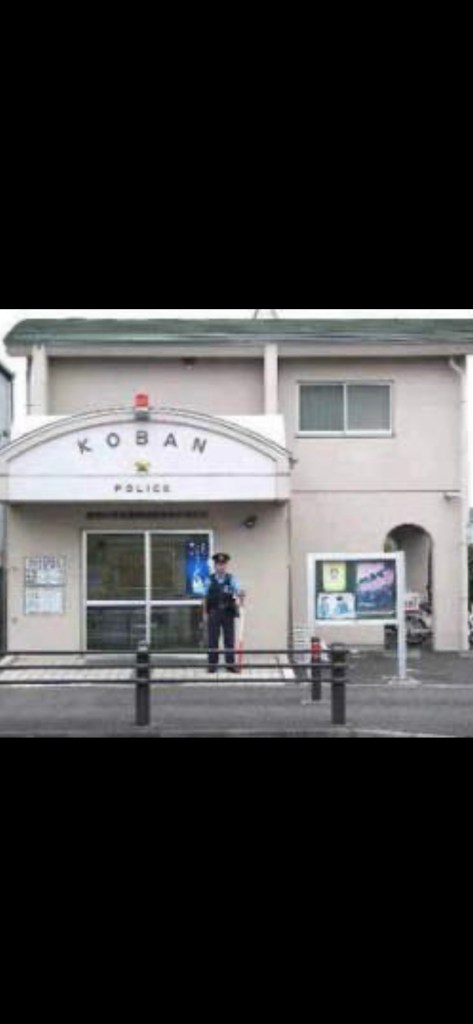
Neighbourhood Koban station
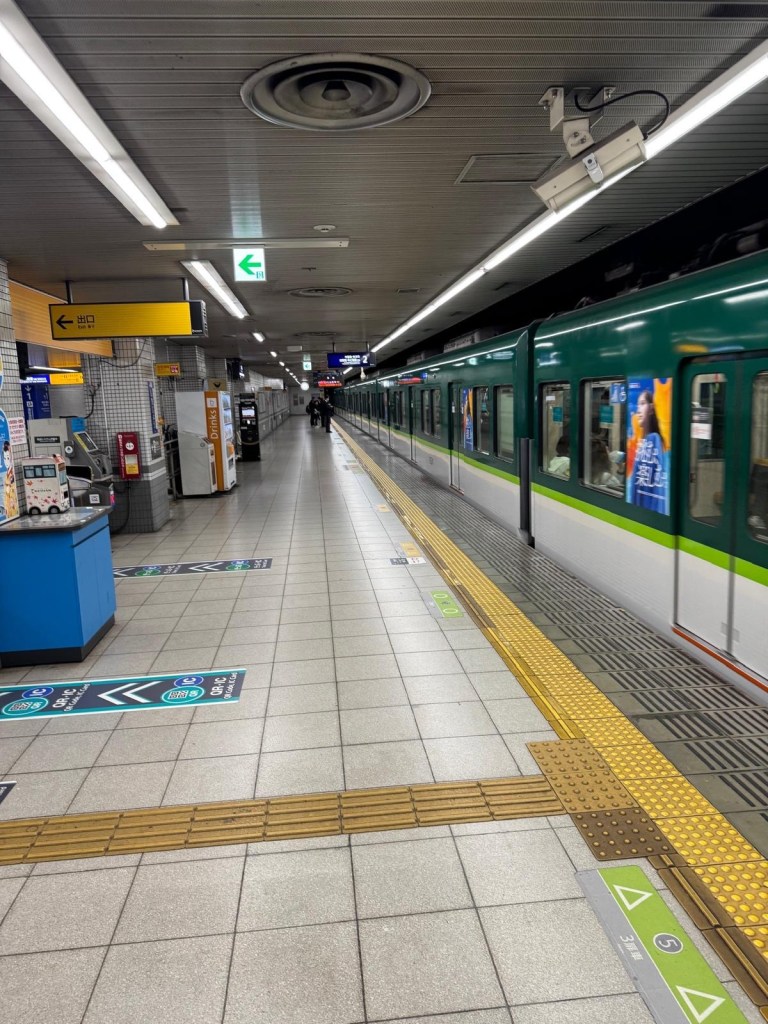
Railway station in Kyoto- a busy station but not a spot of dirt

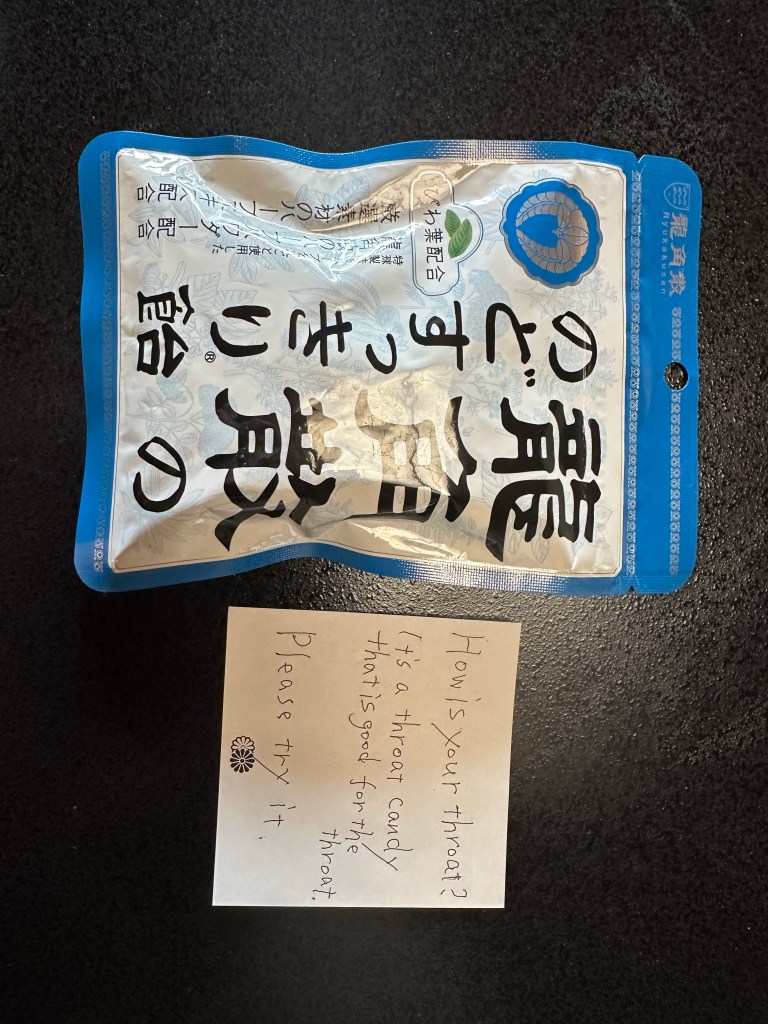
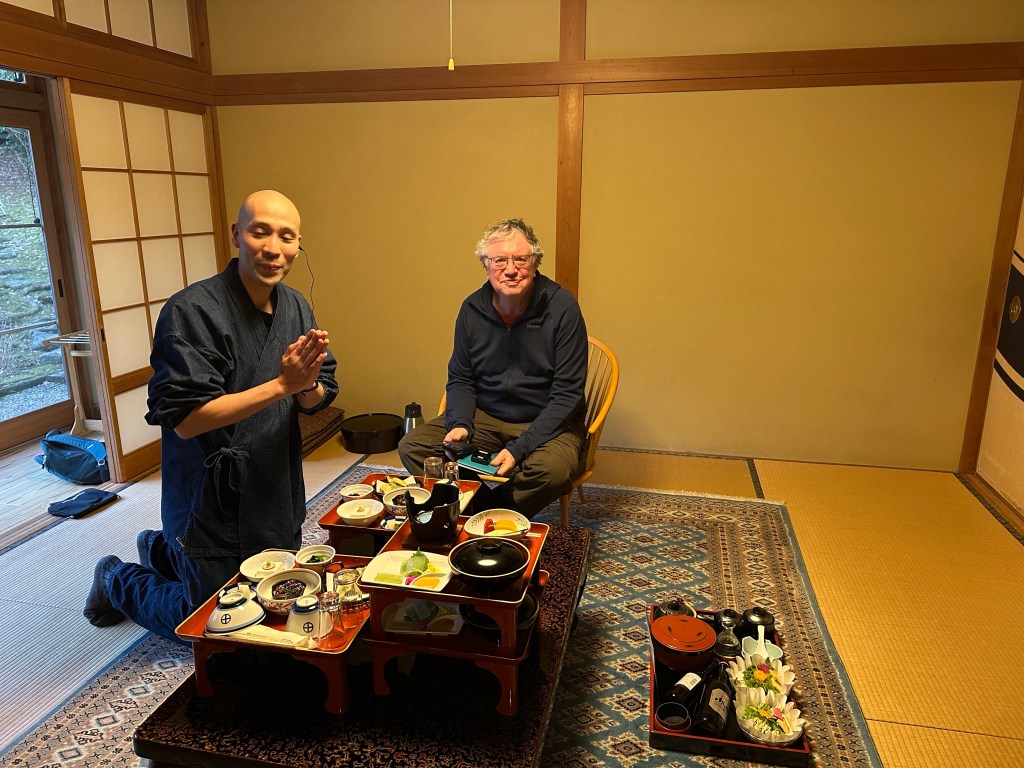
Thoughtful and kind gesture from a member of staff at a Japanese Inn
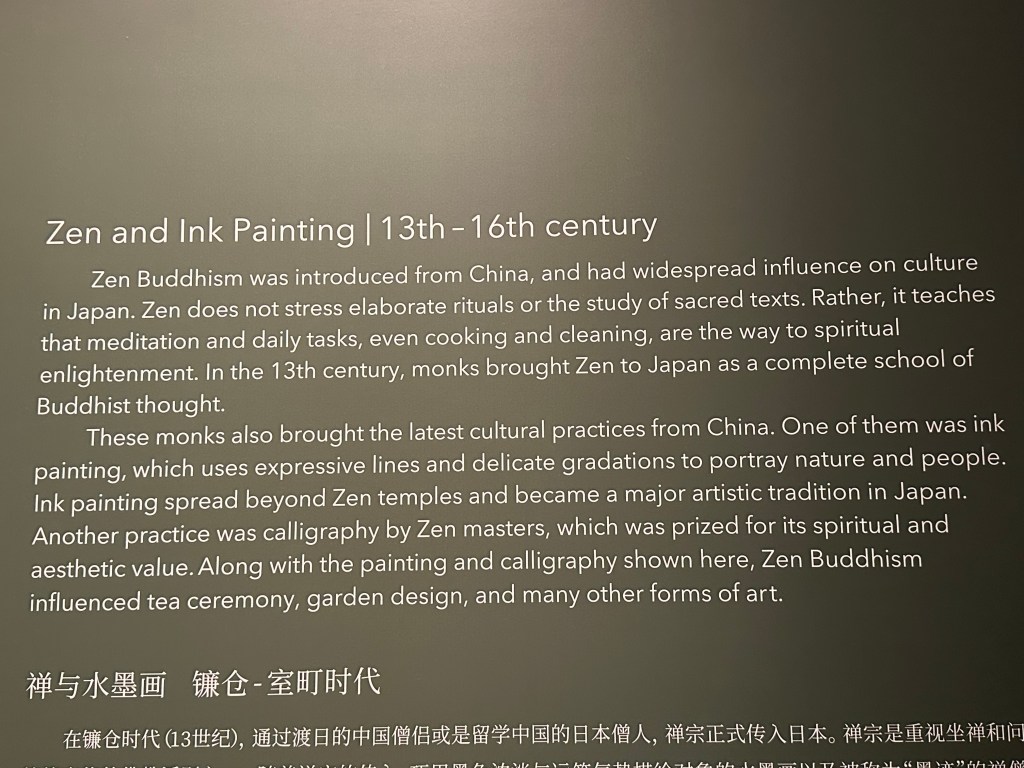
The teachings of “zen” from a sign in the Tokyo National Museum. Third sentence- something to consider when washing up ?!

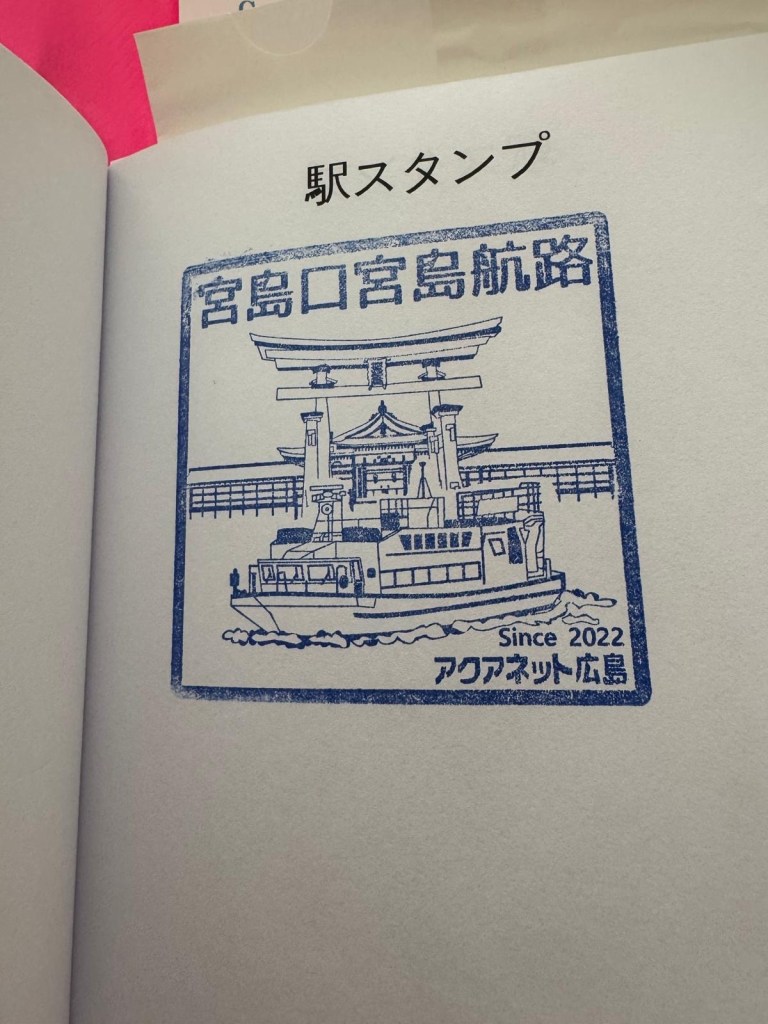
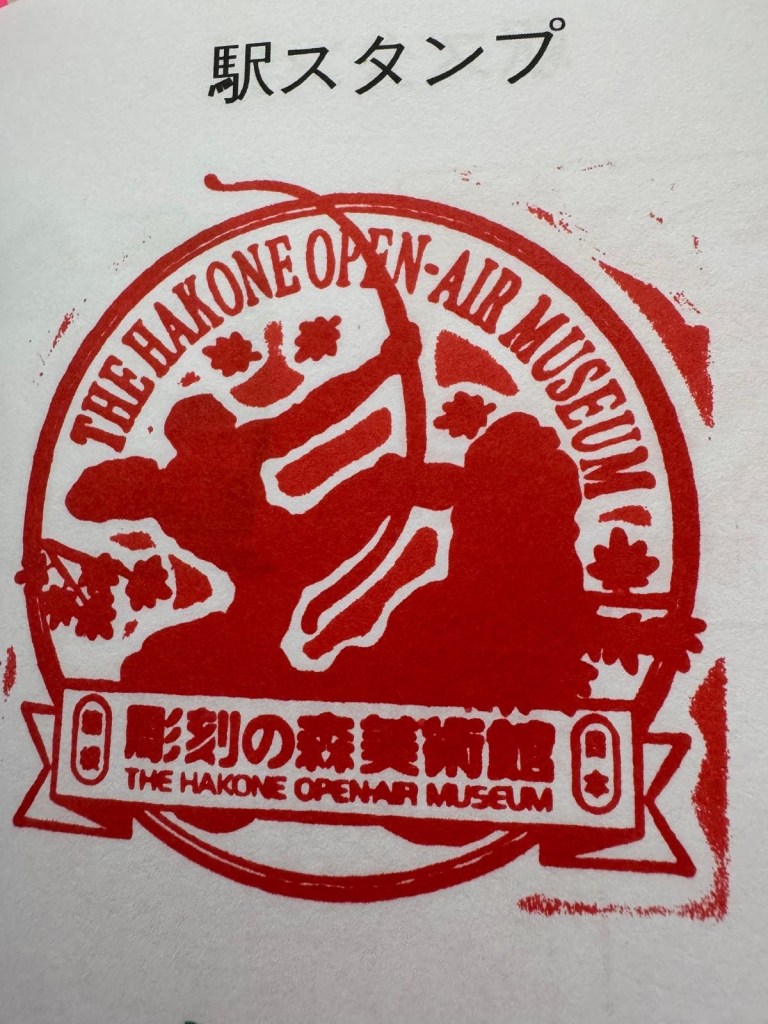
Eki stamps

A quirk of train travel is “Eki stamps”. In 1931 Eki ink stamps were introduced to railway stations so that passengers could collect stamps in a book to record where they had been. There are now 9,000 stations where a stamp can be collected. In addition some museums also provide stamps.

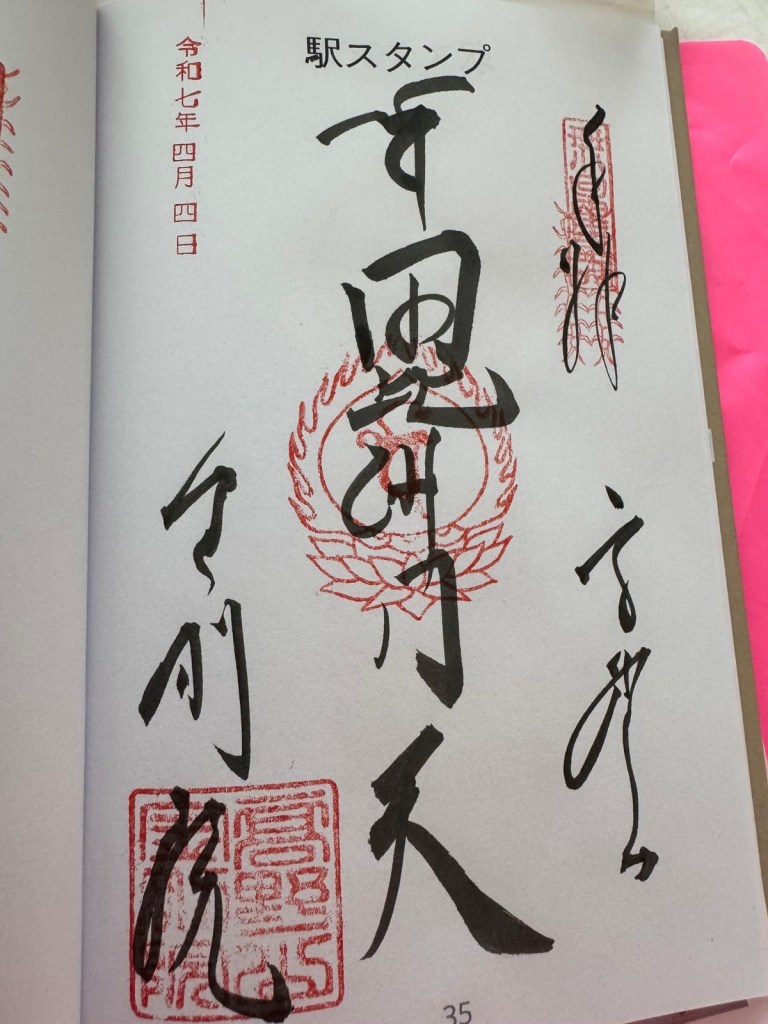
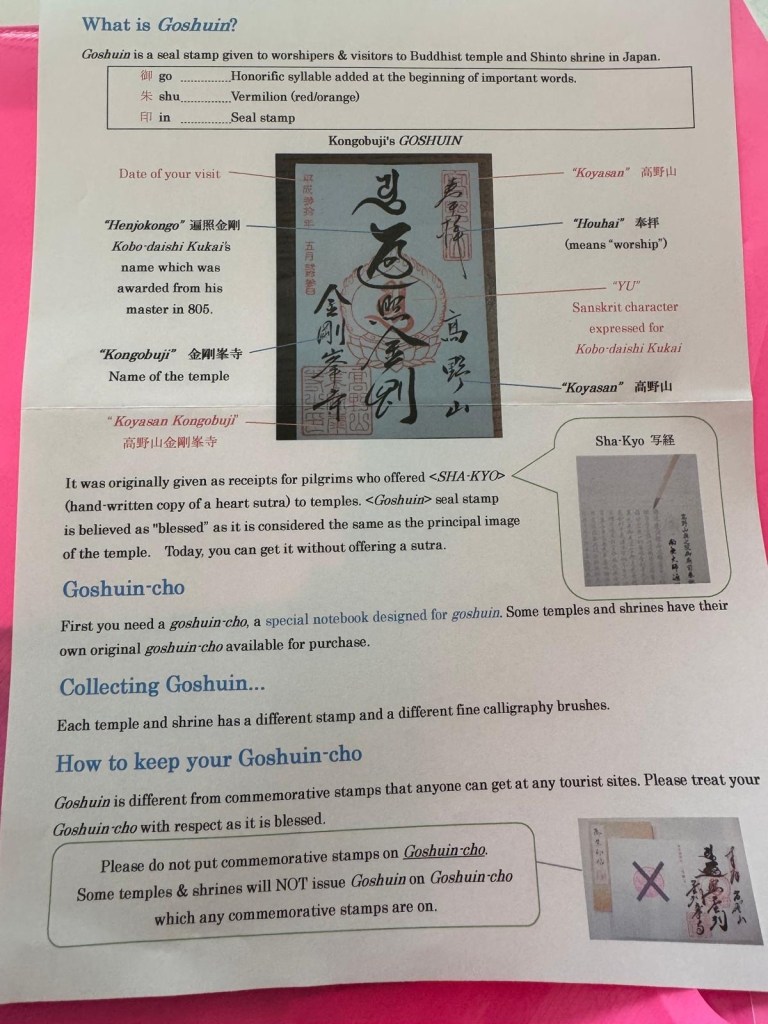
Temples produce goshuin, which is a combination of calligraphy and stamp which can be collected but in a “sacred” book, as a record of one’s faith.

We had learned about Eki stamps from a Joanna Lumley documentary we watched before our trip, so arrived armed with our stamp book purchased in the UK from Amazon. Such a book is not considered sacred, but we were able to purchase paper goshuin from the temples for 500 yen each.

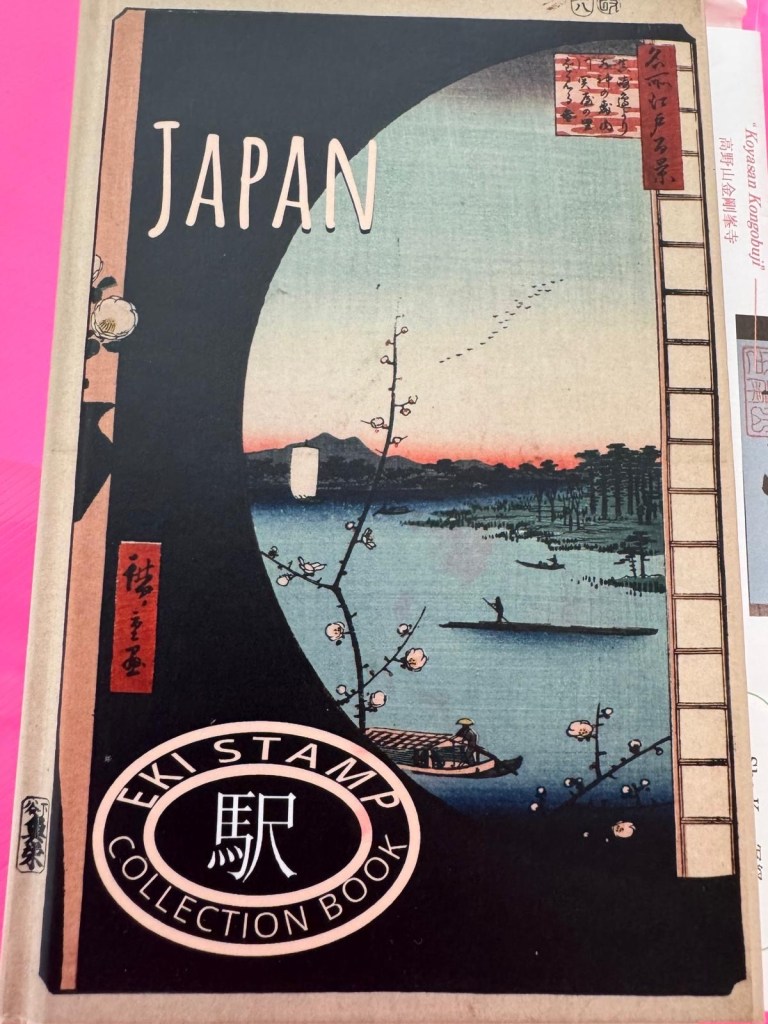
Our (non- sacred) Amazon purchased stamp book
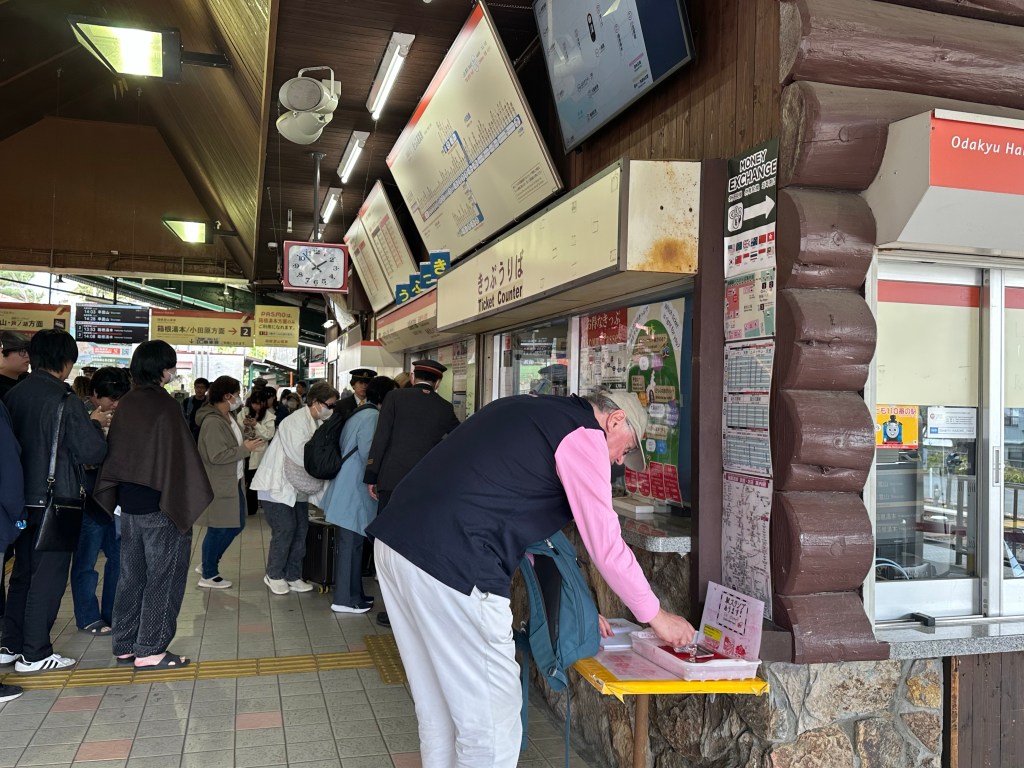
Eki stamp at Gora station
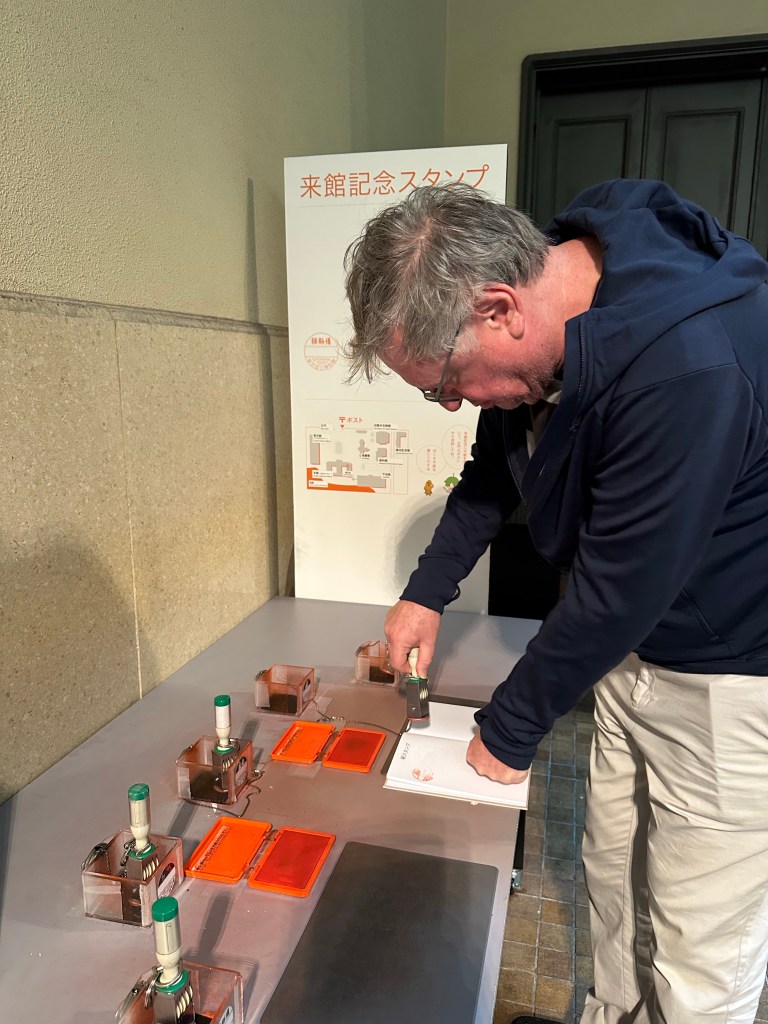
Eki stamp at Tokyo National Museum
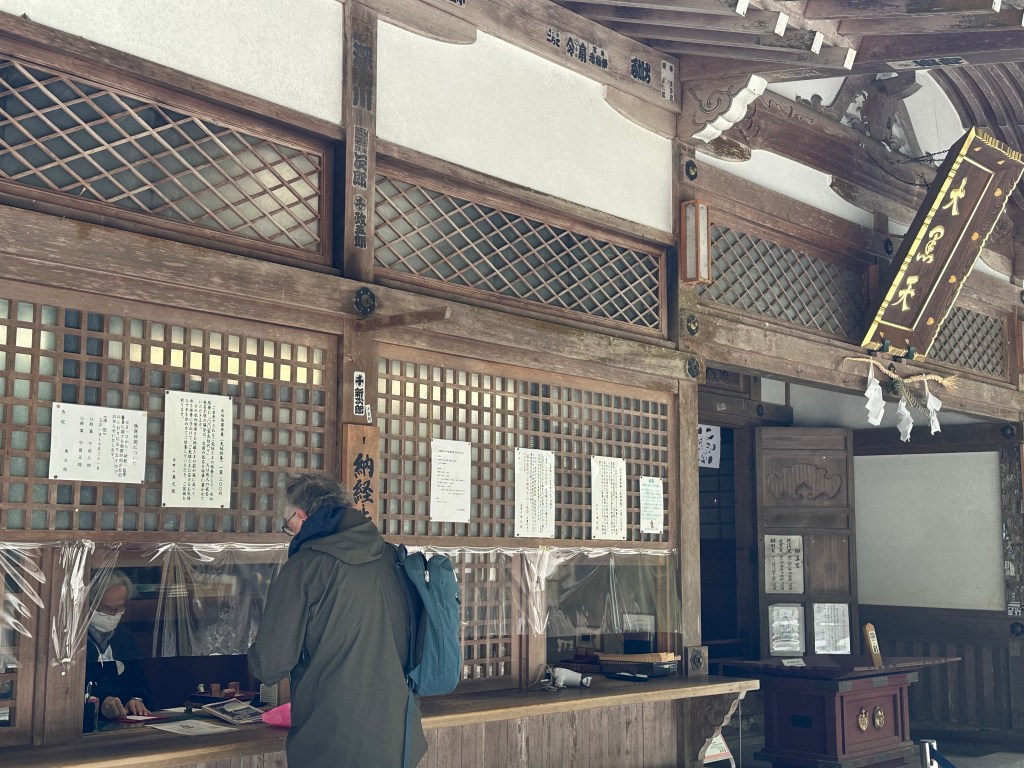
Purchasing a goshuin in Koyasan

Japanese food

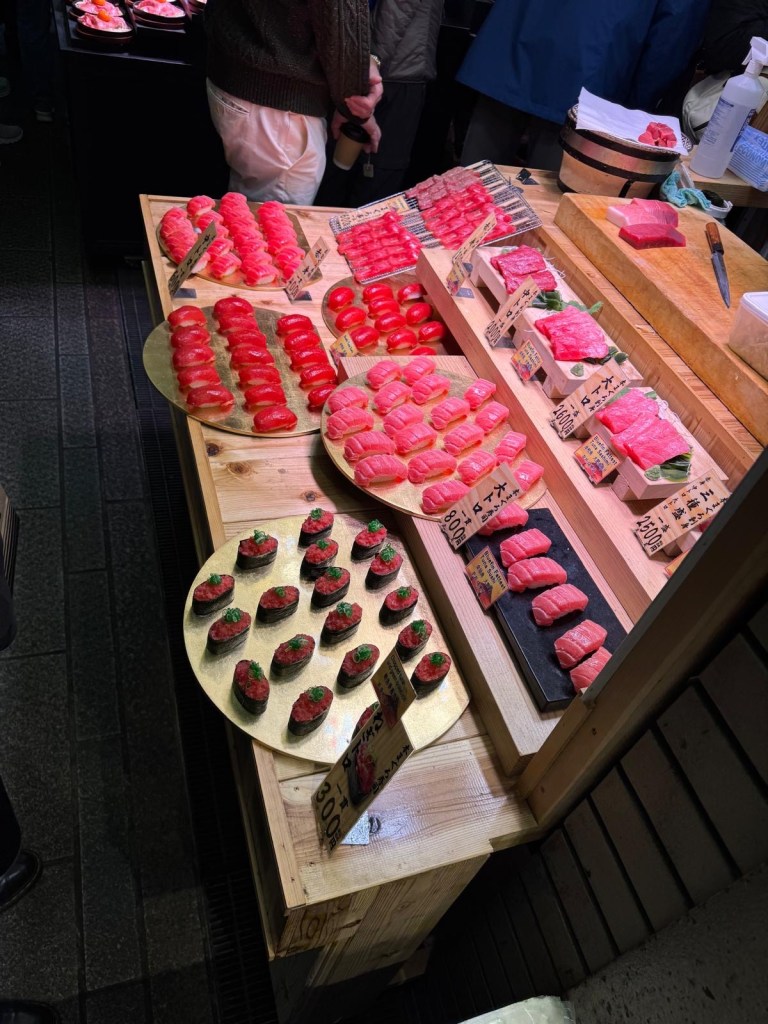
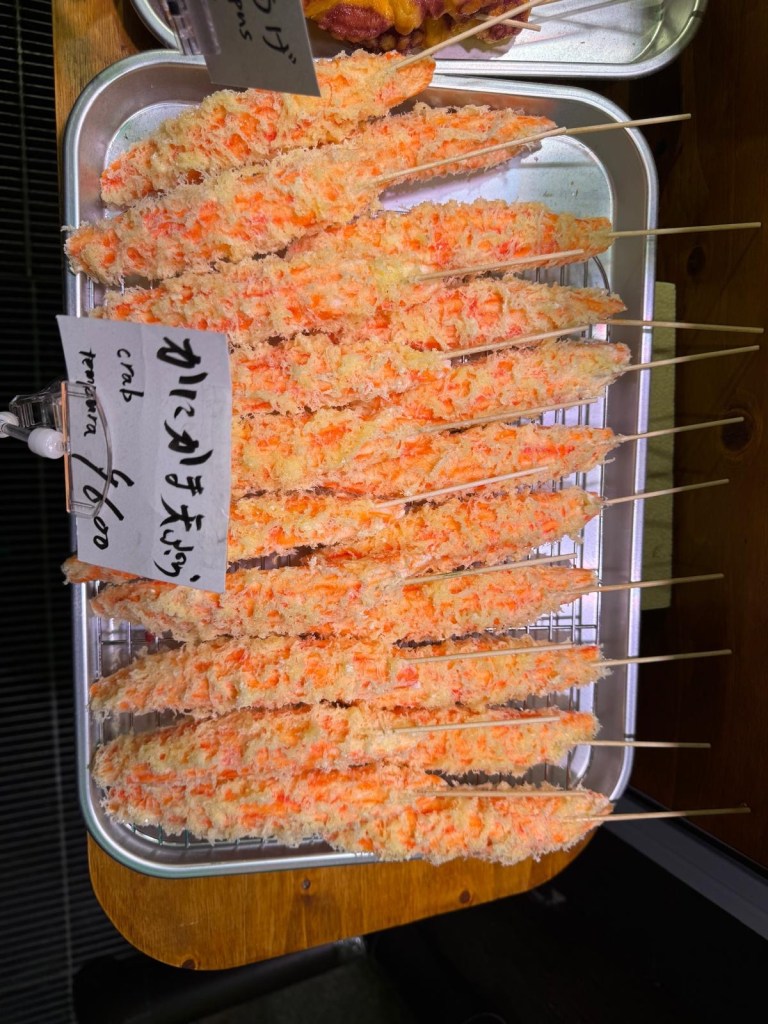
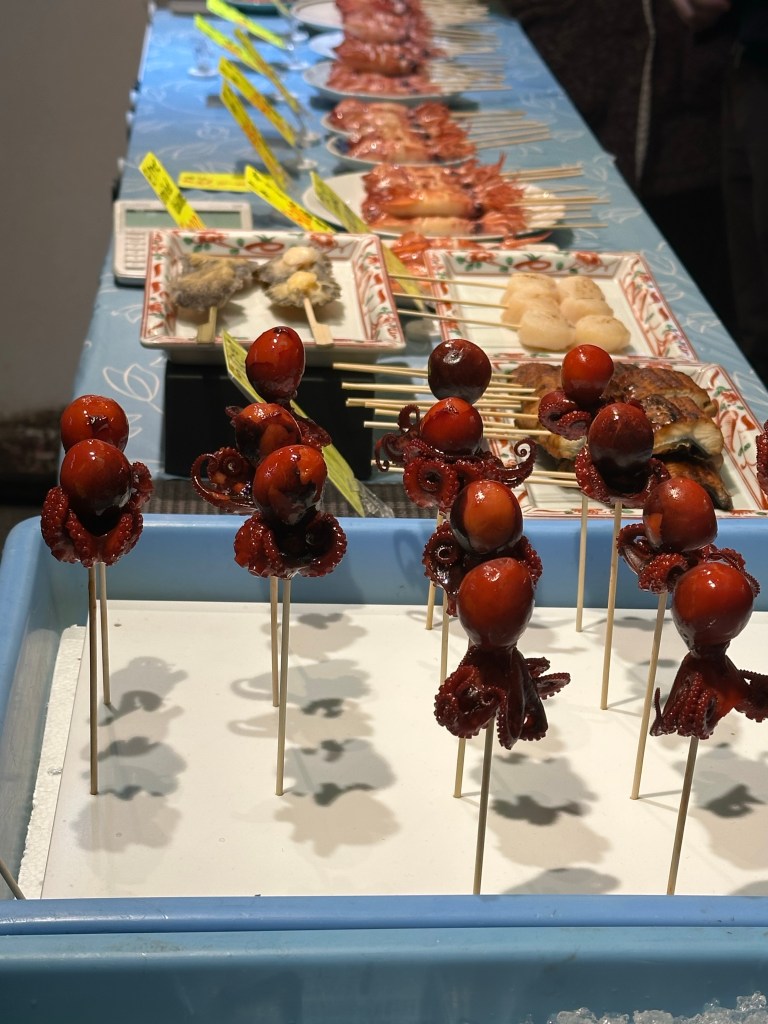
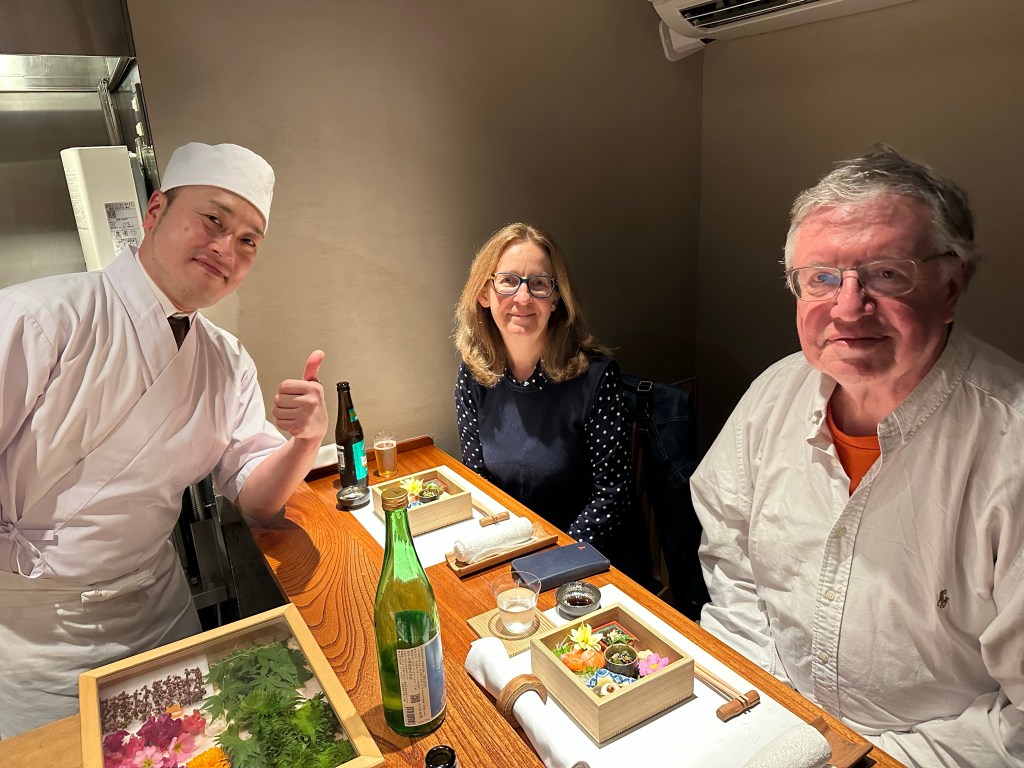
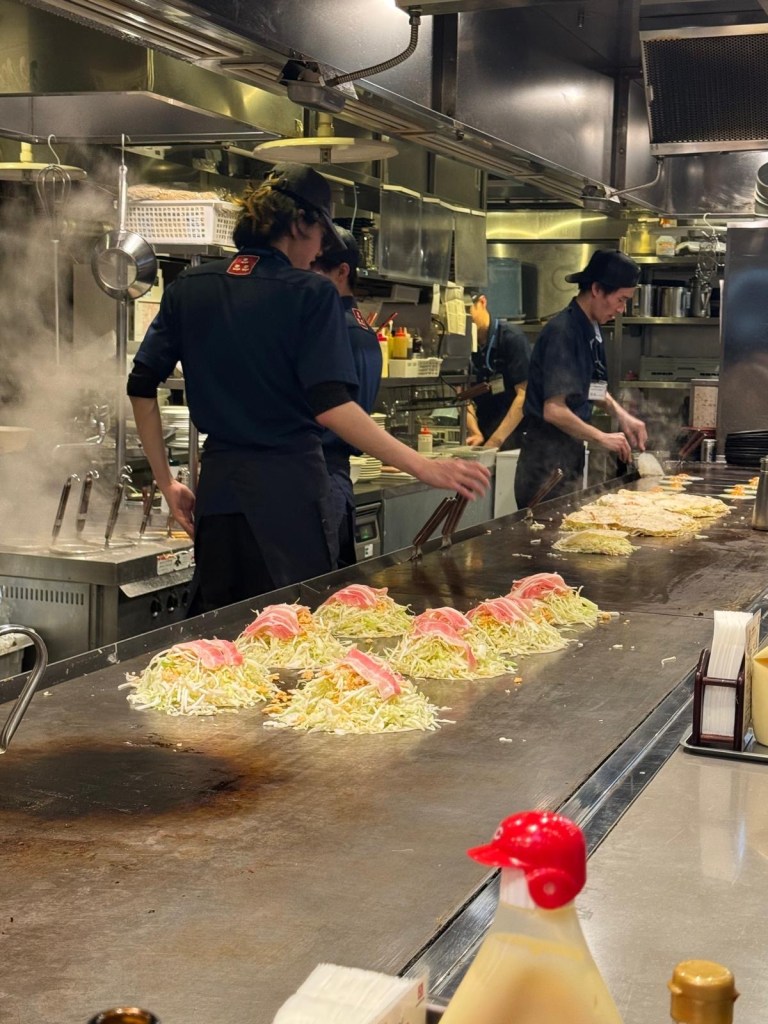
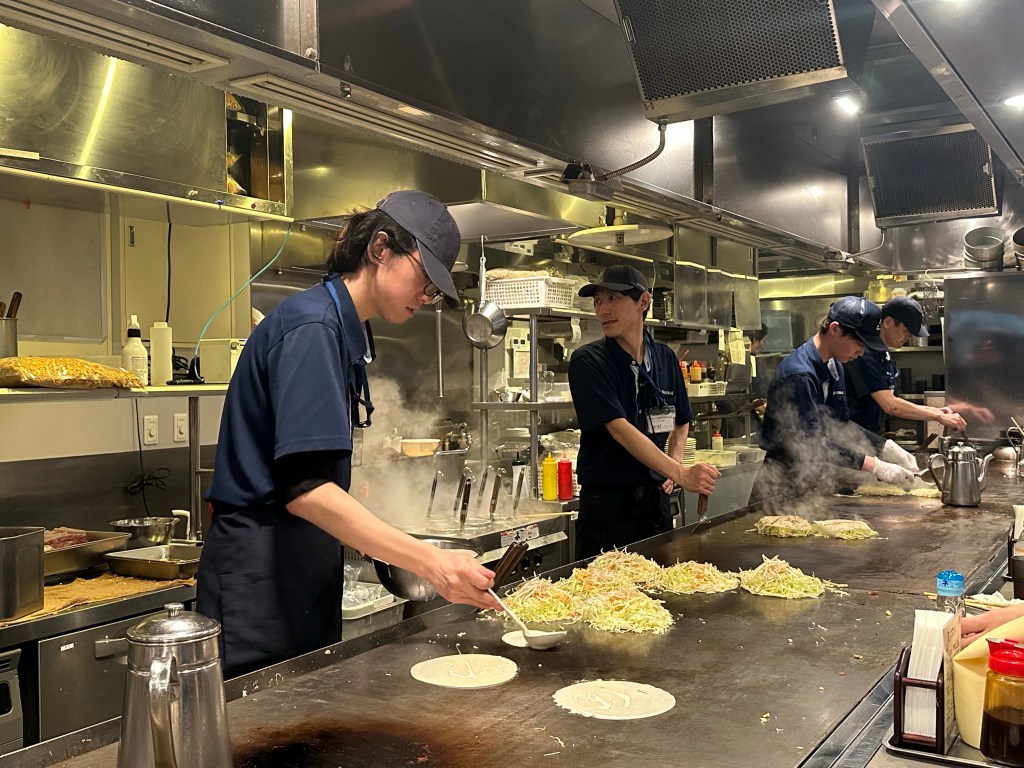
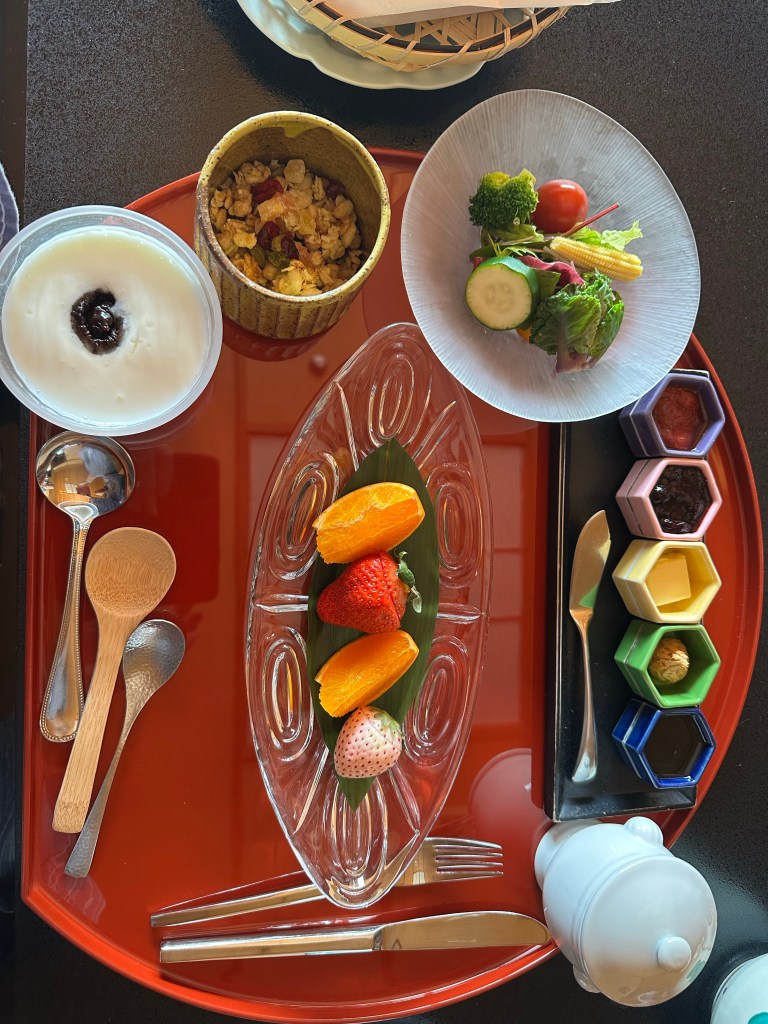
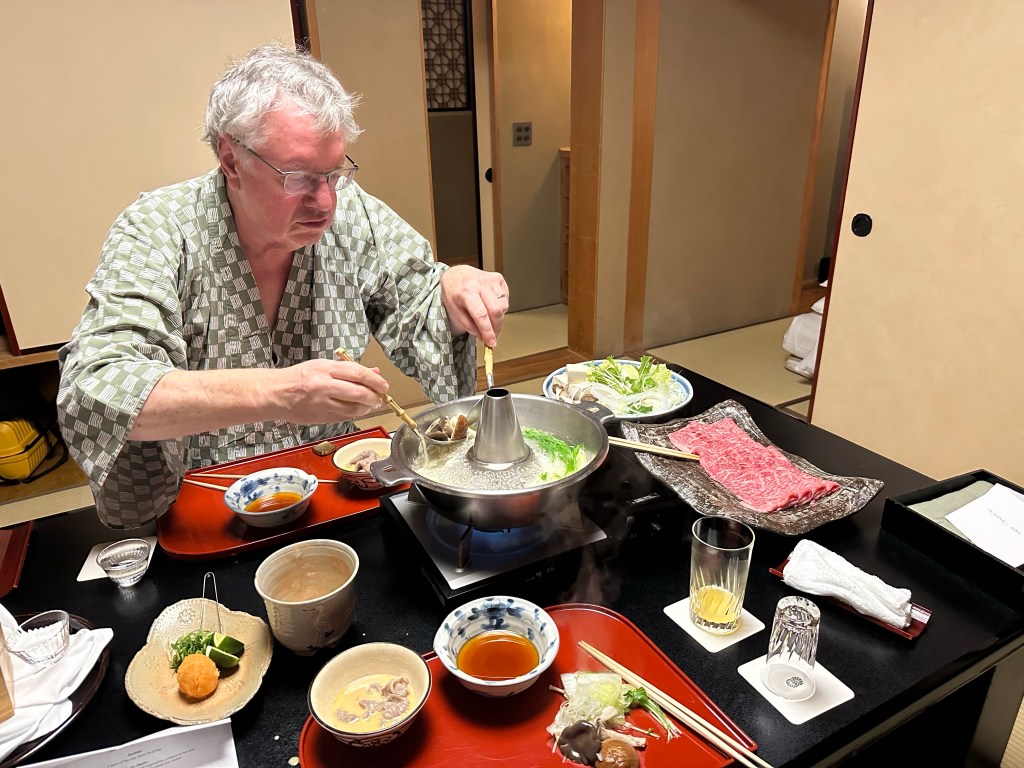
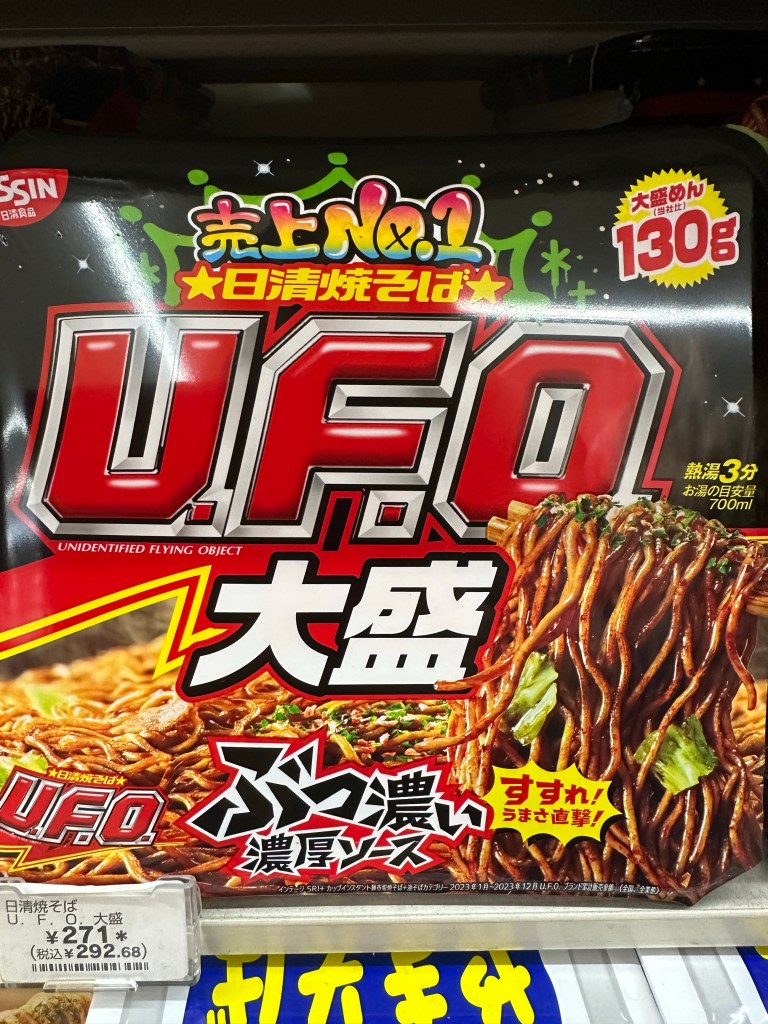
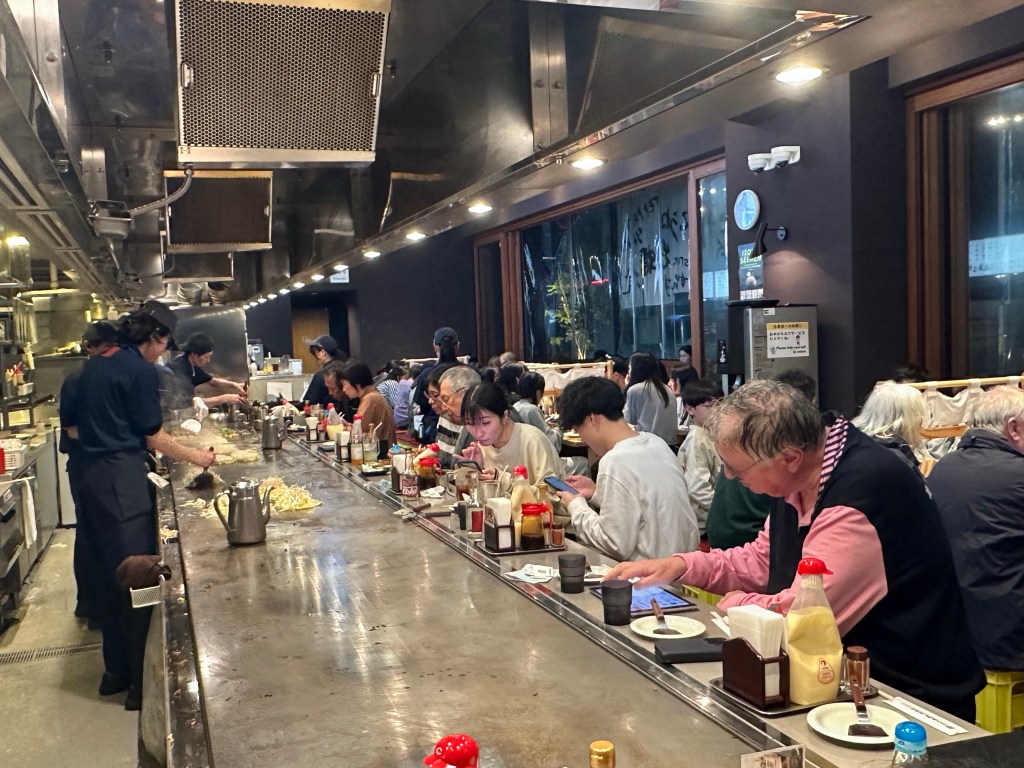
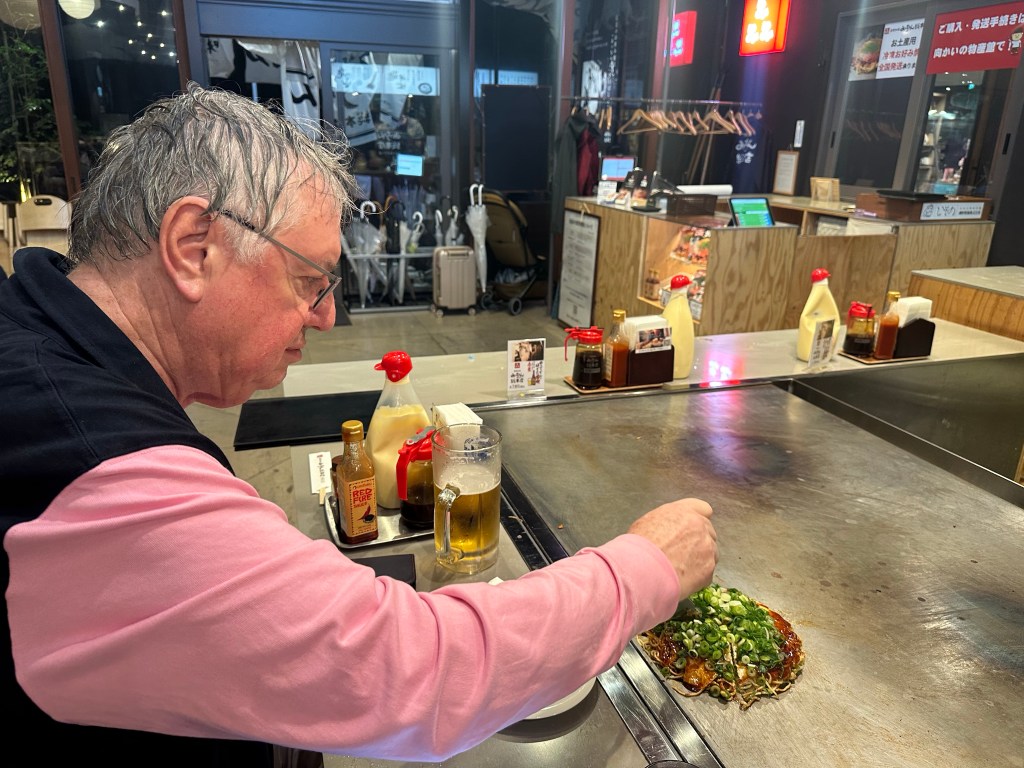
There are many different styles of Japanese food and each restaurant tends to specialise in just one. Some, like sushi, tempura, noodle soup and teppanyaki were familiar to us. But we were introduced to many other styles such as kaiseki; a multi course seasonal meal with no choice, shabu shabu, a hotpot where you cook your own food at the table, yakitori, skewered grilled meat, usually a street food and okonomiyaki, a pancake based meal cooked on a hot plate (also eaten from it if you have a counter seat) with cabbage, noodles, pork and other selected filling topped with a rich sauce.
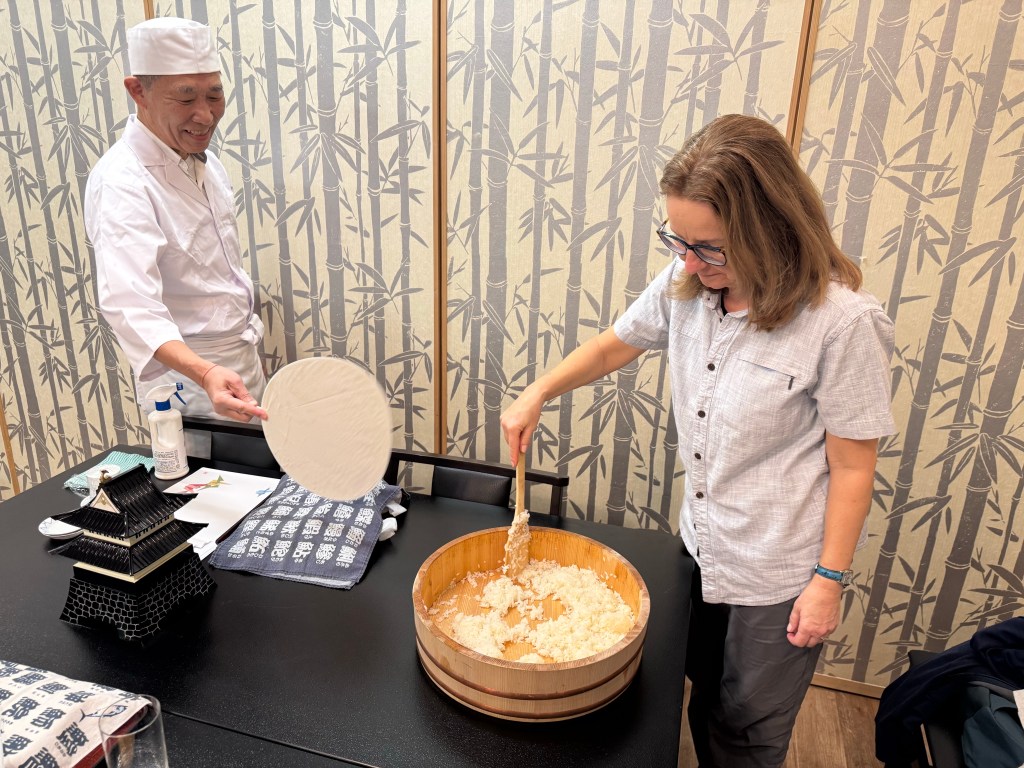
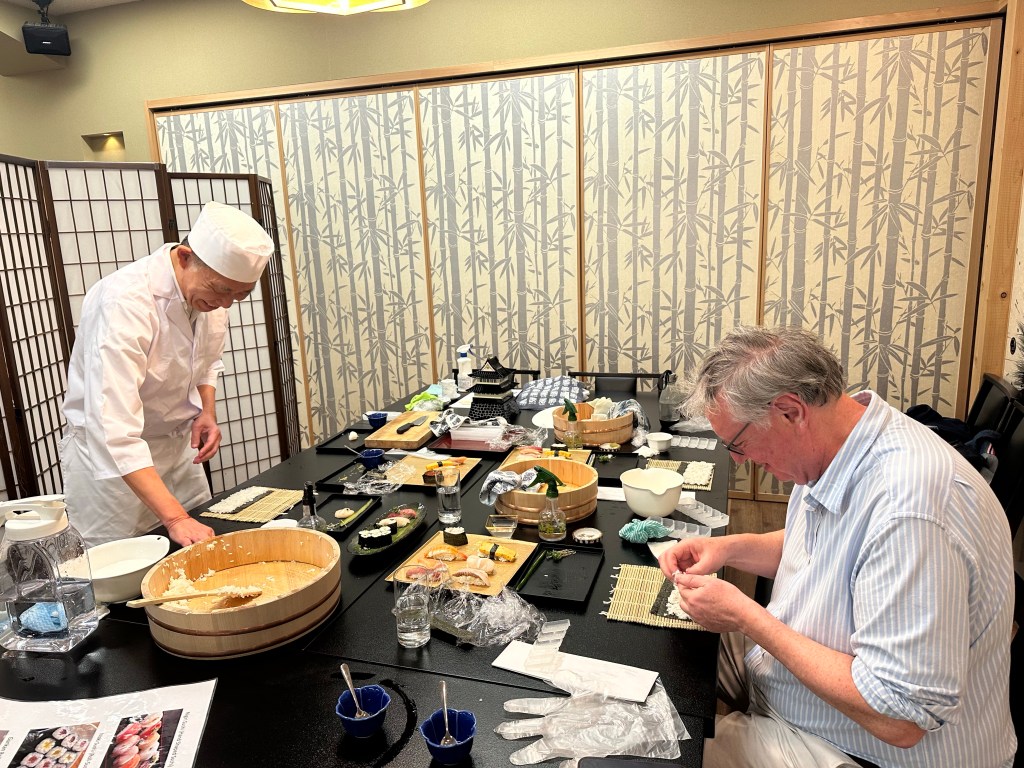
Omakase is similar to a tasting menu commonly served at a single sitting at sushi restaurants. Each course is a single piece; we tried this twice but with 23 pieces followed by miso soup, omelette and fruit, found ourselves a bit overwhelmed!
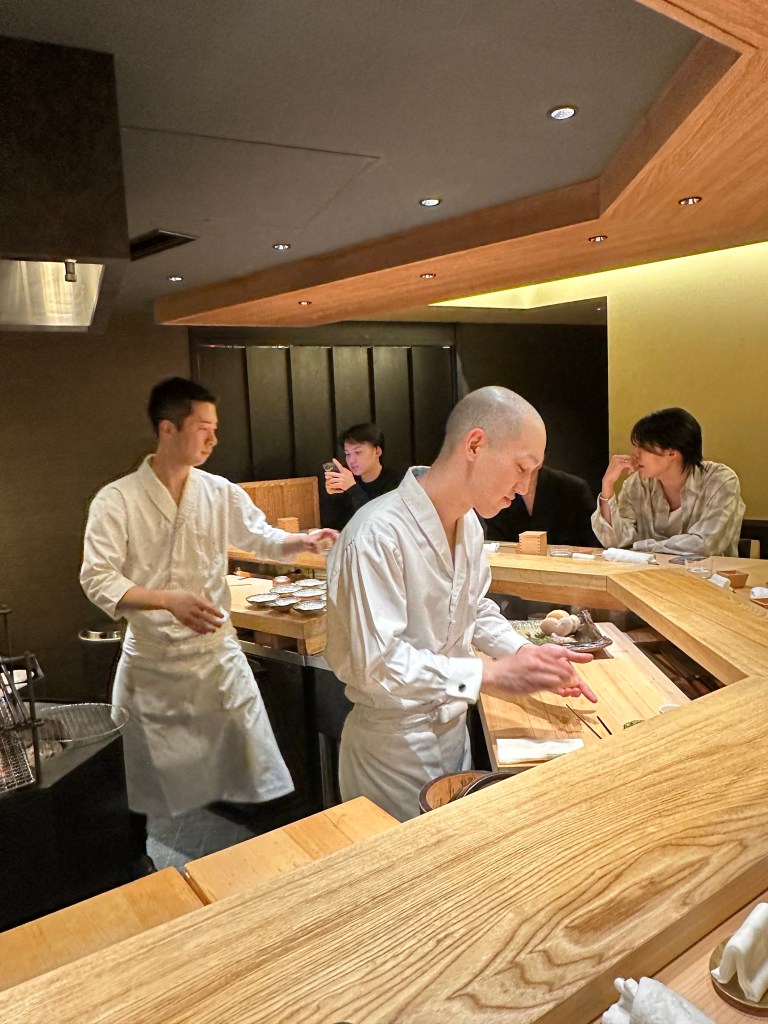
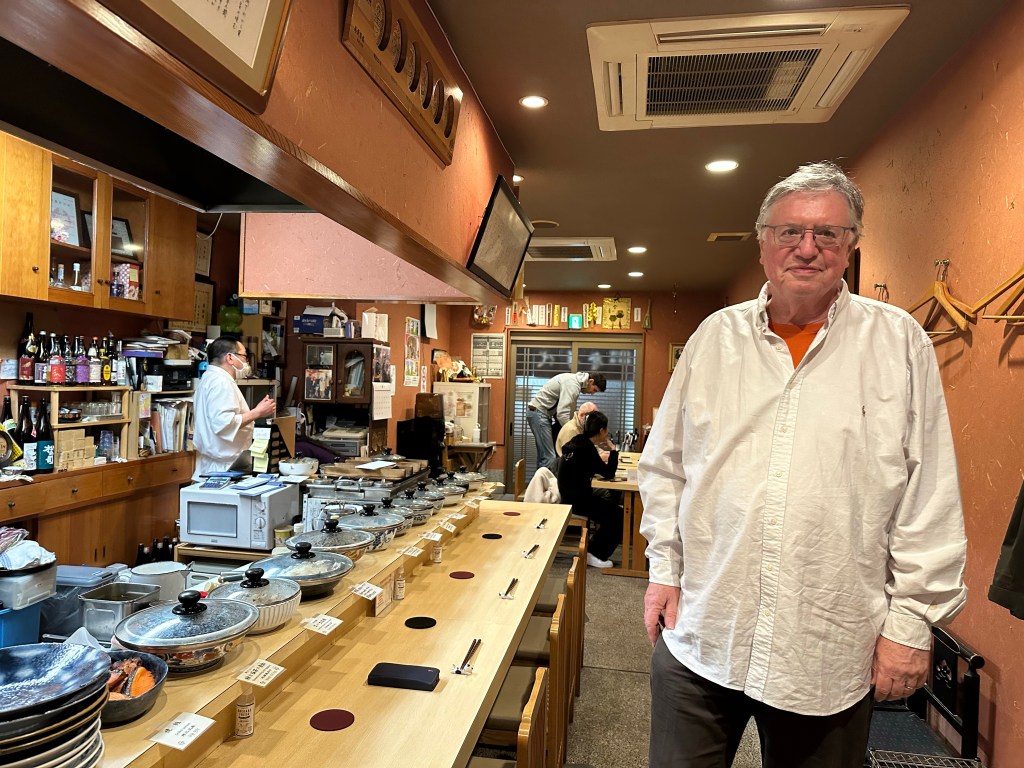
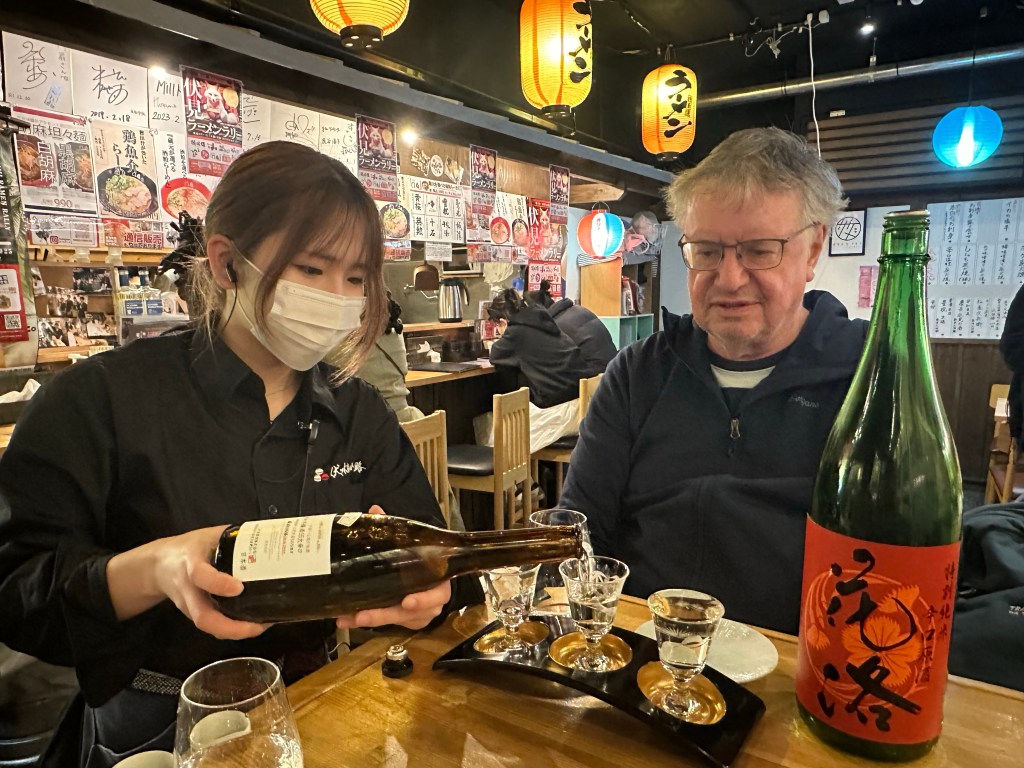
Restaurants are mostly small with say 10 covers seated at an L shaped counter around the chef/owner who prepares the food in-front of you, talking to the customers and sometimes joining them in a sake. There is no tipping or service charge and offering a drink to the chef is common practice.

We didn’t have a bad meal anywhere (even where appearances might have suggested otherwise), although concluded that some were more to our taste than others. One of our guides explained that Japanese people “eat slimy food from a young age” – perhaps why they have more of a taste for seaweed and tofu than we did ! Other than omakase restaurants the food is very inexpensive, around £6 a head for lunch.

Kaiseki menu – we did skip a few courses sometimes!
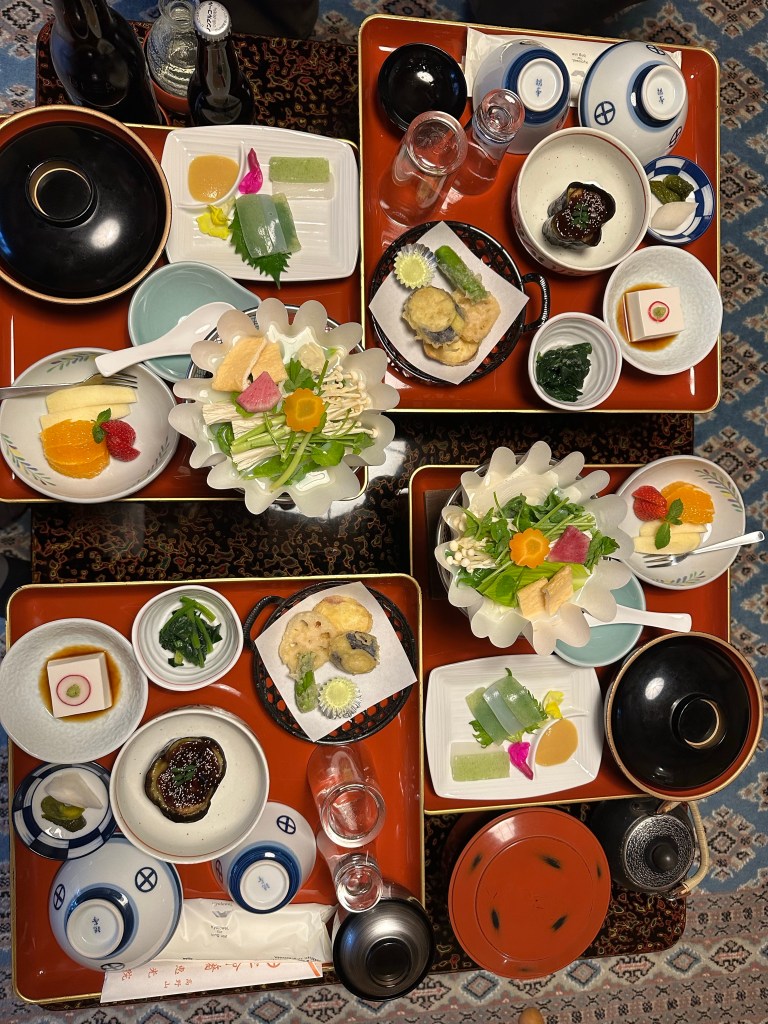
Vegan dinner at Koyasan

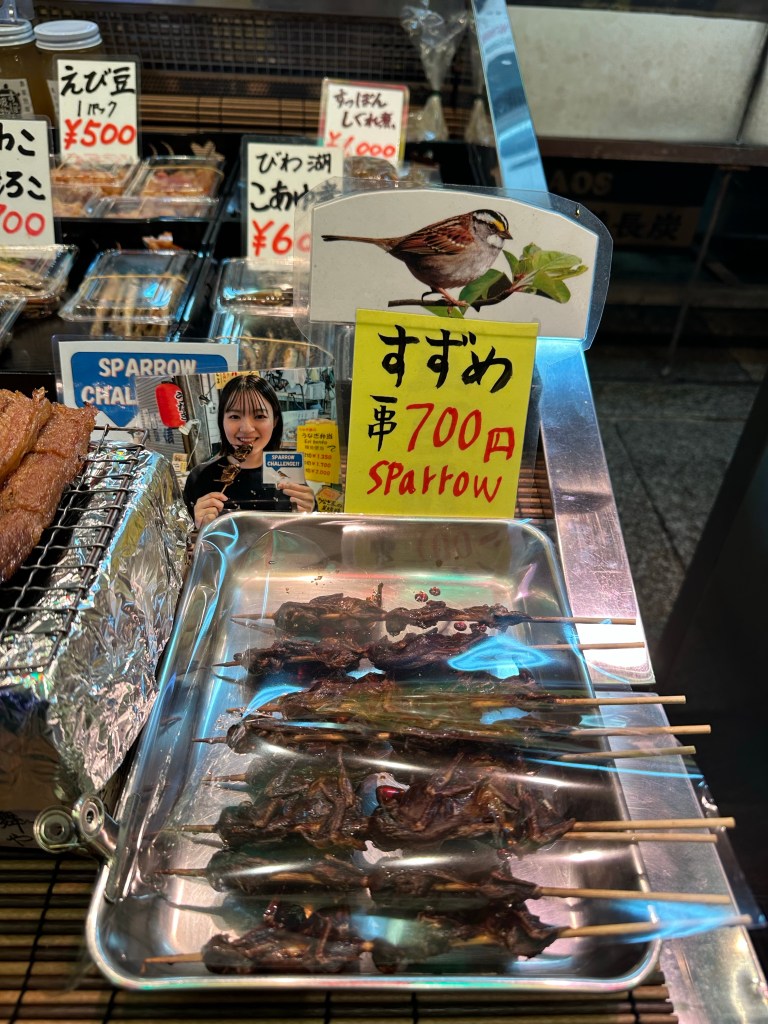
We tried most things, even if only once, but did make a few exceptions!

Osaka

Osaka is the third largest city in Japan, is a port city and for many years has been a commercial hub for the country. The city’s population is around 2.7 million, with a metropolitan population of around 19 million.

It is close to Kyoto, so much so that on the train between them it was hard to tell where each city started/finished. Osaka was our last stop and a big contrast to the previous one in Koyasan.

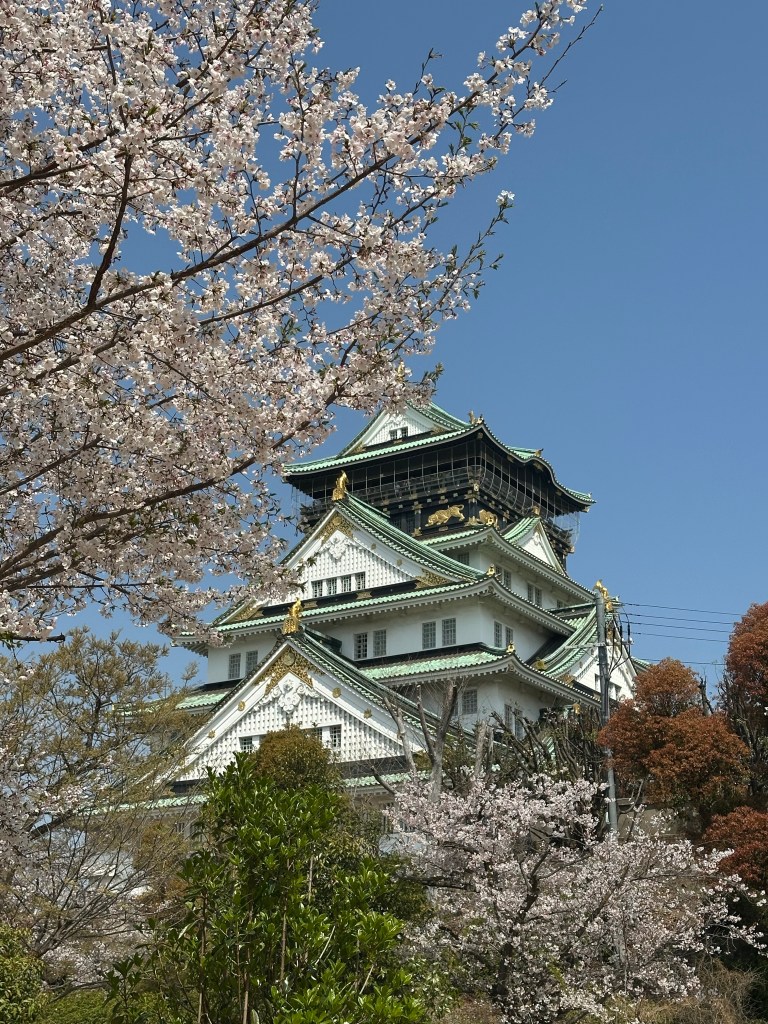
The focal point is Osaka Castle, originally built in the 16th Century and rebuilt after being destroyed in WW II. Most of the city dates from post WW II, with many buildings dating from the economic boom of the 1980s.

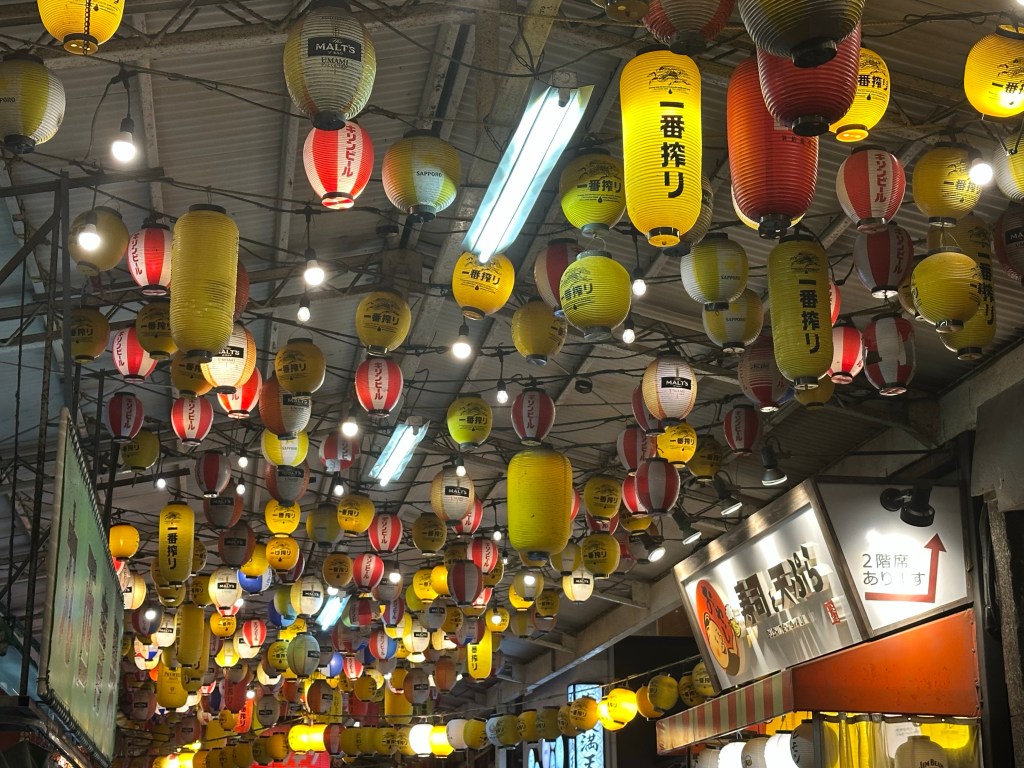
We went on a guided food tour and were surprised to see local drunken behaviour in the early evening. Our guide informed us that Osaka is not like the rest of Japan and in her words “Japan’s Liverpool”! That said, our other Osaka interactions were far more respectful including a man who went out of his way to help us find a sushi restaurant- he didn’t just point us in the right direction, he escorted us there.

Osaka’s citizens are said to be “contrary” and many of the country’s comedians are from the city. We also noticed that people walk on the right, whereas in the rest of Japan they walk on the left. This is said to be because Osaka’s merchants kept their money on the right, whilst Samurai in the other cities wore their swords on the left.

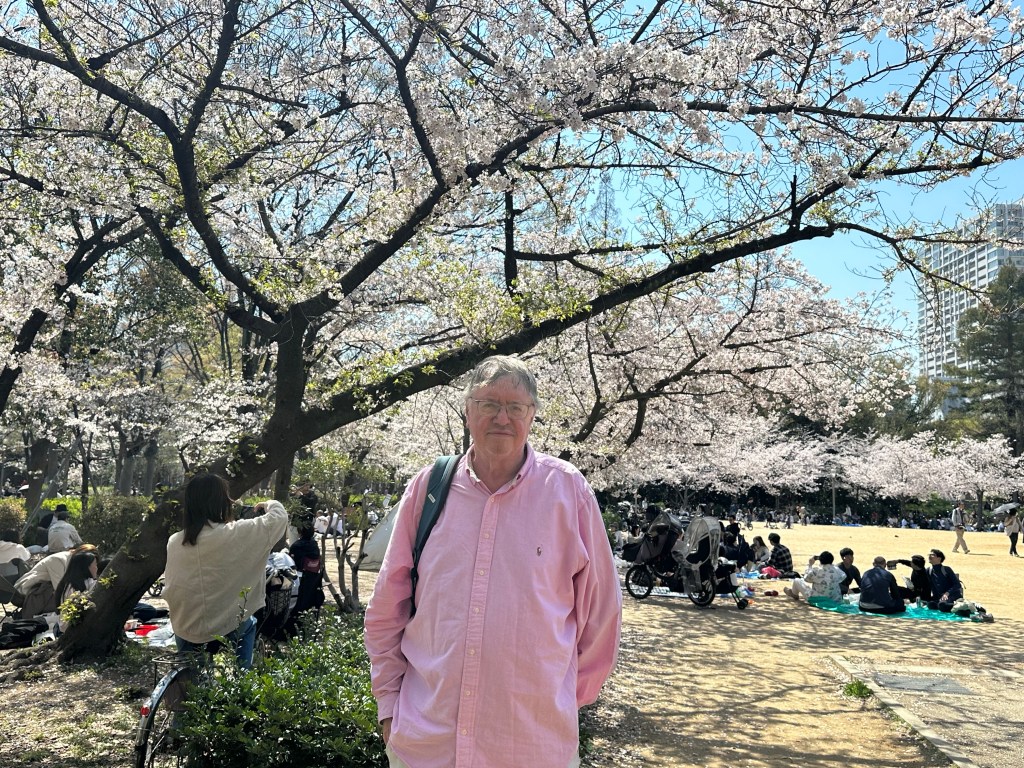
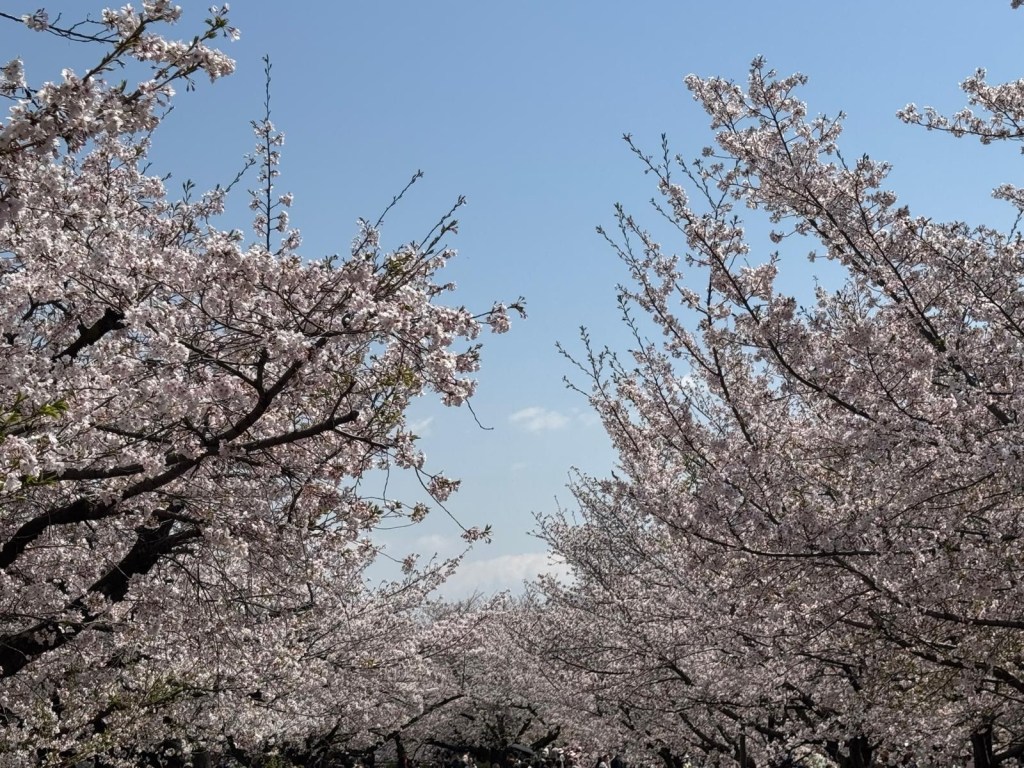
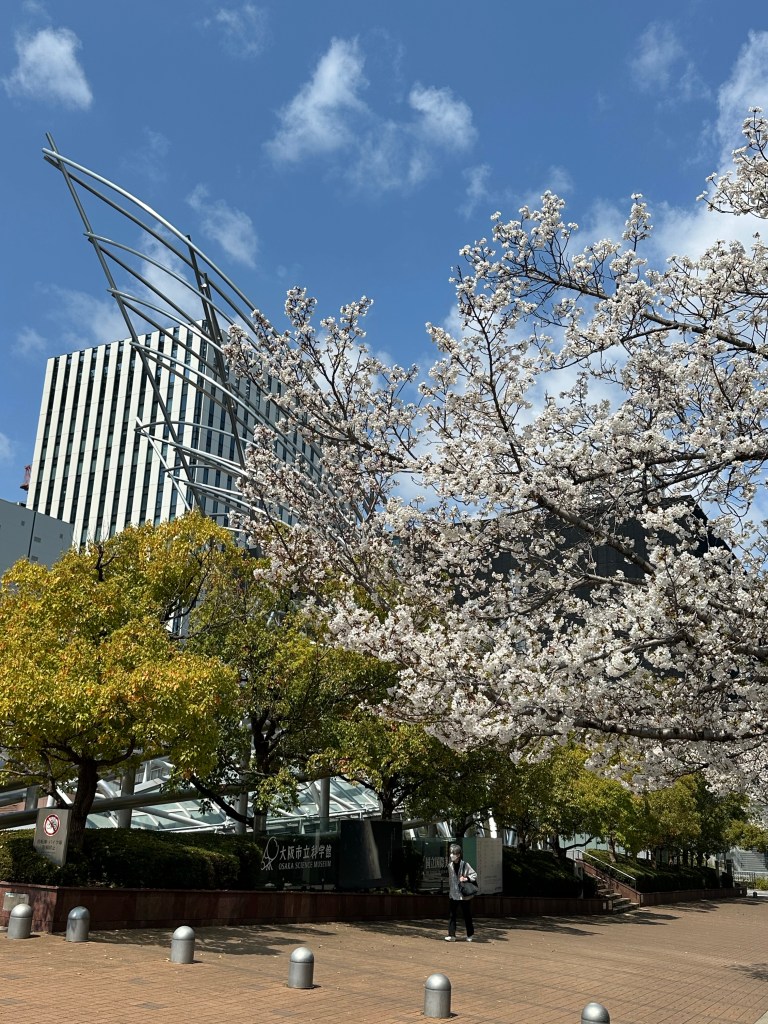
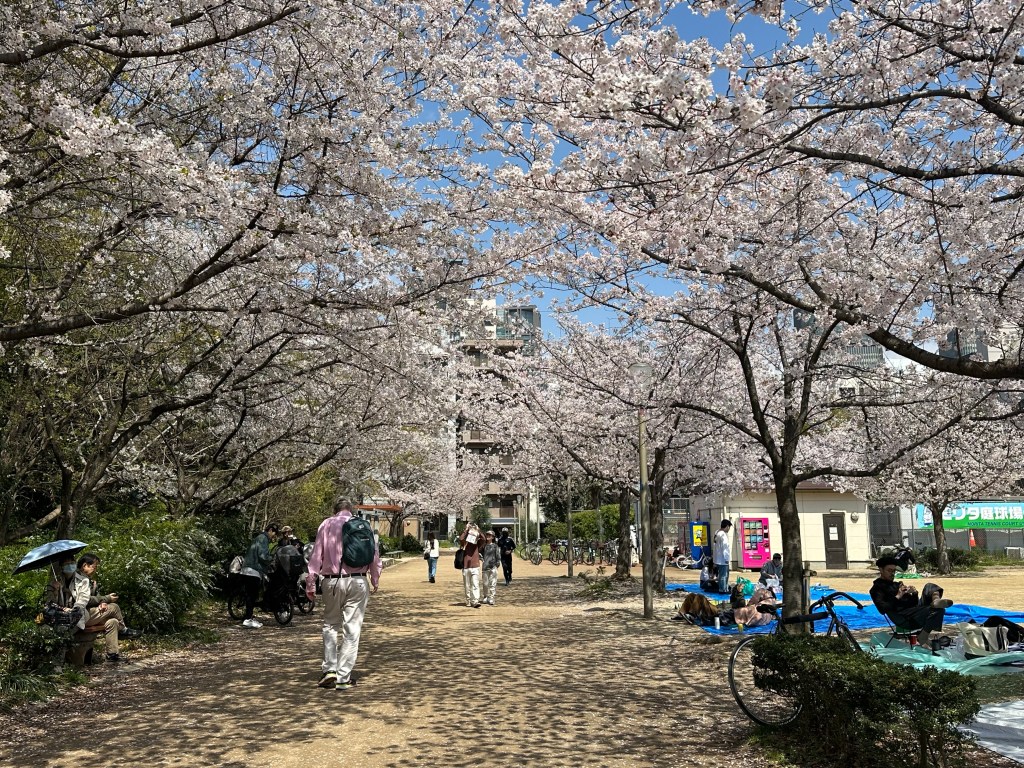
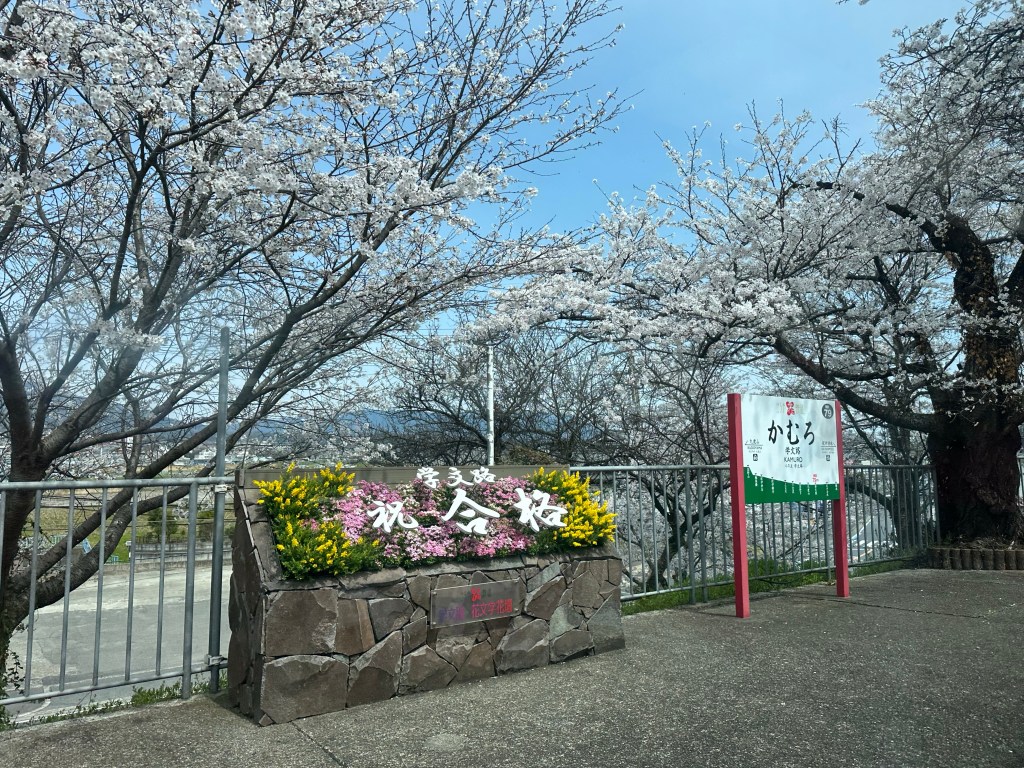
While we were in Osaka, cherry blossom was designated as being in full bloom. Our visit was over a weekend, so we saw groups of families and friends having picnics under the trees, a “Sakura” pastime that has been popular for generations.

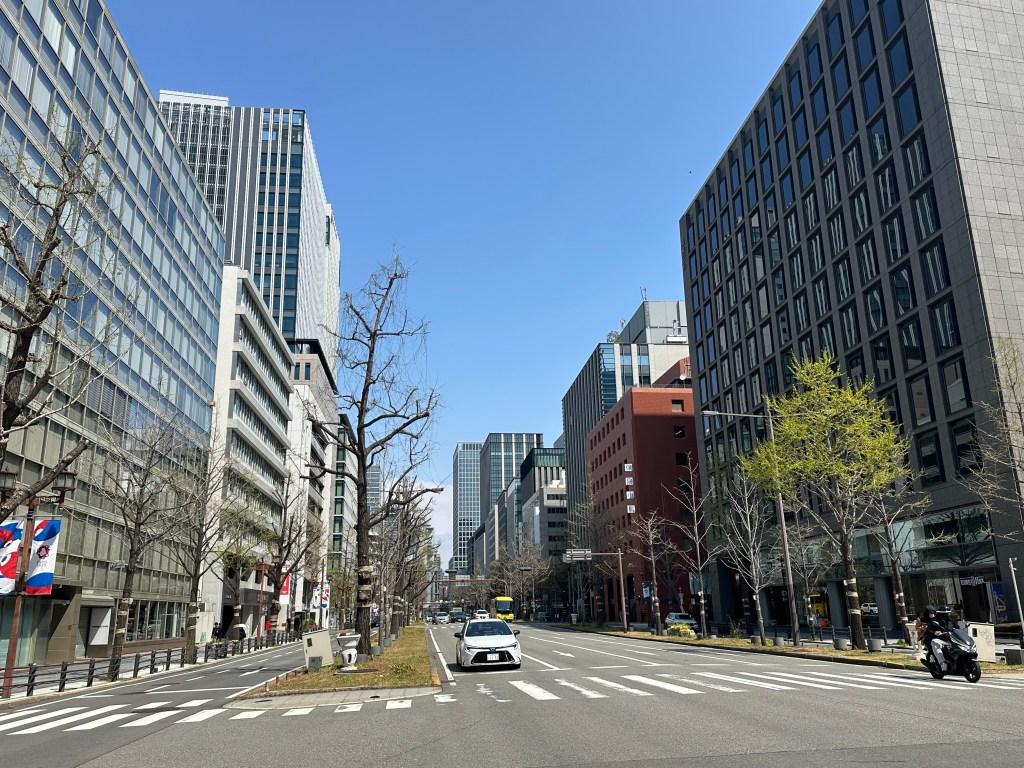
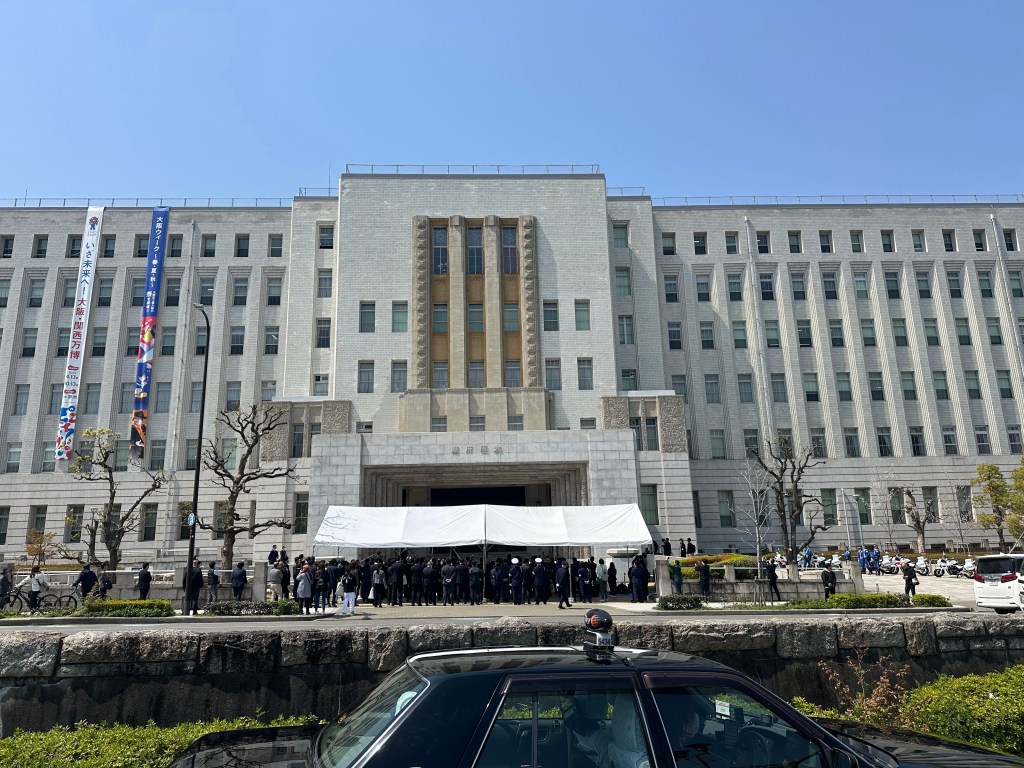
Osaka’s prefectorial building with a ceremony outside connected to the imminent start of Expo 2025
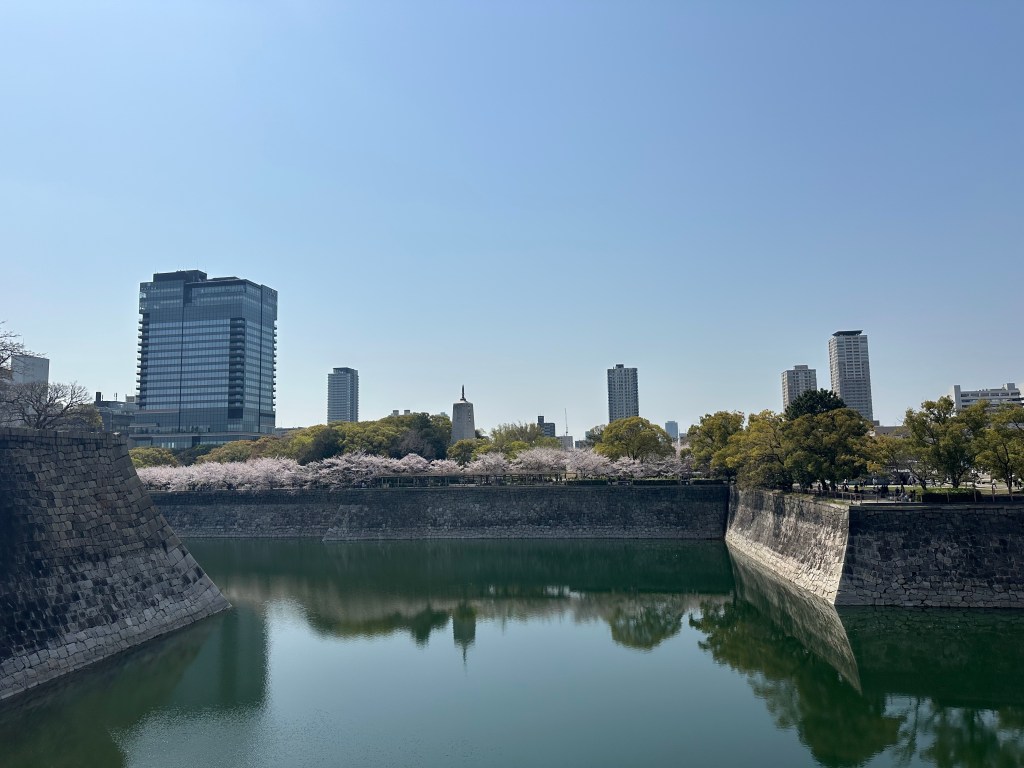
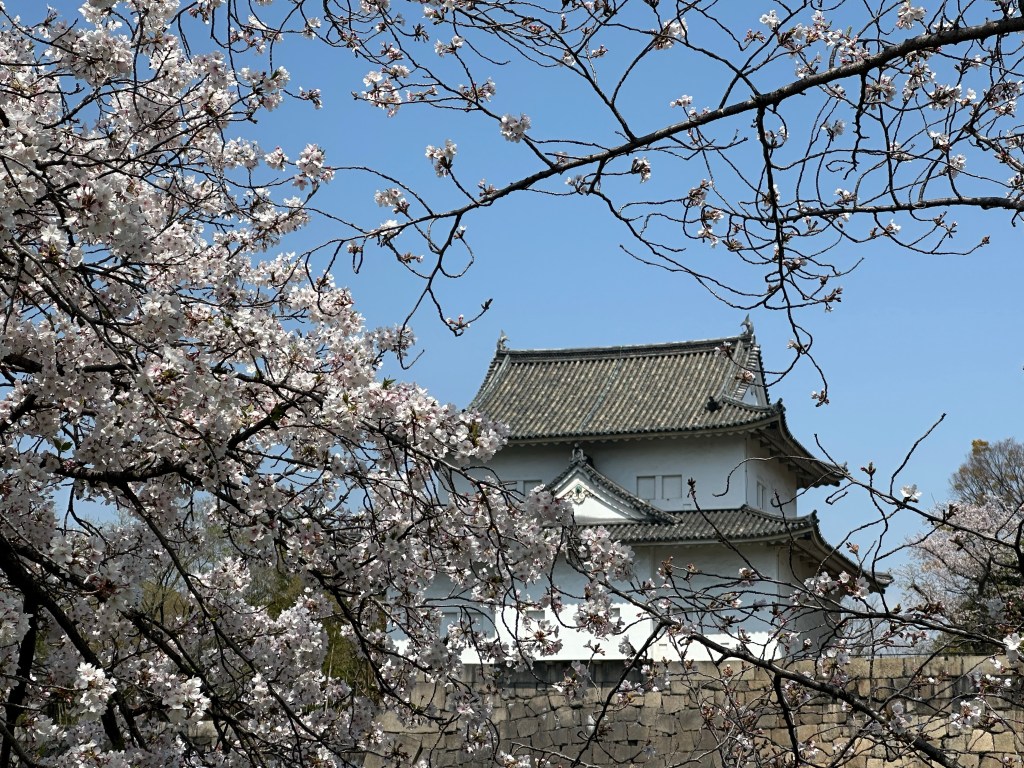
Osaka castle
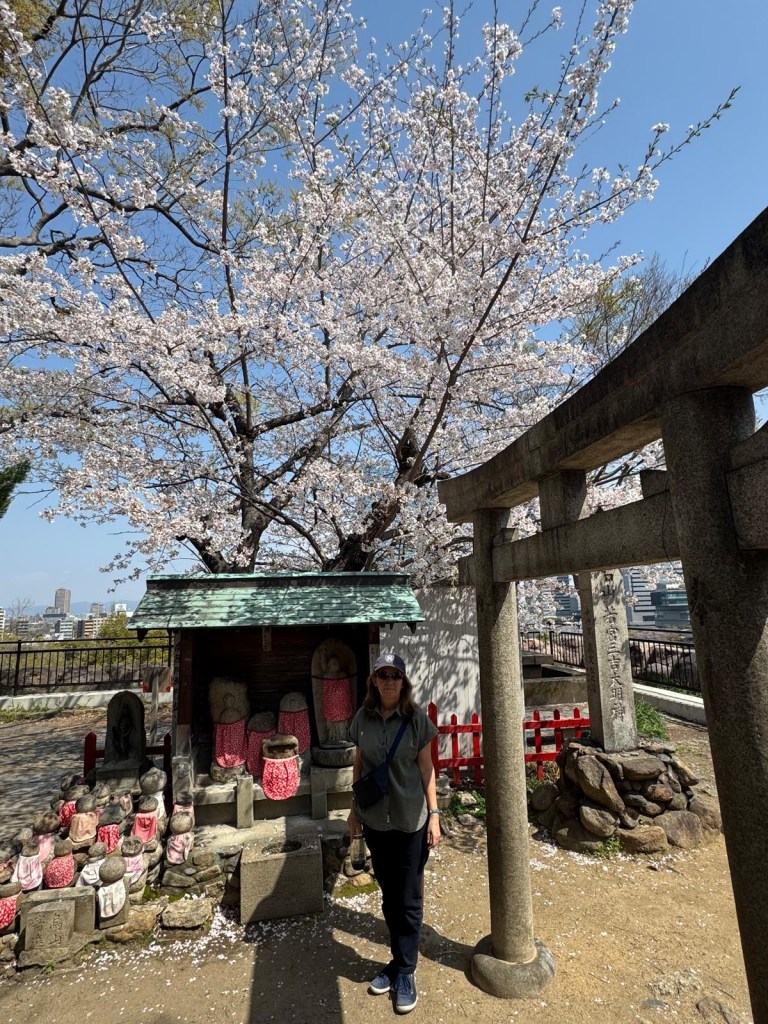
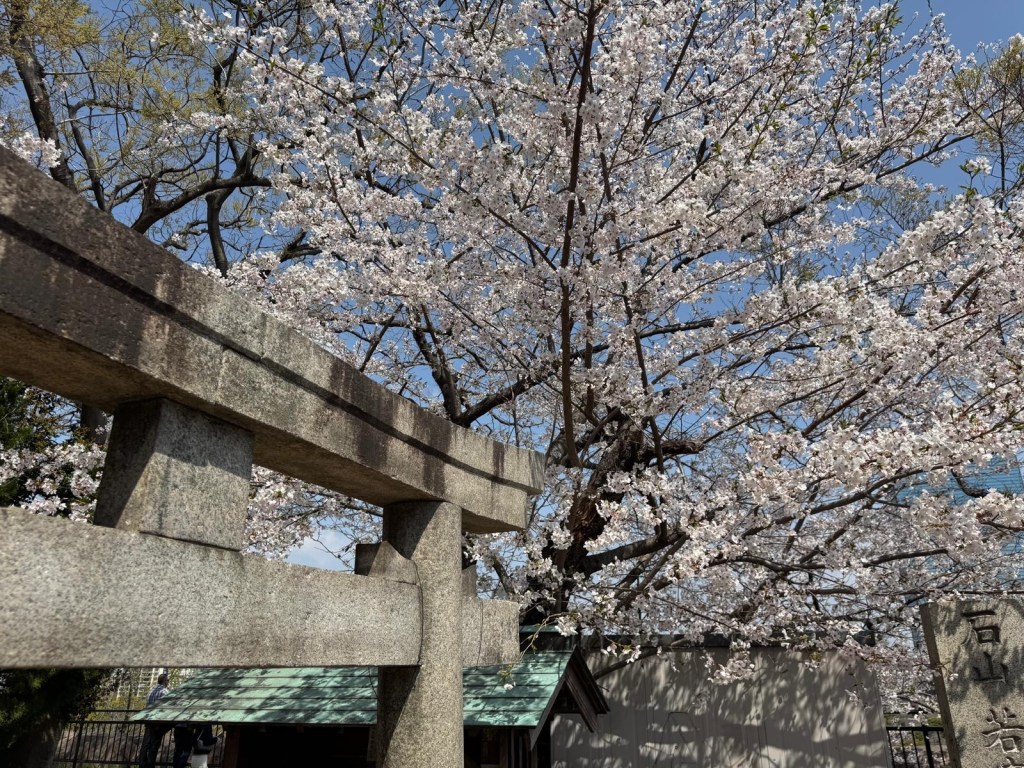
Shinto shrine at the castle
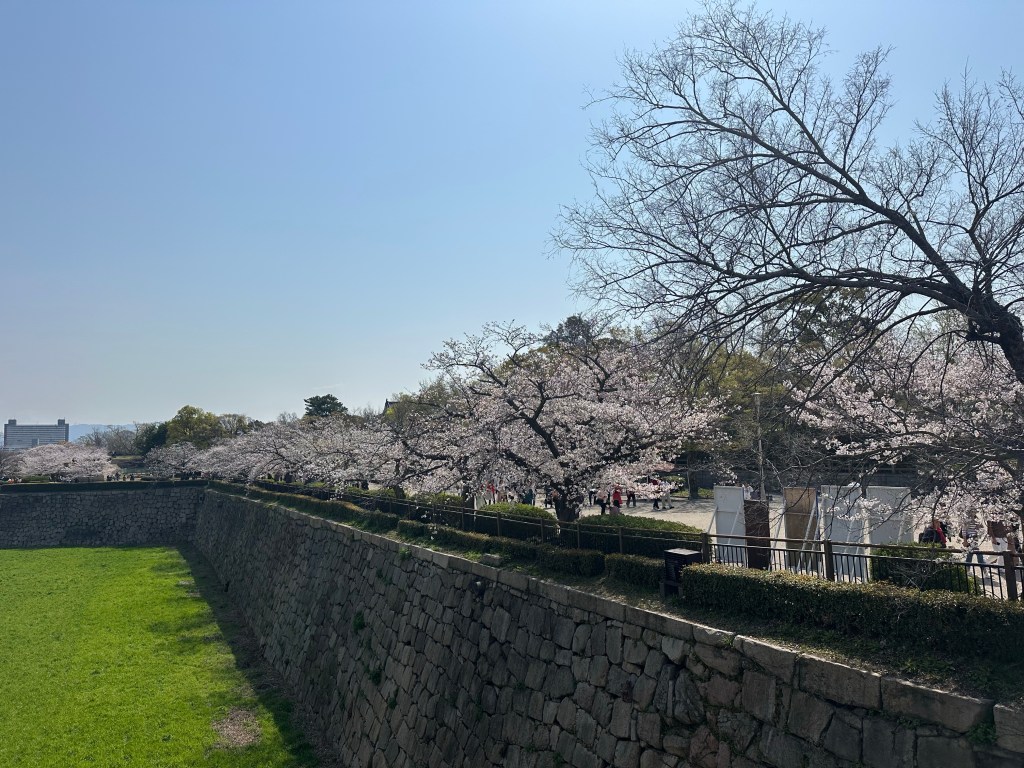
Castle moat

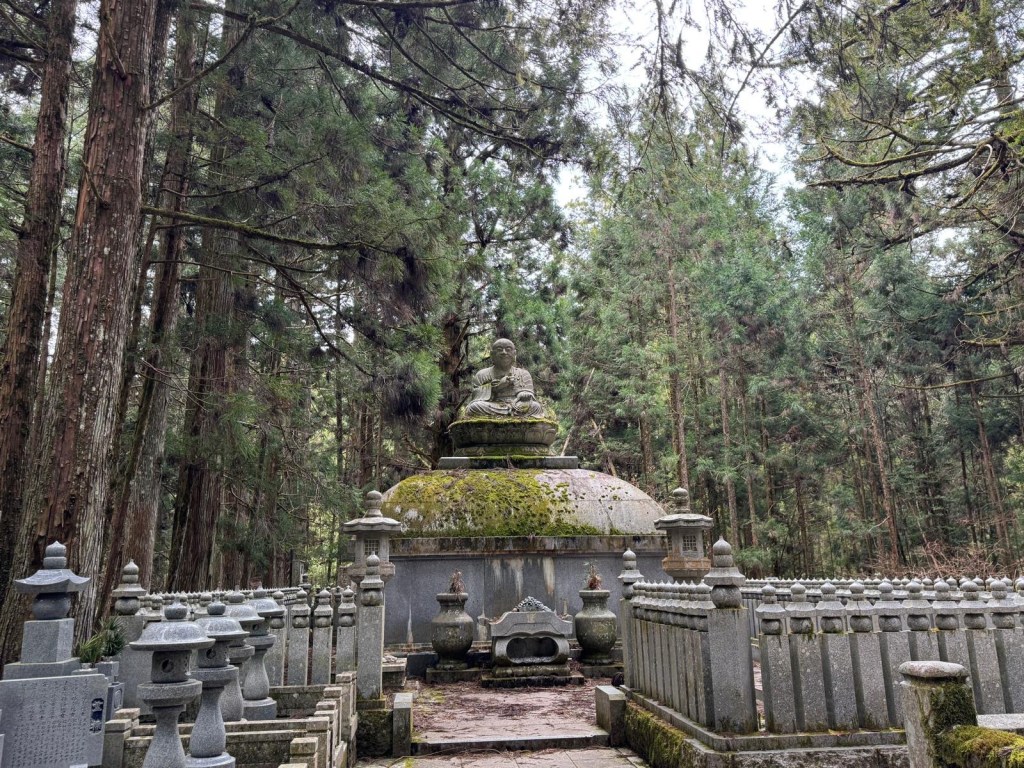
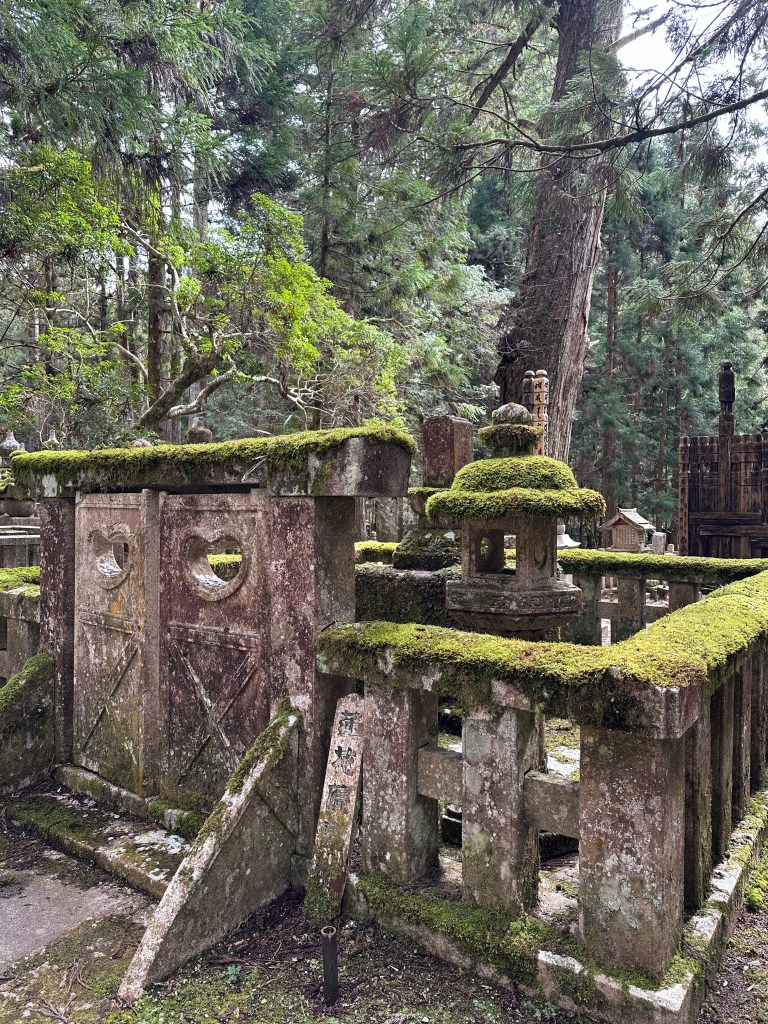
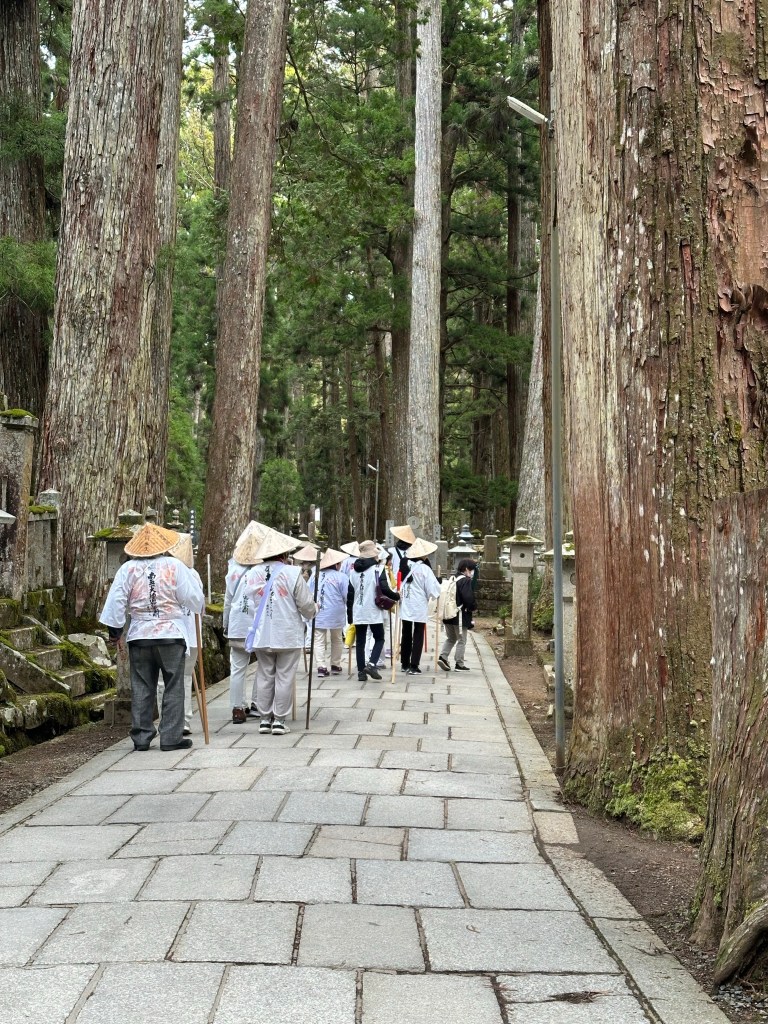
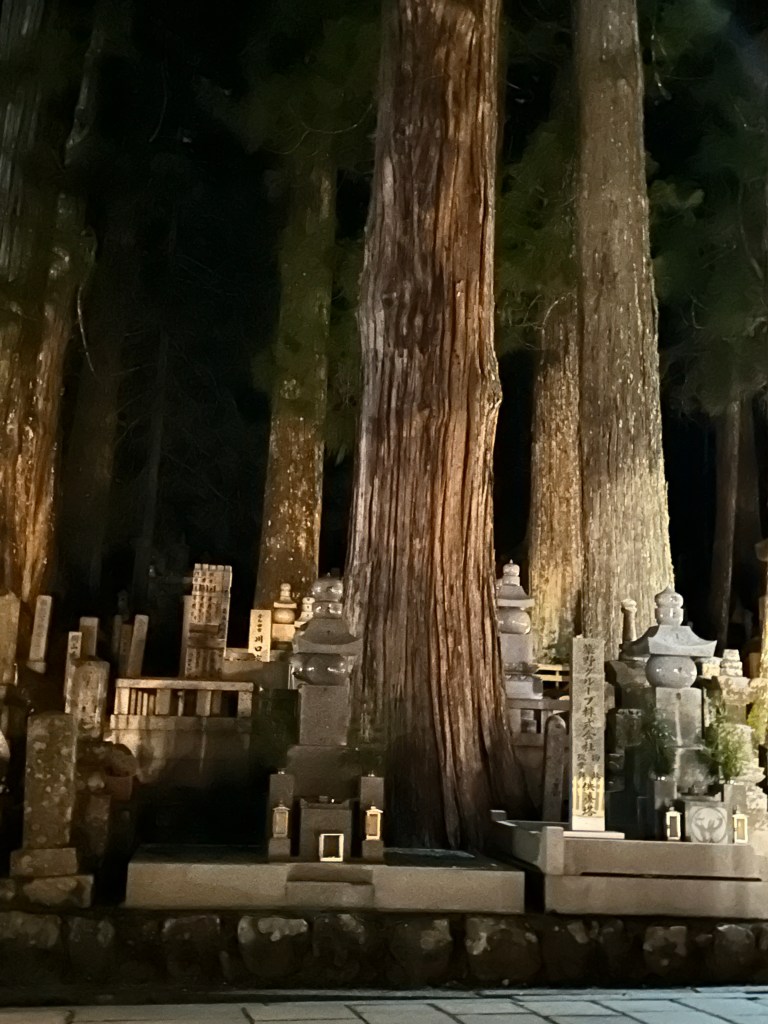
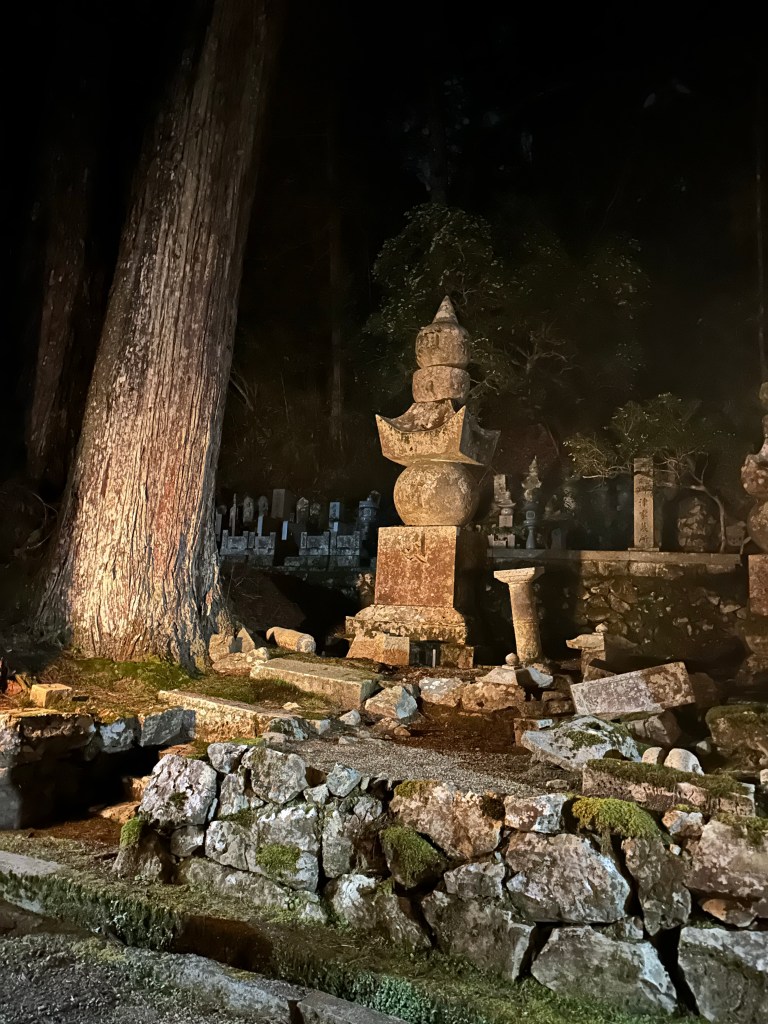
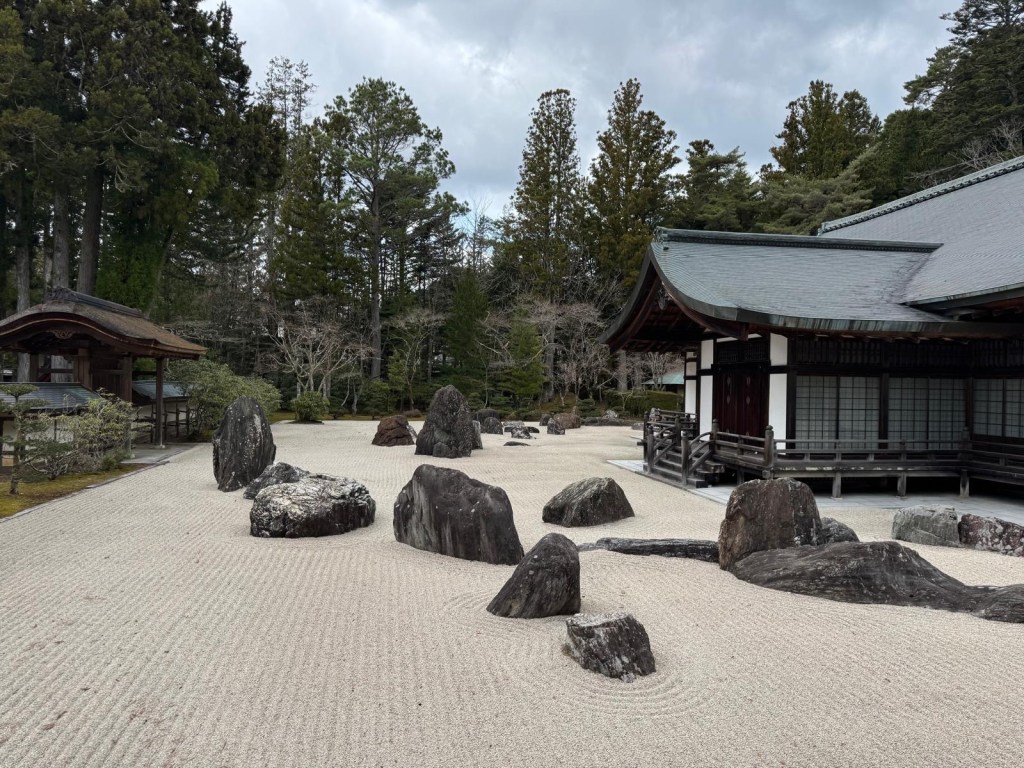
Okunoin (Koyasan cemetery)

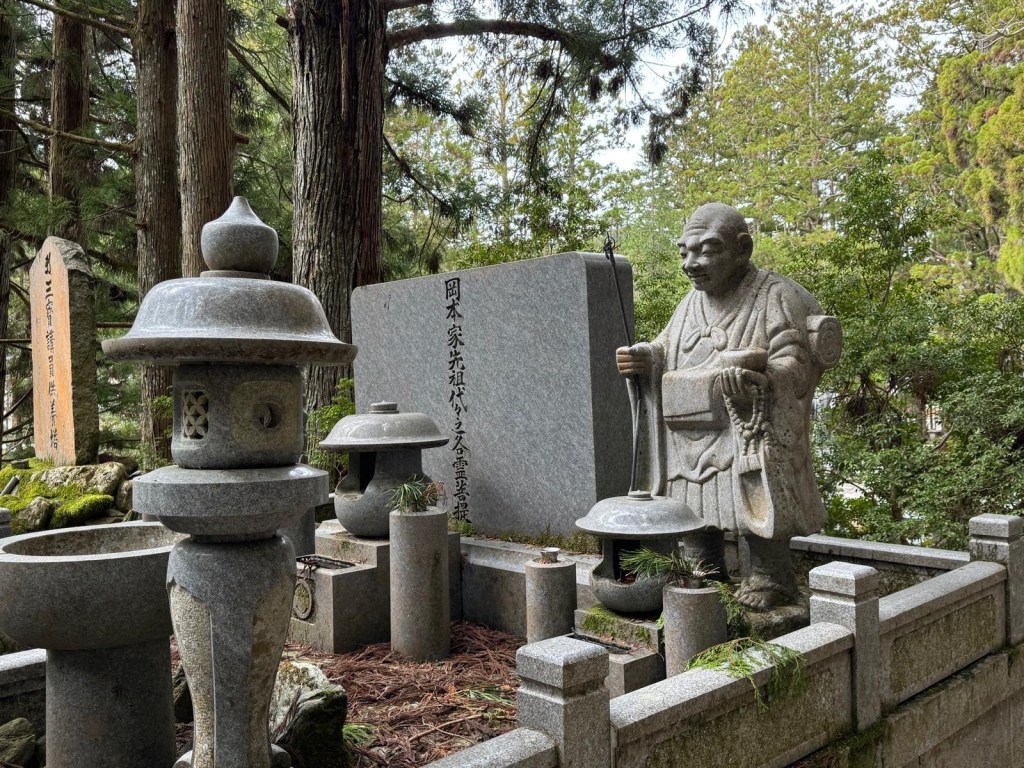
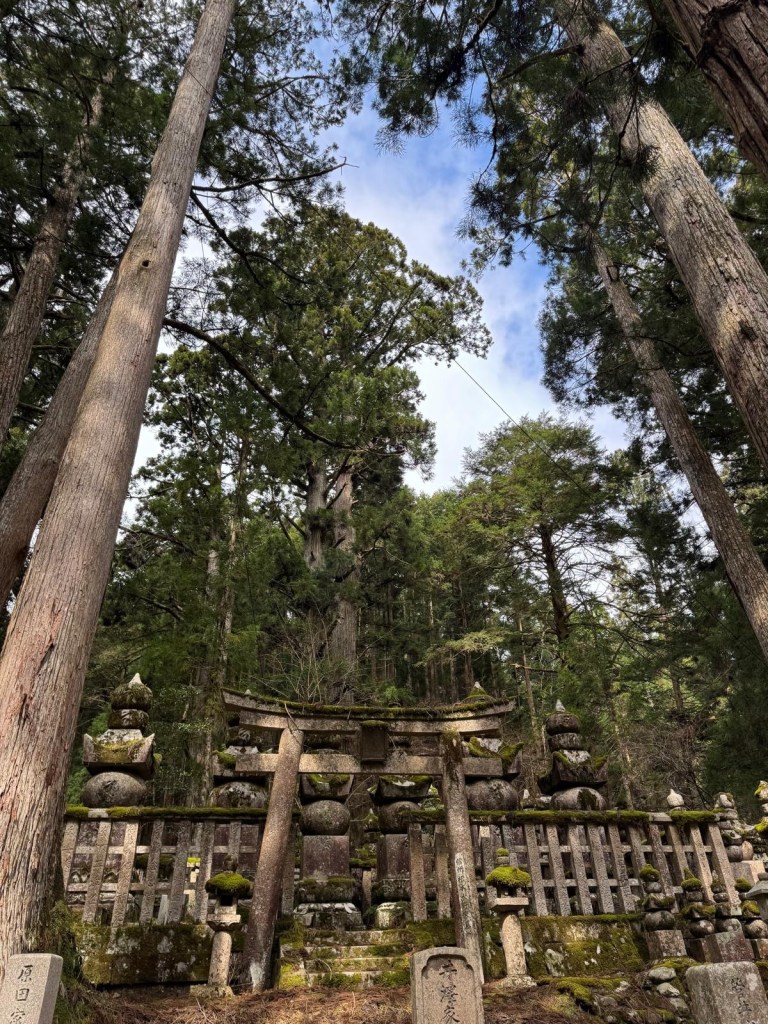
Okunoin was opened as as cemetery in 835 and is the largest in Japan with over 200,000 graves and memorials. The path through the cemetery is about 2km in each direction. Some large Japanese corporations, including Panasonic, have memorials for former senior staff and staff killed in work accidents. It is common for a family to have a memorial at Koyasan as well as graves close to their home.

Okunoin’s most important and sacred site is the mausoleum of Kobo Daishi where followers believe he is in a state of eternal meditation rather than dead.

We visited during the day and also at night with a group led by a monk from our temple who recited prayers at the Kobo Daishi mausoleum. Among other anecdotes he told us that the monks had to take issue with Nintendo when players of Pokémon Go were searching for characters near the sacred mausoleum. Nintendo duly banished the offending monster !

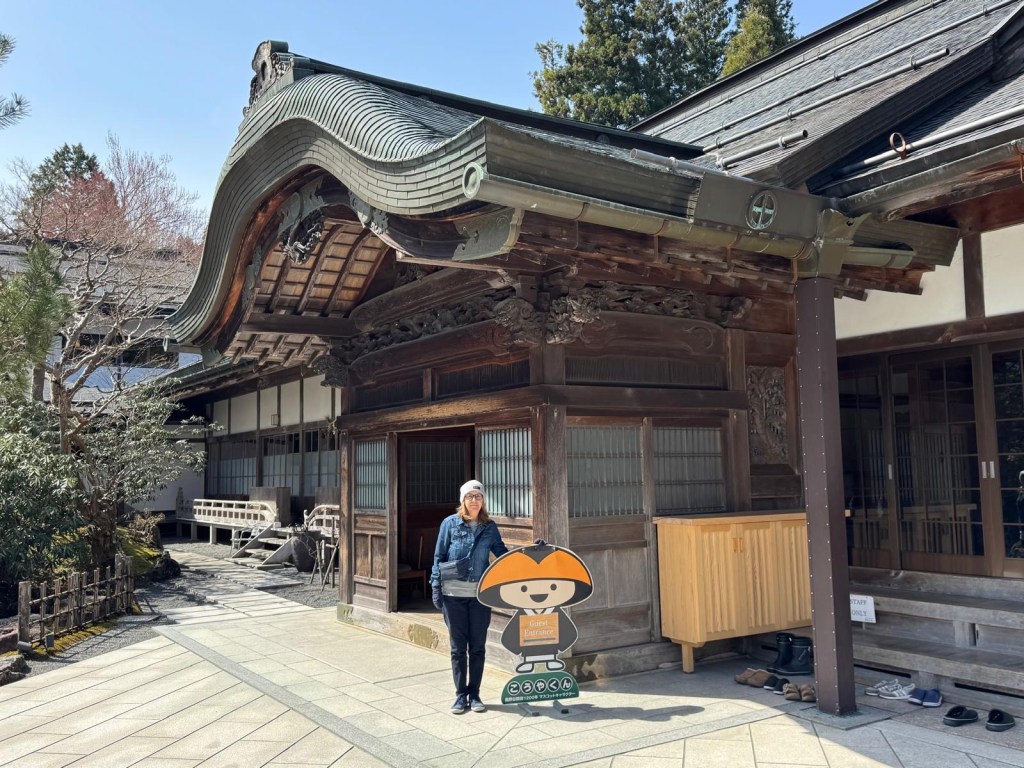
Eko-In Temple

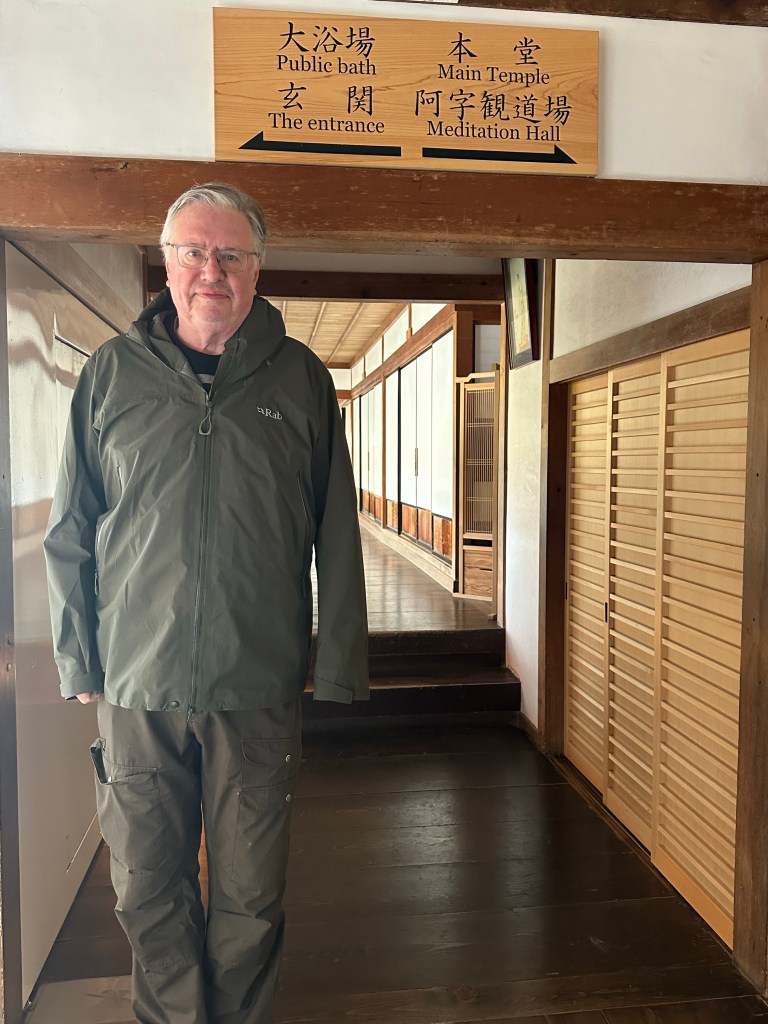
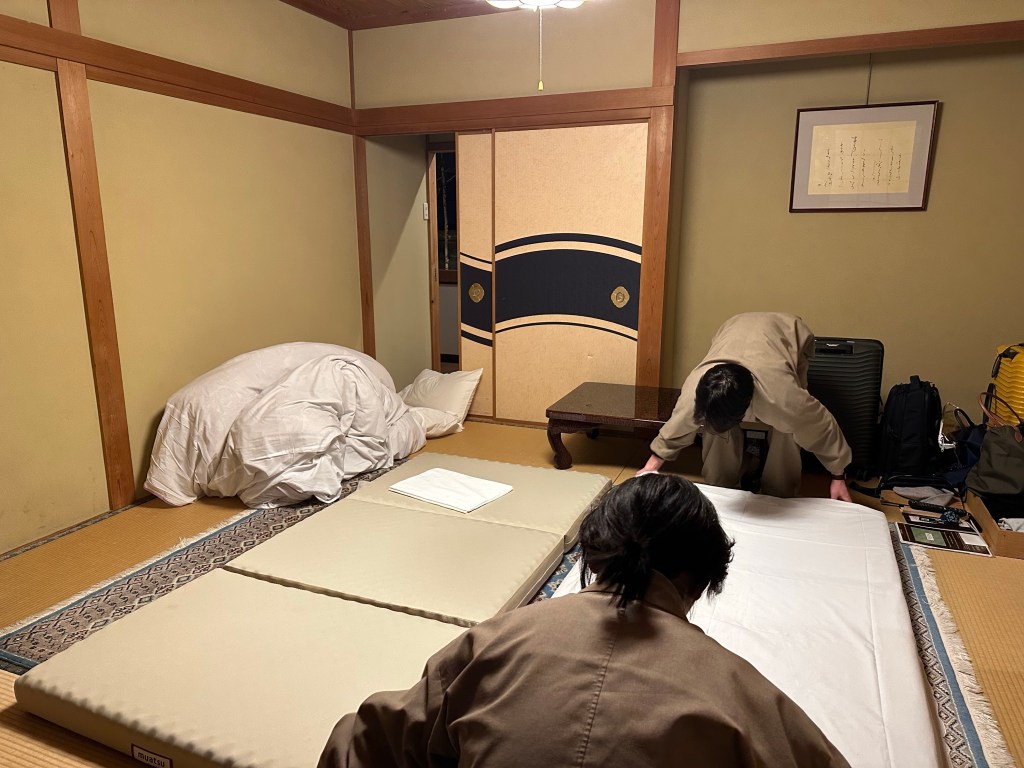
Eko-In Temple, our home for two nights, is one of the 51 temples in Koyasan Lodging. The rooms are simple and each night the staff make up futon beds. Vegan breakfast and dinner are delivered to your room on stacking trays and served with green tea. Most guests use shared bathrooms, although we had one of a few rooms with a private bathroom.

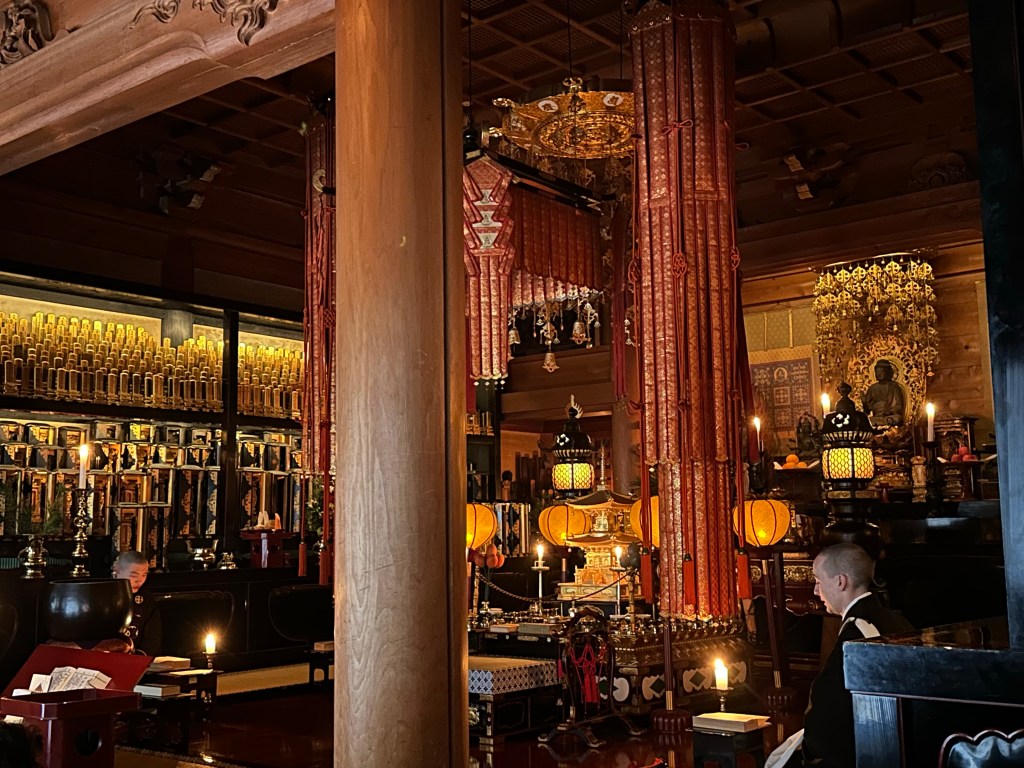
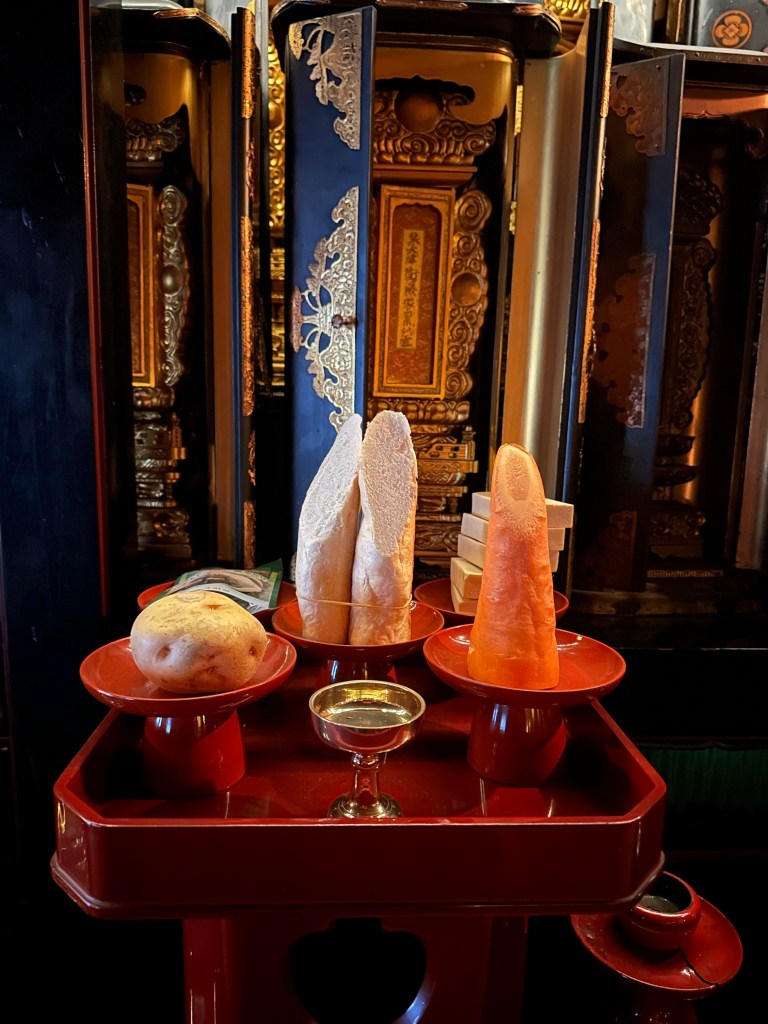
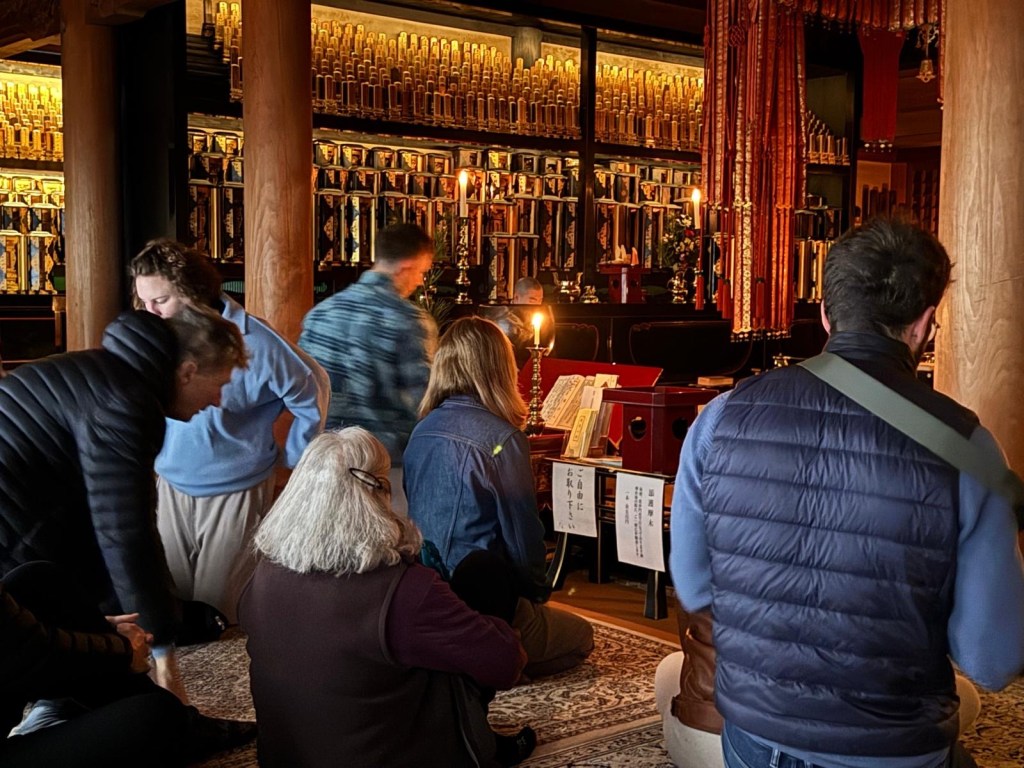
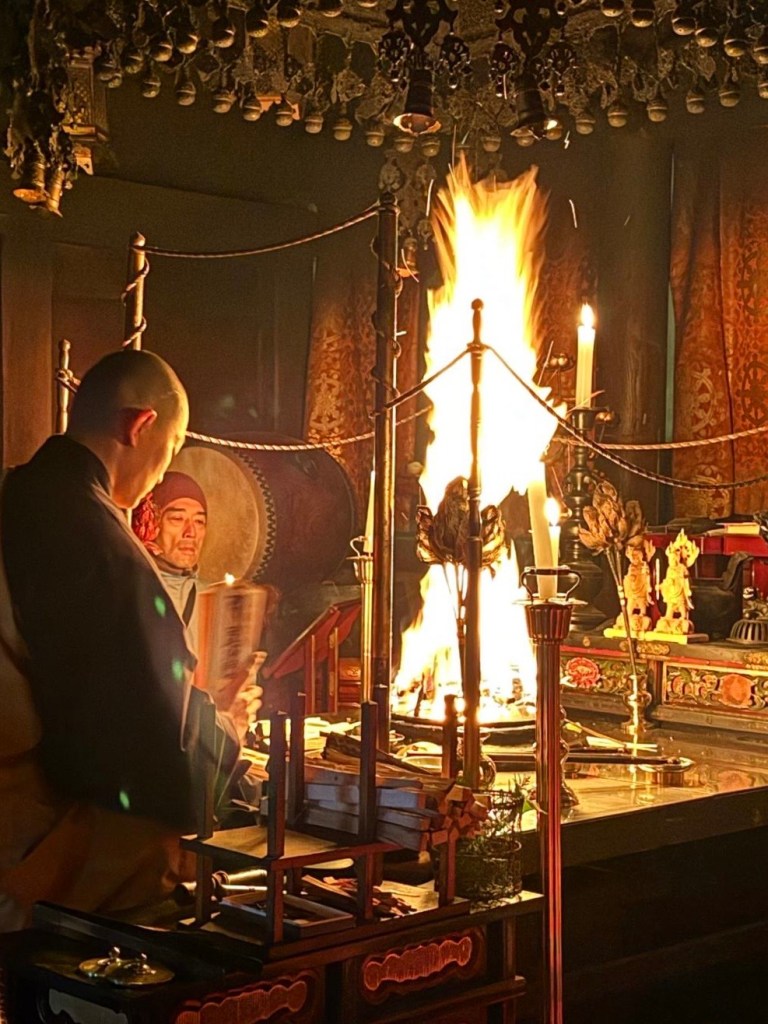
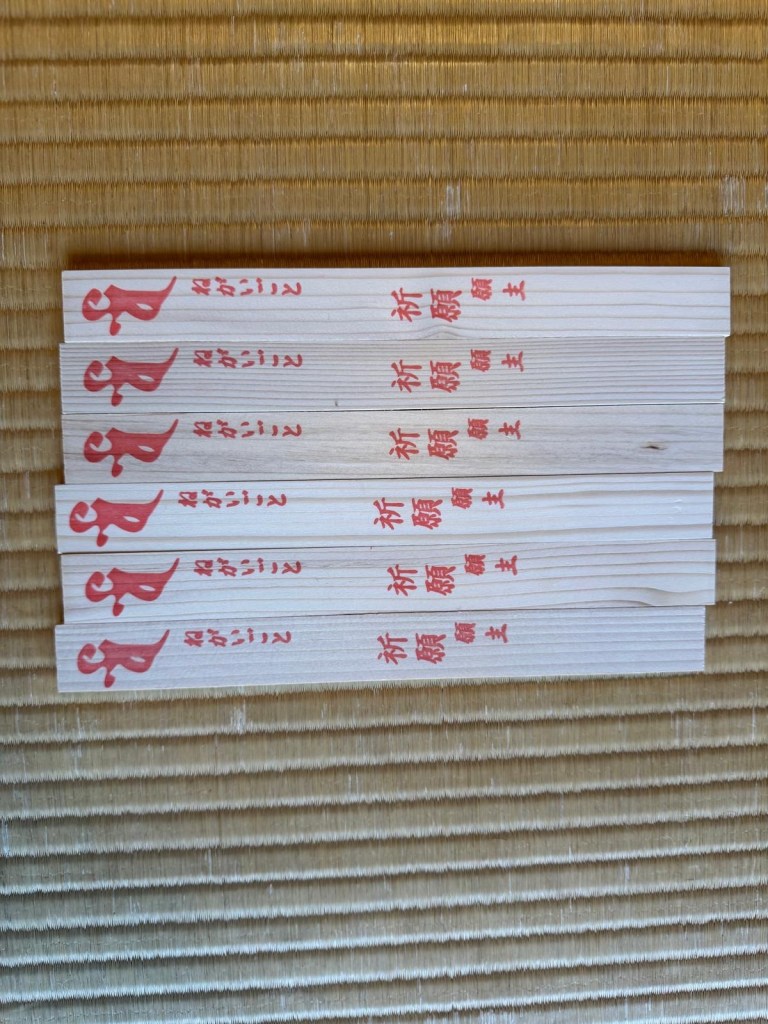
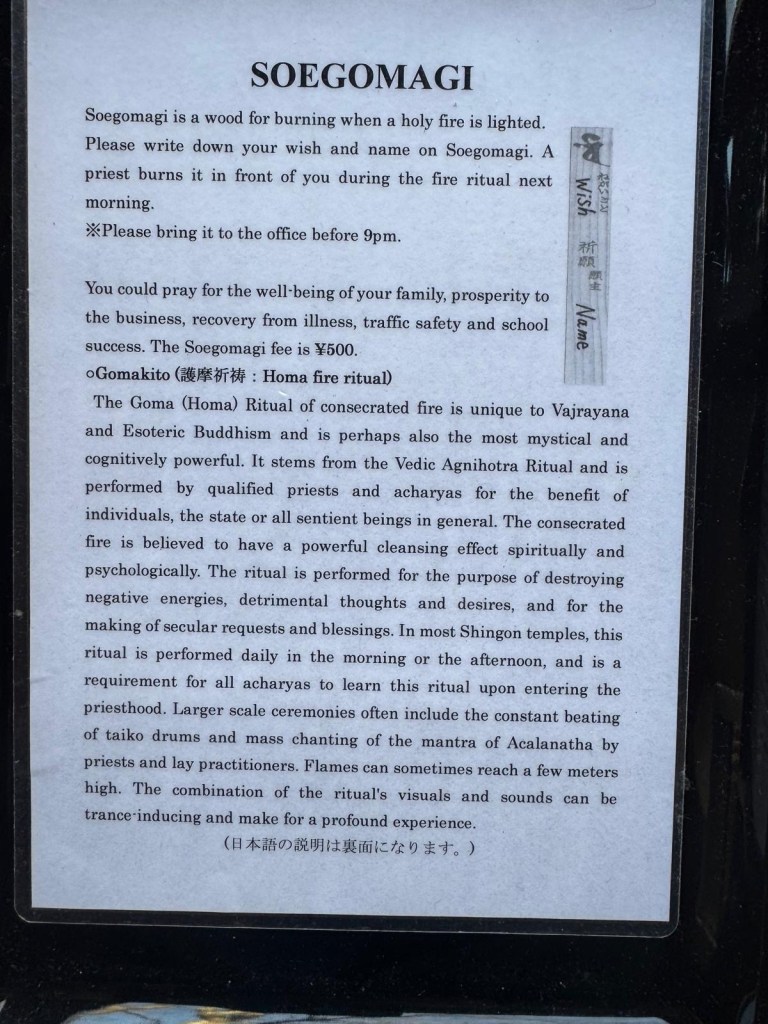
Guests are invited to attend temple rituals and services and the monks and novices were happy to talk about their backgrounds and day to day lives. We attended the 7am prayer service which was followed by the fire ritual and also the evening meditation. At the fire ceremony pieces of wood with wishes written on them are blessed and burned; for a fee guests can write their wishes on one or more.

Koyasan

Kobo Daishi (Kukai) was born in 774; in 805 he returned to Japan after two years in China, from where he introduced Shingon (Esoteric) Buddhism. He was given permission by the Emperor to set up a home for the sect. After searching he chose Koyasan’s mountain top, at a height of around 1,000 meters.

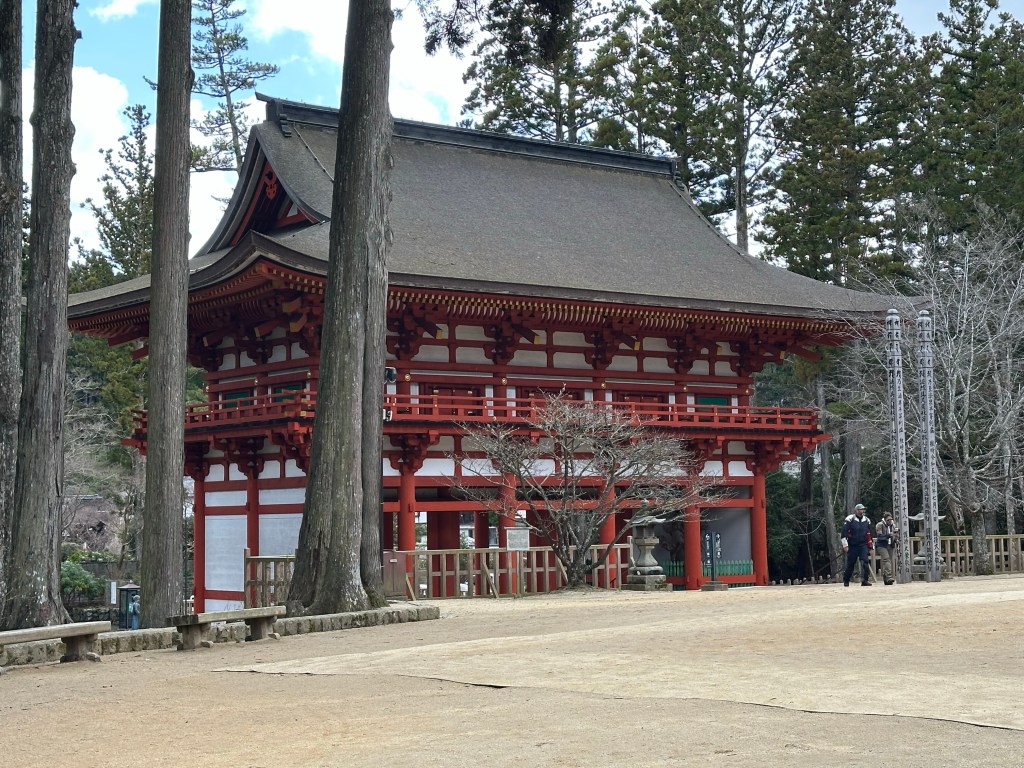
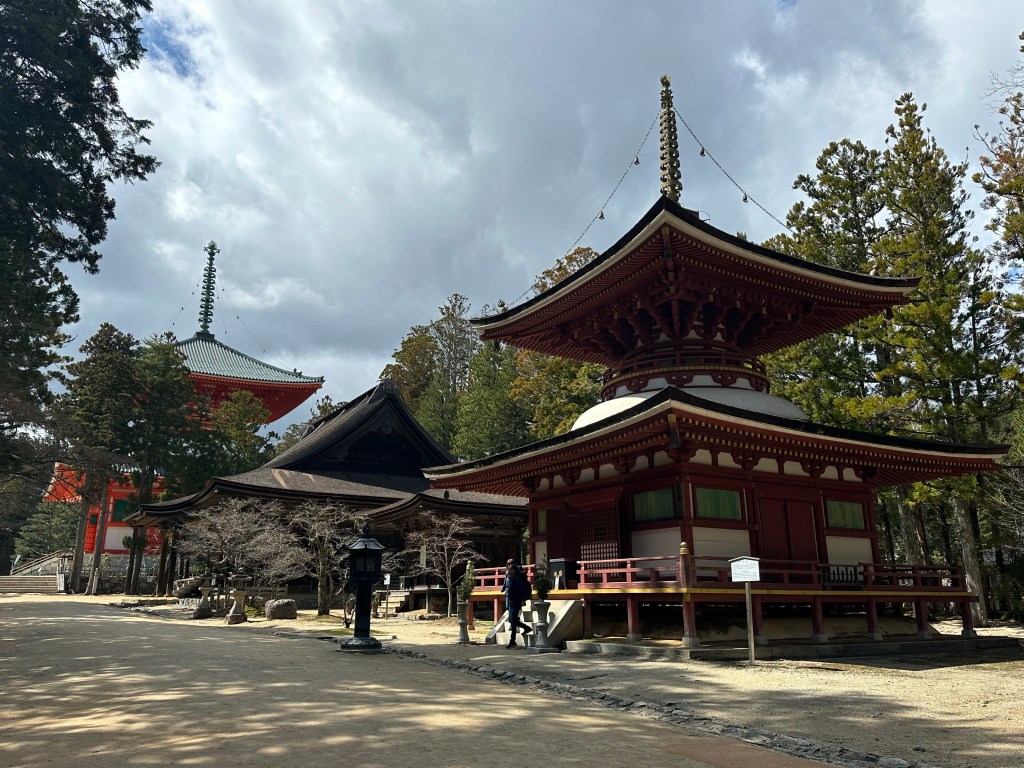
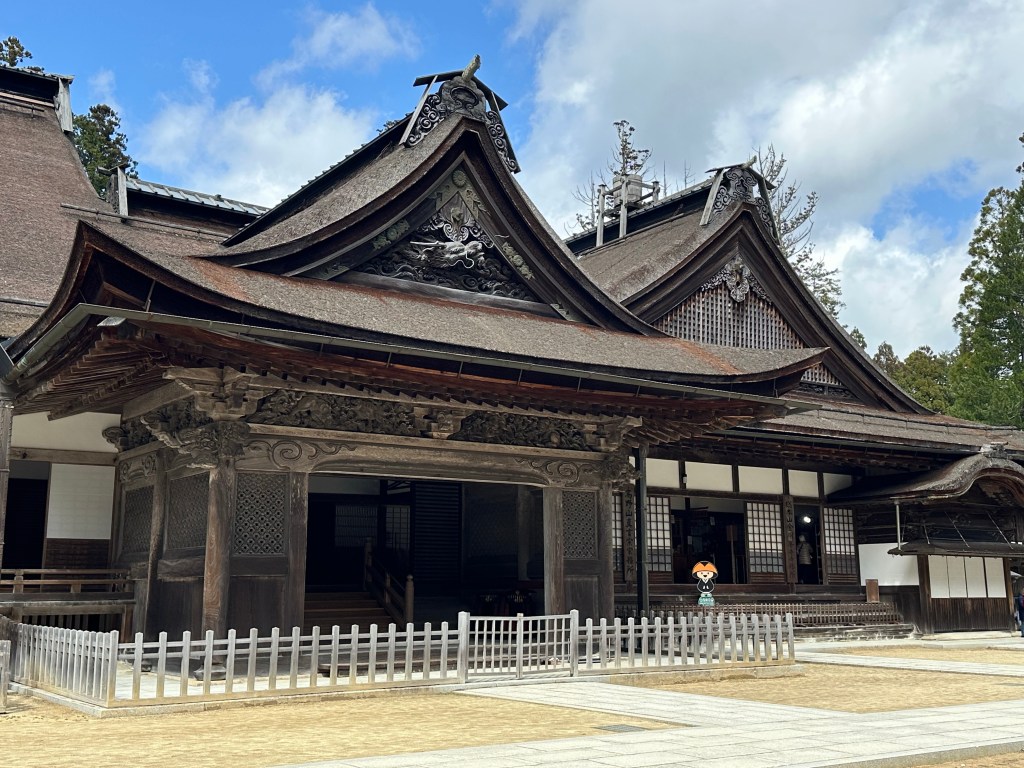
At one point Koyasan had over 2,000 temples but fires caused by lightning have resulted in a consolation to 117 temples today, about half of which provide guest accommodation. The town has 3,000 residents of which 800 are monks or novice monks. Walking down the main street, every other building is a temple, with the remaining businesses supporting the pilgrims and tourists.

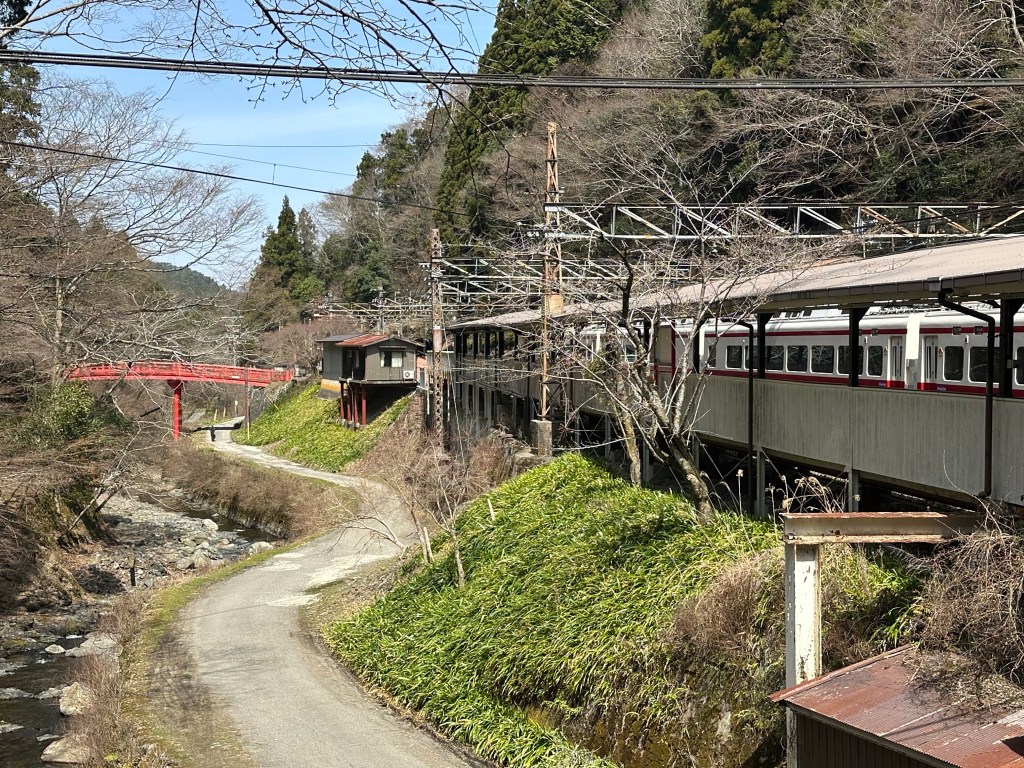
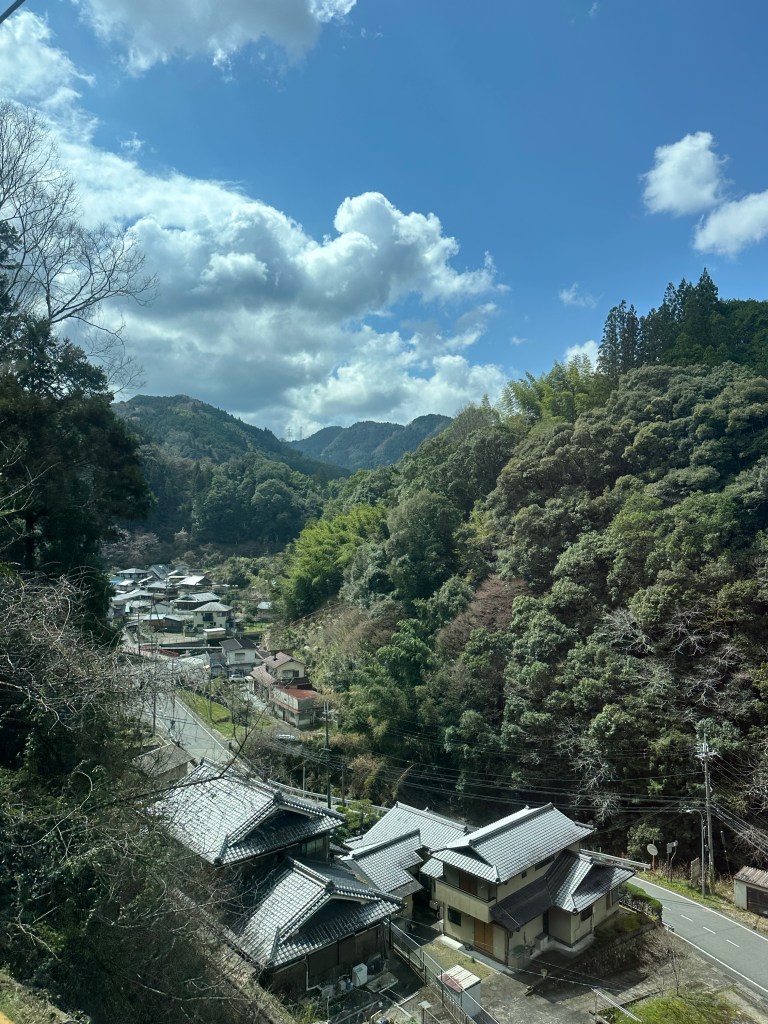
Today Koyasan is reached by train (in our case about two and a half hours from Kyoto) and cable car. The latter stages through the mountains are very picturesque.

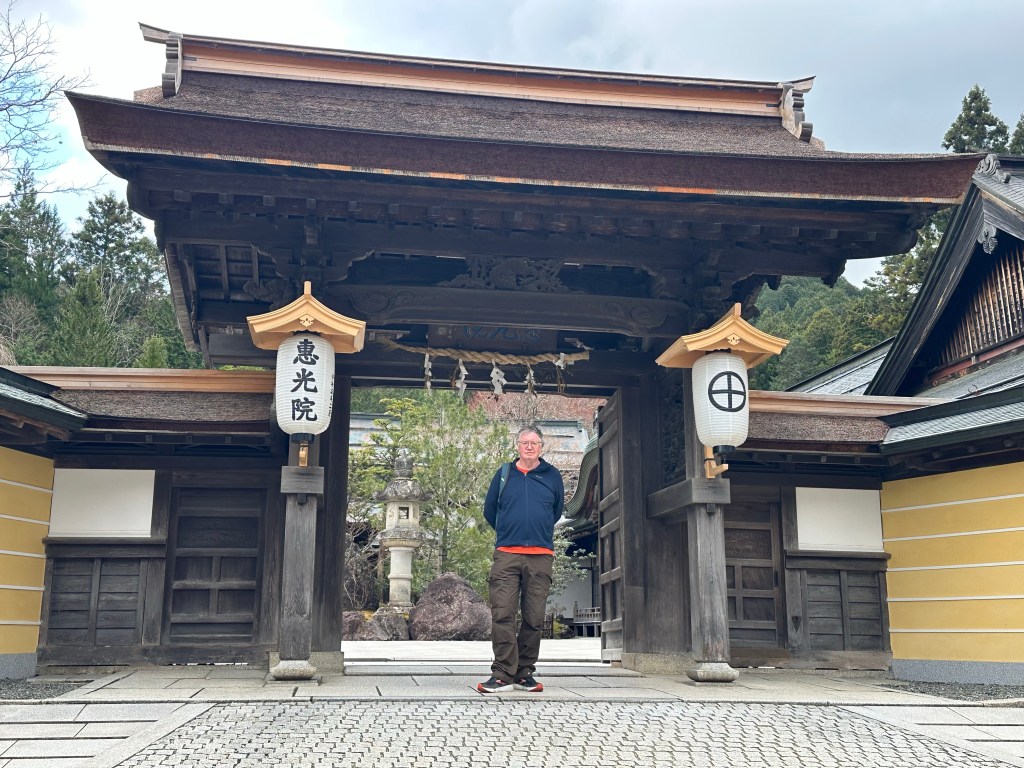
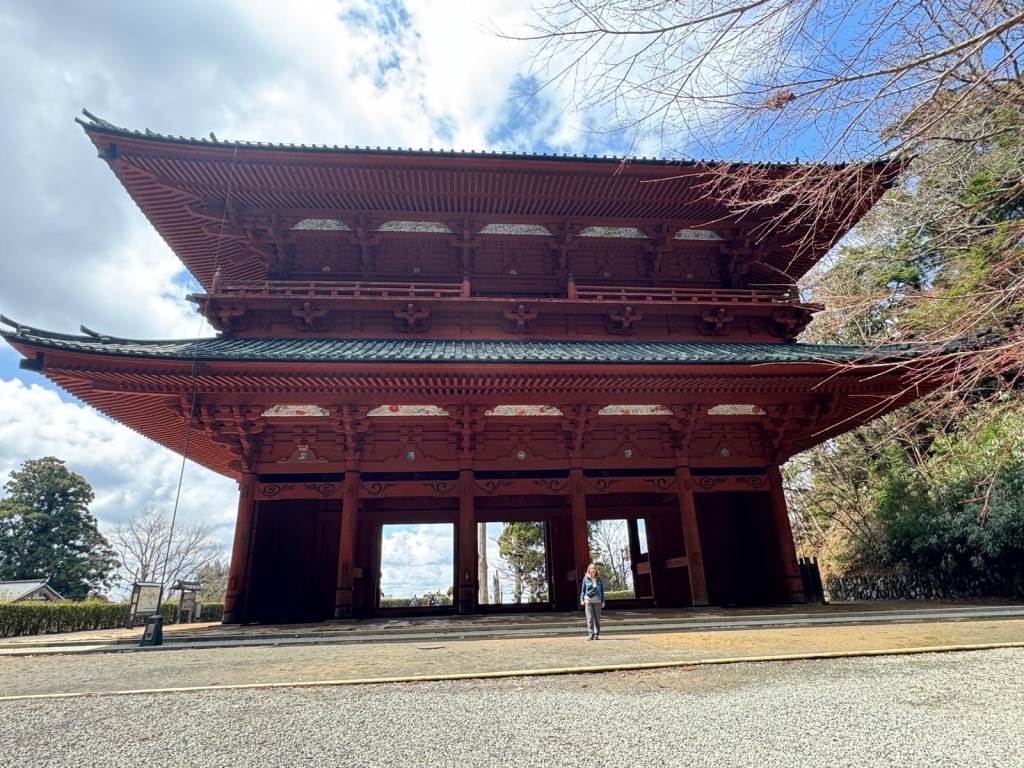
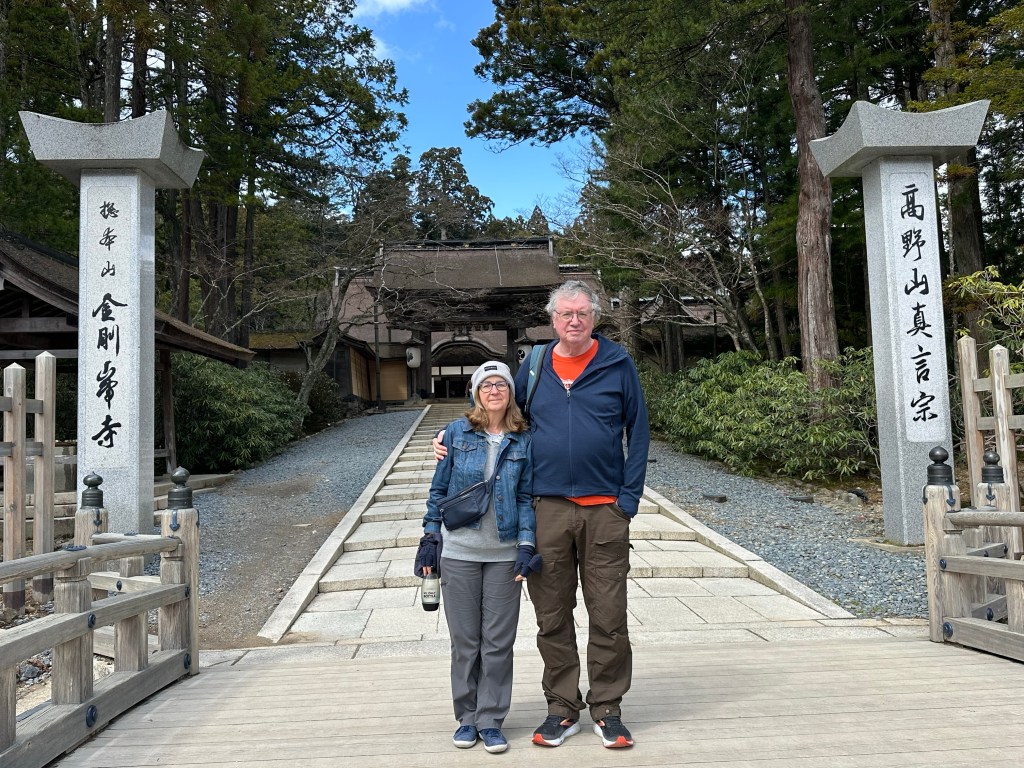
The entrance gate for Koyasan
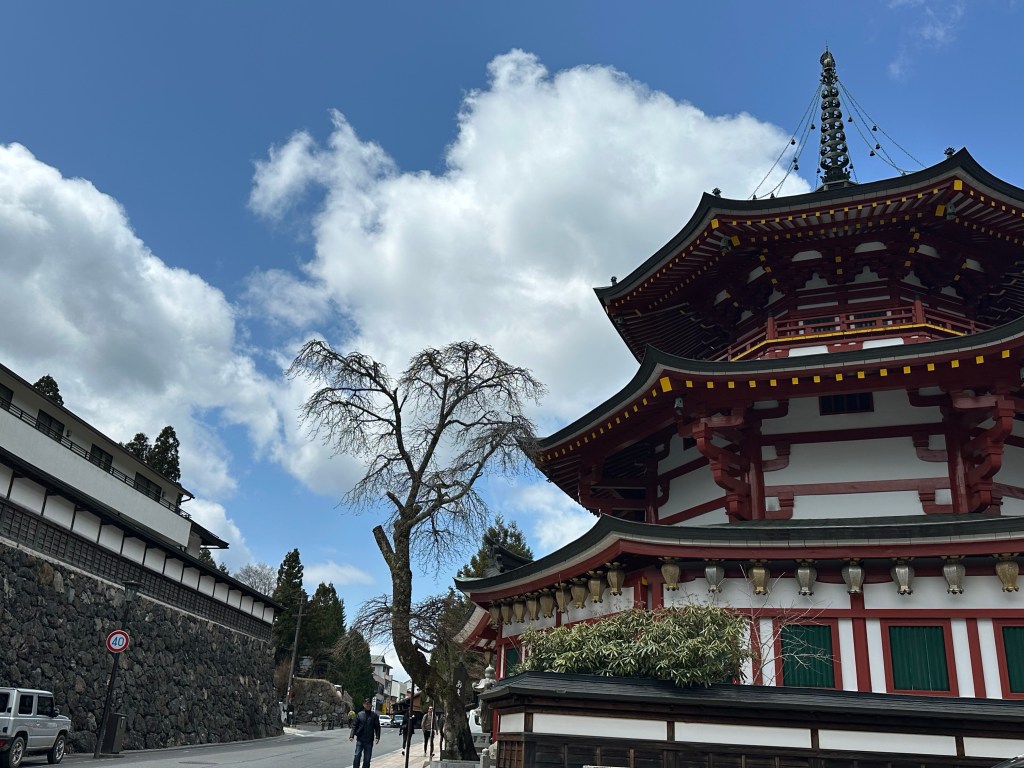
The main street (and below)
A large fire station for a small town- as well as the lightning risk, most of the temples are wood and thatched roofed and one of the main daily rituals involves a fire

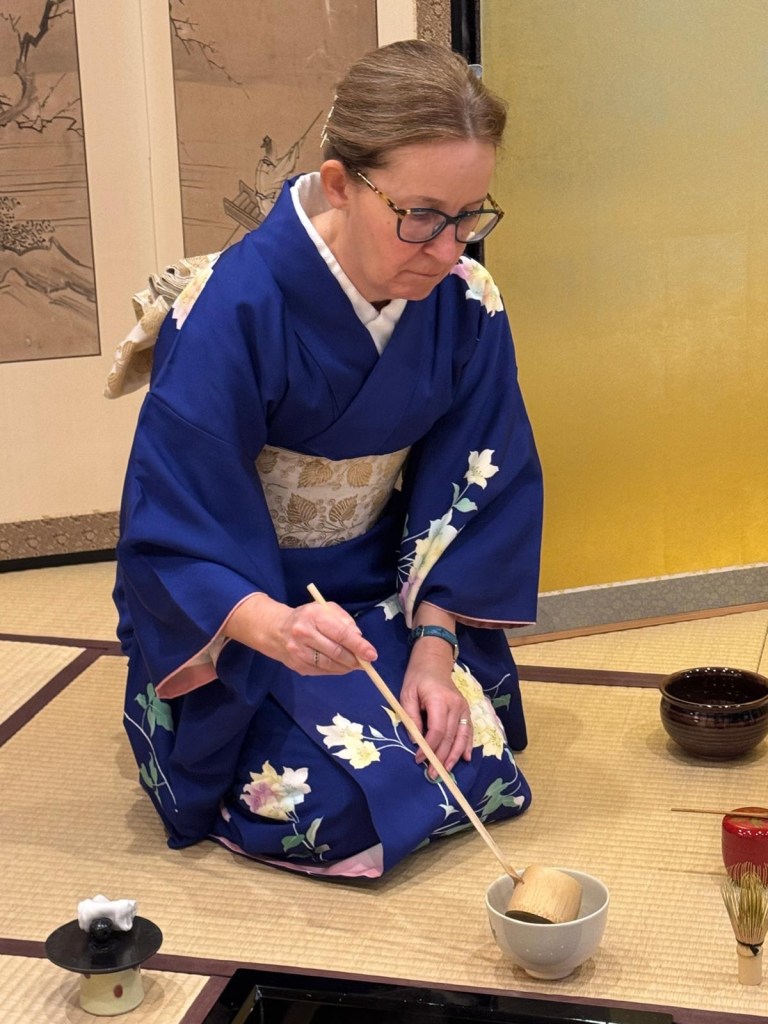
Japanese Tea Ceremony

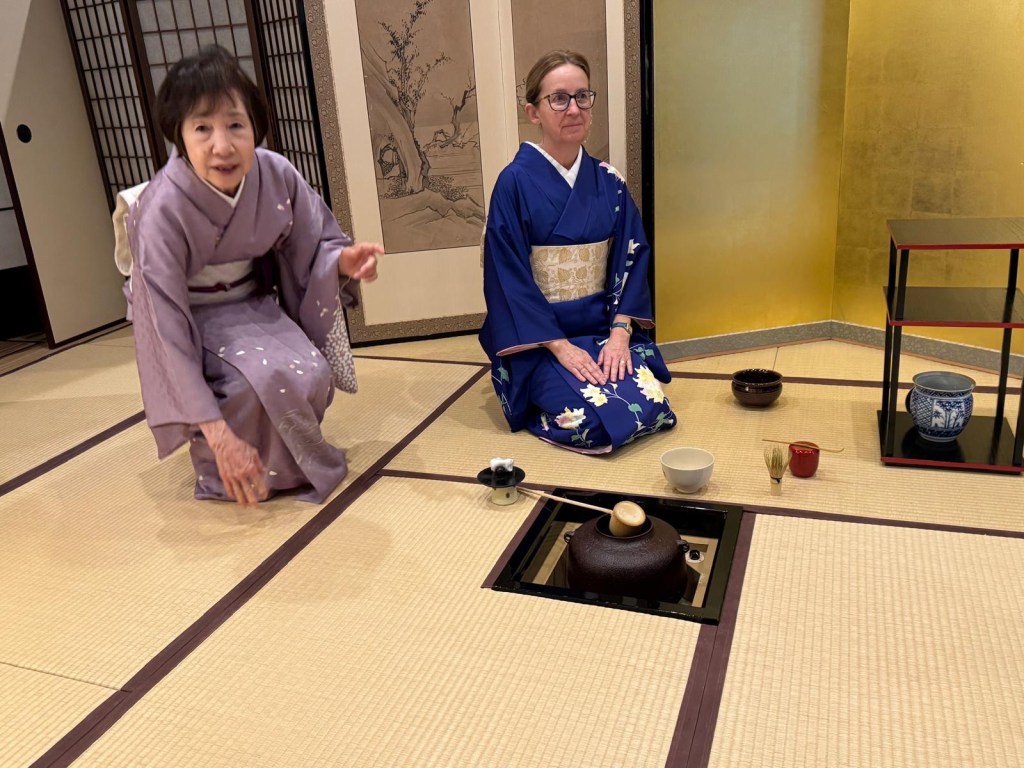
In Japanese the tea ceremony is Chado, literally “the way of tea”. The ceremony and its rules were originally set out in the 16th century. The tea master, Sen no Rikyu, elevated it to an art form reflecting the culture of the country.

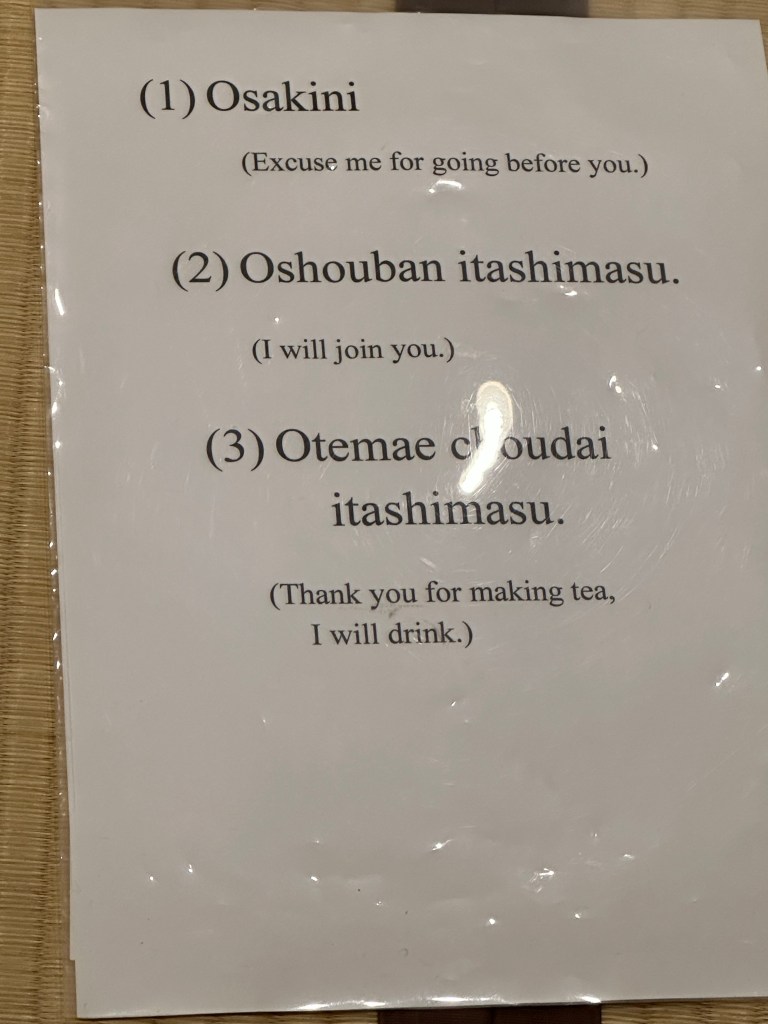
The host prepares matcha (ground green tea) with hot water and presents the tea to each guest in turn. The ceremony emphasises respect between the host and guests, with specific words, phrases and actions, reflecting Japanese culture. Today, there are three branches of tea ceremony, each with their own hereditary grand tea master.

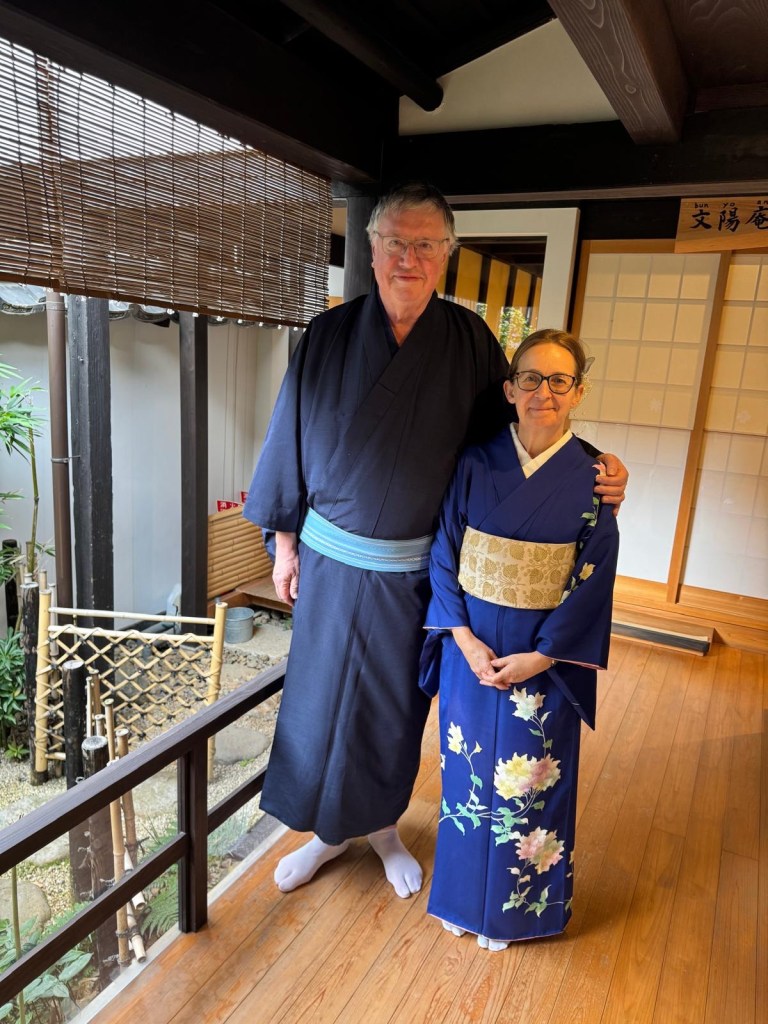
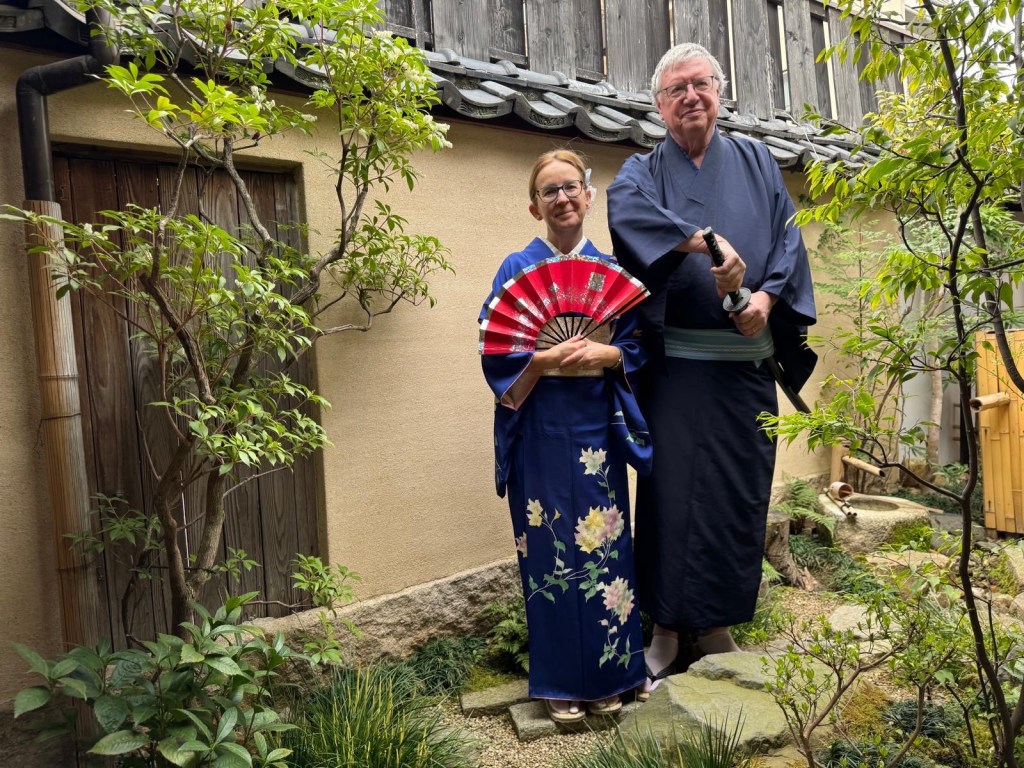
As part of our tea ceremony introduction, we were provided with traditional Japanese kimonos ! It was explained that an important part of the philosophy is that while each ceremony follows the set protocol, no two ceremonies would be the same as every encounter in life is unique.

“Osakini” is also used in other situations such as if you go through a door before someone else

Cherry Blossom

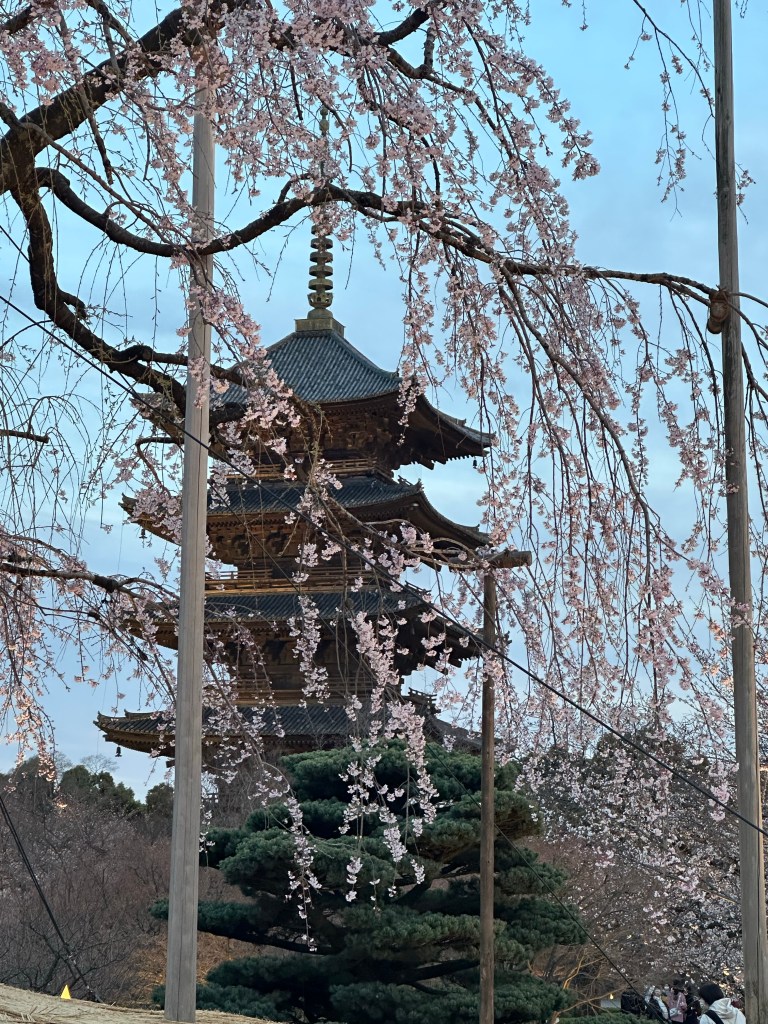
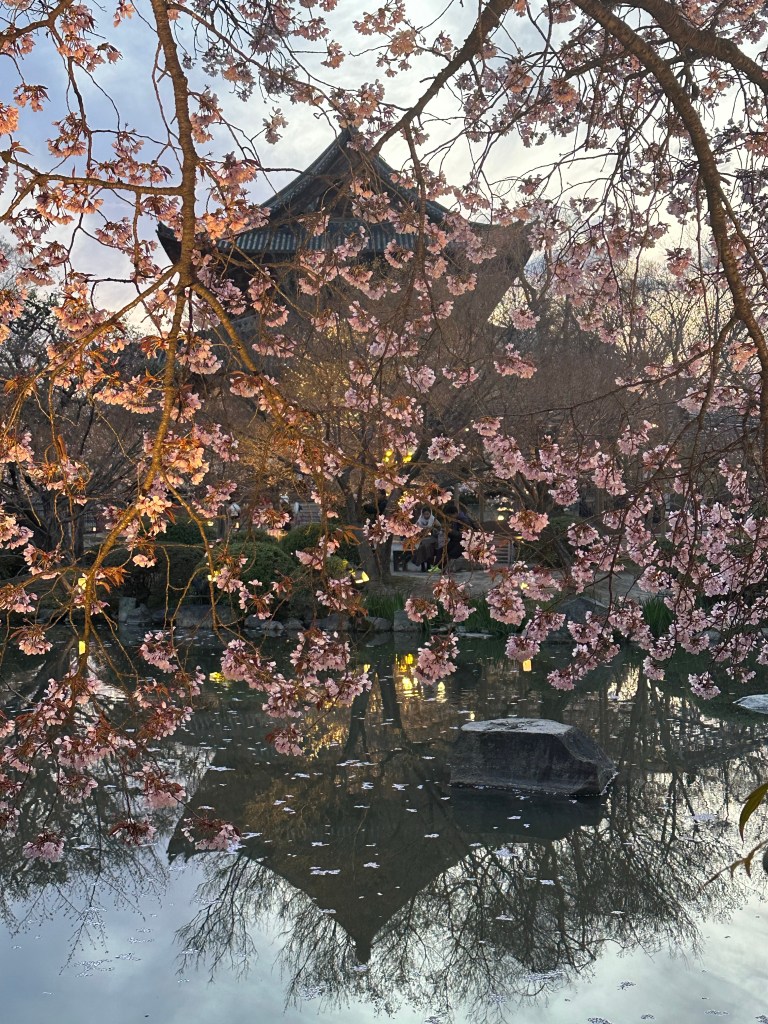
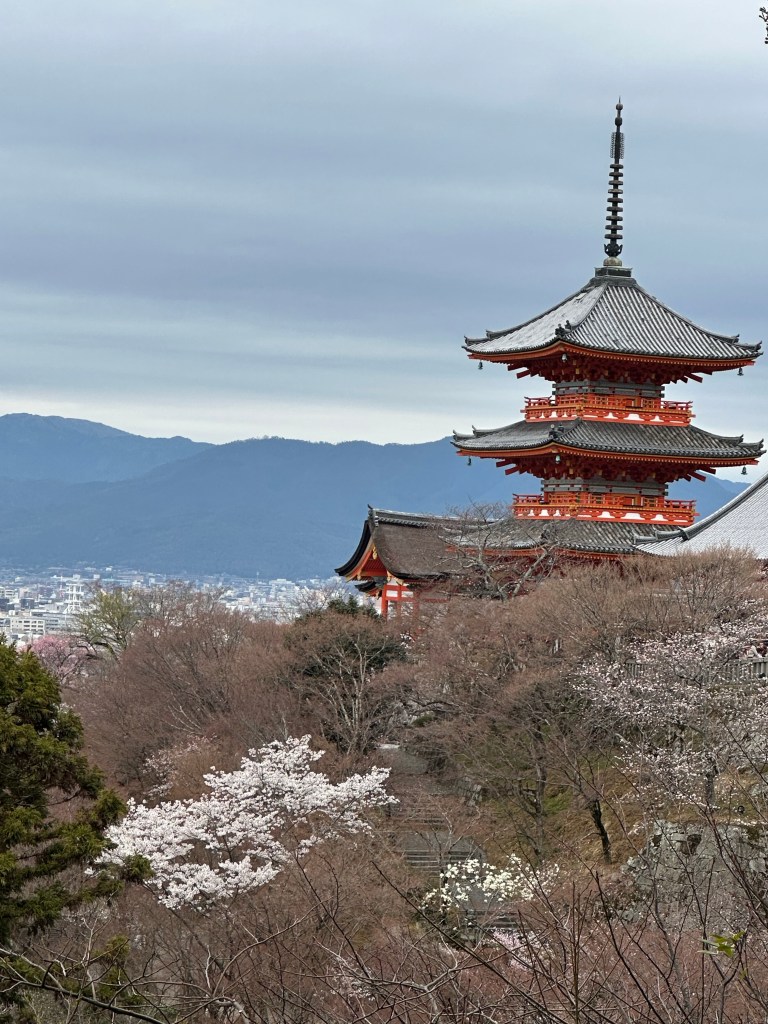
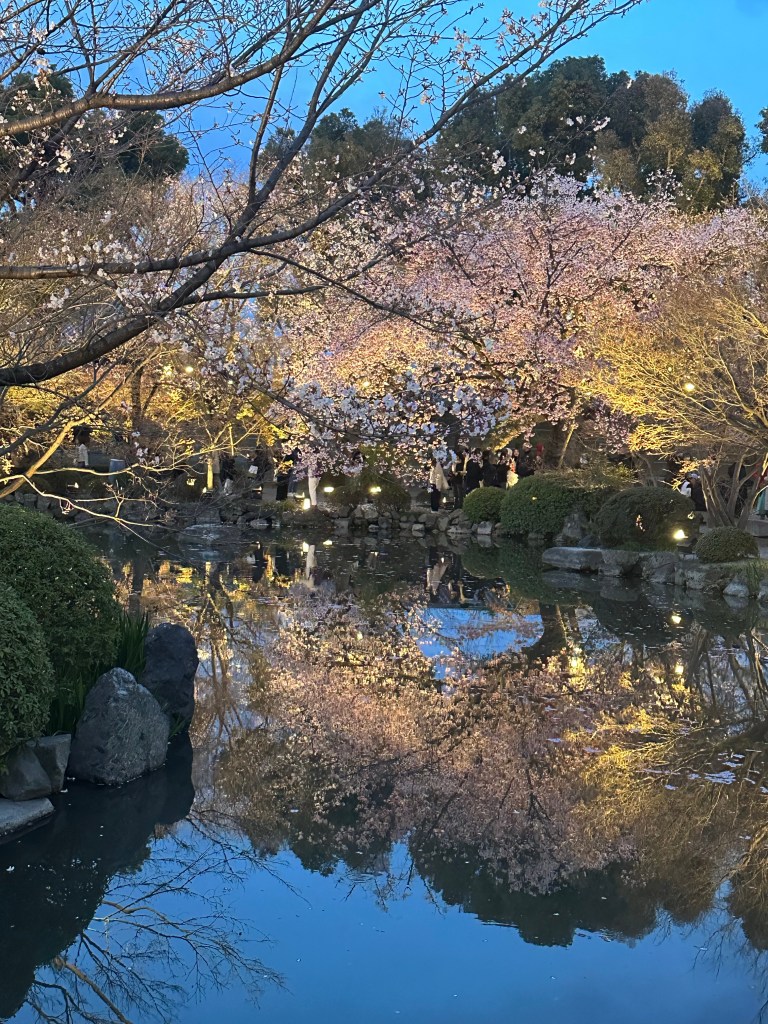
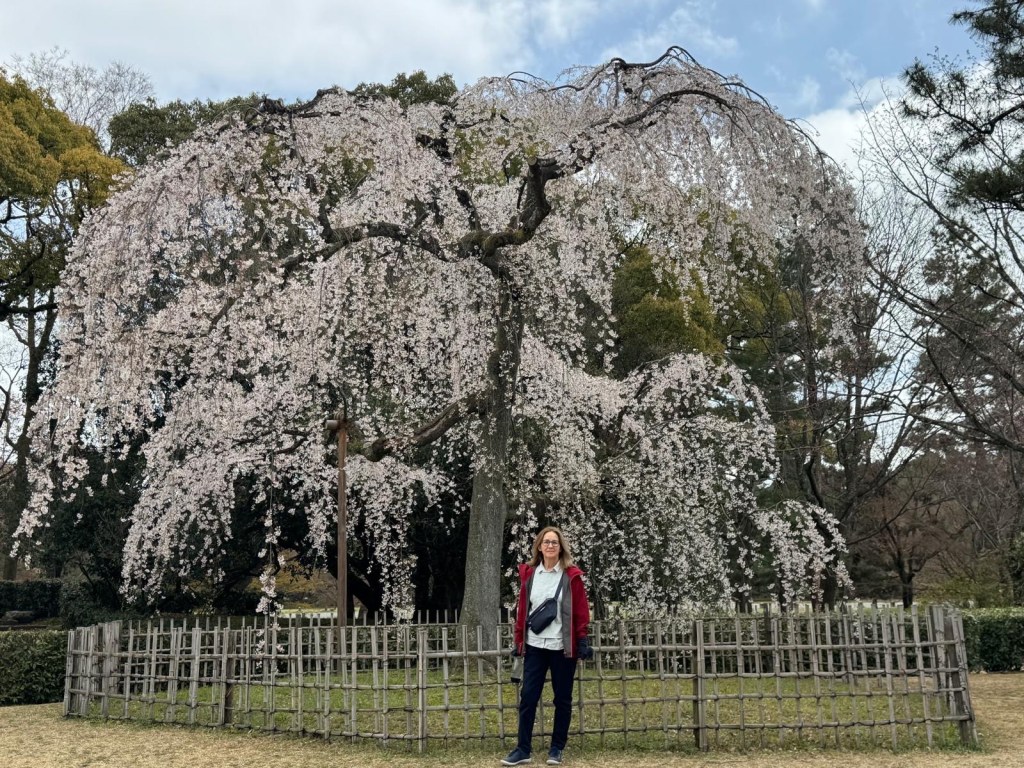
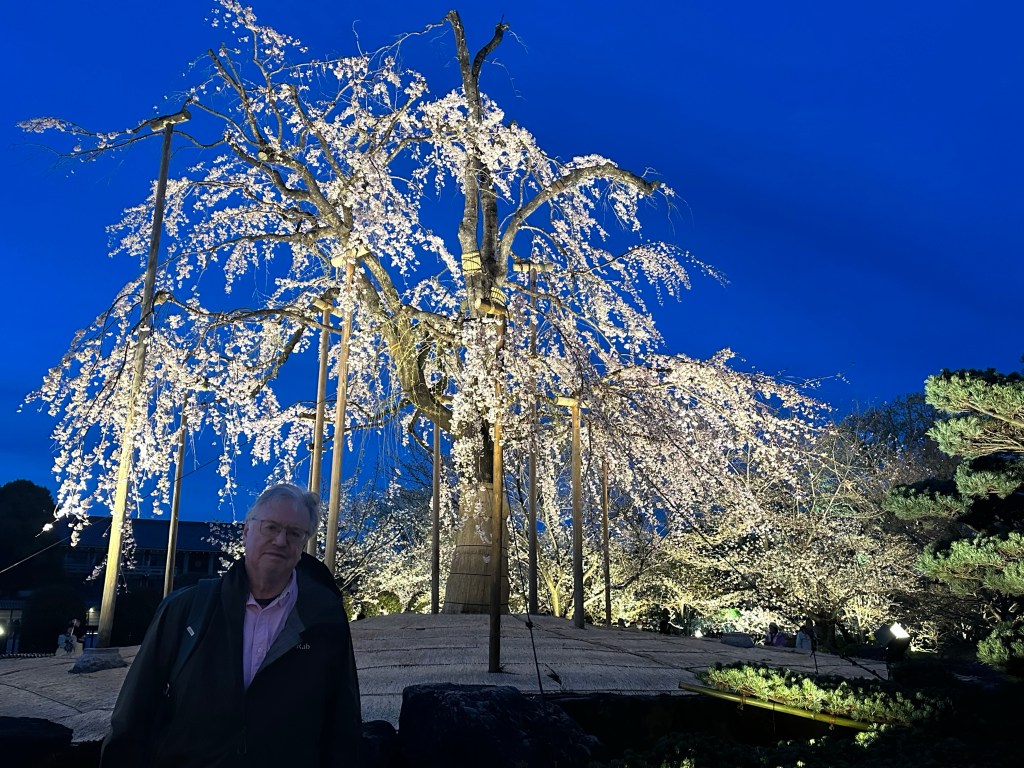
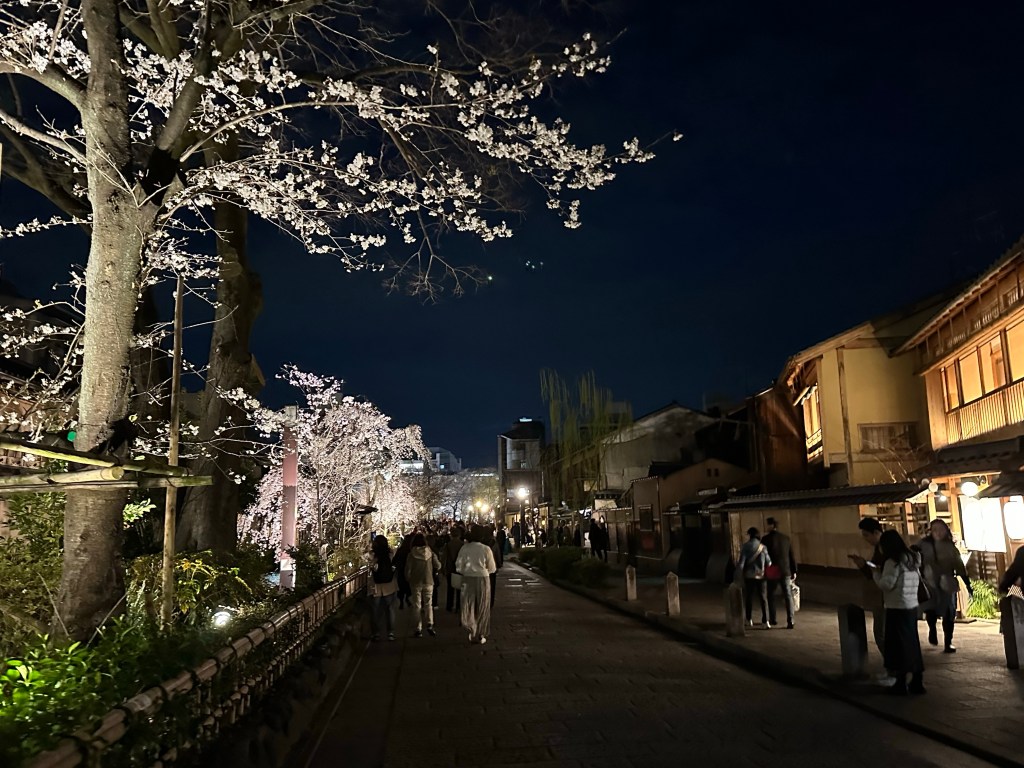
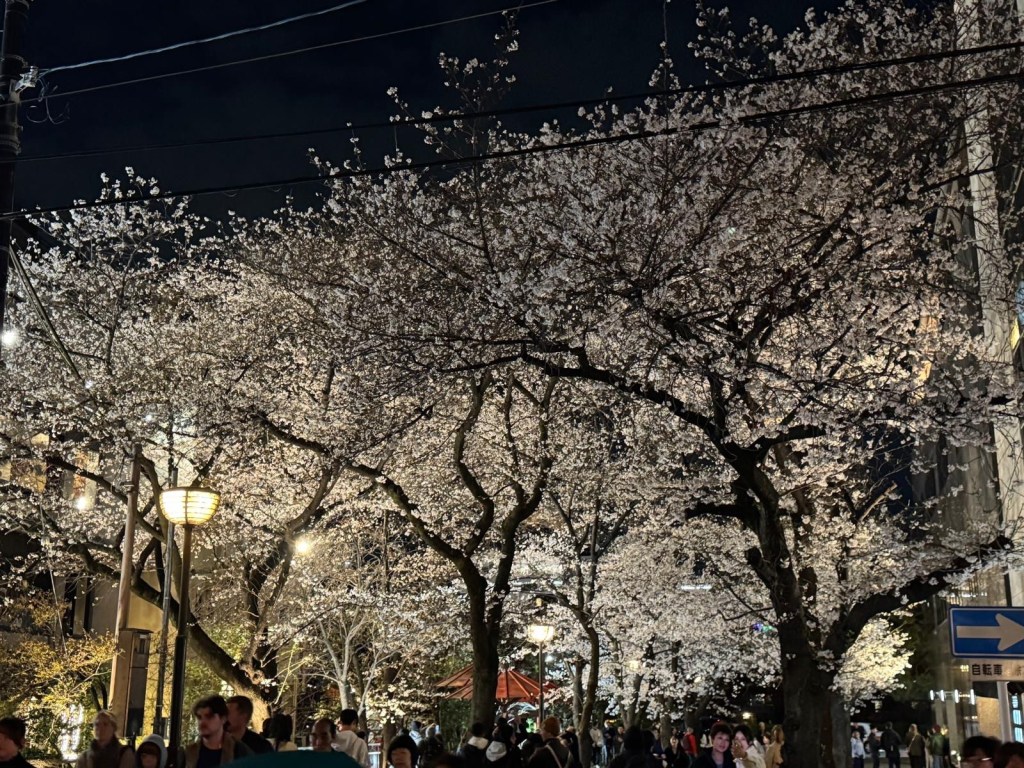
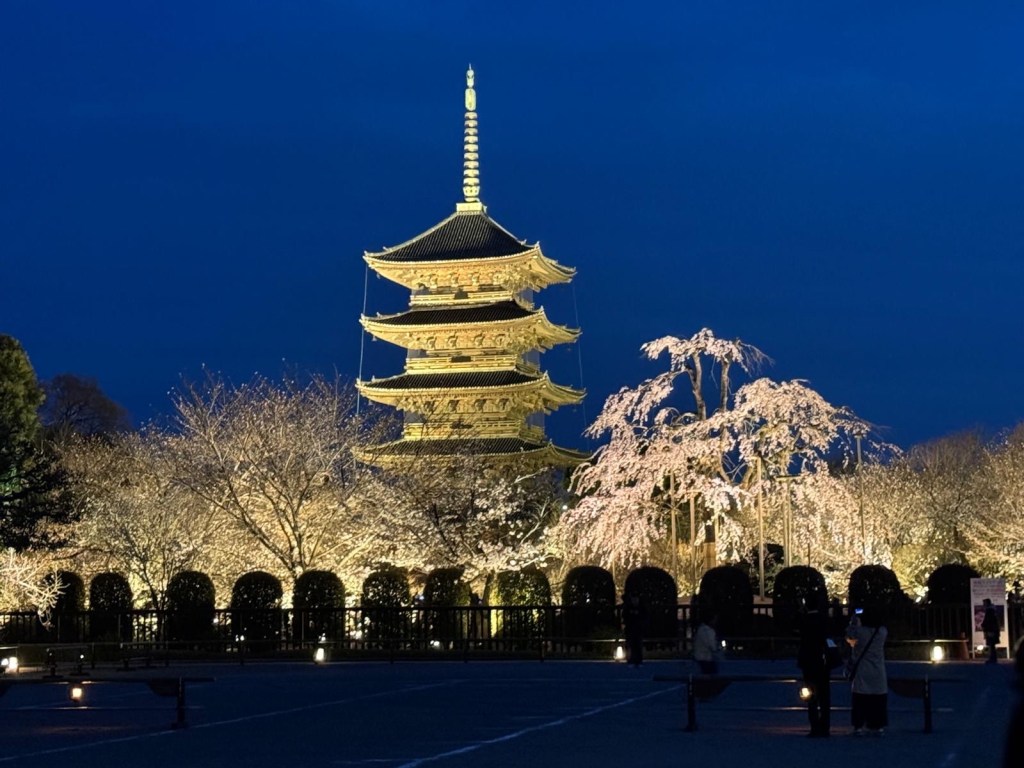
In Japan cherry blossom or Sakura has deep cultural significance, symbolising spring and renewal. The act of viewing the flowers is called hanami, which may date back to the 8th century. There are over 600 varieties of blooming cherry trees none of which bear fruit. Weeping trees are particularly revered.

The transition from bud to bloom is closely monitored by the meteorological office with updates and forecasts published each day. There is a specifically defined data set – which trees (58 preselected nationwide) how many blooming buds (5)etc – to determine that the season has begun in a specific location.

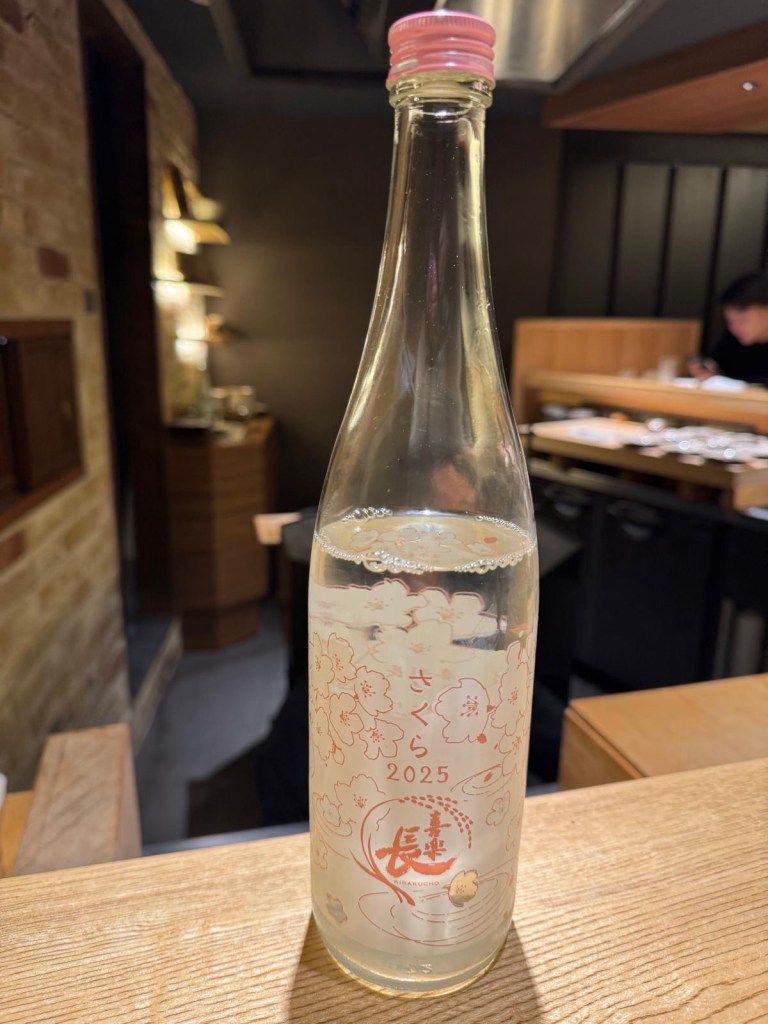
There are a lot of events and festivities centred around the season from food stalls in parks to illuminated displays as well as seasonal food and sake.

We were in Tokyo for the official start of the season and Kyoto for the full bloom.

Kyoto

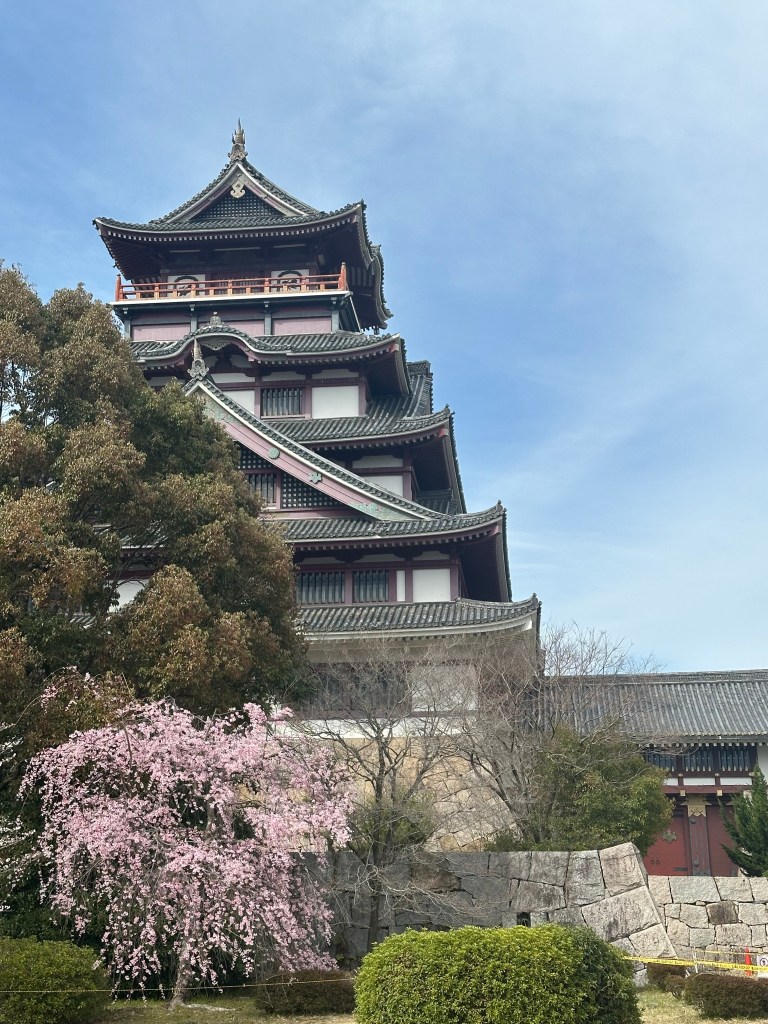
Emperor Kanmu chose Kyoto as the capital of Japan in 794. It remained as such until the Shogun resigned under pressure from the regional Lords and the capital was transferred to Tokyo in 1869.

Unlike many other Japanese cities it avoided most of the bombing of World War II and was removed from the potential list of A bomb targets as a result of pressure from the US Secretary of War Henry L Stimson, who had visited on his honeymoon.

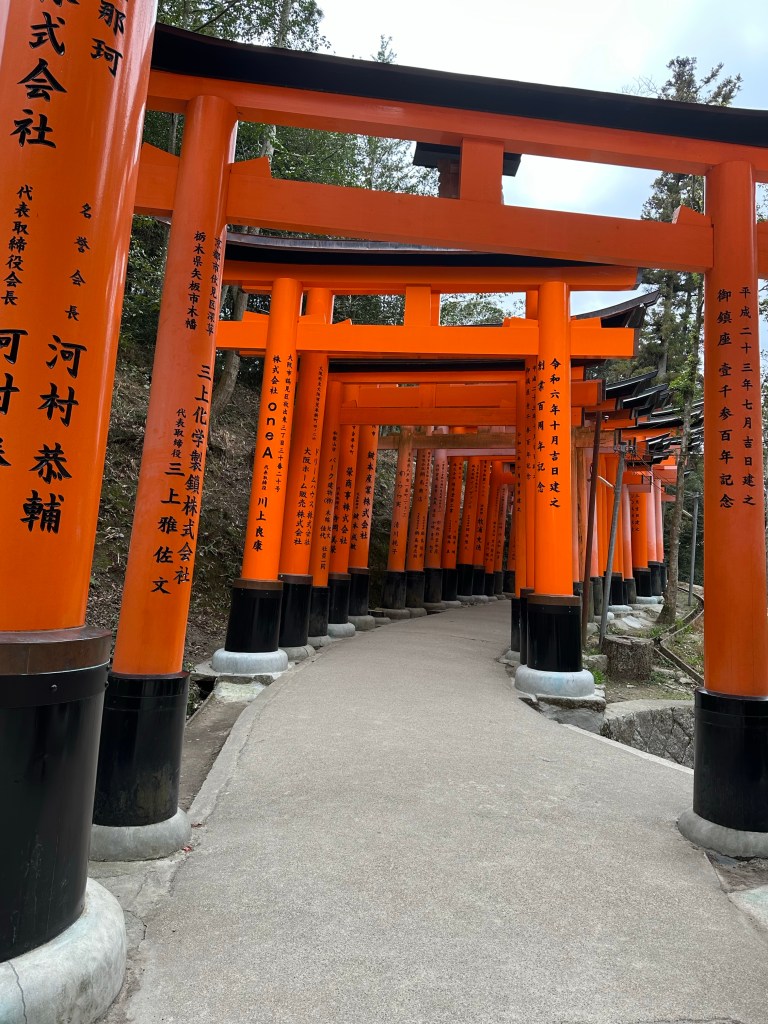
“1,000 gates” – there are more – on the back of each gate is the sponsor that has paid for the gate and its subsequent upkeep

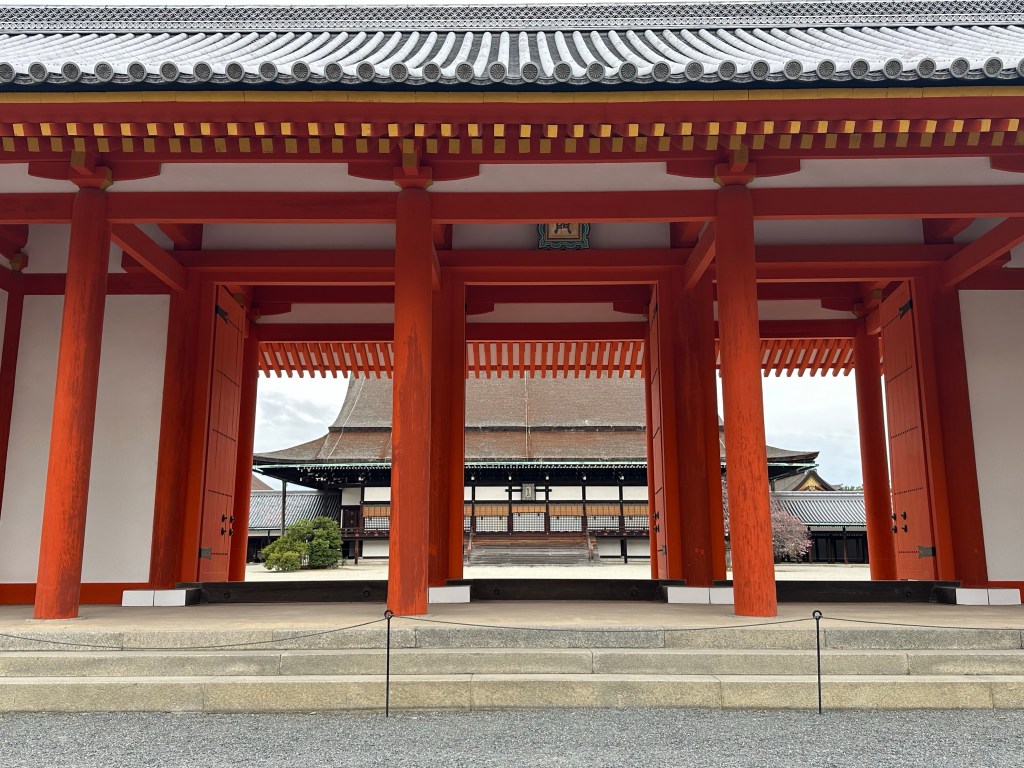
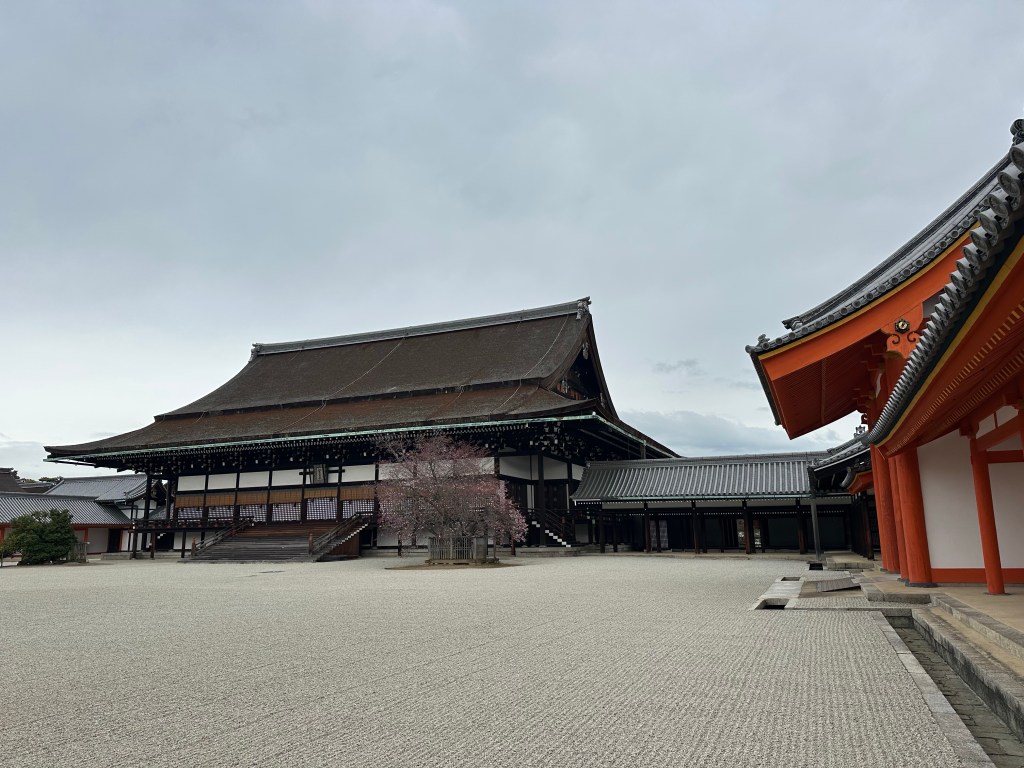
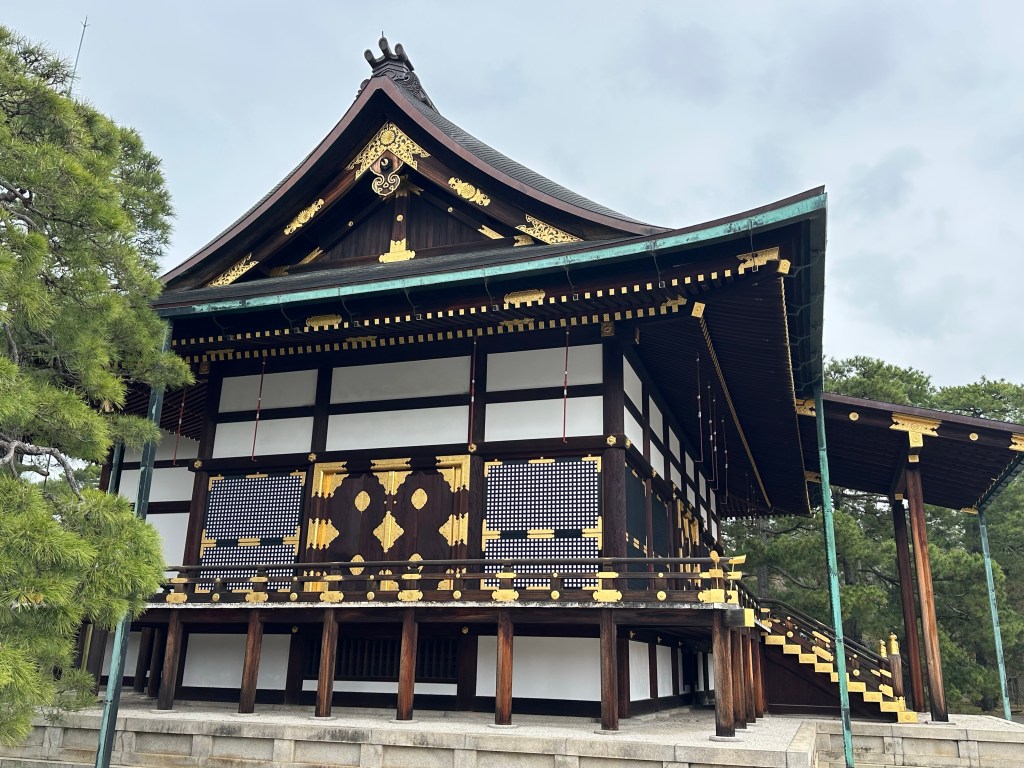
Imperial Palace (and the two pictures below)
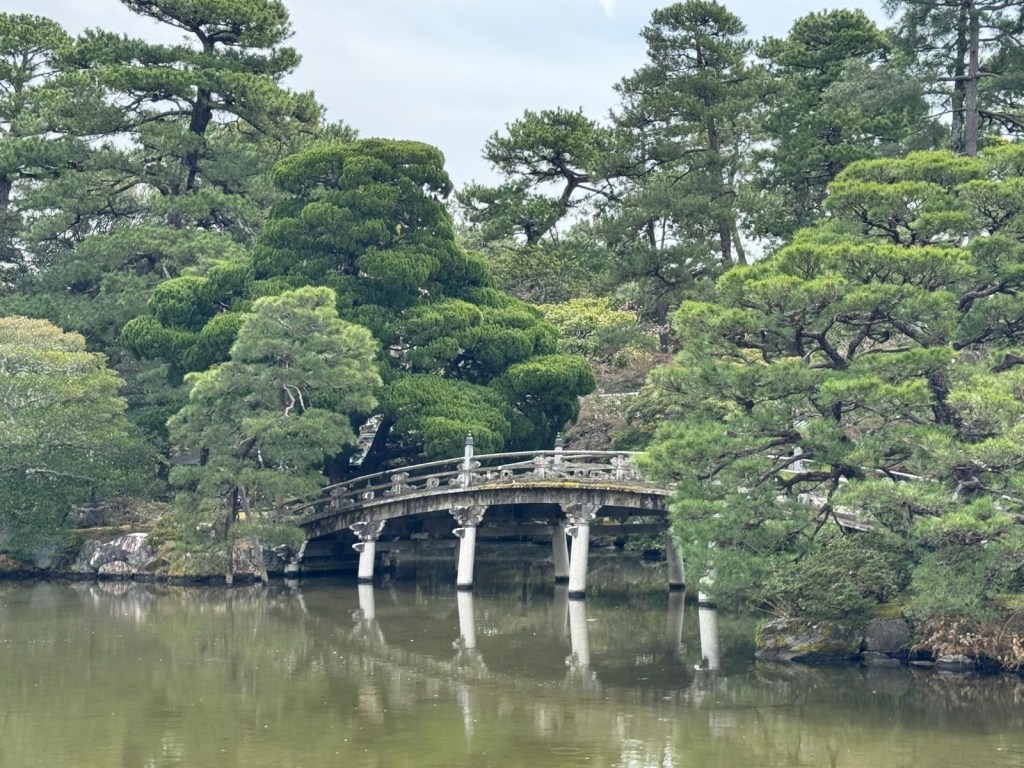
Garden of the Imperial Palace
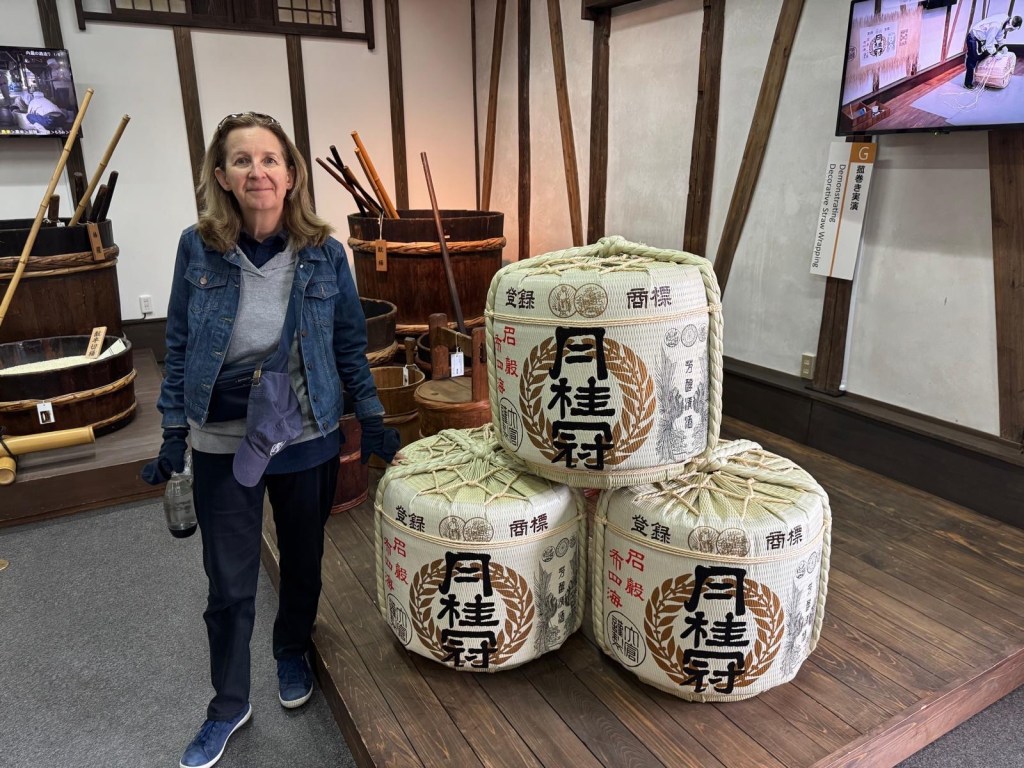
Sake brewery
“Three year steps” – it is said that if you fall over on the steps you’ll die in the next three years (thankfully we didn’t)