On our Southern Africa trip we saw a numbers of warning signs – many that we wouldn’t expect to see at home ….

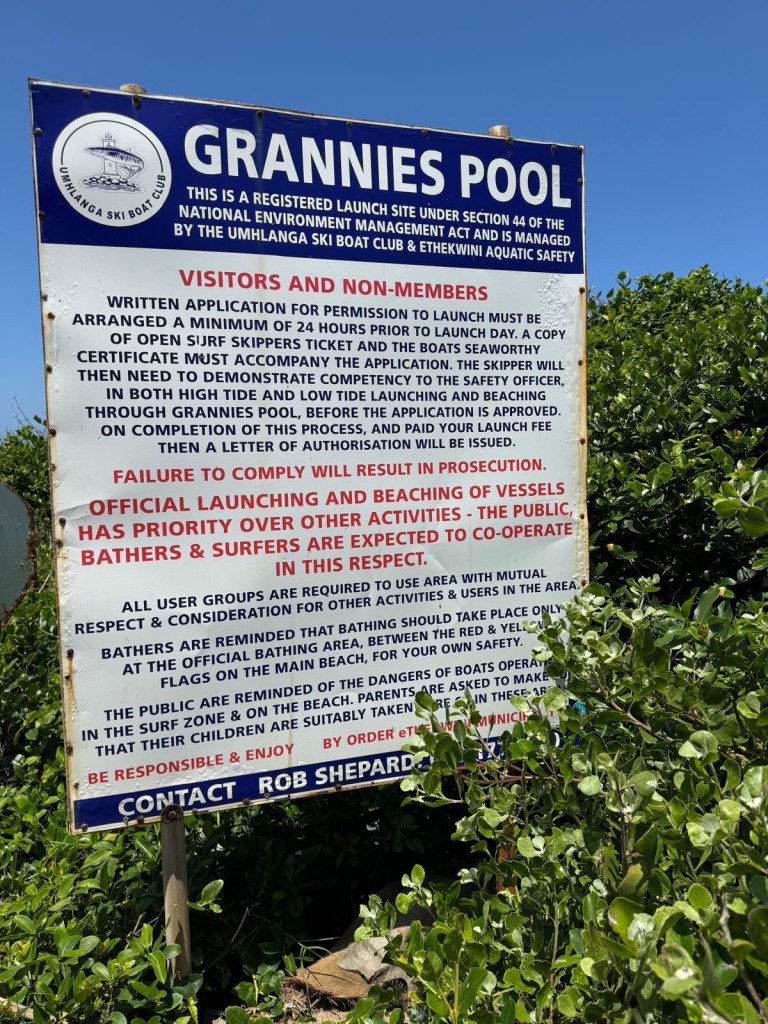
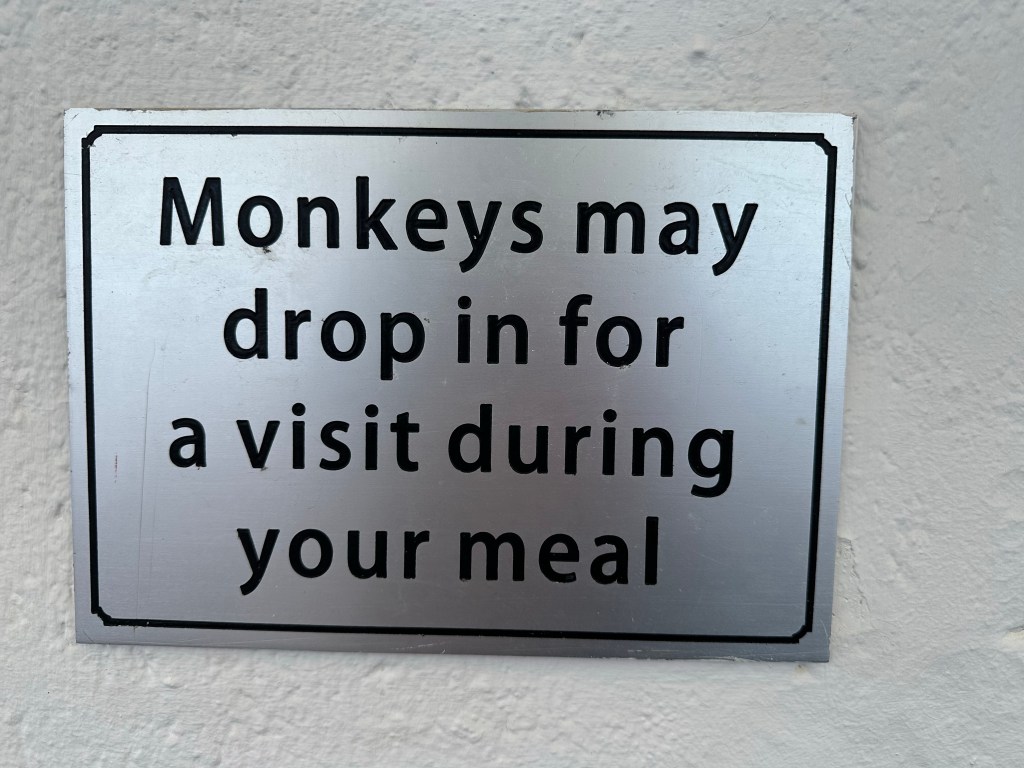
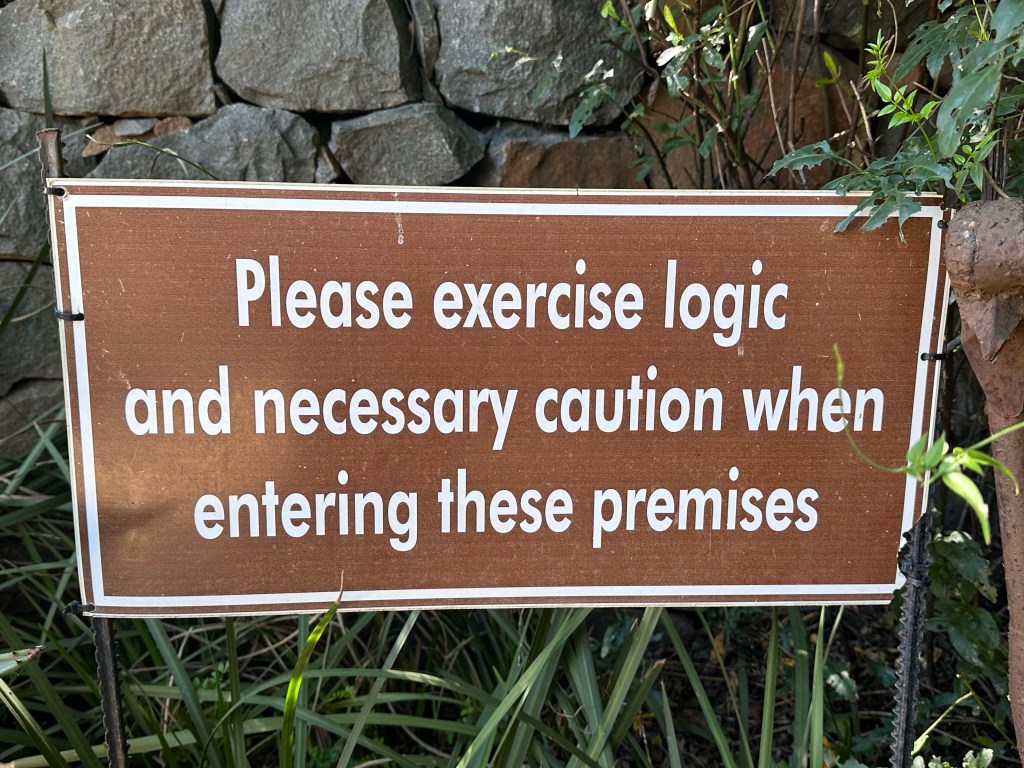
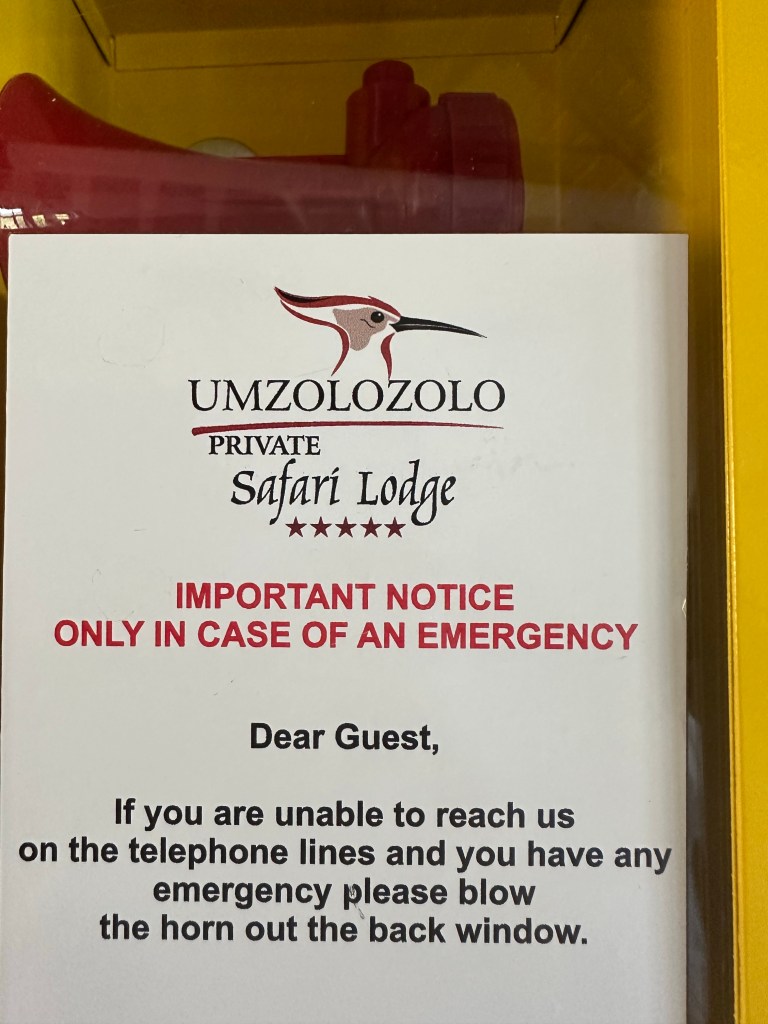
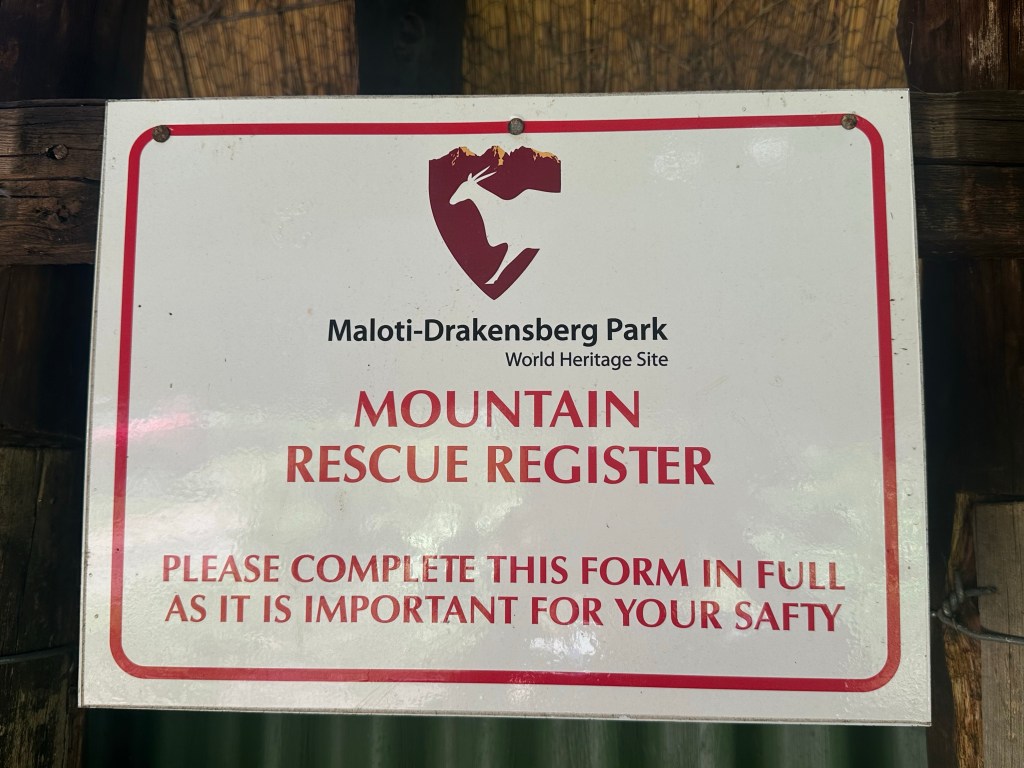

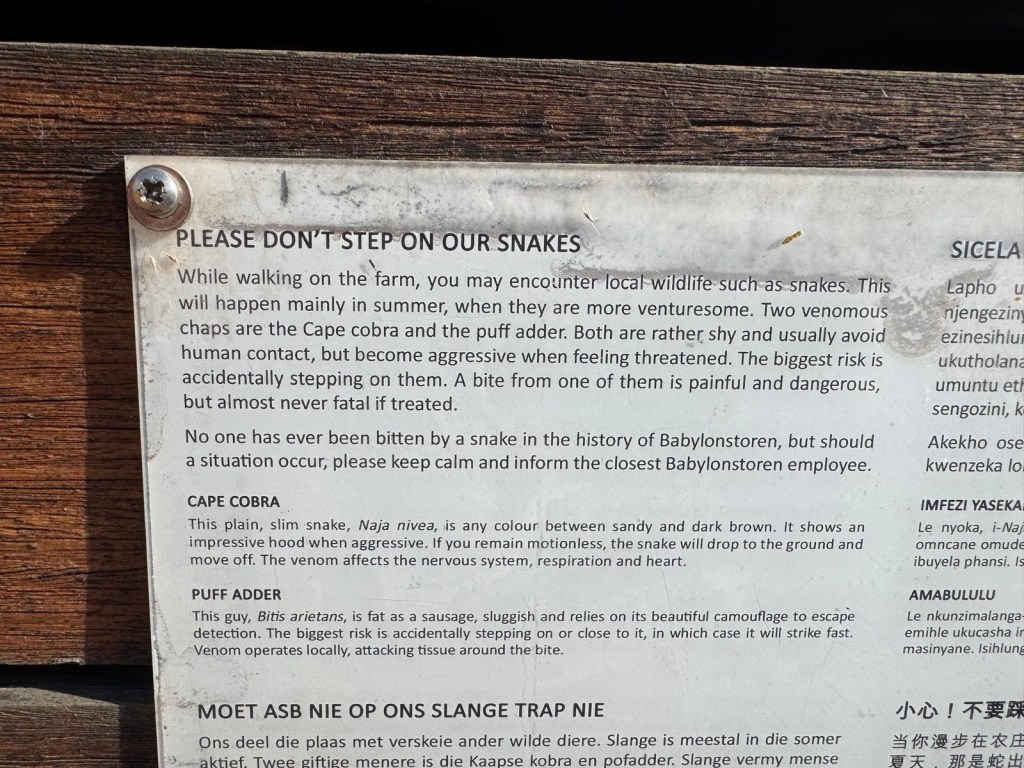
On our Southern Africa trip we saw a numbers of warning signs – many that we wouldn’t expect to see at home ….
The Okavango Delta has its peak floods during the winter (June to August) which is the dry season, hence attracting animals from great distances. The summer is hot and wet giving rise to tall grasses, making some animals more difficult to see and is therefore the low season for tourism. In addition to land and water dwelling animals, the delta hosts approximately 400 species of birds during the year.
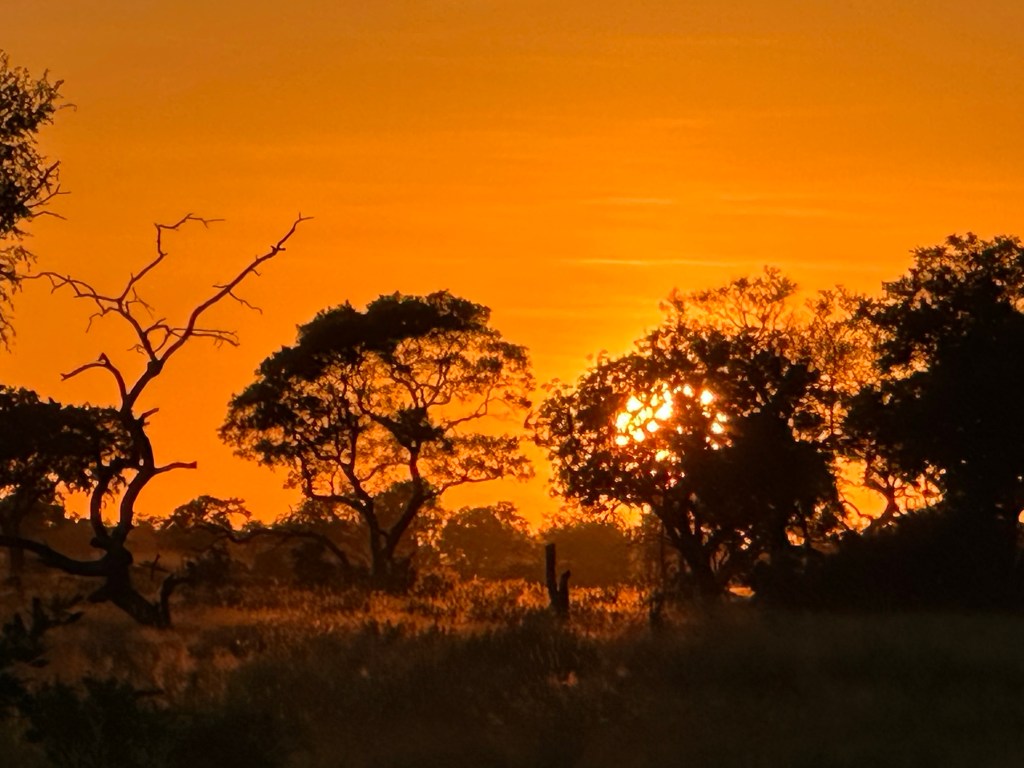
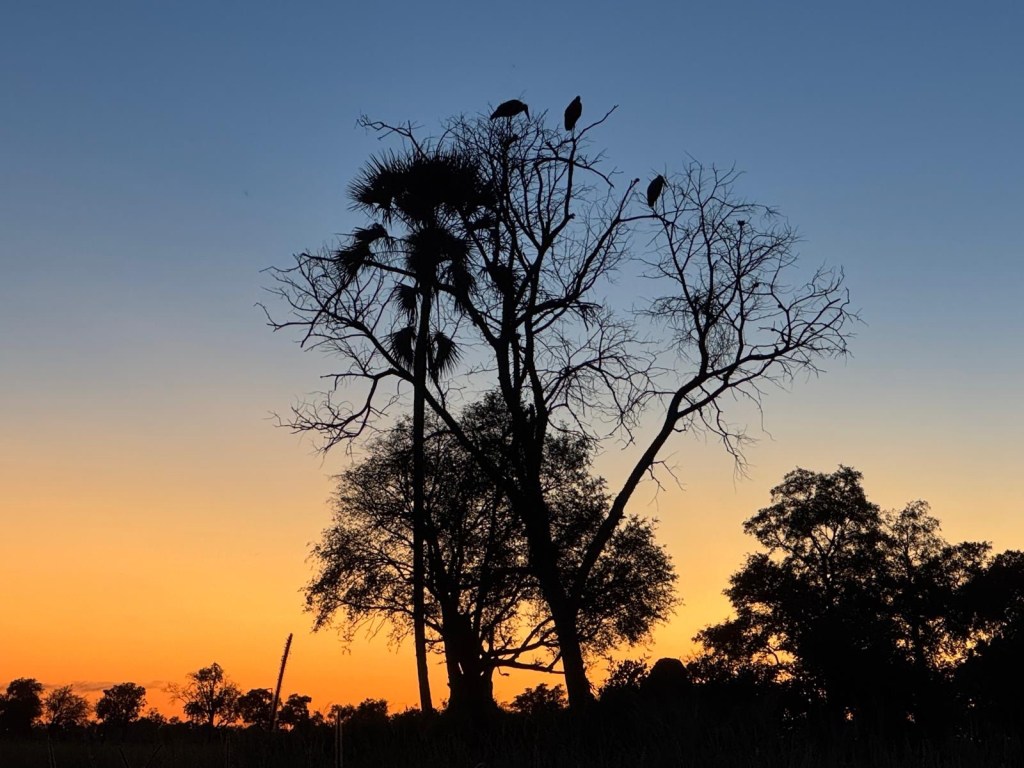


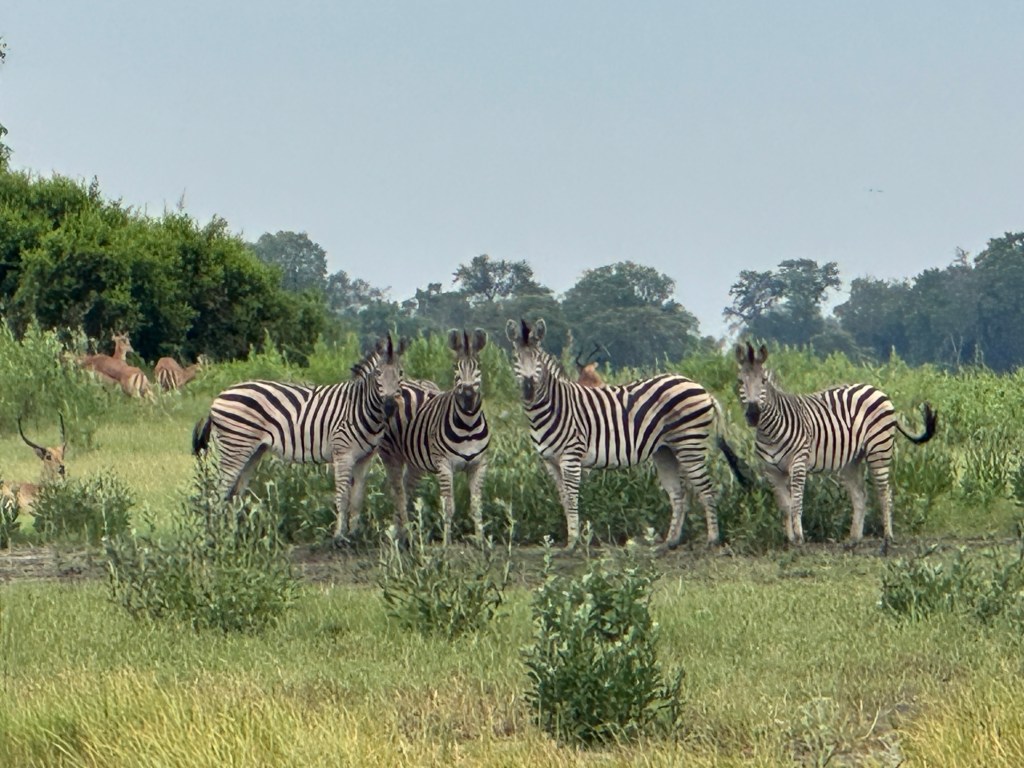

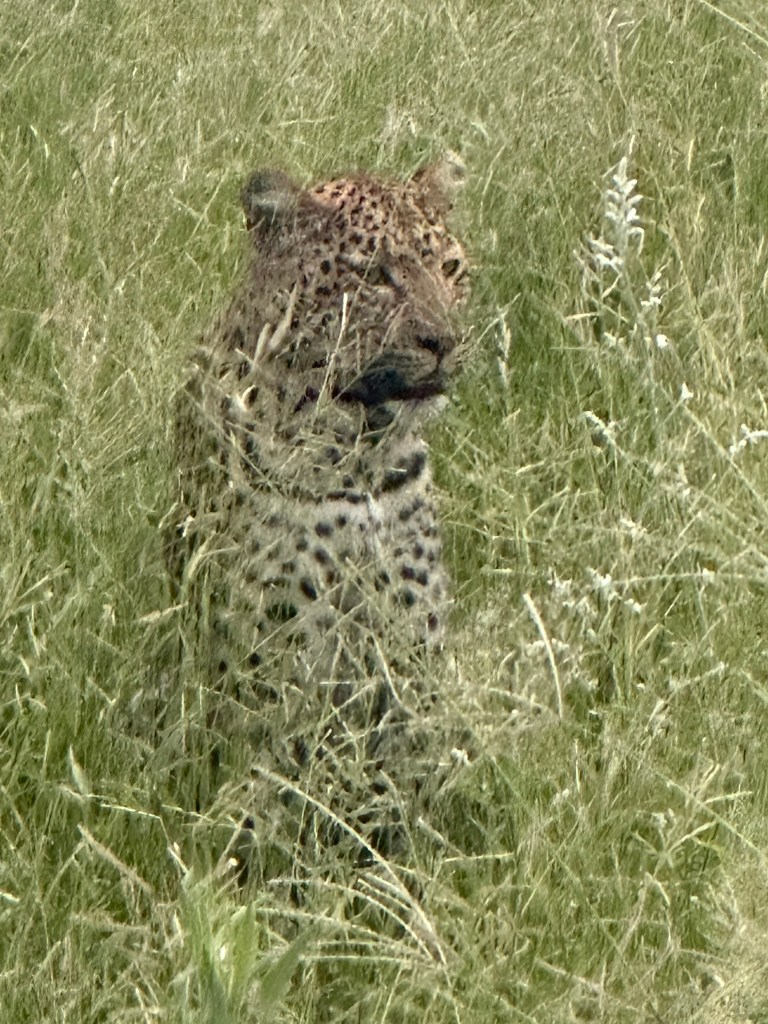
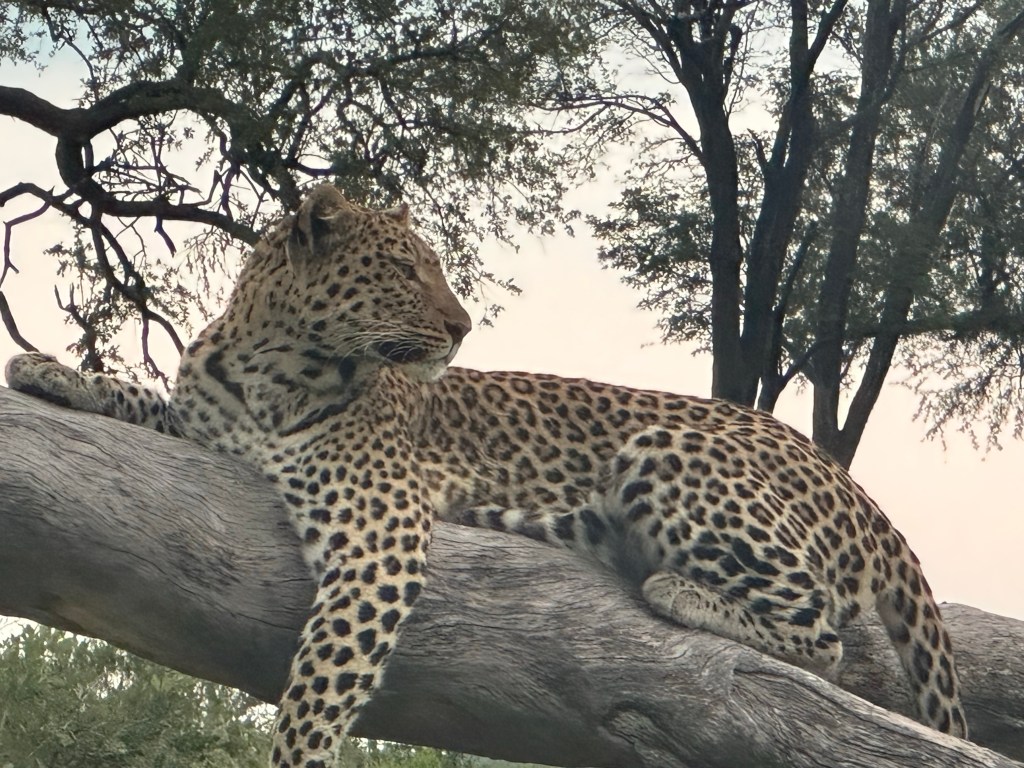

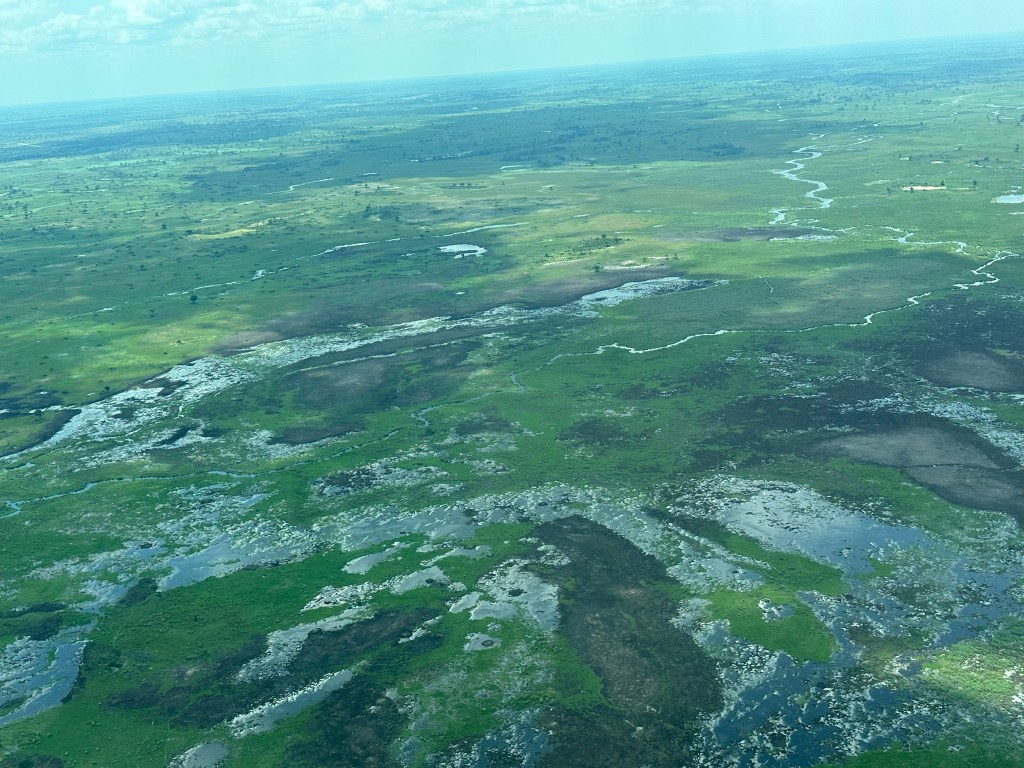
The Okavango is the largest of only a very few inland delta systems. It is created by highland waters from Angola reaching shifting tectonic plates. Each year approximately 11 cubic km of water spreads over an area around the size of Wales. The high temperature of the delta causes rapid transpiration and evaporation resulting in three cycles of rising and falling water levels.
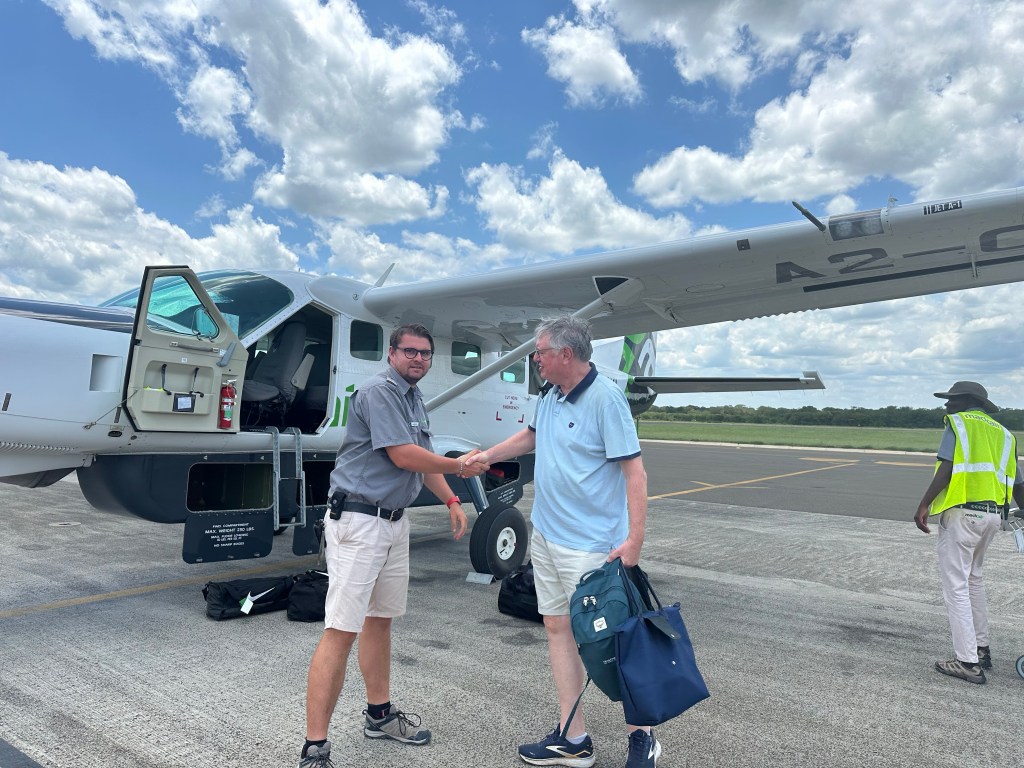
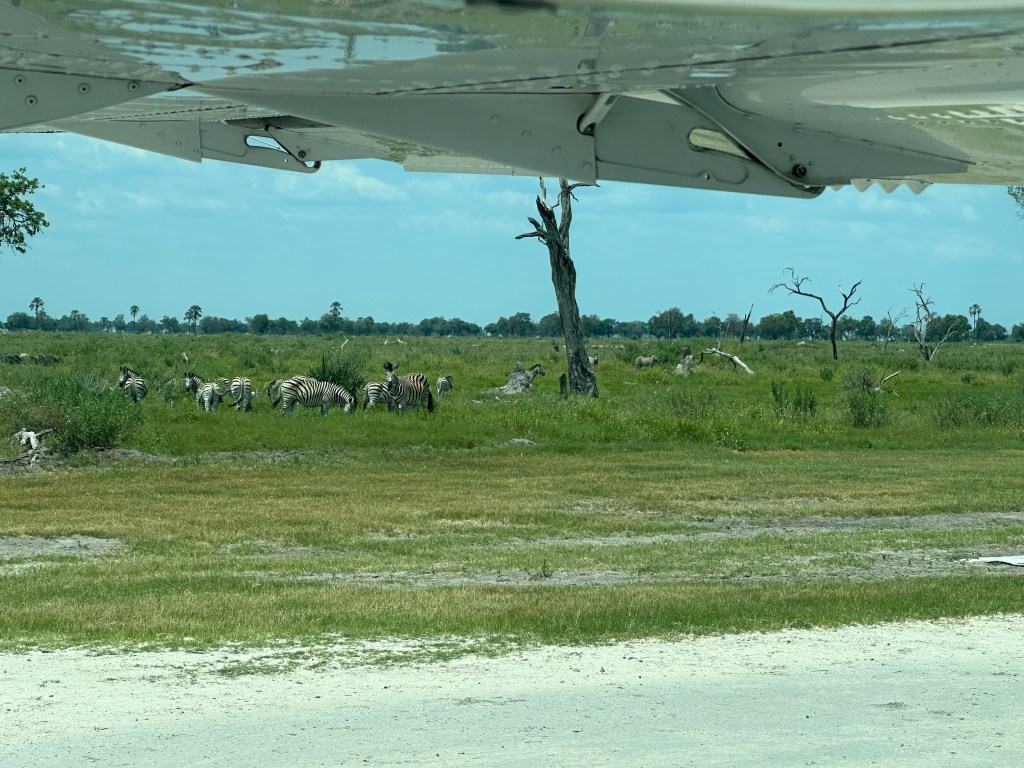
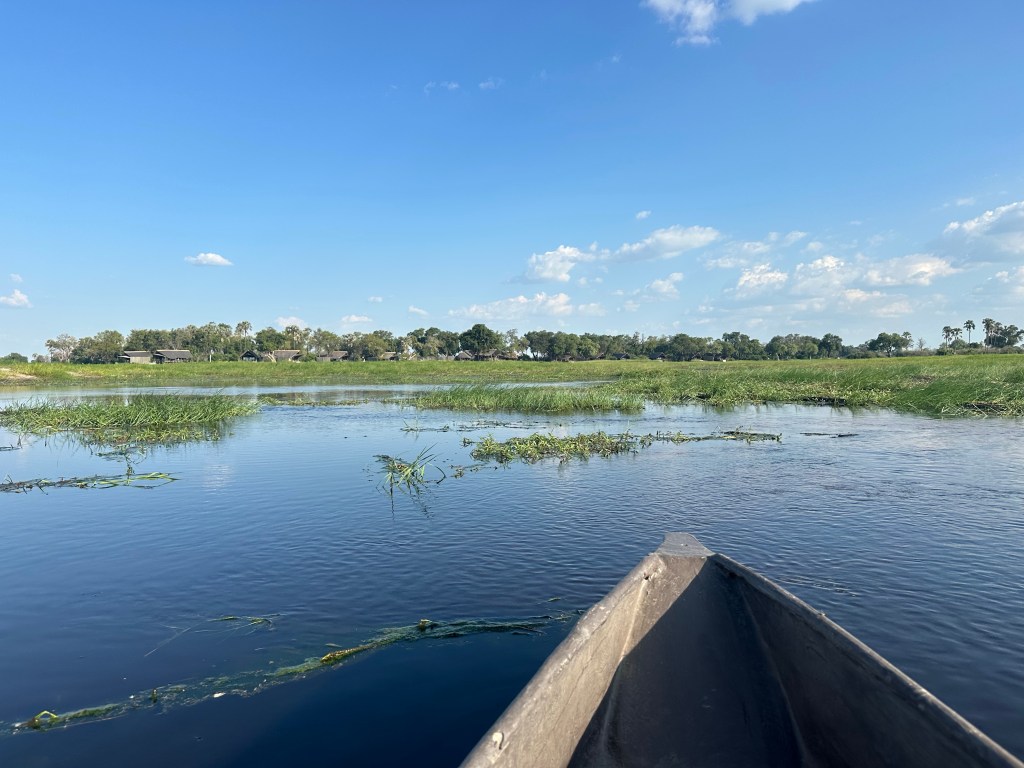
The nature of the geography is such that many lodges are best reached by air as they are on “islands” surrounded by water and marshes. Flights between islands might only be 10 minutes long with the schedule being determined the day before, depending on arrivals/departures from the logdes. Our first flight had five stops, of which ours was the third. There are dirt roads in the region, but the land distances are not indicative of the time it would take nor the feasibility at a particualr time of year.
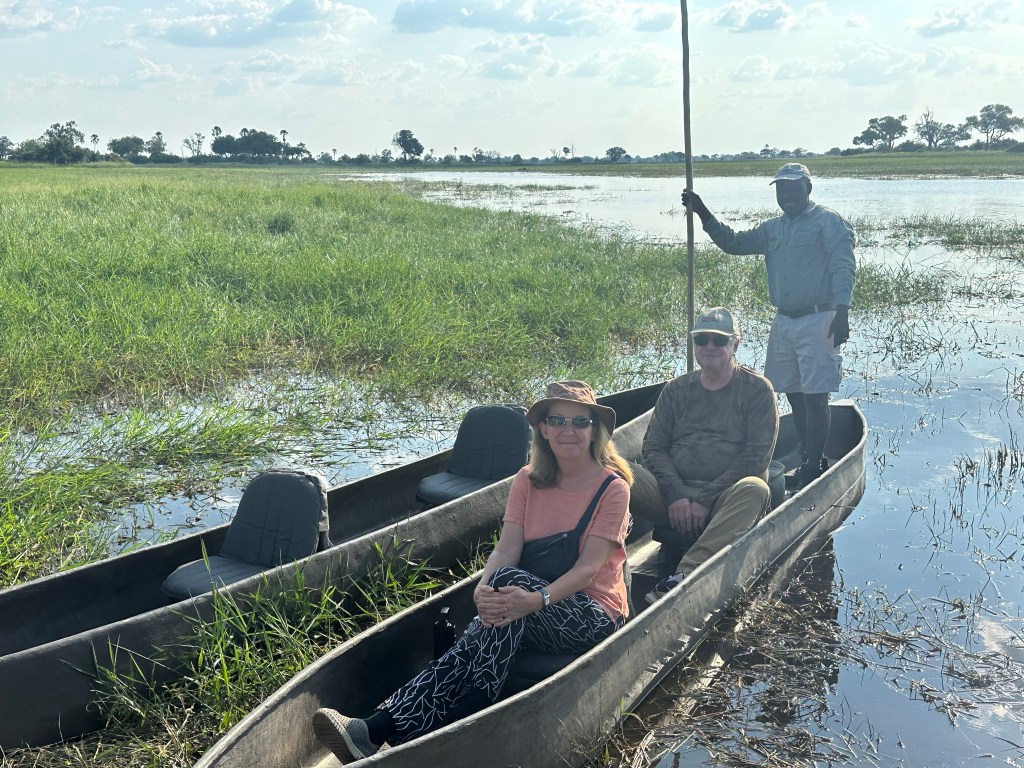
The traditional mode of transport is the mokoro, a canoe dug out from a tree trunk and propelled through the shallow water and vegitation using a pole. The ones used by the lodges are made of fibreglass to prevent unnecessary tree felling in the area.


Chobe National Park lies in the north of Botswana and covers 11,700 square km, larger than Devon and Somerset combined. It was created a national park in 1967 and is known for its large population of elephants estimated to be over 45,000. The destruction caused by elephants is such that culls may be considered. We stayed at a lodge just outside the park with views across the Chobe River to Namibia. Our activities were consequently both land and water based.


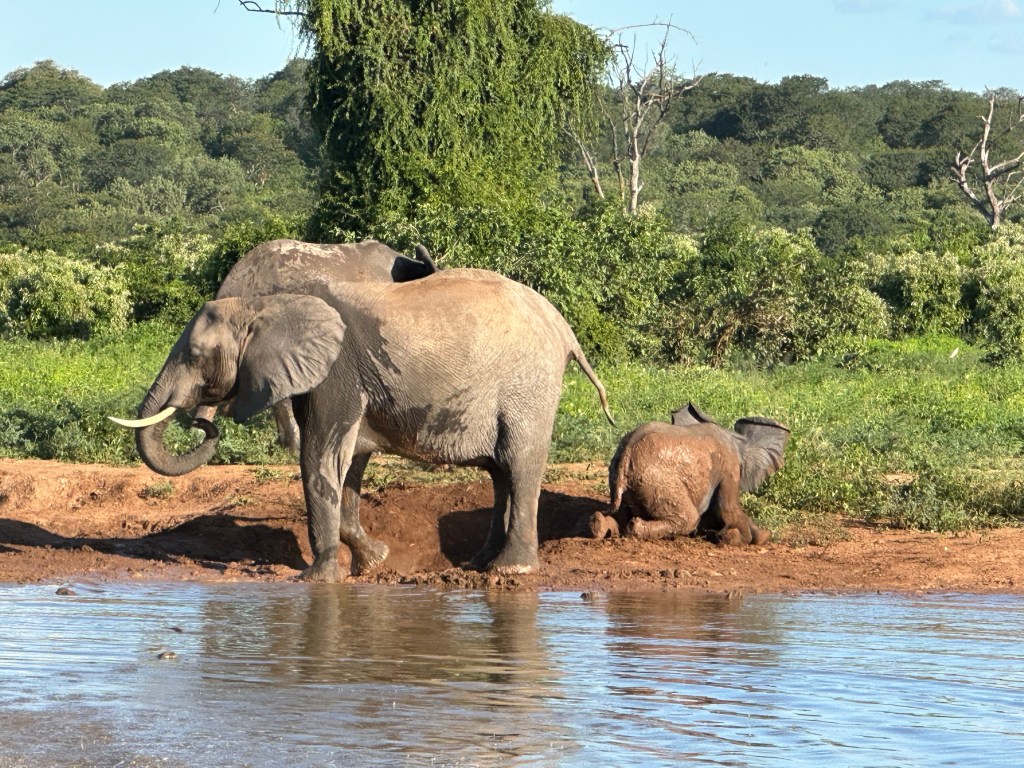
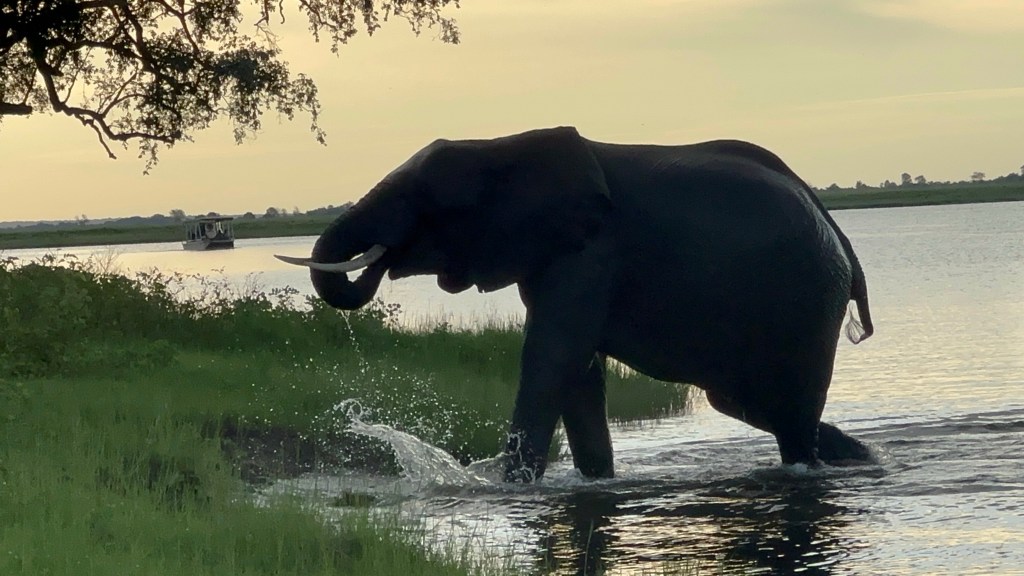
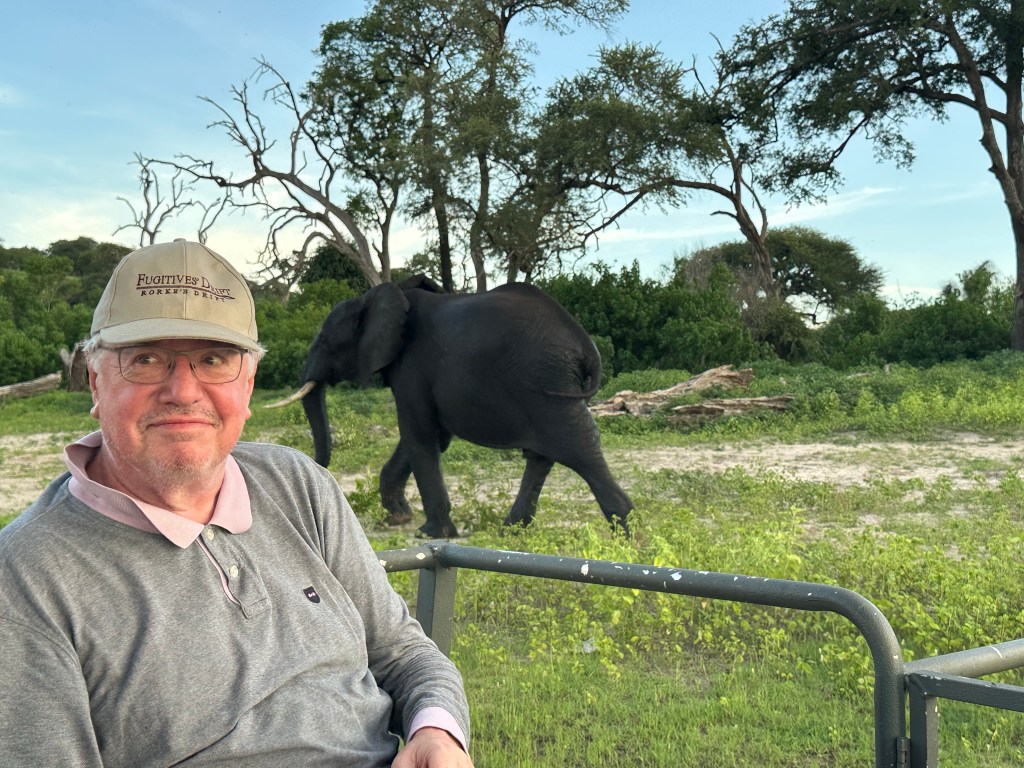

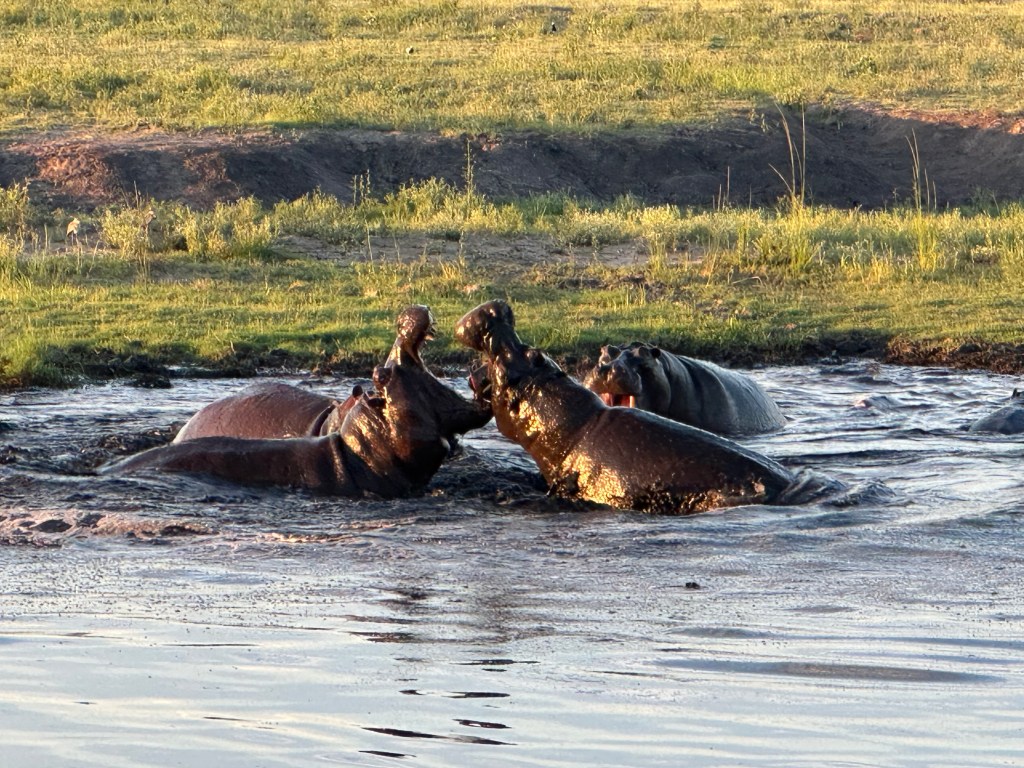
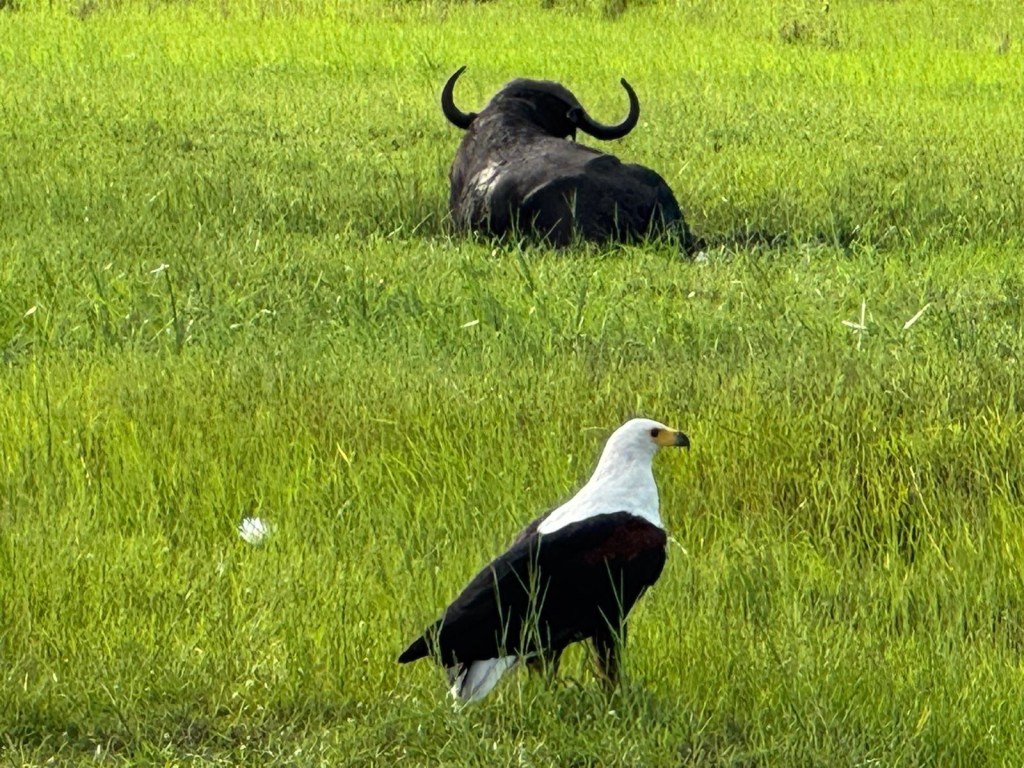
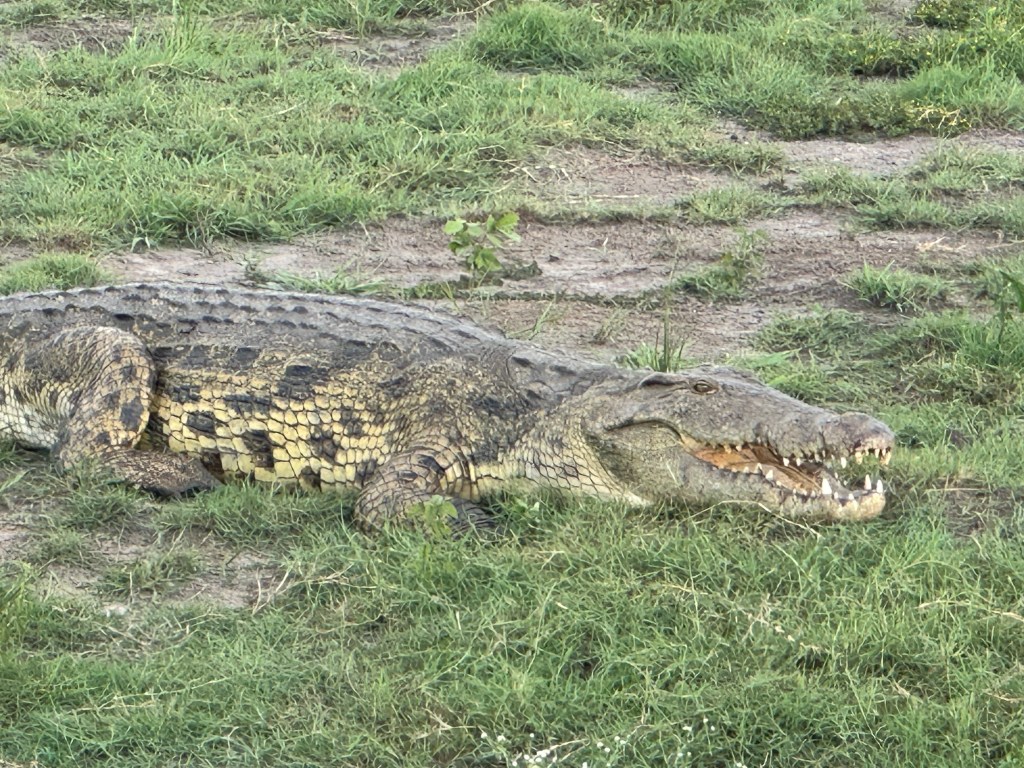
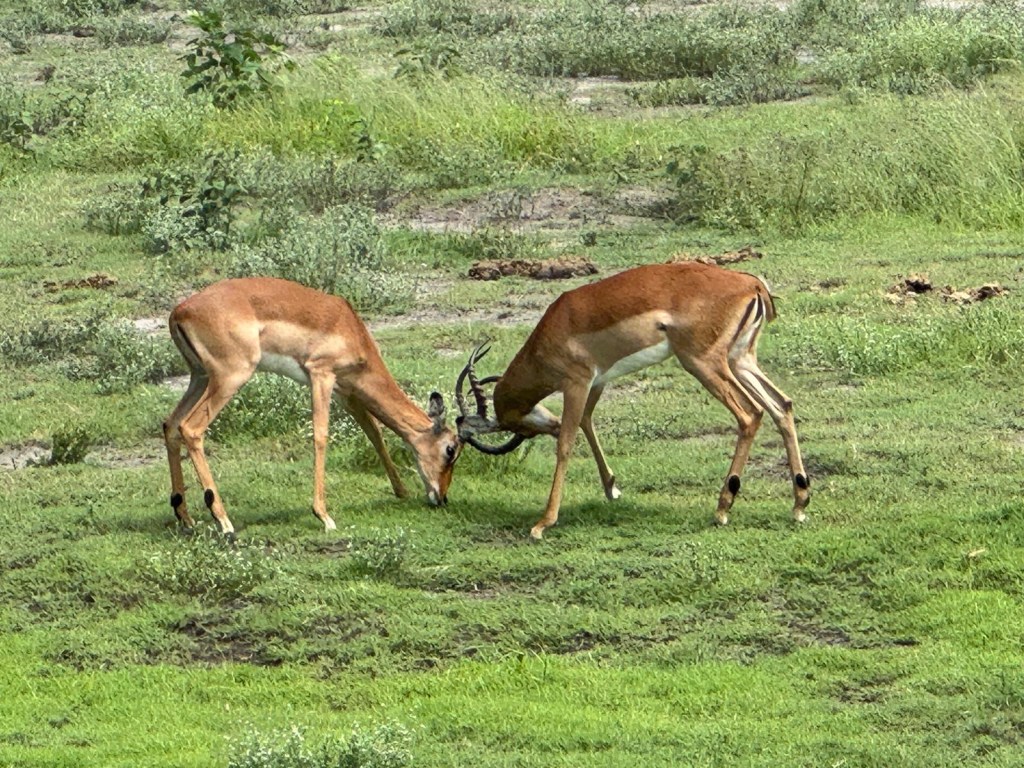


Botswana is a country, approximately the size of France but with less than 2.5 million people making it one of the world’s least densely populated countries; 70 % of its land falls within the Kalahari.
Botswana became independent in 1966 and is the longest uninterrupted democracy in Africa, although until the 2024 elections it was governed by the same party. In 2024 a major change in politics resulted in the election of a left of centre coalition, promising to better distribute the country’s wealth.
Botswana has one of the fastest growing and highest GDP per capita in Africa derived from its natural resources and tourism. The country’s largest diamond mine is 50 % owned by the government.
 Shilli-Fully Travels