Museums and Galleries

Miami and Miami Beach has a varied selection of museums and galleries, which unlike the UK are almost entirely privately funded by wealthy philanthropists.

The Bass Museum is a museum of contemporary art, established in 1963 by Jewish immigrants who made their fortune from sugar.

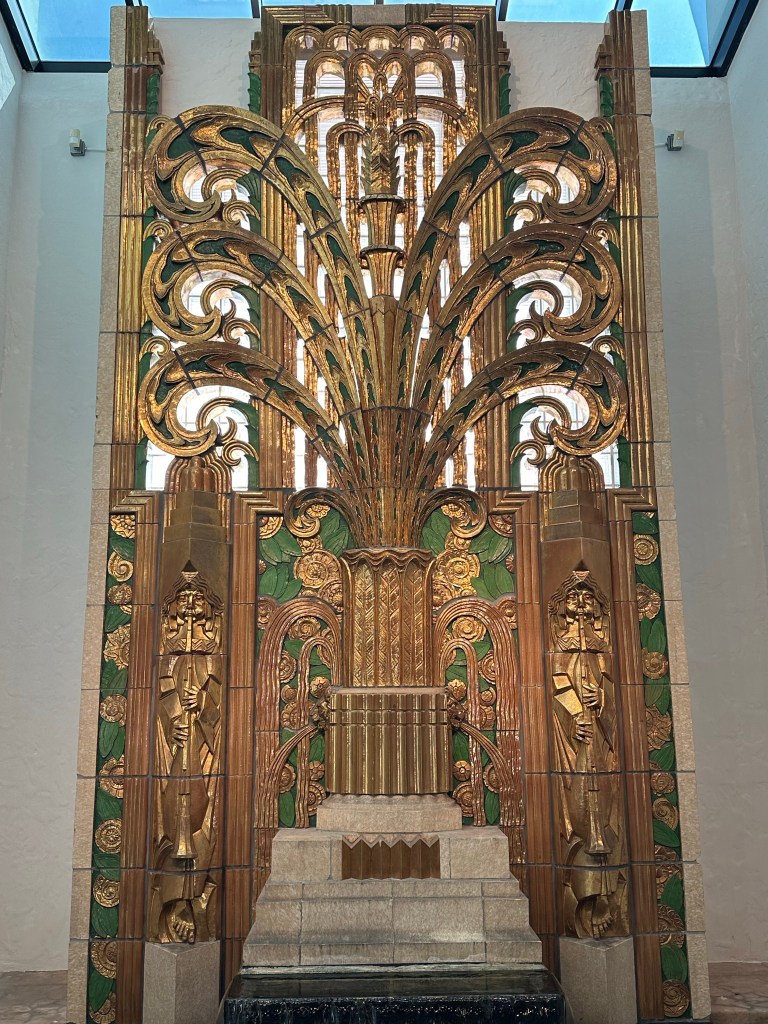
The Wolfsonian is a museum which uses its collection to illustrate the persuasive power of art. The museum opened in 1995 is named after Mitchell Wolfson Jr, whose father was a businessman and the first Jewish mayor of Miami Beach.

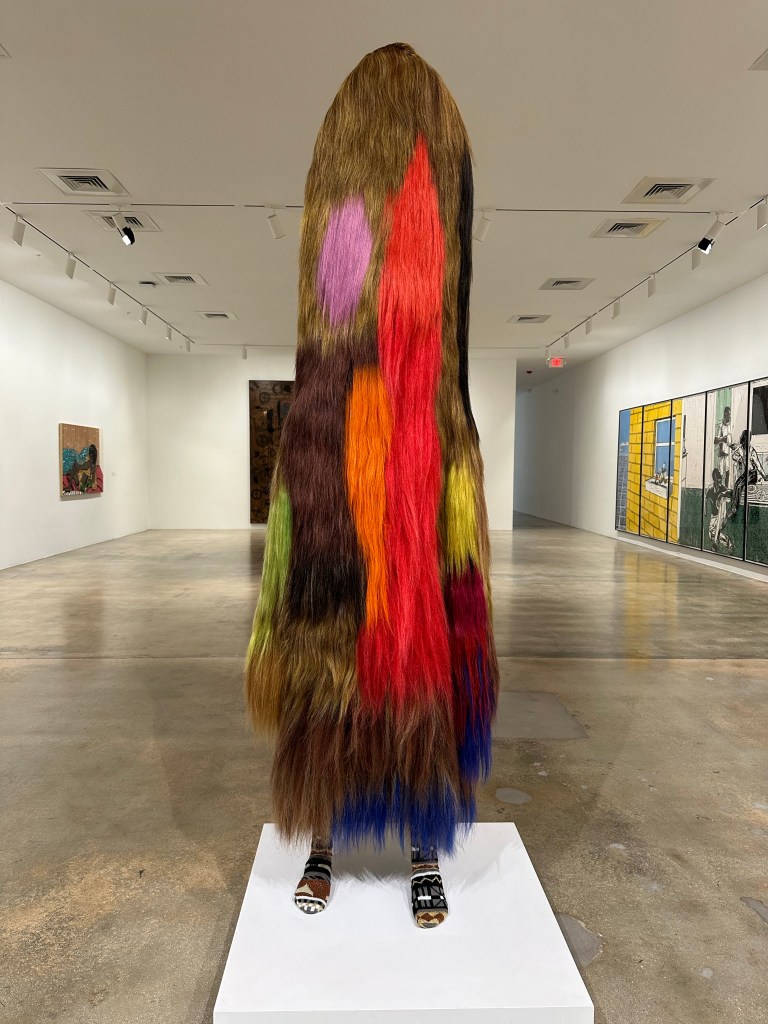
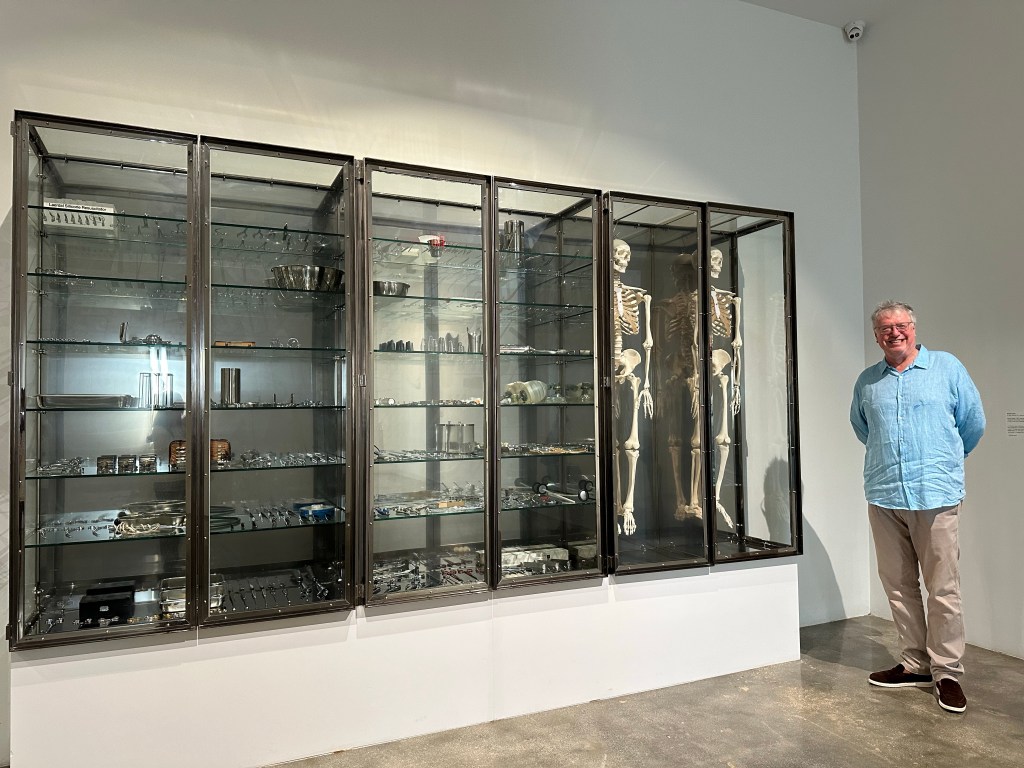
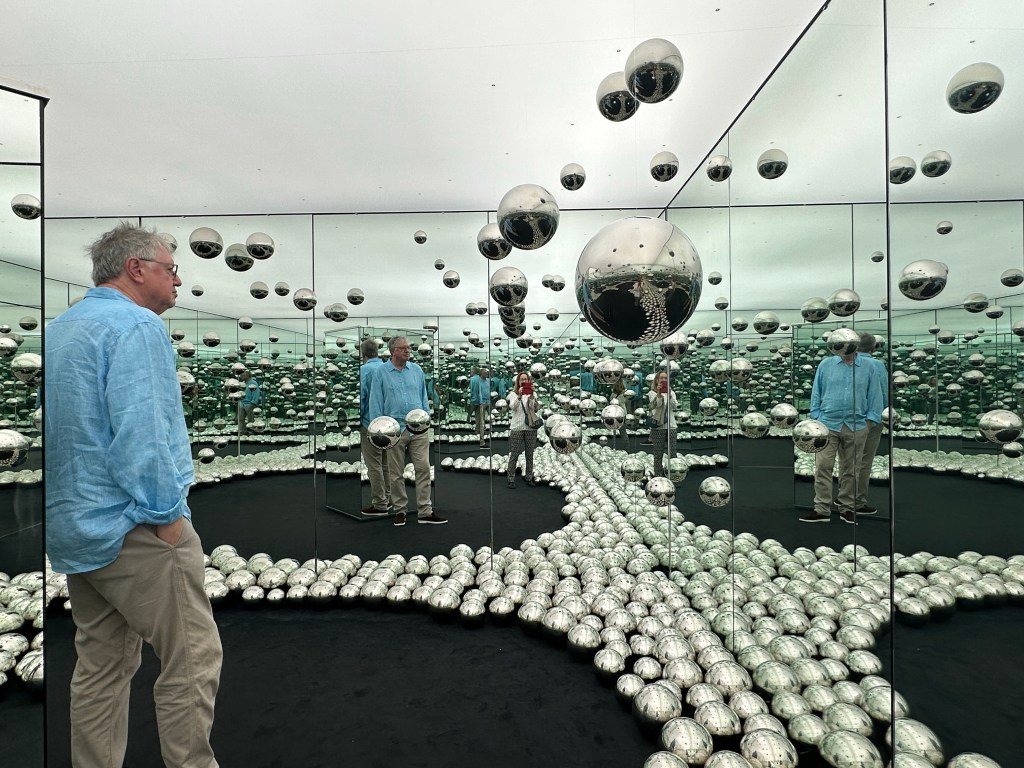
The Rubell Museum houses their family collection in a building formerly used by the US drug enforcement agency as a warehouse for seized drugs. It opened in 1993 and is a collection of contemporary art. It is also home to an excellent modern Spanish restaurant, Leku.

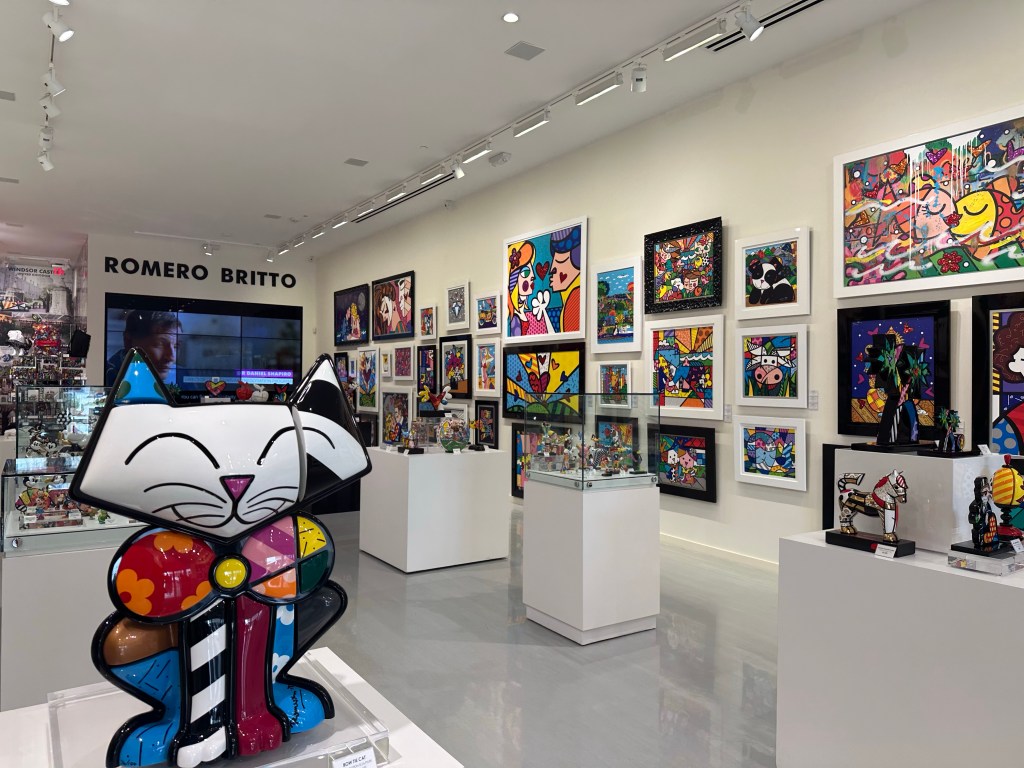
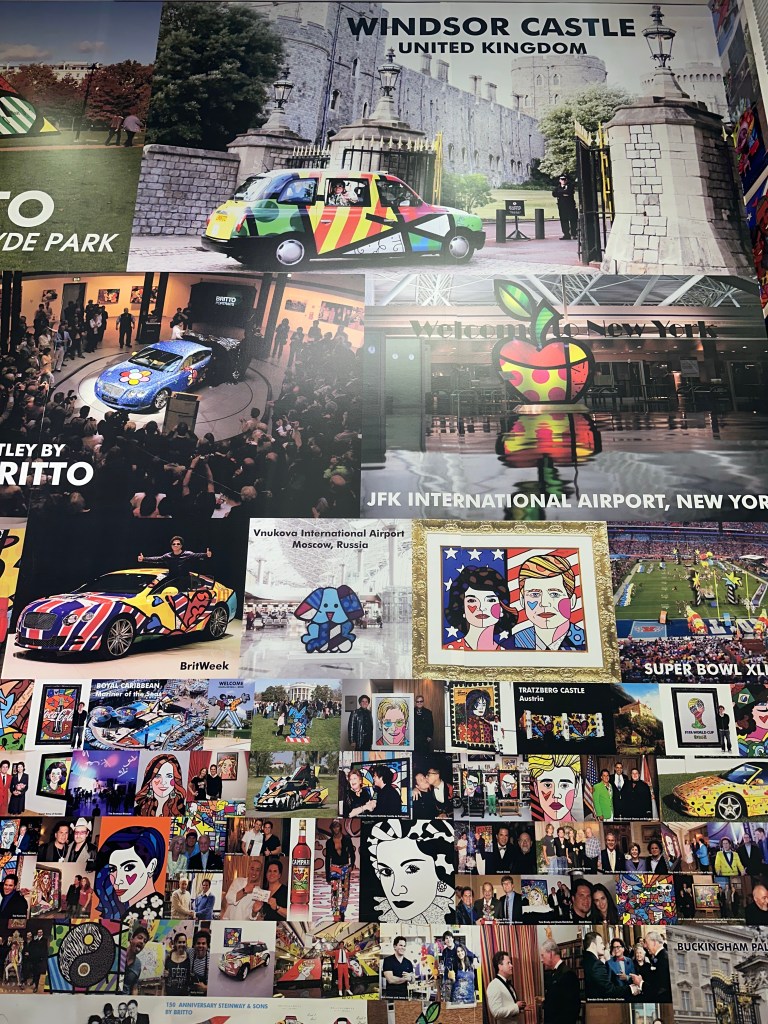
In addition we visited the Britto Gallery, a shop selling art work and products created by Brazilian born pop artist Romero Britto. He is reputed to be the most collected and licenced artist in history with his works extending from Disney figurines to London taxis.

Bass Museum
Wolfsonian Museum
Rubell Museum
Rubell Museum – work by Damian Hirst
Rubell Museum – “Infinity” installation

Miami Beach – Art Deco

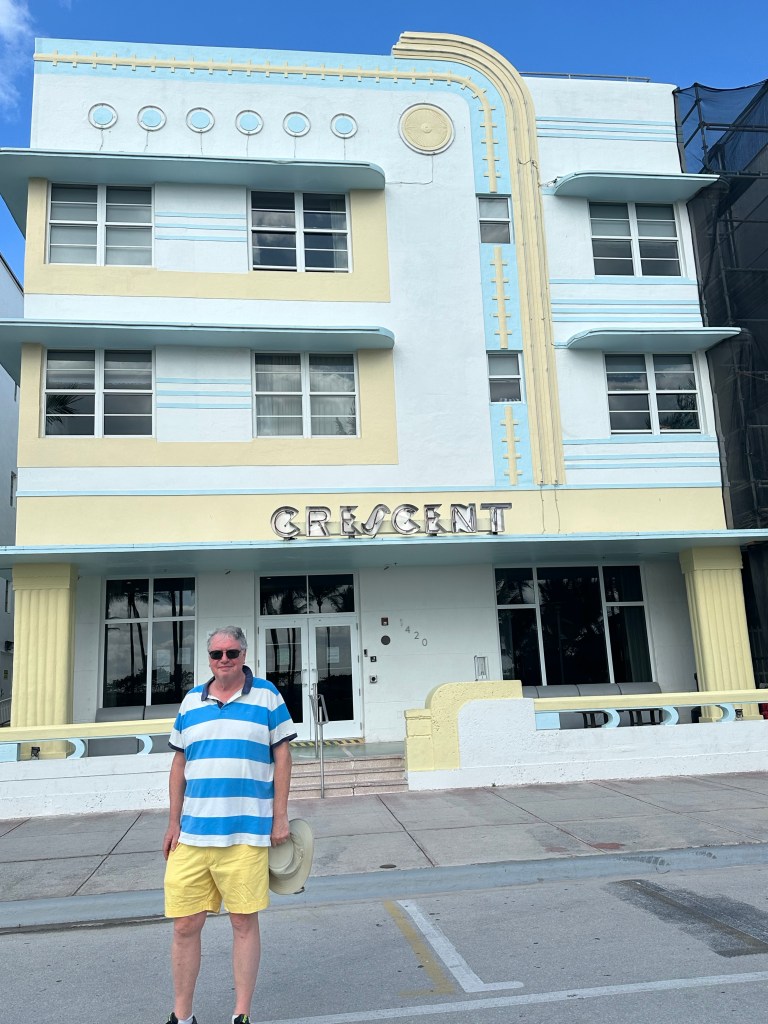
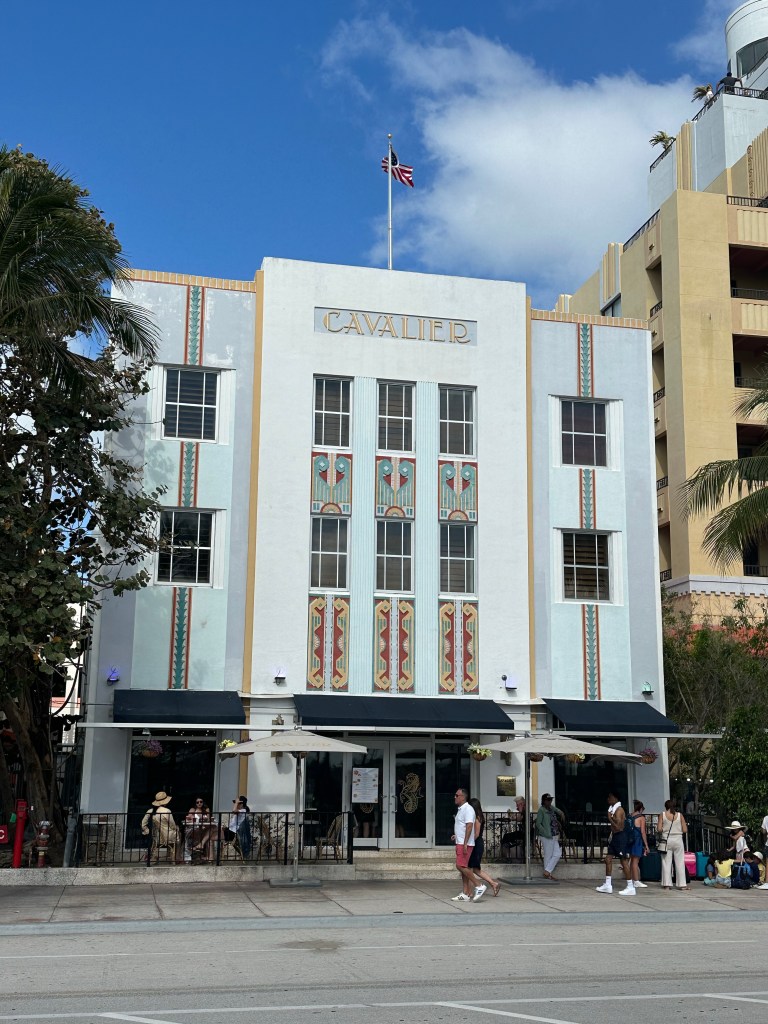
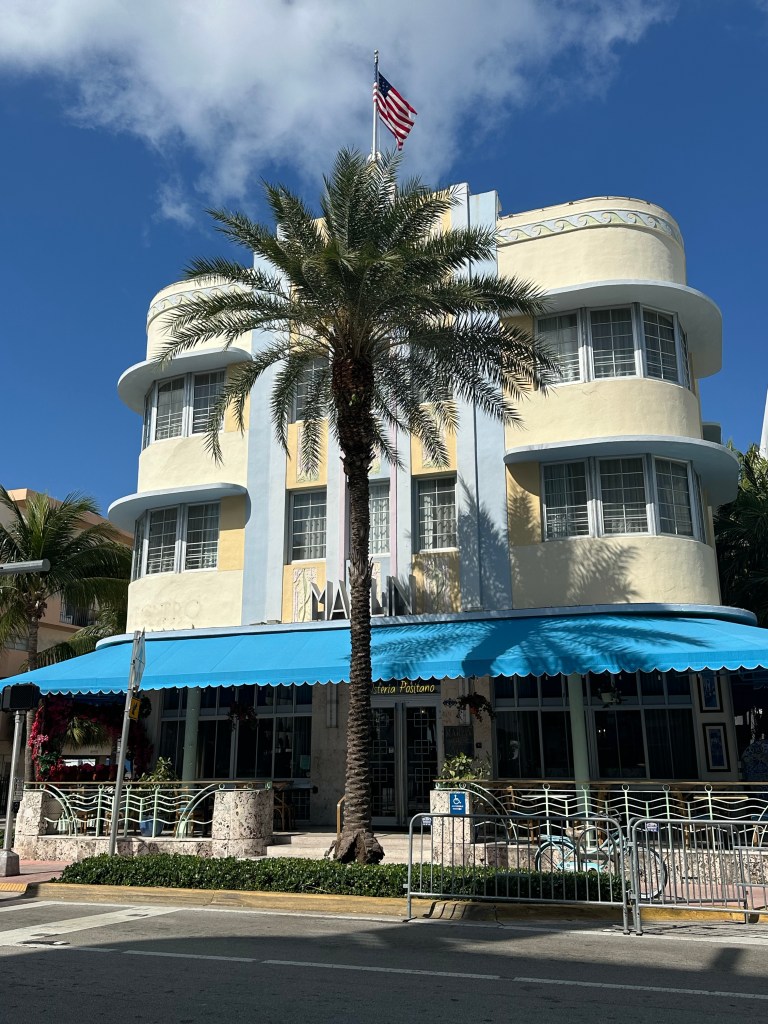
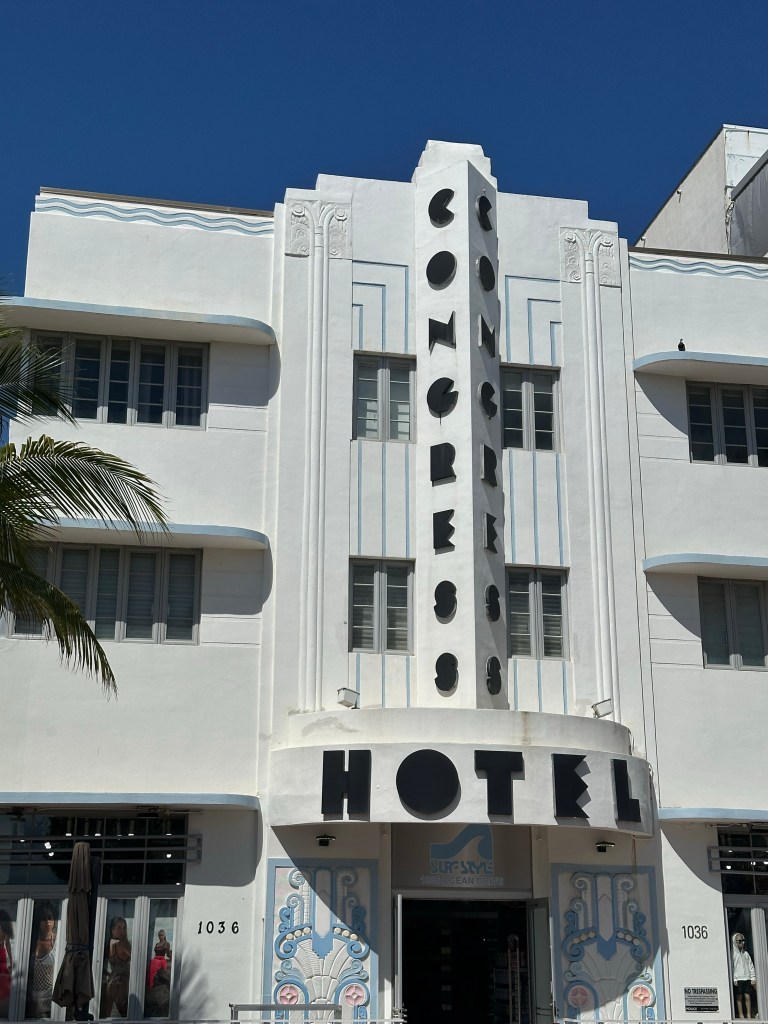
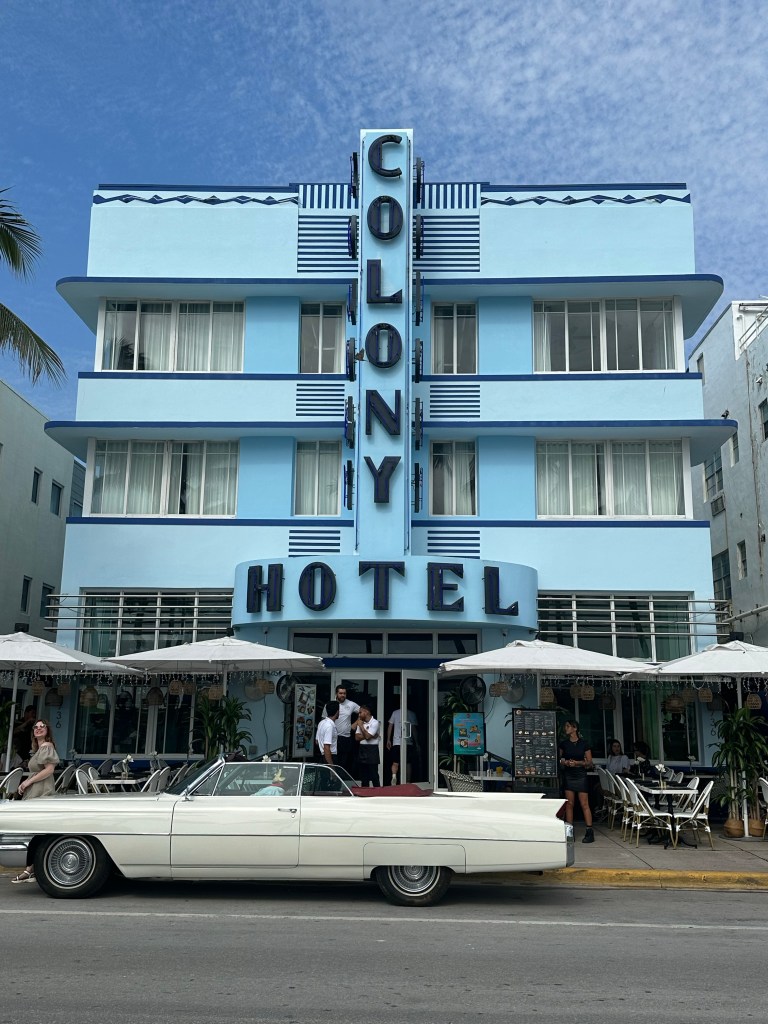
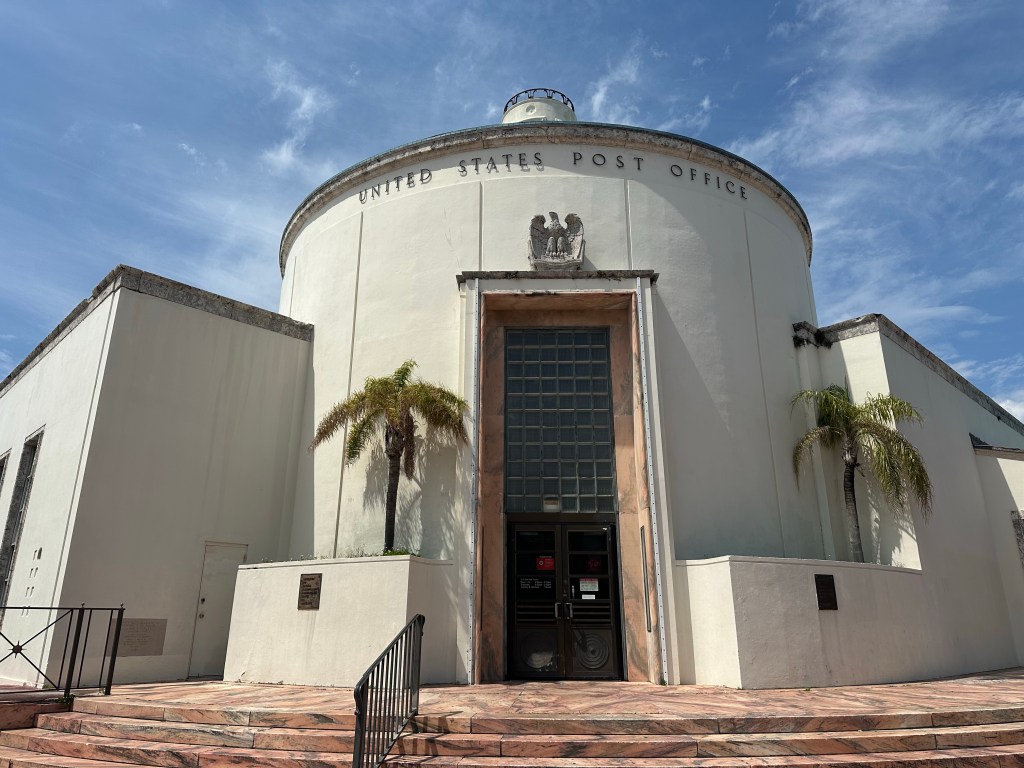
In 1926 much of the infrastructure of wooden buildings of Miami Beach was destroyed by a major hurricane. The Brown Hotel is one of the few surviving wooden buildings. Miami Beach still attracted visitors and in response investors created small scale hotels and rooming houses in the Art Deco style which now represent the historic district of South Beach.

The most noteable architects were Henry Hohauseur and Murray Dixon with building taking place between from 1935 to 1941. For many of the hotels, their first occupants were service personnel training in the area before being sent to the Second World War.

From the 1950s onwards building of much larger hotels along the beach started north of 21st Street, with the Art Deco area remaining between 6th and 21st Streets. Visitor demand in the Art Deco area fell and the district declined into disrepair. There were strong commercial pressures from developers to dismantle the district with large hotels and casinos planned. However, locals led by Barbara Baer Capitman staged a campaign to secure the heritage of the district and in 1979 it was listed on the National Register of Historic Places, with a local preservation society overseeing the successful renovation of the area.

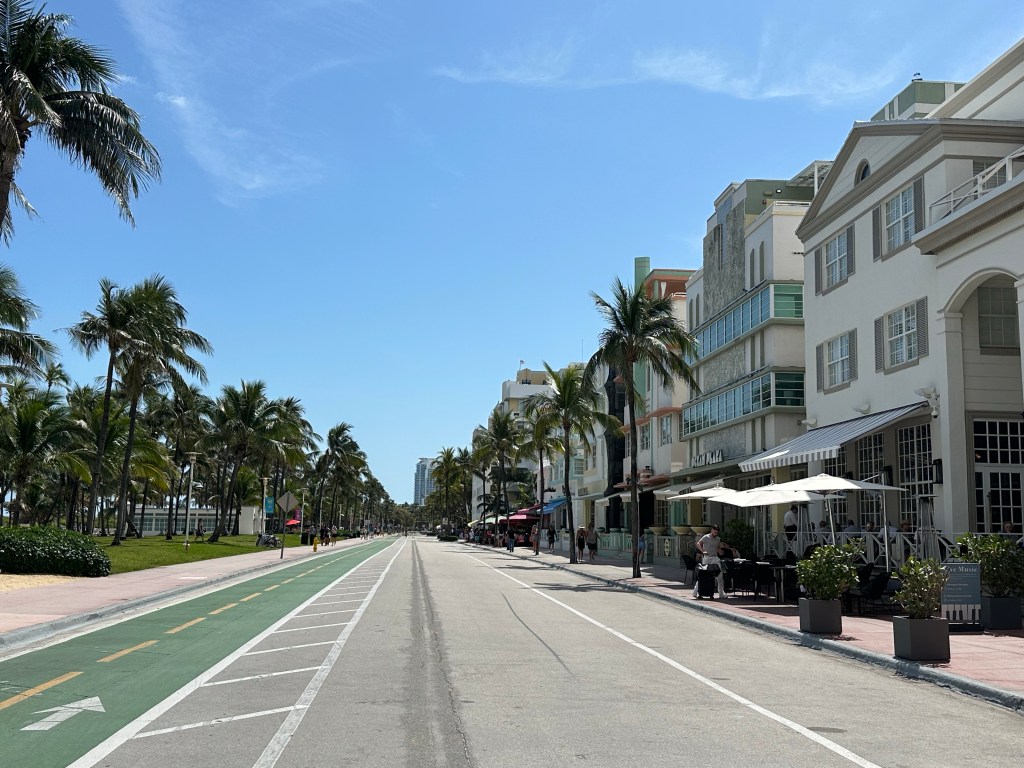
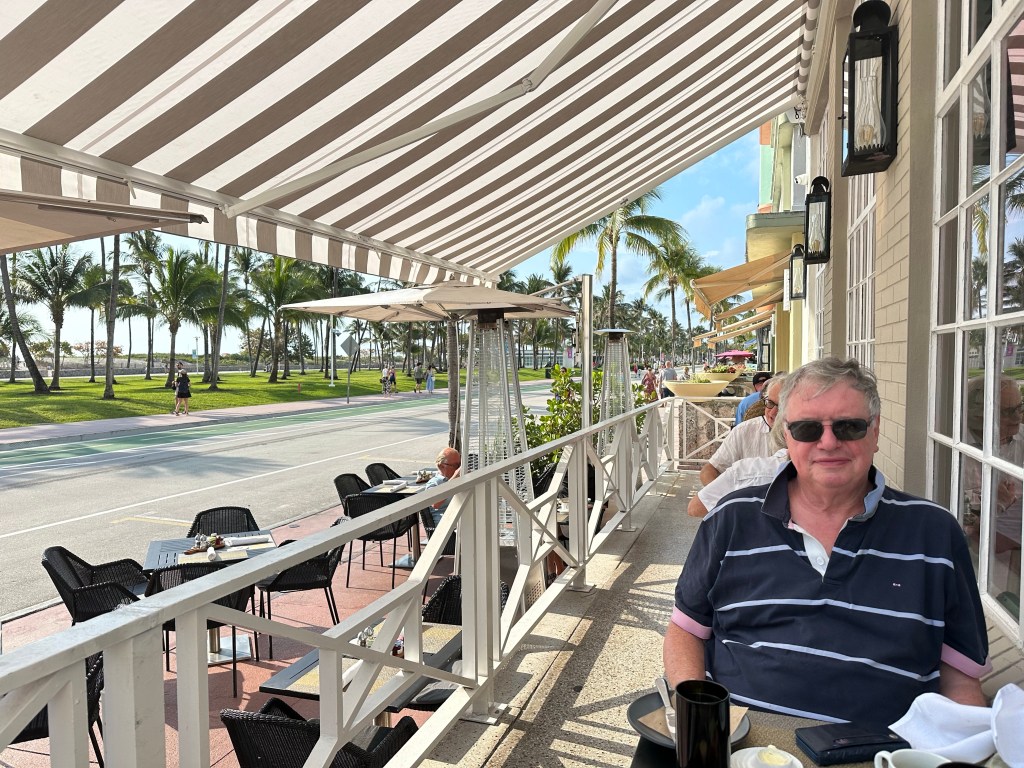
The sea facing promenade, Ocean Drive, closed to traffic during our visit, now comprises an array of restored Art Deco hotels some of which have been expanded by linking them to hotels on Collins Avenue running parallel behind Ocean Drive.

Ocean Drive
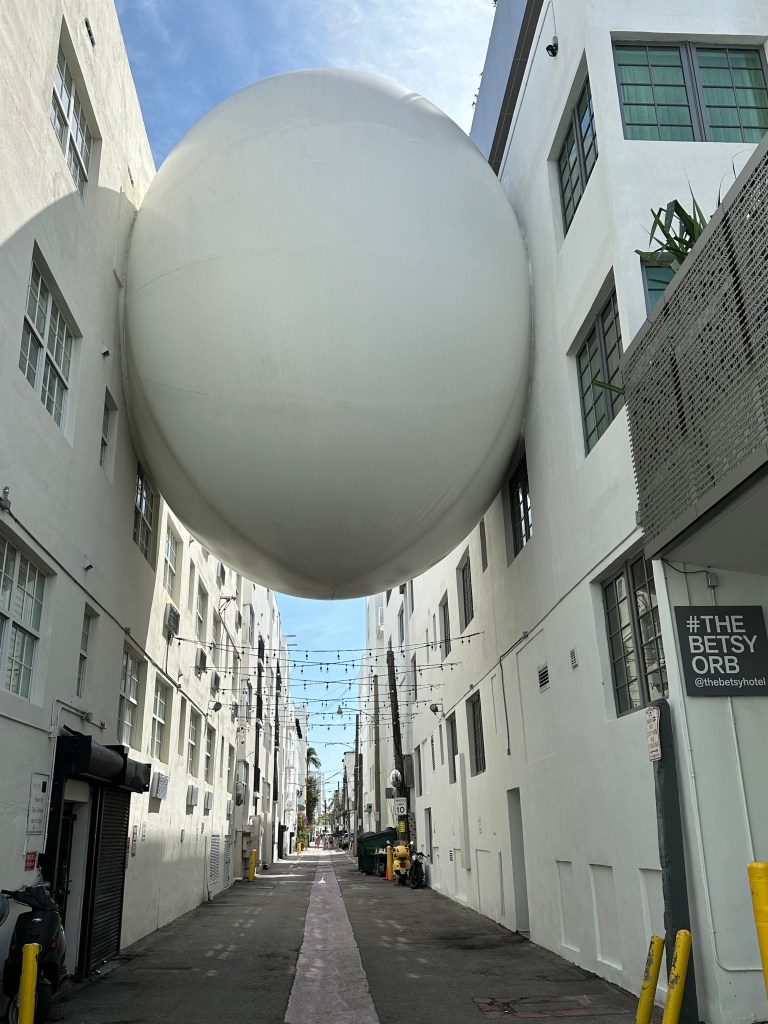
The Betsy Orb – a recent addition linking the Ocean Drive and the Collins Avenue sections of The Betsy Hotel
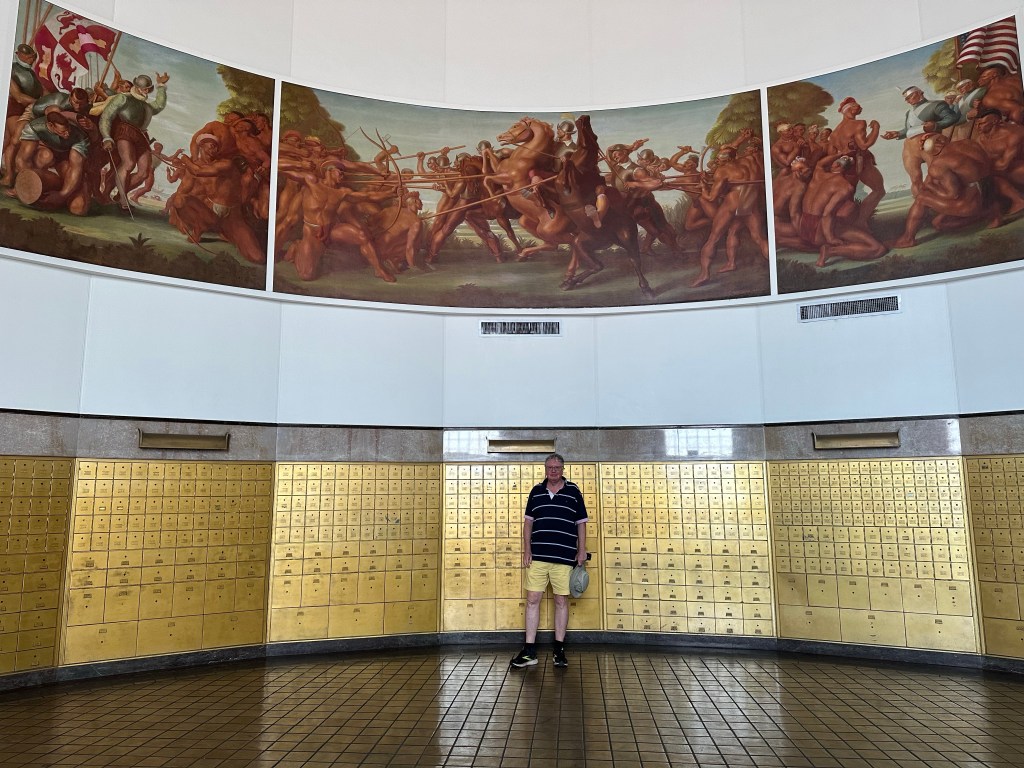
Post Office interior

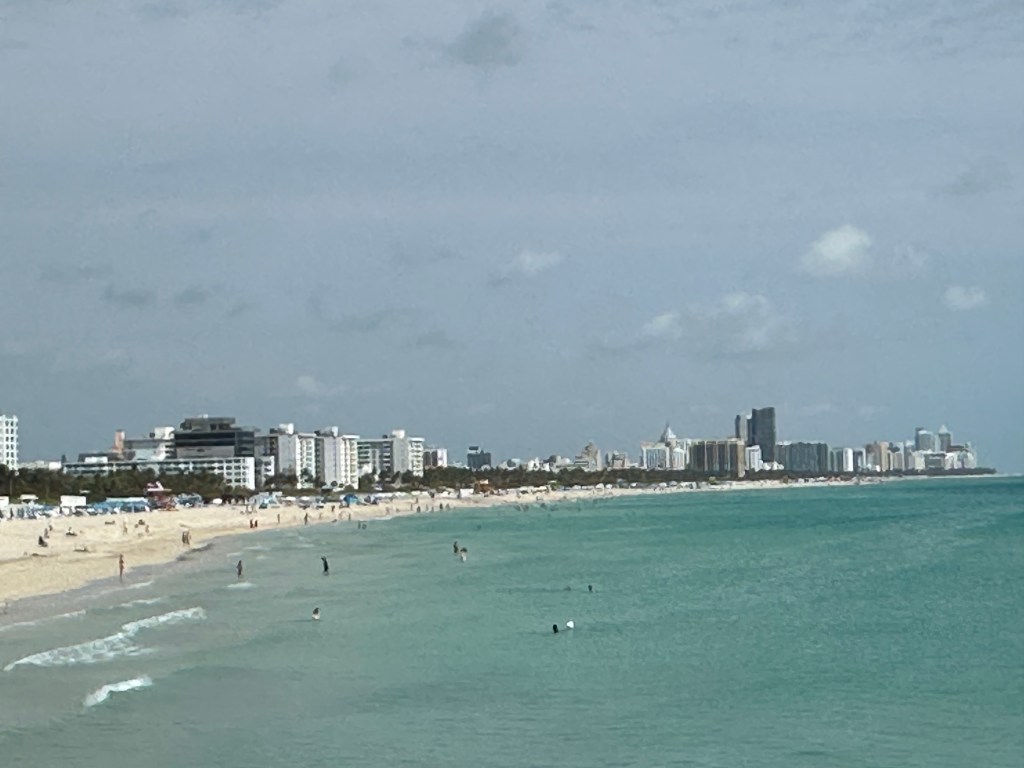
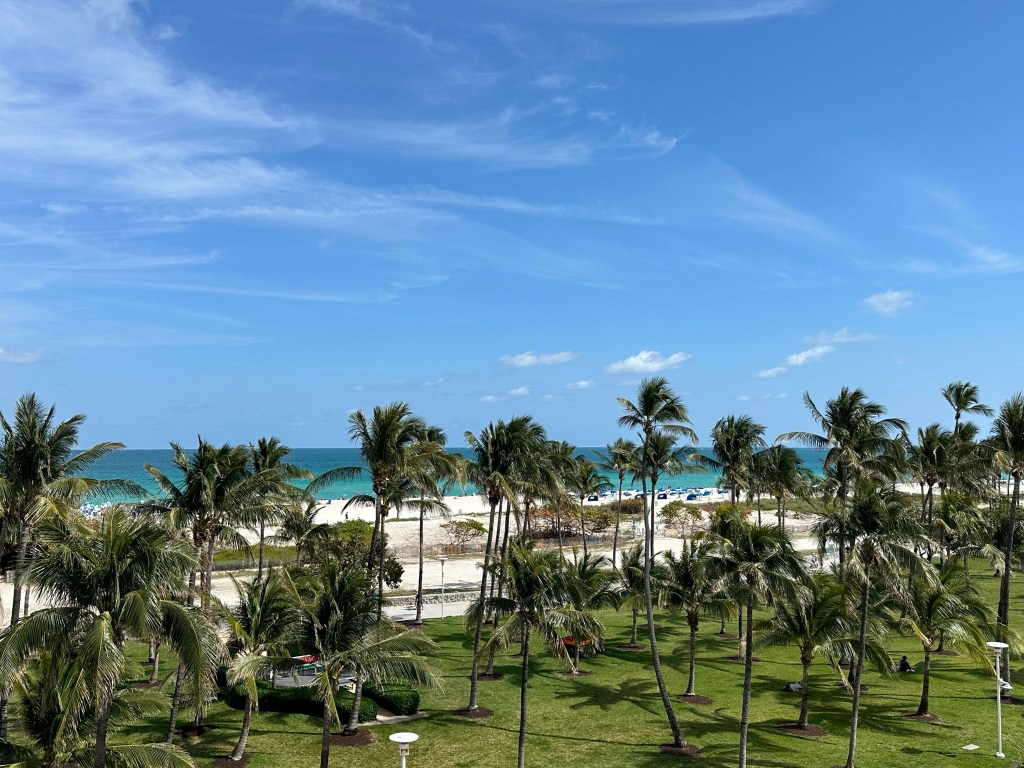
Miami Beach

Miami Beach is a city in its own right and is an island situated off the east coast of Florida next to the city of Miami. It was developed initally by John Collins, a farmer, to grow crops such as avocados. This involved clearing the island of mangroves, however the idea of the island as a resort soon developed and the Collins family and financier Carl Fisher began the development of the resort. The water between Miami and Miami Beach, Biscayne Bay, was dredged and the excavated material used to extend Miami Beach and create new islands in the bay. The first hotel, Brown Hotel, was built in 1915 and a two and a half mile bridge made to connect with the mainland.

Visitors were initially locals, but with the advent of the railroad many were soon attracted from the Northern States seeking sun, sea and sand.

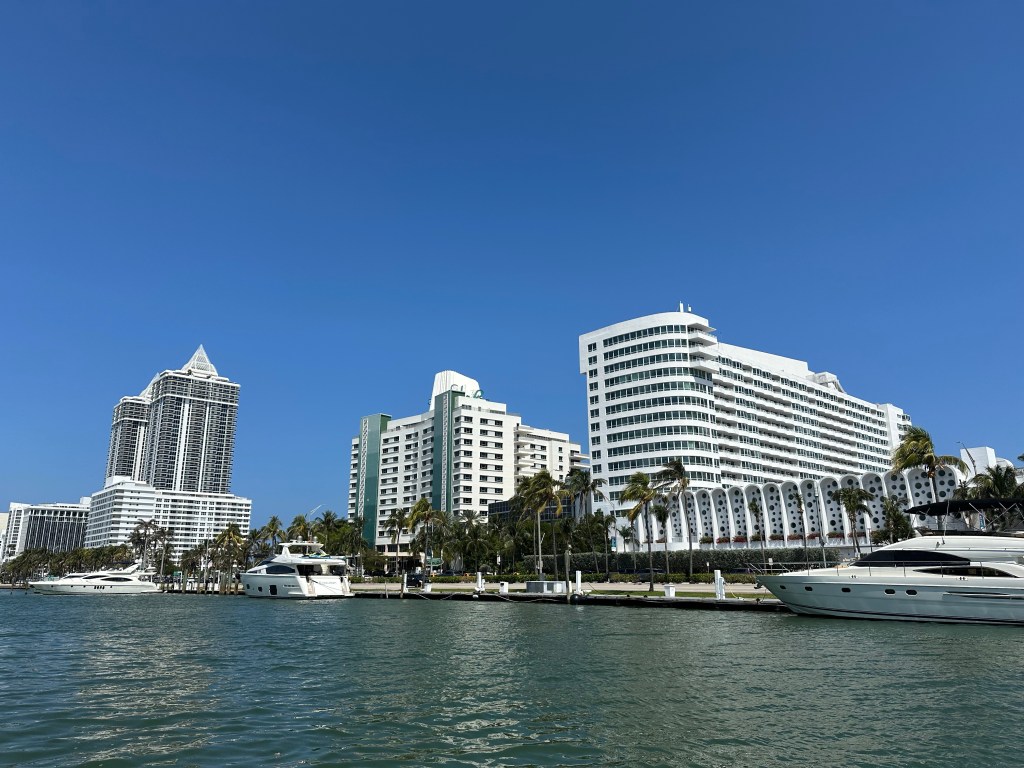
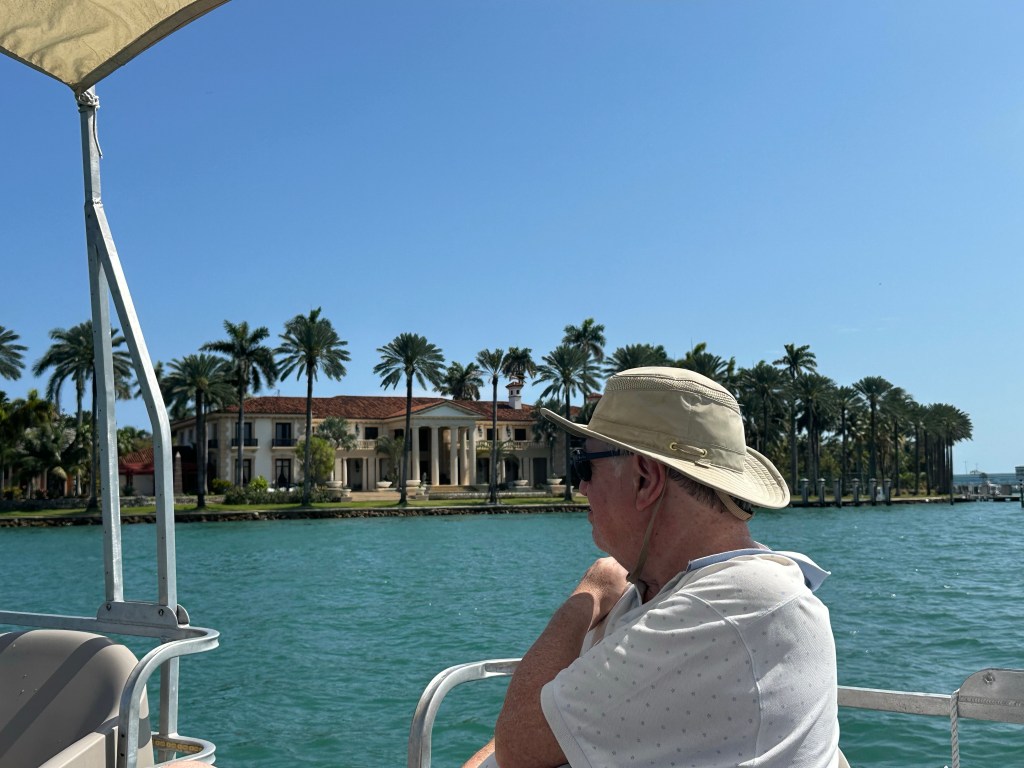
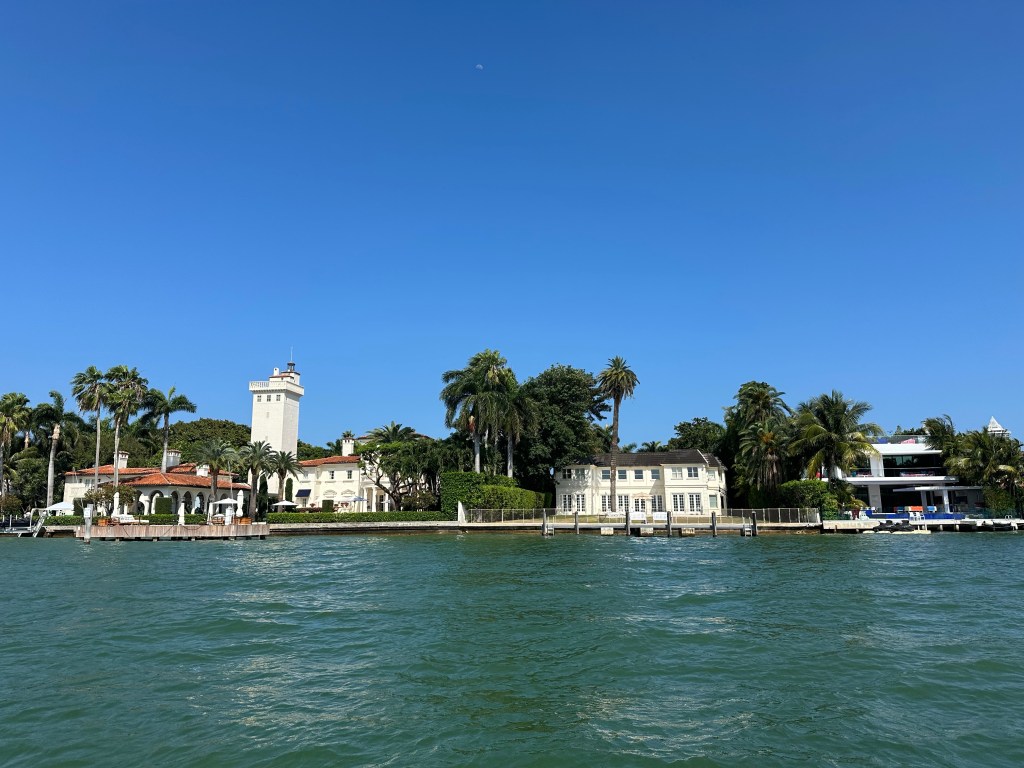
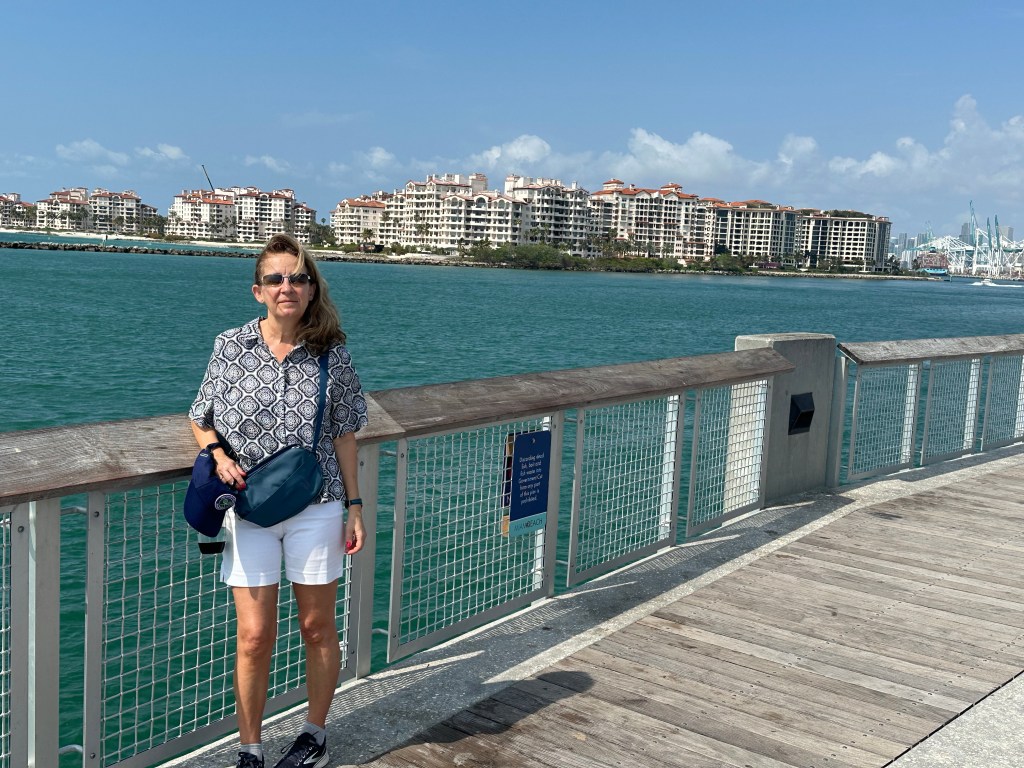
Today the islands include the two most expensive postcodes in the US; many of the homes have super yachts moored outside. We took a boat trip around the islands and our captain was an expert of who owned which house and yacht and how much they paid for them.

Miami Beach, in particular South Beach where we were staying, has become a popular destination for US college students partying during their March Spring Break. The mayor and govenor are now clamping down on “Spring Breakers” due to issues last year; the measures include a heavy poloice presence, curfews, road closures and checkpoints with a strong “go elsewhere” message.