Argentinian currency exchange

Confession – it took us about three days to work out how currency (peso) operates in Argentina. It started with us getting about 190 pesos to the pound when we took cash out of an ATM. Our Buenos Aries guide explained that we were doing it wrong and that she would provide us with cash for dollars or euros (not pounds) at a rate that equated to 350 pesos. This is known as the “blue market” (sounded black to us), the reason being that Argentina has 100% inflation and no foreign currency reserves so everyone wants hard currency. The cash she provided was accepted without any questions and “blue” seemed a commonly used term.

So far so good, but we then realised that there was a further twist to the story when paying on a debit card in shops and restaurants. The transaction went through at the official rate, but two or three days later we received a rebate from our bank representing approximately 40% of the transcation value. We discovered that late in 2022, the government introduced the MEP dollar rate for foreign debit and credit cards in an attempt to defeat the cash based blue market while encouraging foreign currency spend by tourists. The MEP rate is fixed at about 95% of the blue rate. This is further complicated by different arrangments with different credit/debit card companies. Our rebates were from mastercard, however VISA uses the MEP rate for the originating transcation and it appears that AMEX use the official rate with no refund.
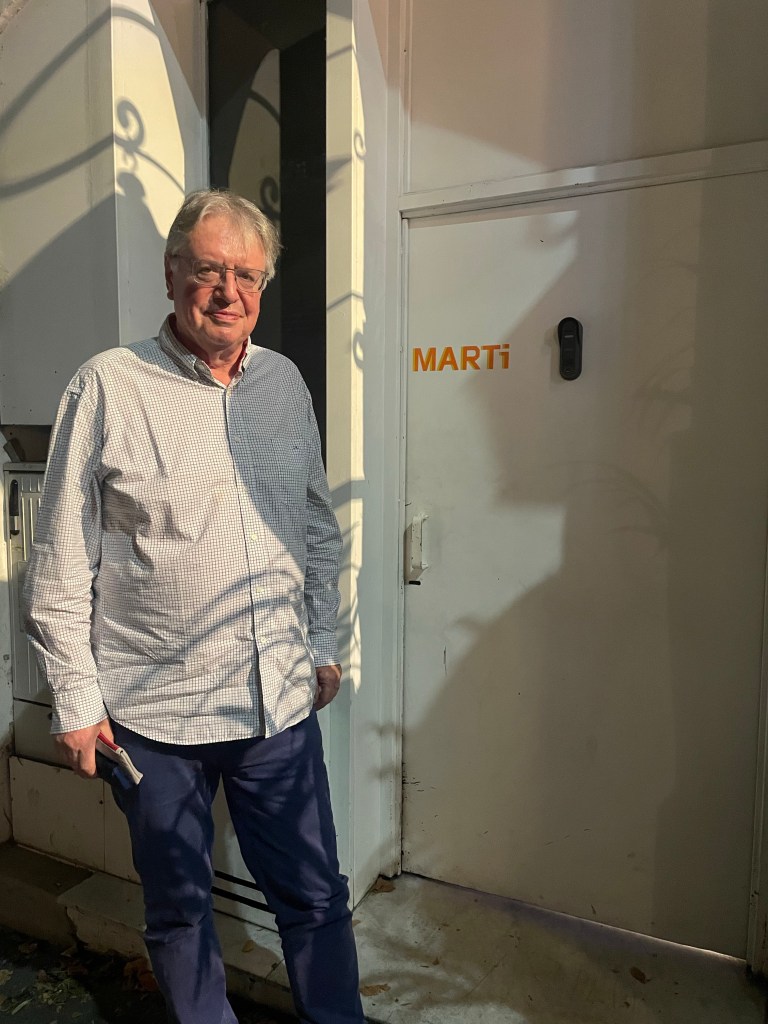
Dinner in Buenos Aries – Marti

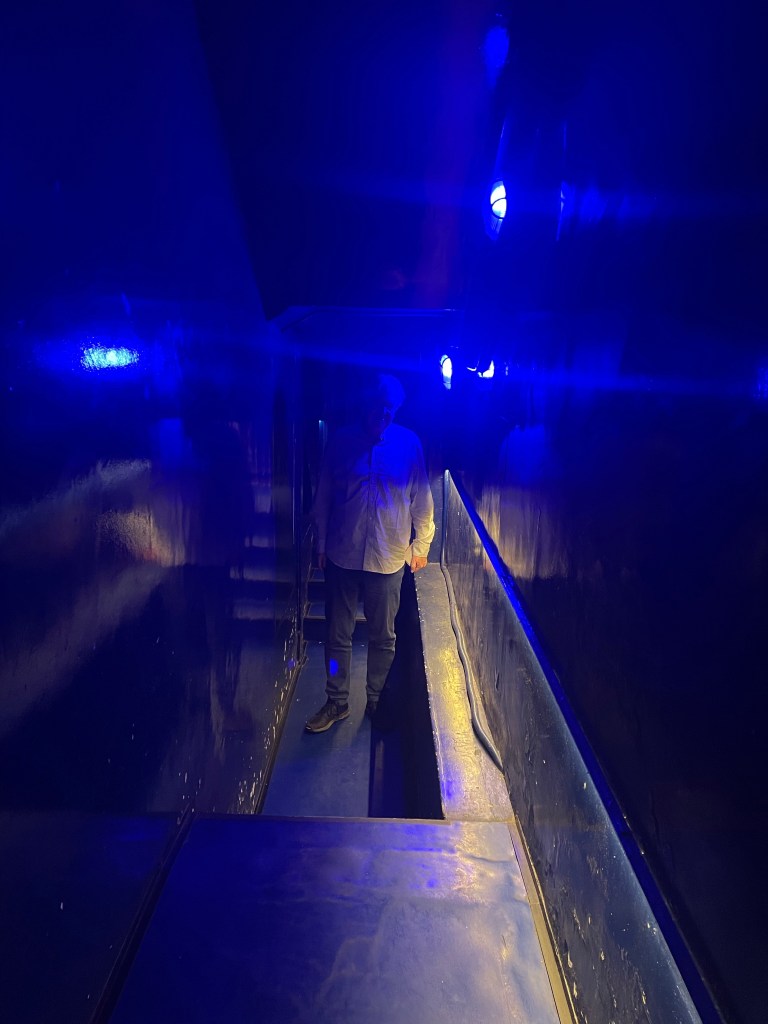
Meat is the staple diet in South America; in Patagonia lamb and in Northern Argentina, beef. We were told that Uruguayans eat 85kg of beef per year and suffer the consequential health issues. After our excellent barbeque in Misiones and an outstanding steak in a Buenos Aries restaurant, we decided to have a vegetarian night out. Our hotel recommended a nearby restaurant, Marti. This turned out to be one of the best but most unusual dinner experiences we can remember.

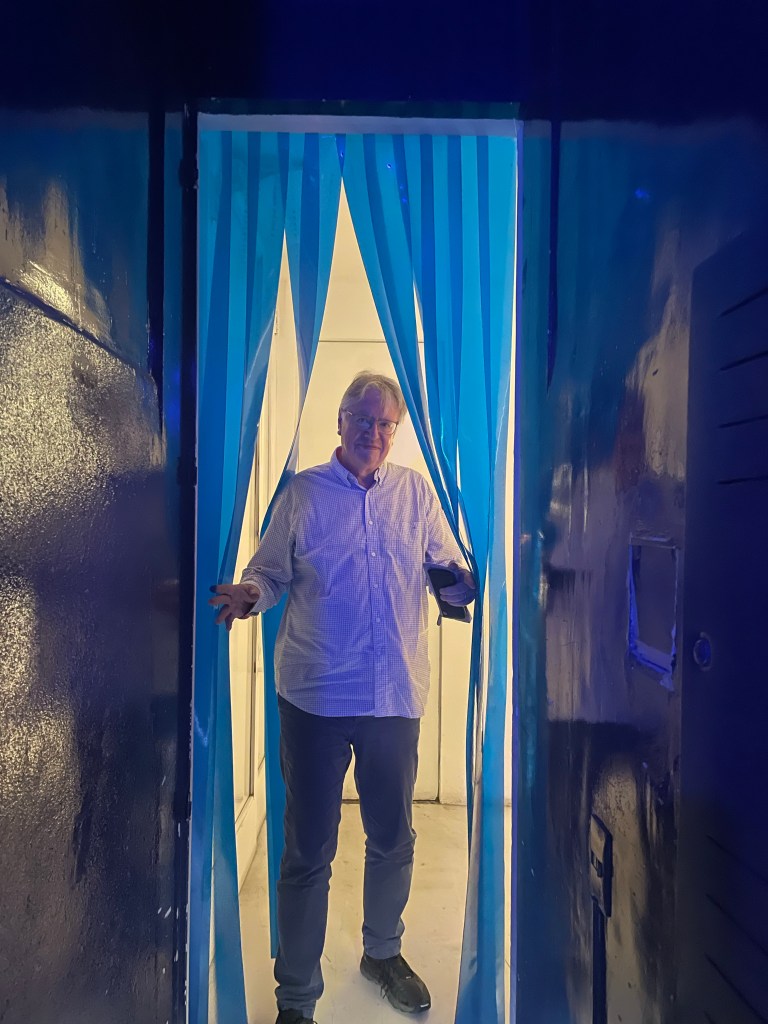
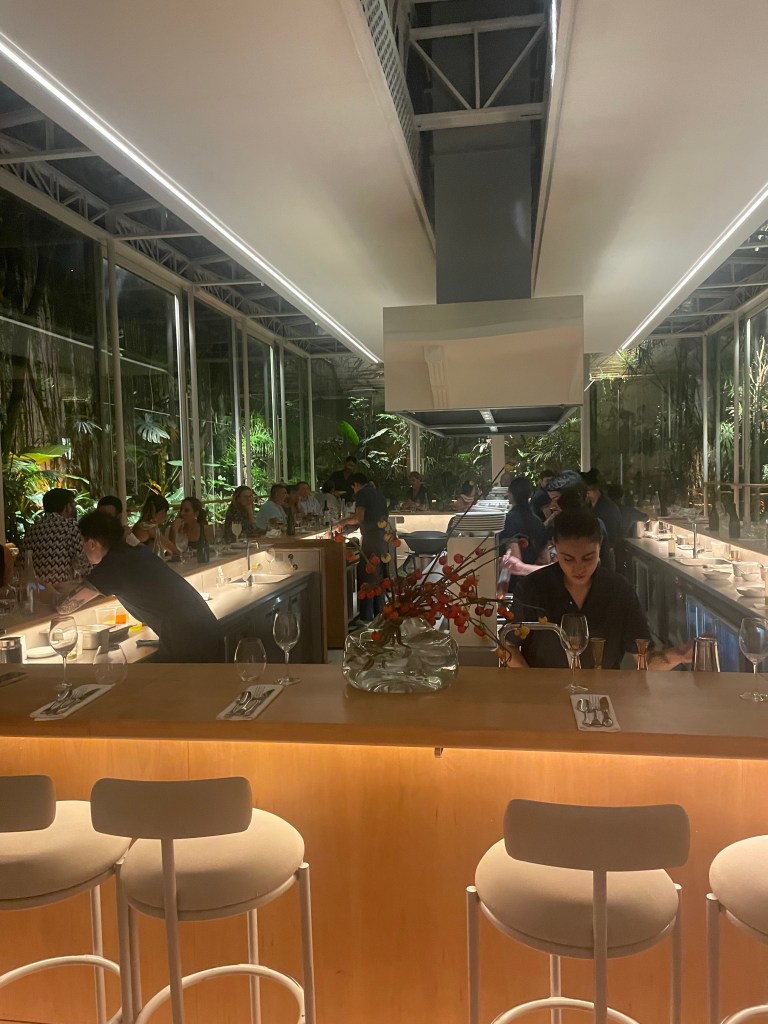
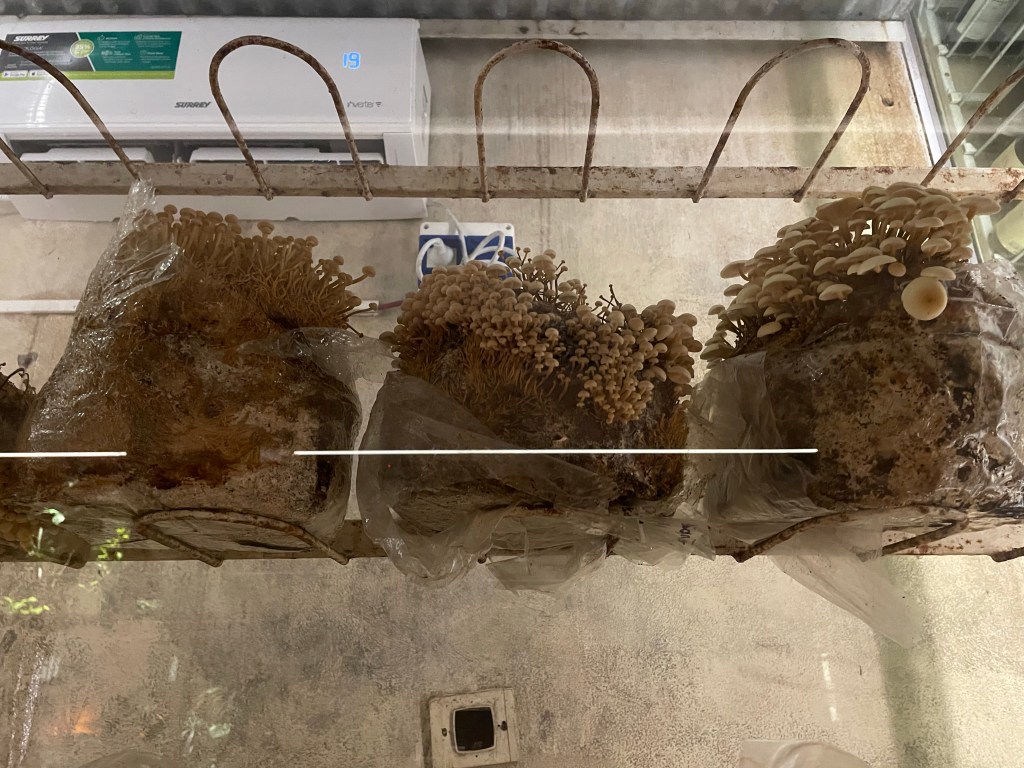
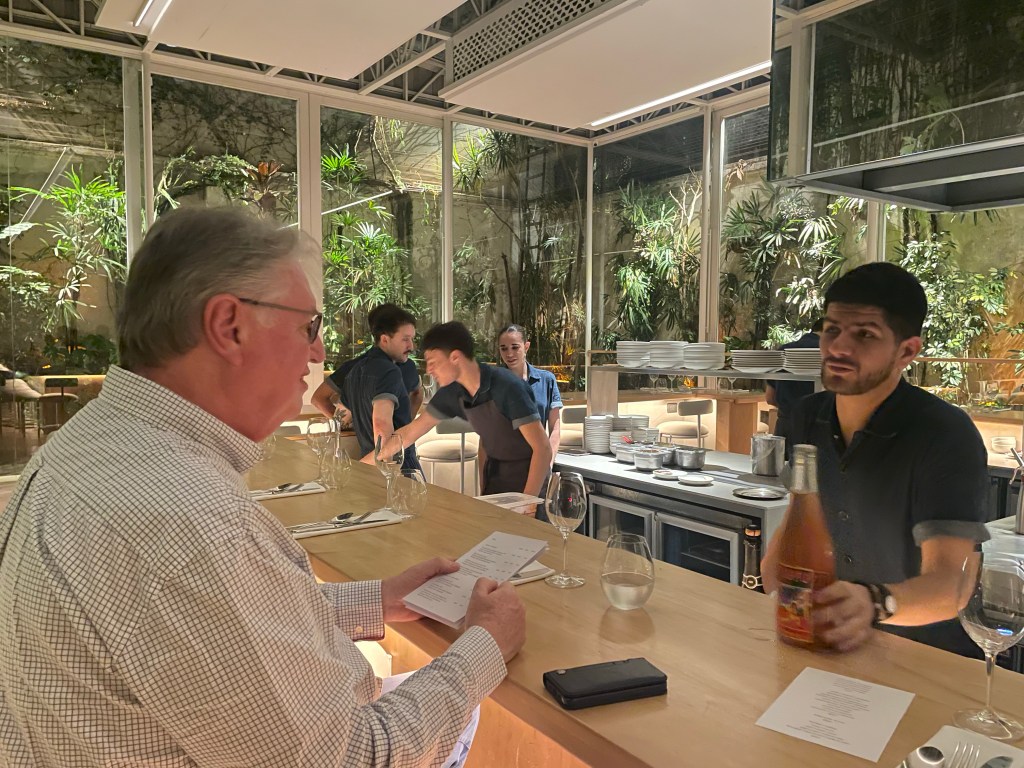
Entering via a side door resembling a goods entrance, we walked down a dingy corridor, through a trendy ladies boutique and through a “door” similar to the entrance to a cold storage facility; all while listening to nightclub style music. Following this arrival, we found ourselves in a swish glass walled restaurant with modern counter seating surrounding an open kitchen. The vegetarian menu was innovative and delicious with a focus on mushrooms which were grown on site.

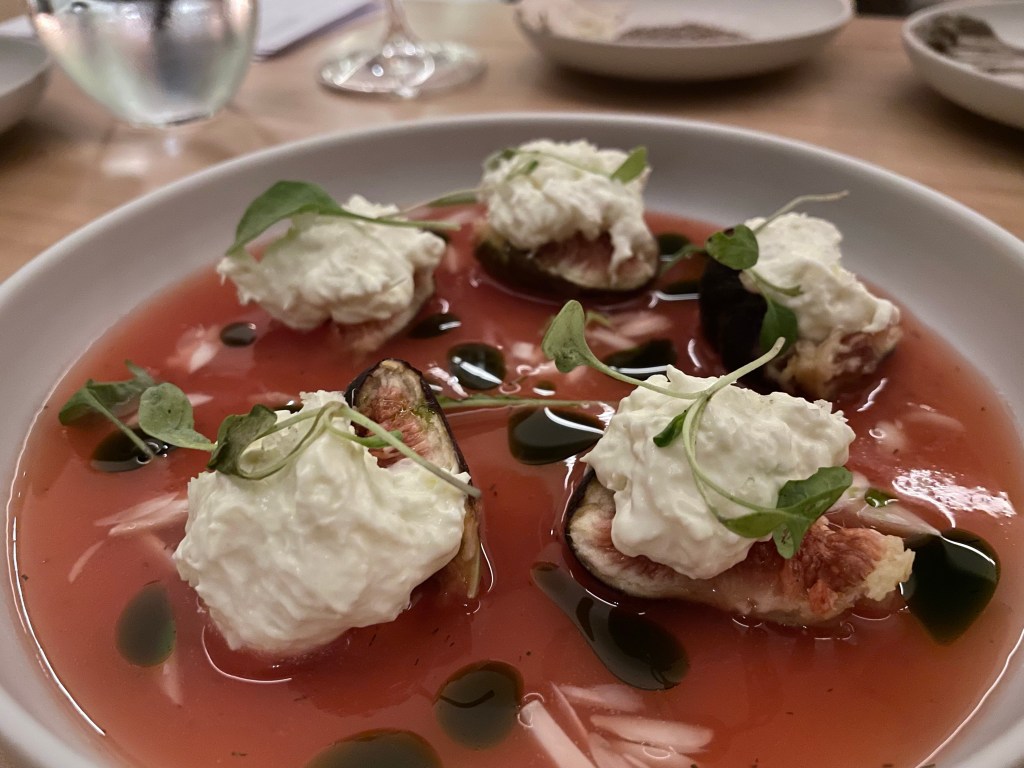
Fig, burrata, gazpacho and dill
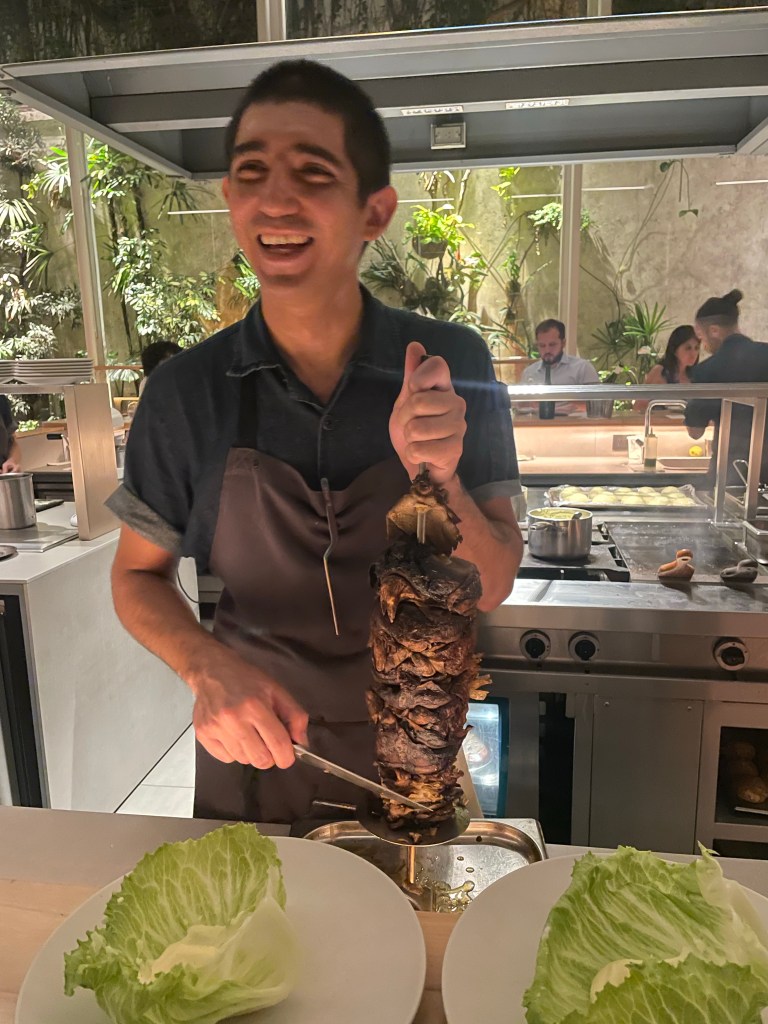
Mushroom shawarma

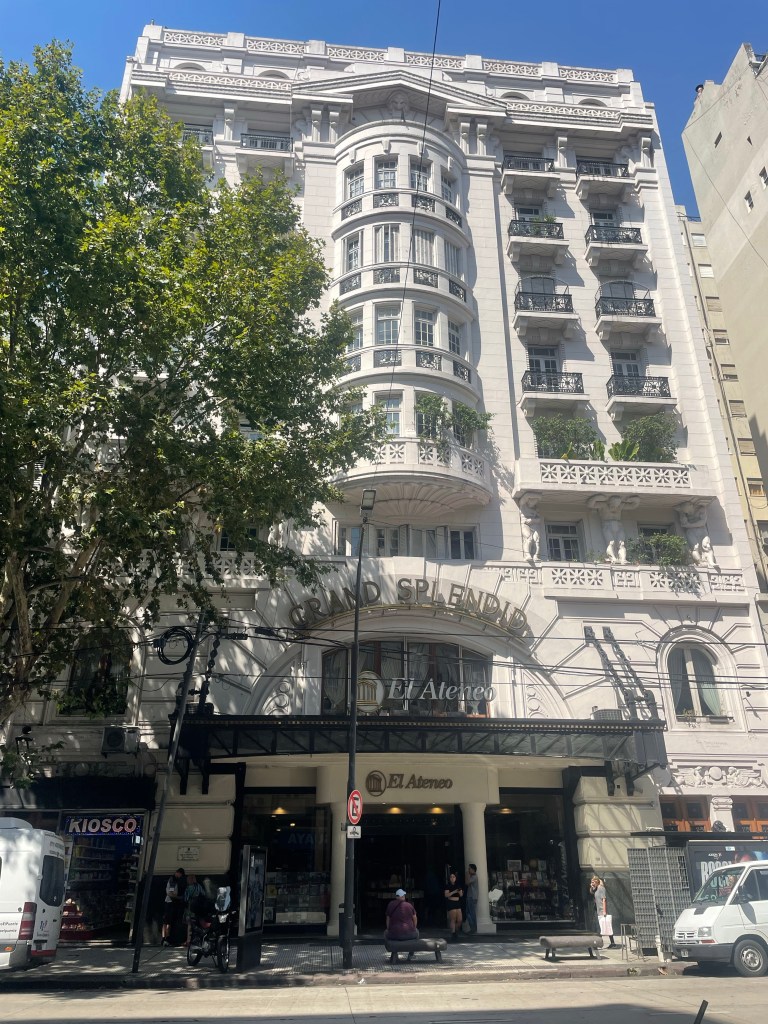
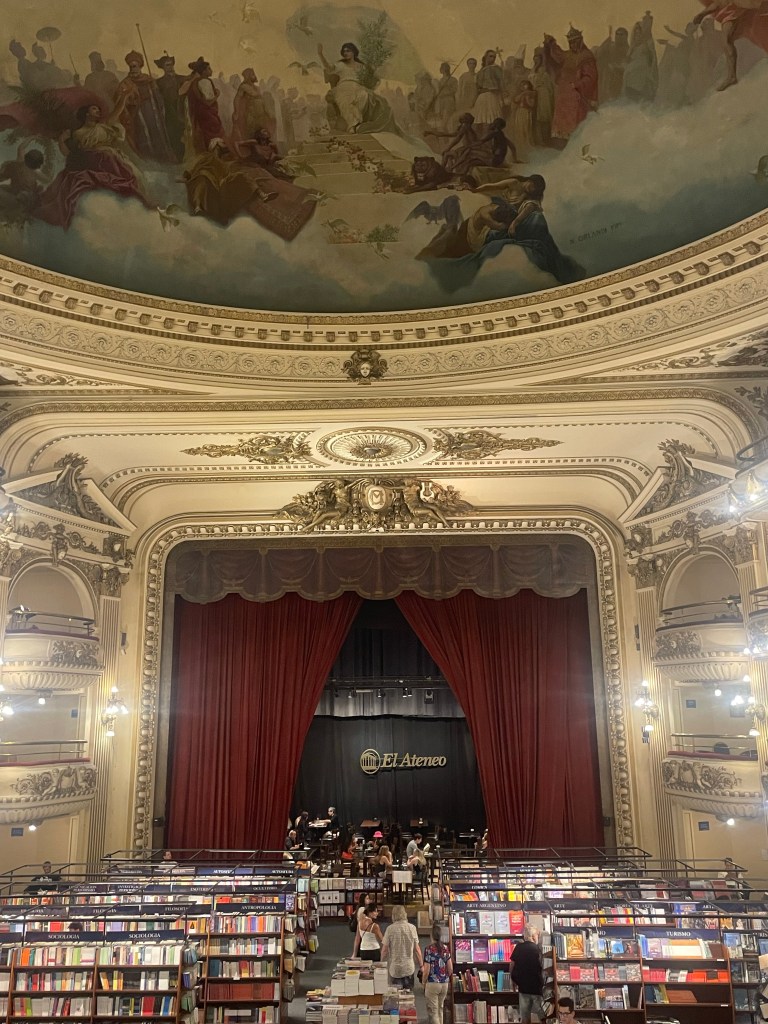
El Ateneo Grand Splendid

The El Ateneo bookshop is the former Theatre Grand Splendid, which opened in 1919 and was converted into a bookshop in 2000. Over a million people visit each year to browse, buy books and use the cafe which used to be the stage. In 2019 National Geographic named it as the “world’s most beautiful bookstore”. By coincidence, we visted on World Book Day.

Buenos Aires

Buenos Aries, is situated on the western bank of the River Plate. It was first established by the Spanish in 1536. Argentina was declared independent in 1816 under the leadership of San Martin, however Buenos Aires was still under threat from an Anglo-French blockade as late as 1848. The blockade, driven by an objection to local taxes, failed and the city flourished. Around a third of the country’s 45million citizens live in Greater Buenos Aries.

Much of the city’s architecture shows European influence (particularly Spanish and French) from the waves of European immigration, particularly from France, Spain and Italy. Although the British were less prominent, they were responsible for establishing the railways.

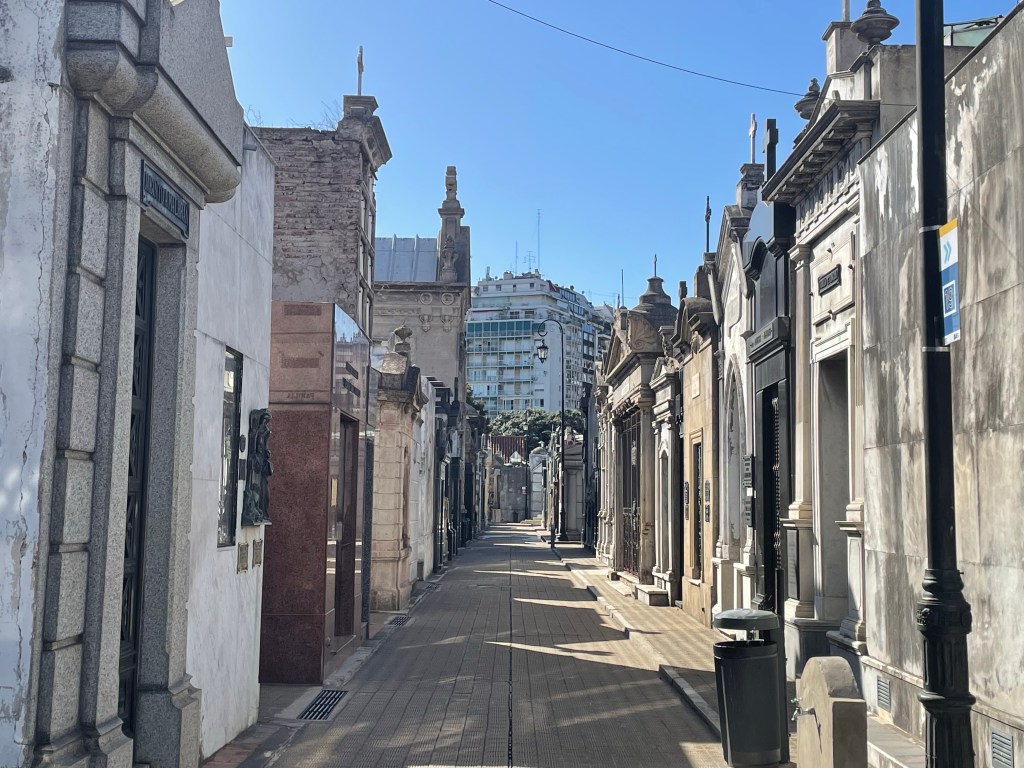
The Cemeterio de la Recoleta is Buenos Aries most visited tourist attraction. “Streets” are lined with the tombs, statues and mausoleums of past politicians, generals, the rich and the famous.
The mausoleum of Eva Peron’s family
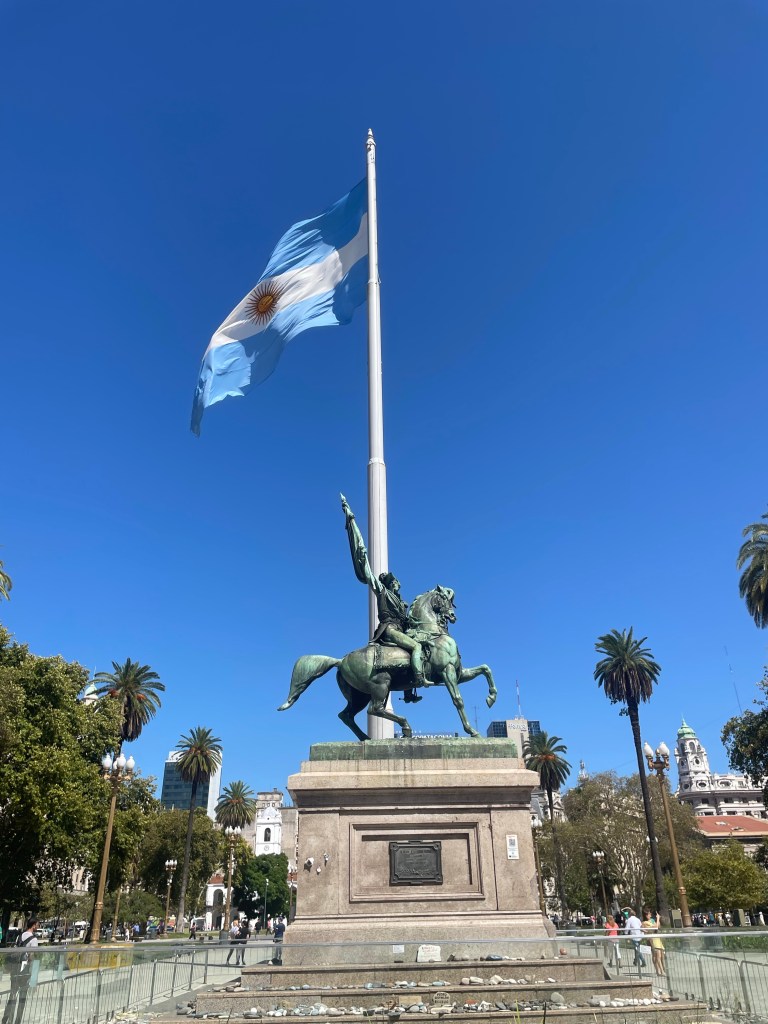
A statue of General Belgrano in the Plaza de Mayo, where Argentinian’s gather in protest or celebration. At the time of our visit there was a heavy police presence as the city was experiencing anti-government demonstrations. The stones by the statue have been placed there by the families of some of those that died of covid
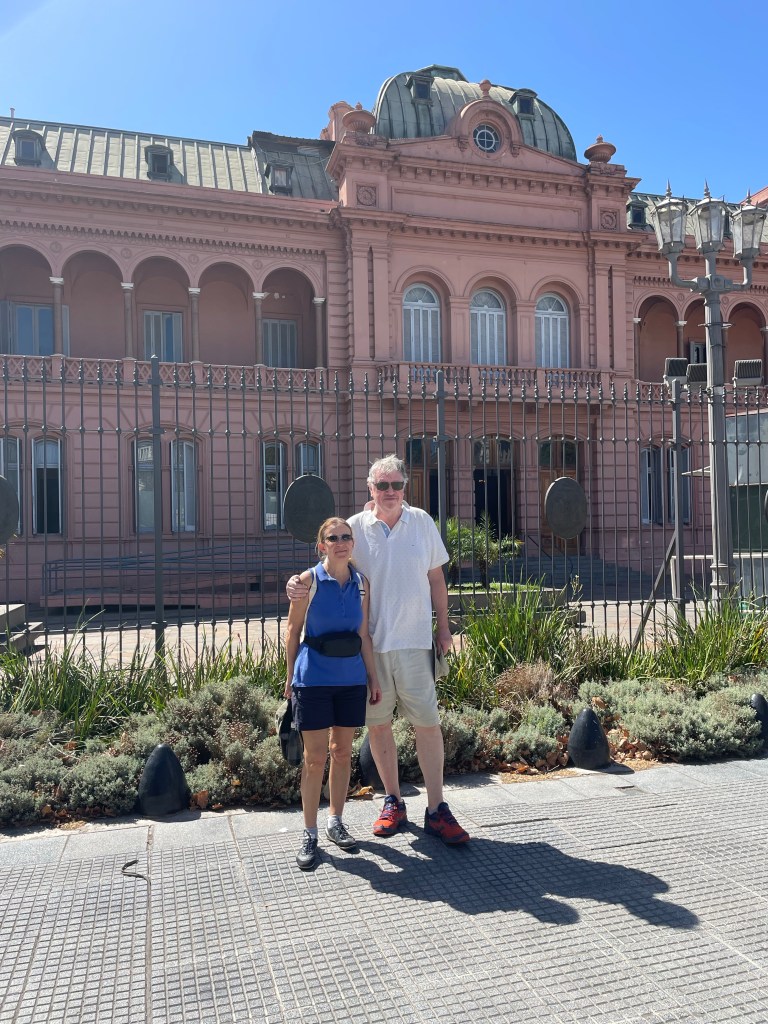
The Casa Rosada on the Plaza del Mayo with the balcony where Eva Peron adressed the throngs of empassioned supporters
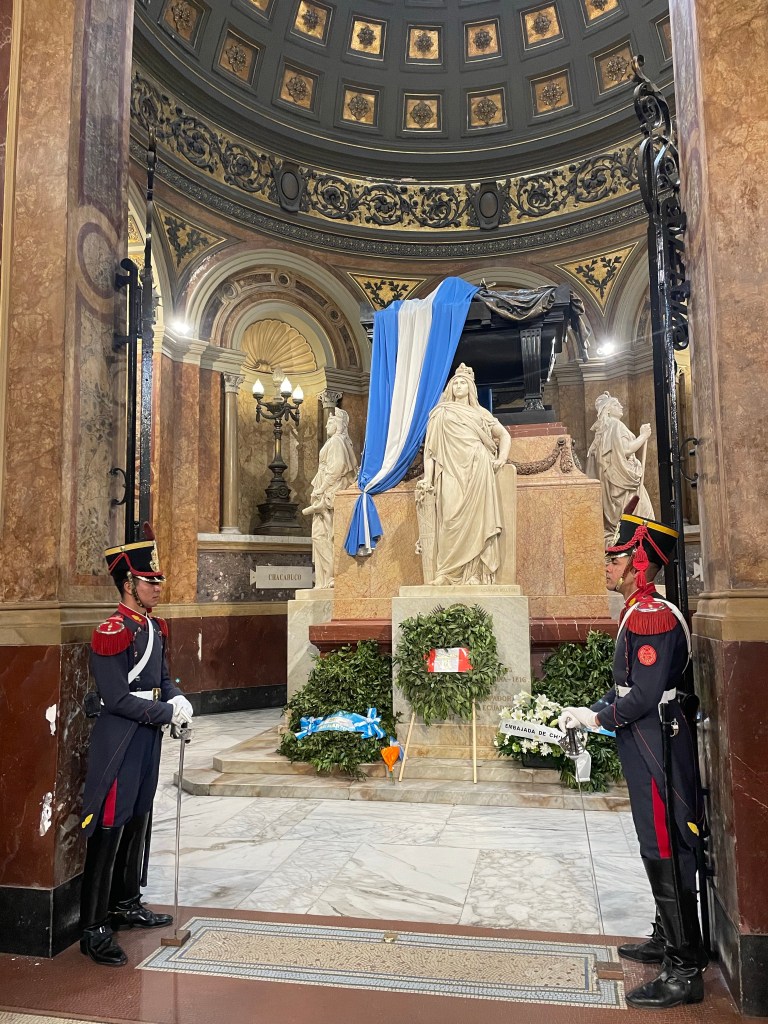
The tomb of San Martin – his body was returned to Argentina 30 years after he died in exile in France
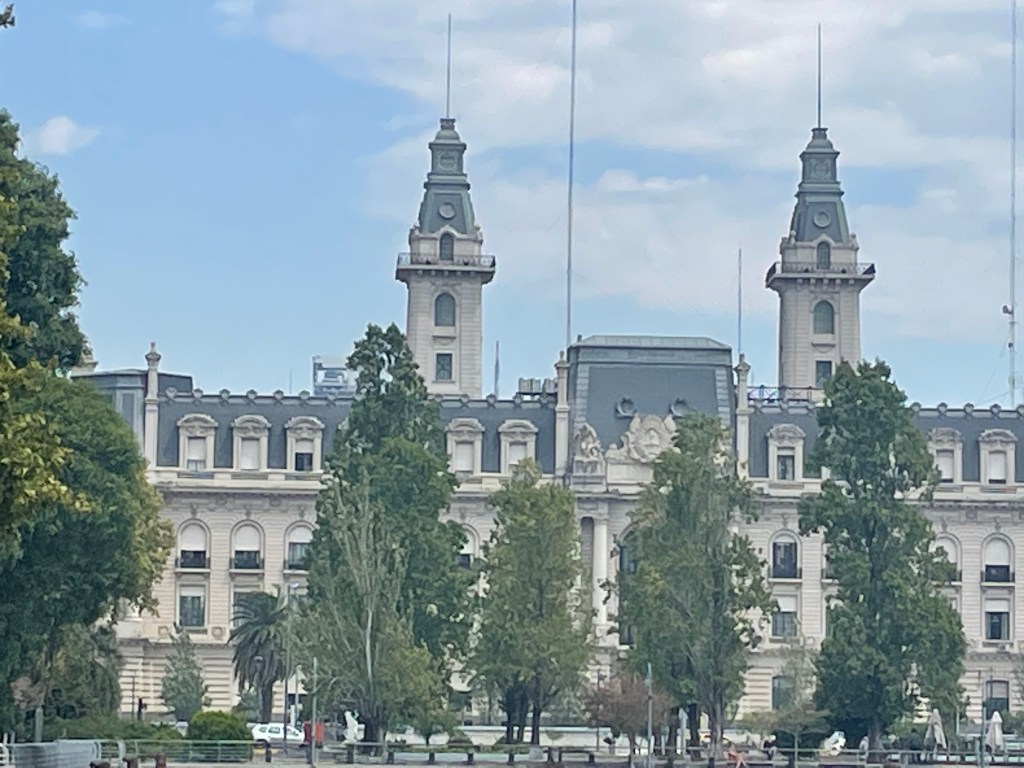
While this building could be in Paris, it is government offices
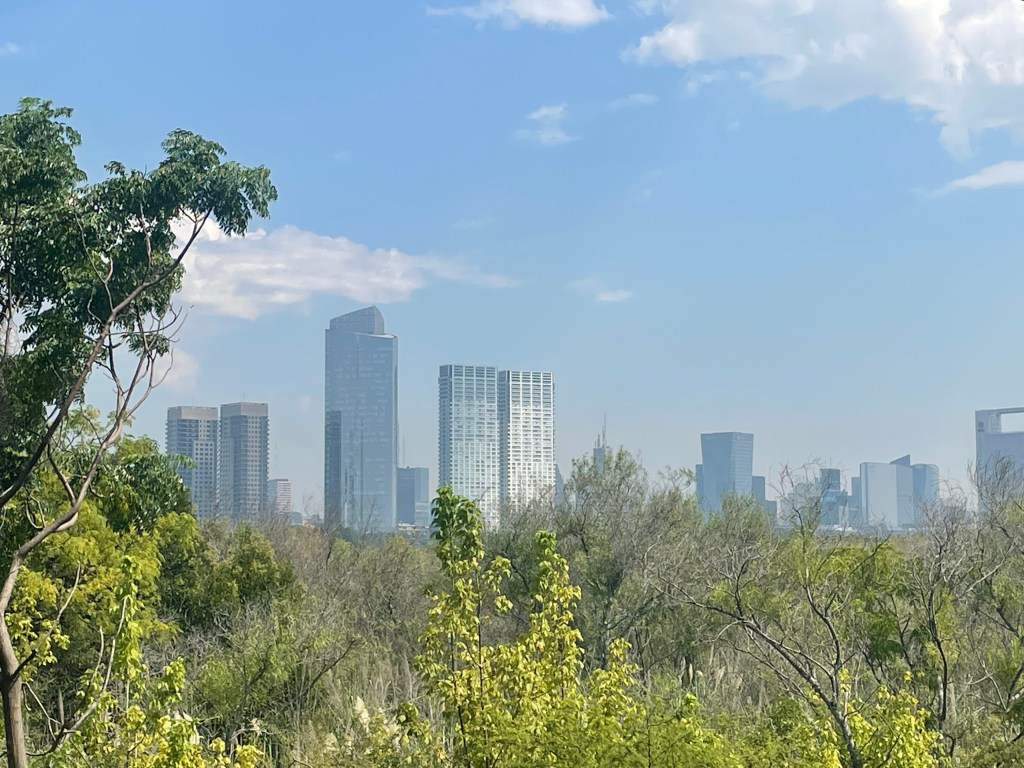
One morning we walked around the large Ecological Park, established as a park and wetlands centre, which sits between the new commercial district and the river
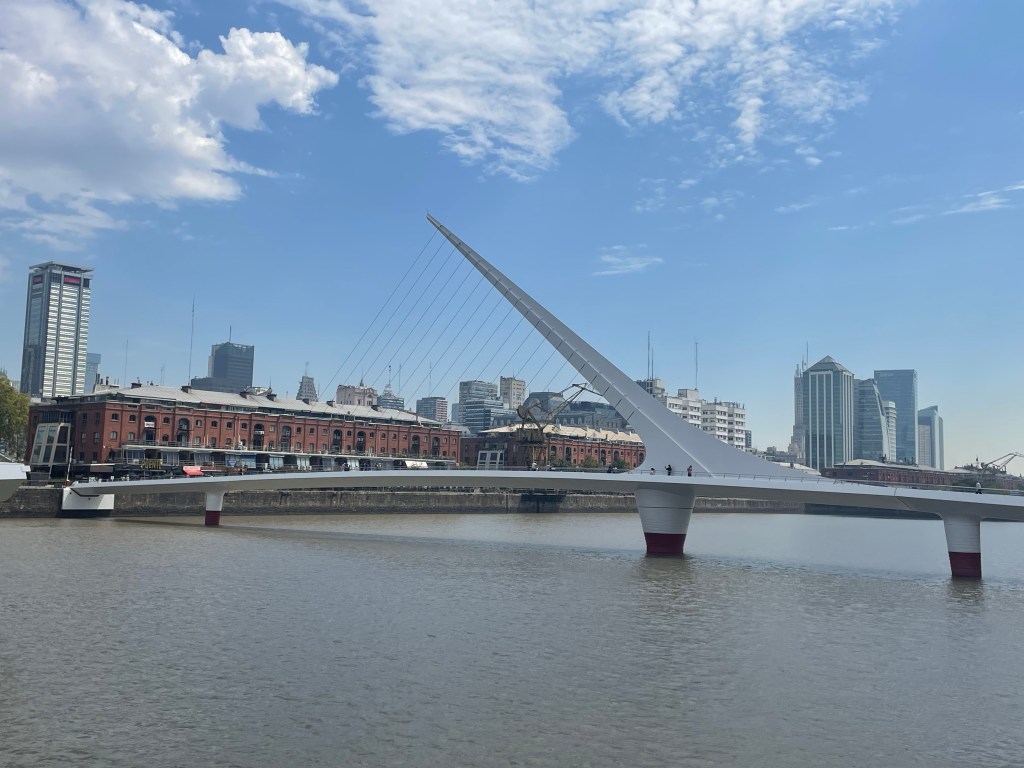
Converted warehouses in the Puerto Madero area, a good spot for lunch after our walk in the Ecological Park
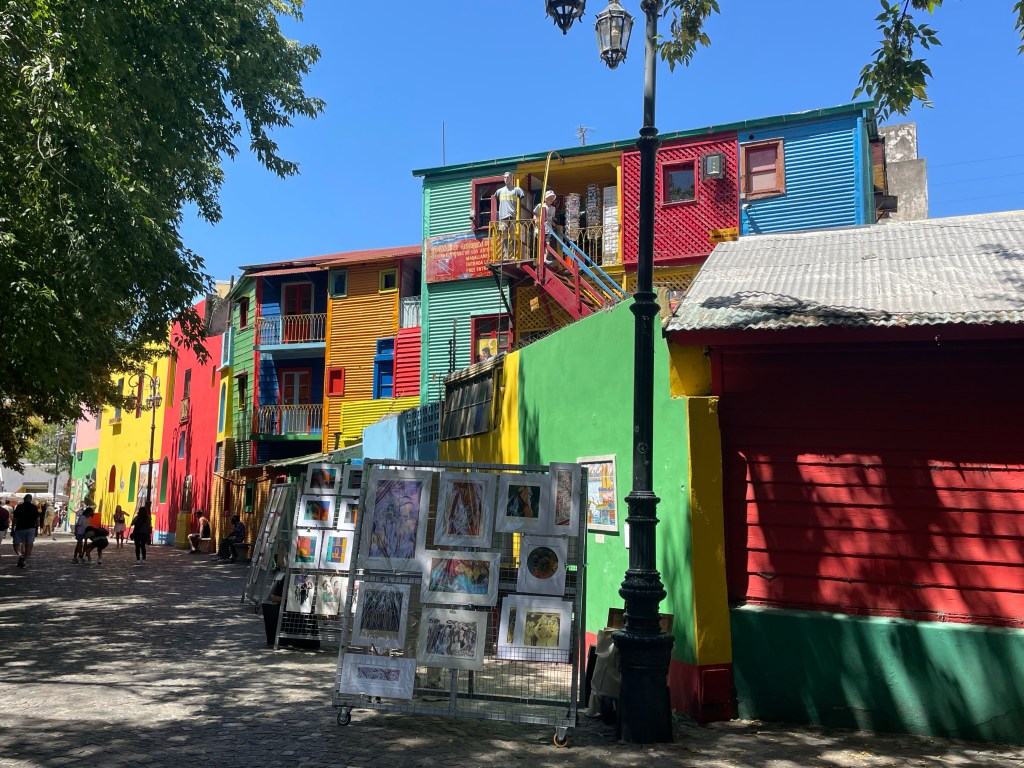
Colourful buildings in the La Boca district
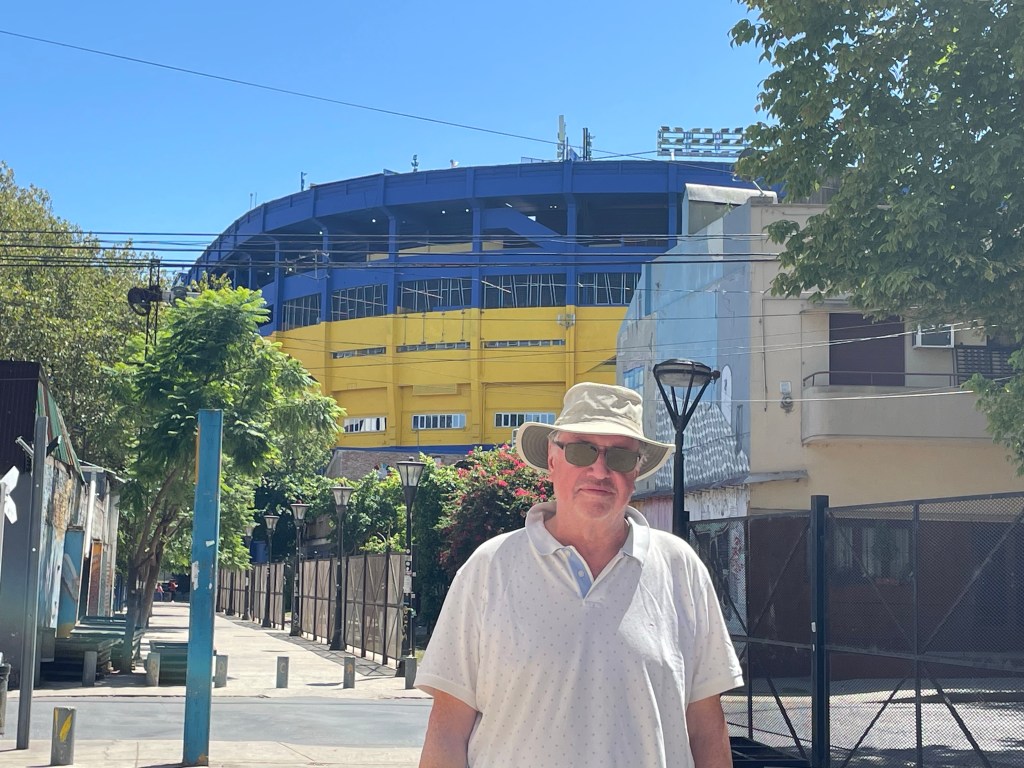
No visit to Buenos Aries is complete without a visit to La Bombonera Stadium where Boca Juniors play. The colours were apparently decided after an inconclusive debate which was later resolved by agreeing that the colours would be those of the flag of the next ship to arrive in the port, which was Swedish

Atlantic rainforest

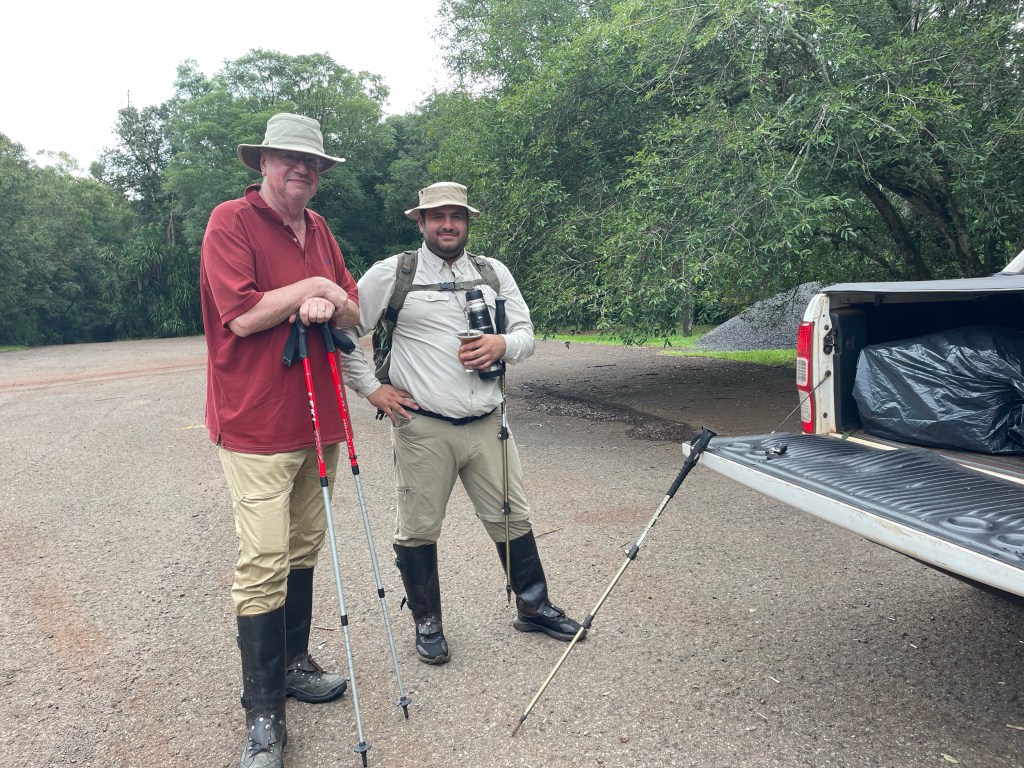
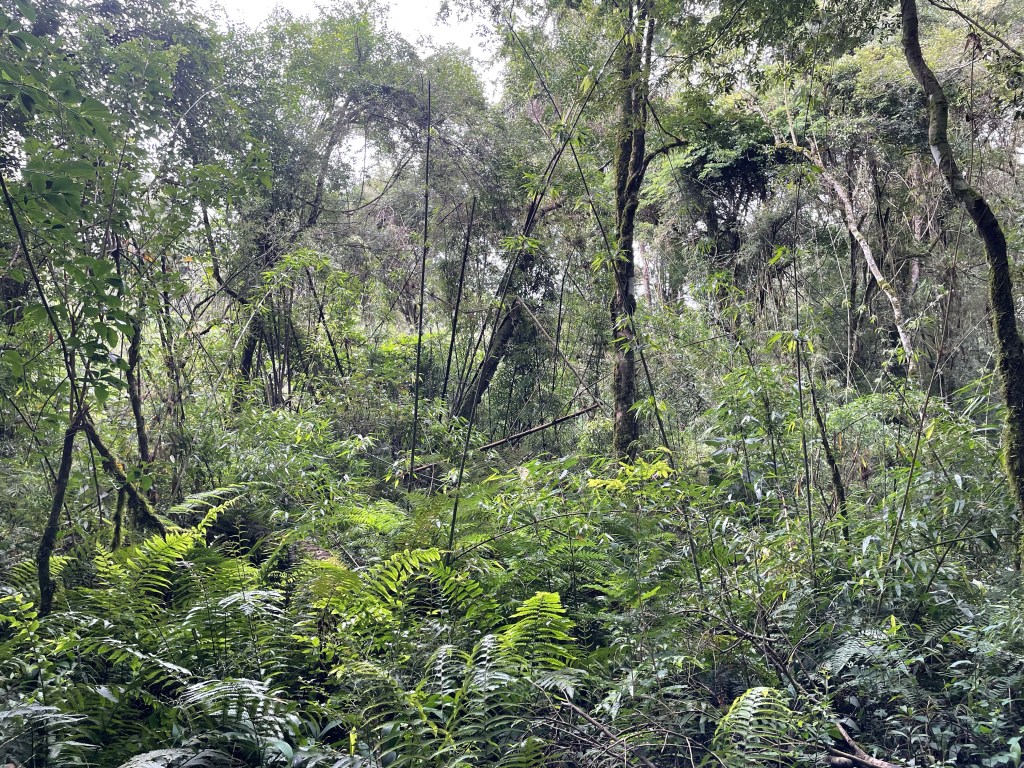
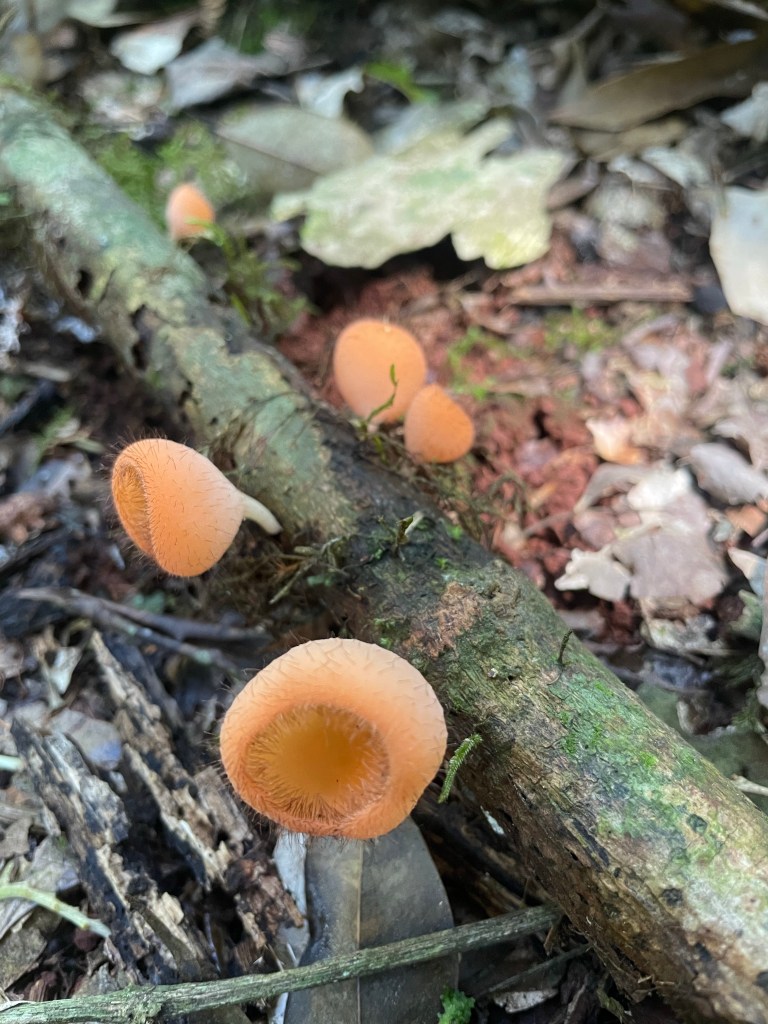
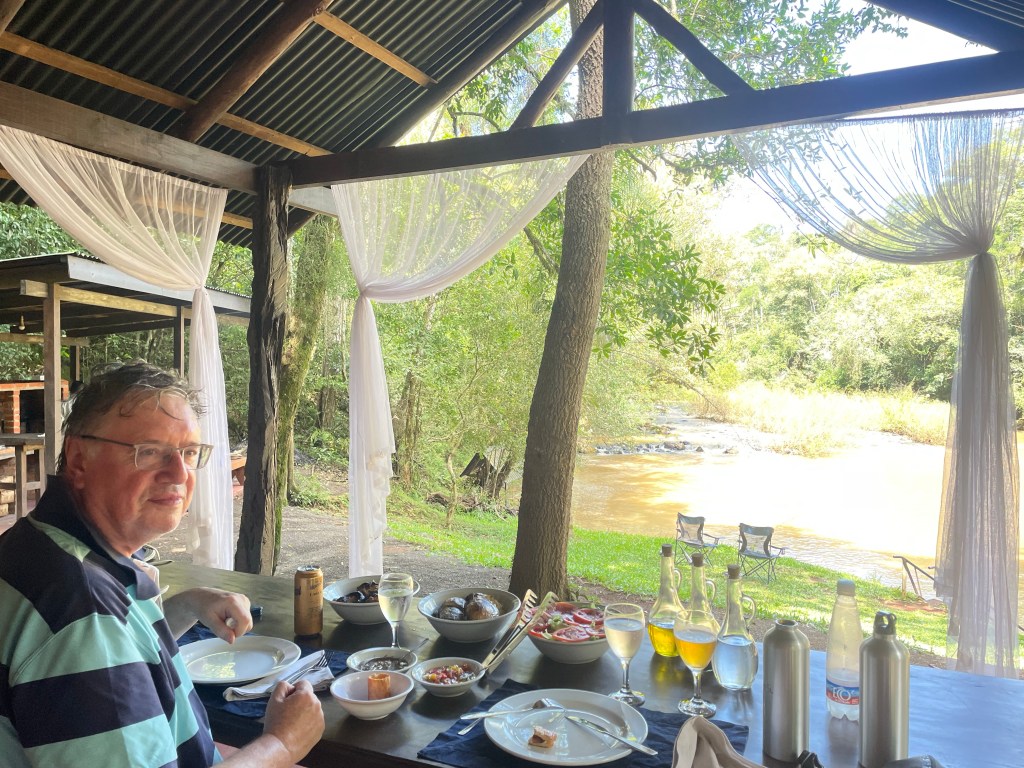
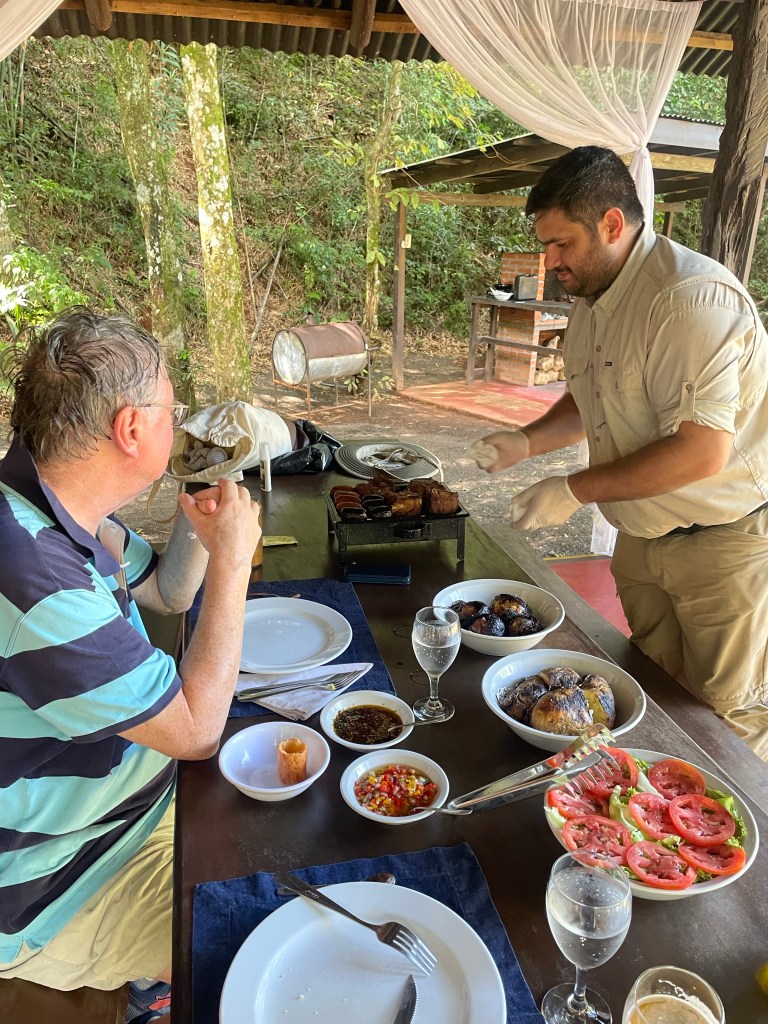
The falls is situated in the south of the Atlantic rainforest. Most people visit solely to see the falls. However we were able to do two forest hikes, followed by a barbeque. We were accompanied by our guide, Cami, and Toto. Toto is an ex-military, part-time ranger, member of the local search and rescue team, snake expert, path clearer, driver and and grill chef. The path we took was not in regular use and the rainforest grows very quickly – without Toto’s expertise and machete our route would have been impossible.

Iguazu Falls

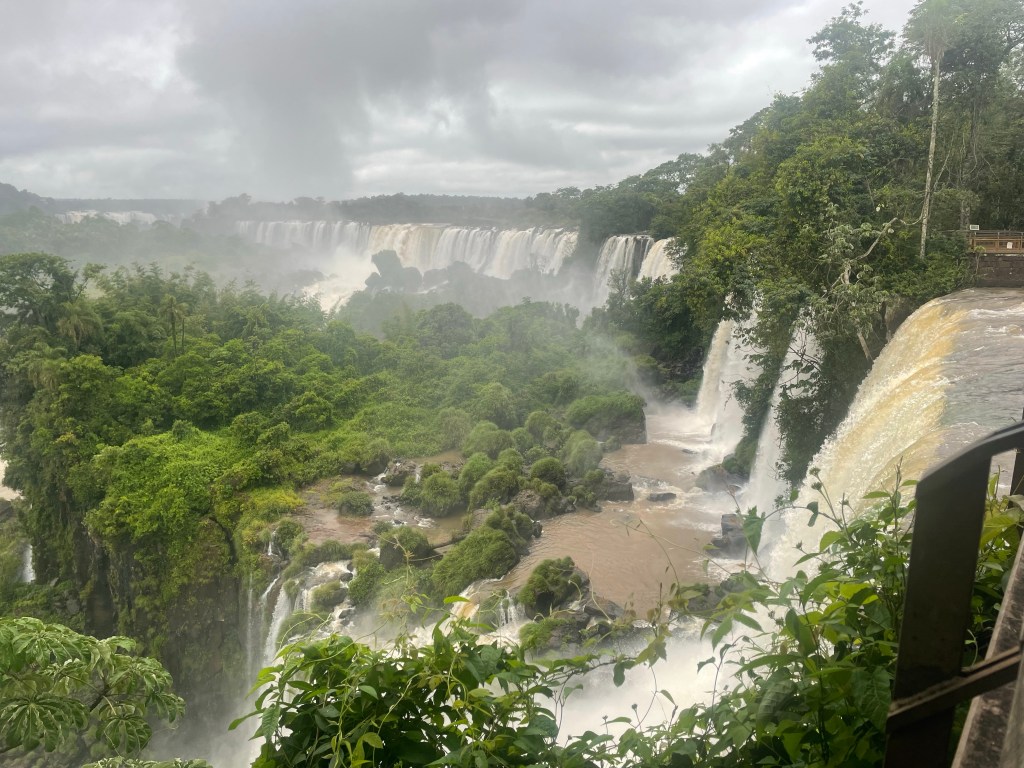
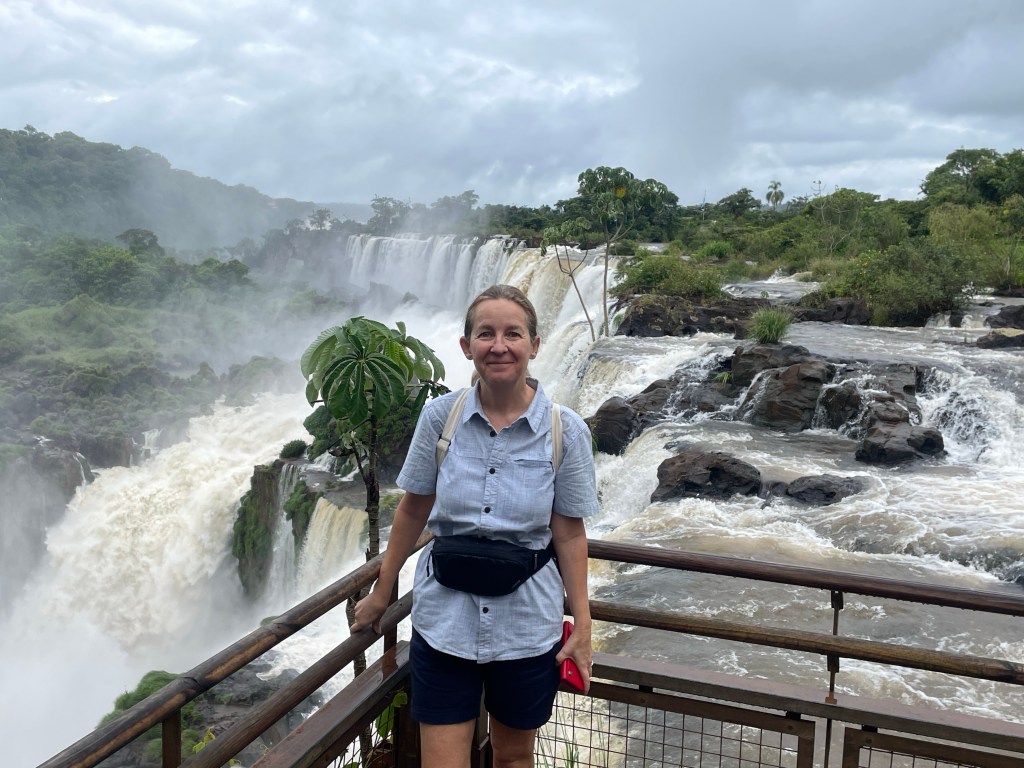
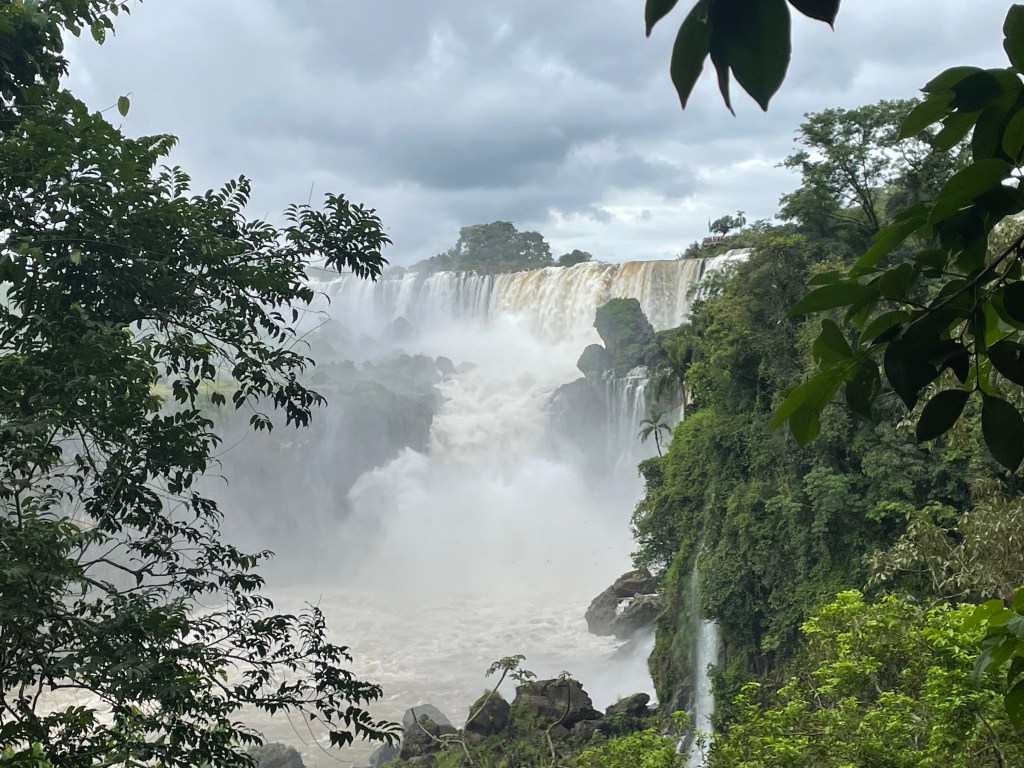
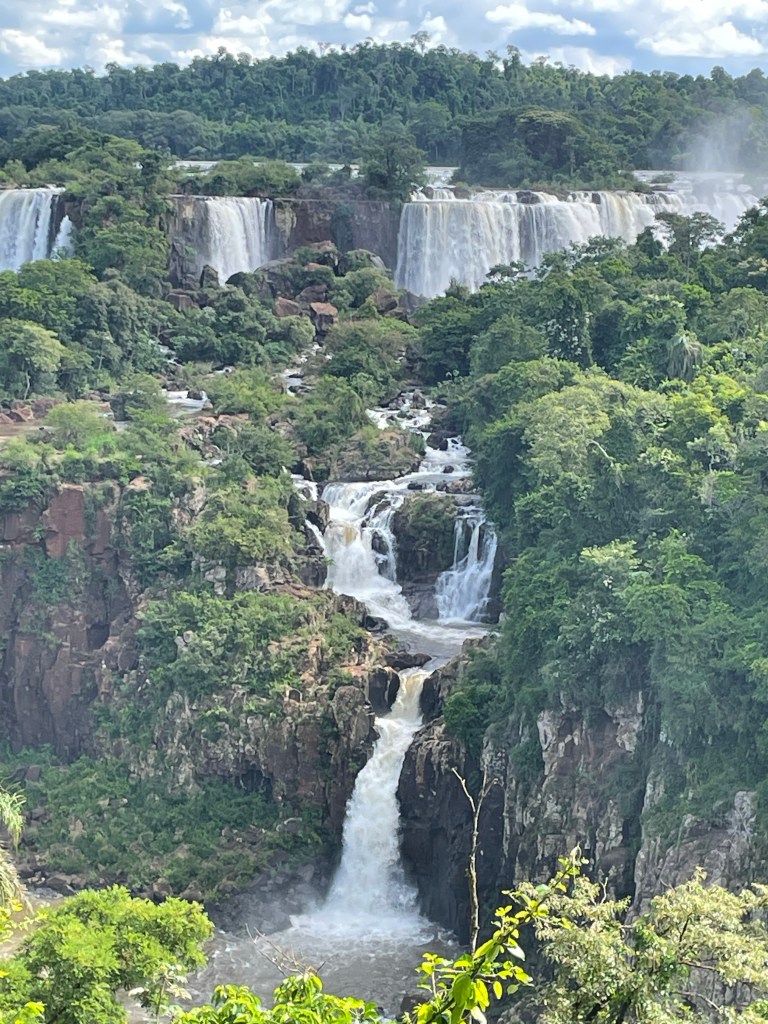
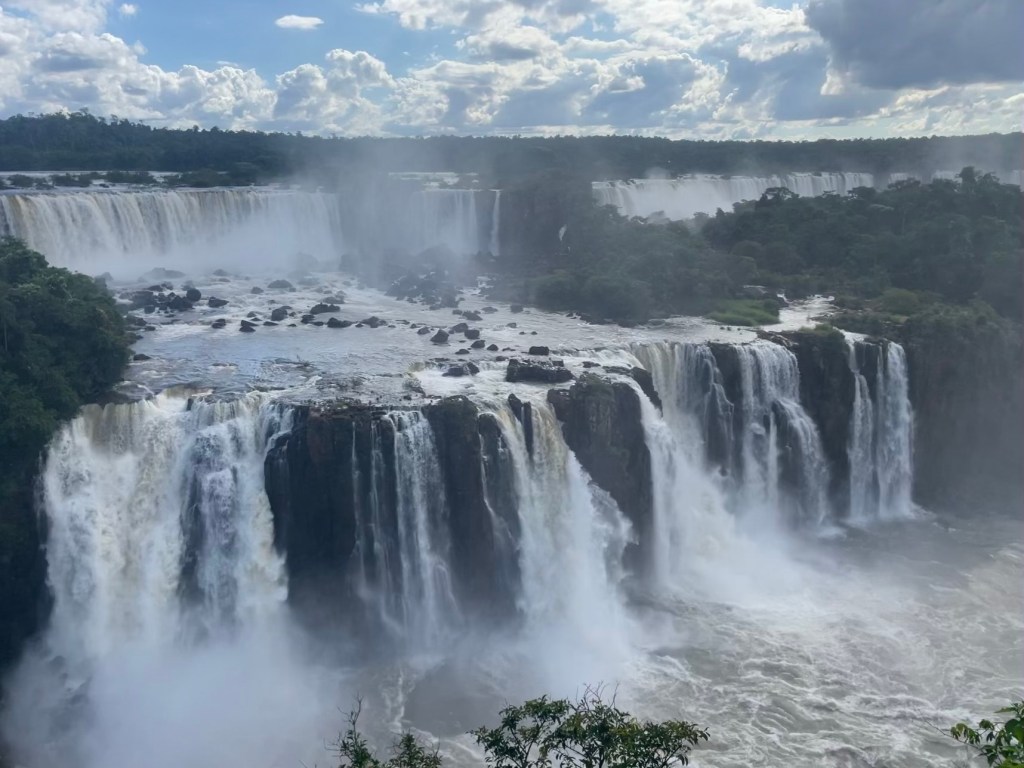
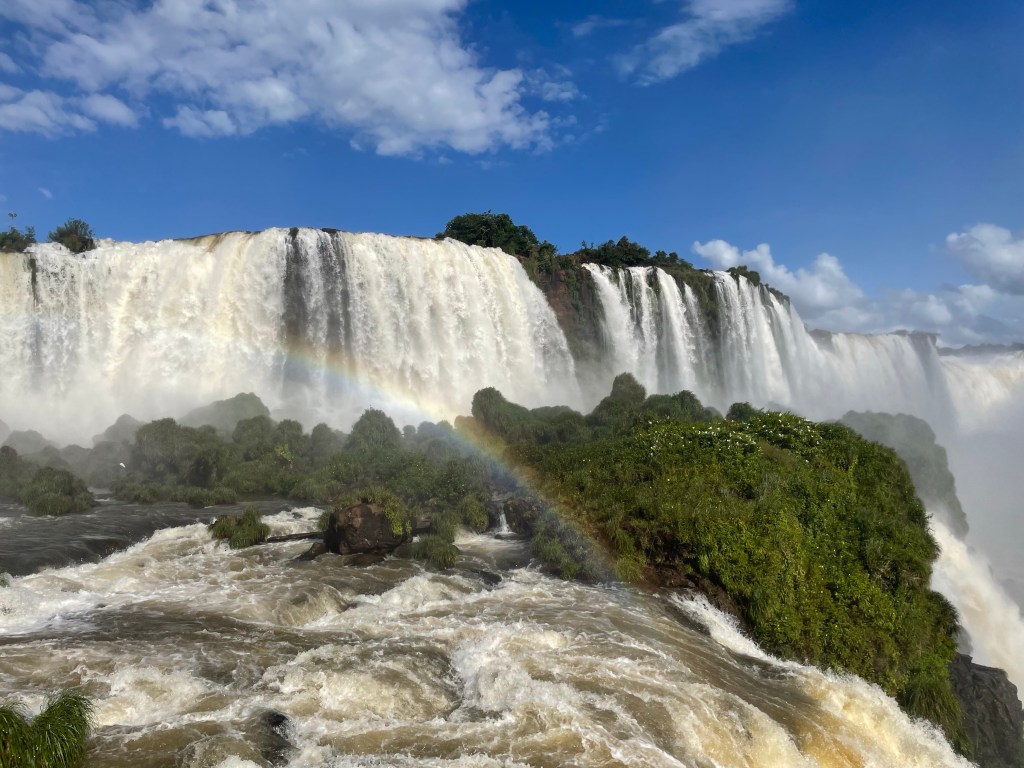
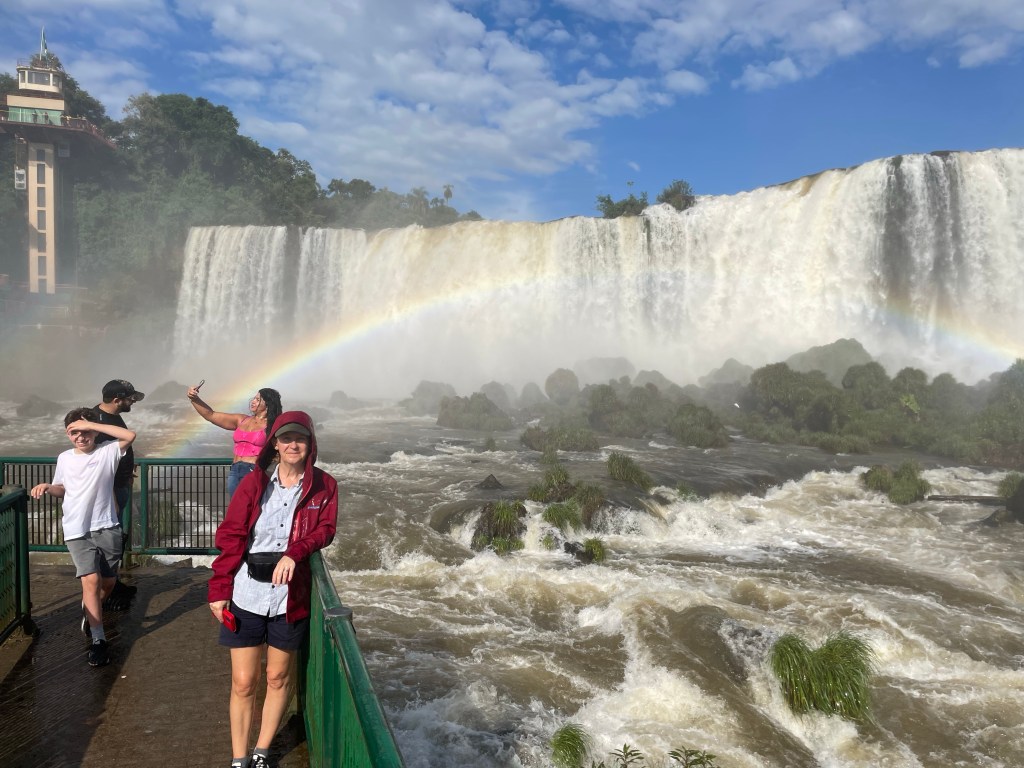
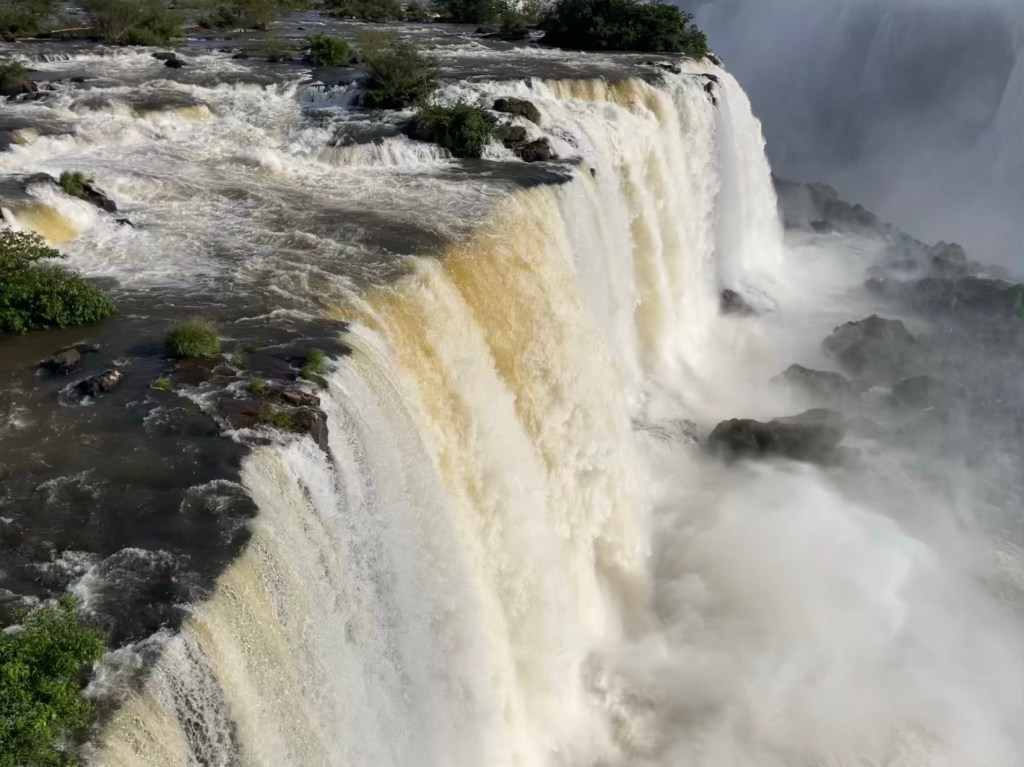
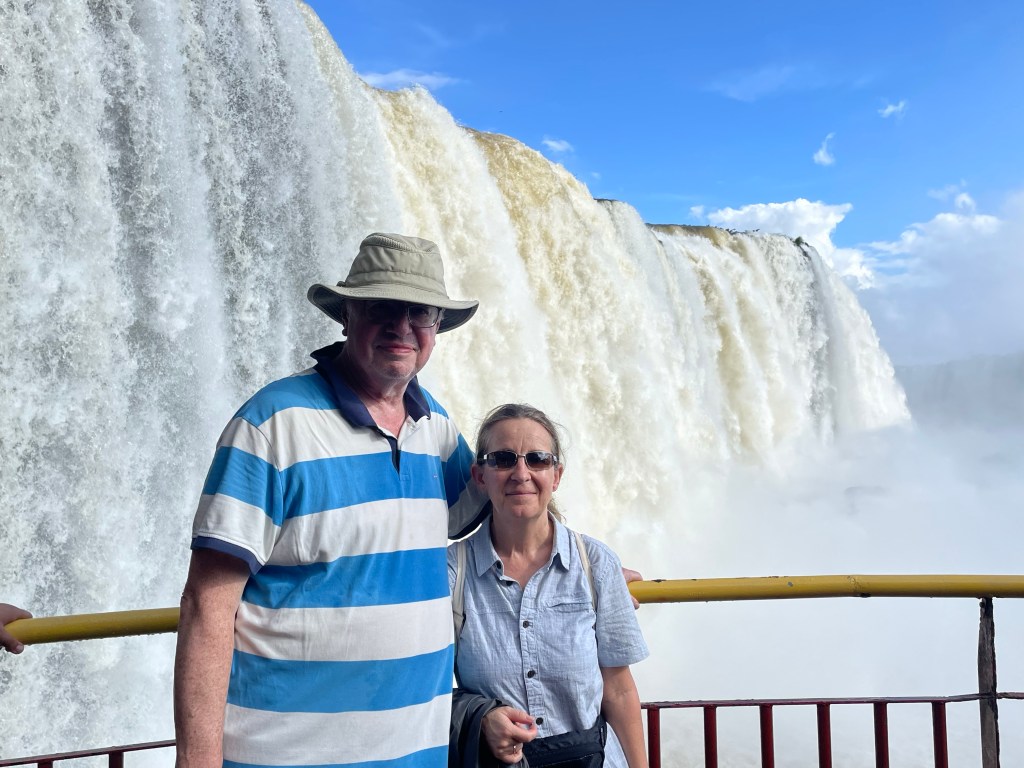
The Iguazu Falls are the largest falls system in the world with 275 drops over almost 3km. The longest drop is the Devil’s Throat at over 80 m. The guides say that although the majority of the falls are in Argentina, the best views are from the Brazilian side, so we visited both sides. On the day, the waterflow was slightly above average at 1.7 million litres per second (an Olympic swimming pool holds 2.5 million litres).

Both sides have extensive trails, along, under and behind the falls. Part of the Argentinian trail was closed due to a storm in October 2022 which created waterflow of 14.5 million litres per second and washed away the boardwalk.

Puerto Iguazu

A long day with three internal flights took us from Patagonia to the province of Misiones, in north east Argentina, for a late arrival at our new hotel and our “cabin” in the rainforest.

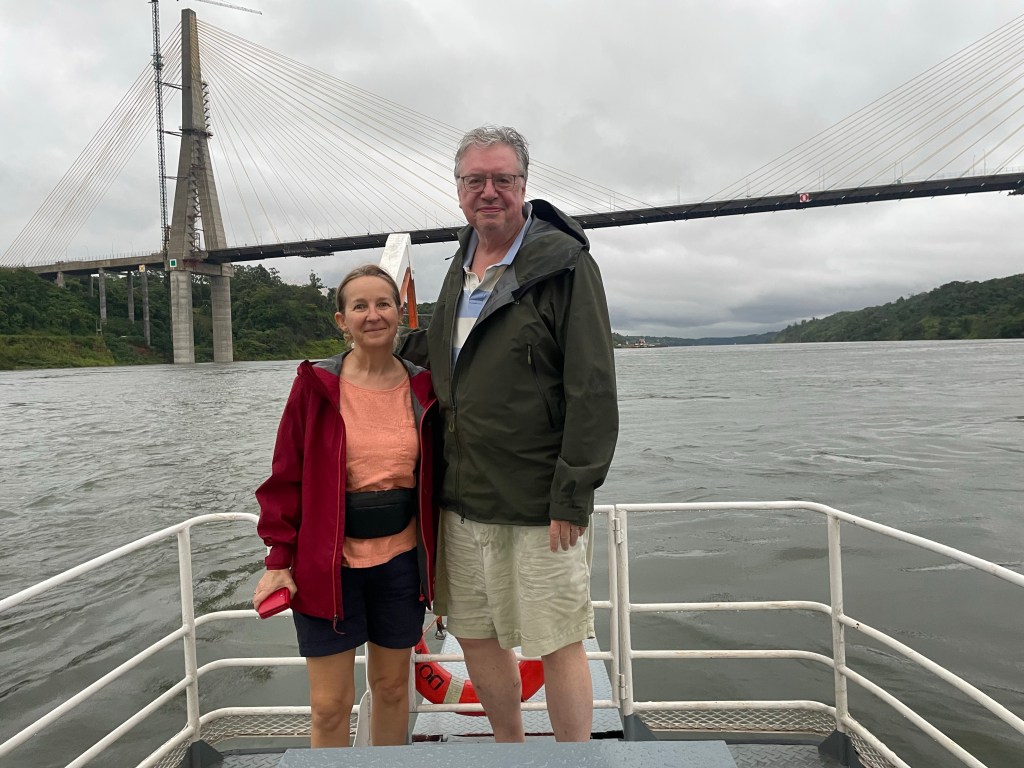
The highlight of our first day, despite torrential rain, was a boat trip to the junction of the River Iguazu and the River Parana where Argentina, Brazil and Paraguay meet. This is one of 175 tri-points in the world; there are no instances of more than three points meeting but this has been the subject of some debate as there are borders where more then three countries meet within close proximity.

The River Parana is the second longest in South America after the Amazon and is the subject of tensions with Brazil as the flow is controlled by a dam 9km north of the border.

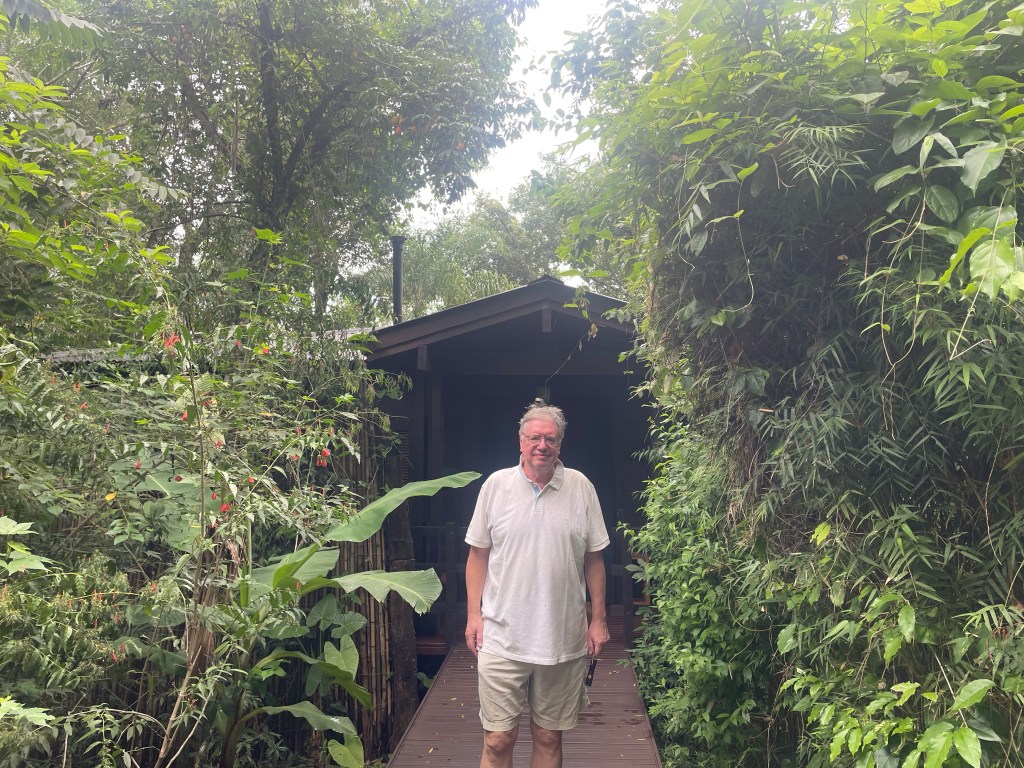
Outside our ‘cabin’
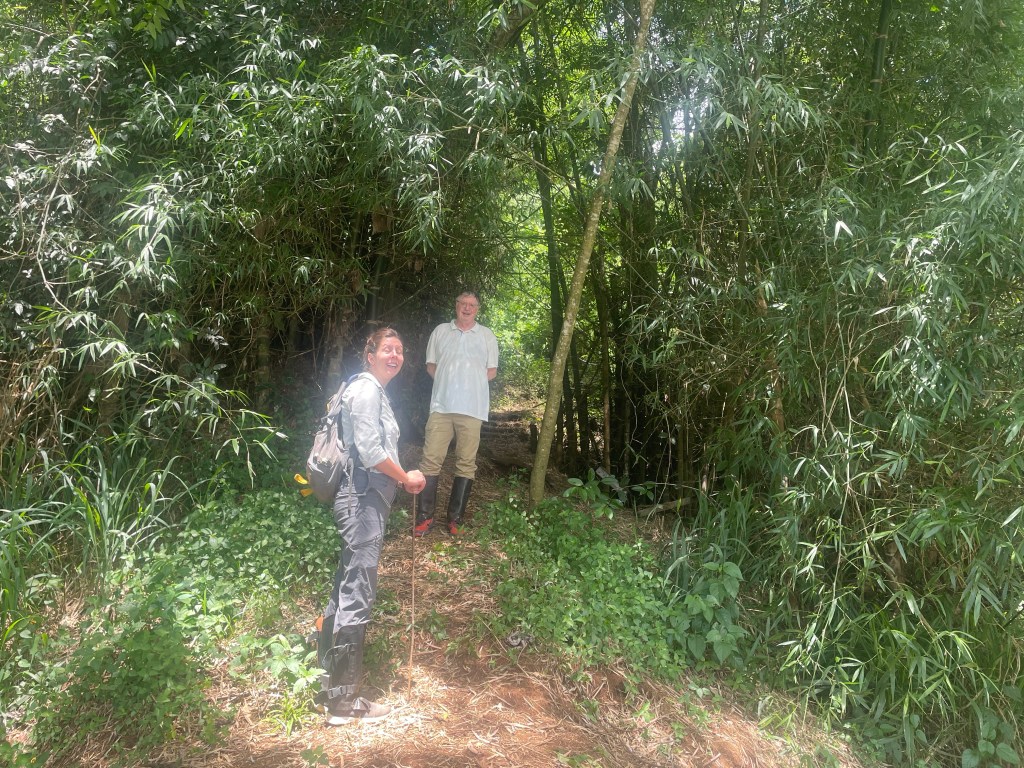
In the rainforest surrounding our hotel with our guide Cami. The gaiters are to protect from snakes (a poisonous yarara had been seen on this path an hour before) and Cami’s stick is to alert the snakes.
At the tri-border

Glacier Perito Moreno

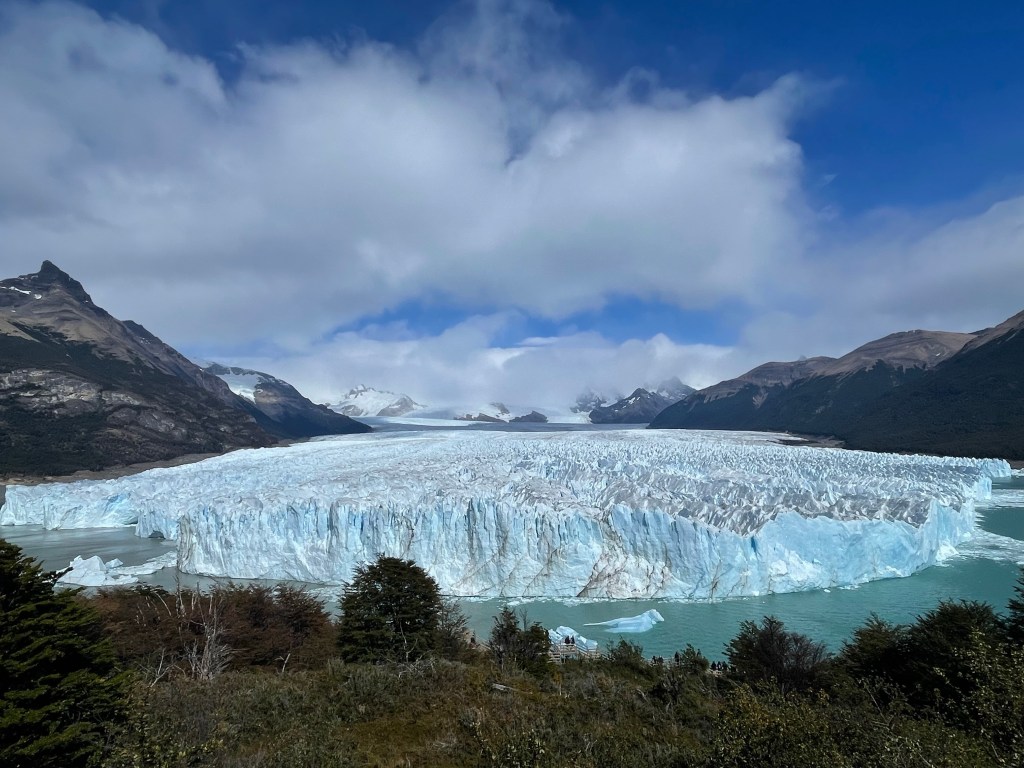
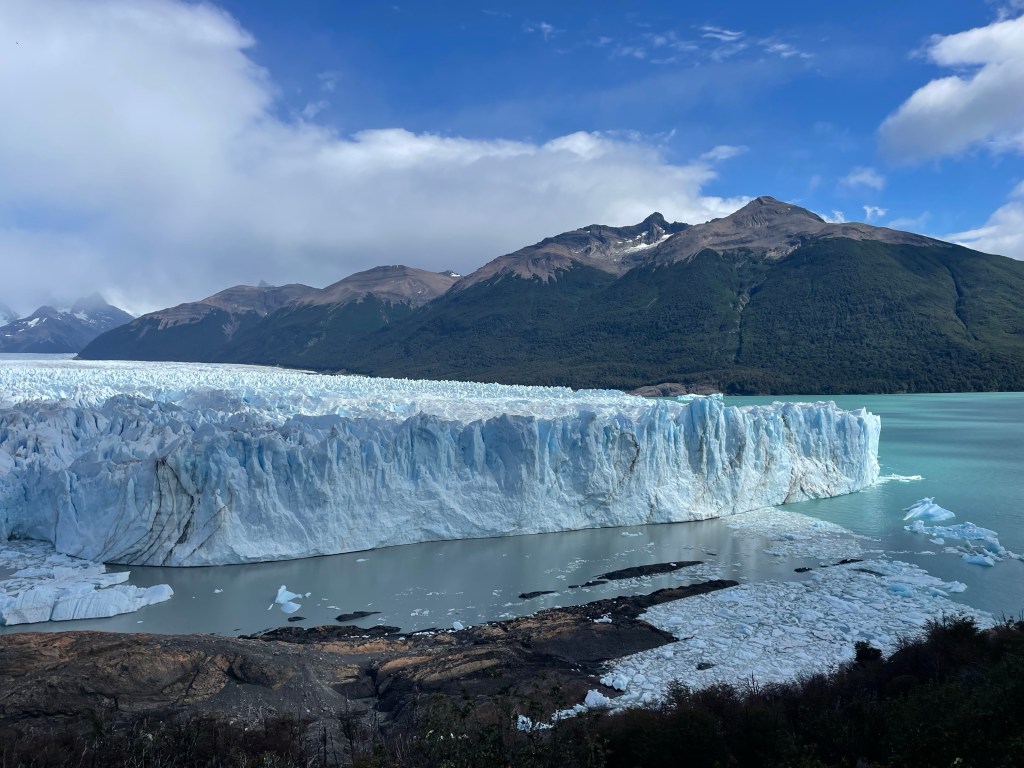
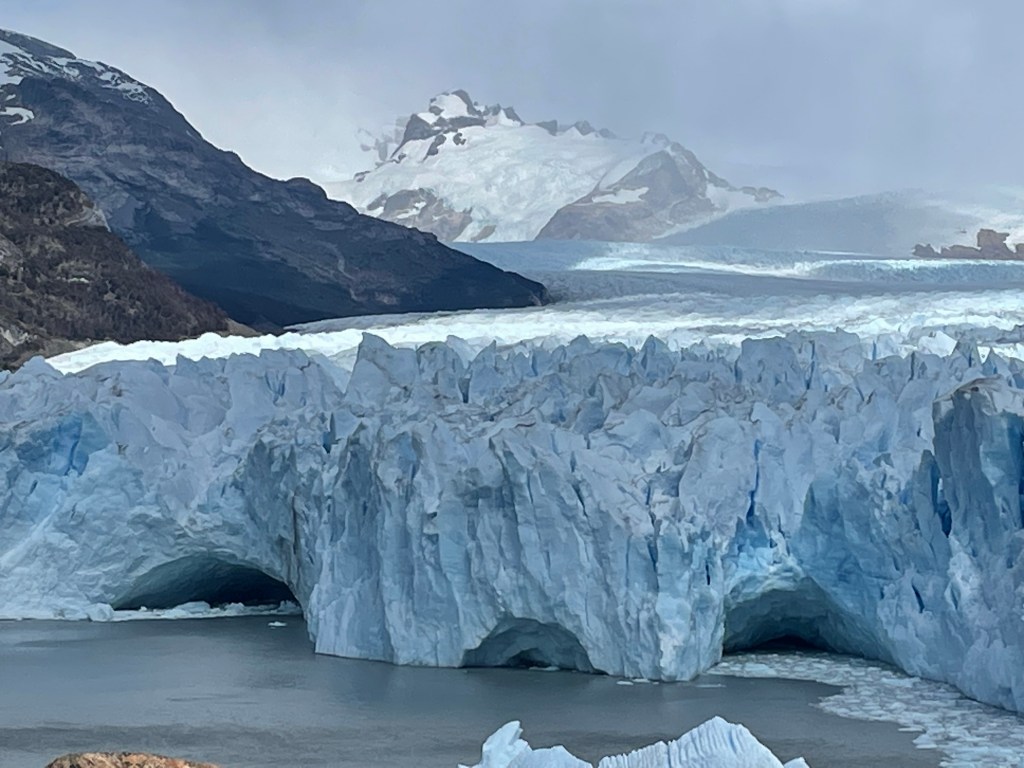
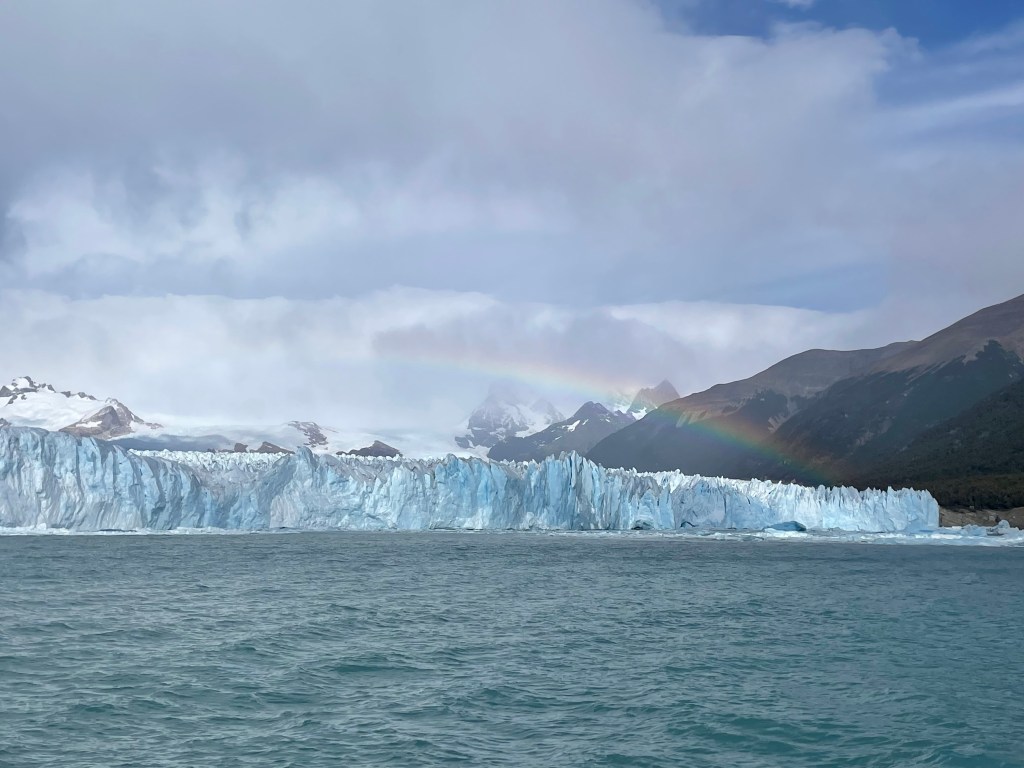
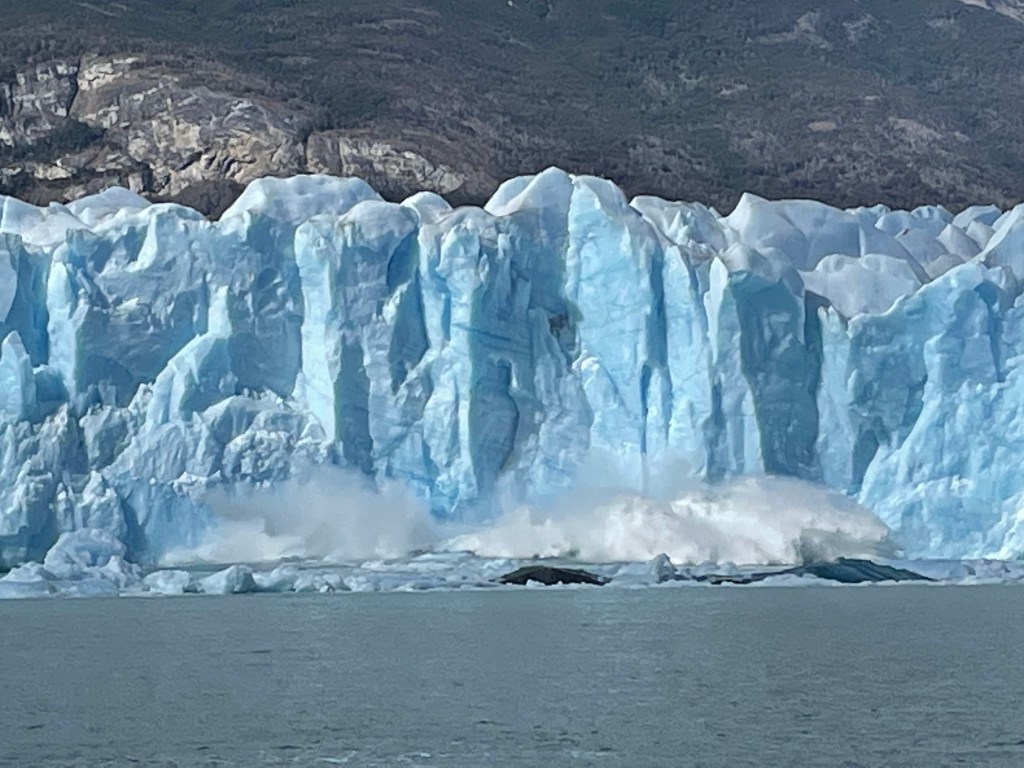
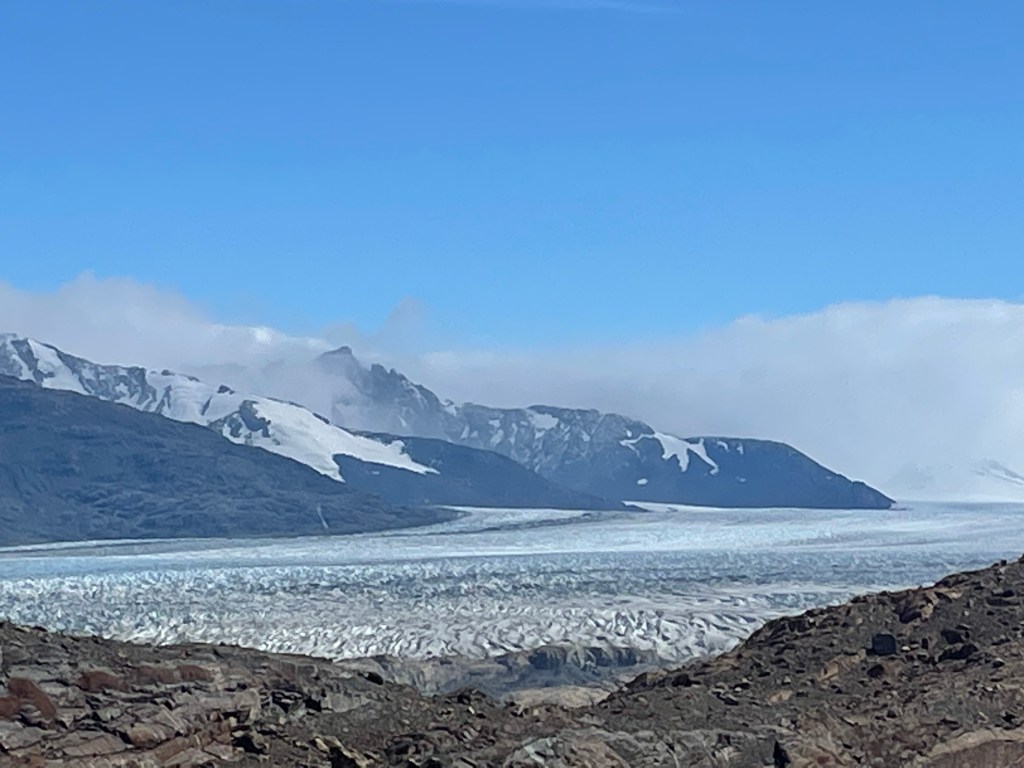
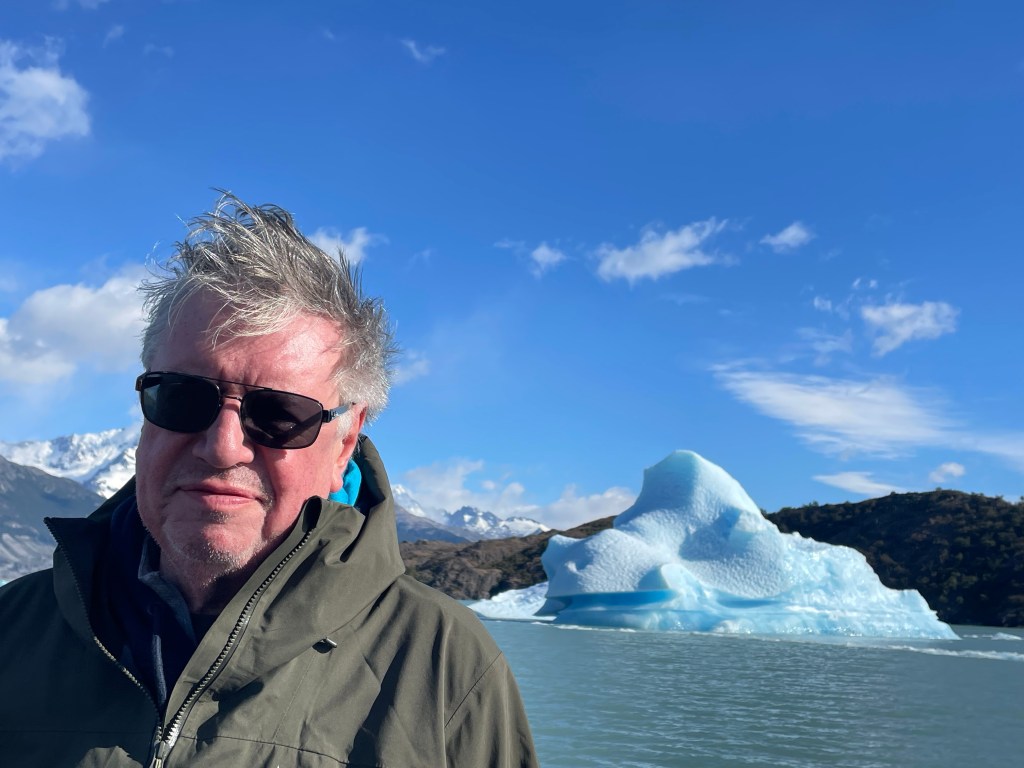
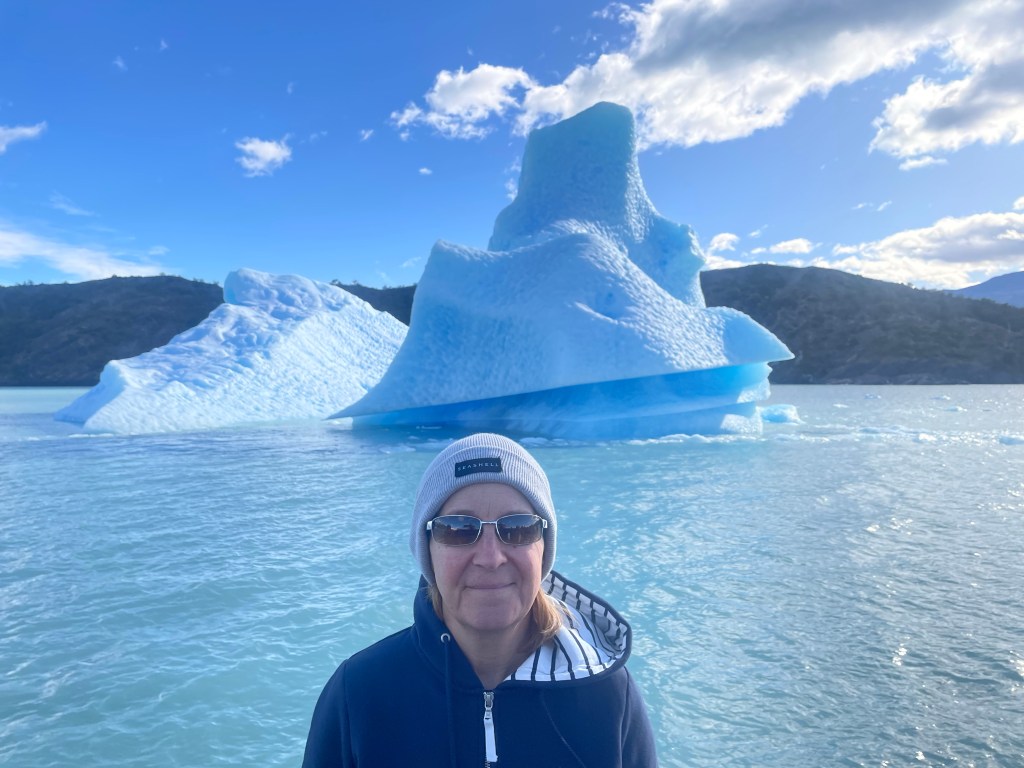
Perito Moreno is the main attraction in the Los Glaciers National Park. Named after the explorer who discovered Lake Argentina (“Perito” is a nickname meaning explorer), but who never saw the glacier. It is 30km long, 5km wide and at its highest 70m (Nelson’s column is 51m). It is one of the few glaciers considered stable, although this is currently under review (the locals think it is shrinking). It moves at two meters per day at its centre and is regularly producing icebergs. It can be viewed from a boat, at a safe distance, and from 4.7 km of walkways on the opposite land. We did both.
Glacier ‘caves’
As our boat departed a Patagonian shower resulted in a rainbow
The splash of a ‘calving’

Estancia Cristina and the Upsala Glacier

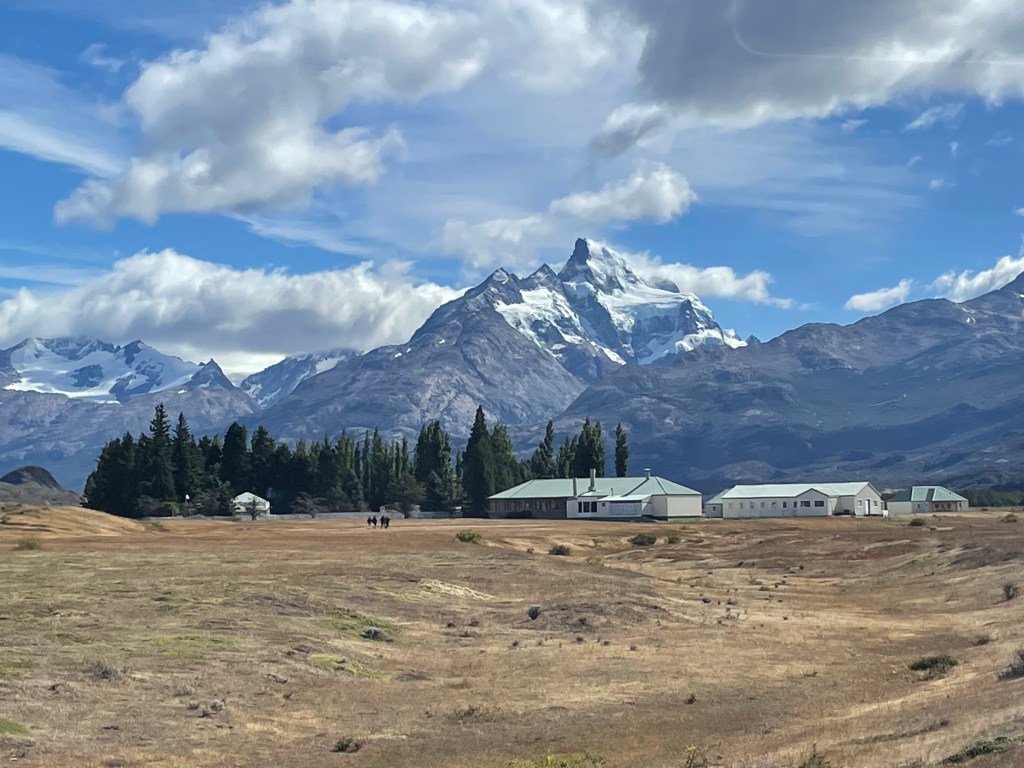
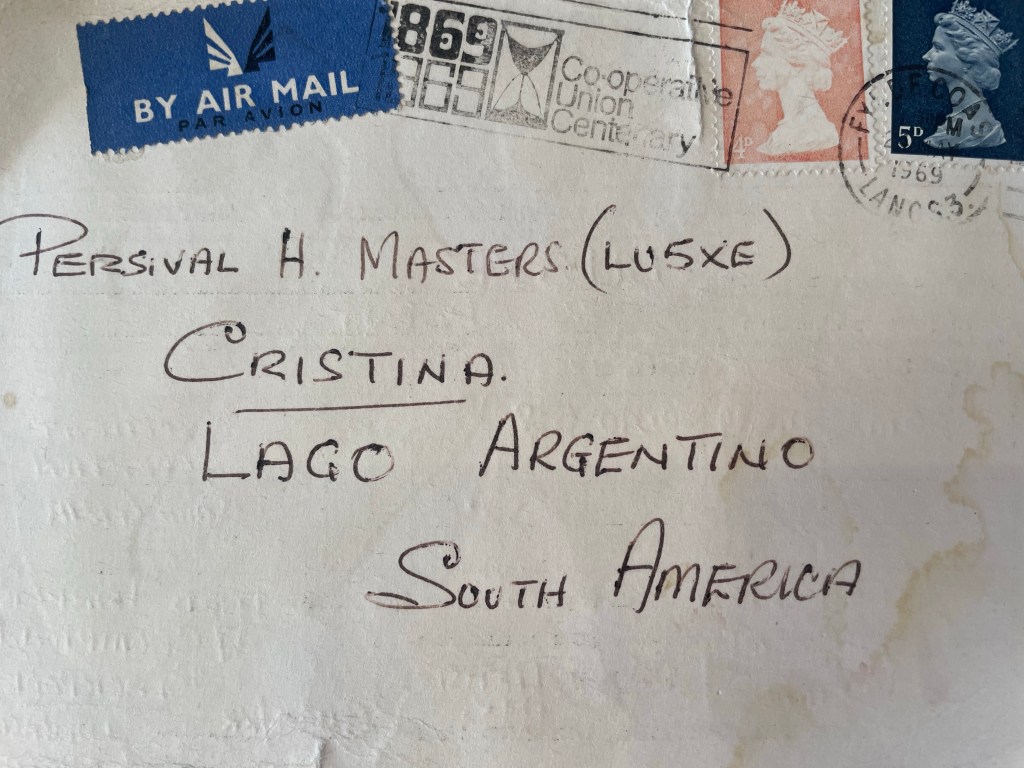
Estancia (a ranch) Cristina was founded in 1914 by Englishman Joseph Masters who came to Argentina, with his wife and young family, in search of gold but only found iron pyrites. His daughter, Cristina died at the age of 22 and the Estancia was named after her. His son had no children, so the Estancia became part of the Los Glaciares National Park. It can only be reached by boat across Lake Argentina – a two hour journey but in the days of the Masters much longer and therefore essentially cut off. Furthermore, the Masters would have not had the sonar equipment used by our boat to understand the underwater dimensions of the icebergs.

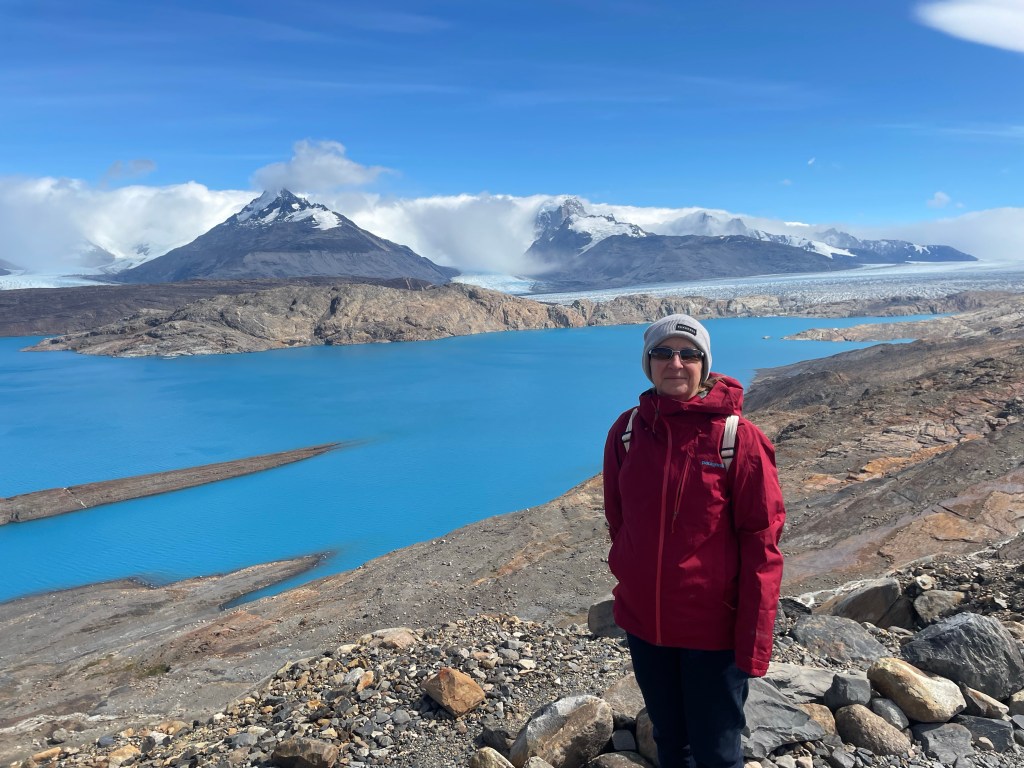
From the Estancia, Upsala Glacier can be reached by a combination of a precarious drive in a 4X4 and a hike. The track was opened up by scientists observing the glacier. We had lunch at the Estancia before the boat trip back across the lake, but it has a few cabins used by hikers and scientists.

Lake Argentina

We travelled from Chilean Patagonia to Argentinian Patagonia by car. In a direct line 60 miles, but by road over 170 miles and six hours, including the border crossing. We arrived at the border just after two local coaches (it was the weekend and there was a festival), so it took an hour to leave Chile. In the five miles between the the Chilean and Argentinian border controls, our driver earned his tip by overtaking one of the coaches, so the Argentinian control took a matter of minutes.

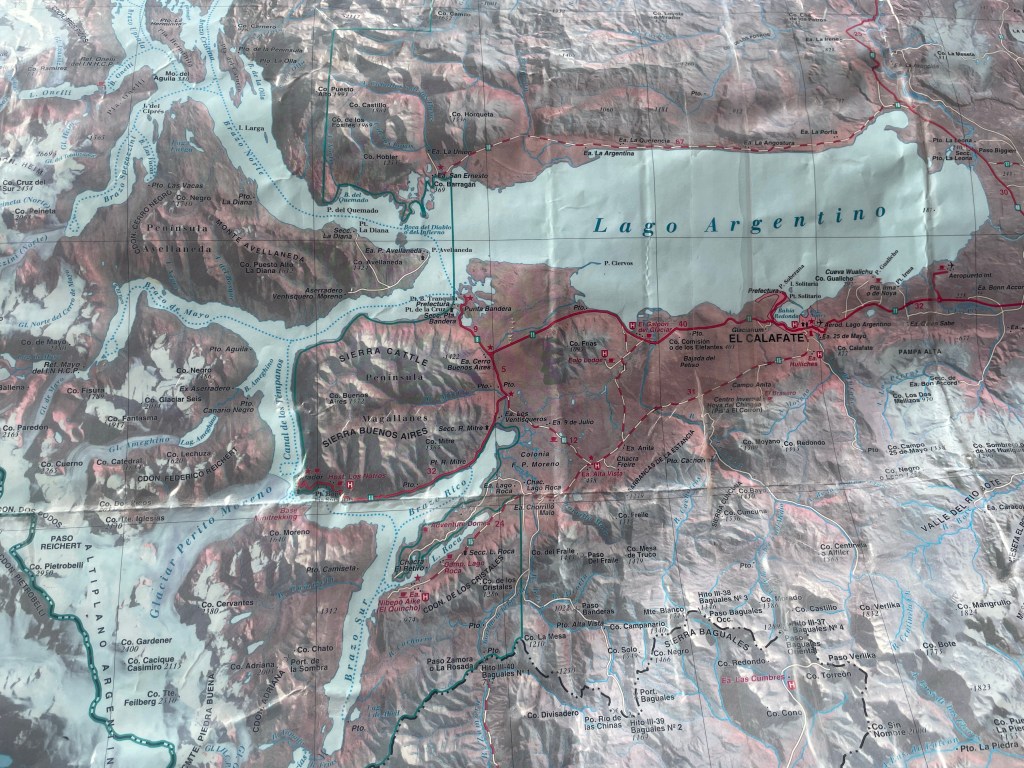
Our first hotel in Argentina overlooked Lake Argentina. The lake would have been discovered by Charles Darwin, who was travelling up the Santa Cruz river, searching for its source, but he was forced to turn back due to dwindling supplies. The lake was discovered 40 years later (but in Darwin’s lifetime) in 1877 by the Argentinian explorer, Francisco Moreno. He named it Lake Argentina, in part, to ensure it sat on the right side of the border with Chile in a treaty of 1881.

The Argentinian border control
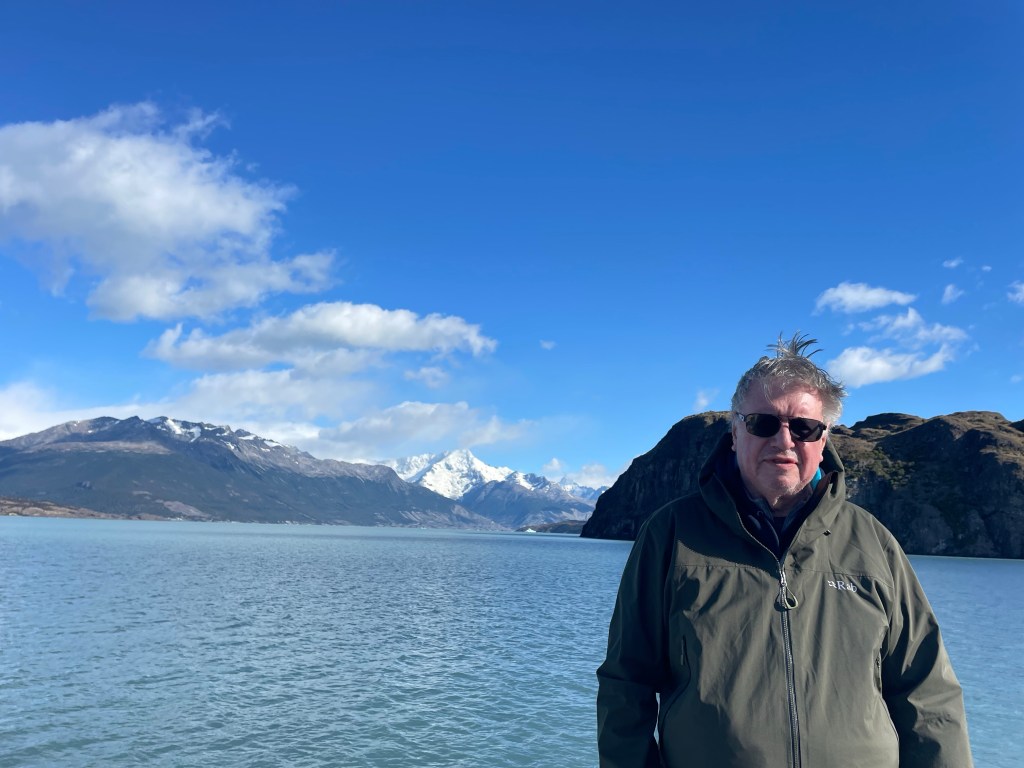
Lake Argentina is 60 km long and up to 20 km wide
We departed from the airport at El Calafate on the shore of Lake Argentina
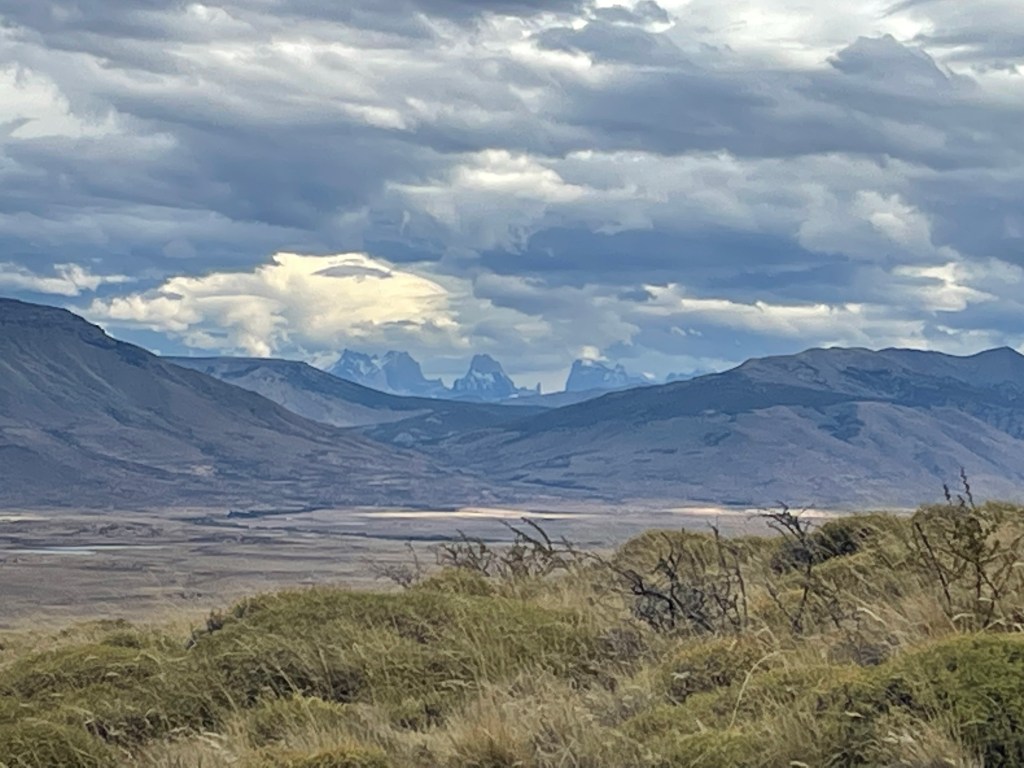
We could see the three towers, close to where we had stayed in Chile, from our hotel
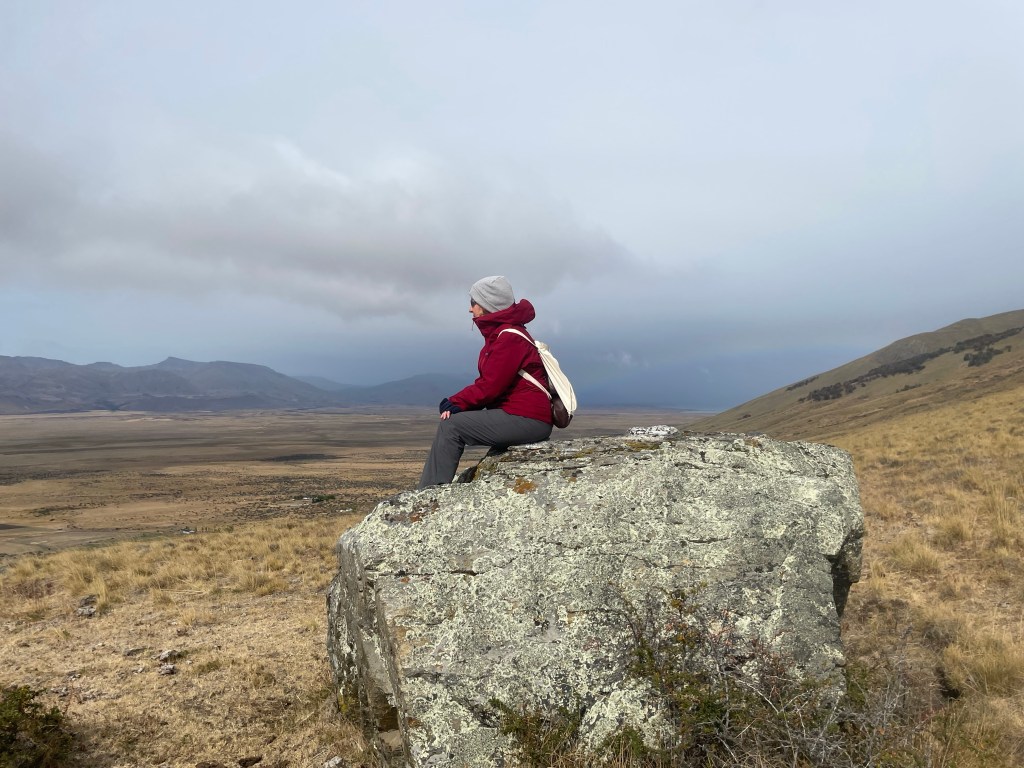
Hiking above our hotel