Dambulla

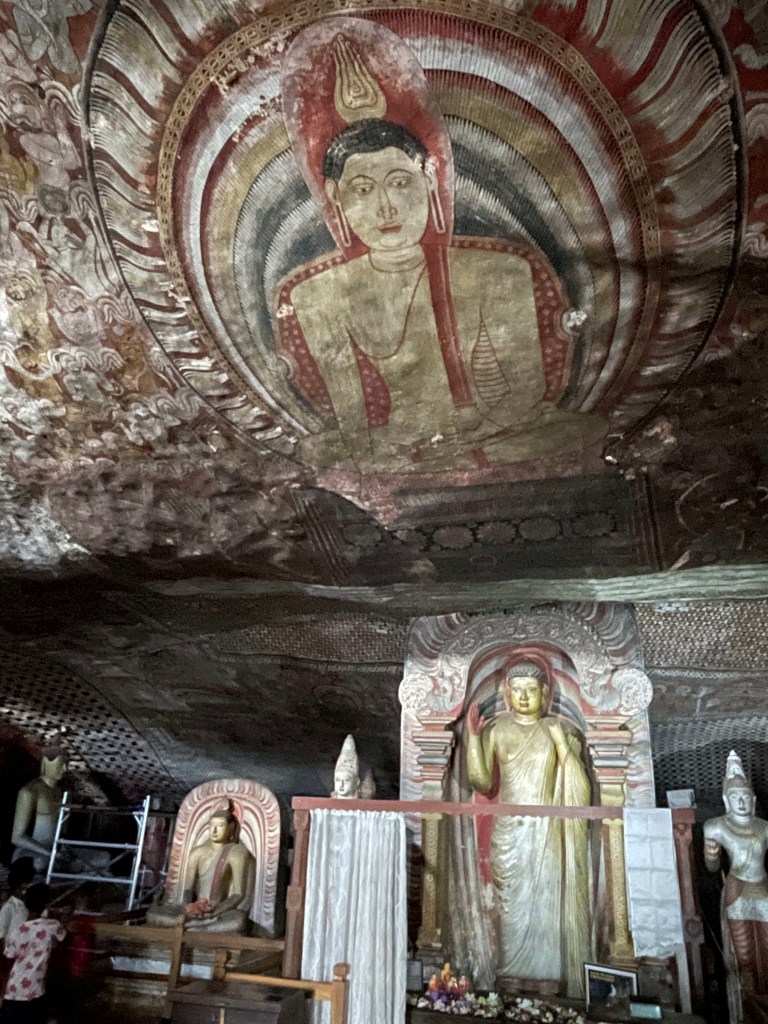
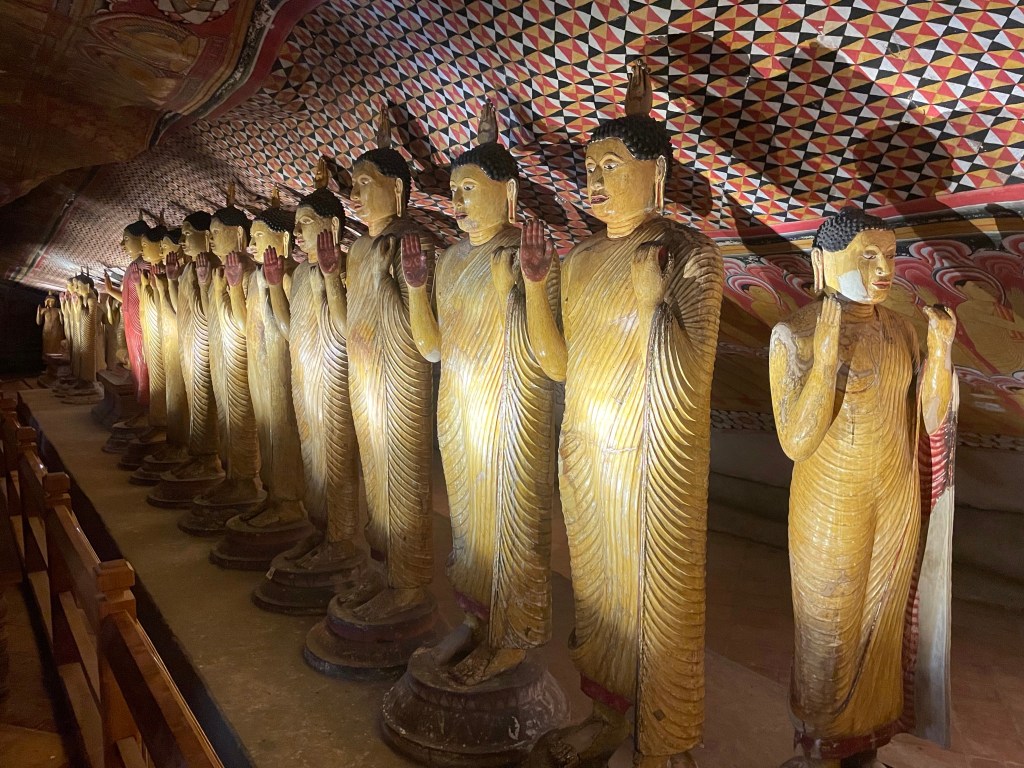
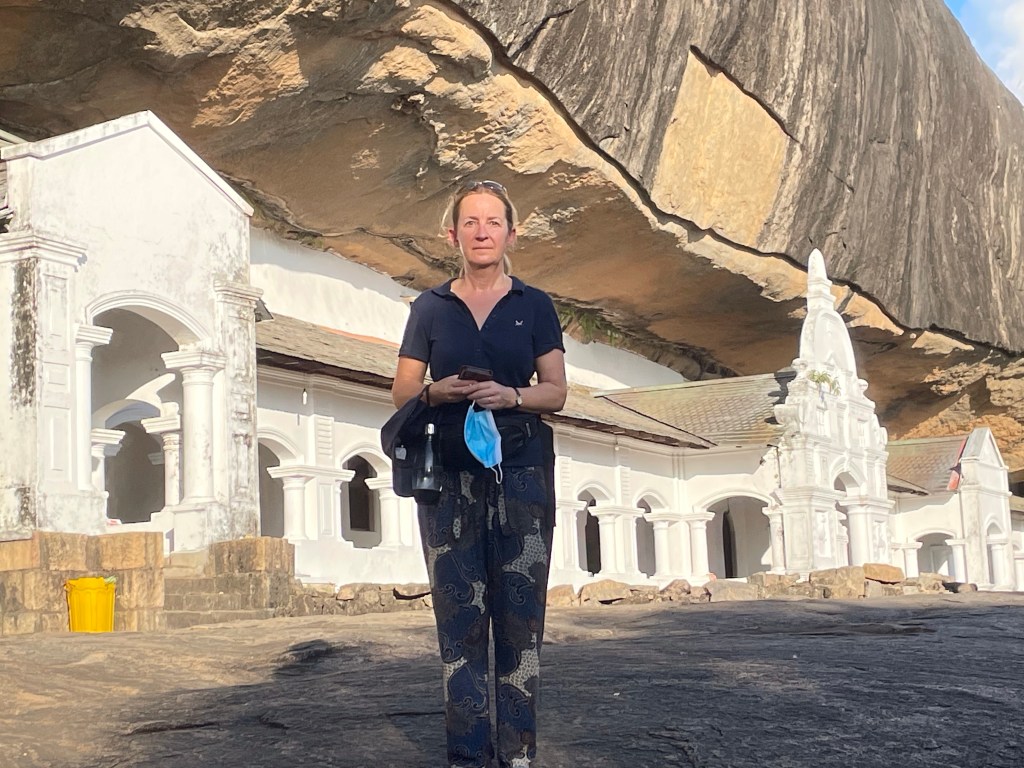
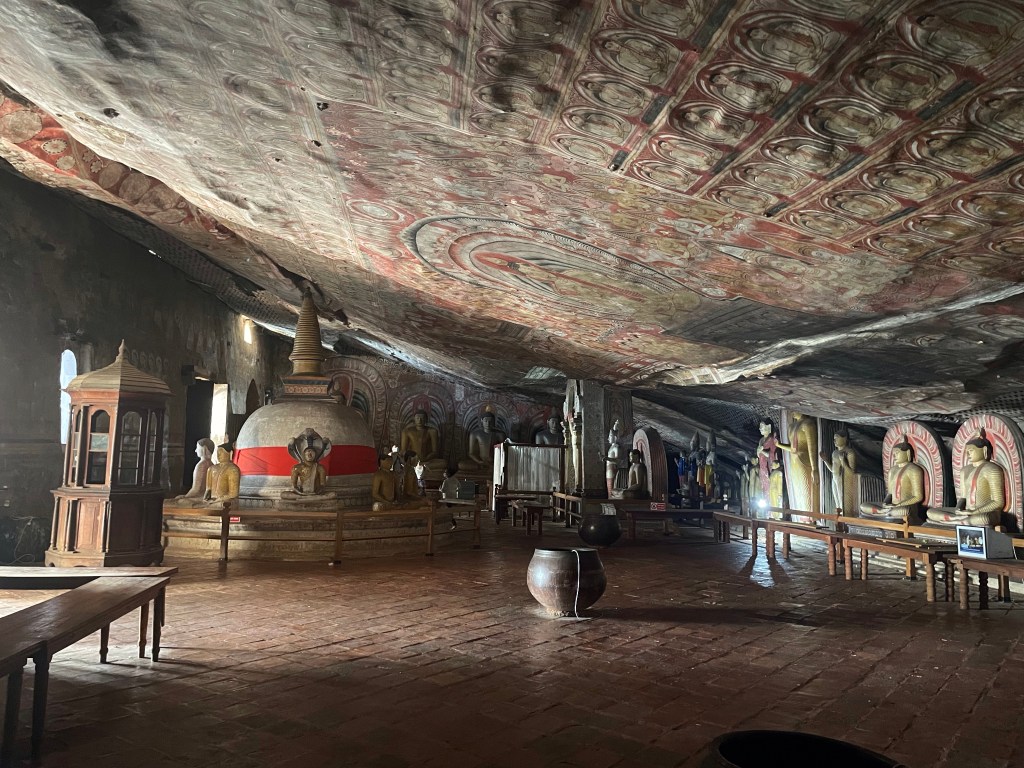
Dambulla is a large, well preserved temple cave complex. The caves are reached up a steep staircase of just under 400 steps. The complex consists of five caves which it is believed were first used as a place of worship in the first century BC. They have been added to throughout the years with the fifth cave being created in the 1930s. The caves contain approximately 150 Buddhas.
Polonnaruwa

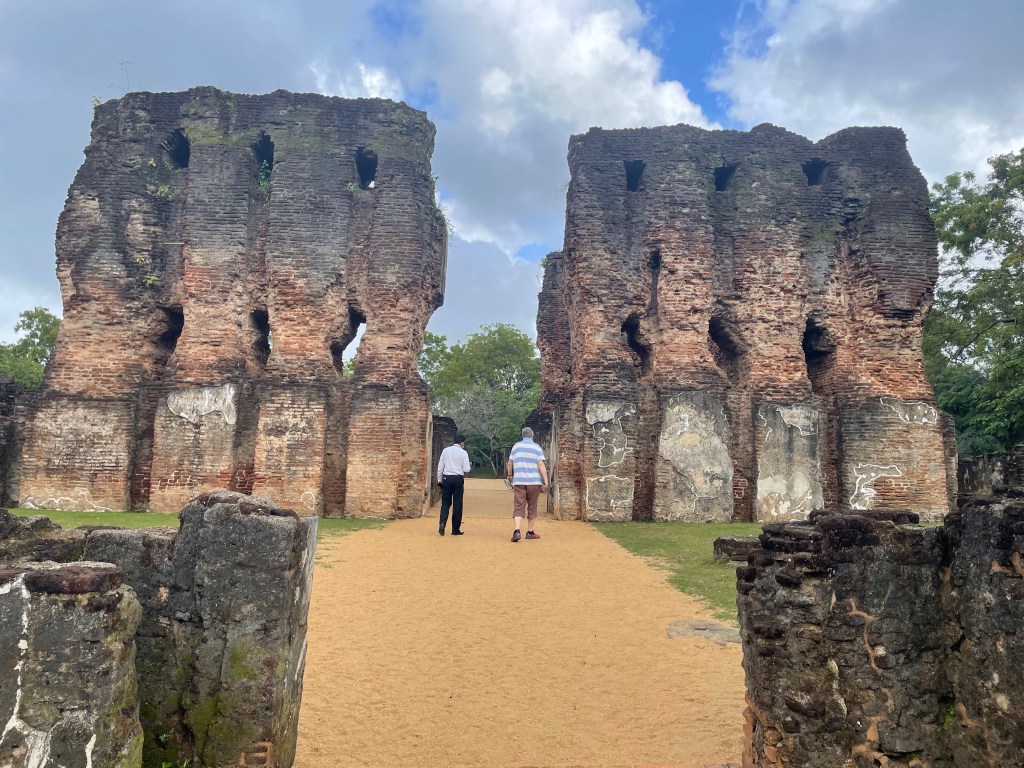
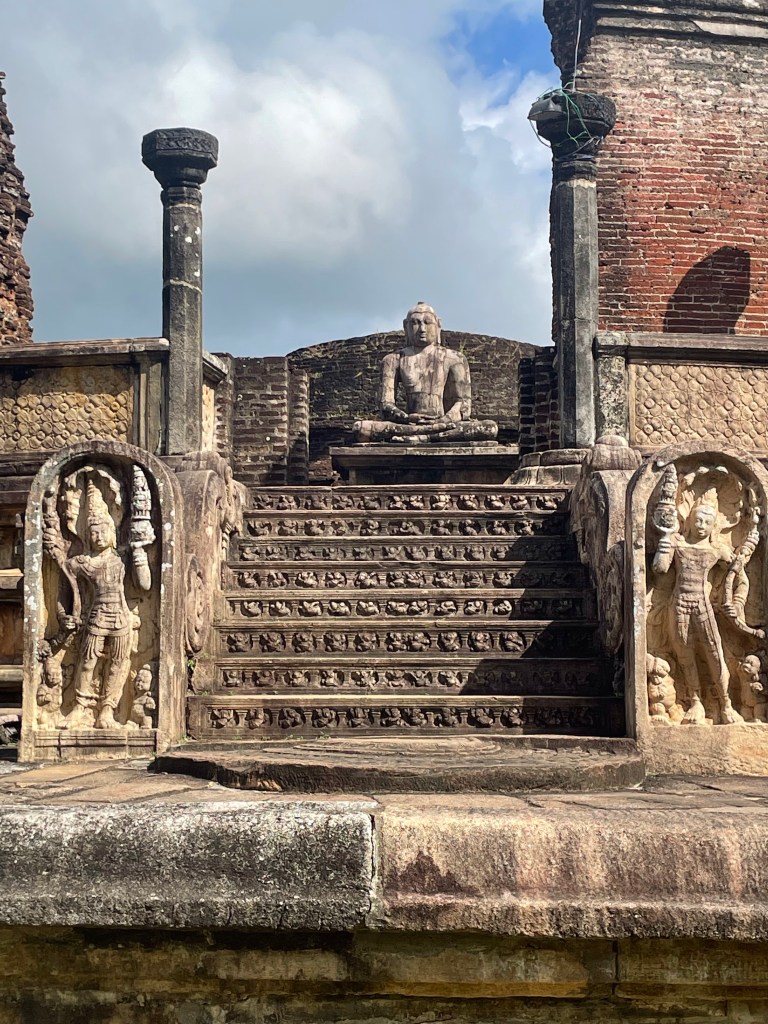
Polonnaruwa was the capital of Sri Lanka’s 2nd Kingdom, which lasted from 1056 to 1232. It was a large city with a Royal Palace and extensive elaborate temples, statues and stupas. The city was burnt by invaders from India.

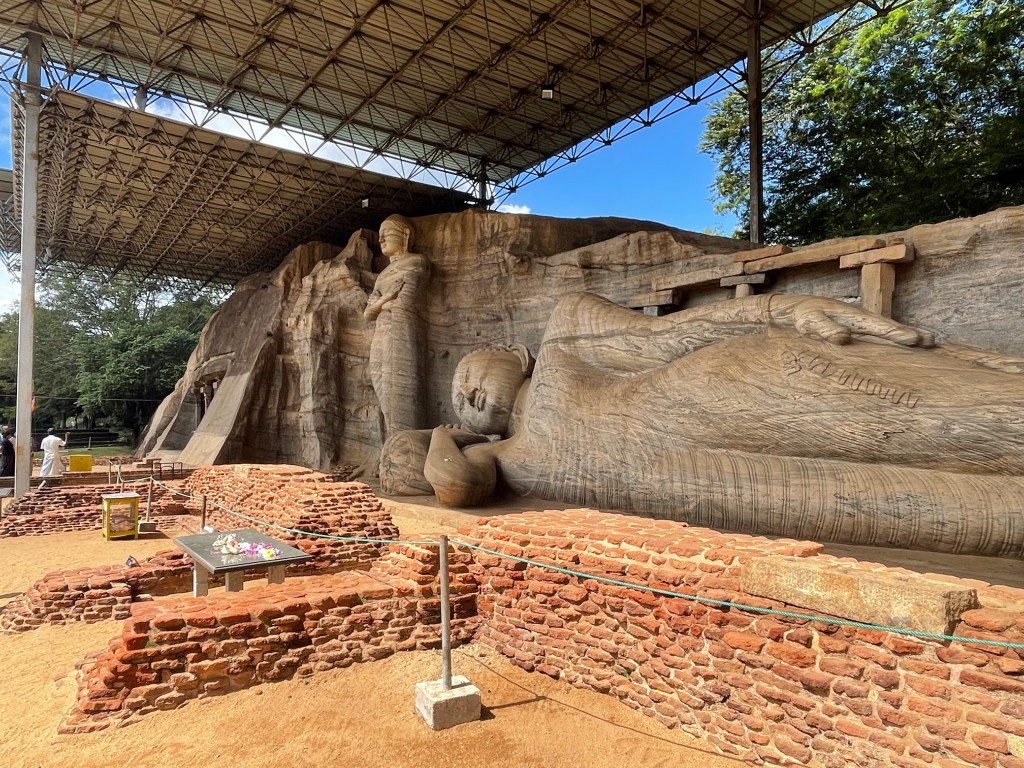
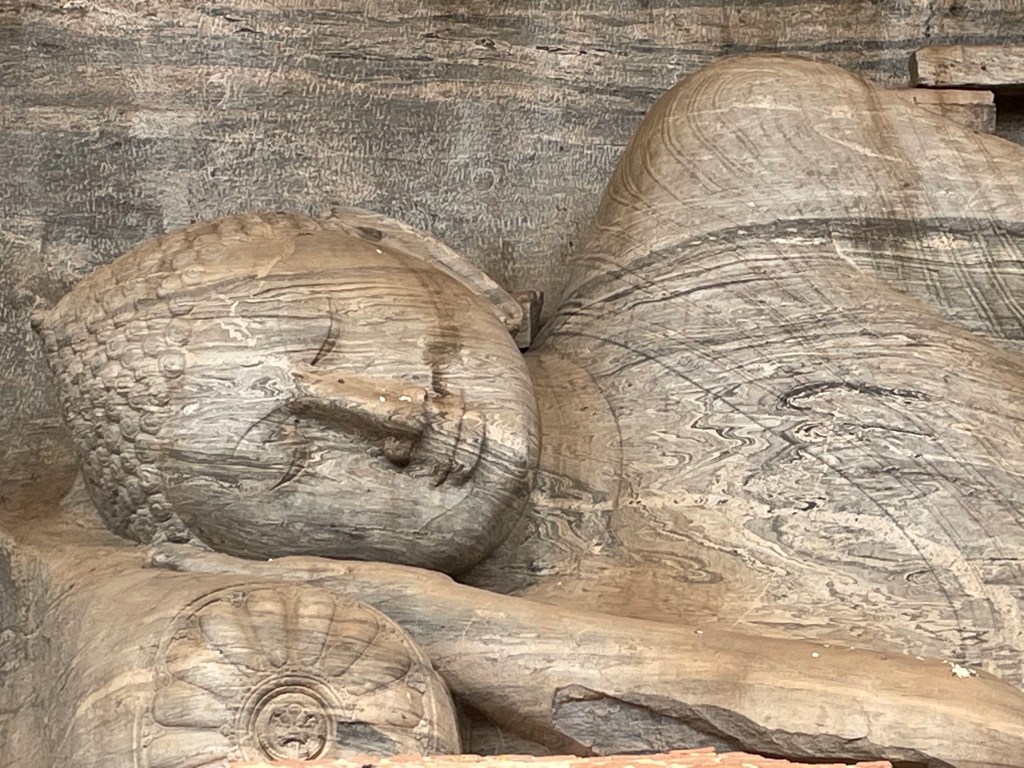
The most sacred part of the site is four Buddha images carved from one long slab of granite; the largest being a 14m reclining Buddha which depicts him entering parinirvana (nirvana after death). The statues were prevented from destruction by covering with clay and were not rediscovered until the 19th century by HCP Bell.

The Royal Palace – originally seven floors, now two
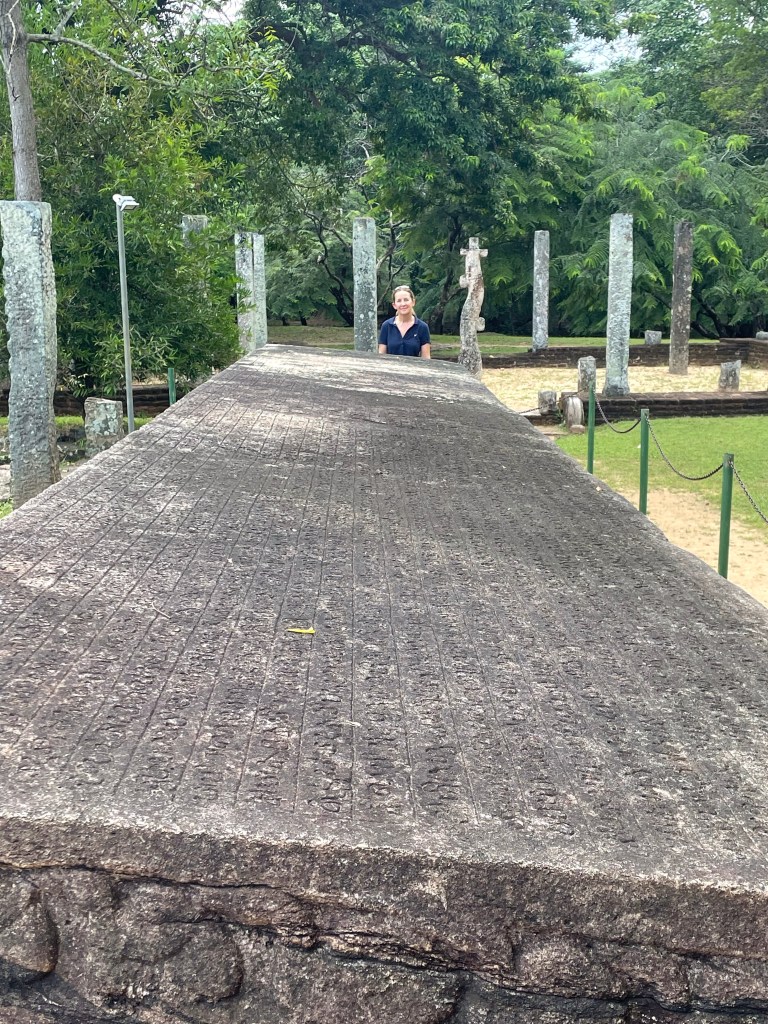
The Gal-Potha inscribed stone slab – moved 100km during the 12th century
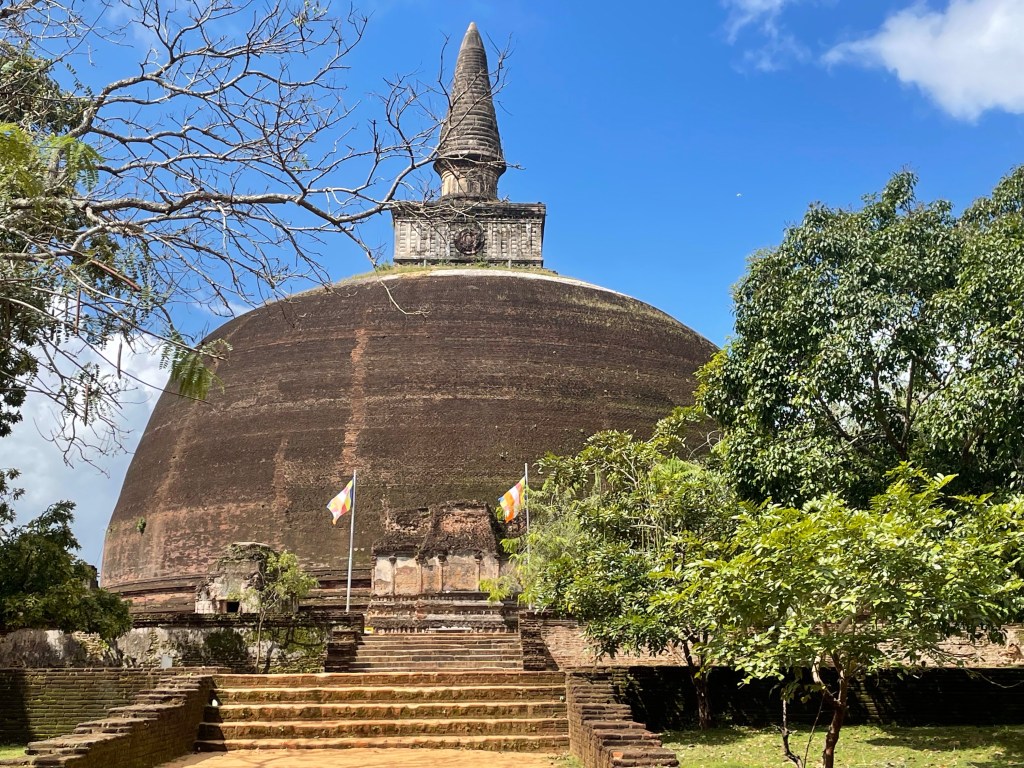
Fourth largest stupa in Sri Lanka

Elephants

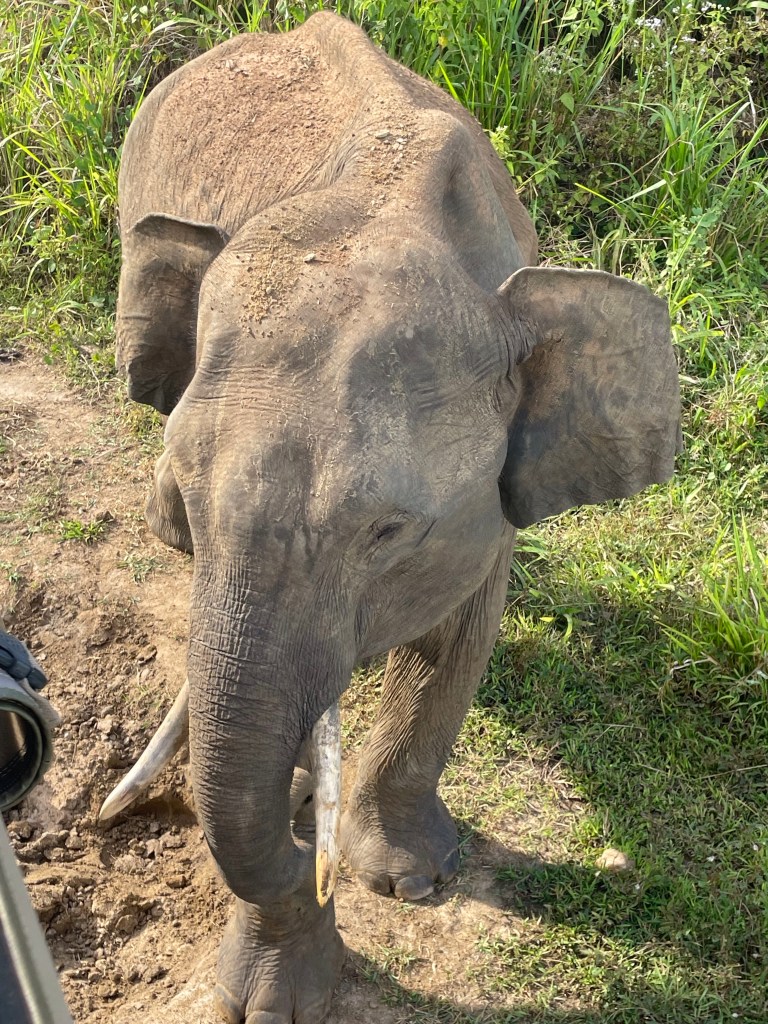
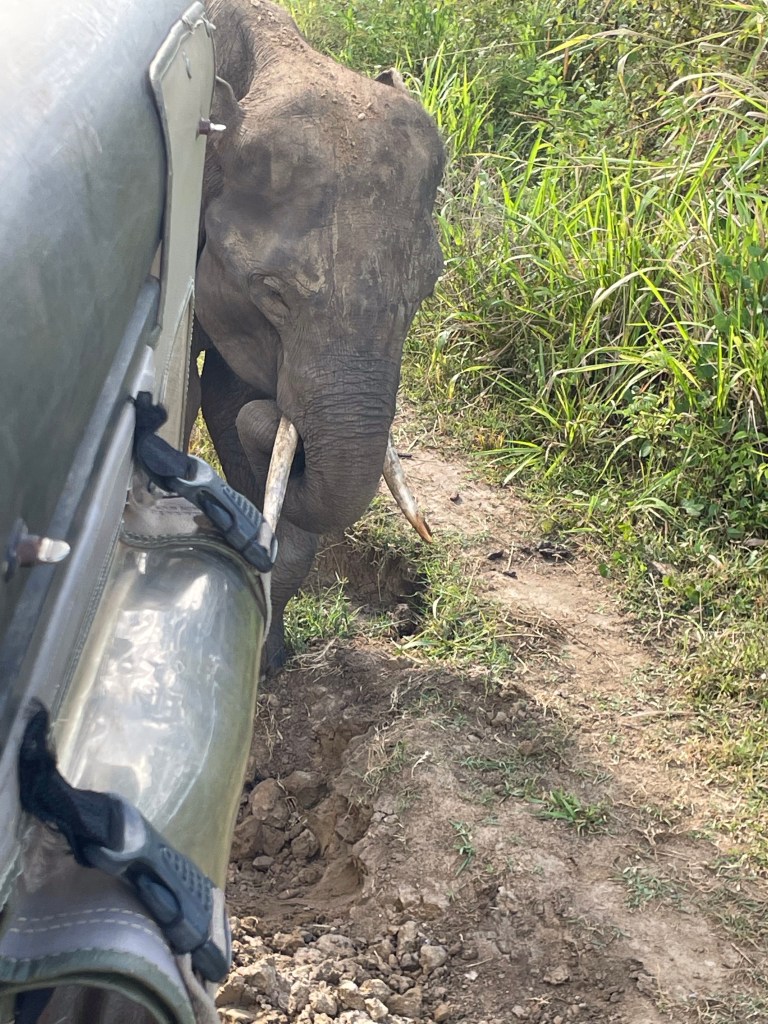
The Sri Lankan elephant is one of three subspecies of Asian elephant. It is endangered as a result of habitation loss created by growth in human population leading to the expansion of the rice paddy fields. With human encroachment elephants have been killed to protect property, in road and rail accidents and in the civil war by land mines. Sri Lankan elephants are smaller than African elephants but can still grow to 3.5m and 5,500 kg. Only 7% of males grow trusts; referred to locally as tuskers.

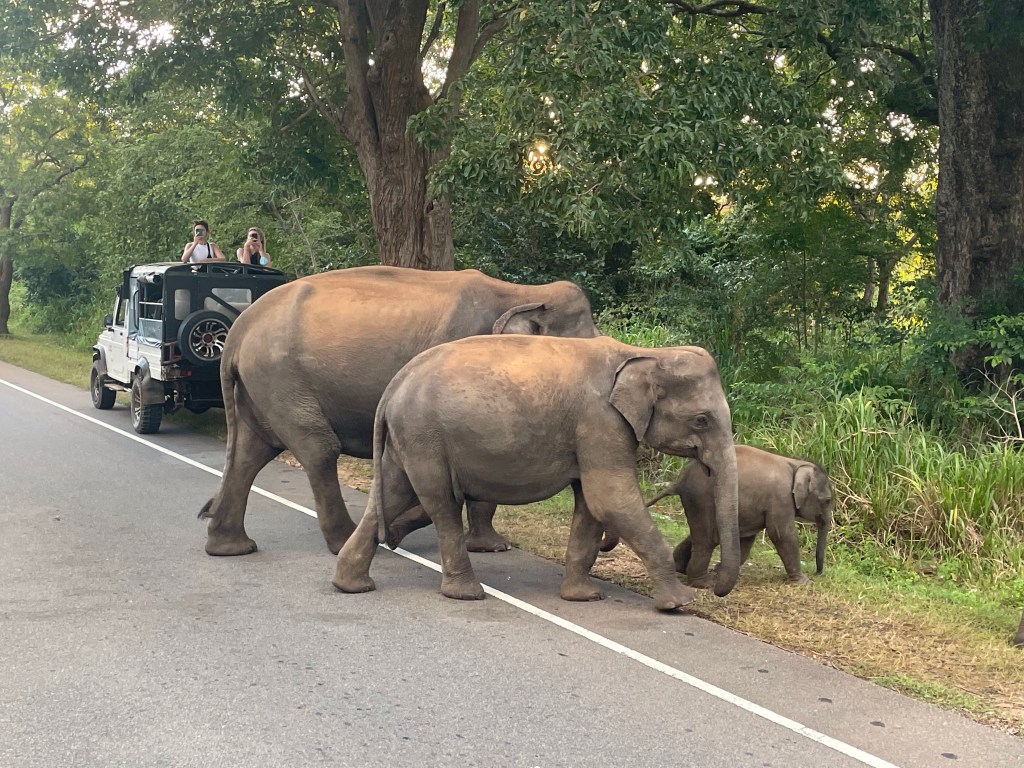
Baby elephant (weeks old) learning the green cross code
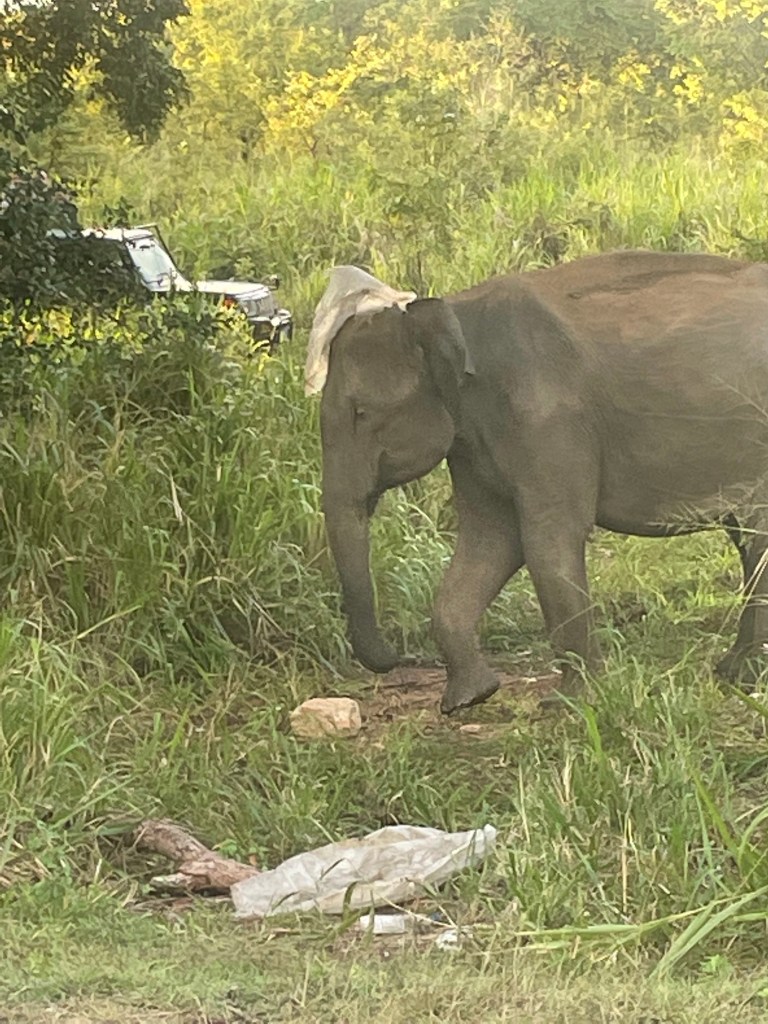
Another human threat, but thankfully in this case the elephant did not try to eat the plastic bag

Sigiriya

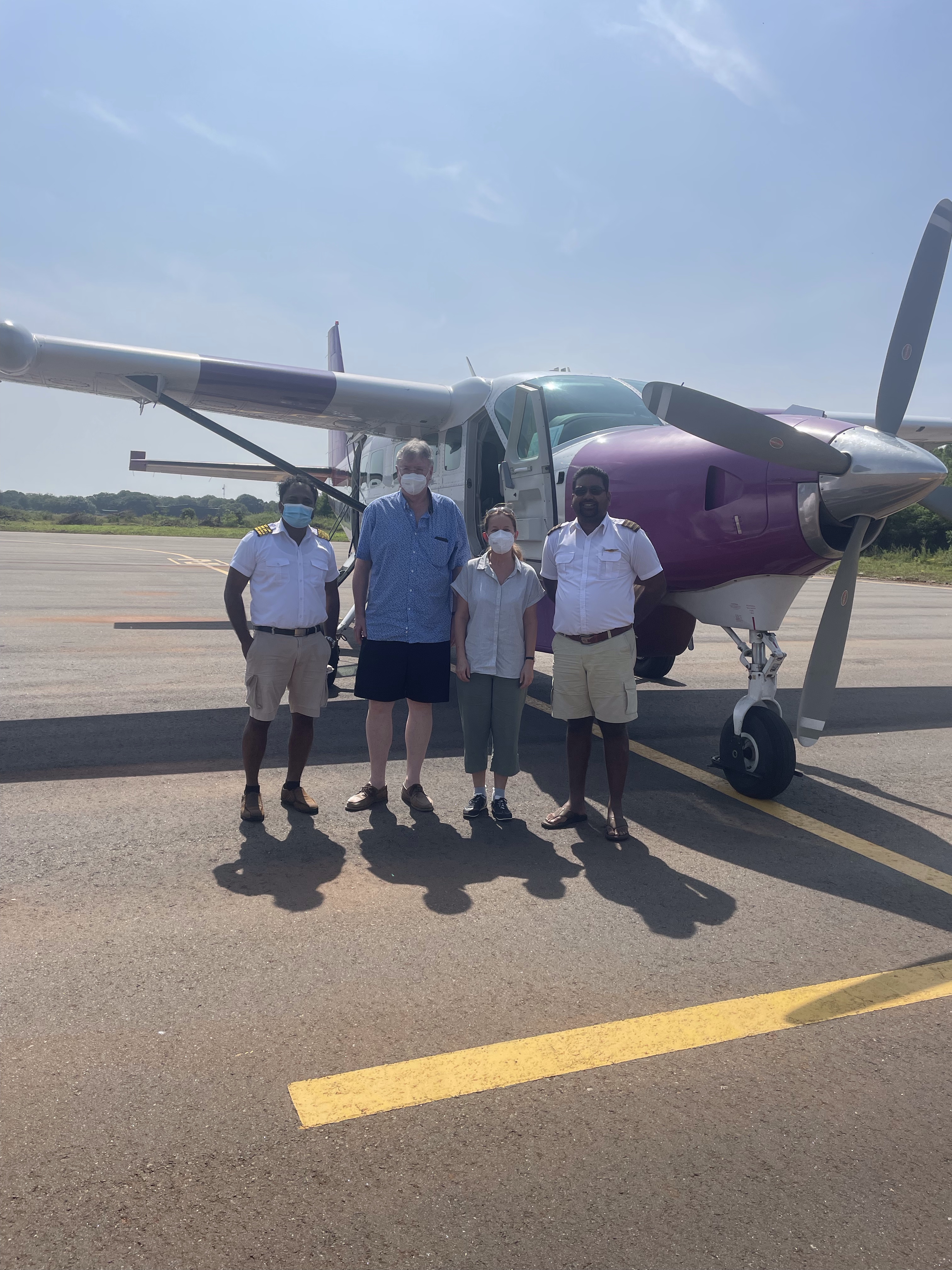
We left Jaffna in the same manner as our arrival; with farewell committee, same plane and same pilots all treating us like long lost friends. We flew into a RAF base close to at Sigiriya.

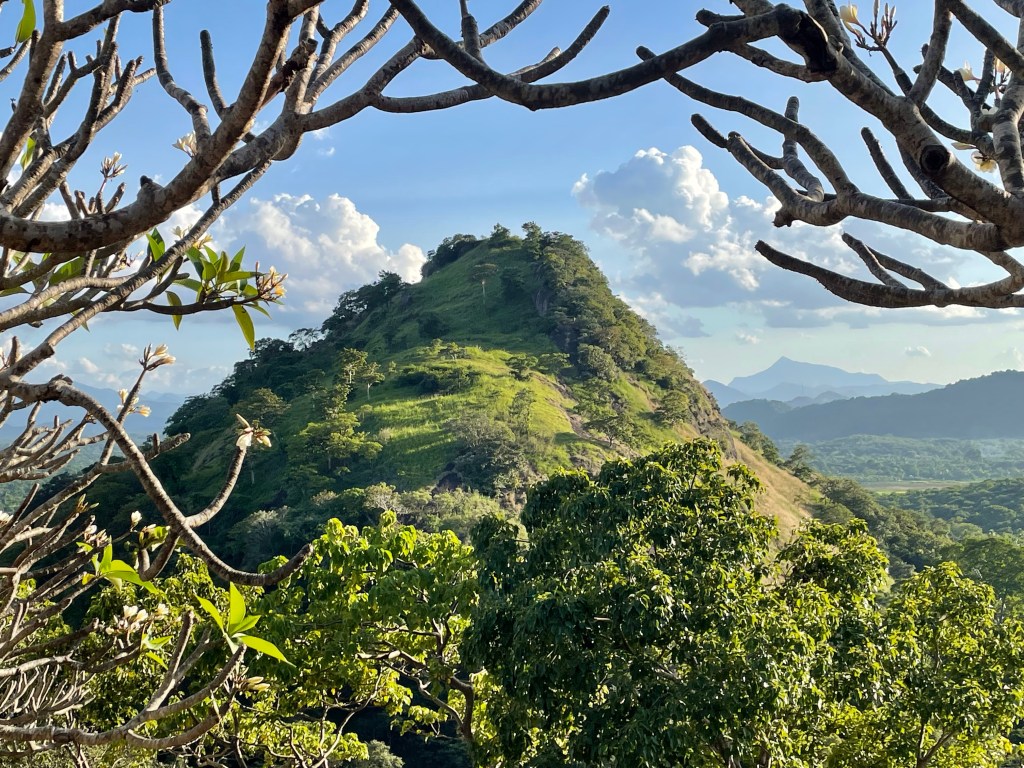
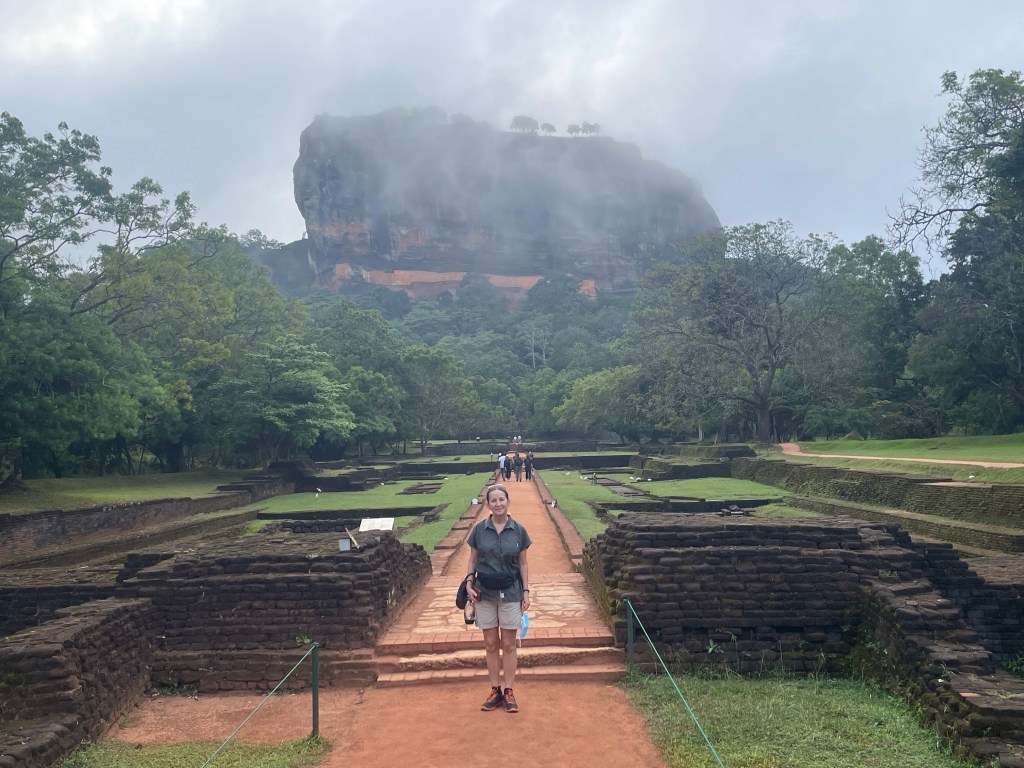
Sigiriya is a world heritage site rediscovered at the end of the 19th century by British archaeologist HCP Bell. Its centre piece is a 180m high rock which is a manga plug from a long eroded volcano. The peak can be attained in 1,222 steps, some very narrow, steep and clinging to the edge of the vertical face. We were grateful for our early start avoiding the crowds of predominantly locals on these paths.

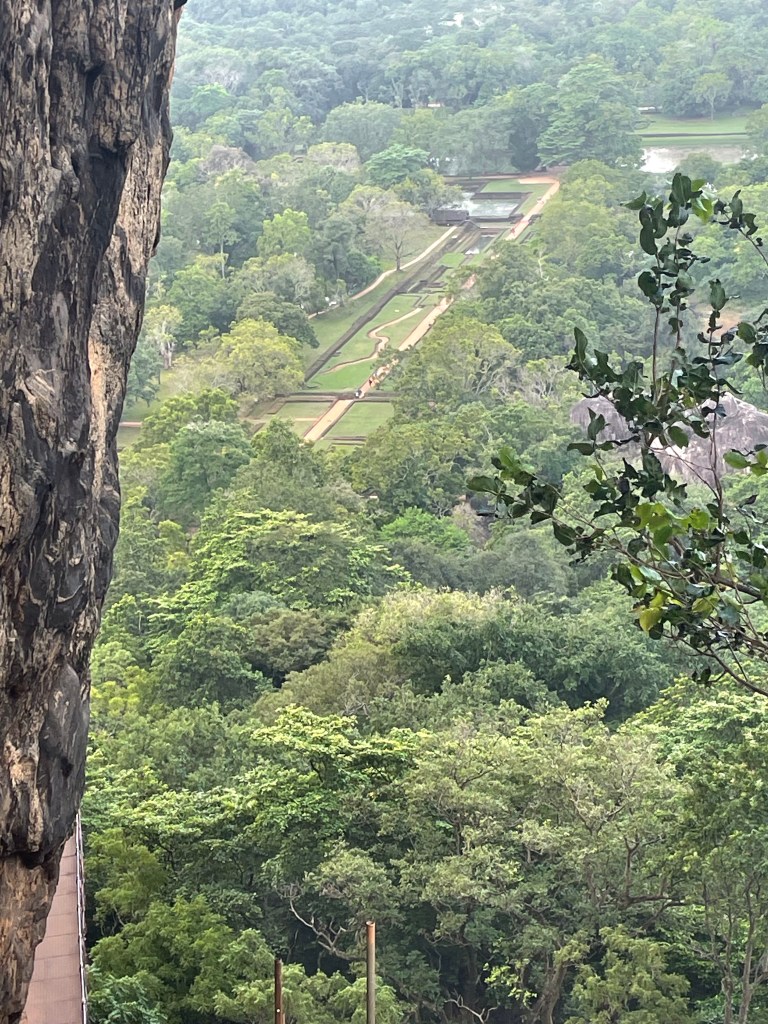
The building works at the site were developed in the 5th Century on the top of the rock (Kings Palace), on the rock face (frescos of half naked women) and at the base of the rock (water gardens). The water gardens include underground conduits transporting water around the site for lily ponds, fountains and a moat inhabited by crocodiles for added defence.

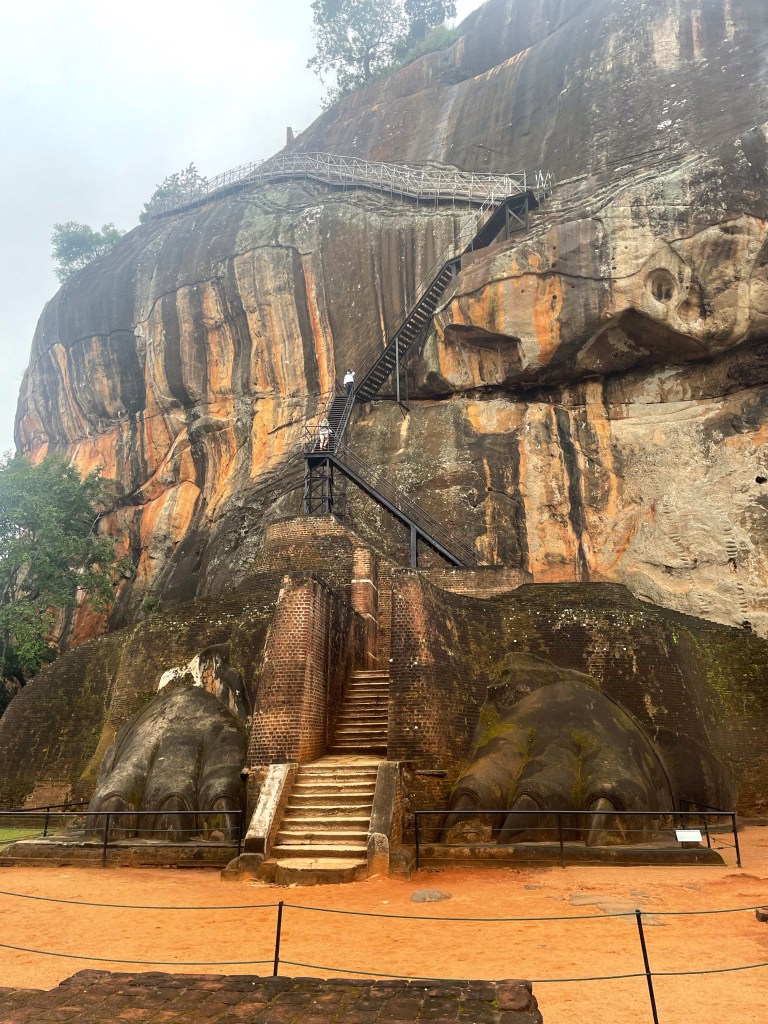
Two thirds of the way up – the paws remain from the original vast lion carved into the rock
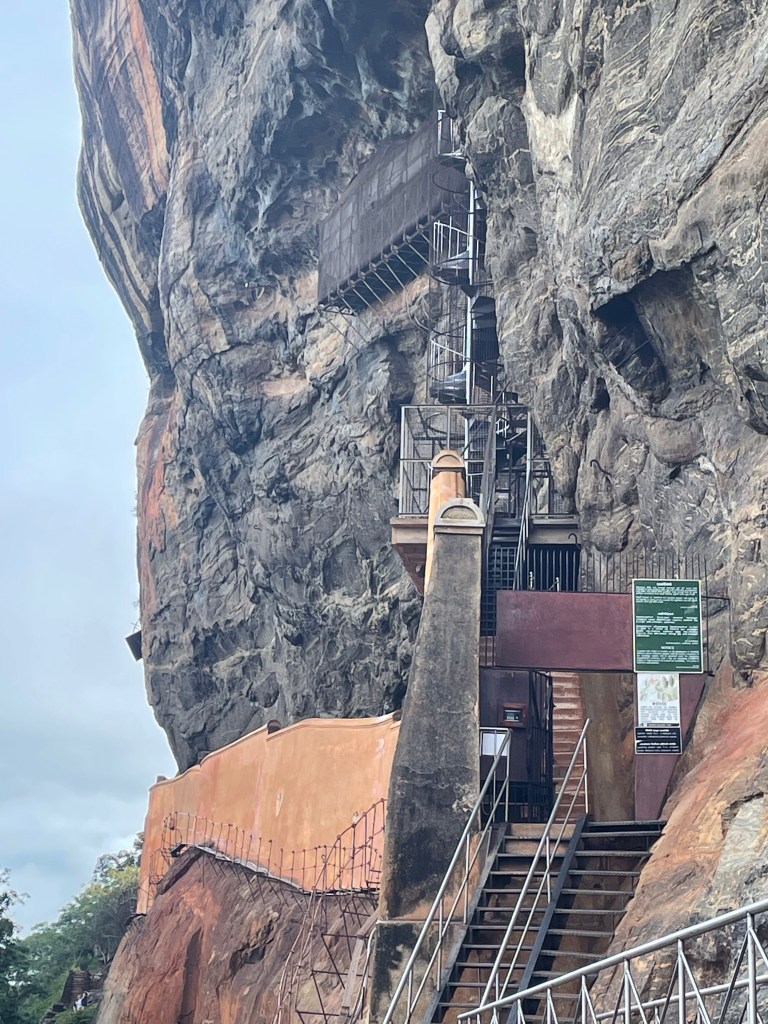
The spiral staircase leads to the frescos which cannot be photographed due to their religious significance
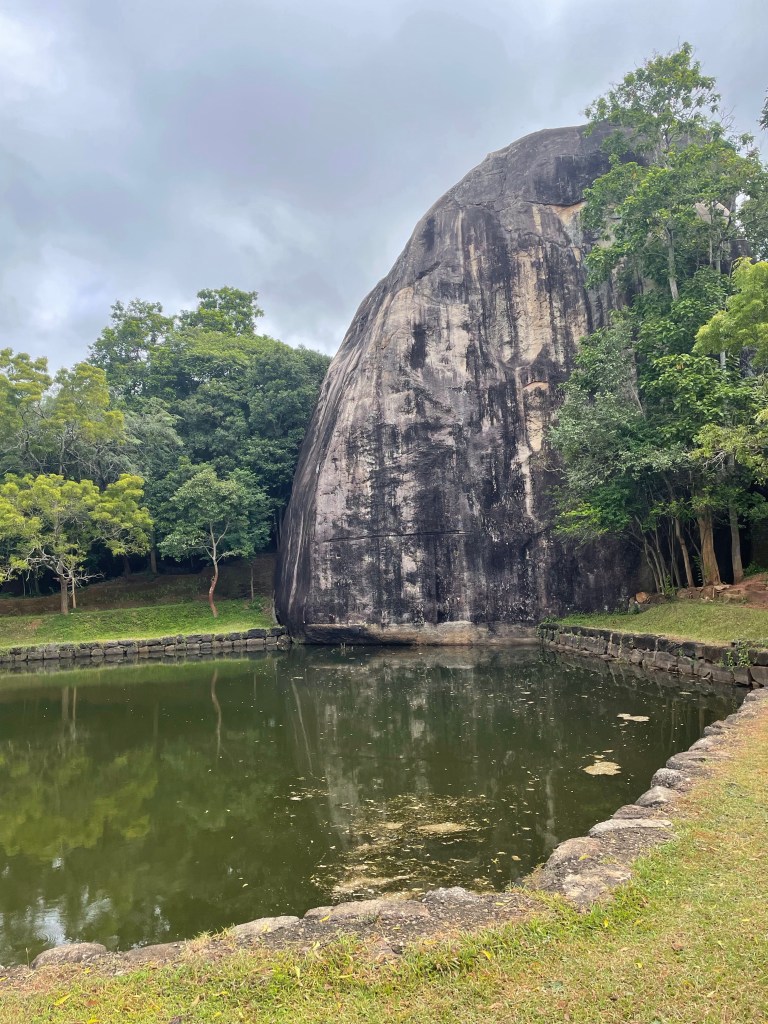
Octagonal pond in the water gardens
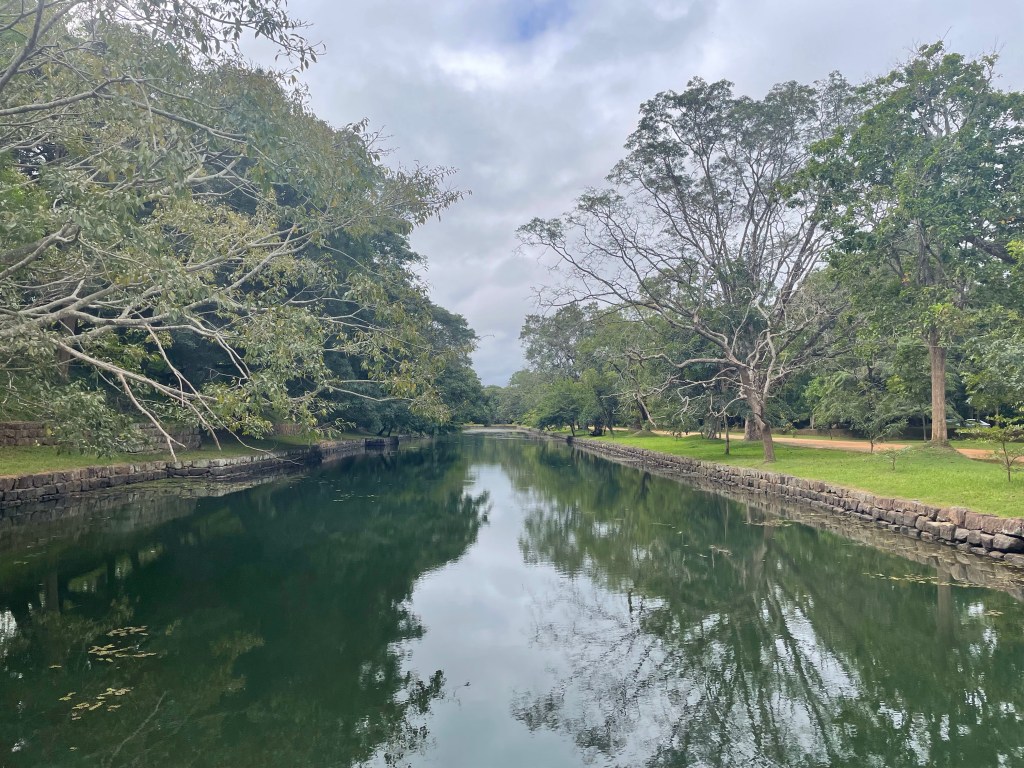
The moat
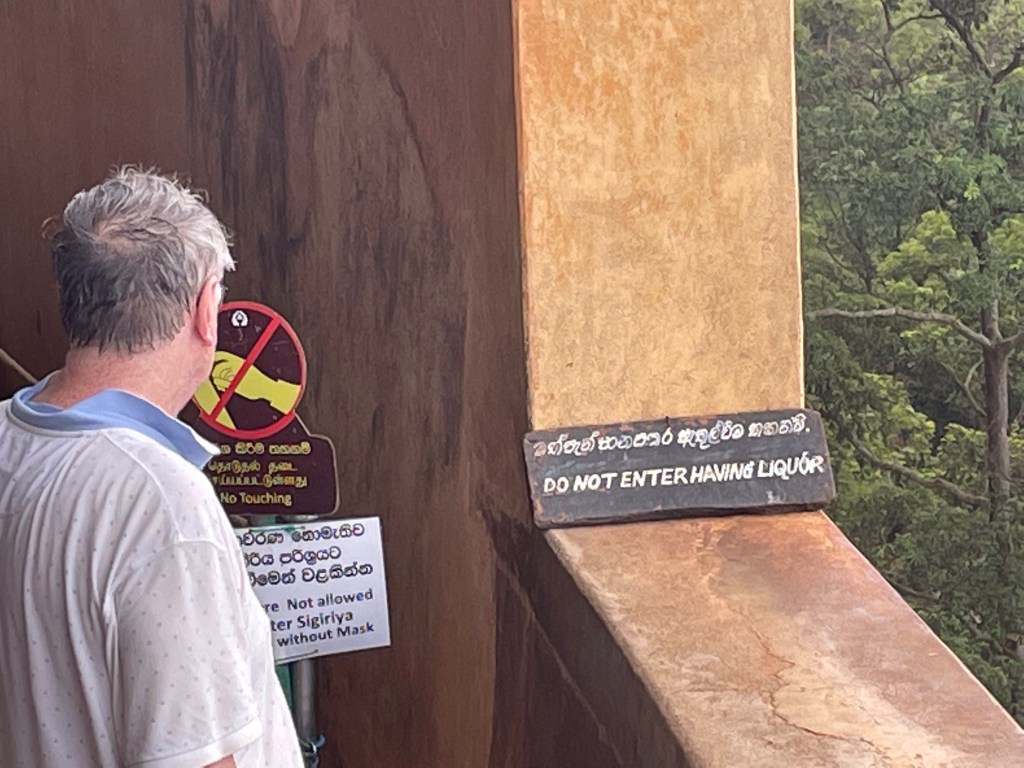
Wise advice, but it’s given half way up the rock !

Jaffna

Jaffna sits at the northern point of Sri Lanka, approx 40km from India. The Northern region was off limits to visitors during the civil war (1983-2009) and for a period after, only beginning to open to travellers shortly before the pandemic. It has taken many years to clear the land mines, work which remains on-going and is heavily militarised.

Colombo to Jaffna takes at least nine hours by car or 70 minutes by internal flight. We chose to fly not realising that we would be on one of the first flights since early 2020 and the only passengers. On arrival at Jaffna we were met by 20 people including the airport director and treated as celebrities.

The north of the island is mainly Hindu and is still recovering from the effects of the 2004 Tsunami as well as the civil war. The pandemic has hampered the recovery and many capital projects have been put on hold due to the resulting economic issues.

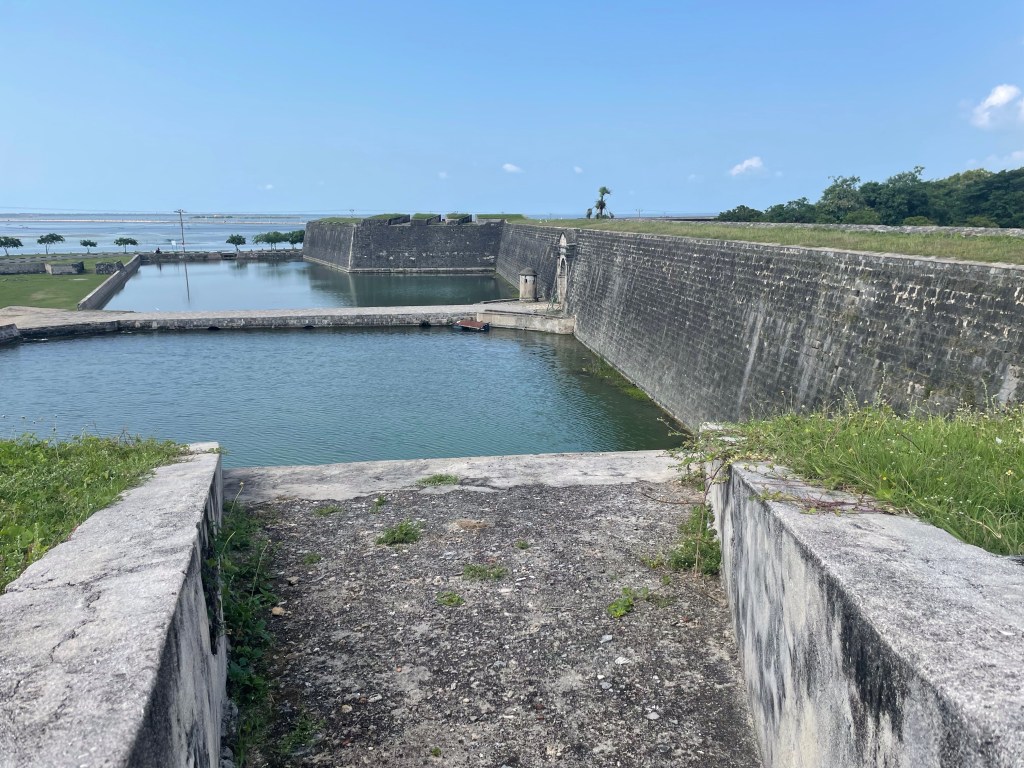
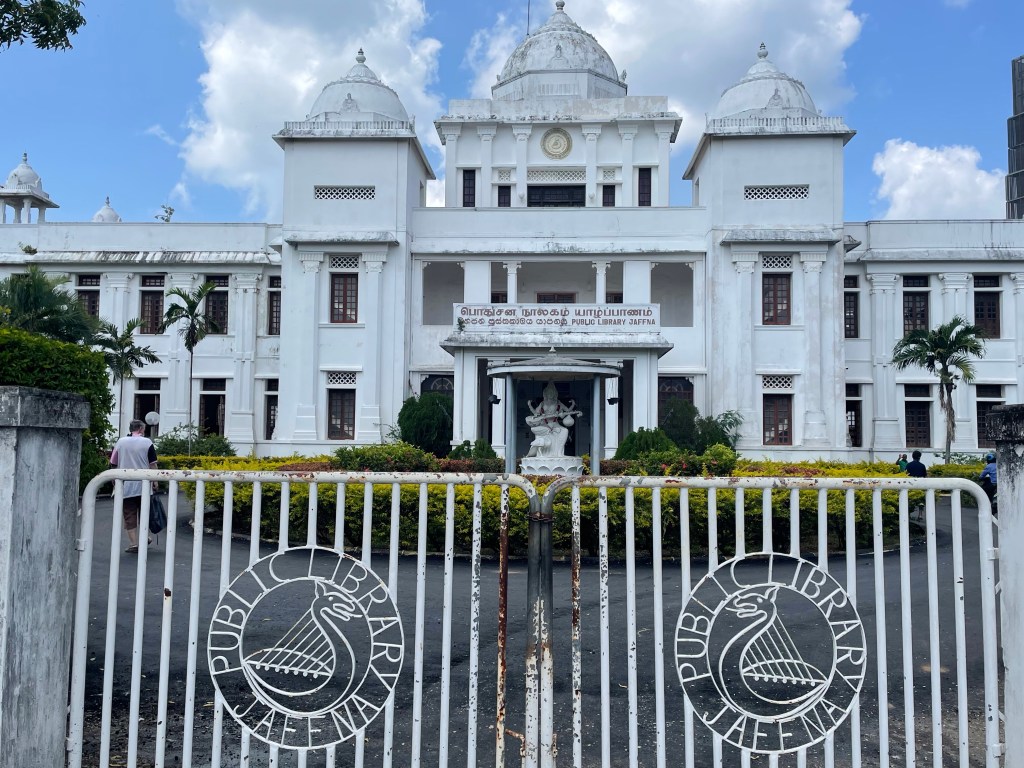
We visited the Dutch Fort (built in 1680), the Public Library (burnt down in the lead up to the civil war and a catalyst for violence), Hindu and Buddhist temples and the northern coast.

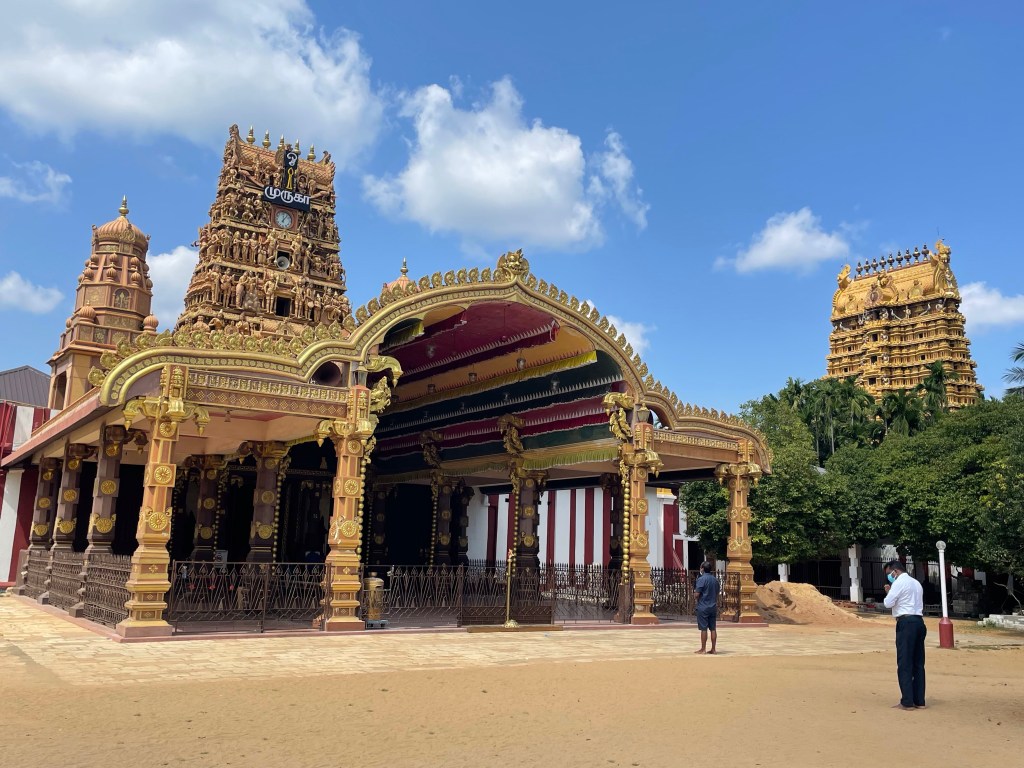
Nallur Kandaswamy Kovil Temple
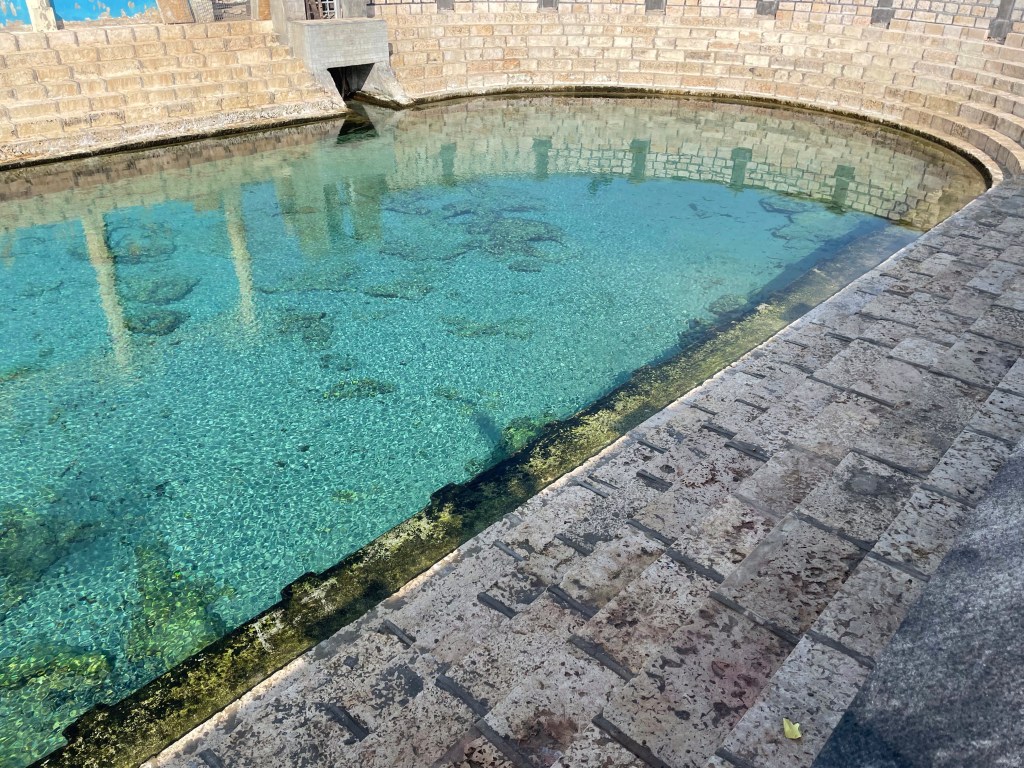
Keerimalai Springs healing baths – mens’ pool
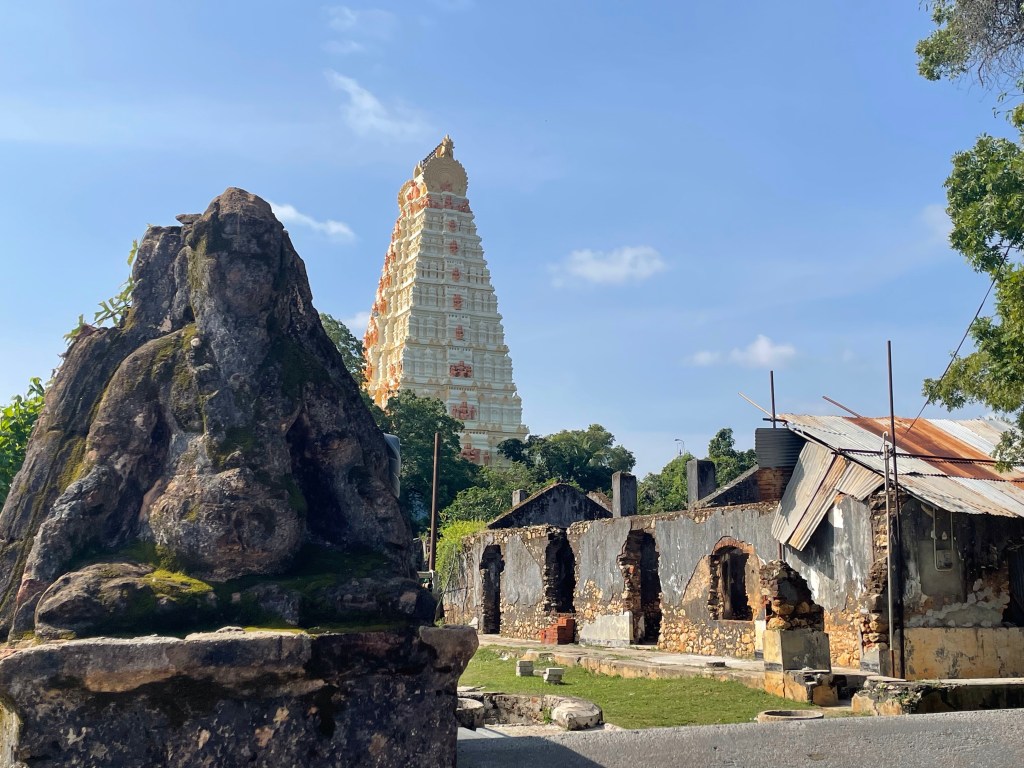
Naguleswaram Shiva Kovil temple – partially reconstructed after being bombed in 1990
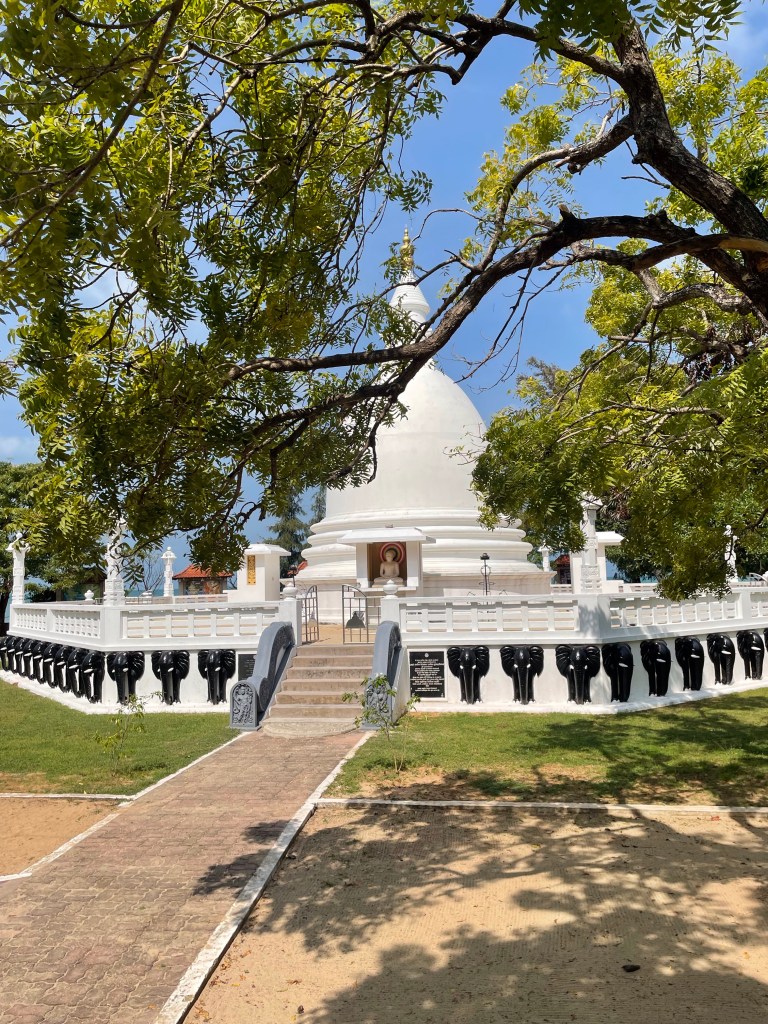
Dambakola Patuna Bhudist Stupa
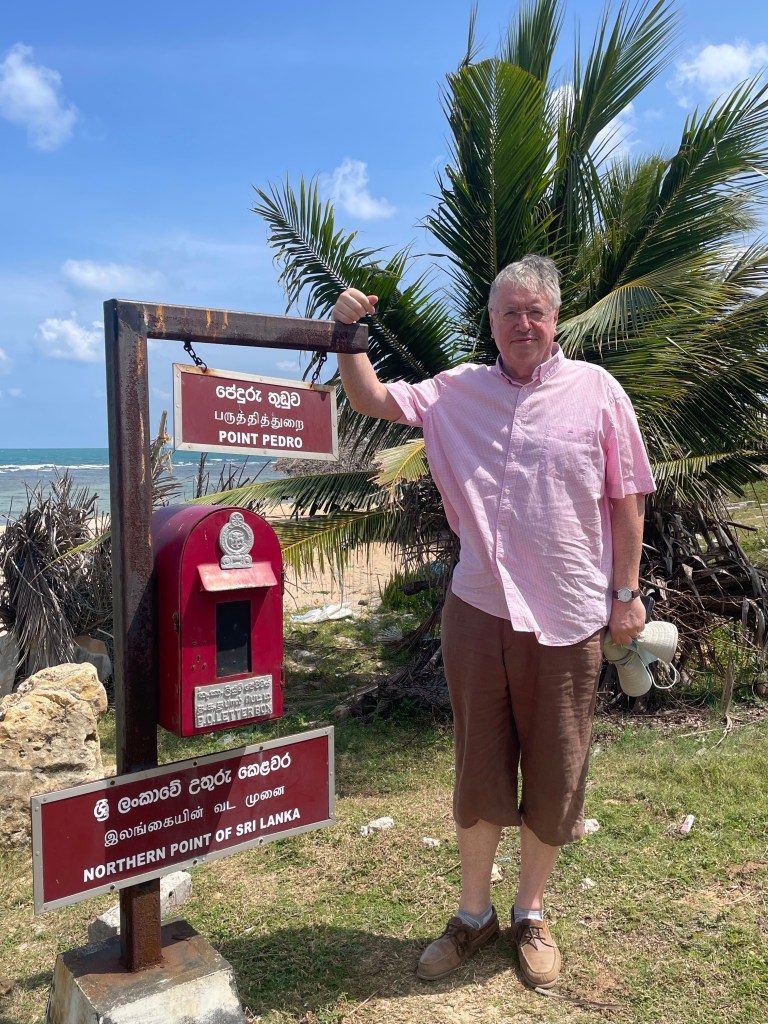
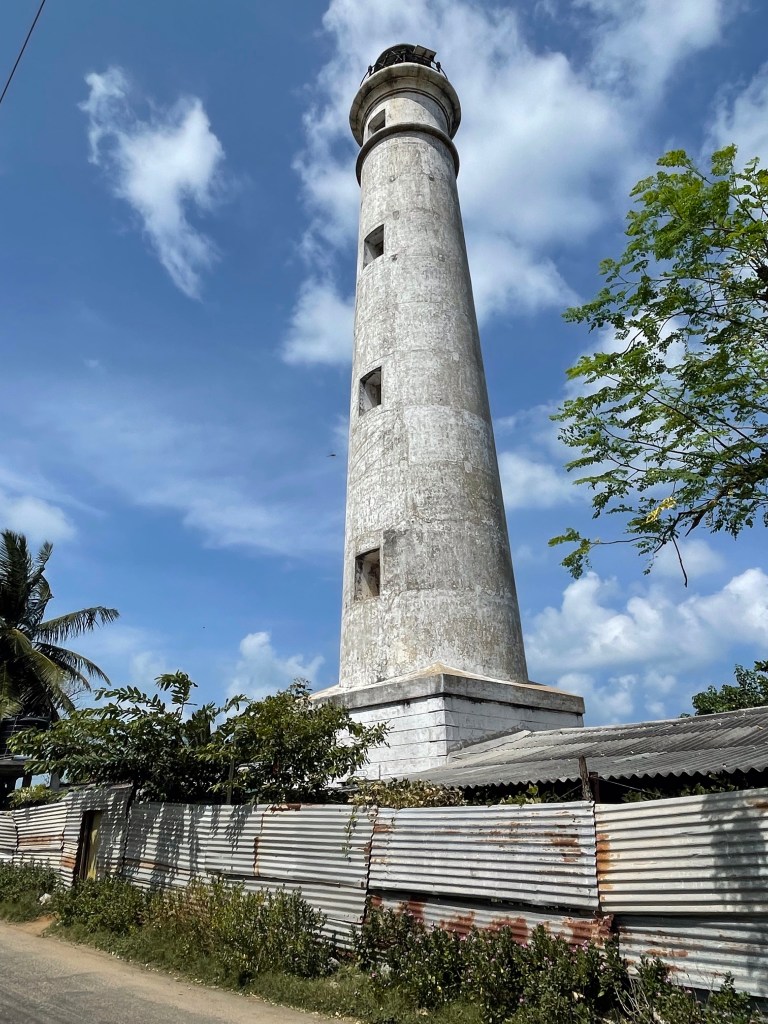
Point Pedro lighthouse – entry is via the gate in the corrugated iron fence, with military permission

Negombo

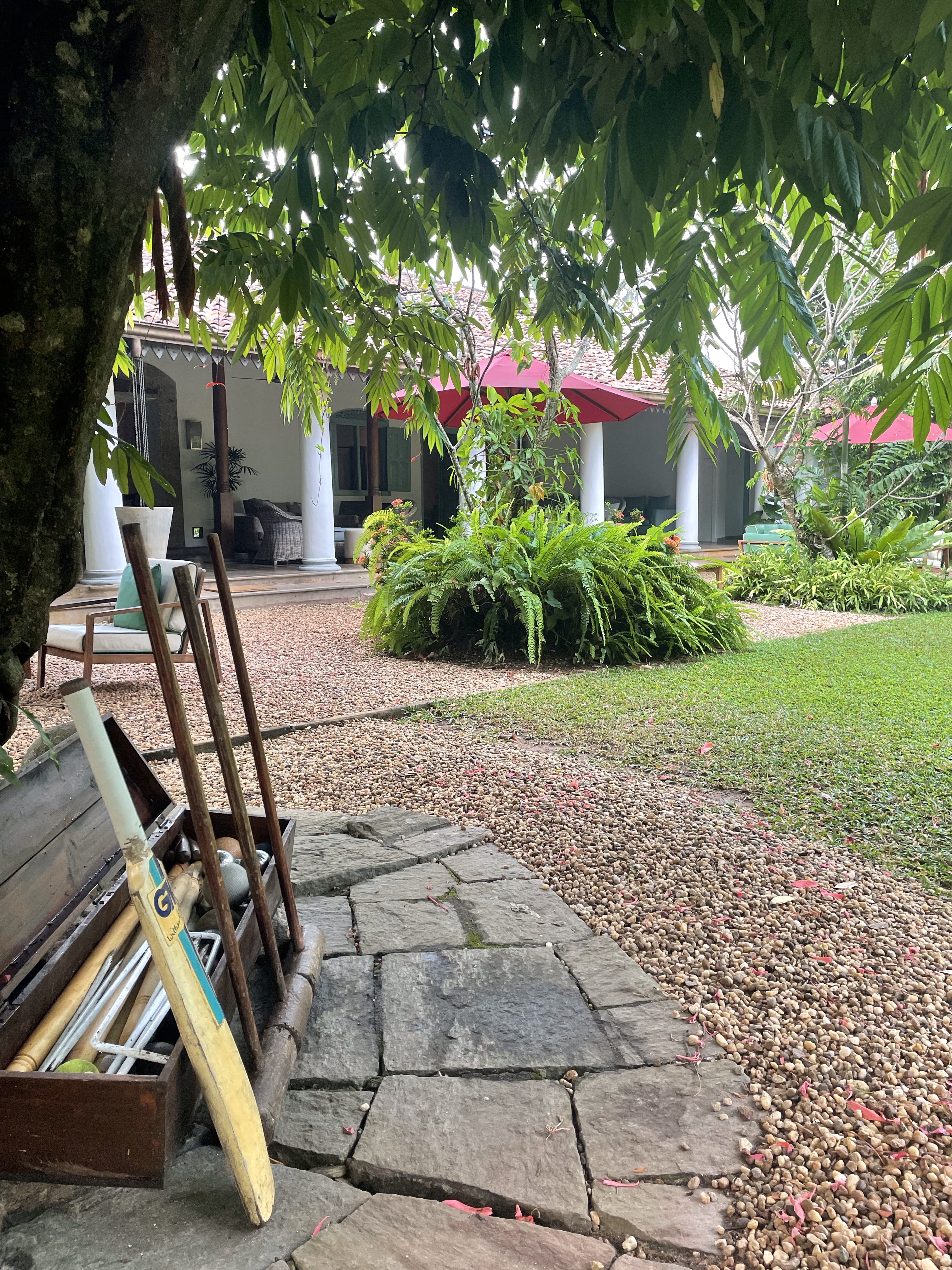
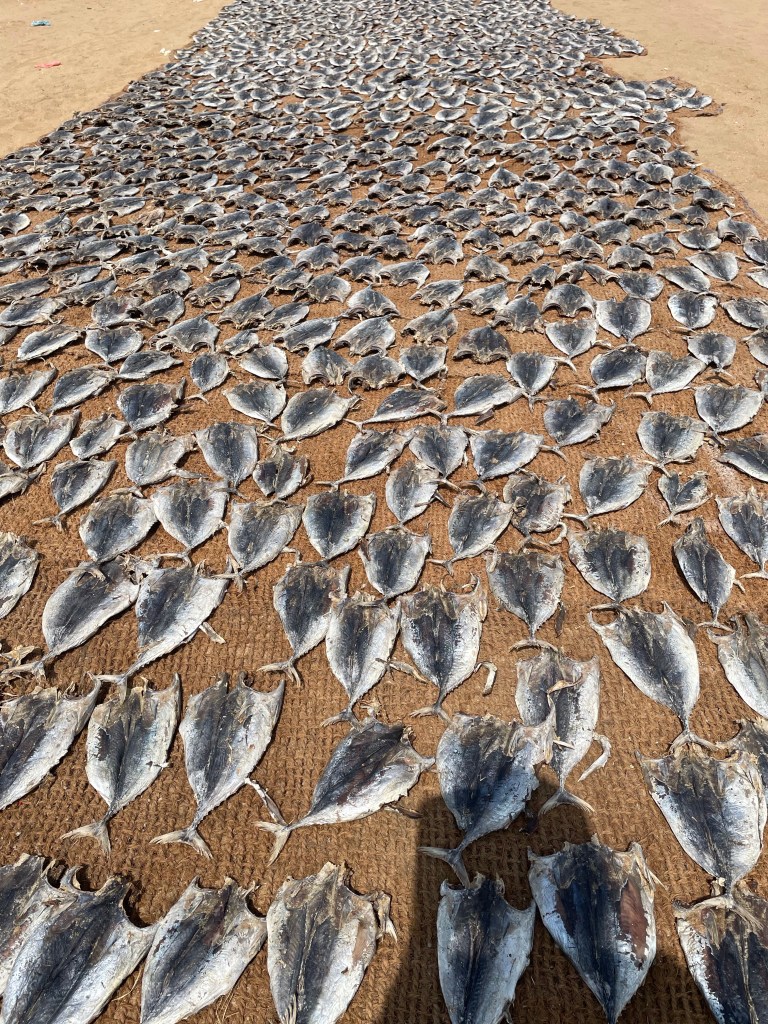
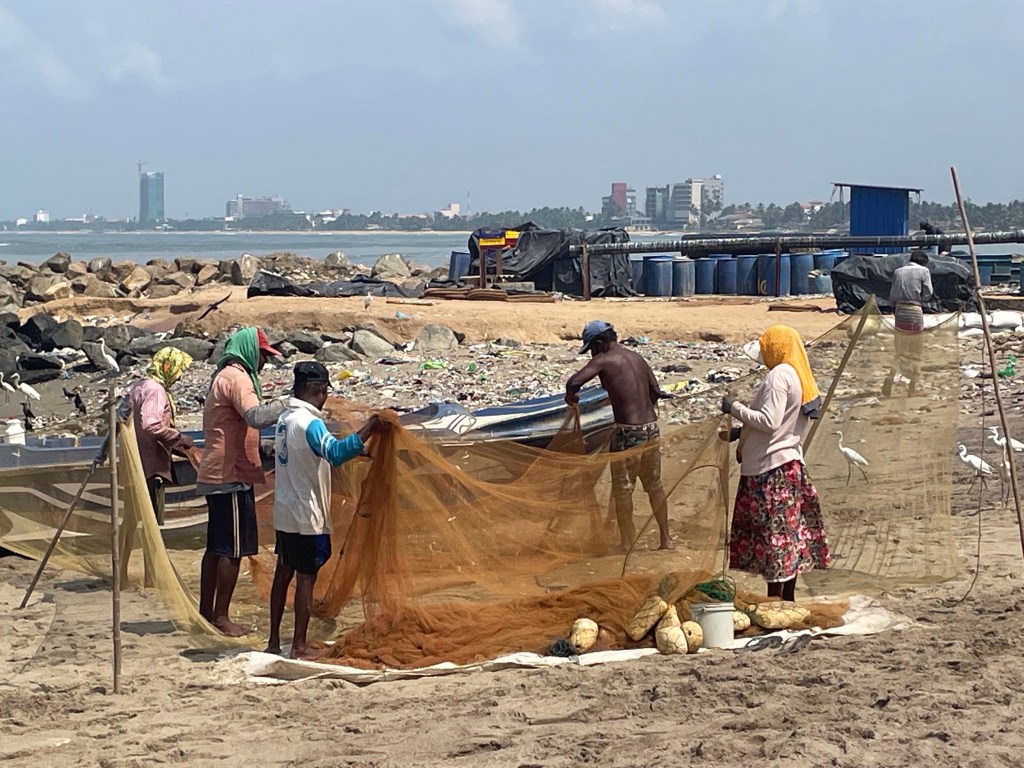
First stop was The Wallawwa hotel, 20 minutes from Colombo airport, ideal to acclimatise, get over jet-lag and do a bit of sightseeing. Nearby, Negombo is a fishing port connected to the interior with a canal which the British used to transport cinnamon. The fish are sold at a market on the shore, with the smaller ones salted and dried in the sun for three days. Negombo has an old Dutch fort which is now a prison.

The main religion in Sri Lanka is Buddhism (70%) followed by Hinduism (13%) and then Islam (10%) and Christianity (7%). Negombo, with its roots in fishing, is predominantly Catholic with churches outnumbering all other temples.