Gorah Game Drives

The rangers cannot drive off road but there are numerous dirt tracks and they still manage to get very close to many of the animals. As the park is a well established conservation area with strict regulations and security, the animals are unperturbed by the proximity of the vehicles. So far there has been no poaching. The ethos is that the rangers do not intervene with nature unless a situation was created by accidental human action.

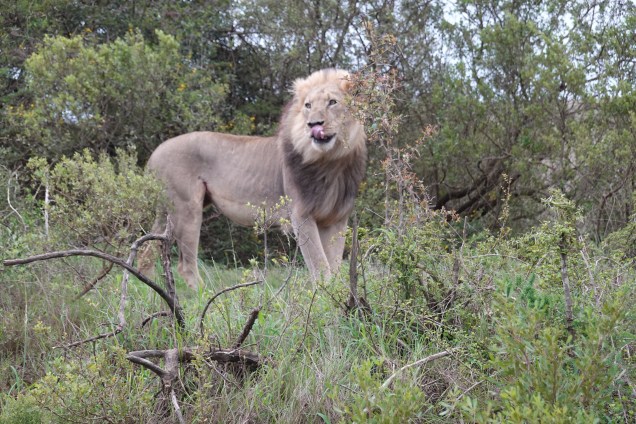
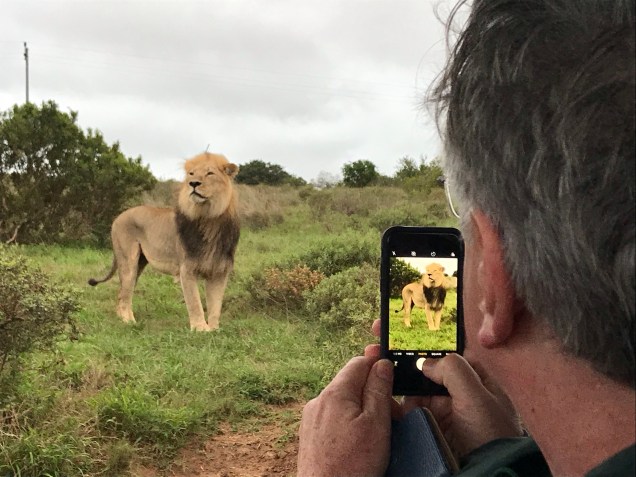
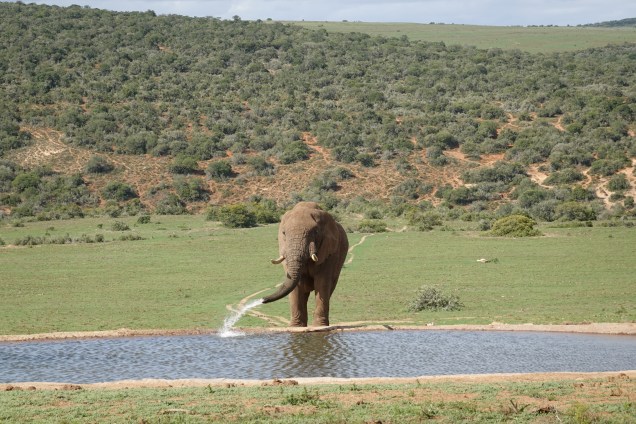
During two of our game drives we had very close encounters with lions who came within inches of the vehicle and us, with J.J. advising “stay still and quiet”. From a distance we saw the remains of a lion kill of a zebra. On our last drive J.J. found combined herds of elephants, numbering around 60 with several babies, which was one of many highlights.
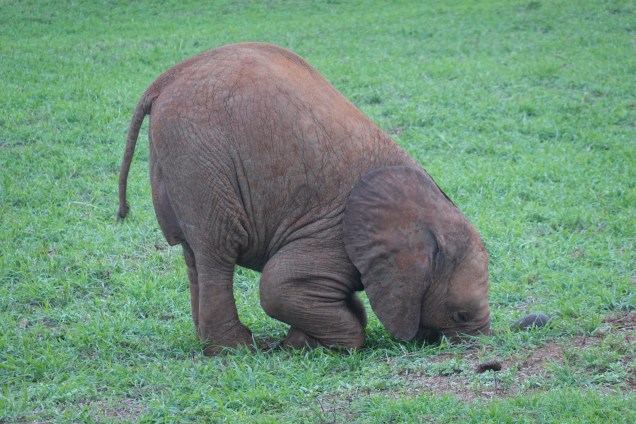
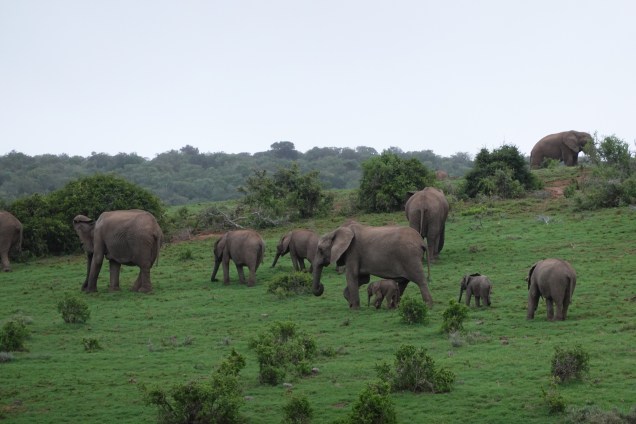
Gorah Elephant Camp

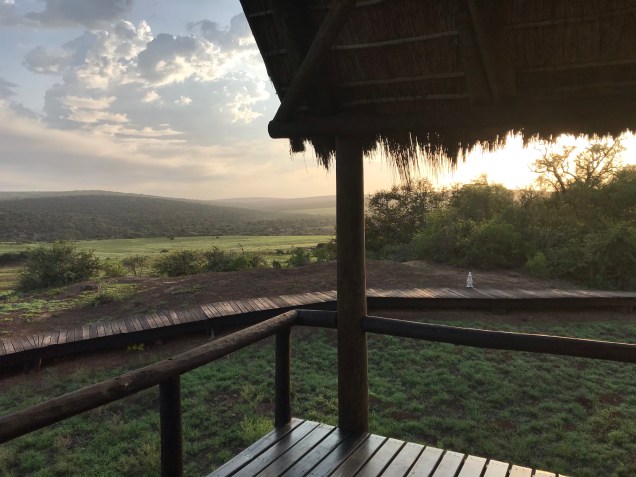
Gorah elephant camp is a private concession in the Addo National Park. It is based upon a historic lodge built by a farming family in 1856, together with 11 guest “tents” (of the luxury variety !). Neither the lodge nor the tents are fenced and animals are free to wander around the property, including the watering hole in front of the lodge. After dark you need to be escorted from the lodge to your tent to ensure your safety; just before we arrived five lions had been seen just outside our tent !

Game drives take place twice daily with a maximum of six people per vehicle with a very knowledgeable ranger. We were fortunate to have four of our seven drives on our own with ranger J.J..

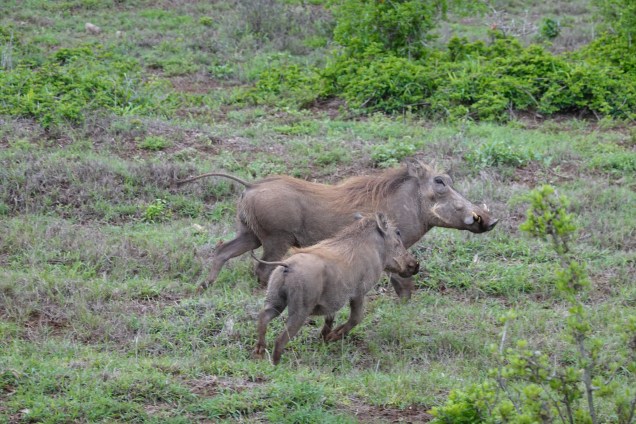
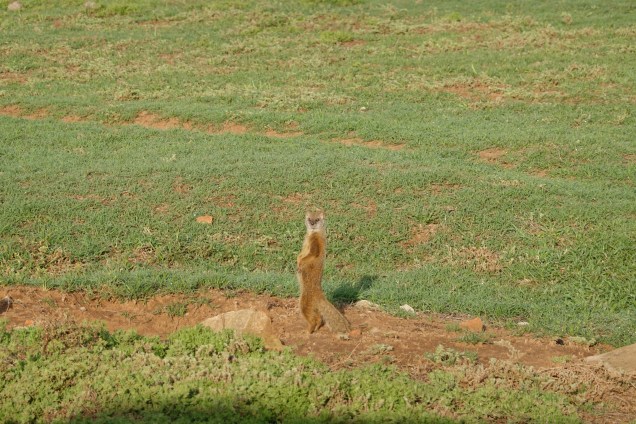
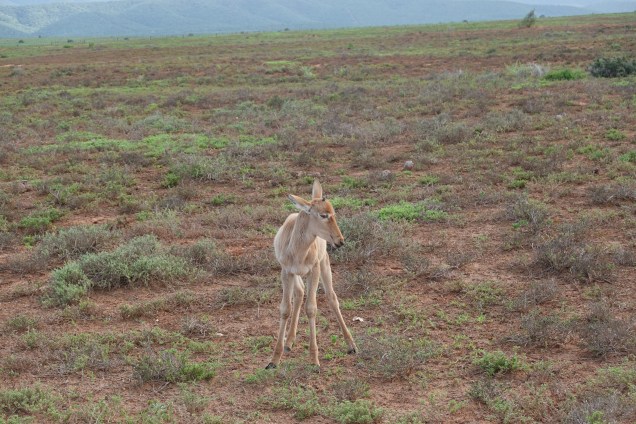
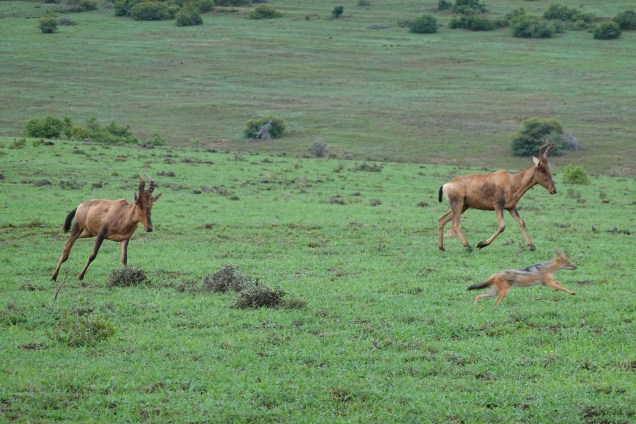
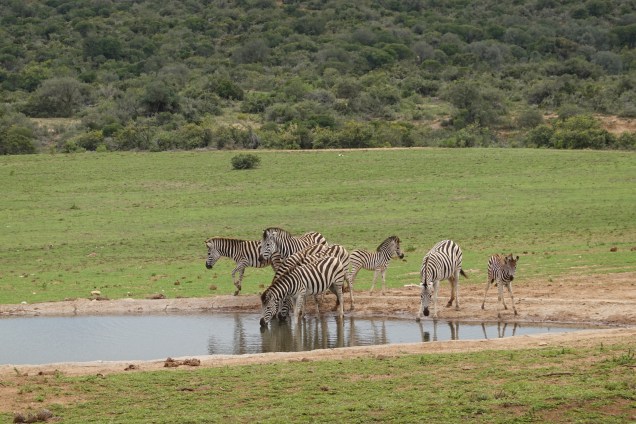
Between drives the main activities are eating and dinking and watching the watering hole; no TV/radio and only limited WiFi. The camp has limited electricity provided by solar. During our stay we saw elephants, lions, mongooses, warthogs, buffaloes, zebras (crossing the road !), antelope and black rhino, together with numerous bird species.

3rd test – South Africa v England

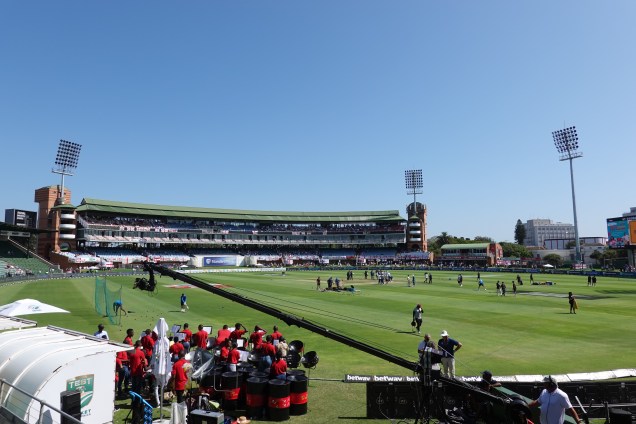
The third test was held at St George’s Park, Port Elizabeth, the site of the first test held in South Africa in 1889, making it one of the oldest grounds in the world. The series was one all and evenly poised.

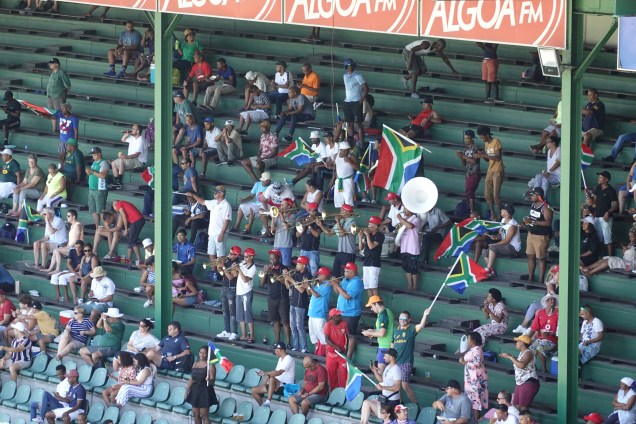
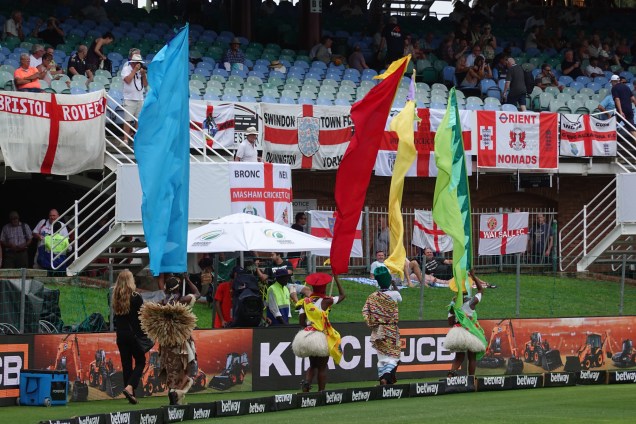
We sat in the Duck Pond stand which has framed newspaper articles from the late ’60s and early ’70s describing the lead up to, and fall out from, the D’Oliveira debacle; a reminder of how things have changed. Our fellow fans were predominantly English – sporting their home caps, shirts and banners including “Somerset cricket – Dave’s 60th birthday tour” – and discussing beer prices, where to have dinner, the merits of sit on lawn mowers…..and occasionally the cricket. The St Georges band outshone the “choir” of the Barmy Army.

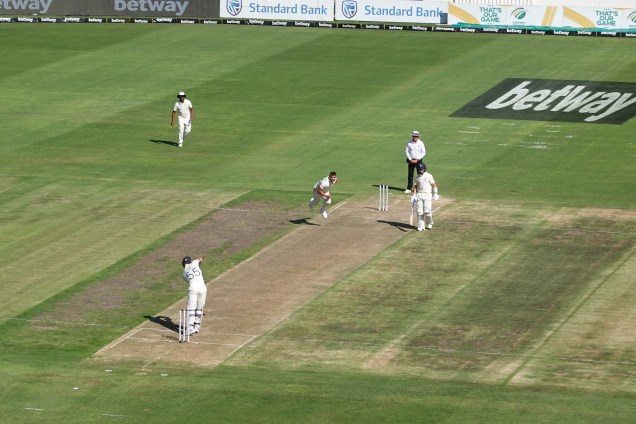
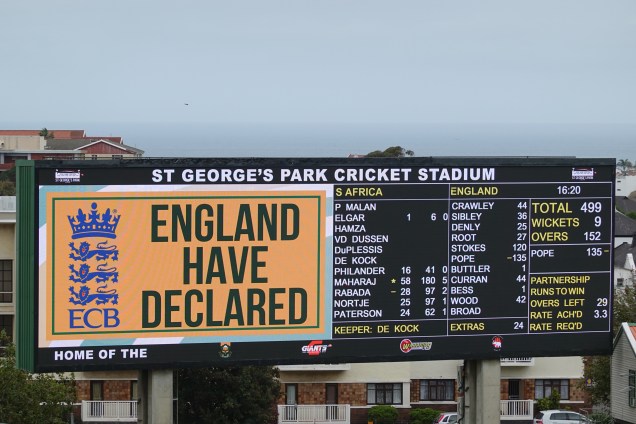
The first day was tense , ending honours even. This soon changed on day two, with Ben Stokes carrying on where he left off in 2019 and Ollie Pope showing great potential for the future. Late hitting from the lower order, a rare England declaration and two Dom Bess wickets left England well in control in a match they would ultimately win comfortably.

St Francis and Port Elizabeth

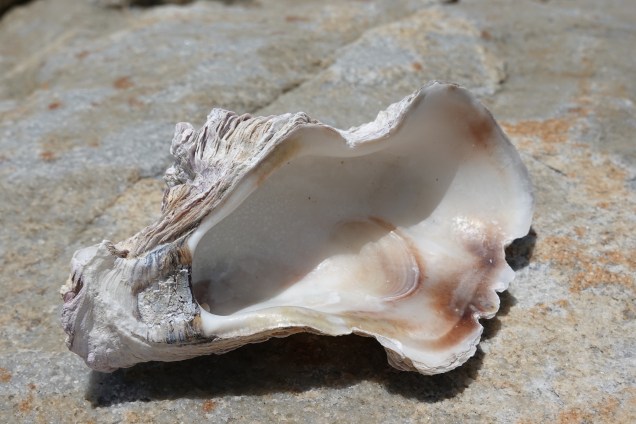
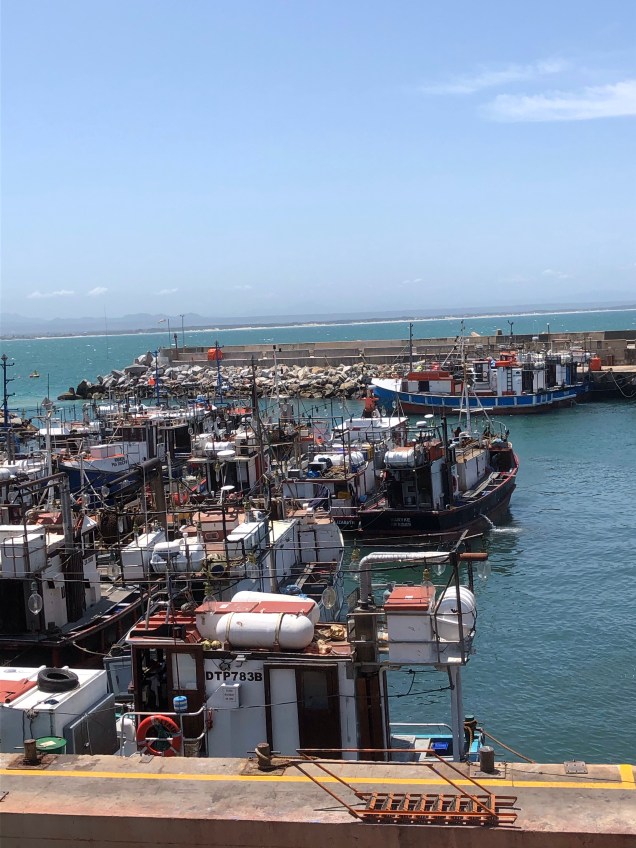
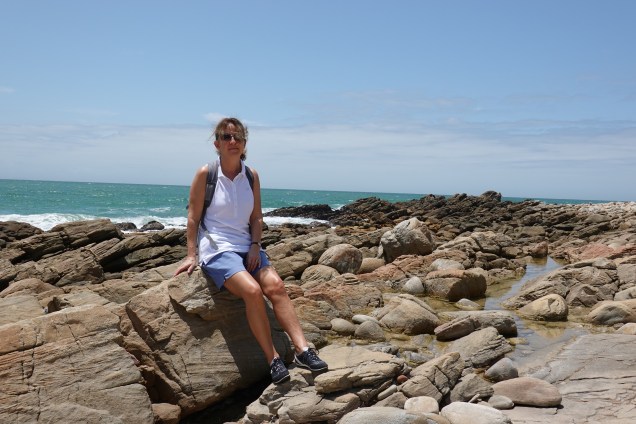
Our 2020 trip to South Africa, Namibia and Zanzibar was timed to coincide with parts of England’s winter cricket tour of South Africa. We arrived a couple of days before the Port Elizabeth test, spending our first two nights on the coast about an hour from Port Elizabeth at St Francis, a picturesque fishing town. A hike along the coastal path was the ideal antidote to the flight to Port Elizabeth via Johannesburg.

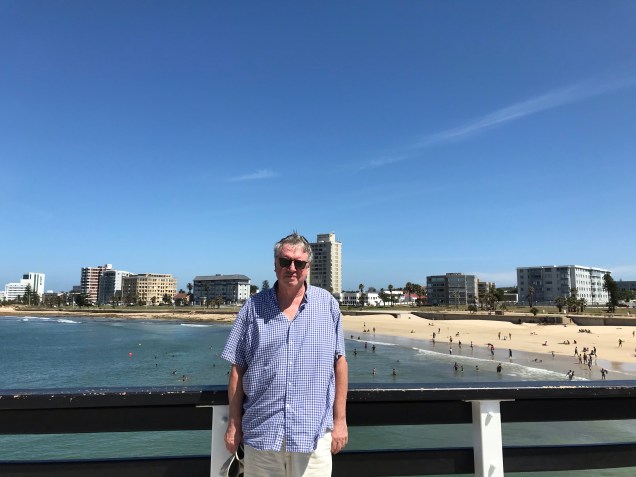
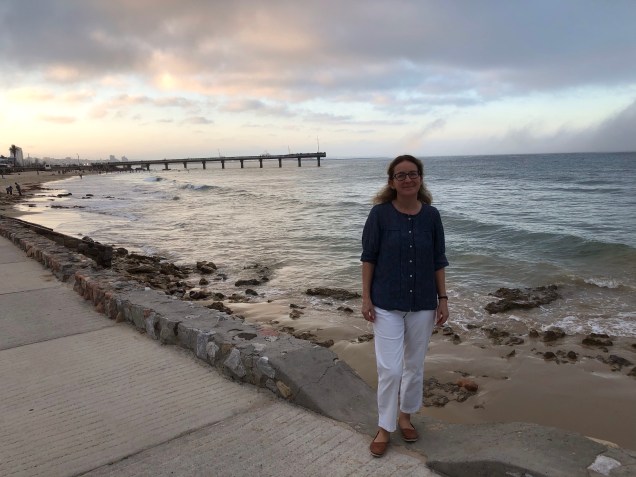
We arrived in Port Elizabeth the day before the test match started, along with several thousand other fans and pundits, all taking advantage of the South African sun and Rand exchange rate.