St Kitts

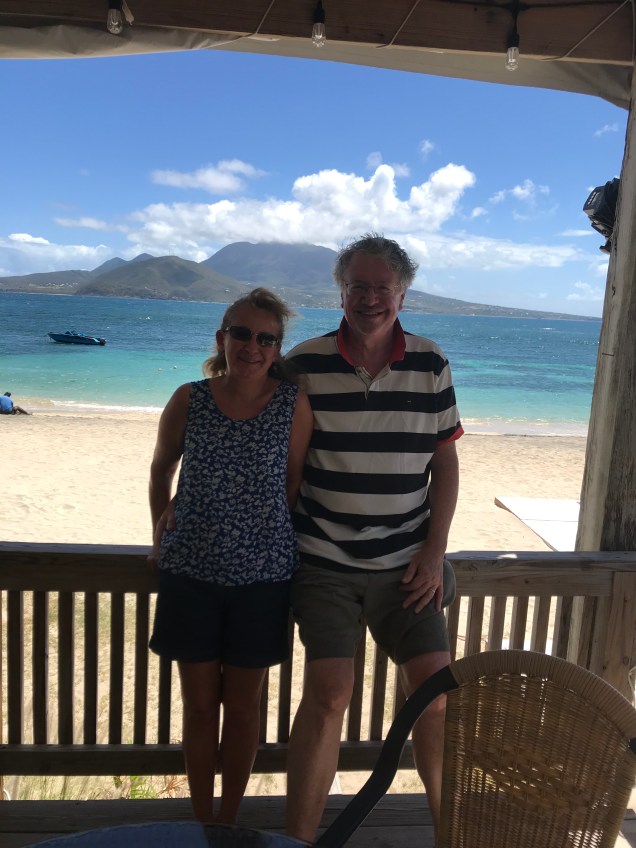
Our last island.

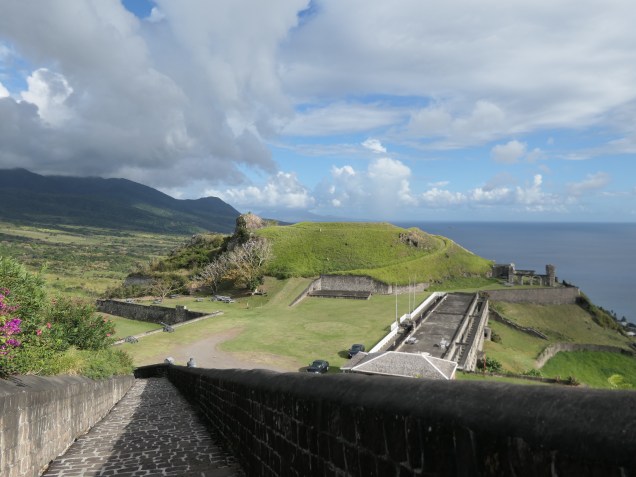
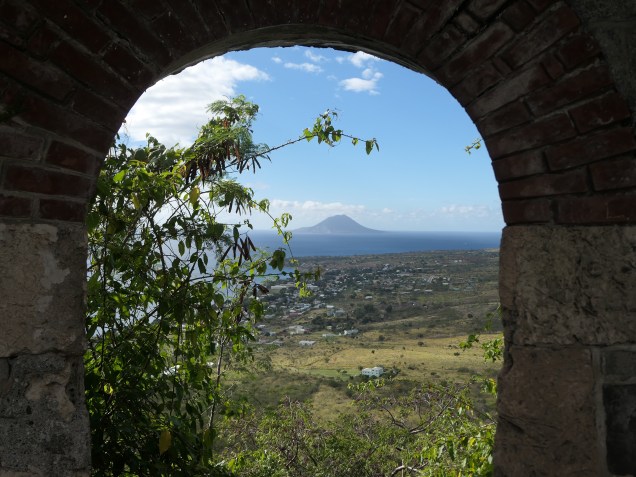
Christopher Columbus claimed the island for Spain in 1493 and named it St Christopher, after the Paton Saint of travellers – not himself ! The British arrived in 1623 and the French shortly after. Control changed several times and parts of the island were heavily fortified, most notably Brimstone Hill. It was built by slaves under the control of the British and in 1782, after a month long siege, it was taken by the French, who then relinquished it and the island a year later after the Treaty of Versailles

Brimstone Hill Fort, standing high above the west coast, is a UNESCO world heritage site. Initially we were unable to visit as the access road was being repaired in advance of the forthcoming Caribbean tour of the Prince of Wales and Dutches of Cornwall. The Prince first visited in 1973.

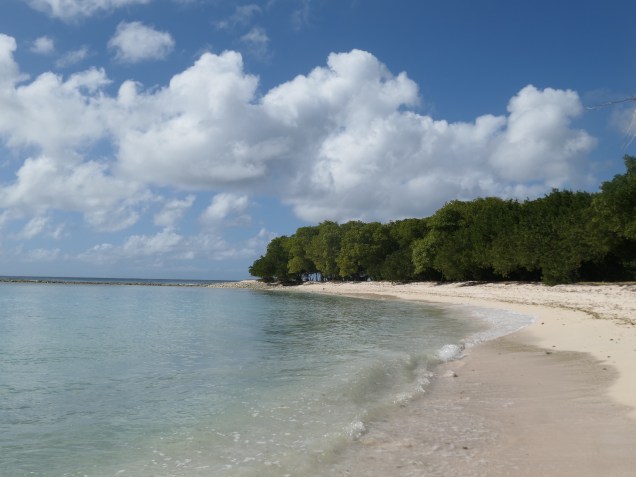
St Kitts was the last island in the West Indies to cease sugar cane production in 2005. It is now dependent on tourism and in particular visiting cruise ships. The beaches in the south of the island are very beautiful but best visited on non-cruise ship days.

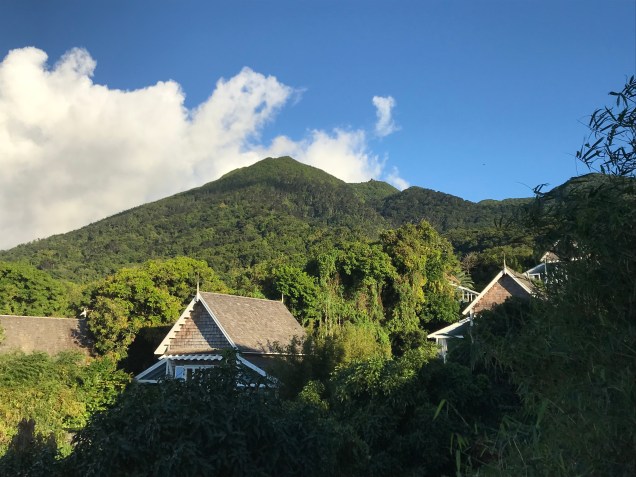
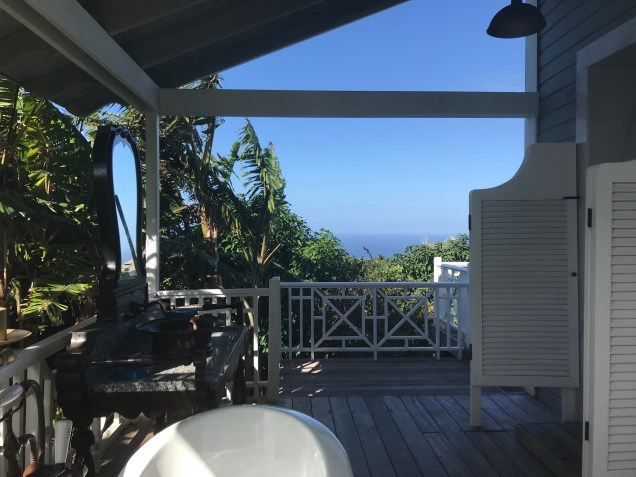
We stayed in the quiet north of the island on a recently built resort financed by the government as part of its investment in tourism. It is set over 400 acres on the edge of a rainforest and includes a farm, providing produce for the hotel, and a golf course. A quirk of the hotel is that the cottages have outdoor bathrooms !
Warner Park Stadium – T20 2nd and 3rd matches

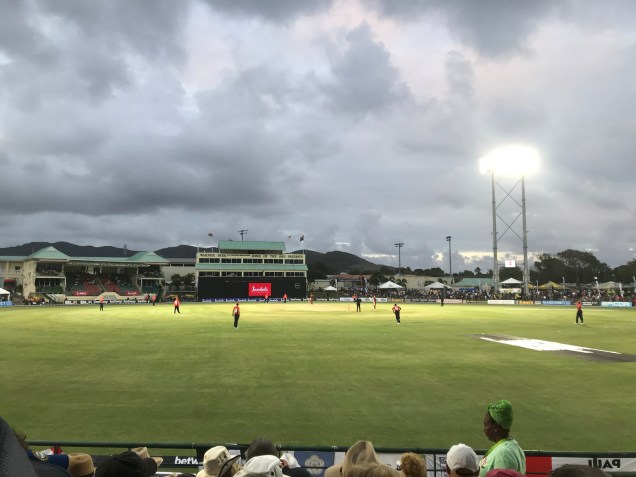
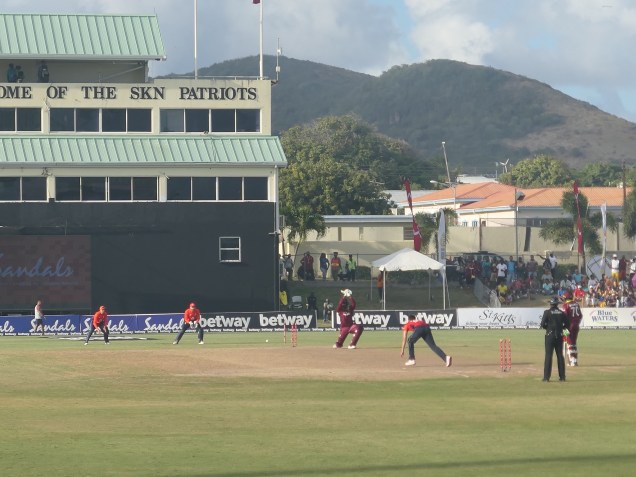
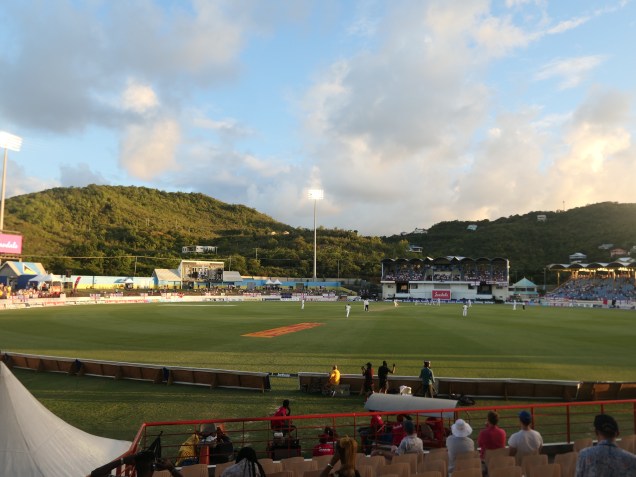
Having lost the test series and drawn the one day series, England headed to St Kitts one up for the final two T20 matches and the end of the tour. The stadium is named after Sir Thomas Warner, the explorer who set up the first colony on the island. The stadium sits within the small capital of Basseterre within a stones throw of the airport in one direction and the port in the other, backed by the mountains that form the backbone of St Kitts.

In contrast to the test match, the atmosphere had far more of a local Caribbean flavour. In the first match England initially collapsed but then recovered to set a ground record of 182. West Indies then just collapsed all out 45, second lowest international T20 score.

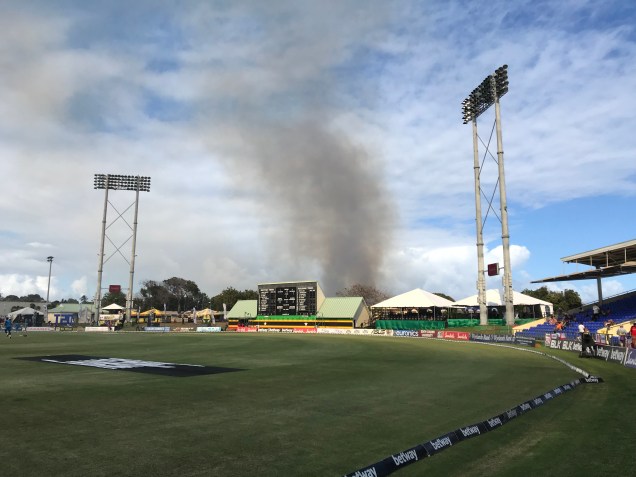
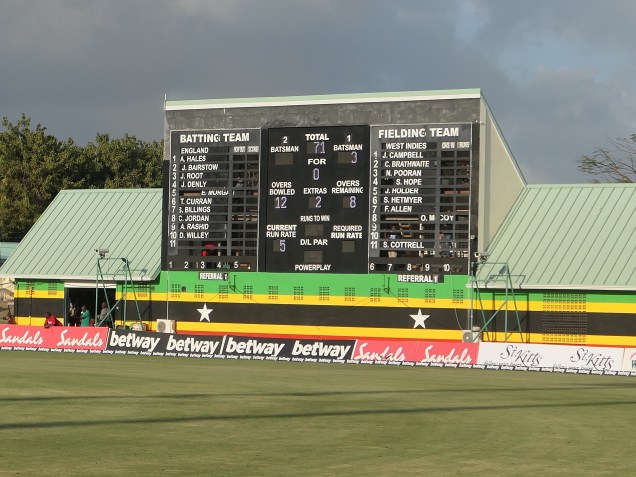
We returned two days later with the series won but hopeful for a more competitive match. The ground was shrouded in smoke from a bush fire which we had inadvertently driven through on our way. However the match never caught light as the hosts collapsed again, this time for 71. The locals we sat next to were very unhappy- “our batsmen a’int got no brains”.

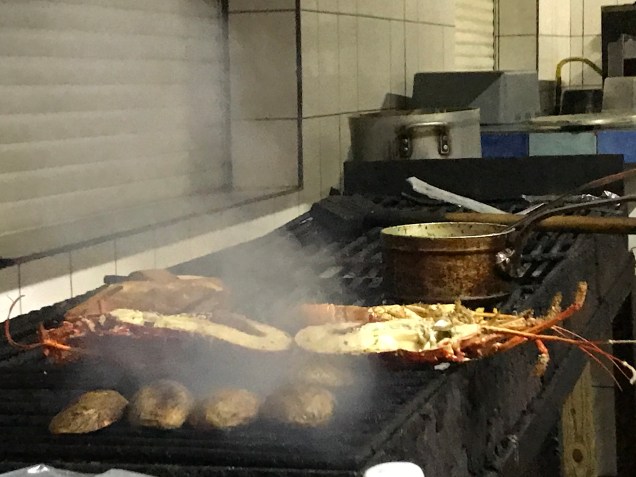
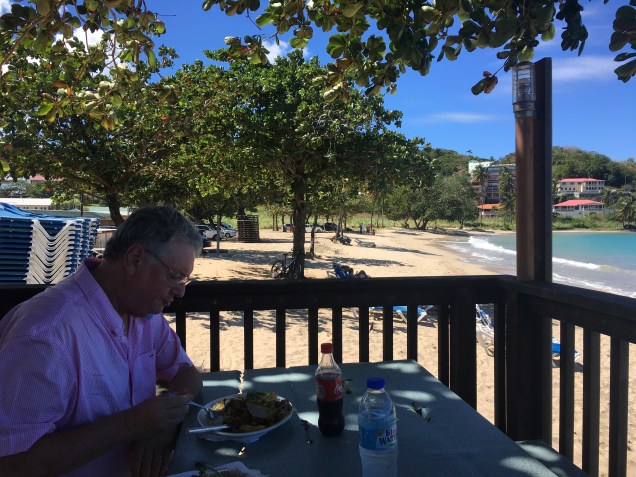
While the cricket was disappointing, the same cannot be said of the unique West Indian experience of lunch on the beach before the match and supper at a lobster shack (“we cook what we catch”) on the drive back to our hotel after the match.

Nevis

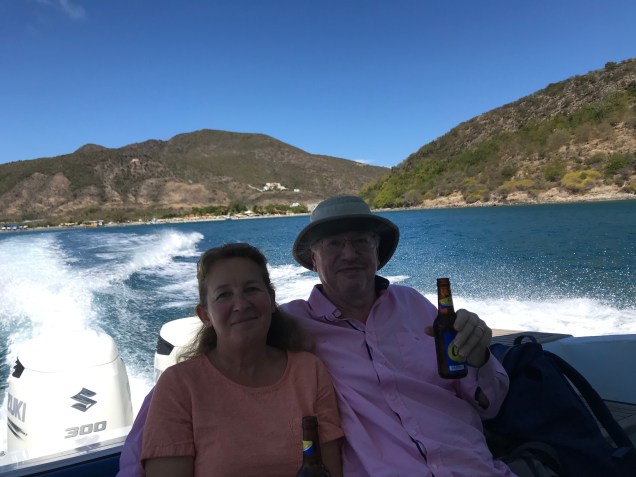
Nevis is a 15 minute journey from St Kitts by water taxi. While there is an airport, flights are minimal and generally private planes. This has kept Nevis quiet. Although there are signs of more development, at the same time there are derelict and half built hotels and apartments, making it hard to tell whether the island will become more of less of a tourist destination. Aside from some private villas and apartments, there is a Four Seasons hotel, recently purchased by Bill Gates, and a number of former plantation hotels. John Cleese recently became a resident.

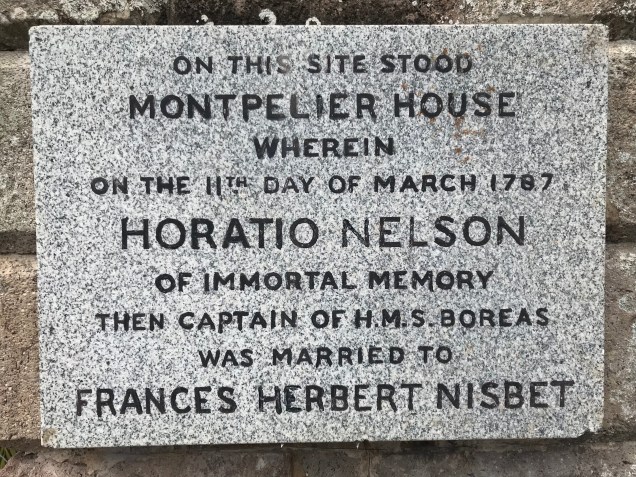
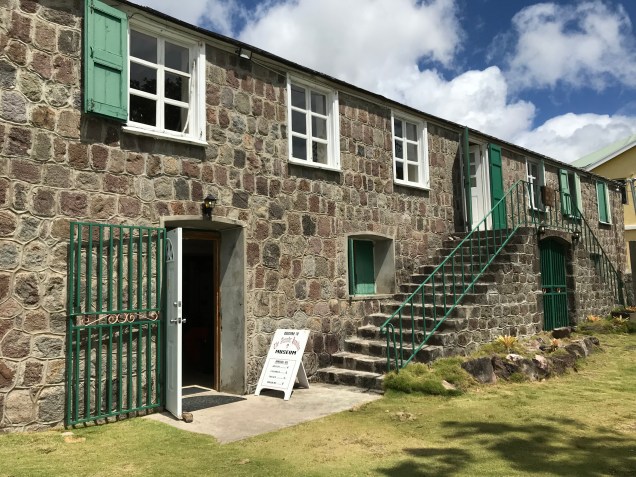
We stayed in the former plantation home of Fanny Nisbet, the wife of Nelson. They met on Nevis when Nelson was seeking to stop illegal trade with the US. The most famous person born on Nevis was Alexander Hamilton. We visited his birthplace which is now a museum for both Nevis and his life story (accompanied by music from the musical).

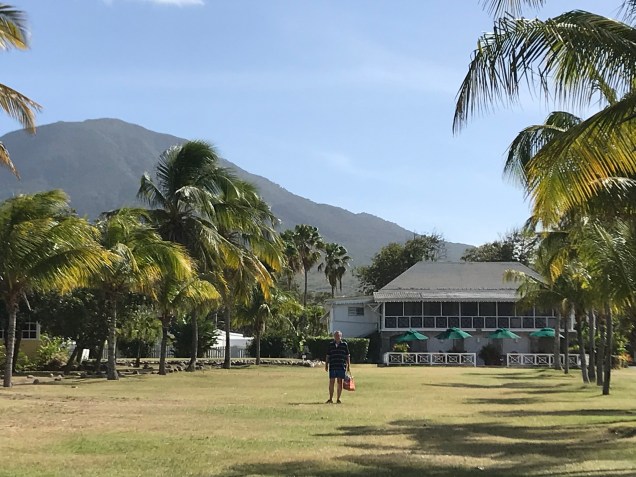
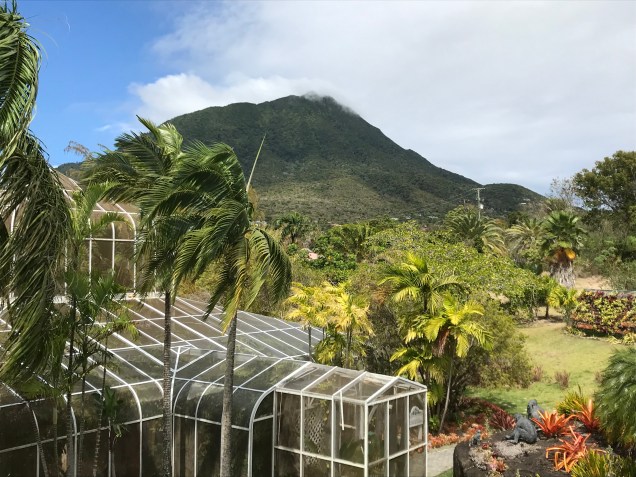
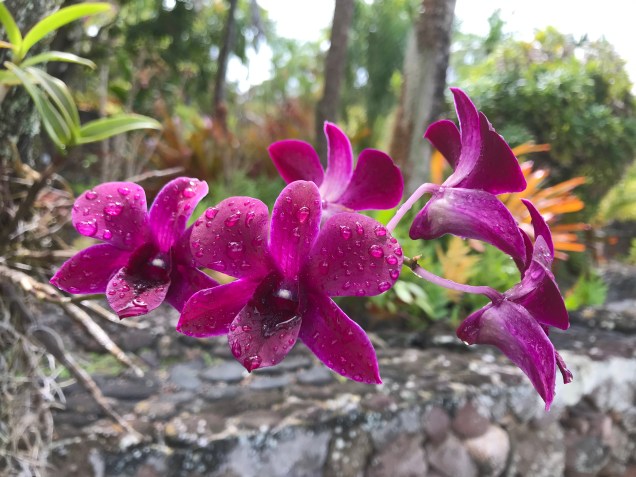
The landscape is dominated by Mount Nevis, often shrouded in cloud, which is the backdrop to the botanical gardens, a recent addition to the island. The gardens were set up by an eccentric British music producer and writer heavily influenced by the east, especially Thailand.

Antigua

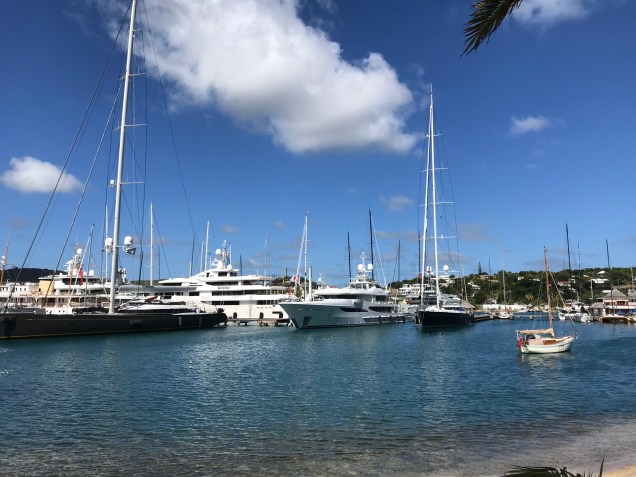
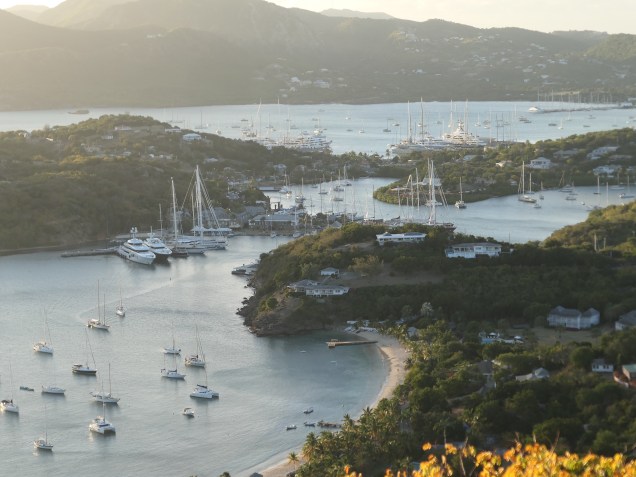
We stayed in Falmouth Harbour, next to The English Harbour which together were the main base in the West Indies for the British Navy during the 17th and 18th Centuries. Nelson was stationed here in the 1780s. The dockyard, which ceased being used in 1889, has been renovated and renamed after Nelson and is a World Heritage Site.

The harbours are now used by the yachting community ranging from super yachts – we had several in the $50m-$100m price bracket moored by our hotel – to professional racing yachts. During our stay the Caribbean 600 race had its finish line at the harbour, resulting in three days of celebrations from all those connected to the race.

We hired a car, visiting both sides of the island seeing beautiful beaches with bars and restaurants; less crowded than we expected, although we had consulted with the cruise ship schedule before setting out.

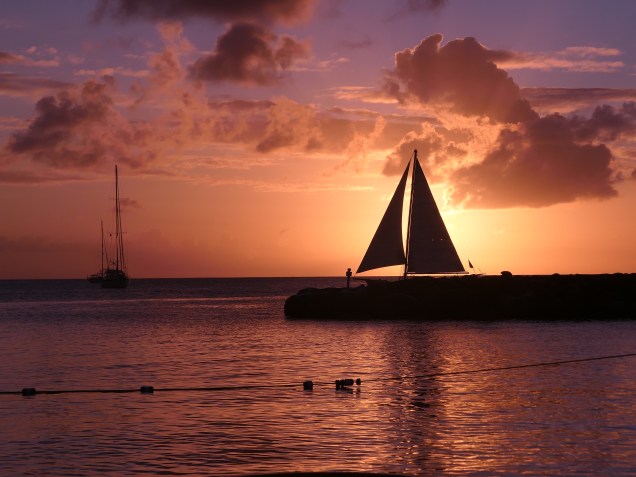
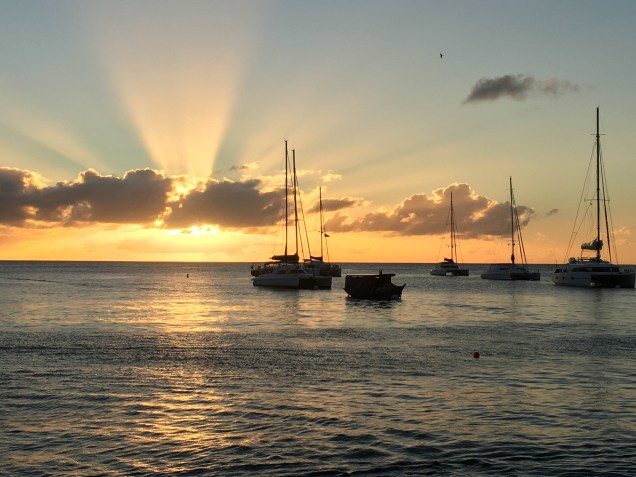
On our last night we went to the steel drum, reggae and barbecue held each Sunday at Shirley Heights, overlooking the harbours with magnificent sunsets.

Grenada

We stayed in a hotel just outside the capital, St Georges, owned by Peter de Savary whose entrepreneurial activities extend to Grenada, including a marina, a farm and property development.

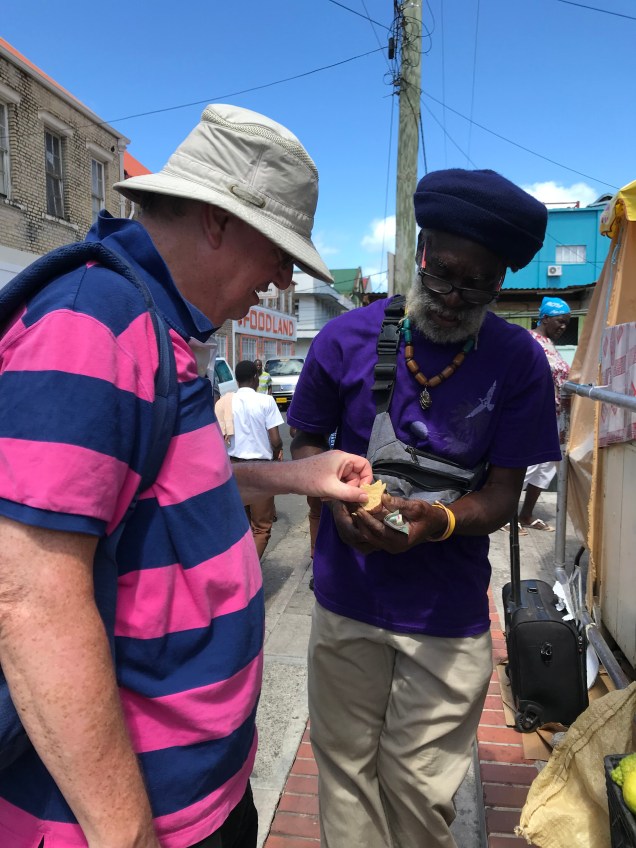
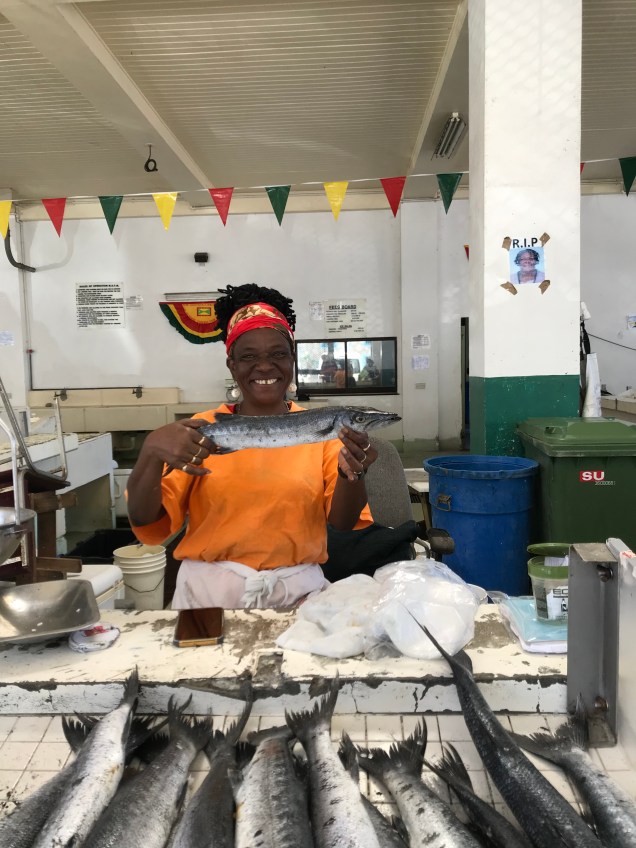
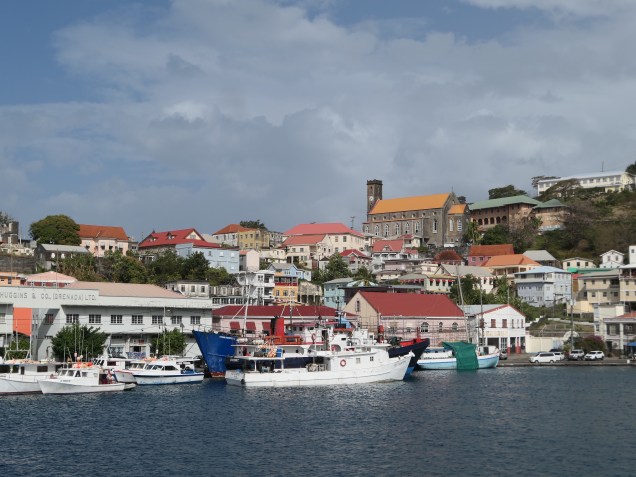
St Georges is reputedly the most attractive of the Caribbean capitals. In common with much of the region there is a fort, although in this case the scene of more recent action; this was the location of the execution of the Prime Minister and 24 colleagues in 1983, which led to the invasion by the US. In St Georges we also visited markets to buy fish, fruit and vegetables as we had cooking facilities. We were introduced to a “superfood”, the fruit of the locust tree known, for reasons that became clear, as stinking toe fruit ! Thankfully the taste was better than the smell.

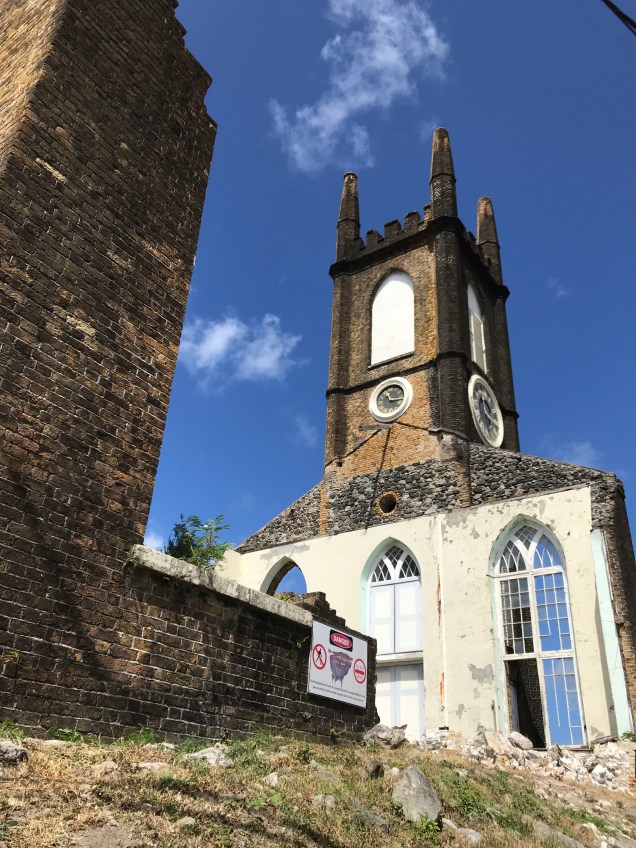
The Grenadians are extremely friendly and helpful, even by West Indian standards, and also very religious – mainly Roman Catholic and Seventh Day Adventists, however we did see a Scottish Kirk, severely damaged by Hurricane Ivan in 2004.

We had a day in Carriacou, a sister island reached by a two hour ferry trip. It is even quieter and more laid back than Grenada with beautiful beaches and more friendly people who all seemed to know each other.

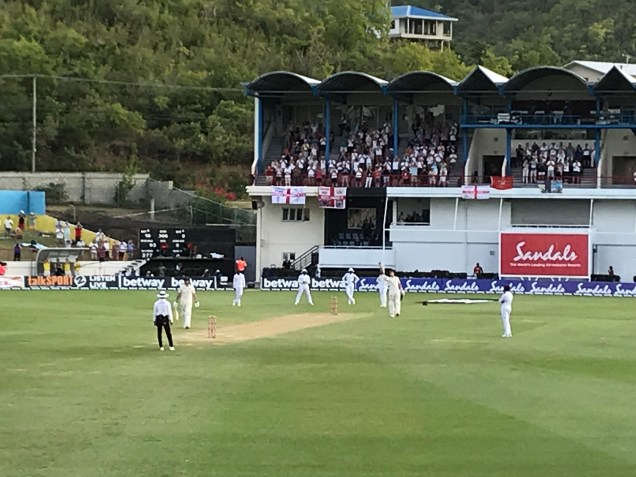
Darren Sammy Stadium – 3rd Test

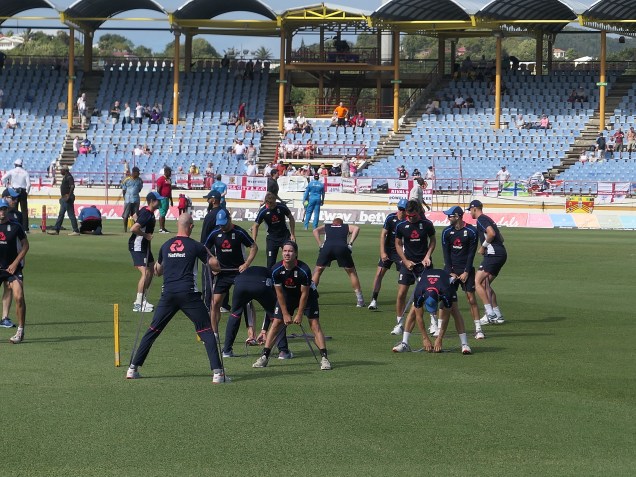
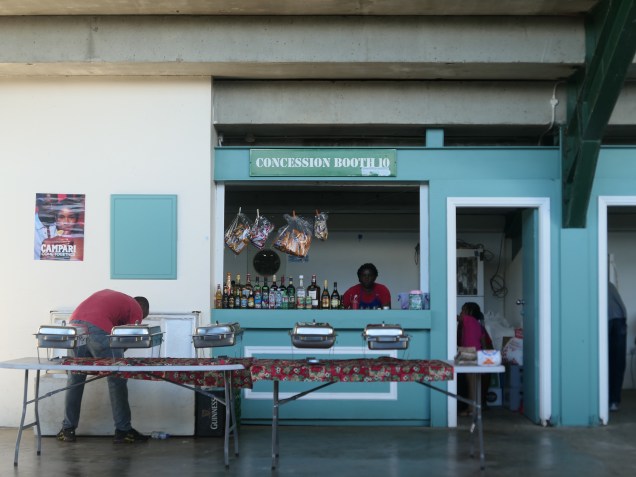
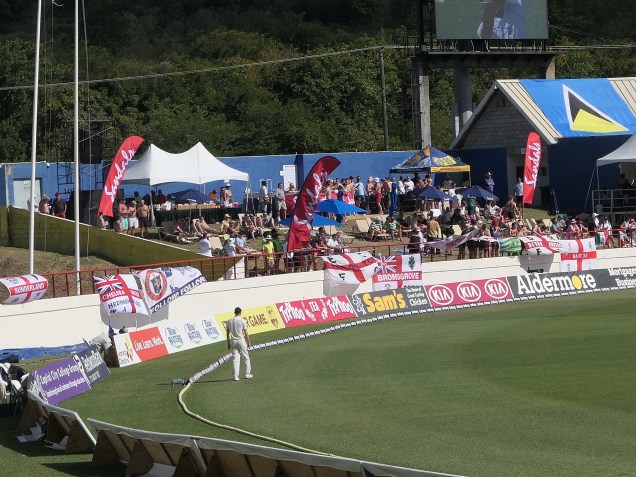
As it turned out the third test was a dead rubber with West Indies already up 2-0. Most people in the stadium were Brits, however it still had a very different atmosphere (and temperature) to Lord’s. The food stalls were run by locals who bought in hot food to sell, including goat stew which was delicious, although looked at somewhat sideways by the Barmy Army. The party zone in the stadium, supported by the main sponsor Sandals, and including a pool and sun loungers, was noisy and singing out of tune, fuelled by beer and rum. The cricket – Mark Wood took five wickets, Joe Root scored 100, England won and St Lucia must have the coolest grounds men !
St Lucia

The main reason for visiting St Lucia was the cricket as we have been before, however we saw a different part of the island close to the capital, Castries. Our hotel was a ten minute drive from the cricket which meant that most of the travelling cricket watching Brits were close by. Indeed, the Sky commentary team were in the same hotel and the England team and coaches in the same beach bar/restaurant two nights before the match stared.

St Lucia has two airports – one for the intercontinental routes and the other, much smaller, for regional Caribbean routes. Our flights in and out of St Lucia were from the latter which has the most attractive “departure lounge” – food shacks by the beach.

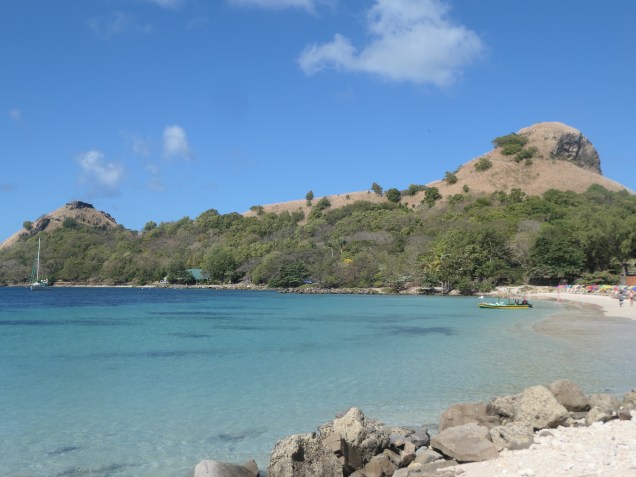
We visited Pigeon Island – no longer an island – a historic strategic lookout, facing Martinique, for pirates taken over by the British, who built Fort Rodney. The climb to the two peaks of the island is rewarded by fantastic views.

Tobago

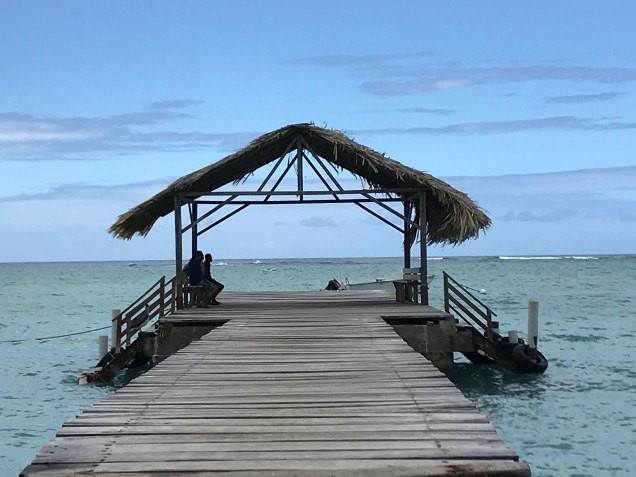
Tobago is the smaller of the two islands comprising the Caribbean country, Trinidad and Tobago, closest to South America. Its main source of income is oil and gas, making it one of the wealthiest Caribbean countries. Tobago has a population of 61,000 with Scarborough being its capital. Like many of the islands in the region it has a history of being ruled by several European countries, ending with the British until independence in 1962. This leads to some familiar place names in unfamiliar surroundings – Glamorgan, Argyle and Speyside for example.

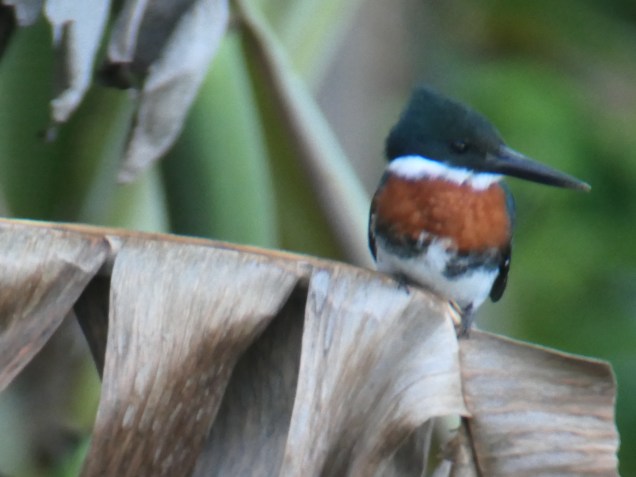
Oil and gas has made the population relatively comfortable with 60% of the people working (using the term loosely, according to a number of locals we met) for the government. Tourism is important but underdeveloped, which is part of its charm. It has the oldest protected rainforest in the world, designated in 1776. Consequently Tobago is a haven for bird life and the twitchers that follow !

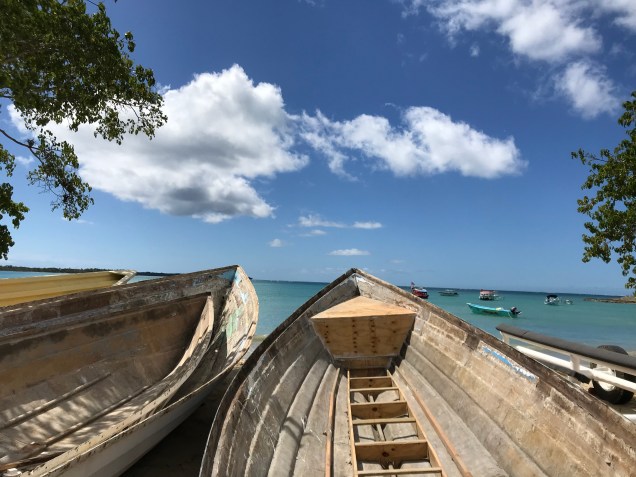
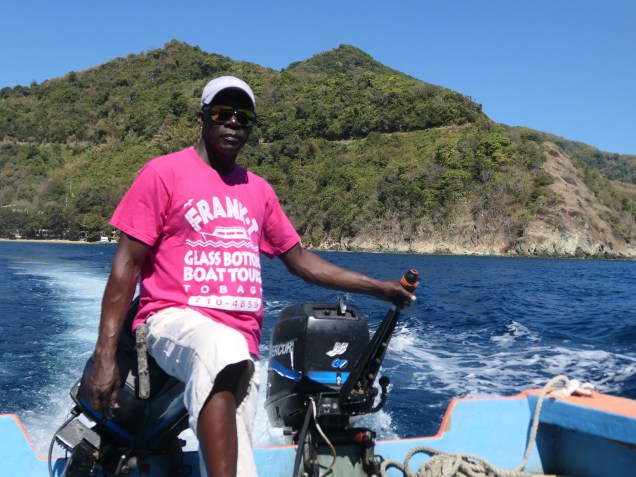
We did a few trips around the island including the rainforest, Little Tobago (an adjacent uninhabited island), beaches and a number of fishing villages, including Buccoo, famed for goat racing and “Sunday School”, a large street party every Sunday night.

Mustique

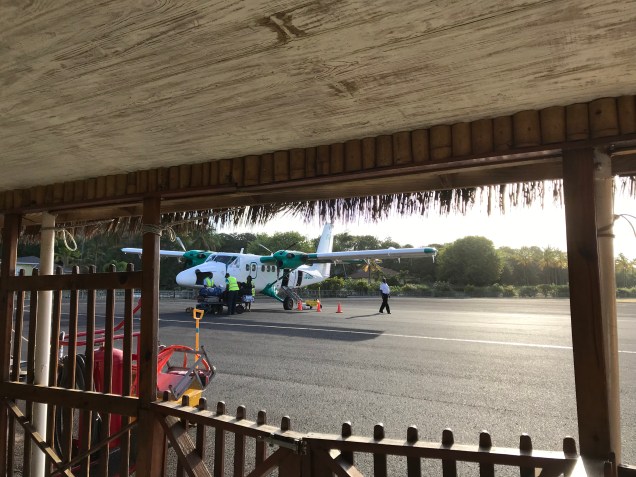
This was the first stop on our seven island trip to the West Indies; renowned as the island of the rich and famous ever since the days of Princess Margaret. However it is very relaxed and understated, whilst being strictly controlled by the Mustique Island Company which owns and runs the island (and is in turn owned by the 100 or so villa owners). One of the services is security which includes monitoring all arrivals and departures via the island airline and airport, both owned by the company. On one occasion a man purporting to be a bird watcher, with a large camera, arrived only to have his pictures reviewed which indicated he was a member of the press; so he was dispatched back to St Lucia on the next flight.

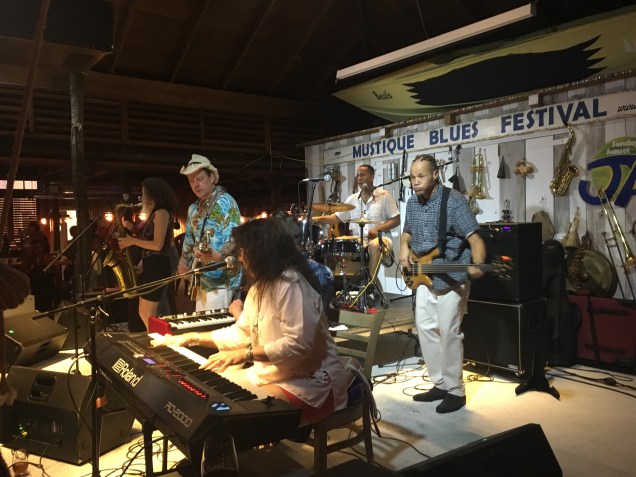
Whilst there we coincided with the island’s annual Blues Festival at Basil’s Bar – Mick Jagger was there the night before us, attending not performing !