Afrodisias

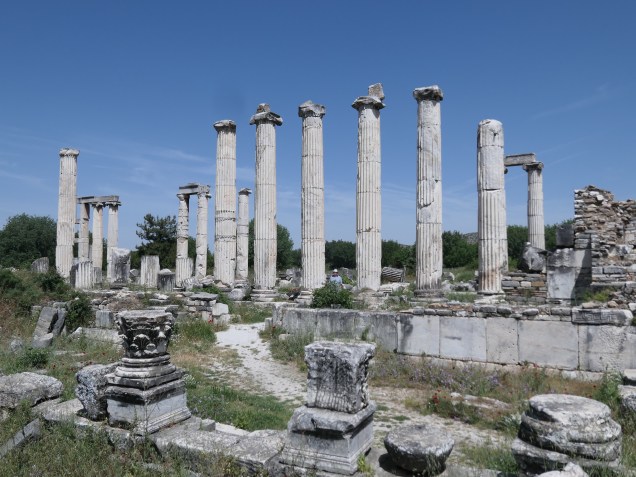
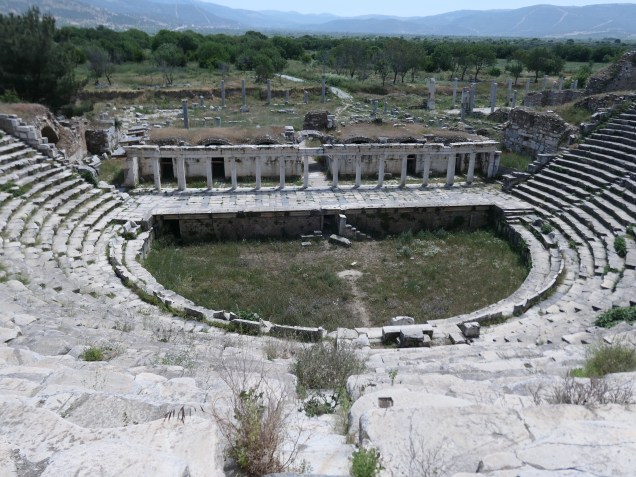
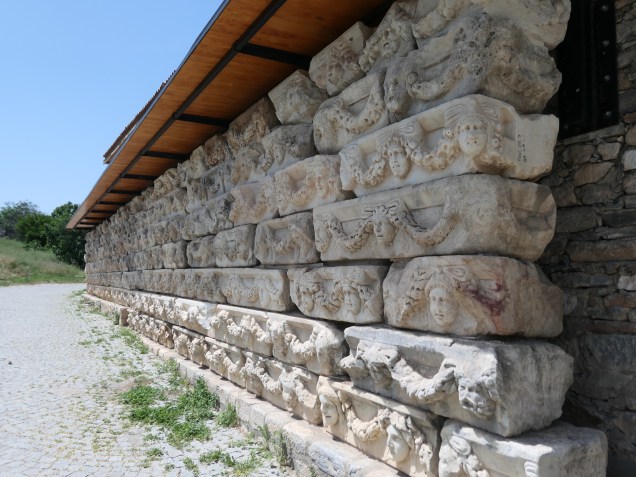
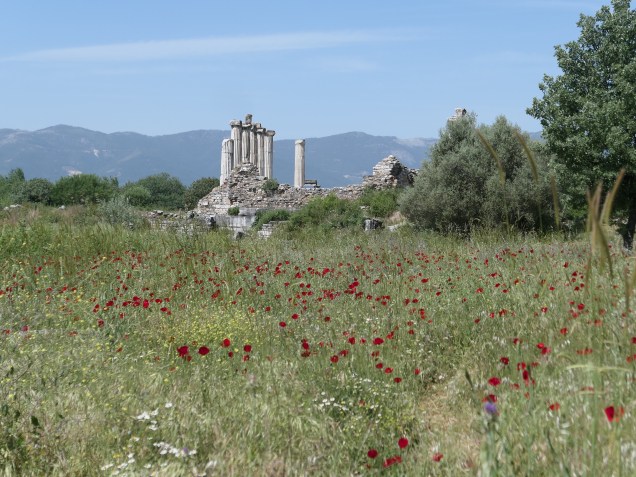
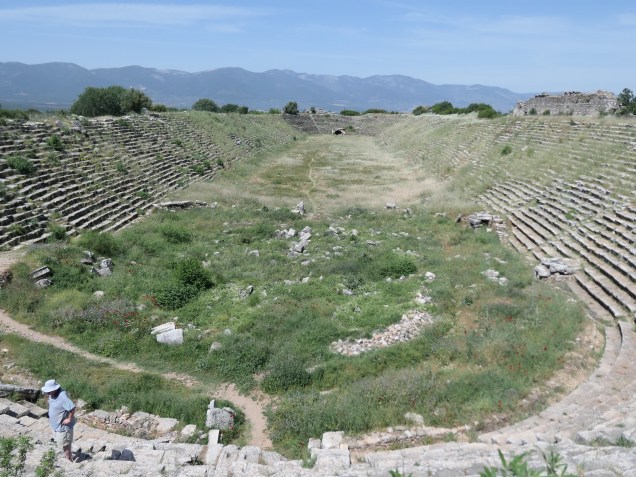
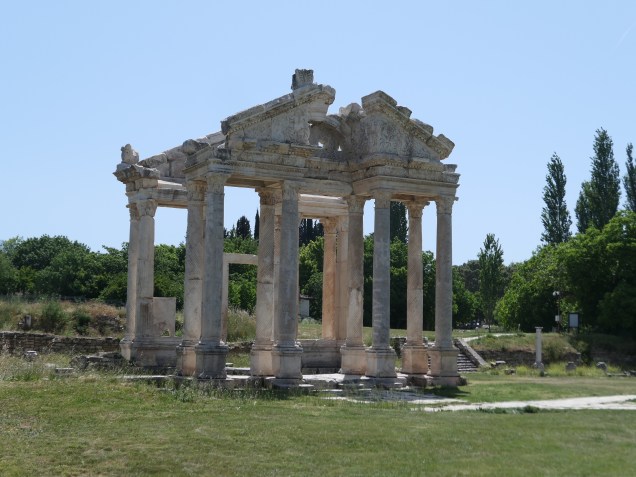
On our way from Pamukkale to Ephesus, we took a detour to Afrodisias which is more isolated, and consequently less visited, than Ephesus; during our time there we only saw six other visitors. In many ways it is as impressive as Ephesus. It includes one of the biggest and best preserved stadia – 270m long with seating for 30,000. There is a temple to Aphrodite, after whom the city was dedicated.
Hierapolis

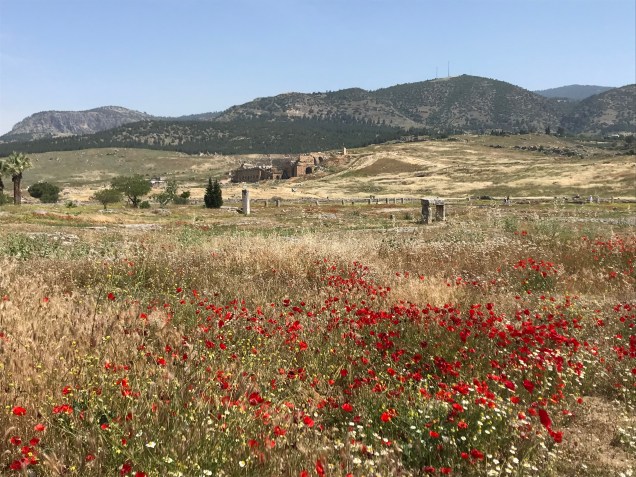
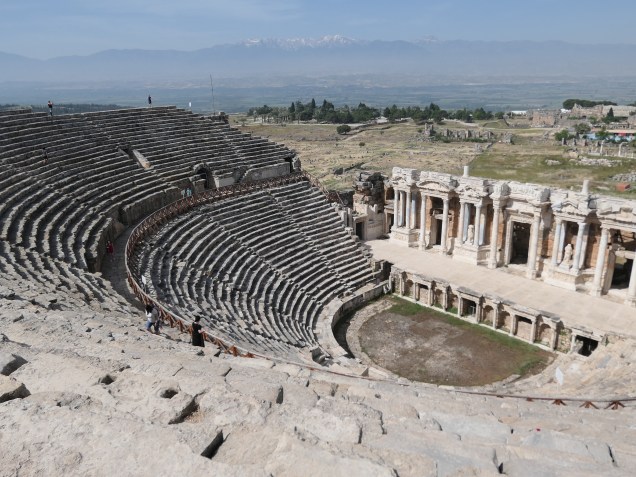
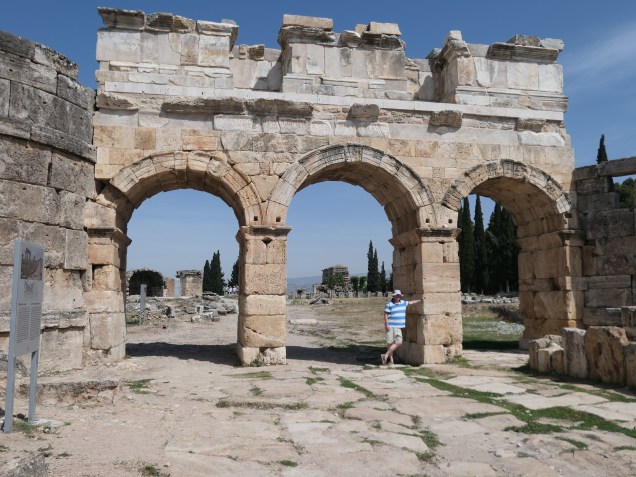
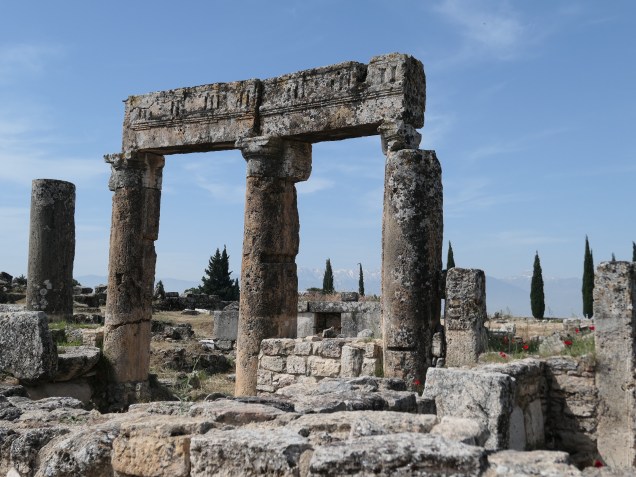
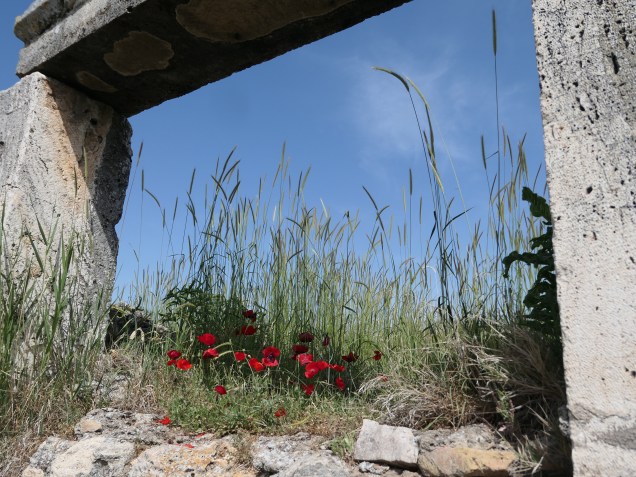
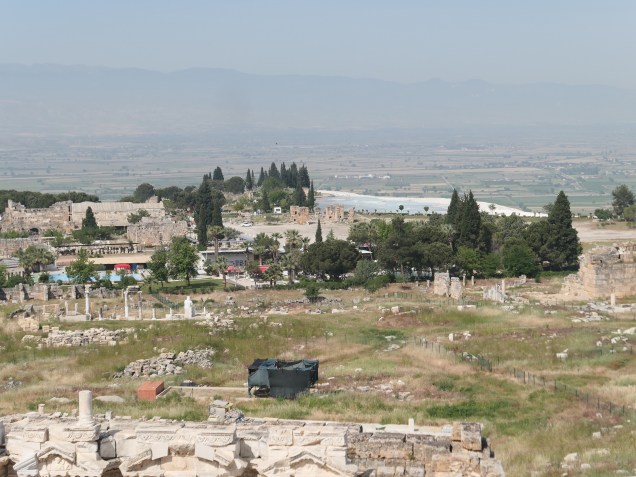
Hierapolis was a spa city founded around 190 BC and situated at the top of the Pamukkale cliff. The Romans used the same thermal waters that formed the travertines to create the healing spa. Although severely damaged by earthquakes, the ruins cover a large area and include a theatre, church, baths and archways. At this time of year the landscape is at its most lush, including wild poppies.

Pamukkale

In our effort to see more of Turkey and improve our Turkish, we made a one week round trip from Kalkan to include Pamukkale, Ephesus and Datça.

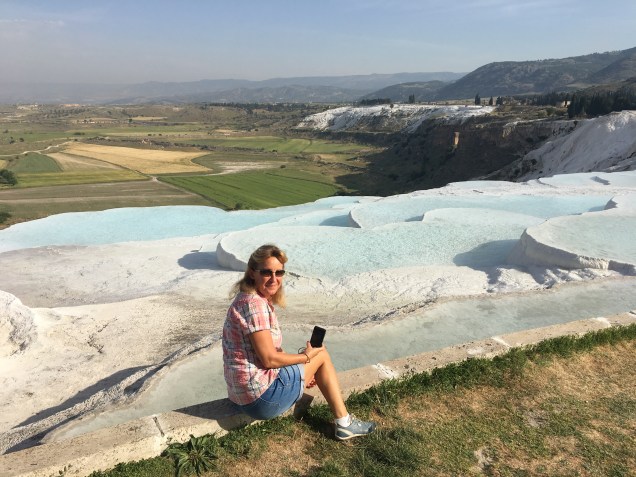
Pamukkale and Hierapolis are together a UNESCO World Heritage Site, a three and a half hour drive inland from Kalkan. We stayed for two nights so we could enter the site before 7am to avoid the crowds.

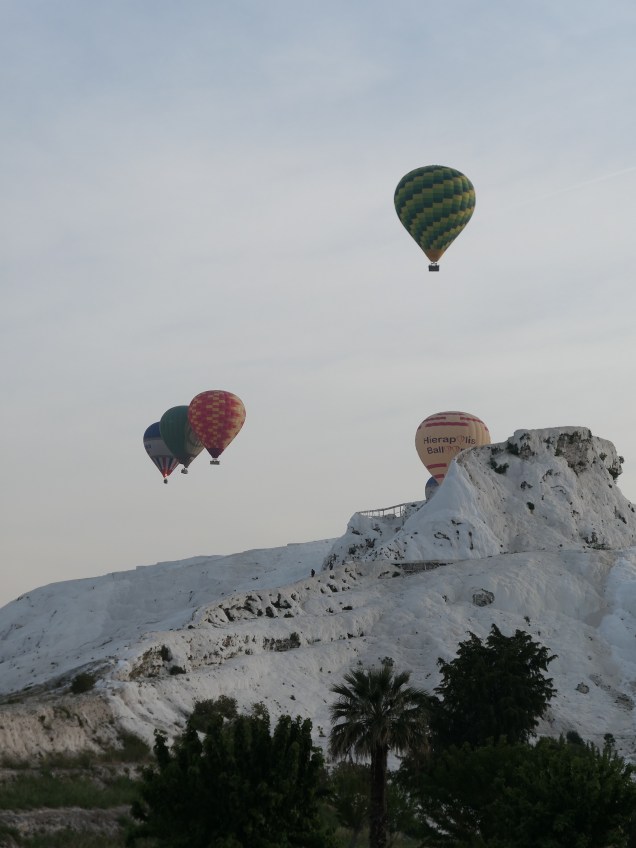
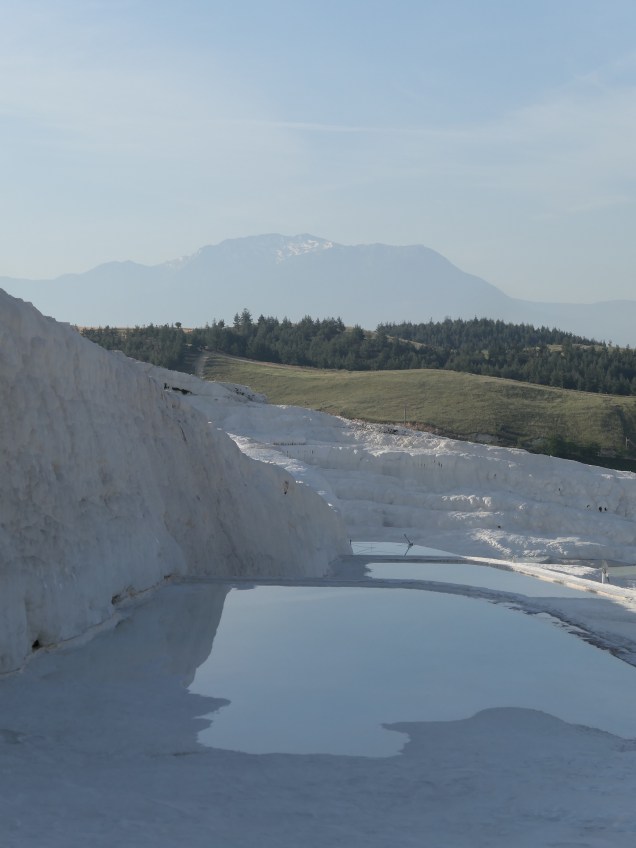
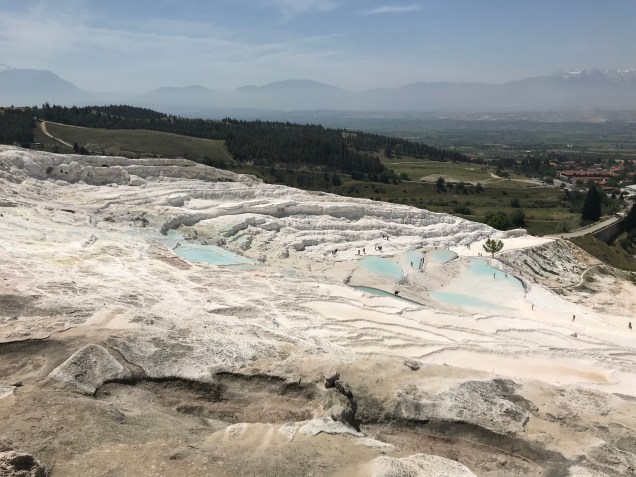
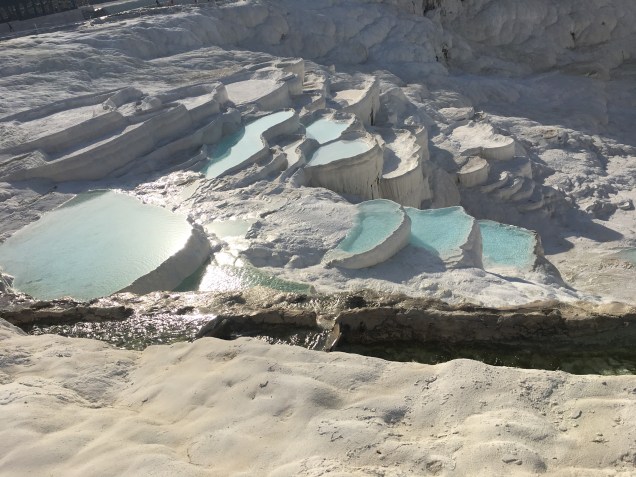
Pamukkale was formed by warm thermal waters cascading over a limestone cliff edge. The literal meaning is cotton castle. It is now the most visited single site in Turkey, with two million visitors a year – the vast majority arriving in coaches from coastal resorts such as Marmaris or on day tours from cruise ships. The village of Pamukkale, in the shadow of the cliff, is therefore very quiet in the early mornings and evenings, with a handful of small guest houses.