Life in Turkey

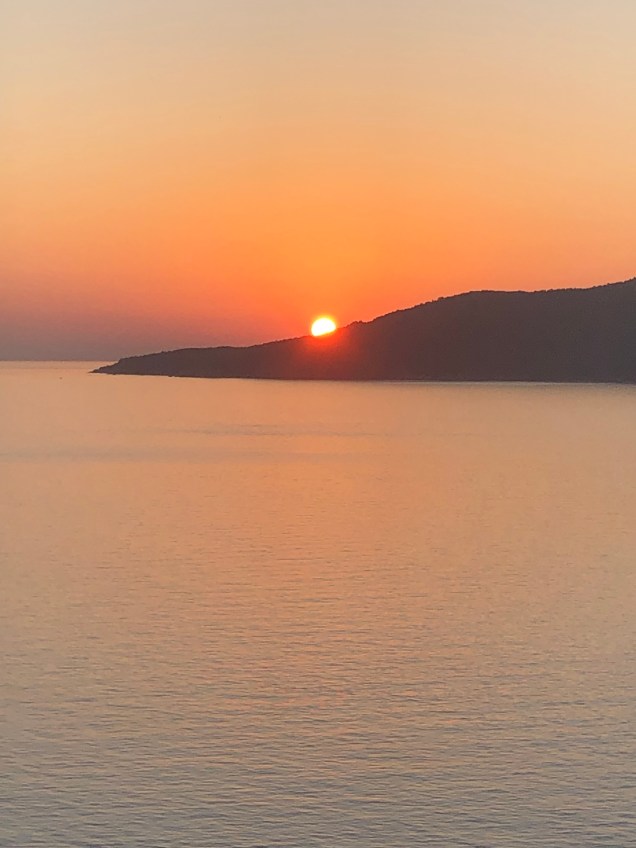
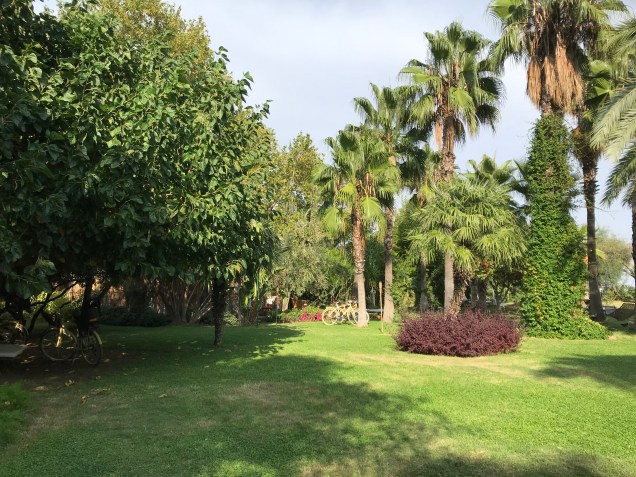
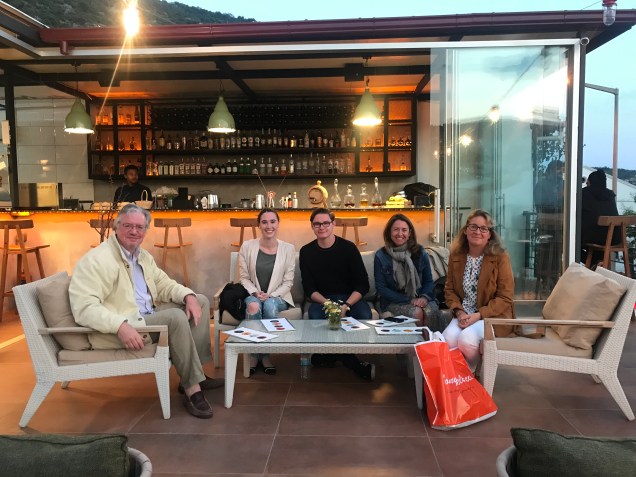
“Day to day” life in Kalkan during our 2019 stays at Günbatımı (“sunset” in Turkish; aptly named, with no two days being the same) has continued to bring a great variety of experiences. In addition to a number of visitors, referred to in other posts, we have spent time (and shared countless bottles of wine !) with many interesting people from friends of friends to our neighbours. We now know a number of Turkish people and value their friendship and patience with us practising our Turkish with them !

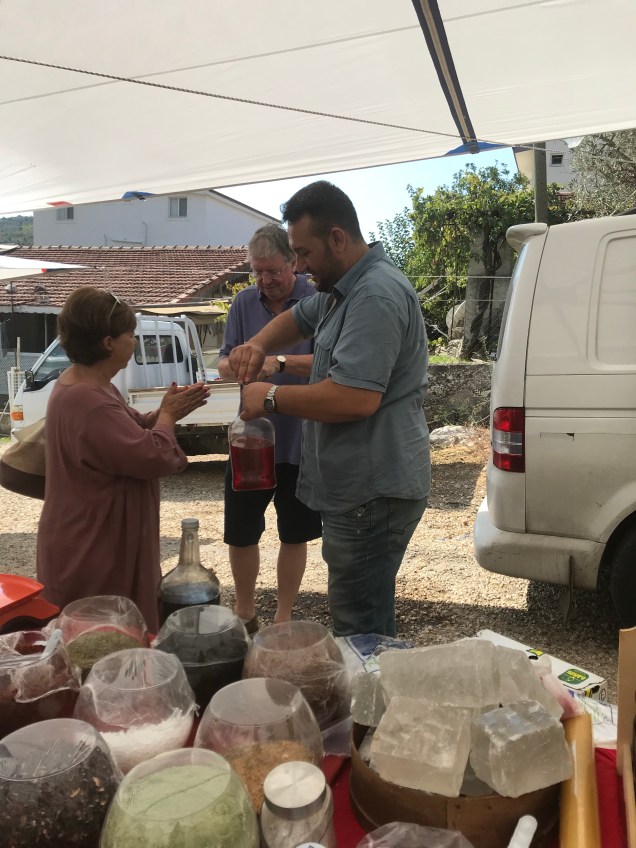
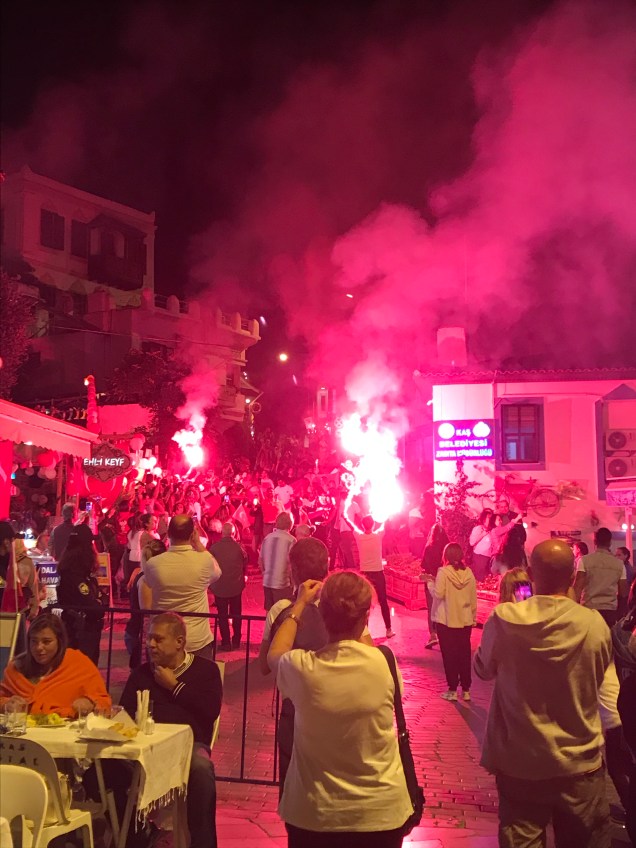
Learning some basic Turkish has enabled us to visit places off the tourist trail, including shops, restaurants and markets and understand the community we live in better. On 29th October we celebrated the Turkish National Day with friends in Kaş and a few days later reciprocated by introducing them to rugby in a Kalkan bar.

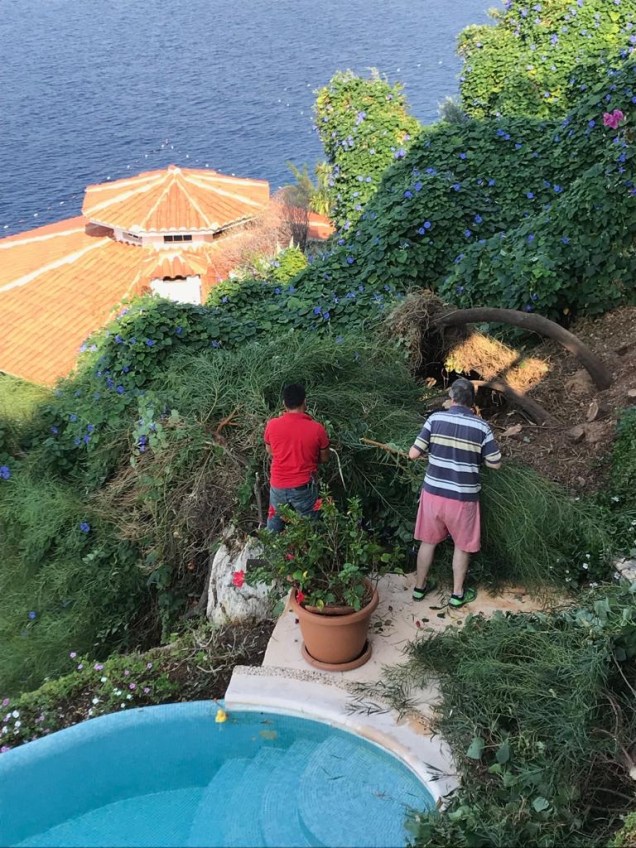
We have continued to do work in the house and garden, with the invaluable help of Ipek and Servet. Our knowledge of Turkish rules, regulations and accepted practices from tax to import regulations has improved and Tim drives like a local.

Sidyma and Yediburunlar

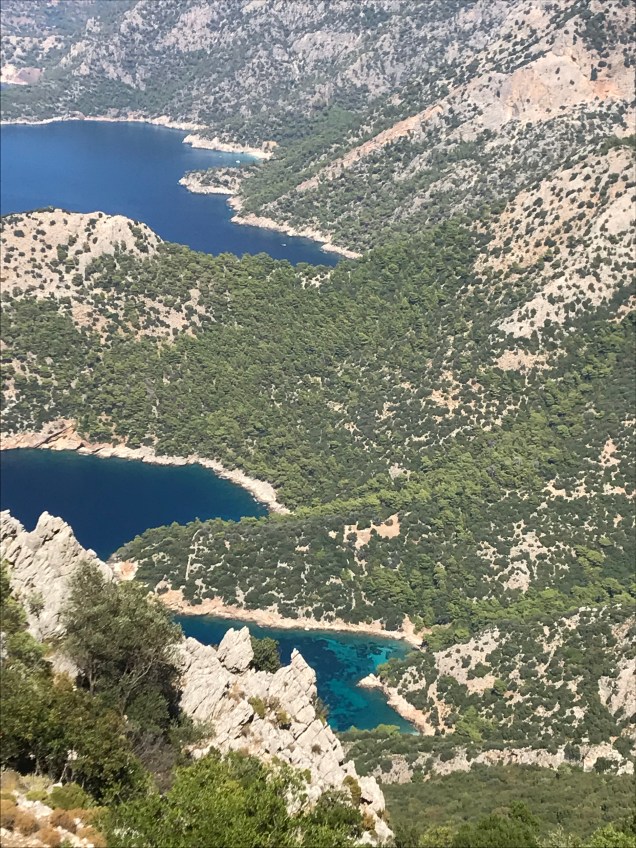
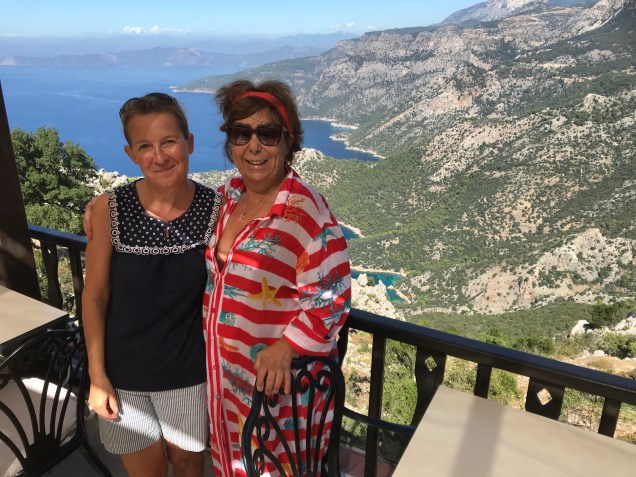
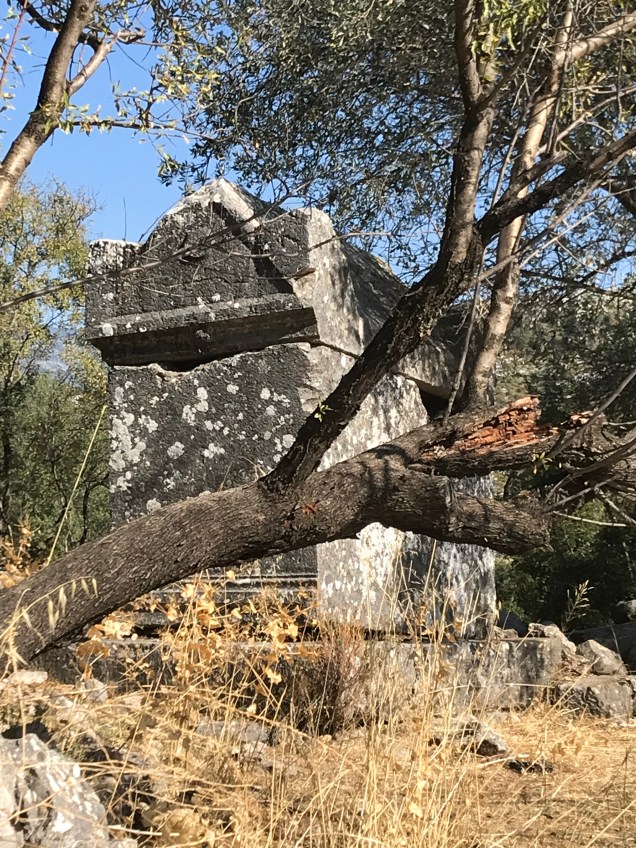
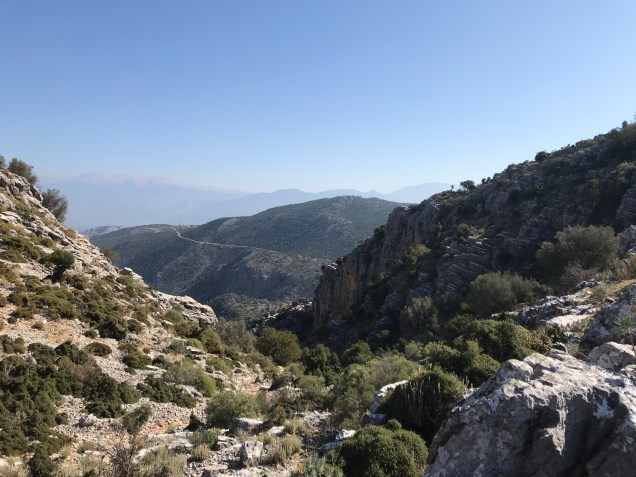
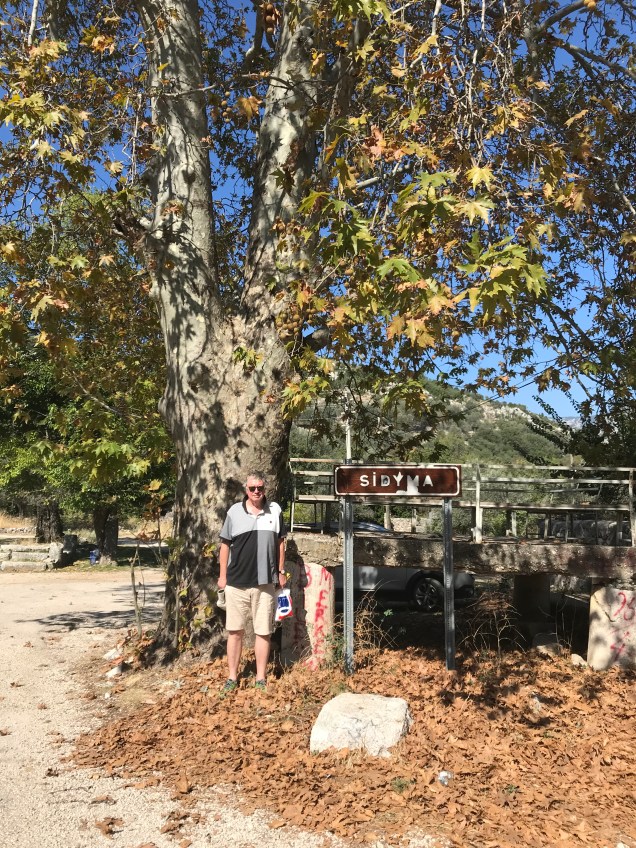
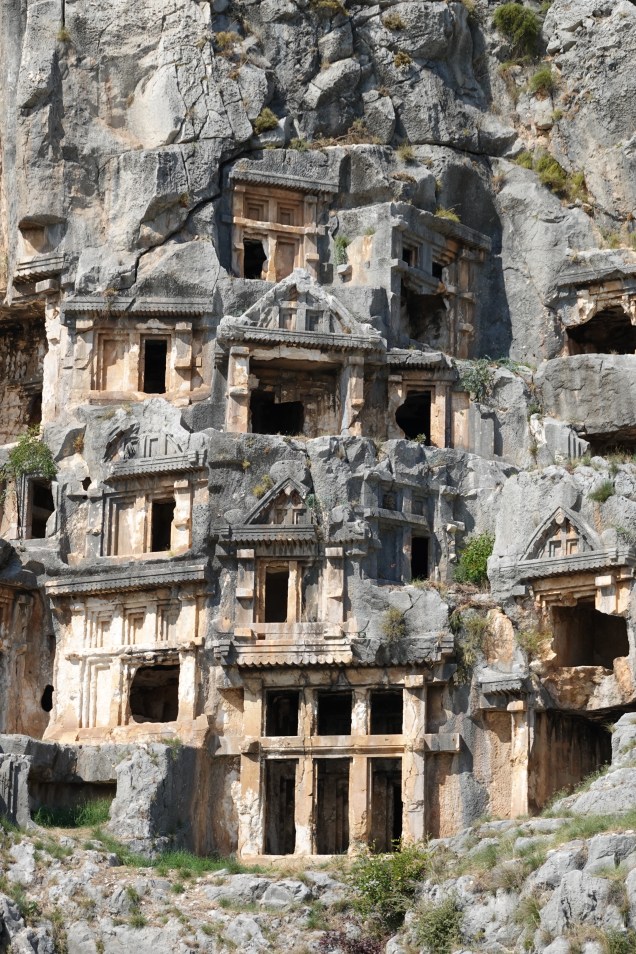
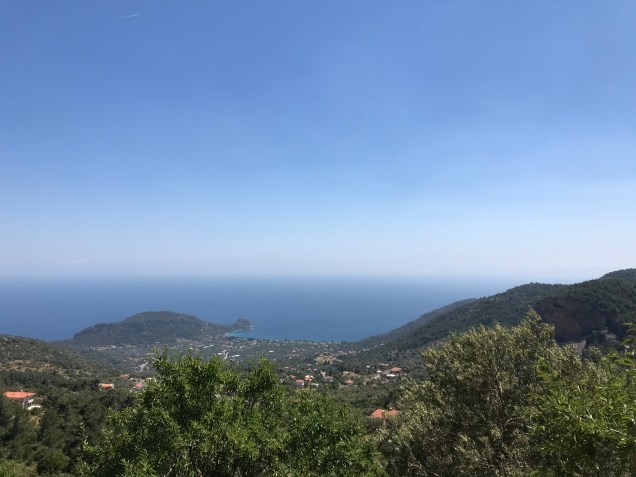
Turning off the main road from Kalkan to the airport at Dalaman takes you to a very different world of simple village life. We took trips to the Lycian city of Sidyma and a remote small hiking hotel with stunning coastal views at Yediburunlar (seven noses, after the shape of the coastline).

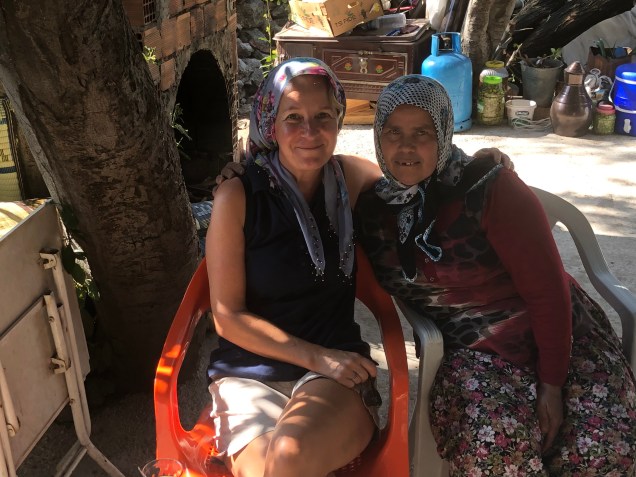
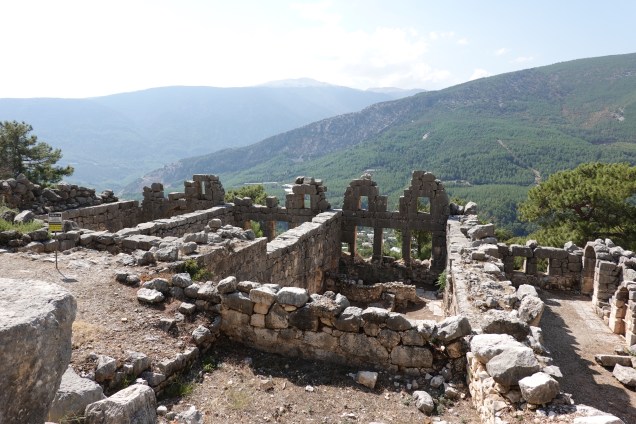
At Sidyma we were met by the wife of the local village mayor, who pointed us in the right general direction, in the absence of signposts or a site map, and then made us tea when we returned; we were grateful for our basic Turkish. The site is virtually undisturbed, except by villagers who have used some of the stones to build houses and farm the land around the site.

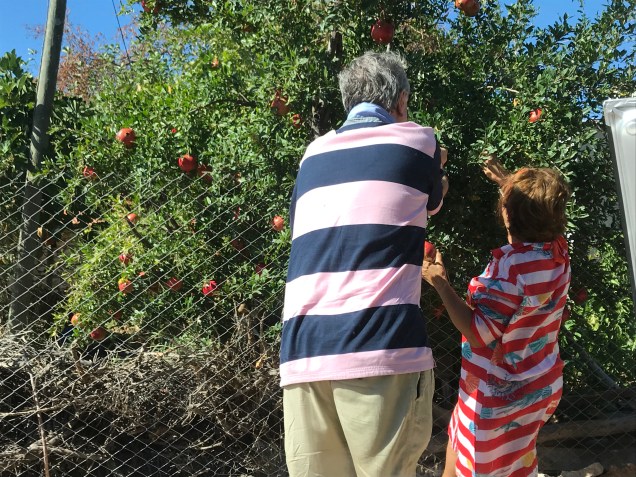
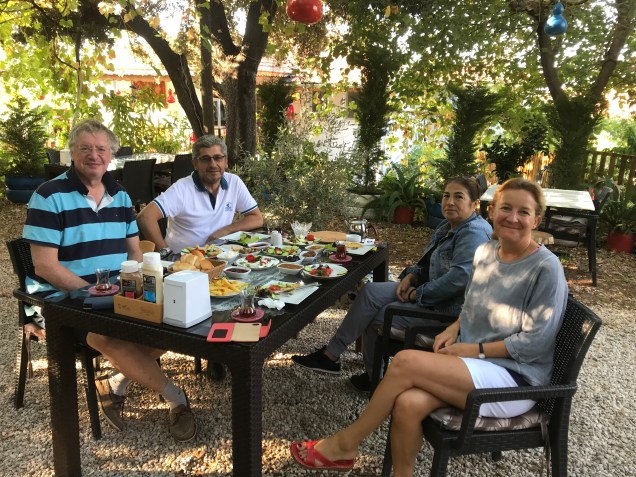
Ipek, our neighbour and owner of Villa Mahal, navigated us to Yediburunlar, where we had lunch. She also introduced us to the Turkish custom of pomegranate scrumping.

Arycanda

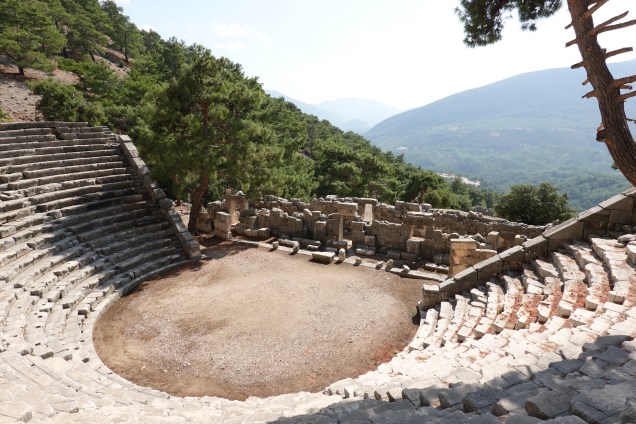
On our way back to Kalkan from Çıralı we took a detour into the mountains to visit the ancient Lycian city of Arycanda, built on several terraces at the top of a very picturesque valley. We arrived to find no one in the ticket booth and no other cars. With no site map, we explored the site with the help of our George Bean book, published 50 years ago. Some further restoration work has taken place in the intervening years, particularly the theatre, but otherwise the site remains very much the same.

Olympos and Çıralı

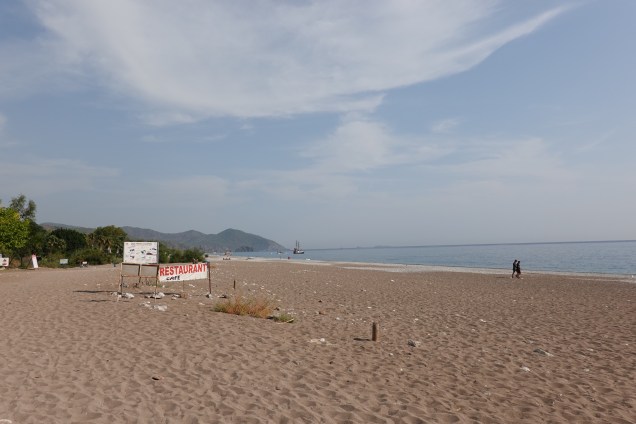
Çıralı is a beachside village comprising predominantly bungalows in woods, behind the beach, protected by strict planning regulations. It has something of a 1980s backpacker feel to it, although our hotel was more modern, family run and boutique in style.

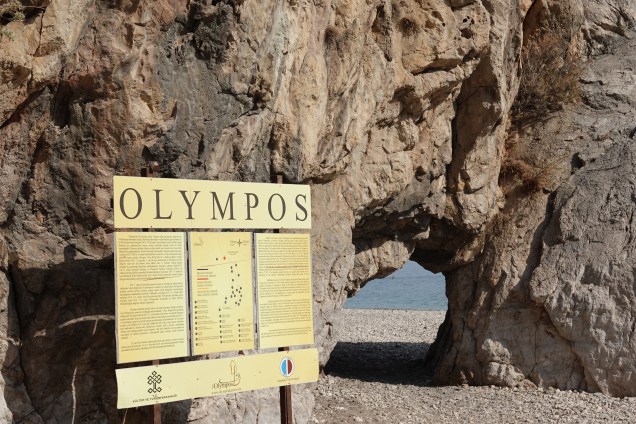
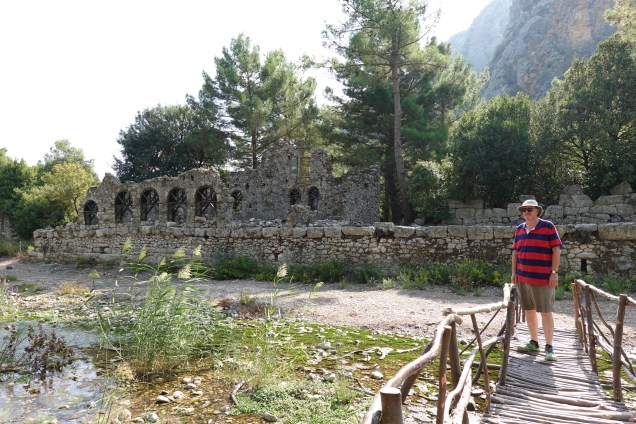
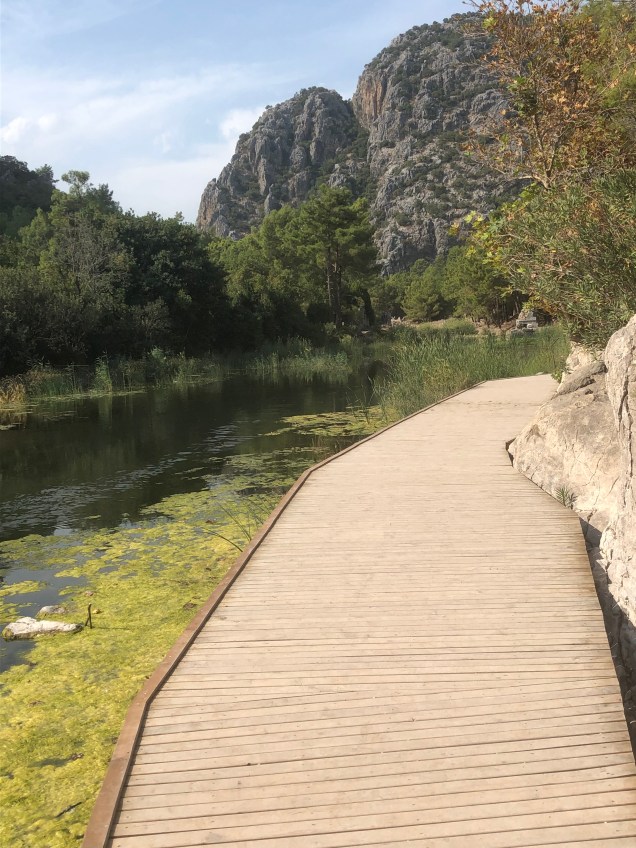
At the end of the beach and at the foot of steep mountains, are the ruins of Olympos, a major Lycian city. Three kilometres away are the legendary flames of Chimaera which have burned for hundreds of years as a result of natural methane gas from the rocks. Unfortunately we will have to visit Chimaera next time as a rare, but heavy, storm kept us away.

St Nicholas in Turkey

We went on a three night trip to Çıralı along the coast, passing two of the three main sites associated with St Nicholas.

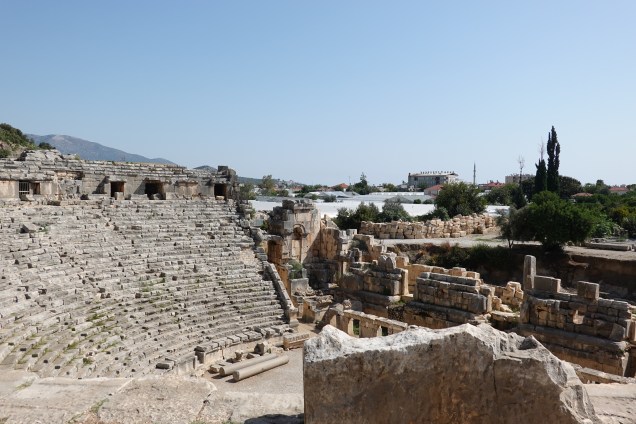
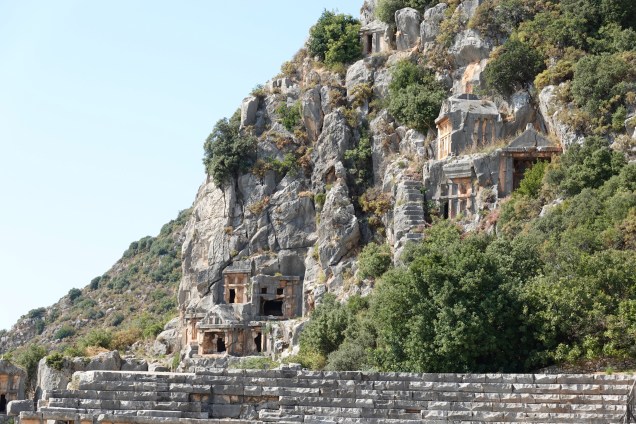
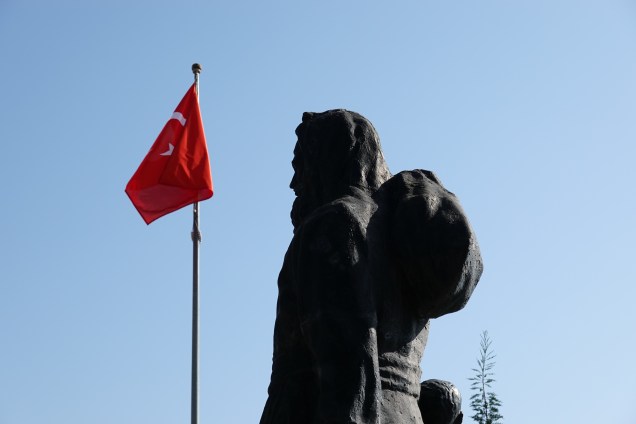
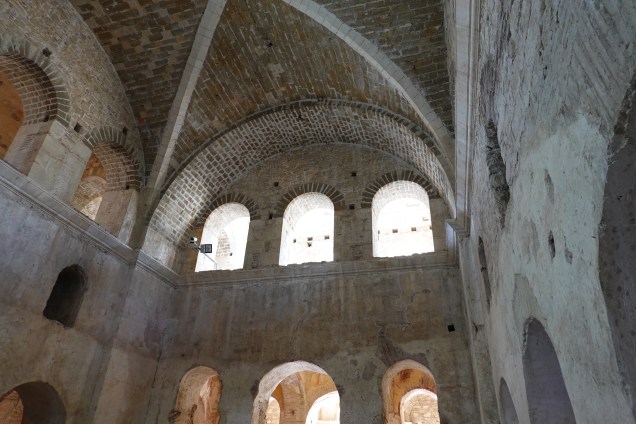
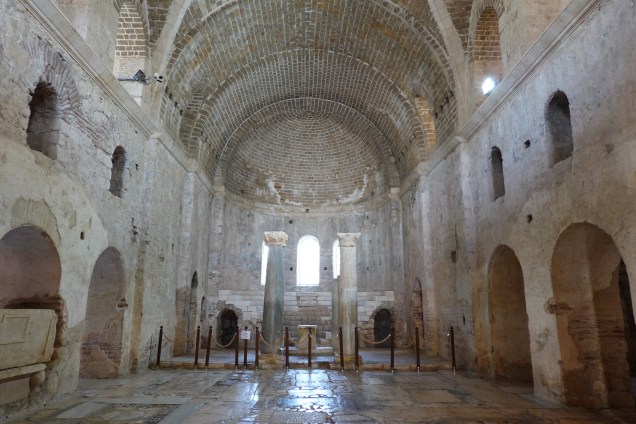
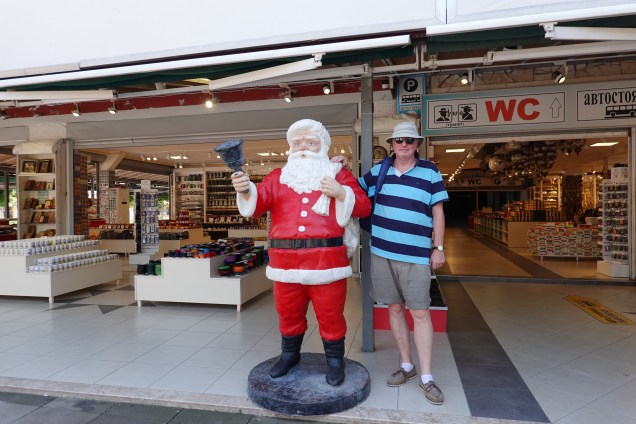
Some distance from the North Pole and with a very different climate, Father Christmas was born in Patara which is very close to Kalkan and somewhere most of our guests have visited with us. He then spent most of his life in Myra and Demre, which are off the dramatic coast road from Kaş to Antalya. Myra is the site of an old Lycian city, taken over by the Greeks and then the Romans. Demre is the home of the St Nicholas church, built in 520 on the foundations of the church where he was bishop, and contains his tomb. This is a major site for Russian tourists as he is their patron saint.

Friends and family visit Kalkan

Within hours of our arrival in April, our Anglo/French chums arrived; Emmanuelle, Paul and Clara were introduced to Kalkan, Kaş and Patara. Emmanuelle was revising for her British citizenship and confirmed her expertise by ordering a beer in a restaurant without even knowing it (in fact asking for the bill).

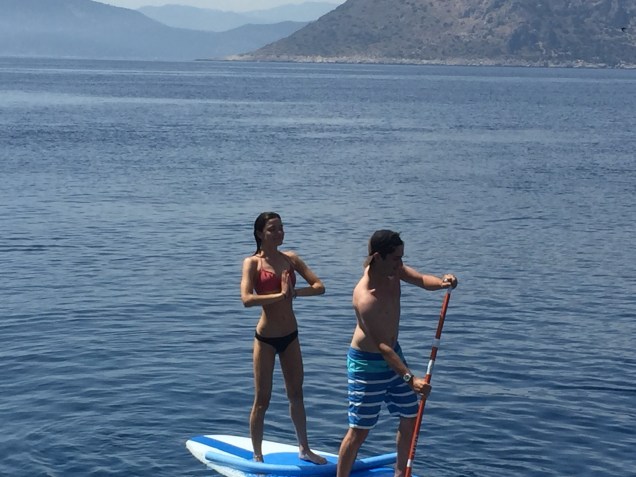
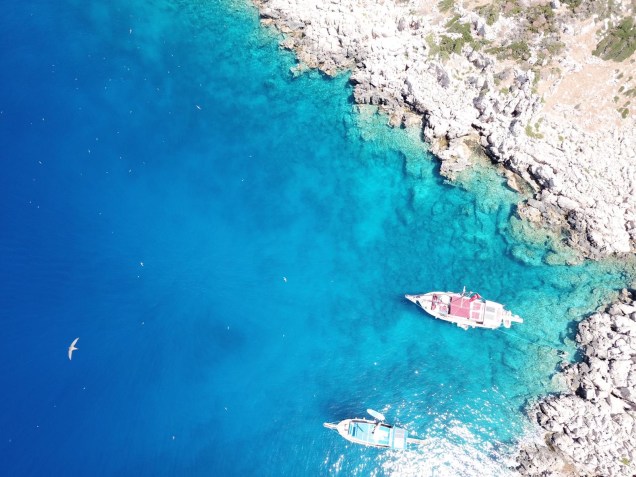
Helen and Tim visited in June, this time with Sam and Issy. Amongst the highlights were a day out on a boat, including paddle boarding, a visit to a local nightclub and yoga on the roof terrace.

Annie, Steve and Paula made a brief visit, shortly followed by the arrival of Abi and Tom. Tom managed to show that paddle boarding was not as easy or as elegant as that demonstrated by Issy and Sam ! The conditions, no doubt.

Towards the end of the season we caught up with the Boucher family who were spending half term with Anna’s brother in Kalkan. Late October brought September like weather – we all enjoyed good food and swimming and “the girls” (Harriet, Georgina, Lucinda ……and Sarah) went para-sailing.

Lunch stops

Each leg of our round trip was around three to four hours driving, generally on very good quality roads with relatively little traffic; most major cities have by-passes. We took the opportunity for a bit of ad-hoc exploring with our lunch breaks.

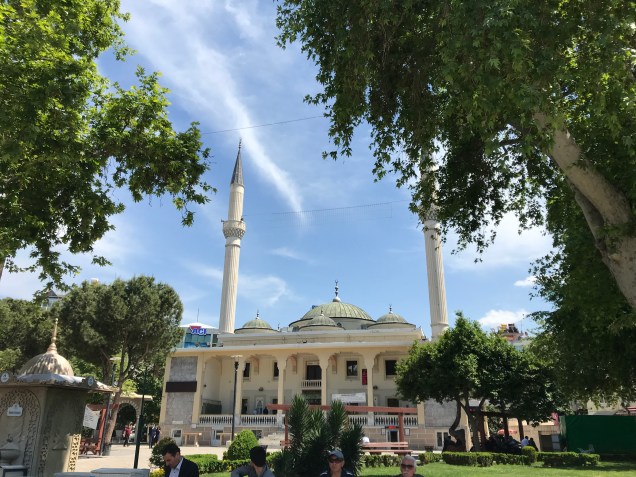
Inland we stopped at the industrial but modern city of Denizli, eating at a traditional Turkish restaurant on a square by one of the major mosques in a shopping district. Our other inland stop was at the much smaller industrial town of Köşk, just off the main road from Pamukkale to Izmir. While this is a well travelled road for tourists, eating other than at the roadside is not the norm. We ate a delicious homemade toasted sandwich in what was no more than someone’s front room. As we ate, there were quite a number of people dropping in – not for food or drink but because our arrival had caused ripples along the local grapevine.

Our stops on the coast were more conventional – the small town of Akyaka, Palamut Bükü on the Datca peninsula and the yachting centre of Göcek – but extremely picturesque.

Datça

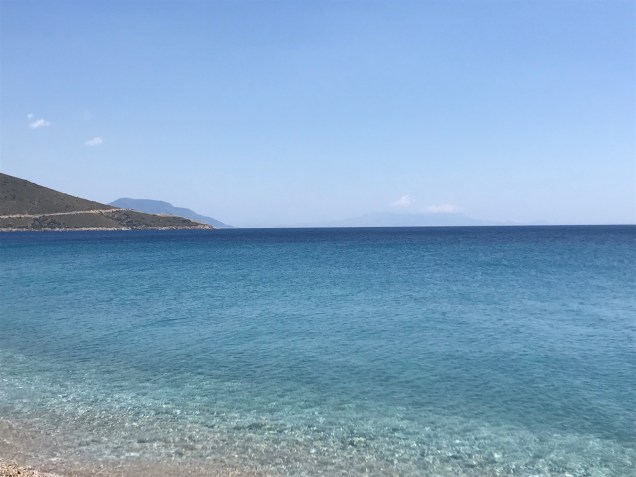
Our final stop on the trip was the Datça peninsula. Most tourist get as far as Marmaris, which we passed through, at the beginning of the peninsula. The scenery is amazing with windy roads, in place steep, along the peninsula which has the Aegean Sea on its north coast and the Mediterranean to the south.

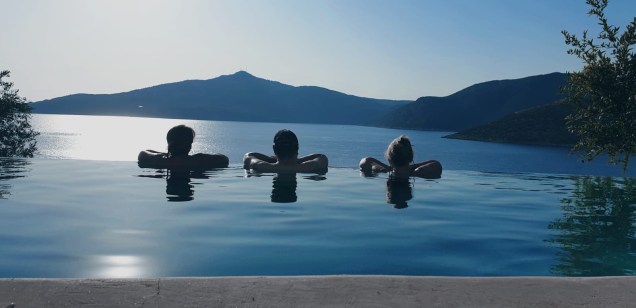
The tourists that make it this far are mostly Turkish; we met a number of people that spoke no English but managed to make ourselves understood (with some support from google translate). We stayed on an organic olive farm which produces a range of products and has a small guest house with great food and a swimming pool.
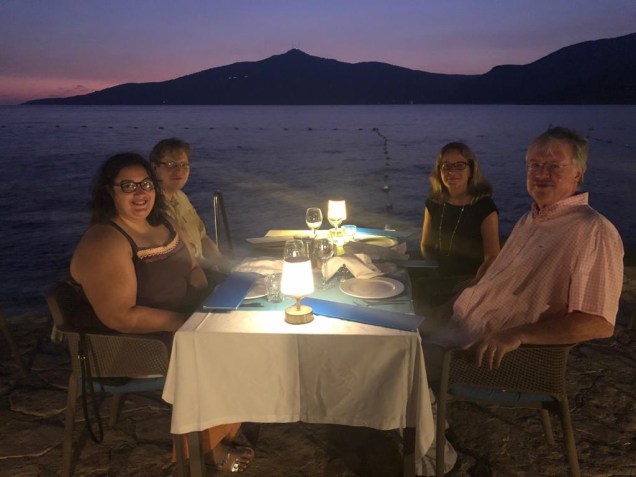
As well as enjoying some chill out time on the farm we visited the Old Town of Datça (Eski Datça) which is very picturesque and relatively quiet, and took a trip further down the peninsula to Palamut Bükü,on the beach.
Selçuk, The Basilica of St John and the İsa Bey Camii

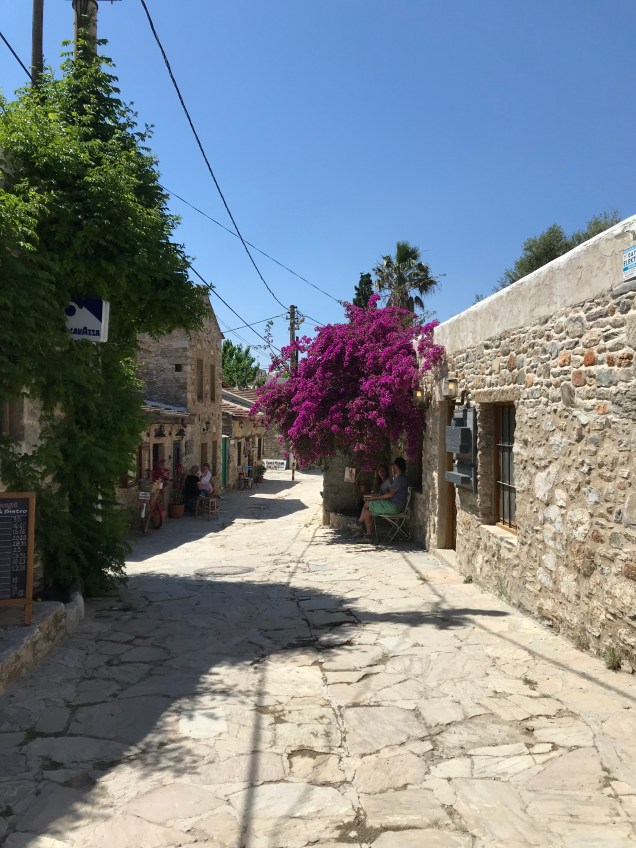
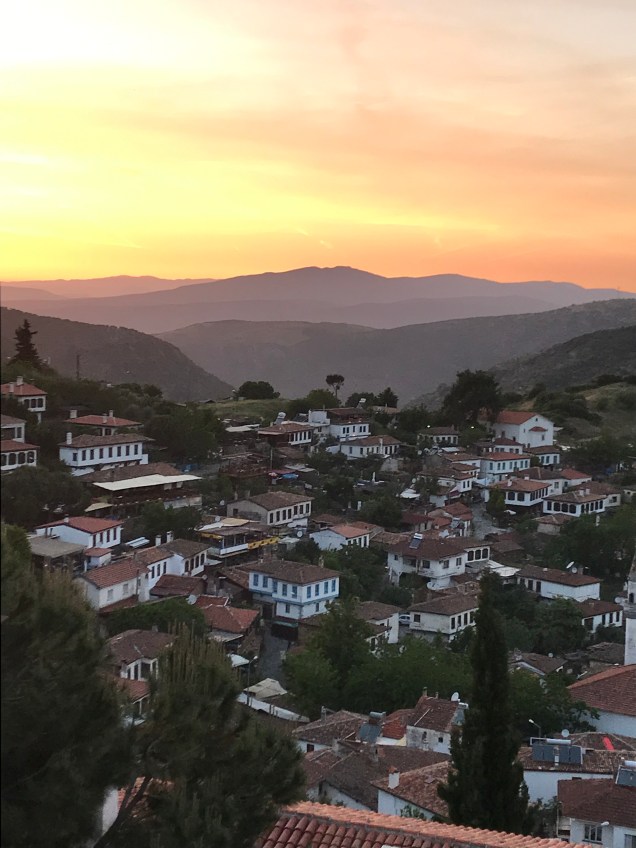
We stayed on the outskirts of Şirince, which by day is taken over by tourists as it is a picture postcard village, looking very much like a Tuscan village. It is also close to Ephesus and Selçuk. The best view was from our hotel just above the village.

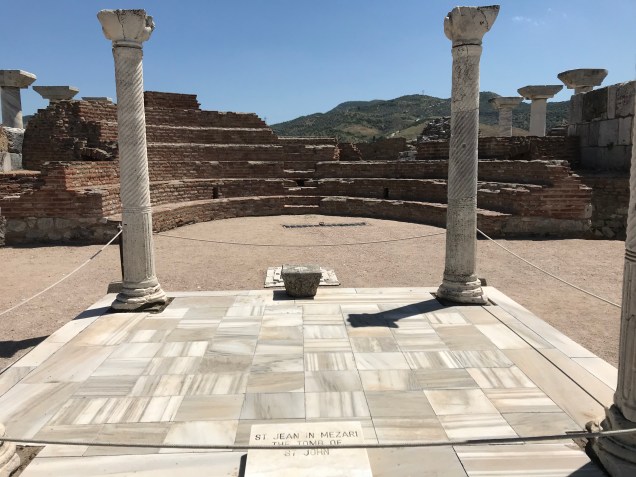
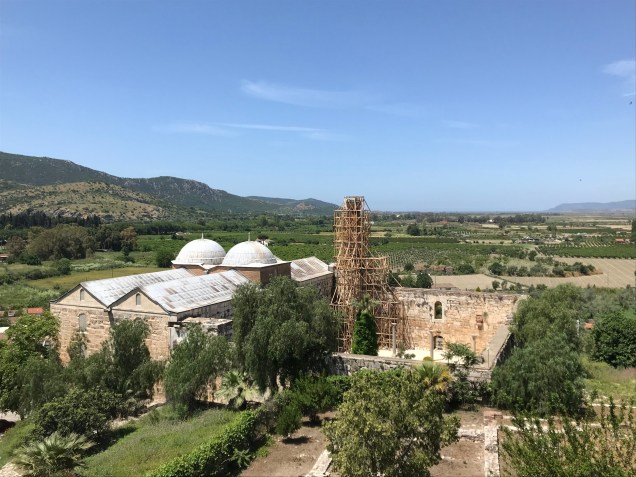
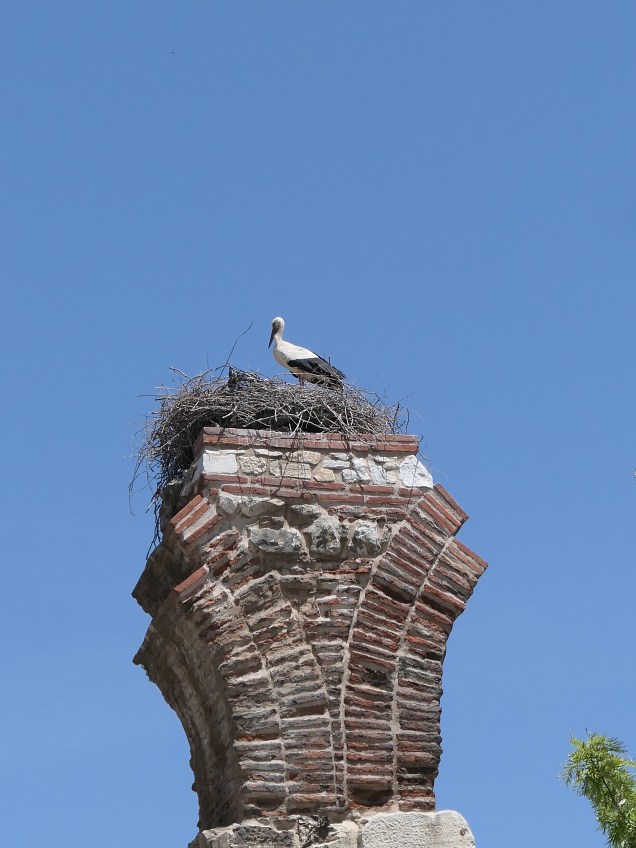
Selçuk has the ruins of the very large Basilica of St John which is next to a 14th Century mosque (Camii) and 6th Century citadel. The town has the remains of a Byzantine aqueduct which now provides perfect nesting spots for storks.

Ephesus

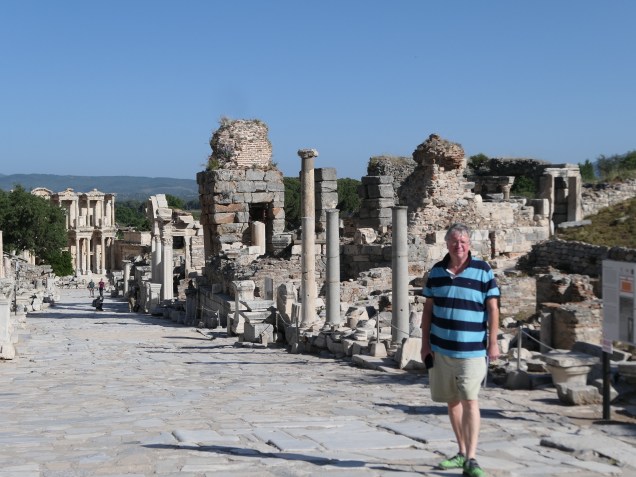
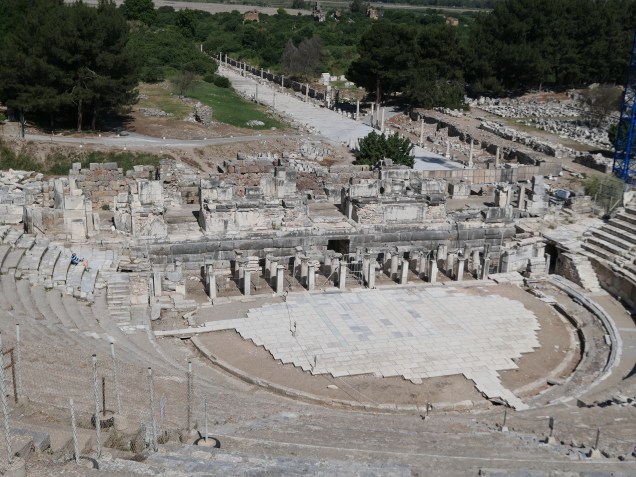
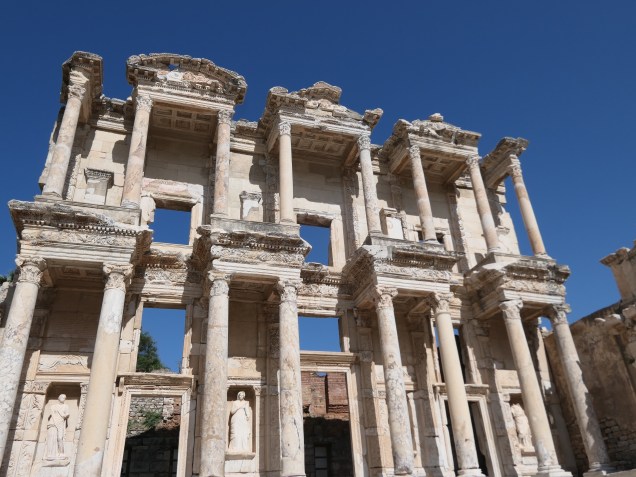
Ephesus (or Efes, in Turkish, from which the local beer derives its brand name) is the best preserved classical city in Turkey and probably the best known. It had a harbour, which became silted up and ultimately led to its decline. At its peak it had a population of 250,000. It is also significant because it is believed St John and the Virgin Mary lived here for three years and there are ruins of a church built in her name. The site is very significant to the Catholic Church and has been visited by several popes.

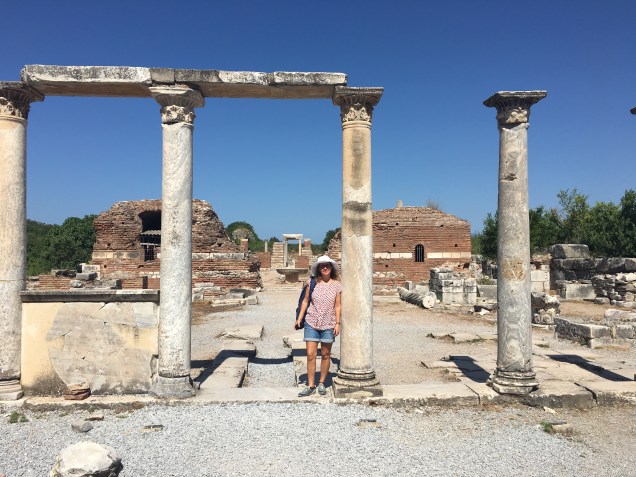
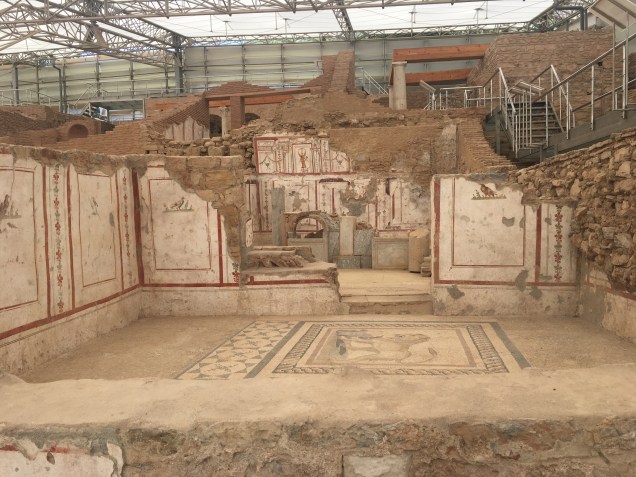
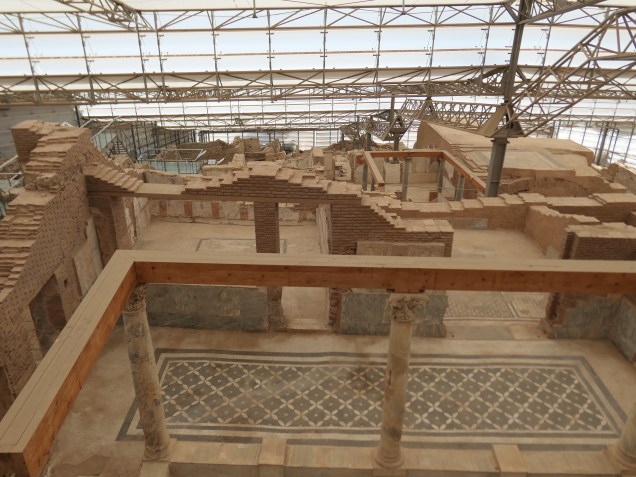
The highlight of our visit was seeing the terraced houses which are being restored to provide the best evidence of Roman life, other than Pompeii; they were the houses of the wealthy. We managed to see this section of the site and the church of the Virgin Mary with no other visitors – in the case of the former, due to a (modest) additional entrance fee and in the case of the latter a (short) walk from the main site.