Castles

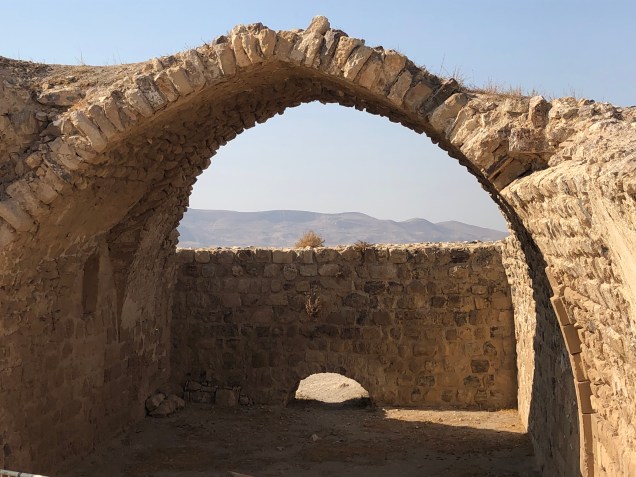
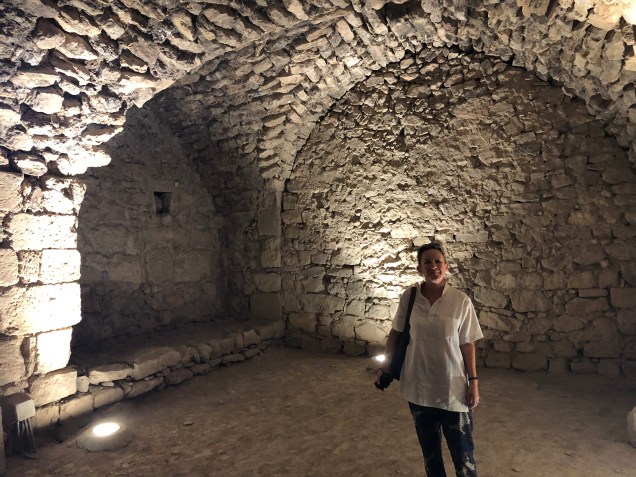
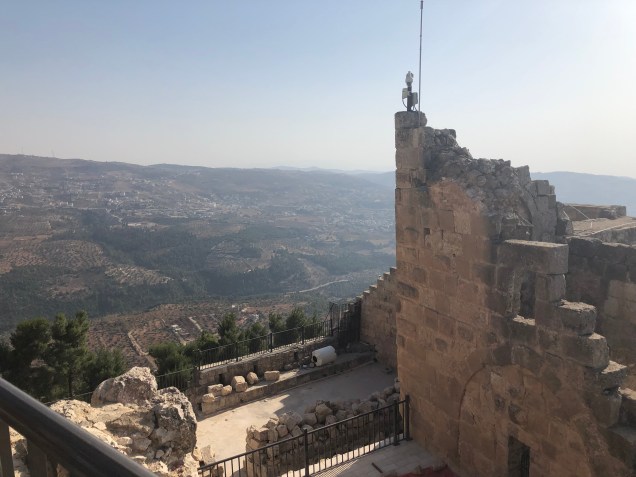
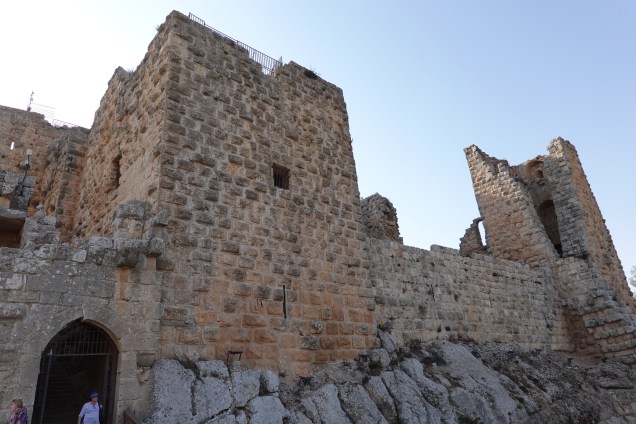
We visited three castles in Jordan, two built by the Crusaders and the other by one of Saladin’s generals. Karak and Shobak, the Crusaders’ castles, fell to Saladin in 1188 and 1189; the former following the Battle of Hittin, which was a crushing defeat for the Crusaders and resulted in the decapitation of Reynald of Chatillion by Saladin.

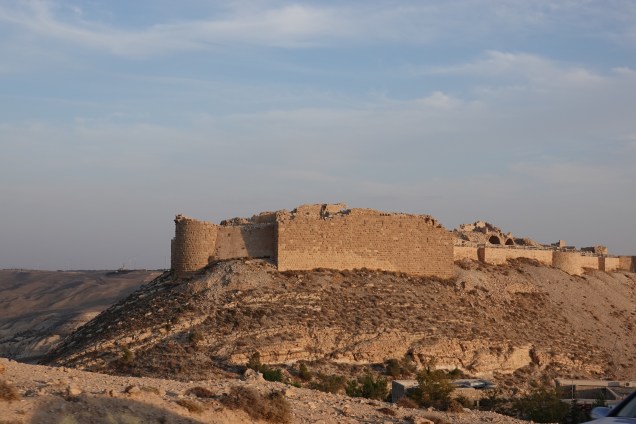
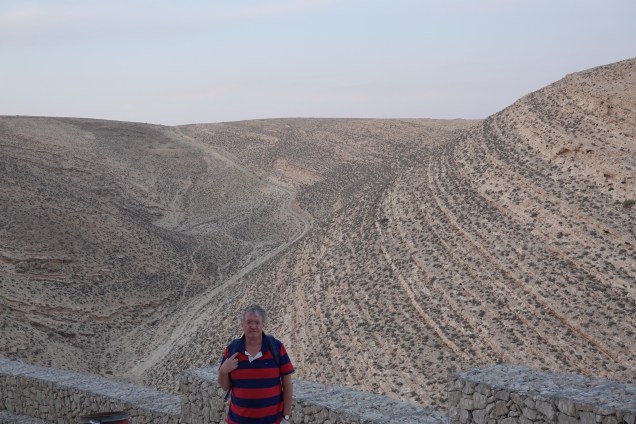
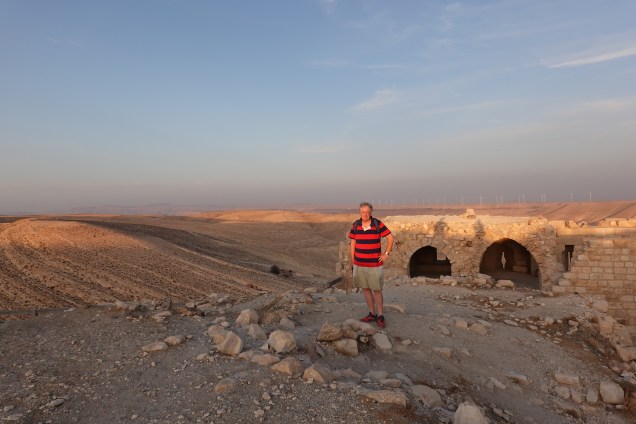
The third, Shobak, built by the Muslims is not the best preserved, but given its location and the fact that we arrived just before sunset with only one other couple there, made it the most spectacular.

Two of the local beers are named after Karak (Carakale) and Petra in a similar manner to the most popular Turkish beer being Efes.
Umm Qais

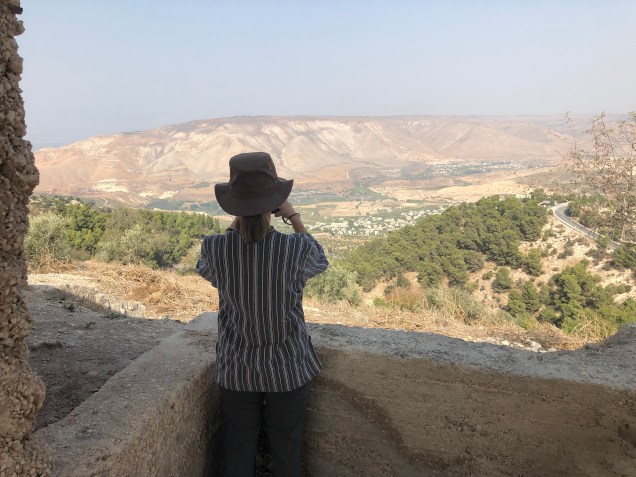
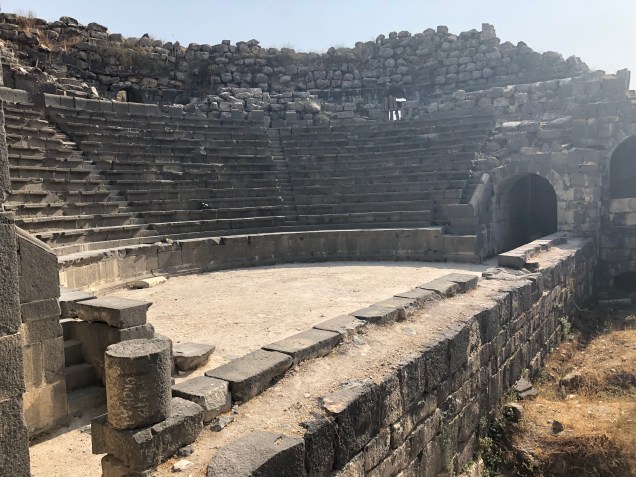
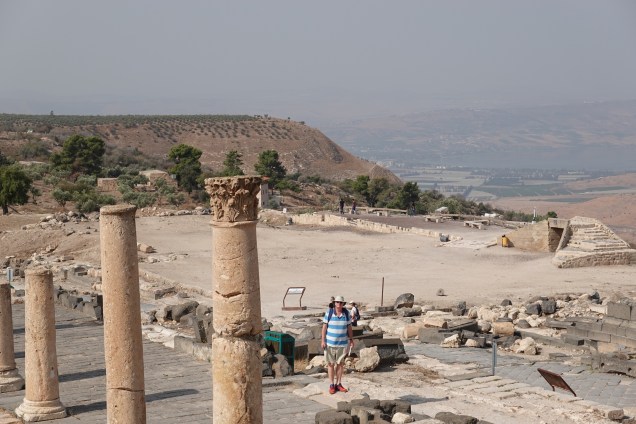
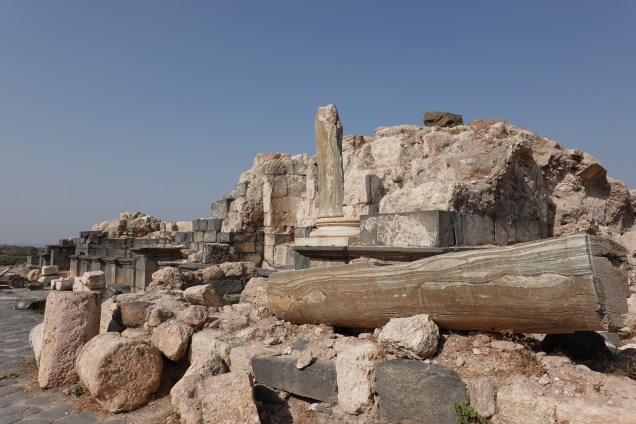
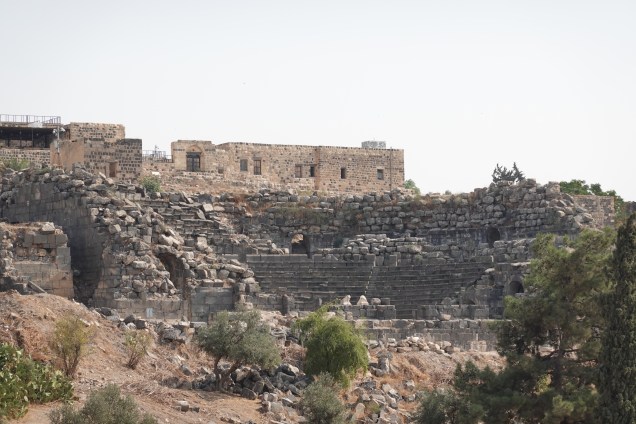
Romans set up The Decapolis, ten cities (but possibly more), in what is now Jordan, Syria, Israel and Palestine to unite their possessions and support trade and commerce. They were built on existing sites but much enhanced. Amman was one, known by the Romans as Philadelphia. We visited another at Umm Qais, known as Gedara. It is located in the north-west corner of Jordan overlooking the Gollan Heights and Lake Tiberias (Sea of Galilee) with views into both Israel and Syria.

Excavation began in the early 1980 and is ongoing but slow due to limited funding. Due to the location it is very low key in terms of visitor numbers with no coach parties.

Jordan and Amman

Jordan is a relatively new country, founded after the First World War and gaining full independence from the UK in 1946. It is a kingdom, with the current ruler, King Abdullah, coming to the throne in 1999 following the death of his legendary father King Hussein. Jordan has no oil and very little water. The main drivers of the economy are potash, agriculture, tourism and a growing technology industry; it is heavily investing in education. It has 10 million people, with 40% in the capital, Amman. With limited natural resources and becoming the home for refugees – most recently over 1.3m Syrians on top of 700,000 Palestinians, together with over 1m Palestinians who are now citizens – the economy of Jordan has come under great strain.

Amman is where we started our tour. We were met at the airport by Ahmad who was to be our driver for two weeks. He also taught us a bit of Arabic, some of which was familiar as Arabic is one of the foundations of Turkish.

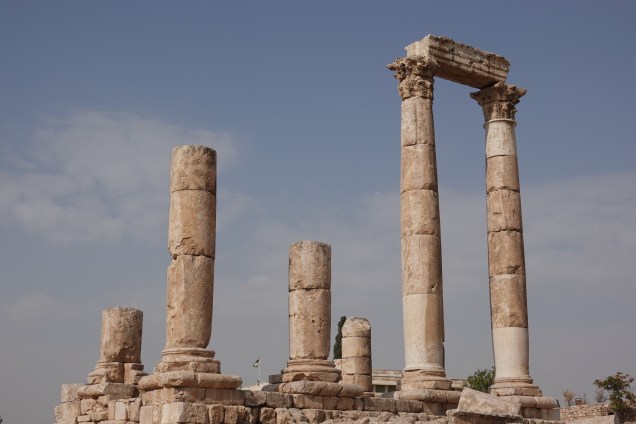
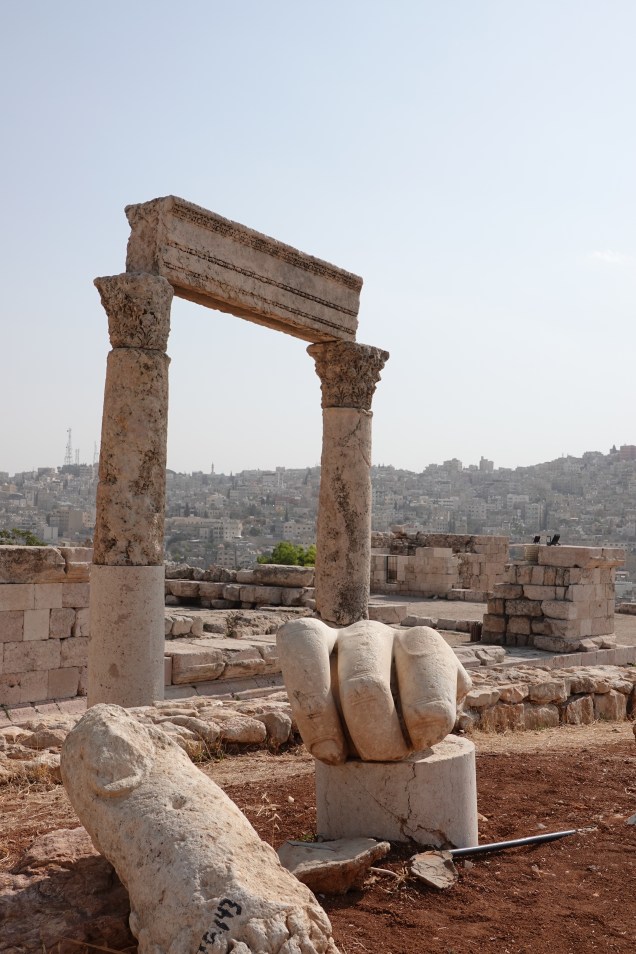
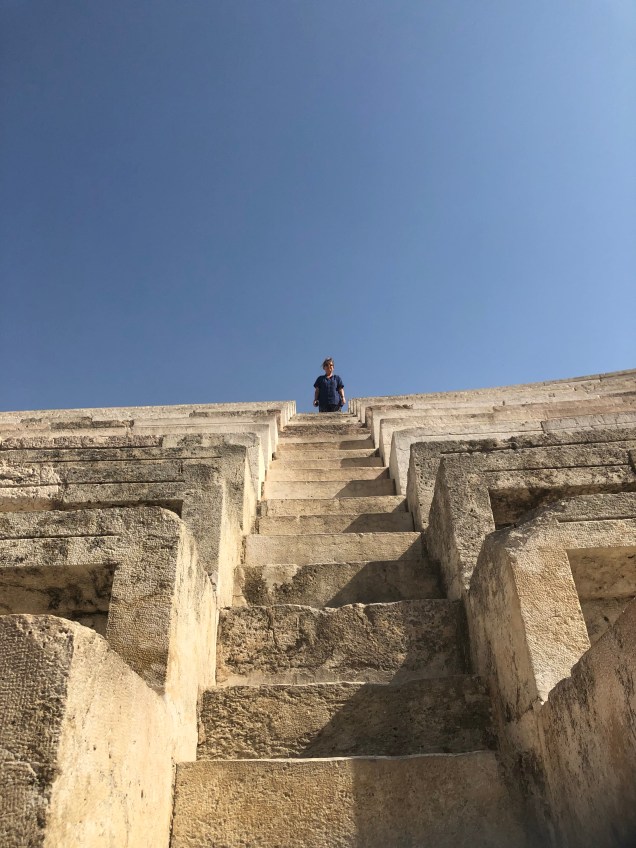
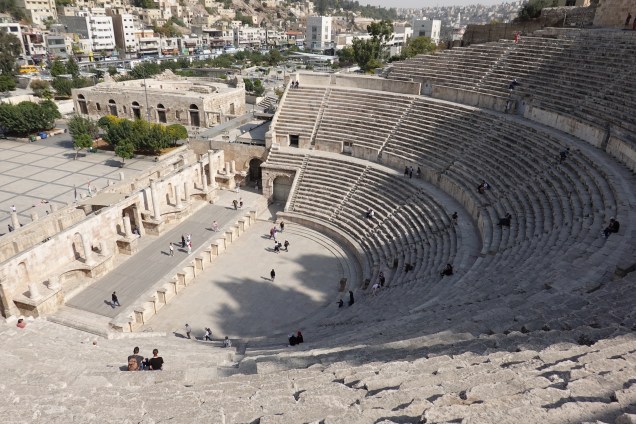
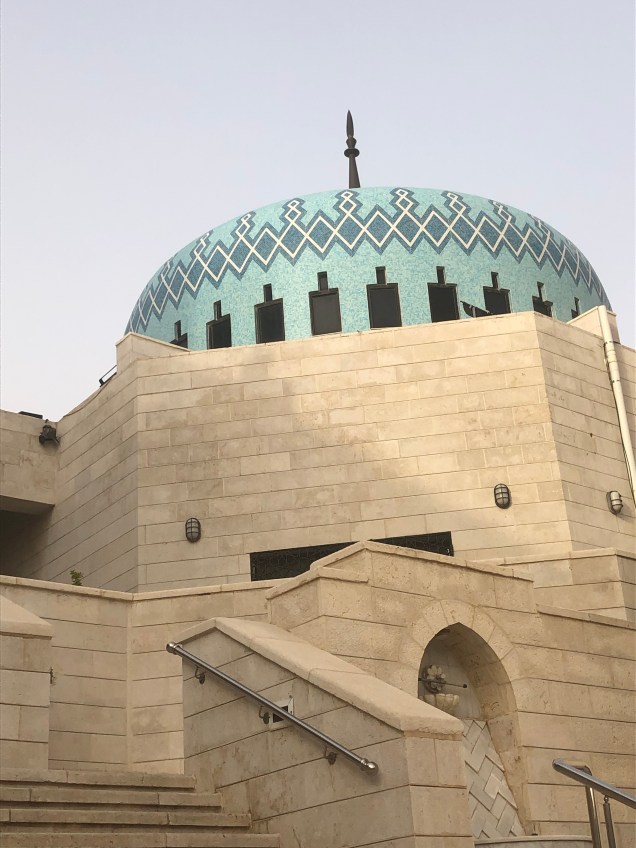
Most of Amman has been built since 1946, however it also has significant historic sites, notably the Roman Citadel and Theatre. We were grateful for some sustenance at the best known falafel stall in the souk before we visited the King Abdullah mosque.