Andalusia

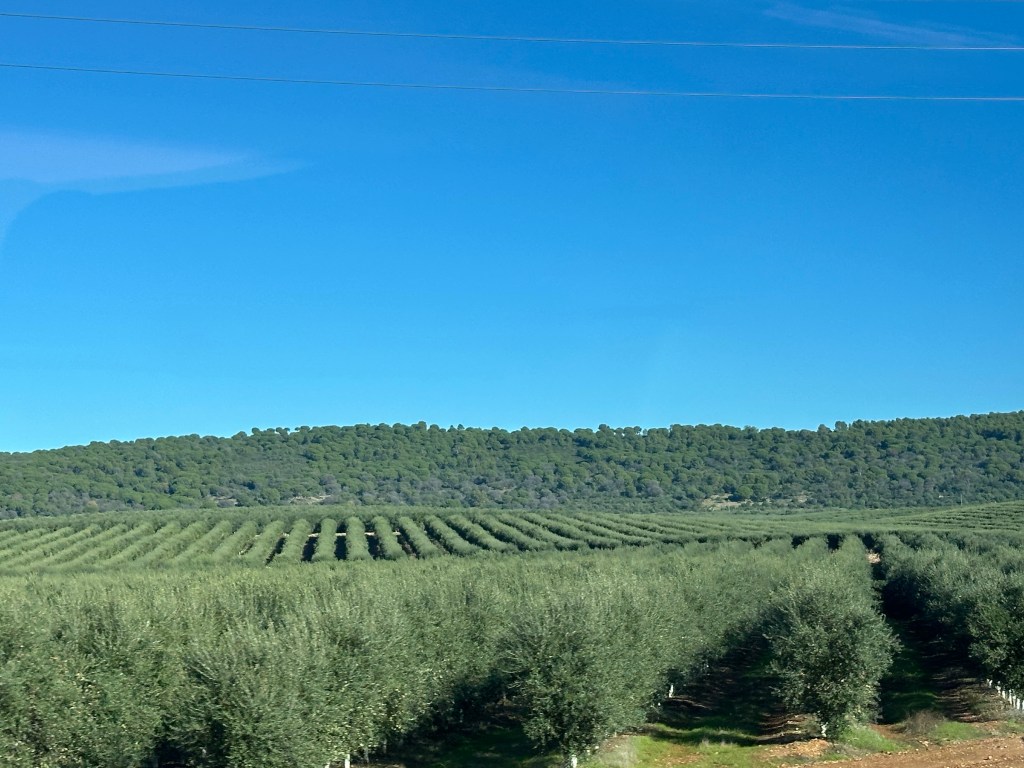
Andalusia is a historic territory at the south of Spain which is split into eight provinces. Andalusia derives from the Arabic name for the whole of Spain, Al-Andalus.

Andalusia was part of the Roman Empire from the first century BC but after its fall was invaded by the Visigoths who originated from The Balkans.

In 711 AD the area was invaded across the straights of Gibraltar by the Umayad Arabic Muslims who by 716 controlled almost all of the Iberian Peninsula.

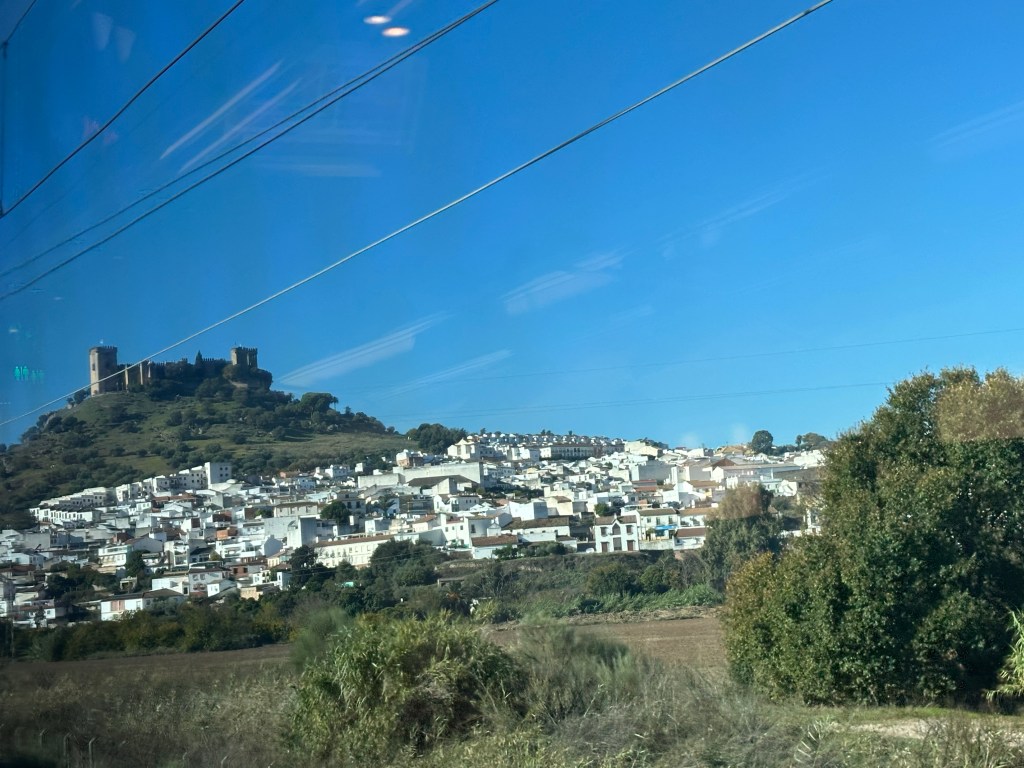
The Arabs finally left Spain in 1492, with Granada being the final stronghold. Seville, Cordoba and Carmona – the three places we visited- were captured by the Christians in the first half of the 13th Century.

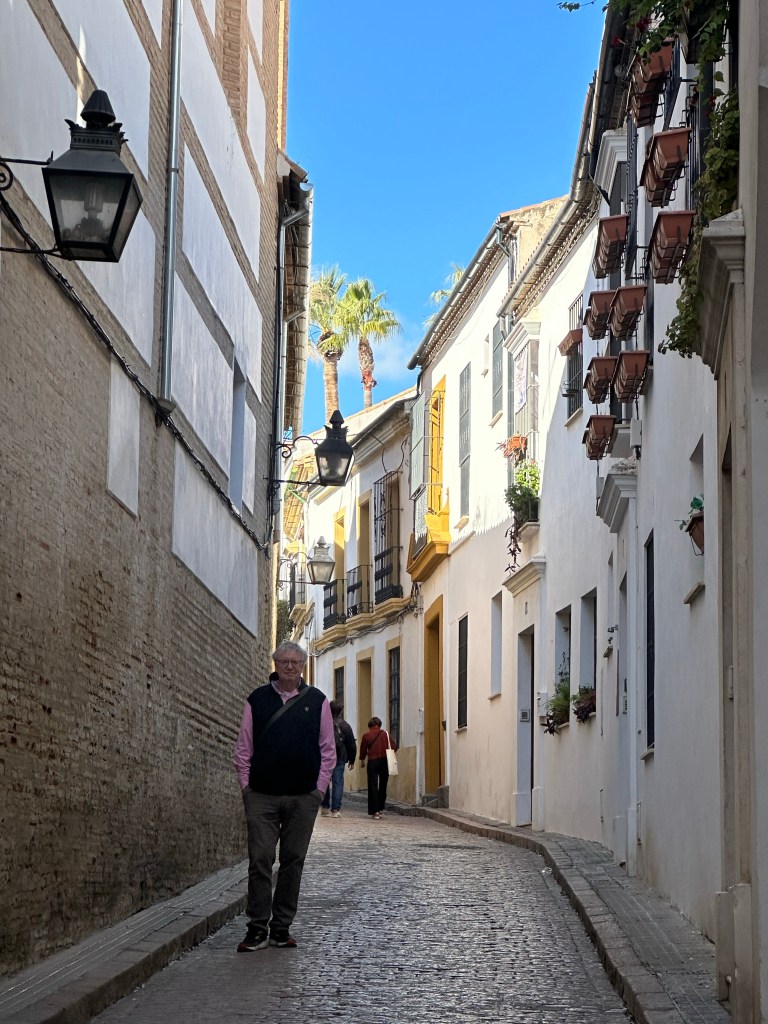
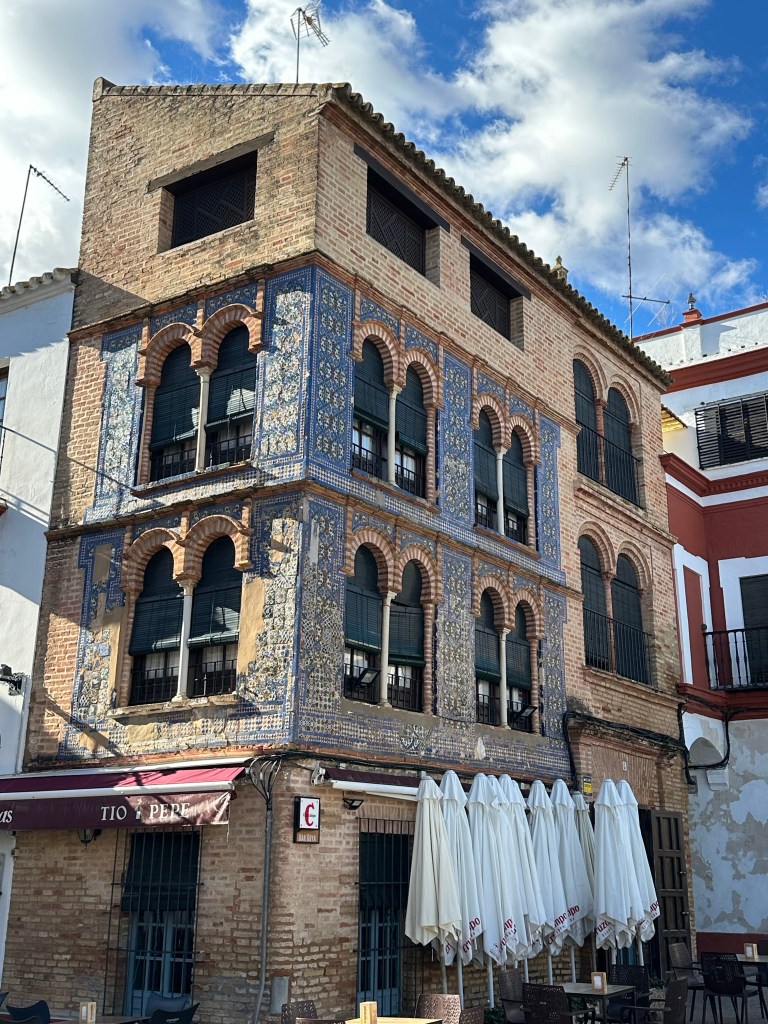
A street close to our hotel in Seville. Not a place for driving- local residents can do so but their cars all show the scars
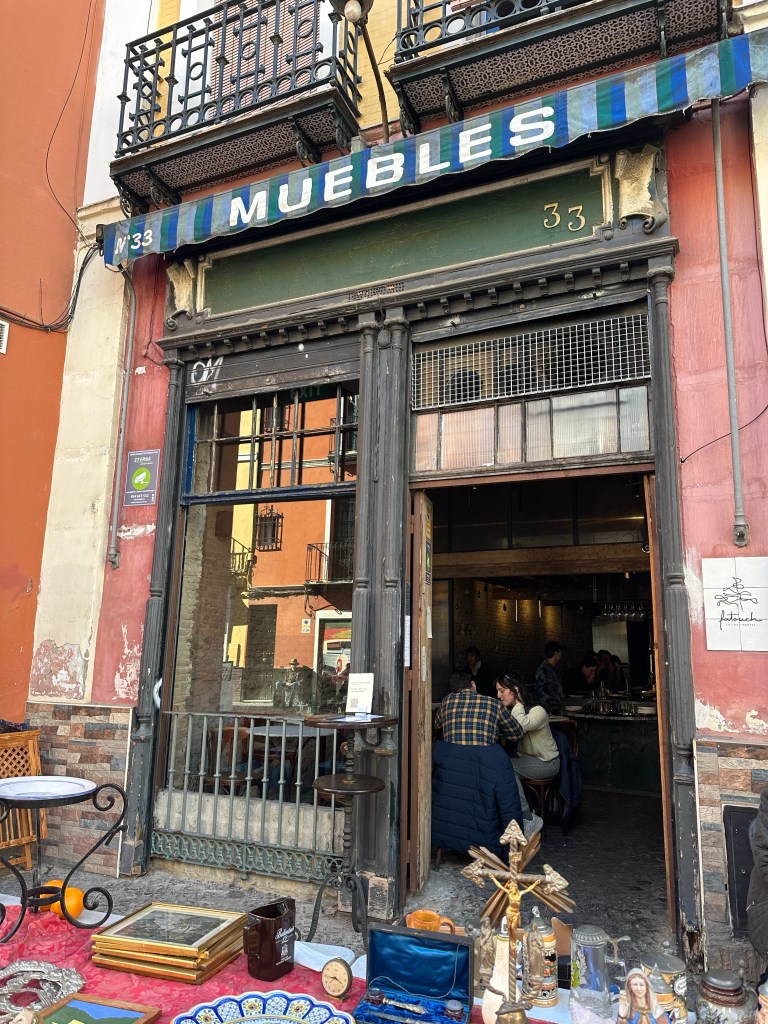
Well hidden in a bric a brac market in Seville, an excellent Lebanese restaurant
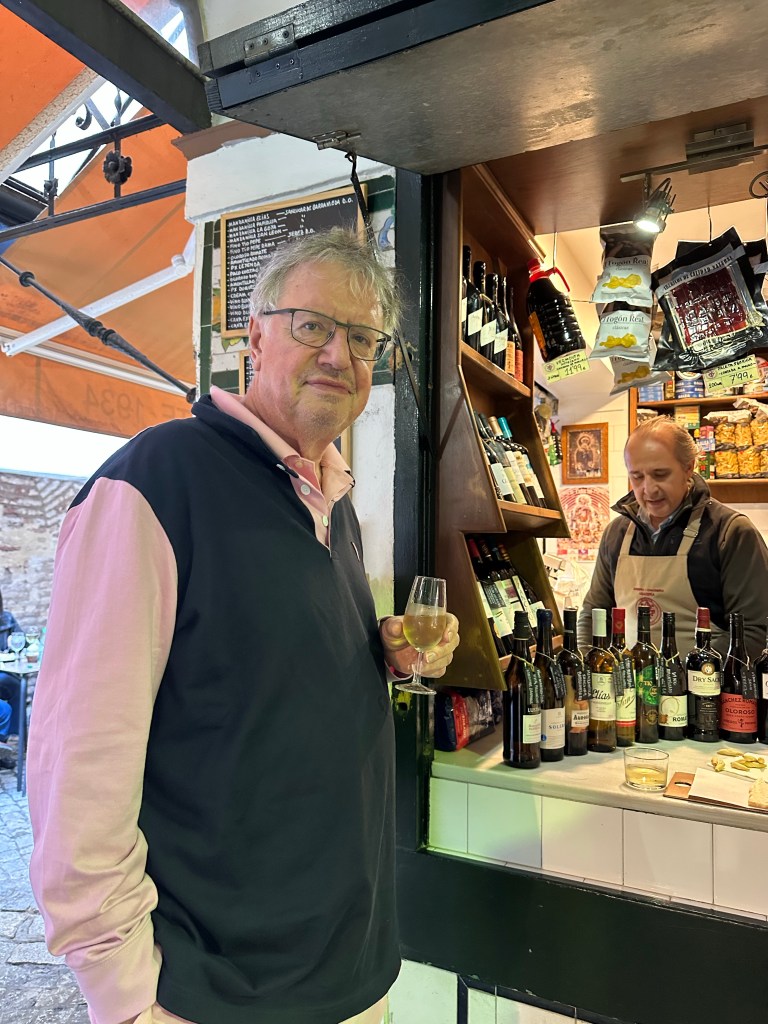
Food market in Seville
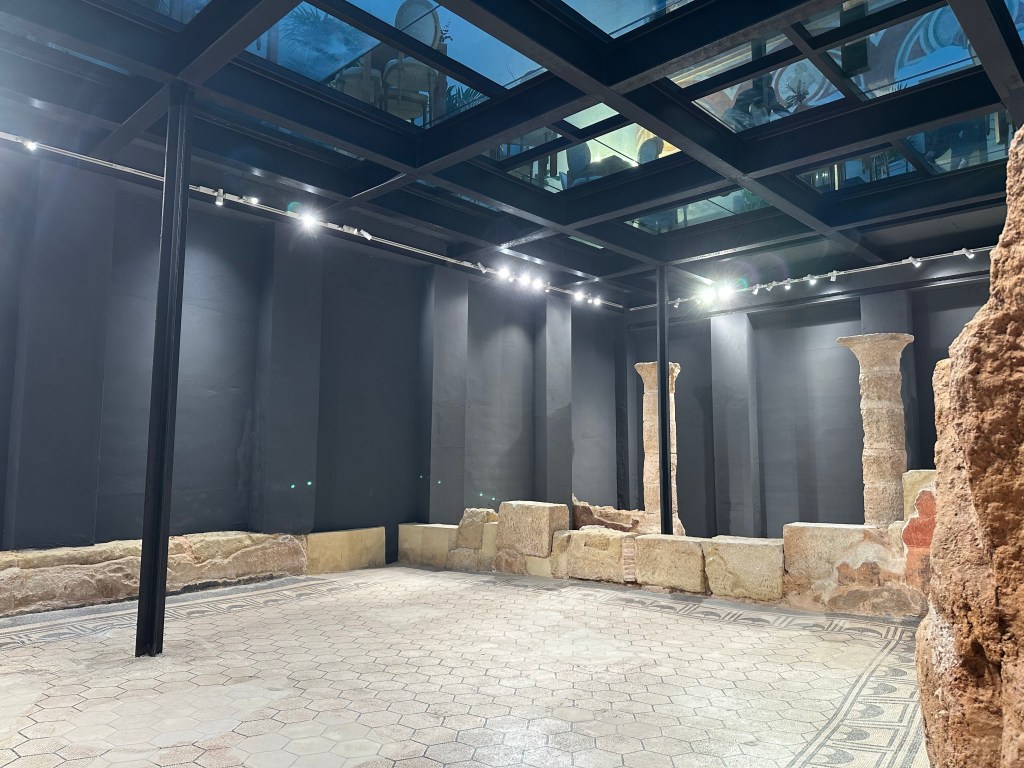
Our hotel in Cordoba- a converted palace where a former owner discovered Roman ruins when attempting to create a wine cellar. The restaurant is on top of the glass roof.
Courtyard of our Cordoba hotel
Cordoba – this square was previously used as a Bull Ring
Cordoba
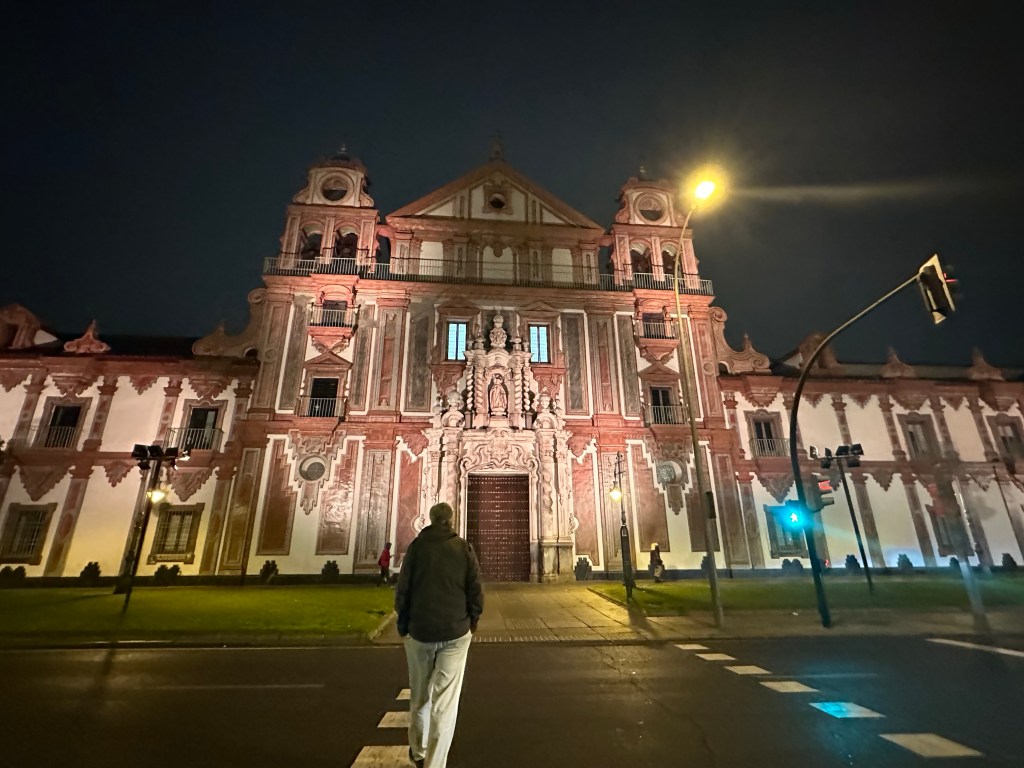
On the way to dinner in Cordoba- a former monastery, now a municipal building
Main square of Carmona
Tapas lunch spot in Carmona

New Year in Madrid

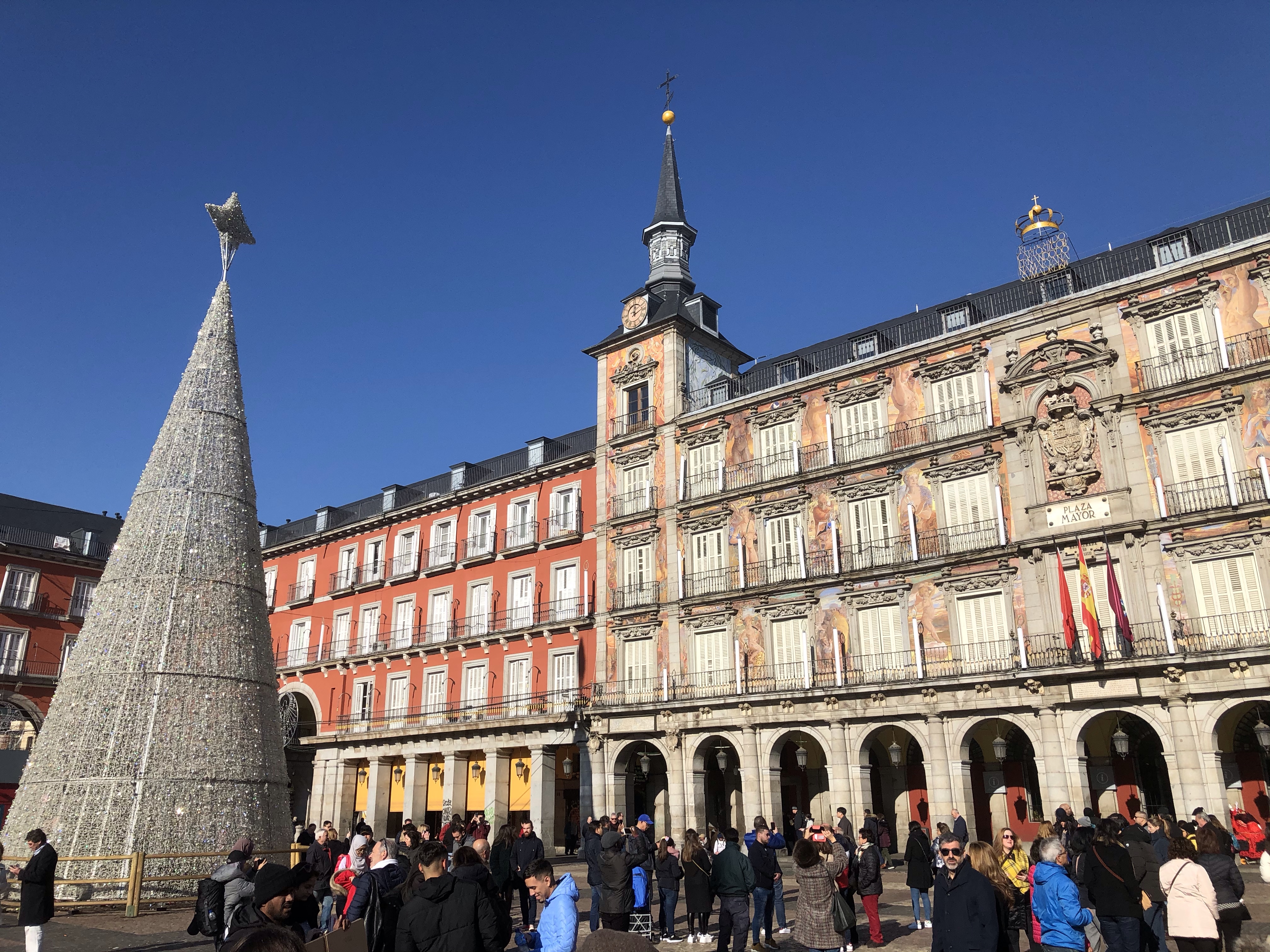
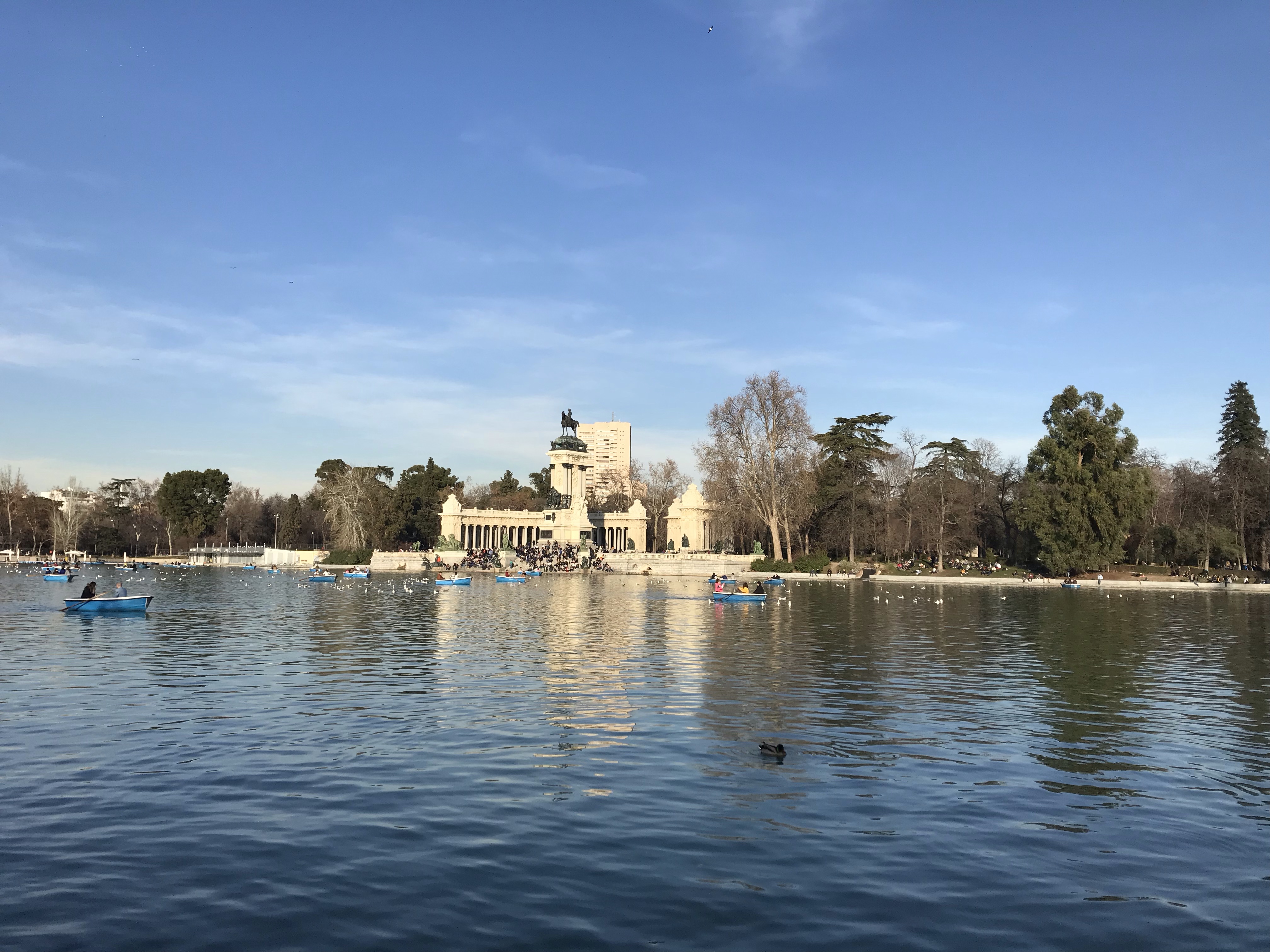
We decided to visit Madrid for New Year, a city neither of us knew. The weather was cold but dry with bright sunshine throughout our stay. The food was impressive and it was a surprise to learn that Madrid has the second largest fish market in the world, odd given it is nowhere near the sea.

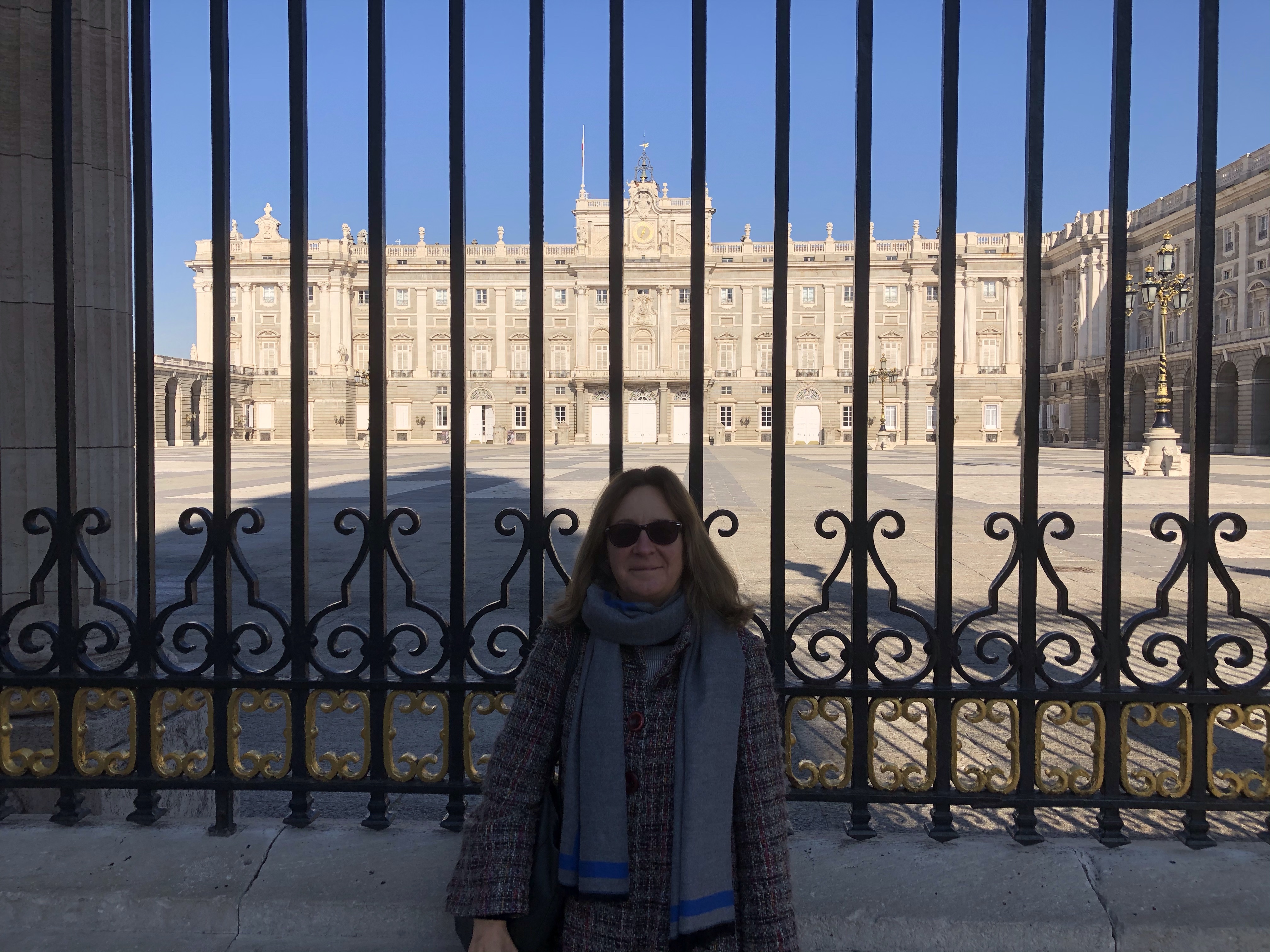
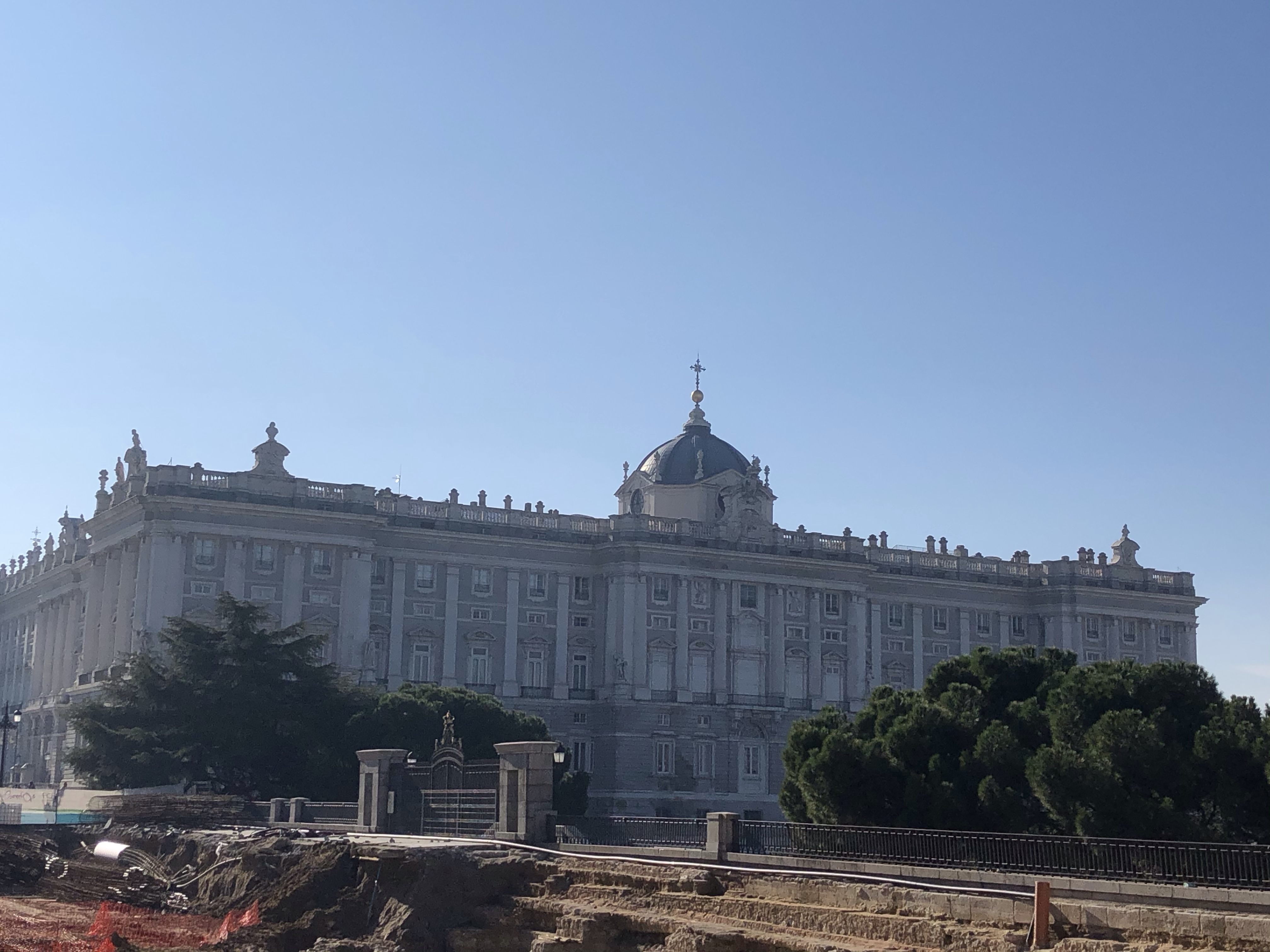
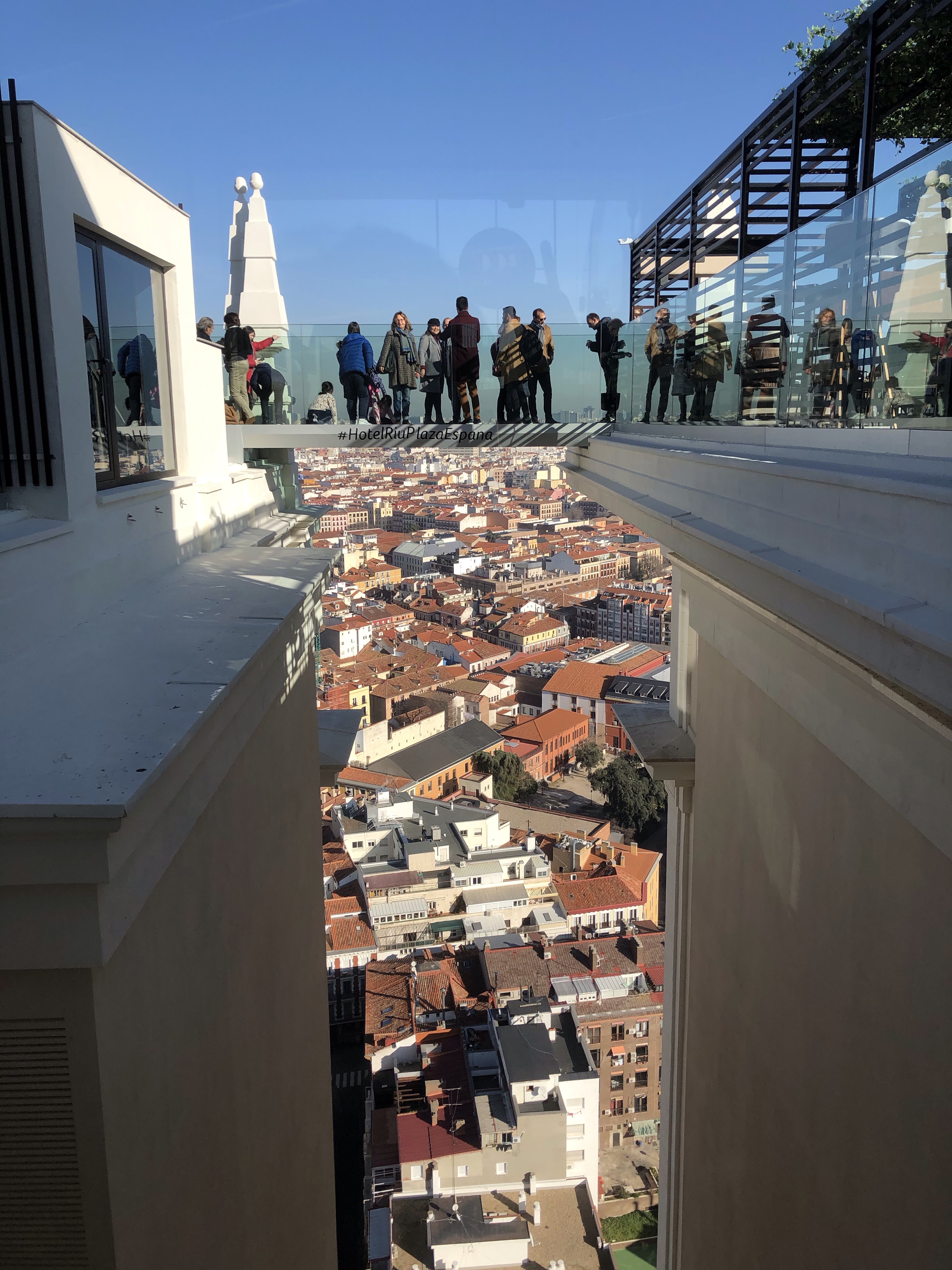
We walked the city, which is easy to do, visiting the Prado, Thyssen-Bornemisza and Reina Sofia museums as well as a walk around the Palace area. This included the rooftop of the recently restored Art Deco hotel, Rui Plaza, including its glass bridge 26 floors up.

On New Year’s Eve we had dinner in our hotel, which finished just before midnight enabling us to join the Spanish tradition of the Twelve Grapes to the chimes of the post office clock in Puerto Sol (although we were a few minutes away we watched in from the comfort of the hotel bar on TV !).

Travelling in Jordan with Ahmad

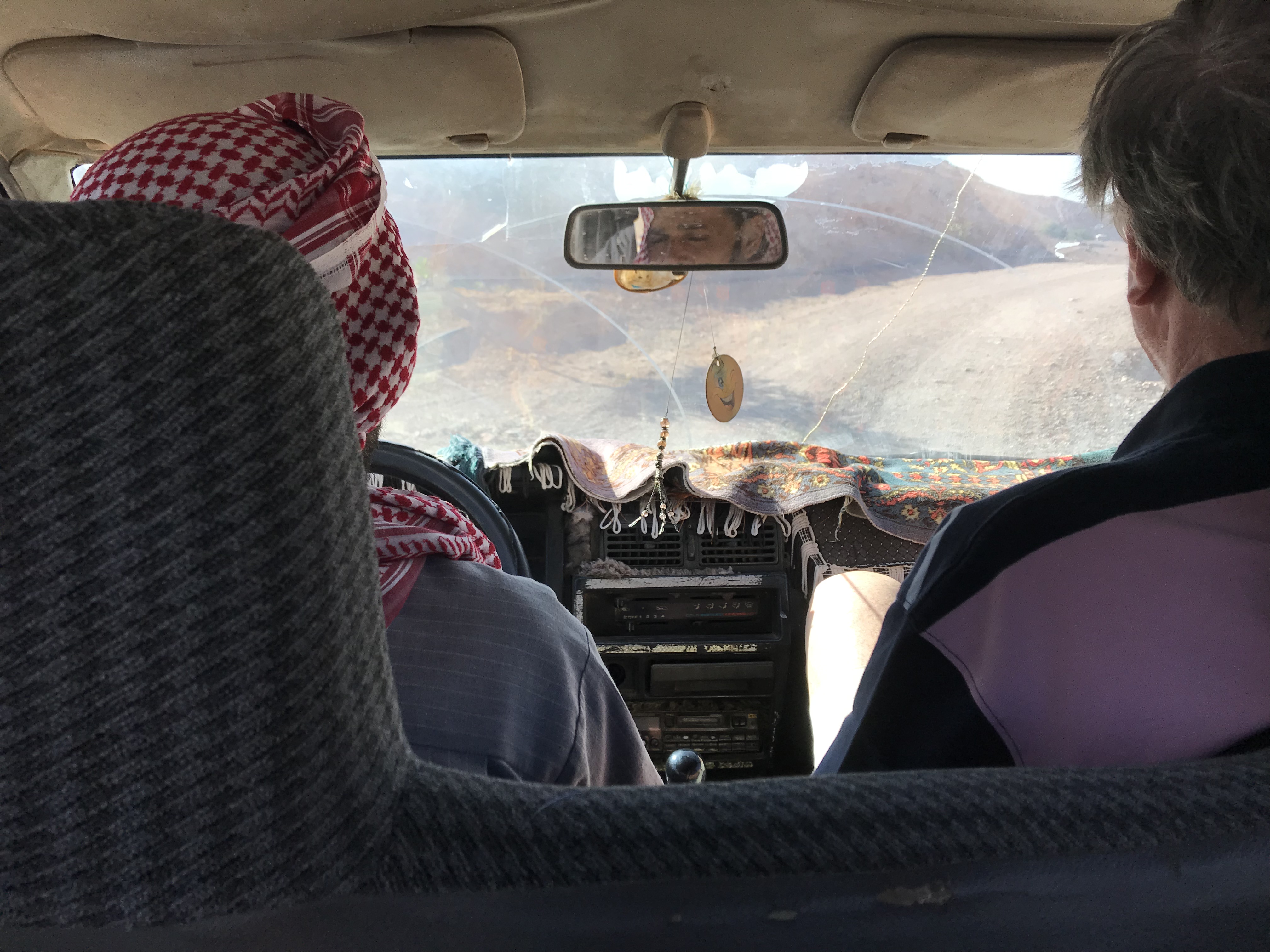
When we arrived at Amman International airport, we were met by Ahmad, who would be our driver throughout our stay in Jordan. Ahmad is a Bedouin with a wife from Venezuela who teaches English. He was very keen to help us learn some Arabic and about the cultural and customs of the country. In return he was keen to improve his English. Although his English was good to begin with, the nuances are difficult – we soon learned that the road is “closed” meant that it was very busy. As well as the Arabic for please, thank you etc, he also taught us the word “majnoon” which he used frequently to describe some of the “crazy” fellow road users. As a former police officer he had a knack of ensuring that we were waved through the numerous police checkpoints with no more than a “welcome to Jordan” and a smile.

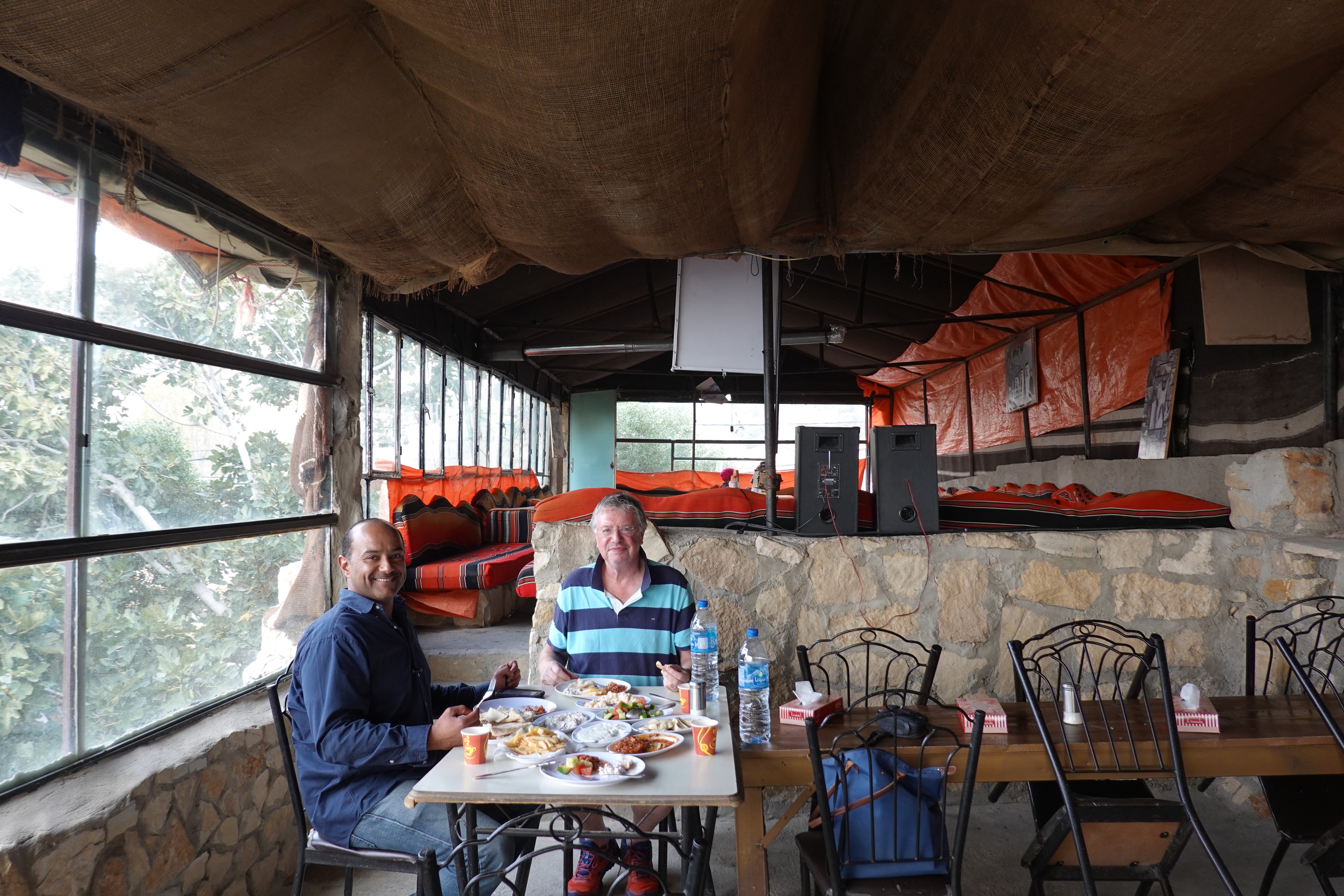
He introduced us to Turkish coffee (Jordanian style) which is sold at petrol stations and roadside cafes. It differs from the original in that it is flavoured with cardamom- after two weeks it became addictive. He took us to local shops and roadside stalls to buy lunch snacks, ensuring we had chosen the best quality fruit and were charged local prices.

Ahmad made a big difference to our travels; looking after Mr Tim and Mrs Sarah whilst telling us about the health benefits of eating particular local foods and spices. He was Mr Best Driver and Dr Ahmad, who got his own health tip from Sarah about giving up smoking !
The Dead Sea

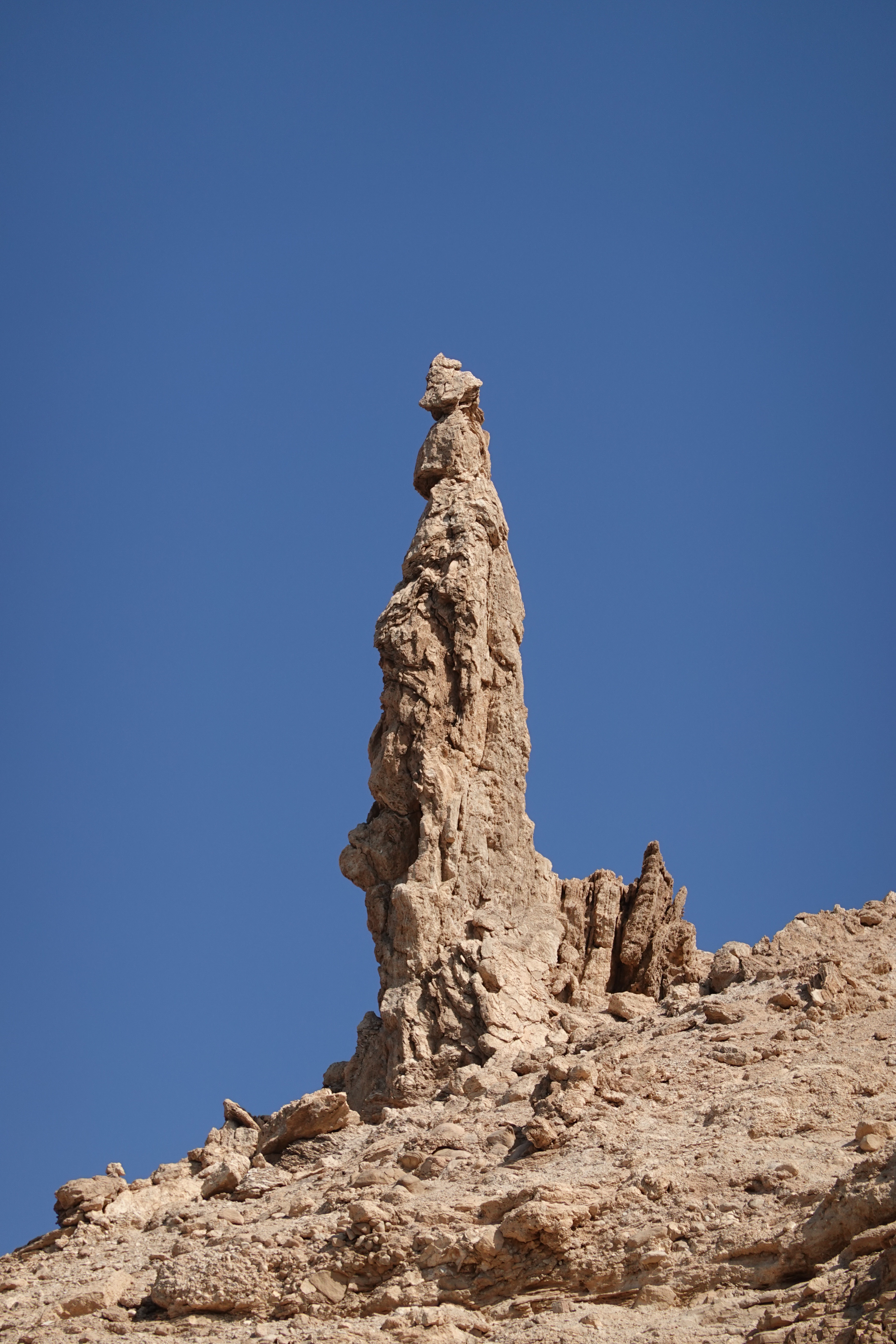
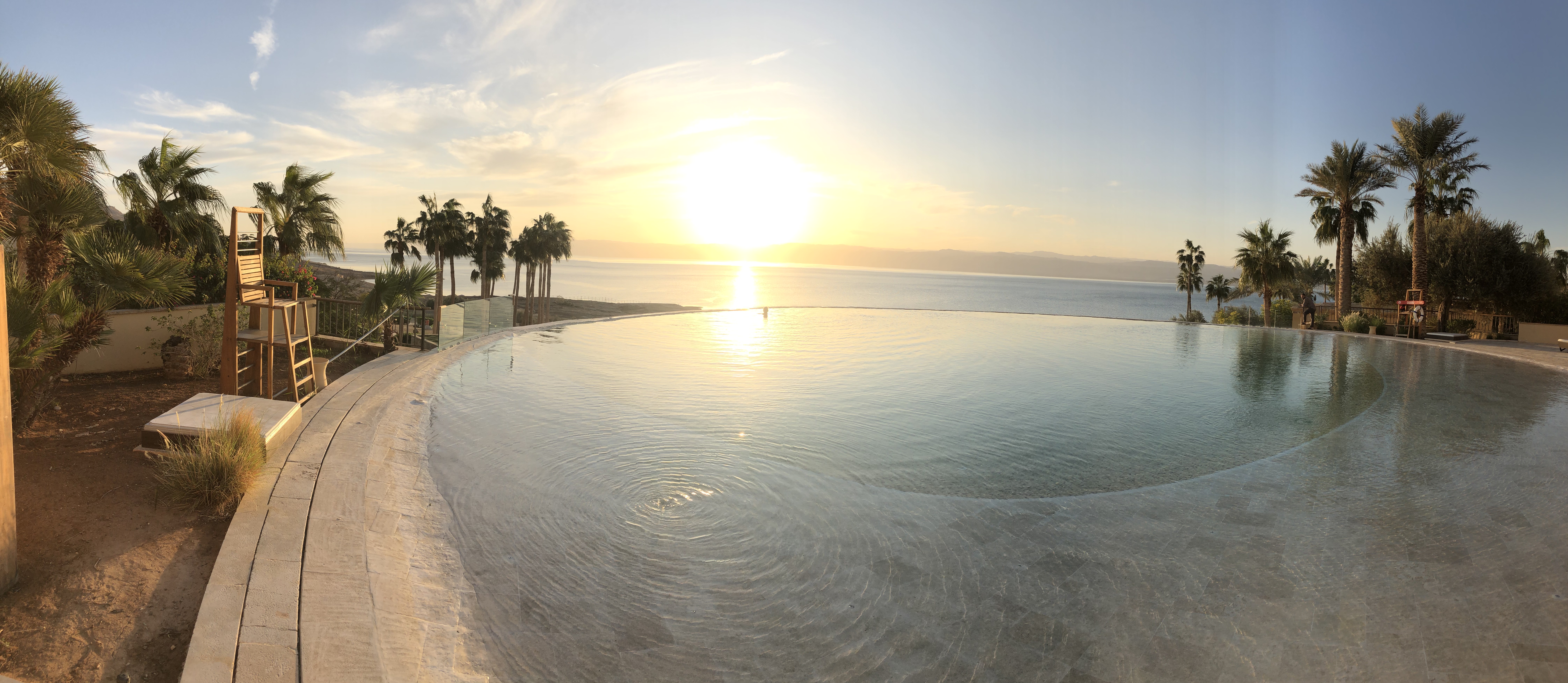
We travelled from Feynan through open areas of desert along the Israeli boarder before reaching the southern shore of the Dead Sea. As we drove along the Eastern shore to our hotel we passed the lowest point on earth (which is 408m below sea level) near Lot’s cave and passed a rock pillar said to be his wife. Much of the coastline is used by chemical factories producing salt and other products from the evaporated waters. There are also potash mines; a major source of income for the country via exports to Saudi Arabia.

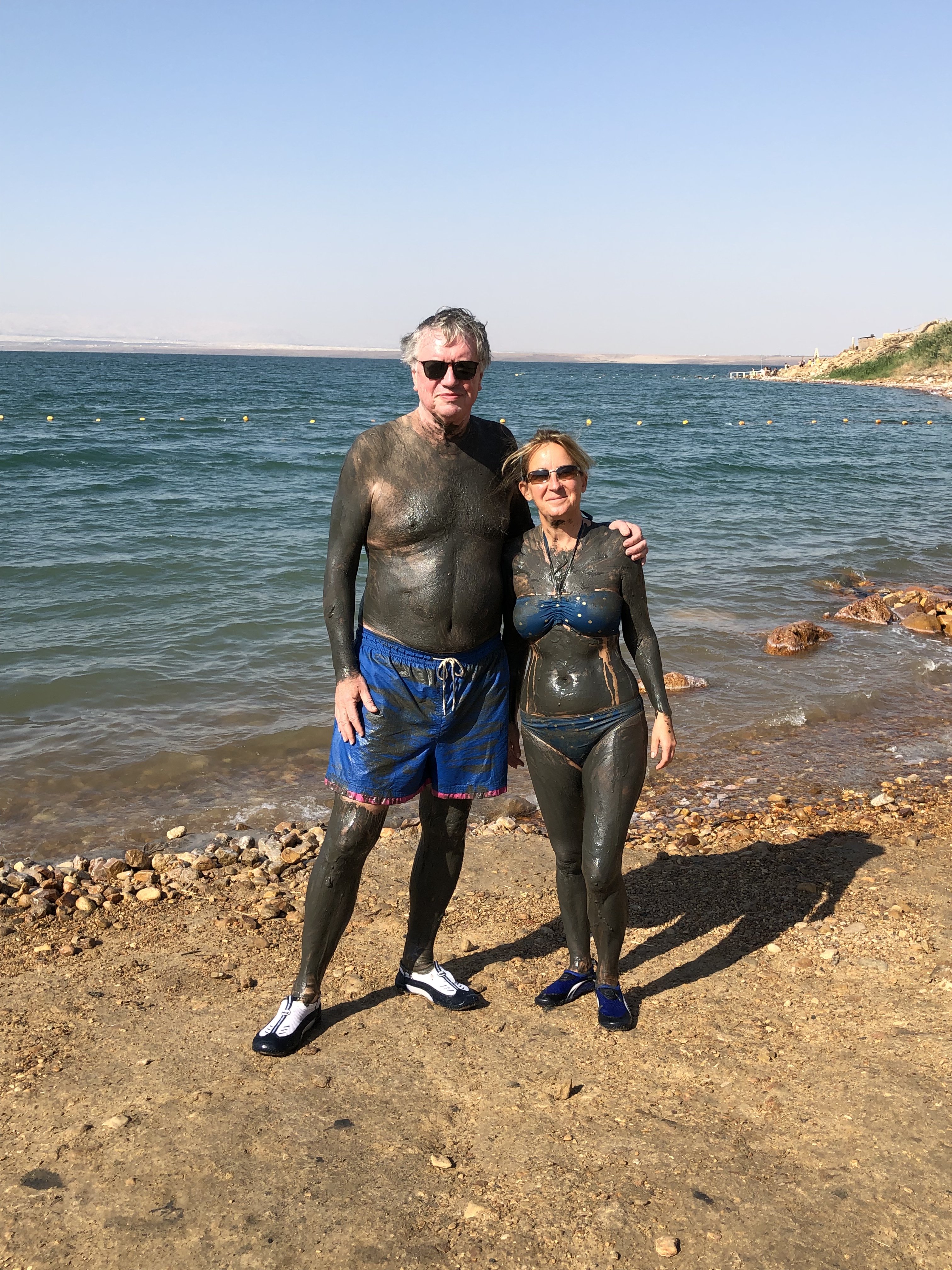
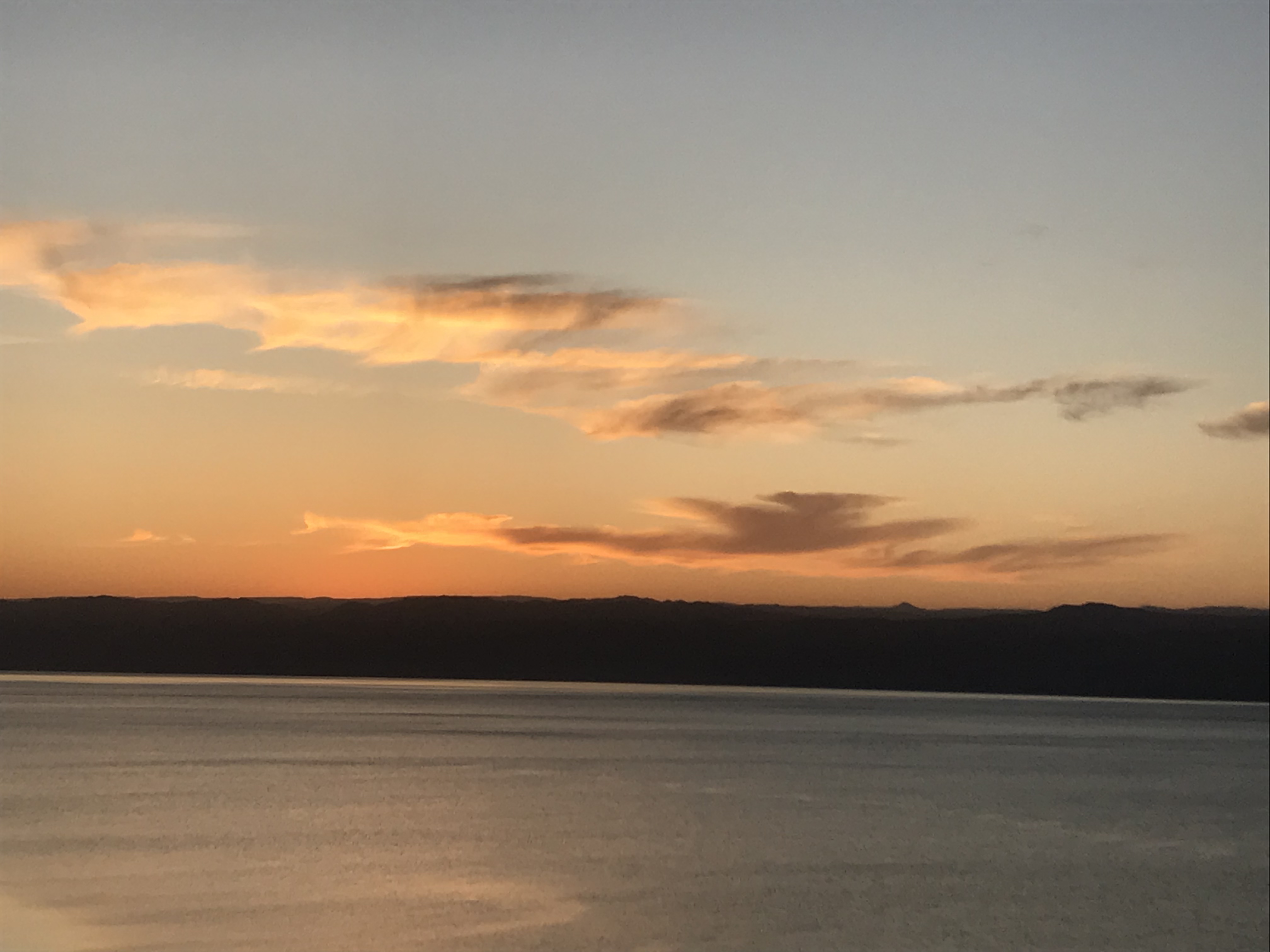
Whilst at the Dead Sea we had an obligatory float and mud application leaving the skin smooth and refreshed after our exertion in Feynan. We then visited the largest spa in the Middle East for a salt scrub/mud wrap/massage treatment before preparing to return home. At night we could see the lights of Jerusalem and Jericho on the opposite side of the Dead Sea.

Feynan

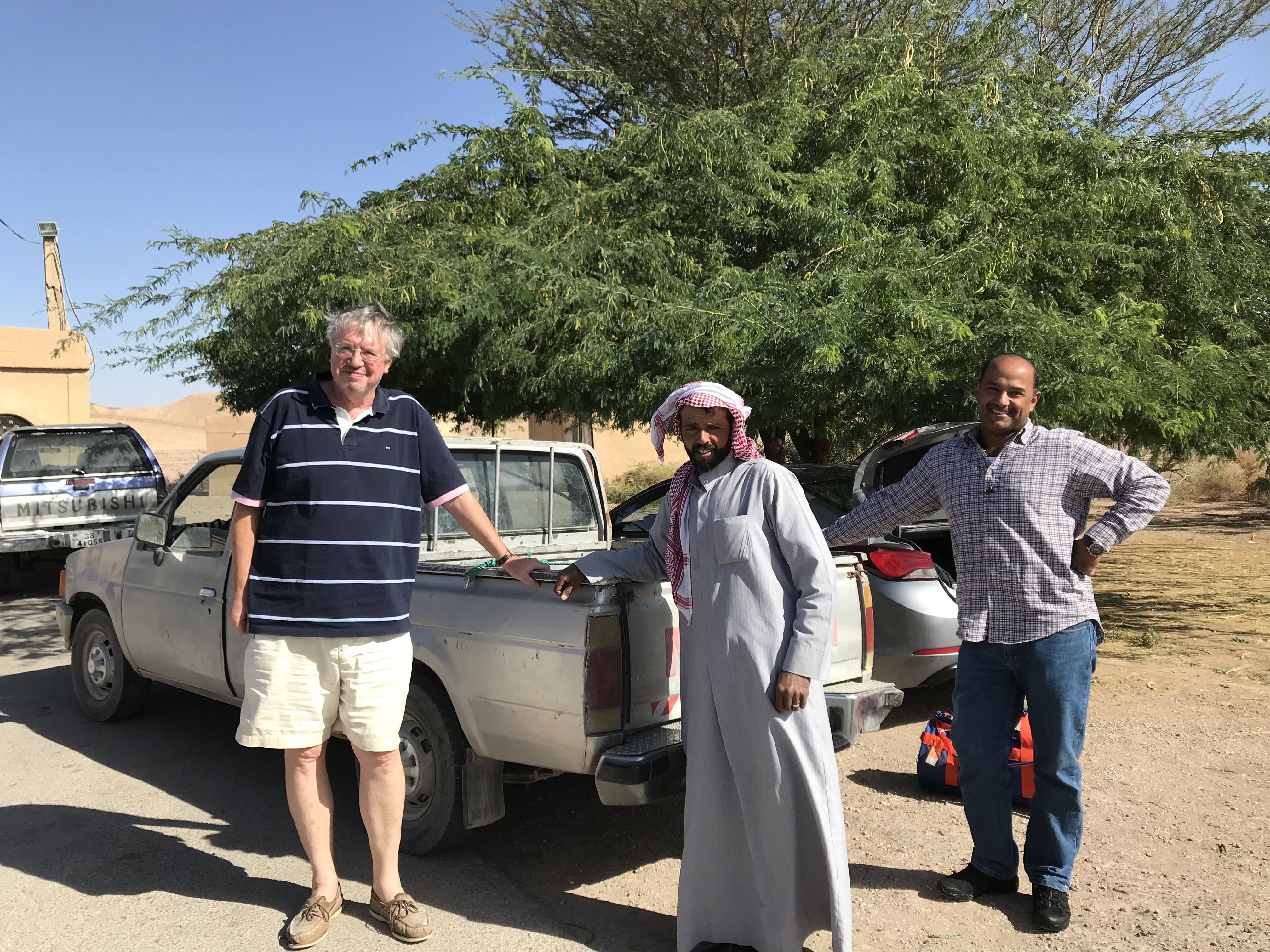
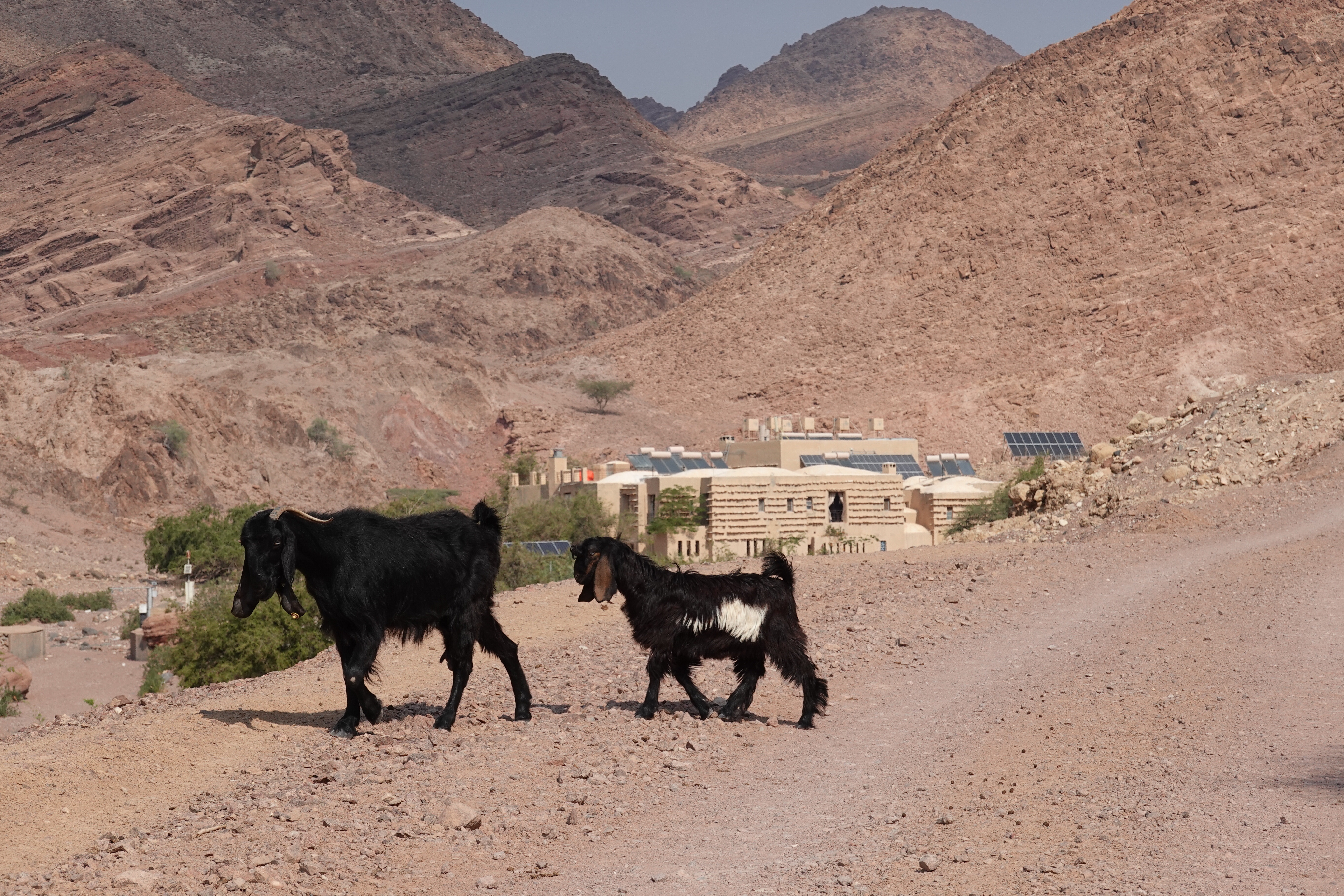
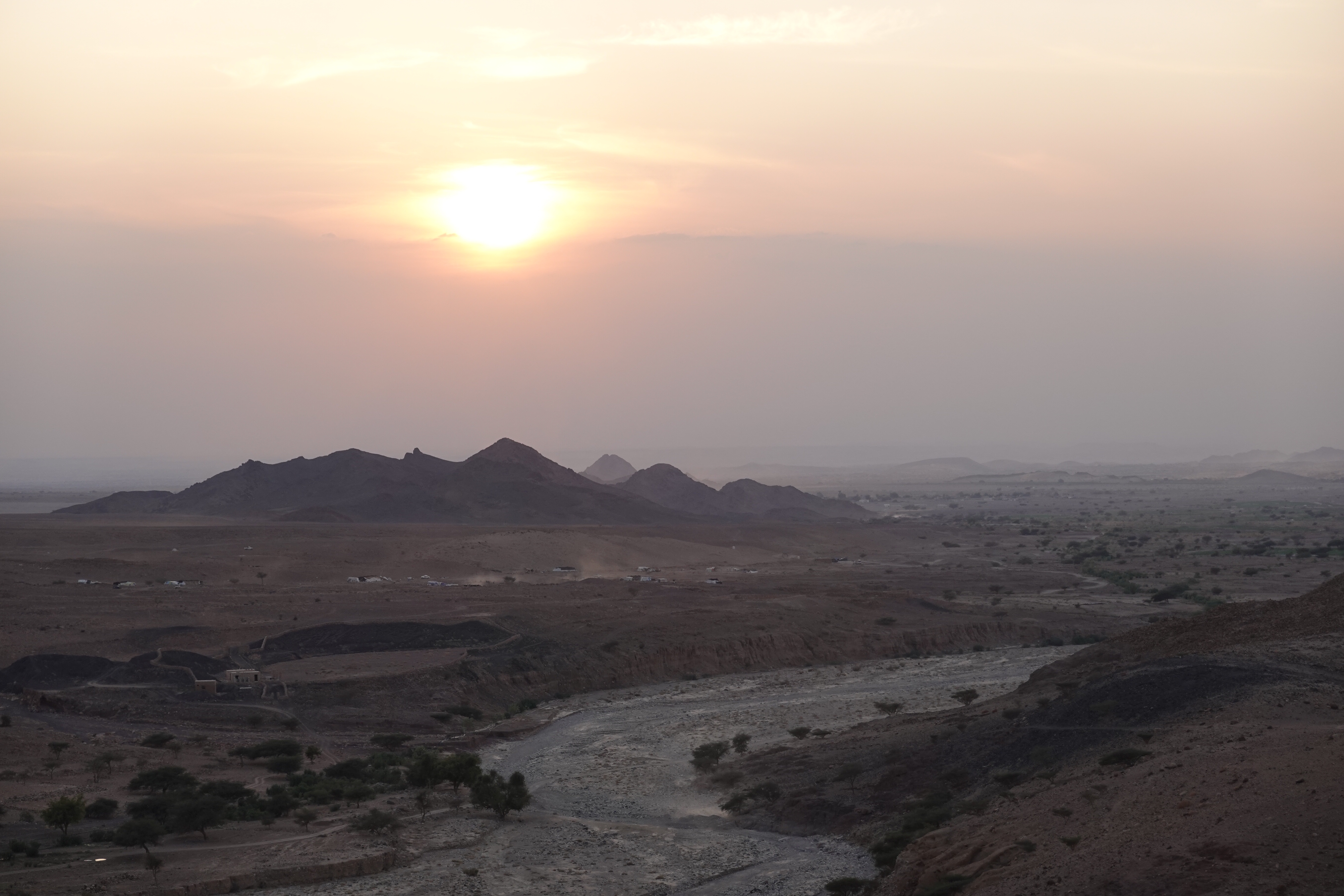
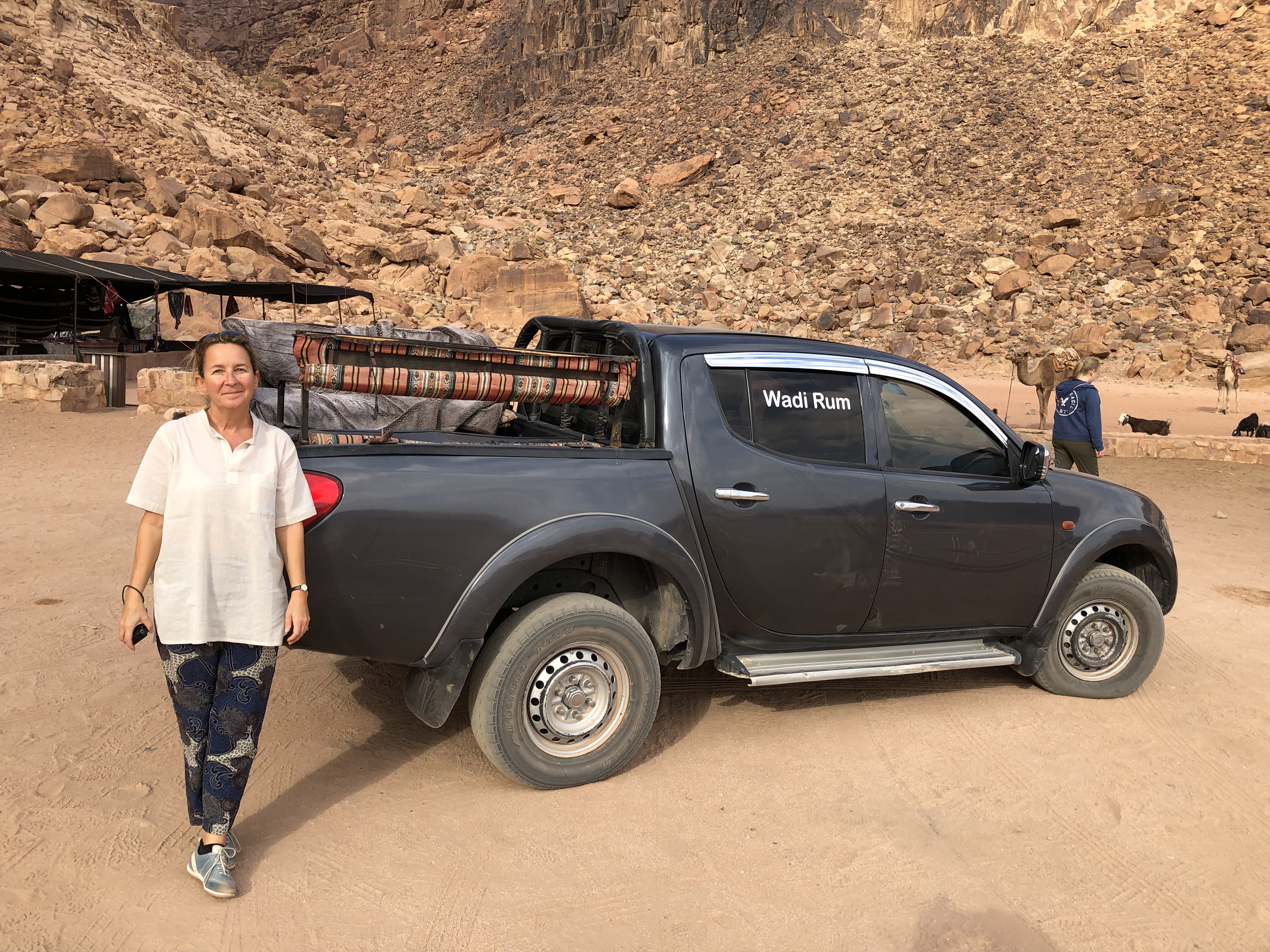
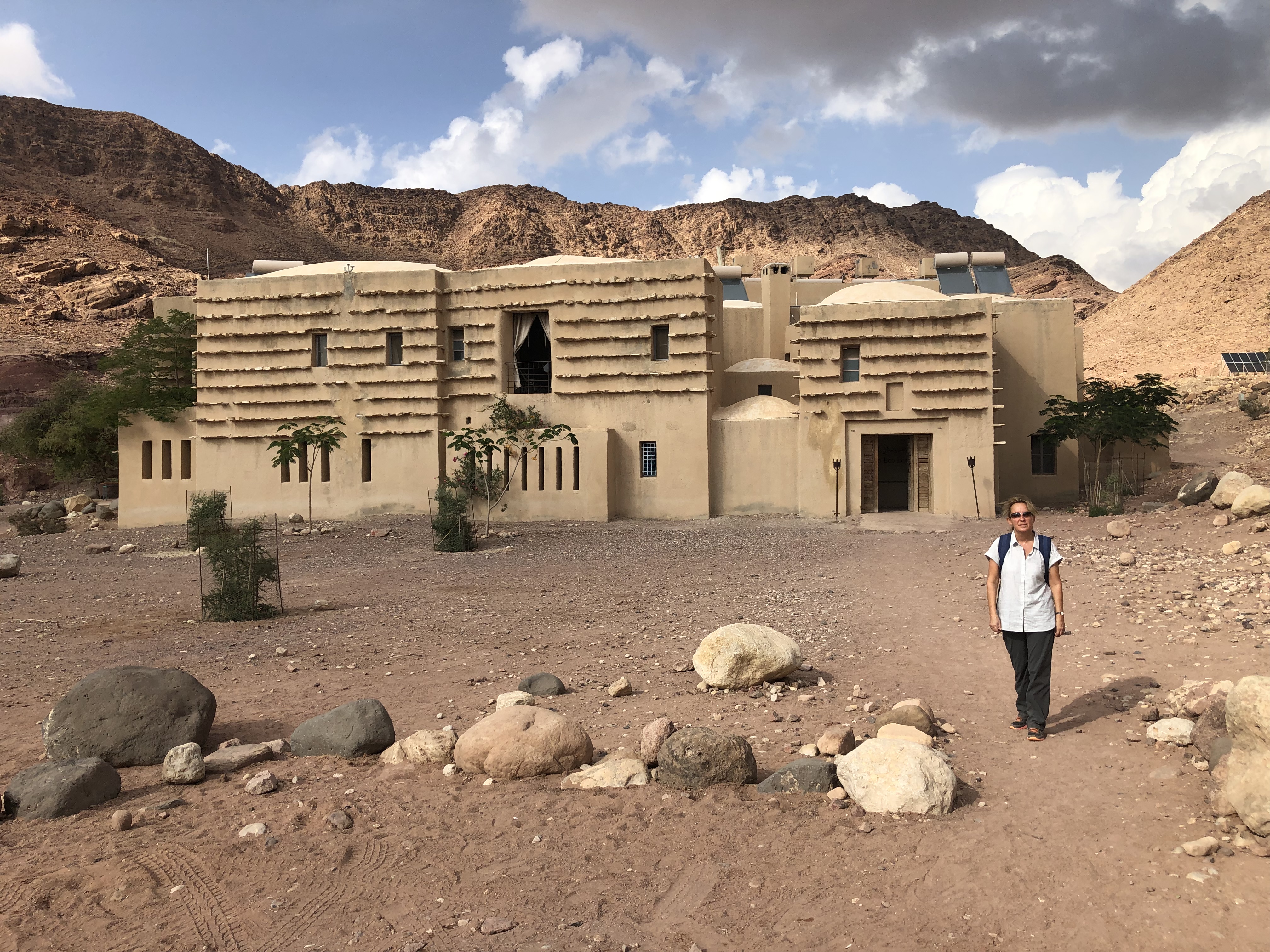
At the end of our trail we reached Feynan Eco Lodge, built in 2005 with the aim of generating income for local Bedouins, protecting nature and supporting ecology. Everything is locally sourced and all the staff are local; hot water and a very limited electricity supply are solar generated. The bedrooms have a single electric light in the bathroom, all other lighting throughout the lodge being provided by candles. With very limited WiFi and one recharging point in reception, this was two nights to go screen free. It was also alcohol free and vegetarian. During our stay the sun set at 4.45pm and supper was at 6pm with stargazing on the roof terrace at 8pm. It is surprising how quickly your body clock adjusts to the absence of artificial light. The food was delicious and the staff very welcoming and informative, leading walks in the local area. Because of the condition of the 8km track to the lodge, on departure we were taken to a vehicle meeting point by a Bedouin in his “seen better days” pick up truck.

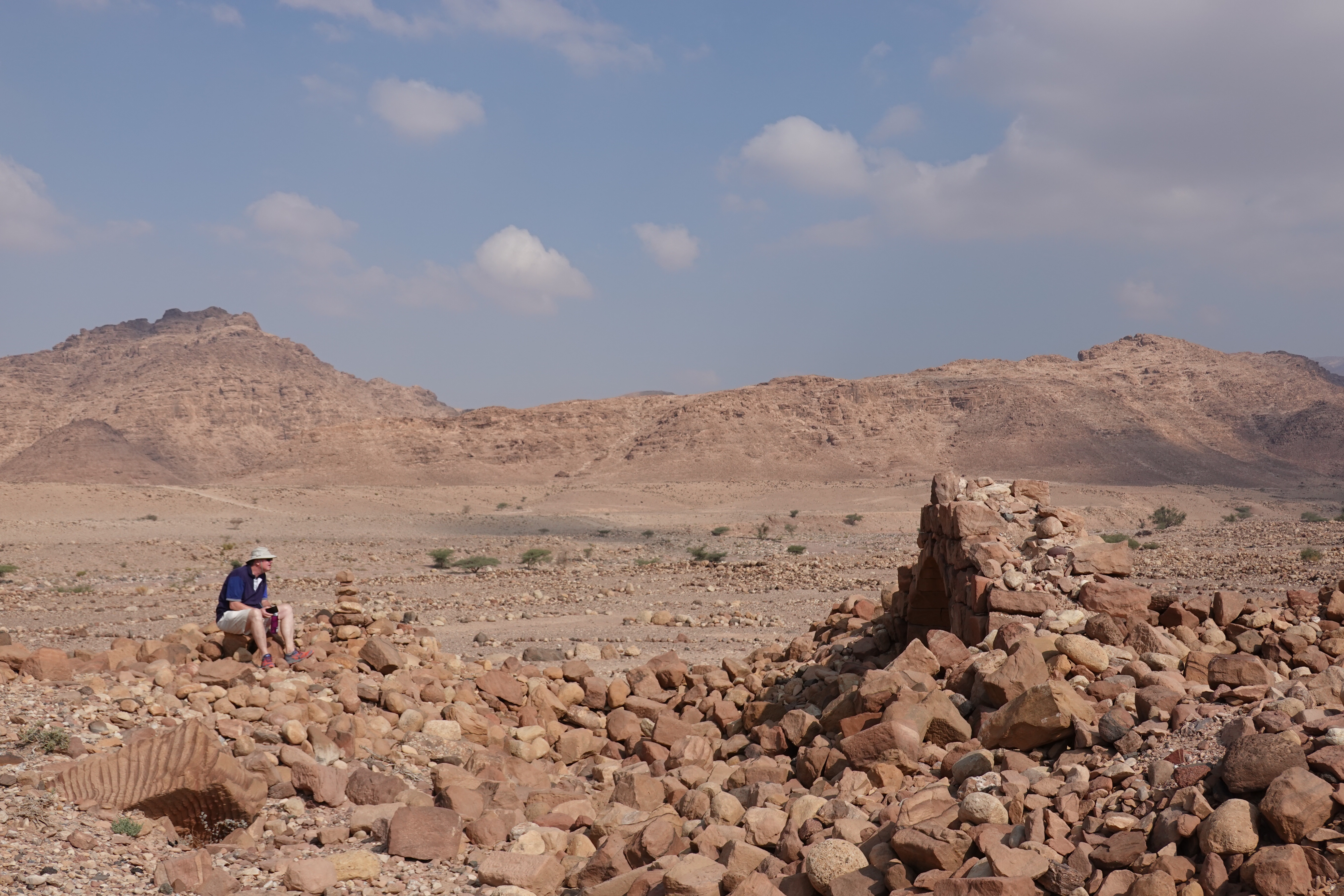
For 6,000 years Feynan was a major source of copper and, according to our guide, it was the most polluted place on the earth during Roman times. We saw evidence of the industry, including copper slag on the ground, and the old town destroyed by an earthquake.

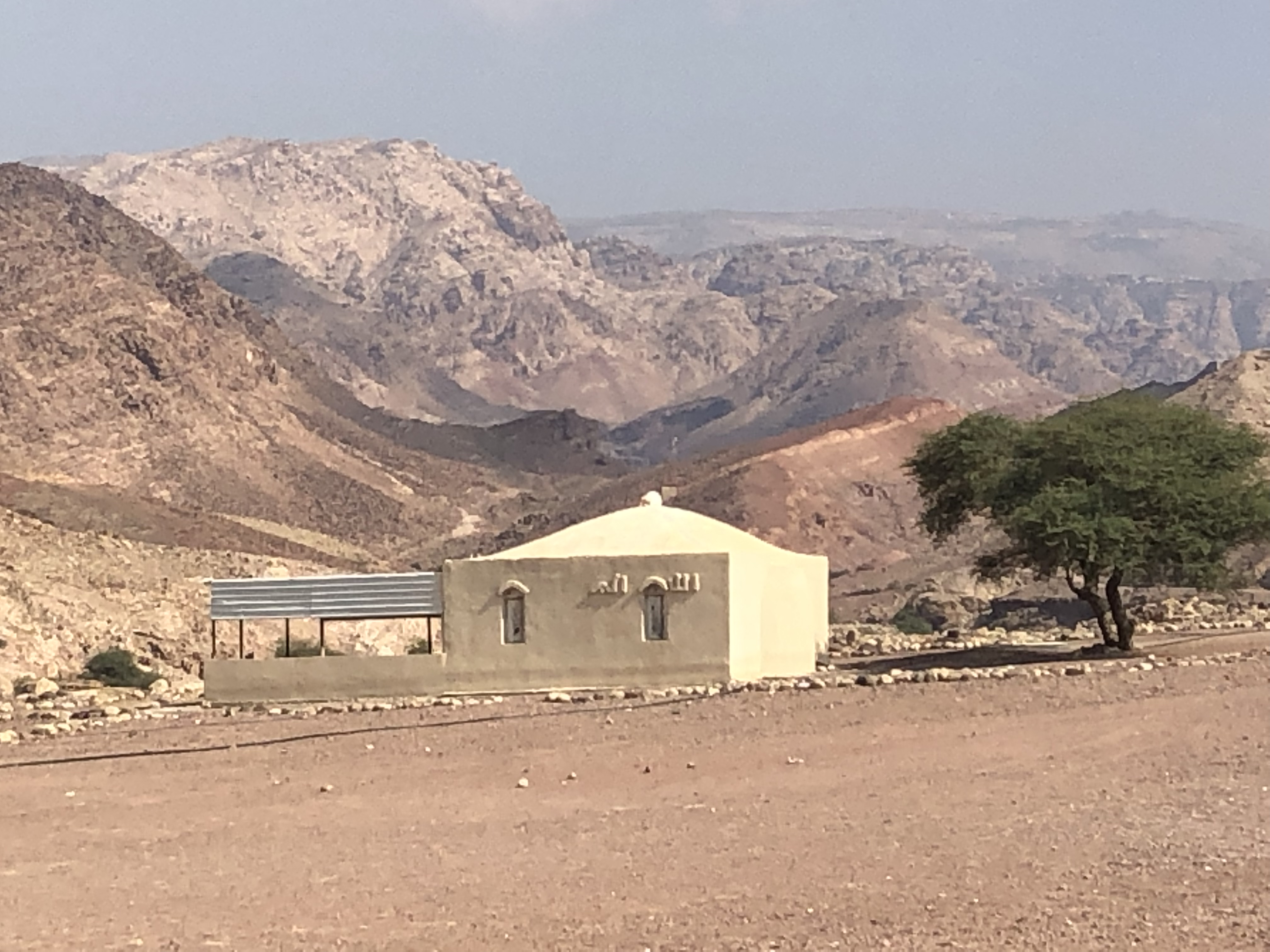
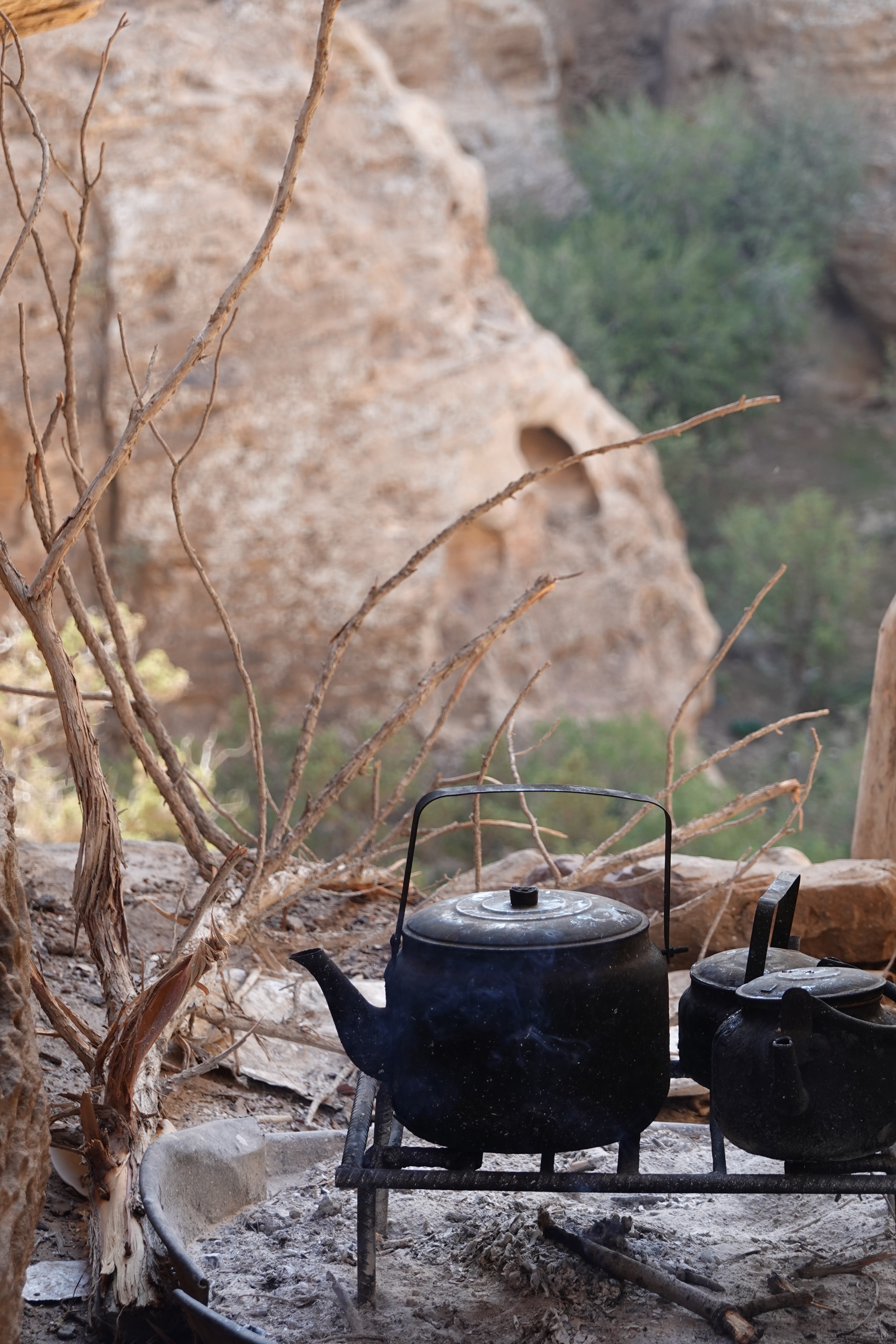
Bedouin families continue the traditional way of life, living under tents with their extended families and looking after their animals – goats, sheep and dogs. There is a local school and a small mosque. It is clear to see the importance of family and religion but also their custom of providing hospitality. Bedouin tea, made on open fires with sugar and cinnamon, is always on offer to any passing traveller.

Dana and Wadi Dana

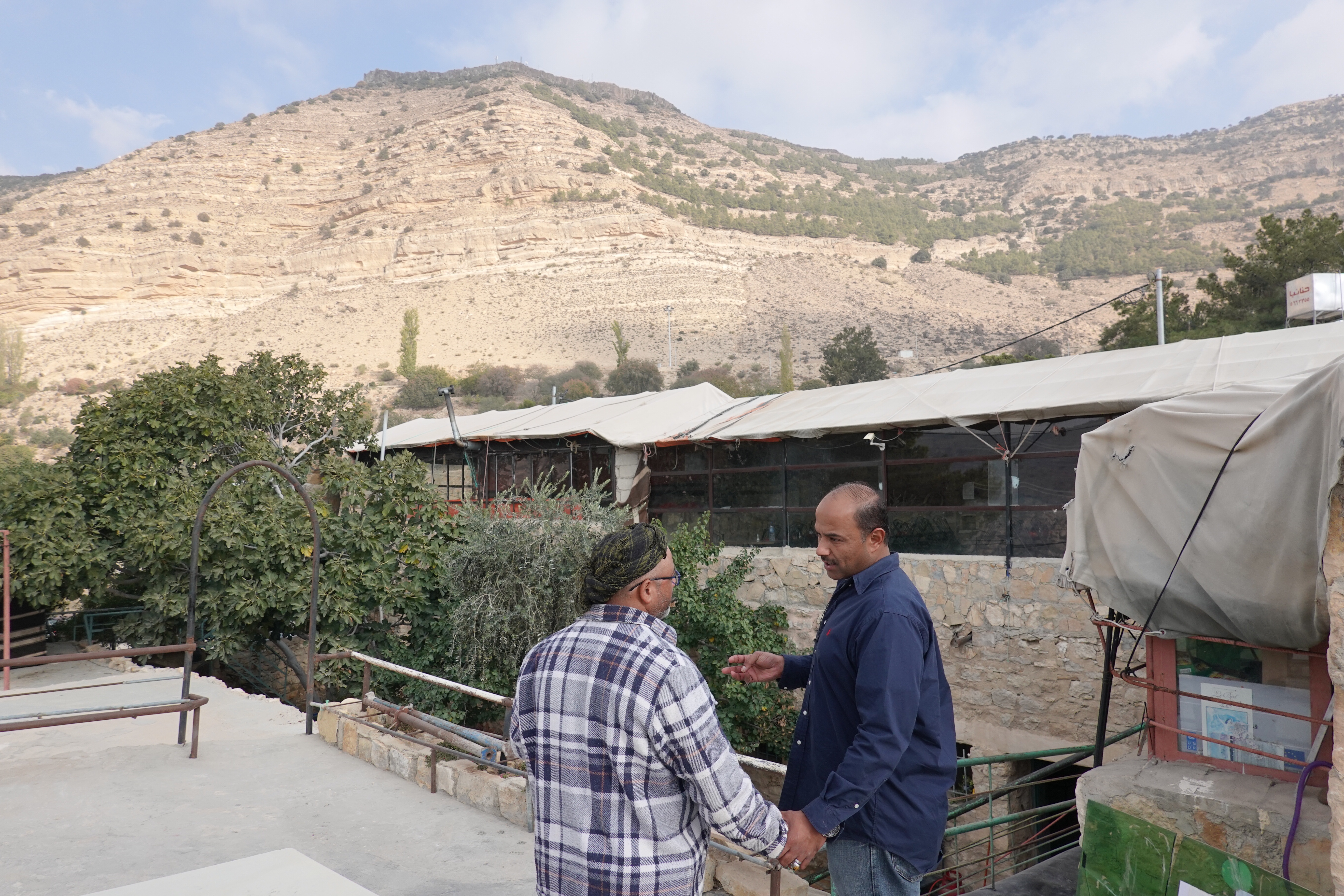
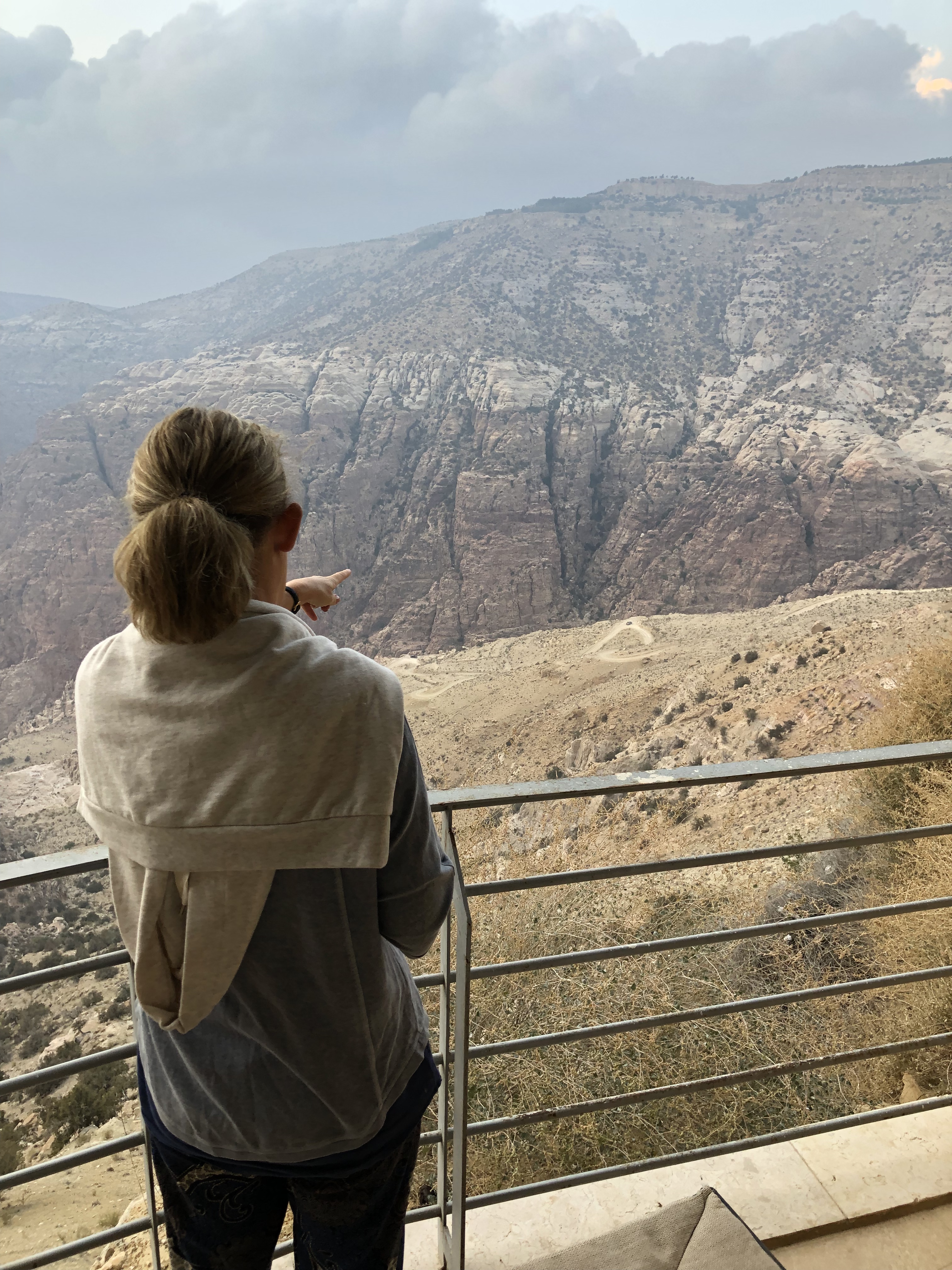
Dana is a small Ottoman village perched on the edge of the Wadi Dana Gorge. It was virtually abandoned until the creation of the Dana Biosphere nature reserve in 1989. The reserve is governed by the Royal Society for the Conservation of Nature who have encouraged ecotourism in the area. Dana is now being repopulated by locals who run small guest houses and restaurants – all alcohol free – for independent travellers; not a tourist coach in sight.

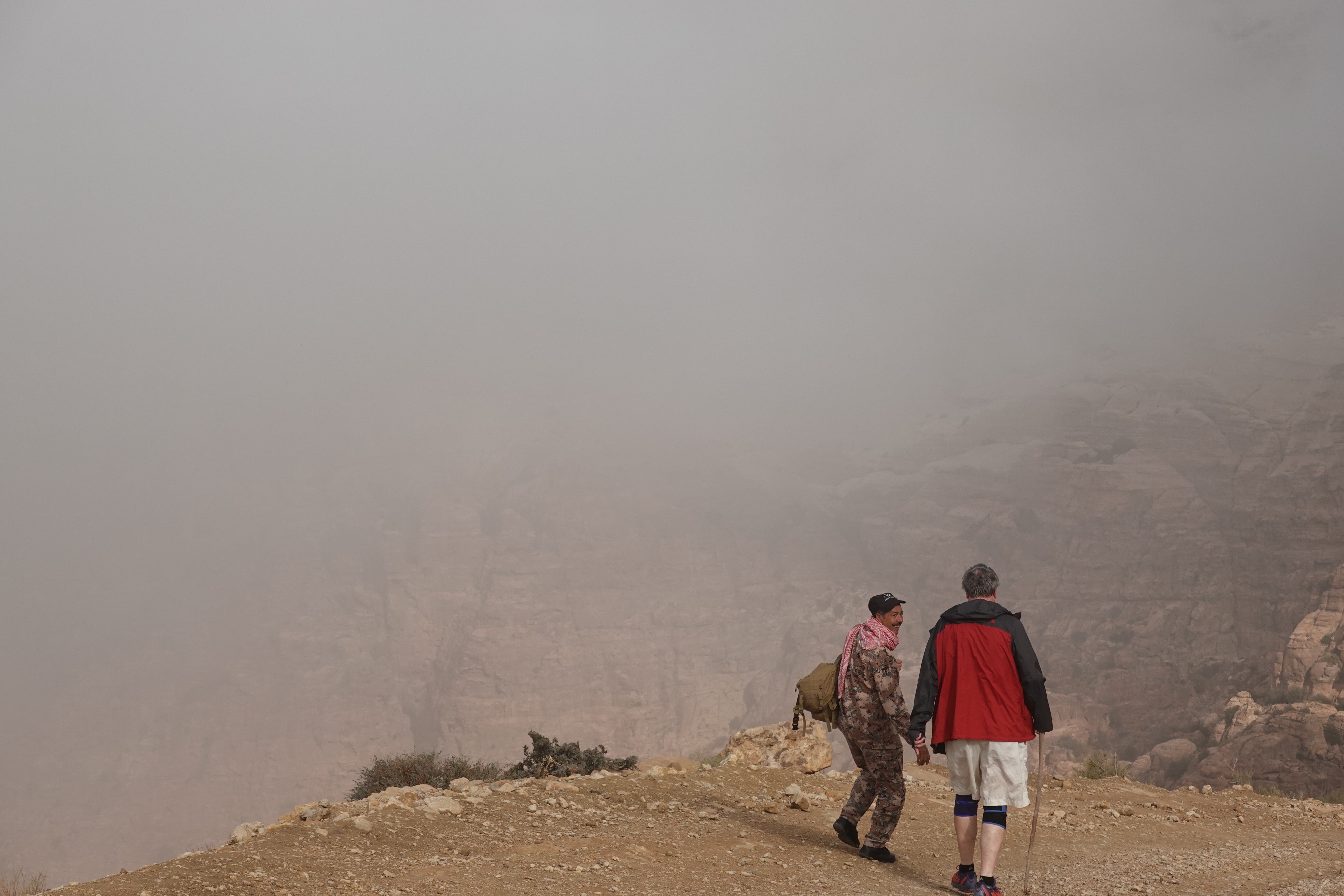
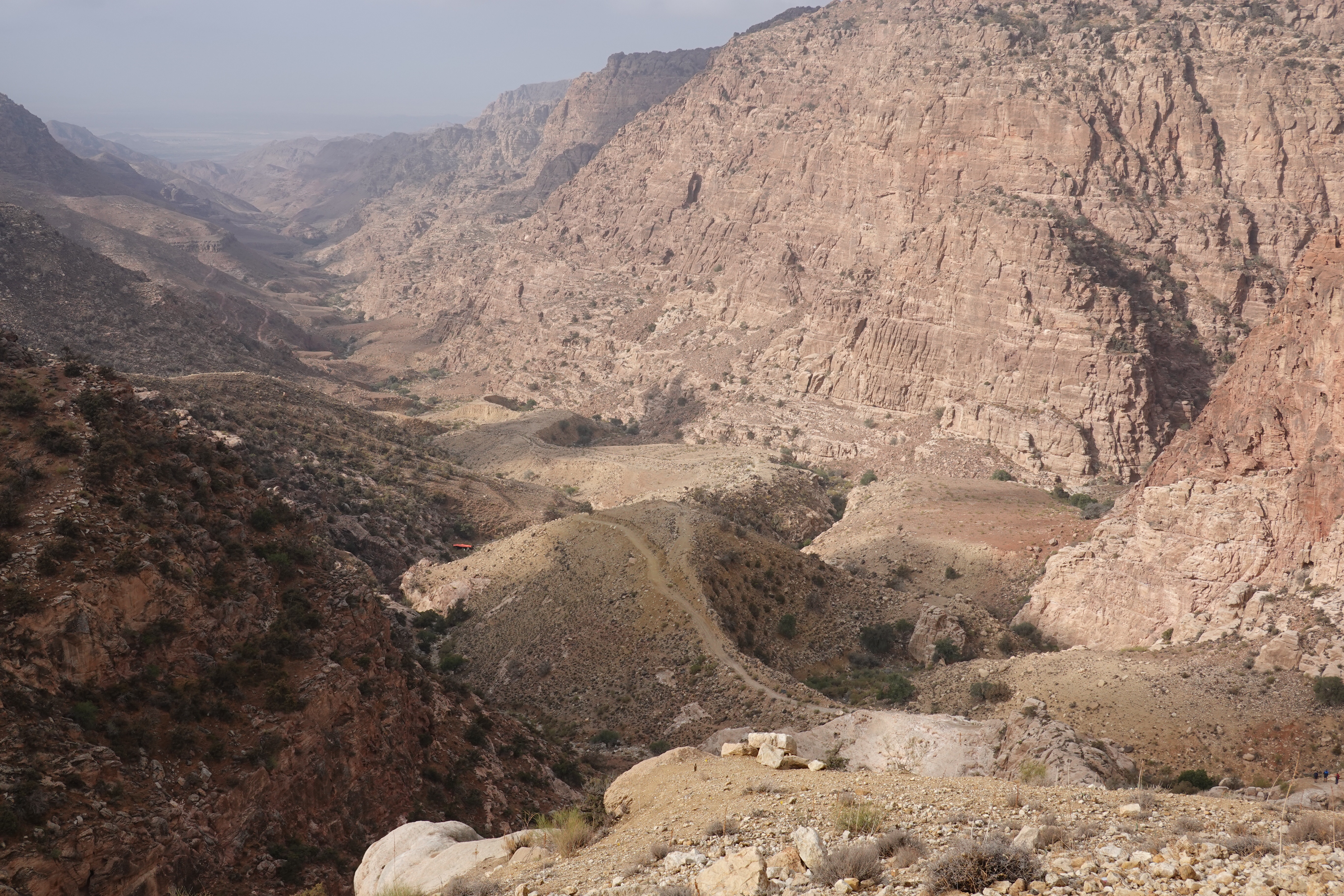
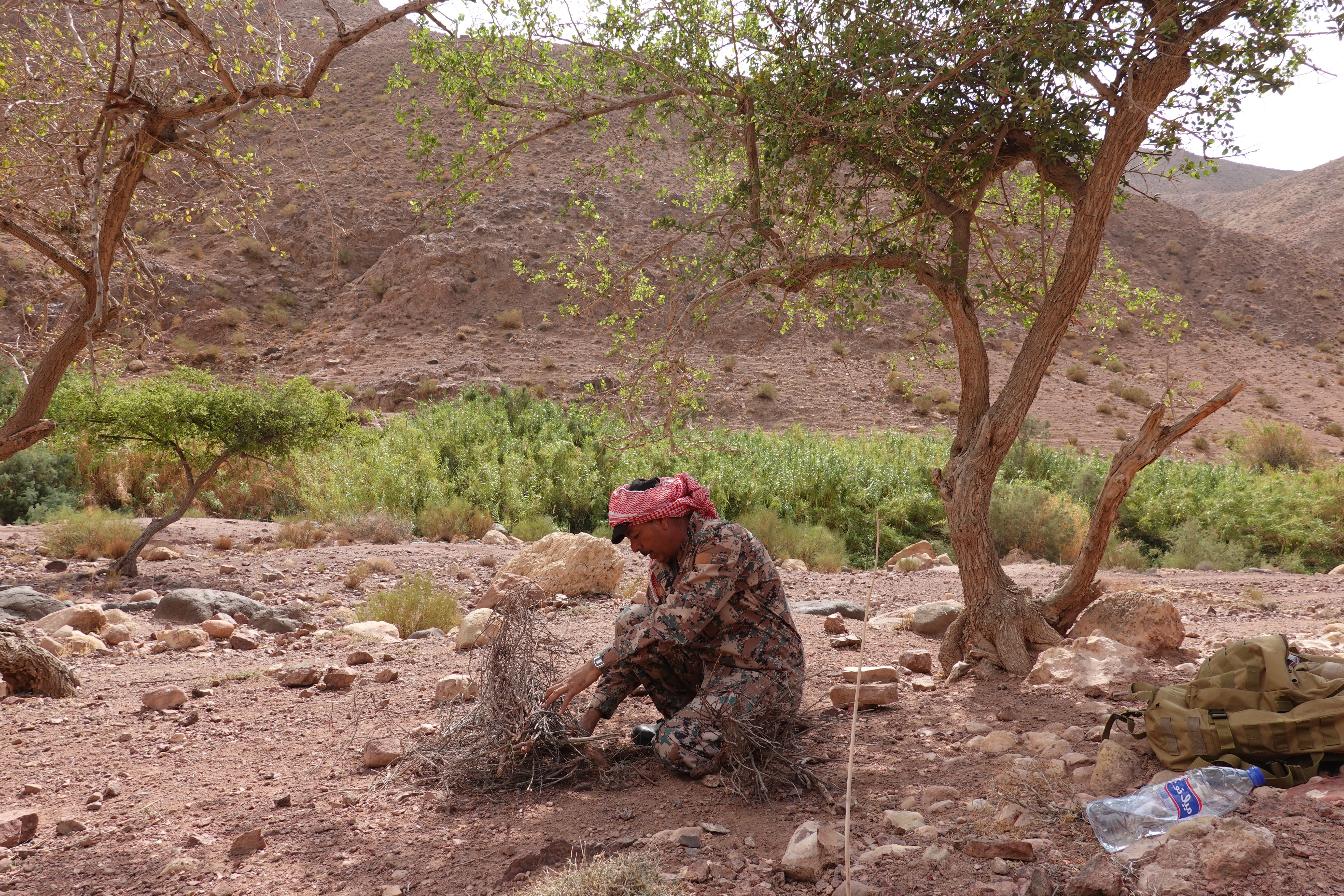
After a night in a guesthouse, our bags were collected and we began the hike to our next stop at Feynan. We had woken to a thick blanket of mountain cloud. As we set off this cleared to reveal the track ahead of us – 16km through the Wadi, starting at 1,250m and ending at 375m. The steepest section is the first 2km – our legs will remember it for some time. A local guide provided “trekking poles” made from broken off branches and brewed Bedouin tea with our lunch.

The scenery is dramatic and it was definitely worth it. According to National Geographic it is a section of one of the 15 best hikes on the planet, however despite this we saw very few people.

Aqaba

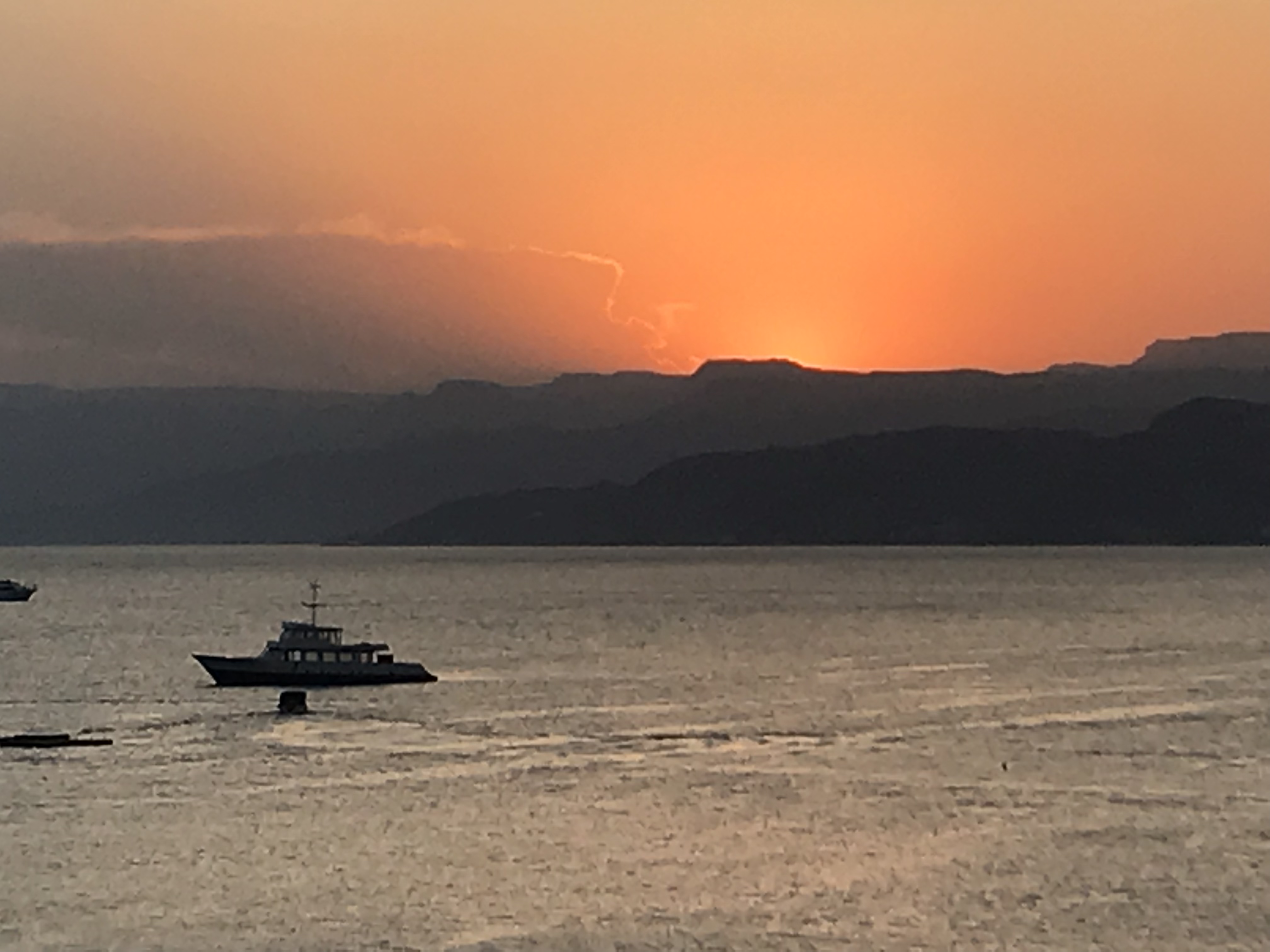
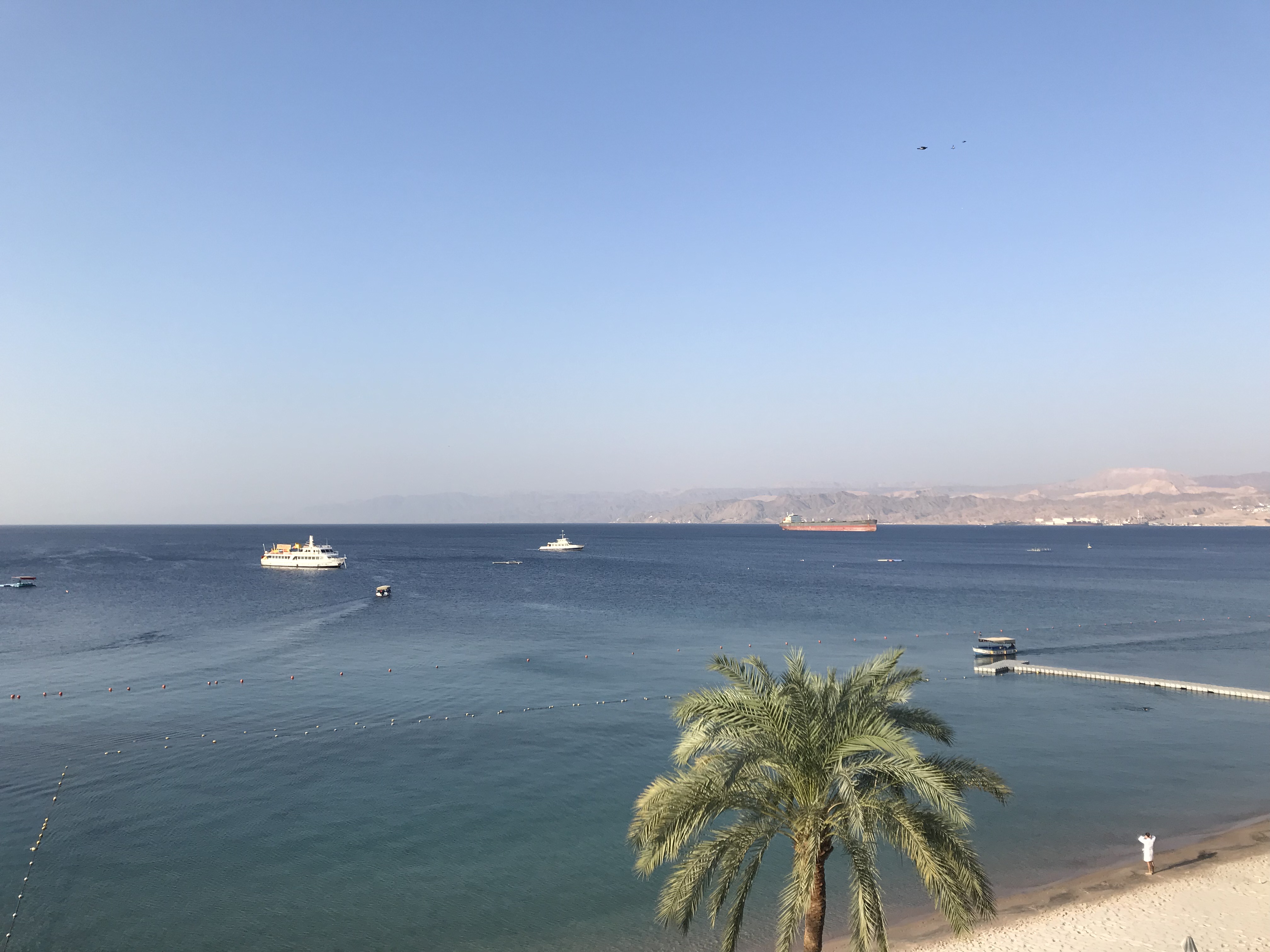
Aqaba was our mid-trip stop to recharge our batteries after a packed week of sightseeing and in preparation for the more physically active part of our trip. It is the only access to the sea that Jordan has and is a busy port for shipping and tourists, with Israel, Saudi Arabia and Egypt all within a few miles.

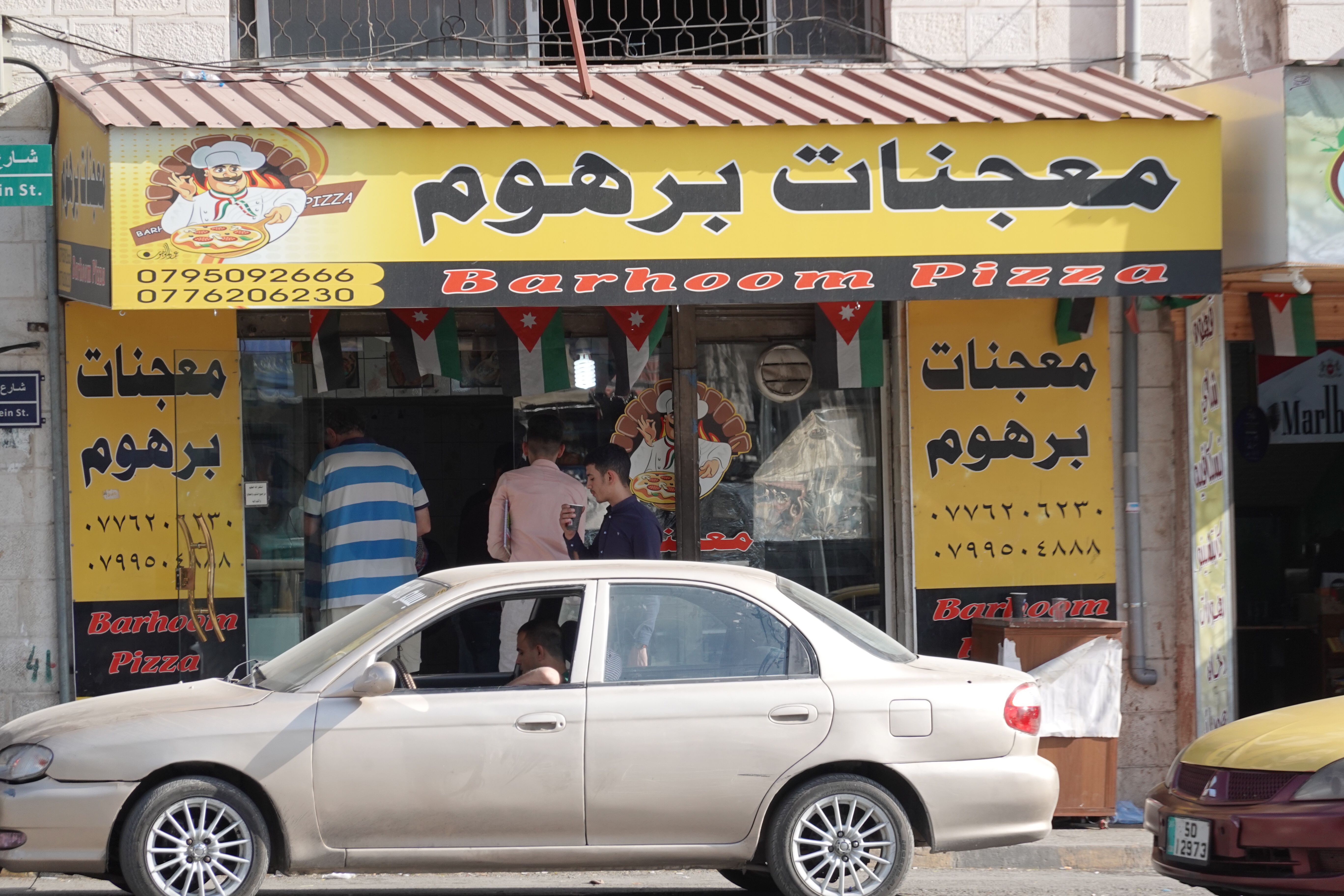
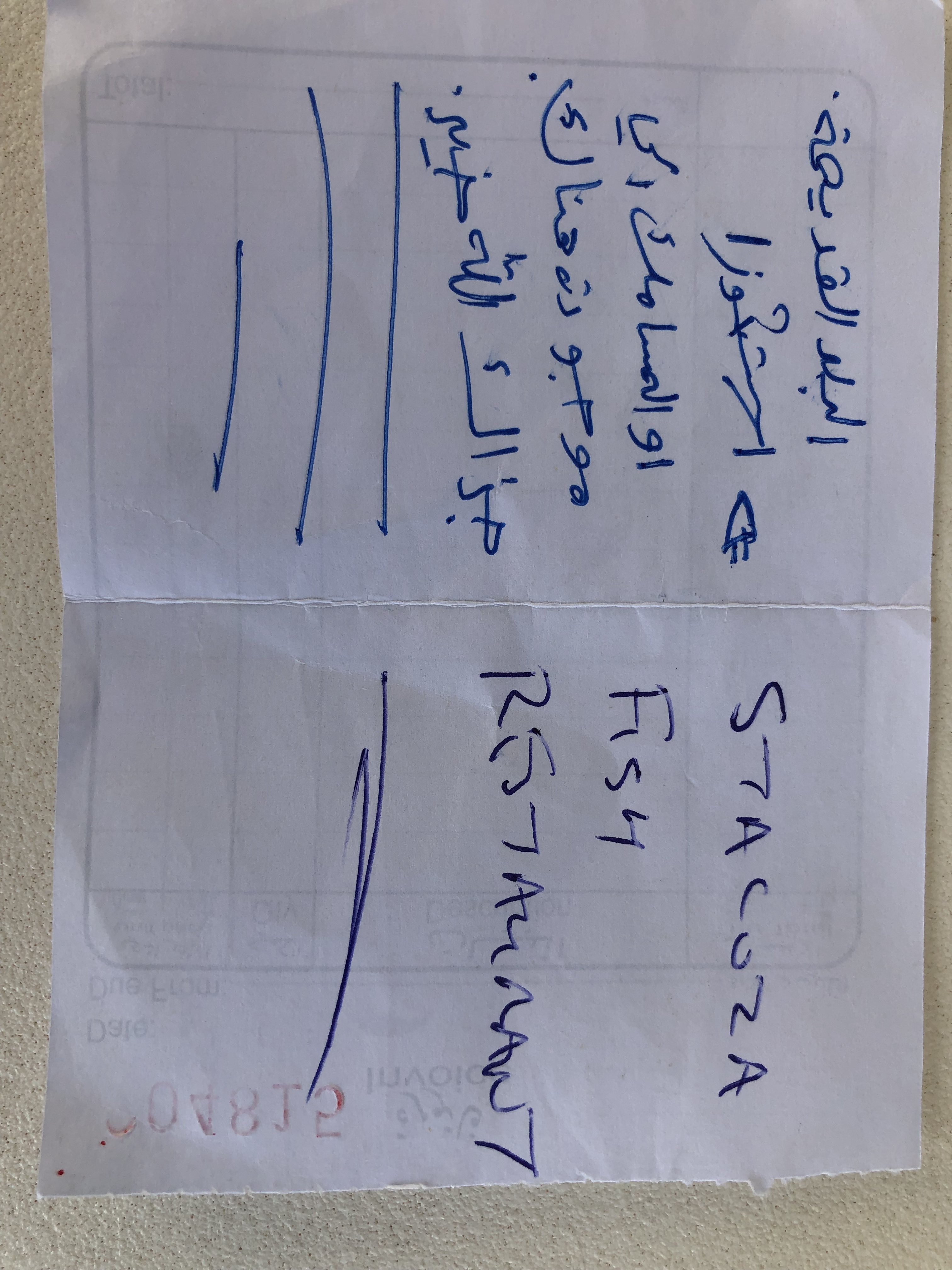
The sea and weather were both perfect for relaxation. As well as countless modern hotels, there is also an old town with local restaurants and shops. Asking for recommendations for “local” food resulted in being given directions in Arabic so that we could obtain help in finding it. We were rewarded with an excellent fish restaurant, all be it the customary alcohol free drinks list. All the Jordanian people we have met have been very welcoming and helpful.

Wadi Rum

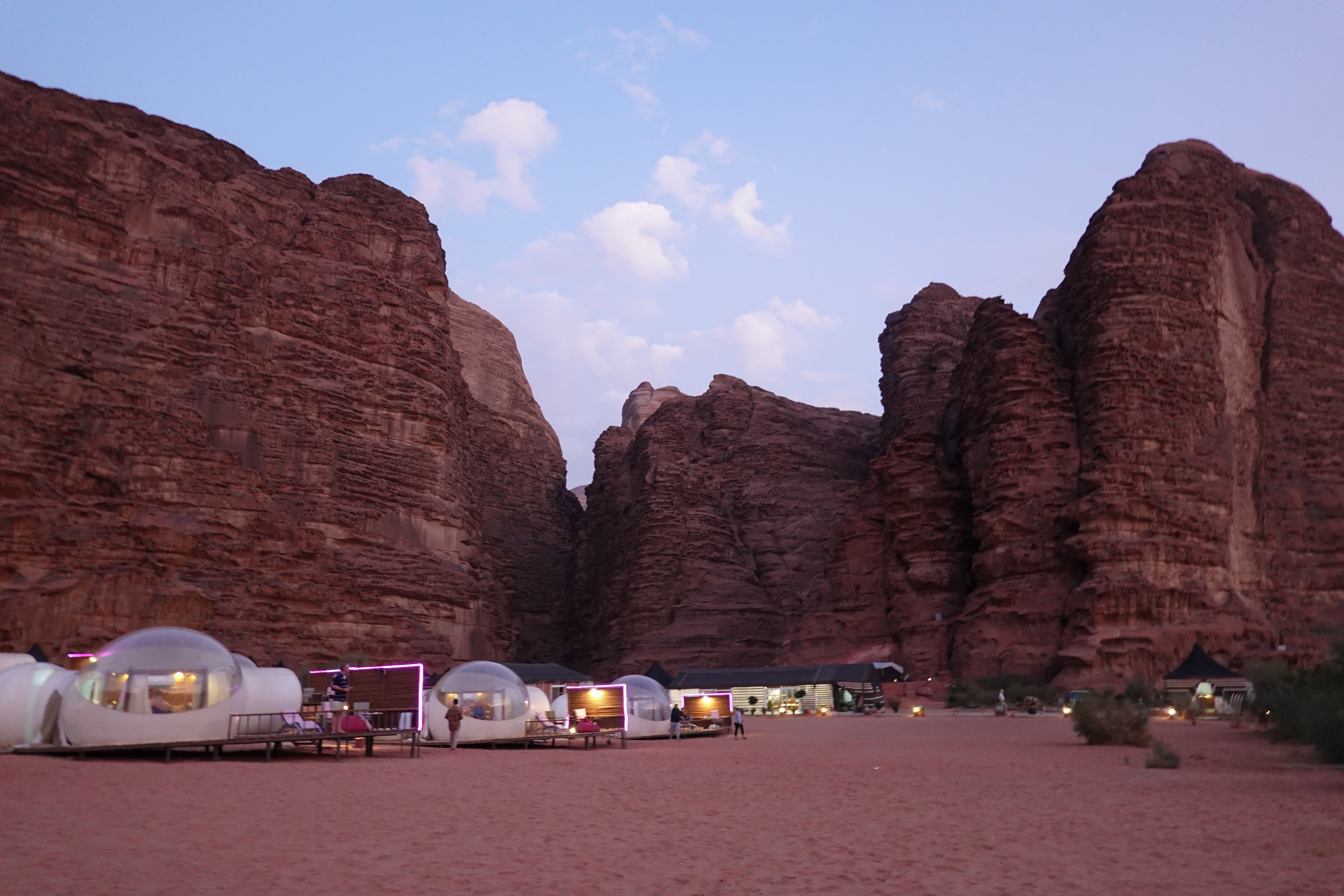
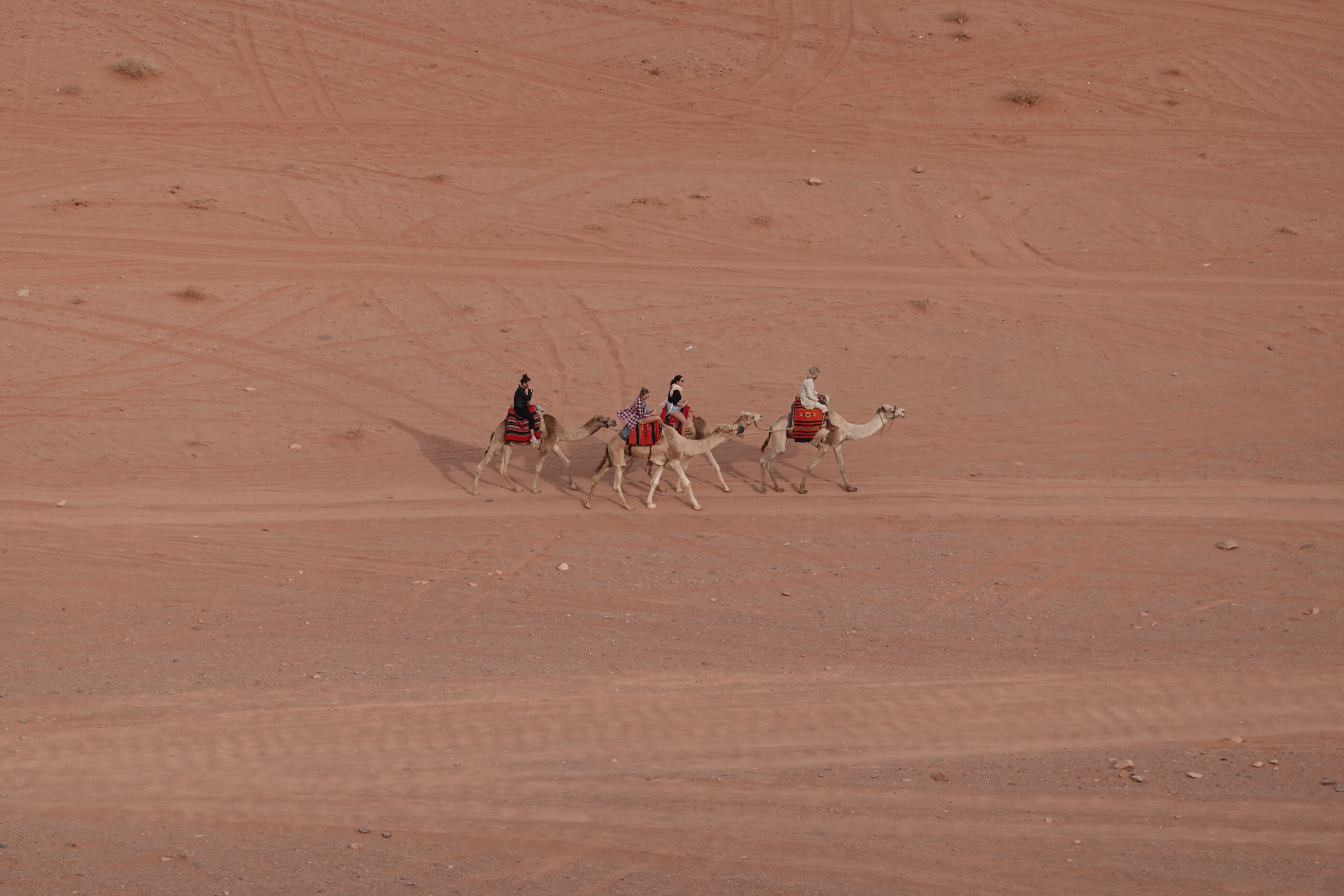
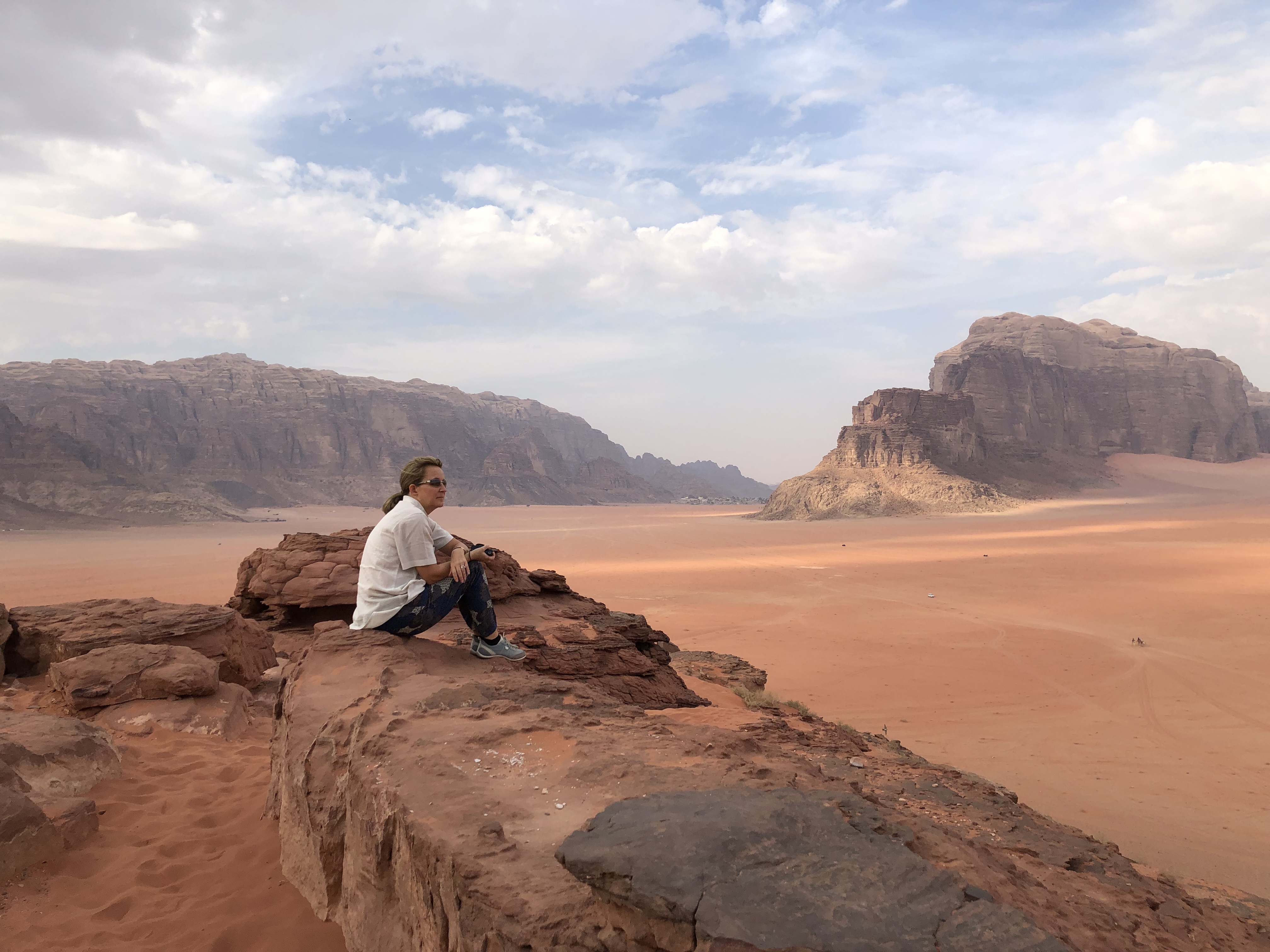
Wadi Rum is everything you expect from a desert – hot, dry, cold at night and a vast expanse of dramatic scenery. It has been inhabited since prehistoric times but was made famous by T.E. Lawrence staying here during the Arab revolt against the Ottomans in 1917. It was subsequently used as the backdrop for the film Lawrence of Arabia and was more recently used to represent Mars in the film The Martian.

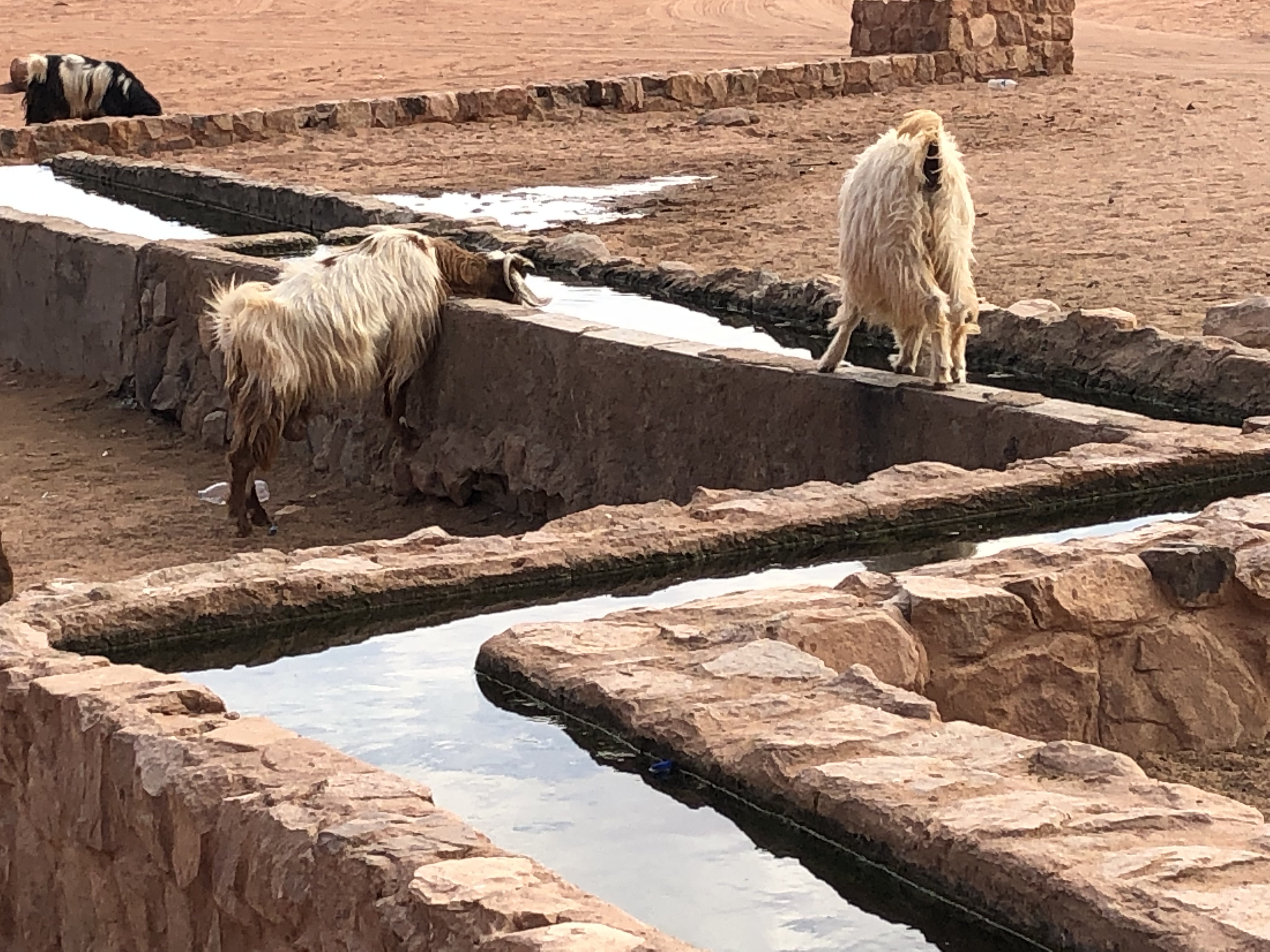
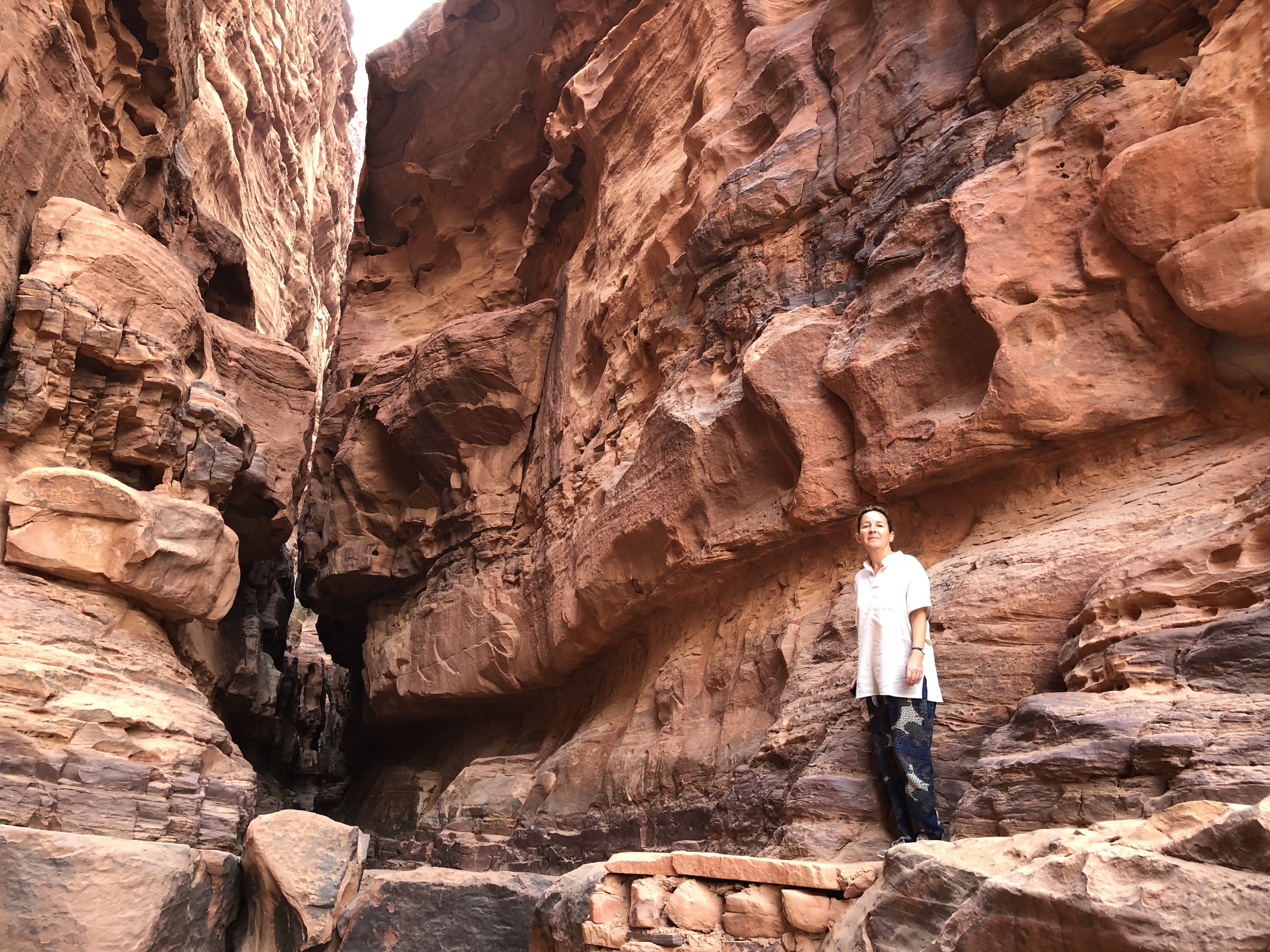
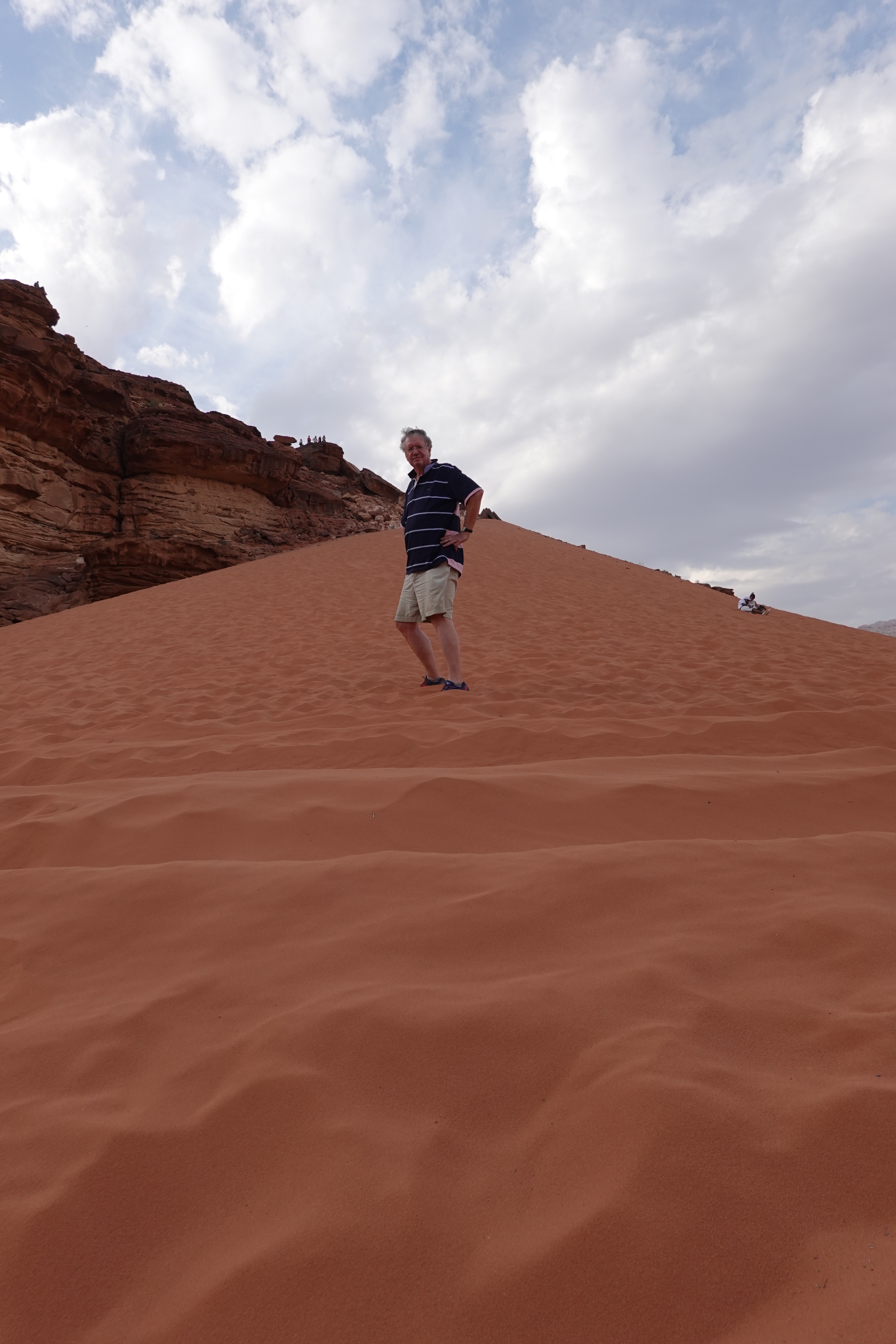
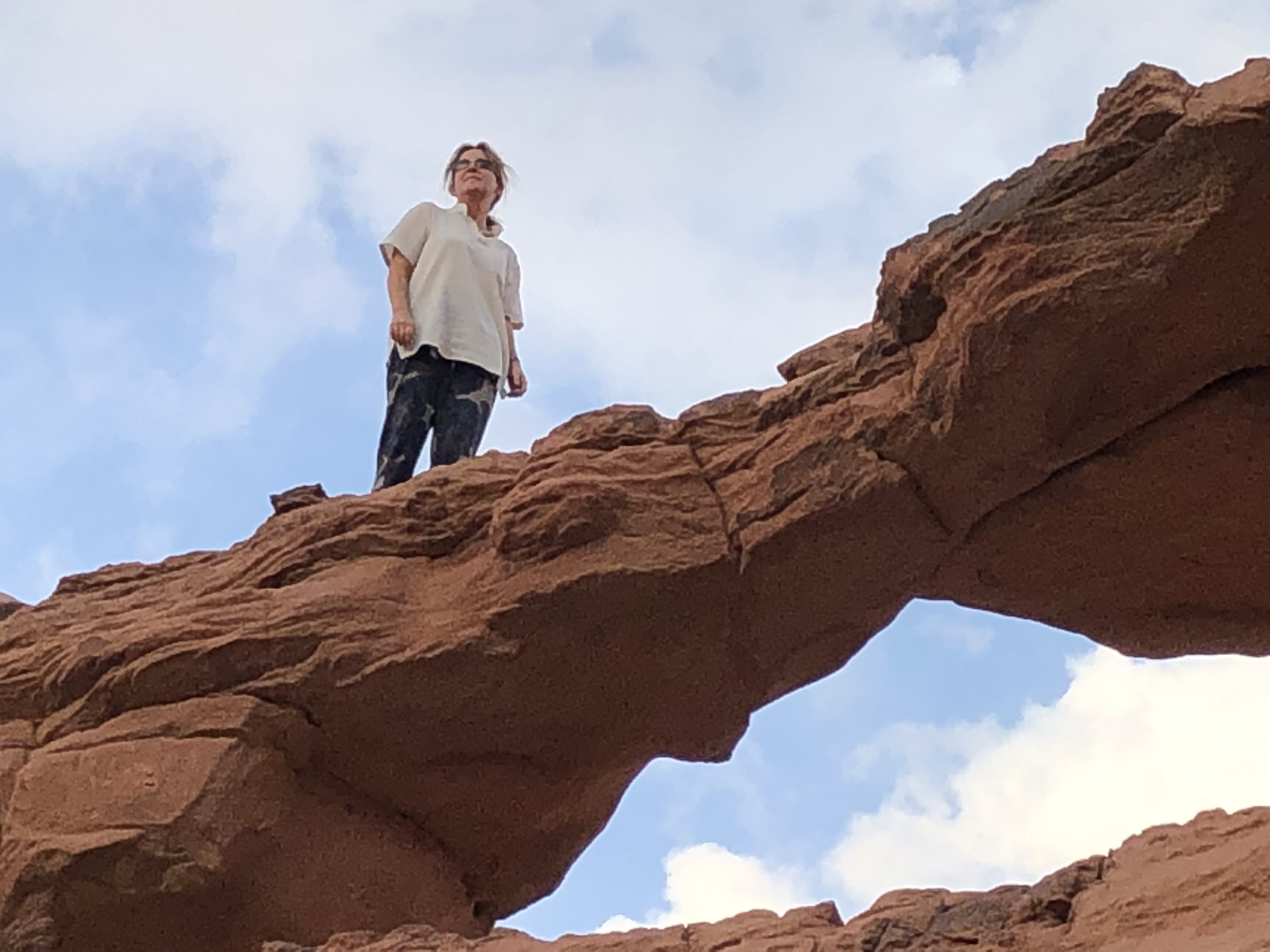
We had a night of “glamping” in an igloo shaped tent with a transparent side and roof enabling star gazing from bed. We experienced a 4 wheel drive tour on the back of an aged Toyota, visiting a desert spring, a canyon, a rock bridge and a sand dune; finishing with Bedouin tea made on an open fire. However the scenery was the star attraction !
Siq Al Barrid

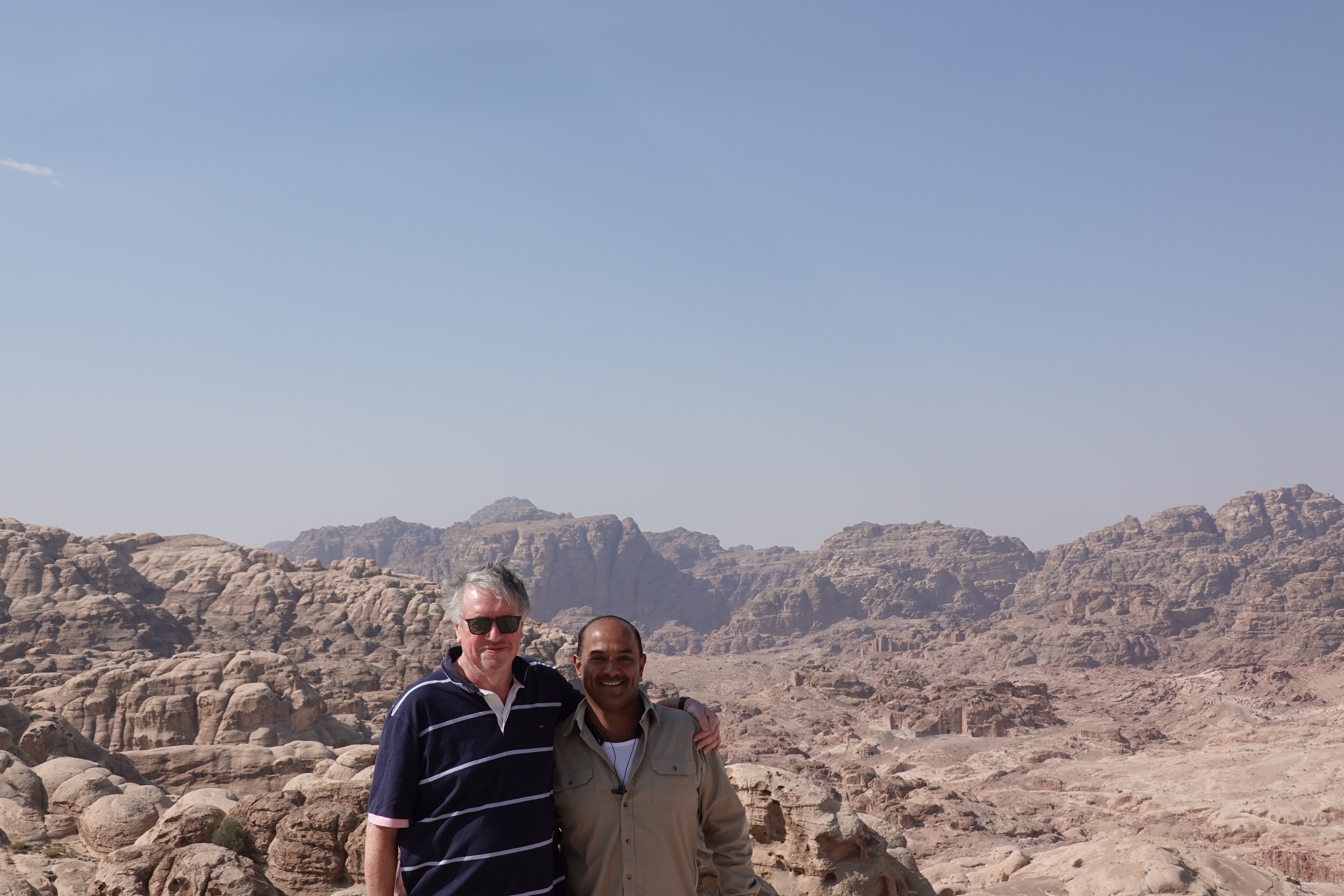
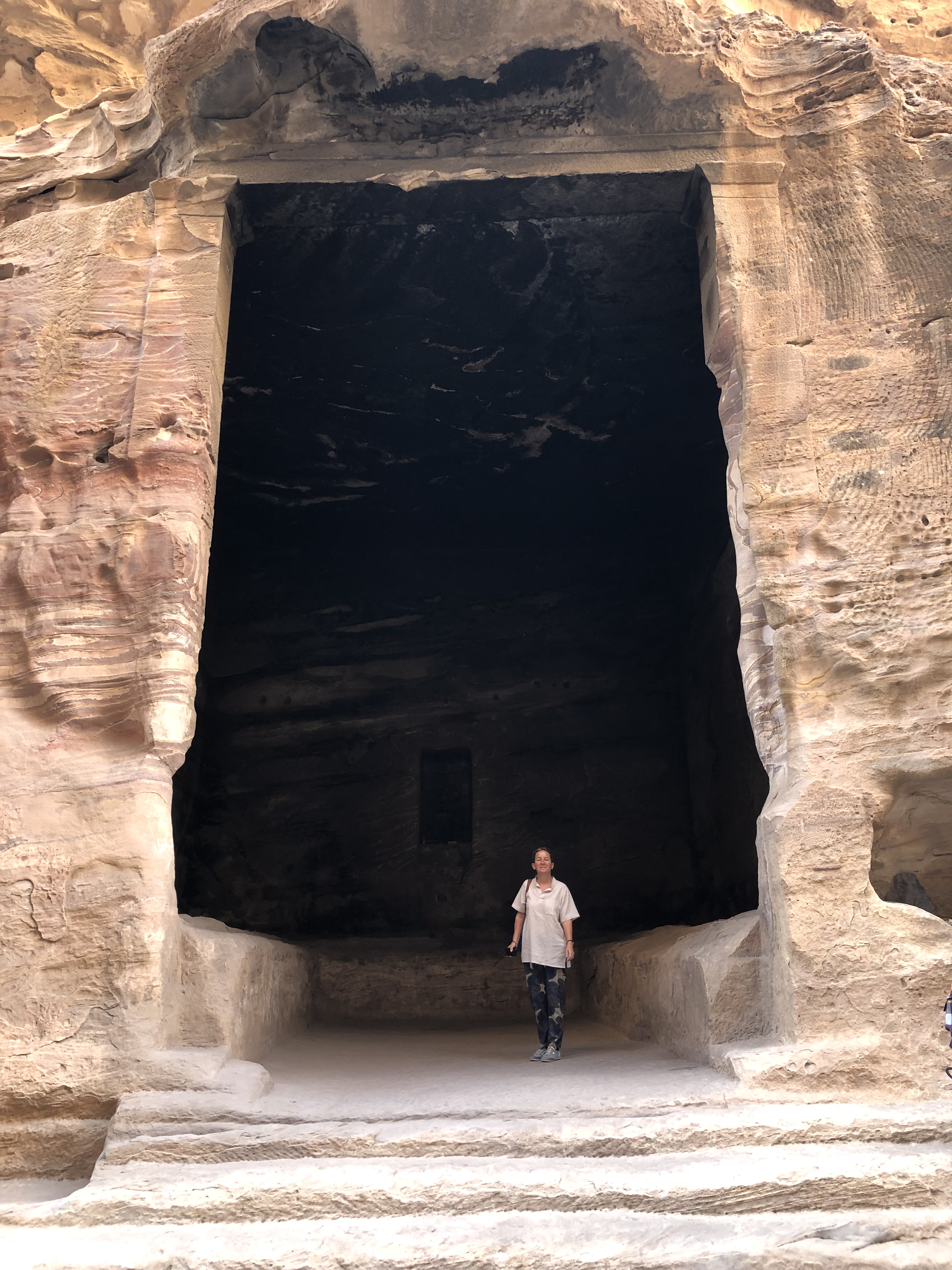
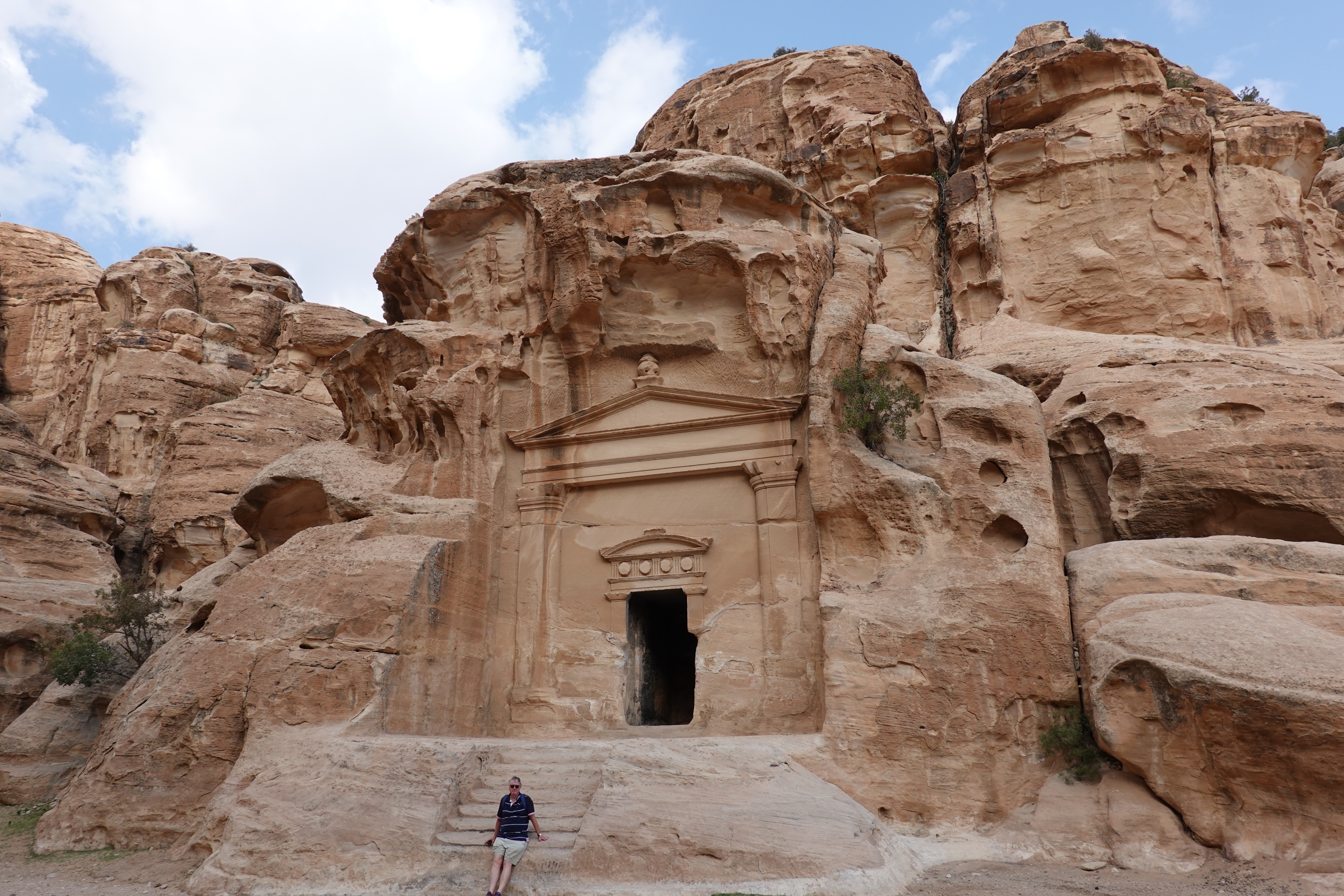
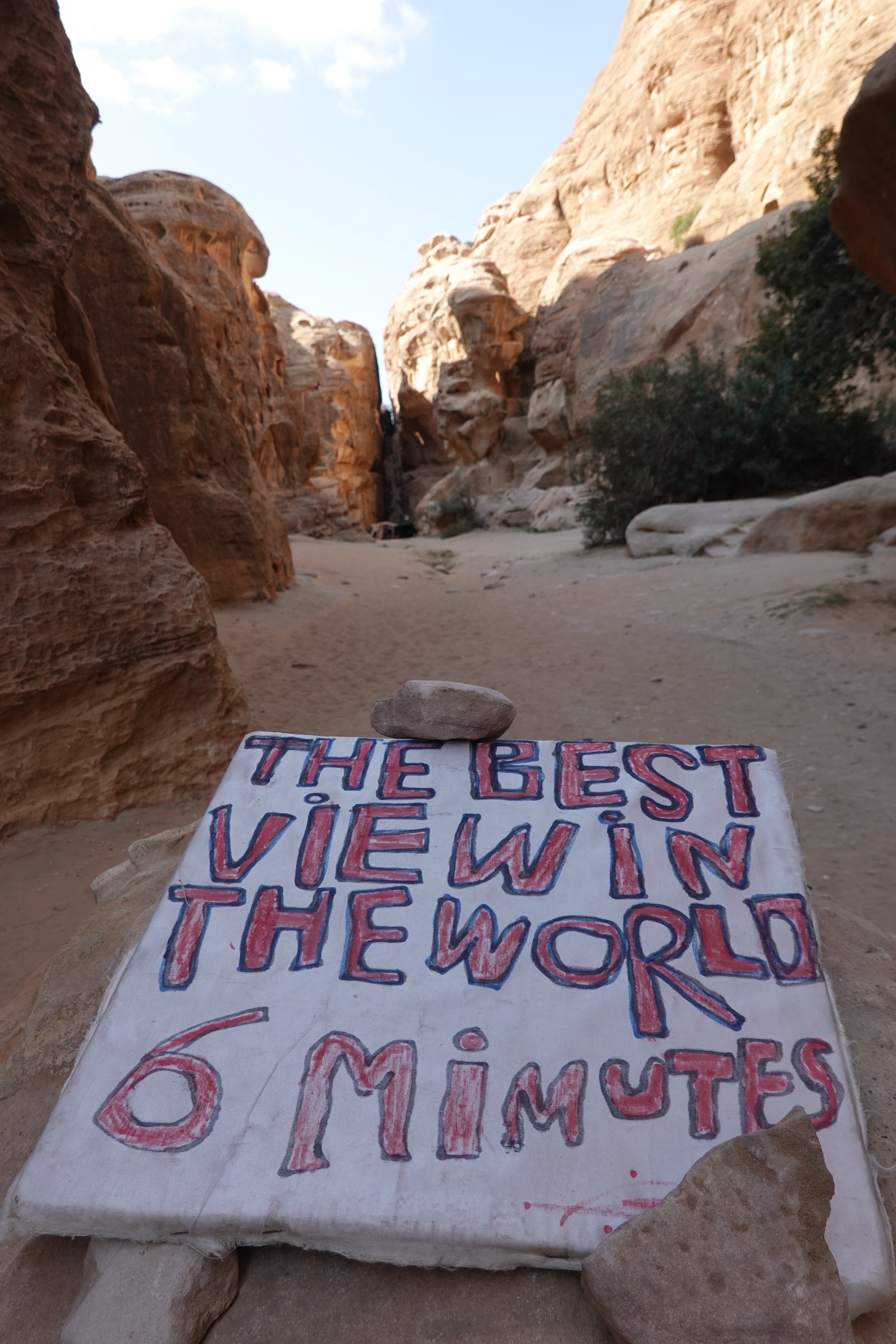
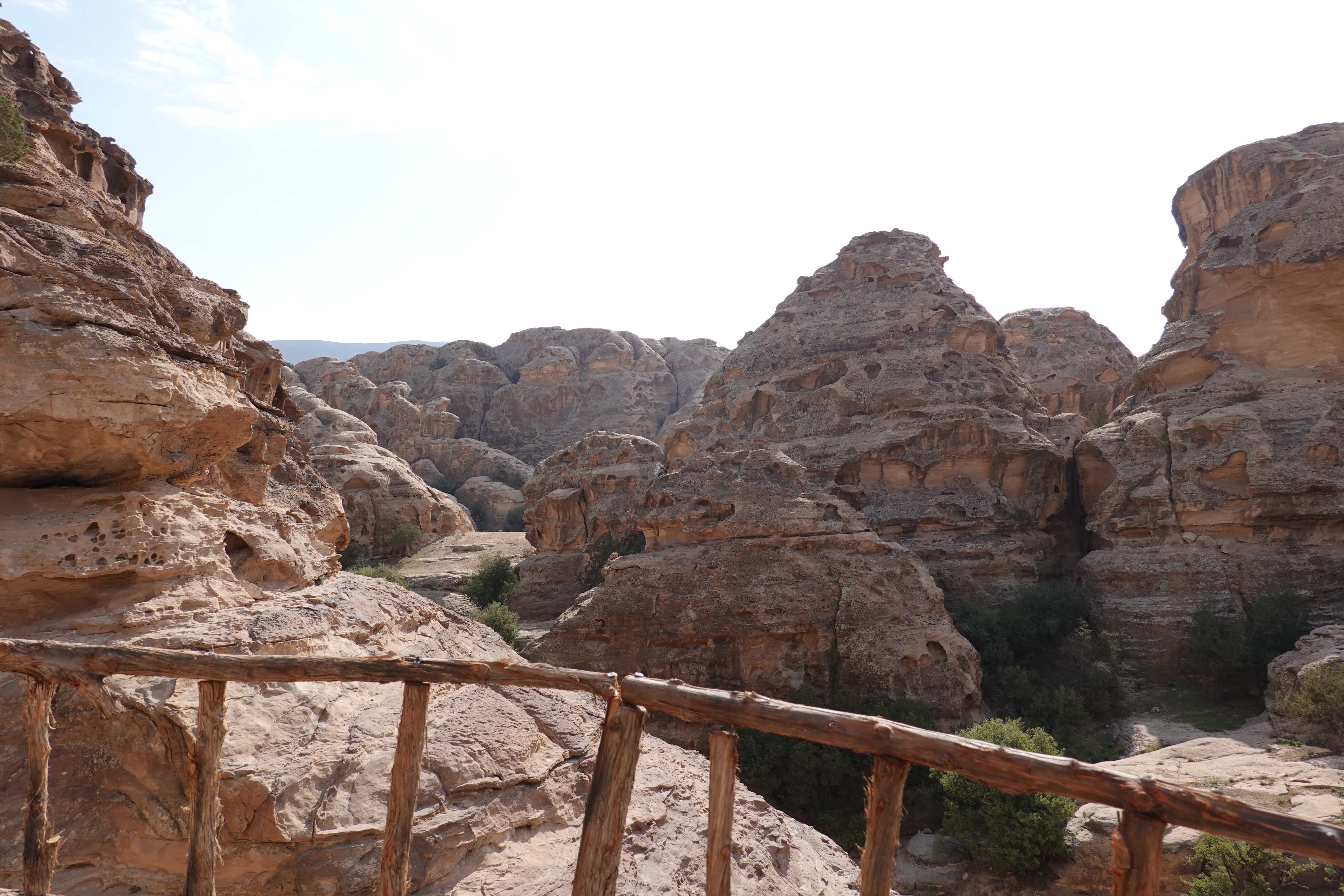
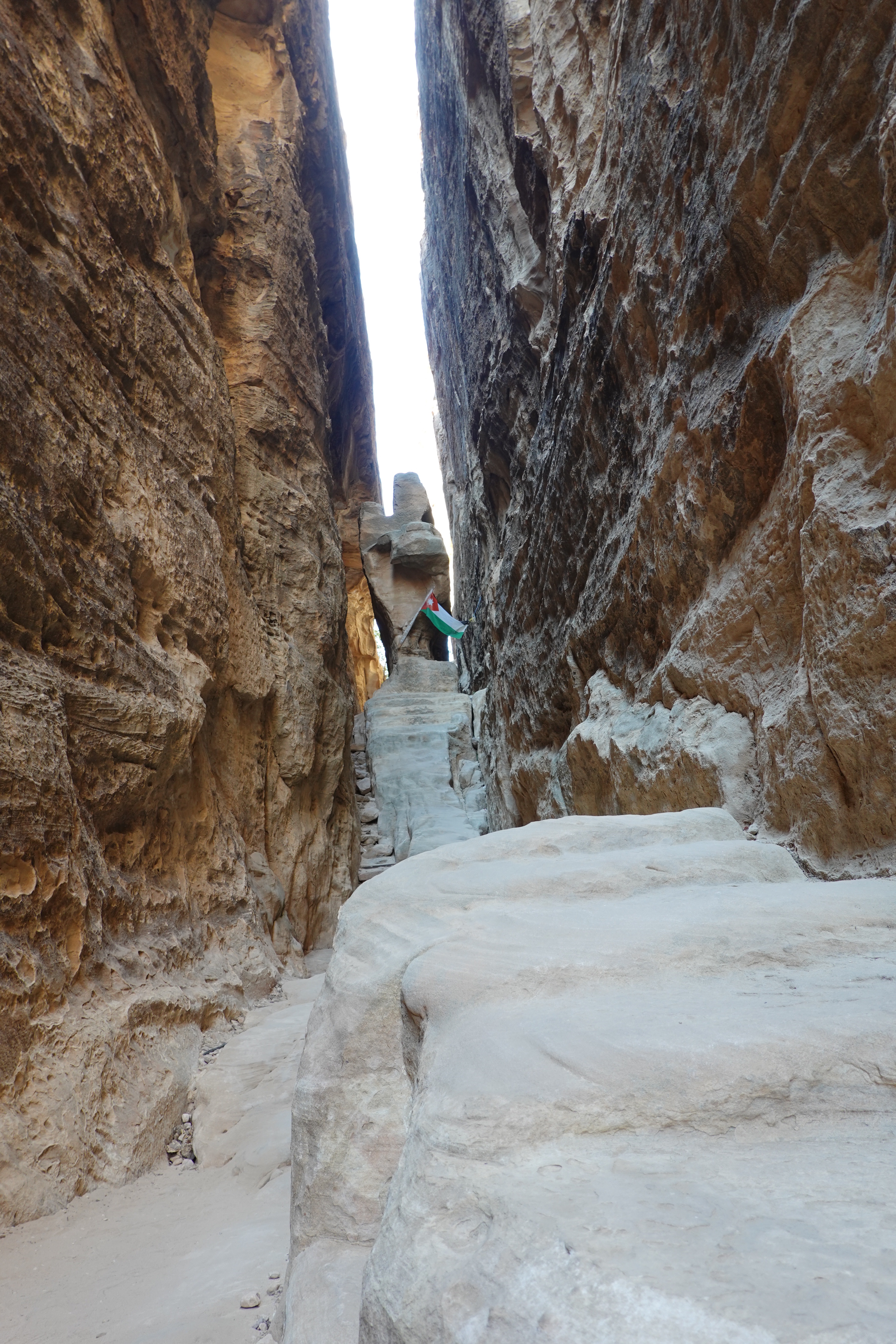
Colloquially known as Little Petra, Siq Al Barrid is a few kilometres from Petra and was also built by the Nabateans. It is much quieter than its big brother and although much smaller is still spectacular. At the end are steep steps through a very narrow canyon leading to a view over the wind eroded landscape advertised as the “Greatest View in the World”, presumably by the woman who sells tea at the top.

Petra

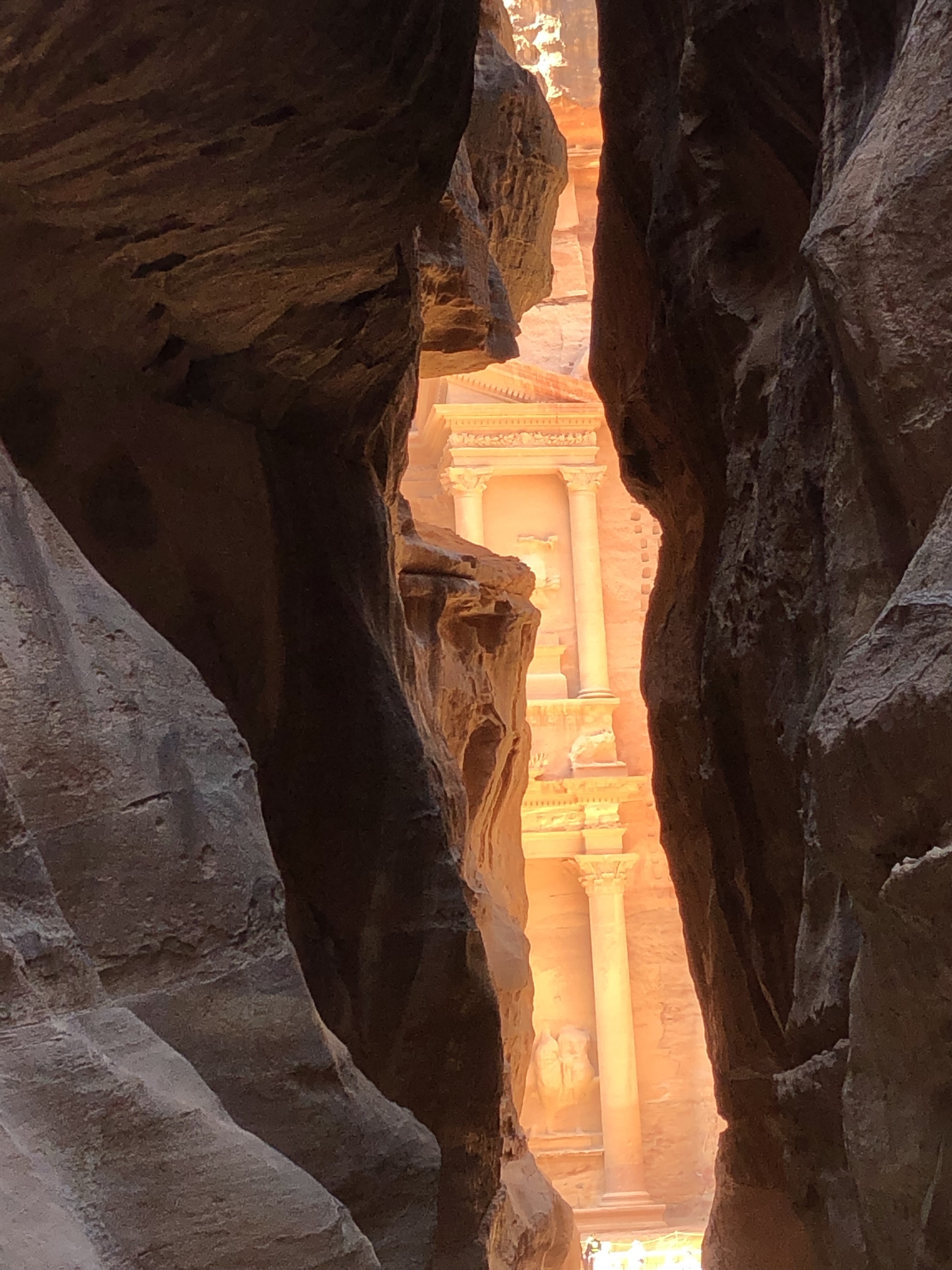
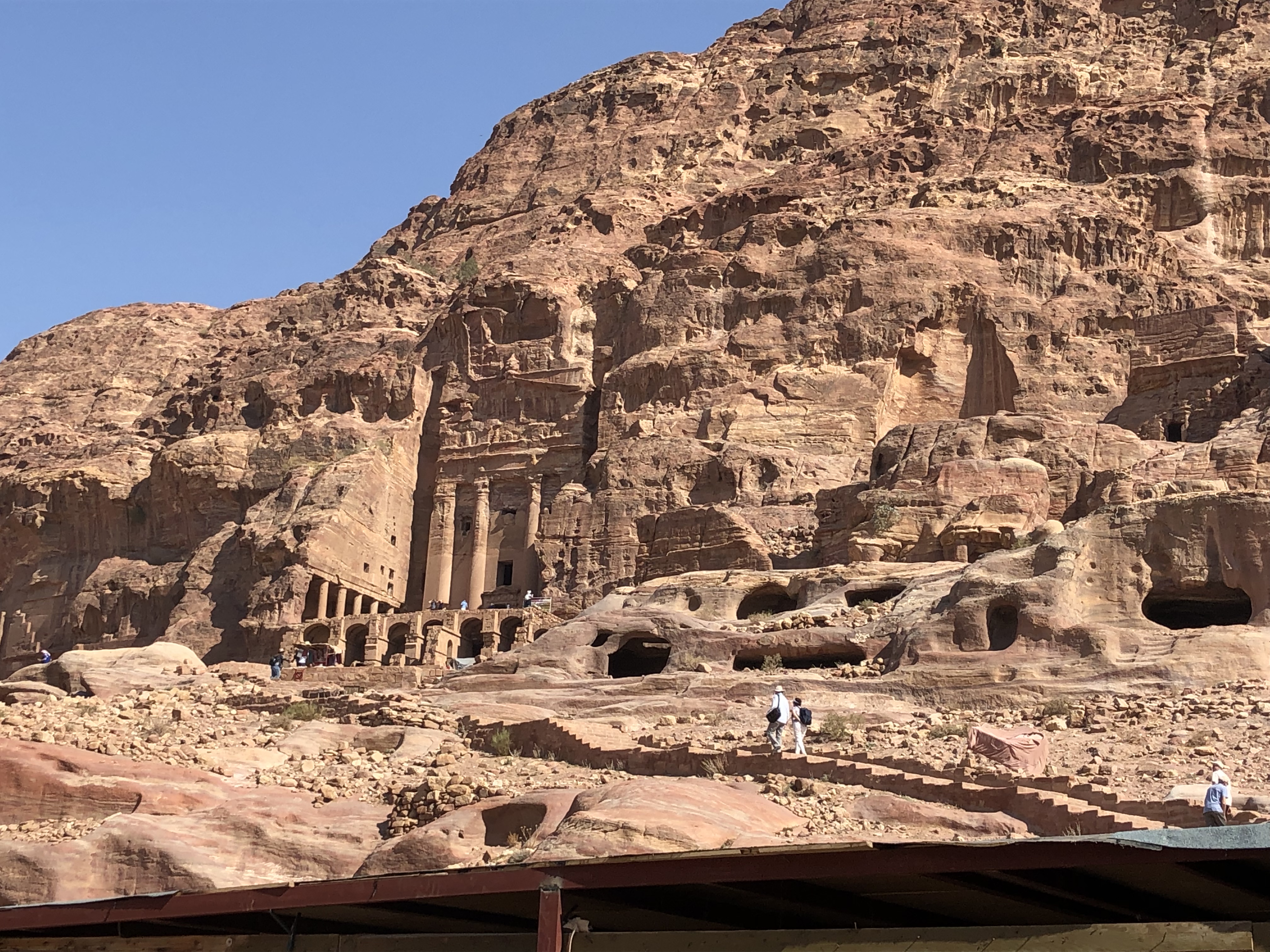
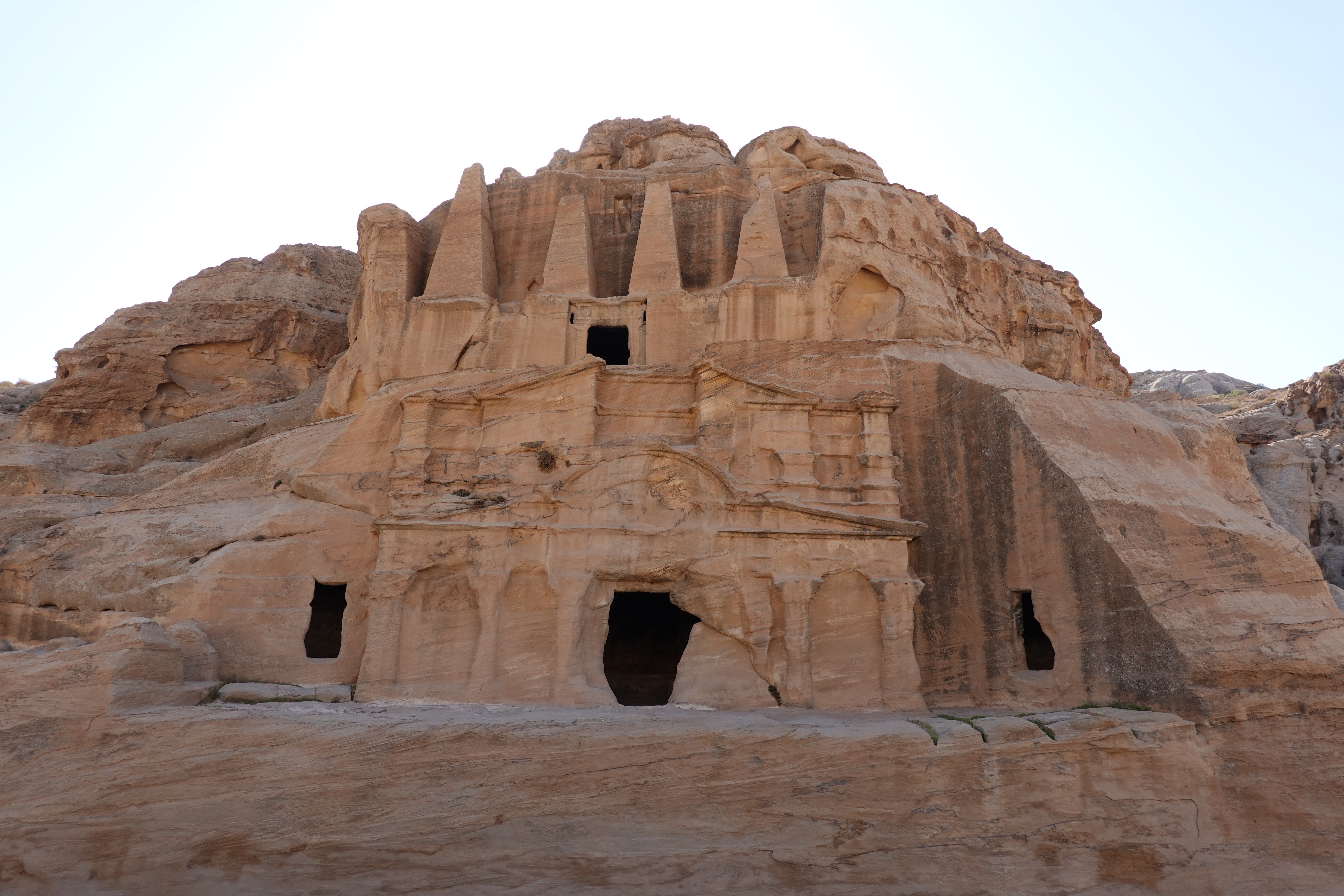
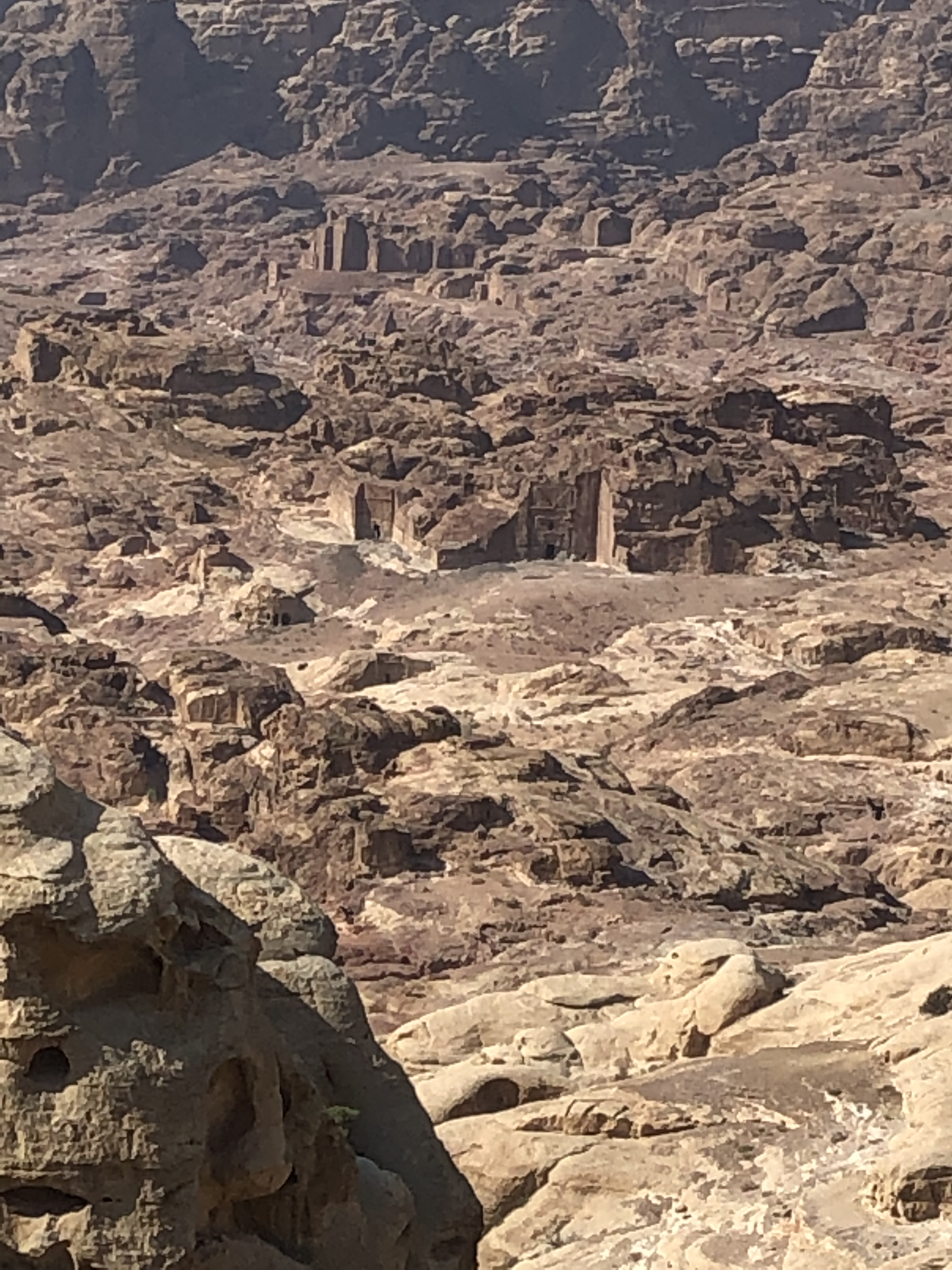
Petra is one of the seven wonders of the modern world and made famous, for many, by Indiana Jones. It was built by the Nabateans between the first century BC and the first century AD. The Nabateans were hugely successful in controlling (and taxing) the caravans travelling the spice route as they had a major source of water and knowledge of the inhospitable local area. The site was unknown to the western world until 1812 when it was discovered by a Swiss explorer Louis Burkhardt, who disguised himself as an Arab to gain entrance.

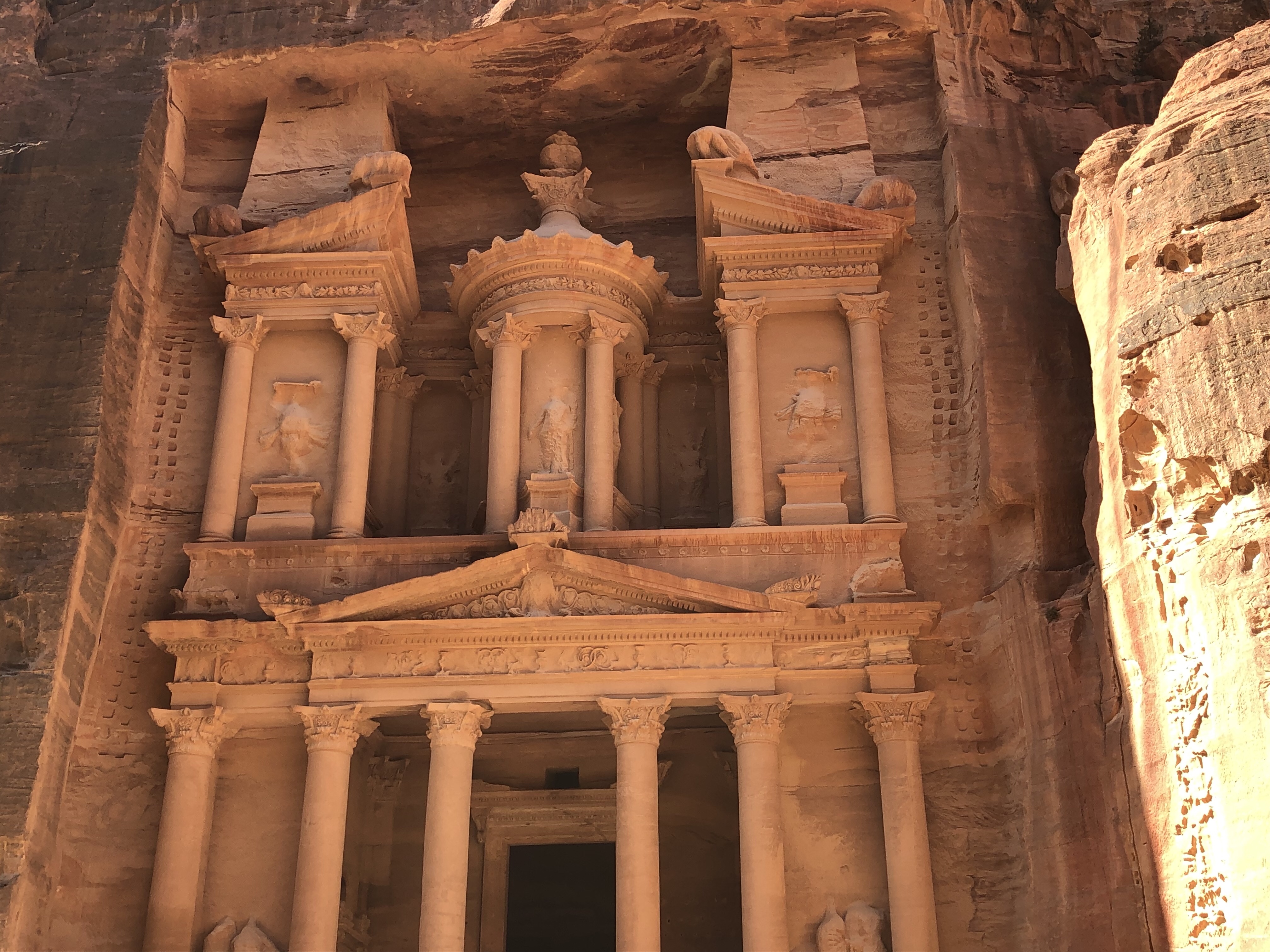
The most iconic building is the Treasury, so named as it was believed that this was where the Nabateans kept their valuables, but it is actually a tomb.

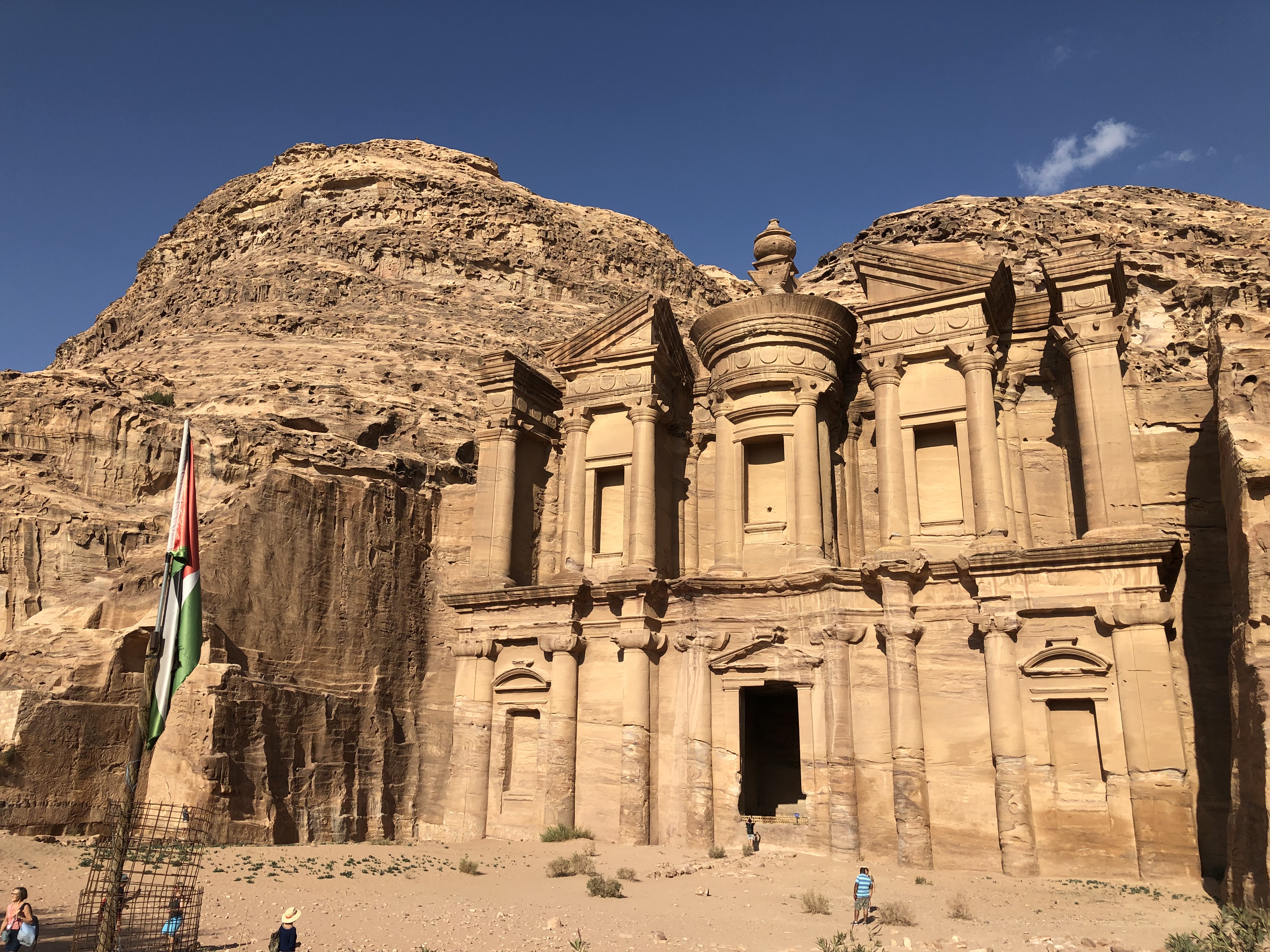
Equally impressive but less accessible is the Monastery, another larger tomb (50m wide; 45m high). It is at the end of the site reached via 800 steps. Crowds are understandably much thinner in this section, although some (lazy) tourists travel the majority of the steep route on donkeys which are being encouraged by Bedouins who all look like offspring of Captain Jack Sparrow.

Until the 1980s a Bedouin tribe lived in the site. As part of an arrangement with the government for them to move to a nearby purpose built village, they have retained the exclusive rights to trade within the site. For the men, this takes the form of horse, donkey and carriage rides and refreshment stalls. The women sell souvenirs such as clothing and jewellery, made by locals trained by the Queen Noor Foundation. One such stall holder is a women from New Zealand who came to Petra as a traveller in the 1970s and fell in love, subsequently marrying, a local souvenir seller. On her stall, as well as the souvenirs, is the book she has written “Married to a Bedouin” of her remarkable life.

Petra is without doubt amazing !