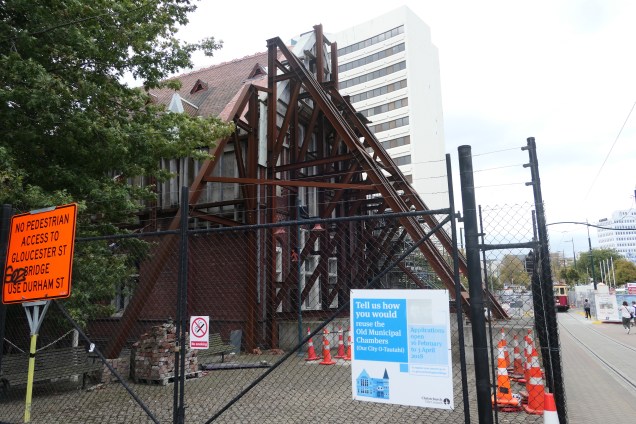
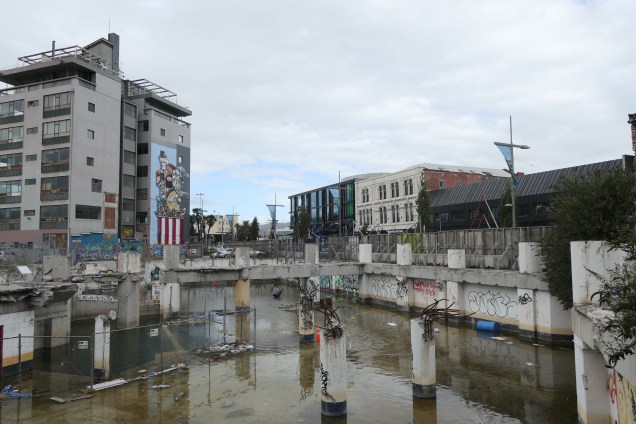
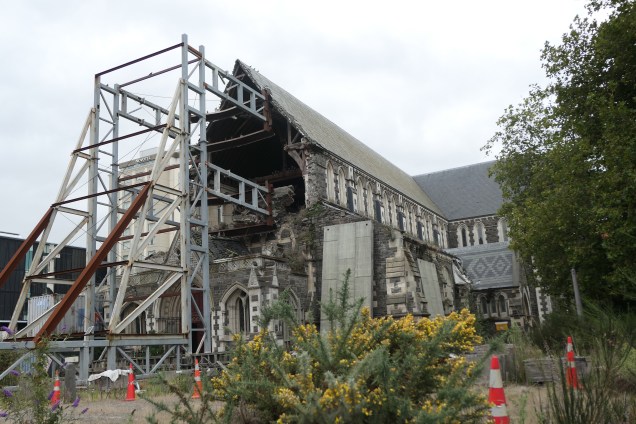
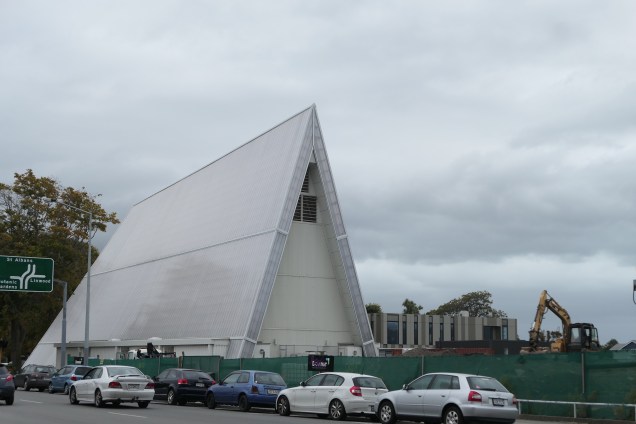
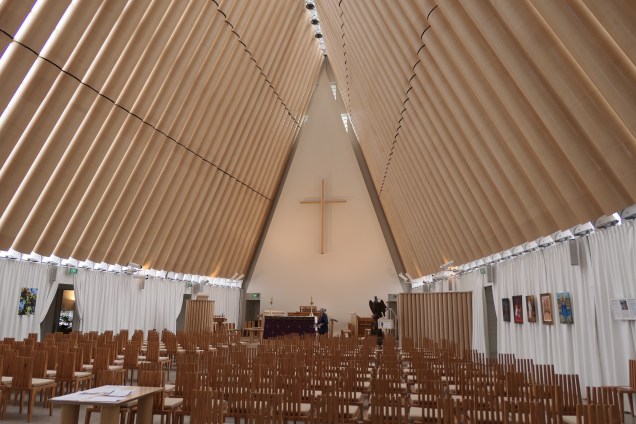
Our final night in New Zealand was spent in Christchurch. The pictures speak for themselves in terms of the remaining extent of the damage from the 2011 earthquake and the ongoing rebuilding, impacting almost all of central Christchurch. Much of the rebuilding work has been subject to controversy as to whether to renovate, where possible, or rebuild, notably the cathedral, which has been deconsecrated and temporarily replaced by the “Cardboard Cathedral”.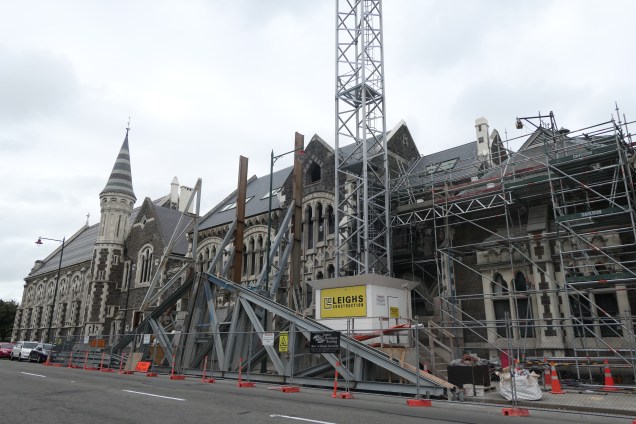

New Zealand
Arthur’s Pass to Christchurch
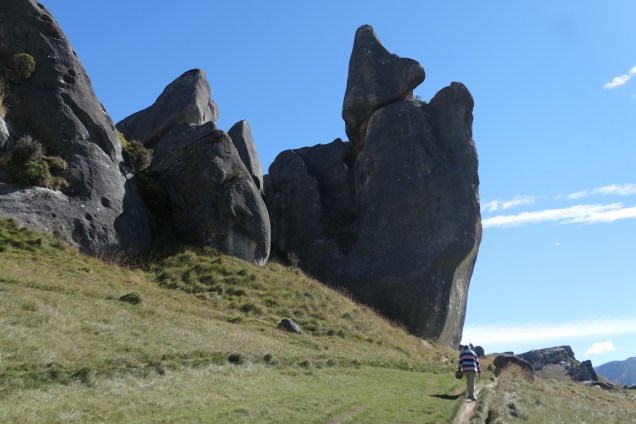
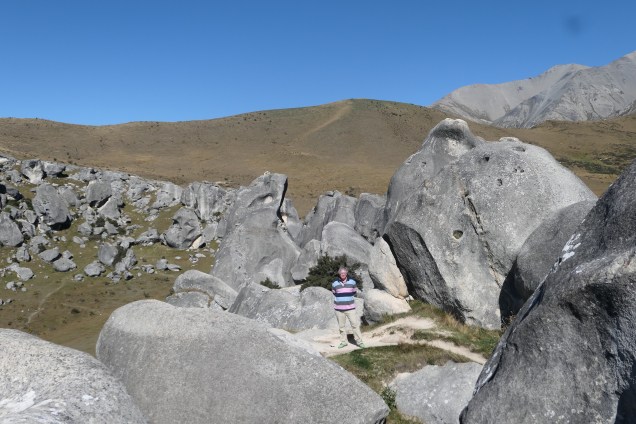
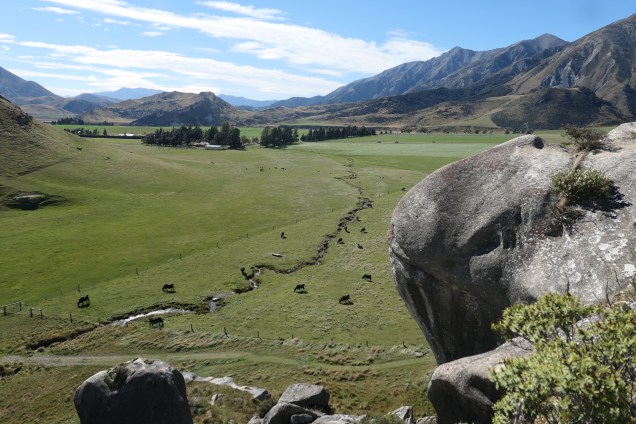
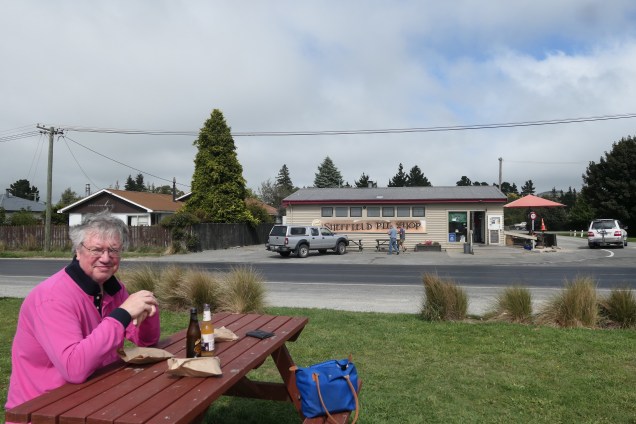
On the way to Christchurch we stopped at Castle Hill, an array of limestone boulders of fame ranging from the building of Christchurch cathedral to the filming of The Chronicles of Narnia. For us it was a good opportunity to build up an appetite for our next stop in Sheffield, home of a famous pie shop.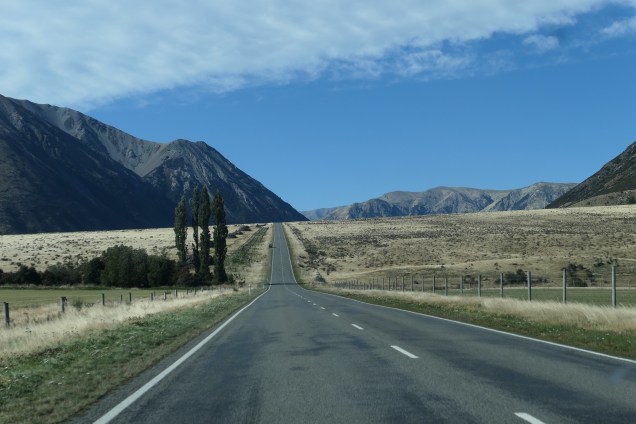
Arthur’s Pass
Arthur Dobson was given the task of finding a route between the West Coast and Christchurch in the late 1800s. He was told of a route used by the Maoris which he proposed as a solution to the government. His brother was asked to see if he could find a better route; after due consideration he declared “Arthur’s Pass” as being the best route. After disagreement over a number of years the New Zealand postal service finally settled, in 1975, that the spelling should include an apostrophe.
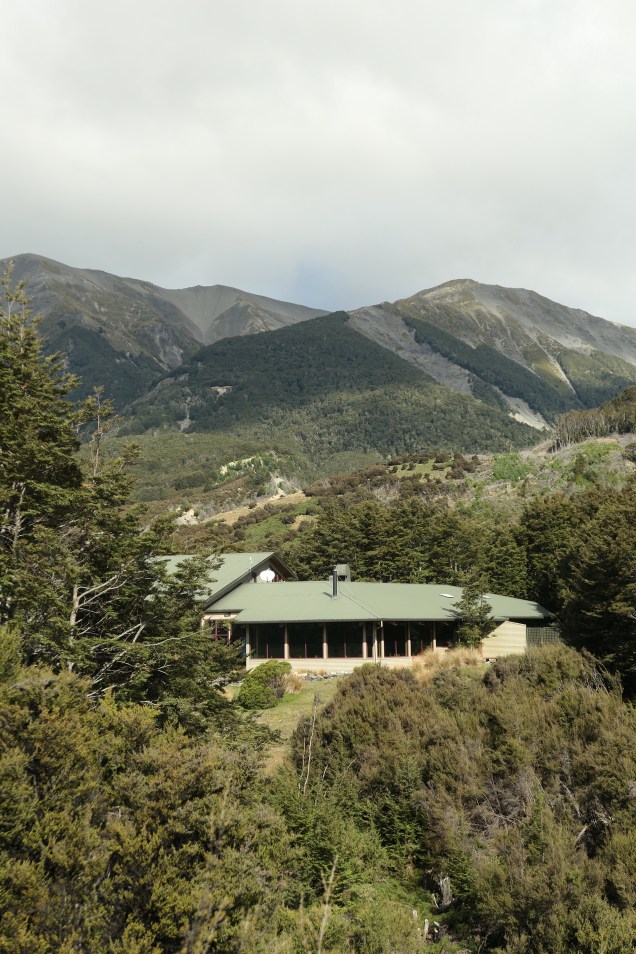
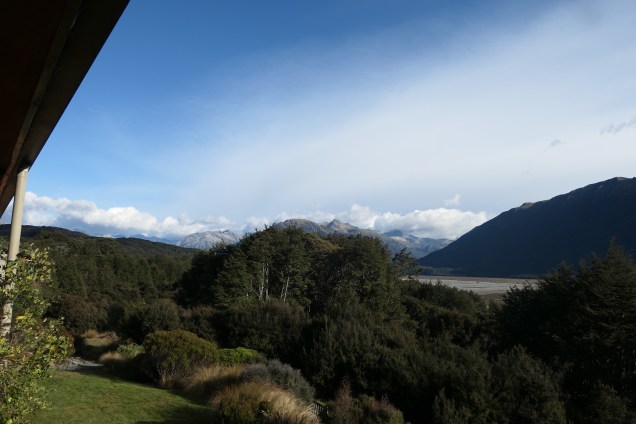
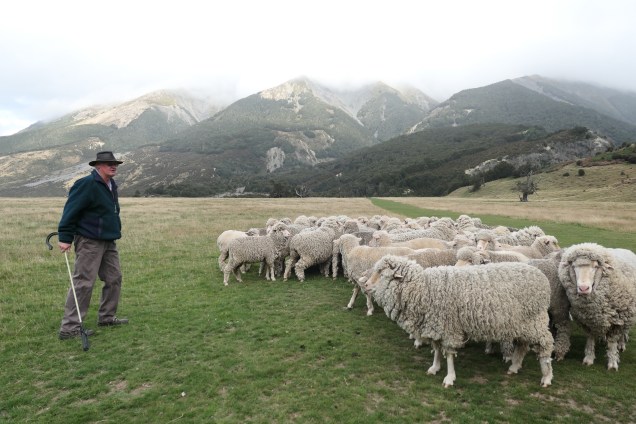
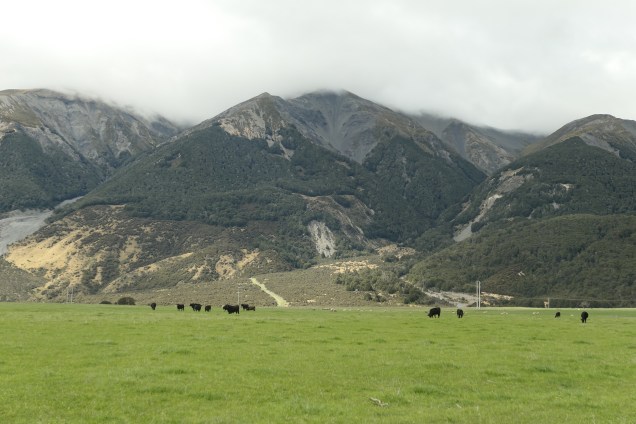
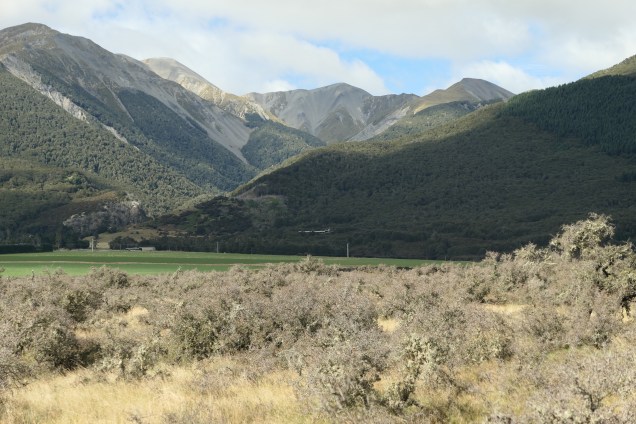
We stayed in a lodge, owned by the same people as the one at Lake Moeraki, approximately half way through the pass. The views through the pass and from the lodge were spectacular, including from “death corner” (first photo below). The lodge is run along the same “wilderness” lines as the other we stayed at and is also on a working sheep and cattle farm.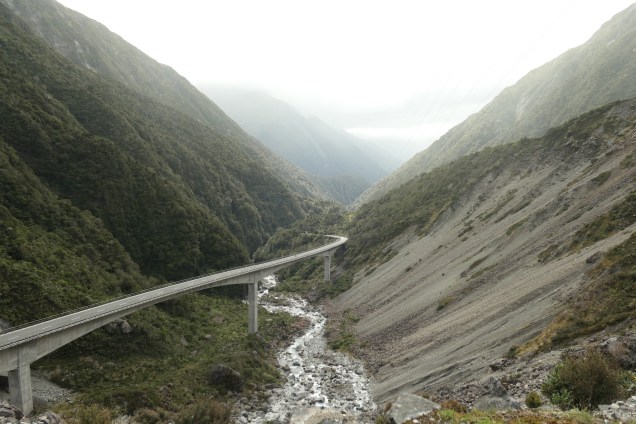
Glaciers
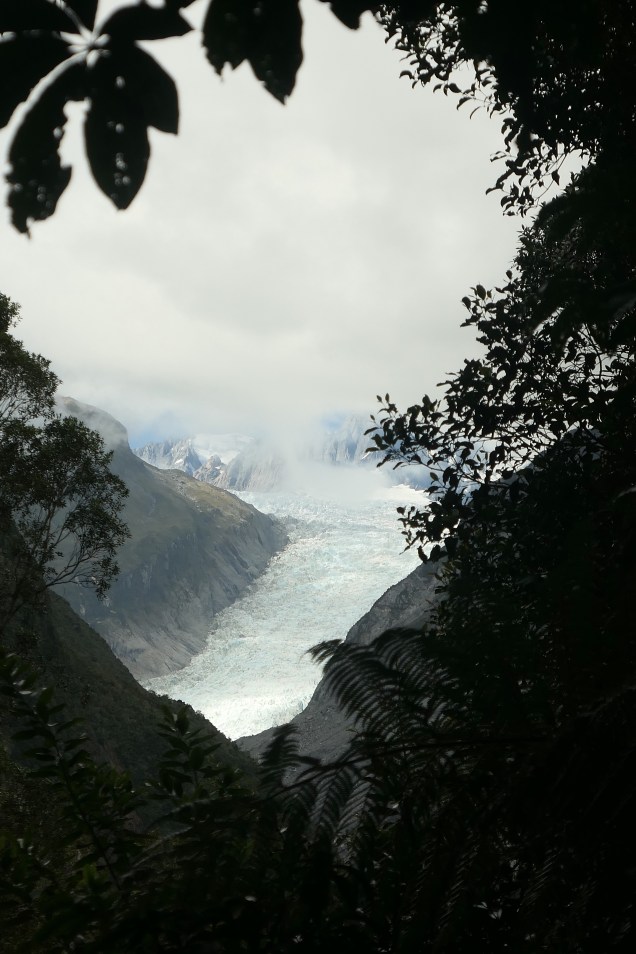
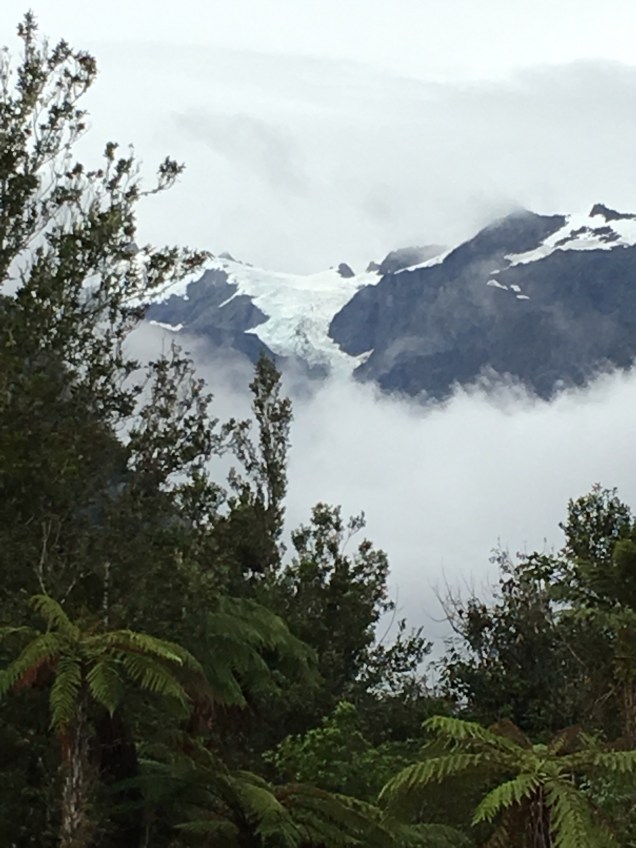
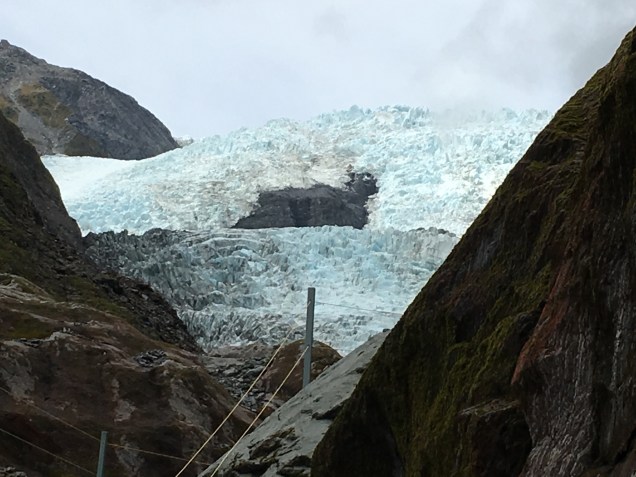
We stayed at Franz Josef but also visited the Fox Glacier. Due to weather conditions our “heli-hike” was cancelled, so the closest we got to a glacier was 750m. This was still close enough to appreciate the majesty of an incredible force of nature. 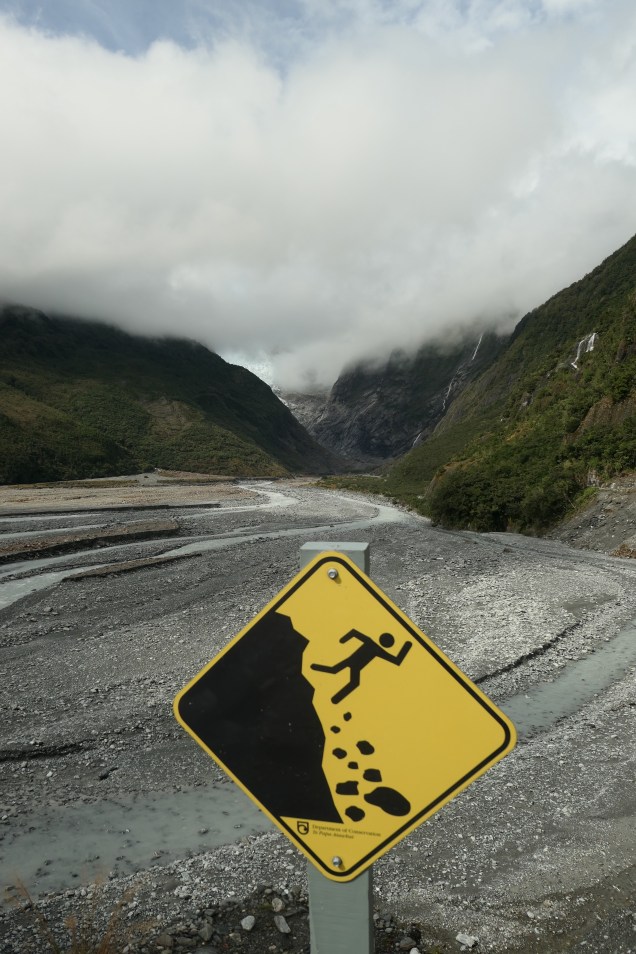
Lake Moeraki
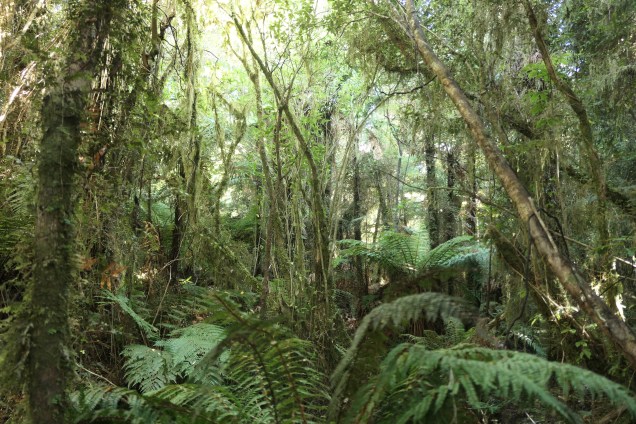
We stayed at a “wilderness lodge” at Lake Moeraki owned and managed by a couple with a scientific/ eco-tourism background. It felt like the meeting of a conservation project, a luxury lodge and a geography field trip. The remoteness of the lodge and philosophy of the owners created an immersive experience which we quickly settled into. TVs and WiFi were dispensed with in favour of guided nature trails, star gazing and notes to accompany an extensive range of tracks through rainforests, to the lake in one direction and the beach in the other. The lack of air and light pollution, together with a clear night, meant we had our best view of the night sky to observe the Southern Cross, galaxies and the International Space Station.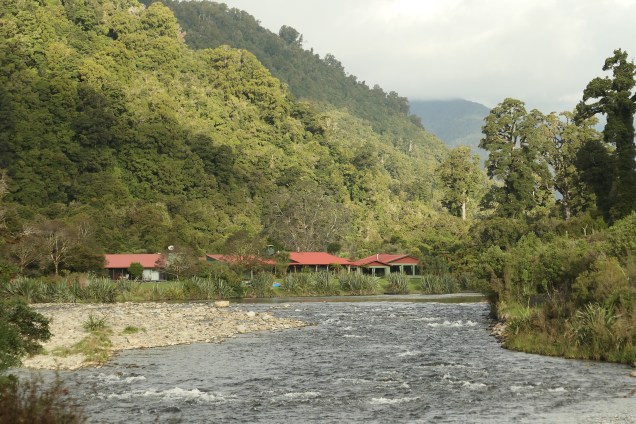

West Coast
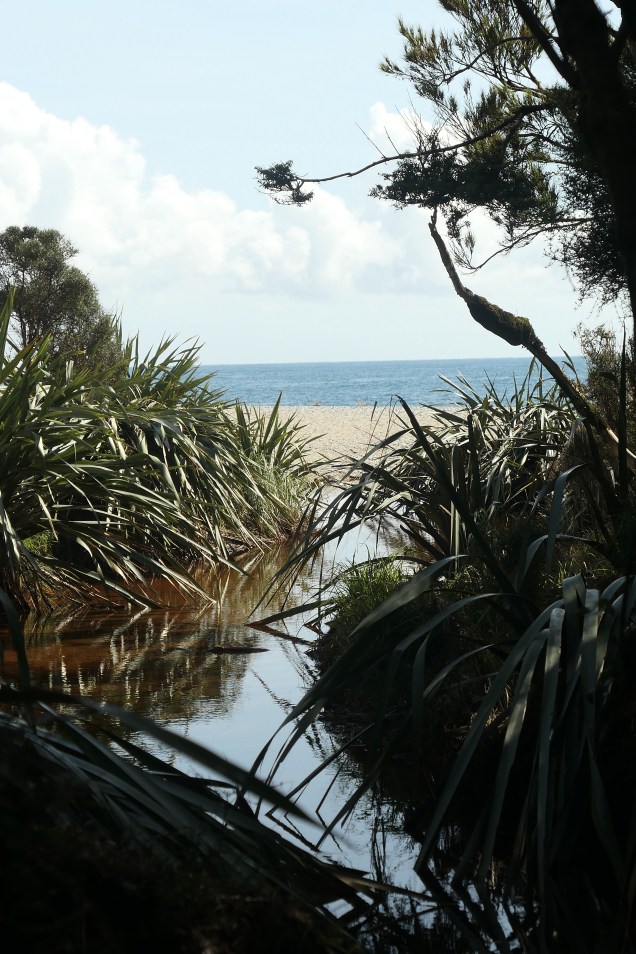
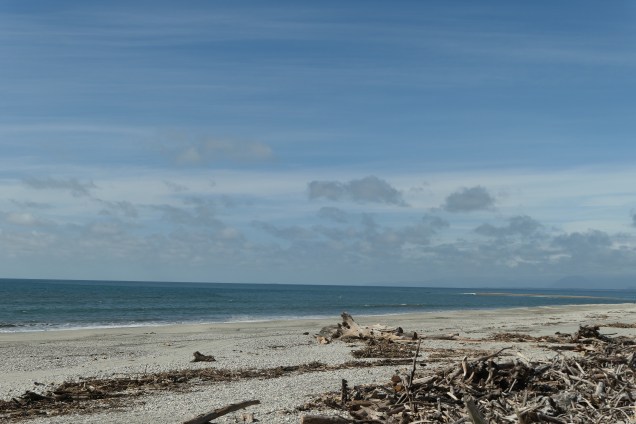
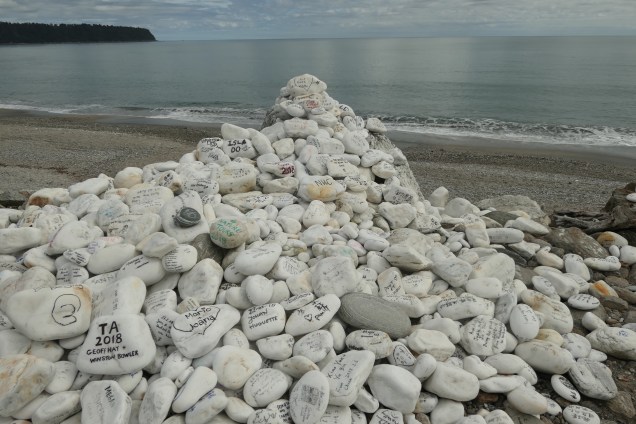
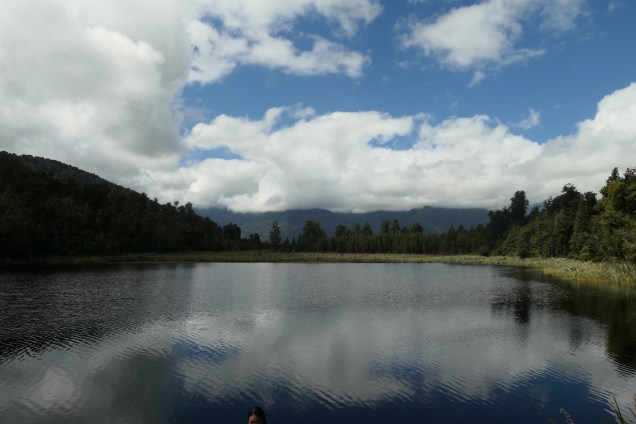
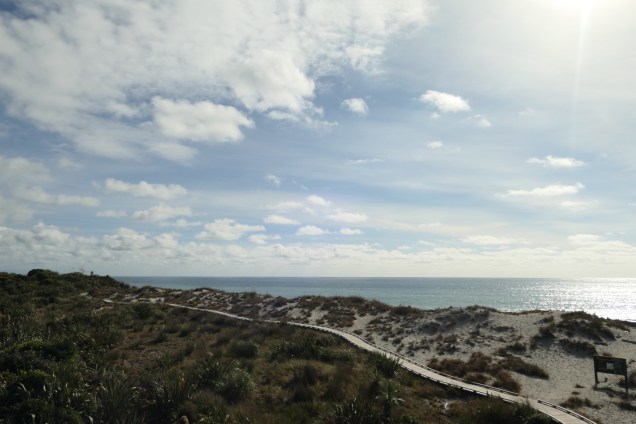
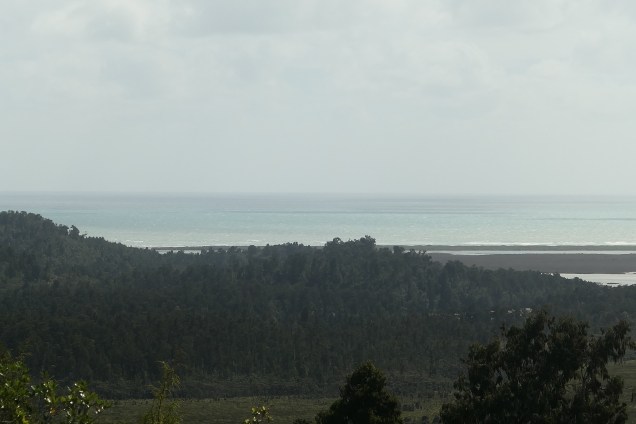
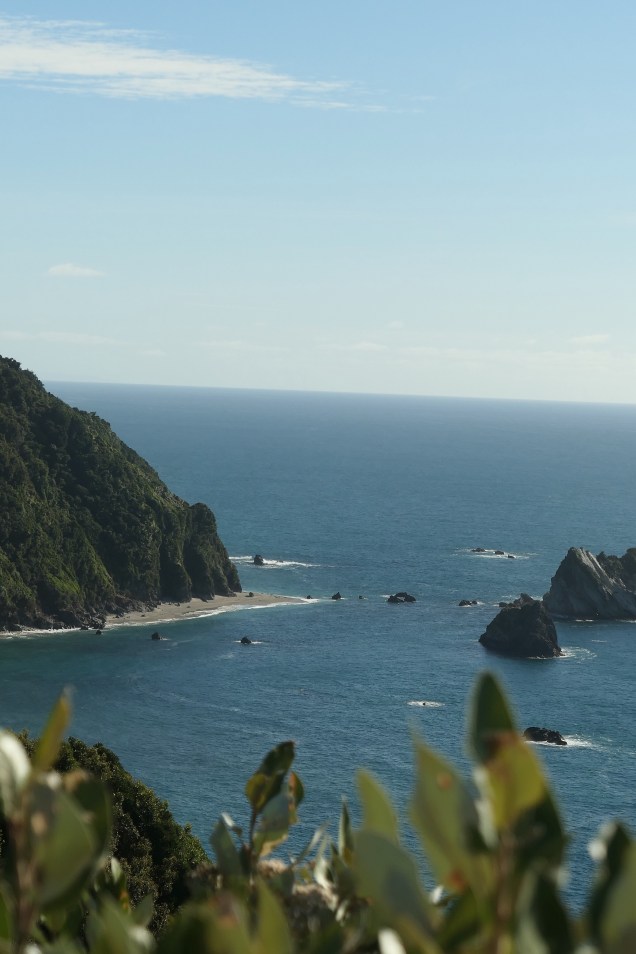
The West Coast highway was only completed in 1965 and remains relatively quiet. Parts of it were washed away or covered by landslides in the recent cyclone, so much of the road is currently under repair, although passable with some patience. We stopped at a number of beaches, bays and lakes, including Jackson Bay usually by-passed by tourists as it involves a detour from the highway.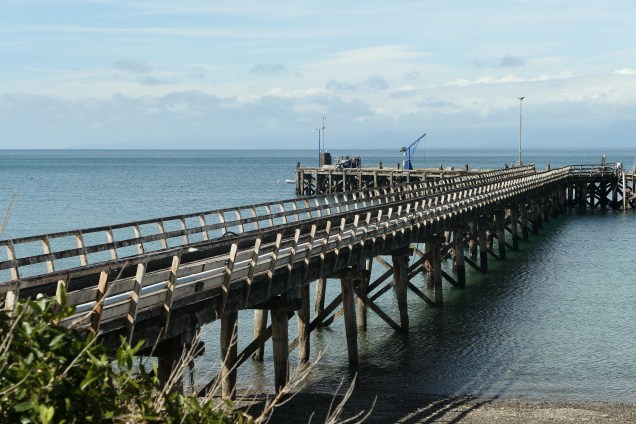

Gibbston to Lake Moeraki
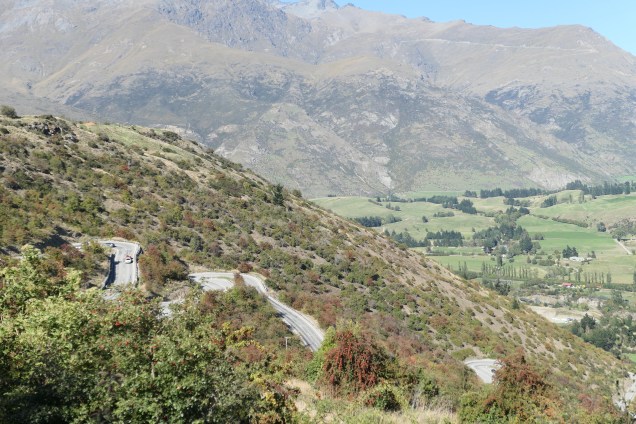
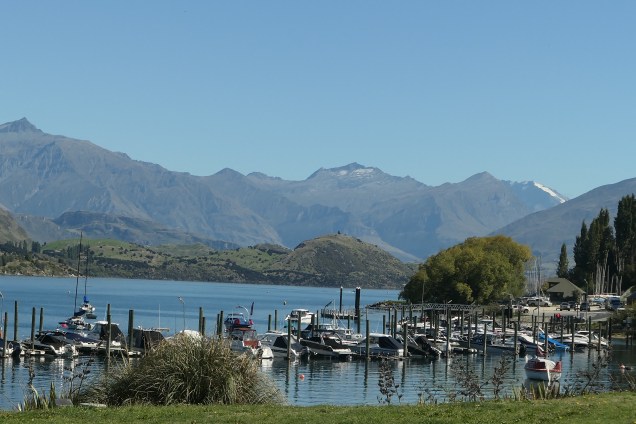
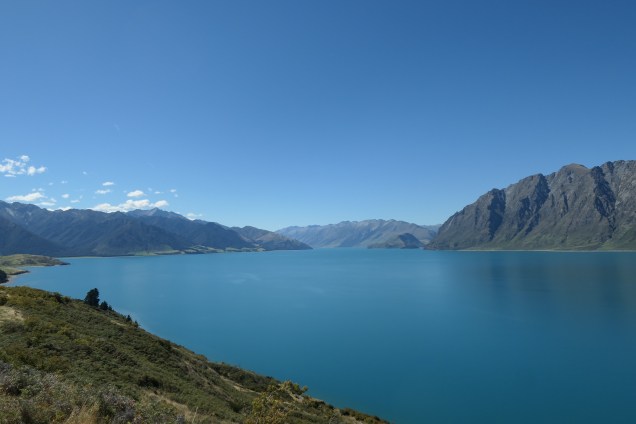
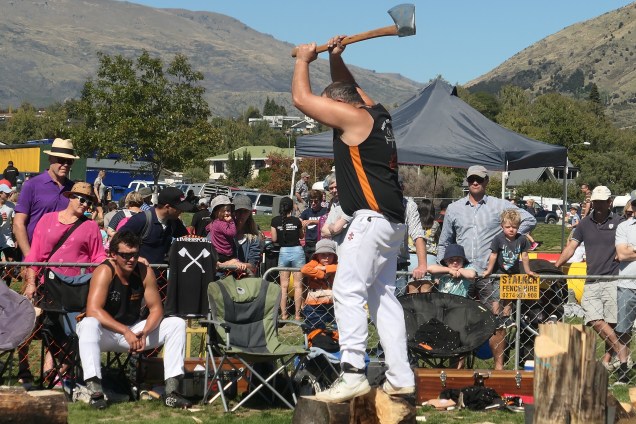
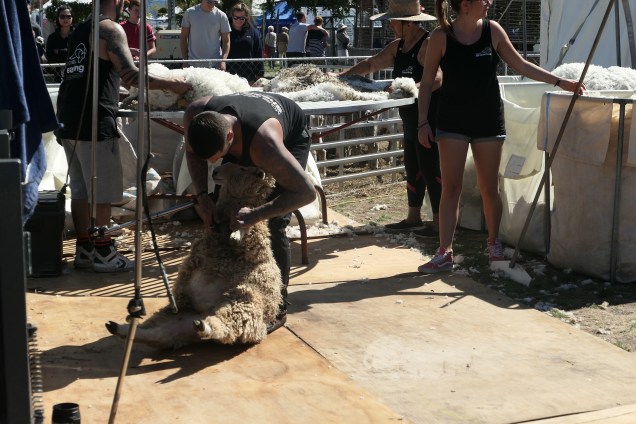
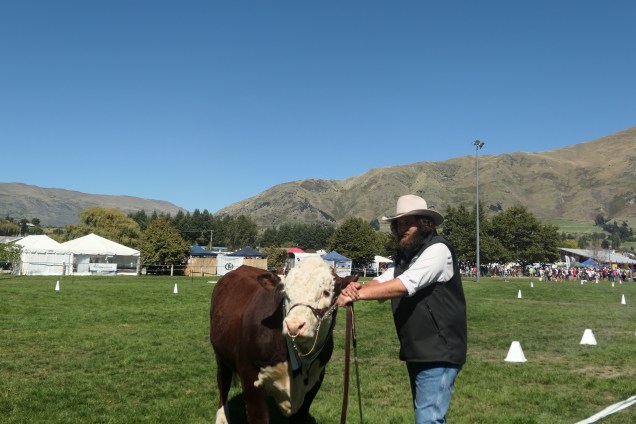
The journey from Gibbston to Lake Moeraki on the West Coast should take three hours. It took us seven due to the number of stops we made to take in the outstanding scenery and a detour to Arrowtown. The final part of the journey took us through the alpine Haast Pass. In addition we found ourselves in Wanaka at the same time as the local “A&P” (Agriculture and Produce) show (not as we initially though “apples and pears”). This show attracts 40,000 people over two days; Wanaka itself has a population of 8,500.

Otago wines
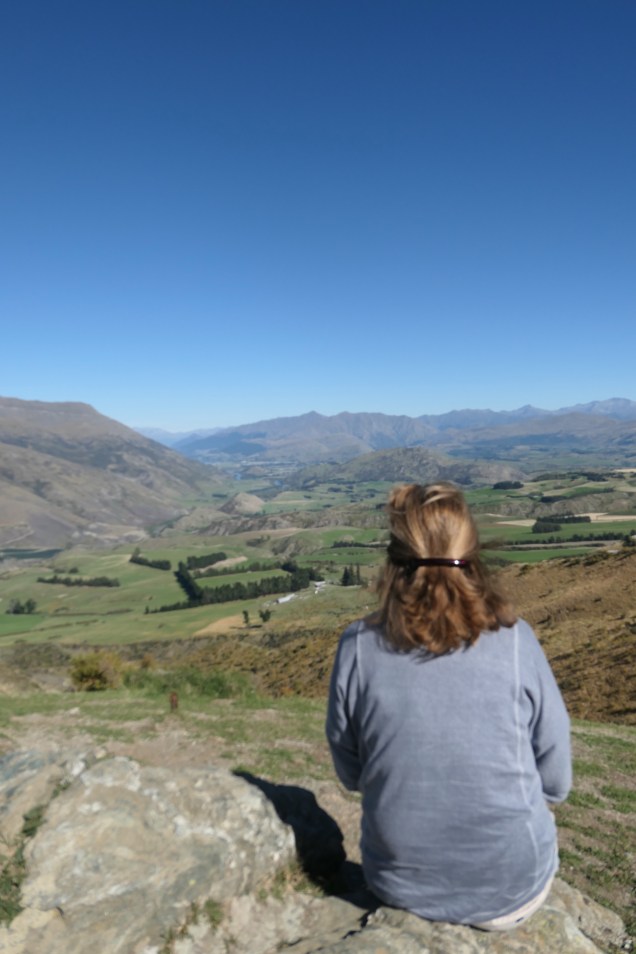
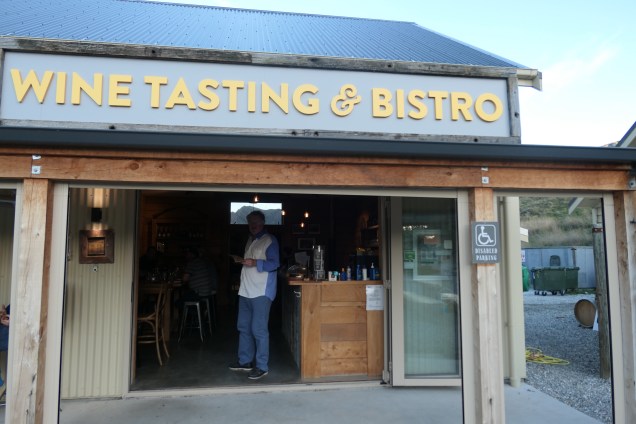
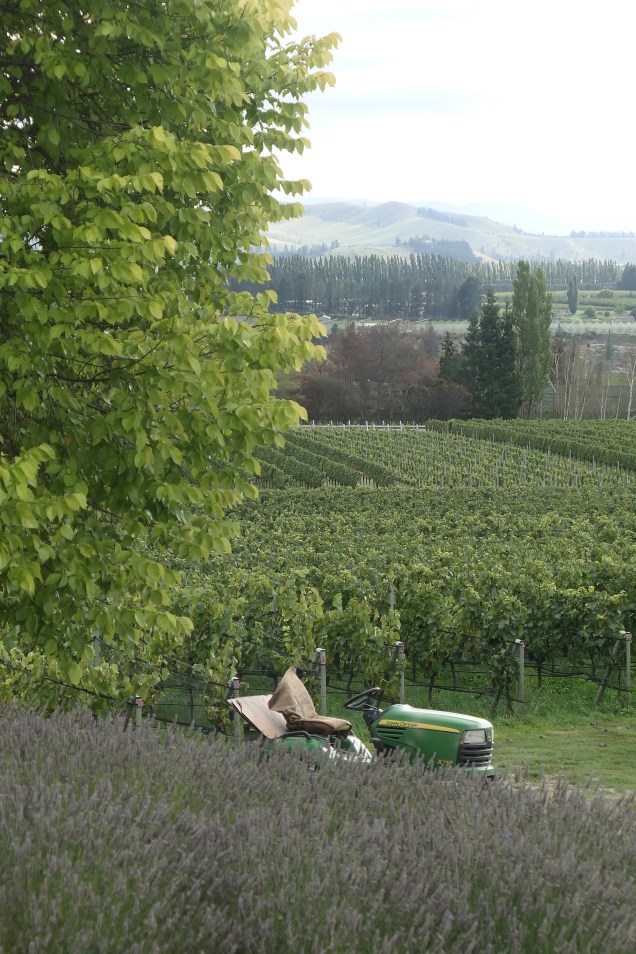
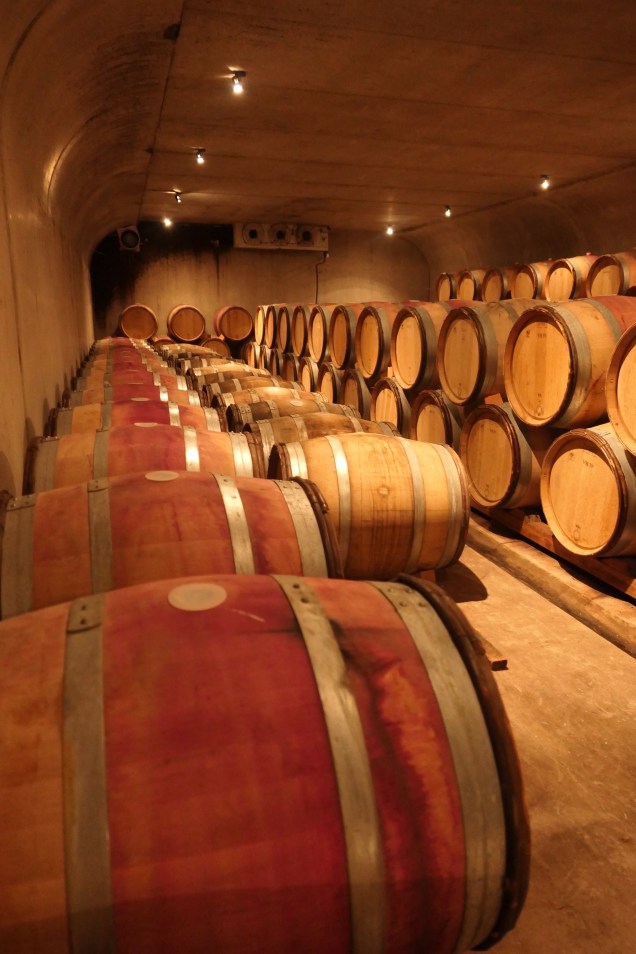
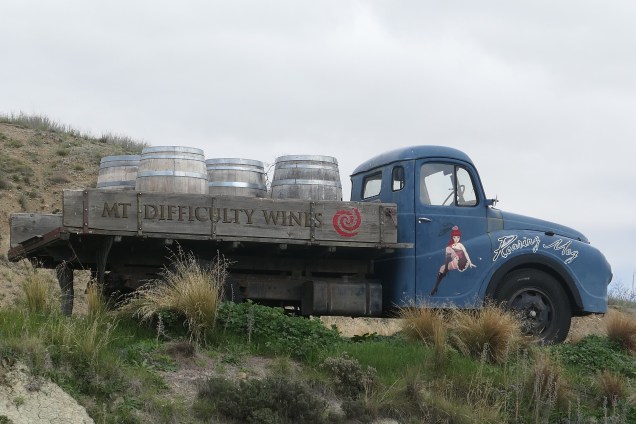
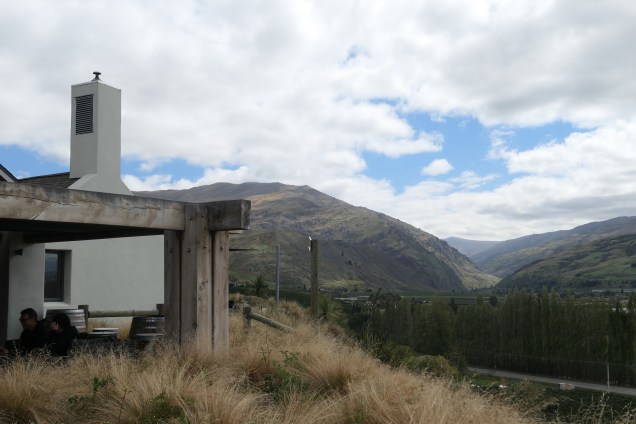
We stayed in a studio cottage on a vineyard at Gibbston, not far from Queenstown, as a base for vineyard visits. The long hot summer here meant that our visit coincided with the beginning of the harvest, three weeks earlier that expected. We particularly enjoyed a tour of Felton Road and our lunch, with wine tasting, at Mount Difficulty. 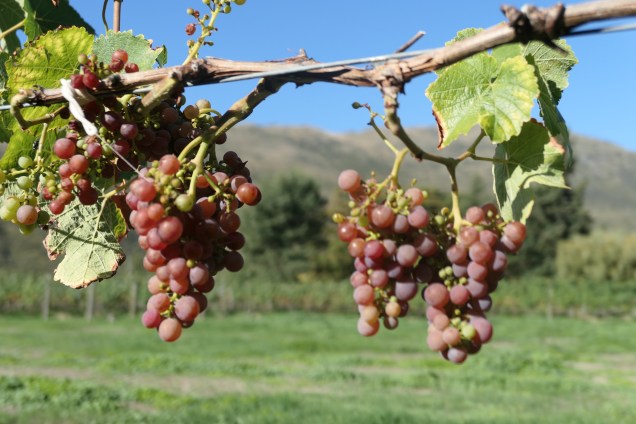

Dunedin to Gibbston
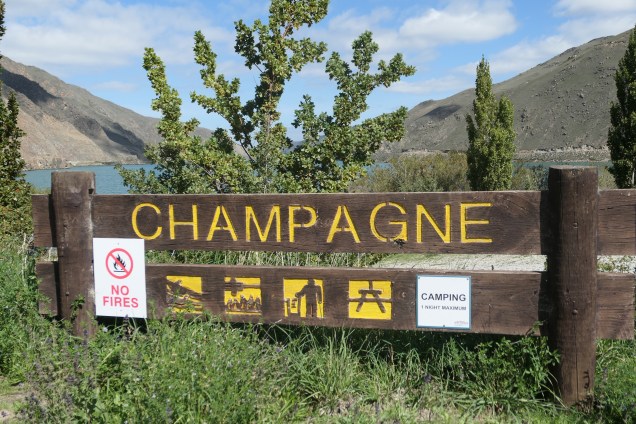
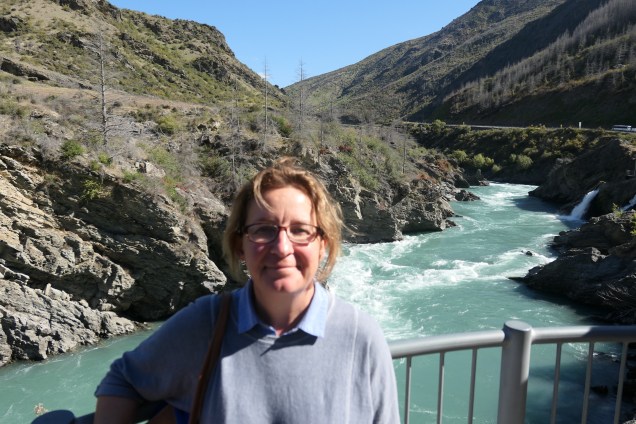
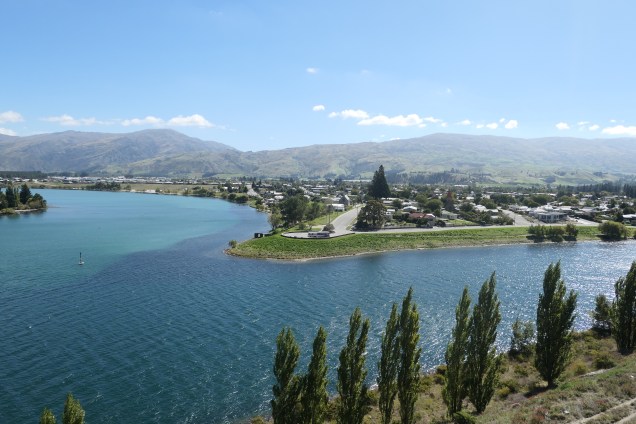
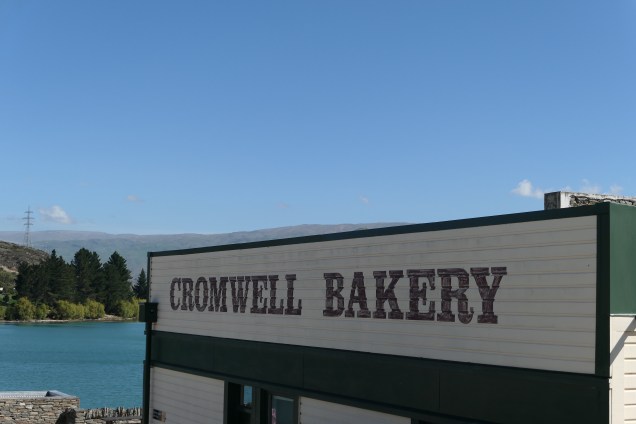
We headed North West from Dunedin to Central Otago, famed among other things, for its wines, especially Pinot Noir. The journey took us through valleys and by lakes. One of our stops was at Cromwell, a town that was moved in the 1970s to accommodate the building of a dam at Lake Dunstan for hydroelectric power. This resulted in the historic buildings being moved to a precinct by the Lake, taking on the feeling of a film set.

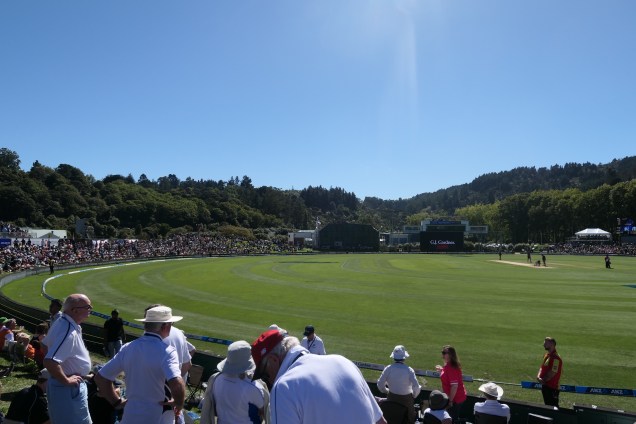
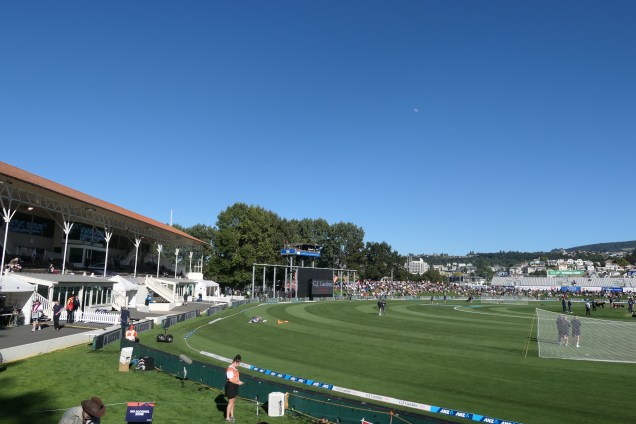
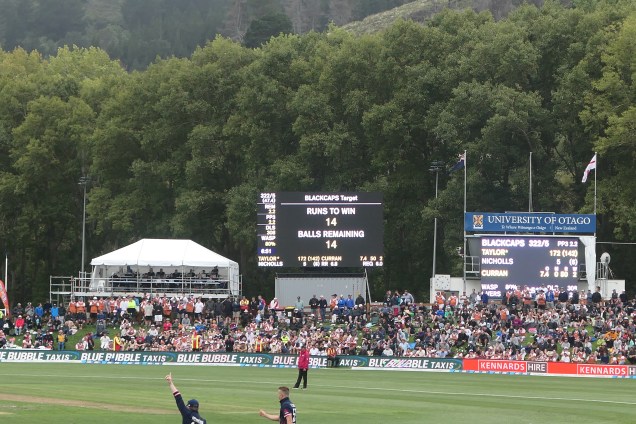
Cricket at Dunedin
The fourth of the One Day Internationals between New Zealand and England was the highlight of our cricket experience down under. The ground is the university one and was a sell out at 5,500 with most of the “seating” on the banks. Equipped with our “fun fest” low level chairs we joined the crowd of students, locals and Brits. At the beginning of the day factor 50 sun cream was being dispensed to the crowd and by the end of the day we were reaching for the waterproofs and jumpers (typical Dunedin weather we were told). We saw three batsmen score centuries and an England collapse as Ross Taylor led New Zealand home on one leg….in the last over…..as we sat on the edge of our fun fest seats.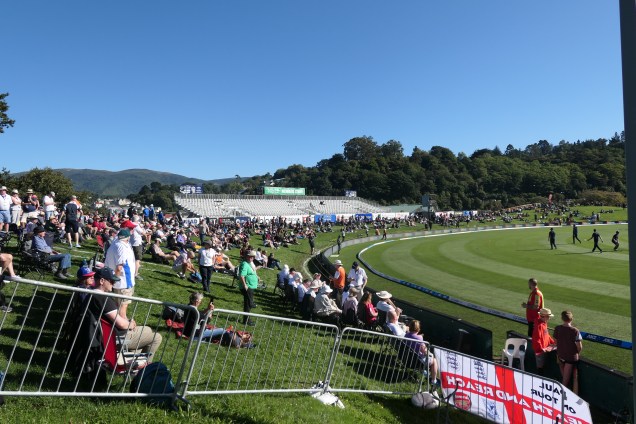

 Shilli-Fully Travels