2018 – closer to home

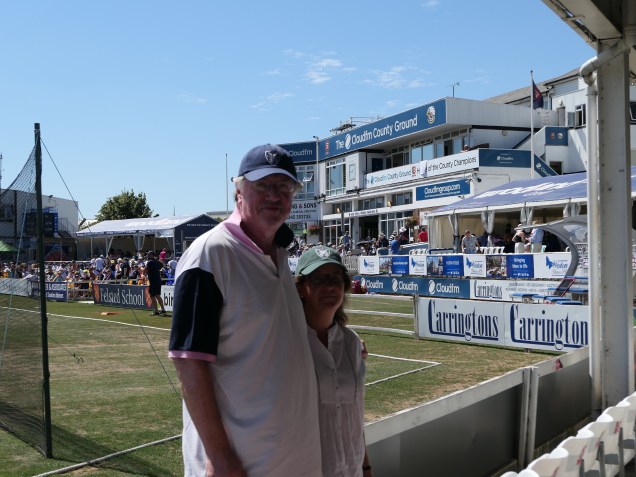
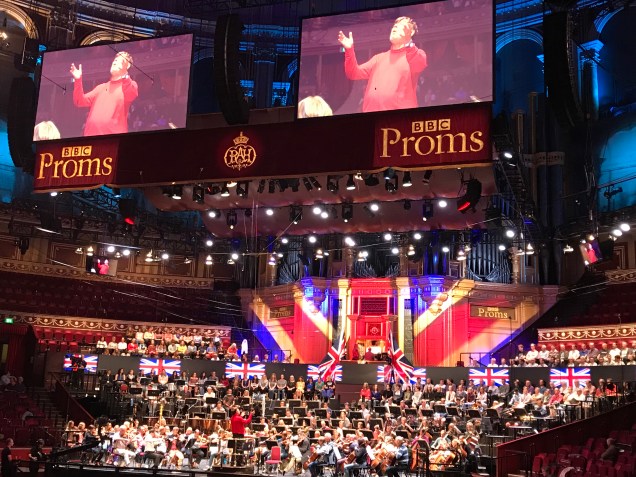
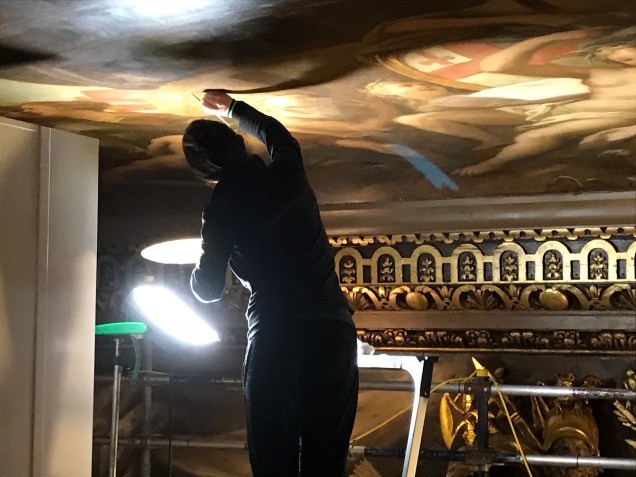
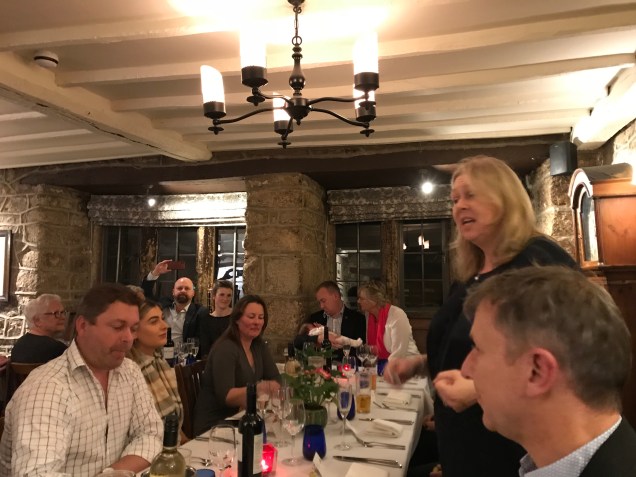
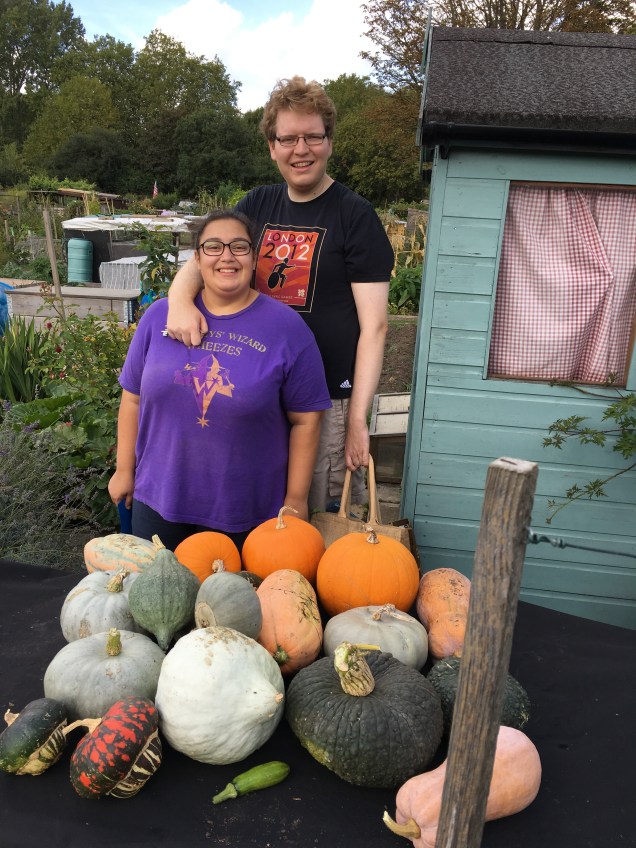
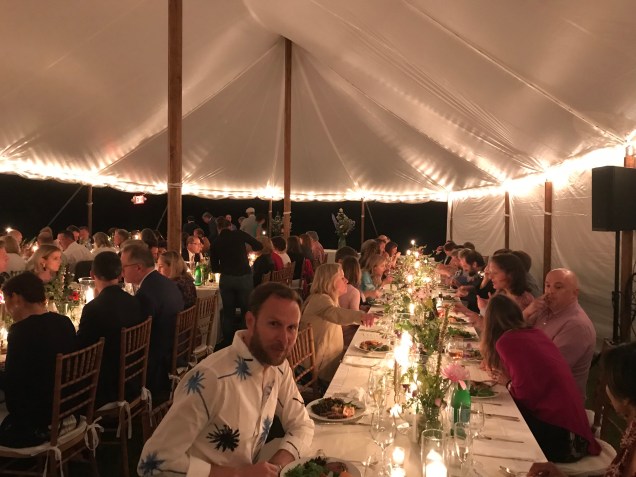
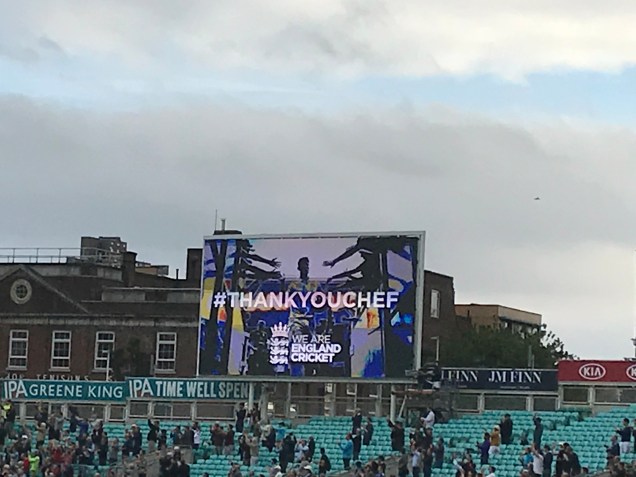
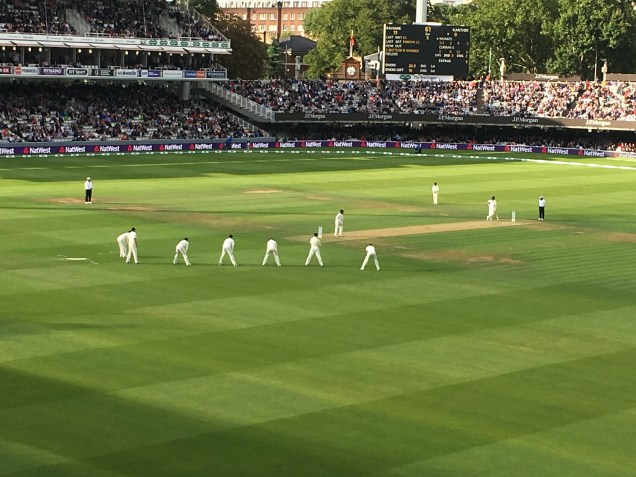
While in the UK we enjoyed seeing more of our family and friends and taking advantage of the time freed up by not working. We saw cricket at Lord’s, The Oval and Chelmsford, horse racing (with George Ezra) at Sandown, hockey and athletics. On the cultural side, we took in theatres, The Proms and went to see the ceiling at Greenwich during its restoration. Catching up with family and friends included Caroline and Adam’s wedding, guests visiting us in London and another 50th Birthday, this time in the West Country. We also managed to spend time on the allotment during a great British summer, with our best crop of tomatoes.
2018 – USA and France

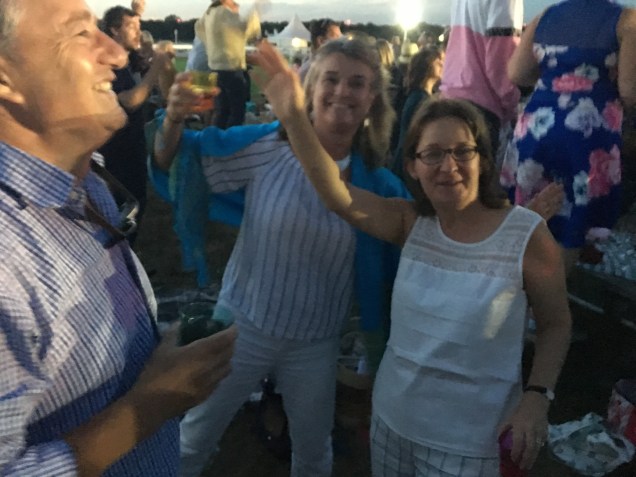
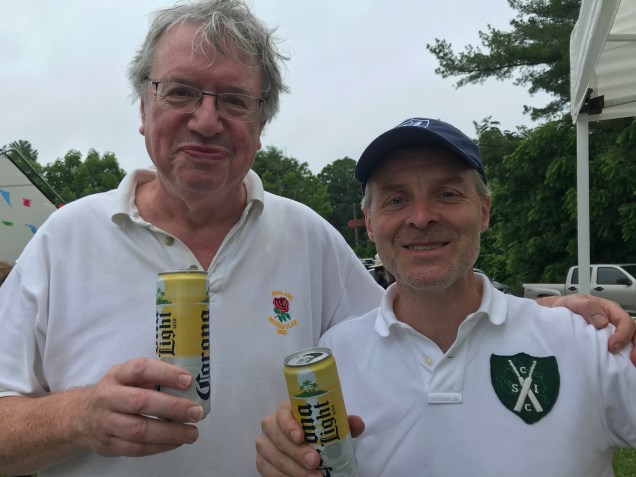
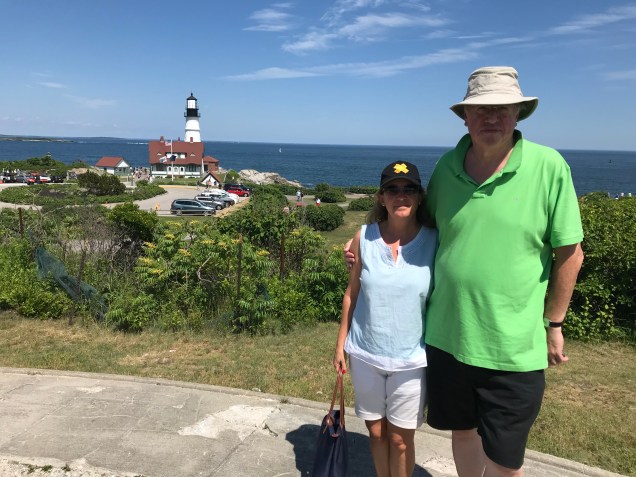
We visited Salisbury, Connecticut to watch the annual charity cricket match (although Tim found himself called upon to play for the home team) and help celebrate Pom and David’s 50th birthdays. While in the US we took the opportunity to visit Vermont and Maine.

When Pom and David did a Grand Tour of Europe, with Basil, Digby and Orla, we joined them in Paris.

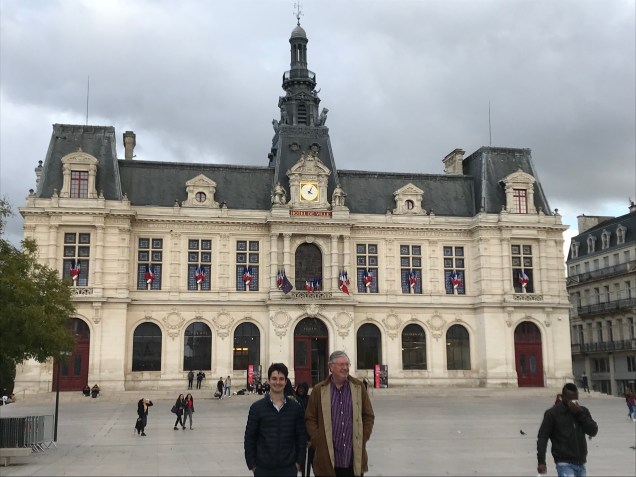
Later in the year we took advantage of Sam’s year at Poiters University for another French trip, taking in Bordeaux, including vineyards.

2018 – Turkey (and Greece too)

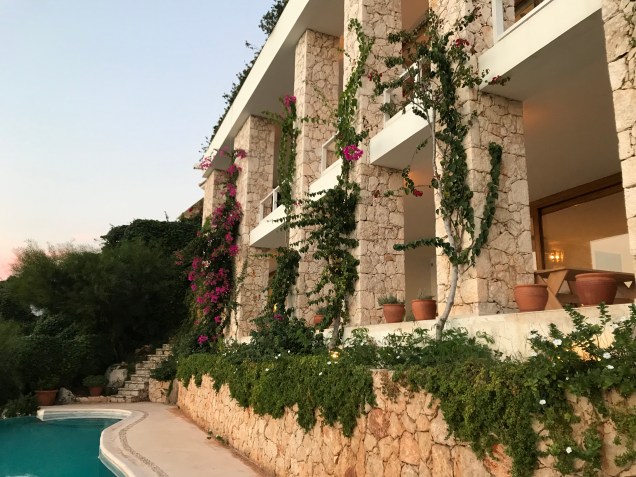
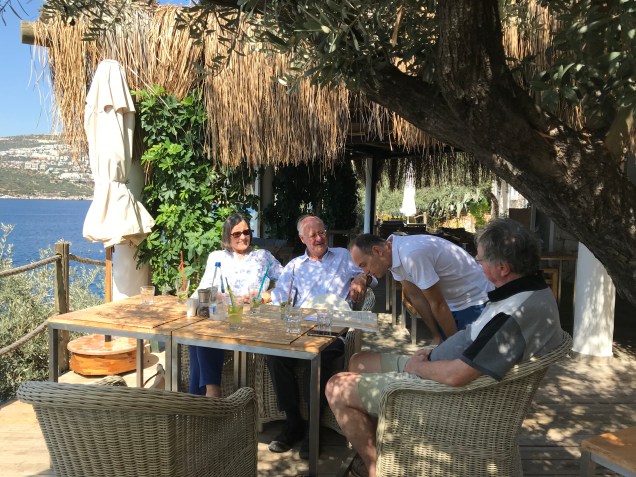
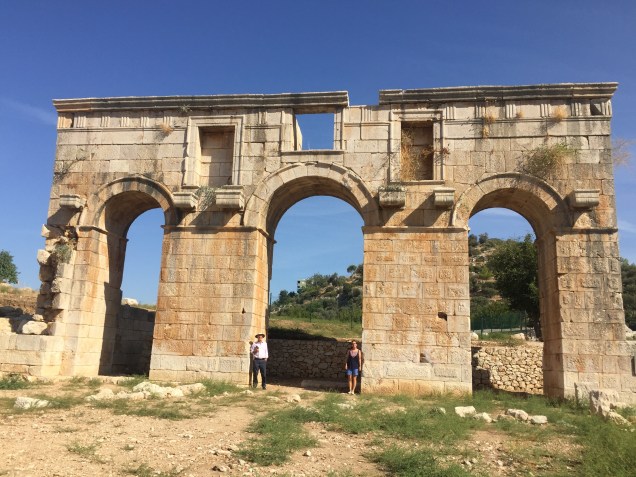
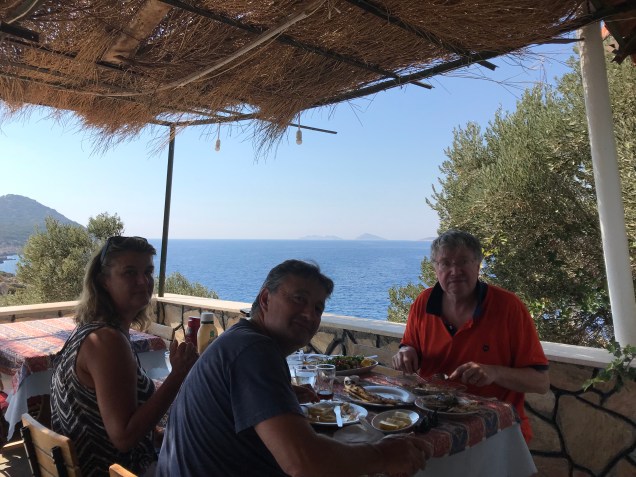
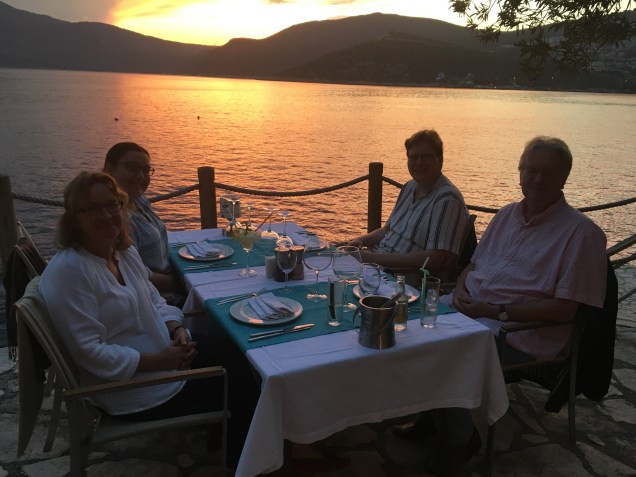
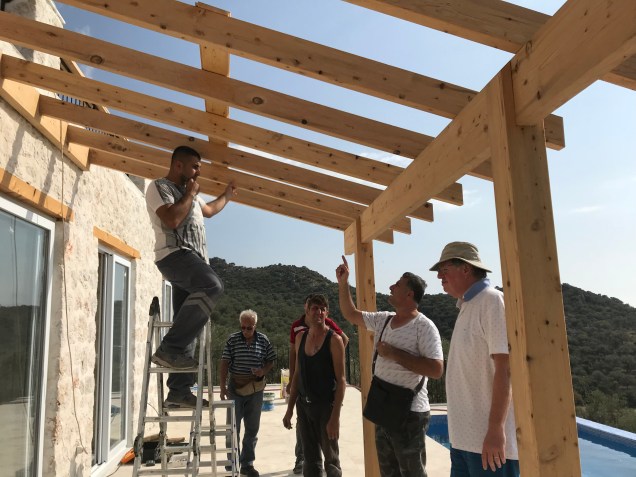
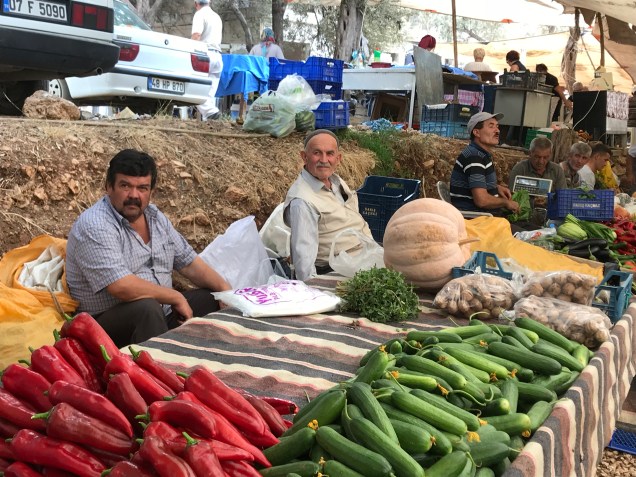
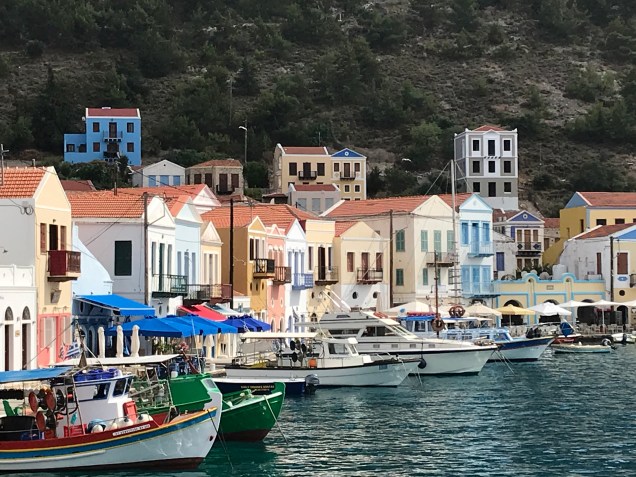
Turkey has become a large part of our post retirement lives, spending 12 weeks there in 2018. We also had a short trip from Turkey to the Greek island of Kastellorizo which is 25 minutes by ferry from Kas. While in Turkey we had visits from family and friends, including Tom and Abi who got engaged at our home, Gunbatimi. We had the opportunity to learn about the Turkish ways – market shopping, weddings, language (good and bad !), planning permission, building work, rental agreements, tax and dealing with local professionals and not so professionals !

Food and drink

Our last post from Oman – a few observations on the food and drink.

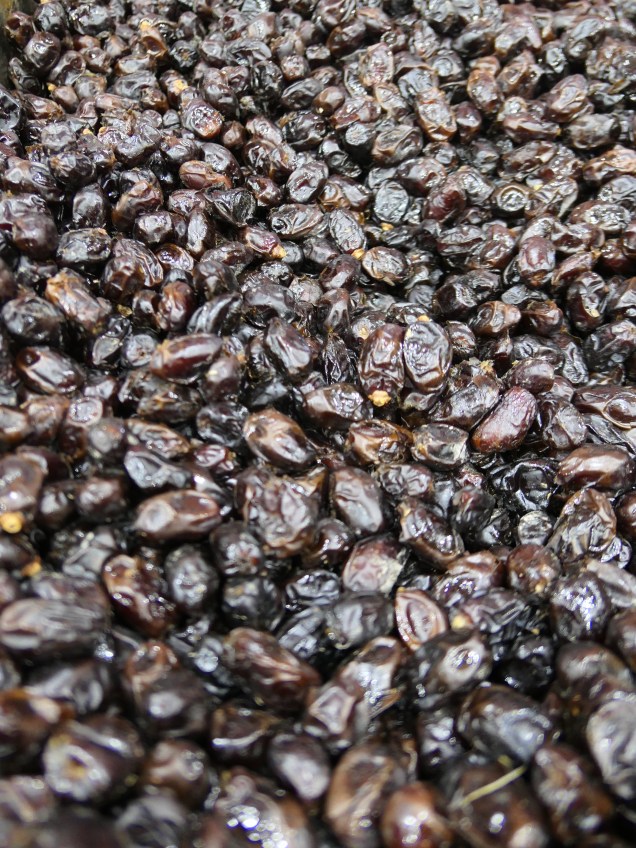
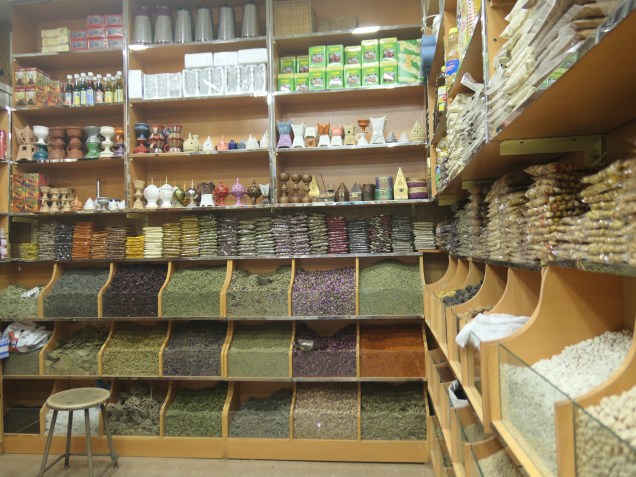
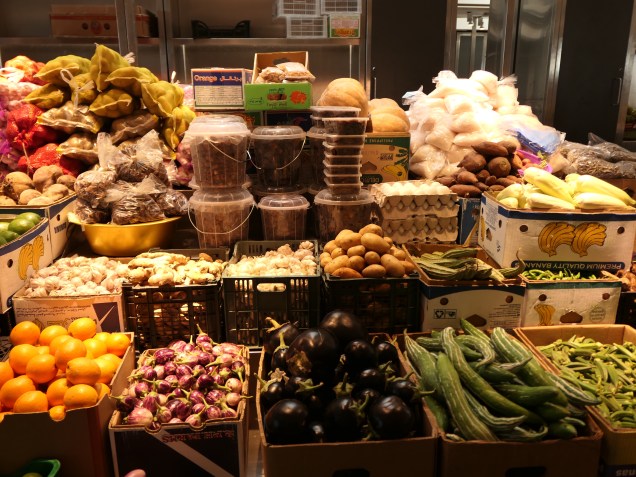
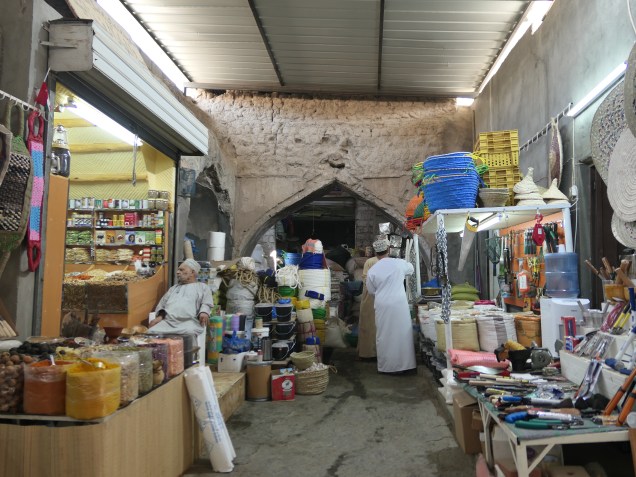
Omani food is fragrant and spicy, sharing some similarities with Turkish food. There is plenty of fresh fish, chicken and lamb together with fruit, vegetables and spices. Dates are a staple source of protein and vitamins, a superfood that also looks after your digestive system ! We visited a date stall in a souq that sold over 30 varieties.
Alcohol is only available in international restaurants and hotels and is consequently very expensive (even by London standards). We booked a very good Omani restaurant in the harbour at Muscat without realising that the strongest drink available was a ginger cordial. They also served frankincense water which is an acquired taste.
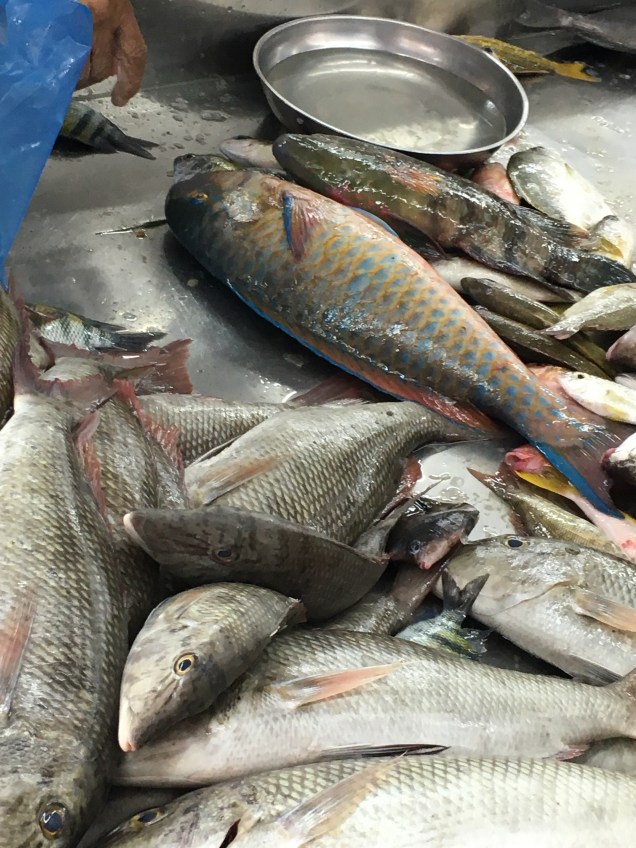
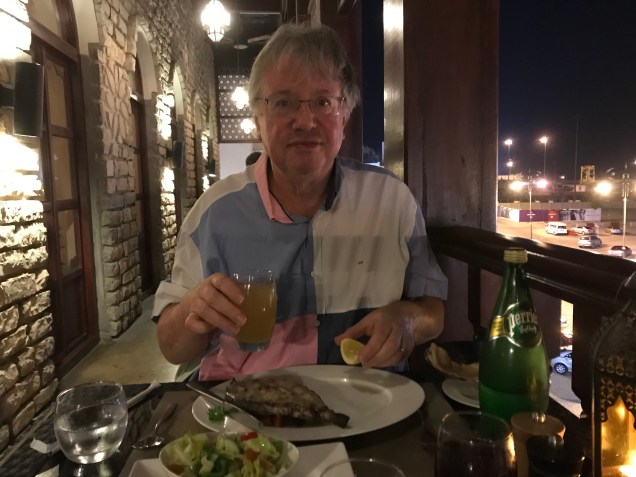
On our last night we went to a Turkish restaurant (also alcohol free) with outstanding fish. Clearly a favourite for locals, expats and tourists as a queue had formed by the time we left.

Boat trip

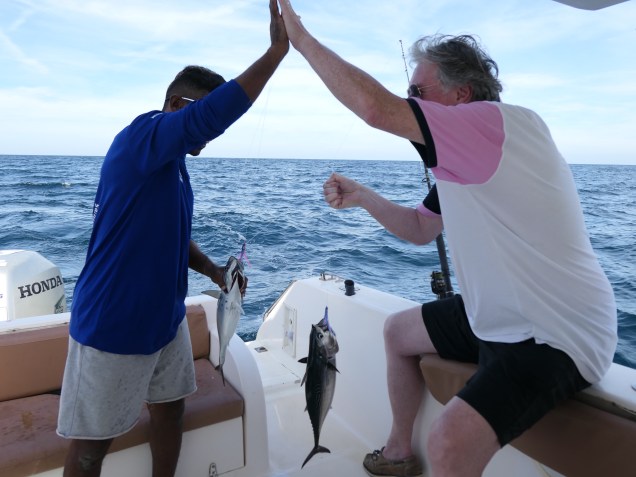
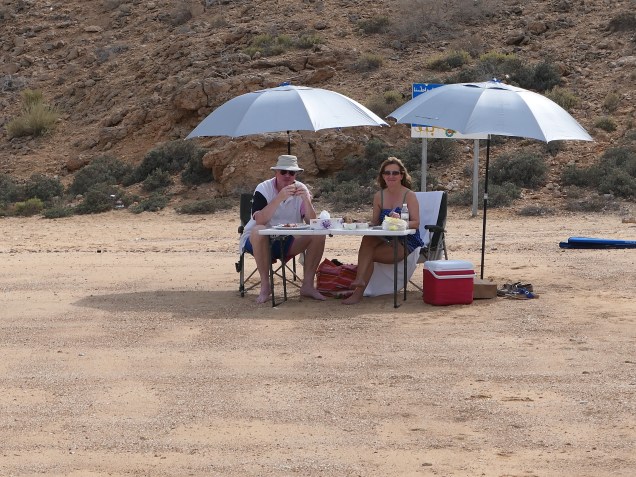
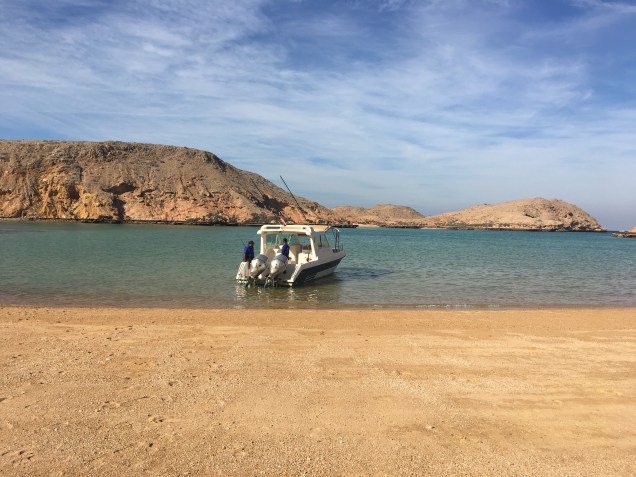
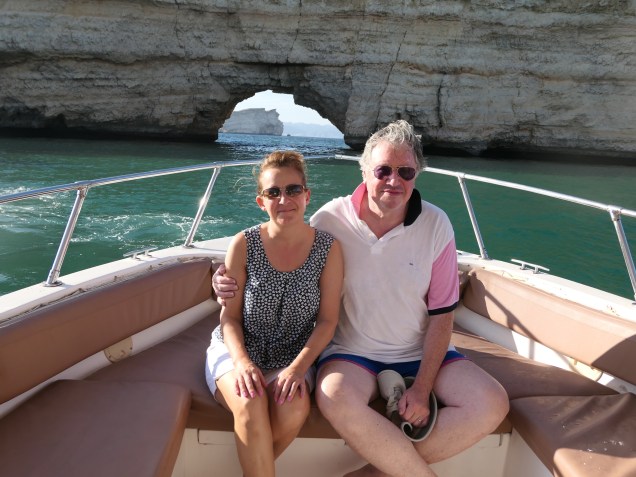
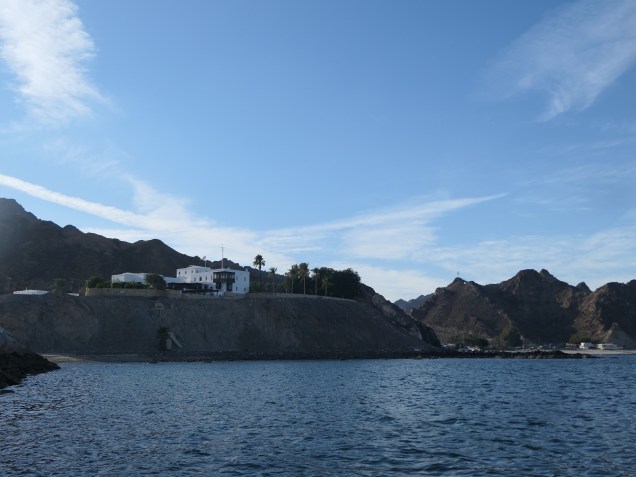
It was now time to relax by chartering a boat (with two “captains”) to go dolphin watching and fishing along the coastline south of Muscat, together with swimming and a barbecue on a beach to ourselves. No dolphins were spotted but seven tuna were caught between Tim and one of the captains. Just outside the marina we saw the grand home of the British Ambassador (but very modest in comparison to one of the Sultan’s other palaces on the opposite side of the marina).

Muscat – souqs and palace

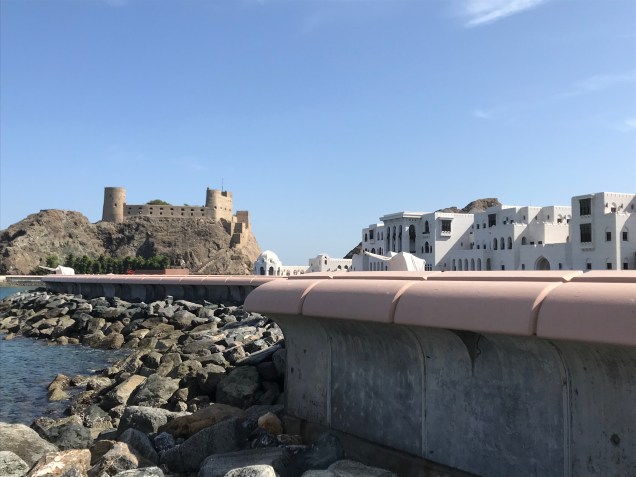
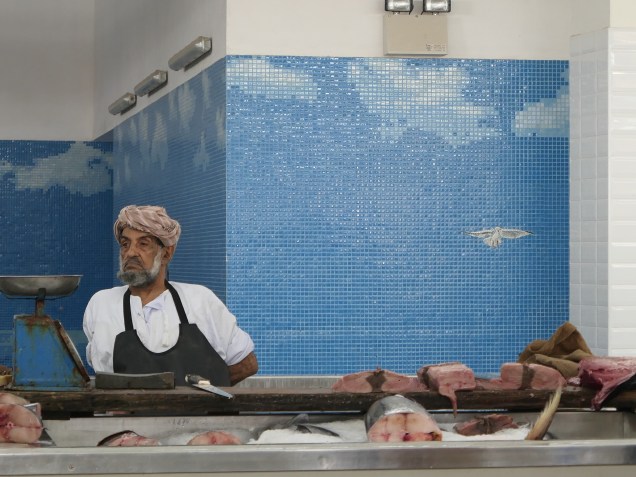
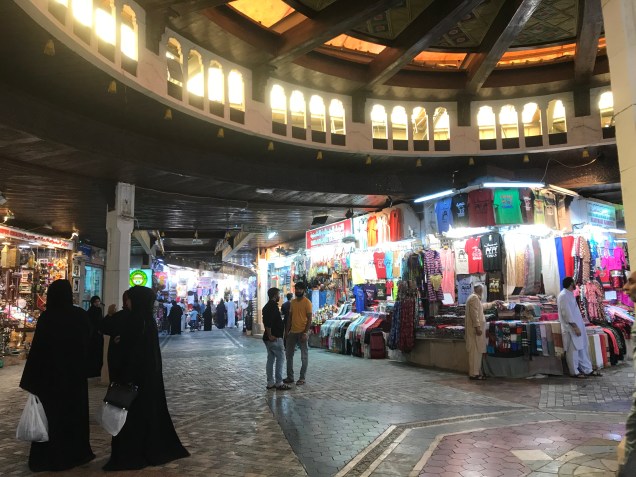
The harbour of Muscat is the site of two new food markets – one for fish and another for meat, fruit and vegetables. Both are extremely clean and air-conditioned. The “Old Souq” is also situated in the harbour, made up of a maze of side streets selling spices, fabrics, clothing, household goods and jewellery. Although there are quite a few tourists, the souq is also a shopping area for locals. Haggling is expected, although the traders are not as pushy as we have seen in some places. At the time we visited the harbour the Sultan’s boat (one of), the size of a small cruise ship, was moored.

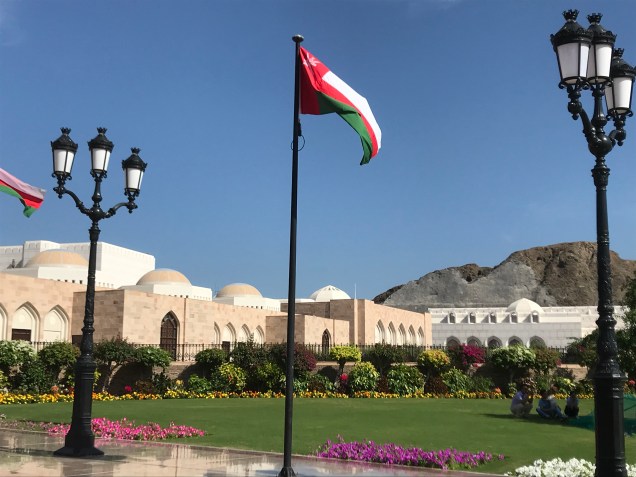
We also saw the Sultan’s palace (one of) which includes suites for visiting foreign dignitaries, overlooked by the 16th Century Portuguese Fort. Apparently the Queen once stayed there.

Sultan Qaboos Grand Mosque

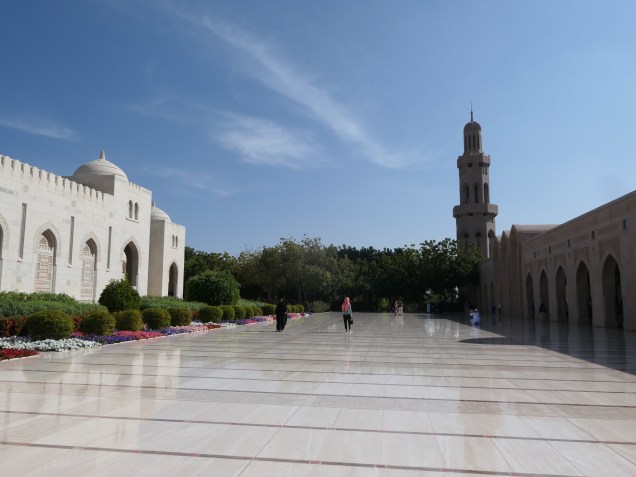
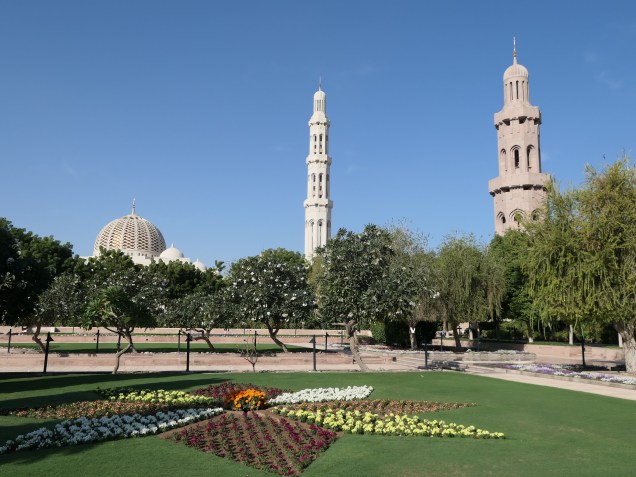
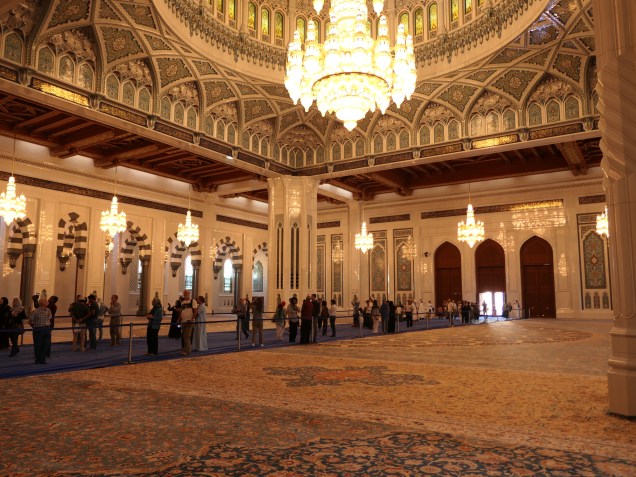
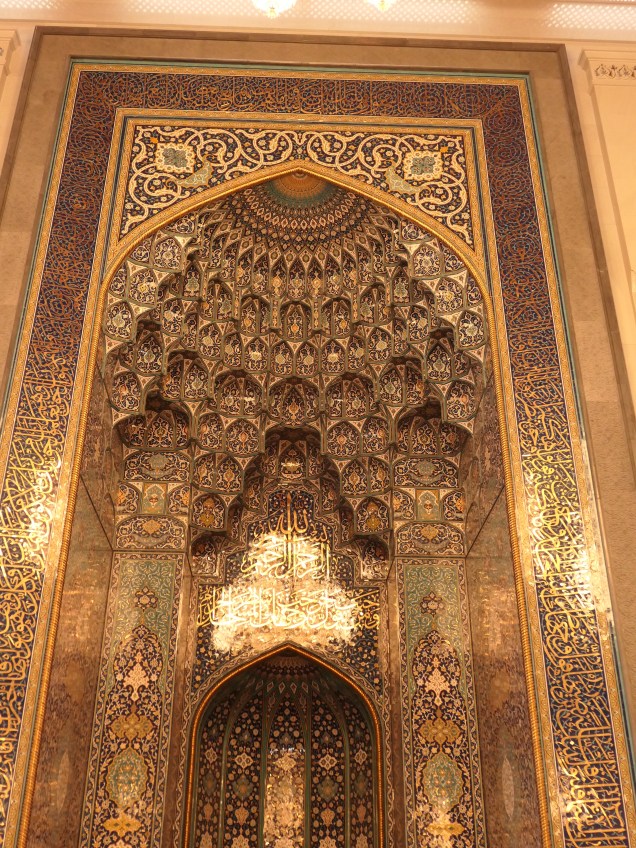
The Grand Mosque is a gift to the nation from the Sultan, opened in 2001 to celebrate his 30 years as Sultan. It was designed by an Iraqi architect living in London. The mosque is large enough for 20,000 people to worship at the same time in two buildings – one for men and one for women. Including beautifully manicured gardens the whole complex covers 40,000 m. Outside prayer time, non Muslims can enter all areas if appropriately attired.

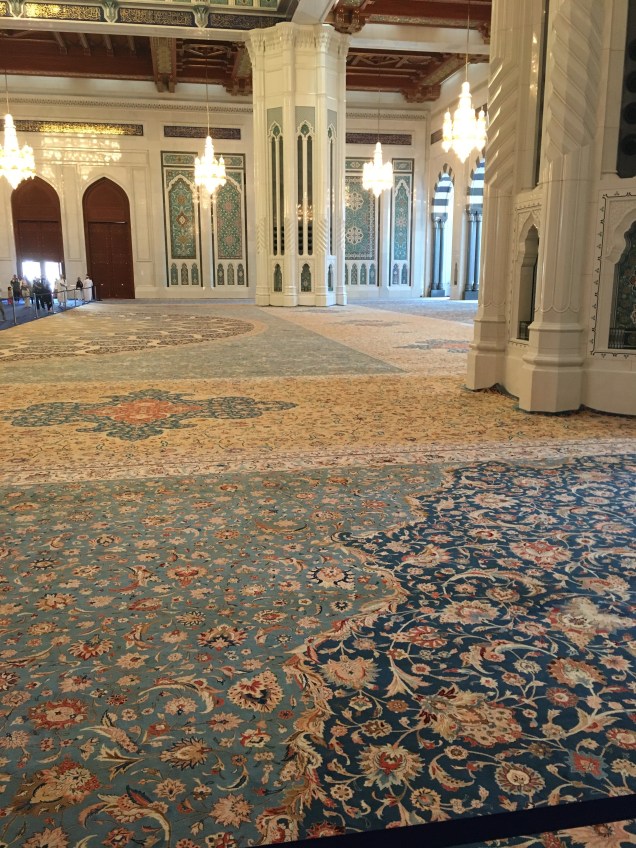
Materials and craftsmen/women were drawn from around the world, including a carpet measuring 60m x 70m and weighing 21 tonnes which took 600 women four years to weave in Iran, another carpet from New Zealand, stone from Jaipur and a 1,000 light chandelier made by Swarovski.

A night at the opera

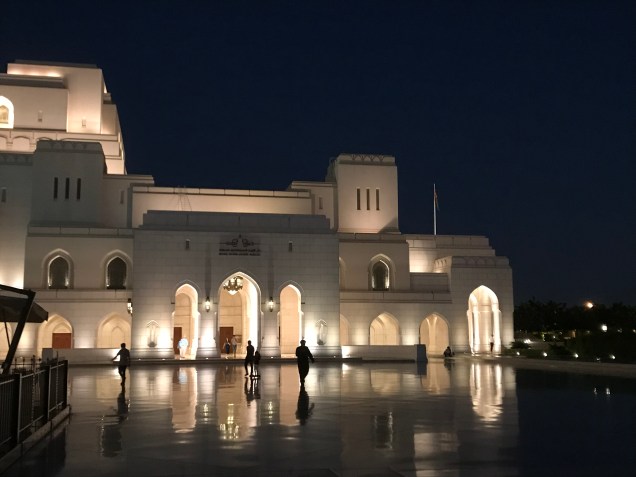
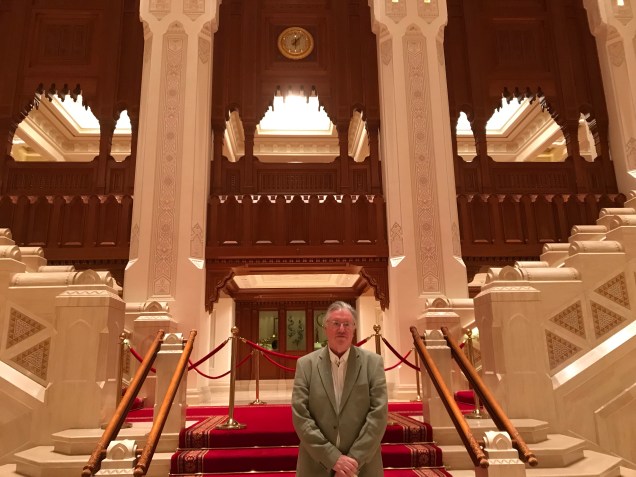
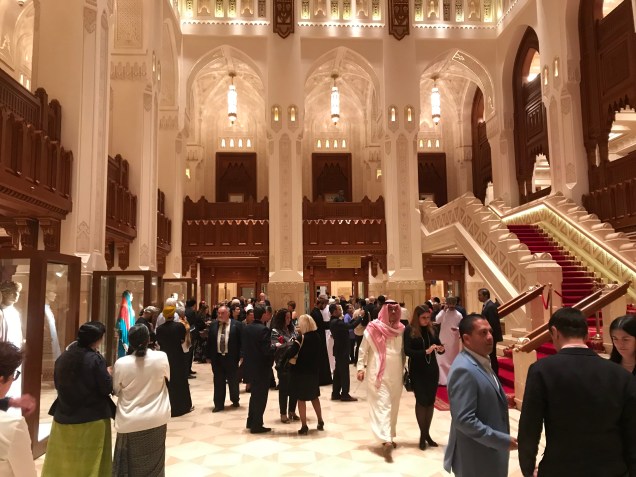
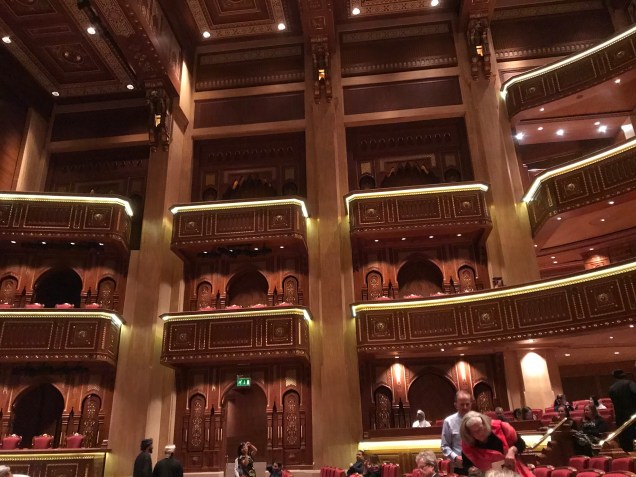
Back in Muscat we went to see Eine Nacht In Venedig at The Royal Opera House Muscat. The Sultan became a lover of classical music whilst in England and the ROHM was completed under his instructions in 2011. It was designed by the same architect used to build The Grand Mosque (more later). Dress code for men is black tie, business attire or dishdasha for Omani nationals (the national dress, five variations of which are permitted by statute, with manufacture limited to Oman).

Trekking in the mountains

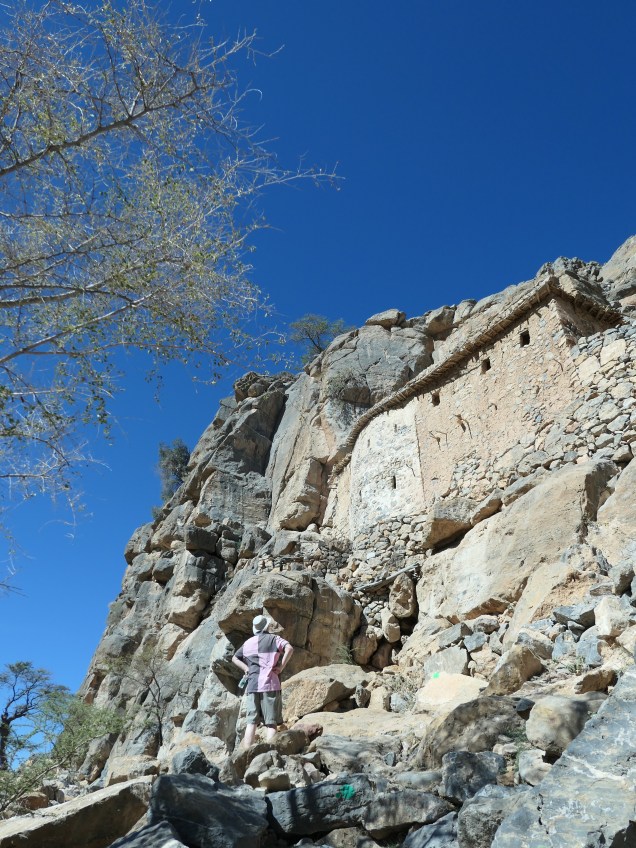
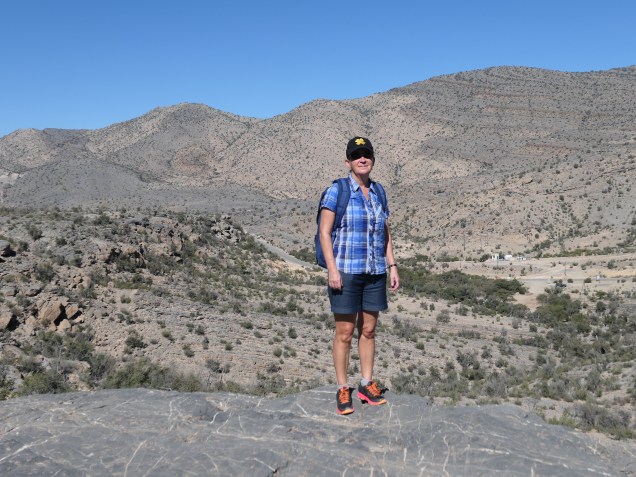
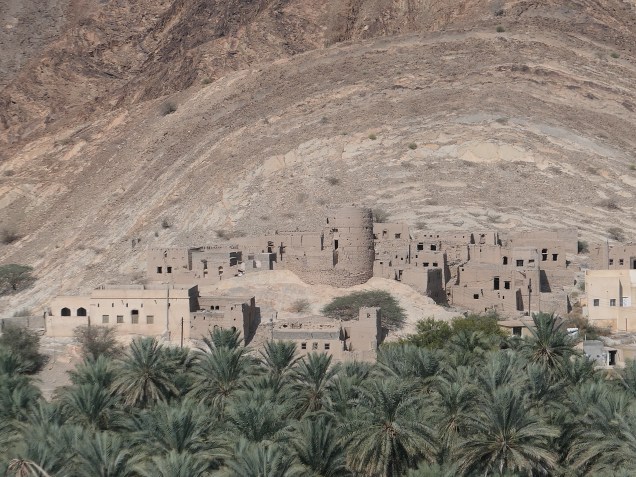
The mountains are a centre for trekking and our hotel had several route maps, ranging from moderate to “you have to be joking” (involving abseiling). We chose a three and a half hour “moderate” which included approximately 800m ascent/ decent over boulders, through a wadi and an abandoned village.

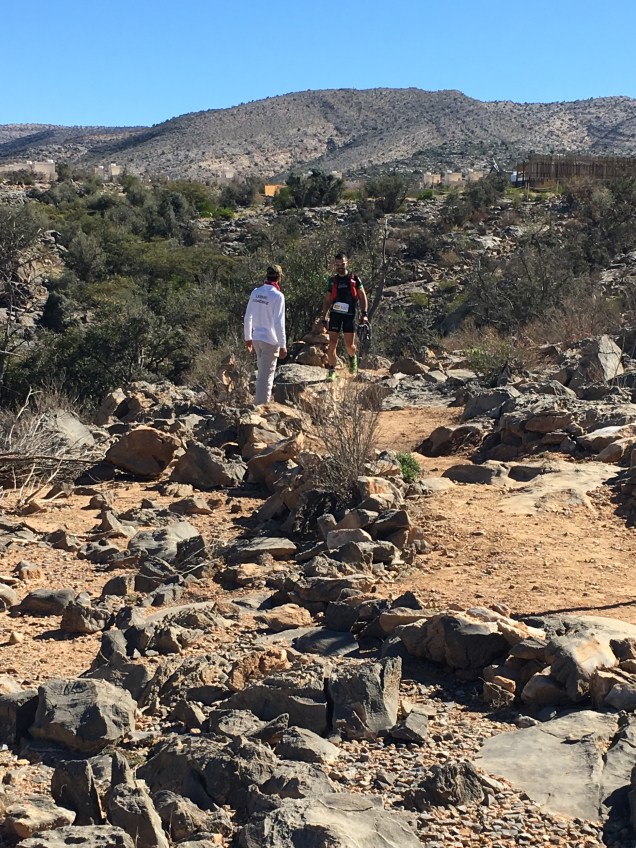
On our last day our hotel was at the 83km point for a 137km international endurance run. The winning time was just over 20 hours; they must be mad.

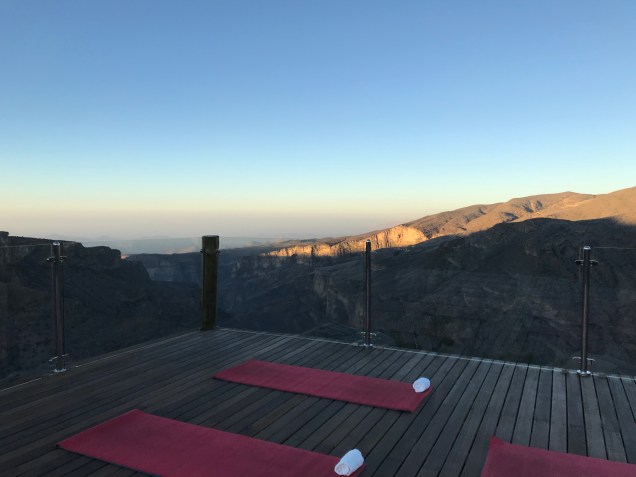
The hotel had a stunningly positioned yoga platform – too good to ignore (for Sarah), despite the daily yoga session being at sunrise (7am).

Nizwa

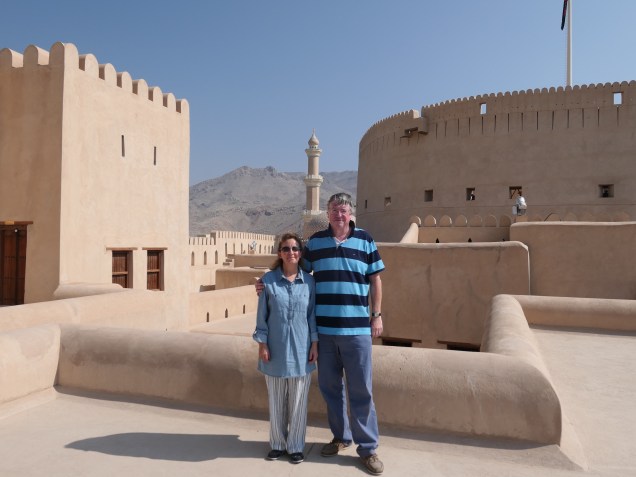
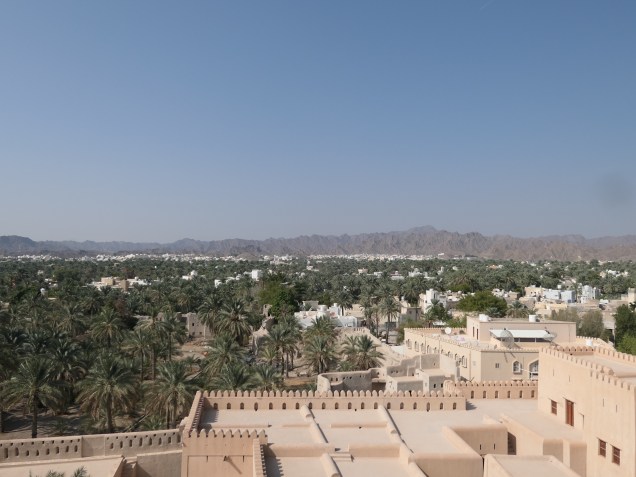
Whilst in the mountains we visited Nizwa, former capital of Oman and centre for Islamic learning. It has a 17th Century fort , souq and World Heritage irrigation system (Falaj). Just outside Nizwa is Birkat Al-Mawz, an abandoned town which used to guard the entrance to the Jebal Akhdar region. The area now grows dates and bananas, using the old irrigation system.