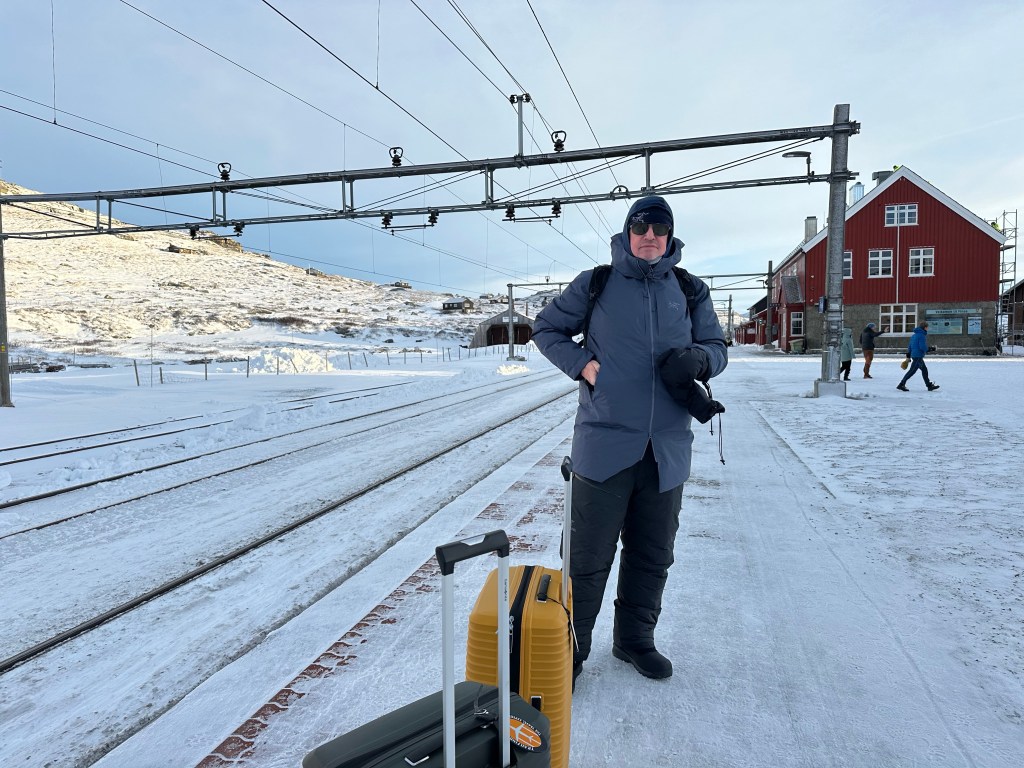
Finse

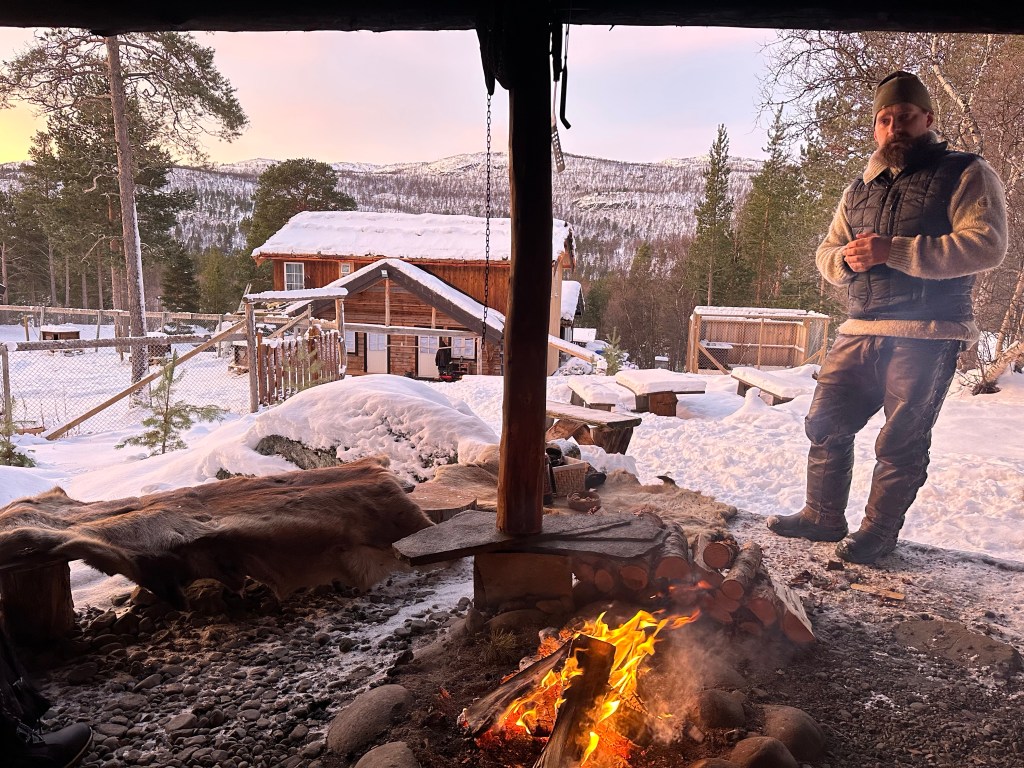
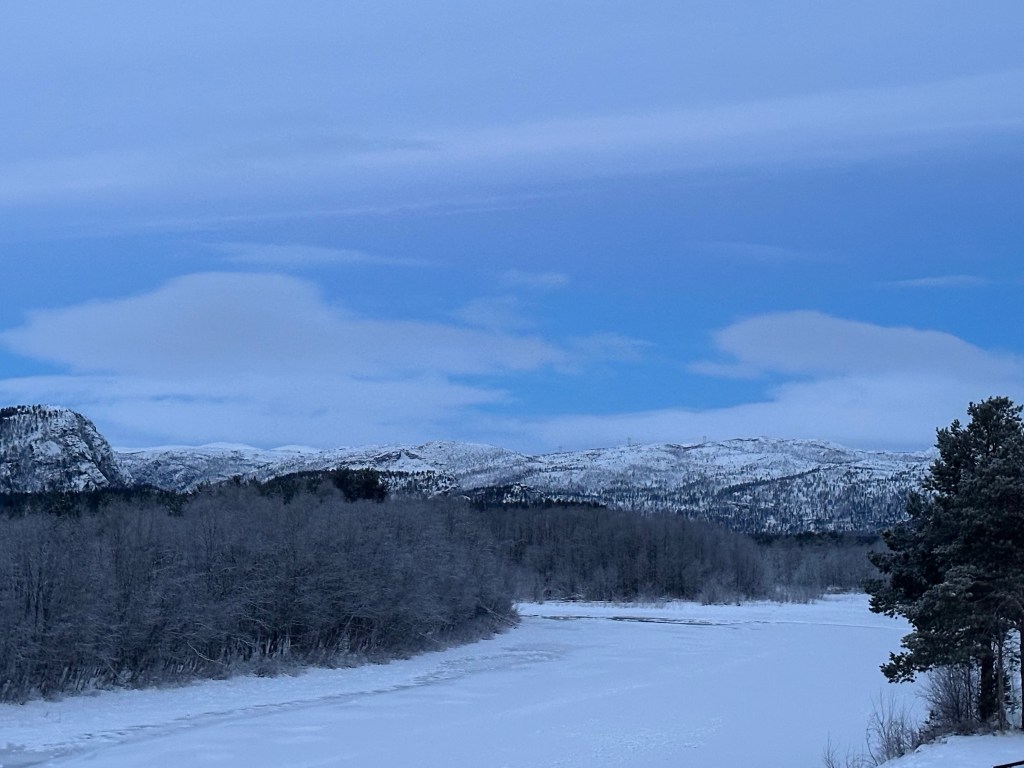
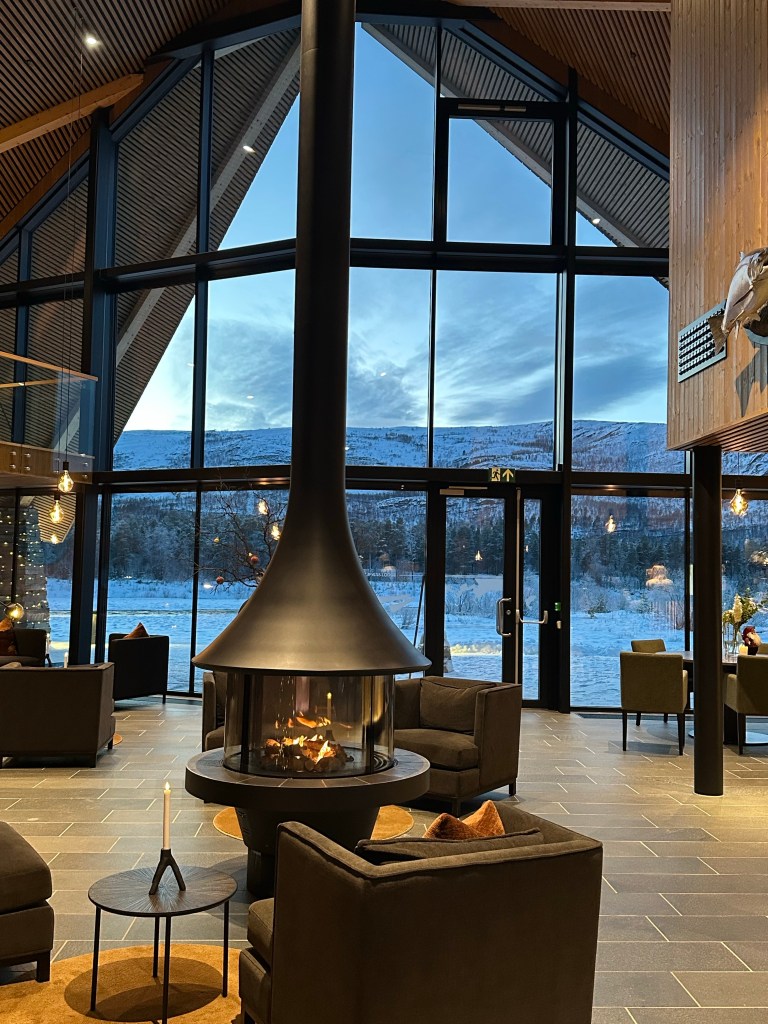
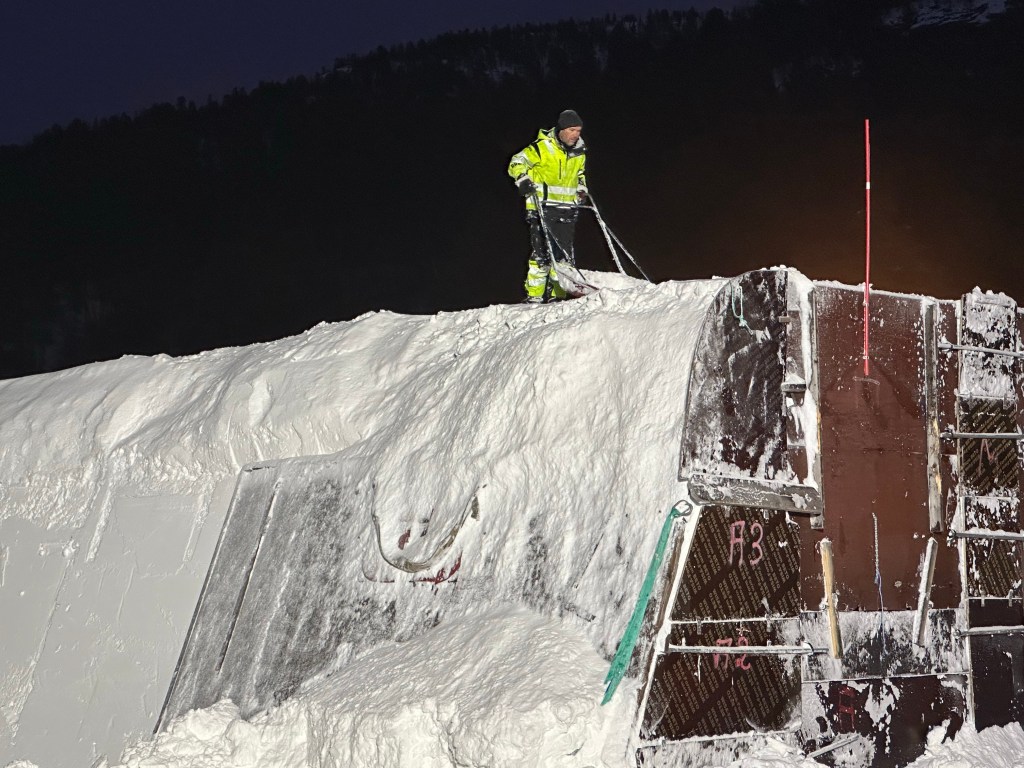
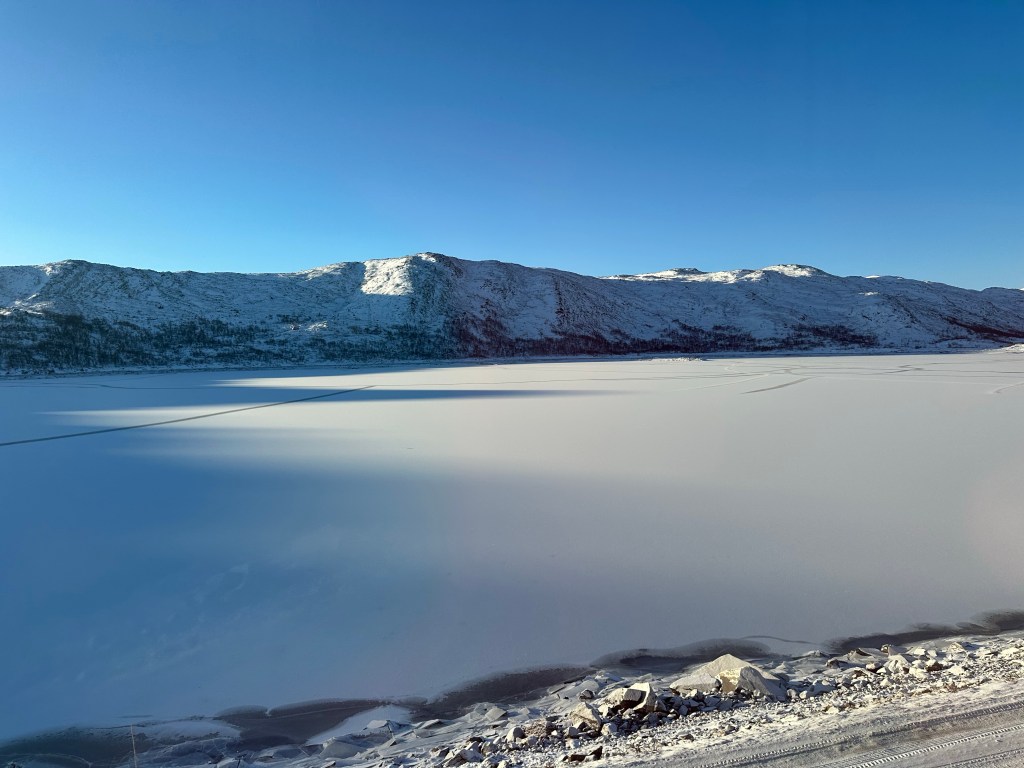
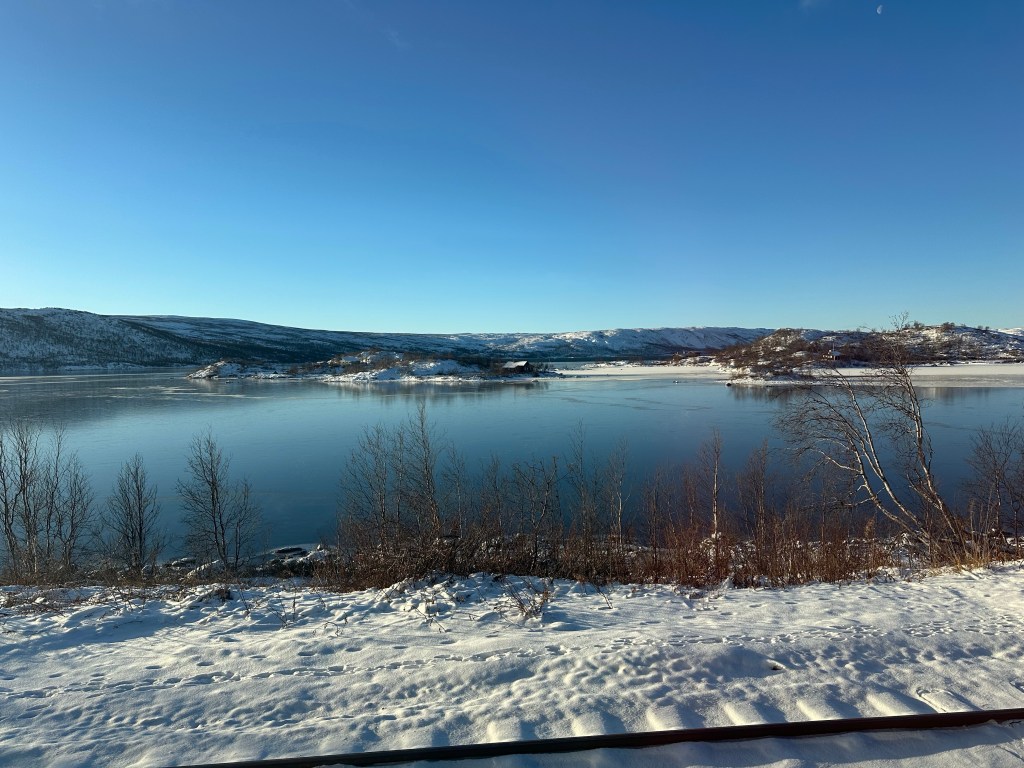
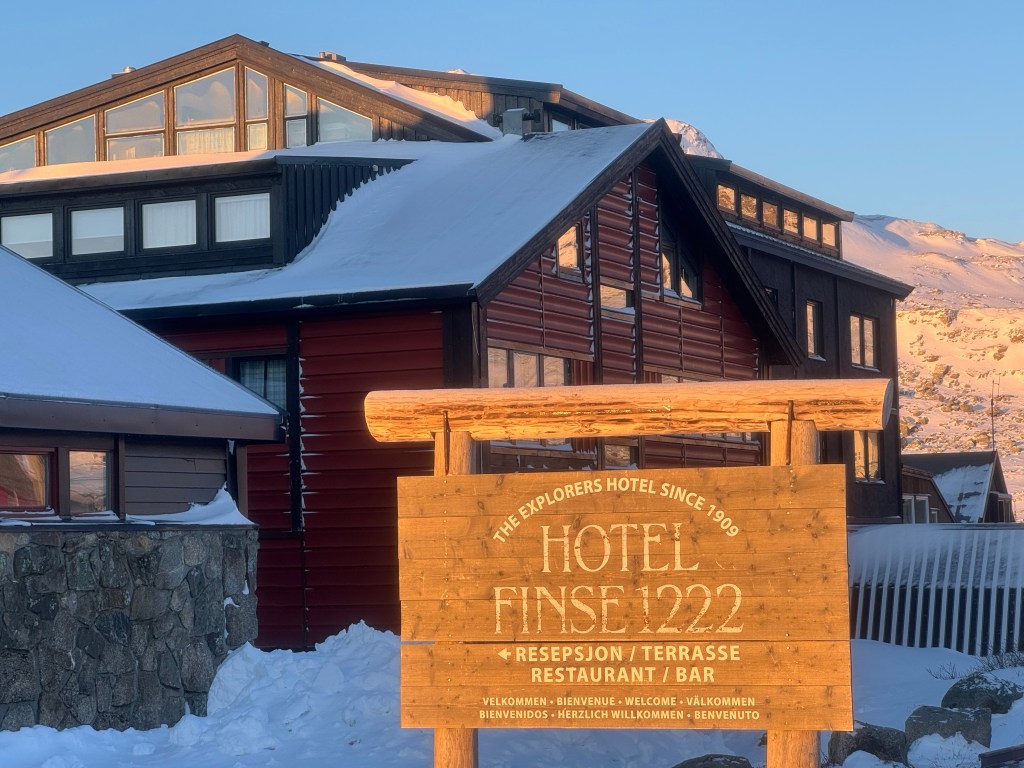
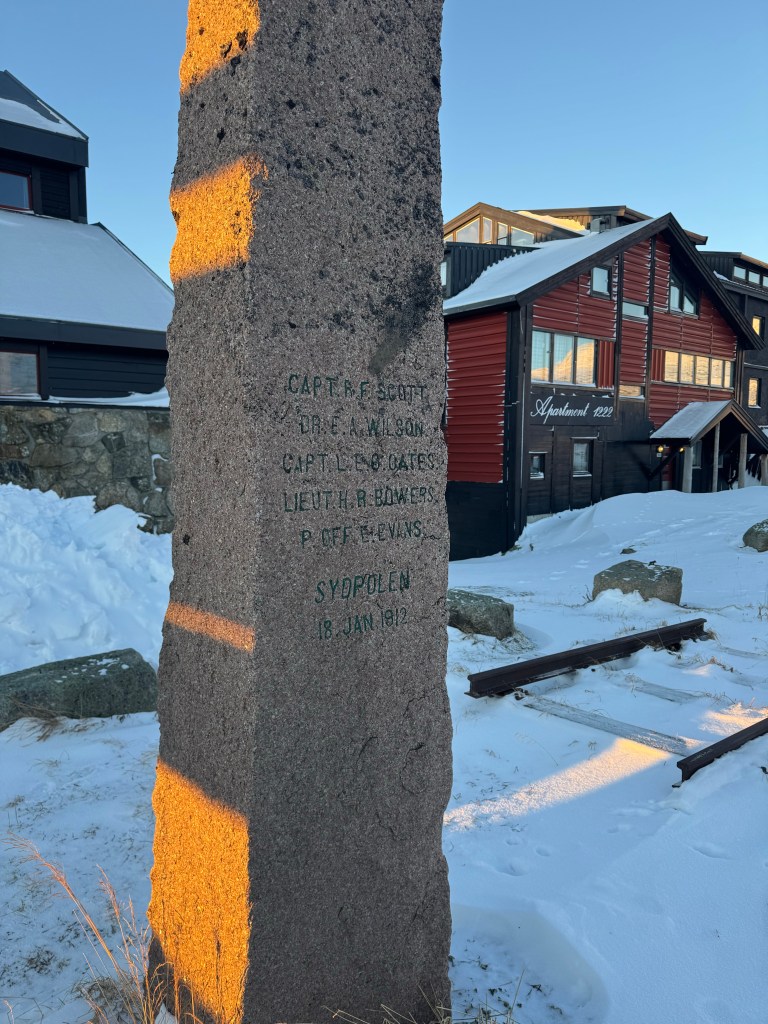
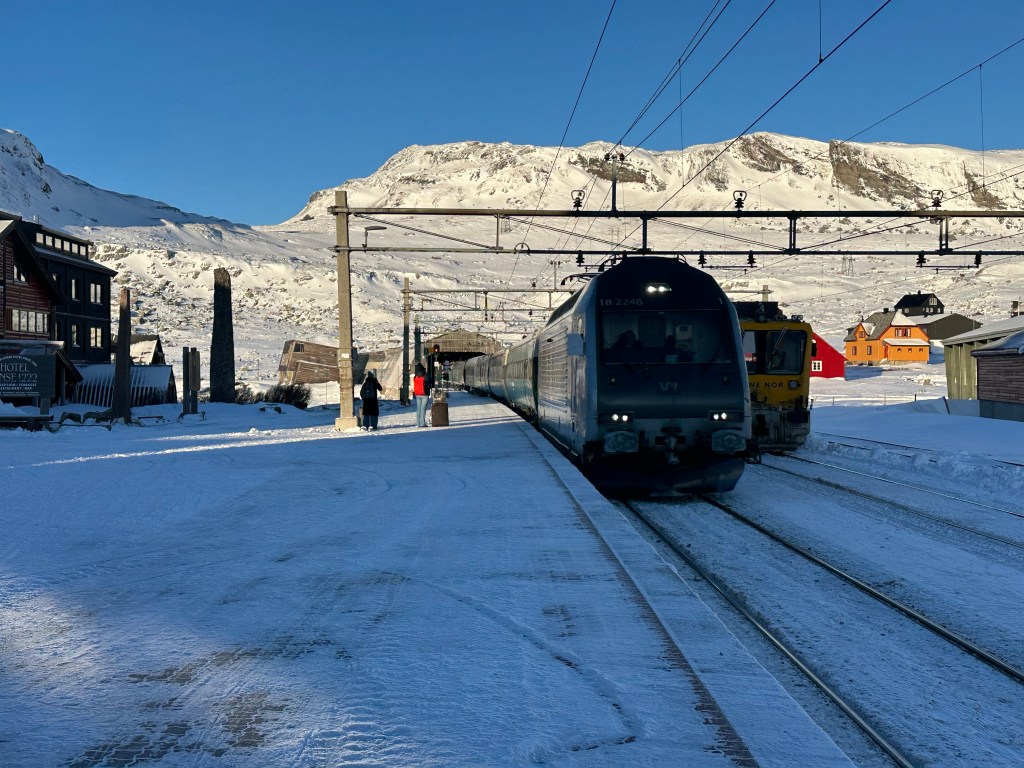
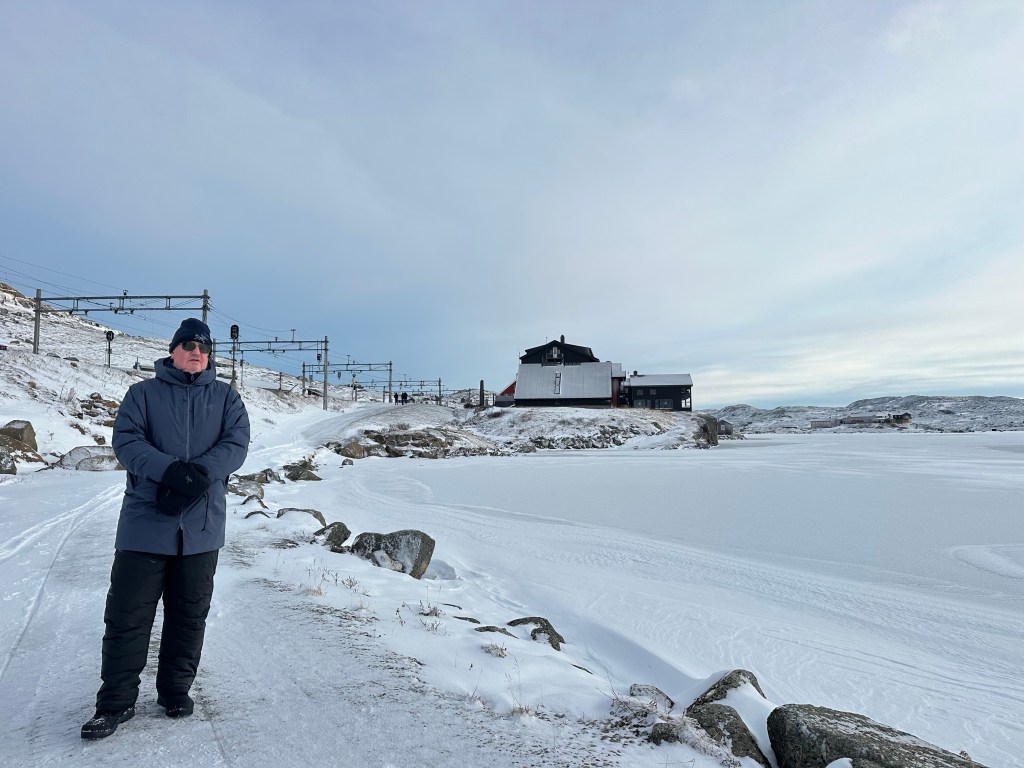
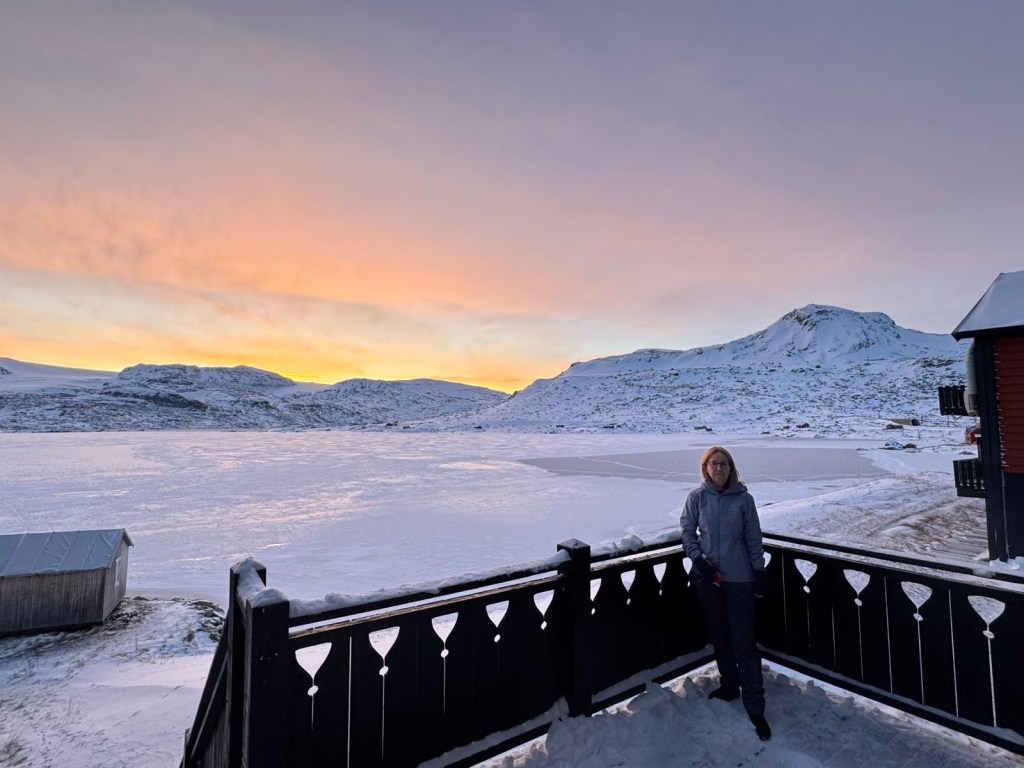
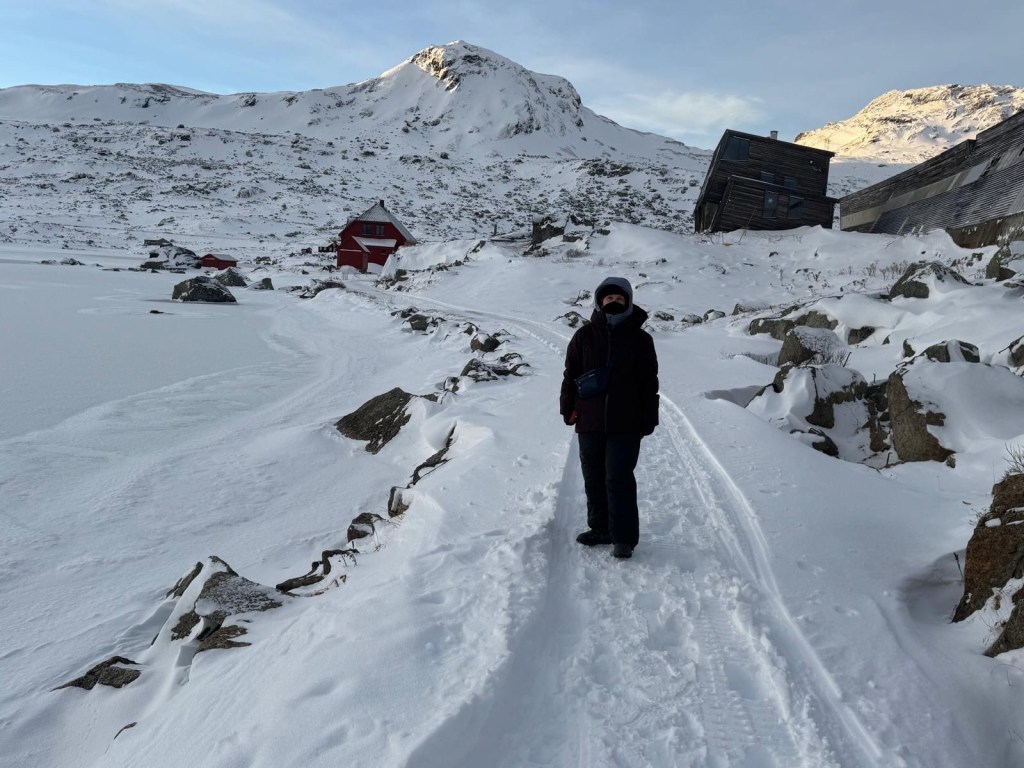
We had an overnight stay at the Hotel Finse, built to attract tourists wanting to visit the lake and go hiking in the summer or experience extreme cold in the winter. There is no road access. Finse was the training base for many early polar explorers. These included Nansen, Amundsen and Shackleton; but not Scott, although a memorial was built to him and his team. The village has seen its population reduce from a height of around 200 to only four today – half of whom we met in the hotel bar (collecting their post as well as enjoying a beer and a chat).

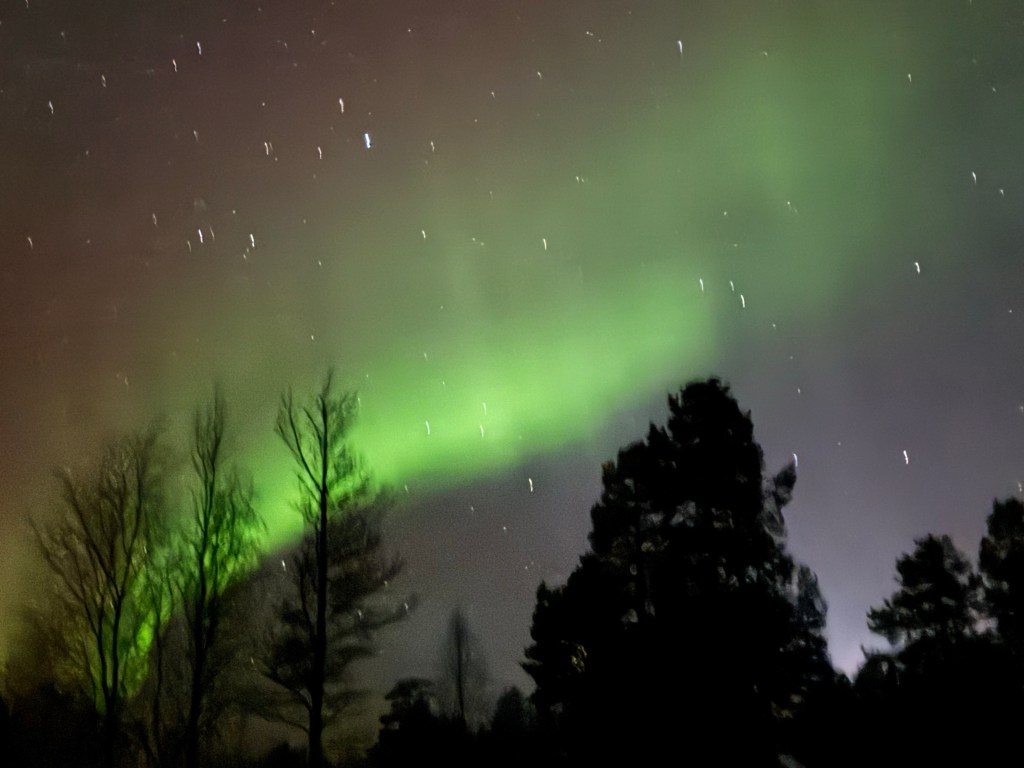
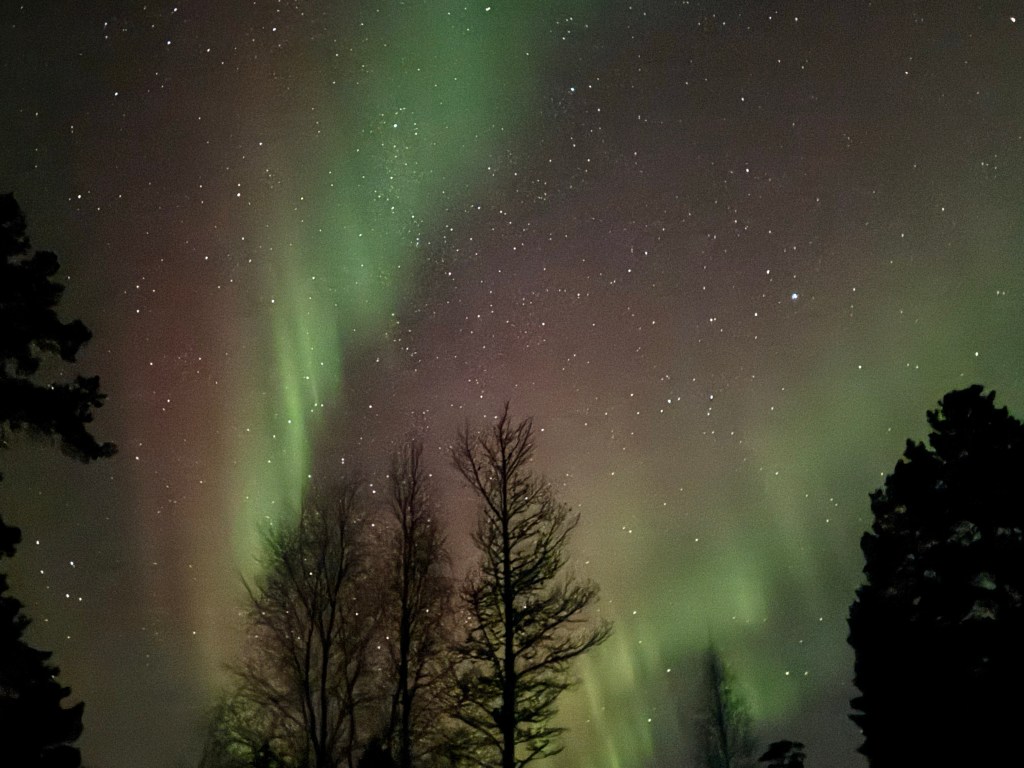
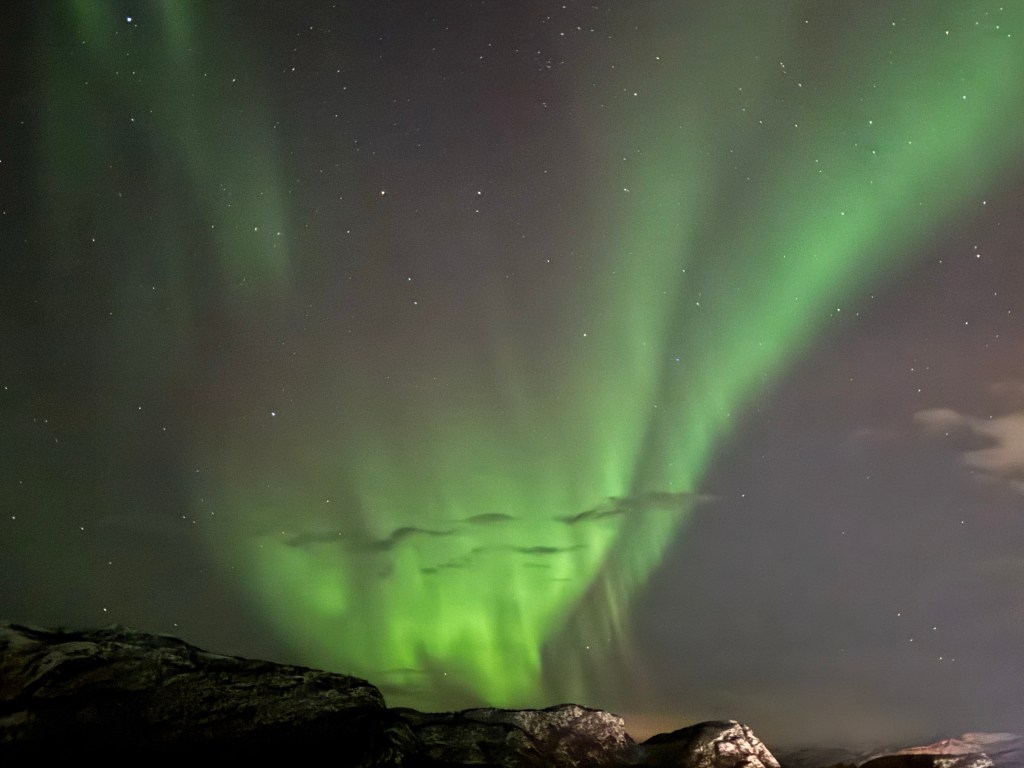
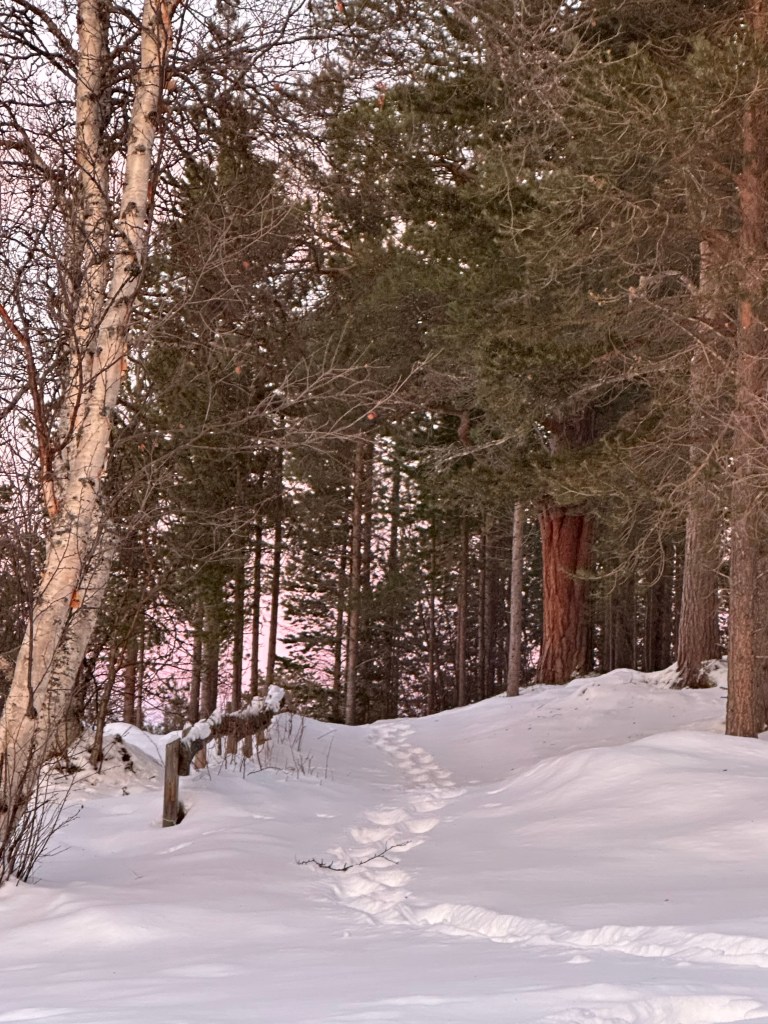
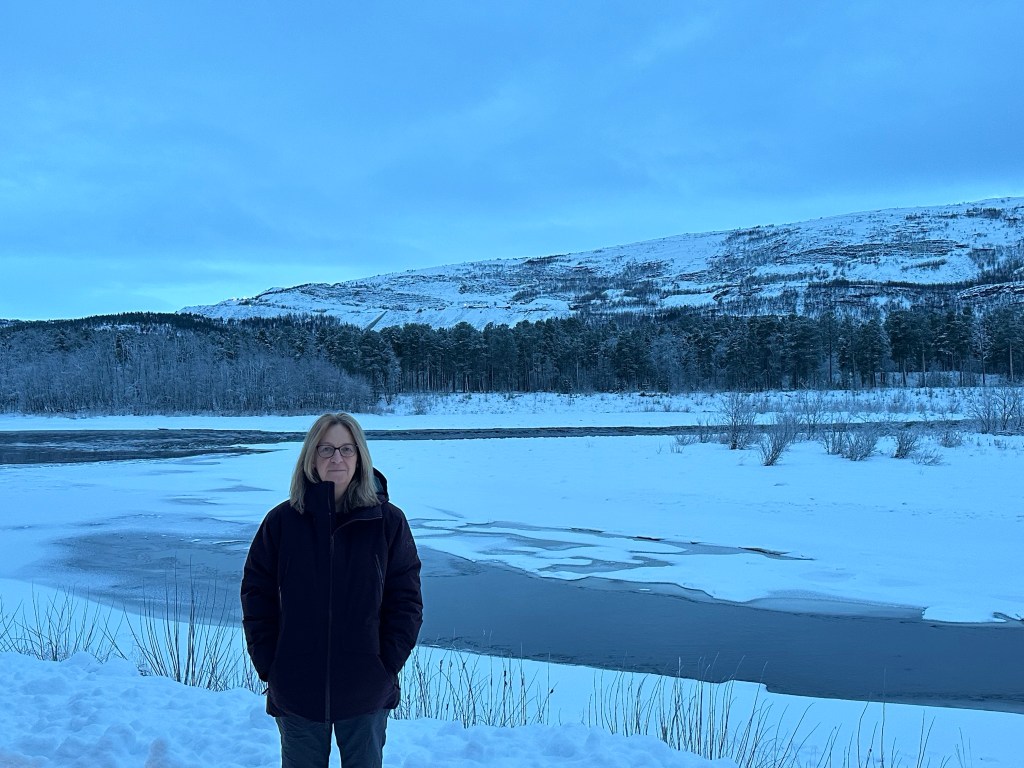
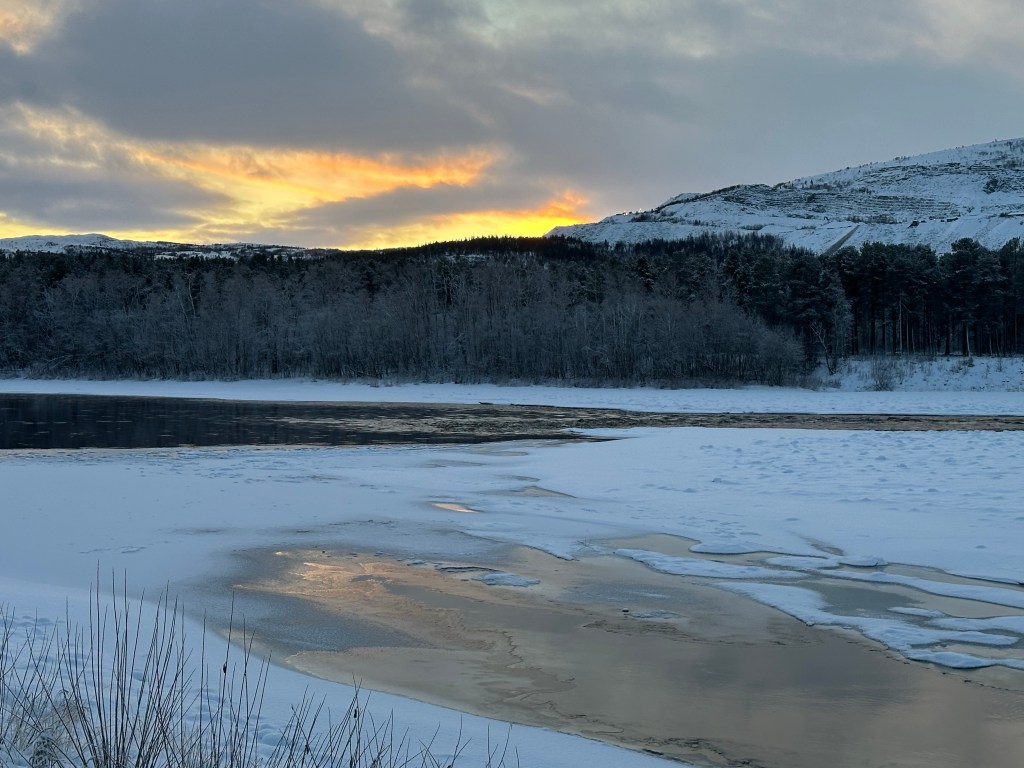
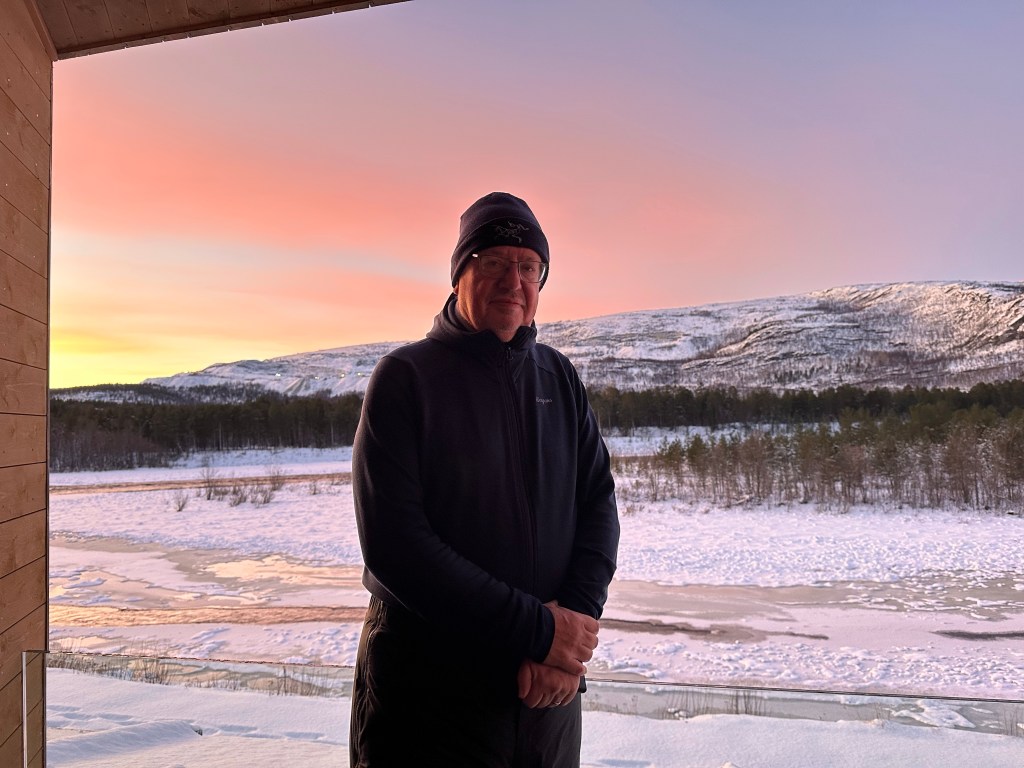
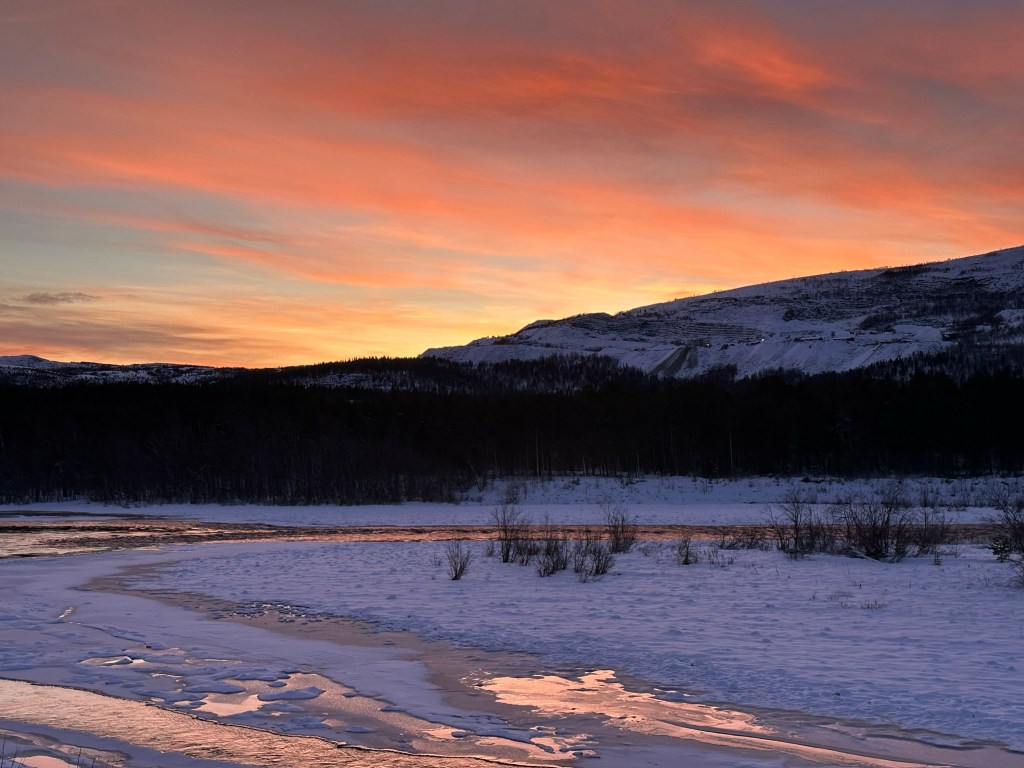
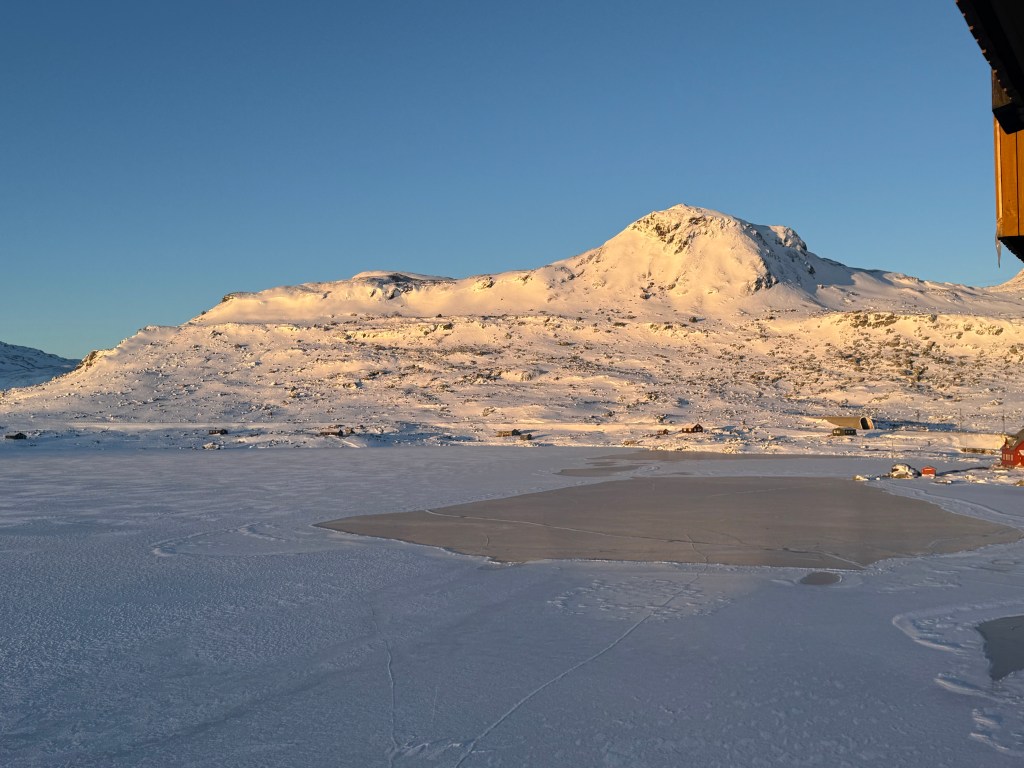
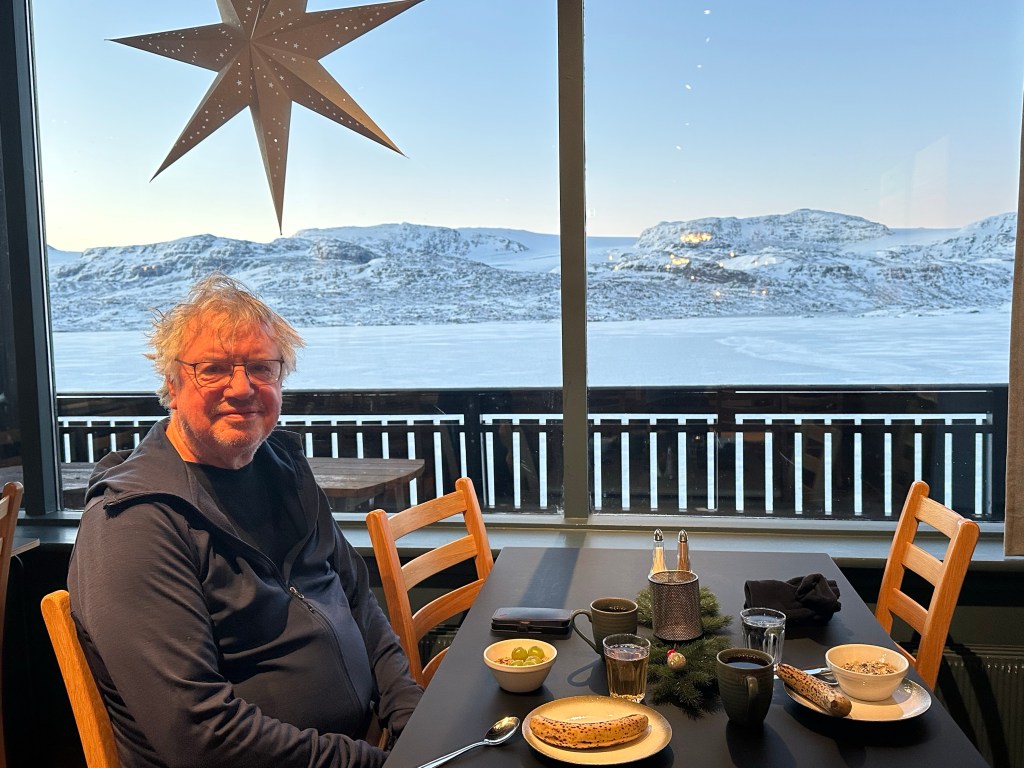
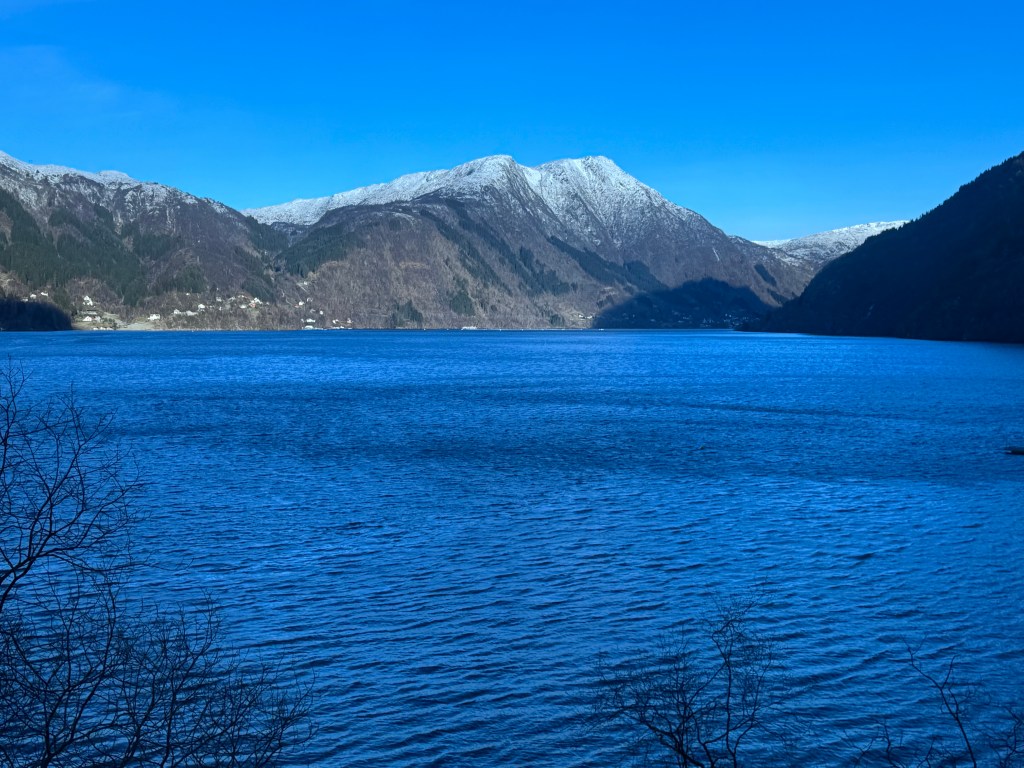
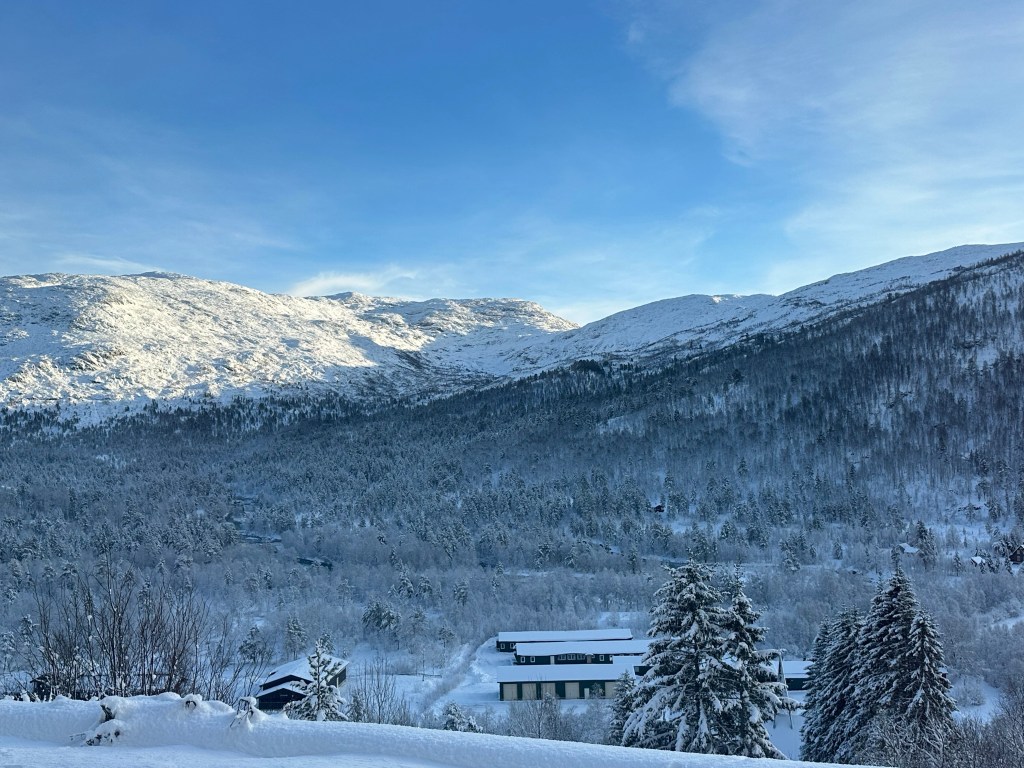
We were almost the only people to disembark the train at Finse with most people using the train for the journey to Oslo in one go. We were pleased that we stayed a night – although the temperature dropped to minus 17, it didn’t feel as cold as we expected – we were properly prepared and it was a dry cold. The Finse “Explorers Hotel” (built in 1909, next to the train station) was very comfortable and seeped in history. The scenery was stunning and we were fortunate to experience clear skies.

Polar explorers memorial

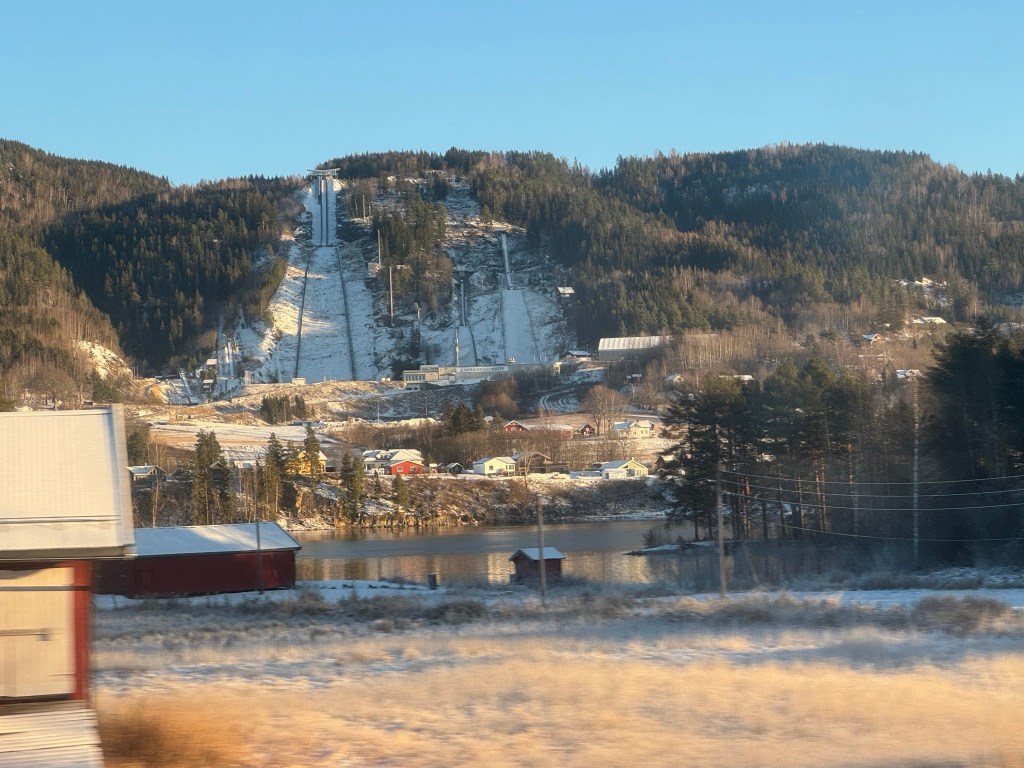
Bergen to Finse

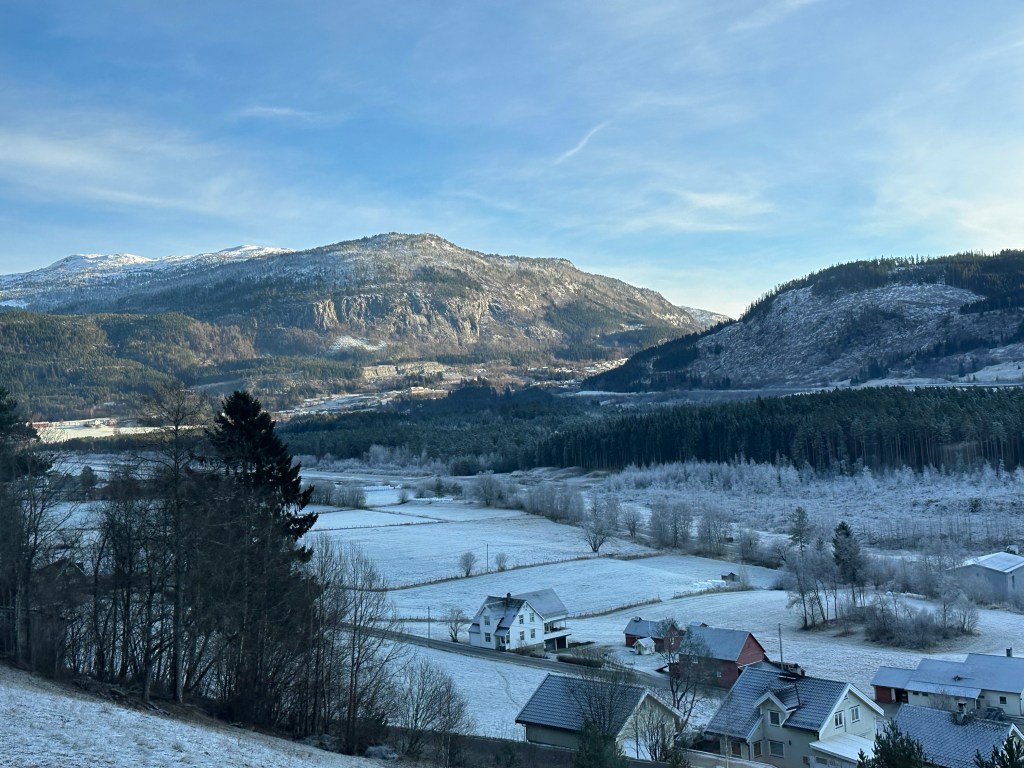
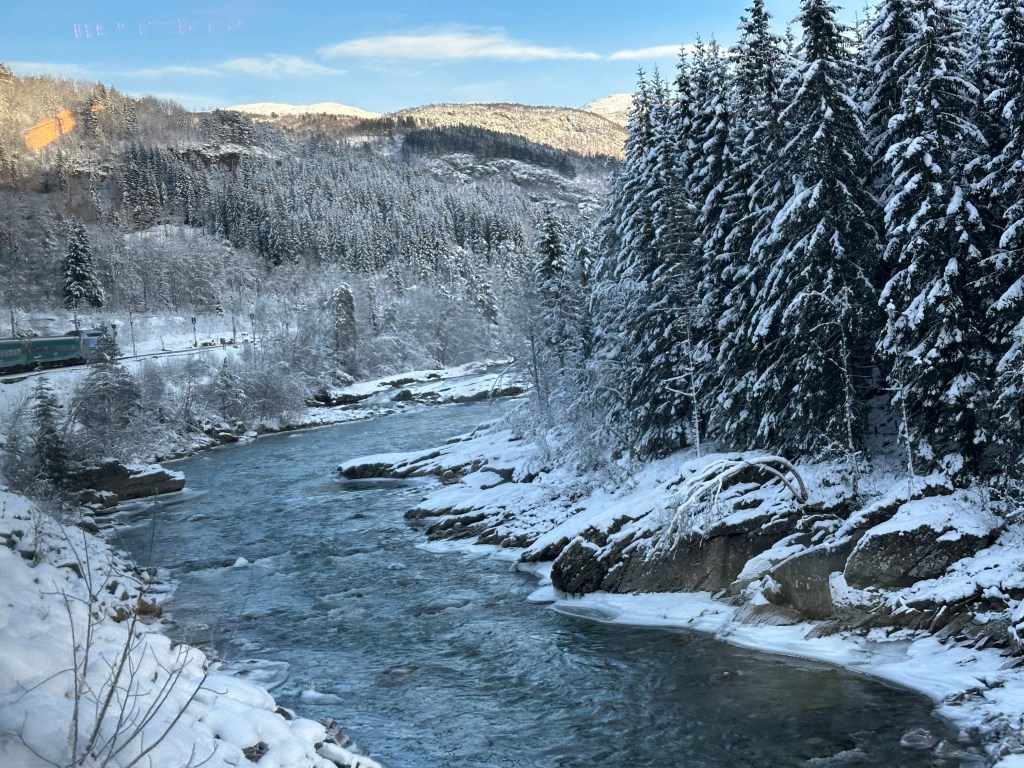
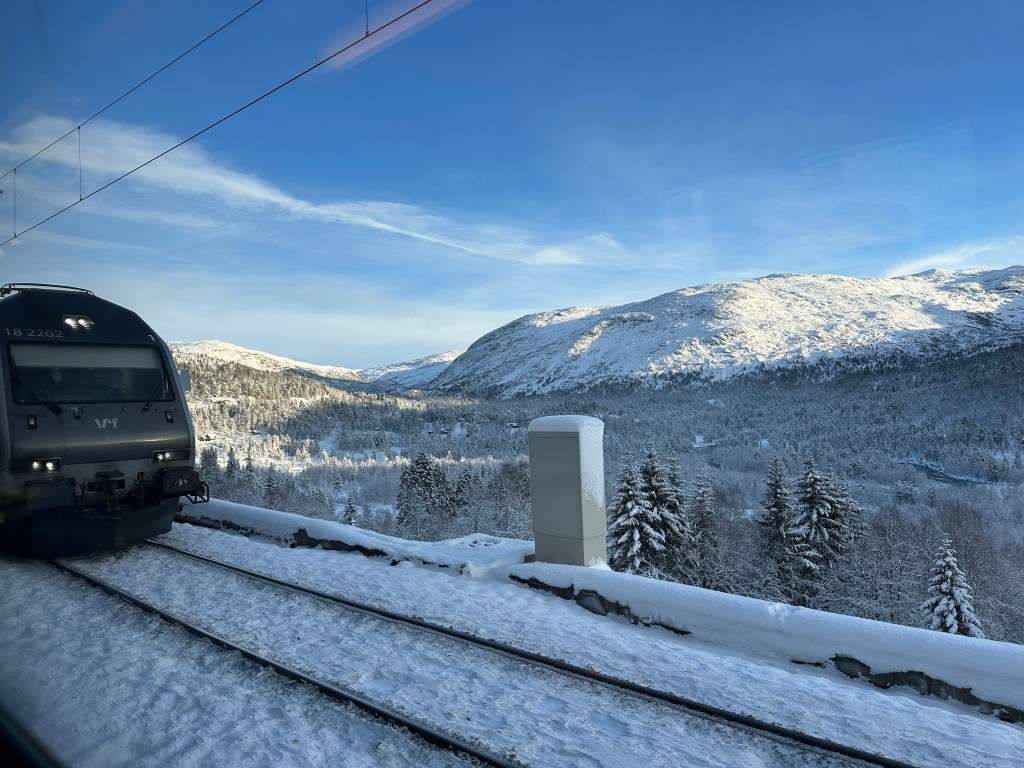
The first leg of our train journey to Oslo was the two and a half hour trip to Finse. Finse is the high point of this route (and the highest point in Norway’s rail network) at 1,222 m. The railway, completed in 1909, was a major infrastructure project to link Norway’s two largest cities. The journey is extremely scenic and the line stays open all year round. When we left Bergen it was 0 degrees and on arrival at Finse it was -7 degrees, but very dry with crunchy snow.

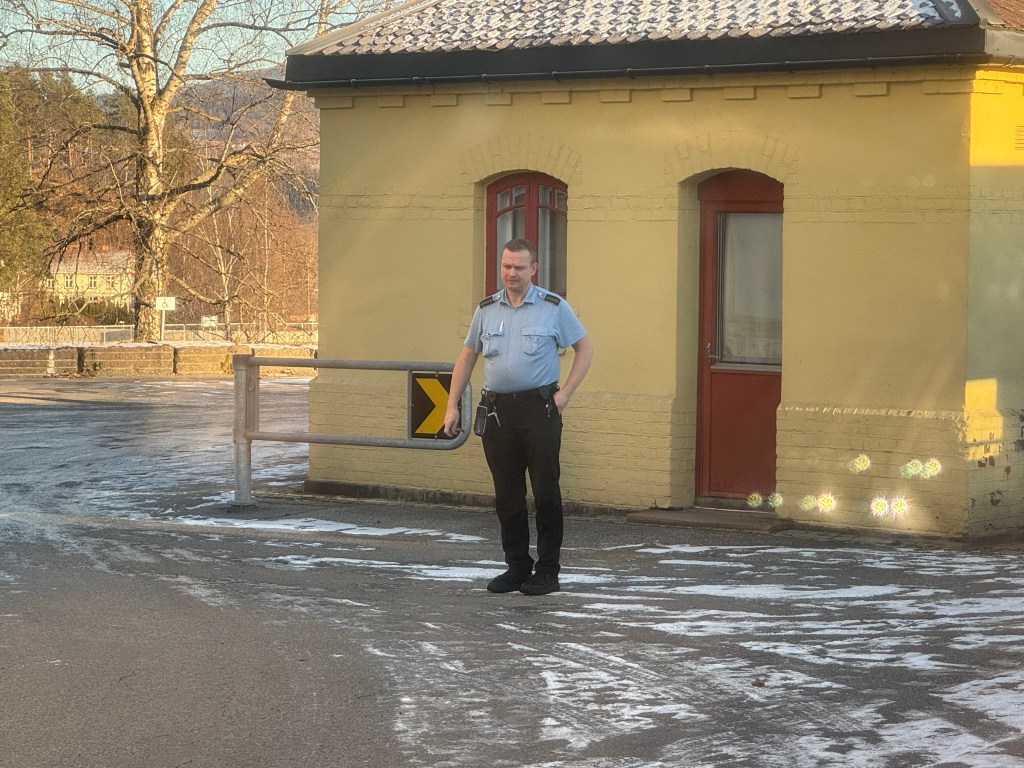
Ready to disembark ….or rob a bank !
Finse station

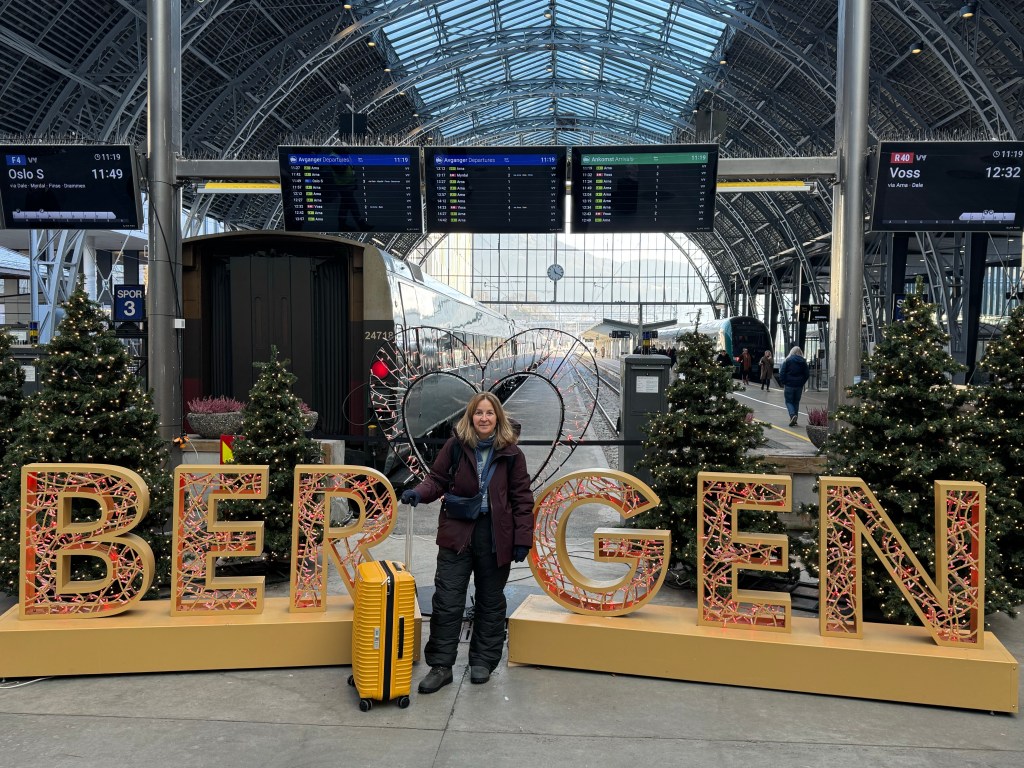
Bergen

Bergen is the second largest city in Norway with a population approaching 300,000. It was founded in 1070 by the son of Harald Hardrade, four years after the battle of Stamford Bridge, which immediately preceded the Battle of Hastings and resulted in the Vikings being thrown out of England. Bergen became an important trading centre and capital of Norway until the early 1300s. The Bergenhus Fortress dates from 1240. It’s main trade was dried fish which it exported as part of the Hanseatic League.

Bergen’s old quayside, Bryggen is a UNESCO World Herritage Site despite being rebuilt many times due to fires.

In World War II, Bergen was occupied by the Germans from 9 April 1940.

It is a thriving city inspite of reputedly being Europe’s wettest city with over 300 days of rain per year. We started our 11 night Norweigan trip in Bergen with, surprisingly, three dry (but cold) days.

Bryggen
Bryggen
The hall (after restoration) at the fortress
Saint Mary’s church – built from 1130-1180
Bergen city from Floyen, 400m above sea level. It is one of Bergen’s “Seven Mountain” reached by funicular
Floyen has numerous walking trails
Icicles!
Seafood lunch at the Fishmarket – lobster, langoustine and crab

Paris Olympics

The 2024 Olympics in Paris was the third time the city has hosted the Olympics, the previous time being in 1924. The 1924 Olympics formed the basis for the film Chariots of Fire, with the main stadium being the Stade du Colombe which, although heavily modified, was used for hockey 100 years later. Paris used either existing stadiums or modified locations for events; some not in Paris, with the furtheset away being Tahiti for surfing. This approach enabled the city to show many of its amazing assets and consequently was a great showcase for the city as a whole. Despite scepticism over the ability of the city to deliver, including transport and the water quality of the Seine, those Parisians remaining in the city were joyful and welcoming and the city looked at its best.
We attended athletics, hockey, waterpolo and the men’s marathon; each event was staged with flair and creativity. The begining of each event was marked with a celebrity making three knocks to the ground with a ceremonial stick (a brigidier), based upon a French theatrical tradition, to gain the attention of the audience.

One of the highlights, which summed up the atmosphere and feeling was 70,000 people in the Stade de France standing and applauding to support Megan Keith of the UK finishing the 10,000m having been lapped by the rest of the field but persevering to finish before collapsing in the arms of teammates.

Stade de France
4×100 relay silver medal celebrations
Stade de Colombe – women’s hockey semi/final. Argentina v Netherlands; supporters of the latter creating a sea of orange
La Défense- waterpolo; light show before the match
Waterpolo women’s semi final – Spain v Netherlands, Spain won on penalties
On the route of the marathon
Men’s marathon
Our schedule allowed time for a visit to the Louis Vuitton Foundation modern art museum
Lunch on our final day
Our visit overlapped by a couple of days with Mary, Adam, Alice and Rory enabling a couple of dinners sharing Olympic experiences
The Olympic flames which flew above the Tuileries Gardens each evening
With Emmanuelle’s after dinner at The Louvre; she and Thomas were very kind hosts

Nottingham

Nottingham is another city we know well and having seen the last appearance of James Anderson at Lord’s we were pleased to be at Trent Bridge for the unveiling of the “Stuart Broad End”. We saw the first two days of the second test against the West Indies, a much tighter contest than the Lord’s test.

Stuart Broad End unveiling
Trent Bridge is the only English Test Ground to boast a pub within the grounds

Bristol

Driving from Ludlow to Bristol meant briefly crossing into Wales, which we managed to escape unscathed. Bristol was the venue for the third women’s One Day International between England and New Zealand. We saw the second ODI in Worcester and England completed a 3-0 win in Bristol inspite of rain interuptions.

Symonds Yat close to the Welsh boarder

Ludlow

Ludlow is a market town in Shropshire. Up until Covid it was known as a bit of a “foodie” magnet but now attracts visitors because of its listed buildings and castle as many of the top rated local restaurants did not reopen after the pandemic. Sir John Betjeman described it as probably the lovelist town in England. Following the family links, it was also the birthplace of Tim’s grandmother.

The castle sits close to the confluence of two rivers, the Corve and the Teme and was built as part of the defences of the Welsh Marches, playing significant roles in the Owain Glendower rebellion, the War of the Roses and the Civil War. It was also the site of one of the most controversial honeymoons in English history, that of Prince Arthur and Catherine of Aragon. The “did they/didn’t they” led to the divorce of Catherine from Henry VIII and ultimately the separation of The Church of England from Rome.

Worcester

Worcester has long been an important city in the Midlands due to its strategic location on the River Severn. It is the home of Royal Worcester Porclain and Lea & Perrins and for many years produced half the gloves made in the UK, including those worn by Queen Elizabeth II at her coronation, made by Dents of Worcester.

Worcester Cathedral was founded in 680 with building of the current cathedral starting in the 11th Century; it is the burial site of Arthur, Prince of Wales, elder brother of Kind Henry VIII and first husband of Catherine of Aragon. In addition there is a memorial to Mrs Henry Wood who was born nearby into a glovemaker family and went on to become a famous Victorian novelist, selling over 6 million copies. Her most well known being East Lynne. Mrs Henry Wood is Sarah’s three times great grandmother and also has her portrait in pride of place in Worcester Guildhall.

Worcester County Cricket ground, situated on the River Severn, with views of the cathedral, is one of the most beautiful settings in England. However, with the threat of flooding, which happened eight times during the winterof 2023/24 the club may be forced to move to Kidderminster.

Worcester cathedral
Worcester cathedral
Worcester Guildhall
Greyfriars House, Worcester

England

What started out as an idea to watch some cricket over the summer outside of London, ended up as a short tour including; Worcester, Ludlow, Bristol and Nottingham. Around the same time we also attended the second day of the first West Indies Test Lord’s and spent an evening at The Oval for a women’s T20 against New Zealand. The UK had poor weather in July, but luck was on our side and we only lost a couple of hours play at one match. Furthermore England won all the matches we watched.

Lord’s test
With Issy, Henry, Lizzie and Sam at The Oval

Food and drink

We did not have high expectations for the food and drink on our trip, thinking that it would be traditional meat heavy with a lot of sausages, cabbage and potatoes ! However, although that was available, there was a lot of high quality modern food some based on traditional dishes. We were also lucky to time our trip with asparagus season across the region we travelled through. Although not previously fans of the white variety, when fresh and local we were happy converts. The product is given pride of place in restaurants, many having specific menus of seasonal asparagus specials.

It was also possible to drink excellent local wines at prices much lower than London (not saying much !), from dry rieslings in Alsace to dry Tokaji in Hungary, together with some interesting reds. It should have been no surprise that in Austria and Hungary there was Northern Italian influence in the cuisine.

While we ate excellent fish, vegetarian food and middle Eastern dishes, we also enjoyed schnitzel and cakes. In Vienna we learned that the famous Sachertorte had been the subject of a legal dispute between two cafes as to which could call theirs “original”. It was determined that “Cafe Sacher Wien” could have this privilidge, although the guide on our walking tour recommended the rival, Demel.

Hungry on entering Hungary – the sandwiches from Vienna station were good…much better than the train food
Breakfast in Strasbourg
Dallmayr in Munich – cafe and food hall to rival Fortnums
Demel Vienna
Sachertorte or Strudel ? …..or both (we were sharing !)
The bistro we ate in on our first night in Budapest- from another era. Good simple local food, the owner resembling Stalin
Hall of Fame, Budapest- the members of the Hall of Fame all being wine producers
Mazel Tov, Israeli restaurant in the old Jewish Ghetto in Budapest. It was almost impossible to secure a reservation.
Inside Mazel Tov – you cannot judge a book by its cover- delicious food, worthy of the queues at the door