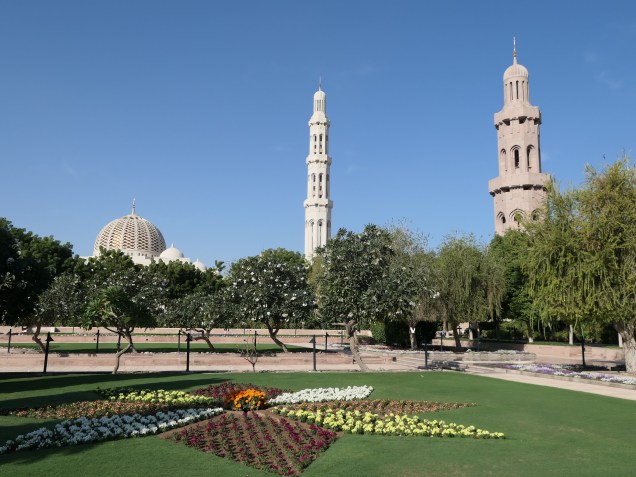
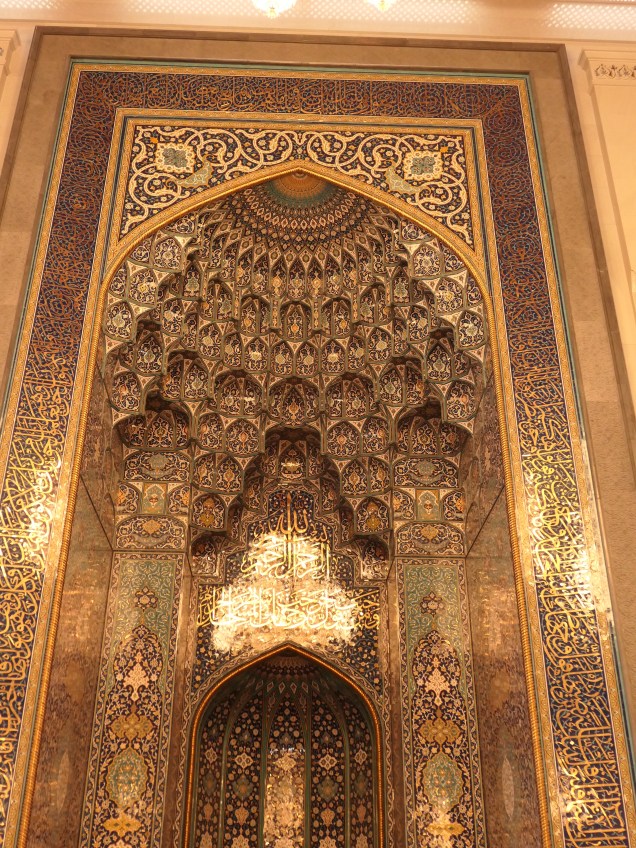
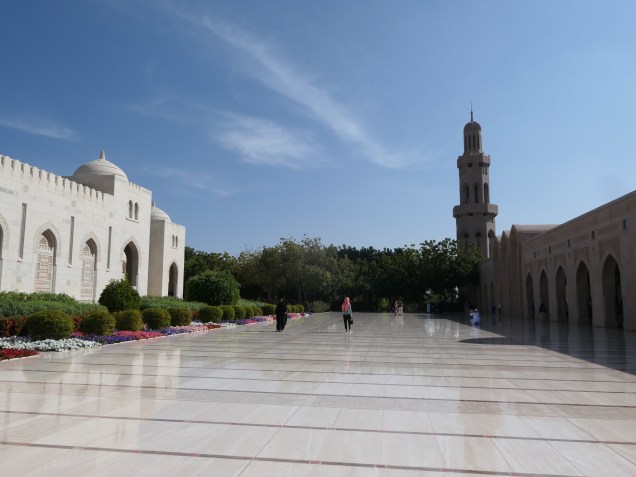
Sultan Qaboos Grand Mosque

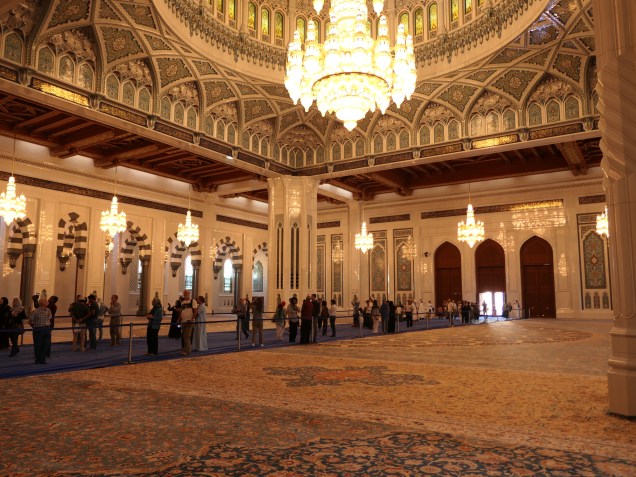
The Grand Mosque is a gift to the nation from the Sultan, opened in 2001 to celebrate his 30 years as Sultan. It was designed by an Iraqi architect living in London. The mosque is large enough for 20,000 people to worship at the same time in two buildings – one for men and one for women. Including beautifully manicured gardens the whole complex covers 40,000 m. Outside prayer time, non Muslims can enter all areas if appropriately attired.

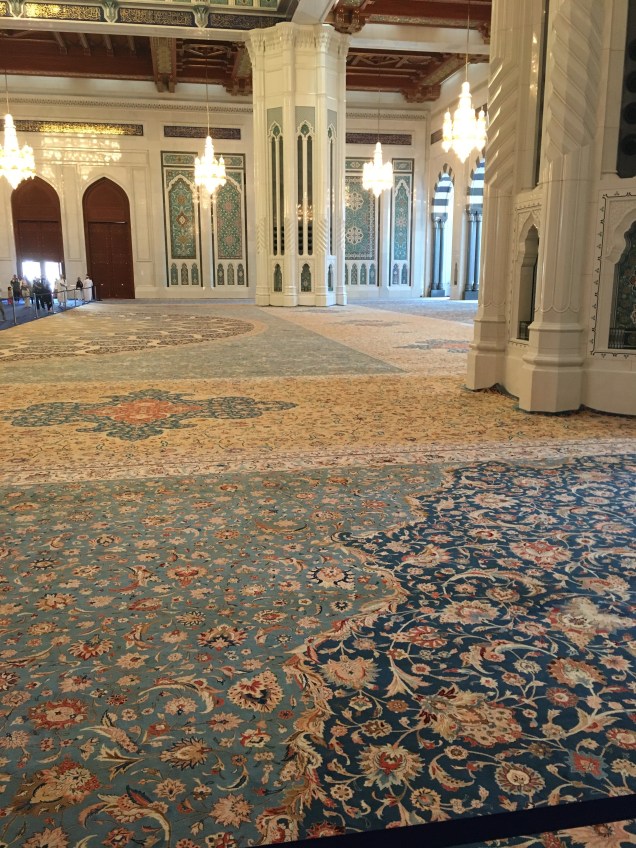
Materials and craftsmen/women were drawn from around the world, including a carpet measuring 60m x 70m and weighing 21 tonnes which took 600 women four years to weave in Iran, another carpet from New Zealand, stone from Jaipur and a 1,000 light chandelier made by Swarovski.
A night at the opera

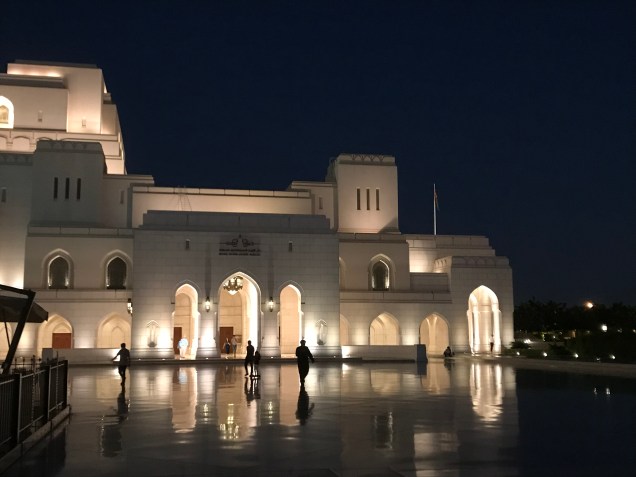
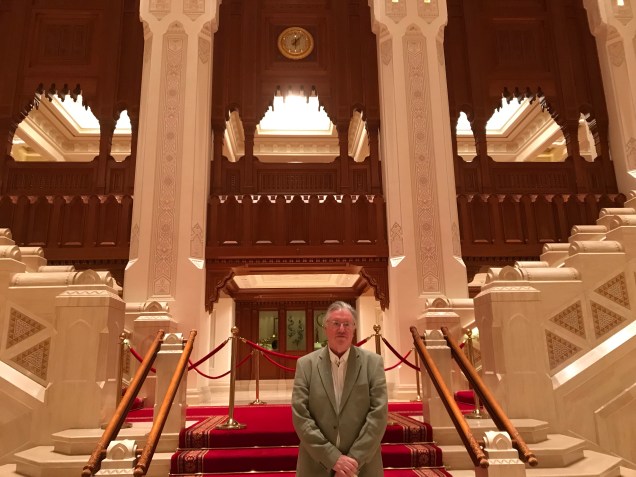
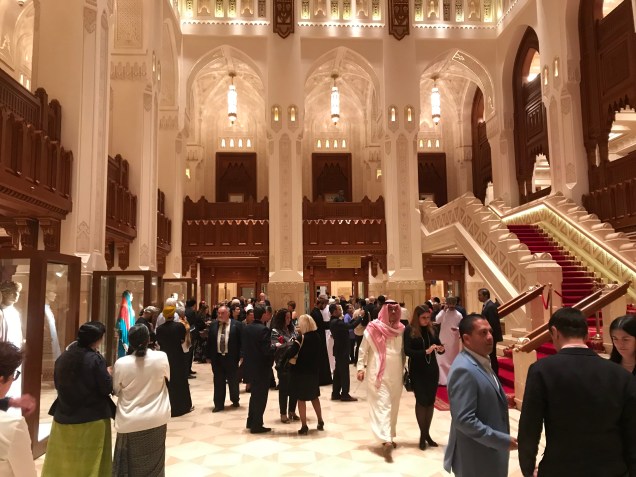
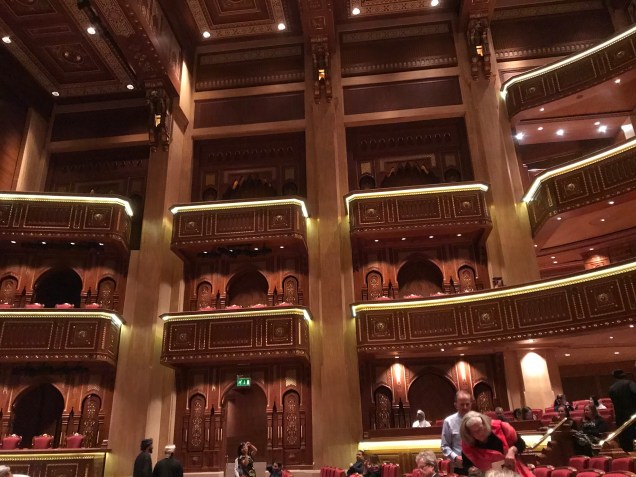
Back in Muscat we went to see Eine Nacht In Venedig at The Royal Opera House Muscat. The Sultan became a lover of classical music whilst in England and the ROHM was completed under his instructions in 2011. It was designed by the same architect used to build The Grand Mosque (more later). Dress code for men is black tie, business attire or dishdasha for Omani nationals (the national dress, five variations of which are permitted by statute, with manufacture limited to Oman).

Trekking in the mountains

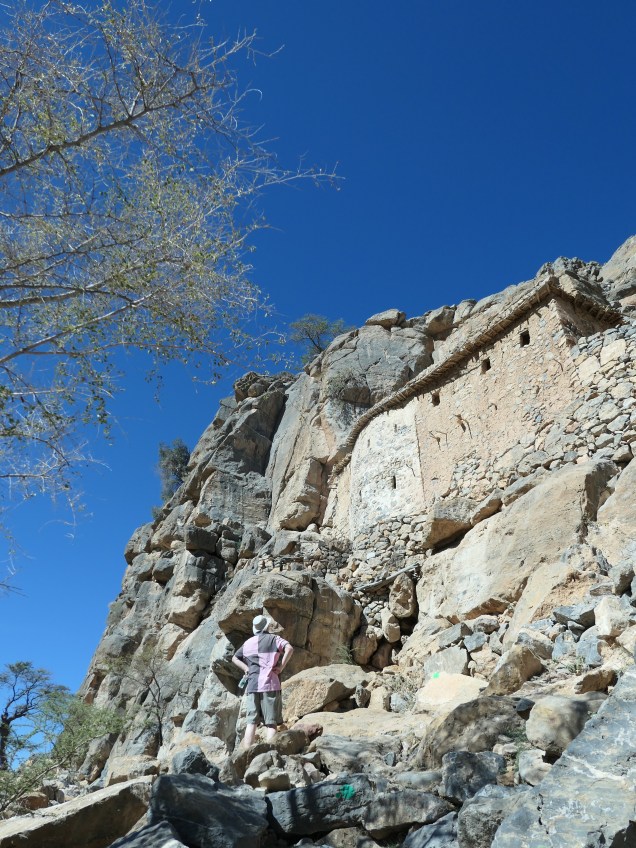
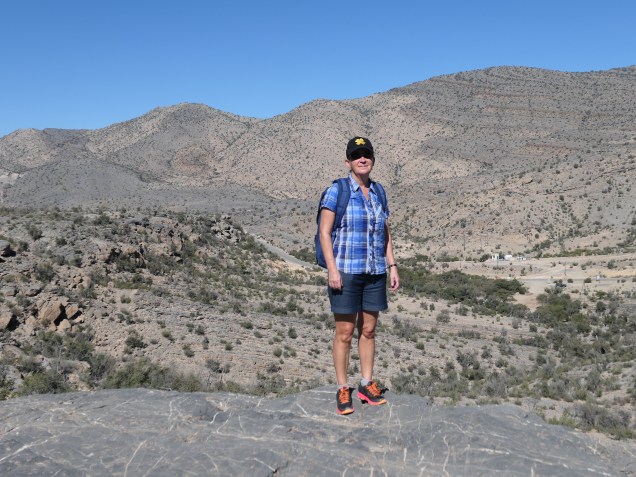
The mountains are a centre for trekking and our hotel had several route maps, ranging from moderate to “you have to be joking” (involving abseiling). We chose a three and a half hour “moderate” which included approximately 800m ascent/ decent over boulders, through a wadi and an abandoned village.

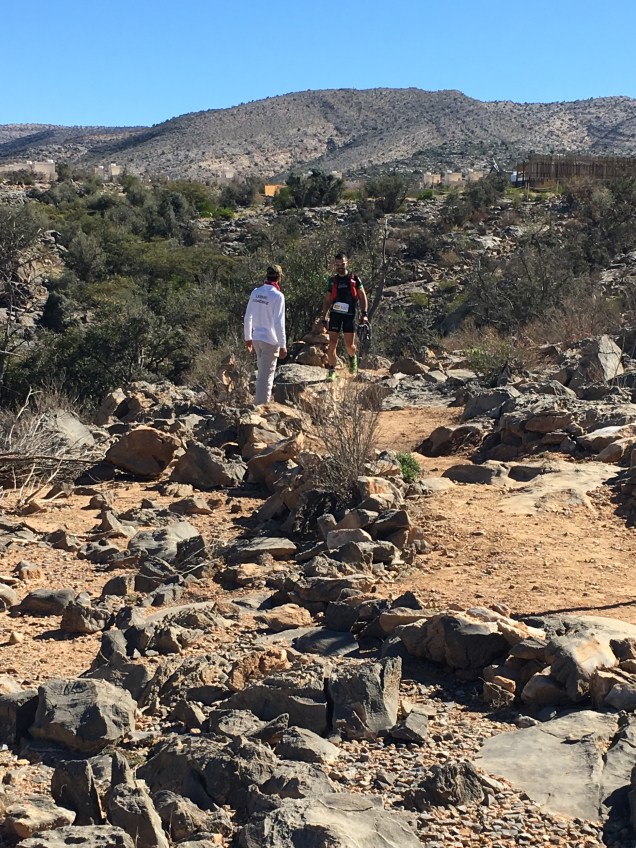
On our last day our hotel was at the 83km point for a 137km international endurance run. The winning time was just over 20 hours; they must be mad.

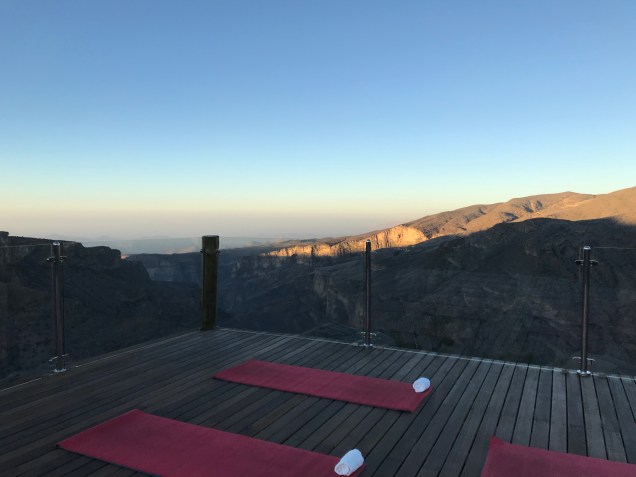
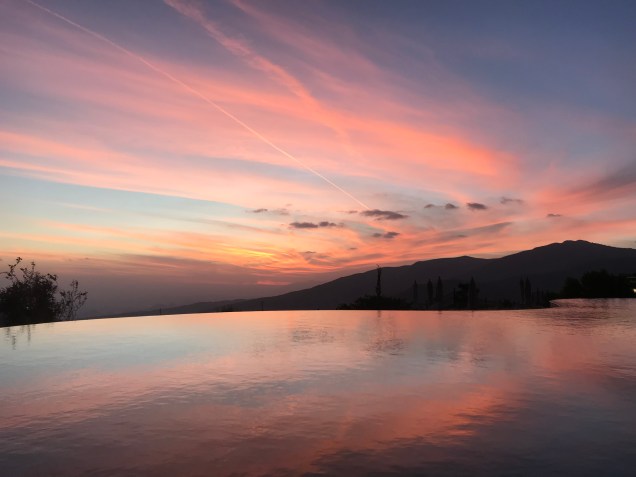
The hotel had a stunningly positioned yoga platform – too good to ignore (for Sarah), despite the daily yoga session being at sunrise (7am).

Nizwa

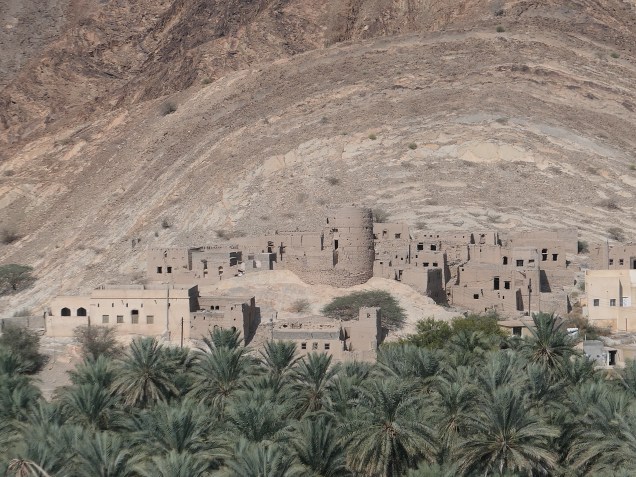
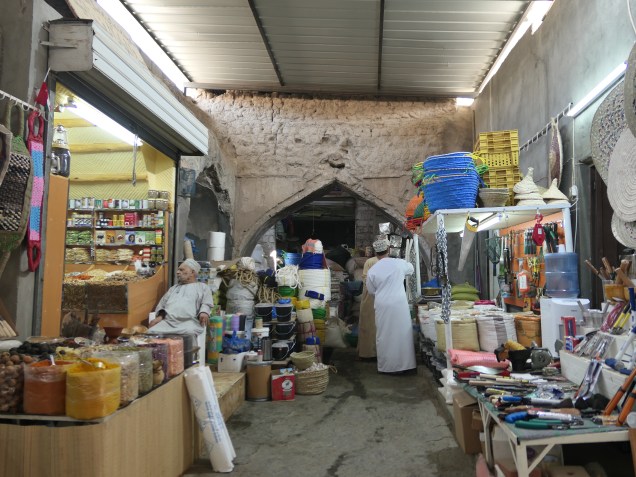
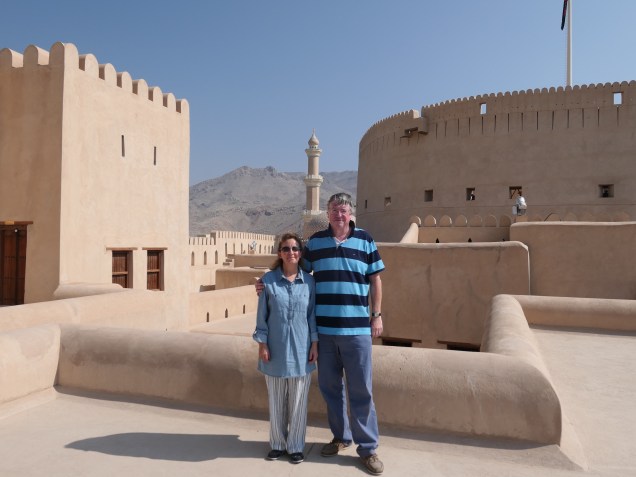
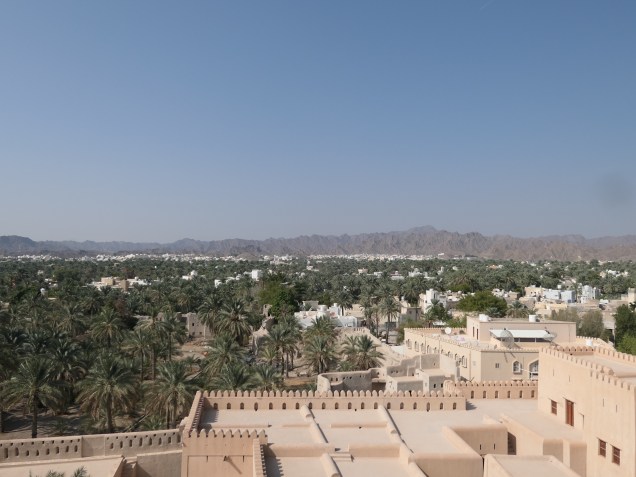
Whilst in the mountains we visited Nizwa, former capital of Oman and centre for Islamic learning. It has a 17th Century fort , souq and World Heritage irrigation system (Falaj). Just outside Nizwa is Birkat Al-Mawz, an abandoned town which used to guard the entrance to the Jebal Akhdar region. The area now grows dates and bananas, using the old irrigation system.

Al Jabal Al Akhdar

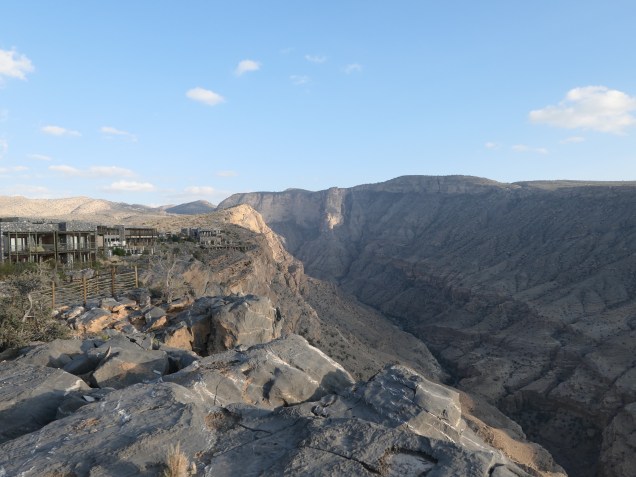
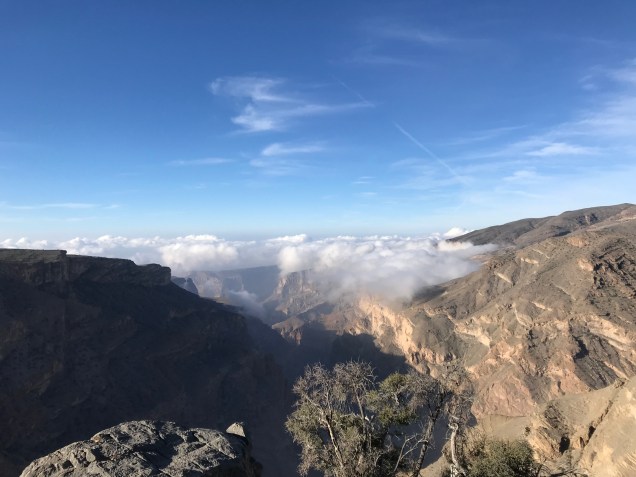
We spent four nights in Al Jabal Al Akhdar, an area of mountains two and a half hours by car from Muscat. Although the road is good (Oman has invested extensively in the infrastructure in recent years), it is very steep with one sharp bend after another and therefore the last part of the drive is only accessible by 4WD. Our hotel was situated at 2,200m (7,200 feet in old money); much cooler than the coast, especially at night, with fresh mountain air and spectacular views over Oman’s Grand Canyon.

Oman

We decided to include Oman in our 2018 travel plans based on a few articles we had seen and the weather at this time of year. Other than that we knew relatively little about the country. Oman boarders Yemen, UAE and Saudi Arabia, with a population of about four million of which 20 percent are in the capital, Muscat.

It is a conservative but moderate Muslim country. The leader, Sultan Qaboos bin Said al Said, has ruled for the last 48 years. He was partly educated in England, including attending Sandhurst. This has led to a country with a close and friendly relationship with the UK, which is evident when meeting local people.

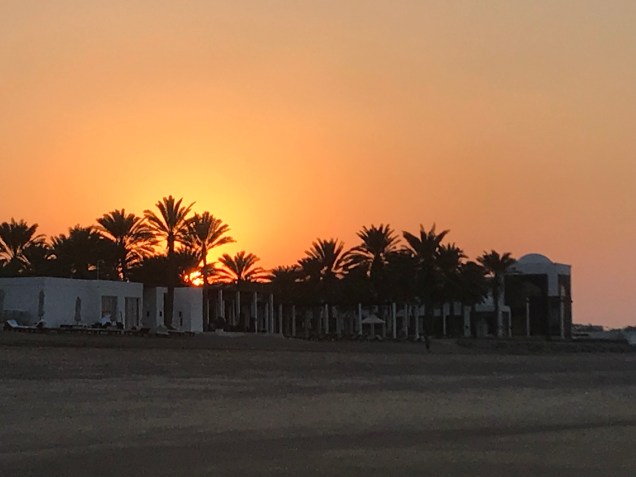
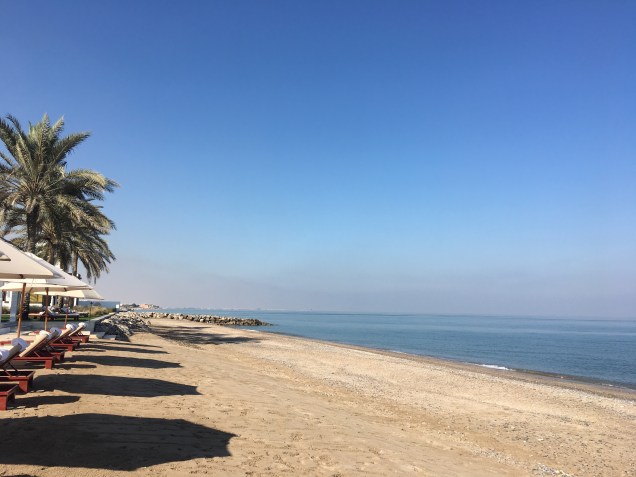
We flew into Muscat where we spent a couple of days before heading into the mountains. Many of the hotels are on the beach with easy access to Muscat.

Last stop – Bali

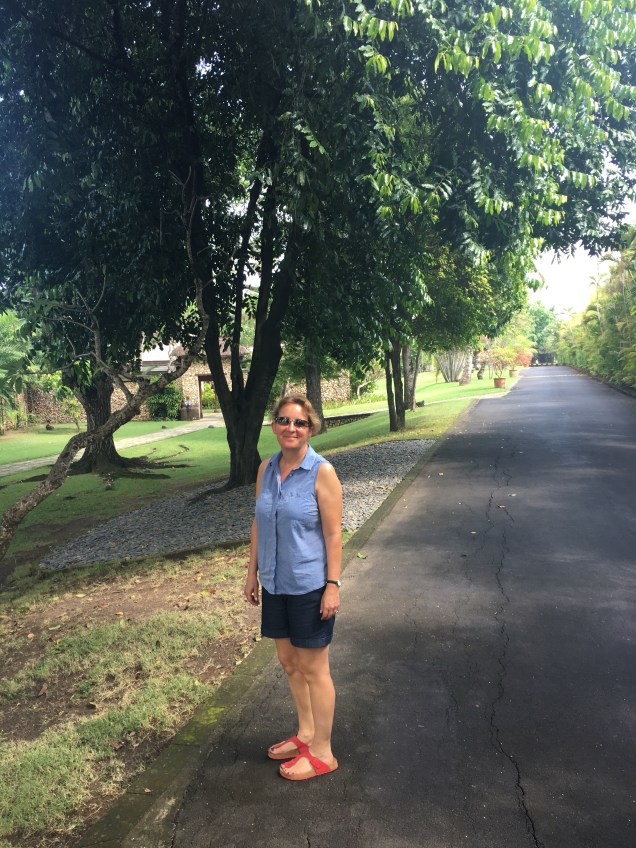
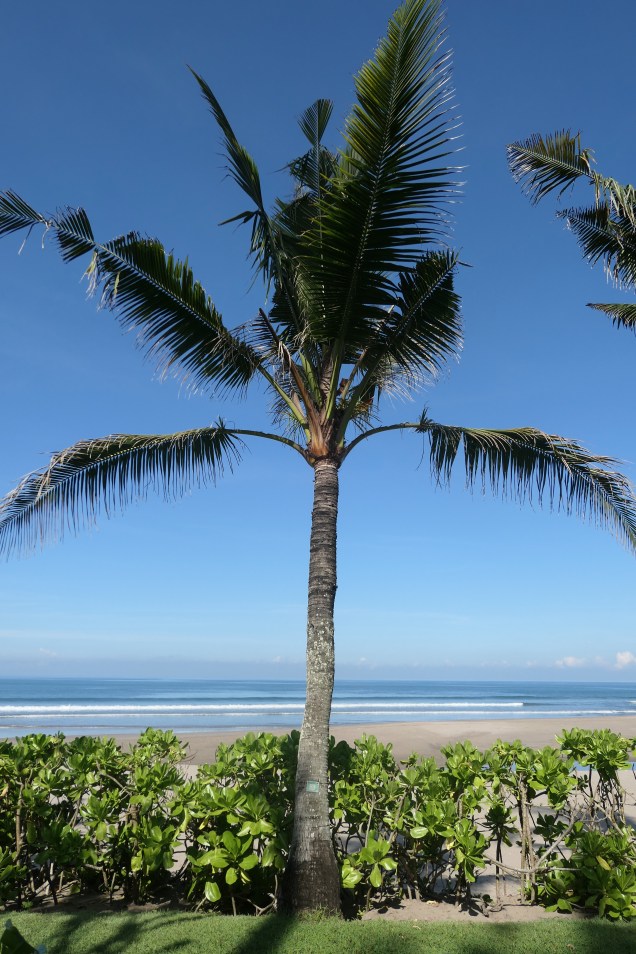
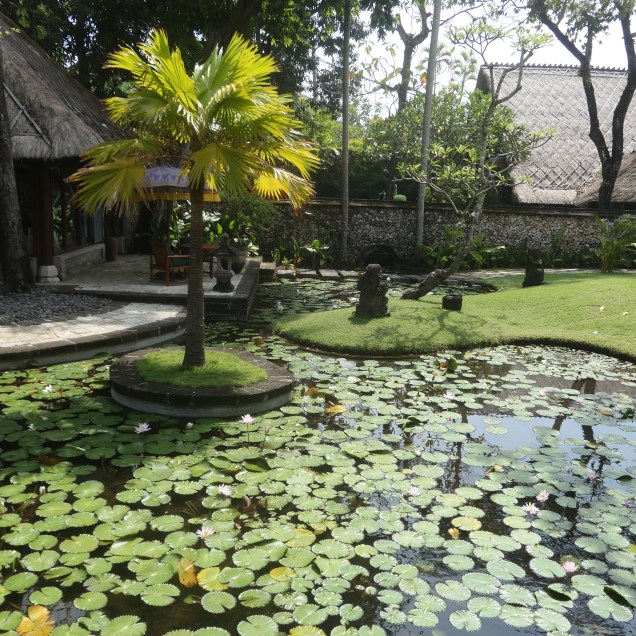
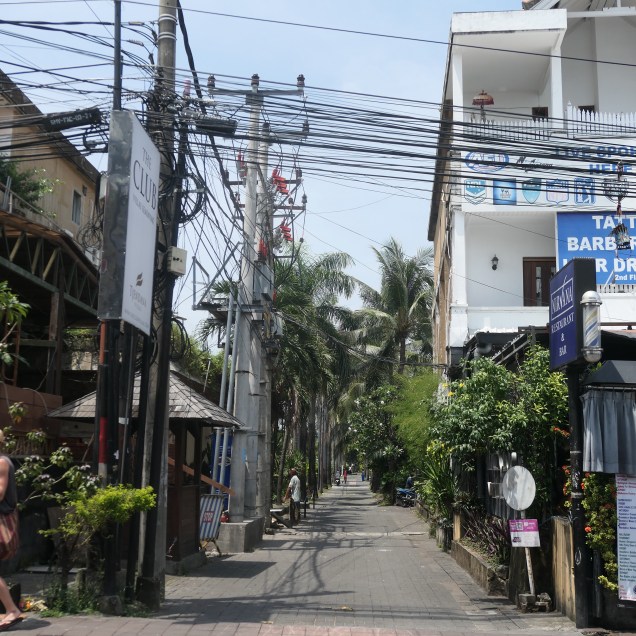
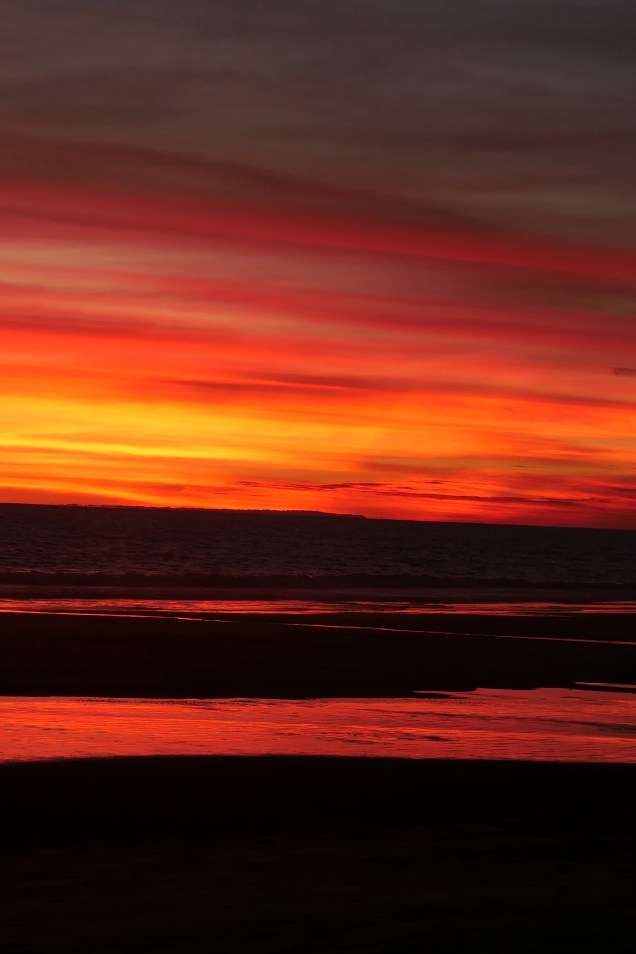
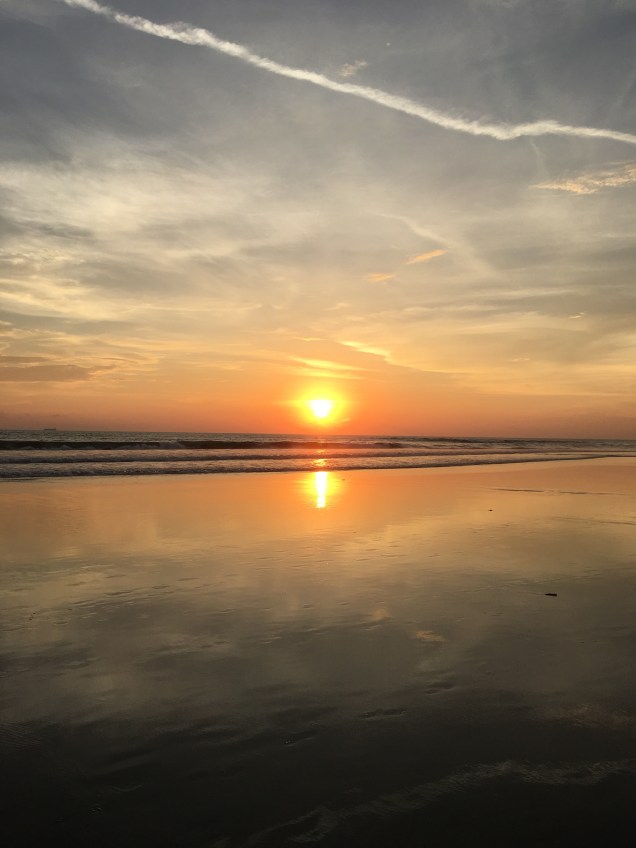
The final leg of our trip was a week in Bali (we’d seen the weather reports for the UK) before heading home in time for Easter. A beautiful hotel on the beach, exceptional Balinese service, delicious food and good weather – we could not have asked for more. We have not ventured too far from the pool and beach, although did have a few meals out and took advantage of the local shopping opportunities, in the knowledge that our bags will be packed for the last time tomorrow.

Christchurch

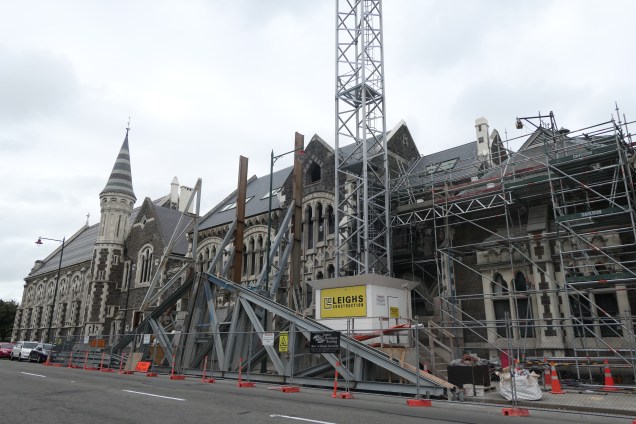
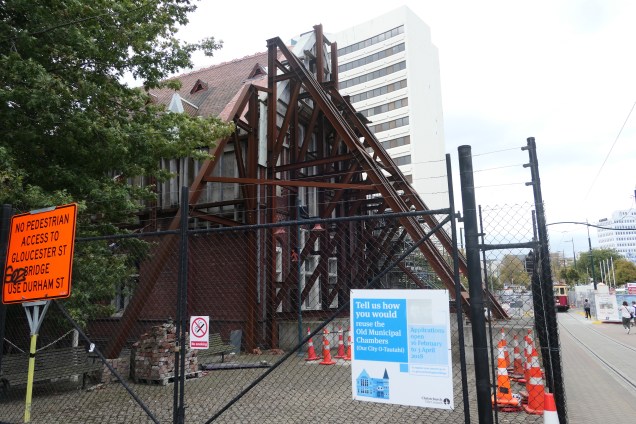
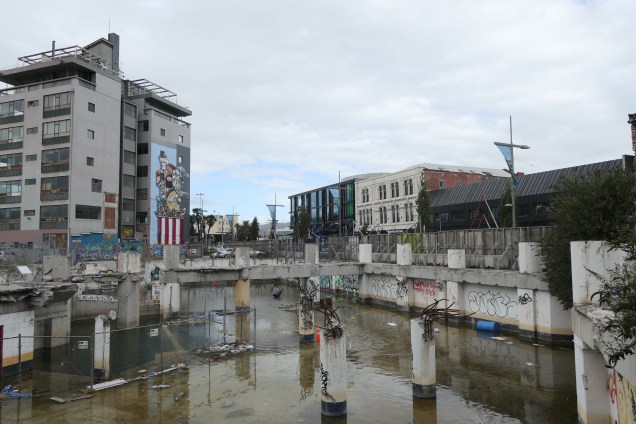
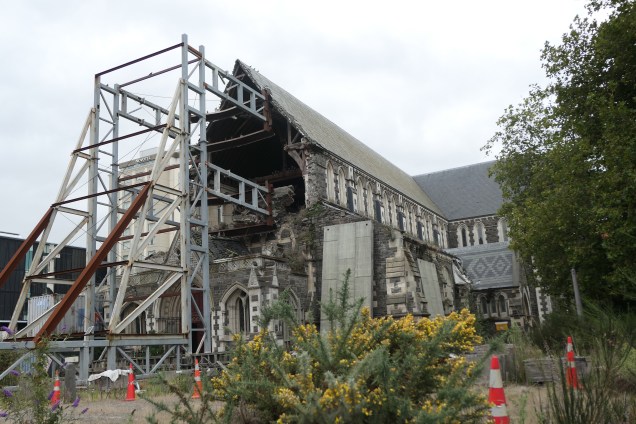
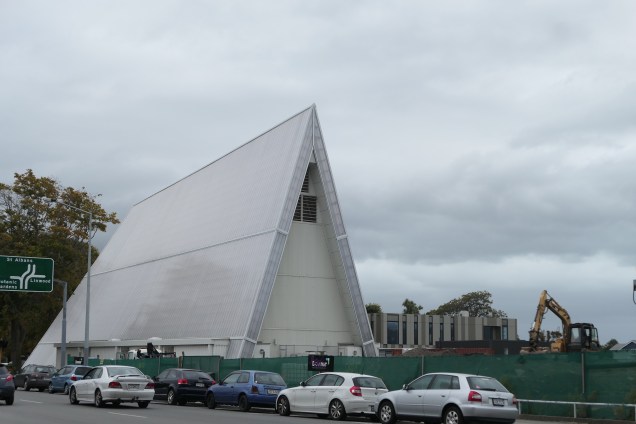
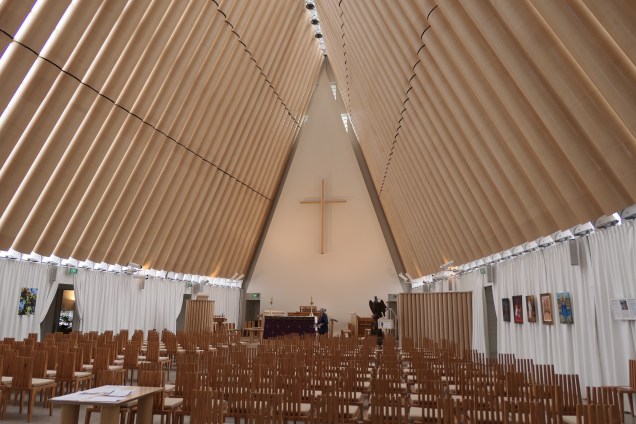
Our final night in New Zealand was spent in Christchurch. The pictures speak for themselves in terms of the remaining extent of the damage from the 2011 earthquake and the ongoing rebuilding, impacting almost all of central Christchurch. Much of the rebuilding work has been subject to controversy as to whether to renovate, where possible, or rebuild, notably the cathedral, which has been deconsecrated and temporarily replaced by the “Cardboard Cathedral”.