Datça

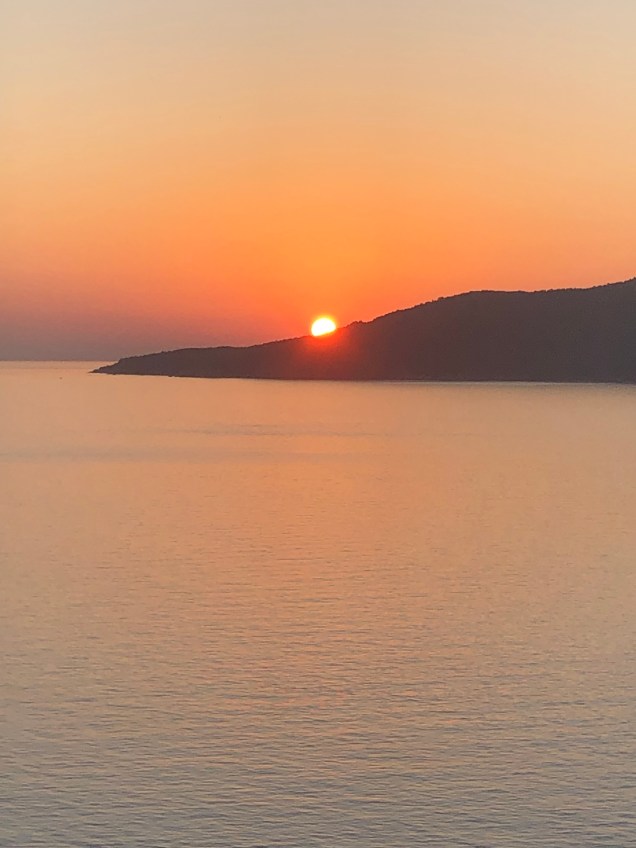
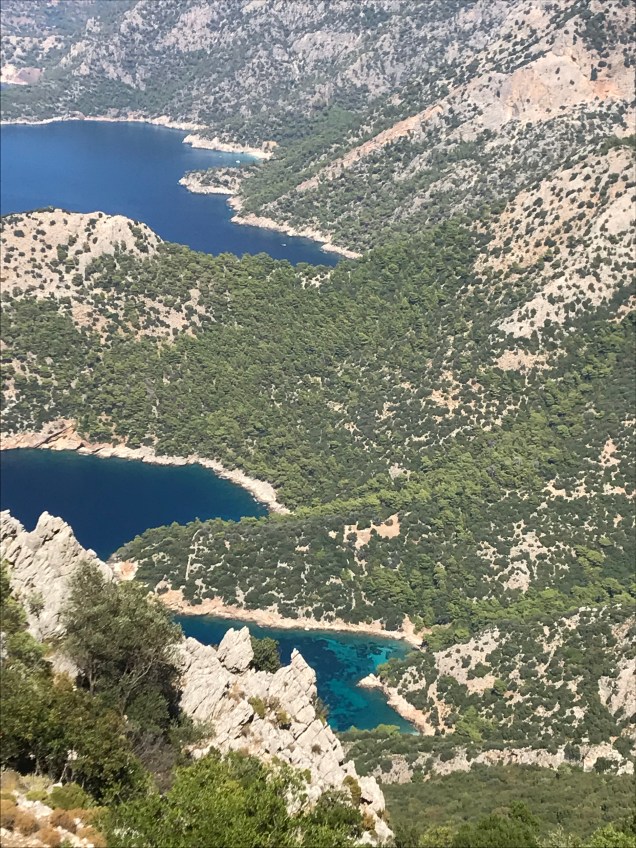
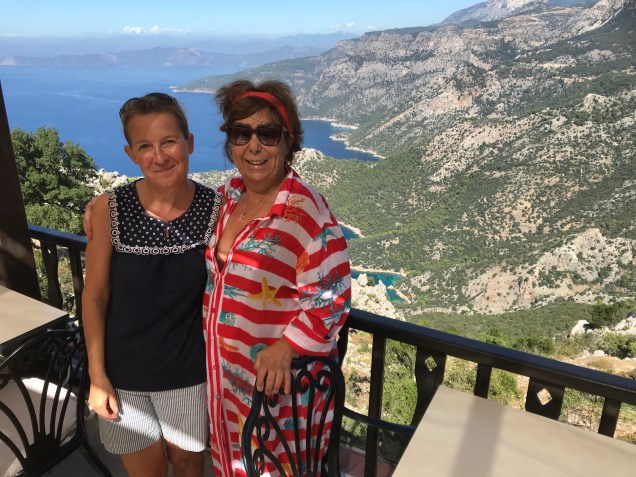
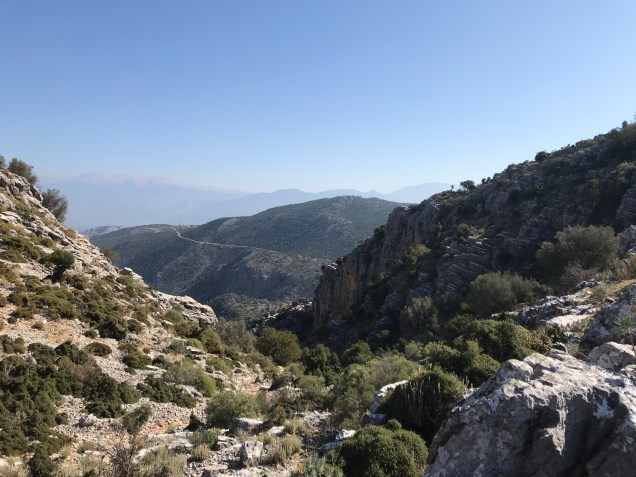
Our final stop on the trip was the Datça peninsula. Most tourist get as far as Marmaris, which we passed through, at the beginning of the peninsula. The scenery is amazing with windy roads, in place steep, along the peninsula which has the Aegean Sea on its north coast and the Mediterranean to the south.

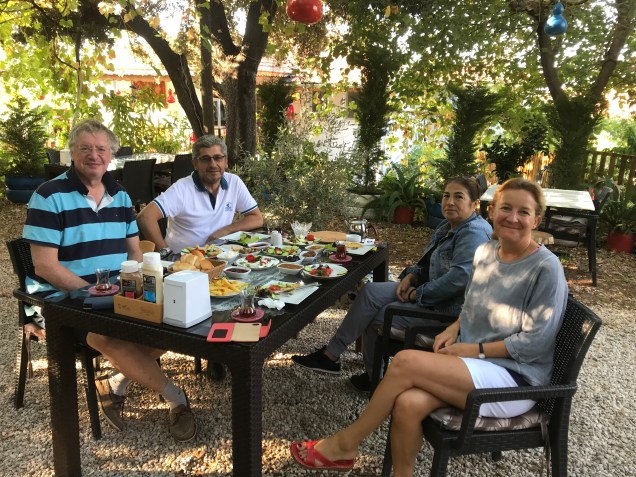
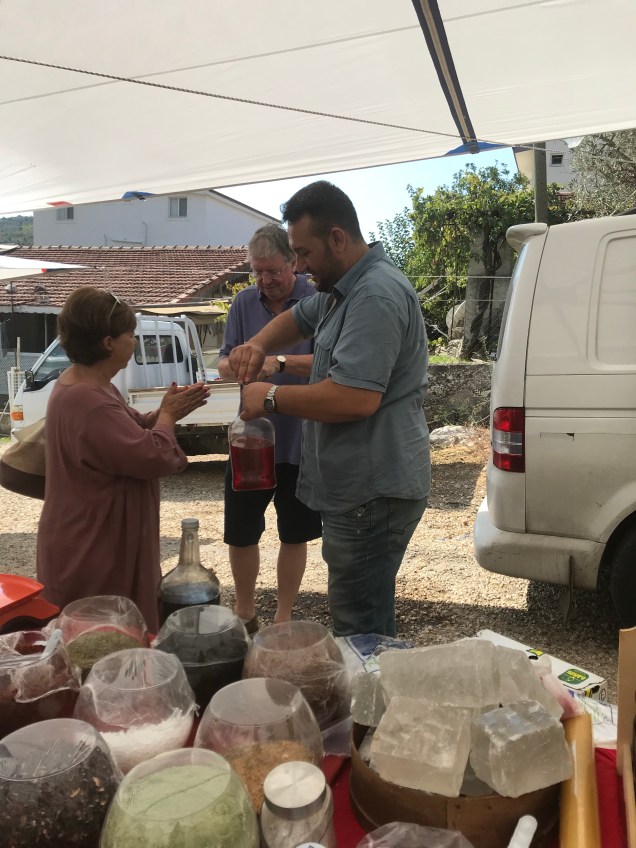
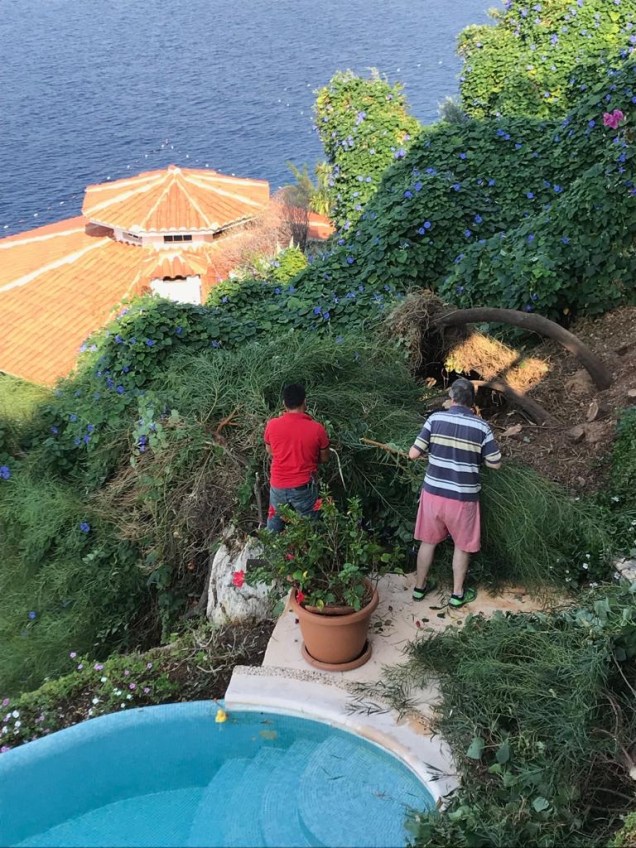
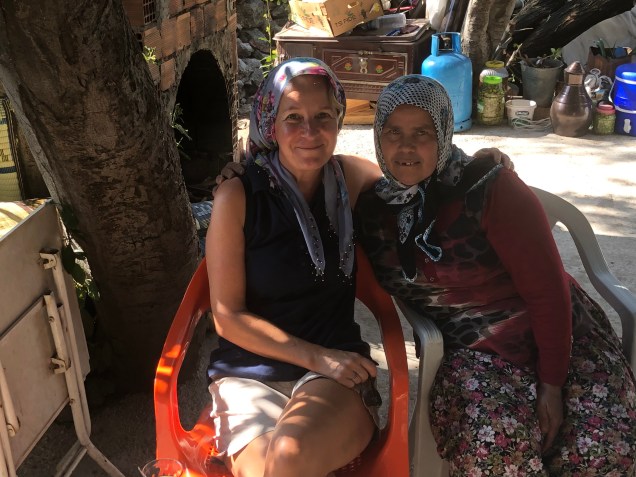
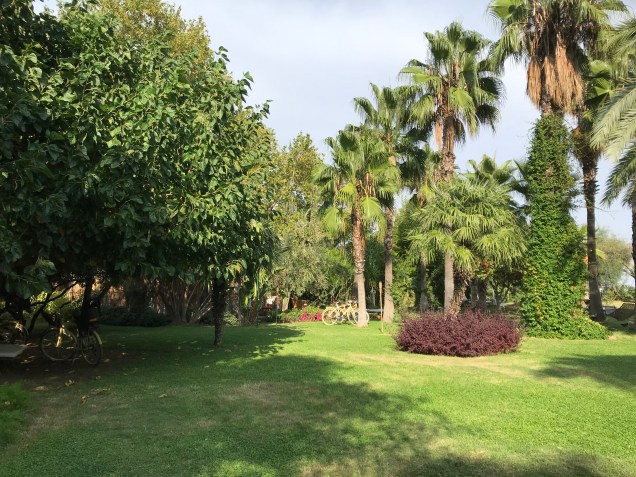
The tourists that make it this far are mostly Turkish; we met a number of people that spoke no English but managed to make ourselves understood (with some support from google translate). We stayed on an organic olive farm which produces a range of products and has a small guest house with great food and a swimming pool.

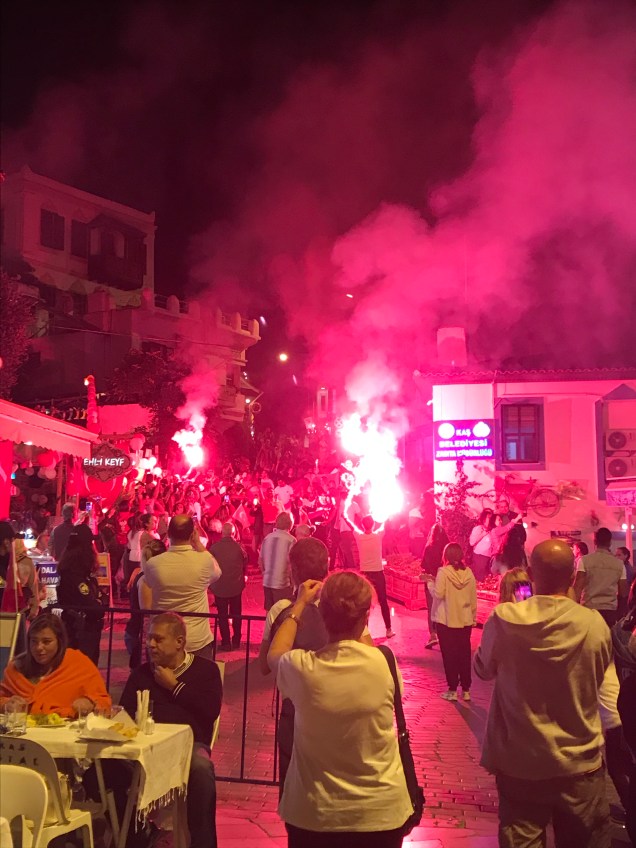
As well as enjoying some chill out time on the farm we visited the Old Town of Datça (Eski Datça) which is very picturesque and relatively quiet, and took a trip further down the peninsula to Palamut Bükü,on the beach.

Selçuk, The Basilica of St John and the İsa Bey Camii

We stayed on the outskirts of Şirince, which by day is taken over by tourists as it is a picture postcard village, looking very much like a Tuscan village. It is also close to Ephesus and Selçuk. The best view was from our hotel just above the village.

Selçuk has the ruins of the very large Basilica of St John which is next to a 14th Century mosque (Camii) and 6th Century citadel. The town has the remains of a Byzantine aqueduct which now provides perfect nesting spots for storks.

Ephesus

Ephesus (or Efes, in Turkish, from which the local beer derives its brand name) is the best preserved classical city in Turkey and probably the best known. It had a harbour, which became silted up and ultimately led to its decline. At its peak it had a population of 250,000. It is also significant because it is believed St John and the Virgin Mary lived here for three years and there are ruins of a church built in her name. The site is very significant to the Catholic Church and has been visited by several popes.

The highlight of our visit was seeing the terraced houses which are being restored to provide the best evidence of Roman life, other than Pompeii; they were the houses of the wealthy. We managed to see this section of the site and the church of the Virgin Mary with no other visitors – in the case of the former, due to a (modest) additional entrance fee and in the case of the latter a (short) walk from the main site.

Afrodisias

On our way from Pamukkale to Ephesus, we took a detour to Afrodisias which is more isolated, and consequently less visited, than Ephesus; during our time there we only saw six other visitors. In many ways it is as impressive as Ephesus. It includes one of the biggest and best preserved stadia – 270m long with seating for 30,000. There is a temple to Aphrodite, after whom the city was dedicated.

Hierapolis

Hierapolis was a spa city founded around 190 BC and situated at the top of the Pamukkale cliff. The Romans used the same thermal waters that formed the travertines to create the healing spa. Although severely damaged by earthquakes, the ruins cover a large area and include a theatre, church, baths and archways. At this time of year the landscape is at its most lush, including wild poppies.

Pamukkale

In our effort to see more of Turkey and improve our Turkish, we made a one week round trip from Kalkan to include Pamukkale, Ephesus and Datça.

Pamukkale and Hierapolis are together a UNESCO World Heritage Site, a three and a half hour drive inland from Kalkan. We stayed for two nights so we could enter the site before 7am to avoid the crowds.

Pamukkale was formed by warm thermal waters cascading over a limestone cliff edge. The literal meaning is cotton castle. It is now the most visited single site in Turkey, with two million visitors a year – the vast majority arriving in coaches from coastal resorts such as Marmaris or on day tours from cruise ships. The village of Pamukkale, in the shadow of the cliff, is therefore very quiet in the early mornings and evenings, with a handful of small guest houses.

St Kitts

Our last island.

Christopher Columbus claimed the island for Spain in 1493 and named it St Christopher, after the Paton Saint of travellers – not himself ! The British arrived in 1623 and the French shortly after. Control changed several times and parts of the island were heavily fortified, most notably Brimstone Hill. It was built by slaves under the control of the British and in 1782, after a month long siege, it was taken by the French, who then relinquished it and the island a year later after the Treaty of Versailles
Brimstone Hill Fort, standing high above the west coast, is a UNESCO world heritage site. Initially we were unable to visit as the access road was being repaired in advance of the forthcoming Caribbean tour of the Prince of Wales and Dutches of Cornwall. The Prince first visited in 1973.

St Kitts was the last island in the West Indies to cease sugar cane production in 2005. It is now dependent on tourism and in particular visiting cruise ships. The beaches in the south of the island are very beautiful but best visited on non-cruise ship days.

We stayed in the quiet north of the island on a recently built resort financed by the government as part of its investment in tourism. It is set over 400 acres on the edge of a rainforest and includes a farm, providing produce for the hotel, and a golf course. A quirk of the hotel is that the cottages have outdoor bathrooms !
Warner Park Stadium – T20 2nd and 3rd matches

Having lost the test series and drawn the one day series, England headed to St Kitts one up for the final two T20 matches and the end of the tour. The stadium is named after Sir Thomas Warner, the explorer who set up the first colony on the island. The stadium sits within the small capital of Basseterre within a stones throw of the airport in one direction and the port in the other, backed by the mountains that form the backbone of St Kitts.

In contrast to the test match, the atmosphere had far more of a local Caribbean flavour. In the first match England initially collapsed but then recovered to set a ground record of 182. West Indies then just collapsed all out 45, second lowest international T20 score.

We returned two days later with the series won but hopeful for a more competitive match. The ground was shrouded in smoke from a bush fire which we had inadvertently driven through on our way. However the match never caught light as the hosts collapsed again, this time for 71. The locals we sat next to were very unhappy- “our batsmen a’int got no brains”.

While the cricket was disappointing, the same cannot be said of the unique West Indian experience of lunch on the beach before the match and supper at a lobster shack (“we cook what we catch”) on the drive back to our hotel after the match.

Nevis

Nevis is a 15 minute journey from St Kitts by water taxi. While there is an airport, flights are minimal and generally private planes. This has kept Nevis quiet. Although there are signs of more development, at the same time there are derelict and half built hotels and apartments, making it hard to tell whether the island will become more of less of a tourist destination. Aside from some private villas and apartments, there is a Four Seasons hotel, recently purchased by Bill Gates, and a number of former plantation hotels. John Cleese recently became a resident.

We stayed in the former plantation home of Fanny Nisbet, the wife of Nelson. They met on Nevis when Nelson was seeking to stop illegal trade with the US. The most famous person born on Nevis was Alexander Hamilton. We visited his birthplace which is now a museum for both Nevis and his life story (accompanied by music from the musical).

The landscape is dominated by Mount Nevis, often shrouded in cloud, which is the backdrop to the botanical gardens, a recent addition to the island. The gardens were set up by an eccentric British music producer and writer heavily influenced by the east, especially Thailand.

Antigua

We stayed in Falmouth Harbour, next to The English Harbour which together were the main base in the West Indies for the British Navy during the 17th and 18th Centuries. Nelson was stationed here in the 1780s. The dockyard, which ceased being used in 1889, has been renovated and renamed after Nelson and is a World Heritage Site.

The harbours are now used by the yachting community ranging from super yachts – we had several in the $50m-$100m price bracket moored by our hotel – to professional racing yachts. During our stay the Caribbean 600 race had its finish line at the harbour, resulting in three days of celebrations from all those connected to the race.

We hired a car, visiting both sides of the island seeing beautiful beaches with bars and restaurants; less crowded than we expected, although we had consulted with the cruise ship schedule before setting out.

On our last night we went to the steel drum, reggae and barbecue held each Sunday at Shirley Heights, overlooking the harbours with magnificent sunsets.