Plettenberg and Knysna

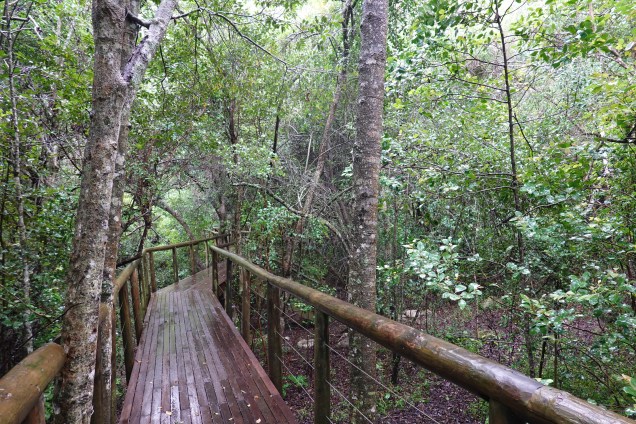
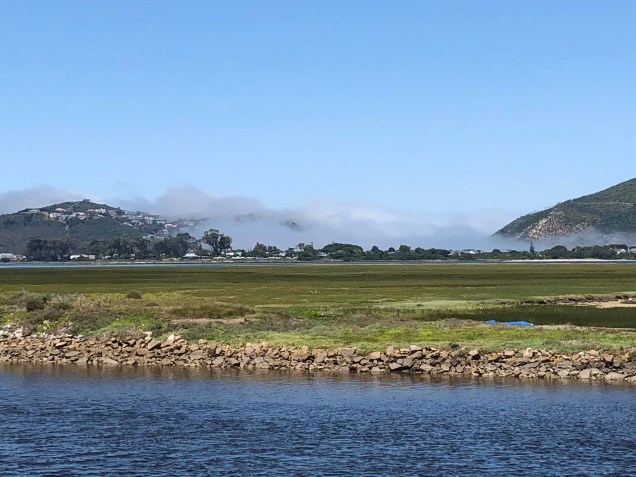
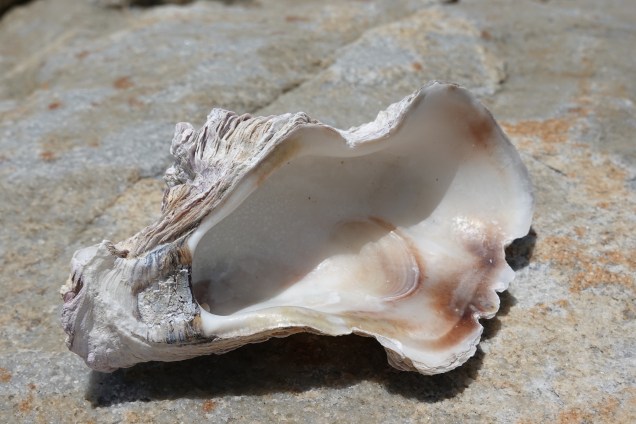
We picked up a hire car in Port Elizabeth to drive The Garden Route to Cape Town. Our first stop was a tree top lodge between Plettenberg and Knysna, two of the most popular tourist resorts in the Cape. We arrived in the rain which persisted for our first day but then the sun shone and we visited quieter parts of each town at Keurboomstrand and Thesen Island. The latter was founded in 1870 by a family from Stavanger in Norway who had intended to emigrate to New Zealand, but fell in love with South Africa en route, setting up a transport, logging and oyster business.

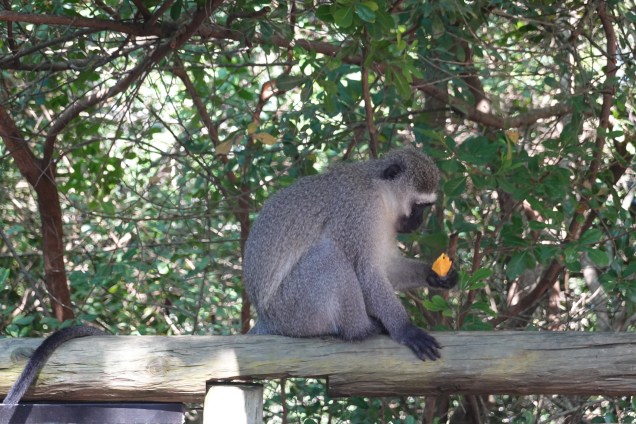
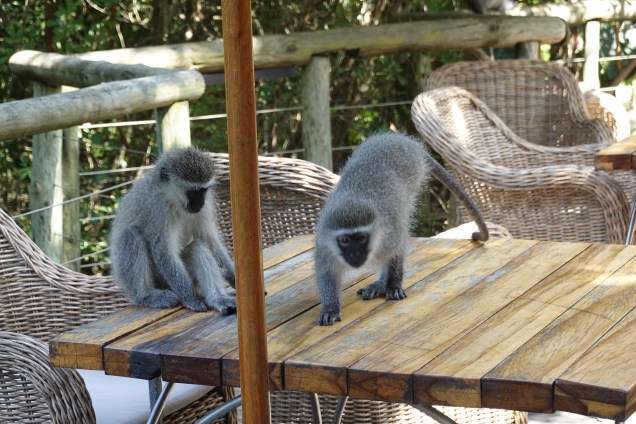
Our lodge had troops of baboons and monkeys. The monkeys were very cheeky and succeeded in swiping the dried mango from Tim’s breakfast bowl !

Gorah Game Drives

The rangers cannot drive off road but there are numerous dirt tracks and they still manage to get very close to many of the animals. As the park is a well established conservation area with strict regulations and security, the animals are unperturbed by the proximity of the vehicles. So far there has been no poaching. The ethos is that the rangers do not intervene with nature unless a situation was created by accidental human action.

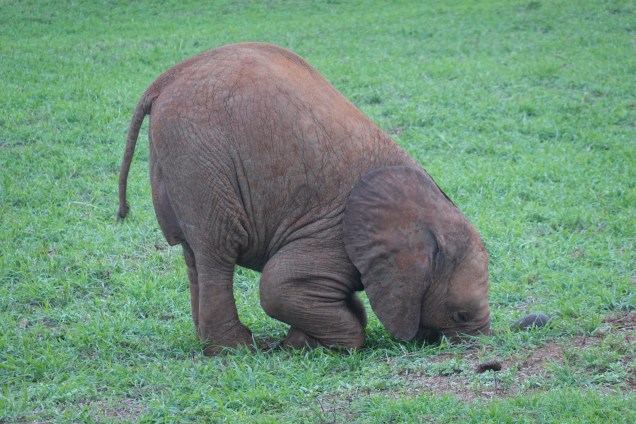
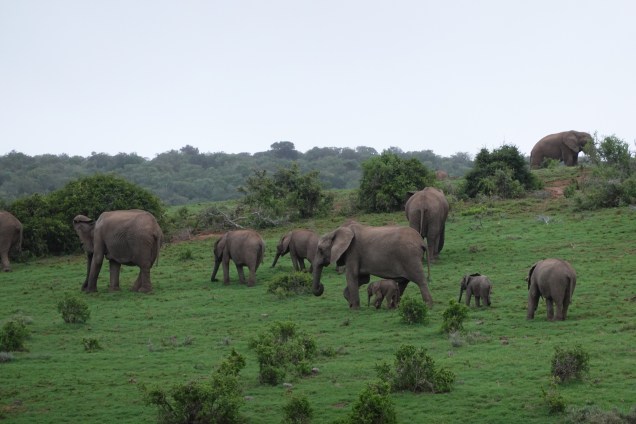
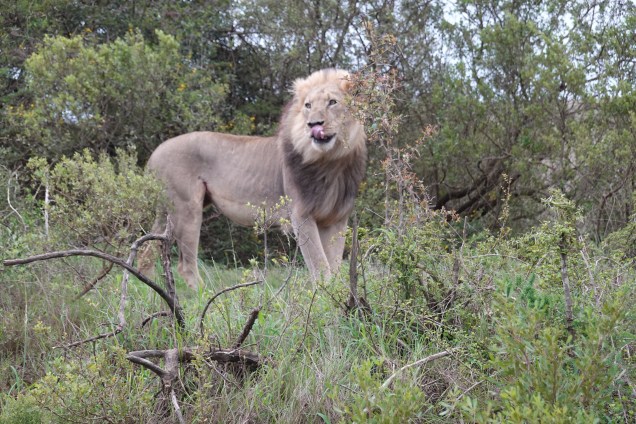
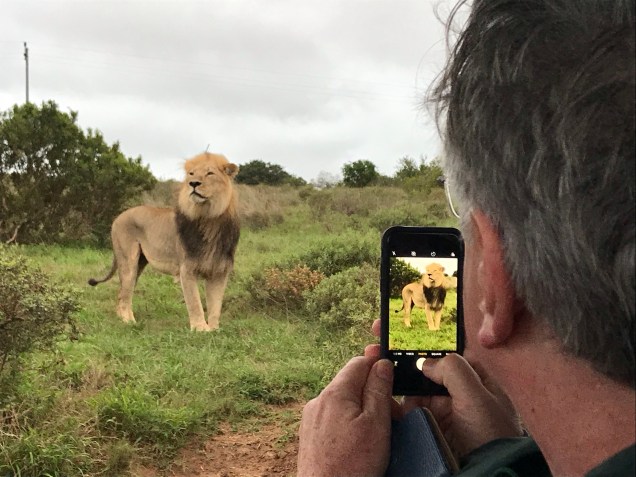
During two of our game drives we had very close encounters with lions who came within inches of the vehicle and us, with J.J. advising “stay still and quiet”. From a distance we saw the remains of a lion kill of a zebra. On our last drive J.J. found combined herds of elephants, numbering around 60 with several babies, which was one of many highlights.

Gorah Elephant Camp

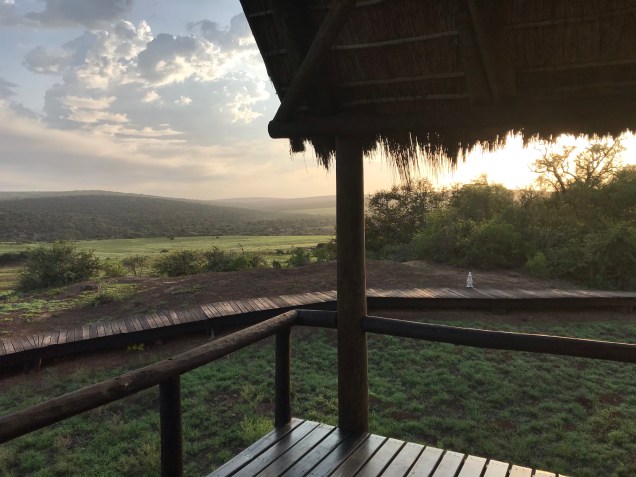
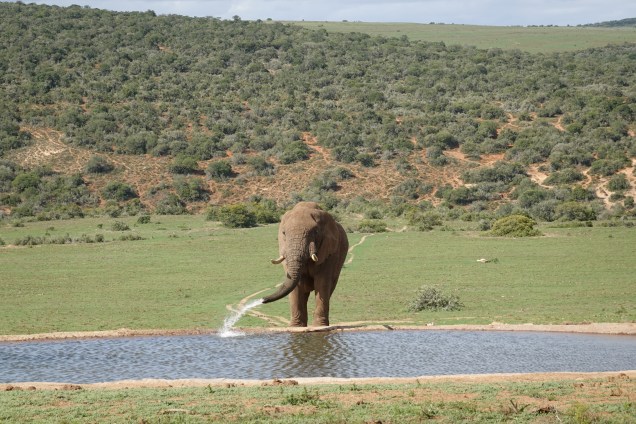
Gorah elephant camp is a private concession in the Addo National Park. It is based upon a historic lodge built by a farming family in 1856, together with 11 guest “tents” (of the luxury variety !). Neither the lodge nor the tents are fenced and animals are free to wander around the property, including the watering hole in front of the lodge. After dark you need to be escorted from the lodge to your tent to ensure your safety; just before we arrived five lions had been seen just outside our tent !

Game drives take place twice daily with a maximum of six people per vehicle with a very knowledgeable ranger. We were fortunate to have four of our seven drives on our own with ranger J.J..

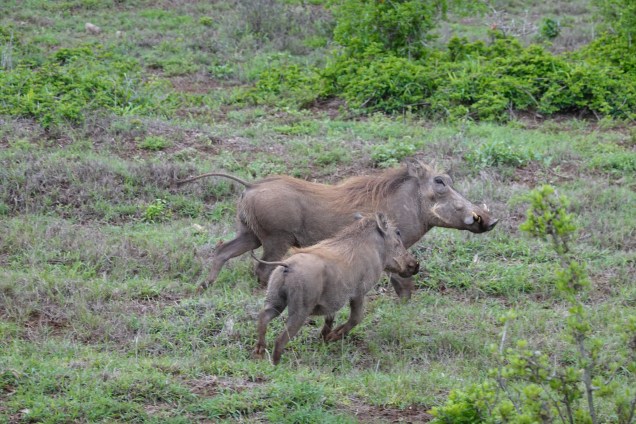
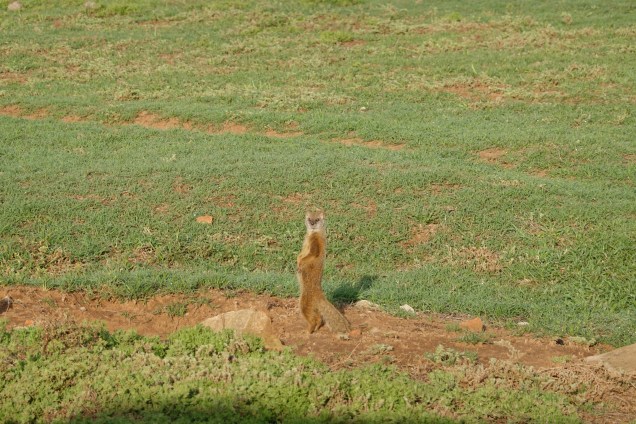
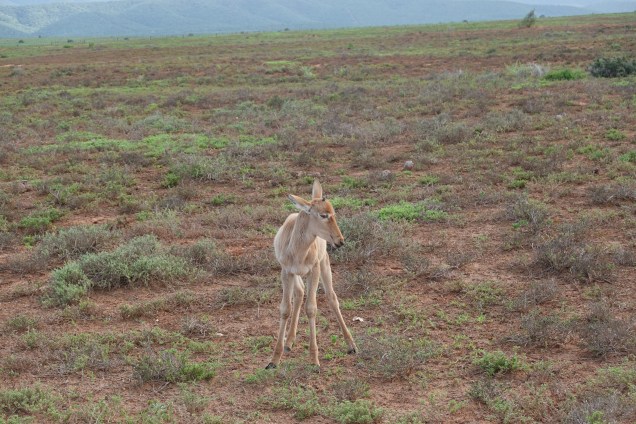
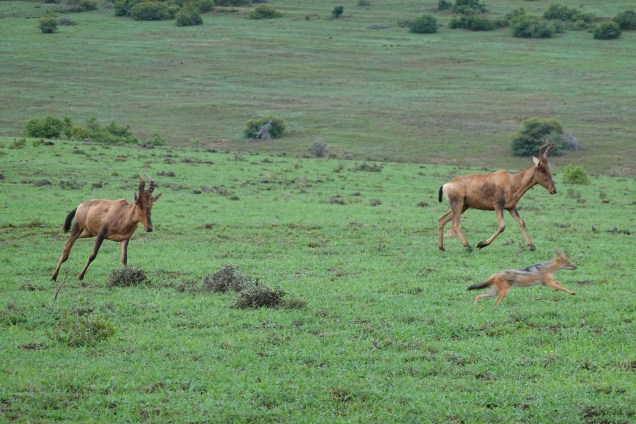
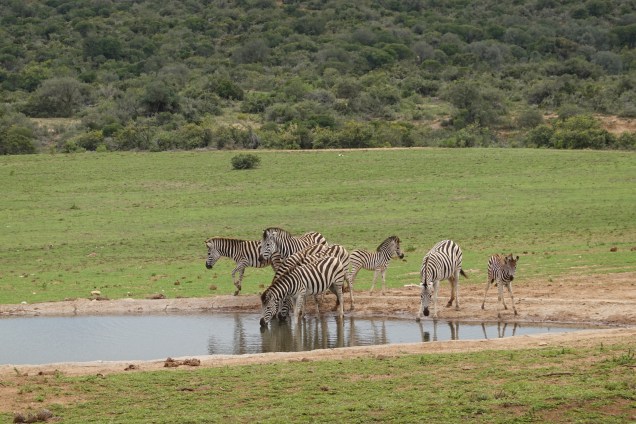
Between drives the main activities are eating and dinking and watching the watering hole; no TV/radio and only limited WiFi. The camp has limited electricity provided by solar. During our stay we saw elephants, lions, mongooses, warthogs, buffaloes, zebras (crossing the road !), antelope and black rhino, together with numerous bird species.

3rd test – South Africa v England

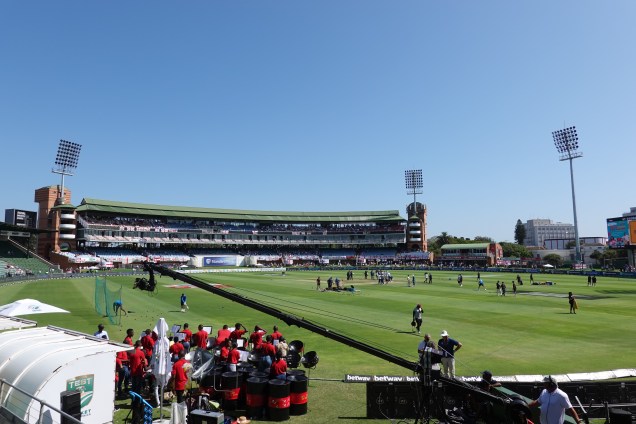
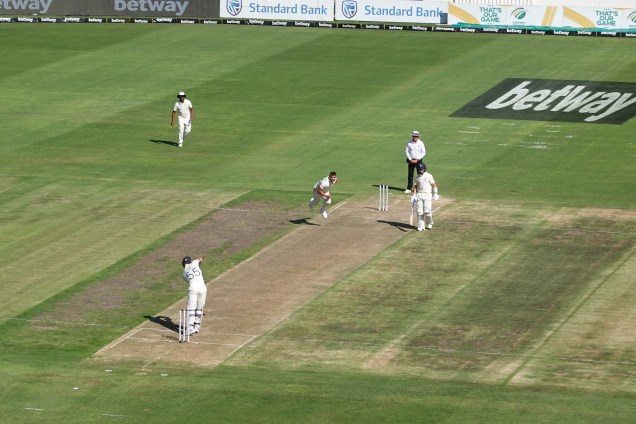
The third test was held at St George’s Park, Port Elizabeth, the site of the first test held in South Africa in 1889, making it one of the oldest grounds in the world. The series was one all and evenly poised.

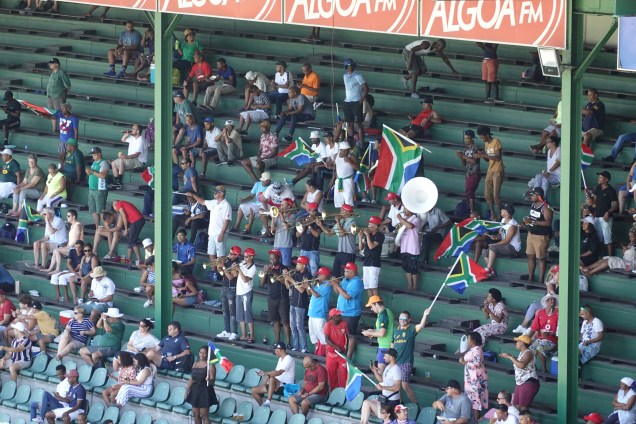
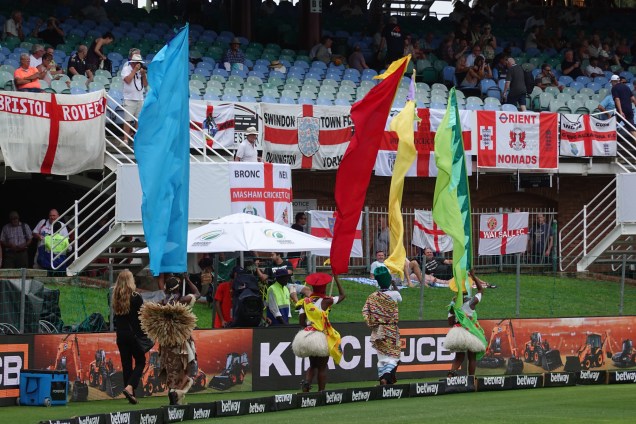
We sat in the Duck Pond stand which has framed newspaper articles from the late ’60s and early ’70s describing the lead up to, and fall out from, the D’Oliveira debacle; a reminder of how things have changed. Our fellow fans were predominantly English – sporting their home caps, shirts and banners including “Somerset cricket – Dave’s 60th birthday tour” – and discussing beer prices, where to have dinner, the merits of sit on lawn mowers…..and occasionally the cricket. The St Georges band outshone the “choir” of the Barmy Army.

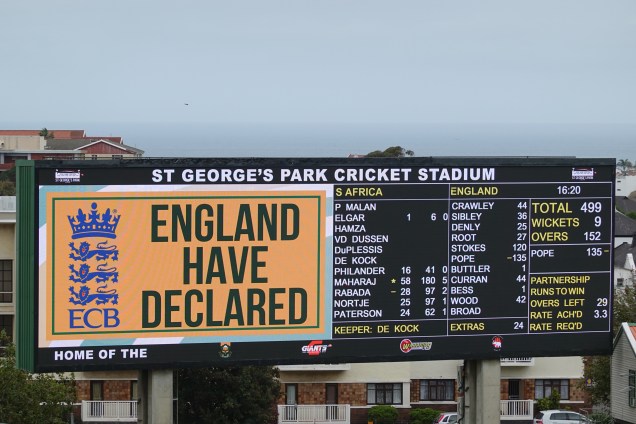
The first day was tense , ending honours even. This soon changed on day two, with Ben Stokes carrying on where he left off in 2019 and Ollie Pope showing great potential for the future. Late hitting from the lower order, a rare England declaration and two Dom Bess wickets left England well in control in a match they would ultimately win comfortably.

St Francis and Port Elizabeth

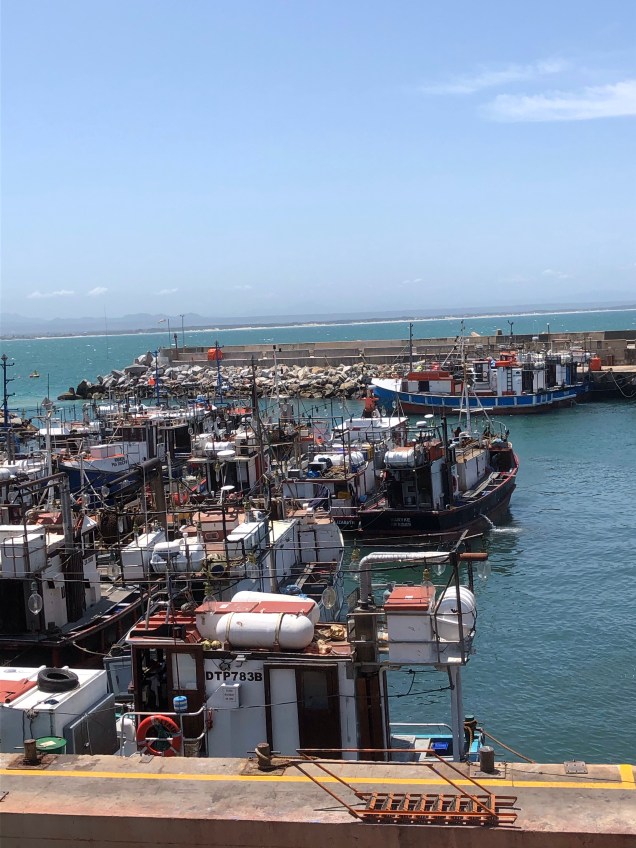
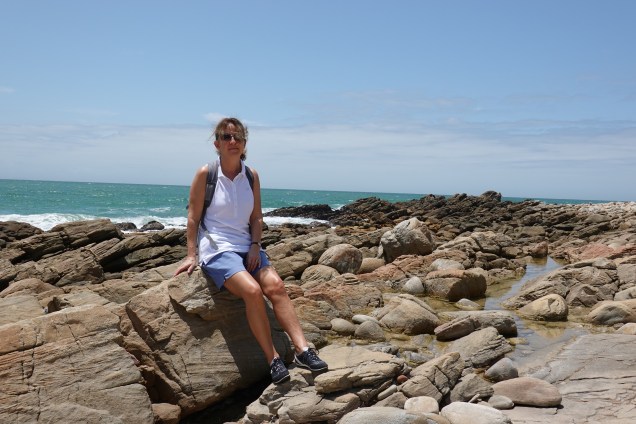
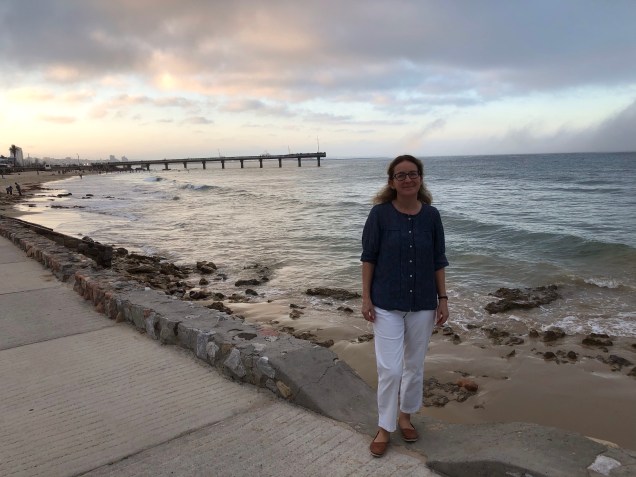
Our 2020 trip to South Africa, Namibia and Zanzibar was timed to coincide with parts of England’s winter cricket tour of South Africa. We arrived a couple of days before the Port Elizabeth test, spending our first two nights on the coast about an hour from Port Elizabeth at St Francis, a picturesque fishing town. A hike along the coastal path was the ideal antidote to the flight to Port Elizabeth via Johannesburg.

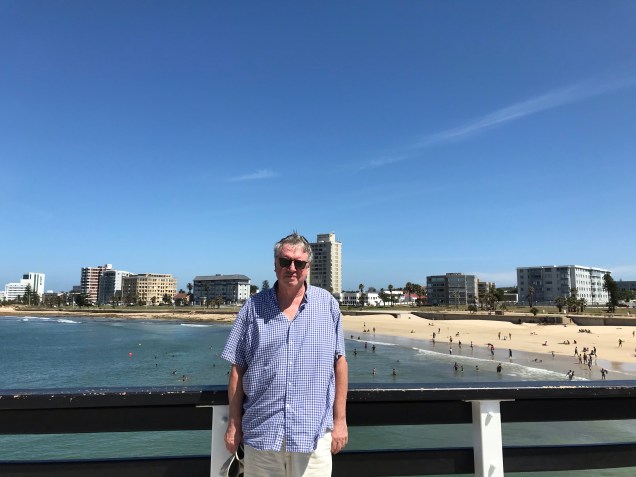
We arrived in Port Elizabeth the day before the test match started, along with several thousand other fans and pundits, all taking advantage of the South African sun and Rand exchange rate.

New Year in Madrid

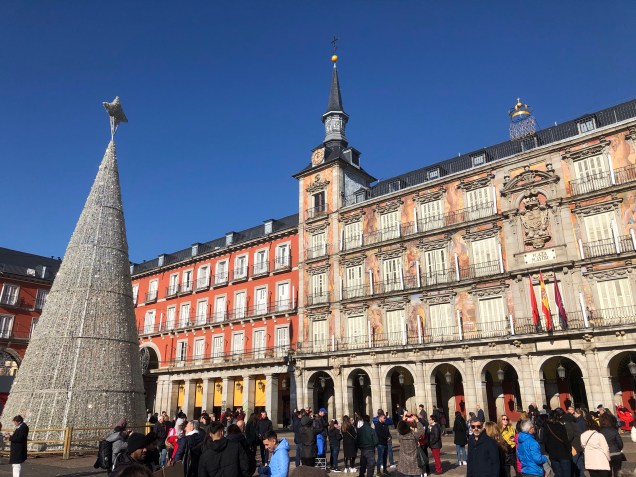
We decided to visit Madrid for New Year, a city neither of us knew. The weather was cold but dry with bright sunshine throughout our stay. The food was impressive and it was a surprise to learn that Madrid has the second largest fish market in the world, odd given it is nowhere near the sea.

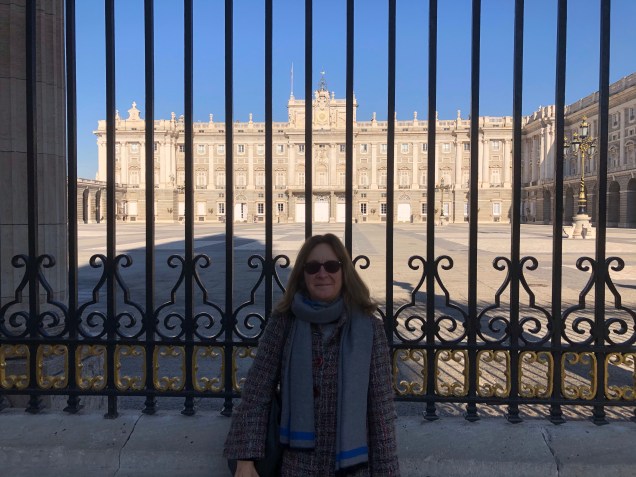
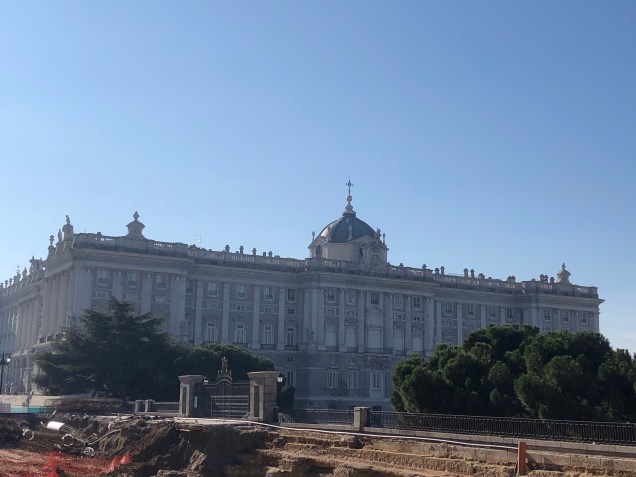
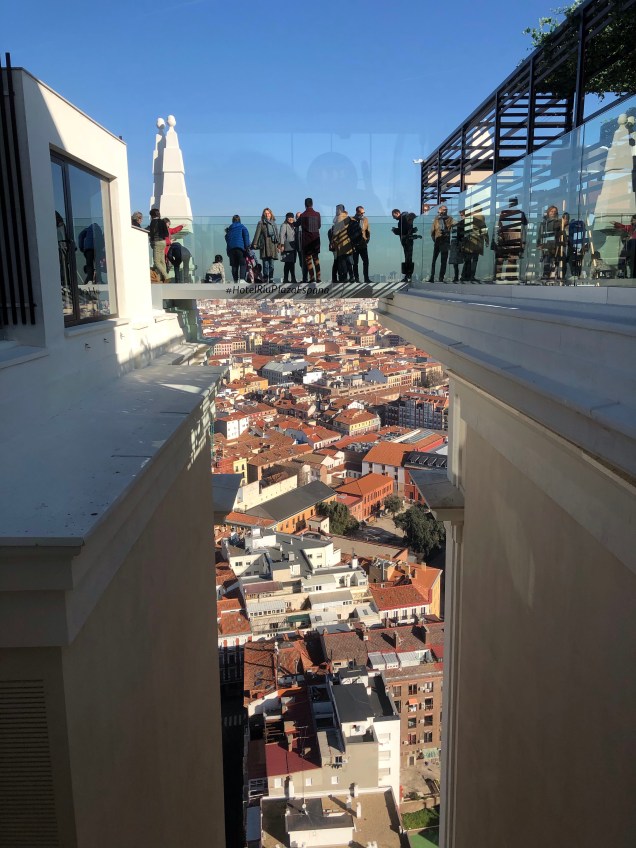
We walked the city, which is easy to do, visiting the Prado, Thyssen-Bornemisza and Reina Sofia museums as well as a walk around the Palace area. This included the rooftop of the recently restored Art Deco hotel, Rui Plaza, including its glass bridge 26 floors up.

On New Year’s Eve we had dinner in our hotel, which finished just before midnight enabling us to join the Spanish tradition of the Twelve Grapes to the chimes of the post office clock in Puerto Sol (although we were a few minutes away we watched in from the comfort of the hotel bar on TV !).

Travelling in Jordan with Ahmad

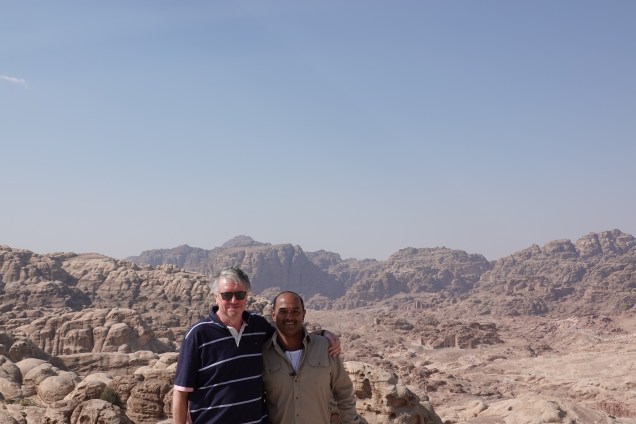
When we arrived at Amman International airport, we were met by Ahmad, who would be our driver throughout our stay in Jordan. Ahmad is a Bedouin with a wife from Venezuela who teaches English. He was very keen to help us learn some Arabic and about the cultural and customs of the country. In return he was keen to improve his English. Although his English was good to begin with, the nuances are difficult – we soon learned that the road is “closed” meant that it was very busy. As well as the Arabic for please, thank you etc, he also taught us the word “majnoon” which he used frequently to describe some of the “crazy” fellow road users. As a former police officer he had a knack of ensuring that we were waved through the numerous police checkpoints with no more than a “welcome to Jordan” and a smile.

He introduced us to Turkish coffee (Jordanian style) which is sold at petrol stations and roadside cafes. It differs from the original in that it is flavoured with cardamom- after two weeks it became addictive. He took us to local shops and roadside stalls to buy lunch snacks, ensuring we had chosen the best quality fruit and were charged local prices.

Ahmad made a big difference to our travels; looking after Mr Tim and Mrs Sarah whilst telling us about the health benefits of eating particular local foods and spices. He was Mr Best Driver and Dr Ahmad, who got his own health tip from Sarah about giving up smoking !

The Dead Sea

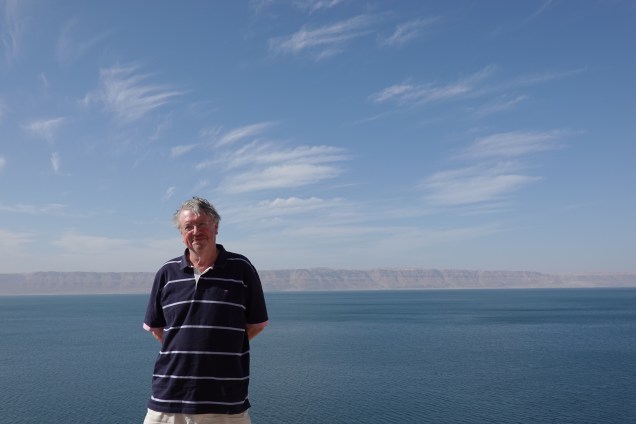
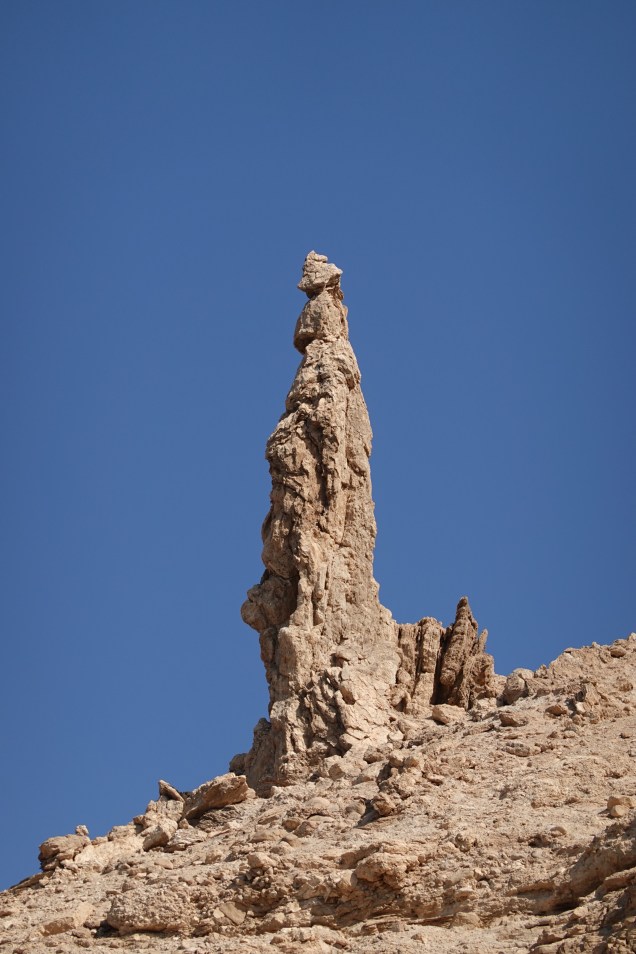
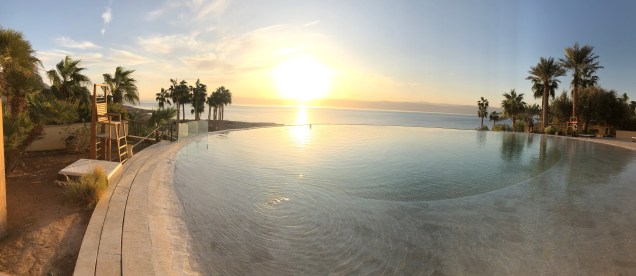
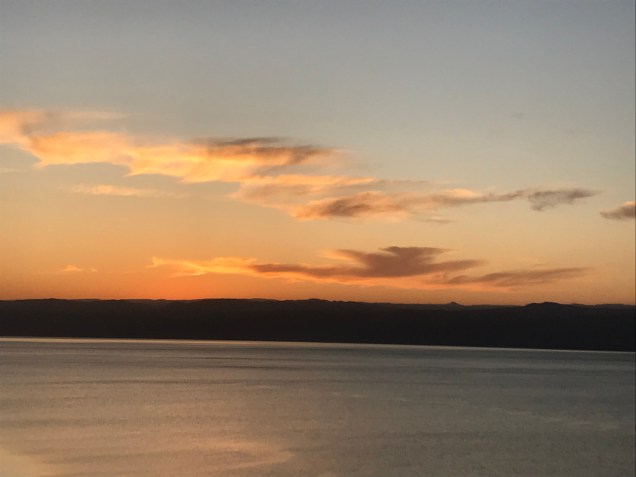
We travelled from Feynan through open areas of desert along the Israeli boarder before reaching the southern shore of the Dead Sea. As we drove along the Eastern shore to our hotel we passed the lowest point on earth (which is 408m below sea level) near Lot’s cave and passed a rock pillar said to be his wife. Much of the coastline is used by chemical factories producing salt and other products from the evaporated waters. There are also potash mines; a major source of income for the country via exports to Saudi Arabia.

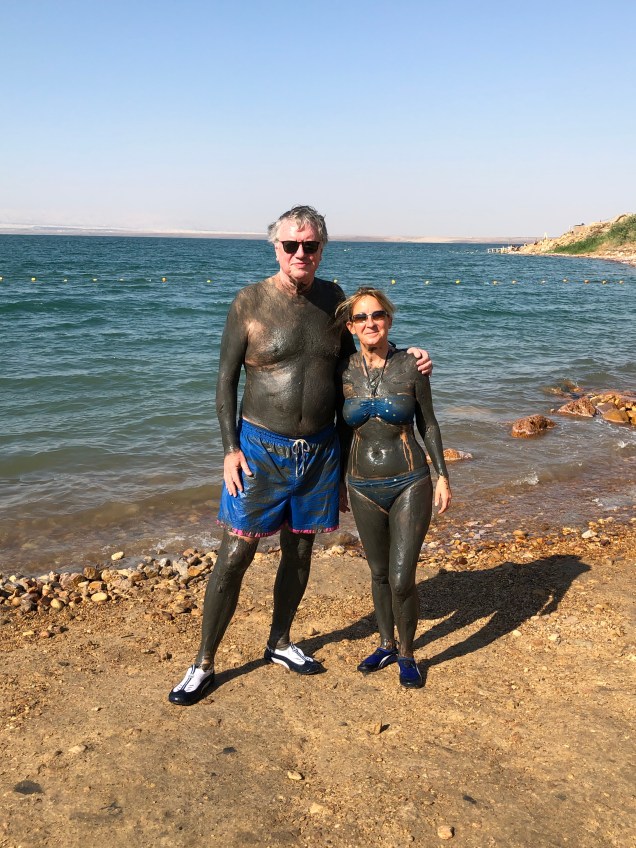
Whilst at the Dead Sea we had an obligatory float and mud application leaving the skin smooth and refreshed after our exertion in Feynan. We then visited the largest spa in the Middle East for a salt scrub/mud wrap/massage treatment before preparing to return home. At night we could see the lights of Jerusalem and Jericho on the opposite side of the Dead Sea.

Feynan

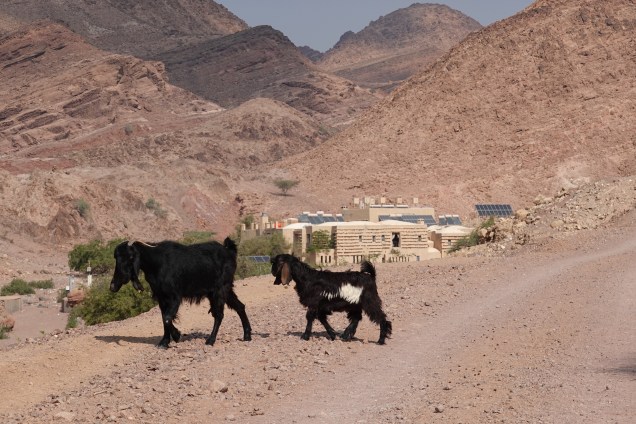
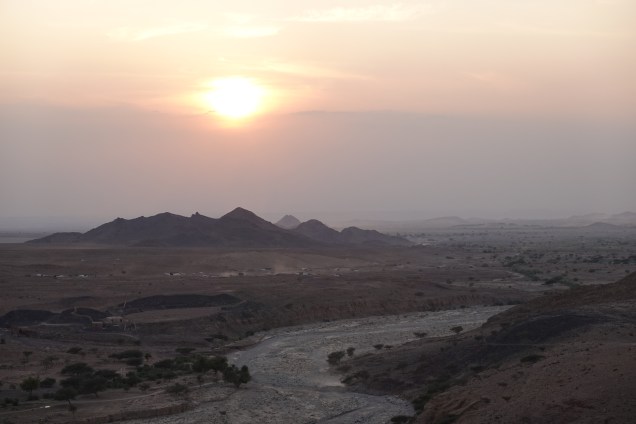
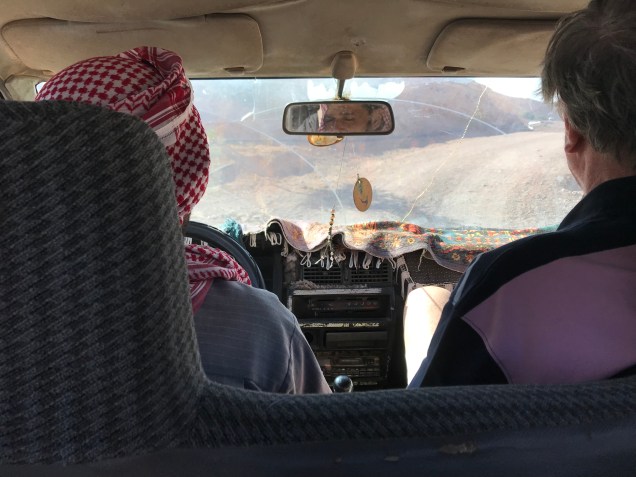
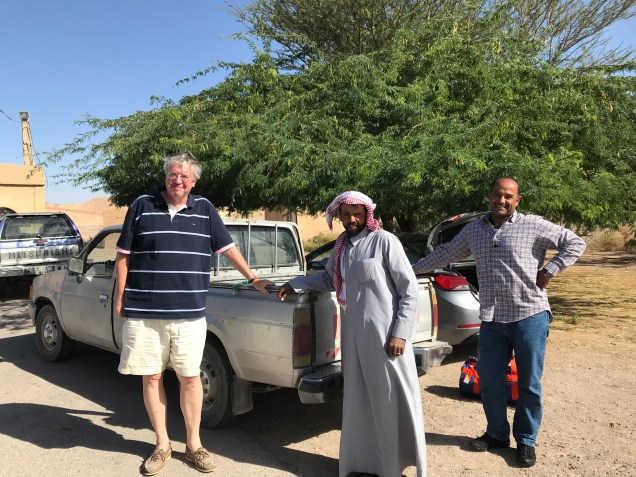
At the end of our trail we reached Feynan Eco Lodge, built in 2005 with the aim of generating income for local Bedouins, protecting nature and supporting ecology. Everything is locally sourced and all the staff are local; hot water and a very limited electricity supply are solar generated. The bedrooms have a single electric light in the bathroom, all other lighting throughout the lodge being provided by candles. With very limited WiFi and one recharging point in reception, this was two nights to go screen free. It was also alcohol free and vegetarian. During our stay the sun set at 4.45pm and supper was at 6pm with stargazing on the roof terrace at 8pm. It is surprising how quickly your body clock adjusts to the absence of artificial light. The food was delicious and the staff very welcoming and informative, leading walks in the local area. Because of the condition of the 8km track to the lodge, on departure we were taken to a vehicle meeting point by a Bedouin in his “seen better days” pick up truck.

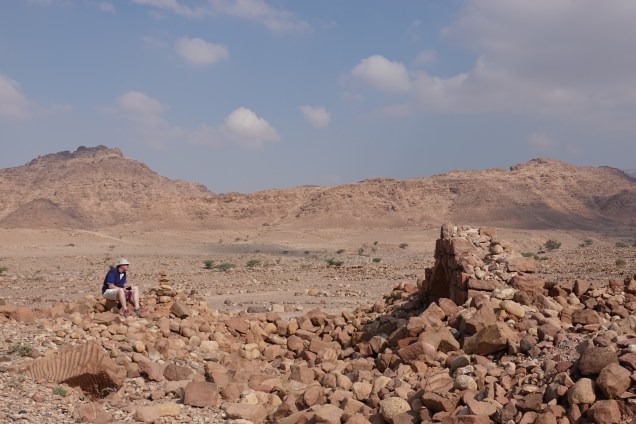
For 6,000 years Feynan was a major source of copper and, according to our guide, it was the most polluted place on the earth during Roman times. We saw evidence of the industry, including copper slag on the ground, and the old town destroyed by an earthquake.

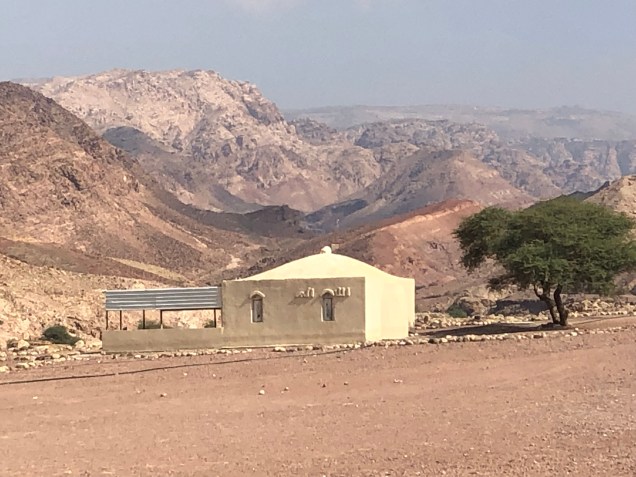
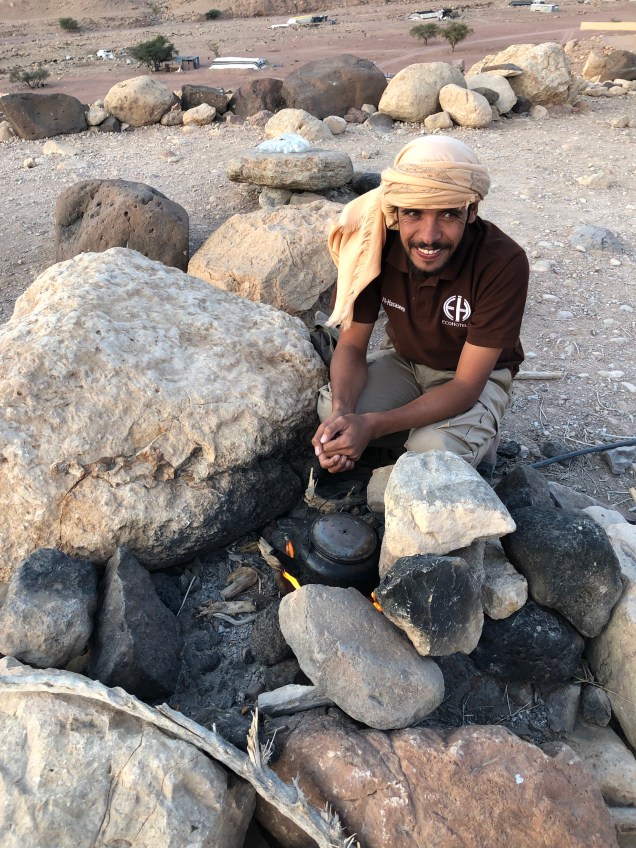
Bedouin families continue the traditional way of life, living under tents with their extended families and looking after their animals – goats, sheep and dogs. There is a local school and a small mosque. It is clear to see the importance of family and religion but also their custom of providing hospitality. Bedouin tea, made on open fires with sugar and cinnamon, is always on offer to any passing traveller.

Dana and Wadi Dana

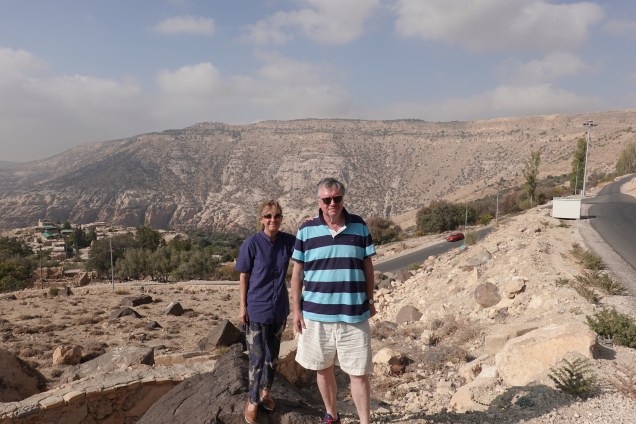
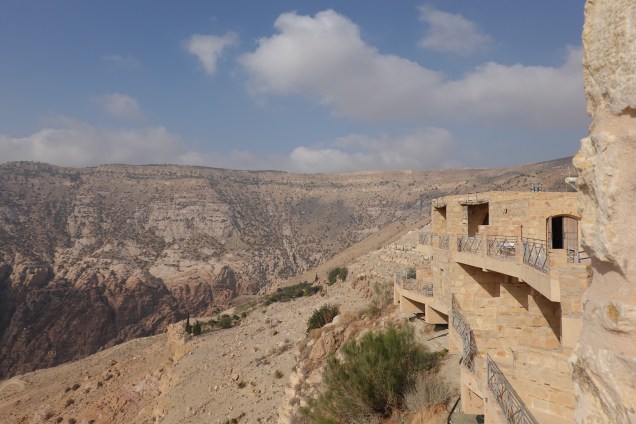
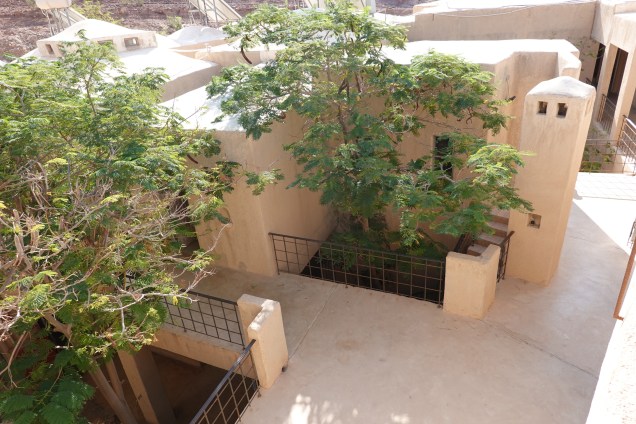
Dana is a small Ottoman village perched on the edge of the Wadi Dana Gorge. It was virtually abandoned until the creation of the Dana Biosphere nature reserve in 1989. The reserve is governed by the Royal Society for the Conservation of Nature who have encouraged ecotourism in the area. Dana is now being repopulated by locals who run small guest houses and restaurants – all alcohol free – for independent travellers; not a tourist coach in sight.

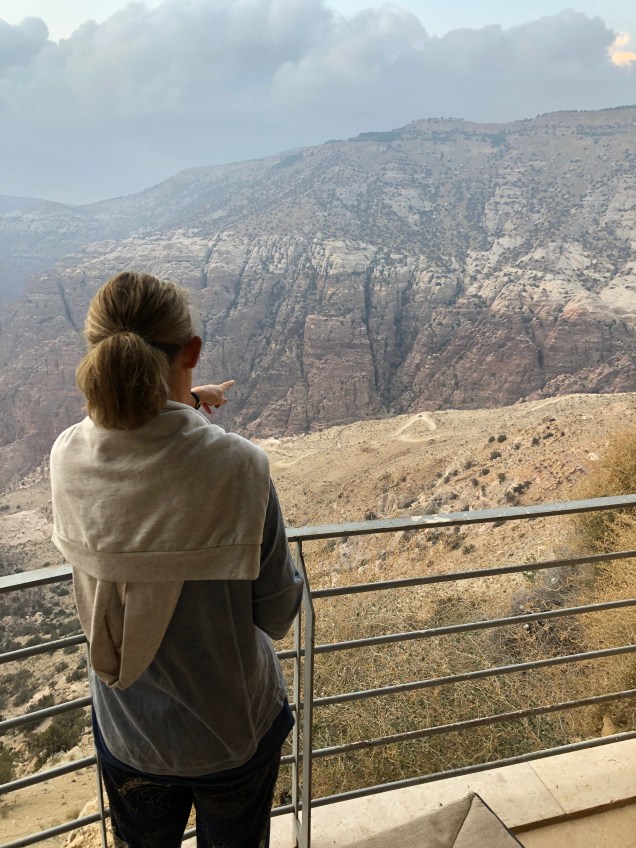
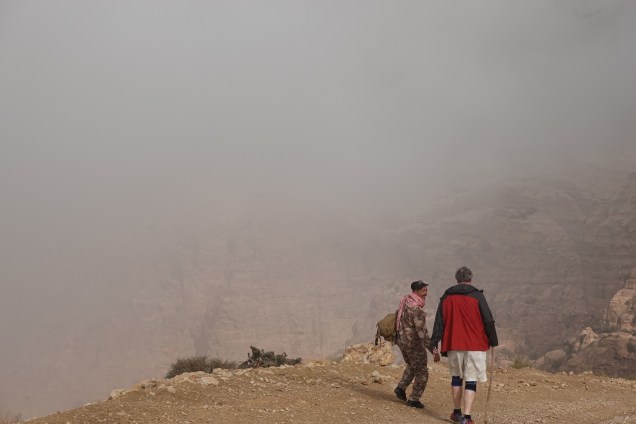
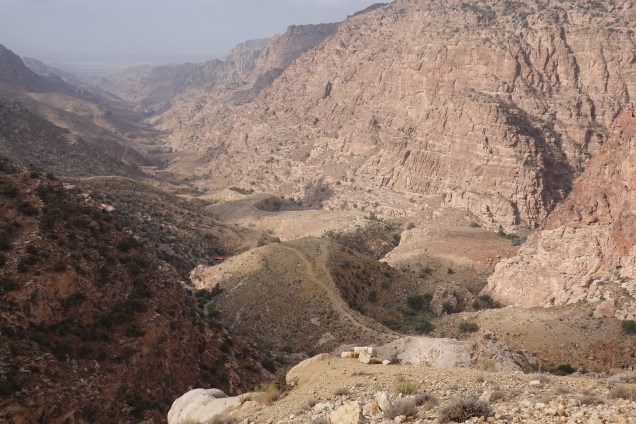
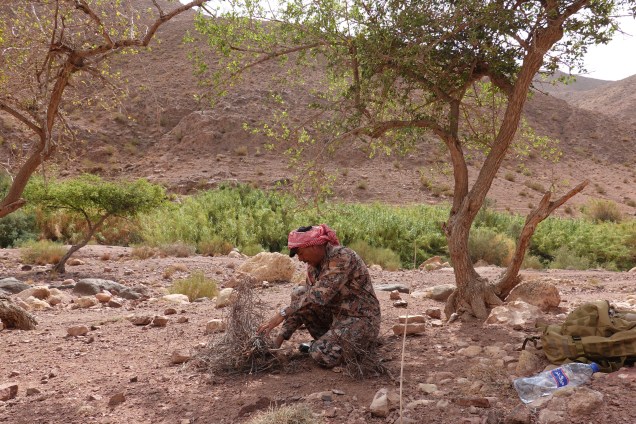
After a night in a guesthouse, our bags were collected and we began the hike to our next stop at Feynan. We had woken to a thick blanket of mountain cloud. As we set off this cleared to reveal the track ahead of us – 16km through the Wadi, starting at 1,250m and ending at 375m. The steepest section is the first 2km – our legs will remember it for some time. A local guide provided “trekking poles” made from broken off branches and brewed Bedouin tea with our lunch.

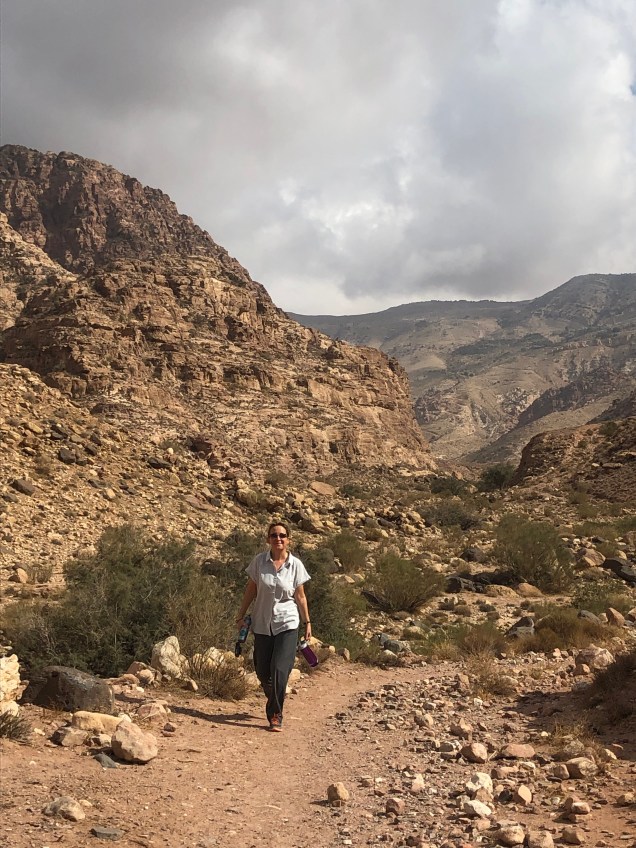
The scenery is dramatic and it was definitely worth it. According to National Geographic it is a section of one of the 15 best hikes on the planet, however despite this we saw very few people.