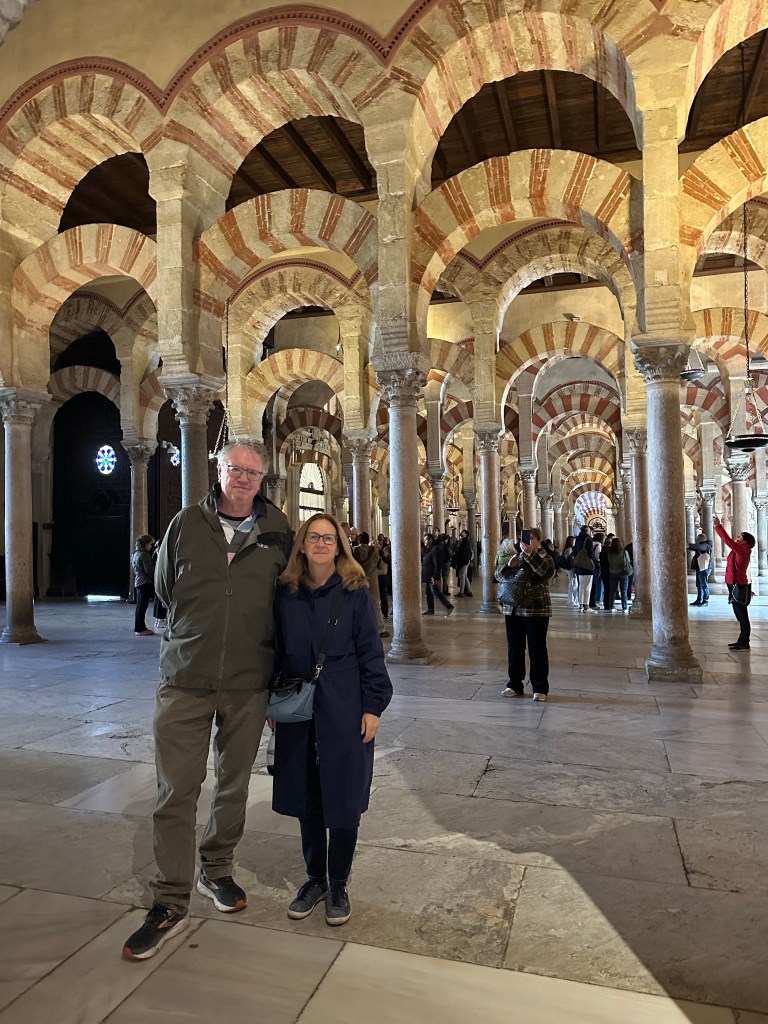
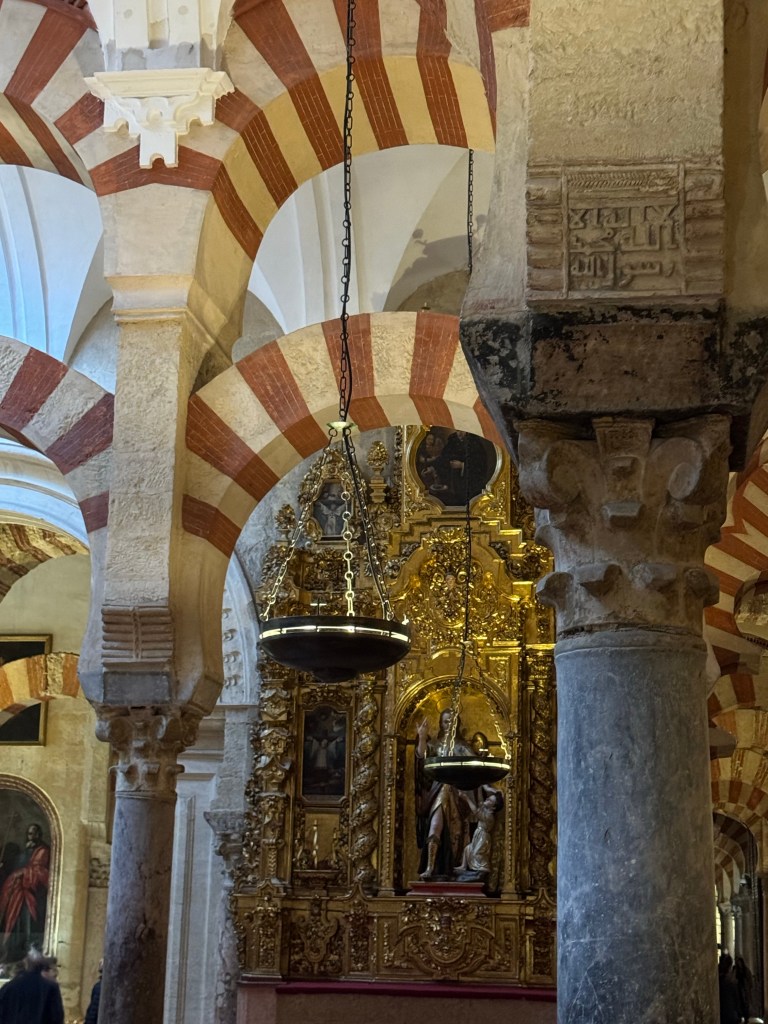
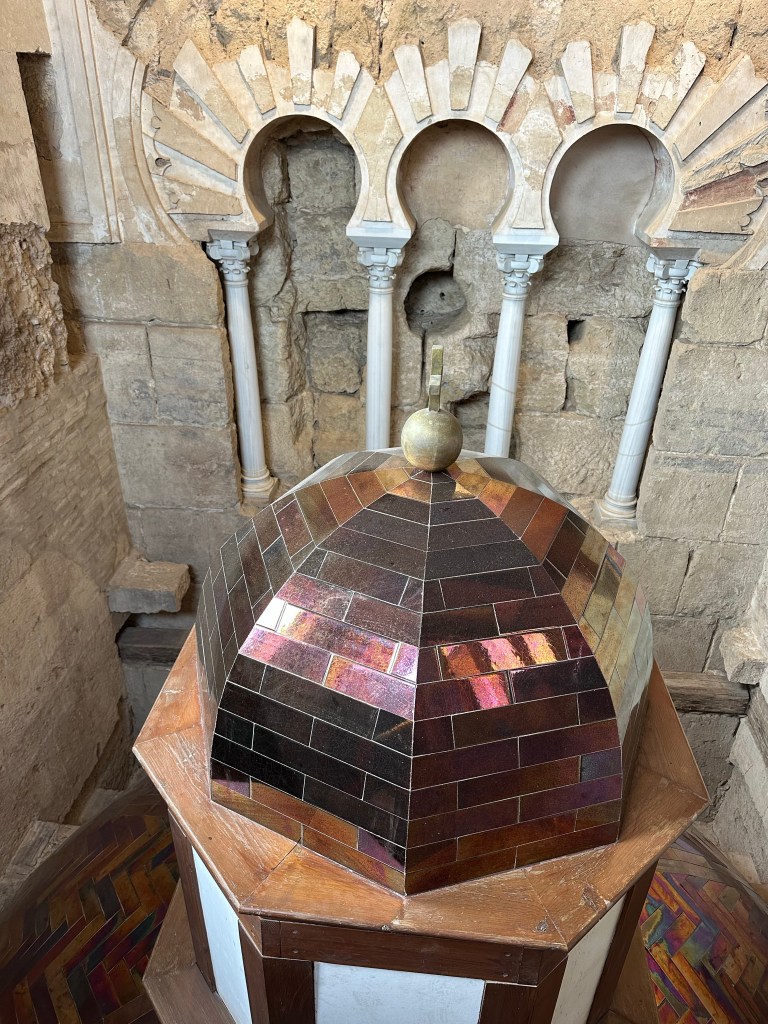
Cordoba Mezquita-Cathedral

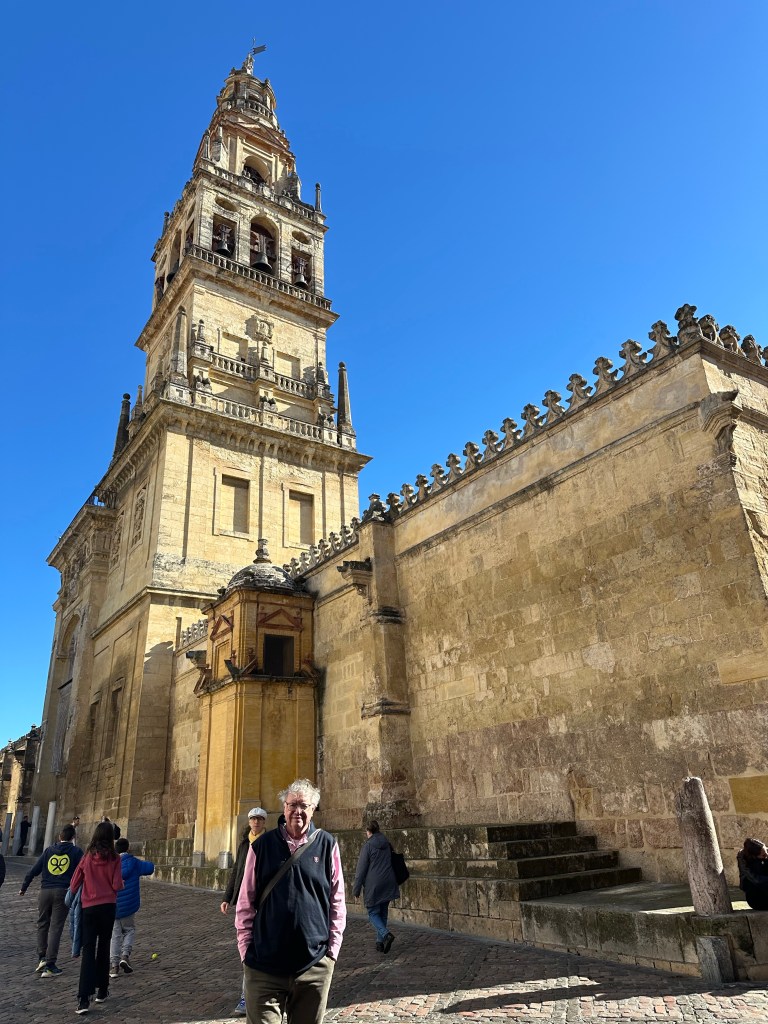
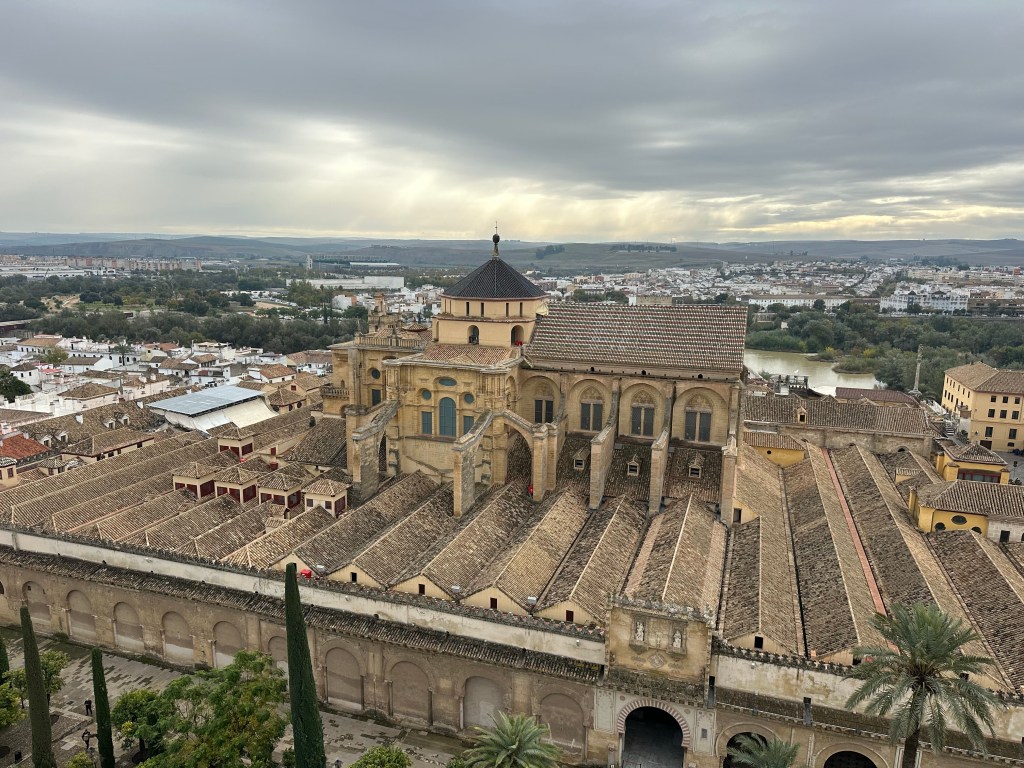
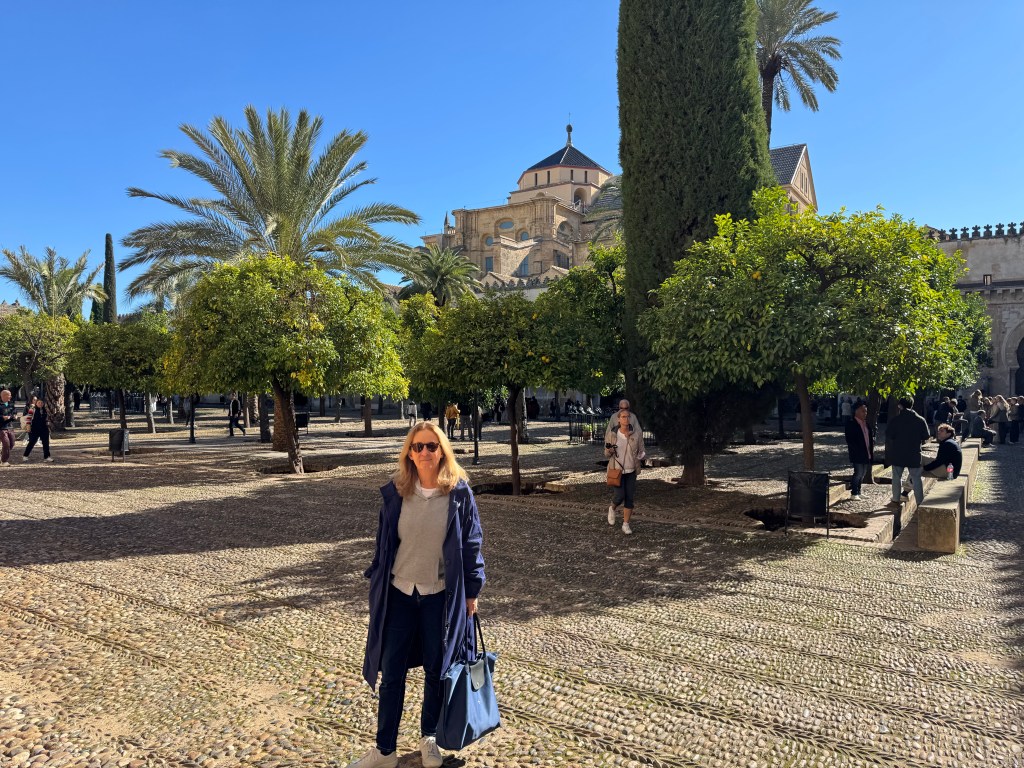
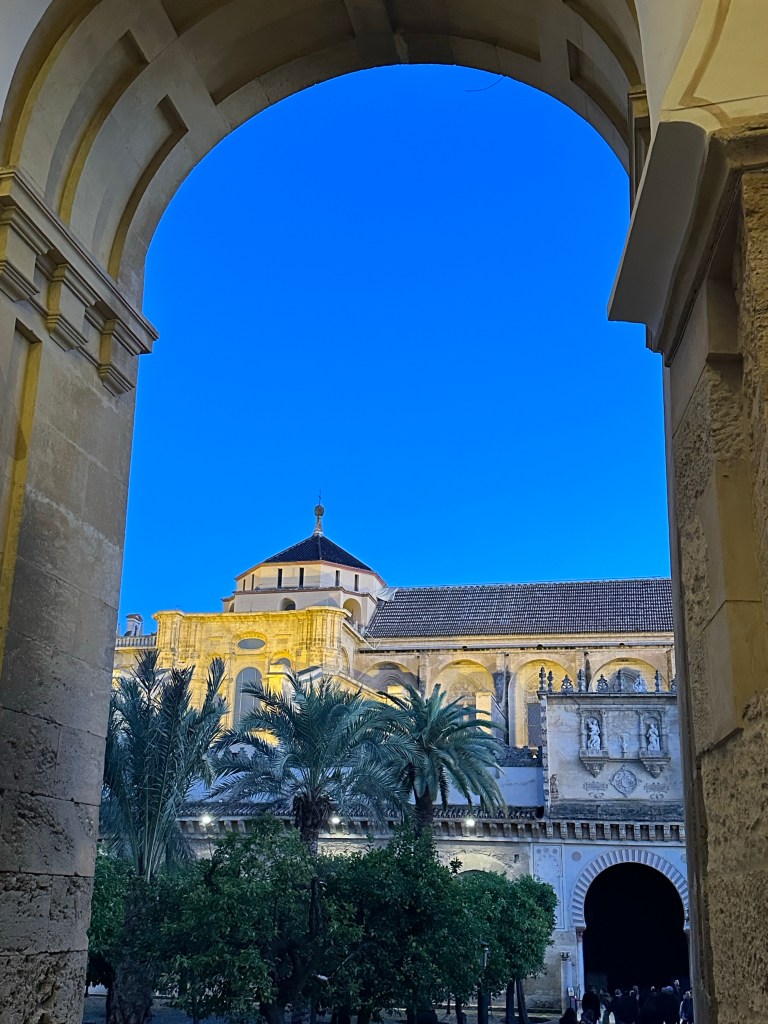
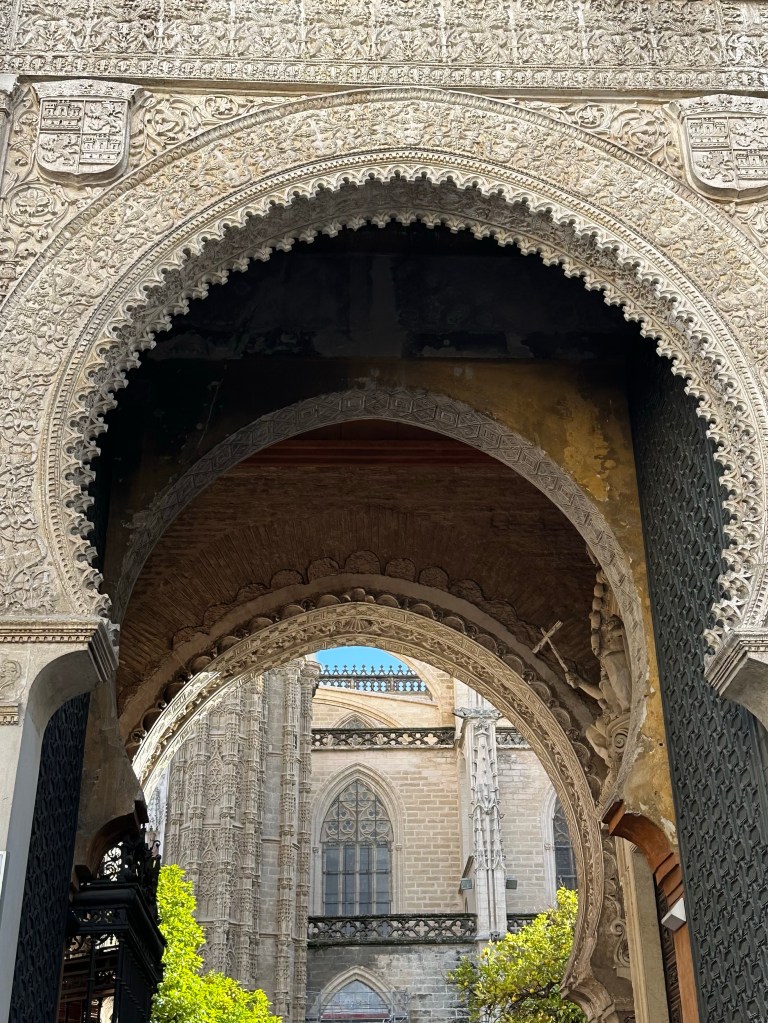
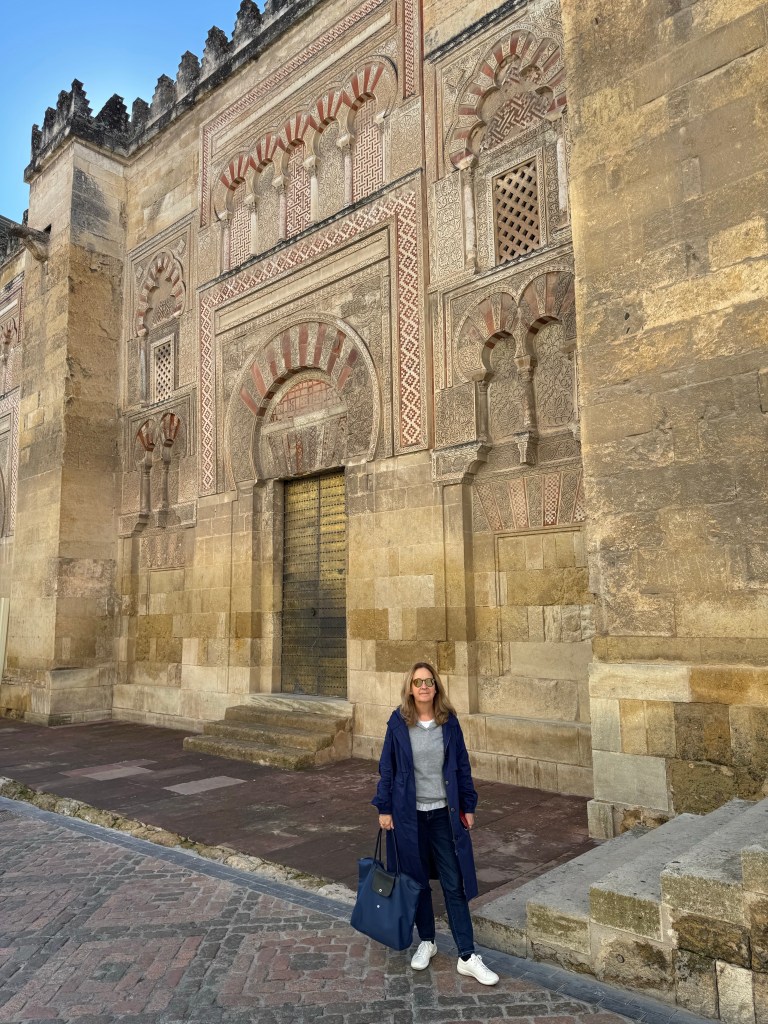
The Great Mosque of Cordoba (Mezquita) was built in 785, with subsequent expansion upto 971 as the population of Cordoba grew. The Mezquita was built along the street pattern established by the Romans resulting in the direction being 43 degrees out of alignment with Mecca. During prayers the Iman, but not the other worshippers, puts his mat at an angle so as to correct this.

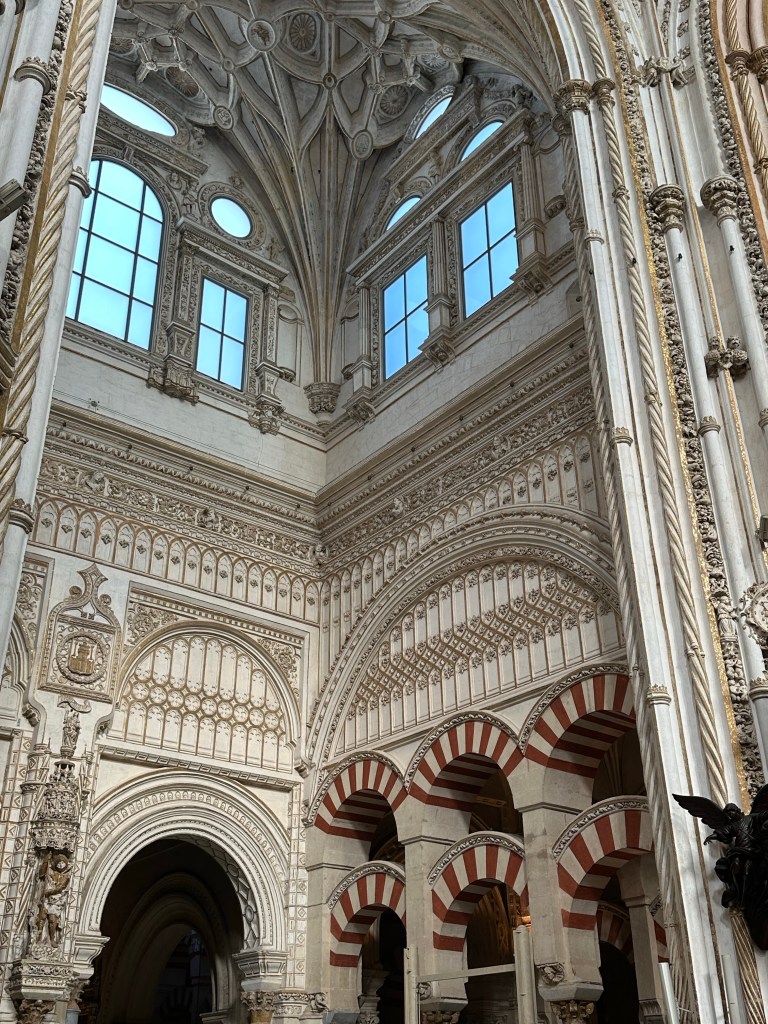
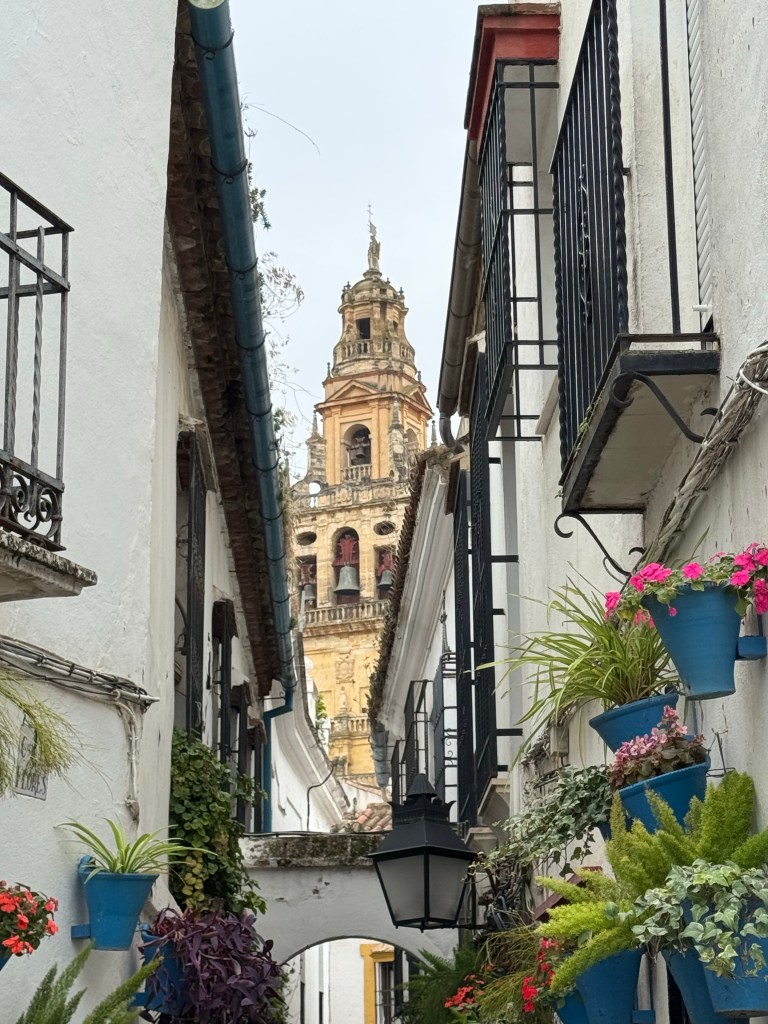
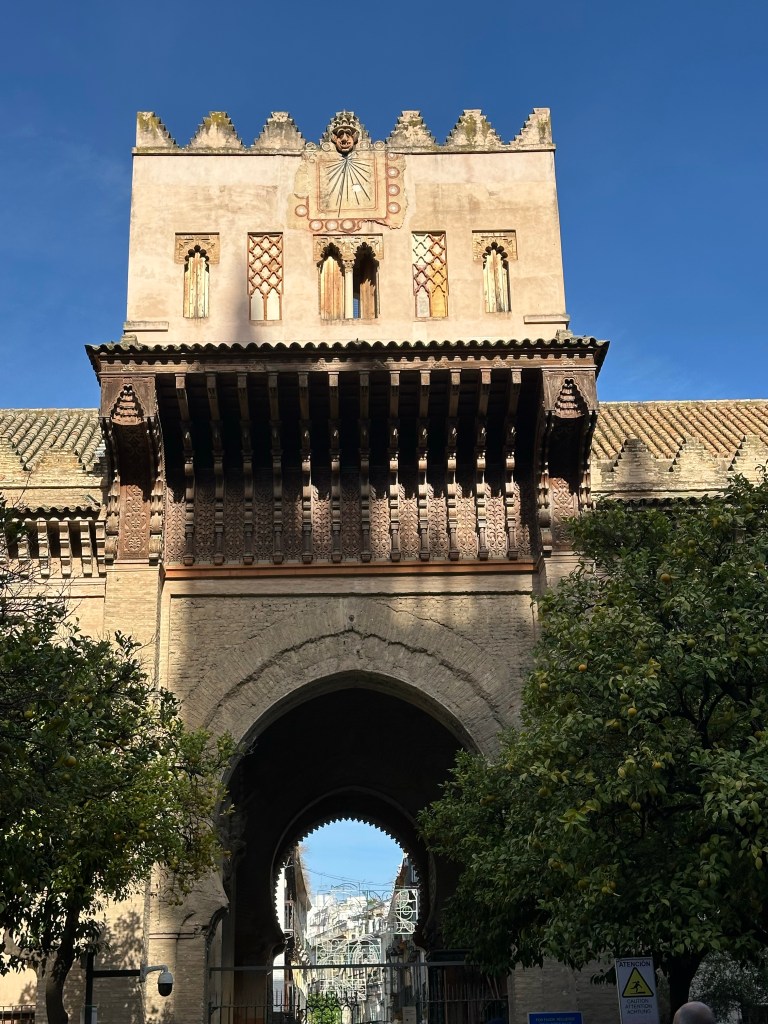
In 1236 it was re-designated as a cathedral but unlike Seville the Christians remodelled it rather than destroying it. The remodelling was completed in the 16th century with the building of a classical quire and nave in the centre of the mosque structure, with a dome to let light into the space. The minaret was converted into a bell tower which can be accessed today by around 200 steps in small groups.
Members of the local police force on a run around the city

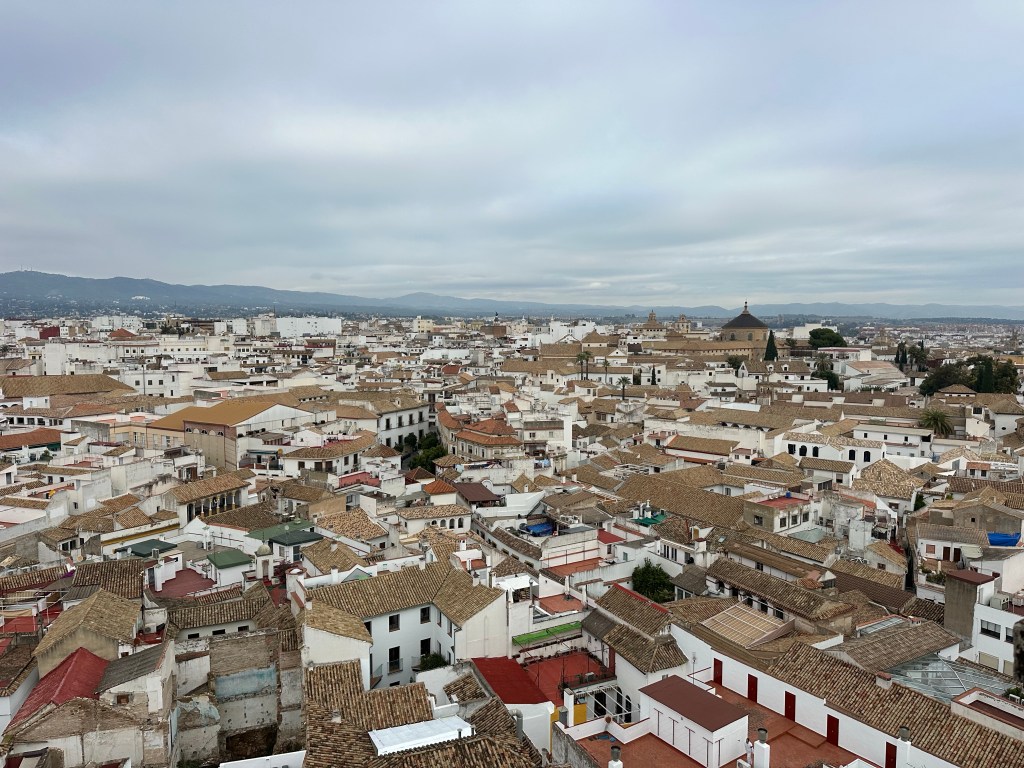
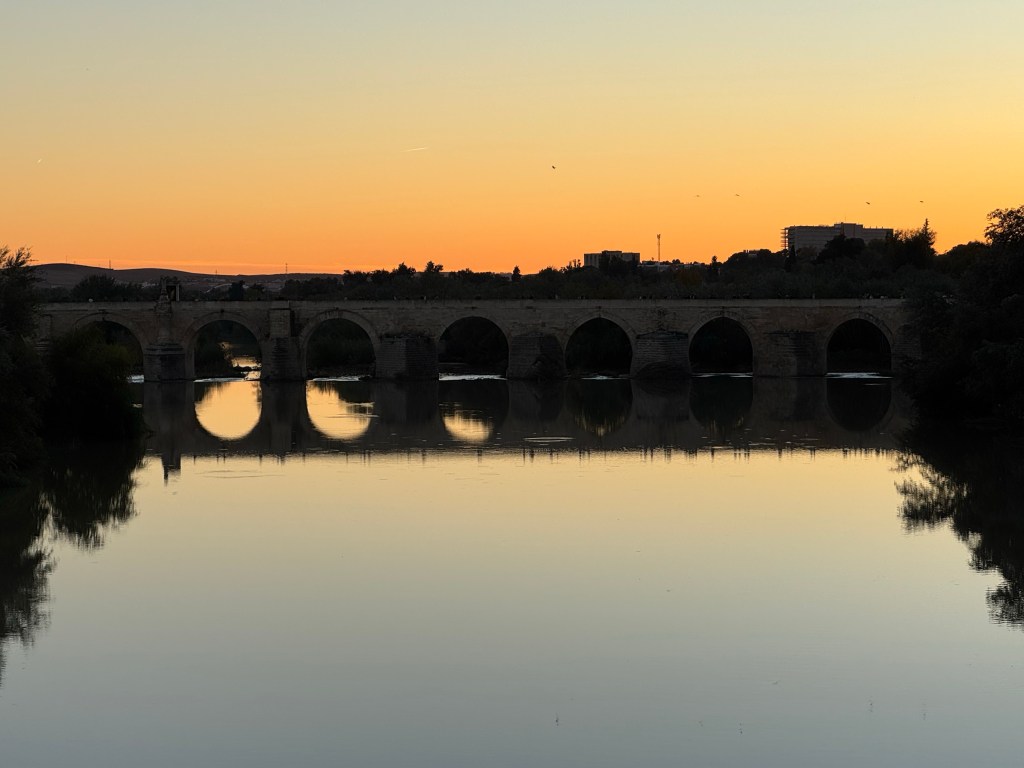
Cordoba

Cordoba replaced Seville as the most important city in Al-Andalus after Islamic conquest was completed in 716. It became a centre for culture and commerce.

By the middle of the 10th century, Cordoba was vying with Constantinople to be the largest city in Europe, with a population of around 500,000. At the time it was larger than Rome, Florence and Venice combined and forty times the size of London. It was taken by Christians in 1236.

Today Cordoba is Spain’s 12th largest city with a population around 350,000.

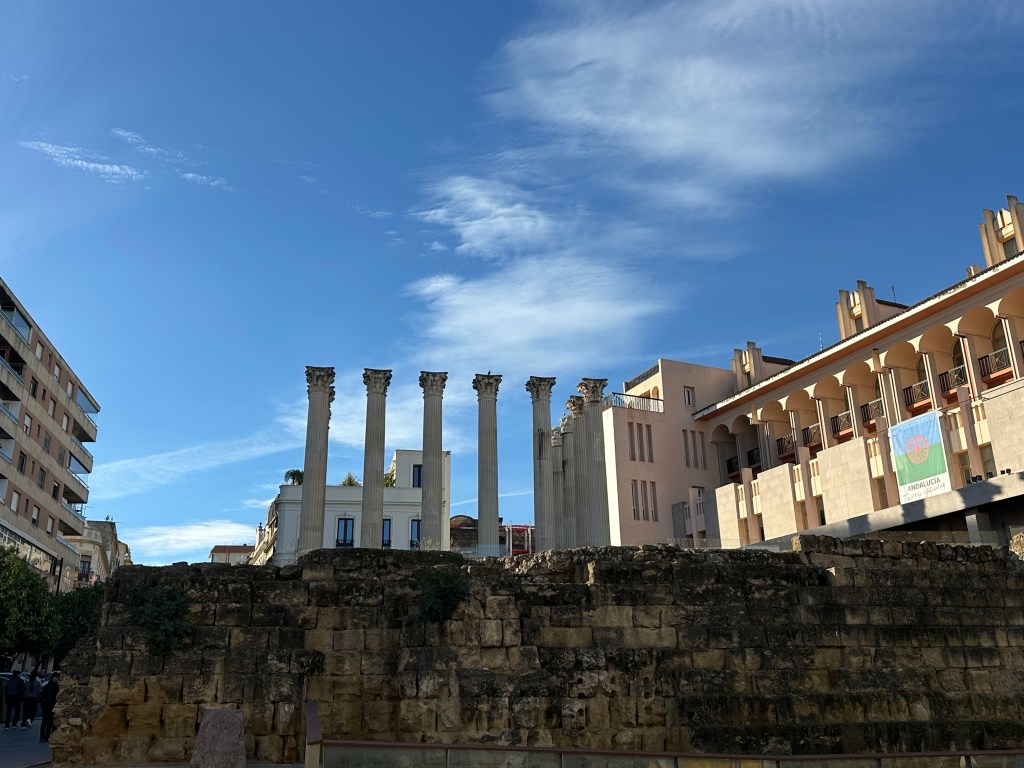
Roman ruins next to the modern City Hall
A square, formally used as a Bull Ring
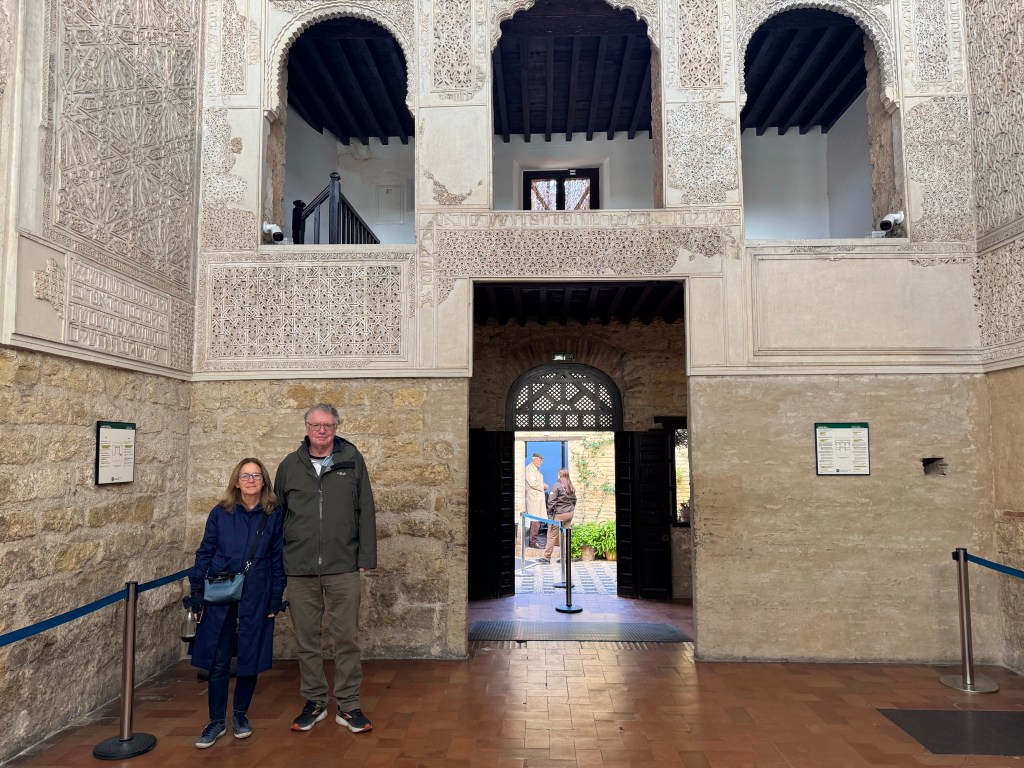
Former synagogue
Tapas bar close to our hotel

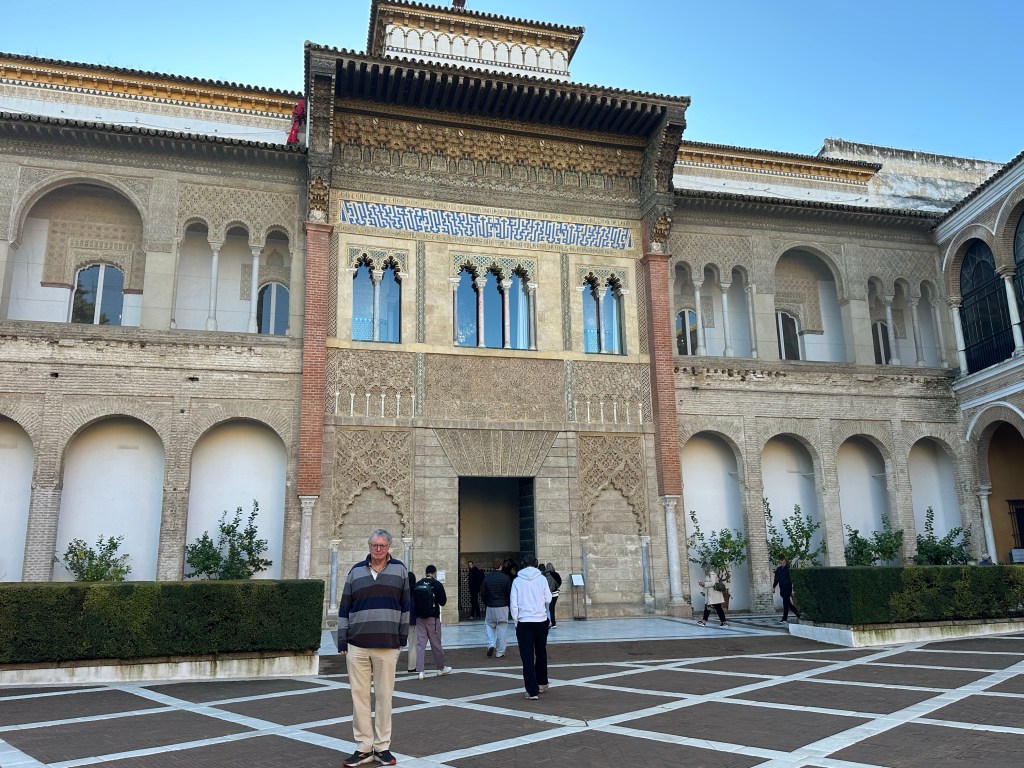
Alcázar of Seville

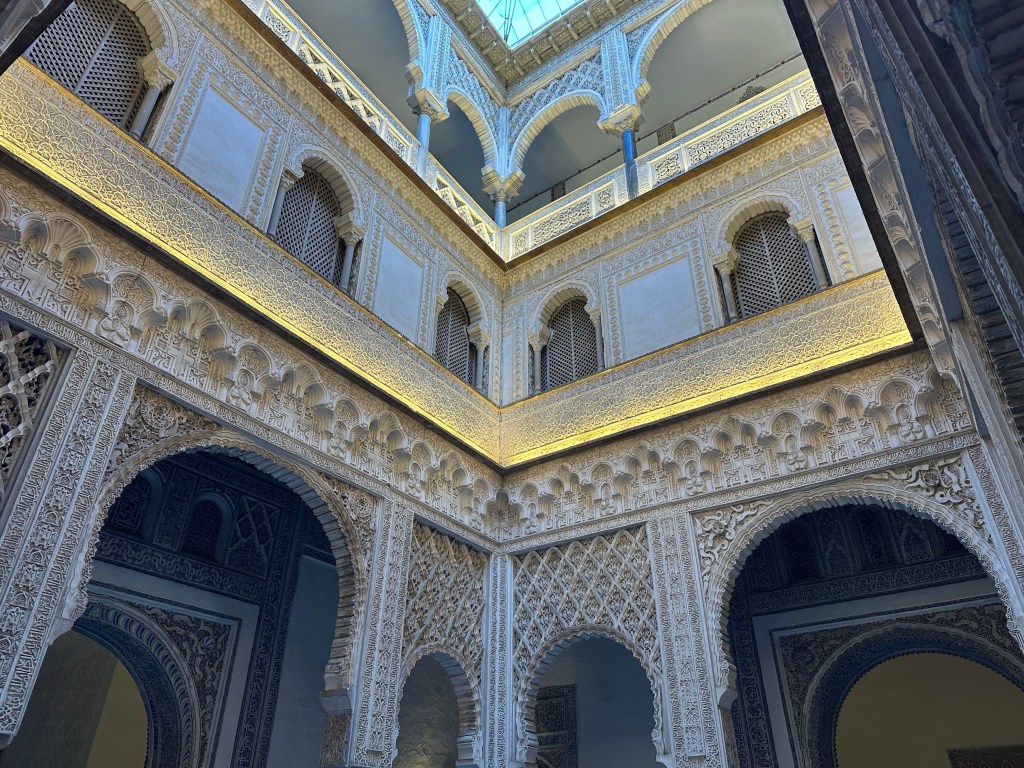
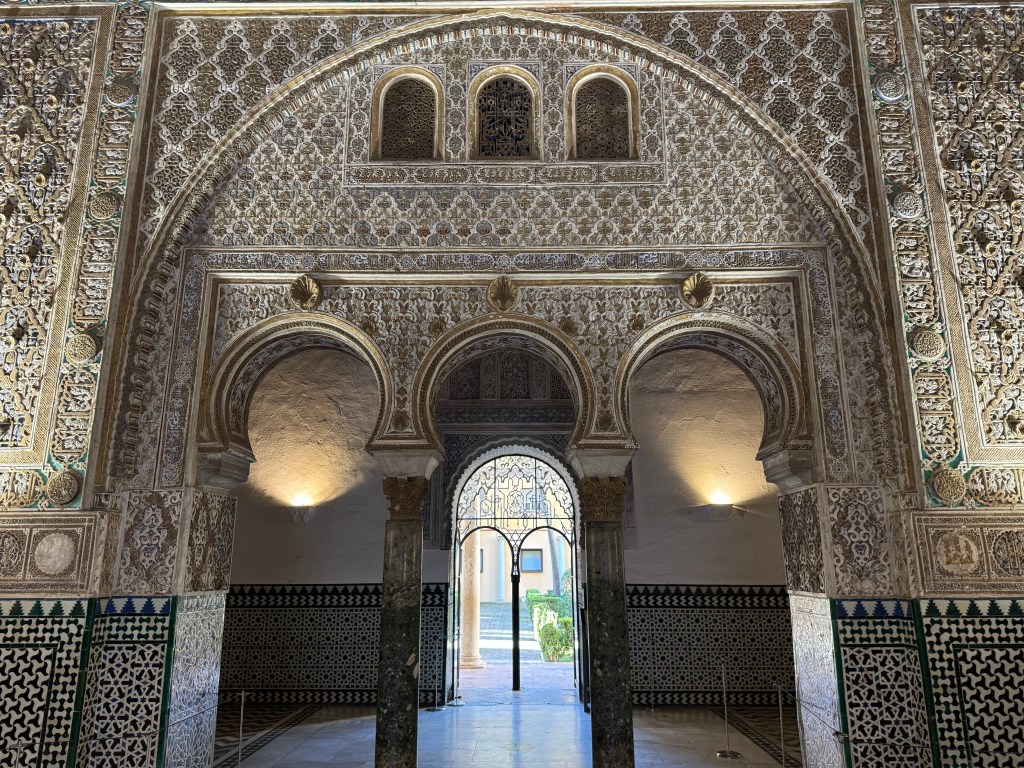
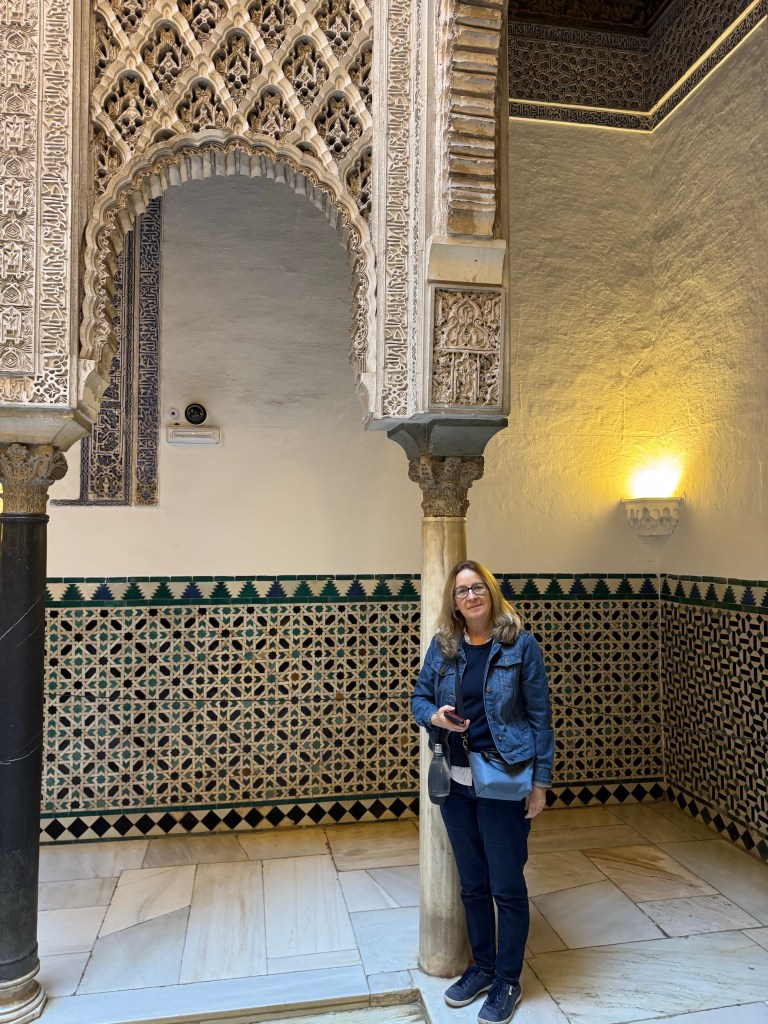
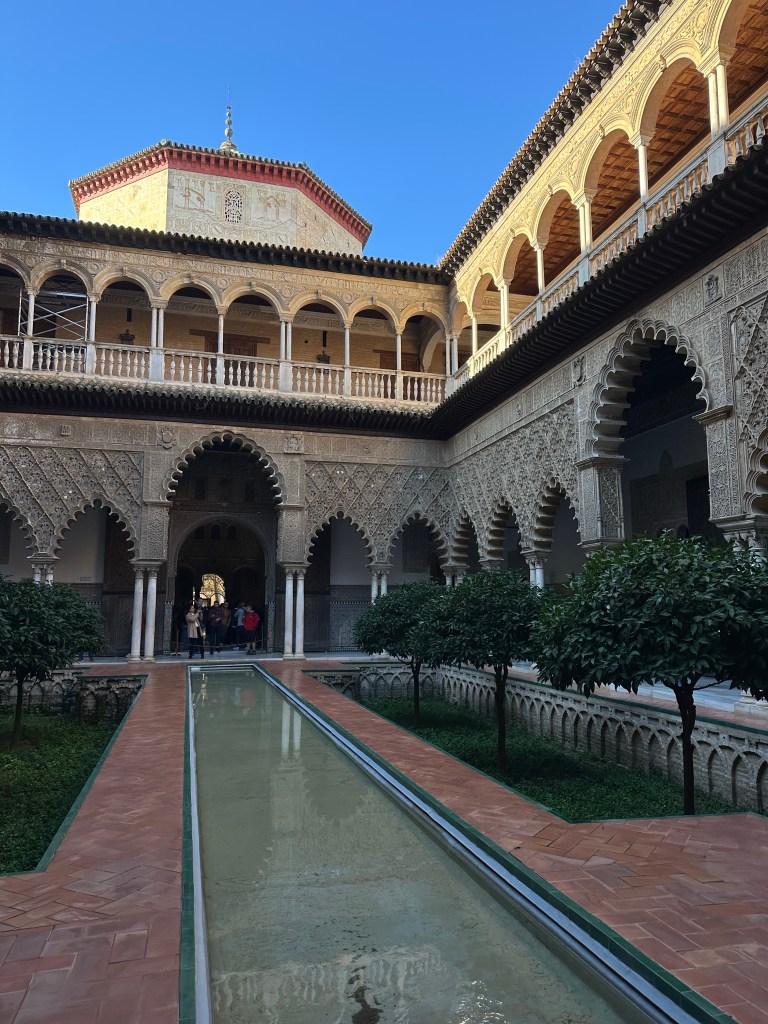
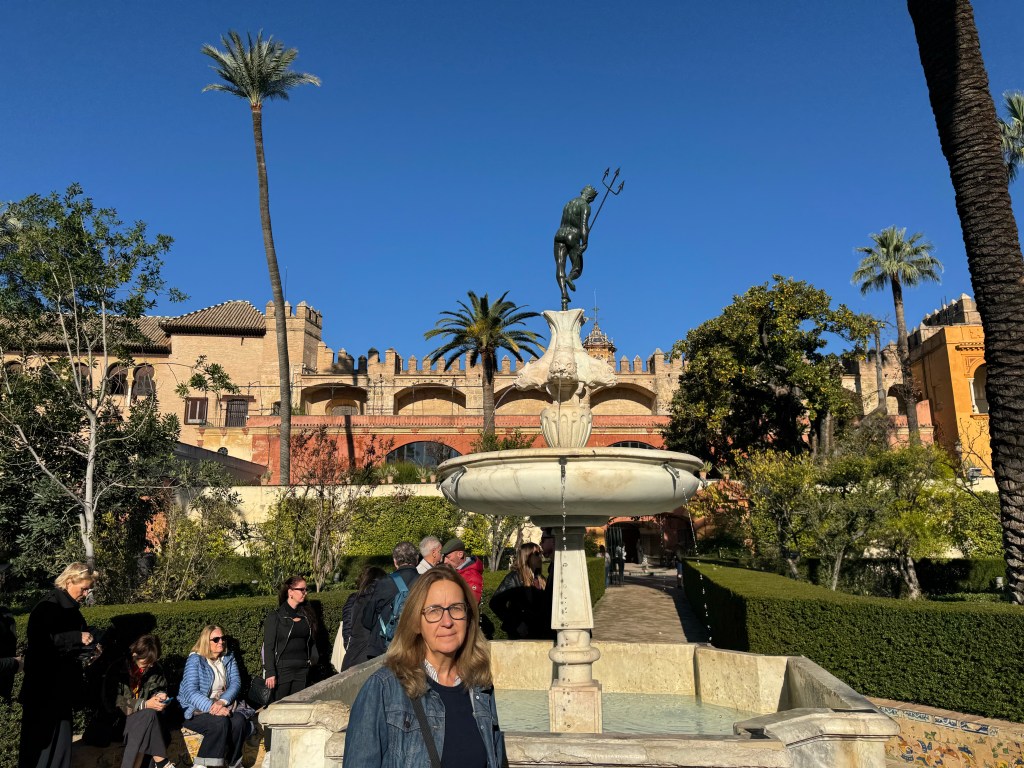
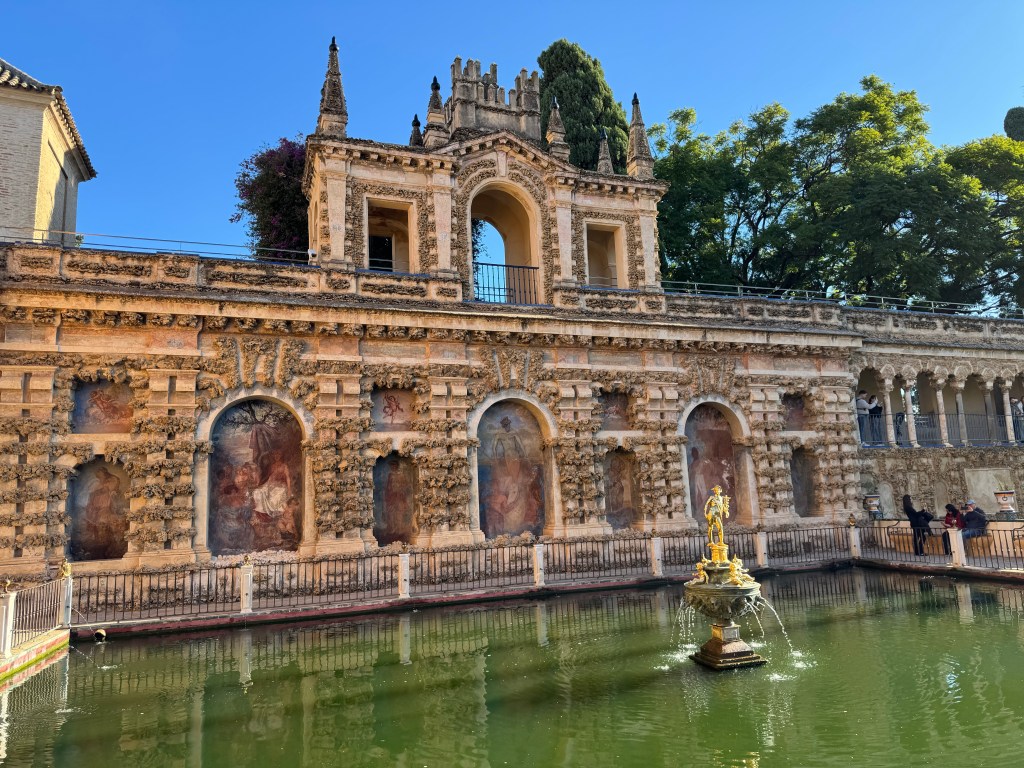
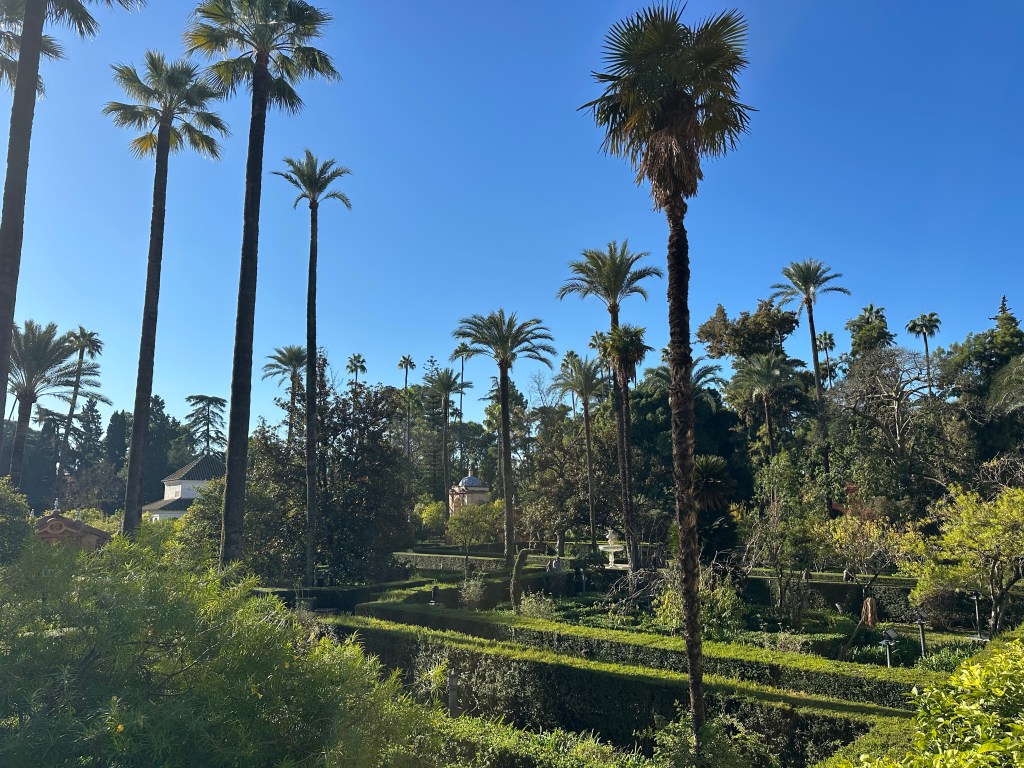
The Alcázar is a Spanish Royal Palace and one of the official residences of the Spanish Royal Family. As with the cathedral it is situated on the site of a Moorish citadel for the city. It was progressively rebuilt from 1248 following the conquest of the city but most of the important decorated parts date from the 1360s, built by Pedro I. It is a little confusing as the building was constructed in the Mudejar style- Moorish.

The palace has numerous sections and courtyards as well as extensive gardens. We were pleased that we purchased tickets for different days for the cathedral and Alcázar, both at one of the earliest entry times. The sites needed plenty of time and a lunch break afterwards!
Seville Cathedral

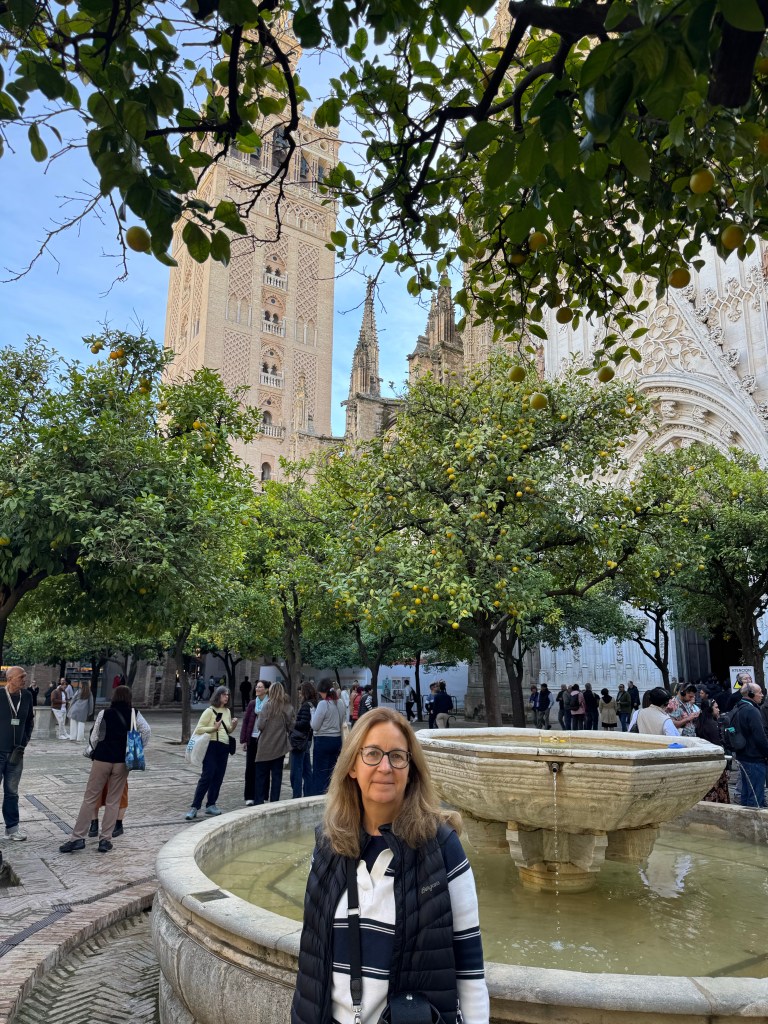
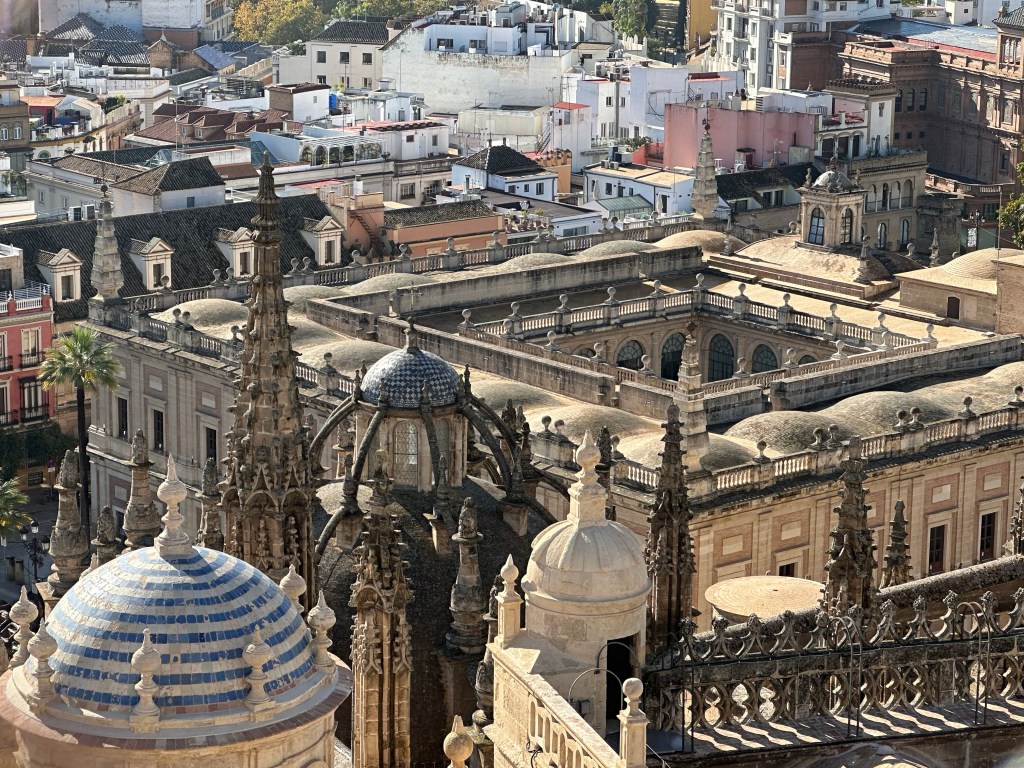
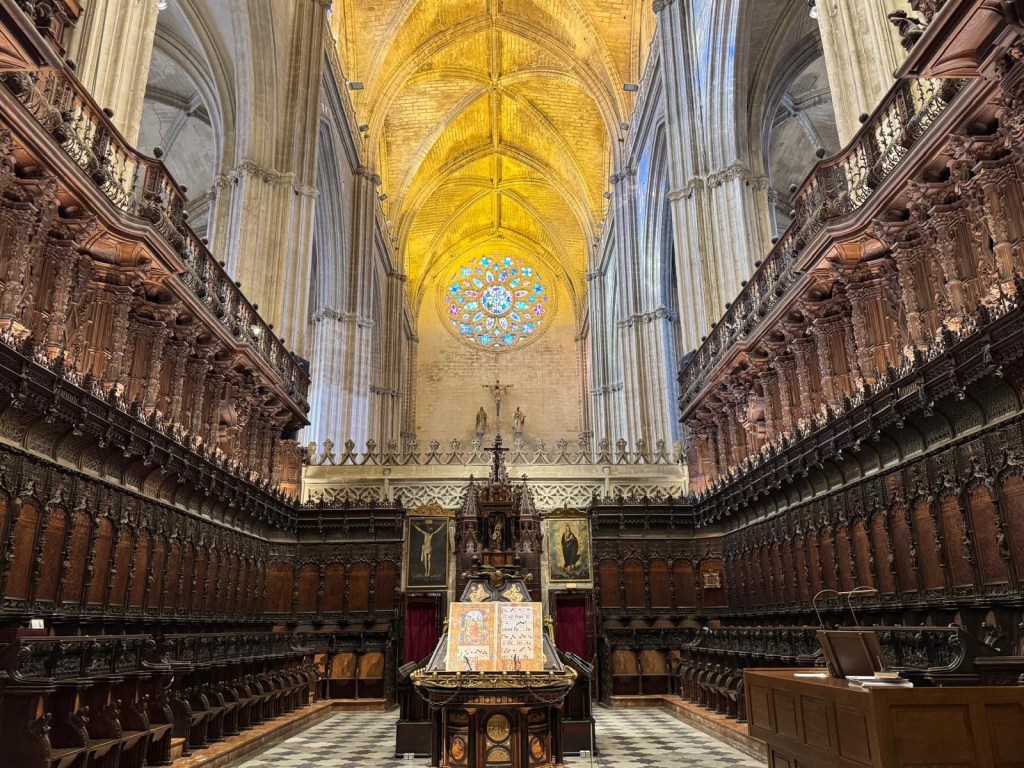
The cathedral was built in the 15th Century and is the largest cathedral in the world by area. It is gothic and stands on the former site of a mosque.

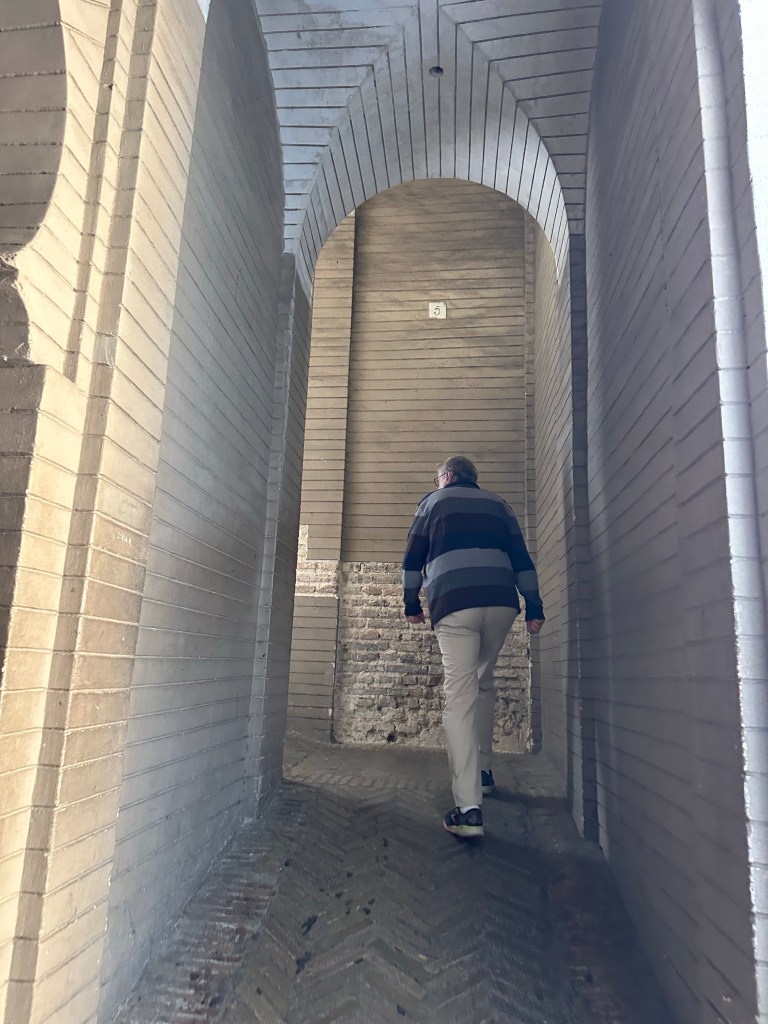
The bell tower, The Giralda, is the former minaret of the mosque, which has been remodelled at the top to fit in with the cathedral. The tower was originally based on the minaret in Marrakesh’s main square. There is access to the tower which is ascended by a ramp rather than stairs as it was designed to be accessible by horses !

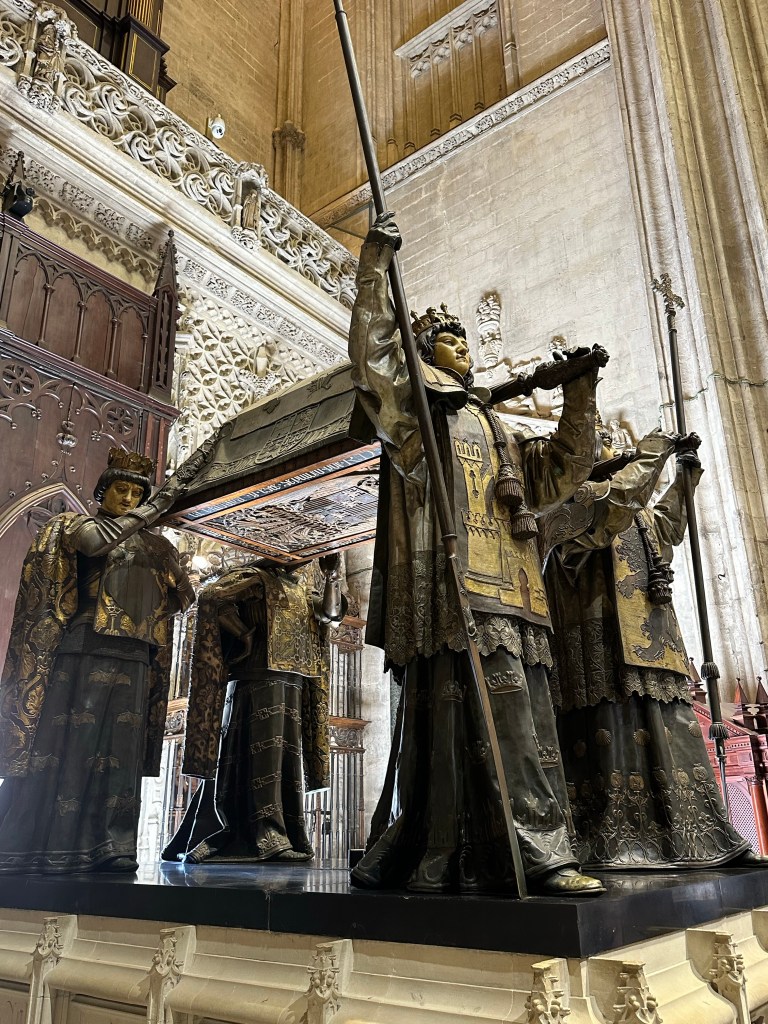
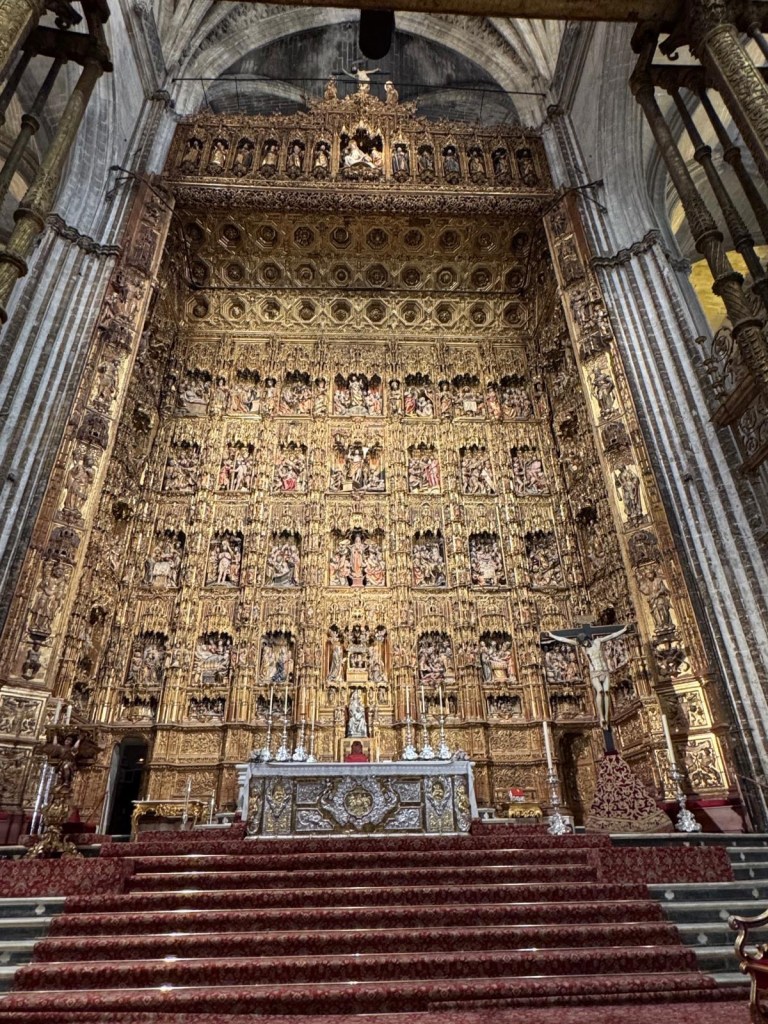
The cathedral includes a very ornate altar screen, many pieces of art and sculpture, numerous side chapels and the tomb of Christopher Columbus.

Seville

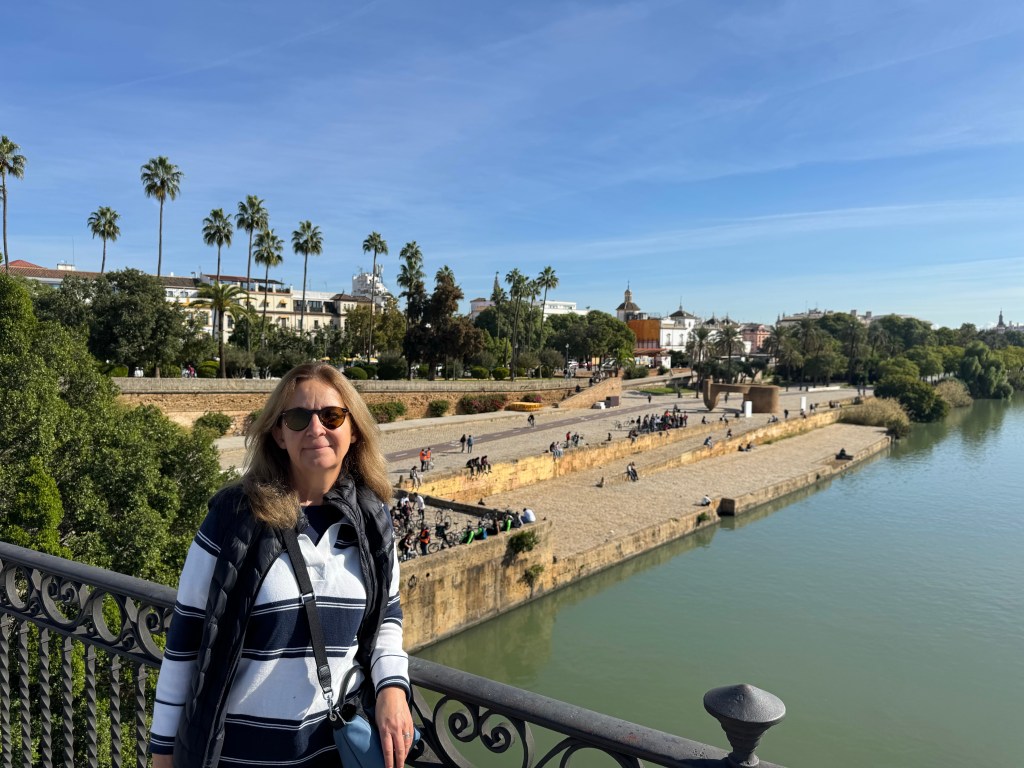
Seville is the capital of Andalusia and the fourth largest city in Spain.

Its size and importance grew after it was retaken in 1248 by the Christians from the Moors. At the time, in common with other Andalusian Cities, it had a Jewish community which had thrived under Islamic rule. The Jews formed the middle class administrators and artisans. The Christian government maintained the status quo until 1391 when Jews were forced to convert, although some retained their faith.

In 1478 Seville became the first city to bring in the Spanish Inquisition (“no-one expects the Spanish Inquisition”) resulting in the expulsion or death of heretics, remaining Jews or supporters. A number of customs derive from this period including adding diced cured ham as a topping to a local cold tomato soup, done originally by Jews trying to hide their faith. Some people also changed their names and invented new family histories.

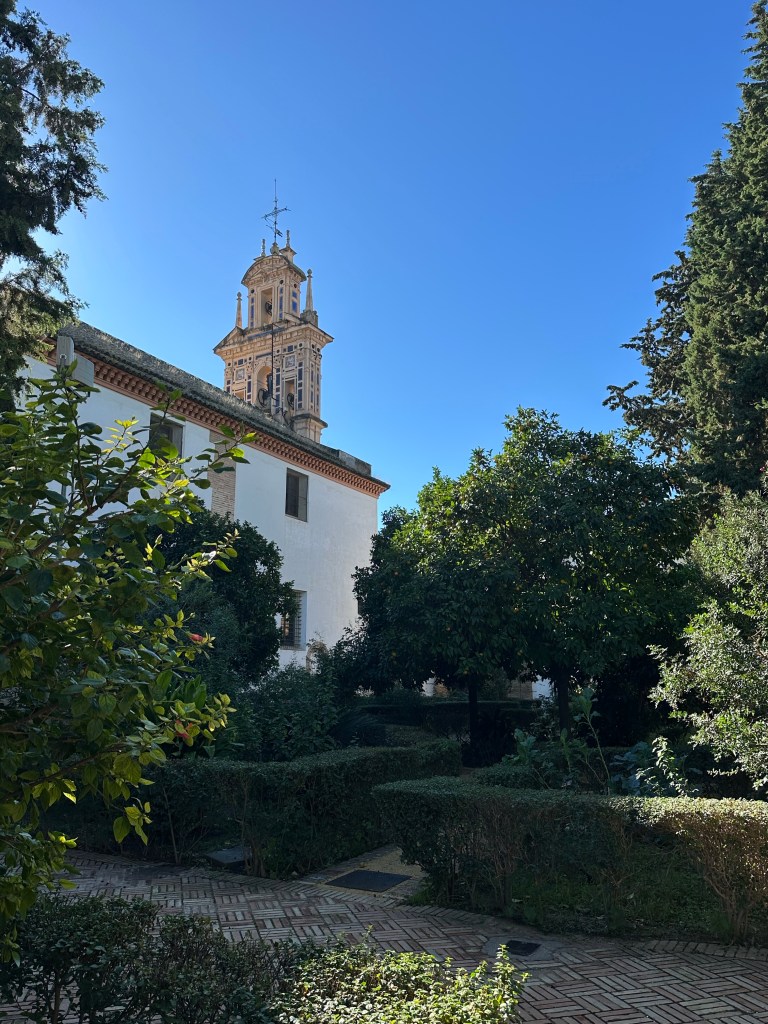
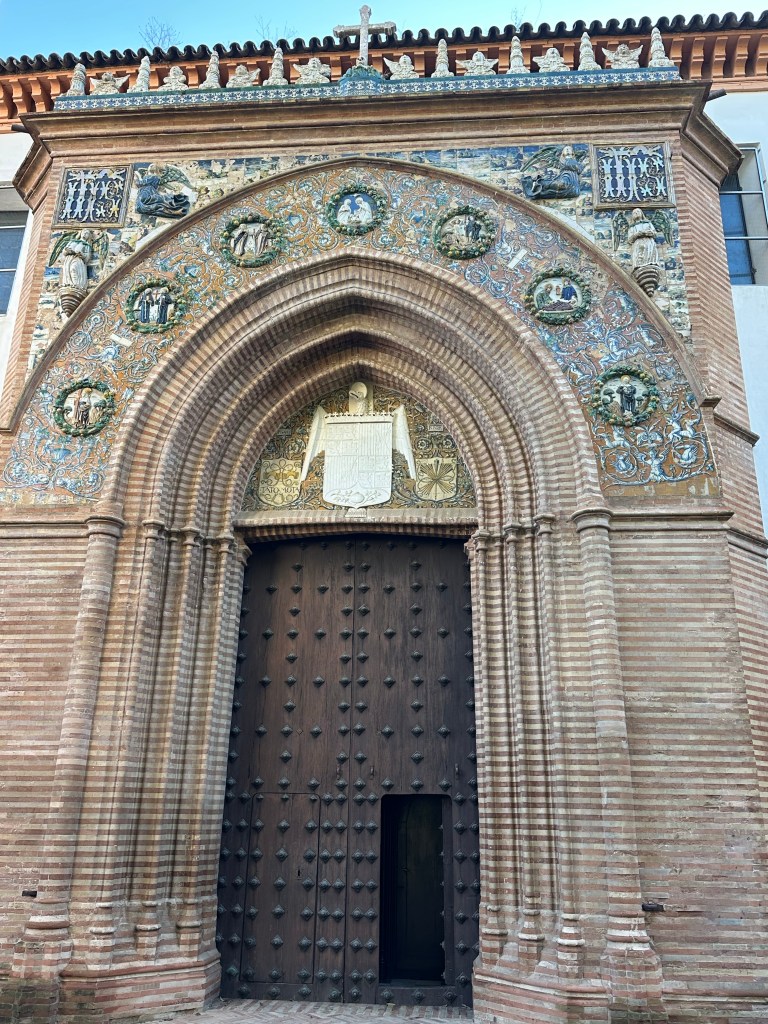
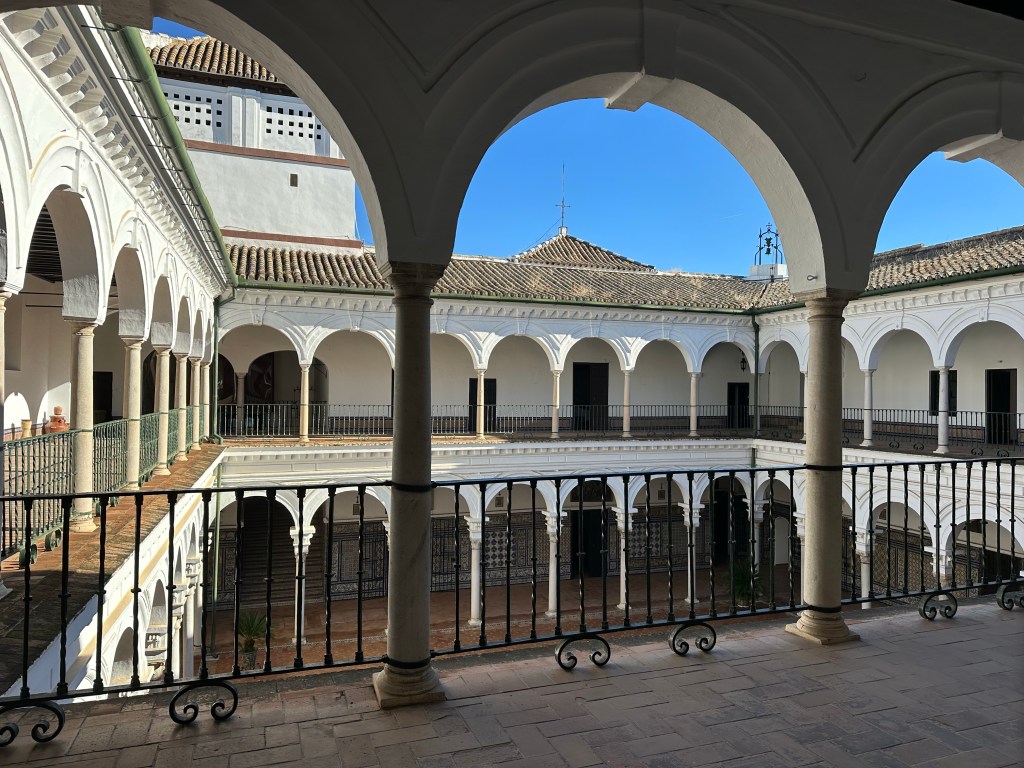
We visited a convent founded in 1473 by wealthy families which housed widows and unmarried daughters as nuns, Monastero de Santa Paula. It is a spectacular building behind an unassuming door and continues as a working convent.

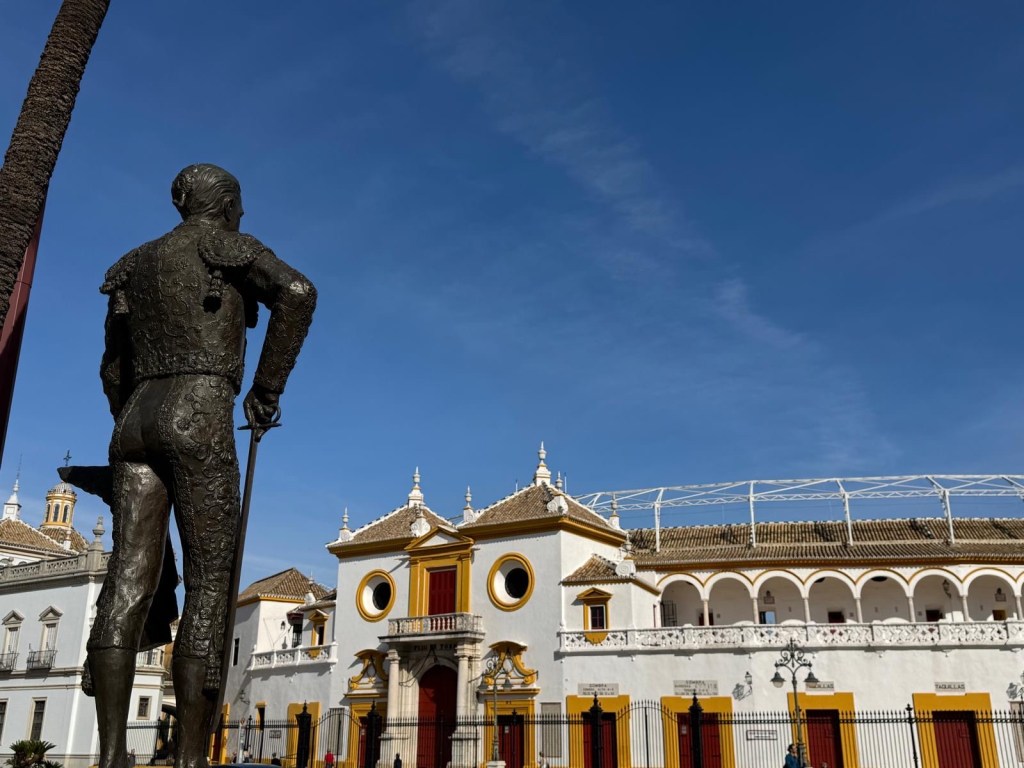
The Bull Ring
“The mushrooms” – locally controversial as not to everyone’s taste and paid for/maintained with council funds
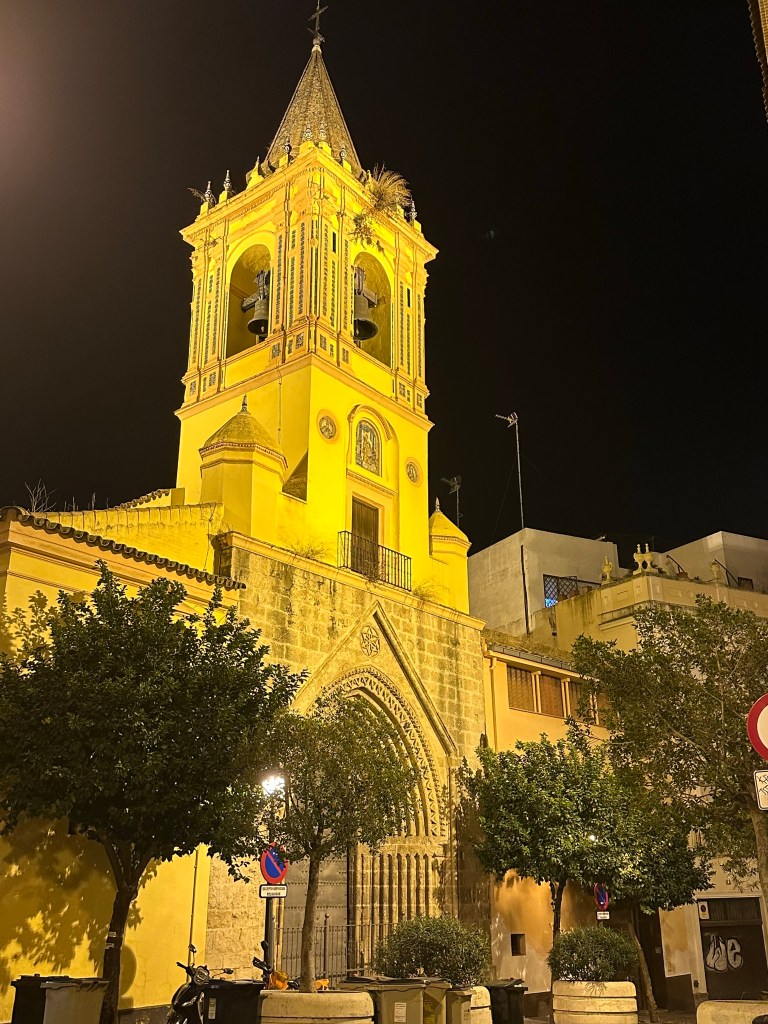
There are, reputedly, 125 churches in Seville. The one above was around the corner from our hotel; the one below was one we came across on our walk to dinner one evening

Andalusia

Andalusia is a historic territory at the south of Spain which is split into eight provinces. Andalusia derives from the Arabic name for the whole of Spain, Al-Andalus.

Andalusia was part of the Roman Empire from the first century BC but after its fall was invaded by the Visigoths who originated from The Balkans.

In 711 AD the area was invaded across the straights of Gibraltar by the Umayad Arabic Muslims who by 716 controlled almost all of the Iberian Peninsula.

The Arabs finally left Spain in 1492, with Granada being the final stronghold. Seville, Cordoba and Carmona – the three places we visited- were captured by the Christians in the first half of the 13th Century.

A street close to our hotel in Seville. Not a place for driving- local residents can do so but their cars all show the scars
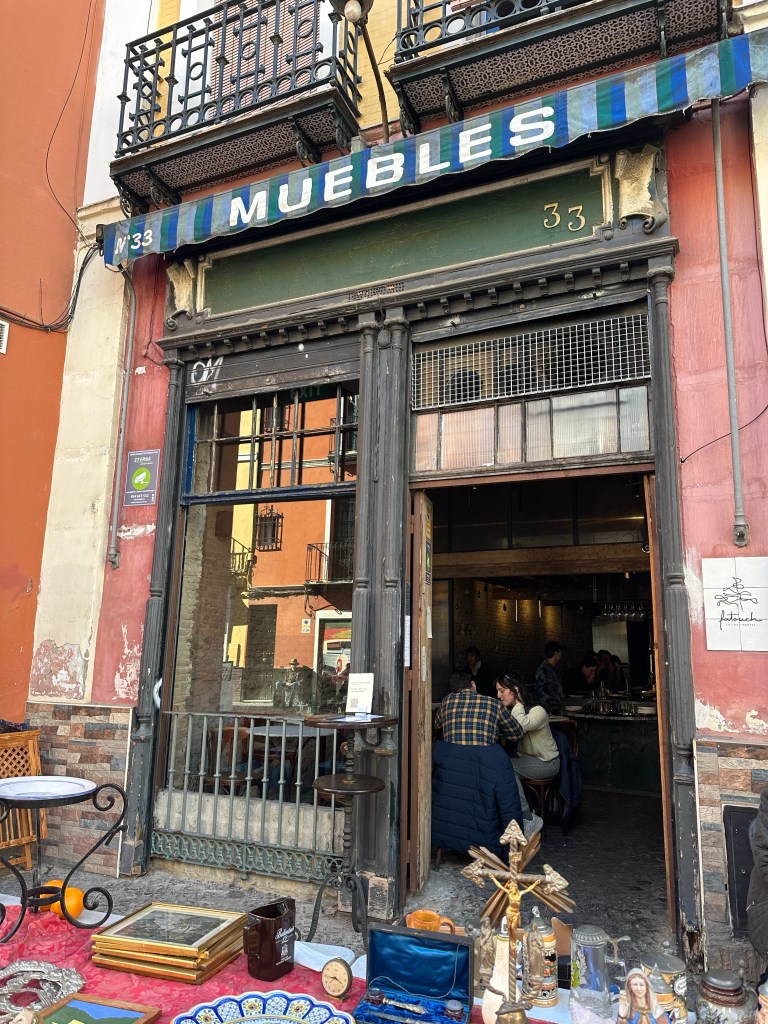
Well hidden in a bric a brac market in Seville, an excellent Lebanese restaurant
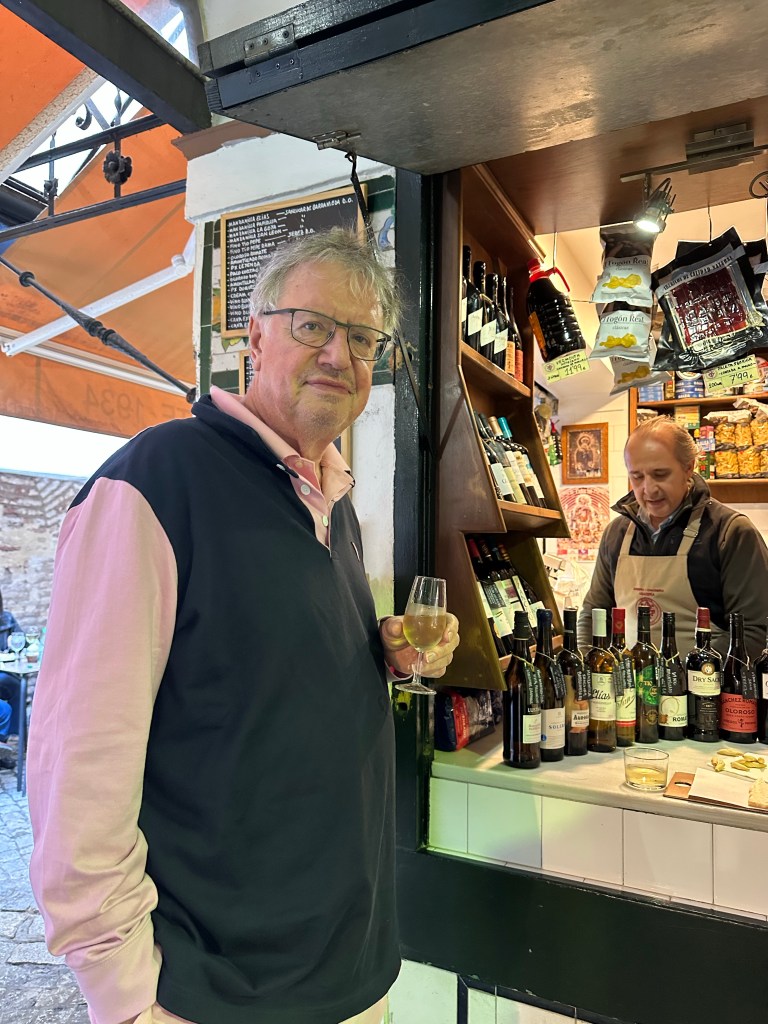
Food market in Seville
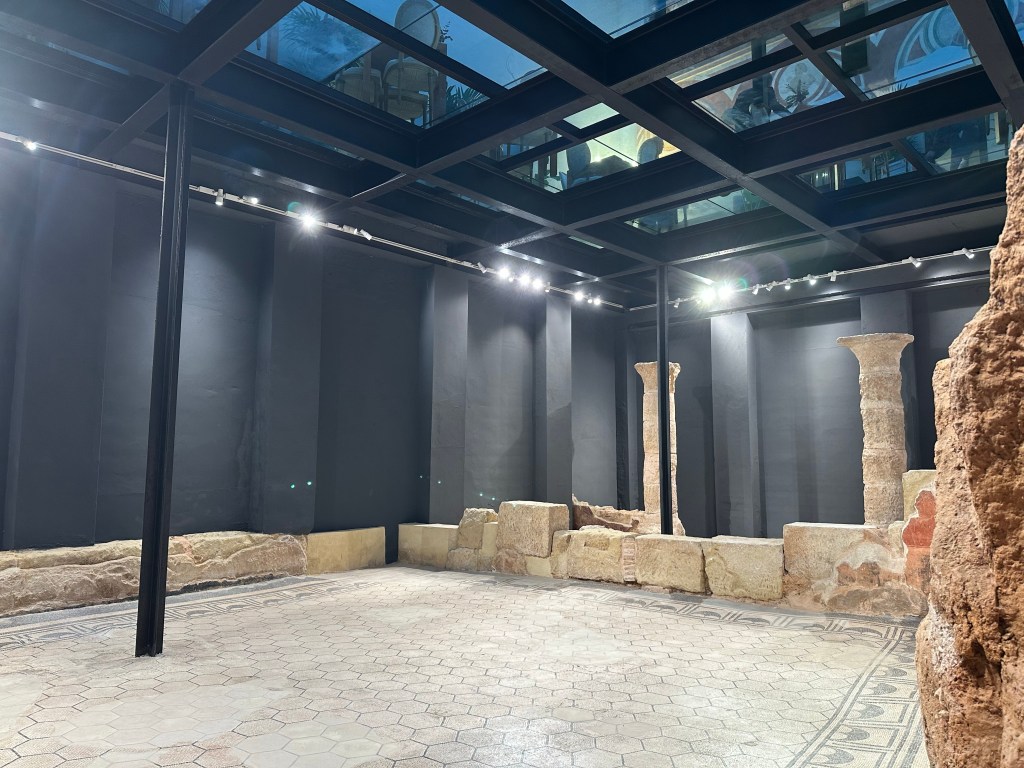
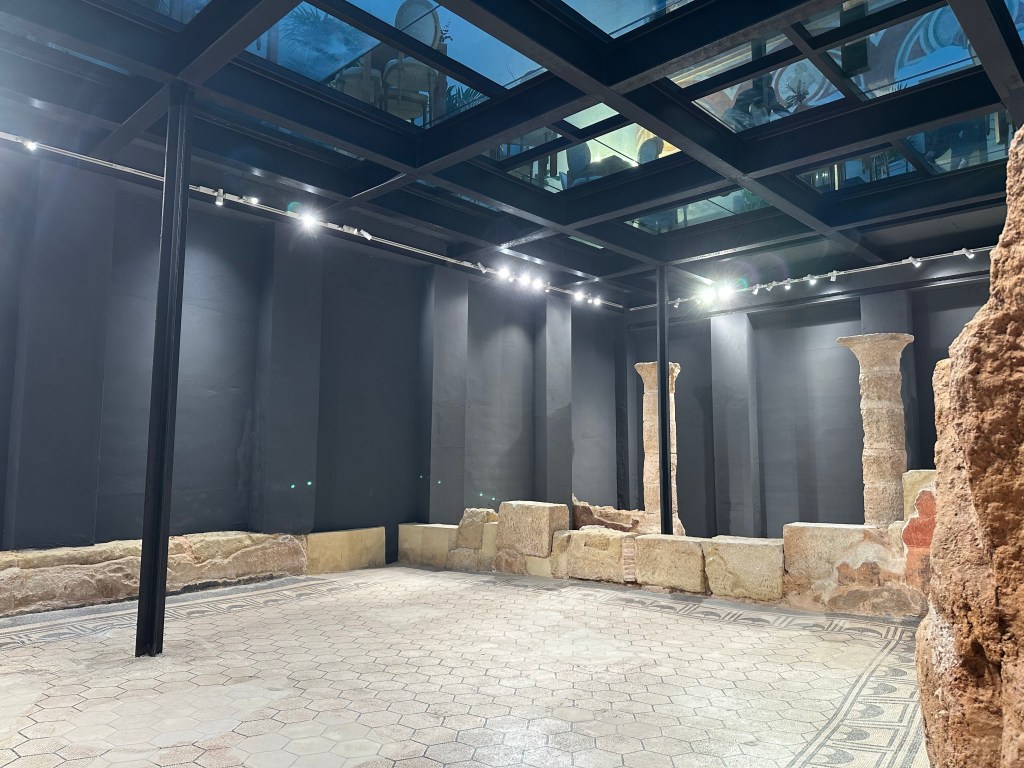
Our hotel in Cordoba- a converted palace where a former owner discovered Roman ruins when attempting to create a wine cellar. The restaurant is on top of the glass roof.
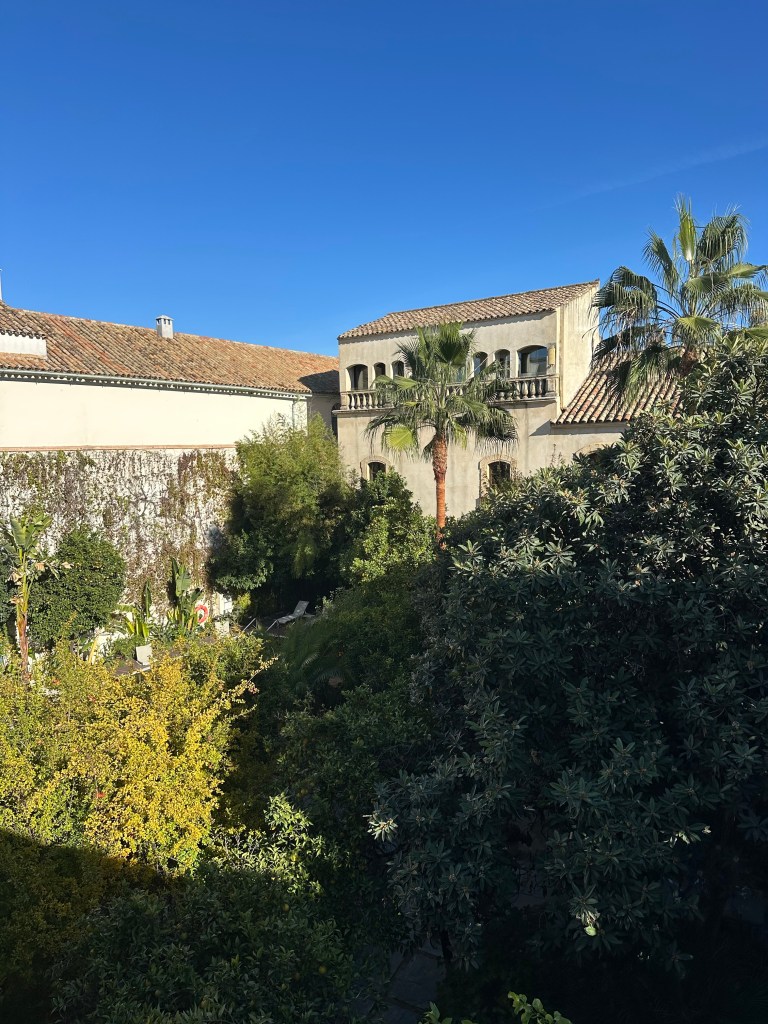
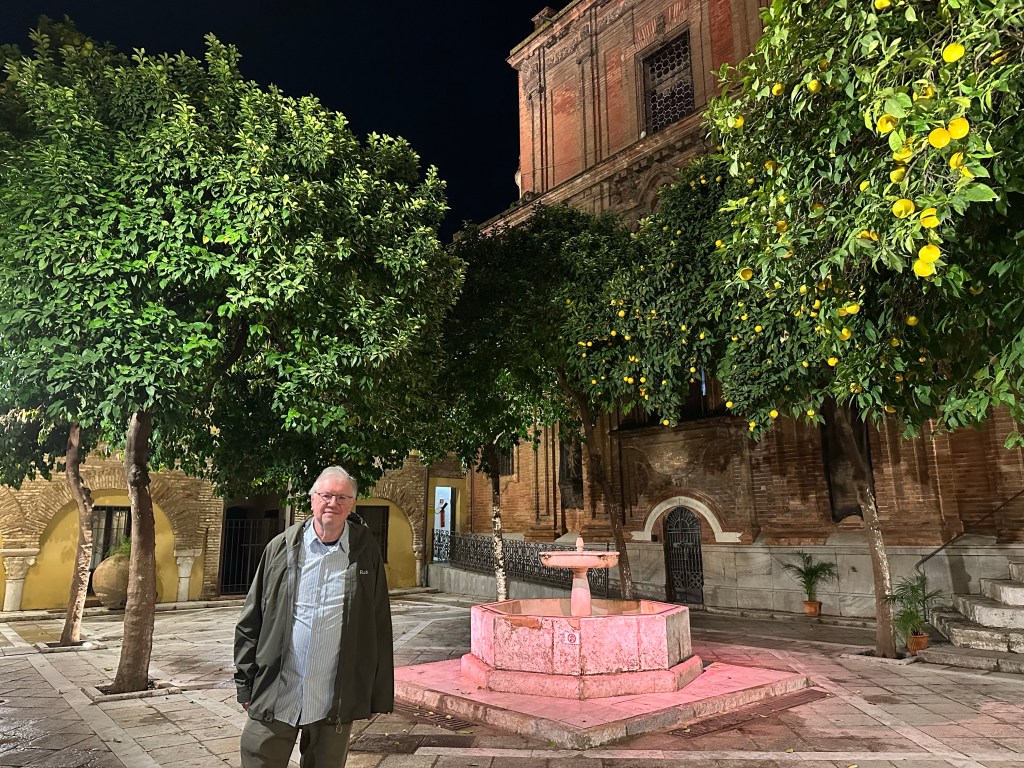
Courtyard of our Cordoba hotel
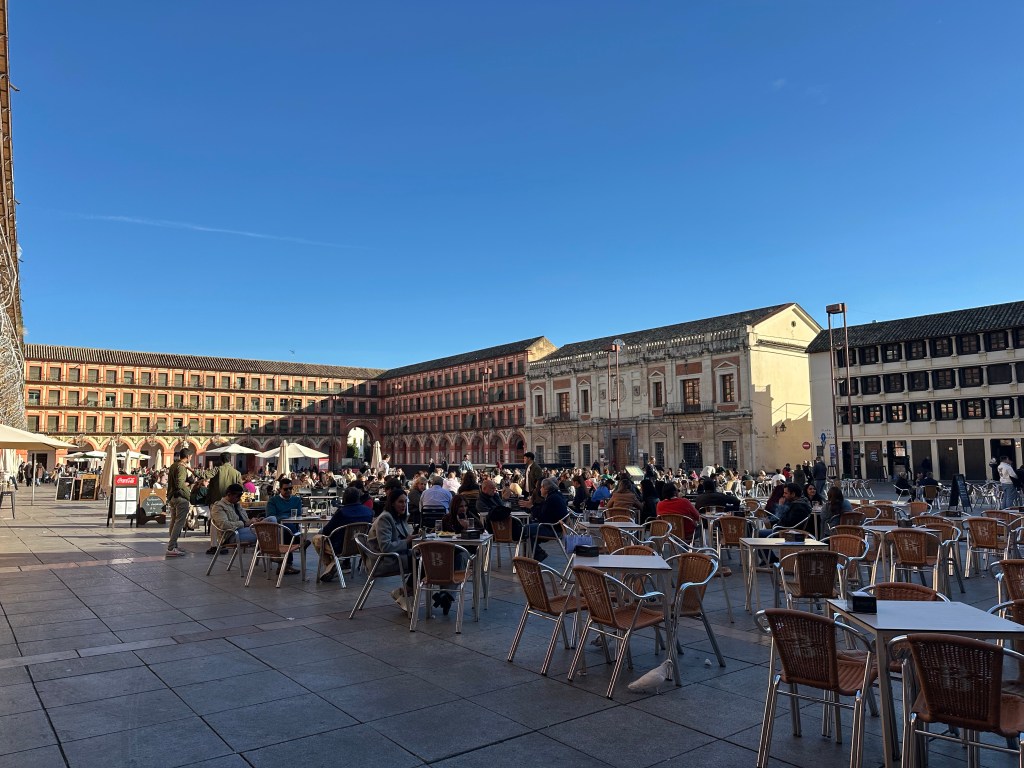
Cordoba – this square was previously used as a Bull Ring
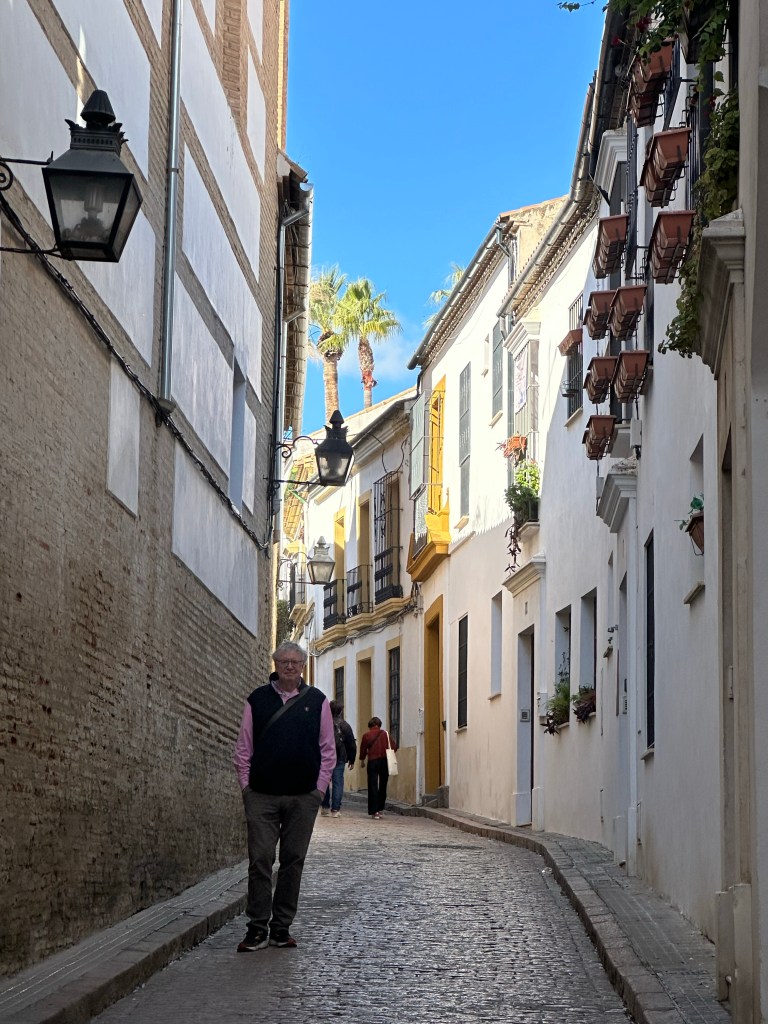
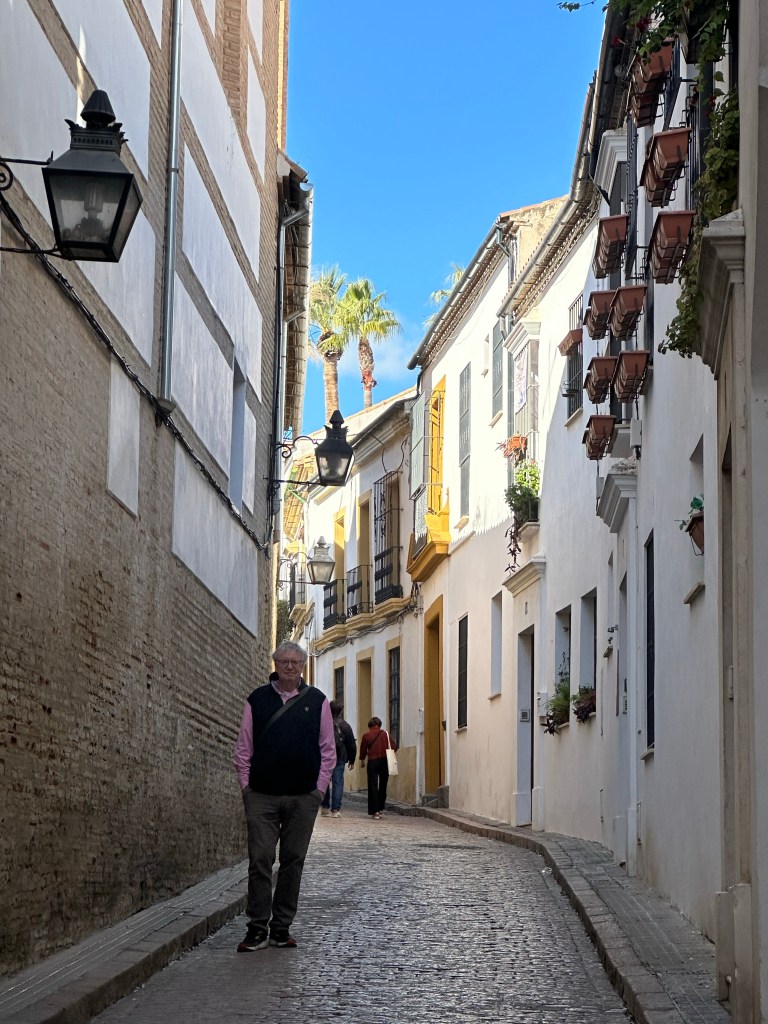
Cordoba
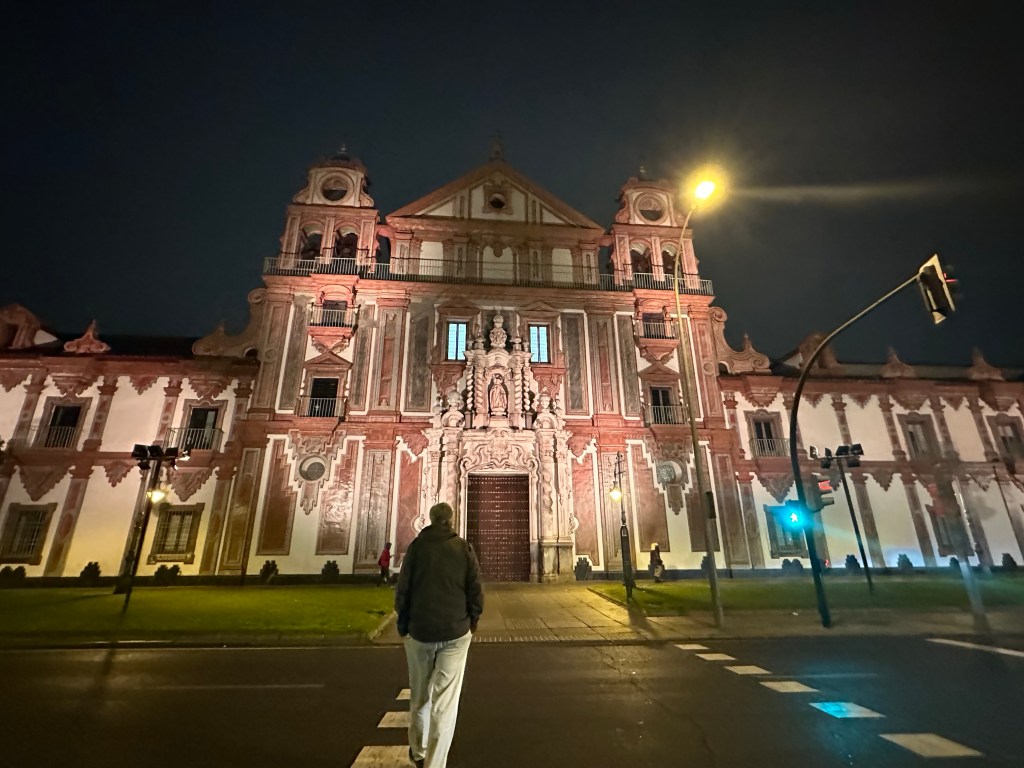
On the way to dinner in Cordoba- a former monastery, now a municipal building
Main square of Carmona
Tapas lunch spot in Carmona

Southampton

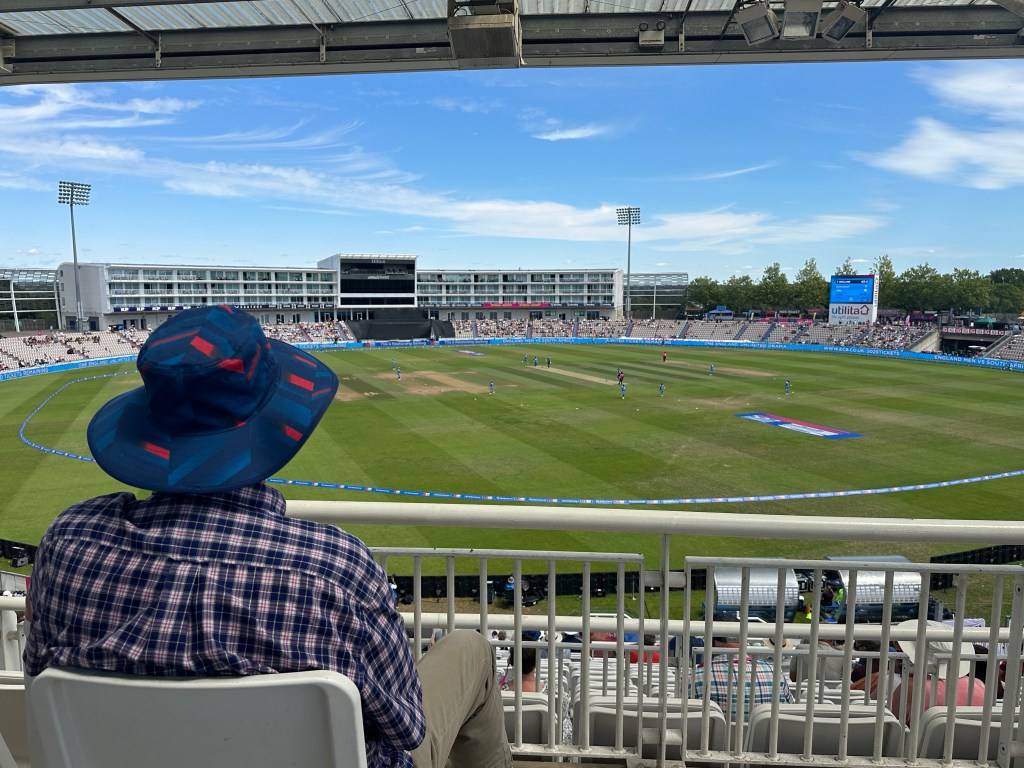
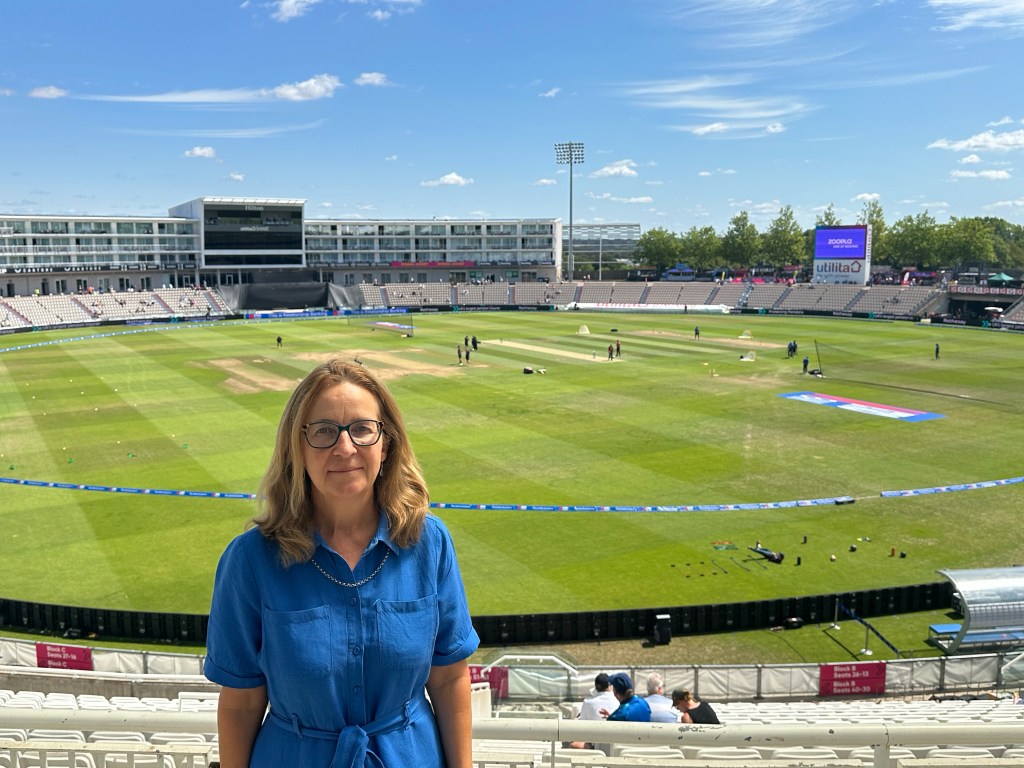
We visited Southampton to watch England Women play an ODI cricket match against India, which India won deservedly in a close game. For both of us it was our first visit to the Utilita Bowl.

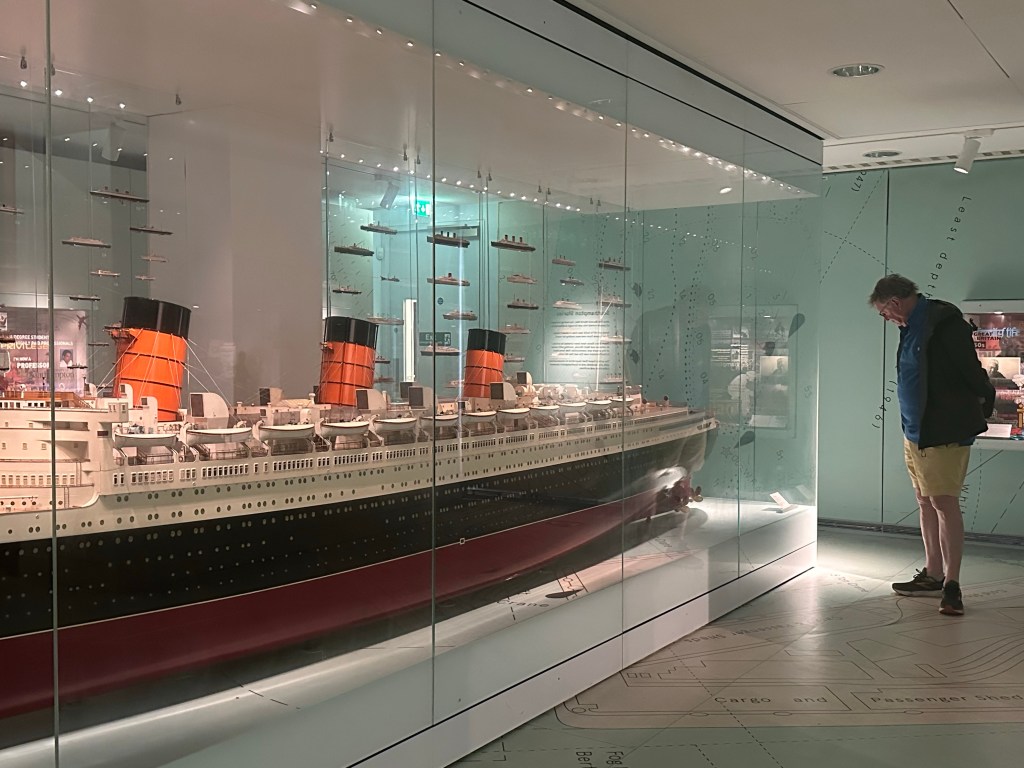
While in Southampton we took the chance to visit the Titanic Exhibition. The Titanic had a crew of 908 with 696 dying in the tragedy; the majority of whom lived in the same district of Southampton. A map on the floor of the museum was a chilling illustration of how the losses were felt by families and communities. A video recreation of the Titanic Enquiry was played. The enquiry started a month after the sinking and was concluded inside three months with a report published. One of the findings we found shocking was that the ship’s lookout did not have binoculars as he would have had to pay for them himself.

Elmalı Musuem and the Treasure of the Century

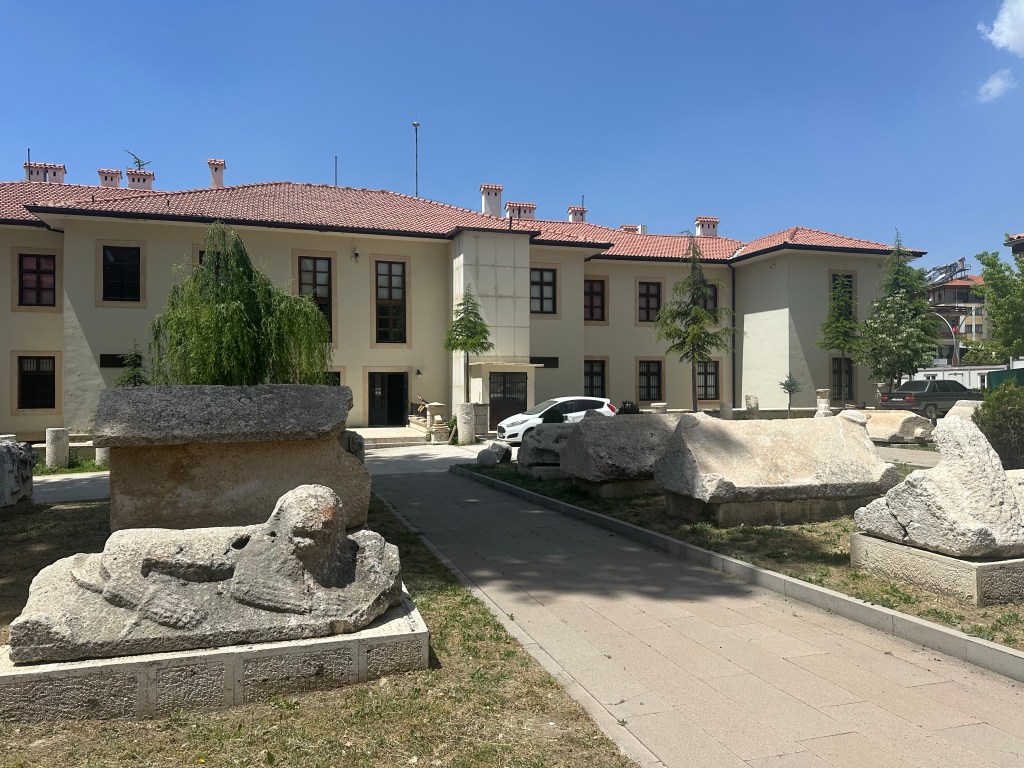
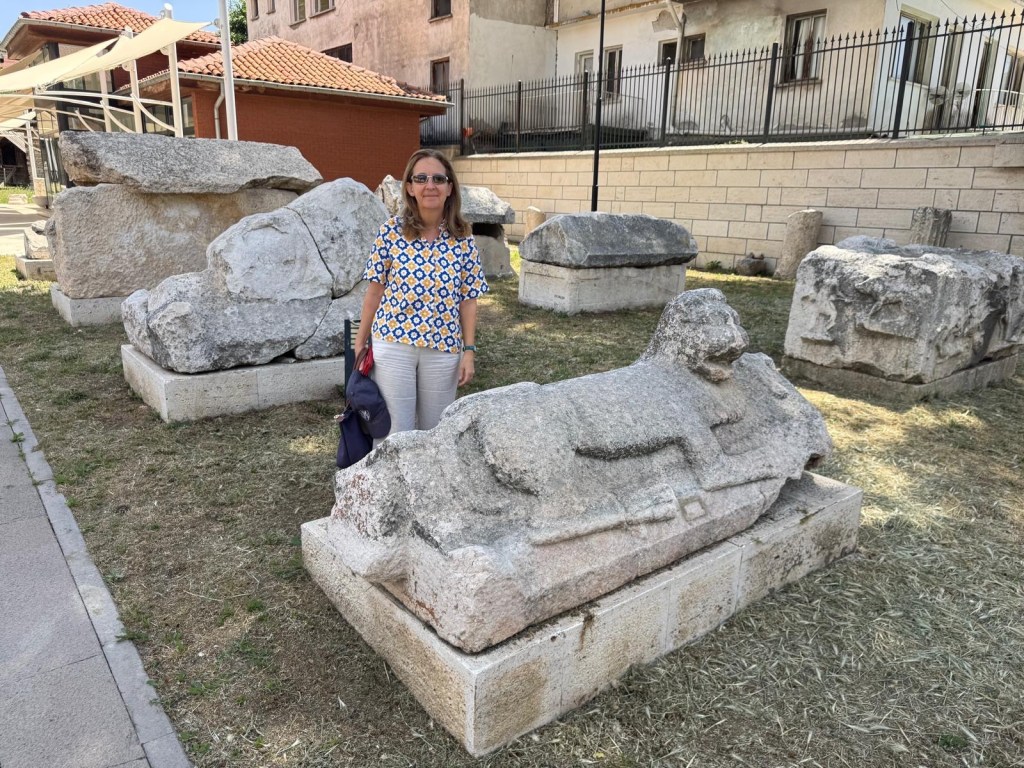
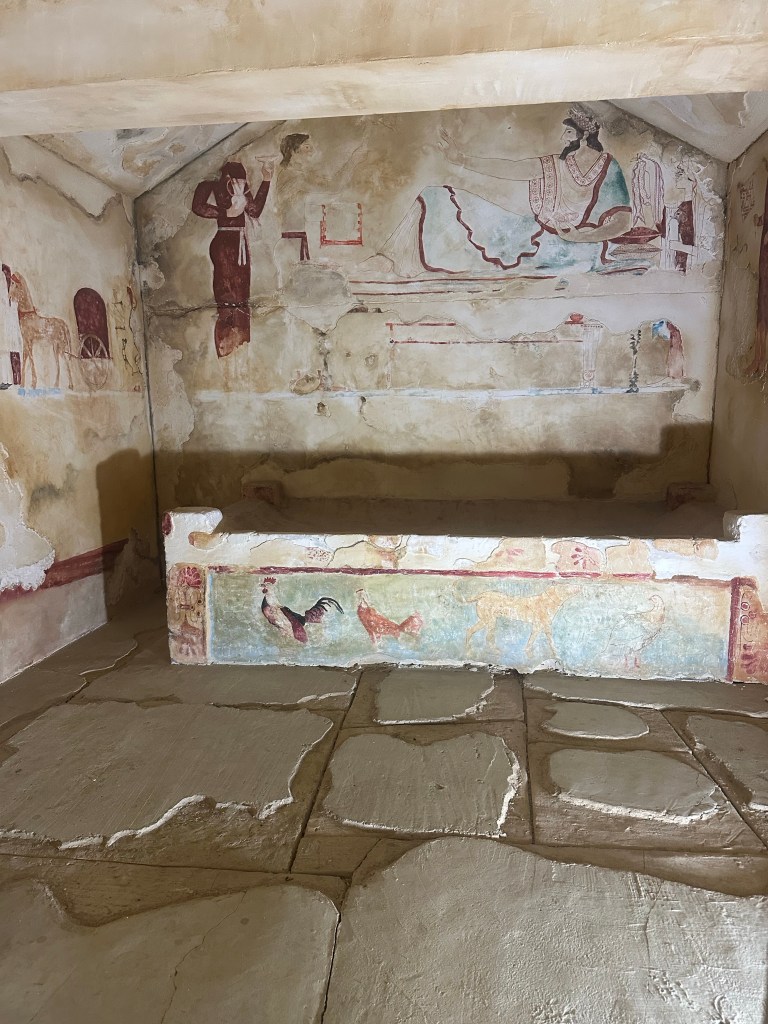
Elmalı is a centre for archaeological excavations, most of which relate to the Bronze Age. The area is well known for Tumuli, ancient burial mounds called Hoyuks in Turkey. Many have been robbed, but finds are still being discovered. The Elmalı museum has a selection of finds with the oldest going back to 5,000 BC. In addition there are displays of Lycian tombs.

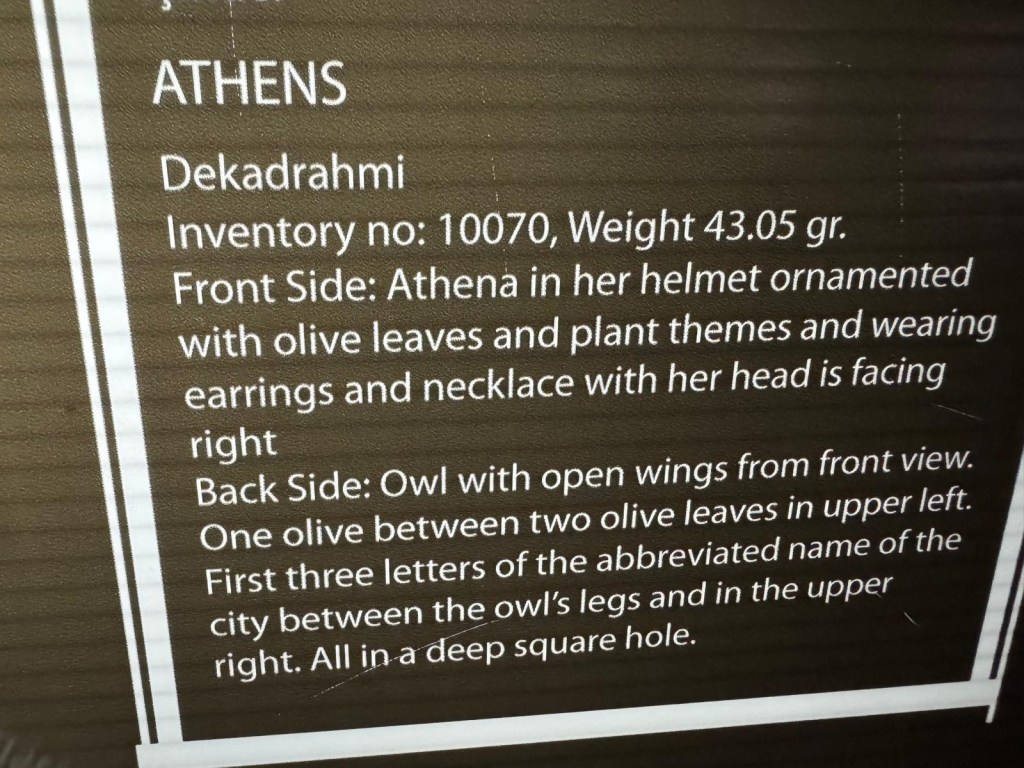
The major attraction is part of the “treasure of the century” or Elmalı Hoard. It was discovered by looters in 1984 and smuggled out of the country and consisted of 1,900 silver coins. The coins originated from across Greece and Lycia in the 5th Century BC. It is believed they were collected together at the time of the Persian invasion. The Hoard is particularly important because it includes 14 decadrachma (10 drachma) coins and prior to 1984 only 13 has been found. Much of the hoard ended up in the hands of an American collector. In 1999, after out of court agreement 1,700 coins were returned to Turkey. Most are displayed at the Antalya museum but a small selection can be seen in Elmalı.

We were the only visitors when we went to the museum; just us and a security guard. No need for a ticket and no gift shop.

Elmalı

Elmalı is a small town with a population of approximately 40,000. It is situated on a small plateau at an altitude of about 1,100 metres 110 km west of Antalya and a 90 minute drive from Kalkan. Although inhabited much earlier, the area became an important centre during the Bronze Age between 3,000 and 2,000 BC.

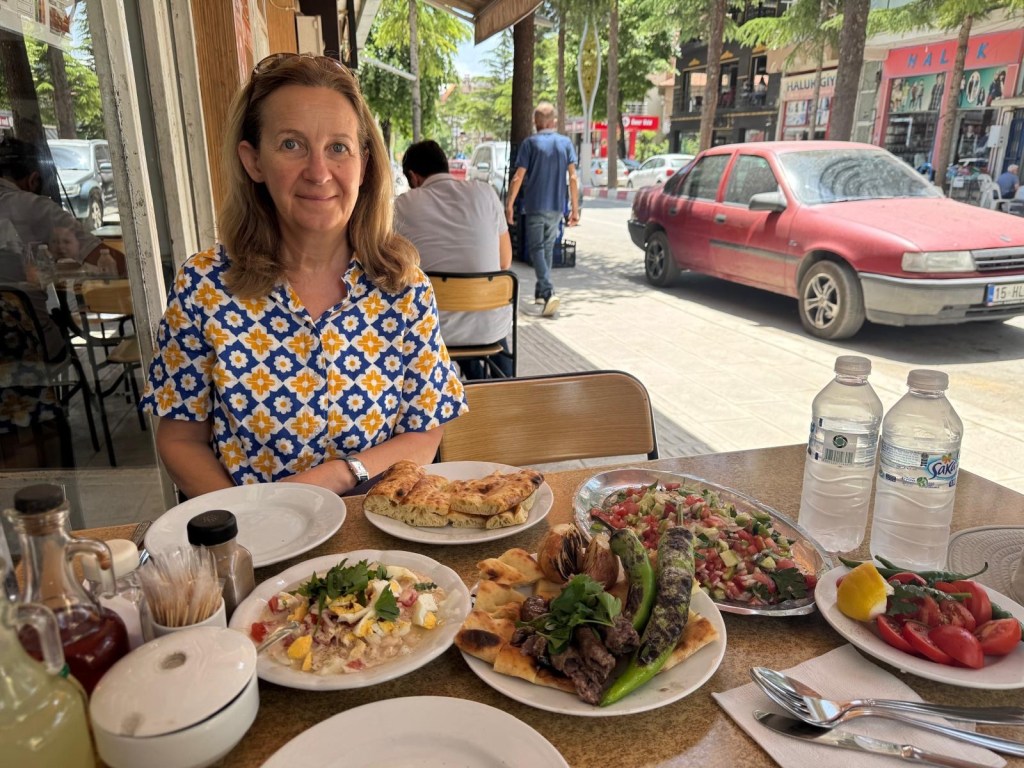
Today, it is an agricultural centre with the main crop being apples; the Turkish for apple is elma. International and domestic tourism is minimal. When we looked around and had lunch, we didn’t see any other tourists. We were grateful for our smattering of Turkish. Although only 90 minutes from Kalkan it felt a world away – a “proper” place, with prices to reflect!

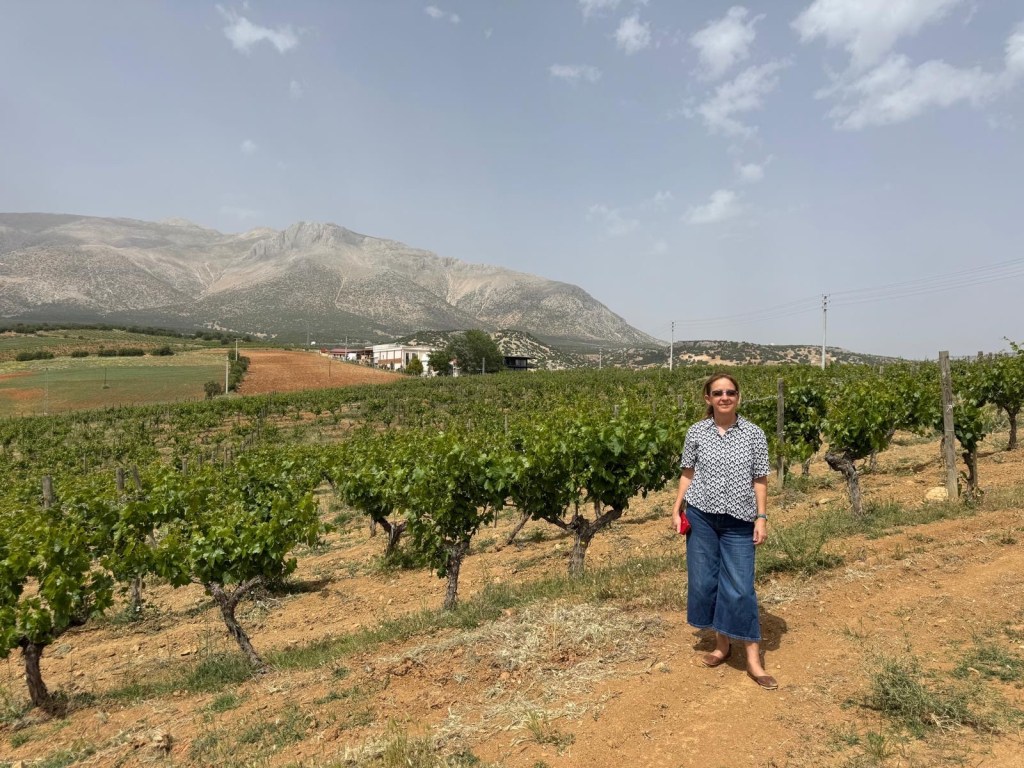
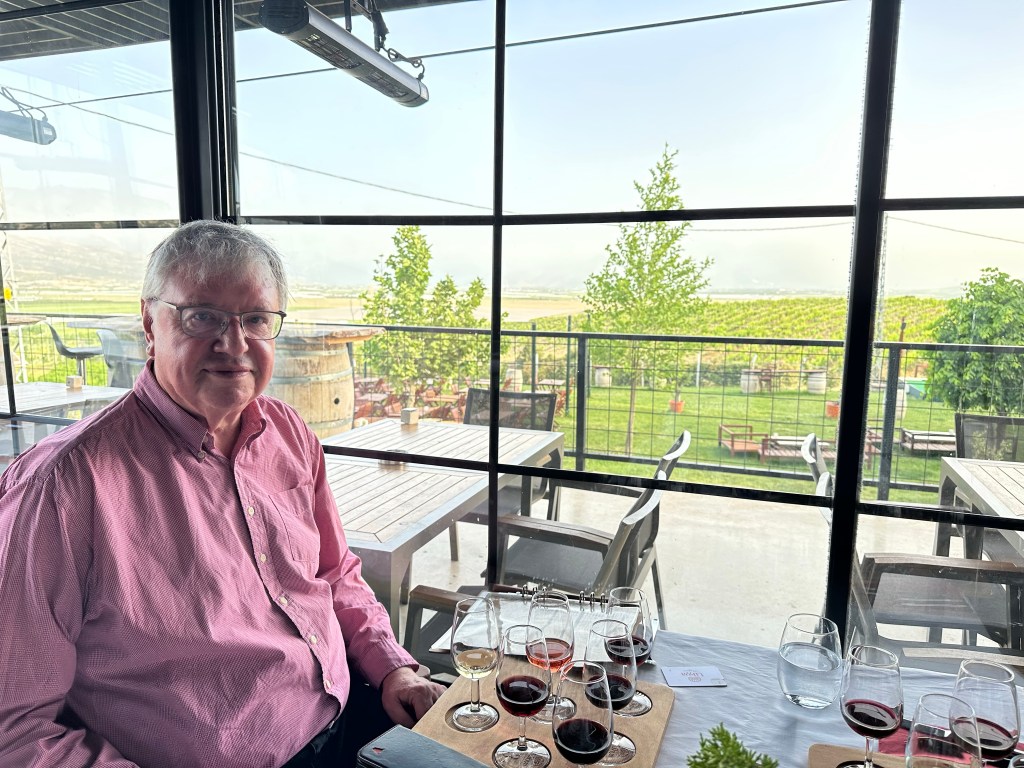
We stayed on a vineyard, a few miles from Elmalı, which was first planted in 1998 and has been selling wines since 2008. It grows many varieties, some well known such as Chardonnay, Sauvignon, Pinot Noir, Merlot and Malbec as well as some indigenous grapes like Acikara, which means black spice.

Rural Turkey within a few miles of Kalkan en route to Elmalı
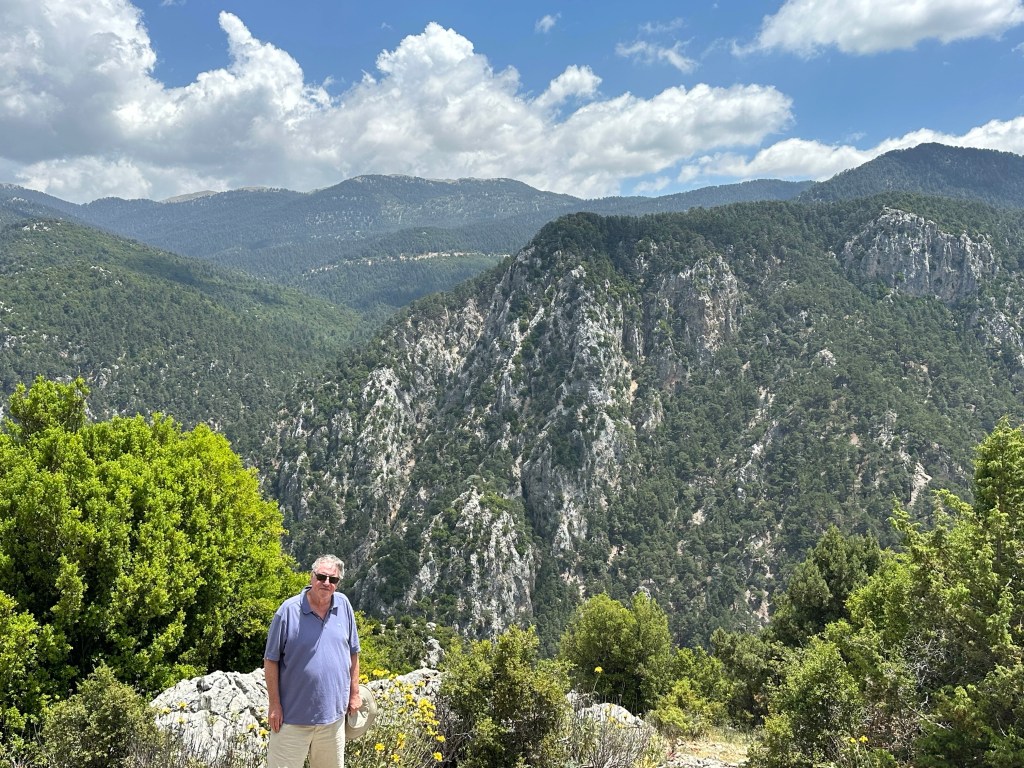
The road climbs through the Taurus Mountains on which we could see snow – this melts and flows through underground streams in the Kalkan Bay !
Mosque and old baths (below) currently being restored
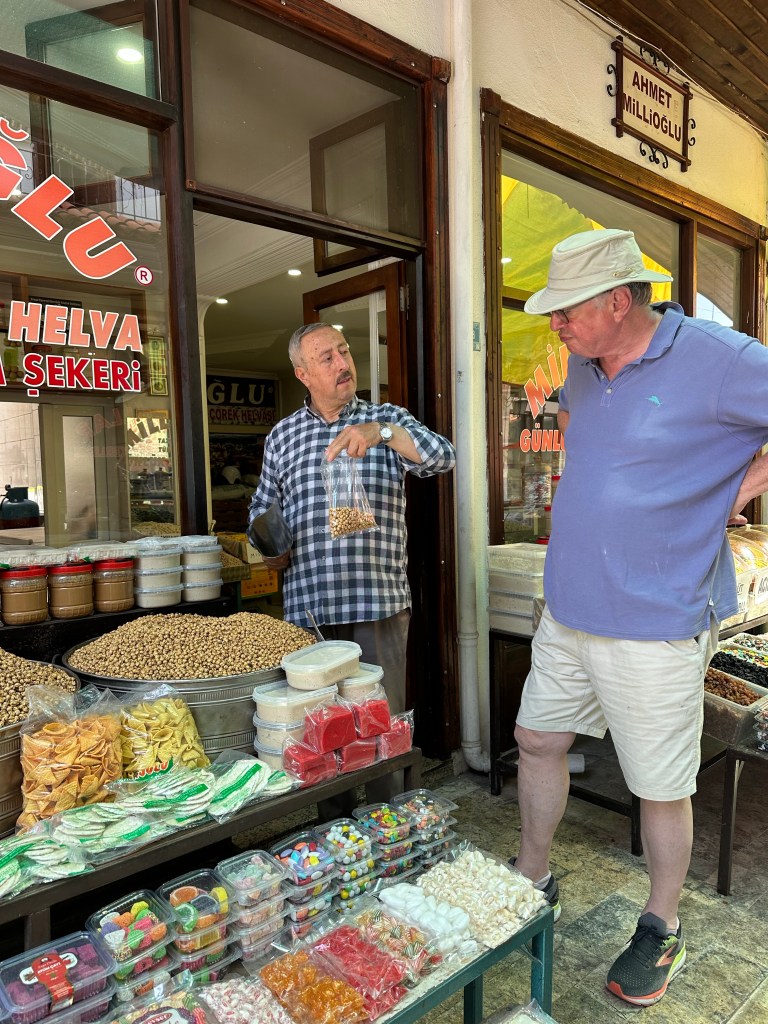
Local delicacies include roasted chickpeas and goats’ milk ice cream

Japanese culture and society

Japanese culture is rooted in tradition and harmony, emphasising values such as respect and community with a strong emphasis on politeness and etiquette.

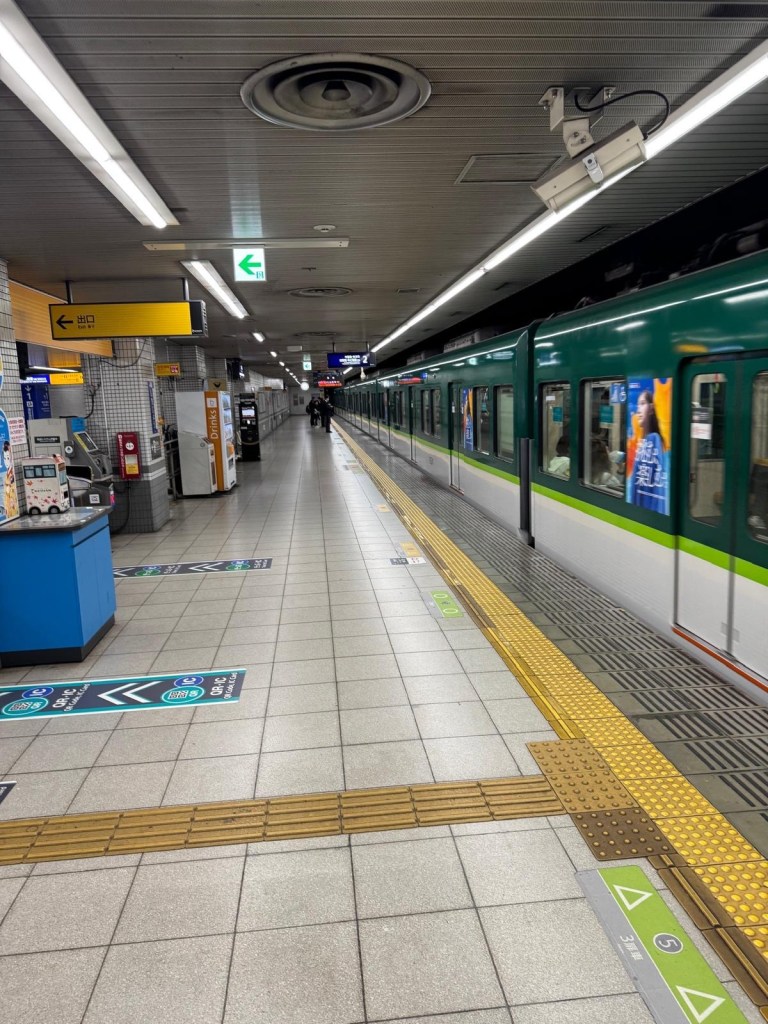
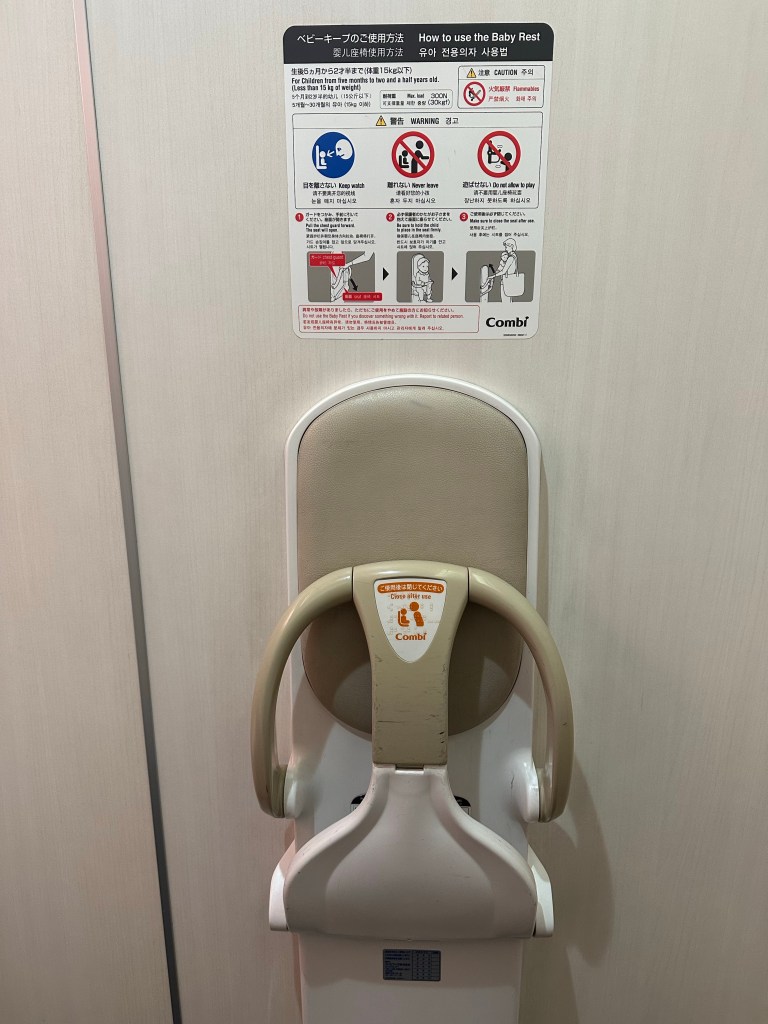
We saw many examples during our travels. Everywhere is clean – no rubbish, dog poo, chewing gum and plentiful clean public toilets. There are no rubbish bins in public places following the 1995 terrorist train attack; all citizens carry bags to take rubbish home as a collective responsibility. All public transport runs on time – it would be rude not to – and stations are clean and orderly.

The values are ingrained from childhood at home and school. In public schools children have to clean their classroom before going home each night. We saw them bowing to staff as they left school.

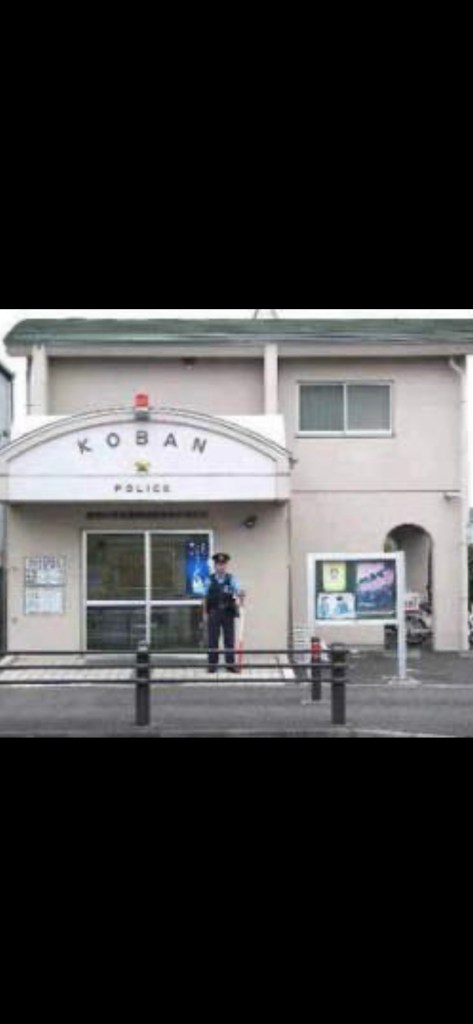
Japan is, we read, the world’s fourth most secure country. We noticed this on a daily basis – you can use your phone in the street without fear of snatching, bikes/helmets are left on the street unlocked. There is heavy policing/ surveillance supported by the public. There are neighbourhood “kobans”, small one room police stations open 24 hours a day where minor crimes and issues are reported or lost valuables are taken.

Japanese society places order above freedom of the individual. This strong collective responsibility is easier to maintain in a country with little immigration and therefore limited ethnic diversity. It is also more economically homogeneous than most countries. We quickly formed the opinion that it is the most controlled non communist state.

Neighbourhood Koban station
Railway station in Kyoto- a busy station but not a spot of dirt

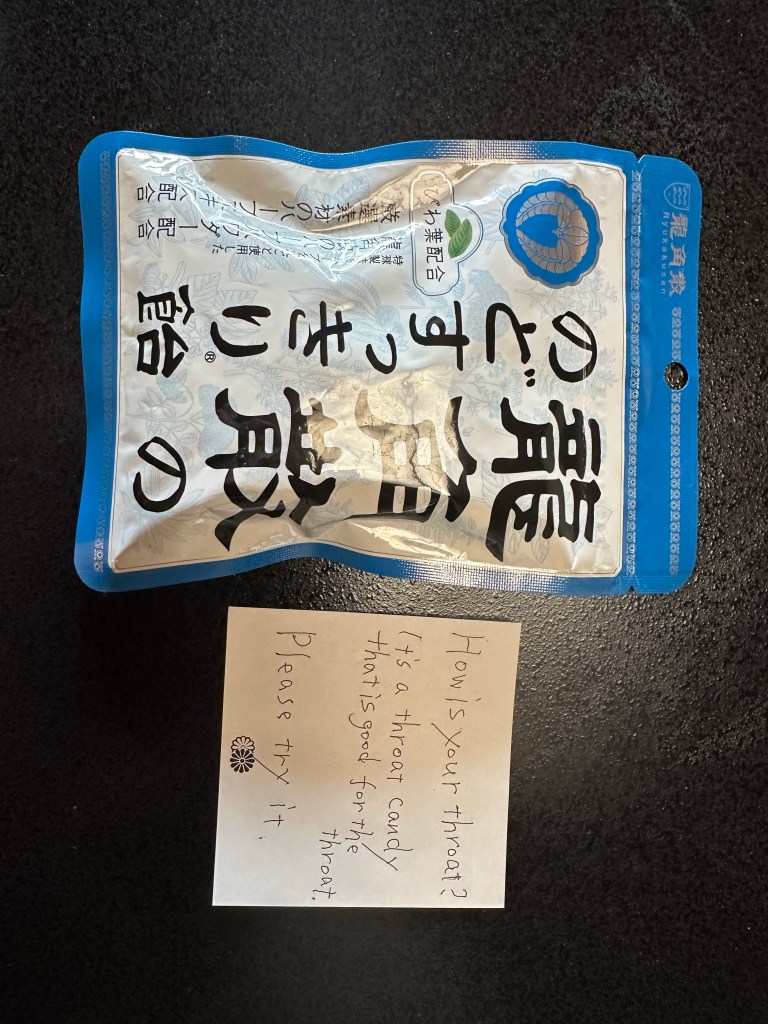
Thoughtful and kind gesture from a member of staff at a Japanese Inn
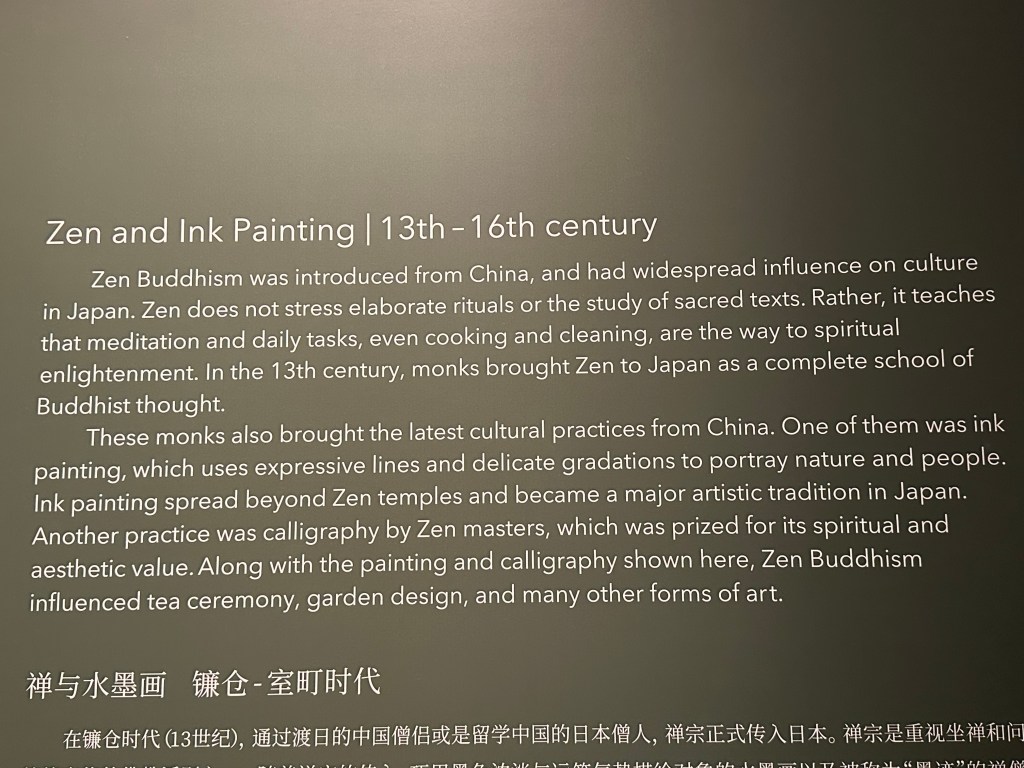
The teachings of “zen” from a sign in the Tokyo National Museum. Third sentence- something to consider when washing up ?!