Copenhagen has been the capital of Denmark since 1416. It was traditionally thought to have been founded by Bishop Absalon to defend against pirates, although evidence suggests earlier settlements. The city has a population of 667,000, with Denmark having a total population of six million.
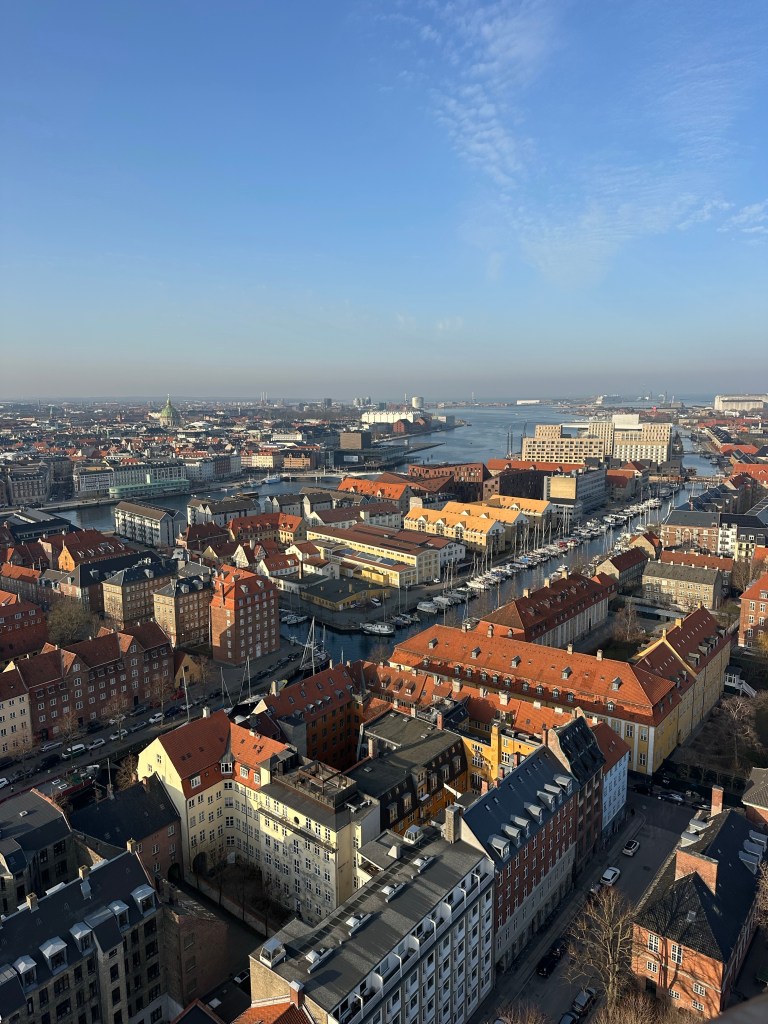
Initially the city was built on islands close to the Swedish coast. In the 17th century, with increased wealth from herring fishing and trade, it was expanded by creating manmade islands with interconnecting canals. Its history has been strongly influenced by being the capital of a Scandinavian group comprising Norway, Sweden, parts of Finland and Denmark or at other times in wars against Sweden.
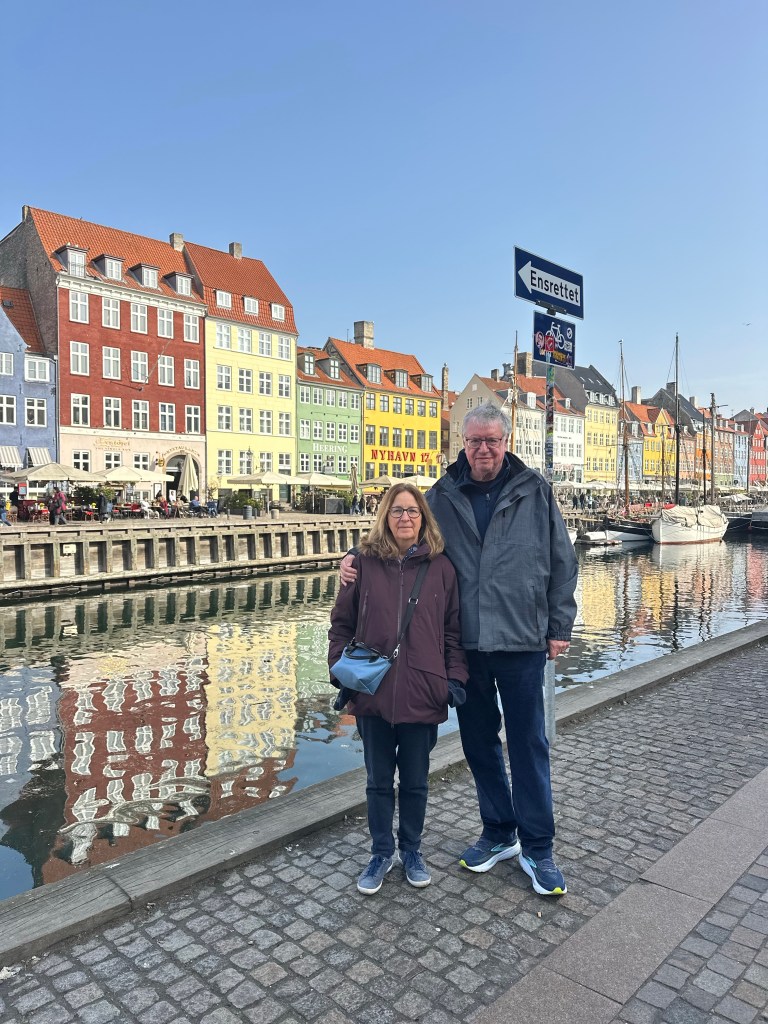
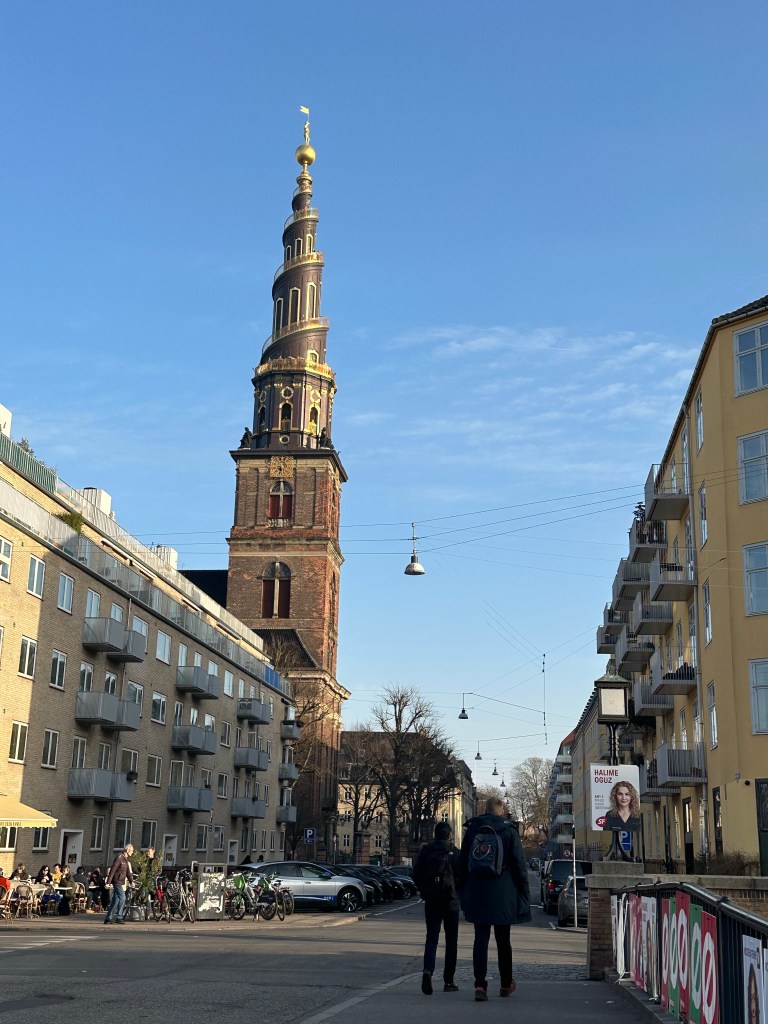
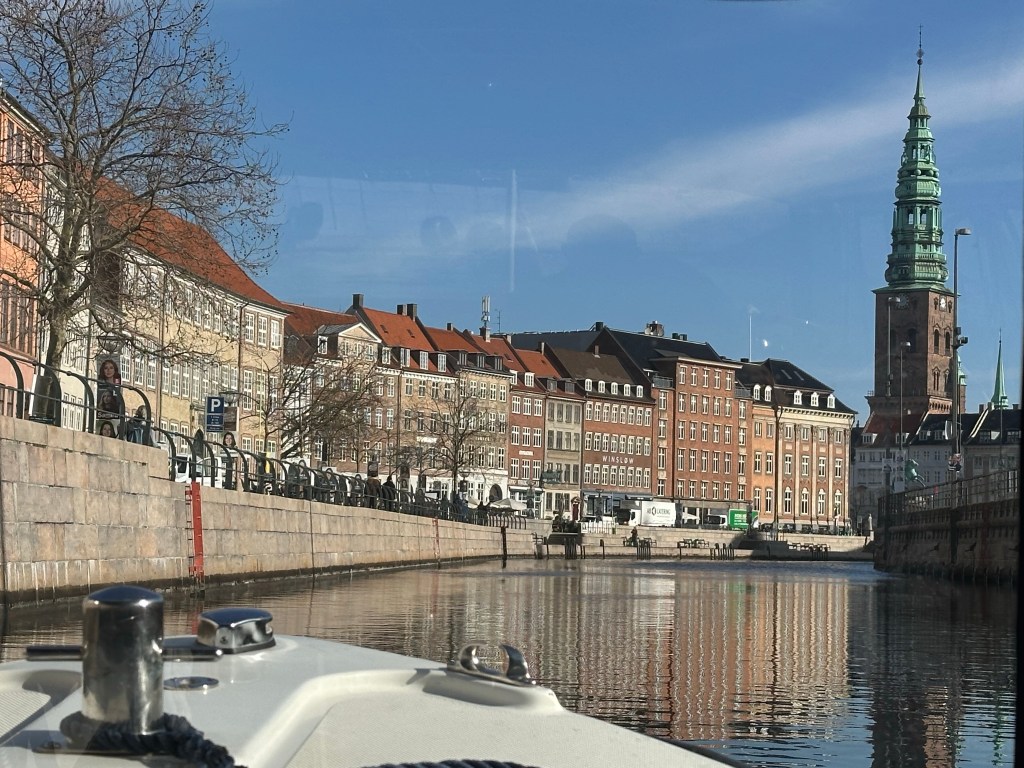
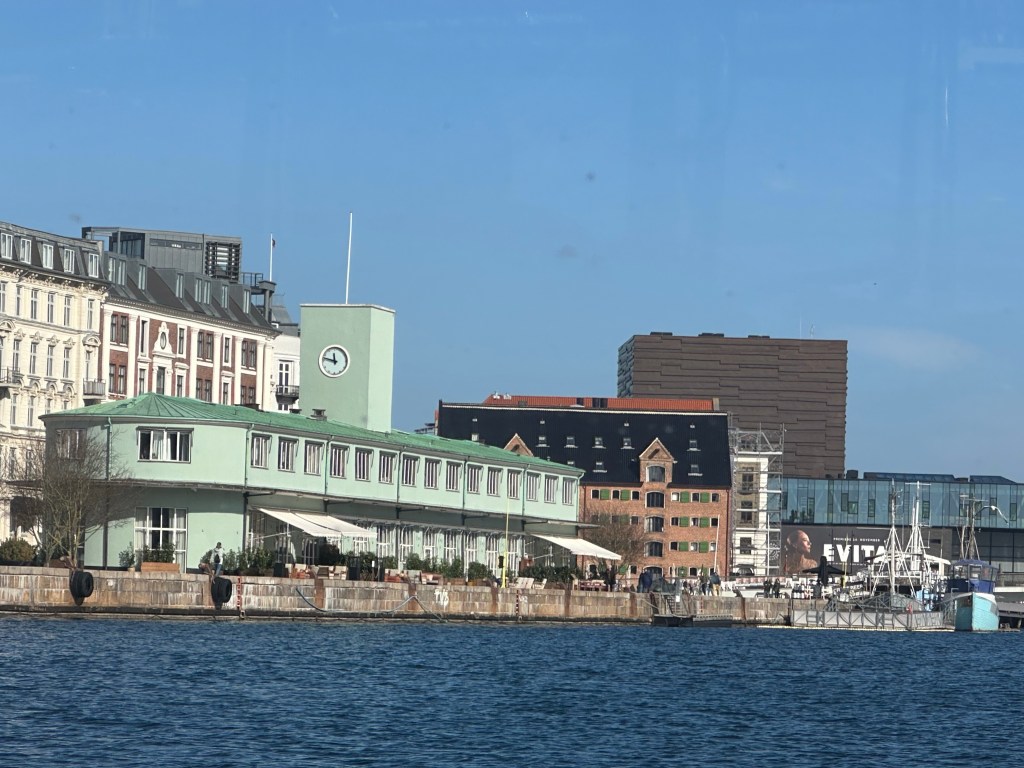
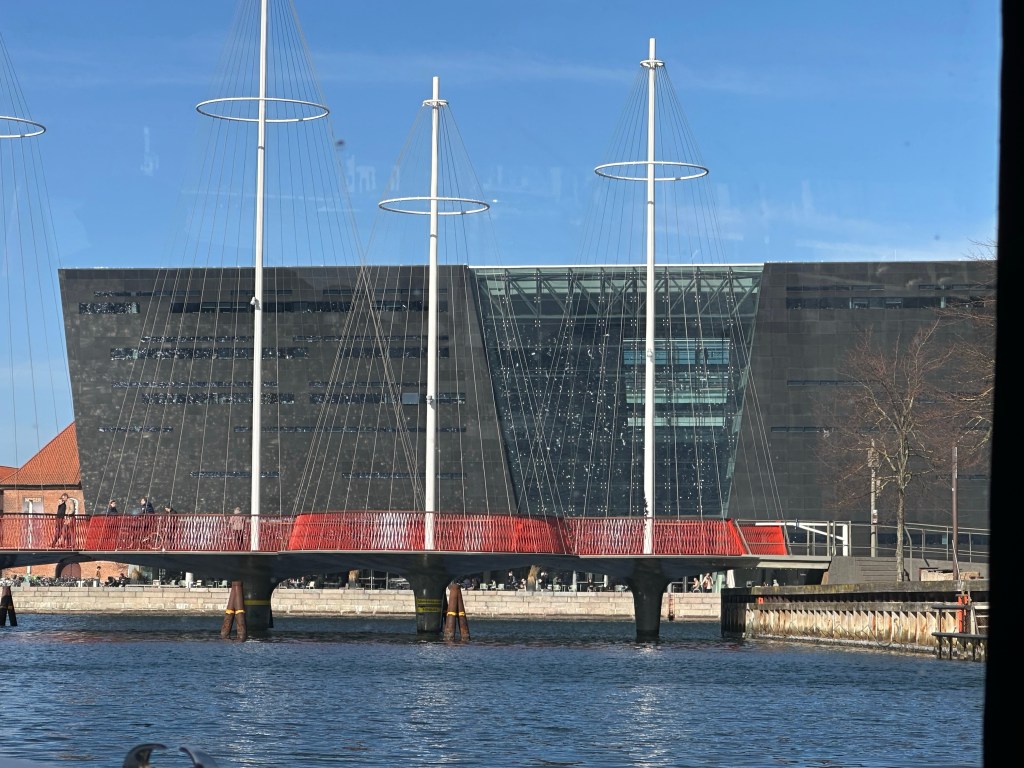
The architecture derives from numerous influences including Dutch, French and Italian as well as more modern “Scandi”. Fires have been common, including a recent one which destroyed the Stock Exchange, resulting in buildings that date from various eras.
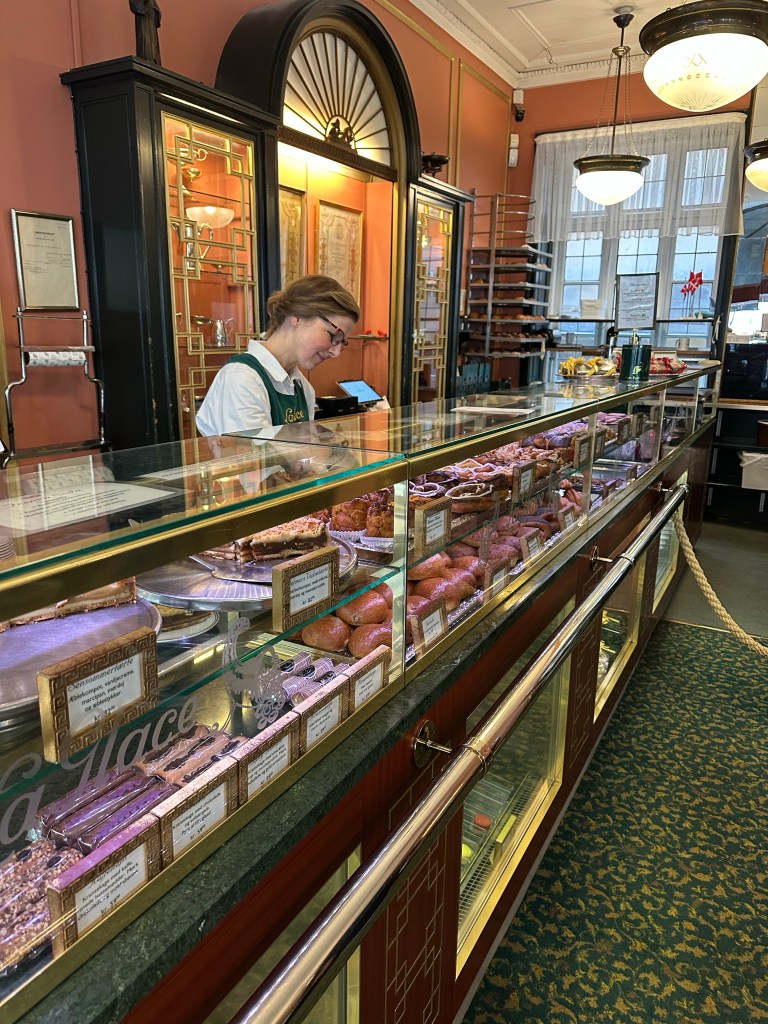
Copenhagen is now a foodie city with a history of pastries, pork products and herrings (not necessarily together!) which has become a home for modern young chefs with many entries in the Michelin Guide.
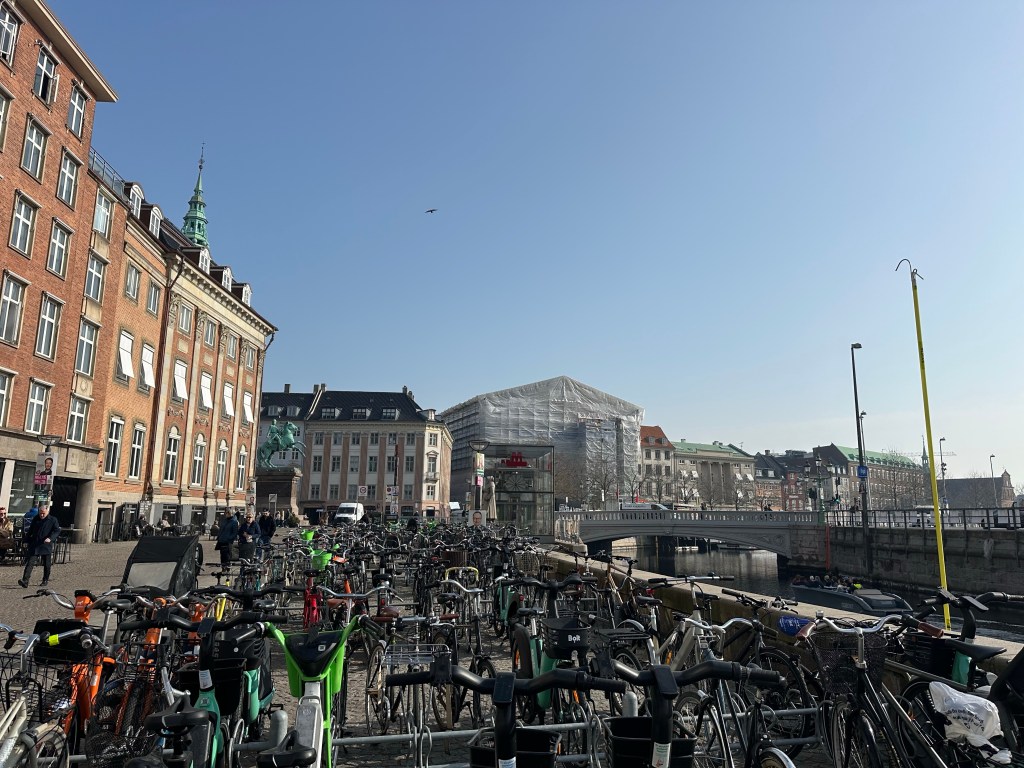
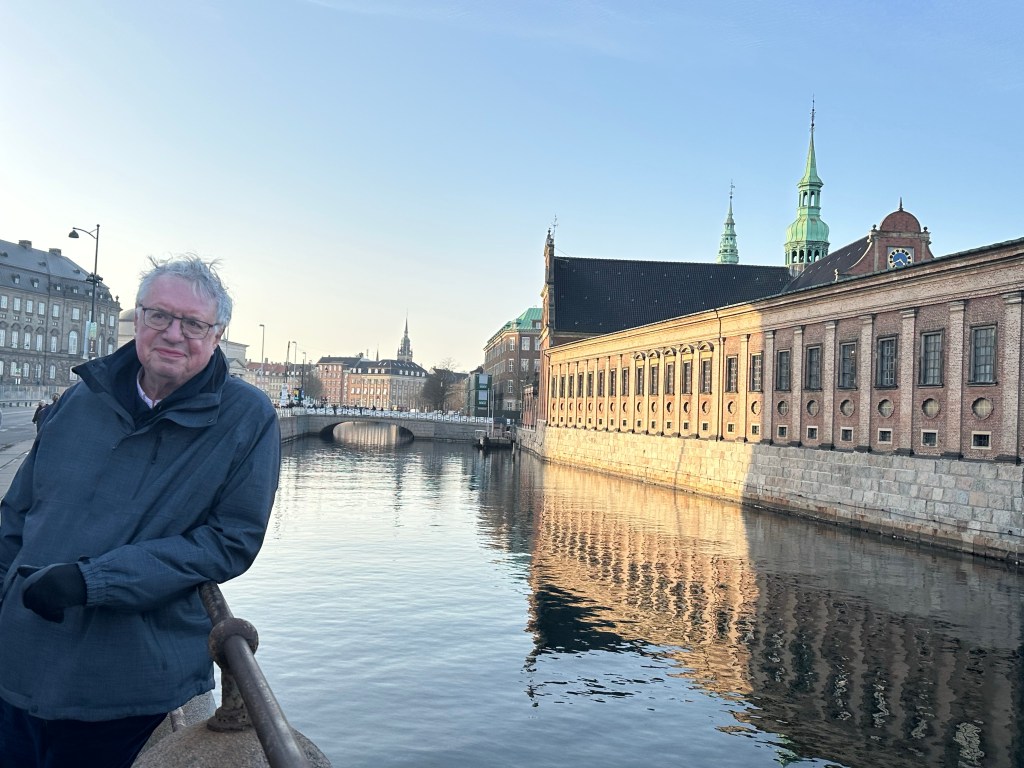
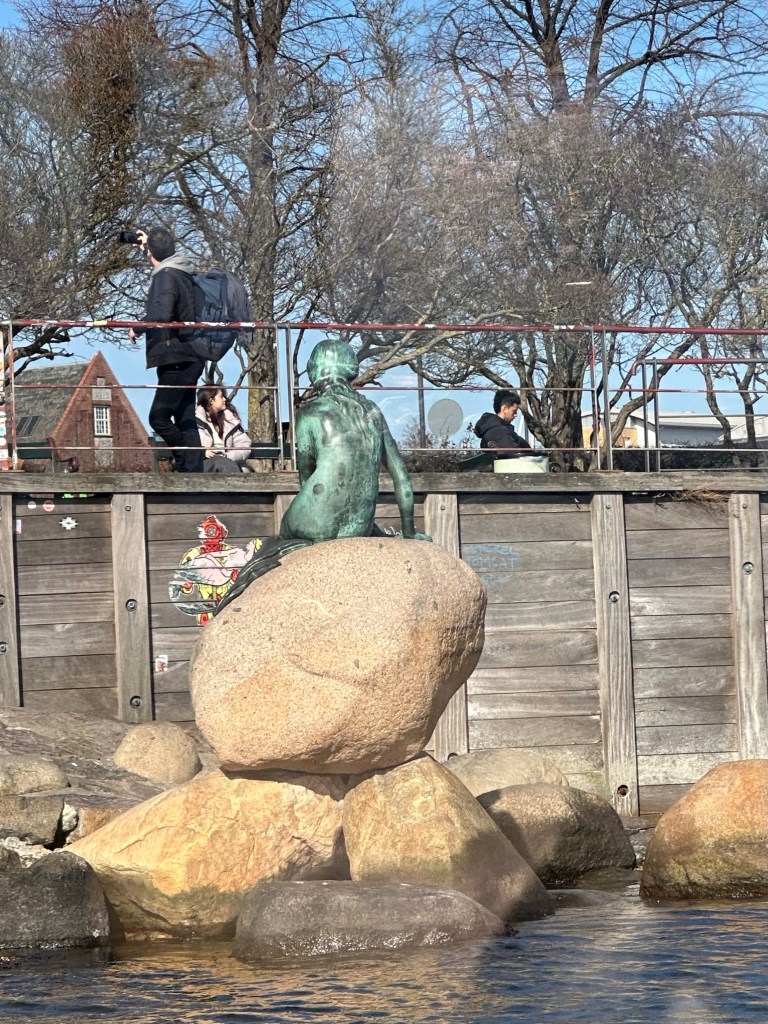
Although we did not join the throngs of cyclists (apparently the city has two bicycles on average per person), we found it a very good city for walking. We also avoided another local pursuit – a dip in the canals, which had been frozen over until a fortnight before – in favour of a boat trip.
 Shilli-Fully Travels