All of the Costa Ricans that we met, especially the guides, were very friendly, proud of their country and committed to conservation. Everyone greats you or says goodbye with “Pura Vida”, literally “pure life”. This is believed to have come into the language following a Mexican film in 1956 and became ingrained in the culture by the 1980s.
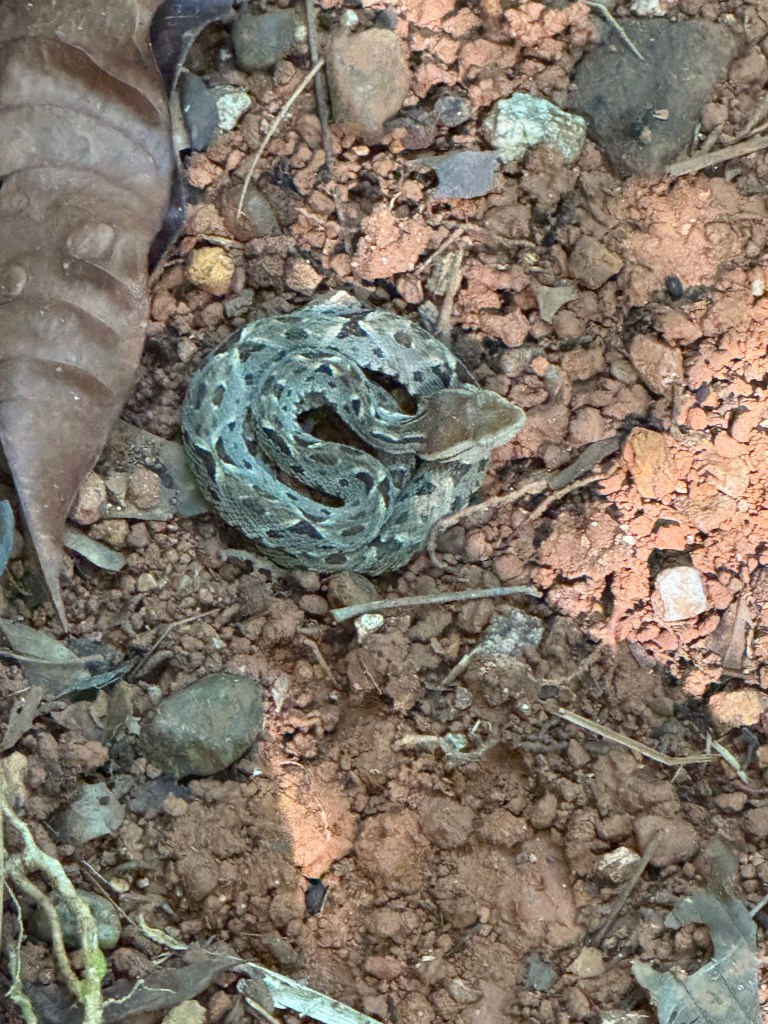
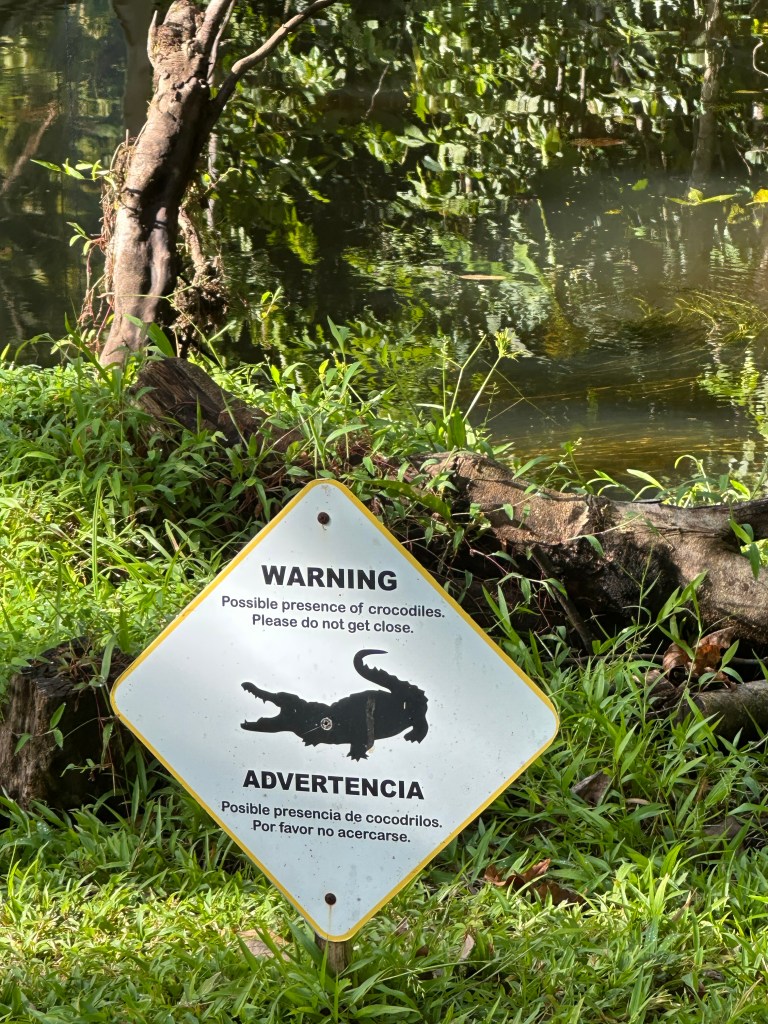
Travel in Costa Rica also involves hazards. There are 22 venomous snakes with about 600 snake bites a year being recorded mainly by fer-de-lance, a type of viper. While, unlikely to kill, it would extend your Costa Rican stay by around a month while receiving anti-venom. We only encountered one (enough) which was on a hiking track and very well camouflaged. We were with a well trained guide who had dealt with snakes since he was a child. As well as knowing how to persuade the snake to move on he also took a photo for us, so we could keep our distance!
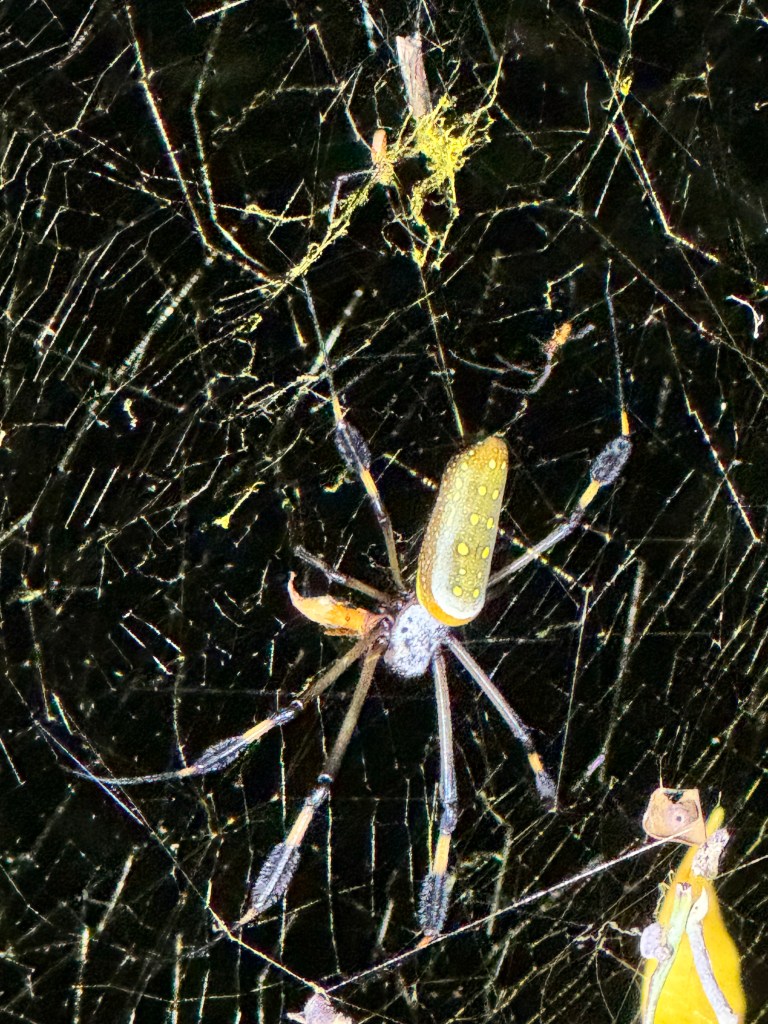
There are also venous spiders, headed by the tarantula and poisonous frogs. All of which we saw during our trip.
Like most people we have a dislike for mosquitoes but now have more mixed feelings having discovered that they pollinate cacao beans as bees and larger insects are too big to fit in the complex flowers.
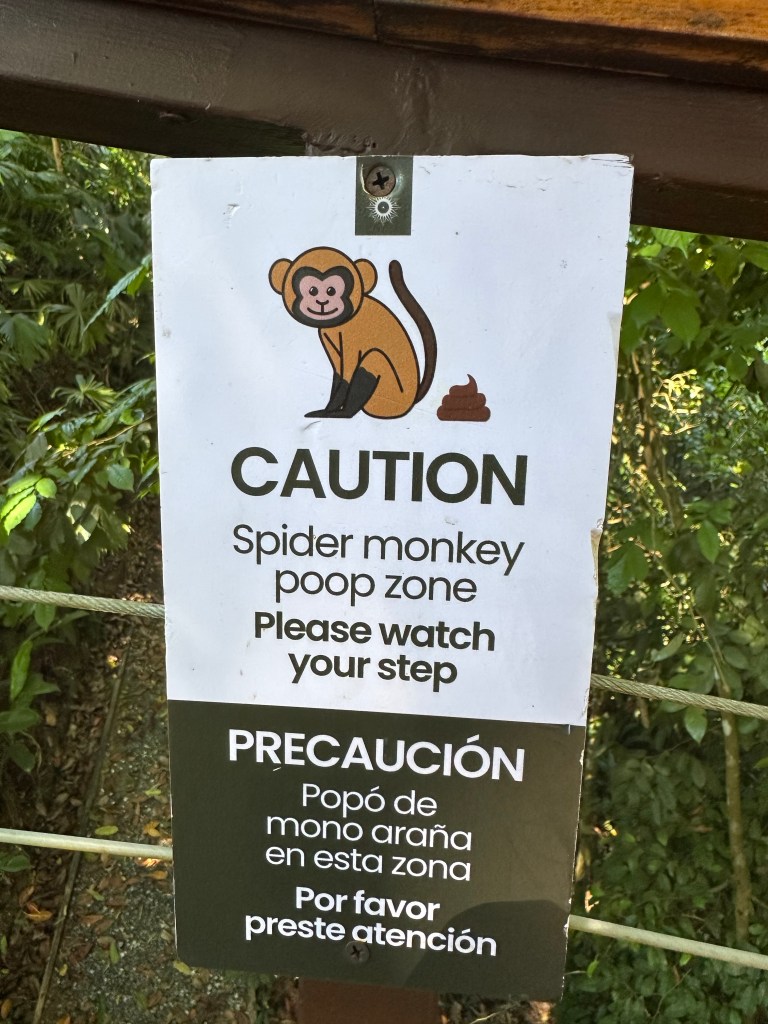
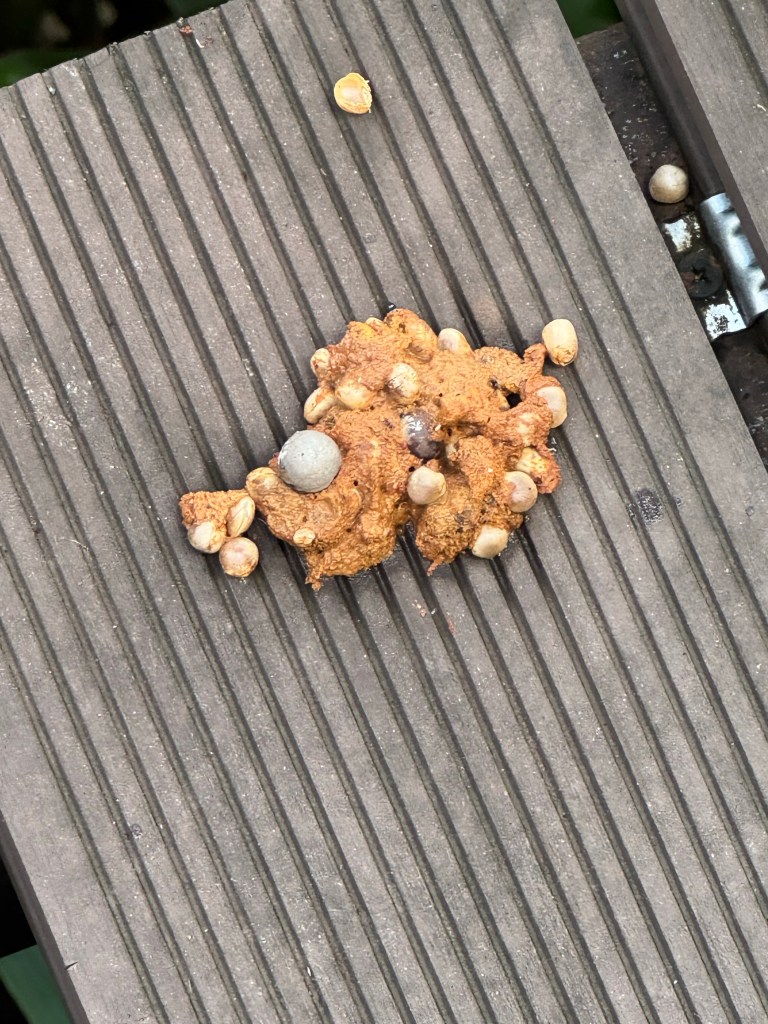
Other hazards, while less dangerous, include monkeys who like to point out that you are in their territory by defecating on you from a tree !
 Shilli-Fully Travels