Seville is the capital of Andalusia and the fourth largest city in Spain.
Its size and importance grew after it was retaken in 1248 by the Christians from the Moors. At the time, in common with other Andalusian Cities, it had a Jewish community which had thrived under Islamic rule. The Jews formed the middle class administrators and artisans. The Christian government maintained the status quo until 1391 when Jews were forced to convert, although some retained their faith.
In 1478 Seville became the first city to bring in the Spanish Inquisition (“no-one expects the Spanish Inquisition”) resulting in the expulsion or death of heretics, remaining Jews or supporters. A number of customs derive from this period including adding diced cured ham as a topping to a local cold tomato soup, done originally by Jews trying to hide their faith. Some people also changed their names and invented new family histories.
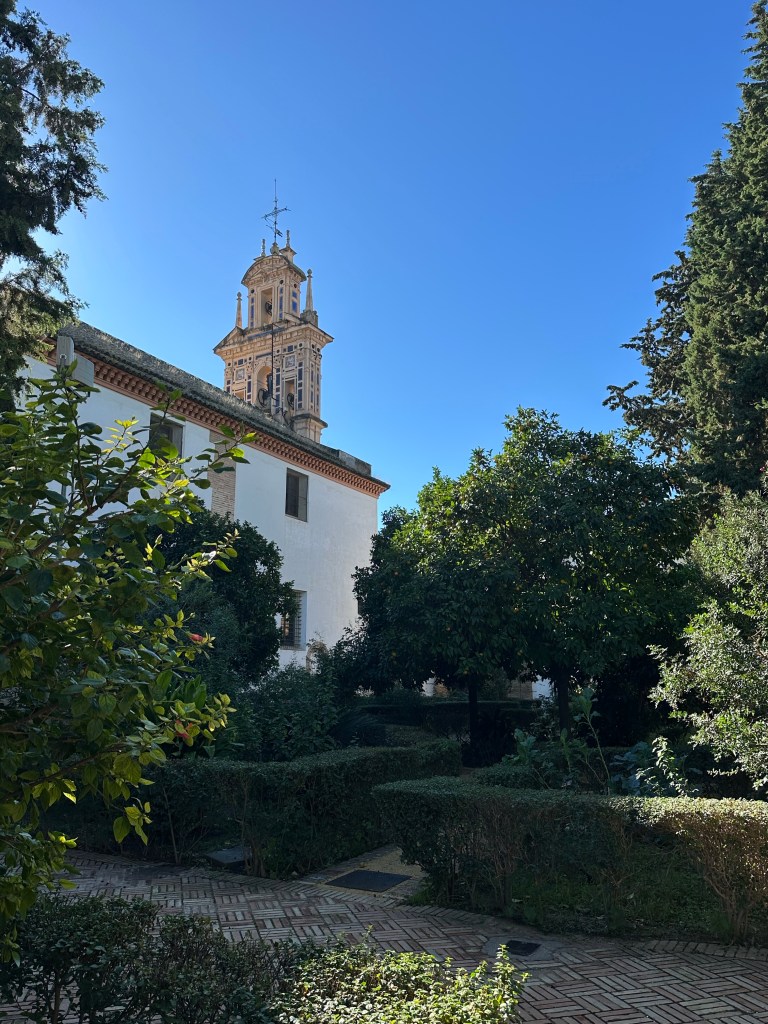
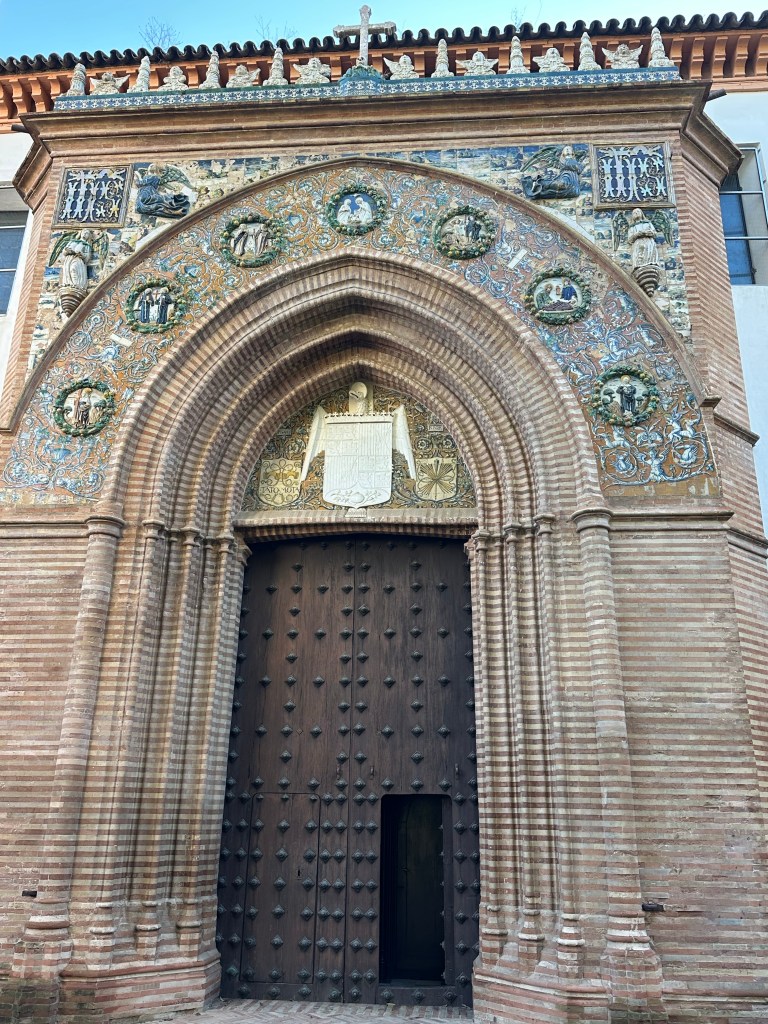
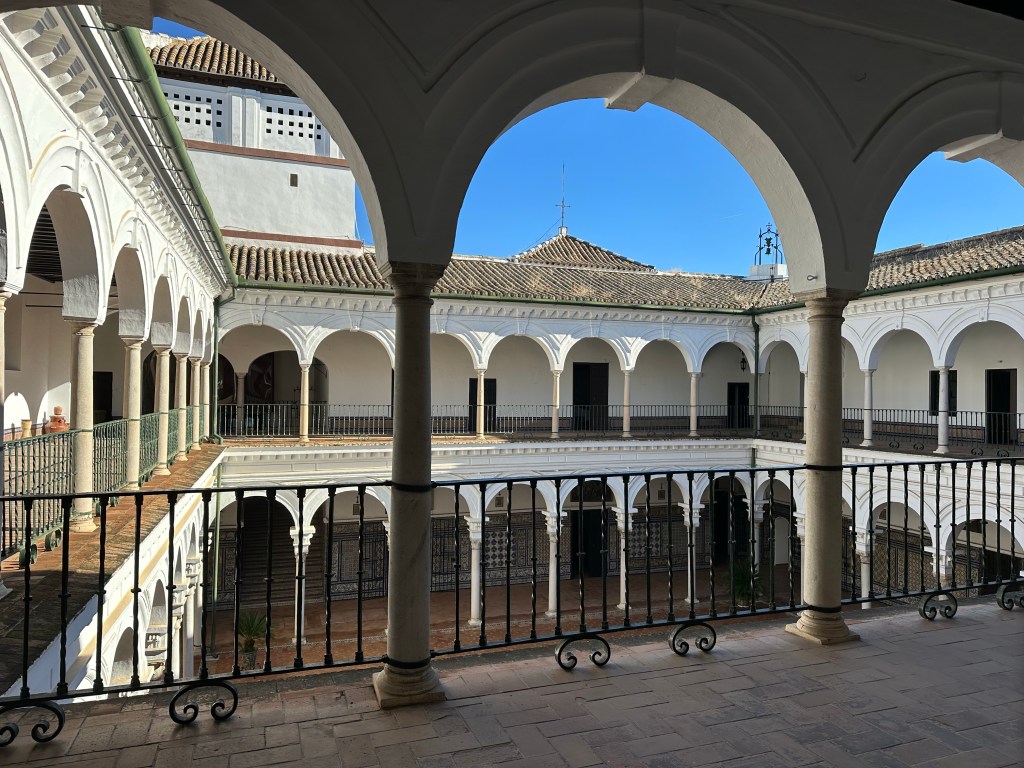
We visited a convent founded in 1473 by wealthy families which housed widows and unmarried daughters as nuns, Monastero de Santa Paula. It is a spectacular building behind an unassuming door and continues as a working convent.



 Shilli-Fully Travels