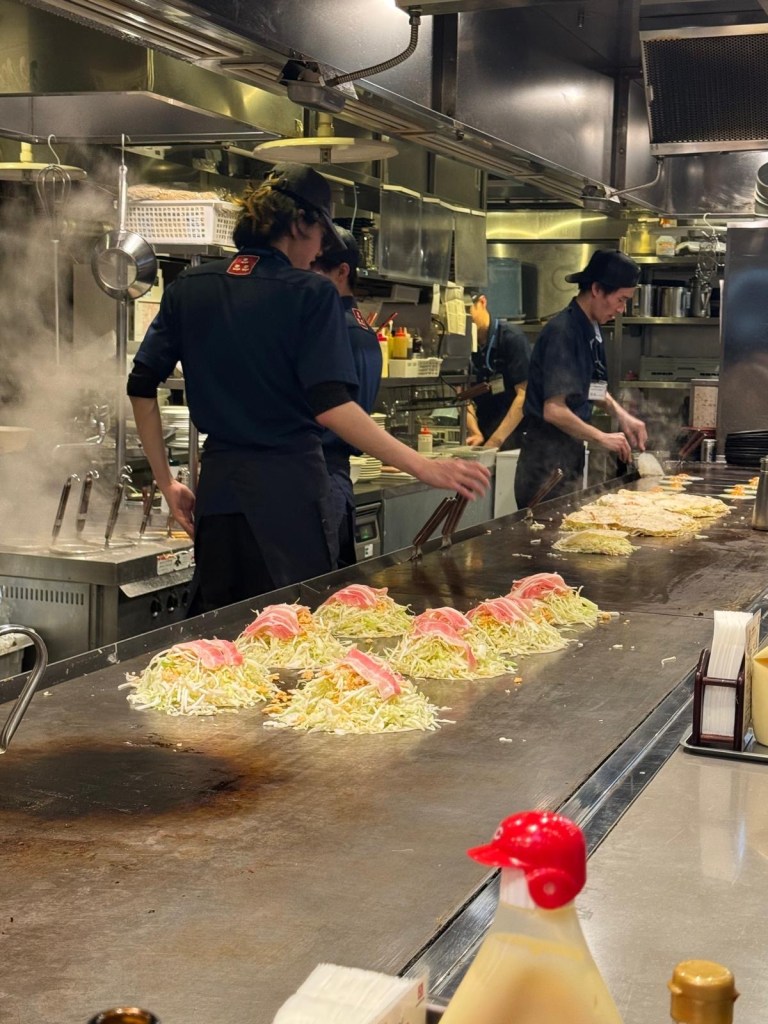
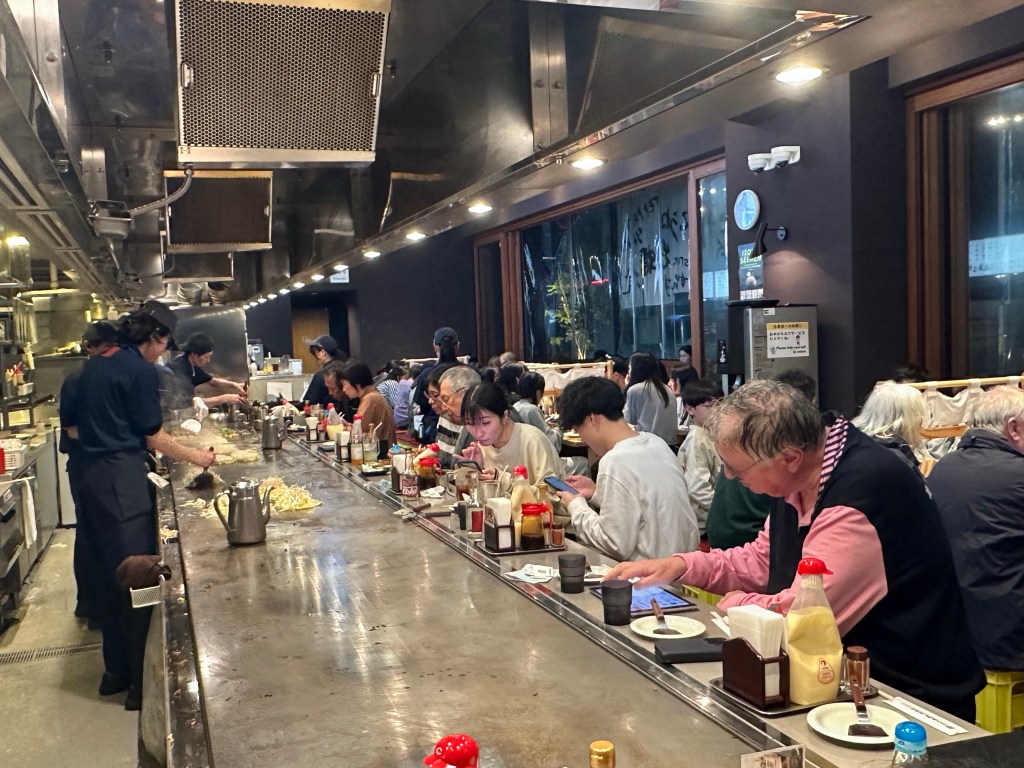
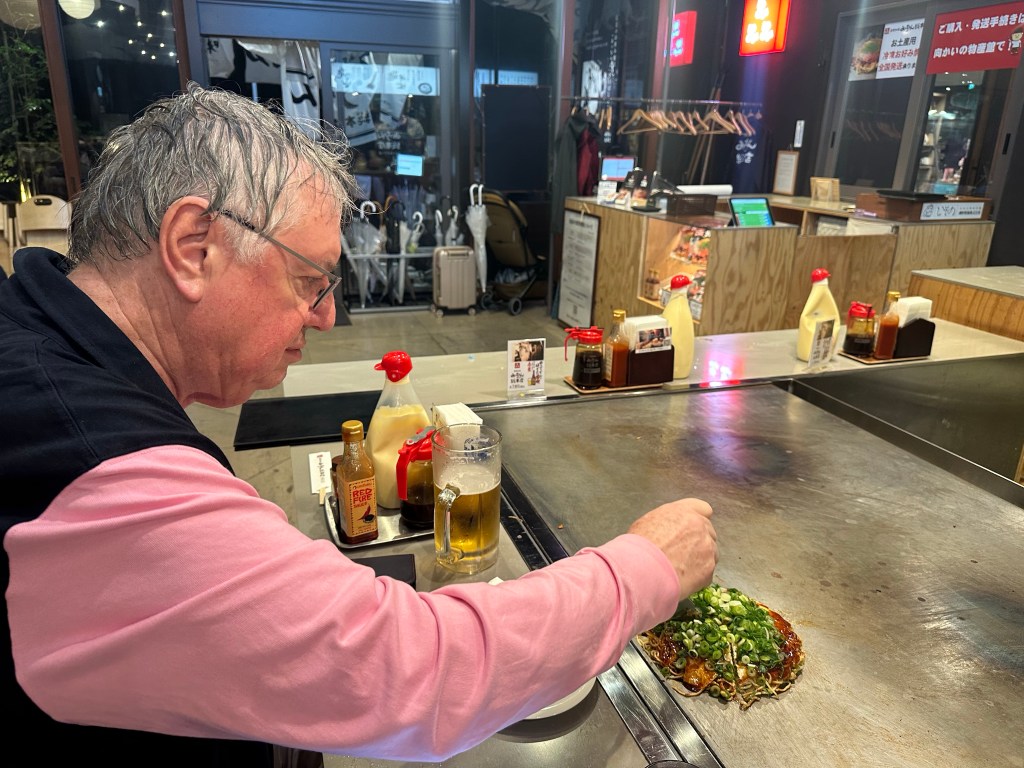
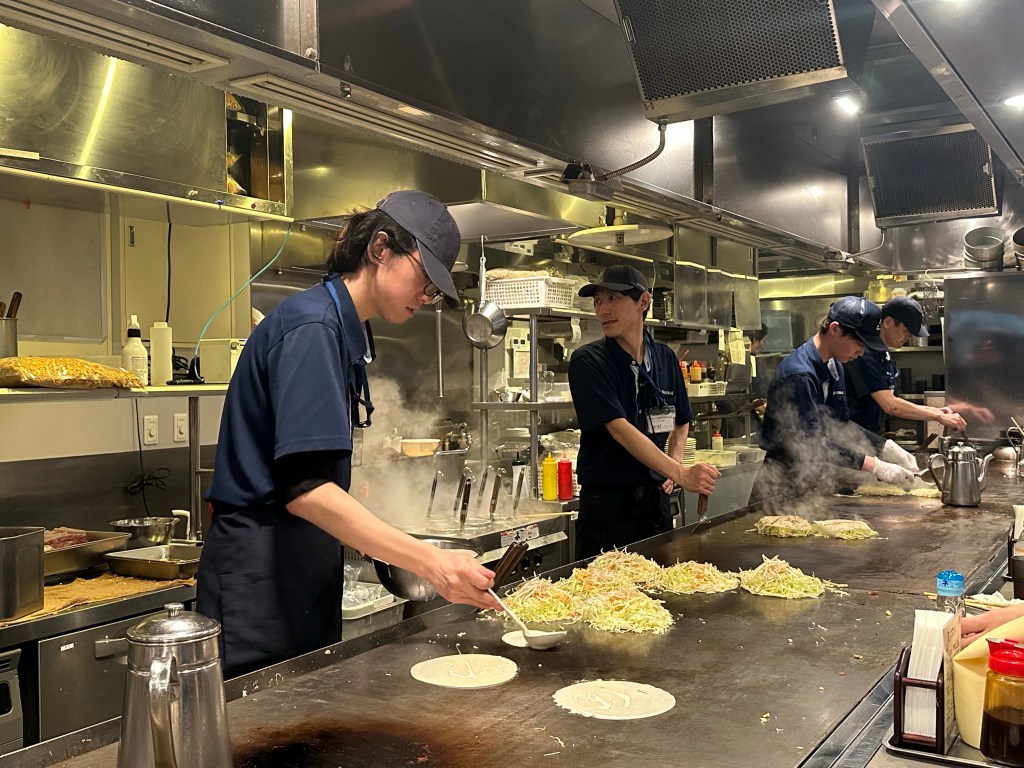
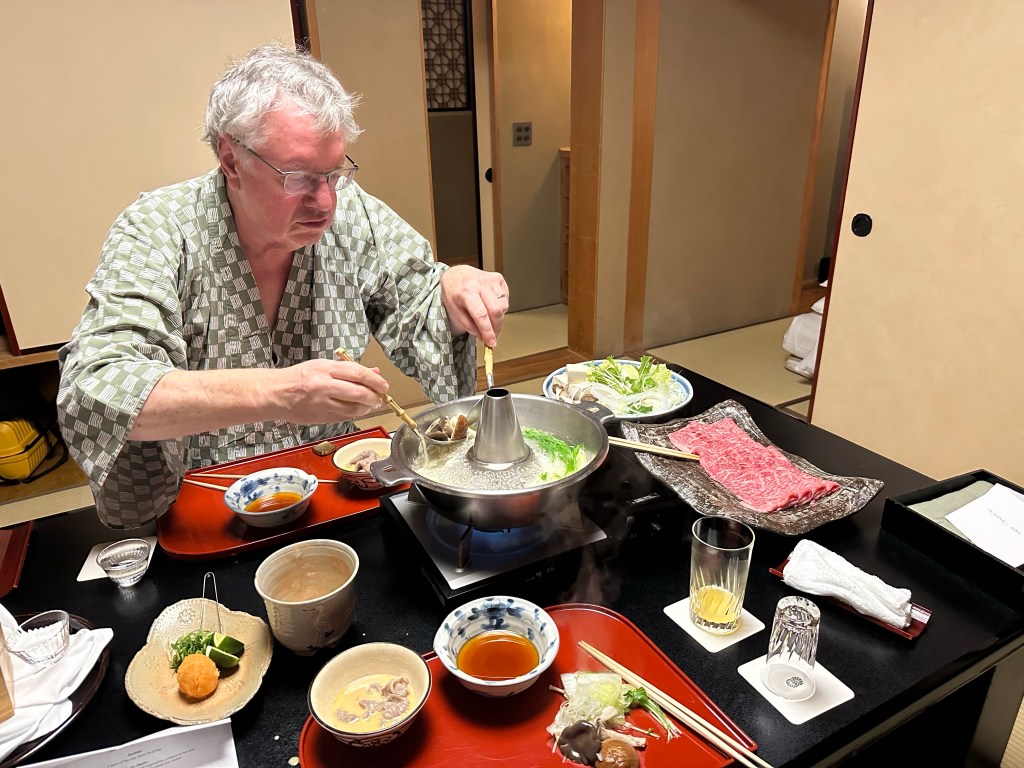
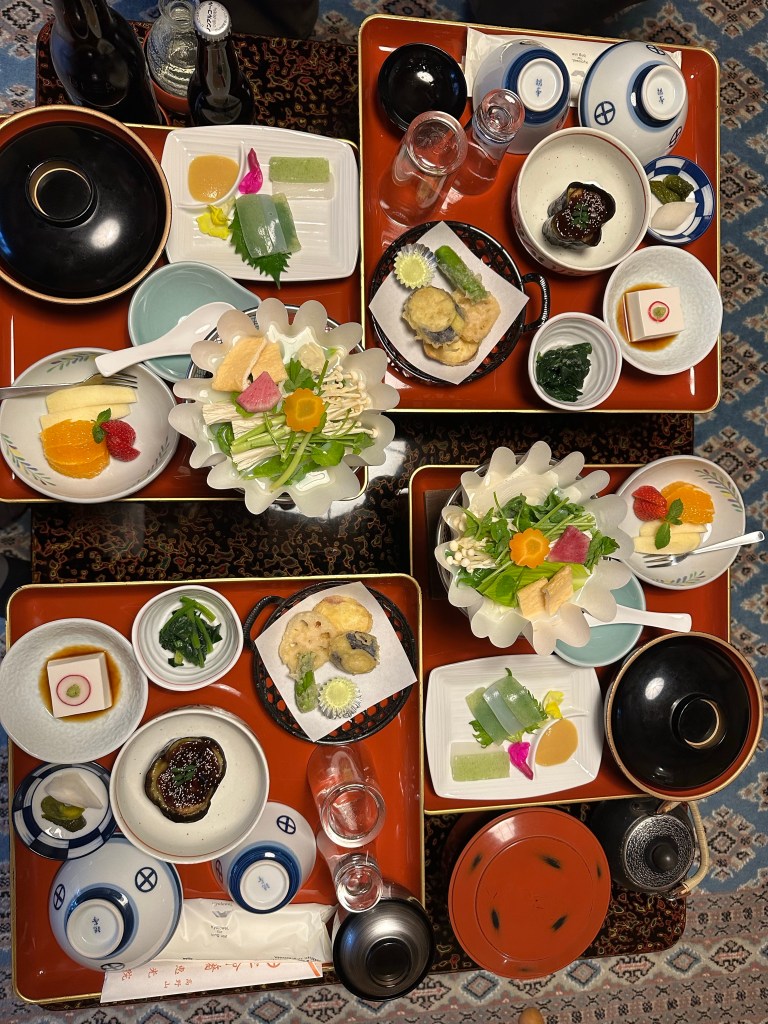
There are many different styles of Japanese food and each restaurant tends to specialise in just one. Some, like sushi, tempura, noodle soup and teppanyaki were familiar to us. But we were introduced to many other styles such as kaiseki; a multi course seasonal meal with no choice, shabu shabu, a hotpot where you cook your own food at the table, yakitori, skewered grilled meat, usually a street food and okonomiyaki, a pancake based meal cooked on a hot plate (also eaten from it if you have a counter seat) with cabbage, noodles, pork and other selected filling topped with a rich sauce.
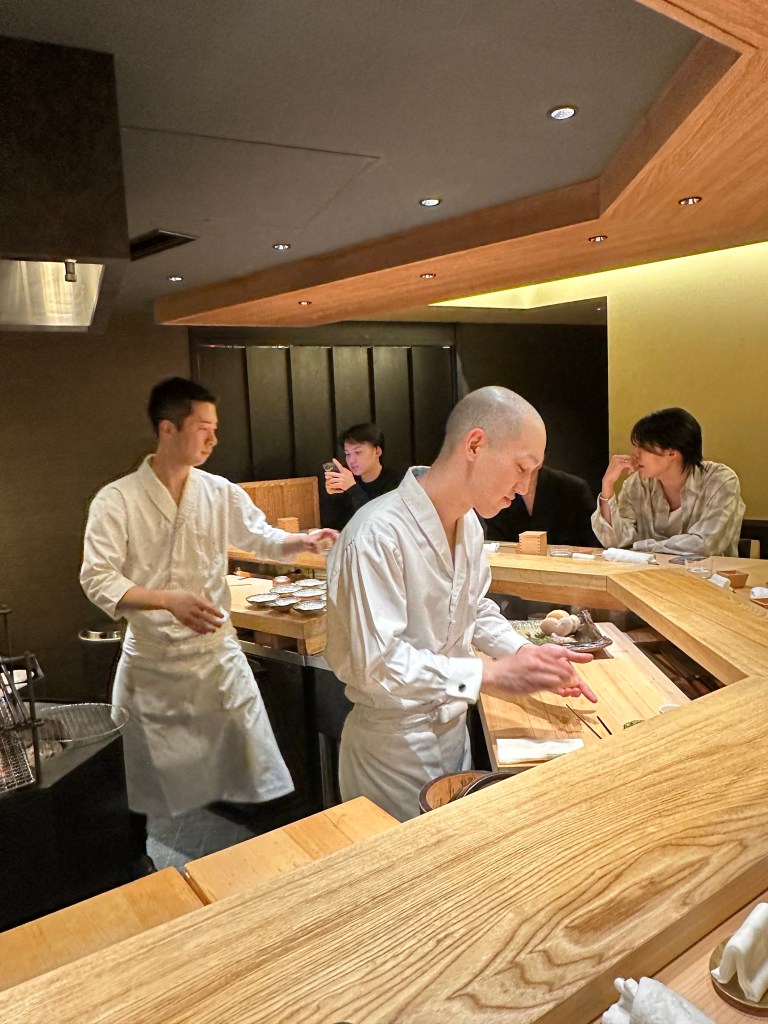
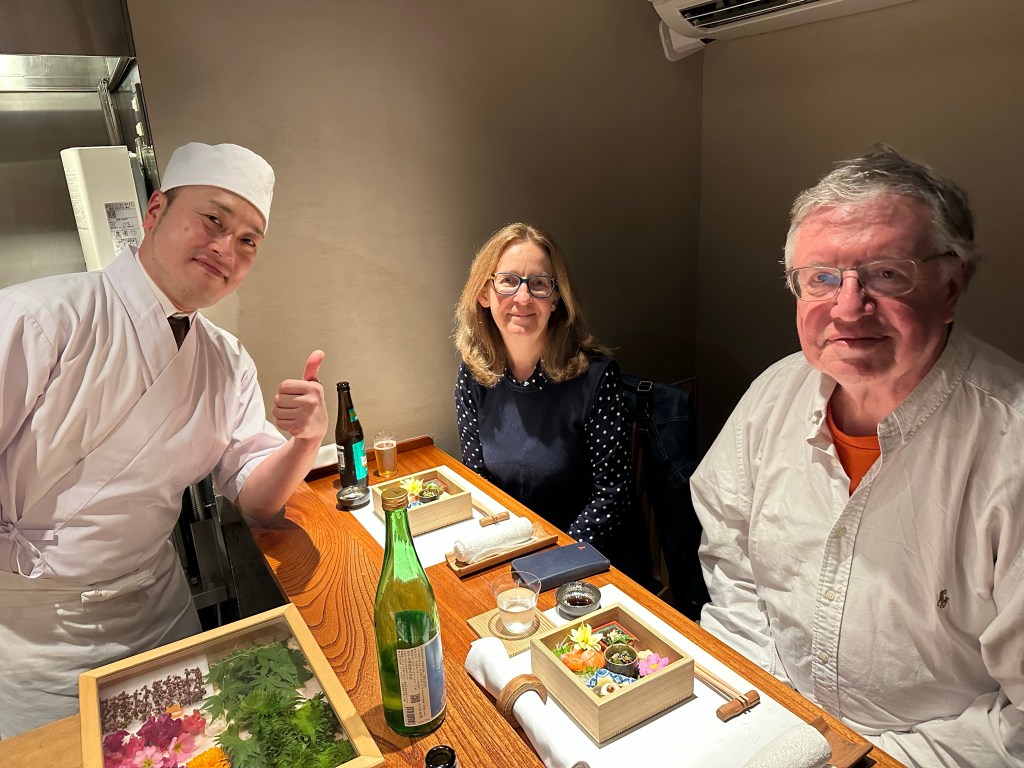
Omakase is similar to a tasting menu commonly served at a single sitting at sushi restaurants. Each course is a single piece; we tried this twice but with 23 pieces followed by miso soup, omelette and fruit, found ourselves a bit overwhelmed!
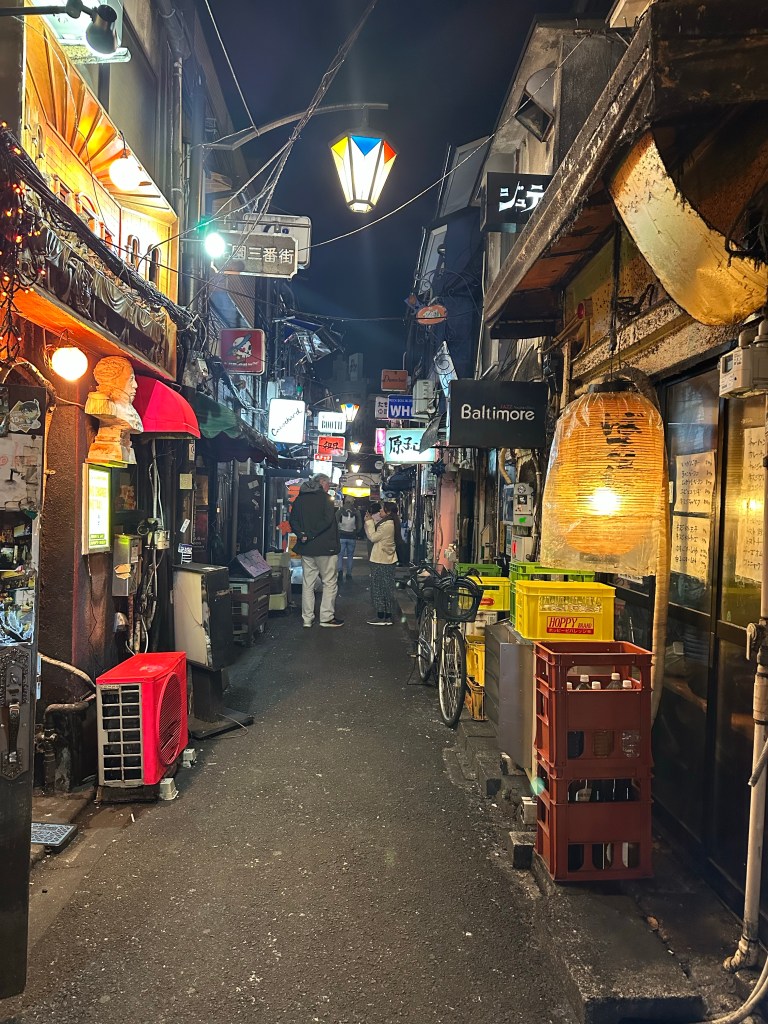
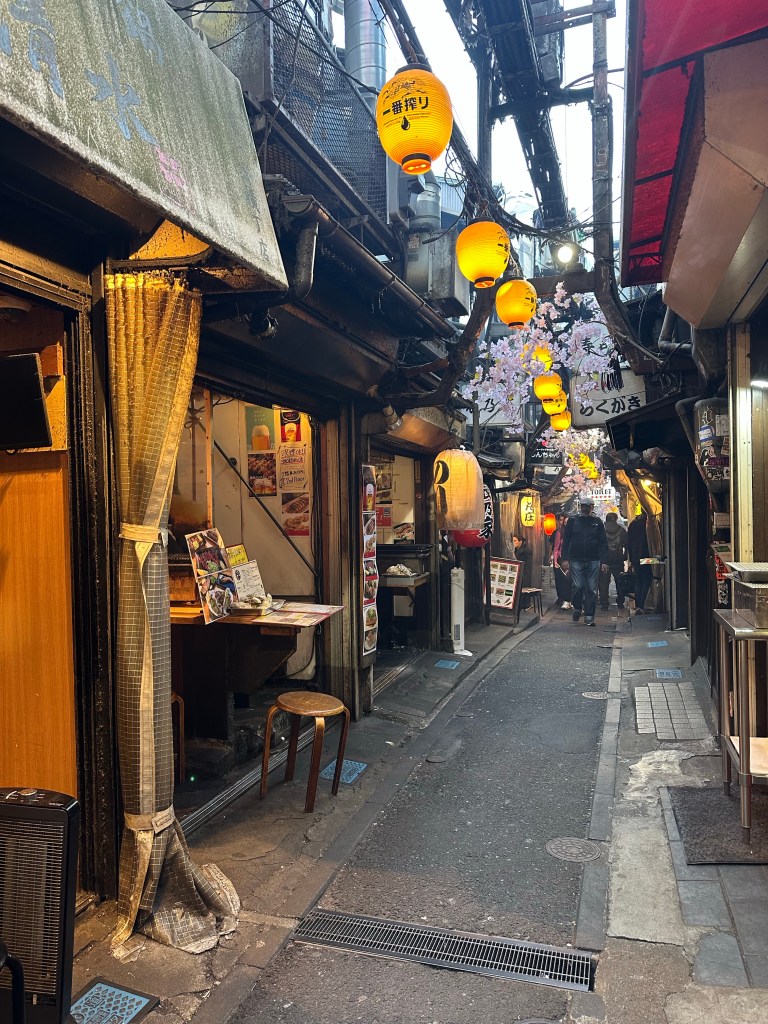
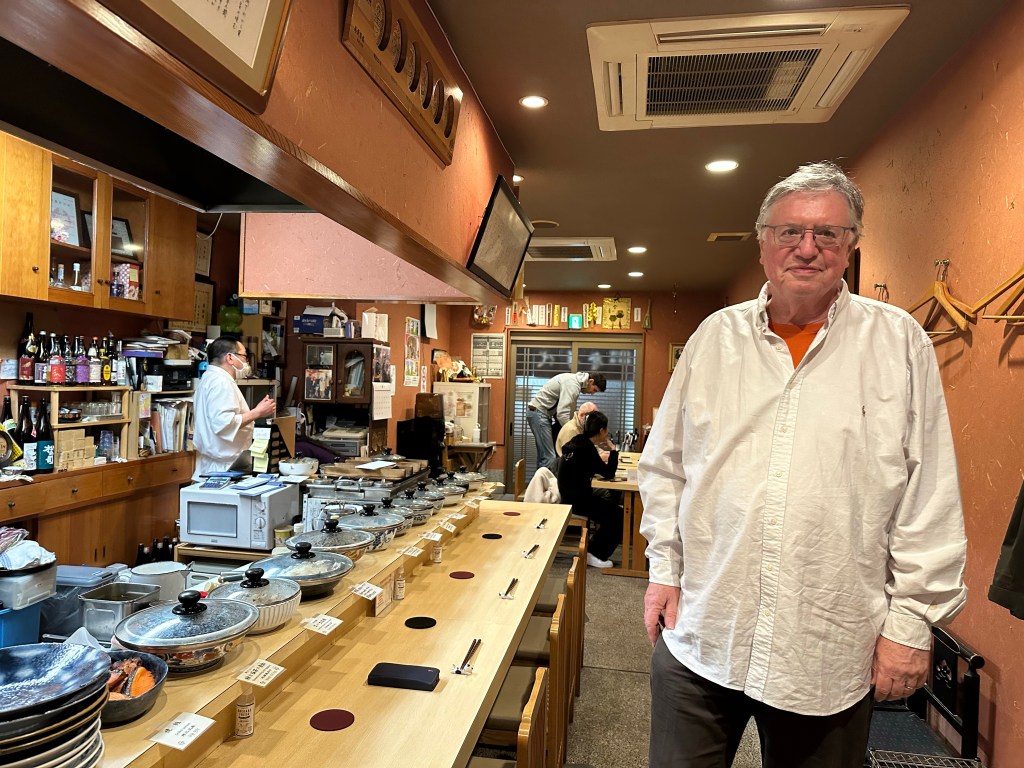
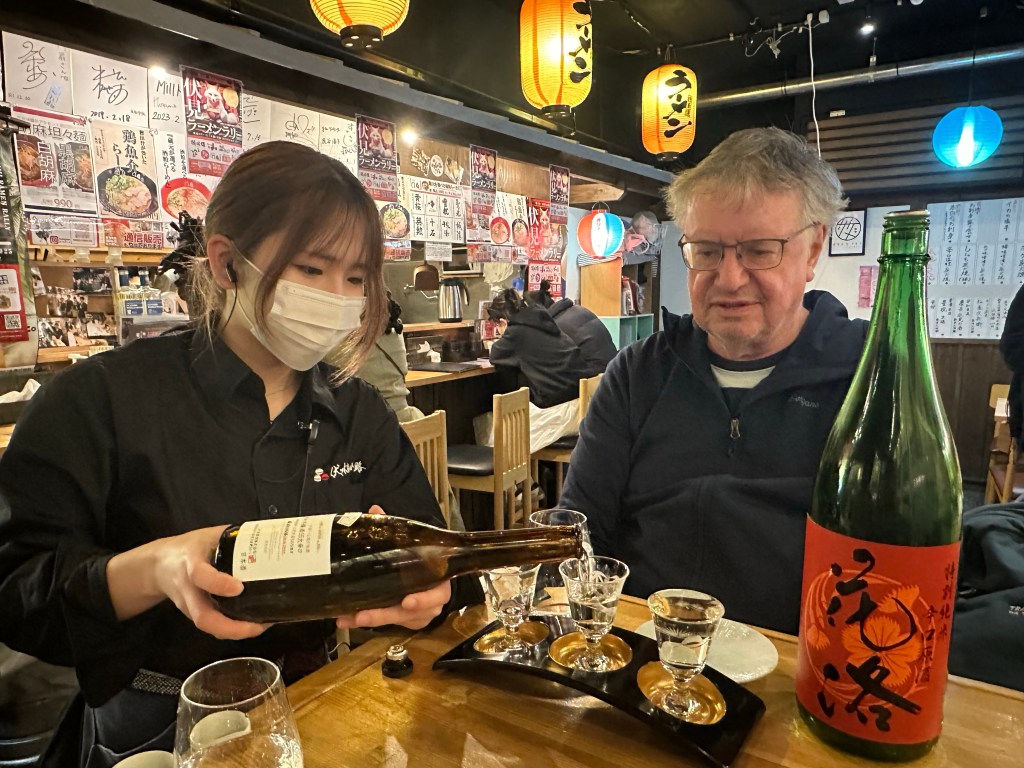
Restaurants are mostly small with say 10 covers seated at an L shaped counter around the chef/owner who prepares the food in-front of you, talking to the customers and sometimes joining them in a sake. There is no tipping or service charge and offering a drink to the chef is common practice.
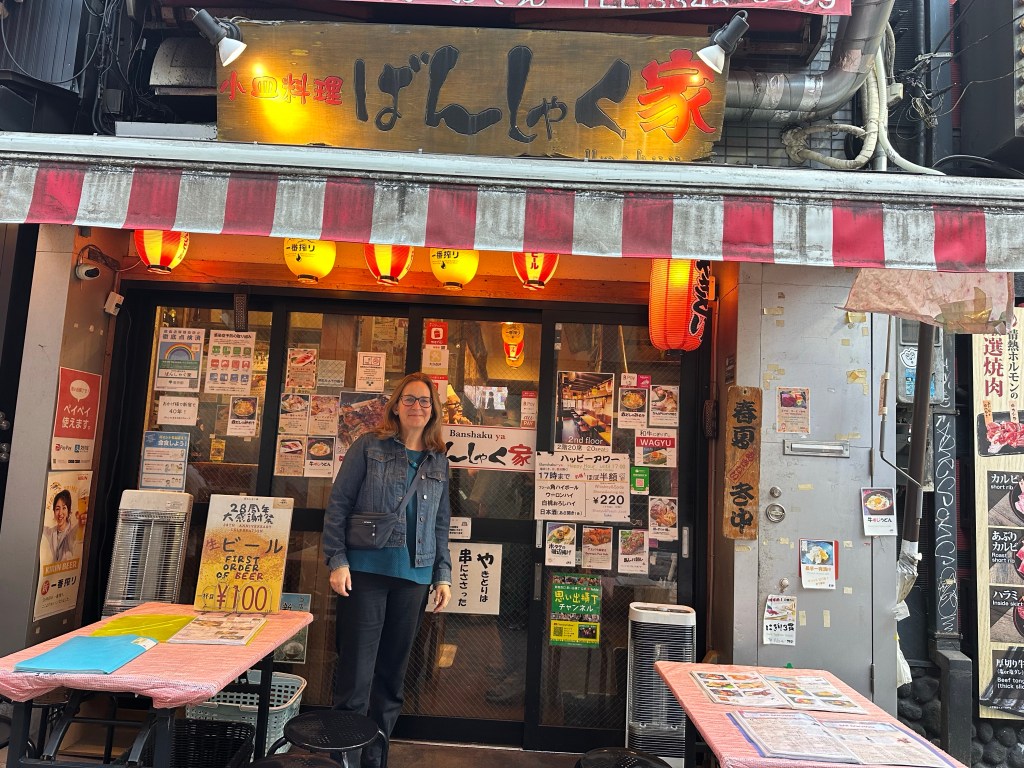
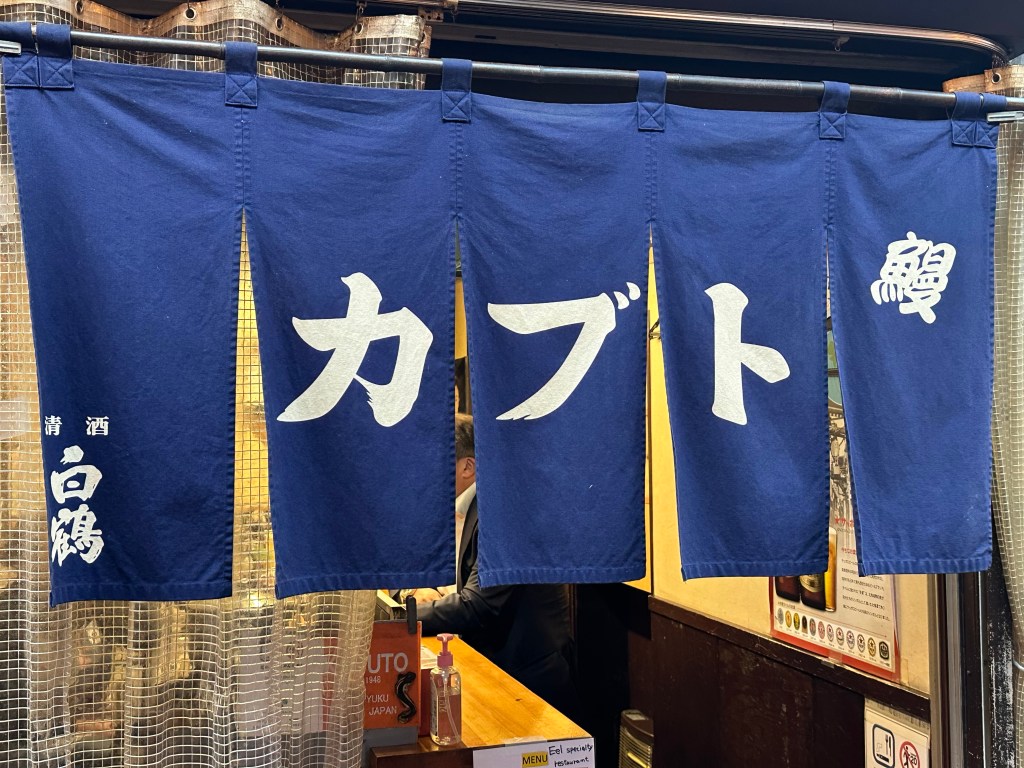
We didn’t have a bad meal anywhere (even where appearances might have suggested otherwise), although concluded that some were more to our taste than others. One of our guides explained that Japanese people “eat slimy food from a young age” – perhaps why they have more of a taste for seaweed and tofu than we did ! Other than omakase restaurants the food is very inexpensive, around £6 a head for lunch.

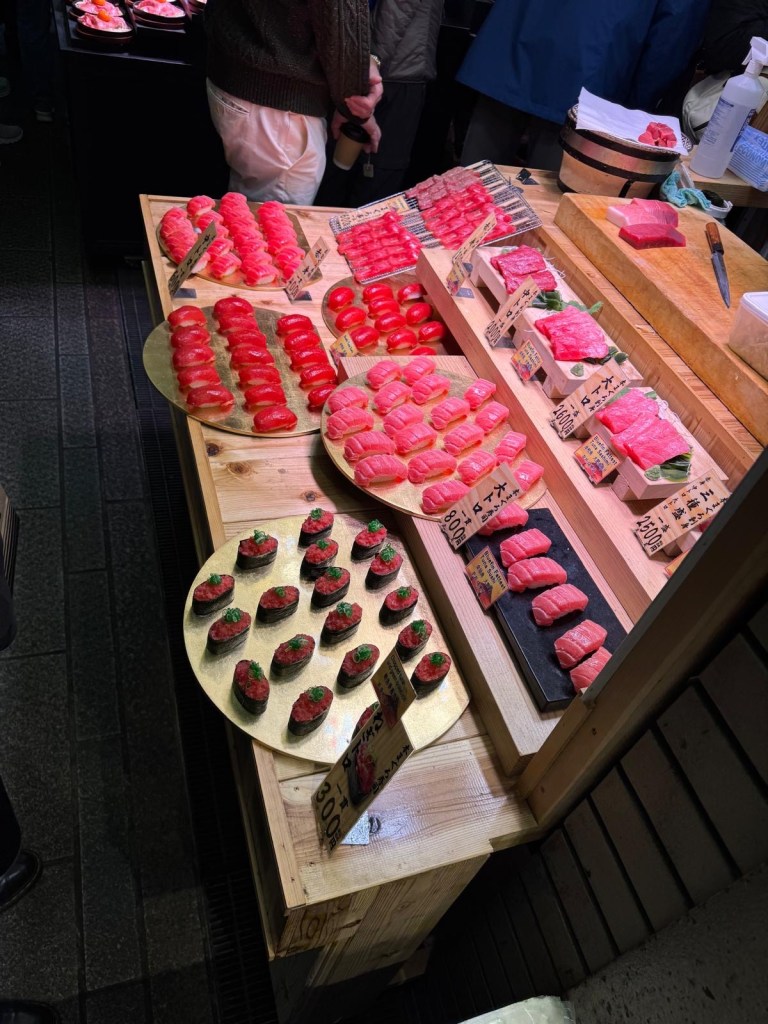

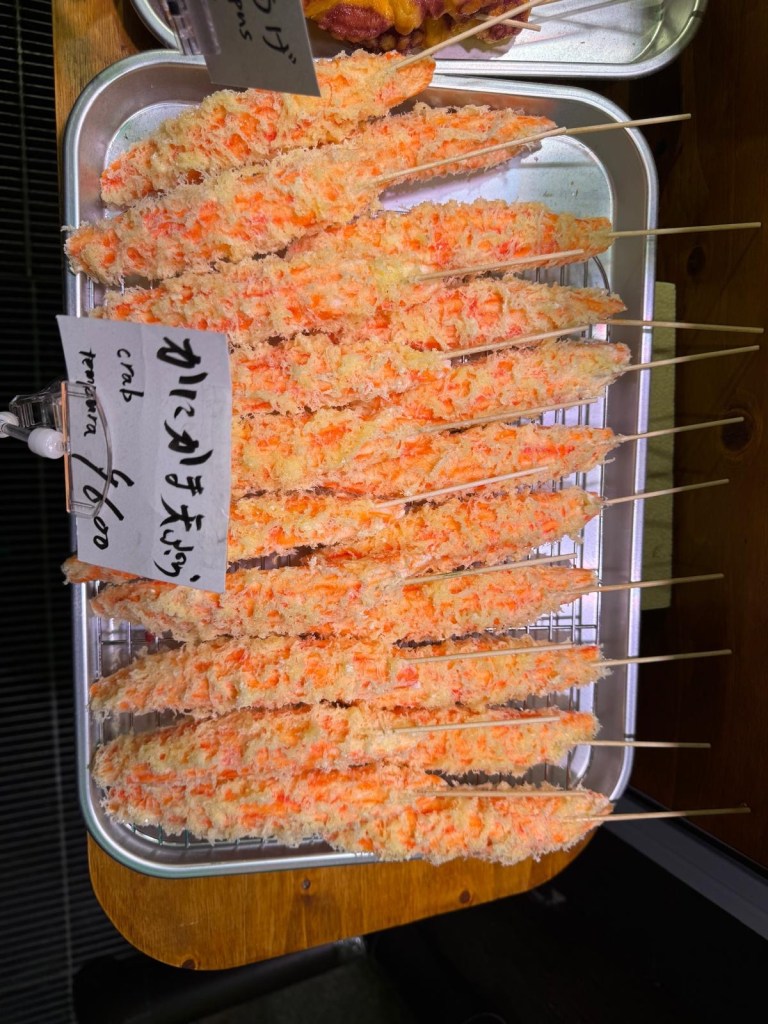
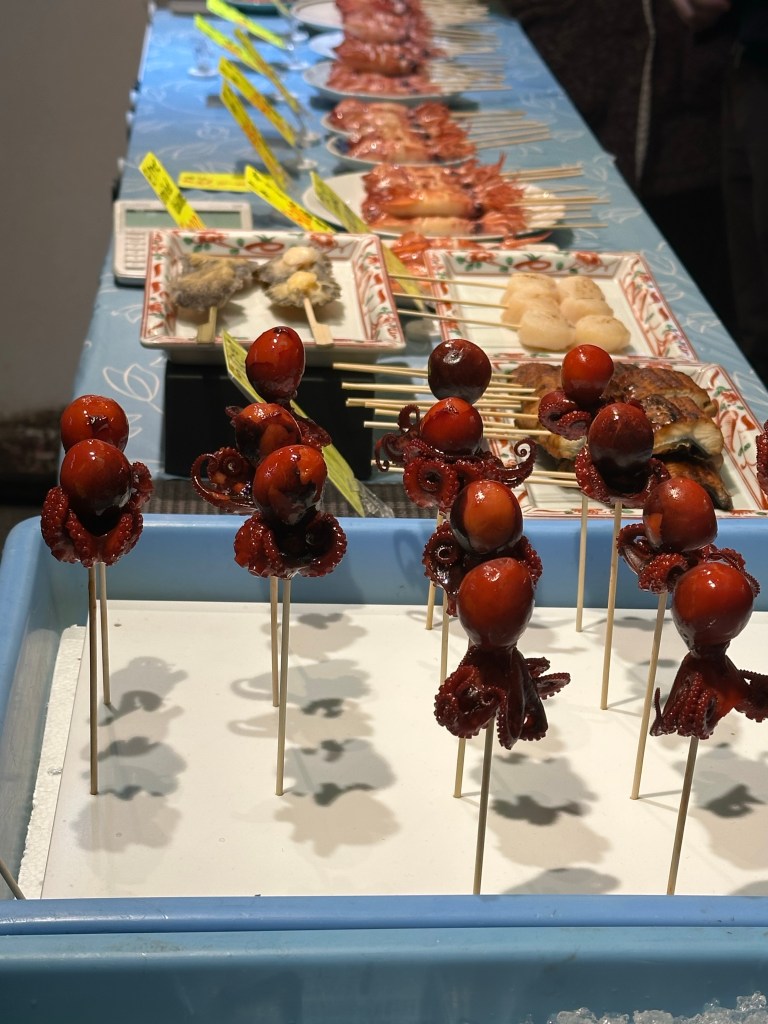


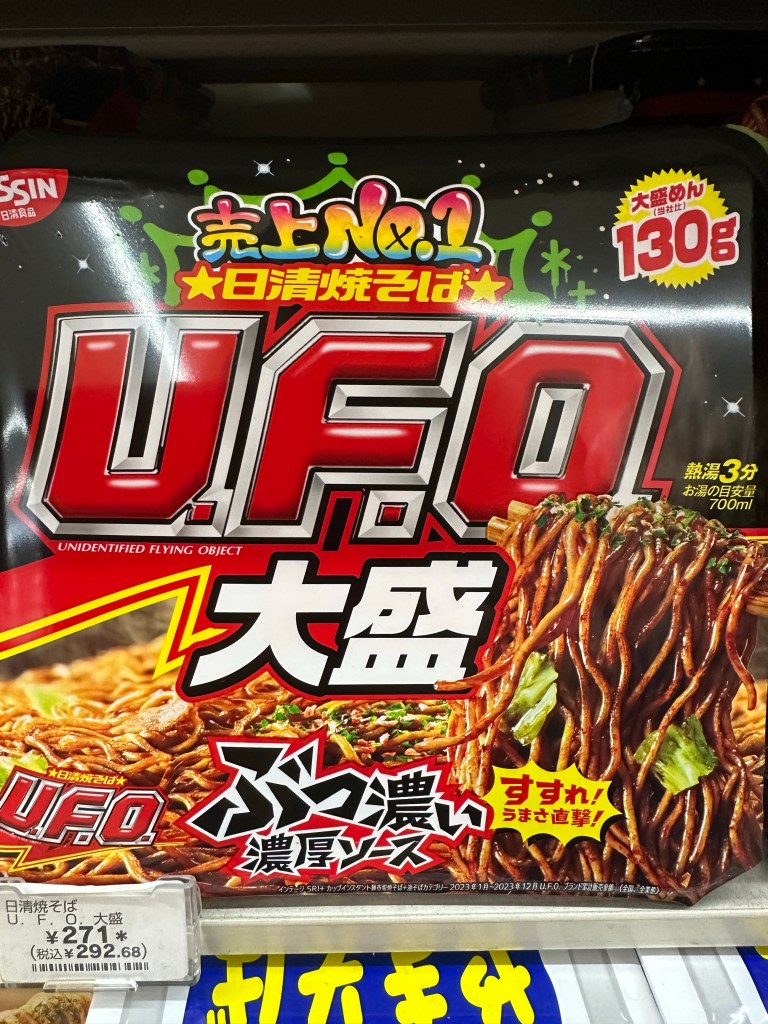

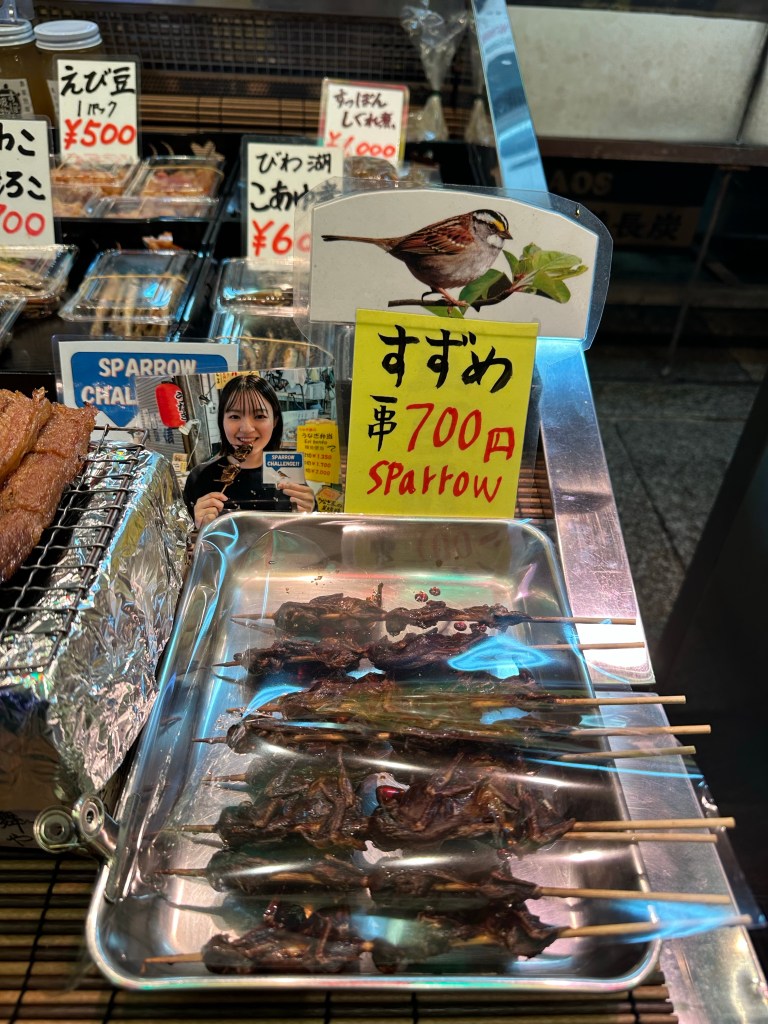

We tried most things, even if only once, but did make a few exceptions!
 Shilli-Fully Travels