Japanese culture is rooted in tradition and harmony, emphasising values such as respect and community with a strong emphasis on politeness and etiquette.
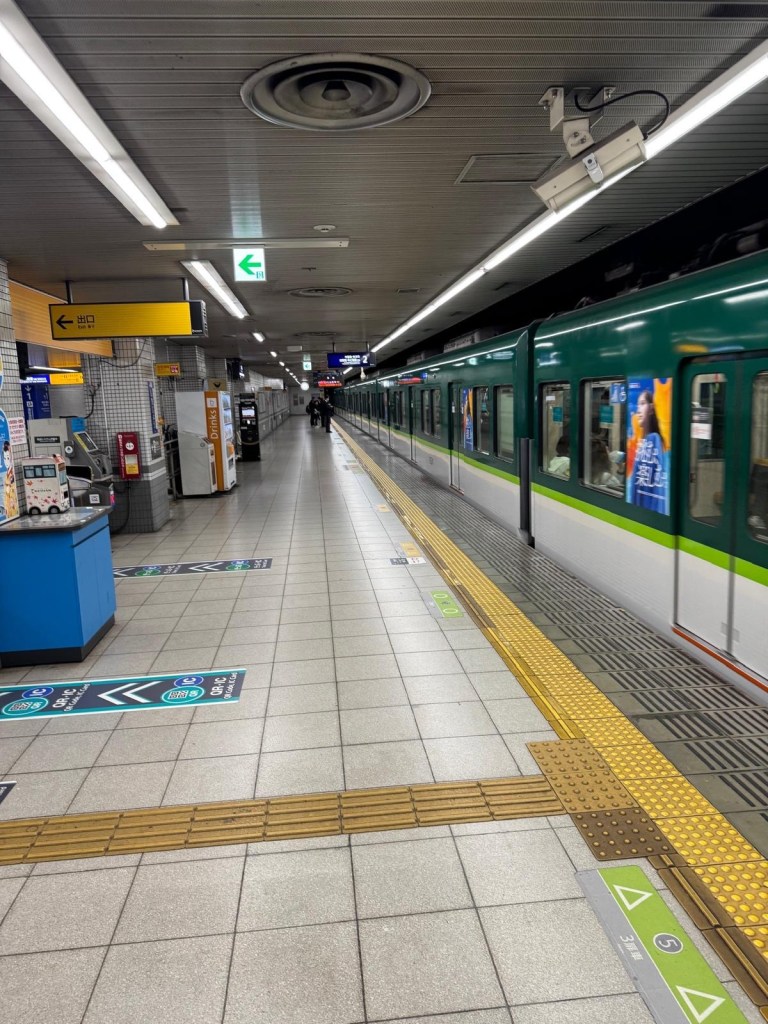
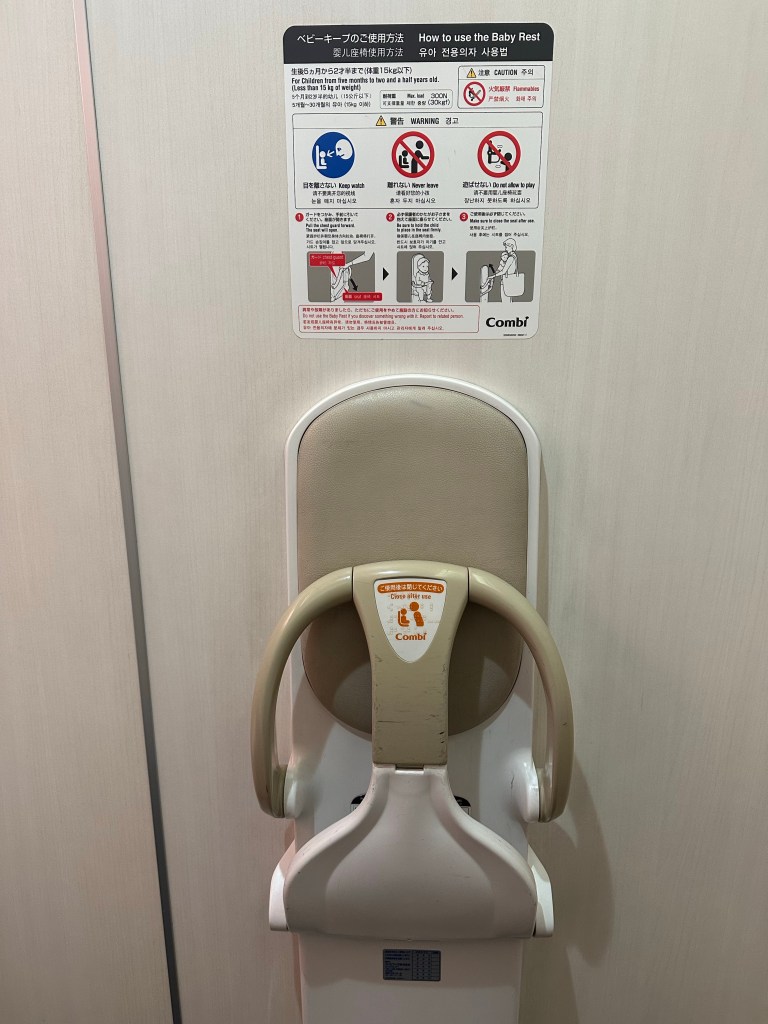
We saw many examples during our travels. Everywhere is clean – no rubbish, dog poo, chewing gum and plentiful clean public toilets. There are no rubbish bins in public places following the 1995 terrorist train attack; all citizens carry bags to take rubbish home as a collective responsibility. All public transport runs on time – it would be rude not to – and stations are clean and orderly.
The values are ingrained from childhood at home and school. In public schools children have to clean their classroom before going home each night. We saw them bowing to staff as they left school.
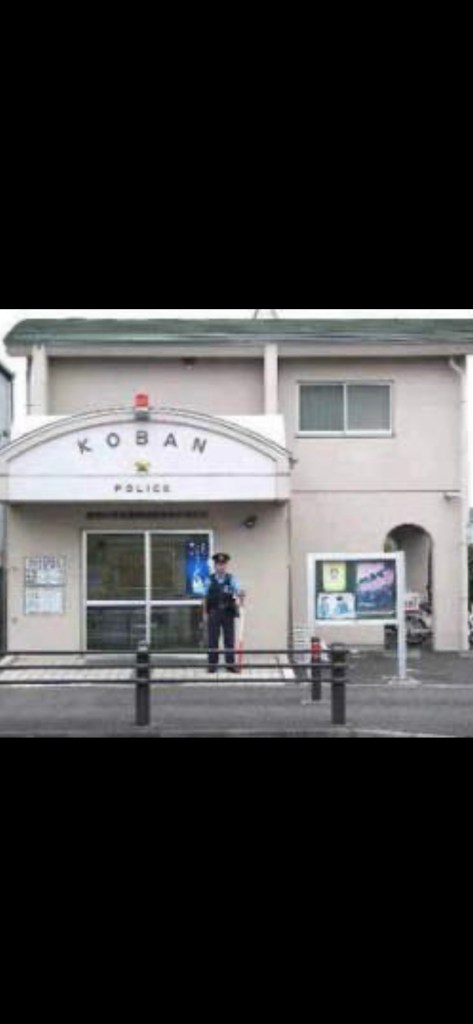
Japan is, we read, the world’s fourth most secure country. We noticed this on a daily basis – you can use your phone in the street without fear of snatching, bikes/helmets are left on the street unlocked. There is heavy policing/ surveillance supported by the public. There are neighbourhood “kobans”, small one room police stations open 24 hours a day where minor crimes and issues are reported or lost valuables are taken.
Japanese society places order above freedom of the individual. This strong collective responsibility is easier to maintain in a country with little immigration and therefore limited ethnic diversity. It is also more economically homogeneous than most countries. We quickly formed the opinion that it is the most controlled non communist state.


 Shilli-Fully Travels