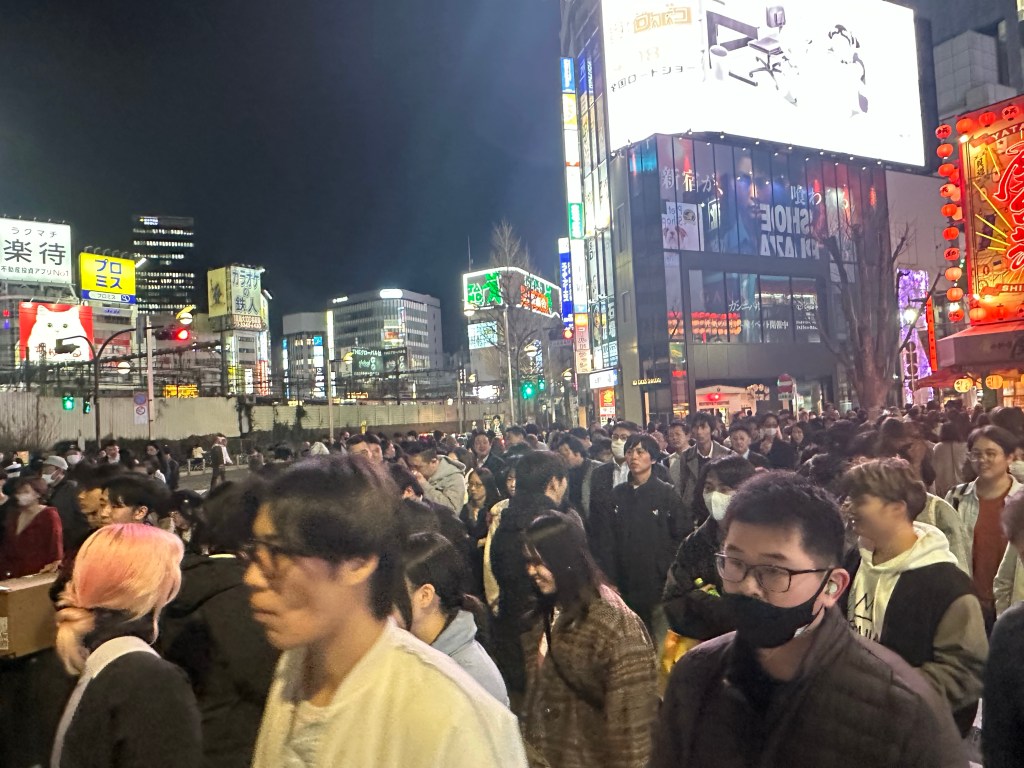
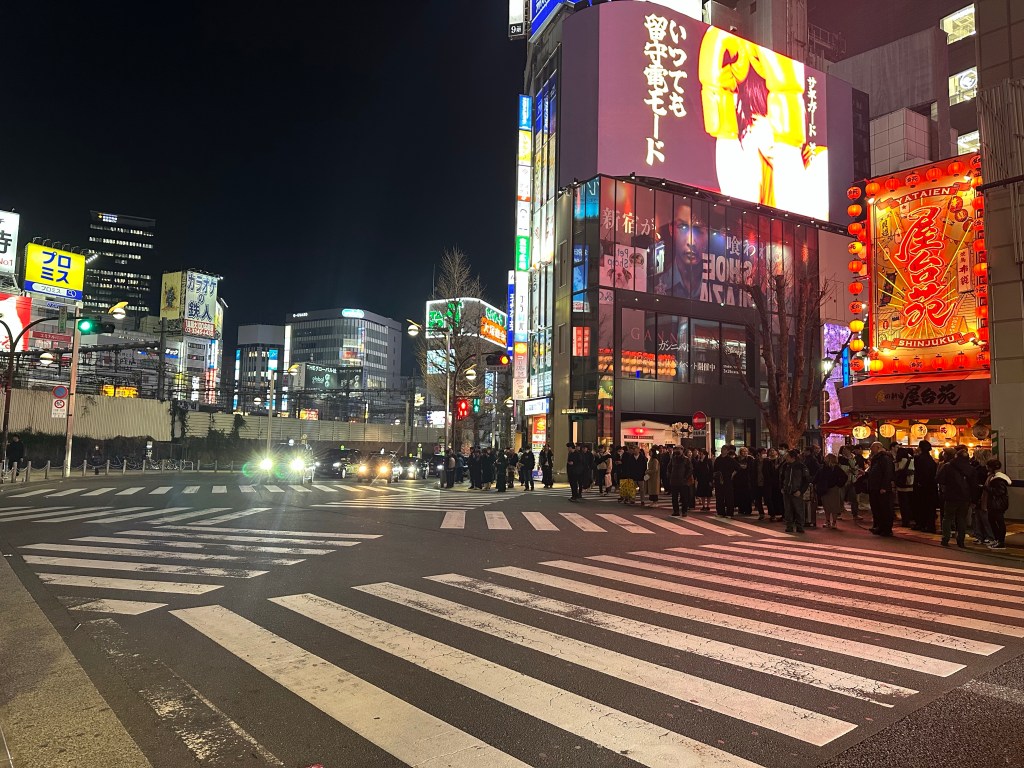
Tokyo became the capital of Japan, replacing Kyoto, following the resignation of the Tokyo based Shogun and the Emperor moving to the new capital. With a population of 37 million it is the world’s largest city.
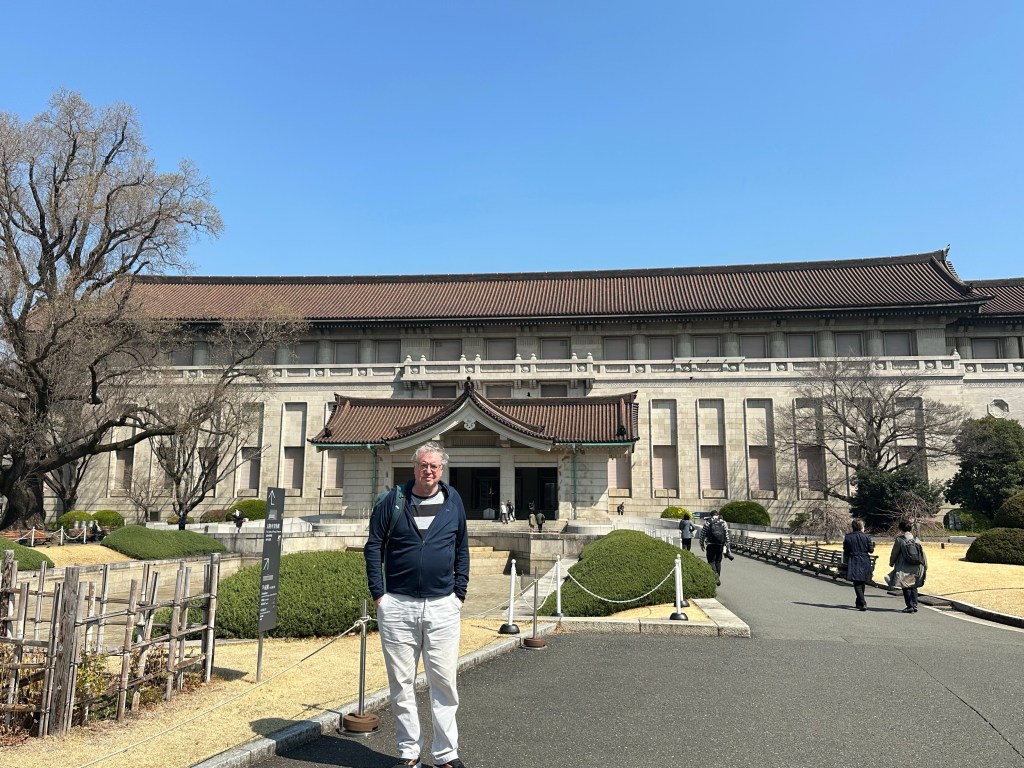
Much of Tokyo was destroyed in World War II and few buildings remain from prior. From the 1950s many Buddhist temples and Shinto shrines were rebuilt along historic lines but with modern materials.
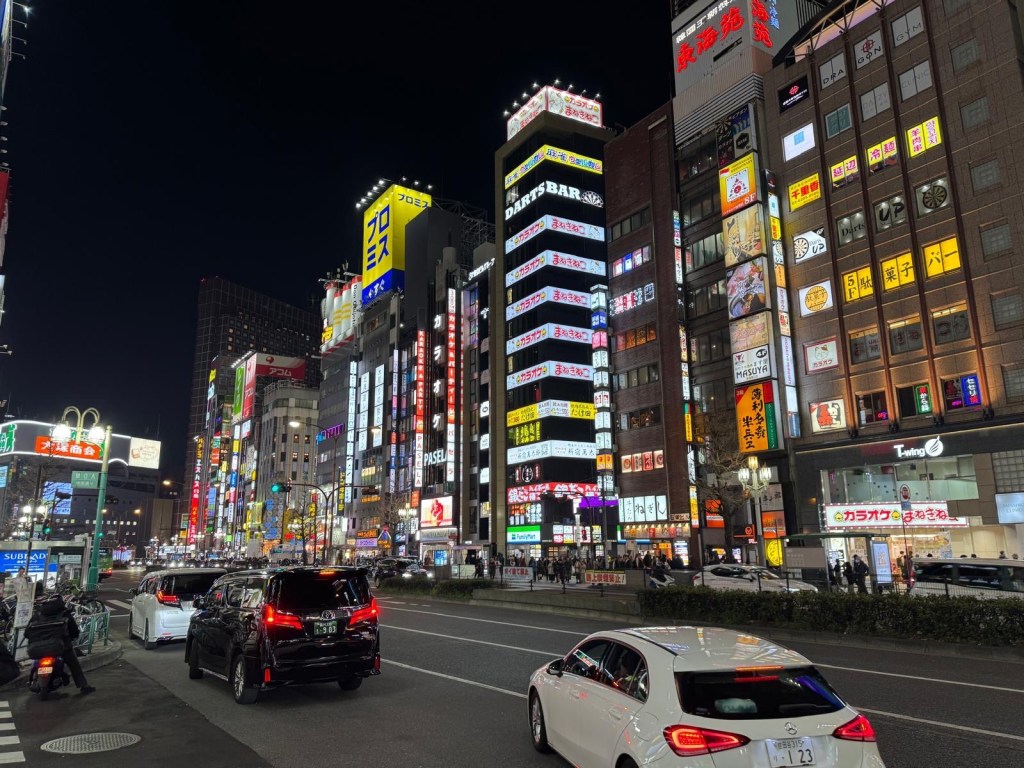
The city does not have a major problem with traffic as most locals do not own cars due to the lack of parking, so use public transport. We avoided rush hour and found it easy to get around by metro or taxi. The metro introduced more English signage and announcements in preparation for the recent Olympics which then sadly could not host spectators.


 Shilli-Fully Travels