The first Zulu king, Shaka, built from a small tribe the Zulu nation through war and conquest so that by 1825 it covered 30,000 sq km, roughly the same size as Scotland. Following assassinations by his half brothers, in 1830 the Zulus fell into conflict with Boers looking for more land. The British were also looking to expand from their base in Durban and laid claim to land called Natal, named by Vaso de Gama as it was discovered on Christmas Day. Natal bordered Zulu land, separated by the Buffalo River. The discovery of diamonds north east of Cape Town in 1867 and the successful confederation of Canada in 1874, led Lord Carnarvon to seek a plan of confederation in South Africa.
As a result of spurious border infringements by the Zulus, across the Buffalo River, the British issued an ultimatum to the Zulu king, Cetshwayo, which included the disbandment of the Zulu army and other totally unacceptable demands. The British in Natal had been instructed not to start a war because its forces were stretched at the time. However communication to and from London took over a month, giving the comander, Lord Chelmsford some leeway. The ultimatum ran out on 11 January 1879 and Lord Chelmsford led the middle of three columns across the Buffalo River at Rorke’s Drift. The column comprised 4,700 men and Chelmsford was looking for a quick victory over the 25,000 Zulu army.
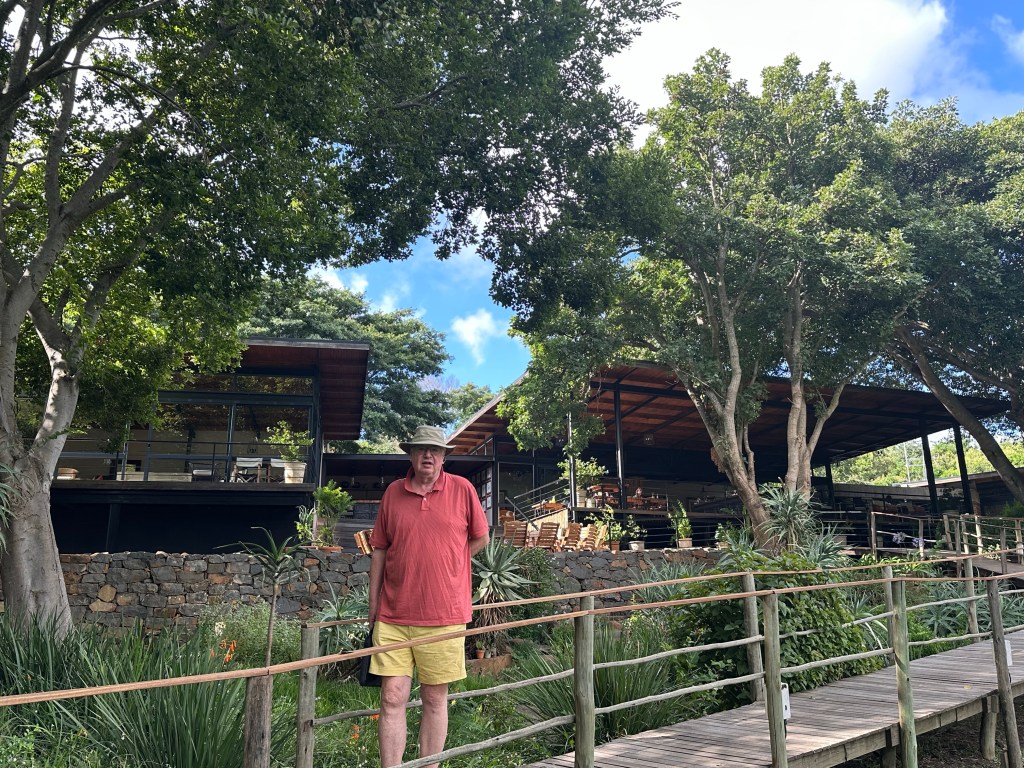
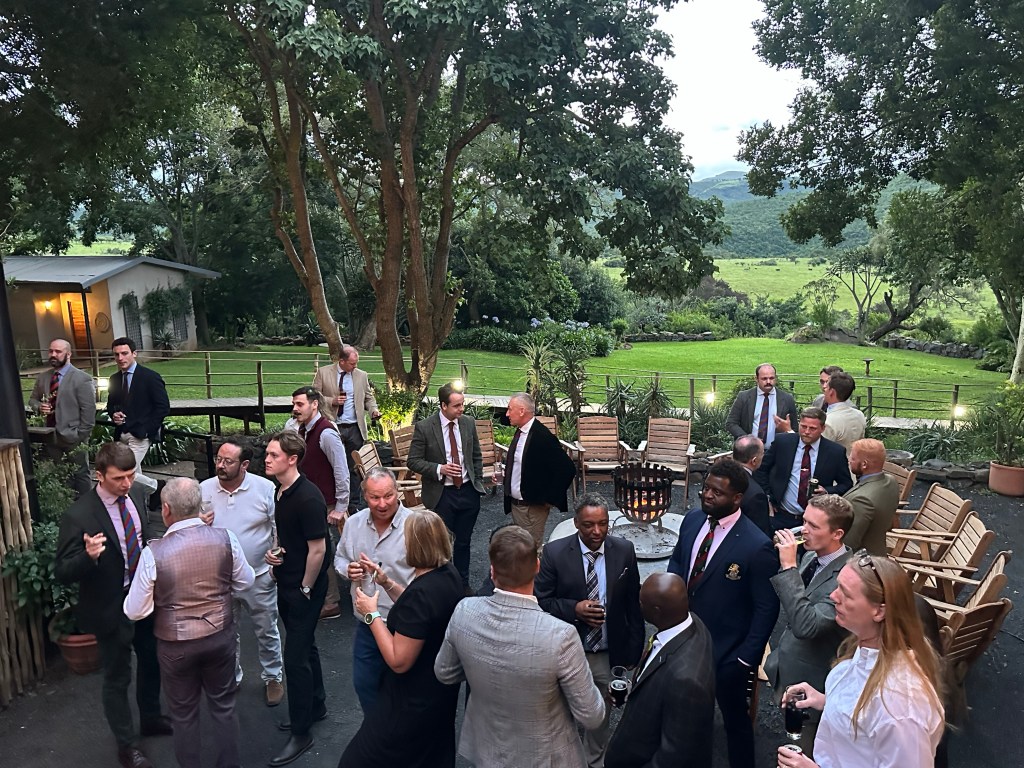
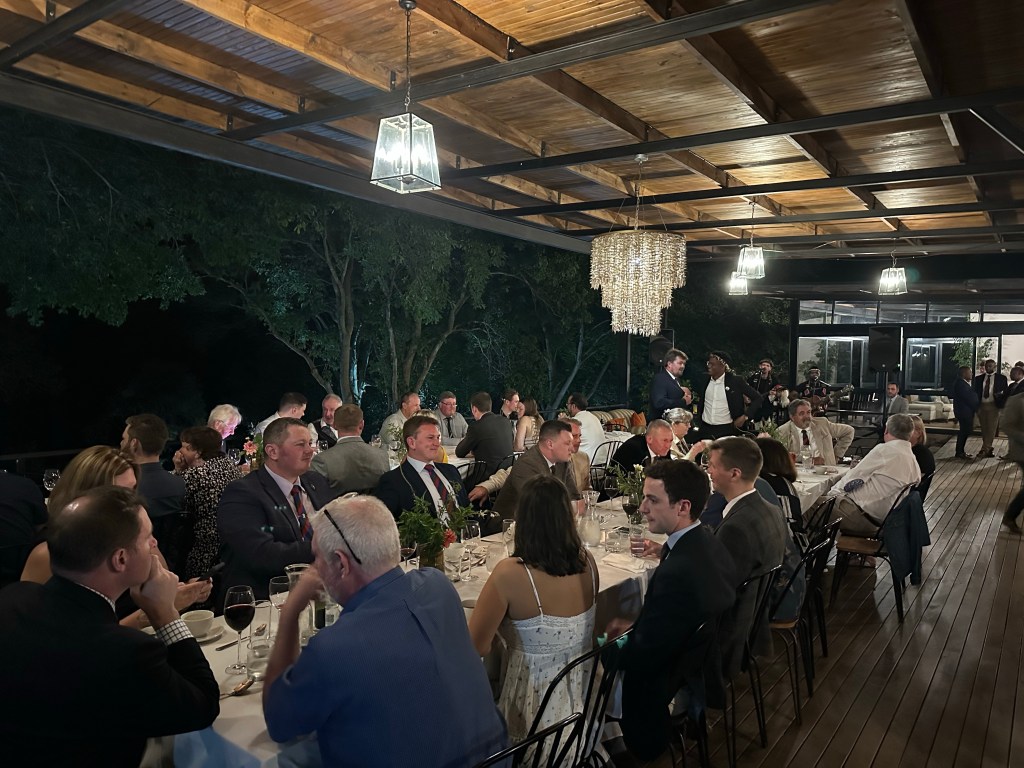
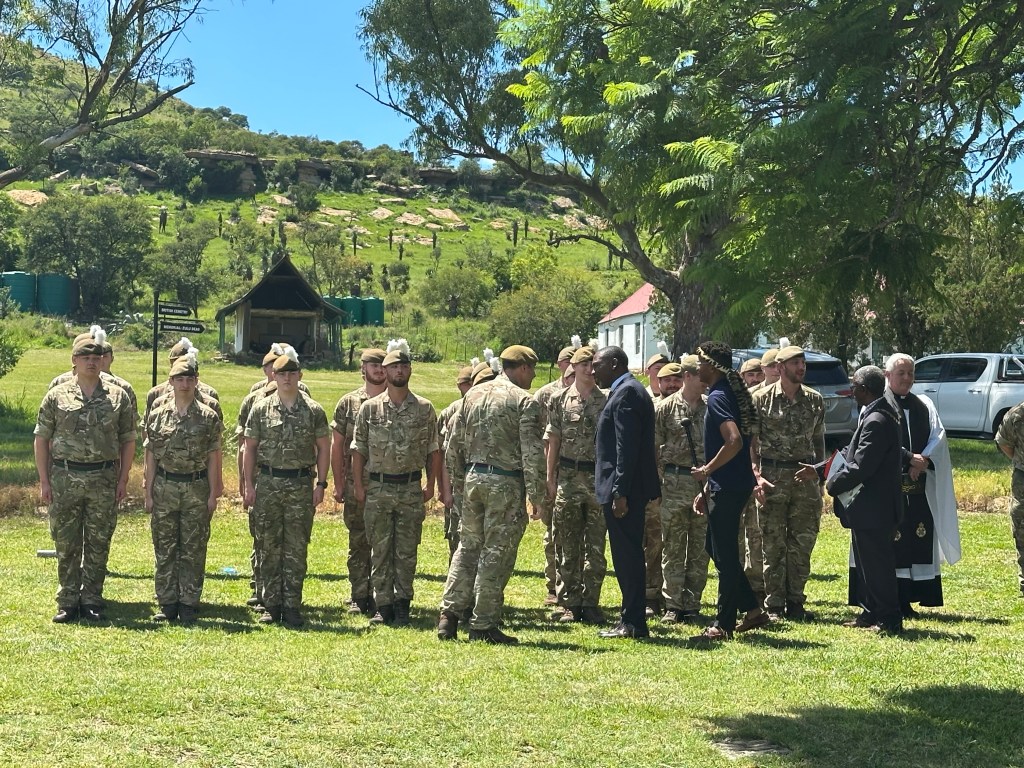
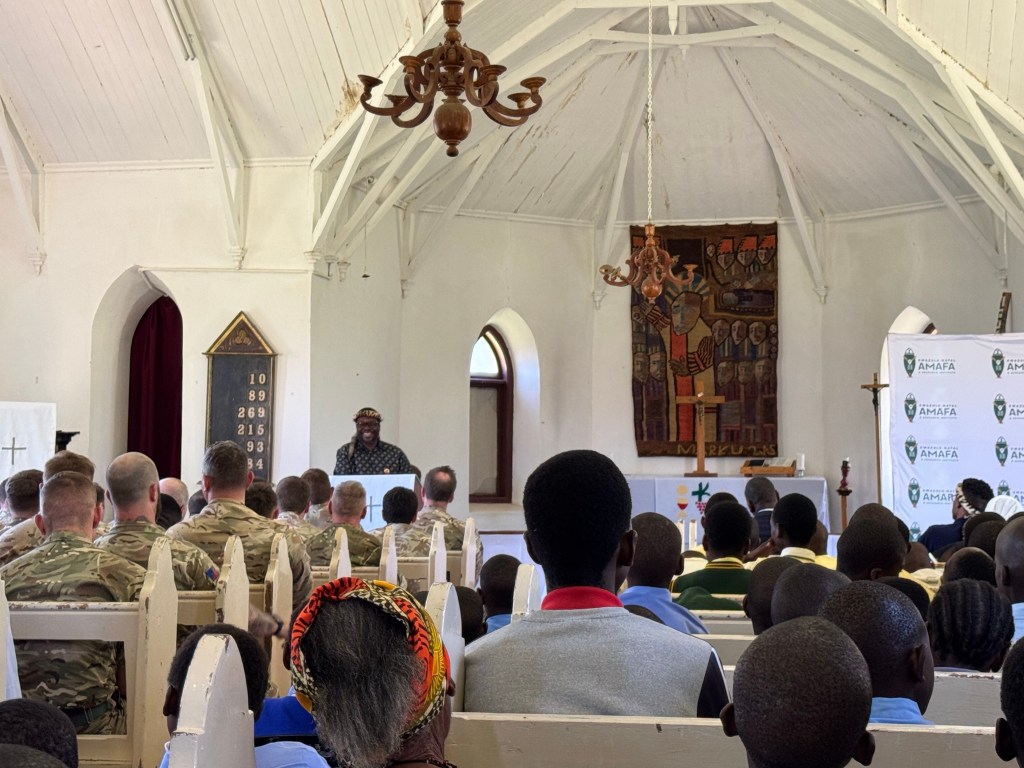
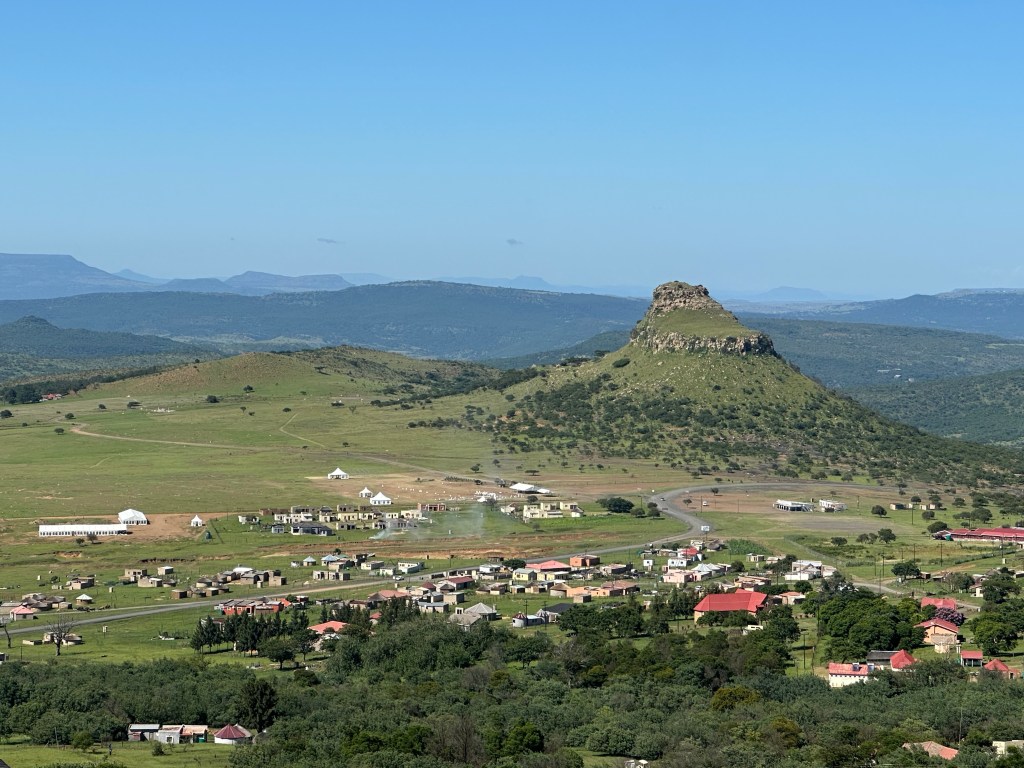
The lodge where we stayed has become a centre for visiting the sites of two of the battles, Isandlwana and Rorke’s Drift, both famous in British military history – respectively as a spectacular defeat and equally spectacular victory. The battles took place on 22 and 23 January – we arrived (coincidentally) on the anniversary. We missed the reenactment at Islandlwana at which the current Zulu King and 45 British troops were present. However we were invited to attend a regimental dinner hosted by our lodge for the troops and local dignitories, around 90 in all. We also attended the rememberance service, wreath laying and inspection of the troops the following day at Rorke’s Drift.
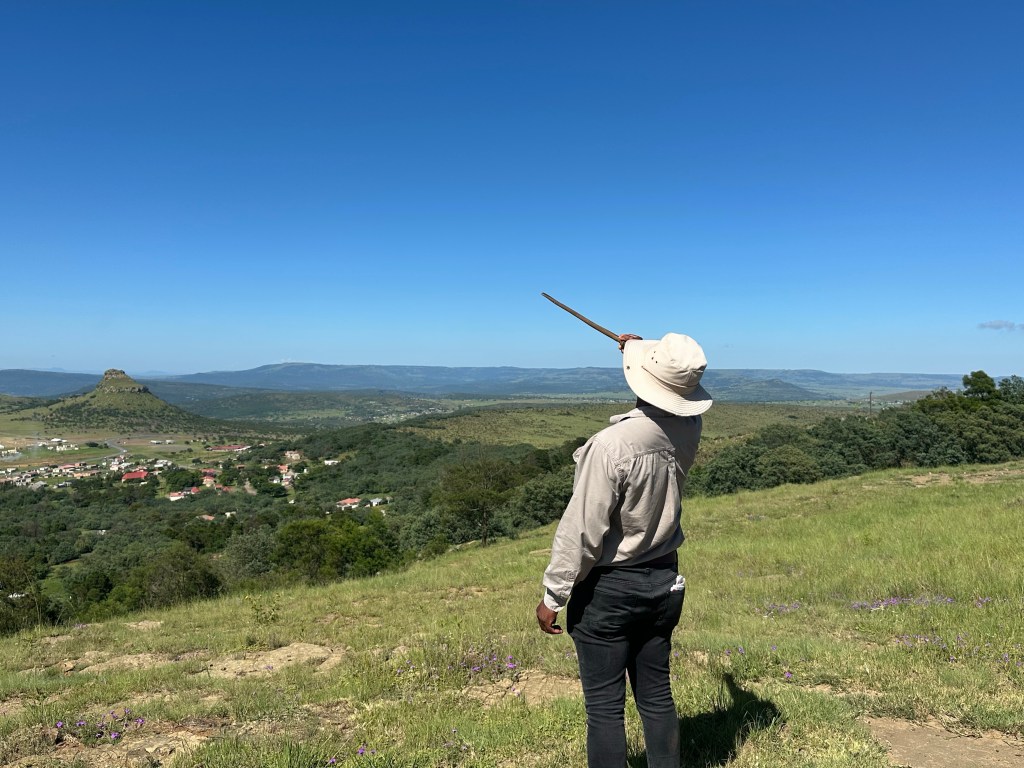
This fortunate coincidence, together with the vivid story telling by the lodge’s expert guides made for an extremely interesting and memorable experience; far better than any classroom history lesson !
 Shilli-Fully Travels