The Galapagos Islands are an archipelago of 21 islands formed by volcanic eruptions as the Nazca tectonic plate moves at a rate of 7cm per year (the same rate as human nails grow) from north east to south west over a lava hotspot in the earth’s crust. This means that the western islands are “younger” – Fernandina, less than 500,000 years old, versus those in the east, upto 3.5 millions years old. The islands have never been attached to a continent and are separate from each other, giving rise to their unique eco-systems.
The islands were first discovered in 1535 and were used by whalers and pirates in the 16th and 17th centuries for safe harbour and a source of fresh meat in the form of giant tortoises, which would be kept alive on board ships for upto a year in forced hibernation. The whalers and pirates also bought unwanted visitors in the form of rats, cats, dogs, goats and pigs which continue to have a negative impact on the endemic species.
In 1832 Ecuador, the nearest country, claimed the islands. Ecuador began populating the islands in the 1920s and 1930s by giving free land to people seeking a new life based on fishing and agriculture. In 1959 the islands became a National Park, which covers 97% of the land with the other 3% owned privately by the population of 25,000 who now rely on tourism for a living.
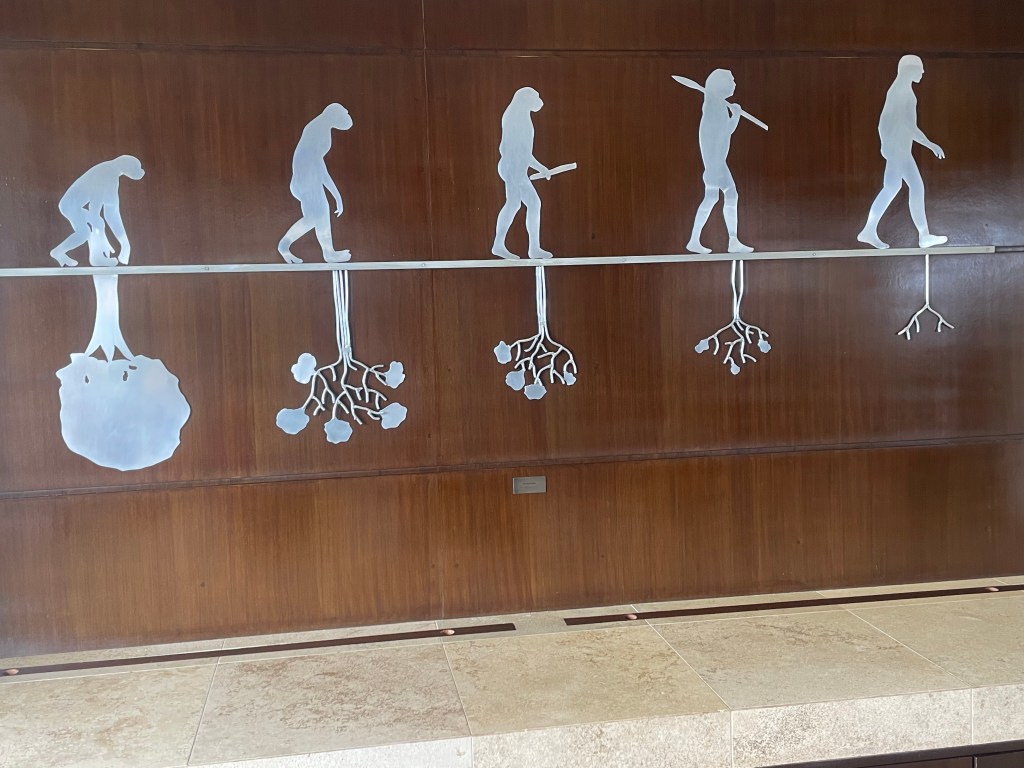
In 1835 the Galapagos’ most famous visitor arrived and stayed for five weeks, Charles Darwin, on board The Beagle. He noticed the differences between the four species of mockingbirds found on different islands. This formed the basis of his theory of evolution in his book The Origin of Species published in 1859. He did not focus on the 17 types of what are now known as Darwin Finches as he did not recongise them as a group.
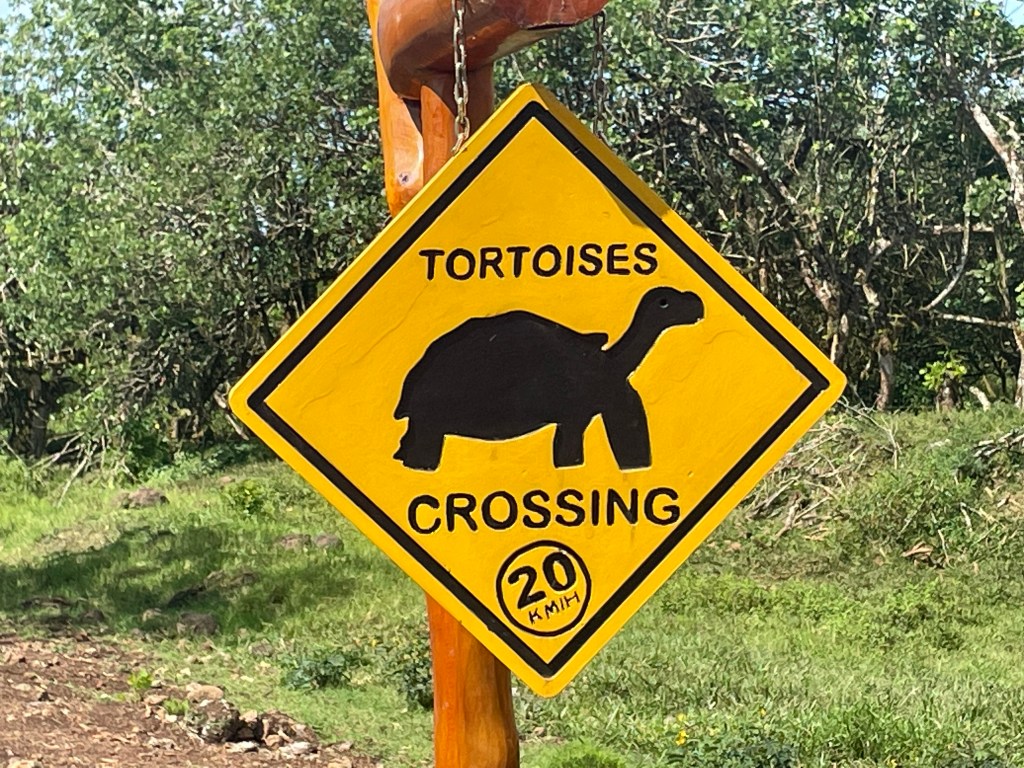
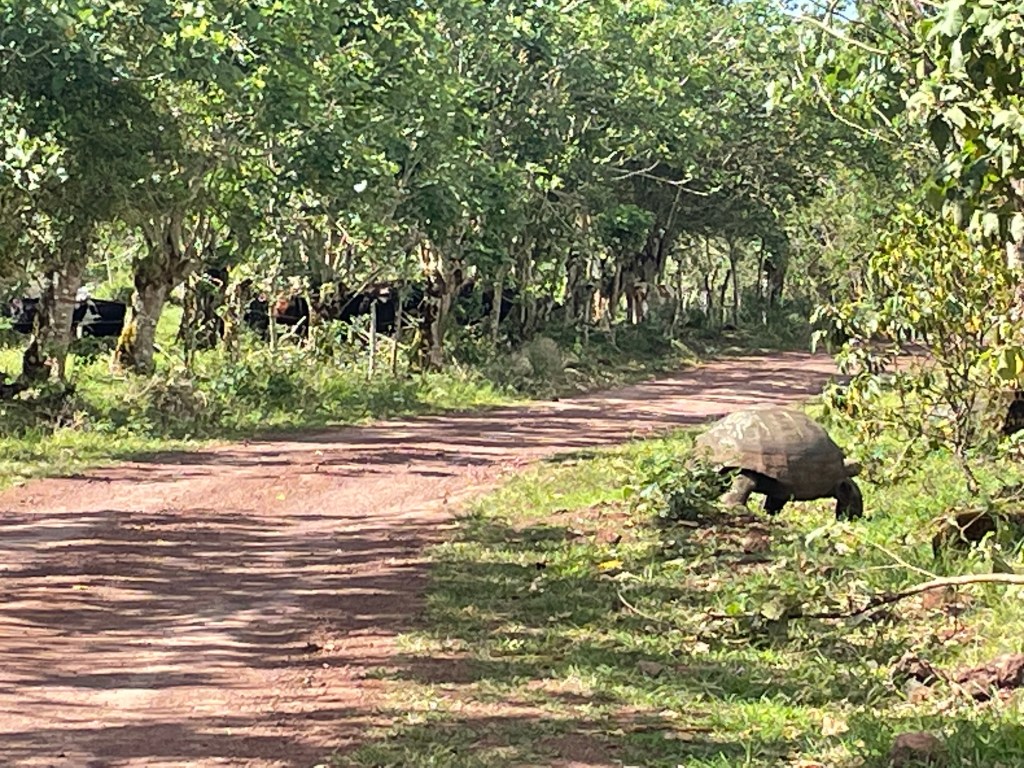
The Galapagos are now subject to strict regulations to protect the unique environment. Tourist numbers and travel to each island (numbers and times slots) is strictly regulated and visitors must be accompanied by a qualified guide. Citizenship is only allowed by birth or after 10 years of marriage. The rangers control invasive animals and plants (eg blackberries) and conservation is in place to protect species under threat of extinction. Since humans arrived the population of giant tortoises has reduced by 90% and four of the known species of 17 have become extinct.


 Shilli-Fully Travels