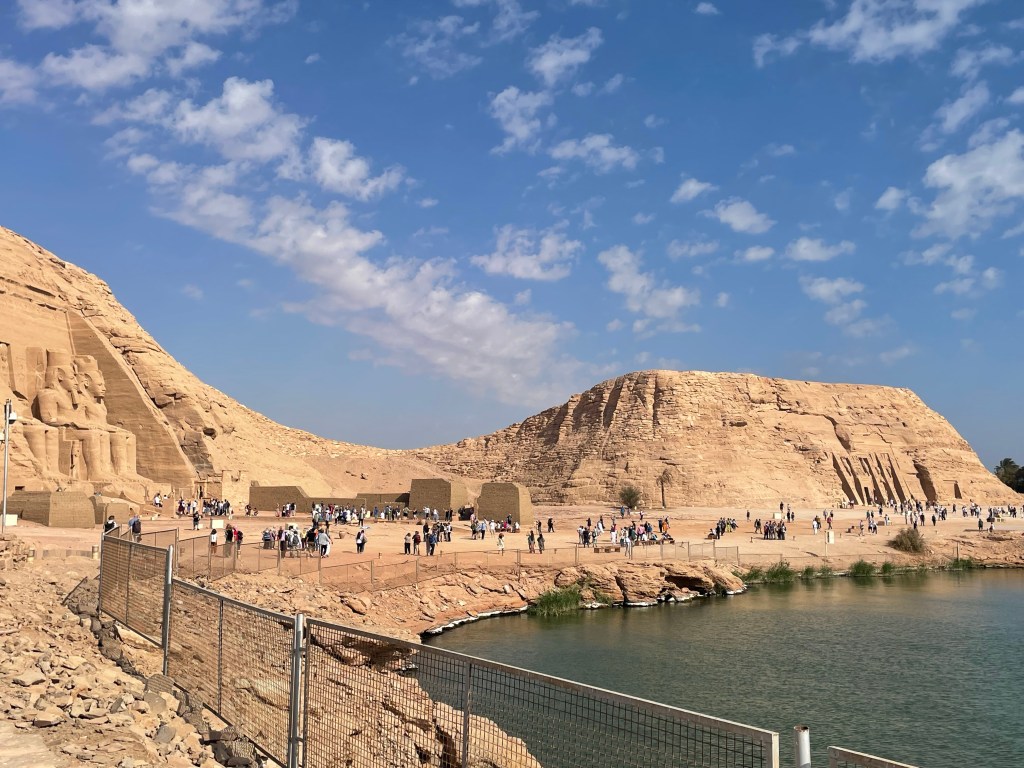
Abu Simbel lies on the shore of Lake Nasser on the the southern border of Egypt with Sudan. While the visit involved a 7 hour round trip from our base in Aswan, it was well worth it for the spectacle of the site as well as the incredible engineering involved in moving the site.
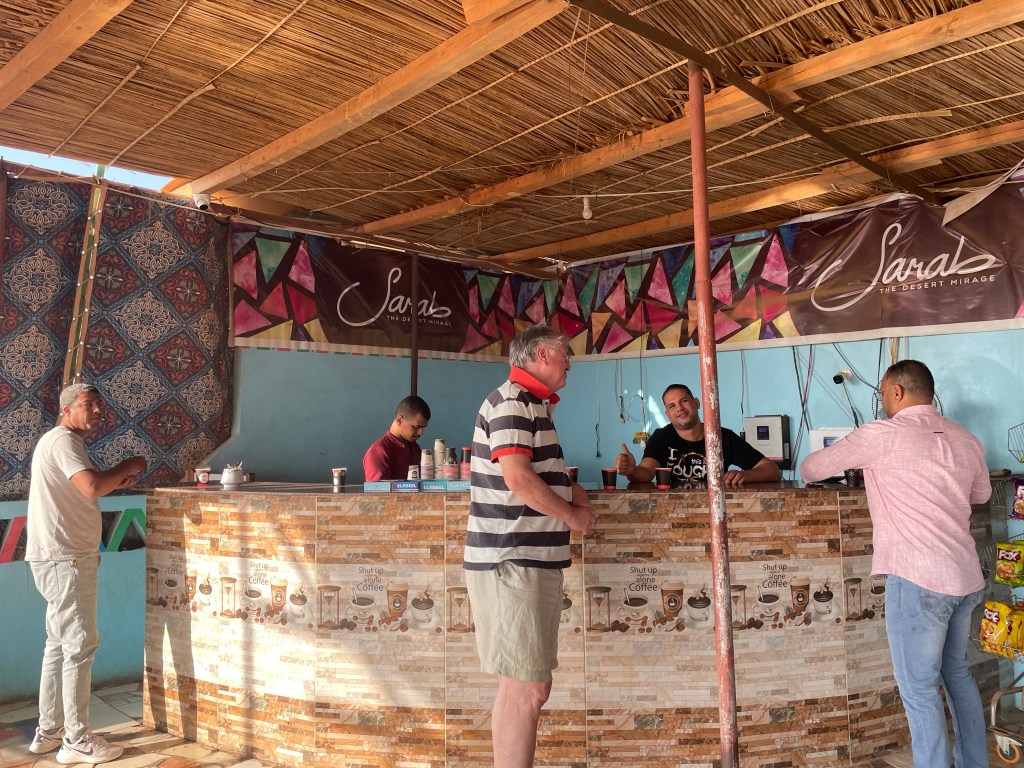
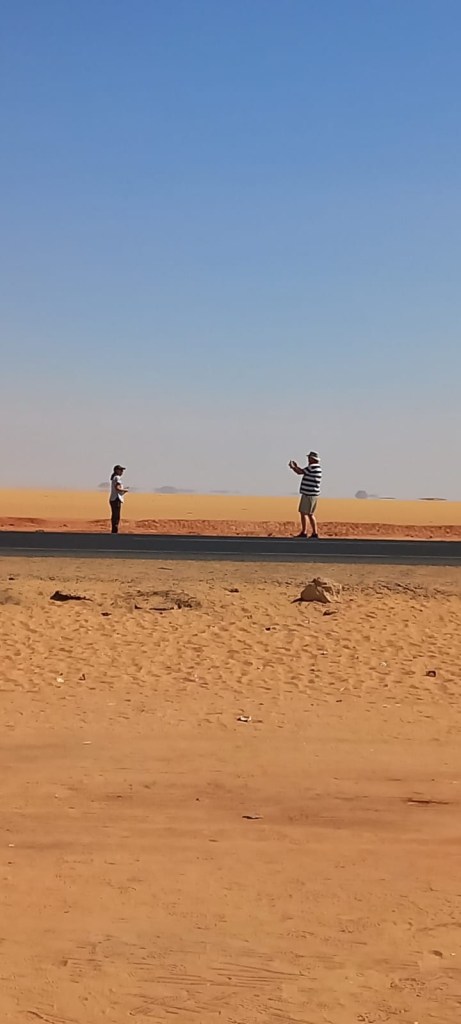
The route from Aswan to Abu Simbel is predominently desert, although the roads are straight and we were able to break the jourey at the “Mirage Cafetieria”. Police road checks were a regular feature of our trips, but they were more frequent on this route with various rules concerning times that tourist can travel, taking note of the passenger numbers and nationalities as well as the vehicle and driver details. It was also a requirment to use two drivers given the distance involved.
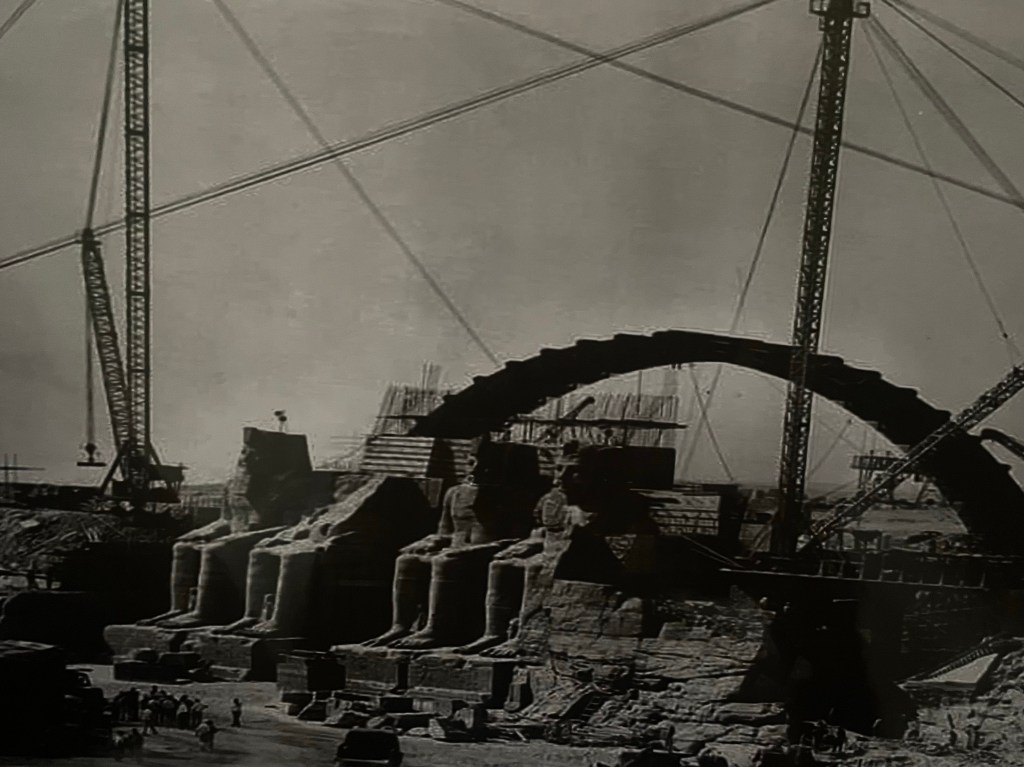
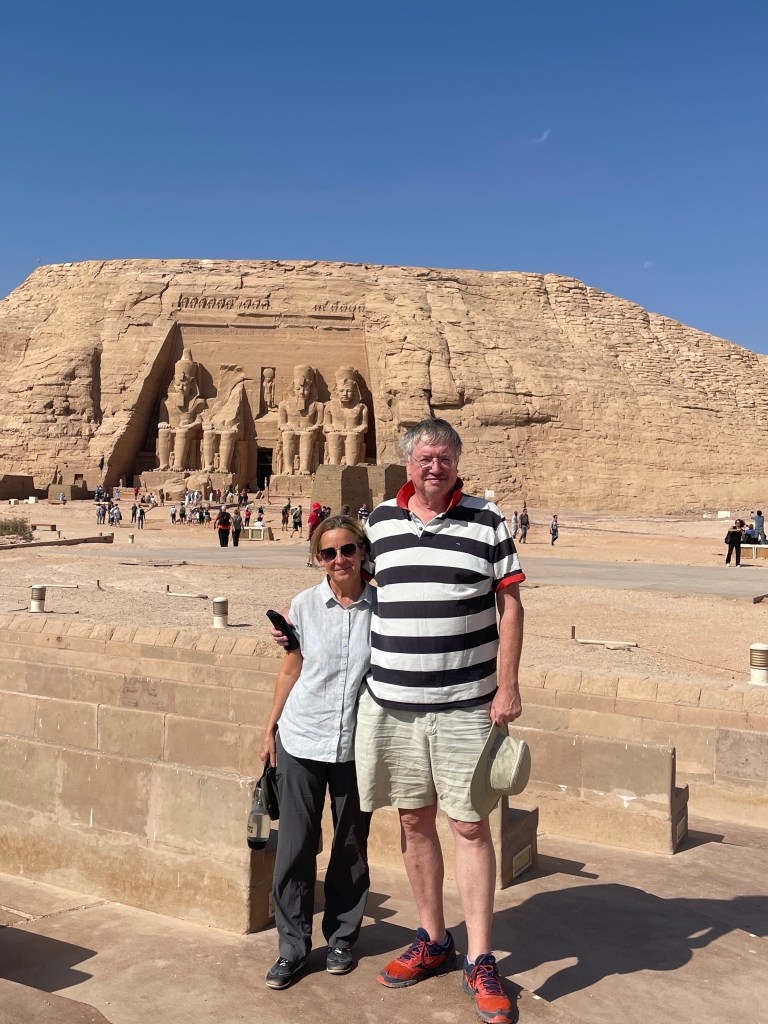
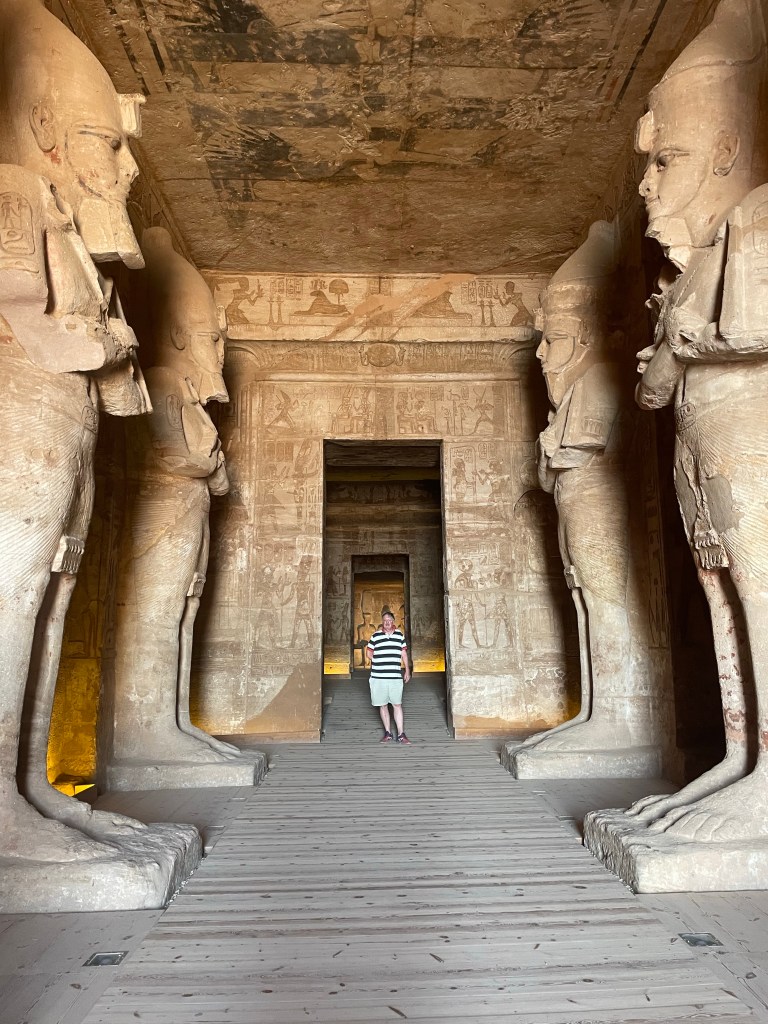
The Great Temple of Ramses II and Temple of Hathur, dedicated to his wife Nefertari, were built between 1274 and 1244 BC. The temples were moved 210m and raised 65m before being reopened in 1968 during the building of the Aswan High Dam. In total 22 monuments were moved, including those at Philae, but Abu Simbel is considered the greatest achievement. The temples were originally built into the rock-face, so the reconstruction involved building two false mountains, as well as moving 2,000 blocks weighing 10-40 tonnes. The original alignment with the sun was maintained.
 Shilli-Fully Travels